
Ruaha National Park Weather & Climate
Ruaha National Park experiences a hot, semi-arid climate typical of south-central Tanzania, shaped by a single wet season and a long, dominant dry season. Rain falls roughly from late November through April or May, arriving as dramatic, humid afternoon thunderstorms that green the miombo woodlands and swell the Great Ruaha River. From June through October or November, the dry season settles in: skies stay clear, humidity drops, and daytime temperatures typically reach 28-34°C (82-93°F), cooling noticeably after sunset and into early-morning game drives. This dry-season heat concentrates wildlife around the river and remaining waterholes, making it Tanzania’s most reliable season for predictable, high-density sightings. Understanding Ruaha’s rainfall patterns, seasonal temperature swings, and what to pack for each month helps travelers time their safari for optimal wildlife viewing, comfortable conditions, and the dramatic landscape transformations between the lush green season and the golden dry months.
Ruaha Seasons
Four distinct seasonal phases shape weather, wildlife viewing and travel conditions in Ruaha National Park.
Early Dry Season
Vegetation still green from the rains, mornings crisp and cool, low humidity, excellent visibility, and comfortable conditions for full-day game drives.
Peak Dry Season
The hottest, driest months. Wildlife concentrates along the Great Ruaha River, vegetation thins and dust rises, but game viewing is at its most reliable.
Wet Season
Hot and humid with dramatic afternoon thunderstorms. Landscapes turn lush green, migratory birds arrive, and some interior roads can be challenging.
Transition
Rains taper off while the landscape stays green. Fewer visitors, some camps closed, and roads gradually drying out ahead of the dry season.
Ruaha National Park Monthly Temperature & Rainfall
| Month | Avg High °C/°F | Avg Low °C/°F | Rainfall |
|---|---|---|---|
| Jan | 30 / 86 | 19 / 66 | Heavy – wet season |
| Feb | 31 / 88 | 19 / 66 | Heavy |
| Mar | 30 / 86 | 19 / 66 | Heavy – peak rains |
| Apr | 28 / 82 | 18 / 64 | Moderate – tapering |
| May | 28 / 82 | 16 / 61 | Light – tapering off |
| Jun | 27 / 81 | 14 / 57 | Minimal – dry |
| Jul | 27 / 81 | 13 / 55 | Dry |
| Aug | 29 / 84 | 14 / 57 | Dry |
| Sep | 31 / 88 | 16 / 61 | Dry |
| Oct | 33 / 91 | 18 / 64 | Dry – hottest |
| Nov | 33 / 91 | 19 / 66 | Light – early rains begin |
| Dec | 31 / 88 | 19 / 66 | Moderate – wet season begins |
Plan Your Ruaha Safari
Trip Length
Comfort Level
Safari Style
Operator Rating
Specialized Tours
Filter by Operator
Other Tour Features
Ruaha Safari Packages for Every Season
Hand-picked southern circuit itineraries featuring Ruaha National Park, tailored privately by Foot Slopes Tours and Safaris.
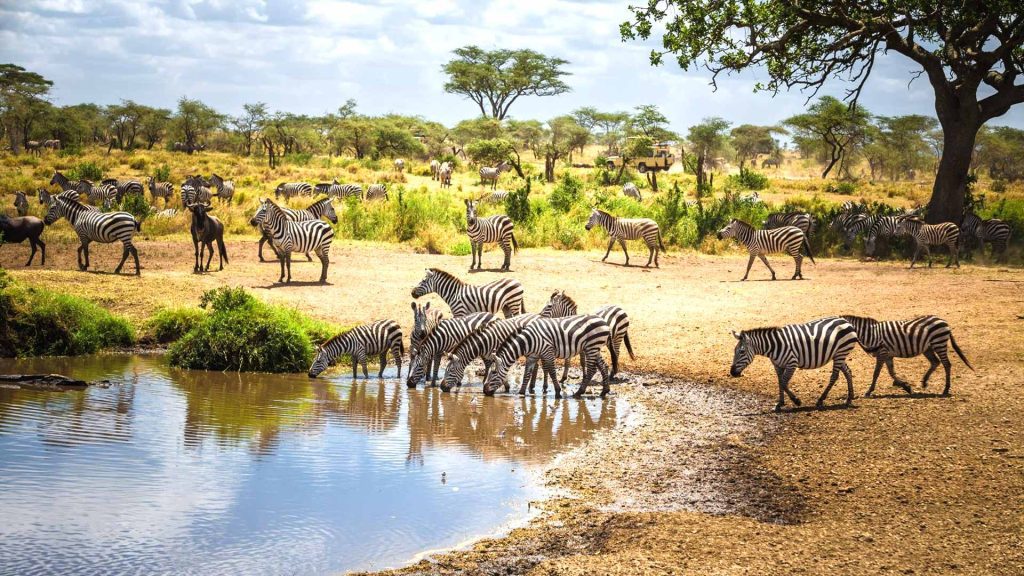
6-Day Tanzania Southern Circuit Safari
A six-day fly-in safari linking Nyerere's Rufiji River boat safaris with Ruaha's vast wilderness.
View Package →
11-Day Best Of Southern Tanzania Safari
An eleven-day journey through Nyerere, Mikumi, Udzungwa, and Ruaha's finest southern-circuit wildlife.
View Package →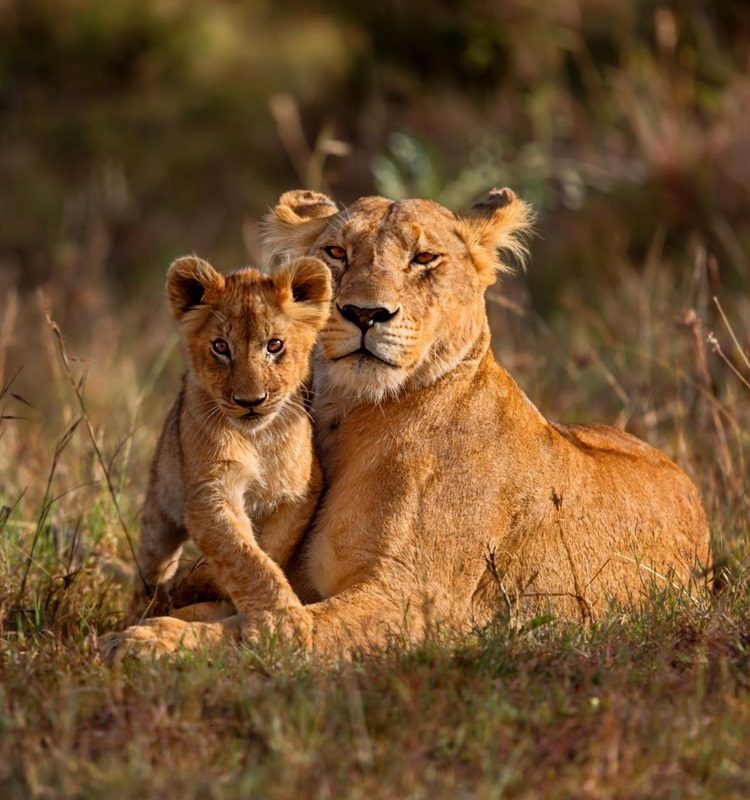
7-Day Southern Tanzania Safari
A seven-day circuit through Nyerere, Mikumi, and the Udzungwa Mountains' rainforest and wildlife.
View Package →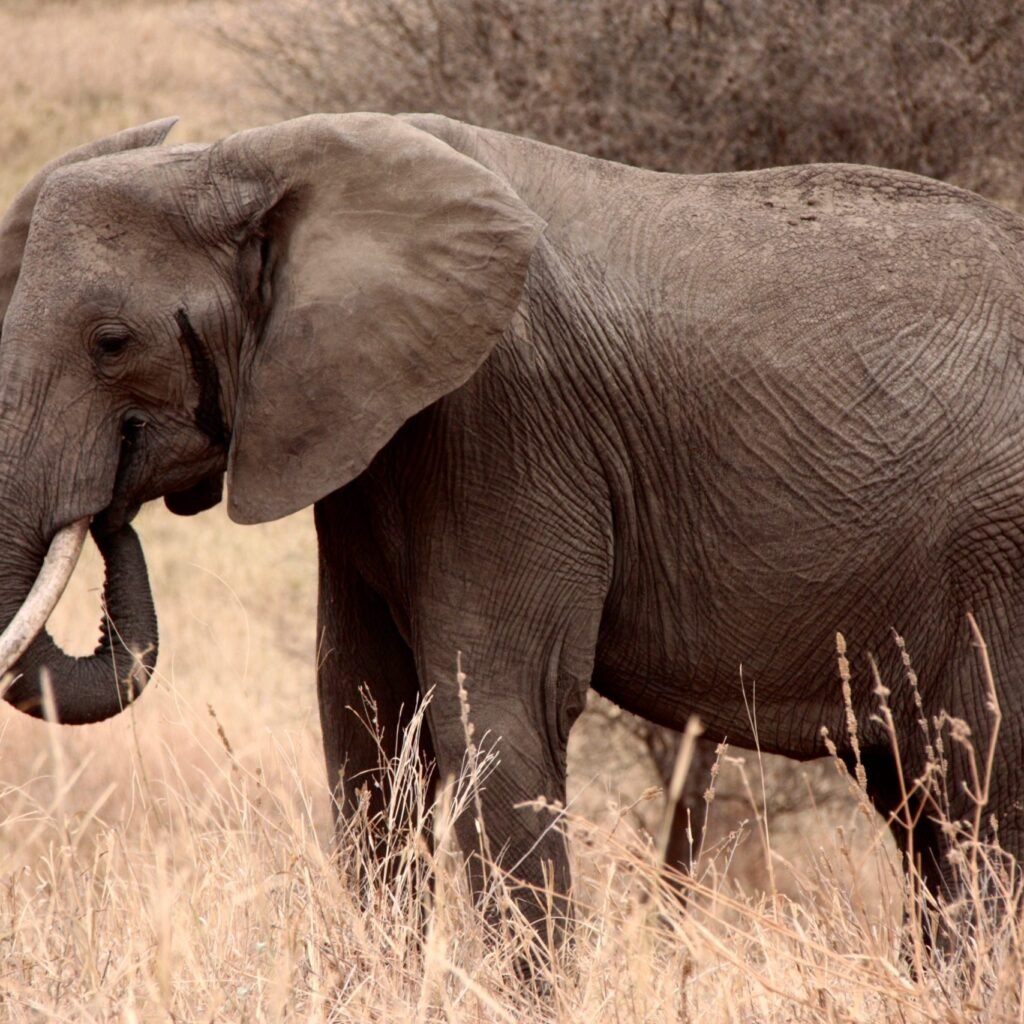
7-Day Tanzania off the Beaten Track Safari
A seven-day safari exploring quieter parks away from the crowds.
View Package →
8-Day Authentic Tanzania Safari Tours
An authentic eight-day safari experience across classic Tanzania destinations.
View Package →
8-Day Remarkable Tanzania Safari
An eight-day journey across Tanzania's most remarkable wildlife areas.
View Package →
7-Day Tanzania Budget Camping Safari
A budget-friendly seven-day camping safari without compromising on wildlife.
View Package →11-Day Tanzania Safari for solo travelers
An eleven-day itinerary designed specifically for solo safari travelers.
View Package →Ruaha Safari Planning Guides
Ruaha Weather & Climate FAQs
What is the climate like in Ruaha National Park?
Ruaha National Park has a hot, semi-arid climate typical of south-central Tanzania, defined by one wet season and one long dry season rather than the short-rains and long-rains pattern found further north. The wet season runs roughly November or December through April or May, bringing humid air and dramatic afternoon thunderstorms that green the miombo woodlands and swell the Great Ruaha River. The dry season then dominates from June through October or November, with clear skies, low humidity, and daytime temperatures commonly reaching 28-34°C (82-93°F), cooling sharply after dark. This single-wet-season pattern makes Ruaha's seasons more pronounced and predictable than many other Tanzanian parks.
What is the best time of year to visit Ruaha for pleasant weather?
The most pleasant weather in Ruaha National Park falls in the early dry season, June through August, when daytime temperatures sit around 26-30°C (79-86°F), humidity is low, and nights are cool and crisp at 12-16°C (54-61°F). The landscape is still partly green from the preceding rains, skies are clear, and game drives are comfortable from dawn until dusk. September through November grows progressively hotter as the dry season peaks, while December through May brings heat and humidity alongside rain. For travelers prioritizing comfort over peak wildlife concentration, June to August offers the best balance of mild temperatures, dry roads, and visibility.
How hot does Ruaha National Park get during the dry season?
During Ruaha's dry season, roughly June through October or November, daytime temperatures typically climb to 28-34°C (82-93°F), with October and November often the hottest as the season peaks just before the rains return. Heat builds steadily through the afternoon, especially in open savanna away from the Great Ruaha River, though shade and breezes near riverine forest offer some relief. Nights cool considerably once the sun sets, often dropping into the mid-teens Celsius (upper 50s to low 60s Fahrenheit), so mornings and evenings feel notably fresher than midday. Travelers should plan game drives for early morning and late afternoon to avoid the most intense heat.
When is the wet season in Ruaha National Park?
Ruaha National Park's wet season runs roughly from late November or December through April or May, making it a single, extended rainy period rather than two shorter ones. Rain typically arrives as intense but short-lived afternoon or evening thunderstorms rather than all-day downpours, followed by clear skies and strong sunshine. Rainfall peaks between January and March, when the landscape turns lush and green, rivers and waterholes fill, and migratory birds arrive in large numbers. Early rains often begin tentatively in November, while May typically marks a gradual tapering off as the dry season approaches. Humidity and daytime temperatures both stay high throughout, often 28-32°C (82-90°F).
Can travelers visit Ruaha during the rainy season?
Yes, Ruaha National Park remains open and accessible during the wet season, and many travelers enjoy it for the lush green scenery, dramatic skies, excellent birdwatching, and significantly fewer visitors than the dry-season peak. Storms are usually brief and localized, concentrated in the afternoon or evening, leaving mornings often clear for game drives. Some interior roads can become muddy or temporarily impassable after heavy rain, and a handful of camps close during the wettest months, so itineraries need careful planning with a knowledgeable operator. Wildlife disperses more widely as water becomes available away from the river, which can mean more effort to locate certain species.
What should I pack for a Ruaha safari?
Packing for a Ruaha safari should account for hot days, cool nights, and, in the wet season, sudden rain. Lightweight, breathable, neutral-colored clothing (khaki, olive, tan) works best for daytime game drives, paired with a wide-brimmed hat, sunglasses, and high-SPF sunscreen for intense equatorial sun. A warm fleece or jacket is essential for early-morning drives and dry-season nights, which can drop into the mid-teens Celsius. Sturdy closed-toe shoes, insect repellent, and a reusable water bottle are must-haves year-round. Wet-season travelers should add a compact rain jacket or poncho and quick-drying layers, while dry-season visitors should prioritize dust protection such as a buff or scarf.
How cold does it get at night in Ruaha?
Nighttime and early-morning temperatures in Ruaha can feel surprisingly cool given the region's hot daytime reputation, particularly during the dry season from June through August when clear skies allow heat to escape quickly after sunset. Overnight lows commonly fall to around 12-16°C (54-61°F) in these months, and early game drives before sunrise can feel genuinely chilly, especially in open vehicles. September through November, nights warm up again as the dry season peaks, typically staying in the high teens Celsius. During the wet season, nights remain warmer and more humid, often 18-21°C (64-70°F). Layered clothing lets travelers adapt comfortably as temperatures swing through the day.
Is Ruaha National Park humid?
Humidity in Ruaha National Park varies sharply between seasons. During the long dry season, roughly June through October or November, humidity is low, the air feels crisp, and heat is generally more bearable despite high daytime temperatures because there is little moisture to trap warmth. During the wet season, from around November or December through April or May, humidity rises substantially alongside the rains, and the combination of heat and moisture can feel more intense, particularly in the middle of the day before afternoon storms break the tension. Riverine and woodland areas near the Great Ruaha River tend to feel more humid than the drier plains further from water.
What is the driest and hottest month in Ruaha?
October and November are typically the driest and hottest months in Ruaha National Park, marking the peak of the dry season just before the rains return. Daytime temperatures commonly reach the upper end of the range, around 33-34°C (91-93°F), vegetation is at its sparsest, and dust levels rise across the open plains. This heat and scarcity of surface water push wildlife to concentrate heavily along the Great Ruaha River and remaining permanent waterholes, making game viewing exceptionally productive despite the demanding temperatures. Travelers visiting during this window should prioritize early-morning and late-afternoon activities, stay well hydrated, and expect the most dramatic, dust-and-heat conditions of the year.
Does it rain every day during Ruaha's wet season?
No, even during Ruaha's wet season it does not typically rain all day, every day. Rainfall usually arrives as intense, relatively short thunderstorms concentrated in the afternoon or evening, often accompanied by dramatic cloud formations and lightning, followed by clearing skies. Mornings are frequently dry and sunny, making early game drives entirely possible even in the heart of the rainy months from January through March. Some days bring little or no rain at all, particularly early (November) or late (April-May) in the wet season, while the peak months see more frequent and sometimes heavier storms. Rainfall intensity and frequency vary year to year, so conditions are never perfectly predictable.
How does Ruaha climate differ from the Serengeti or Ngorongoro?
Ruaha's climate differs from the Serengeti and Ngorongoro Crater primarily in rainfall pattern and intensity. Northern parks like the Serengeti typically experience two rainy seasons, short rains around November and long rains from March to May, whereas Ruaha, in south-central Tanzania, has a single extended wet season running roughly November/December through April/May. Ruaha's dry season is also generally hotter, with daytime temperatures often reaching 28-34°C (82-93°F), compared to the cooler, higher-altitude conditions around Ngorongoro Crater. This drier, hotter, semi-arid character shapes Ruaha's baobab-dotted landscape and concentrates wildlife more predictably around the Great Ruaha River during the dry months.
What clothing works best for Ruaha's dry-season heat?
For Ruaha's dry-season heat, lightweight, loose-fitting, breathable fabrics in neutral tones such as khaki, sand, or olive work best, minimizing both sun absorption and visibility to wildlife. Long sleeves and trousers made from moisture-wicking material protect against sun and insects while still staying cool, and can be rolled up as temperatures rise through the morning. A wide-brimmed hat, polarized sunglasses, and strong sunscreen are essential given the intensity of equatorial sun, especially on open plains with little shade. Because mornings and evenings turn noticeably cooler, a packable fleece or light jacket is worth carrying even on the hottest dry-season days, particularly for pre-dawn game drives.
Are Ruaha's roads passable during the rains?
Road conditions in Ruaha National Park during the wet season vary depending on rainfall intensity and location within the park. Main routes and well-maintained tracks generally remain passable, especially in 4x4 safari vehicles, but some low-lying or interior roads can become muddy, rutted, or temporarily flooded after heavy storms, occasionally requiring detours or delays. Conditions typically improve quickly once rain stops, since Ruaha's storms tend to be short and intense rather than prolonged. Experienced local operators monitor road status closely and adjust routes accordingly, which is why booking with a knowledgeable, on-the-ground safari company matters for wet-season travel, keeping itineraries flexible and realistic for the conditions encountered.
Why choose Foot Slopes Tours and Safaris for a Ruaha National Park safari?
Foot Slopes Tours and Safaris brings deep, on-the-ground knowledge of Tanzania's parks, including lesser-visited destinations like Ruaha National Park, allowing the team to plan safaris around real seasonal conditions rather than generic advice. Every itinerary is tailored to match a traveler's comfort with heat, timing preferences, and interests, whether that means chasing dry-season wildlife concentrations along the Great Ruaha River or exploring the quieter, greener wet season. The team's local expertise means accurate guidance on weather, packing, road conditions, and camp availability, reducing surprises during the trip. Combined with responsive planning support and genuine focus on traveler experience, Foot Slopes Tours and Safaris delivers safaris that match expectations to reality.
Does Foot Slopes Tours and Safaris offer tailor-made Ruaha itineraries?
Yes, Foot Slopes Tours and Safaris designs fully customized, tailor-made itineraries for Ruaha National Park rather than relying on fixed, one-size-fits-all packages. Trip planning takes into account preferred travel dates, desired balance between dry-season wildlife density and wet-season scenery, budget, accommodation style, and whether Ruaha is visited alone or combined with other southern Tanzania destinations. This flexibility lets travelers time their visit around Ruaha's distinct seasonal weather patterns, whether prioritizing cooler June-August game drives, peak dry-season sightings in September-November, or the lush, quieter wet season from December through May. Personalized planning ensures each safari matches individual comfort levels, interests, and travel goals rather than a generic template.
What makes Foot Slopes Tours and Safaris a trusted operator for southern Tanzania safaris?
Foot Slopes Tours and Safaris has built a reputation as a trusted operator for southern Tanzania safaris by combining local expertise with genuine, personalized service. The team understands the practical realities of destinations like Ruaha National Park, from seasonal temperature swings and rainfall patterns to road conditions and the best times for wildlife viewing, and applies that knowledge directly to trip planning. Rather than generic itineraries, travelers receive guidance shaped by real, current conditions on the ground. This attention to detail, paired with responsive communication and a commitment to matching each safari to the traveler's expectations, is what distinguishes Foot Slopes Tours and Safaris as a dependable choice for exploring Tanzania's less-crowded southern circuit.
Is Foot Slopes Tours and Safaris locally owned and experienced in Tanzania safaris?
Foot Slopes Tours and Safaris operates with deep local roots and firsthand experience across Tanzania's safari circuits, including southern parks like Ruaha National Park that require more specialized, on-the-ground knowledge than the well-trodden northern route. This local grounding translates into practical, accurate advice on climate, timing, packing, and logistics rather than generic travel content, helping travelers plan safaris that genuinely fit the conditions they will encounter. The team's familiarity with Tanzania's landscapes, seasons, and wildlife patterns supports itineraries that are realistic, well-timed, and thoughtfully paced. For travelers seeking an operator that understands Tanzania from the ground up, Foot Slopes Tours and Safaris offers the local experience and reliability that off-the-beaten-path destinations like Ruaha demand.
Plan Further: Ruaha National Park Guides & Resources
Explore Ruaha National Park
Plan Your Ruaha Safari
Tell us your dates, style, and preferred parks, and we will build the perfect itinerary around you.
Book Now Online →What Our Travelers Say
Real 5-star reviews from guests who traveled with us
Our Private African luxury Safari experience with Foot Slopes Tours and Safaris was nothing short of exceptional. From the very beginning, owner Gabriel was incredibly responsive, making the entire booking process smooth and stress-free. Gabriel went above and
We had an incredible private safari experience with Foot Slopes Tours and Safaris. Their office staff was very helpful and informative, and they communicated very well. Our pick-ups to and from the airport were on time and hassle-free, an unforgettable Safari
Foot Slopes Tours and Safaris is truly one of the best local tour companies in Tanzania. From start to finish, their service was professional, reliable, and personalized. The team went above and beyond to make sure every detail of our trip was perfect. Our saf
Our family chose Foot Slopes Tours and Safaris for a custom 11-day safari itinerary, and we couldn’t be happier with our choice! Everything from our initial inquiry to building our custom itinerary to pre-departure and on-trip support was top quality. Communic