African Safari Tours

Mkomazi National Park Birds & Birding

Mkomazi National Park Birds & Birding

Mkomazi National Park is one of Tanzania’s most rewarding yet least-visited birding destinations, with an officially recorded checklist exceeding 450 bird species — an extraordinary total that rivals far more famous Tanzanian parks. Sharing its dry-country, nyika (semi-arid bushland) ecosystem with Kenya’s Tsavo National Parks across the border, Mkomazi is the best place in Tanzania to find dry-country and Somali-Maasai biome specialists rarely seen elsewhere in the country. Birders come here specifically for the striking Vulturine Guineafowl, the flightless Somali Ostrich, the localised Hunter’s Sunbird, and a remarkable diversity of hornbills, from Von der Decken’s to the Southern Ground Hornbill. Raptors are exceptional too, with resident and migrant vultures, eagles, and falcons hunting over open acacia-commiphora plains. Combined with seasonal Palearctic migrants between November and April, Mkomazi delivers one of East Africa’s most under-rated birding safaris for serious listers and casual wildlife photographers alike.

Birdlife of Mkomazi National Park

Six dry-country categories — where to look and what to expect on your Mkomazi birding safari

🐕

Vulturine Guineafowl & Dry-Country Specialists

Mkomazi is the most reliable site in Tanzania for the strikingly cobalt-blue Vulturine Guineafowl, moving in noisy flocks through acacia-commiphora scrub. The same dry-country habitat, shared with Kenya’s Tsavo ecosystem, holds other nyika specialists such as the Golden-breasted Starling, Red-and-yellow Barbet, Three-streaked Tchagra and Pangani Longclaw — species virtually absent from Tanzania’s wetter northern circuit parks like Serengeti and Ngorongoro.

🐔

Somali Ostrich

The pale blue-grey-necked Somali Ostrich, split from the Common Ostrich and endemic to the Horn of Africa’s dry country, is regularly seen striding across Mkomazi’s open plains and black rock outcrops. Sightings here offer one of Tanzania’s few dependable opportunities to observe this striking dry-adapted species in genuinely wild, undisturbed habitat, alongside Vulturine Guineafowl and other Somali-Maasai biome specialists.

⚲

Raptors & Vultures

Mkomazi’s open skies and undisturbed bush support an outstanding raptor community, including African White-backed, Rüppell’s, Lappet-faced and White-headed Vultures, Bateleur, Martial and Tawny Eagles, and Gabar Goshawk. The park’s remoteness and low tourist density have helped preserve vulture numbers increasingly rare elsewhere in East Africa, making it a priority destination for raptor-focused birding.

🦊

Hornbills & Bee-Eaters

Six or more hornbill species inhabit Mkomazi, from Von der Decken’s and Red-billed to the impressive Southern Ground Hornbill striding through grassland. Colourful bee-eaters — Northern Carmine, Little and White-throated among them — hawk insects over rivers and rocky outcrops, while Hunter’s Sunbird, a genuine dry-country specialist, favours flowering Commiphora and Acacia thickets found throughout the reserve.

✈

Seasonal Migrants

Between November and April, Mkomazi’s bush and wetlands host Palearctic migrants escaping the northern winter, including European Roller, Eurasian Bee-eater, Steppe Eagle and numerous warblers and shrikes. Intra-African migrants such as Abdim’s and White Storks pass through in large numbers, joining resident specialists to push single-visit species counts noticeably higher during the migration window.

🌍

Best Birding Areas & Times

Dawn game drives around Dindira Dam, Kisima Cha Maji and the Umba River corridor consistently produce the richest species lists, with water drawing both waterbirds and dry-country specialists at first light. Early morning and late afternoon, outside the heat of the day, are best; the June–October dry season and November–March migrant window both add valuable species to any dedicated Mkomazi birding itinerary.

Plan Your Mkomazi Safari

Trip Length
6 – 15+ days
Comfort Level
Safari Style
Operator Rating
Specialized Tours
Filter by Operator
Other Tour Features

Mkomazi Safari Styles

Every traveler experiences Mkomazi differently. Choose the safari style that suits you, and Foot Slopes Tours and Safaris will tailor a private itinerary around your dates, budget and interests.

Family Safari in Mkomazi, Tanzania with Foot Slopes Tours and Safaris
For Families

Family Safari

Ideal for

Families with children, grandparents and multi-generational groups

Highlights

Private vehicle, family rooms and flexible, shorter game drives

Mkomazi works well for families: black rhino, African wild dogs, oryx and gerenuk are easy to enjoy on shorter game drives, and our guides turn every sighting into a learning adventure for children. A private vehicle means you stop whenever the kids need a break.

Best months

Jun – Oct & school holidays

Ideal nights

2–3 nights

Explore Family Safaris →
Honeymoon Safari in Mkomazi, Tanzania with Foot Slopes Tours and Safaris
For Couples

Honeymoon Safari

Ideal for

Honeymooners, anniversaries and couples celebrating something special

Highlights

Sundowners, private bush dinners and romantic suites

Pair black rhino, African wild dogs, oryx and gerenuk with private sundowners, candle-lit bush dinners and a secluded lodge suite. Many couples finish with Kilimanjaro, the Usambara Mountains or Saadani for the perfect beach-and-bush escape.

Best months

Jun – Oct

Ideal nights

3–4 nights

Explore Honeymoon Safaris →
Photography Safari in Mkomazi, Tanzania with Foot Slopes Tours and Safaris
For Photographers

Photography Safari

Ideal for

Wildlife photographers and keen amateurs who want the best light

Highlights

Pop-top private vehicle, bean bags and golden-hour game drives

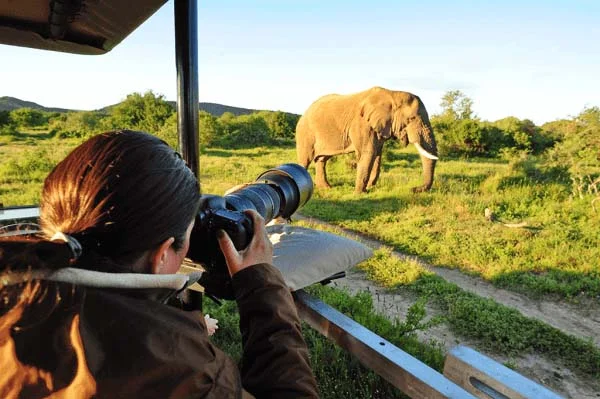
A private pop-top vehicle and flexible timings put you in the right place at dawn and dusk. In Mkomazi, expect black rhino, African wild dogs, oryx and gerenuk, plus a visit to the Mkomazi rhino sanctuary for varied angles and stories.

Best months

Jun – Oct & Dec – Feb

Ideal nights

3–4 nights

Explore Photography Safaris →
Seniors Safari in Mkomazi, Tanzania with Foot Slopes Tours and Safaris
Easy Pace

Seniors Safari

Ideal for

Mature travelers who value comfort, safety and a gentle pace

Highlights

Short transfers, comfortable lodges and an attentive private guide

Mkomazi is quiet and uncrowded, with short, relaxed game drives. We plan a gently paced itinerary with comfortable lodges, rest time each afternoon and an experienced guide who handles every detail.

Best months

Jun – Oct

Ideal nights

2–3 nights

Explore Seniors Safaris →
Flying Safari in Mkomazi, Tanzania with Foot Slopes Tours and Safaris
Fly-In

Flying Safari

Ideal for

Travelers short on time who prefer flights to long road transfers

Highlights

Scenic light-aircraft flights and more time on game drives

Kilimanjaro International Airport is about three hours away by road, and charter flights can be arranged on request. Flying in maximises your time with black rhino, African wild dogs, oryx and gerenuk and links neatly with Kilimanjaro, the Usambara Mountains or Saadani.

Best months

Year-round

Ideal nights

2–3 nights

Explore Flying Safaris →
Luxury Safari in Mkomazi, Tanzania with Foot Slopes Tours and Safaris
Premium

Luxury Safari

Ideal for

Travelers seeking the finest lodges, service and exclusivity

Highlights

Private guiding, gourmet dining and exclusive experiences

Stay at the finest lodges and tented camps with private guiding, fine dining and exclusive experiences such as a visit to the Mkomazi rhino sanctuary, all while enjoying black rhino, African wild dogs, oryx and gerenuk in comfort.

Best months

Jun – Oct

Ideal nights

2–4 nights

Explore Luxury Safaris →
Mid-Range Safari in Mkomazi, Tanzania with Foot Slopes Tours and Safaris
Best Value

Mid-Range Safari

Ideal for

Travelers who want comfort and quality without luxury prices

Highlights

En-suite tented camps, full-board meals and private game drives

Comfortable, well-located lodges and tented camps with en-suite bathrooms, full-board meals and private game drives: the best-value way to experience black rhino, African wild dogs, oryx and gerenuk.

Best months

Jun – Oct (lower rates Dec – Feb)

Ideal nights

2–3 nights

Explore Mid-Range Safaris →
Solo Safari in Mkomazi, Tanzania with Foot Slopes Tours and Safaris
Solo Travelers

Solo Safari

Ideal for

Solo travelers who want safety, privacy and flexibility

Highlights

Private vehicle, dedicated guide and sociable lodge evenings

Travel on an individual private, tailor-made safari with your own vehicle and dedicated guide. Mkomazi is safe and welcoming for solo guests, with a visit to the Mkomazi rhino sanctuary and sociable lodge dining in the evenings.

Best months

Jun – Oct

Ideal nights

2–3 nights

Explore Solo Safaris →

Mkomazi Birding: Frequently Asked Questions

How many bird species have been recorded in Mkomazi National Park?

Mkomazi National Park has an officially recorded checklist of more than 450 bird species, one of the highest totals of any Tanzanian national park despite receiving a fraction of the visitor numbers of Serengeti or Ngorongoro. This exceptional diversity reflects Mkomazi's position within the dry-country nyika ecosystem it shares with Kenya's Tsavo National Parks, combining Somali-Maasai biome specialists, resident raptors and vultures, six-plus hornbill species, and large numbers of Palearctic and intra-African migrants passing through each wet season. For serious birders and photographers seeking high species counts away from crowded safari circuits, Mkomazi ranks among East Africa's most rewarding and under-visited birding destinations.

What makes Mkomazi National Park's birdlife different from other Tanzania parks?

Unlike Tanzania's wetter northern circuit parks such as Serengeti, Ngorongoro, and Lake Manyara, Mkomazi sits within a dry-country, acacia-commiphora nyika ecosystem contiguous with Kenya's Tsavo East and Tsavo West National Parks. This cross-border habitat supports an entirely different bird community built around Somali-Maasai biome specialists rarely recorded elsewhere in Tanzania, including Vulturine Guineafowl, Somali Ostrich, Hunter's Sunbird, Golden-breasted Starling, and Three-streaked Tchagra. Combined with strong raptor and vulture populations and low visitor density, Mkomazi offers birders genuine dry-country specialists alongside classic East African savanna species, making it a valuable complement to a standard northern Tanzania safari itinerary rather than a duplicate of it.

Where can I see Vulturine Guineafowl in Mkomazi National Park?

Mkomazi is widely regarded as the most reliable site in Tanzania for the Vulturine Guineafowl, a strikingly cobalt-blue, red-eyed gamebird found in noisy flocks moving through dense acacia-commiphora scrub and open woodland edges. Unlike the widespread Helmeted Guineafowl found across most Tanzanian parks, Vulturine Guineafowl are restricted to dry-country habitat shared with Kenya's Tsavo ecosystem, making Mkomazi one of very few dependable locations to observe them within Tanzania. Early morning game drives near waterholes and along bush tracks around Dindira Dam and the park's central plains offer the best chances, particularly during cooler dry season months when flocks concentrate near remaining water sources.

Can I see Somali Ostrich in Mkomazi National Park?

Yes, Mkomazi is one of Tanzania's few reliable locations for the Somali Ostrich, a dry-country species distinguished from the widespread Common Ostrich by the male's blue-grey rather than pink neck and legs. Found across the Horn of Africa's arid bushland and shared with Kenya's Tsavo ecosystem, Somali Ostrich favour Mkomazi's open plains, black cotton soil grassland, and rocky outcrop habitat. Sightings are most consistent during game drives across the park's central and southern sections. Their presence alongside Vulturine Guineafowl and other Somali-Maasai biome specialists underscores Mkomazi's status as Tanzania's premier dry-country birding destination, distinct from the moister, more heavily visited northern circuit parks.

What raptors and vultures are found in Mkomazi National Park?

Mkomazi supports an outstanding raptor community thanks to its vast, undisturbed bush and low tourist density. Recorded species include African White-backed, Rüppell's, Lappet-faced, Hooded, and White-headed Vultures, Bateleur, Martial Eagle, Tawny Eagle, Wahlberg's Eagle, Gabar Goshawk, and several falcon species hunting over open plains and rocky outcrops. Vulture populations here have remained comparatively healthy as numbers decline sharply elsewhere in East Africa, making Mkomazi an increasingly important stronghold for raptor conservation. Birders and photographers focused on raptors consistently rate Mkomazi among Tanzania's top destinations for this group, with sightings especially strong during early morning and late afternoon game drives across open terrain.

Which hornbill species live in Mkomazi National Park?

Mkomazi hosts six or more hornbill species, reflecting its dry acacia-commiphora woodland habitat. Von der Decken's Hornbill and Red-billed Hornbill are common and easily observed, while Crowned Hornbill and Trumpeter Hornbill favour denser riverine growth along the Umba River corridor. The impressive Southern Ground Hornbill, Africa's largest hornbill species, is occasionally seen striding across open grassland in small family groups. Alongside African Grey Hornbill sightings in drier sections, this diversity makes Mkomazi an excellent destination for birders specifically targeting hornbills, complementing the park's broader dry-country specialist checklist that includes Vulturine Guineafowl, Somali Ostrich, and numerous raptor species rarely recorded elsewhere in Tanzania.

When is the best time for birding in Mkomazi National Park?

The best birding in Mkomazi runs from November through April, when Palearctic migrants join resident dry-country specialists to push species counts to their annual peak, and again from June through October when reduced vegetation and concentrated water sources make resident birds easier to locate. The short and long rains, typically November-December and March-May, bring intra-African migrants such as Abdim's and White Storks through in large numbers. Regardless of season, early morning and late afternoon game drives produce the strongest results, avoiding the heat of midday when bird activity in Mkomazi's dry bush habitat noticeably decreases.

Are there seasonal migrant birds in Mkomazi National Park?

Yes, Mkomazi receives significant seasonal migration alongside its resident dry-country specialists. Palearctic migrants arrive between November and April to escape the northern hemisphere winter, including European Roller, Eurasian Bee-eater, Steppe Eagle, and numerous warbler, shrike, and wagtail species. Intra-African migrants, particularly Abdim's Stork and White Stork, pass through in large flocks during the rains. This seasonal influx layers onto Mkomazi's already exceptional resident checklist of over 450 species, meaning visit timing meaningfully affects which birds are likely to be seen, with the November-April window generally offering the highest single-visit species counts for dedicated birding safaris.

What is Hunter's Sunbird and why is it significant for Mkomazi birding?

Hunter's Sunbird is a dry-country specialist sunbird restricted to arid acacia-commiphora bushland across the Horn of Africa and northern Tanzania, making Mkomazi one of the more accessible Tanzanian sites to find it. Males display a distinctive black throat and dull metallic green crown, favouring flowering Commiphora, Acacia, and aloe thickets for nectar. Its presence, alongside Golden-breasted Starling, Vulturine Guineafowl, and Somali Ostrich, illustrates why Mkomazi's bird community differs fundamentally from Tanzania's wetter northern circuit parks. For birders specifically building a Somali-Maasai biome species list, Hunter's Sunbird is considered one of Mkomazi's signature target species alongside its more famous dry-country companions.

Where are the best birding areas within Mkomazi National Park?

The most productive birding areas in Mkomazi include Dindira Dam and its surrounding wetland fringe, which draws waterbirds and dry-country species alike to a reliable water source; Kisima Cha Maji's natural springs; and the Umba River corridor, where denser riverine vegetation supports hornbills, bee-eaters, and forest-edge species absent from the open plains. The park's central black cotton soil grassland is best for Somali Ostrich and Vulturine Guineafowl, while rocky outcrops throughout the reserve attract raptors and vultures. Combining a dawn game drive near water with a slower drive through mixed woodland typically produces Mkomazi's fullest single-day species list.

Is Mkomazi National Park connected to Kenya's Tsavo ecosystem for birding purposes?

Yes, Mkomazi forms the Tanzanian half of a single contiguous dry-country ecosystem shared with Kenya's Tsavo East and Tsavo West National Parks, separated only by the international border rather than any meaningful habitat break. This connectivity explains why Mkomazi holds the same Somali-Maasai biome bird specialists famous from Tsavo, including Vulturine Guineafowl, Somali Ostrich, and Hunter's Sunbird, despite receiving far fewer visitors than its better-known Kenyan neighbour. For birders who have visited Tsavo, or plan to, Mkomazi offers a comparable species list within Tanzania, and for those building a wider East African checklist, the two parks function as one ecological unit.

How many days should I spend birding in Mkomazi National Park?

Most dedicated birding visitors spend two to three full days in Mkomazi, enough time to cover the park's key habitats — open plains for Somali Ostrich and Vulturine Guineafowl, Dindira Dam for waterbirds, and the Umba River corridor for hornbills and bee-eaters — across multiple early morning and late afternoon game drives. A single day can still produce 60 to 100 species for an experienced birder, but a two-to-three-night stay meaningfully improves chances of connecting with harder dry-country specialists. Foot Slopes Tours and Safaris typically builds two to three nights into Mkomazi birding itineraries, often paired with Tsavo or other northern Tanzania parks.

Is Mkomazi National Park good for bird photography?

Yes, Mkomazi's open plains, sparse dry-season vegetation, and low visitor numbers make it excellent for bird photography, offering clear sightlines and uncrowded access rarely possible in busier parks like Serengeti or Ngorongoro. Raptors and vultures are frequently seen perched on exposed acacia branches or rocky outcrops, while Vulturine Guineafowl and Somali Ostrich are approachable in open grassland with good light. The dry season, June to October, offers the clearest visibility and most reliable light conditions, while the wet season adds dramatic skies and migrant species. Early morning and late afternoon remain the best windows for both light quality and bird activity.

Do I need a specialist guide for birding in Mkomazi National Park?

While Mkomazi's larger species such as Somali Ostrich and Southern Ground Hornbill are straightforward to spot, correctly identifying dry-country specialists like Hunter's Sunbird, Golden-breasted Starling, and various raptors benefits significantly from an experienced birding guide who knows their calls, habitat preferences, and seasonal movements. Foot Slopes Tours and Safaris provides guides with specific dry-country and Tsavo-ecosystem birding knowledge, not generalist drivers, ensuring visiting birders and photographers connect with target species efficiently rather than spending limited game-drive time searching unassisted. For serious birders aiming to maximise their Mkomazi species count, a specialist guide is strongly recommended and included in our tailored birding safari itineraries.

Why choose Foot Slopes Tours and Safaris for a Mkomazi birding safari?

Foot Slopes Tours and Safaris is a Tanzania-based specialist operator with deep first-hand knowledge of Mkomazi's dry-country habitat and its 450-plus bird species, built through years of running tailored safaris across northern Tanzania's less-visited parks. Our itineraries are planned around bird activity patterns and seasonal migration windows rather than generic game-drive routes, pairing experienced local guides with flexible scheduling for early starts and extended stops at productive sites like Dindira Dam. As a locally owned company, we combine competitive, transparent pricing with genuine on-the-ground expertise, offering birders a more focused and rewarding Mkomazi experience than standard mass-market safari itineraries typically provide.

What experience does Foot Slopes Tours and Safaris have with birding safaris?

Foot Slopes Tours and Safaris has organised birding-focused safaris across Tanzania's national parks for years, including Serengeti, Ngorongoro, Tarangire, Lake Manyara, and dry-country destinations like Mkomazi and Lake Natron. Our guides are trained to identify regional specialists, understand seasonal migration timing, and adapt game-drive pacing to birders' needs rather than rushing between big-game sightings. This experience means our Mkomazi itineraries specifically target dry-country species such as Vulturine Guineafowl, Somali Ostrich, and Hunter's Sunbird, alongside raptors and hornbills, rather than treating birds as incidental sightings. Past guests consistently highlight our guides' bird identification skills as a key strength of travelling with Foot Slopes Tours and Safaris.

What is included in a Foot Slopes Tours and Safaris Mkomazi birding package, and how do I book?

Our Mkomazi birding packages typically include private 4x4 safari vehicle transport, an experienced English-speaking guide with dry-country birding expertise, park and conservation fees, accommodation matched to your budget and comfort preferences, and a flexible daily schedule built around early morning and late afternoon game drives when bird activity peaks. Itineraries can be tailored to combine Mkomazi with other northern Tanzania parks or extended stays targeting specific dry-country specialists. To book, contact Foot Slopes Tours and Safaris directly through our website enquiry form or the contact details on this page, and our team will design a personalised Mkomazi birding itinerary around your travel dates and species priorities.

Plan With Confidence

Plan Your Mkomazi Birding

Tell us your dates, style, and preferred parks, and we will build the perfect itinerary around you.

Book Now Online →

What Our Travelers Say

Real 5-star reviews from guests who traveled with us

“
★★★★★

Our Private African luxury Safari experience with Foot Slopes Tours and Safaris was nothing short of exceptional. From the very beginning, owner Gabriel was incredibly responsive, making the entire booking process smooth and stress-free. Gabriel went above and

Charlotte T
“
★★★★★

We had an incredible private safari experience with Foot Slopes Tours and Safaris. Their office staff was very helpful and informative, and they communicated very well. Our pick-ups to and from the airport were on time and hassle-free, an unforgettable Safari

Evans Aiden
“
★★★★★

Foot Slopes Tours and Safaris is truly one of the best local tour companies in Tanzania. From start to finish, their service was professional, reliable, and personalized. The team went above and beyond to make sure every detail of our trip was perfect. Our saf

André T
“
★★★★★

Our family chose Foot Slopes Tours and Safaris for a custom 11-day safari itinerary, and we couldn’t be happier with our choice! Everything from our initial inquiry to building our custom itinerary to pre-departure and on-trip support was top quality. Communic

Ida N