
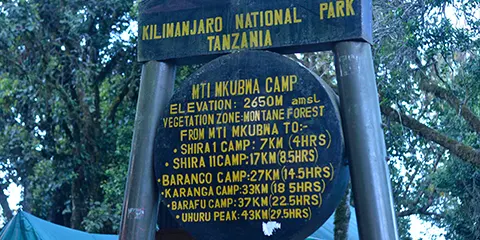
Kilimanjaro National Park Birds & Birding
Kilimanjaro National Park is best known for its glaciated summit, but its lower slopes hold some of East Africa's richest montane forest birding. Around 180 species have been recorded on the mountain, concentrated in the dense rainforest belt between roughly 1,800m and 2,800m, where turacos, sunbirds, greenbuls, and forest hornbills move through a moss-draped canopy of camphor and podocarpus. Species diversity thins sharply above the tree line: the heath, moorland, and alpine desert zones support only a handful of hardy specialists, most famously the scarce, near-endemic Abbott's starling and cold-adapted alpine chats that forage near camps at extreme altitude. For visitors asking what birds can be seen while climbing Kilimanjaro, the honest answer is that the forest gate and first day's hike, not the summit push, deliver the best birdwatching, rewarding early risers and quiet walkers with turaco calls, sunbird flashes, and raptors riding thermals above the canopy.
Birdlife of Kilimanjaro National Park
From the rainforest gates to the alpine desert near the summit, Kilimanjaro hosts a distinct birding community at every altitude.
Montane Forest Turacos & Sunbirds
The rainforest belt between the park gates and roughly 2,800m is Kilimanjaro's richest birding zone. Hartlaub's turaco flashes crimson wing feathers as it bounds through the canopy, while variable, bronze, and eastern double-collared sunbirds work flowering shrubs along the trail. Silvery-cheeked hornbills call from tall camphor and podocarpus trees, and mixed flocks of white-eyes and greenbuls move noisily through the understory. Early morning on the first day's hike, before the forest quiets in the afternoon, offers the best chance to see and hear this colourful community of species.
Abbott's Starling (Rare Alpine Specialist)
Kilimanjaro is one of the few reliable sites on Earth for Abbott's starling, a scarce, glossy, forest-edge species found only in a handful of East African mountain ranges. It favours the upper forest and heath transition zone, often in small, quiet groups foraging on fruiting trees or perched on exposed branches at dawn. Sightings are irregular and never guaranteed, which is part of what makes this bird a genuine prize for serious birders attempting the climb. Guides familiar with its habits improve the odds considerably along routes that pass through intact upper forest habitat.
Raptors
Open ridgelines and forest edges on Kilimanjaro's lower slopes provide good vantage points for raptor watching. Augur buzzards are the most frequently seen, soaring on thermals above the tree line, while African goshawks hunt within the forest canopy and crowned eagles occasionally patrol for colobus monkeys and forest birds. Lammergeiers and other high-altitude scavengers are occasionally reported near the moorland and alpine desert zones, riding updrafts along the mountain's exposed shoulders. Clear mornings after rain tend to produce the most active raptor movement.
Forest Understory Species
Beneath the closed canopy, a quieter cast of birds forages among ferns, mosses, and fallen timber. Cinnamon bracken warblers and various robin-chats skulk low in dense cover, while olive thrushes and mountain wagtails work streambeds and damp clearings near camp. Bar-tailed trogons, though uncommon, are a sought-after sighting in shaded, undisturbed forest stretches. These species reward patient, slow walking rather than fast trekking pace, making a dedicated birding stop on the first day of any route far more productive than rushing straight through the gate.
Alpine Zone Birds
Above the moorland, species diversity drops steeply as vegetation and oxygen thin out, but a small number of hardy birds persist even near the summit. Alpine chats are the most consistent presence, often seen flitting around camps and huts scavenging scraps at 4,000m and higher, remarkably tolerant of cold and altitude. Streaky seedeaters and a few pipit species also range into the upper moorland. These sightings add an unexpected highlight to summit-day trekking for climbers who keep half an eye on the rocks and scrub around camp.
Best Birding Areas & Times (Lower Forest Zone)
The most productive birding lies in the rainforest belt near the Marangu, Machame, Lemosho, and Rongai gates, ideally in the first two to three hours after dawn when activity peaks and light angles favour the canopy. The dry seasons of June to October and January to February give the clearest trail conditions and strongest calling activity, though forest birding remains rewarding nearly year-round. Pausing deliberately during the first day's ascent, rather than treating it purely as a transit stage, is the single best way to see Kilimanjaro's forest specialists.
Plan Your Kilimanjaro Climb
Trip Length
Comfort Level
Safari Style
Operator Rating
Specialized Tours
Filter by Operator
Other Tour Features
Kilimanjaro Birding & Wildlife Safari Packages
Hand-picked northern Tanzania itineraries that pair well with Kilimanjaro, tailored privately by Foot Slopes Tours and Safaris.
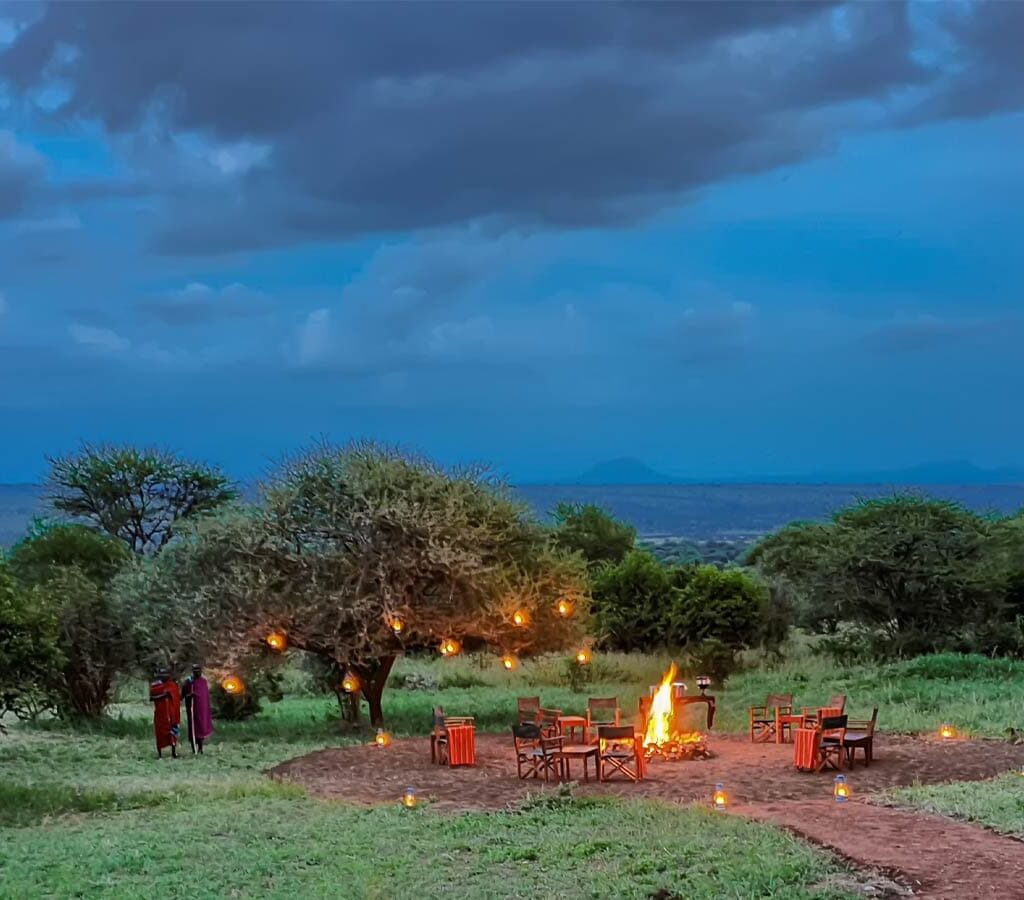
8-Day Northern Tanzania Safaris
An eight-day tour across Tanzania's top northern circuit parks.
View Package →
9-Day Private Northern Tanzania Safari
A nine-day fully private safari through Tanzania's northern circuit highlights.
View Package →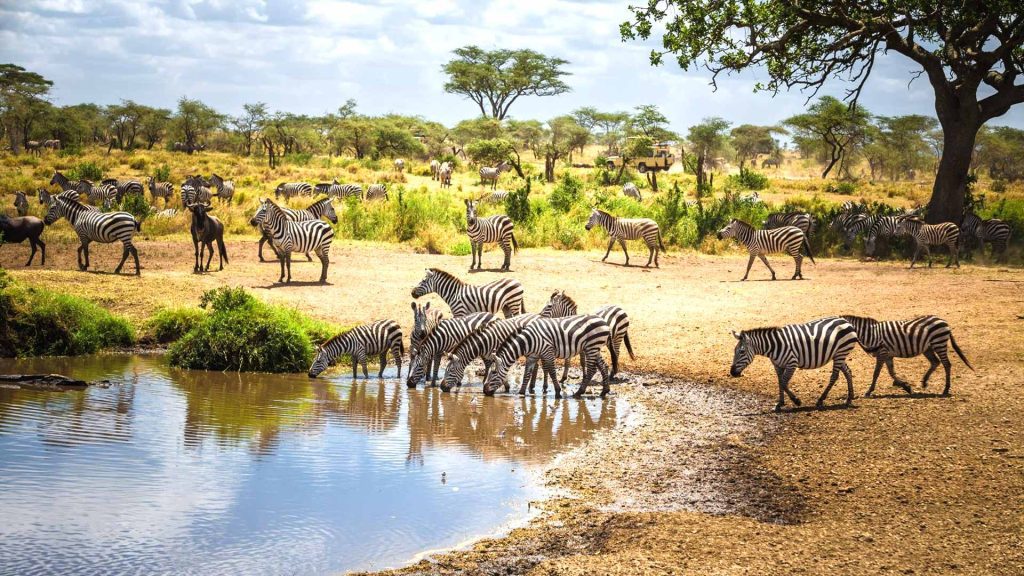
10-Day Amazing Northern Tanzania Safari
A ten-day journey across Tanzania's most celebrated northern parks.
View Package →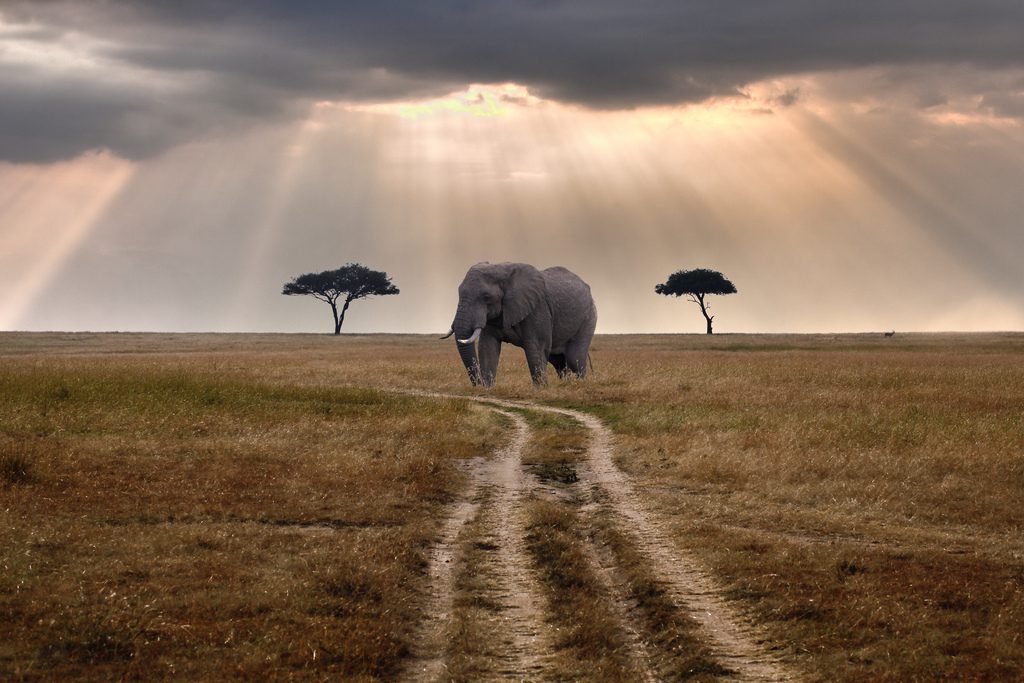
10-Day Best of Northern Tanzania Safari
Ten days combining the very best of the northern safari circuit.
View Package →
6-Day Highlights of Tanzania Mid-Range Safari
A six-day mid-range tour hitting Tanzania's essential safari highlights.
View Package →
5-Day Tanzania Classic Safari
A concise five-day introduction to Tanzania's most iconic parks.
View Package →
5-Day Tanzania Comfort Safari
A comfortable five-day safari balancing good lodges with a modest price.
View Package →
6-Day Serengeti and Ngorongoro Family Safaris
A six-day Serengeti and Ngorongoro combination built for multi-generation travelers.
View Package →Kilimanjaro Birding Planning Guides
Kilimanjaro Birding FAQs
How many bird species live in Kilimanjaro National Park?
Kilimanjaro National Park hosts roughly 180 recorded bird species, though the vast majority are concentrated in the montane rainforest belt between about 1,800m and 2,800m rather than spread evenly across the mountain. Above the tree line, species counts drop off sharply as vegetation, oxygen, and food sources thin out through the heath, moorland, and alpine desert zones. This makes Kilimanjaro's birdlife altitude-dependent in a way few other parks are: climbers see the richest diversity in the first day or two of any route, then encounter only a handful of hardy high-altitude specialists for the remainder of the trek toward the summit.
What is the best zone on Kilimanjaro for birdwatching?
The lower montane rainforest zone, roughly between the park gates and 2,800m elevation, is by far the best birding area on Kilimanjaro. This belt of camphor, podocarpus, and fig trees supports turacos, sunbirds, hornbills, greenbuls, and forest raptors in dense, layered habitat. Popular access points include the Marangu, Machame, Lemosho, and Rongai gate forests, each offering slightly different species mixes depending on rainfall and elevation gradient. Above this zone, the heath and moorland belts hold far fewer species, so birders should treat the first day's forest walk as the trip's primary birding opportunity rather than an afterthought.
What is the best season for birding on Kilimanjaro?
The dry seasons, roughly June through October and again in January and February, offer the clearest trails, best visibility, and strongest bird activity on Kilimanjaro's lower slopes, coinciding with the most popular months for climbing. Early mornings within these windows, particularly the first two to three hours after sunrise, produce the highest levels of calling and movement in the forest canopy. That said, the rainforest zone remains birdable in shoulder months too, since resident species do not migrate away, and lush post-rain foliage can bring flowering plants that draw sunbirds in especially good numbers.
Can I see Hartlaub's turaco on Kilimanjaro?
Yes, Hartlaub's turaco is one of the most recognisable and sought-after birds in Kilimanjaro's montane forest zone, identifiable by its bounding flight and flashes of crimson primary feathers against dark green plumage. It favours the dense canopy layer within the first few kilometres of any route's forest section, most active and vocal in early morning. Spotting one usually requires pausing rather than trekking at pace, since turacos move through foliage quickly and are often heard calling before they are seen. Guides experienced with birding stops can help time a brief pause to improve the odds significantly.
What is Abbott's starling and where is it found on Kilimanjaro?
Abbott's starling is a scarce, glossy forest-edge bird found in only a few East African mountain ranges, making Kilimanjaro one of the most reliable places in the world to search for it. It occupies the transition zone between upper montane forest and heath, typically foraging in small groups on fruiting trees or perching on exposed branches around dawn. Sightings are irregular and never guaranteed on any single trek, which is precisely what makes this species such a prized find for dedicated birders. Routes passing through intact upper-forest habitat, with an experienced guide, offer the best realistic chance.
Are there sunbirds on Kilimanjaro?
Yes, several sunbird species are common and conspicuous in Kilimanjaro's montane forest and forest-edge habitats, including variable sunbird, bronze sunbird, and eastern double-collared sunbird. These small, iridescent nectar-feeders are most active around flowering shrubs and trees along the lower trail sections, darting between blooms with rapid, hovering flight. They are among the easiest forest birds for non-specialist trekkers to spot and enjoy, requiring no special equipment beyond a moment of stillness near flowering vegetation during the first day's ascent through the rainforest belt.
Do birds live above the tree line on Kilimanjaro?
Bird diversity drops steeply above the tree line, but a small number of hardy species do persist into the heath, moorland, and even alpine desert zones near the summit. Alpine chats are the most consistently reported, often seen around high camps and huts at 4,000m or more, remarkably tolerant of cold, thin air, and scavenging near climber activity. Streaky seedeaters and occasional pipits also range into the upper moorland in favourable conditions. These sightings are a genuine surprise for many summit-focused climbers who assume the upper mountain is entirely birdless.
What time of day is best for birdwatching on the mountain?
Early morning, roughly the first two to three hours after sunrise, is consistently the most productive window for birding on Kilimanjaro's lower slopes. Forest birds are most vocal and active feeding at this time, before the day warms and activity quiets through the middle hours. Since most trekking itineraries begin walking from the gate in the morning anyway, this timing conveniently overlaps with the start of any climb, making a deliberately slower, quieter pace through the first hour of forest trail one of the simplest ways to significantly improve birdwatching results.
Can I combine birding with summiting Kilimanjaro?
Yes, and this is exactly how most visitors experience Kilimanjaro's birdlife: as a complement to the trek rather than a separate activity. The richest birding occurs in the first one to two days of any standard route, while passing through the montane rainforest zone, meaning no detour or extra days are strictly required. Climbers who want a deeper birding experience can request a slower pace or an extended stop on day one, and guides familiar with the resident species can help identify calls and sightings along the way without disrupting the overall itinerary or acclimatisation schedule.
Which Kilimanjaro route is best for birding?
Routes with longer or richer forest sections tend to offer better birding, with Lemosho, Machame, and Rongai generally rated favourably for their extended, less-disturbed rainforest approaches compared to the more heavily trafficked Marangu route. Lemosho's western approach in particular passes through some of the least-visited forest on the mountain, increasing the chance of encountering shier species. That said, birding quality on any route depends heavily on pace, timing, and a guide's willingness to pause, so route choice matters less than building a deliberate birding stop into the itinerary.
Are there hornbills on Kilimanjaro?
Yes, silvery-cheeked hornbills are a regular and unmistakable presence in Kilimanjaro's montane forest, recognisable by their large casqued bills and loud, far-carrying calls echoing through the canopy. They favour tall camphor and podocarpus trees in the lower forest belt, often seen or heard in pairs or small groups moving between fruiting trees. Their size and vocal habits make them one of the easier forest species to detect even for visitors without prior birding experience, and a memorable highlight of the first day's walk on most standard climbing routes up the mountain.
What raptors can be seen on Kilimanjaro?
Augur buzzards are the most commonly sighted raptor, frequently seen soaring on thermals above forest edges and open ridgelines on Kilimanjaro's lower and middle slopes. African goshawks hunt within the forest canopy itself, while crowned eagles occasionally patrol for colobus monkeys and forest birds in undisturbed sections. Lammergeiers and other high-altitude scavengers are sometimes reported near the moorland and alpine desert zones, riding updrafts along exposed shoulders of the mountain. Clear mornings following rain tend to produce the most visible raptor activity for climbers watching the skies.
Why choose Foot Slopes Tours and Safaris for a Kilimanjaro birding trek?
Foot Slopes Tours and Safaris employs guides with genuine local knowledge of Kilimanjaro's forest birdlife, not just its climbing routes, meaning birding stops are built thoughtfully into the itinerary rather than treated as an afterthought. Individual private climbs and flexible daily pacing allow more time in the richest lower-forest sections without compromising acclimatisation schedules higher up the mountain. Years of operating on Kilimanjaro have given the team a strong sense of where and when species like turacos, sunbirds, and the elusive Abbott's starling are most likely to appear, translating into a noticeably better birding experience than a standard, birding-blind climb.
Does Foot Slopes Tours and Safaris provide experienced birding guides?
Yes, guides are drawn from teams with extensive time on the mountain and a practical, field-based familiarity with Kilimanjaro's resident bird calls and habits, not formal ornithology credentials alone. This hands-on experience means guides can identify turaco calls, spot sunbird activity around flowering shrubs, and know which upper-forest sections give the best chance at scarce species like Abbott's starling. Climbers with a specific interest in birding are encouraged to mention it when booking, so the itinerary and pacing through the forest zone can be adjusted to make the most of those opportunities.
Is Foot Slopes Tours and Safaris a good choice for a first Kilimanjaro climb?
Foot Slopes Tours and Safaris is well suited to first-time climbers, combining experienced local guiding, sensible acclimatisation-focused itineraries, and attentive support at every camp with a genuine appreciation for the mountain's natural highlights, including its birdlife. First-time trekkers often worry primarily about reaching the summit and overlook the rich forest environment passed through on day one, and guides here are practised at helping newcomers slow down and notice it. The result is a well-rounded first Kilimanjaro experience that balances summit ambition with genuine engagement in the park's forest and wildlife along the way.
What makes Foot Slopes Tours and Safaris different from other Kilimanjaro operators?
Foot Slopes Tours and Safaris distinguishes itself through a combination of small, well-supported groups, guides with deep route-specific knowledge, and a genuine attentiveness to the mountain's ecological character beyond the summit push. Many operators treat the forest zone purely as a transit stage; this team instead builds in the pacing and awareness needed to notice turacos, sunbirds, hornbills, and other species along the way. Transparent planning support, responsive communication, and a track record of successful, well-paced climbs further set the operator apart for travellers who want both a strong summit attempt and a richer overall Kilimanjaro experience.
How do I book a Kilimanjaro climb with birding in mind through Foot Slopes Tours and Safaris?
Booking a birding-aware Kilimanjaro climb starts by selecting a route with strong forest sections, such as Lemosho, Machame, or Rongai, and mentioning a specific interest in birdwatching when enquiring or booking. The team can then adjust daily pacing to allow a deliberate, unhurried stop in the richest lower-forest habitat without affecting the overall acclimatisation schedule needed for a safe summit attempt. Enquiries can be made directly through the website or by contacting the team, who will help match route, season, and itinerary length to both summit goals and birding interests for a well-rounded mountain experience.
Plan Further: Kilimanjaro National Park Guides & Resources
Explore Kilimanjaro National Park
Plan Your Kilimanjaro Birding
Tell us your dates, style, and preferred parks, and we will build the perfect itinerary around you.
Book Now Online →What Our Travelers Say
Real 5-star reviews from guests who traveled with us
Our Private African luxury Safari experience with Foot Slopes Tours and Safaris was nothing short of exceptional. From the very beginning, owner Gabriel was incredibly responsive, making the entire booking process smooth and stress-free. Gabriel went above and
We had an incredible private safari experience with Foot Slopes Tours and Safaris. Their office staff was very helpful and informative, and they communicated very well. Our pick-ups to and from the airport were on time and hassle-free, an unforgettable Safari
Foot Slopes Tours and Safaris is truly one of the best local tour companies in Tanzania. From start to finish, their service was professional, reliable, and personalized. The team went above and beyond to make sure every detail of our trip was perfect. Our saf
Our family chose Foot Slopes Tours and Safaris for a custom 11-day safari itinerary, and we couldn’t be happier with our choice! Everything from our initial inquiry to building our custom itinerary to pre-departure and on-trip support was top quality. Communic