African Safari Tours

Serengeti Wildlife Safaris

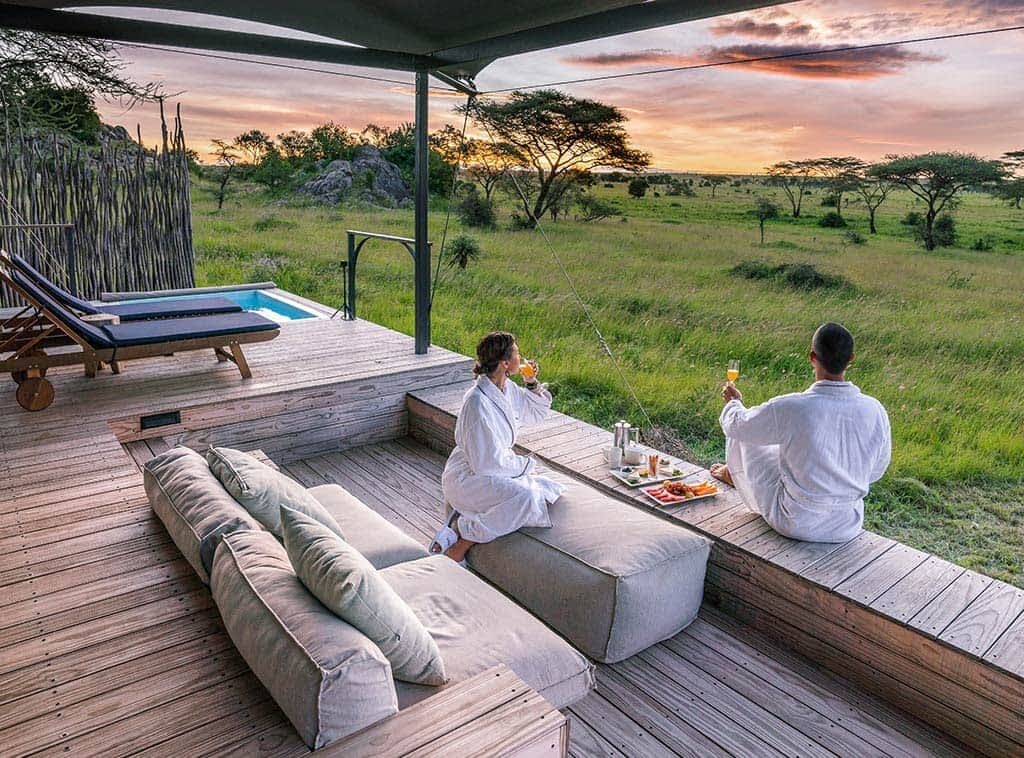
A Serengeti wildlife safari is the best way to see Africa's greatest wildlife show in Tanzania's Serengeti National Park, a UNESCO World Heritage Site covering about 14,750 square kilometers. Expect the Big Five, big cat sightings, cheetahs on open plains and the Great Migration of over a million wildebeest and zebras. The best time for a Serengeti wildlife safari is June to October for river crossings and game drives, or January to March for calving season. Foot Slopes Tours and Safaris offers private, tailor-made Serengeti safari packages, from budget camping to luxury lodges, with expert local guides throughout.

Plan Your All-Inclusive Safari

Trip Length
6 – 12+ days
Comfort Level
Safari Style
Operator Rating
Specialized Tours
Filter by Operator
Other Tour Features
Serengeti wildlife safari with Foot Slopes Tours and Safaris

Serengeti Wildlife Safari Packages

Private Serengeti wildlife safaris with expert local guides: the Big Five, the Great Migration and Africa's densest big cat populations, tailored to your dates and budget.

Top 10 Serengeti Wildlife Safari Highlights

Why the Serengeti is Africa's best wildlife safari destination, from the Great Migration to the Big Five.

1

The Great Migration

Over a million wildebeest, zebras and gazelles circle the Serengeti year-round, following rain and fresh grass in Africa's largest land migration.

2

Mara River Crossings

From about July to October, herds plunge into the crocodile-filled Mara River in the northern Serengeti, the most dramatic wildlife moment on earth.

3

Calving Season at Ndutu

From January to March, around half a million calves are born on the southern plains, drawing lions, cheetahs and hyenas close.

4

The Big Five

Lion, leopard, elephant and buffalo are seen regularly, while rare black rhino live in protected areas such as Moru Kopjes.

5

Big Cat Capital

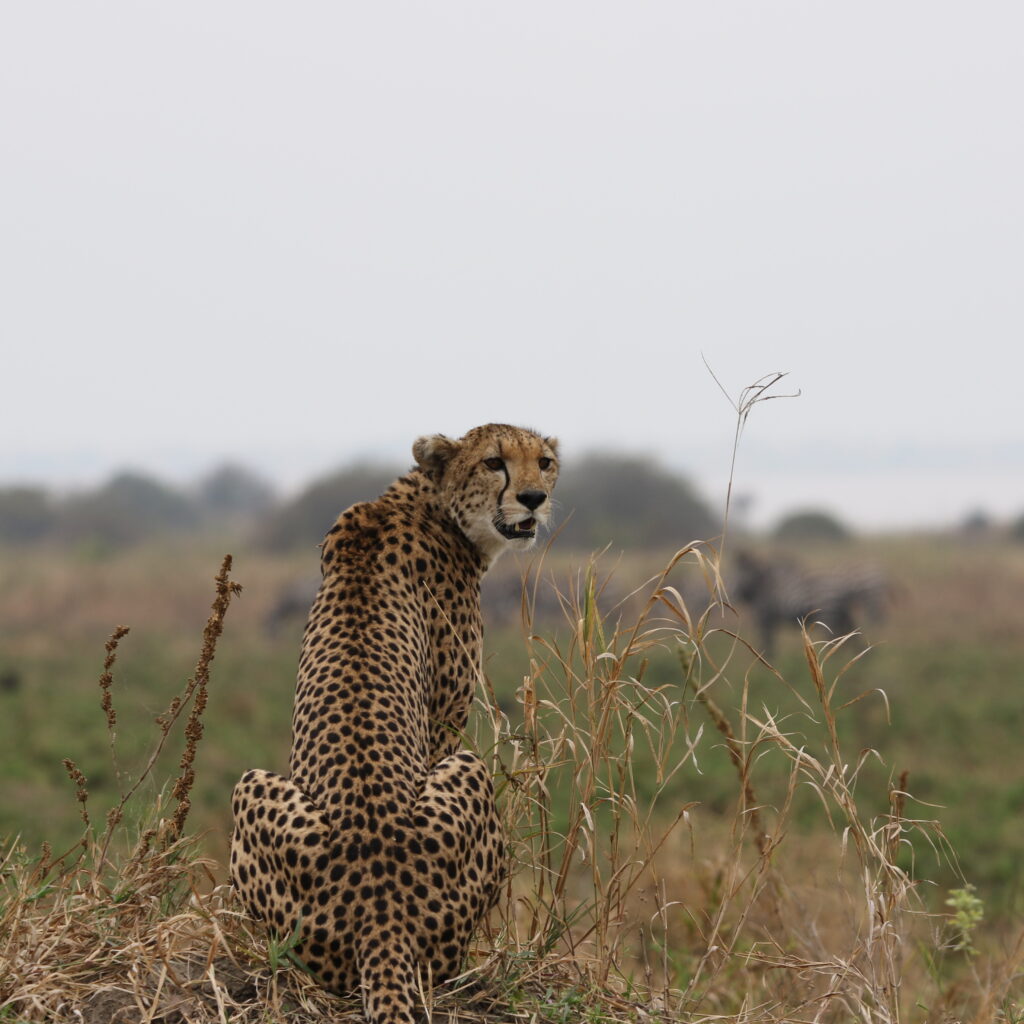
The Serengeti holds one of Africa's largest lion populations, plus leopards in Seronera's sausage trees and cheetahs hunting open plains.

6

Year-Round Game Viewing

Central Serengeti's Seronera Valley has permanent water and resident wildlife, so excellent game drives are possible in every month.

7

Hot Air Balloon Safaris

Float over the plains at sunrise for a bird's-eye view of herds and predators, followed by a champagne bush breakfast.

8

Kopjes and Endless Plains

Granite kopjes rise from golden grasslands, sheltering lion prides, klipspringers and hyraxes in classic Lion King scenery.

9

Birdlife

More than 500 bird species live here, including ostriches, secretary birds, kori bustards, vultures and colorful lilac-breasted rollers.

10

Easy Ngorongoro Combination

The Serengeti links easily with Ngorongoro Crater, Tarangire and Lake Manyara on a classic northern Tanzania wildlife safari.

Serengeti Wildlife Safari FAQs

What is a Serengeti wildlife safari?

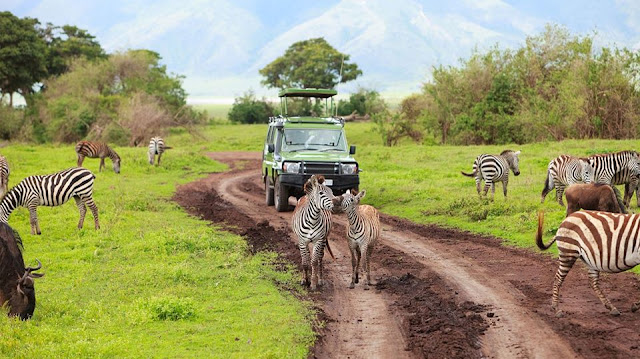
A Serengeti wildlife safari is a guided trip into Serengeti National Park in northern Tanzania to watch animals in the wild, usually on game drives in a 4x4 safari vehicle with a pop-up roof. Most safaris last three to seven days and combine morning and afternoon drives with stays in lodges or tented camps. Highlights include the Big Five, lions, cheetahs, leopards and the Great Migration. Foot Slopes Tours and Safaris plans private Serengeti wildlife safaris tailored to your dates, budget and interests, with expert local guides.

What animals can you see on a Serengeti wildlife safari?

On a Serengeti wildlife safari you can see lions, leopards, cheetahs, elephants, buffalo, giraffes, hippos, crocodiles, spotted hyenas, jackals and a huge variety of antelope, from topi and eland to Thomson's gazelles. The Great Migration adds more than a million wildebeest and zebras. Black rhinos are rare but present in protected areas such as Moru Kopjes. With more than 500 bird species, the Serengeti also delights birders, and experienced guides help you find wildlife in every season of the year.

Can you see the Big Five in the Serengeti?

Yes, the Serengeti is home to all of the Big Five: lion, leopard, elephant, buffalo and black rhino. Lions, elephants and buffalo are seen on most game drives, and leopards are often spotted resting in trees in the Seronera Valley. Black rhinos are rare and shy, so sightings are not guaranteed. For the best Big Five chances, many travelers combine the Serengeti with Ngorongoro Crater, where rhinos are easier to spot. Foot Slopes Tours and Safaris can build this combination into your itinerary.

When is the best time for a Serengeti wildlife safari?

The best time for a Serengeti wildlife safari depends on what you want to see. June to October is the dry season, with excellent game viewing and Mara River crossings from about July in the northern Serengeti. January to March is calving season in the southern Serengeti and Ndutu, when predators are very active. The Central Serengeti offers good wildlife viewing all year. April and May bring the long rains, fewer visitors and lower prices, making it a good value time to travel.

Where is the Great Migration during the year?

The Great Migration moves in a roughly circular route. From December to March, herds graze and give birth on the southern plains and Ndutu. From April to June they move through the central and western Serengeti, with Grumeti River crossings around June. From July to October they reach the northern Serengeti and Mara River, crossing between Tanzania and Kenya. In November they return south with the short rains. Timing changes yearly with rainfall, so expert guides track the herds closely to find the best sightings.

How many days do you need for a Serengeti wildlife safari?

Three to four days in the Serengeti is enough to see its highlights, while five to seven days allows you to explore more than one region and follow the Great Migration. Many travelers choose a seven to ten day northern Tanzania safari that combines the Serengeti with Ngorongoro Crater, Tarangire and Lake Manyara. Flying into Serengeti airstrips saves time on shorter trips. Foot Slopes Tours and Safaris recommends at least three nights in the Serengeti for relaxed game drives and better wildlife sightings.

How much does a Serengeti wildlife safari cost?

The cost of a Serengeti wildlife safari depends on the season, length, accommodation and group size. Budget camping safaris are the most affordable, mid-range lodge safaris cost more, and luxury tented camps with fly-in transfers are the most expensive. Prices usually include park fees, accommodation, meals, a private vehicle and a professional guide. Park fees are set by Tanzania National Parks and can change. Foot Slopes Tours and Safaris provides a clear, detailed quote for your chosen dates with no hidden costs or surprise charges.

Which part of the Serengeti is best for wildlife?

Each part of the Serengeti is best at different times. The Central Serengeti and Seronera Valley offer year-round wildlife and superb big cat sightings. The southern plains and Ndutu are best from December to March for calving season. The Western Corridor is ideal around May to July for Grumeti River crossings. The northern Serengeti is best from July to October for Mara River crossings. Your guide will recommend the right region for your travel dates and the wildlife you most want to see.

Is a Serengeti wildlife safari good for families?

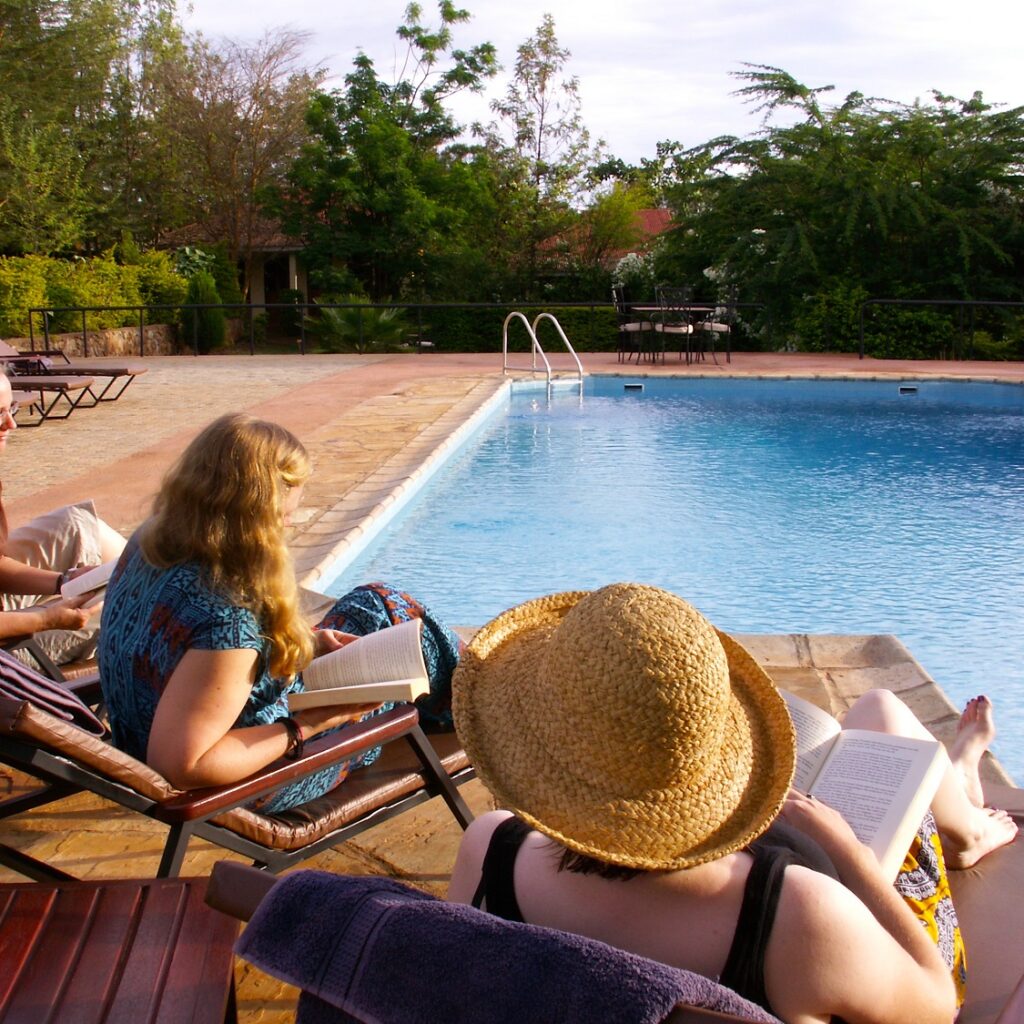
Yes, a Serengeti wildlife safari is excellent for families. Children love seeing lions, elephants and giraffes up close, and private vehicles let you set your own pace, with breaks whenever needed. Many lodges offer family rooms, swimming pools and child-friendly activities. Shorter game drives and flights between parks keep travel comfortable for younger travelers. Some activities, such as walking safaris, have age limits. Foot Slopes Tours and Safaris designs family Serengeti safaris with safe vehicles, experienced guides and flexible, child-friendly itineraries.

Can I combine a Serengeti safari with Ngorongoro Crater?

Yes, combining the Serengeti with Ngorongoro Crater is the most popular northern Tanzania safari. Ngorongoro Crater lies between Arusha and the Serengeti, so it fits naturally on the drive in or out. The crater offers a dense concentration of wildlife, including black rhinos, while the Serengeti offers vast plains and the Great Migration. A five to seven day itinerary can include both, often with Tarangire or Lake Manyara too. Foot Slopes Tours and Safaris creates tailor-made Serengeti and Ngorongoro wildlife safaris.

How do you get to the Serengeti for a wildlife safari?

Most travelers fly into Kilimanjaro International Airport near Arusha, then either drive to the Serengeti via Ngorongoro Crater or take a short scheduled flight to a Serengeti airstrip such as Seronera or Kogatende. The drive takes most of a day but passes Lake Manyara and the crater, while flights take about one to two hours. Many travelers drive in and fly out to save time. Foot Slopes Tours and Safaris arranges all airport pickups, flights and road transfers for a smooth journey.

What is a Serengeti hot air balloon safari?

A Serengeti hot air balloon safari is a sunrise flight over the plains that lasts about one hour, giving a bird's-eye view of herds, predators, rivers and kopjes. Balloons launch at dawn from areas such as Seronera, the western Serengeti and the northern Serengeti, depending on the season. Flights end with a champagne bush breakfast. Balloon safaris are weather dependent and book up early in peak season. Foot Slopes Tours and Safaris can add a balloon safari to any Serengeti wildlife itinerary on request.

What should I pack for a Serengeti wildlife safari?

Pack lightweight, breathable clothing in neutral colors such as khaki, beige and olive, plus a warm fleece or jacket for chilly mornings and evenings. Bring a wide-brimmed hat, sunglasses, sunscreen, insect repellent, comfortable closed shoes and a reusable water bottle. Binoculars and a camera with a zoom lens greatly improve wildlife viewing. Use a soft duffel bag if you are taking light aircraft flights, as luggage limits apply. Avoid bright colors and camouflage clothing. Foot Slopes Tours and Safaris sends a detailed packing list after booking.

Is a Serengeti wildlife safari safe?

Yes, a Serengeti wildlife safari is safe when you travel with a reputable operator and follow your guide's instructions. Game drives take place in sturdy safari vehicles, and guides keep a safe distance from wildlife. Lodges and camps have staff to escort guests after dark. Malaria is present, so speak with a doctor or travel clinic about prevention before you travel, and consider travel insurance. Foot Slopes Tours and Safaris uses experienced, licensed guides and well-maintained vehicles, with 24/7 support throughout your safari.

Why book a Serengeti wildlife safari with Foot Slopes Tours and Safaris?

Foot Slopes Tours and Safaris is a Tanzania-based safari operator specializing in private, tailor-made Serengeti wildlife safaris. Our experienced local guides know where to find the Great Migration, big cats and the Big Five in every season. We handle everything, from airport transfers and flights to park fees and carefully chosen lodges. Every itinerary is built around your travel dates, budget and interests, with transparent pricing and 24/7 support. Our aim is to give you a safe, seamless and unforgettable Serengeti wildlife safari experience.

Does Foot Slopes Tours and Safaris offer tailor-made Serengeti safaris?

Yes, every Serengeti wildlife safari with Foot Slopes Tours and Safaris is tailor-made. You choose your travel dates, trip length, accommodation style and pace, and we design a private itinerary around them. Options include budget camping, mid-range lodges, luxury tented camps, fly-in safaris, family safaris, honeymoon safaris and photographic safaris. We can also add Ngorongoro Crater, Tarangire, Lake Manyara, a Kilimanjaro climb or a Zanzibar beach stay. Contact our team to start planning your perfect Serengeti wildlife safari today.

What is included in a Foot Slopes Tours and Safaris Serengeti wildlife safari?

A Foot Slopes Tours and Safaris Serengeti wildlife safari usually includes airport transfers, a private 4x4 safari vehicle with a pop-up roof, an English-speaking professional guide, park and conservation fees, accommodation, meals and drinking water on game drives. Fly-in safaris also include scheduled flights. International flights, visas, travel insurance, tips and optional activities such as balloon safaris are normally excluded. Exact inclusions depend on your chosen itinerary, and we confirm everything clearly in your written quote before you book.

Your Safari, Your Way

Plan Your Safari

Tell us your dates, group size, and preferred parks, and we will build the perfect Tanzania adventure around you.

Book Now Online →

What Our Travelers Say

Real 5-star reviews from guests who traveled with us

“
★★★★★

Our Private African luxury Safari experience with Foot Slopes Tours and Safaris exceeded every expectation - beautifully planned, comfortable, and genuinely unforgettable.

Charlotte T
“
★★★★★

We had an incredible private safari experience with Foot Slopes Tours and Safaris - professional guides, excellent lodges, and a truly seamless trip from start to finish.

Evans Aiden
“
★★★★★

Foot Slopes Tours and Safaris is truly one of the best local tour companies in Tanzania - professional, reliable, and genuinely invested in giving guests a great experience.

Andre T
“
★★★★★

Our family chose Foot Slopes Tours and Safaris for a custom 11-day safari itinerary - the level of personal attention and care throughout was exceptional from start to finish.

Ida N