
By the Foot Slopes Tours and Safaris team
Written by our Arusha-based guides and safari planners from first-hand experience in Tanzania.
Tanzania protects a remarkable share of its land in national parks, conservation areas and game reserves. They are usually grouped into three safari circuits: the classic northern circuit around Arusha, the wild and quiet southern circuit, and the remote western parks on the shores of Lake Tanganyika. Choosing the right mix is the key to a great private tailor-made safari.
Northern Circuit Parks
The northern parks lie within a few hours’ drive of each other, so they combine easily in a week. Roads link Arusha with Tarangire, Lake Manyara, the Ngorongoro highlands and the Serengeti, and light aircraft can shorten the longer transfers.
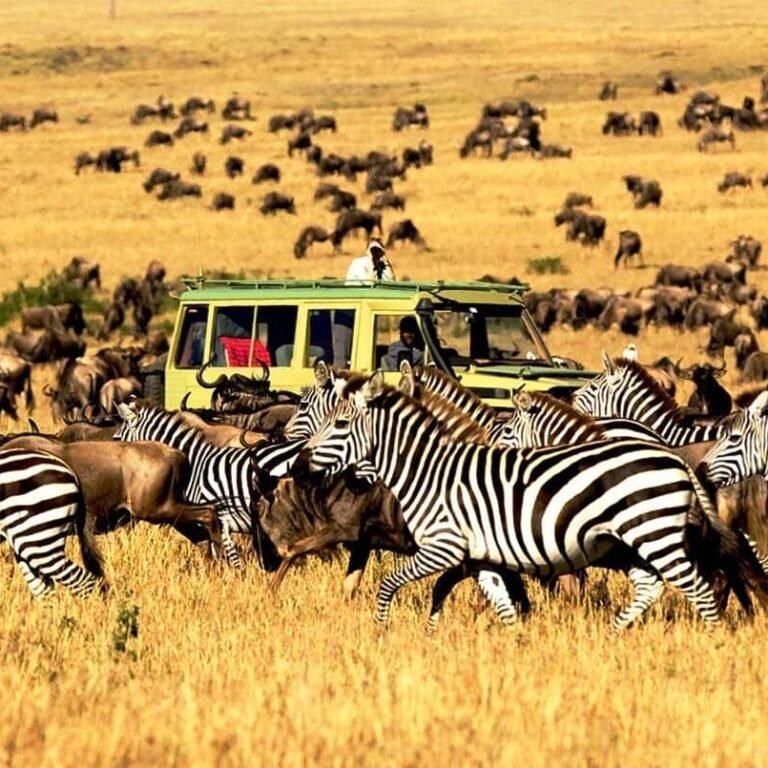
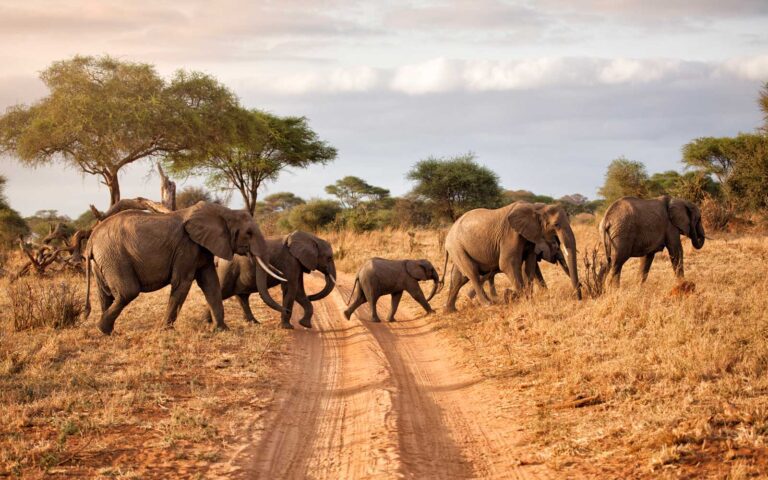
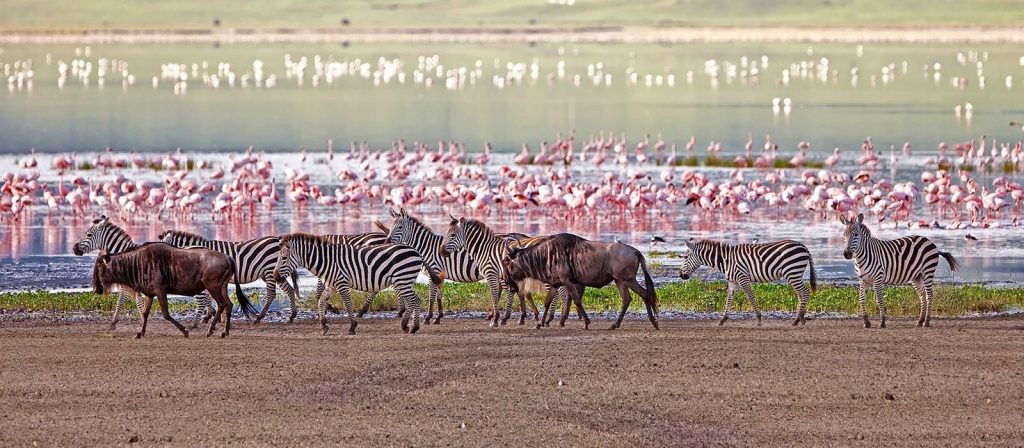
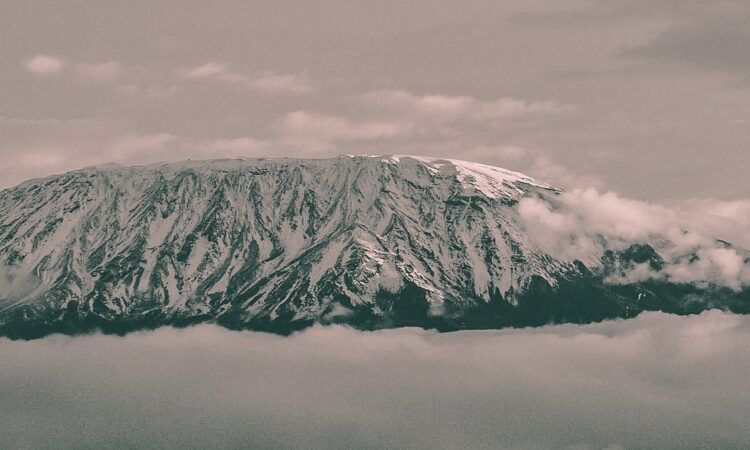
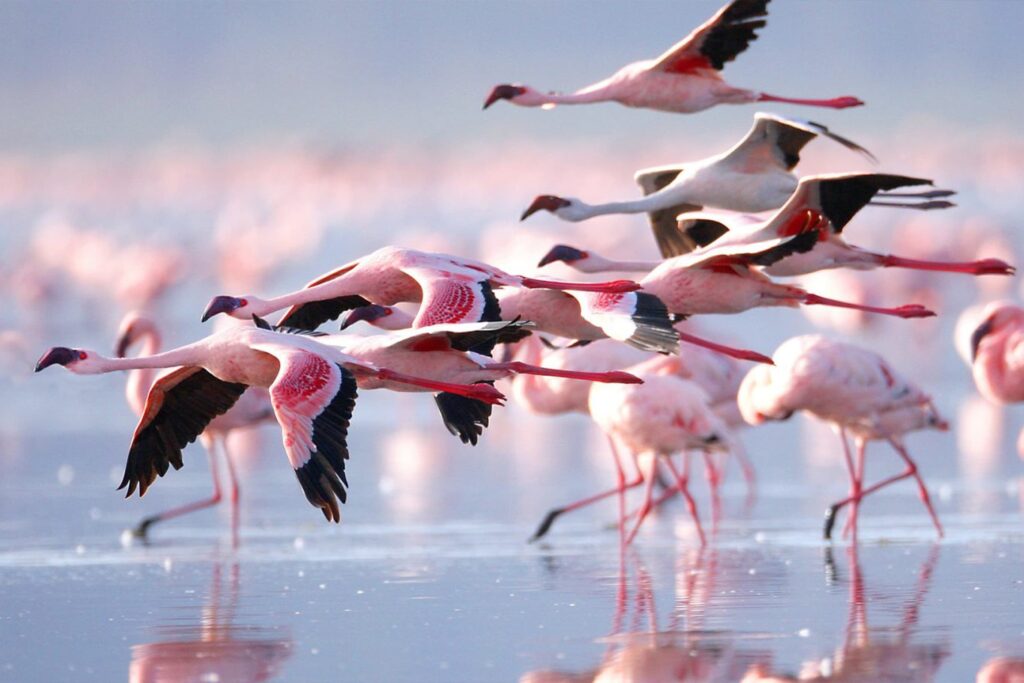
Serengeti is famous for the Great Migration and some of Africa’s best predator viewing. Ngorongoro Crater offers a high chance of black rhino on its crater floor. Tarangire is known for big elephant herds and ancient baobabs, especially in the dry season, while Lake Manyara mixes groundwater forest, a soda lake and an escarpment backdrop. Arusha National Park offers walking and canoe safaris close to town, and Kilimanjaro rises just to the east.
Southern Circuit Parks
The south is for travellers who want space and fewer vehicles. Nyerere National Park, formerly part of the Selous Game Reserve, is one of Africa’s largest protected areas and offers boat safaris on the Rufiji River and walking safaris. Ruaha National Park is known for large lion prides, elephants and the chance of African wild dogs. Most guests fly in from Dar es Salaam or Zanzibar.
Western Parks
The far west is Tanzania’s most remote safari region. Katavi National Park sees very few visitors and is dramatic in the dry season, when hippos and crocodiles crowd the shrinking rivers. Mahale Mountains and Gombe Stream are home to wild chimpanzees on the forested shores of Lake Tanganyika.
Which Park Suits You?
| Park | Best for | Peak season |
|---|---|---|
| Serengeti | Migration, big cats | Year-round (migration varies) |
| Ngorongoro Crater | Big Five in one day | Year-round |
| Tarangire | Elephants, baobabs | June to October |
| Lake Manyara | Short visits, birds | Year-round |
| Nyerere | Boat and walking safaris | June to October |
| Ruaha | Lions, wild dogs, solitude | June to October |
| Katavi, Mahale | Remote wilderness, chimps | July to October |
See every protected area in our guide to Tanzania national parks and game reserves, or explore them on the Tanzania safari map.
Tanzania Parks FAQs
Which is the best national park in Tanzania?
The Serengeti is the most famous for the Great Migration and big cats, but the best park depends on your interests. Ngorongoro Crater is excellent for the Big Five, Tarangire for elephants, and Ruaha or Katavi for remote wilderness.
How many parks can I visit in one week?
In a week most travellers comfortably visit three or four northern parks, such as Tarangire, Lake Manyara or Ngorongoro, and the Serengeti. Allowing at least two or three nights in the Serengeti gives the best wildlife experience.
Is Ngorongoro Crater a national park?
No. Ngorongoro is a conservation area, where Maasai communities live alongside wildlife. The crater itself is the highlight, with a high density of animals on its floor and one of the best chances of seeing black rhino in Tanzania.
Are the southern parks worth visiting?
Yes, especially for return visitors. Nyerere and Ruaha are vast, quiet and wild, with boat and walking safaris in Nyerere and big predators in Ruaha. They are usually reached by light aircraft and pair well with Zanzibar.
Design Your Private Park Itinerary
Tell us which parks interest you and how long you have, and our Arusha team will build a private tailor-made route with the right lodges and transfers.
Plan My Private SafariView Tanzania Safaris