

Tanzania Green Season Safari
Tanzania's Green Season, running roughly from November through May, transforms the country's national parks into a lush, emerald landscape of thriving vegetation, dramatic skies, and newborn wildlife. Also known as the short and long rains or low season, this period brings the famous Ndutu calving season, when hundreds of thousands of wildebeest calves are born on the southern Serengeti plains within a few short weeks, drawing predators close behind. Fewer tourists mean quieter game drives, more intimate wildlife encounters, and significantly lower prices on lodges, camps, and safari packages compared to the busy dry-season months. Birdwatchers flock to Tanzania during this time as migratory species arrive in large numbers alongside resident birdlife. Foot Slopes Tours and Safaris designs green season itineraries that combine exceptional value, lush photography backdrops, and front-row access to the calving season across Tanzania's northern circuit.
Plan Your Green Season Safari
Trip Length
Comfort Level
Safari Style
Operator Rating
Specialized Tours
Filter by Operator
Other Tour Features
Popular Green Season Packages
Low-season safaris timed to Tanzania's lush landscapes and the Ndutu calving season.

4-Day Ndutu Migration Safari Calving Season
A focused four-day trip timed to the Ndutu wildebeest calving season.
View Package →
5-Day Ndutu Migration Calving Season Safari
Five days centered on Ndutu's dramatic calving-season predator action.
View Package →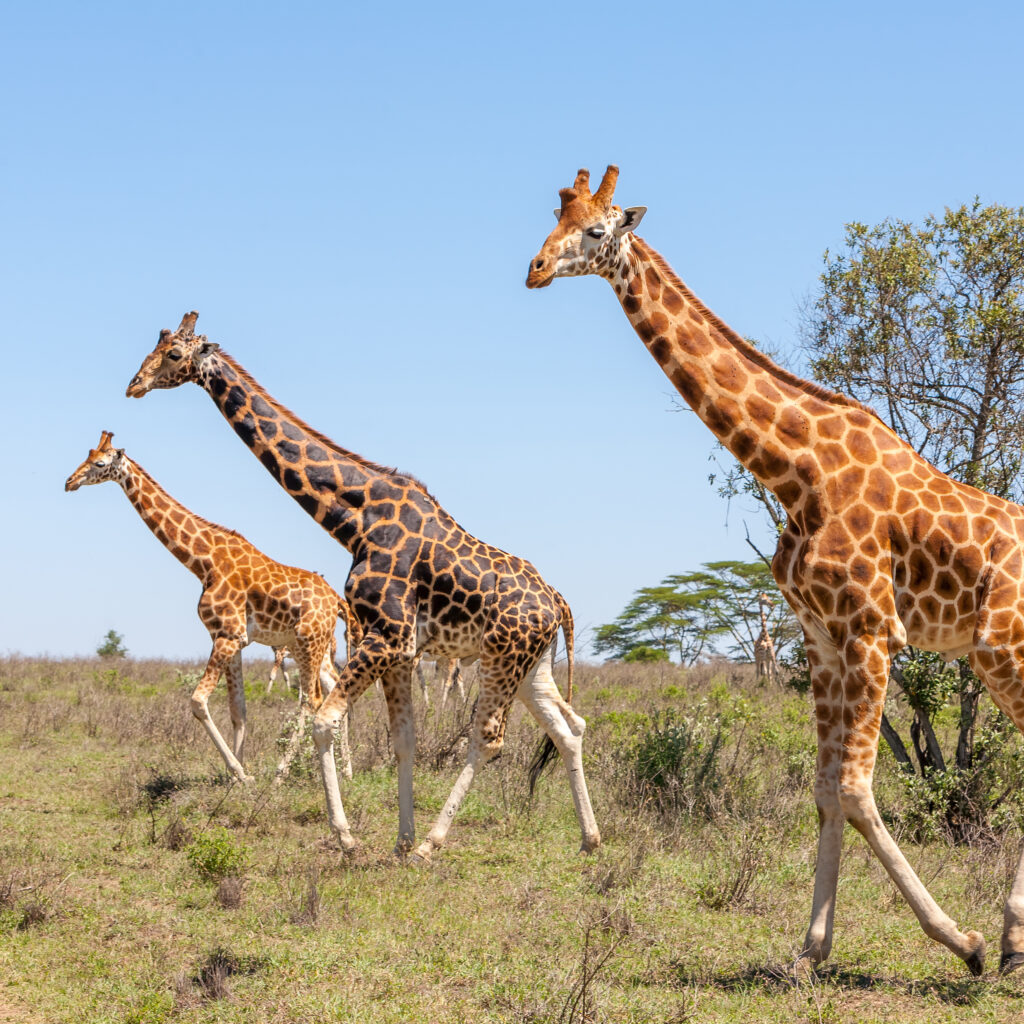
7-Day Ndutu Calving Season Serengeti Migration Safari
A seven-day Ndutu and Serengeti migration safari during calving season.
View Package →
7-Day Ndutu Migration Calving Season Safari Itinerary
A detailed seven-day itinerary built around the Ndutu calving spectacle.
View Package →8-Day Mid-Range Ndutu Migration Calving Season
An eight-day mid-range safari covering the Ndutu calving migration season.
View Package →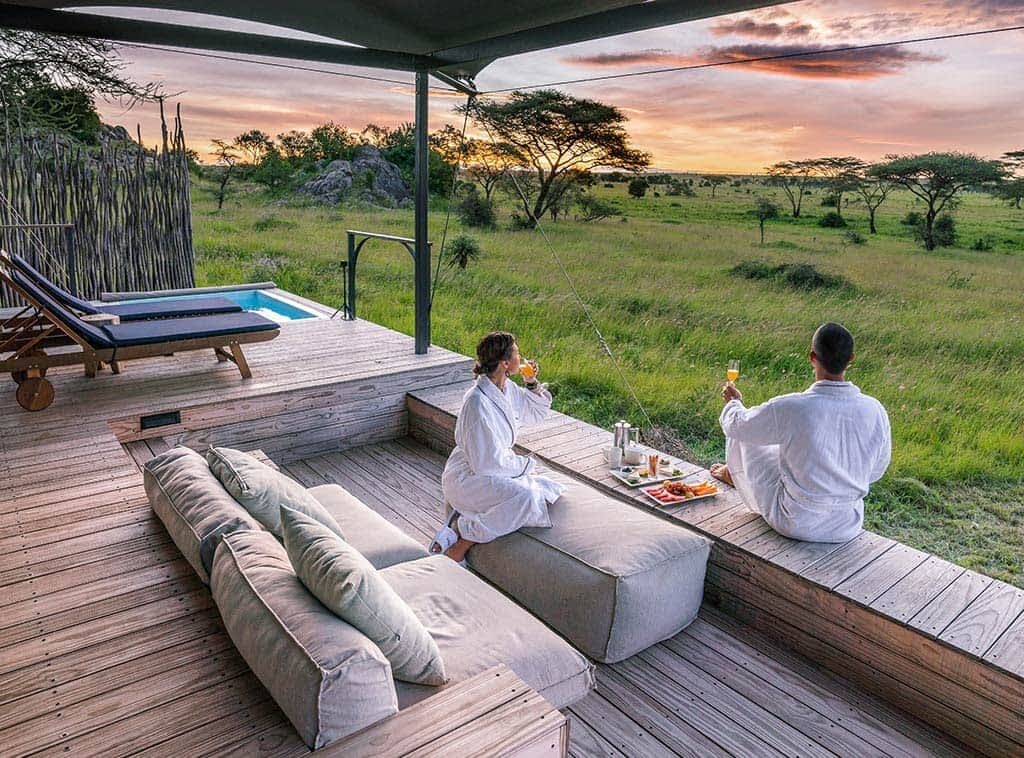
12-Day Serengeti Calving Safari & Zanzibar Beach Holiday
A twelve-day calving-season safari paired with a Zanzibar beach holiday.
View Package →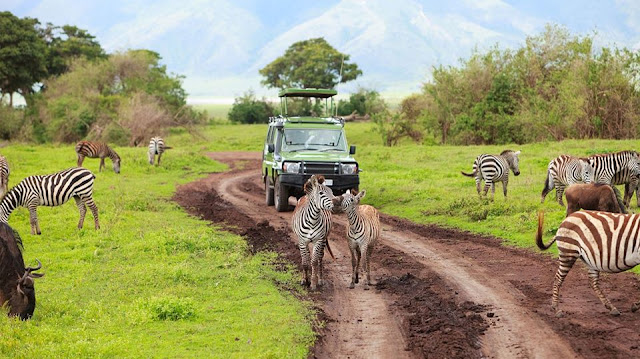
5-Day Tanzania Comfort Safari
A comfortable five-day safari balancing good lodges with a modest price.
View Package →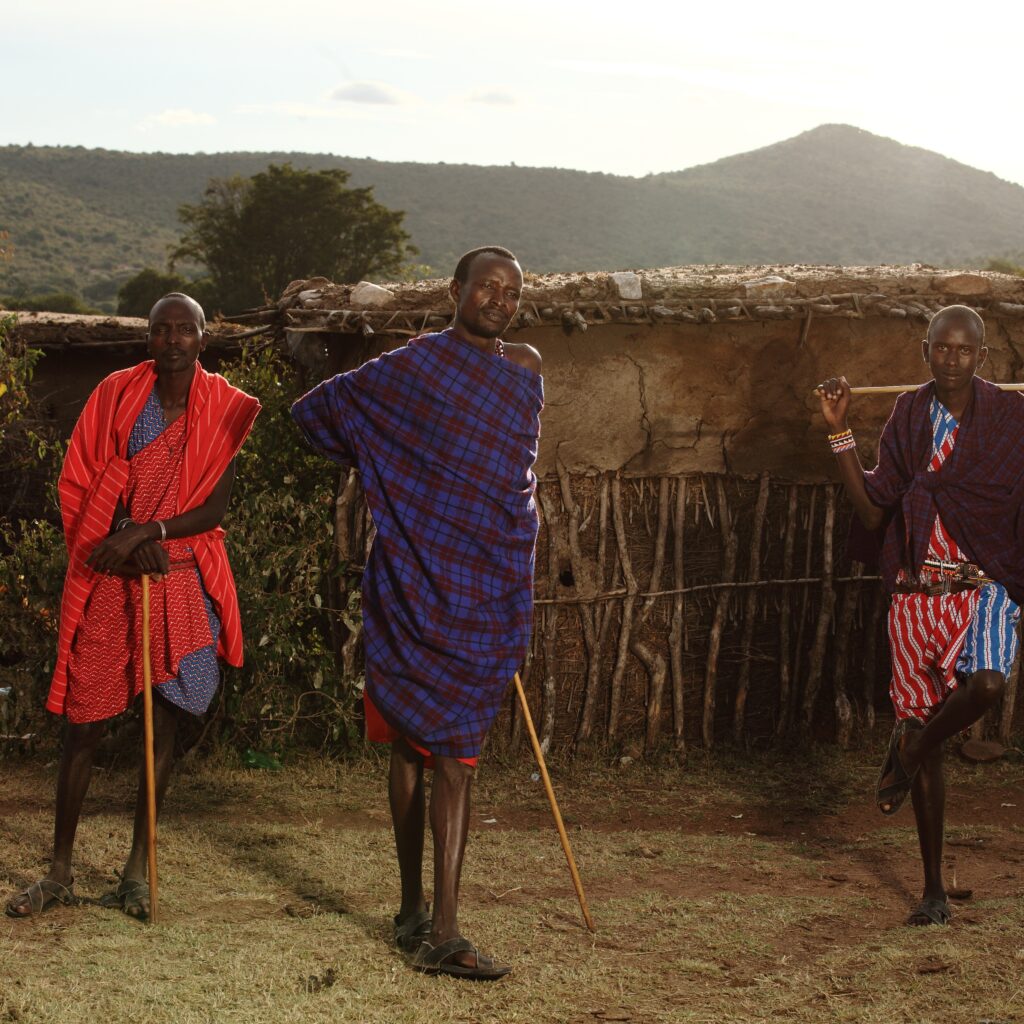
5-Day Tanzania Classic Safari
A concise five-day introduction to Tanzania's most iconic parks.
View Package →Green Season Planning Guides
Frequently Asked Questions About Green Season
What Is Tanzania's Green Season Safari?
A Tanzania Green Season Safari takes place roughly from November through May, when short and long rains transform the Serengeti, Ngorongoro Crater, Tarangire, and Ndutu plains into a lush, emerald landscape bursting with new growth. Often called the low season or emerald season, this period is famous for the Ndutu calving season, when hundreds of thousands of wildebeest calves are born within a few short weeks. Dramatic cloudscapes, wildflowers, and flowing rivers create striking photography backdrops. Travelers enjoy quieter parks, intimate wildlife encounters, and significantly reduced rates on lodges and safari packages compared to the crowded dry-season months.
Who Should Book a Tanzania Green Season Safari?
Tanzania Green Season Safaris suit value-conscious travelers, repeat visitors, photographers, and birdwatchers who prefer quieter parks over peak-season crowds and are unbothered by occasional afternoon showers. Budget-minded couples and families benefit from lower lodge rates and fewer other vehicles at sightings, while predator enthusiasts are drawn to the Ndutu calving season, when lion, cheetah, and hyena activity peaks around newborn wildebeest herds. Flexible travelers who value lush scenery, dramatic light, and affordability over guaranteed dry weather find green season safaris especially rewarding, and many discover the emerald landscapes rival any dry-season Tanzania safari experience.
When Exactly Is Tanzania's Green Season?
Tanzania's Green Season spans November through May, split into the short rains from November to December and the long rains from March through May, with a drier interlude in January and February that is prime time for the Ndutu calving season. Rain typically falls in short afternoon showers rather than continuous downpours, leaving mornings clear for game drives across Serengeti, Ngorongoro Crater, and Tarangire. April and May bring the heaviest rains and best low-season discounts, while November, December, January, and February offer a balance of lush scenery, calving action, and more predictable weather for most travelers.
What Makes the Ndutu Calving Season So Special?
The Ndutu calving season, occurring primarily in late January through February on the southern Serengeti and Ngorongoro Conservation Area plains, sees roughly 8,000 wildebeest calves born daily as part of the annual wildebeest migration cycle. This concentrated birthing event attracts high densities of lion, cheetah, hyena, and jackal, creating dramatic predator-prey action across short grass plains. Green grass, mineral-rich soil, and open sightlines make Ndutu one of Tanzania's premier wildlife-viewing regions during this window. Photographers and safari enthusiasts consider the calving season a bucket-list alternative to the more famous dry-season river crossings.
How Much Does a Tanzania Green Season Safari Cost?
Tanzania Green Season Safaris are typically 20 to 40 percent cheaper than dry-season equivalents, with mid-range lodge safaris often ranging from 250 to 450 US dollars per person per day and luxury camps offering substantial low-season discounts on rates that double during July through October. Budget camping safaris during green season can start around 180 to 220 dollars daily. Lower demand across Serengeti, Ngorongoro Crater, and Tarangire means better availability at premium camps for less money. Foot Slopes Tours and Safaris highlights these seasonal savings so travelers get exceptional value without compromising on quality.
What Is the Weather Like on a Tanzania Green Season Safari?
Weather during Tanzania's Green Season features warm days between 24 and 30 degrees Celsius, with short, predictable afternoon showers rather than all-day downpours, especially from November through February. March through May brings the long rains, with more sustained rainfall in April, though mornings usually stay clear for game drives. Humidity is higher and skies dramatic, enhancing photography. Roads in Serengeti, Ngorongoro, and Tarangire remain generally safe and passable with 4x4 vehicles and experienced guides who reroute around muddy tracks, and lush green vegetation replaces the dusty brown landscapes typical of dry-season safaris.
Which Parks Are Best for a Tanzania Green Season Safari?
The Ndutu region of the southern Serengeti and Ngorongoro Conservation Area is the top green season destination, hosting the wildebeest calving season and dense predator activity from December through March. Tarangire National Park stays productive year-round with fewer crowds and excellent birdlife during the rains. Lake Manyara's groundwater forest becomes especially lush and attracts large flocks of migratory birds. Central Serengeti remains reliable for resident wildlife regardless of season. Combining these parks lets green season travelers experience emerald landscapes, calving action, and rich birdwatching across Tanzania's most rewarding low-season safari circuit.
How Good Is Birdwatching During Tanzania's Green Season?
Tanzania's Green Season is considered the finest period for birdwatching, as millions of Palearctic migratory birds arrive from Europe and Asia between November and April, joining resident species across Serengeti, Ngorongoro Crater, Tarangire, and Lake Manyara. Lush vegetation, abundant insects, and full waterholes support breeding activity, with many species displaying vivid mating plumage. Birders can spot flamingos, European rollers, migratory storks, raptors, and hundreds of resident species in a single trip. Combined with fewer tourist vehicles and dramatic green scenery, the season offers exceptional conditions for dedicated birdwatching safaris across Tanzania's northern parks.
Are There Fewer Crowds on a Tanzania Green Season Safari?
Yes, Tanzania's Green Season sees significantly fewer visitors than the peak dry-season months of June through October, meaning travelers often have wildlife sightings to themselves across Serengeti, Ngorongoro Crater, and Tarangire without competing traffic at popular viewpoints. This translates into calmer game drives, more relaxed photography opportunities, and a more intimate connection with the landscape and animals. Lodges and camps operate at lower occupancy, often allowing better room upgrades and more personalized service. For travelers who prioritize solitude and authentic wilderness immersion over guaranteed sunshine, the quieter green season delivers a distinctly rewarding Tanzania safari experience.
What Should Travelers Pack for a Tanzania Green Season Safari?
Travelers on a Tanzania Green Season Safari should pack a lightweight waterproof rain jacket, quick-drying layered clothing, and closed waterproof shoes or boots for muddy trails around Serengeti, Ngorongoro Crater, and Tarangire. Neutral-colored clothing remains ideal for game drives, while a warm layer helps with cooler evenings, especially near Ngorongoro's highland rim. A dry bag or waterproof cover protects cameras and electronics during sudden showers. Insect repellent is essential given increased humidity and vegetation. Foot Slopes Tours and Safaris provides a detailed packing checklist tailored specifically to green season conditions before every departure.
How Does Green Season Compare to Dry-Season Safaris?
Dry-season safaris, from June through October, offer easier wildlife spotting on sparse vegetation and the famous Mara River crossings, but come with peak crowds and the highest prices. Tanzania's Green Season trades some visibility for lush emerald scenery, dramatic skies, newborn wildlife during the Ndutu calving season, exceptional birdwatching, and notably lower rates across lodges and camps. Predator activity around calving herds often rivals dry-season action. Travelers seeking value, solitude, and unique photographic light tend to prefer green season, while those wanting guaranteed dry roads and classic river crossings often choose the dry season instead.
How Long Should a Tanzania Green Season Safari Last?
Most Tanzania Green Season Safaris run five to nine days, enough time to combine the Ndutu calving plains with Ngorongoro Crater, Tarangire, and central Serengeti without rushing between regions. Shorter three- to four-day itineraries focus tightly on the calving season around Ndutu for travelers with limited time. Longer twelve- to fourteen-day trips can add Lake Manyara, cultural visits, or a Zanzibar beach extension once the safari portion concludes. Because green season rates are lower, many travelers extend their itinerary to include additional parks or relaxed days without significantly increasing overall trip cost.
What Is Included in a Tanzania Green Season Safari Package?
A typical Tanzania Green Season Safari package includes a private 4x4 vehicle with pop-up roof, an experienced English-speaking guide familiar with wet-season routes, full-board lodge or tented camp accommodation, all park and conservation fees, and daily game drives across included parks like Ndutu, Serengeti, and Ngorongoro Crater. Airport transfers, bottled water, and flying doctor evacuation cover are typically bundled in as well. Rain ponchos or covered vehicles are provided given seasonal showers. Foot Slopes Tours and Safaris itemizes every inclusion clearly so travelers understand exactly what their green season itinerary covers before booking.
Why Choose Foot Slopes Tours and Safaris for the Best Green Season Prices?
Foot Slopes Tours and Safaris negotiates directly with lodges and camps across Ndutu, Serengeti, and Ngorongoro Crater to secure genuine low-season rates, passing real savings on to travelers rather than inflating green season discounts. Transparent, itemized pricing shows exactly what each safari includes, from park fees to guided game drives, so travelers can compare value with confidence. Because demand is lower during the rains, Foot Slopes can often upgrade travelers into premium camps at mid-range prices. This combination of local negotiating power and honest pricing makes green season safaris an exceptional value proposition.
Why Choose Foot Slopes Tours and Safaris for Expert Green Season Guiding?
Foot Slopes Tours and Safaris employs guides with deep seasonal knowledge of Ndutu's calving grounds, Serengeti's short-grass plains, and Tarangire's wet-season wildlife movements, ensuring green season itineraries are routed toward the best predator and calving action each week. These guides track real-time herd locations, adjust routes around muddy roads, and know precisely when and where newborn wildebeest concentrations attract lion and cheetah activity. Their expertise turns unpredictable weather into a strategic advantage rather than an obstacle. This specialized local knowledge is what separates a rewarding green season safari from a merely lucky one.
Why Choose Foot Slopes Tours and Safaris for 24/7 Green Season Support?
Foot Slopes Tours and Safaris provides round-the-clock support throughout every Tanzania Green Season Safari, ensuring travelers have a direct local contact for weather-related route changes, flight adjustments, or emergencies while moving between Ndutu, Serengeti, and Ngorongoro Crater. Since rain can occasionally affect road conditions or flight schedules, constant availability matters more during green season than any other time of year. A dedicated local team monitors each itinerary, coordinates with guides and camps in real time, and resolves issues immediately, giving travelers full confidence and peace of mind throughout their low-season Tanzania safari.
Why Choose Foot Slopes Tours and Safaris for Customized Green Season Itineraries?
Foot Slopes Tours and Safaris tailors every Green Season Safari around the current calving location, rainfall patterns, and each traveler's budget and interests, rather than offering a fixed, one-size-fits-all route across Ndutu, Serengeti, and Ngorongoro Crater. Accommodation tier, trip length, and daily pacing can all be adjusted, along with optional extensions like Tarangire, Lake Manyara, or a Zanzibar beach stay. This flexibility ensures photographers, birdwatchers, and value-focused travelers each receive an itinerary matched to their specific priorities. Custom planning is especially valuable during green season, when conditions shift week to week across the region.
Plan Your Green Season
Tell us your dates, style, and preferred parks, and we will build the perfect itinerary around you.
Book Now Online →What Our Travelers Say
Real 5-star reviews from guests who traveled with us
Our Private African luxury Safari experience with Foot Slopes Tours and Safaris was nothing short of exceptional. From the very beginning, owner Gabriel was incredibly responsive, making the entire booking process smooth and stress-free. Gabriel went above and
We had an incredible private safari experience with Foot Slopes Tours and Safaris. Their office staff was very helpful and informative, and they communicated very well. Our pick-ups to and from the airport were on time and hassle-free, an unforgettable Safari
Foot Slopes Tours and Safaris is truly one of the best local tour companies in Tanzania. From start to finish, their service was professional, reliable, and personalized. The team went above and beyond to make sure every detail of our trip was perfect. Our saf
Our family chose Foot Slopes Tours and Safaris for a custom 11-day safari itinerary, and we couldn’t be happier with our choice! Everything from our initial inquiry to building our custom itinerary to pre-departure and on-trip support was top quality. Communic