
By the Foot Slopes Tours and Safaris team
Written by our Arusha-based guides and private safari planners from first-hand experience in Tanzania.
A Tanzania safari in July falls in the heart of the long dry season, when skies are clear, the grass turns gold and wildlife crowds around rivers and waterholes. The Great Migration herds leave the Western Corridor after the Grumeti River crossings and push north toward Kogatende, where the first Mara River crossings can begin late in the month. Tarangire is full of elephants, Mount Kilimanjaro is in prime climbing condition and Zanzibar is dry and breezy. This guide covers weather, wildlife, costs, crowds, packages and lodges to help you plan a private tailor-made safari in July with confidence.
Yes. July is one of the best months for a Tanzania safari. It is dry, sunny and cool, wildlife gathers near water, and the migration herds move from the Western Corridor to the northern Serengeti, where Mara River crossings can start late in the month. It is peak season, so book early.
Why Visit Tanzania Safari in July
July is one of the most popular months for a Tanzania safari, and for good reason. Dry, sunny weather and thinning vegetation make wildlife easy to find, while the Great Migration moves from the Western Corridor into the northern Serengeti, bringing the chance of dramatic river crossings. Tarangire is at its best, the crater is reliable and Kilimanjaro and Zanzibar both enjoy excellent conditions. School holidays in many countries also make July ideal for families. With careful planning and early booking, it is an outstanding month for a private tailor-made safari.
The Migration Heads North
In July the wildebeest and zebra usually leave the Western Corridor and travel north through the Serengeti toward Kogatende and the Mara River. The herds can be spread across a wide area, from the Grumeti to the far north, so expert guiding matters. We track recent reports to place you where the action is. Expect long, rewarding days out.

Grumeti and Mara River Crossings
Early July can still bring crossings of the Grumeti River in the west, and as the herds reach the north, the first Mara River crossings may begin, usually later in the month. Crossings are unpredictable and depend on the year, but the sight of herds plunging into crocodile-filled water is unforgettable. Park rules govern vehicles at busy crossing points.
Clear Skies and Easy Game Viewing
July is firmly in the long dry season, so the grass is short, leaves have fallen and animals gather around permanent water. That makes wildlife much easier to spot, and predators are active around shrinking water sources. Rain is very unlikely, roads are firm and every part of the parks is accessible. Sunsets are often spectacular too.
Tarangire at Its Best
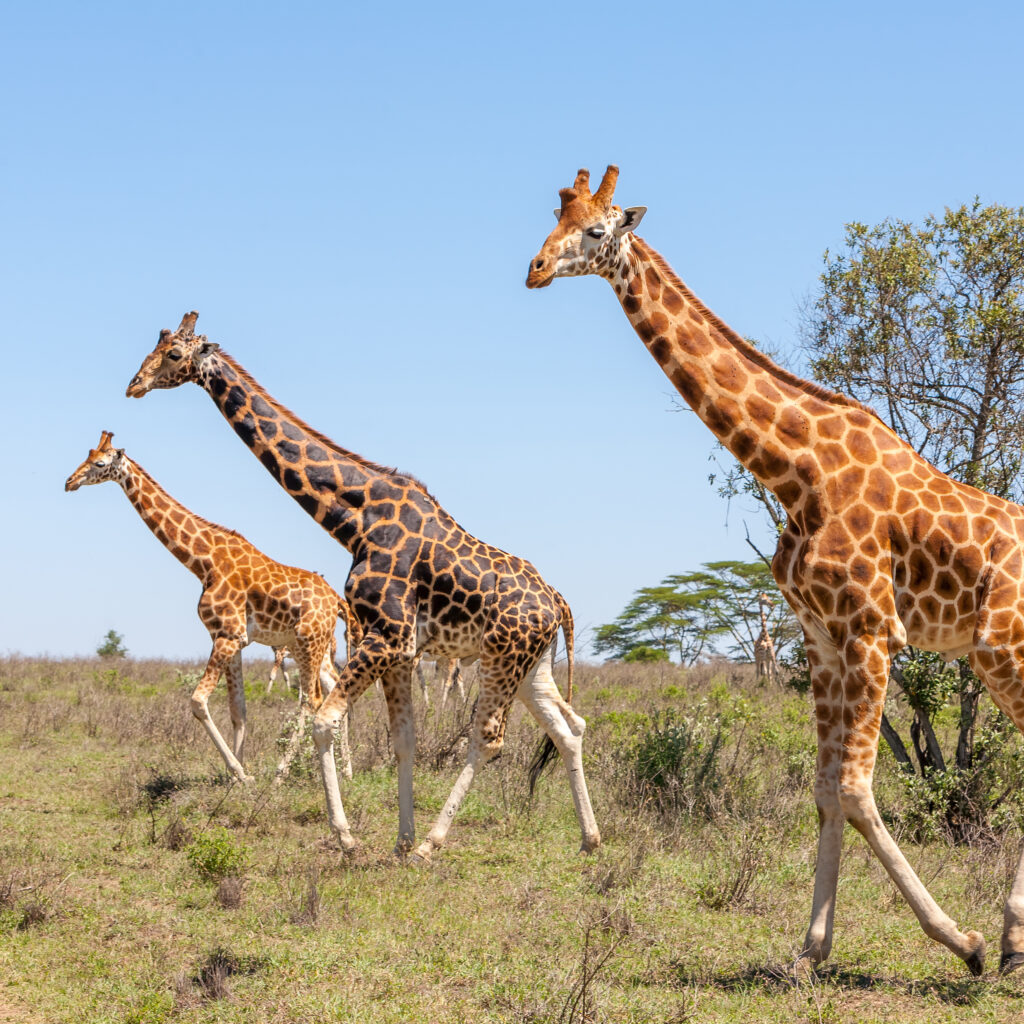
Tarangire is one of the highlights of a July safari. Large elephant herds gather along the Tarangire River, joined by buffalo, zebra, wildebeest, giraffes and impala, while lions and leopards follow the prey. The baobab-studded landscape looks magnificent in the dry season. Spending two nights here balances the drive to the Serengeti beautifully. Birding is excellent there as well.

Ideal for School Holidays
July falls in the summer school holidays for many families, and the cool, dry weather and abundant wildlife make it a superb month for children. A private vehicle lets you set the pace, take breaks when needed and choose family-friendly lodges with pools. Fewer mosquitoes in the dry season are another welcome advantage. Family rooms book out quickly.
Summit, Safari and Beach
July is a prime month to combine a safari with a Kilimanjaro or Mount Meru climb, as the dry season brings firm trails and clear views. Zanzibar is dry, sunny and breezy, ideal for relaxing after early game drives. We link the mountain, the Serengeti and the island with road transfers and scheduled flights. Allow ten days or more.
Weather & Climate during a Tanzania Safari in July
July is in the middle of the long dry season in northern Tanzania and is one of the coolest months of the year. Expect clear, sunny days with low humidity in the Serengeti, Tarangire and Lake Manyara, typically in the mid twenties Celsius, with chilly mornings and evenings. Rain is rare. The Ngorongoro highlands are cold, and nights on the crater rim can fall to around five degrees, often with morning mist. Dust increases through the month. On Zanzibar the weather is dry, sunny and breezy. Pack warm layers for early drives and lighter clothing for the afternoons.
Wildlife and Animals
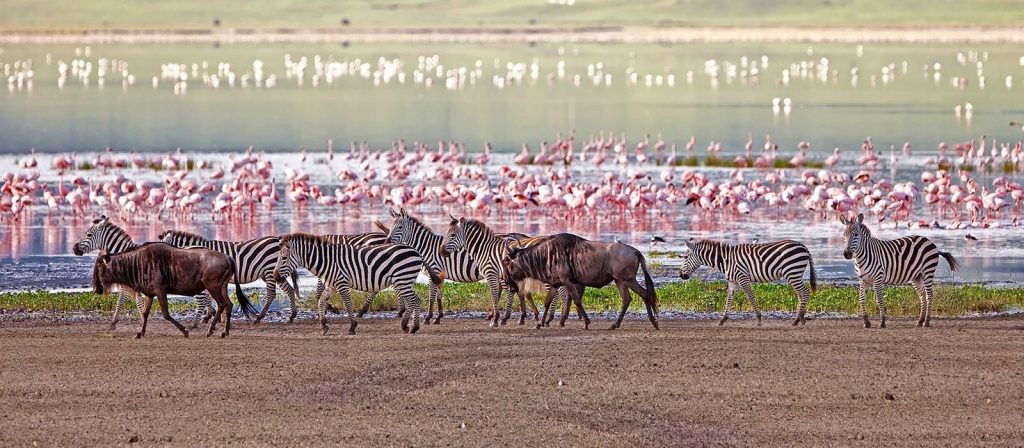
July wildlife viewing is excellent across northern Tanzania, as the dry season concentrates animals around rivers and waterholes. The Great Migration moves from the Western Corridor to the northern Serengeti, so herds may be found anywhere between the Grumeti River and Kogatende, with crocodiles waiting at the crossings. Lions, leopards and cheetahs are reliable in the central Serengeti around Seronera. Tarangire hosts large elephant herds along its river, and Ngorongoro Crater offers dependable Big Five viewing, including black rhino. Short grass and bare trees make predators, and even shy leopards, easier to spot on morning and afternoon drives.
- Wildebeest
- Zebra
- Nile crocodile
- Lion
- Leopard
- Cheetah
- Elephant
- Buffalo
- Black rhino
- Giraffe
- Hippo
- Topi
- Impala
- Lesser kudu
Tanzania Safari in July Birds
July birding focuses on Tanzania’s impressive resident species, since the Palearctic migrants from Europe and Asia have long since flown north. The dry season brings many birds into the open, gathering near water and in thinning bush. Raptors and vultures are easy to see as they follow predators and the migration herds. Tarangire is excellent for yellow-collared lovebirds, hornbills and starlings, while Lake Manyara and the soda lakes attract pelicans, storks and flamingos. In the Serengeti, look for ostriches, kori bustards and secretarybirds striding across the plains. Your private guide can plan early birding stops along the route.
- Rüppell’s vulture
- White-backed vulture
- Martial eagle
- Bateleur
- Secretarybird
- Ostrich
- Kori bustard
- Yellow-collared lovebird
- Von der Decken’s hornbill
- Superb starling
- Lesser flamingo
- Lilac-breasted roller
Where to go during a Tanzania Safari in July
Where you go in July depends on how closely you want to follow the migration. The herds are moving from the Western Corridor to the northern Serengeti, so the best migration itineraries include the north, the west or both, often linked by light-aircraft flights. The central Serengeti, Ngorongoro Crater and Tarangire complete a classic dry-season route, while Arusha National Park makes a relaxed start or finish. Choose the areas below to match your interests, travel style and time available, and we will design a private route that keeps you close to the wildlife.
Kogatende and the Northern Serengeti
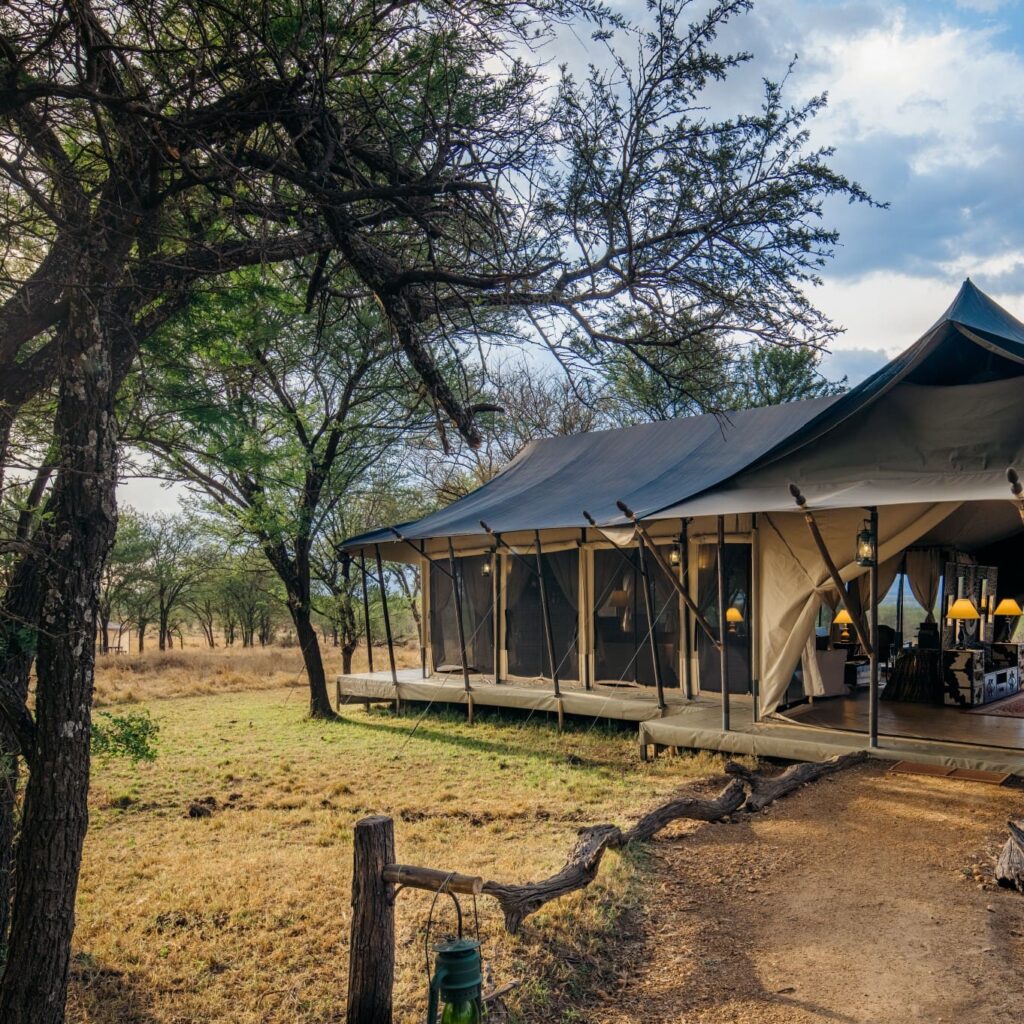
The northern Serengeti around Kogatende borders Kenya’s Maasai Mara, and the Mara River winds through it. As the herds arrive in July, the first Mara River crossings may begin, usually later in the month. The scenery of rolling hills and riverine forest is beautiful, and seasonal camps open for the dry season. Stay at least three nights.
Where to Stay for the Migration →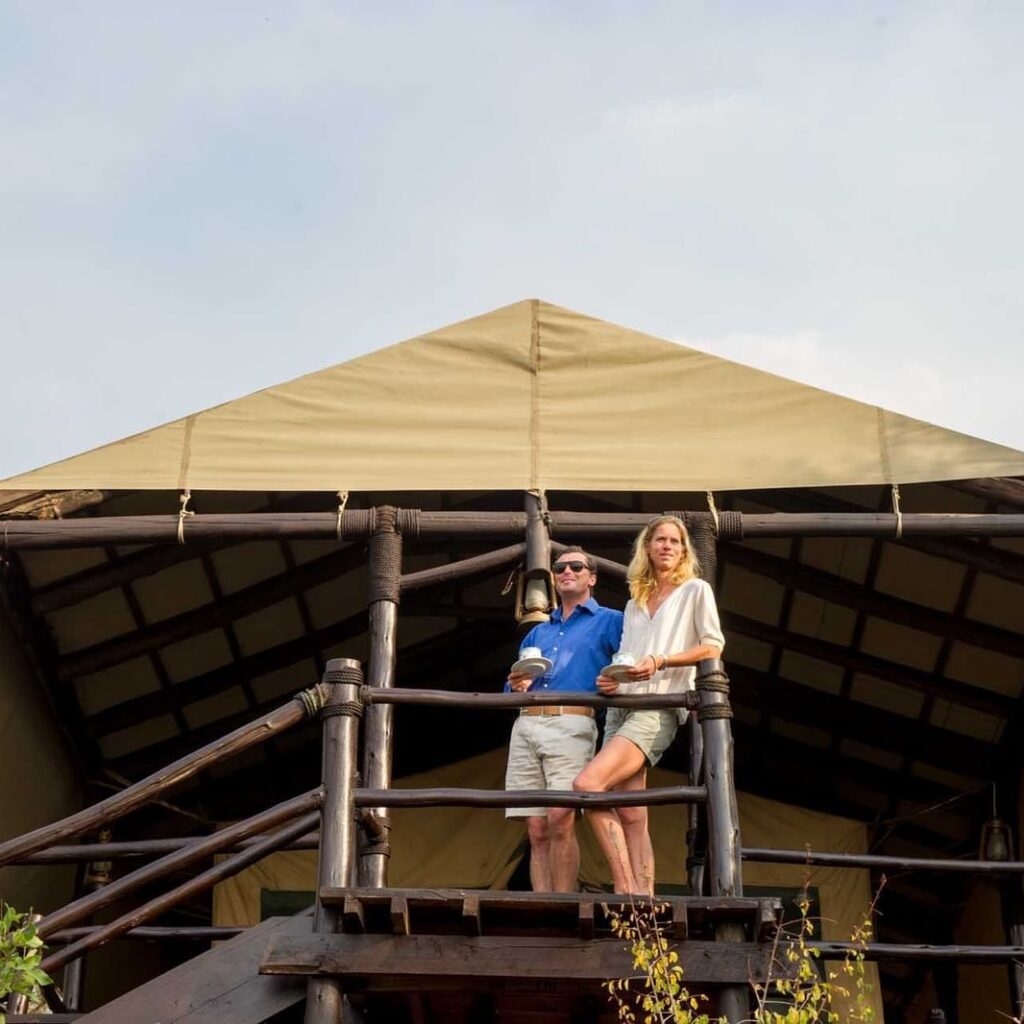
Western Corridor and the Grumeti
In early July many herds are still in the Western Corridor, where crossings of the Grumeti River can continue and large crocodiles wait in the pools. As the month advances, the herds drift north and east. The west is quieter than the central Serengeti, so it suits travellers seeking the migration away from busier areas.
Explore Western Corridor Safaris →
Seronera and the Central Serengeti
Seronera has permanent water and superb resident predators, with lions on the kopjes, leopards in riverside trees and cheetahs on the open plains. It sits between the crater and both the western and northern regions, so it is a natural stopover on a July route. Vehicles gather at sightings, so early starts help. Leopards favour the riverside sausage trees.
Explore the Serengeti →
Tarangire National Park
Tarangire is at its finest in July, as the Tarangire River draws large elephant herds, buffalo, zebra, wildebeest and giraffes from the surrounding landscape. Lions and leopards follow the prey, and the baobab-dotted scenery is spectacular. Two nights allow you to explore beyond the busier loops near the gate and enjoy quieter sightings. Southern areas are much quieter.
Explore Tarangire →
Ngorongoro Crater
The crater floor offers buffalo, zebra, wildebeest, lions, hyenas, elephants and one of the best chances of black rhino in Tanzania. July is one of its busiest months, so descending at gate opening gives you the quietest hours. Nights on the rim are cold, so pack warm layers, a hat and gloves for the early start.
Explore Ngorongoro Crater →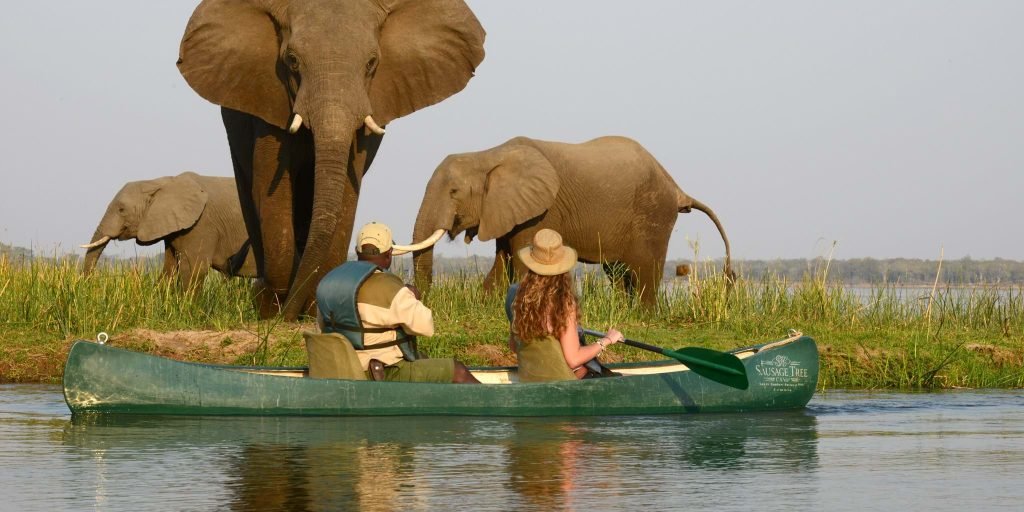
Arusha National Park
Arusha National Park lies close to town and makes an ideal first or last day in July. Colobus monkeys, giraffes and buffalo are common, the Momella Lakes may hold flamingos, and clear dry-season mornings often reveal Mount Meru and Kilimanjaro. Guided walks with an armed ranger and canoeing are possible when conditions allow. It suits arrival or departure days.
Explore Arusha National Park →Things to do in Tanzania Safari in July
July’s dry, settled weather makes it easy to plan a wide range of activities alongside your game drives. You can wait for river crossings in the north or west, float over the Serengeti in a hot-air balloon, walk with an armed ranger, climb Kilimanjaro at its best, visit a Maasai community or finish on a breezy Zanzibar beach, perhaps during the island’s film festival. Mix active and relaxing days to suit your energy and interests, and let your planner arrange permits, timings and transfers. Each activity below includes where it happens and how long it takes.
Waiting for River Crossings
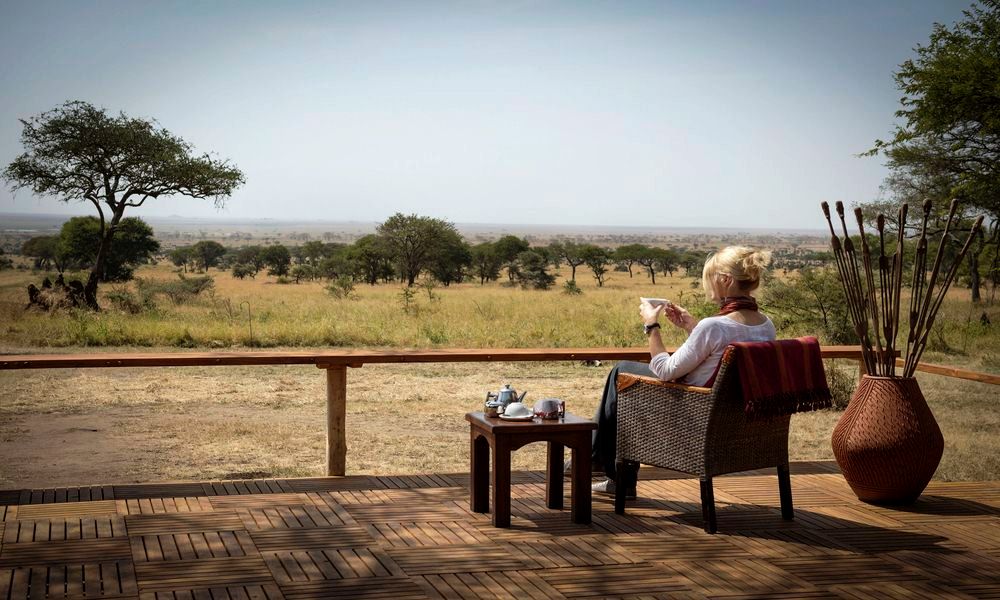
Spend full days along the Grumeti River in early July or the Mara River near Kogatende later in the month, watching herds gather on the banks. Crossings can take hours to begin and seconds to explode into action, so a private vehicle, packed lunch and patient guide make all the difference for every traveller. Bring snacks and plenty of water.
Hot-Air Balloon Safari
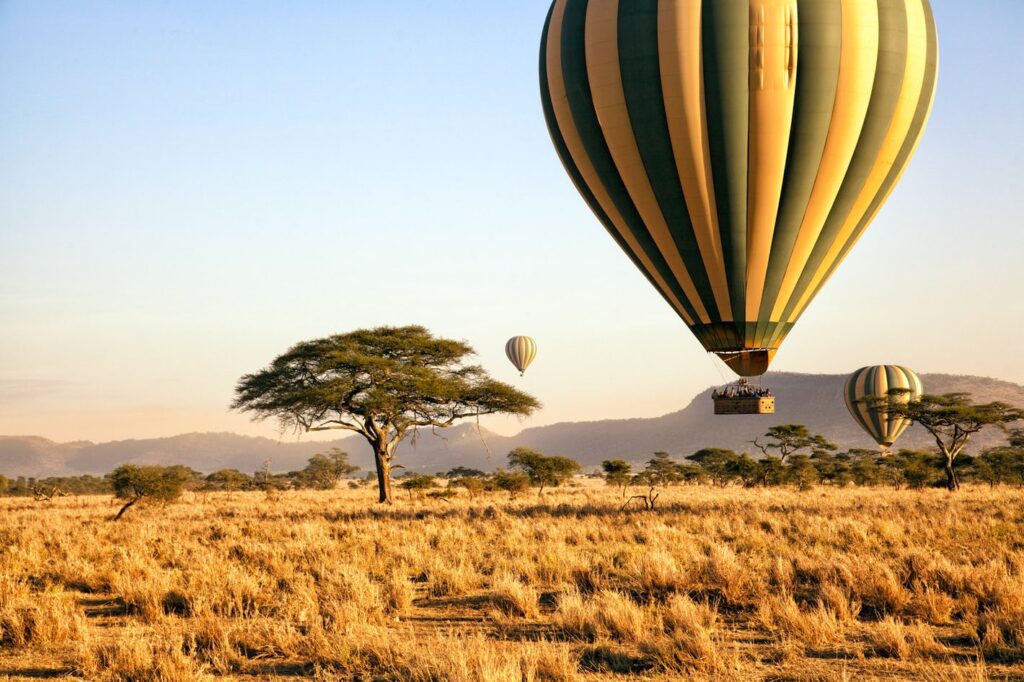
A sunrise hot-air balloon flight over the Serengeti reveals golden plains, winding rivers and herds on the move. July’s calm, clear mornings are excellent for flying, and launch sites operate in the central Serengeti and seasonally in other areas. Flights usually end with a bush breakfast. Book well ahead in this busy season. Flights cost extra and depend on weather.
Guided Walking Safaris
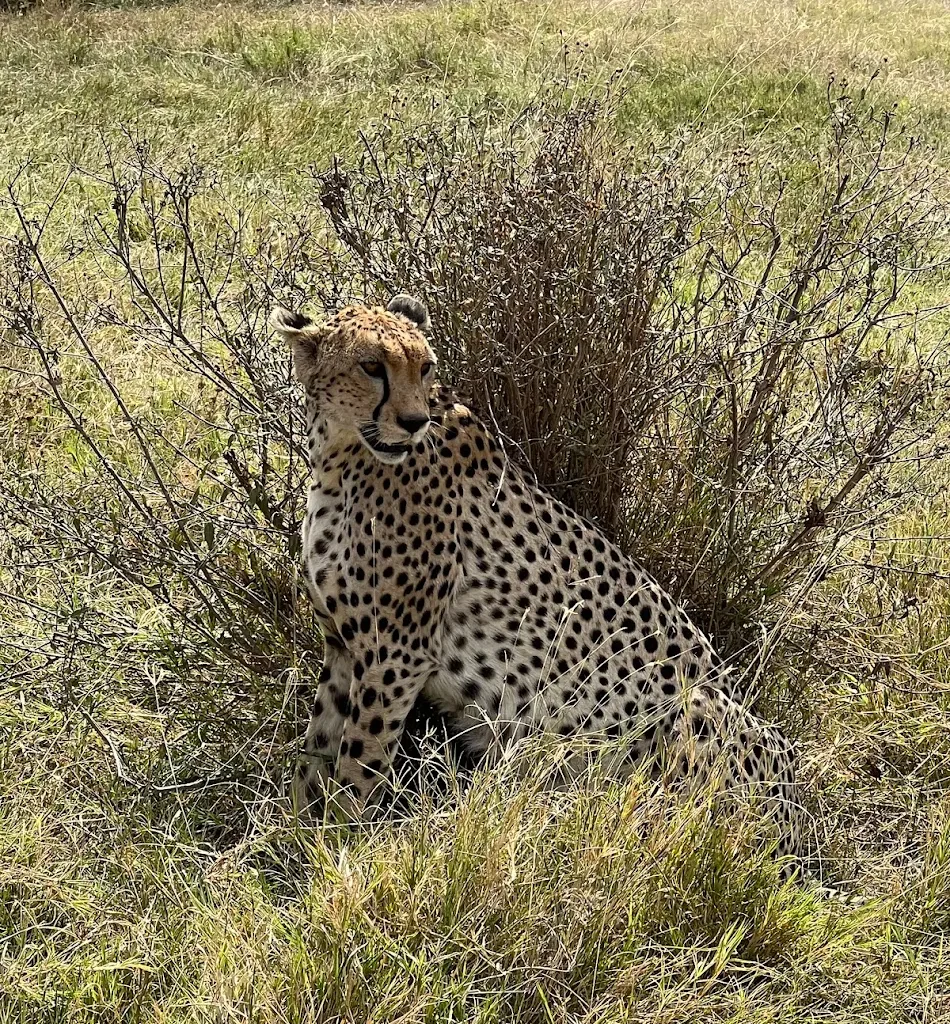
Walking with an armed ranger reveals tracks, insects, plants and birds you would never notice from a vehicle. In July, walks run in Arusha National Park, the Tarangire area and selected conservation areas, and the cool mornings make them comfortable. The thin dry-season bush also gives good visibility and an extra sense of safety. Wear neutral colours, sturdy shoes.
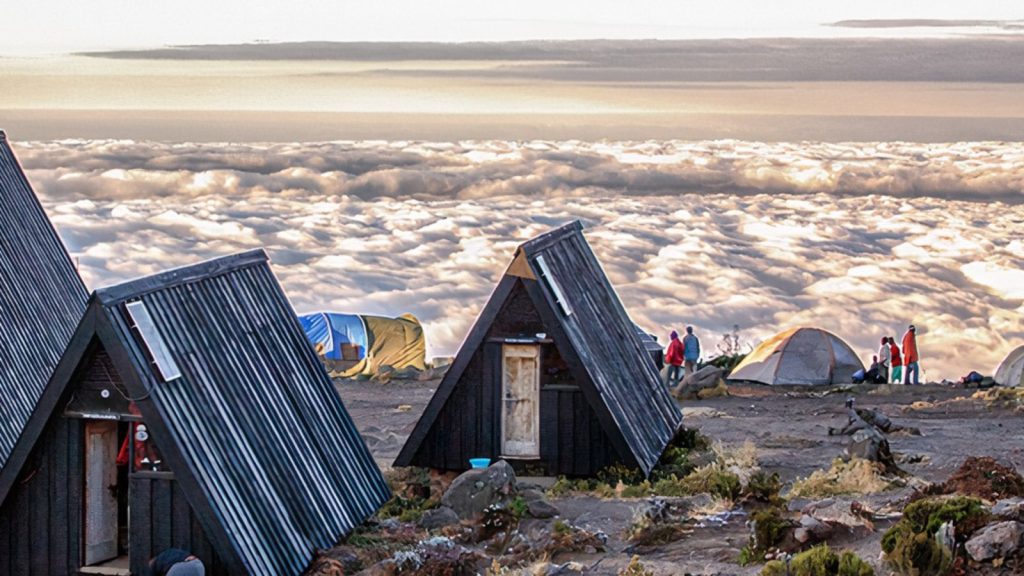
Kilimanjaro in Peak Season
July is one of the most popular months to climb Kilimanjaro, with dry trails, clear skies and superb views above the clouds. Summit nights are bitterly cold, so proper gear is essential. Longer routes such as the Lemosho give better acclimatisation and fewer climbers in the early days, and a safari makes the perfect reward.
Explore the Lemosho Route →
Maasai and Hadzabe Encounters
Visit a Maasai community in the Ngorongoro highlands to learn about herding life, or travel to Lake Eyasi to spend a morning with Hadzabe hunter-gatherers and Datoga blacksmiths. These respectful visits, arranged with local guides, add human context to your safari and are especially memorable for families with older children who enjoy learning. Always ask before photographing people.
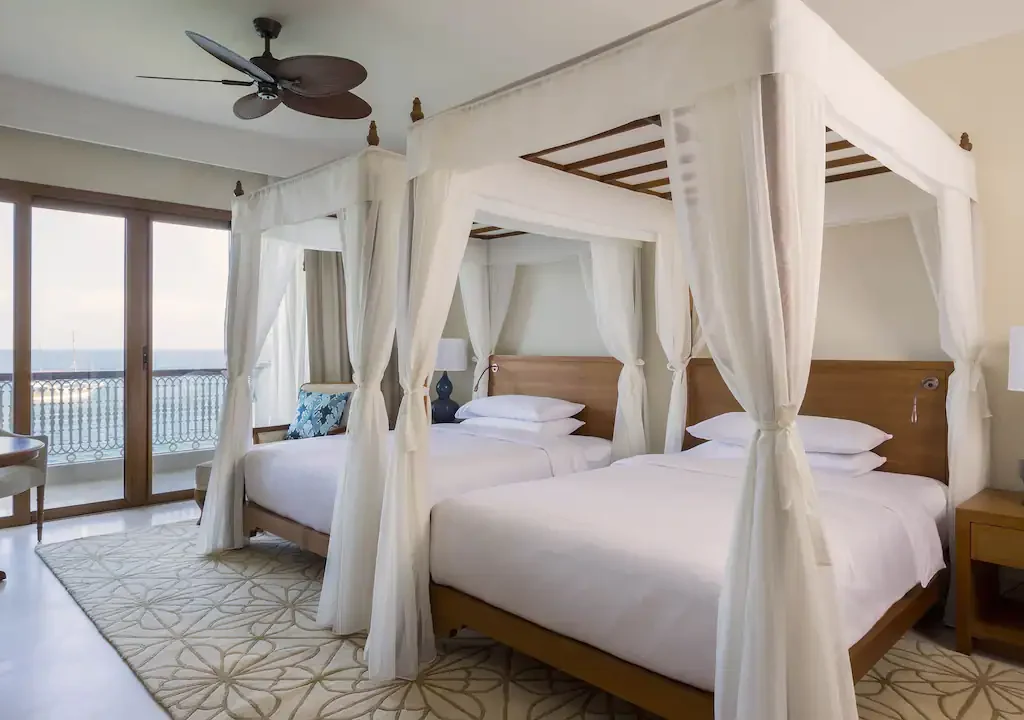
Zanzibar Beaches and Film Festival
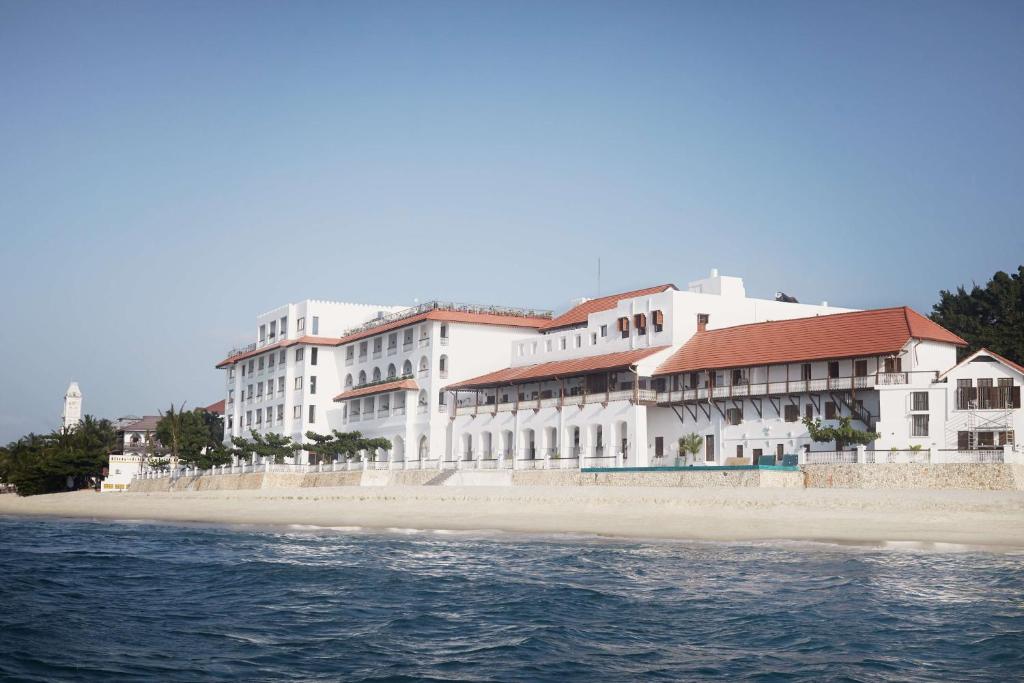
Zanzibar is dry, sunny and breezy in July, perfect for beaches, snorkelling and exploring Stone Town. The Zanzibar International Film Festival is usually held in July, bringing films, music and events to the old town. A short flight from Arusha or the Serengeti links your safari with the island easily, without long road transfers. Book island hotels early.
What to expect on a Tanzania Safari in July
Knowing what to expect helps you plan a smoother July safari. This is peak season, so lodges and camps fill early, flights are in demand and popular areas such as Ngorongoro Crater and Seronera are busy. The weather is dry and sunny, with cold mornings and comfortable afternoons. The migration herds are on the move between the west and the north, so routes often combine road and air travel. Here is what a typical July safari day and trip feel like, from game drives and weather to lodges, transfers and photography, so you can travel relaxed and well prepared.
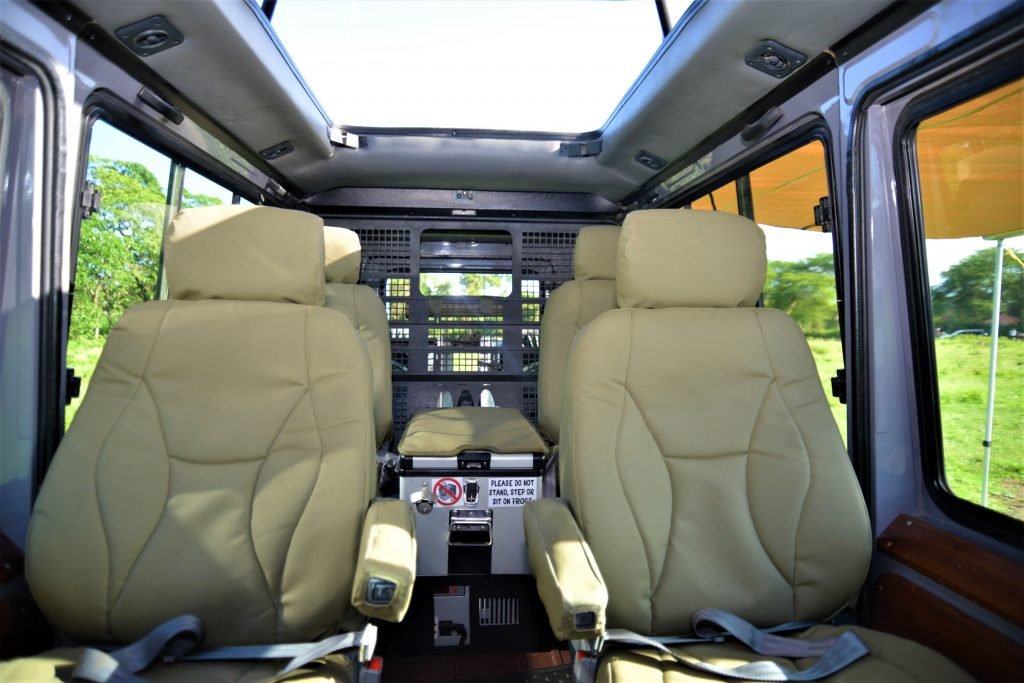
Cold Starts and Long Days
Most days begin at sunrise, when the air is cold and predators are active, so wrap up in a warm jacket for the first hours. By mid-morning the day warms up and layers come off. Many July travellers take full-day drives with packed lunches to stay near the herds and wait for crossings. Hot drinks help on cold starts.
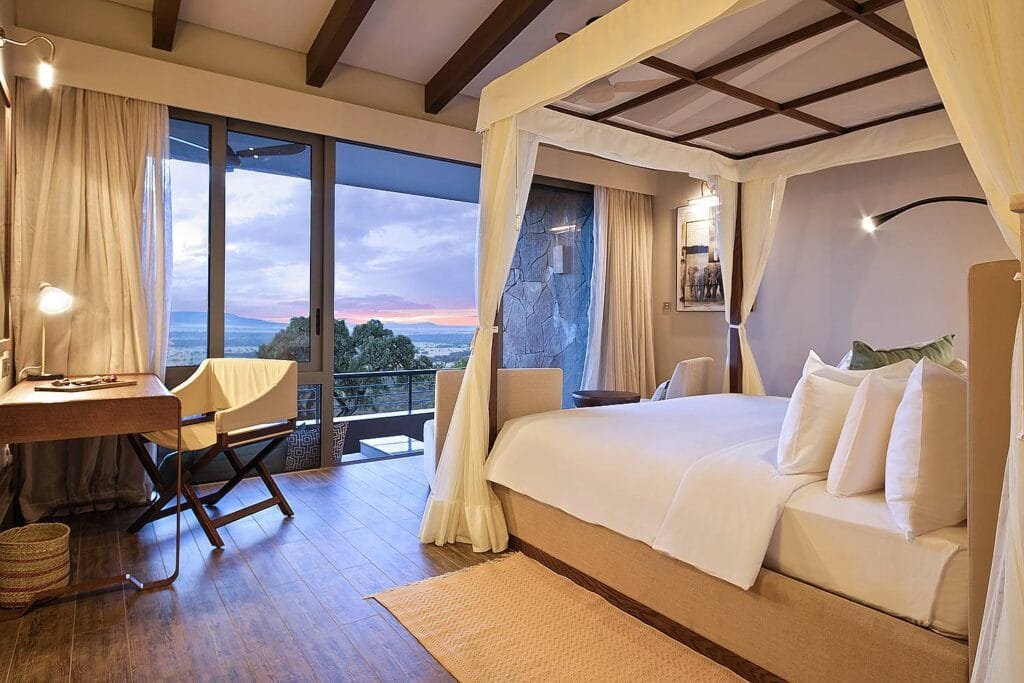
Golden Plains and Dusty Tracks
By July the grass has turned golden and the bush is thin, making it easier to spot animals at a distance. Skies are clear and sunsets are often spectacular. Dust builds along busy tracks, so a scarf and lens covers are helpful. The dry landscape has a classic, timeless look that photographers love. Bring extra memory cards along.
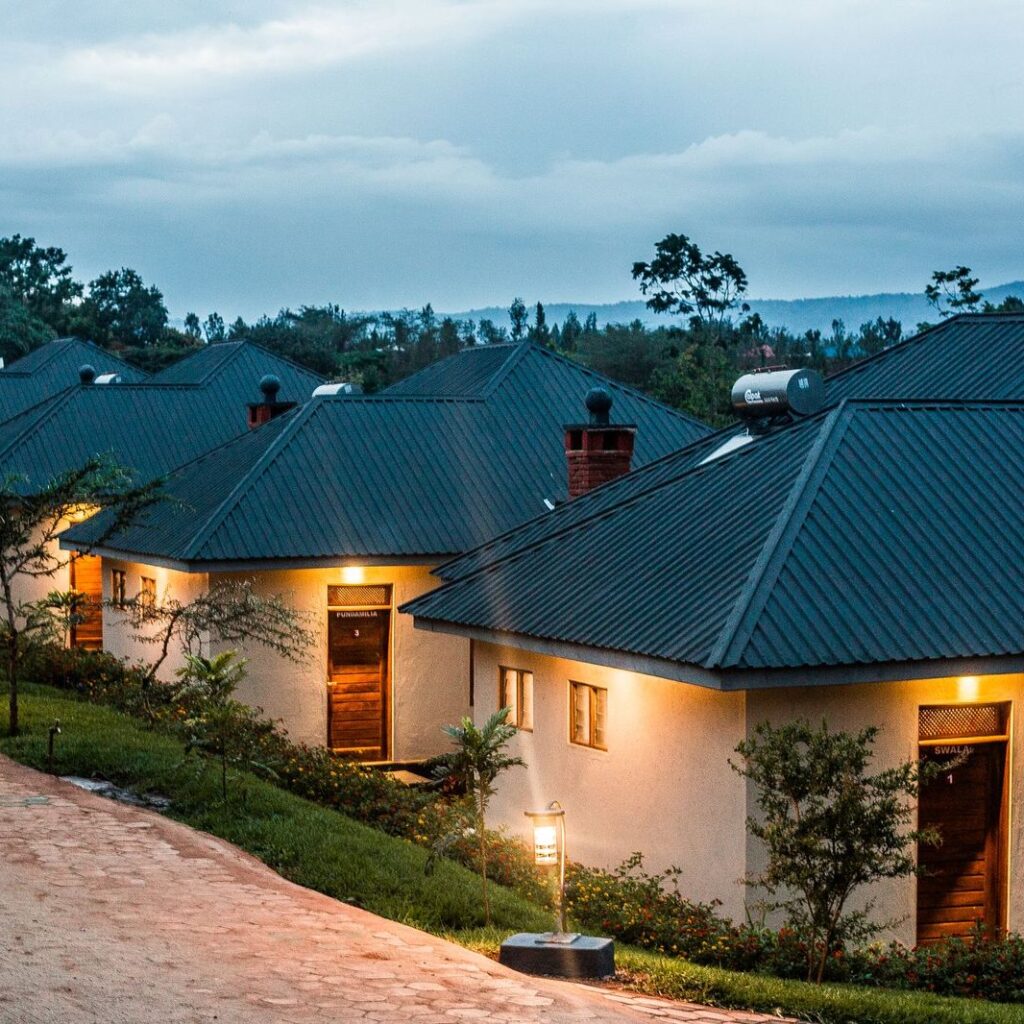
Busy Lodges and Popular Sightings
July is peak season, with the European and North American summer holidays bringing many visitors. Ngorongoro Crater and the central Serengeti can see several vehicles at major sightings, and the best camps sell out early. A skilled private guide, early starts and time in quieter areas such as the west help you avoid the busiest moments.
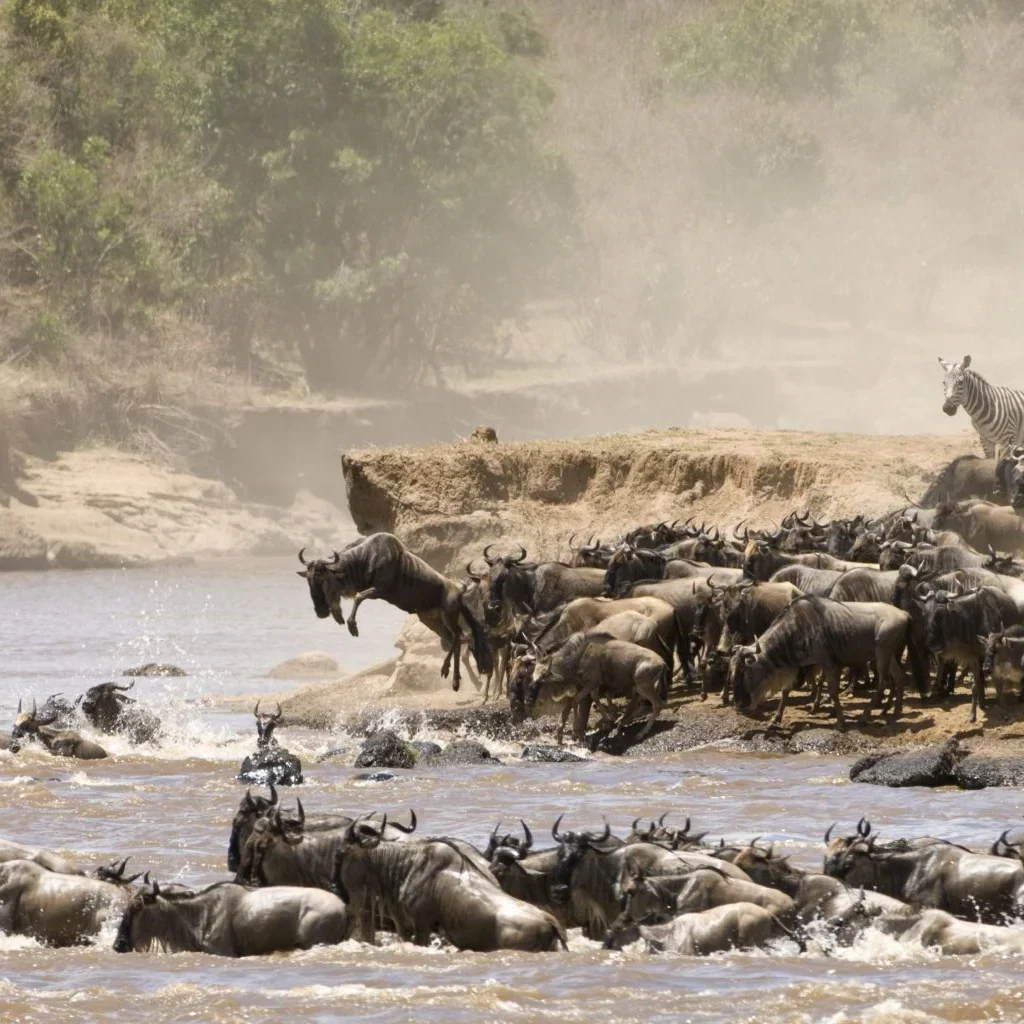
Patience at the River
River crossings are the most sought-after sight in July, but they are entirely unpredictable. Herds may approach the bank several times before committing, or turn away altogether. Rangers manage vehicle positions at the Mara River to reduce disturbance. Patience, several nights in the right area and a flexible approach give you the best chance. Some days bring several crossings.
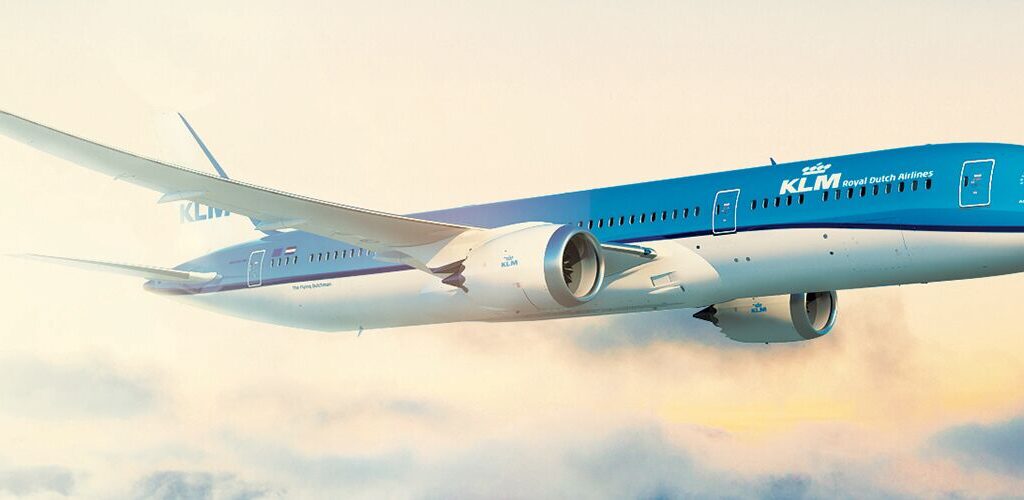
Combining Road and Air
The northern Serengeti is a long way from Arusha by road, so many July itineraries use light-aircraft flights to Kogatende or other Serengeti airstrips. A common plan is to drive through Tarangire and Ngorongoro to the central Serengeti, then fly north and back to Arusha, combining scenery with time saved for the herds. Your planner recommends the best combination.
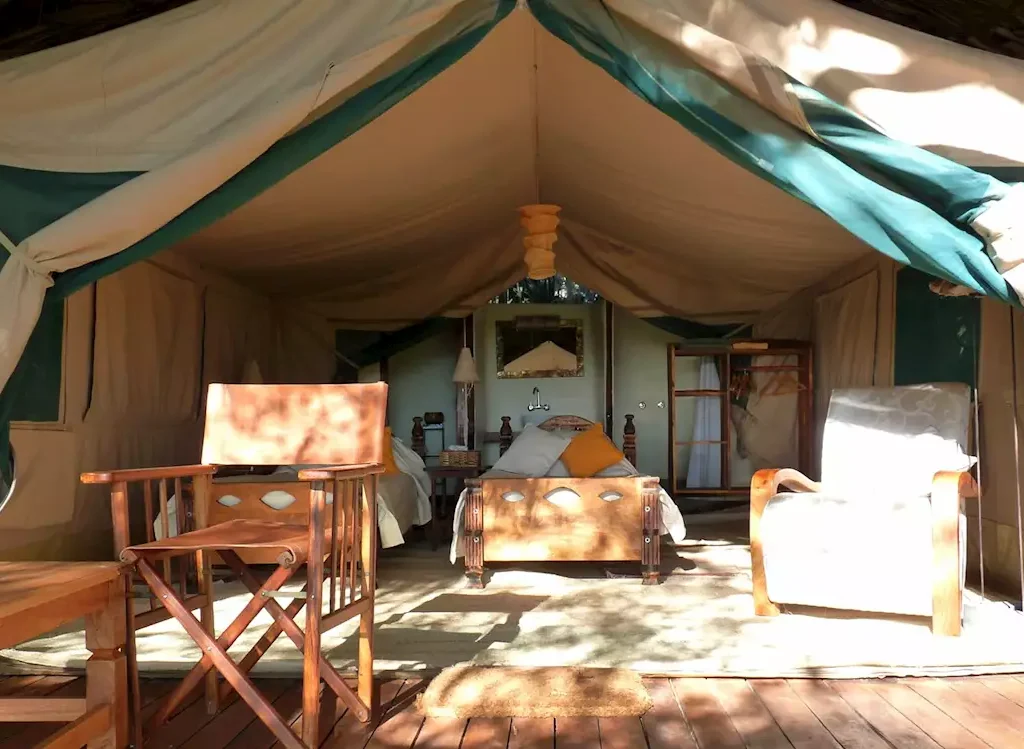
Seasonal Camps in the North
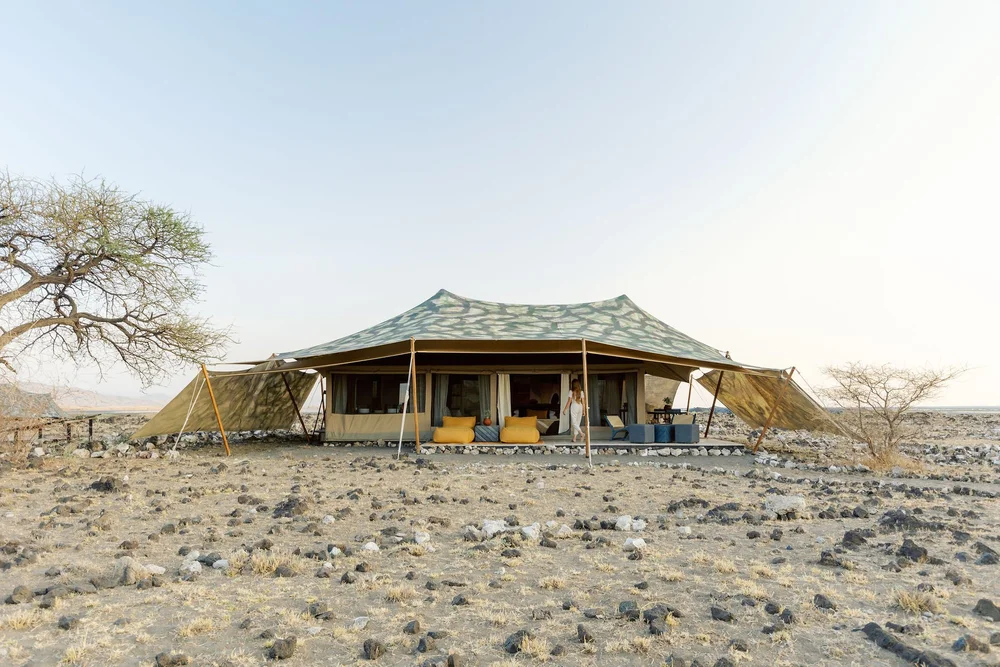
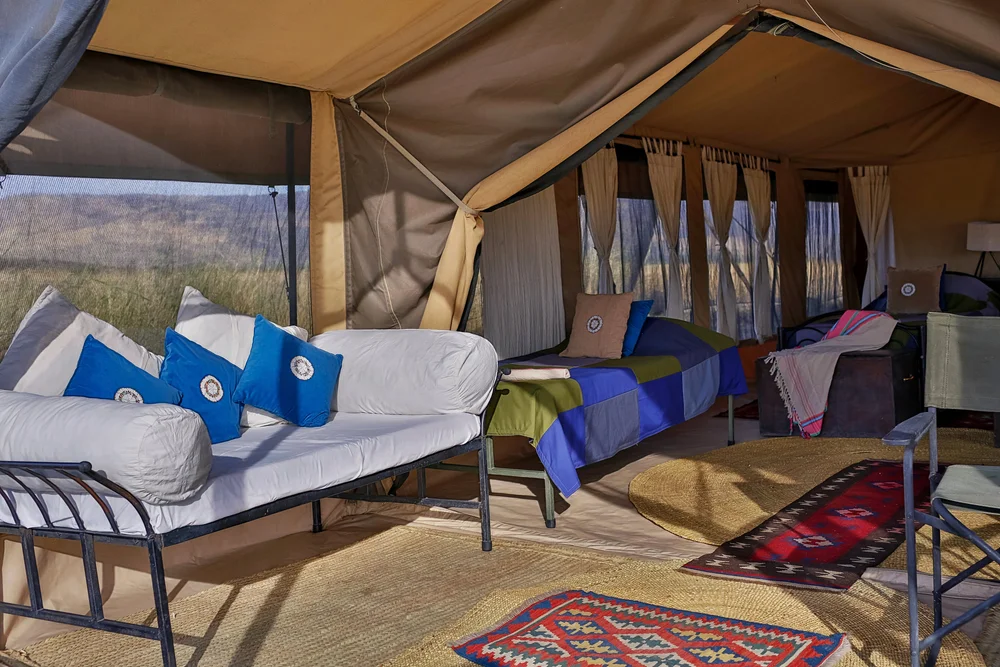
Seasonal and mobile tented camps set up in the northern and western Serengeti for the dry season, offering en-suite tents, good food and quick access to the herds and rivers. Permanent lodges stand on the crater rim, in Karatu and around Tarangire. Nights are cold, so camps often provide hot-water bottles and blankets. Pack warm sleepwear just in case.
Tanzania Safari in July crowds
July is one of the busiest months of the year for a Tanzania safari. The summer school holidays in Europe and North America bring many travellers, and the migration attracts photographers and first-time visitors alike. Ngorongoro Crater and the central Serengeti around Seronera are the busiest areas, and popular river crossing points in the north can draw many vehicles. Tarangire is busy near the gate but quieter in its southern areas, while Lake Manyara and Arusha National Park remain calmer. A private vehicle, early starts, full-day drives and a guide who knows quieter routes make a real difference.
- Ngorongoro CraterVery busy
- Central SerengetiBusy
- Northern SerengetiModerate
- Western CorridorQuiet
- TarangireModerate
- Arusha NPVery quiet
Best Time for a Tanzania Safari in July
Within July, timing depends on what you most want to see. Early July is often best for the Western Corridor, when herds may still be crossing the Grumeti River. Late July usually gives better chances of the first Mara River crossings in the northern Serengeti, although the herds’ arrival varies from year to year, and peak crossings tend to come in August and September. The middle of the month suits classic itineraries that combine the central Serengeti, Tarangire and Ngorongoro. Kilimanjaro is excellent all month; aim for full moon for brighter summit nights. Zanzibar stays dry and breezy throughout.
Tanzania Safari in July: Pros and cons
Every month has trade-offs, and July is no exception. It offers dry, comfortable weather, outstanding wildlife viewing, the migration moving north with the chance of river crossings, and excellent conditions for Kilimanjaro and Zanzibar. On the other hand, it is peak season, so accommodation rates are at their highest, the best camps must be booked far in advance and popular areas are busy. Weighing these points against your budget, travel dates and interests helps you decide whether July is your ideal month for a private tailor-made safari. The six points below summarise the main pros and cons to consider.
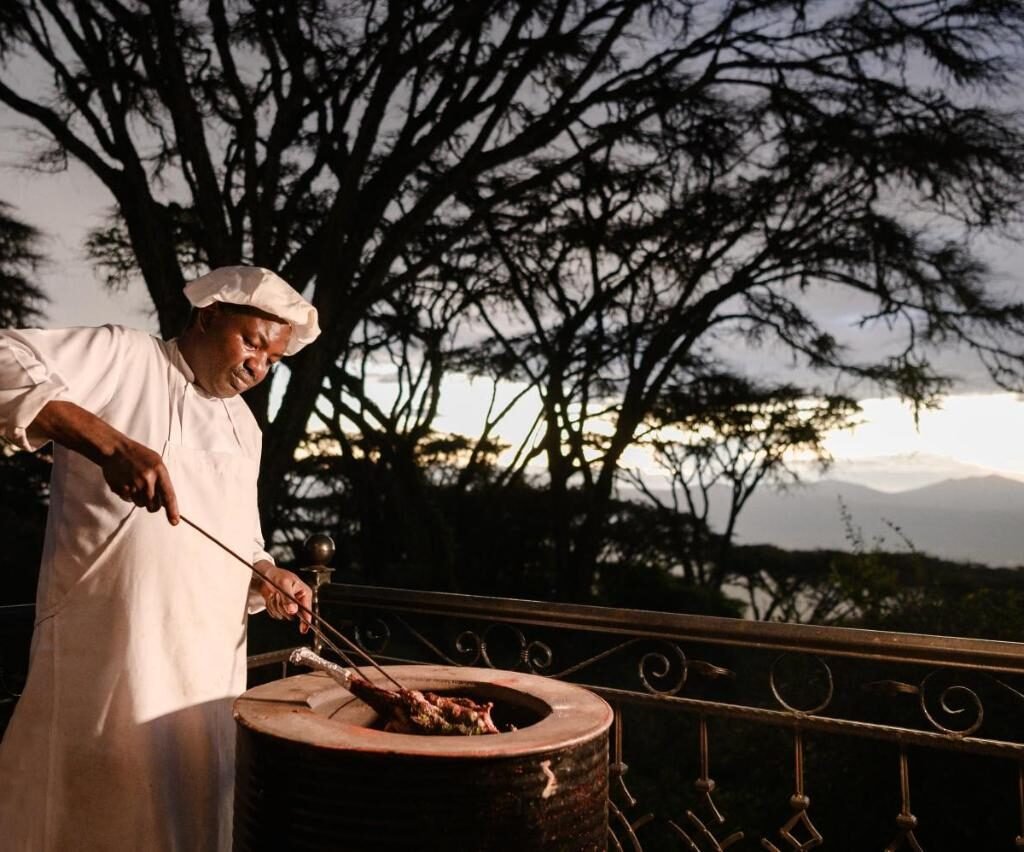
Superb Dry-Season Wildlife
July’s dry conditions concentrate animals around water, and the short grass and bare trees make them easy to spot. Predators are active and visible, Tarangire’s elephant herds are spectacular, and the crater is reliable. Few months offer such consistent, high-quality wildlife viewing across every park on the northern circuit. Leopards are easier to find in thinner bush.
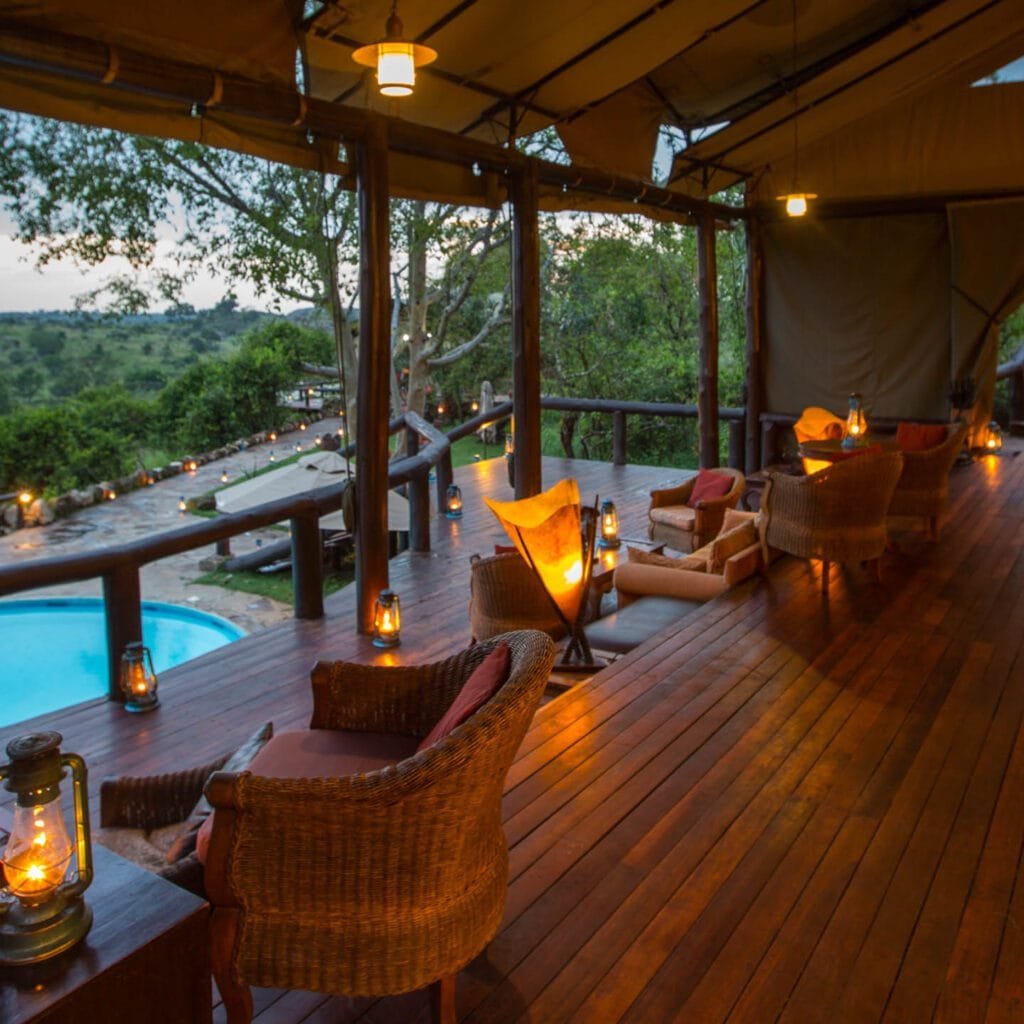
The Herds on the Move
July is a month of movement, as the herds travel from the Western Corridor to the northern Serengeti. That gives you two chances at river drama: the Grumeti early in the month and the first Mara River crossings later on. Watching columns of wildebeest stream across the plains is a highlight in itself. Expert guiding makes the difference.
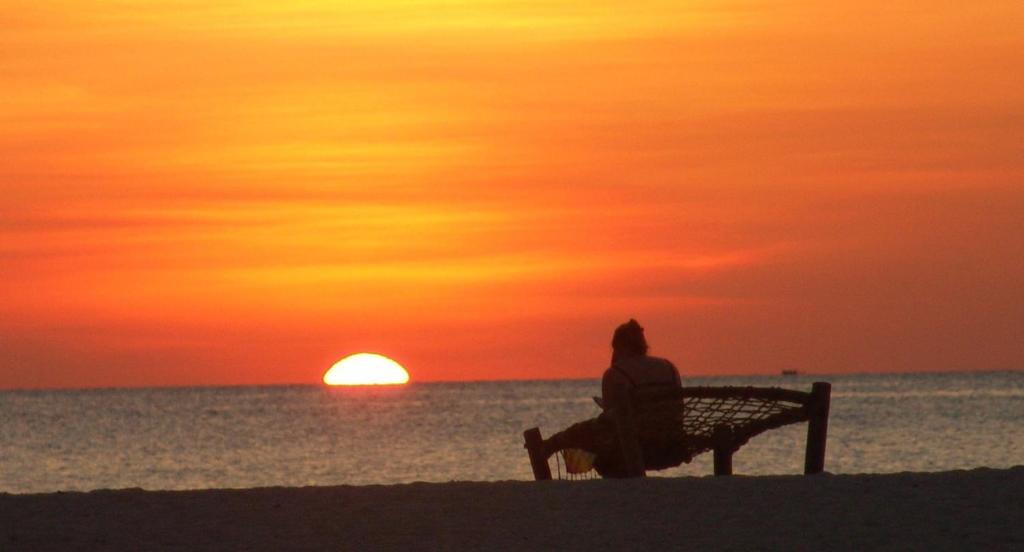
Dry, Comfortable Weather
Sunny days, low humidity and cool temperatures make July very comfortable for game drives, walks and climbs. Mosquitoes are fewer than in the rains, and roads are firm. It also pairs perfectly with dry, breezy days on Zanzibar and prime climbing weather on Kilimanjaro, so combined trips work especially well. Families with young children appreciate the mild temperatures.
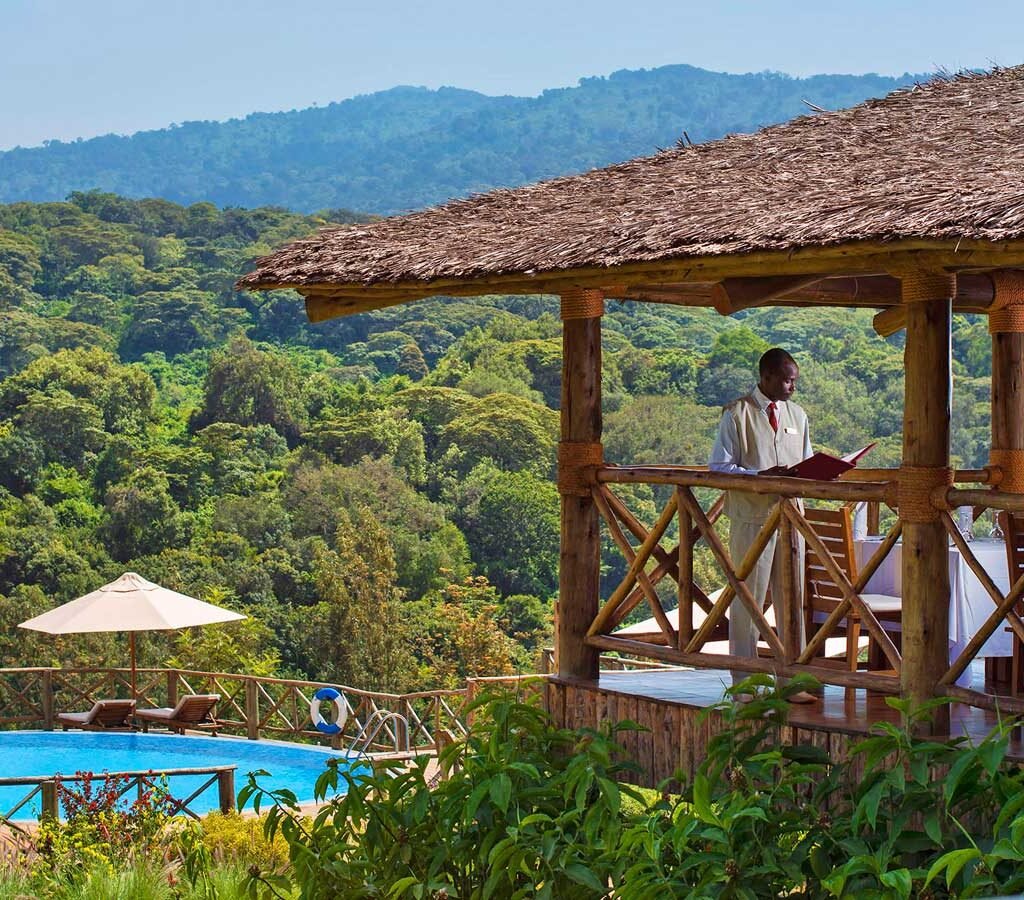
Peak-Season Rates and Early Booking
July is peak season, so lodge and camp rates are among the highest of the year, and camps near the herds fill many months ahead. Flights also sell out. Booking nine to twelve months in advance gives you the widest choice, while mixing lodge levels can help manage the overall budget for your safari. Shoulder months offer better value.
Busy Crater and Seronera
Ngorongoro Crater and the central Serengeti are at their busiest in July, and popular crossing points can attract many vehicles. Starting early, staying out during lunch hours and spending time in quieter regions such as the Western Corridor or southern Tarangire greatly reduces the impact of the crowds on your safari. Lake Manyara also feels calmer in July.
Mara Crossings Can Start Late
The arrival of the herds in the northern Serengeti varies from year to year, and in some years Mara River crossings only become frequent in August. If crossings are your main goal, travel in late July or consider August and September, and allow three or four nights in the north for the best chances. Flexible dates help considerably here.
Events during a Tanzania Safari in July
July combines a public holiday, a cultural festival and major natural events. Saba Saba Day on 7 July is a national public holiday celebrating the founding of TANU, the party that led Tanganyika to independence; banks and offices close, but parks and lodges operate normally. The Zanzibar International Film Festival is usually held in Stone Town in July. In nature, the migration moves from the Western Corridor to the northern Serengeti, with Grumeti crossings early and the first Mara crossings possible late in the month. Religious holidays such as Eid follow the lunar calendar, so dates vary each year.
- 7 JulySaba Saba DayNational public holiday
- Usually JulyZanzibar International Film FestivalStone Town, Zanzibar
- Early JulyGrumeti River crossingsWestern Corridor, timing varies
- Late JulyFirst Mara River crossingsNorthern Serengeti, Kogatende
Safari Prices & Costs
July is peak season in northern Tanzania, so understanding what shapes the cost of your private safari helps you plan wisely. The biggest factors are the lodges or camps you choose, how many nights you spend near the herds in the north or west, whether you drive or fly, park and conservation fees, and the size of your travelling party. Rates change by year and by property, so we quote every tailor-made itinerary individually rather than publishing fixed prices. The points below explain how each element affects your total budget.

Peak-Season Lodge Rates
Accommodation is usually the largest part of a safari budget, and July rates are among the highest of the year. Seasonal camps near the Mara River and mobile camps following the herds are in strong demand. Choosing a mix of luxury and mid-range properties, or staying slightly further from the herds, helps balance comfort and cost.
Park and Conservation Fees
National parks and the Ngorongoro Conservation Area charge entry and concession fees, usually per person per day, and the crater has a separate vehicle descent fee. Fees are set by the authorities and can change, so we include current fees in every private quote. Longer stays inside the parks increase this part of the budget.
Private Vehicle and Guide
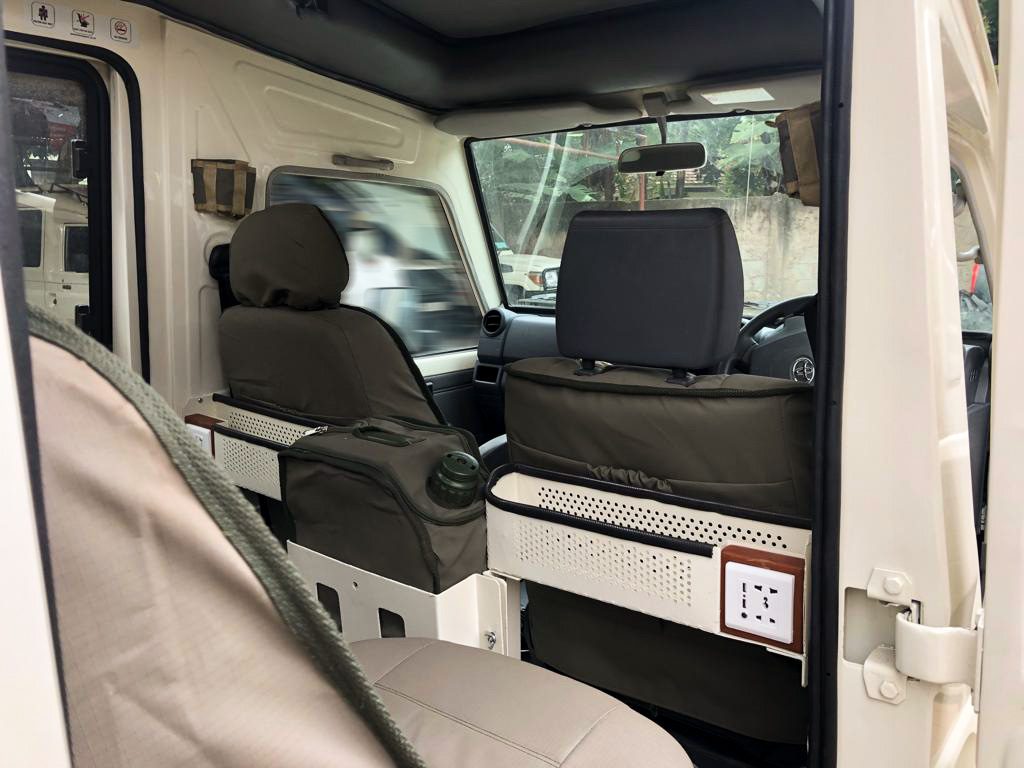
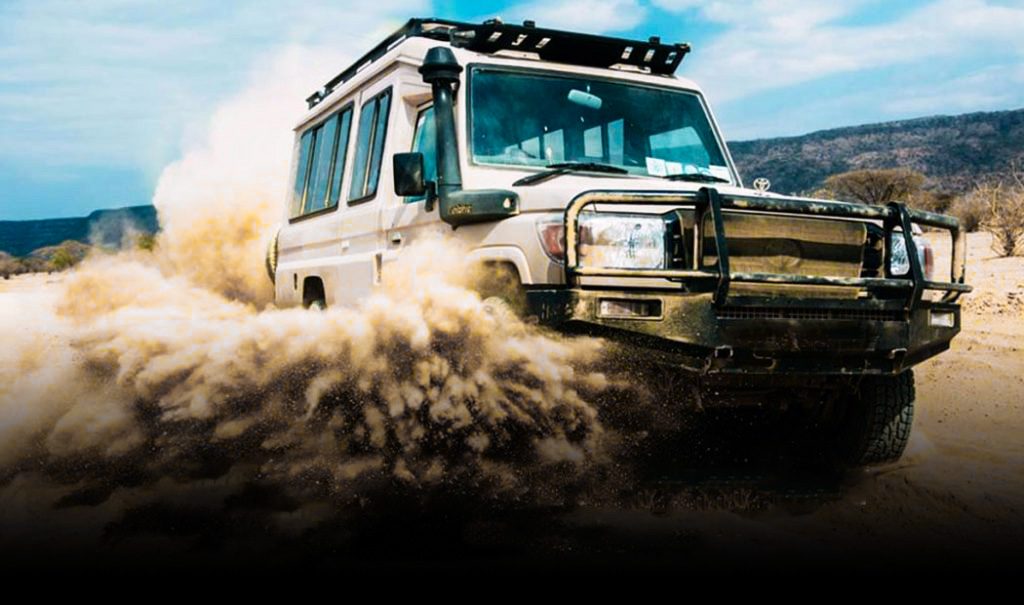
Your private safari includes a four-wheel-drive vehicle with a pop-up roof and a professional driver-guide throughout. The daily vehicle cost is split within your own travelling party, so families travelling in the July school holidays pay less per person than solo travellers. Fuel, guide fees and vehicle park fees are all included. Solo travellers pay a higher share.
Light-Aircraft Flights
Reaching the northern Serengeti by road takes a long time, so many July itineraries include at least one light-aircraft flight. Flights add to the budget but save a full day of driving and give you more time near the Mara River. Seats sell out in peak season, and baggage limits apply, usually soft bags. Book seats as early as possible.
Number of Nights
Total cost grows with each night, but July safaris benefit from enough time near the herds. Three or four nights in the north or west, one or two in the central Serengeti, one at the crater and two in Tarangire make a balanced plan. Adding Kilimanjaro or Zanzibar extends both trip and budget. We help balance time and budget.

Optional Activities and Tips
Optional extras include balloon flights, walking safaris, cultural visits, Zanzibar excursions and travel insurance. Gratuities for guides, mountain crews and lodge staff are customary and at your discretion. We list exactly what is included and excluded in your quote, so there are no surprises when you arrive in Tanzania. Optional activities are paid only if you choose them.
Tanzania Safari Packages in July
The best July packages follow the migration as it moves north, then add Tarangire, the central Serengeti and the Ngorongoro Crater. Every itinerary below is a starting point for a private tailor-made safari: we adjust nights, lodges, flights and activities to your dates, budget and interests. Choose a luxury migration safari, a longer in-depth route, a family trip for the school holidays, a bush-and-beach escape, a Kilimanjaro climb or a safari starting from Zanzibar, and we will refine the plan with you. Each package lists its length and style.
Luxury Tanzania Great Migration Safari
This luxury migration safari is designed to follow the herds in comfort. In July we position your camps to follow the migration from the Western Corridor to the northern Serengeti, with a private vehicle and guide throughout. Light-aircraft flights can link the regions, giving you more time at the rivers and less time on the road.
View This Safari →
11-Day Serengeti Wildebeest Migration Safari
With eleven days you can travel at a relaxed pace and spend several nights near the herds. In July we shape this itinerary around the migration’s move north, allowing time for patient crossing watches in the northern Serengeti as well as classic highlights. It suits keen photographers and travellers who dislike rushing. Lodges can be adjusted to any level.
View This Safari →
6-Day Serengeti and Ngorongoro Family Safari
A family-friendly route through the Serengeti and Ngorongoro Crater with a private vehicle, flexible timings and family rooms. July’s school holidays, cool weather and abundant wildlife make it ideal for children. We can add a Zanzibar beach extension or Tarangire for elephants, and plan shorter drives for younger travellers when needed. Family rooms sell out early in July.
View This Safari →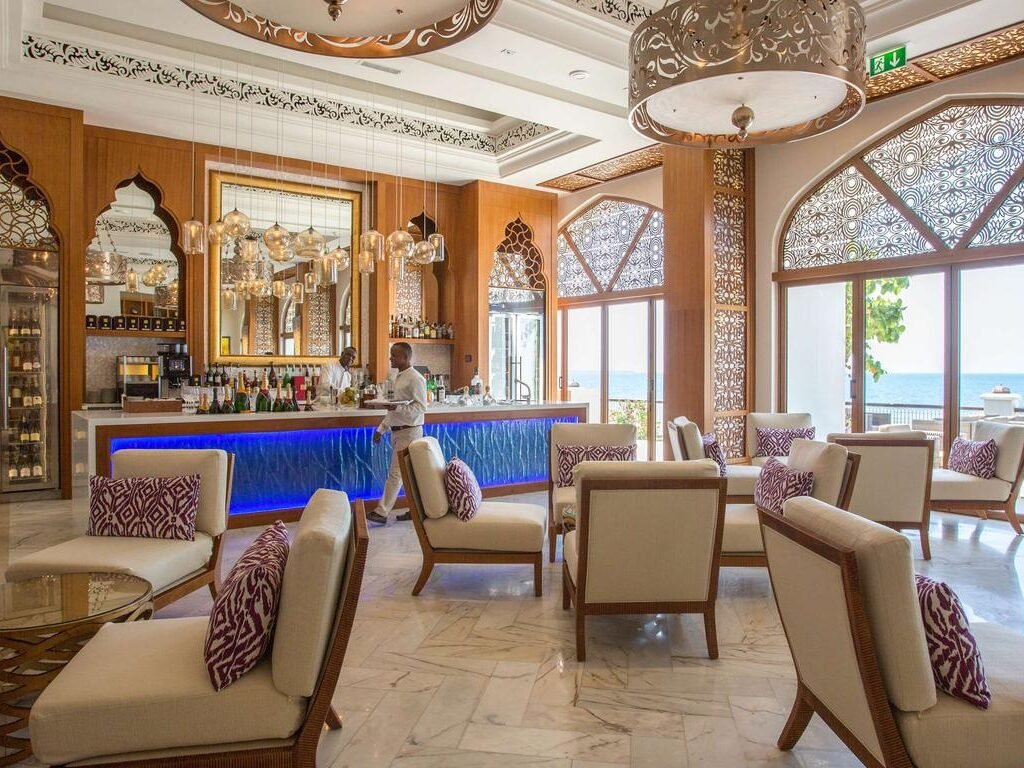
15-Day Luxury Safari & Zanzibar Beach Escape
This luxury itinerary spends three days in Tarangire, four in the Serengeti and two in the Ngorongoro area before ending on Zanzibar. In July it combines Tarangire at its best and the migration on the move with dry, breezy beach days, making it ideal for honeymoons, anniversaries and other special celebrations. Lodges are chosen to suit you.
View This Safari →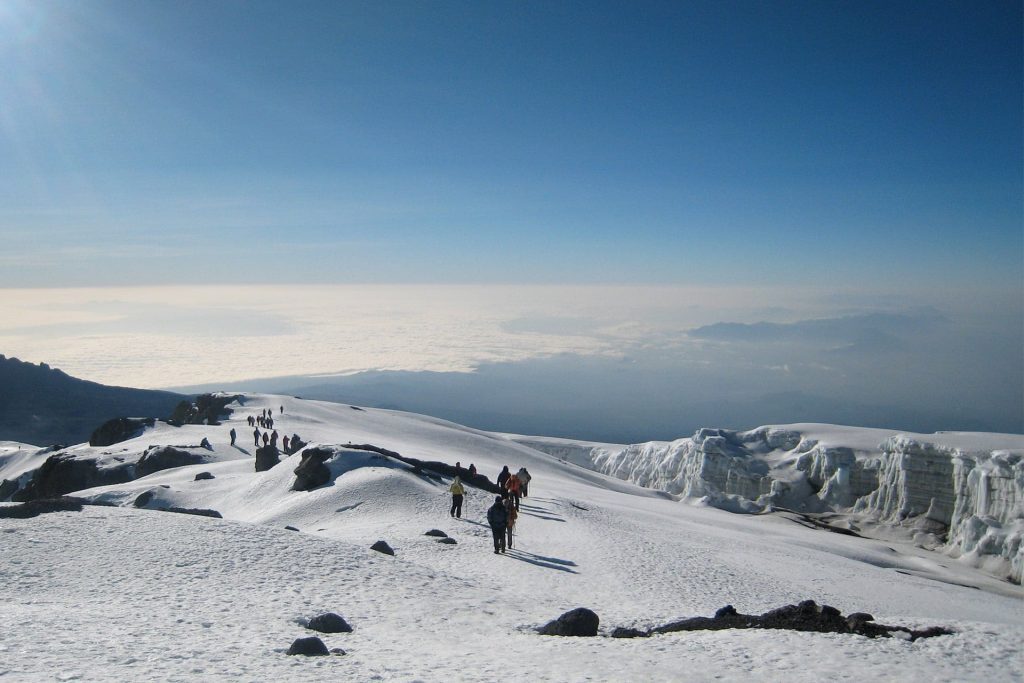
8-Day Lemosho Route Kilimanjaro Climb
The eight-day Lemosho route is one of Kilimanjaro’s most scenic and gradual paths, giving excellent acclimatisation. July’s dry season brings firm trails, clear skies and stunning views, although summit night is extremely cold. Many travellers follow the climb with a private safari to watch the migration in the northern Serengeti. Rest days can be added between climb and safari.
View This Climb →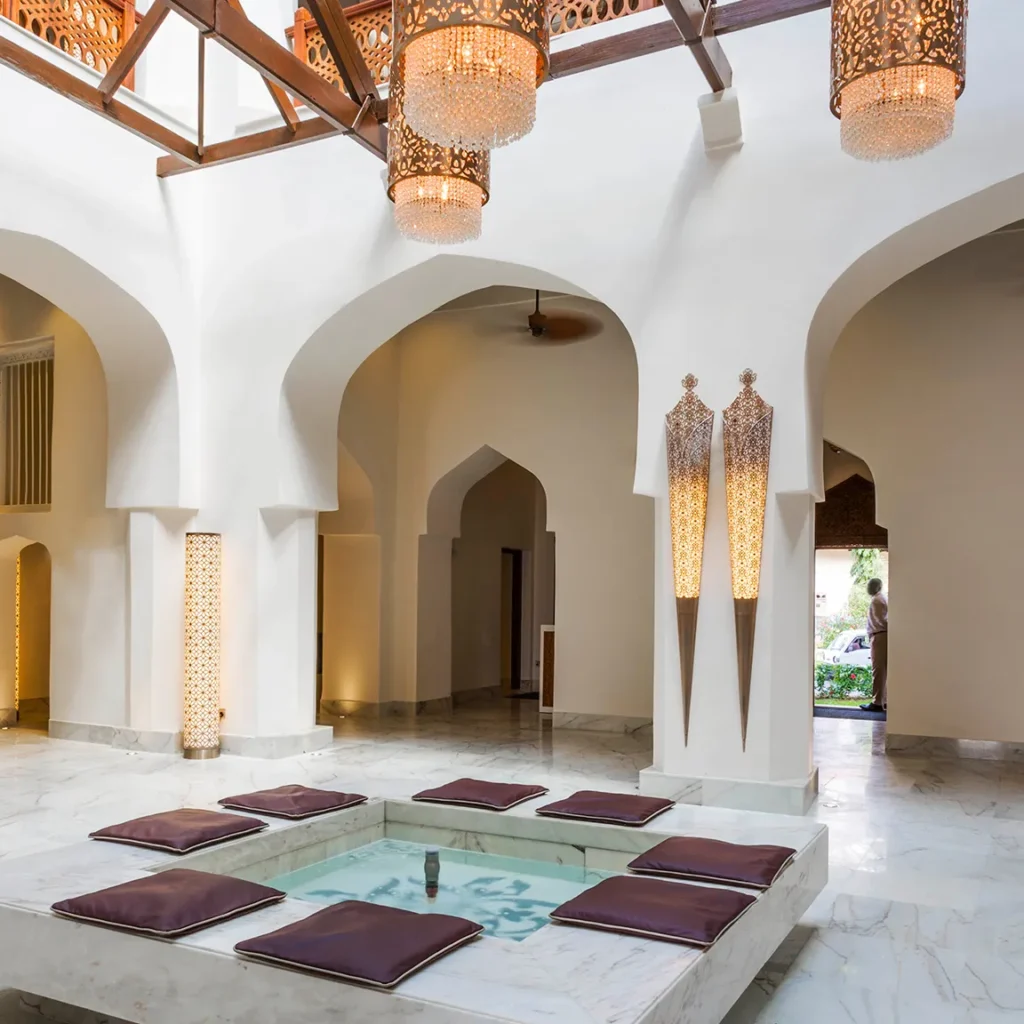
Tanzania Safari from Zanzibar
Designed for travellers already staying on Zanzibar, this safari links the island with the northern parks by short flights. July is an excellent time to do it, because the island is dry and breezy and the parks are at their dry-season best. We tailor the length and parks to the time you have available. Flights are arranged for you.
View This Safari →Accommodations during a Tanzania Safari in July
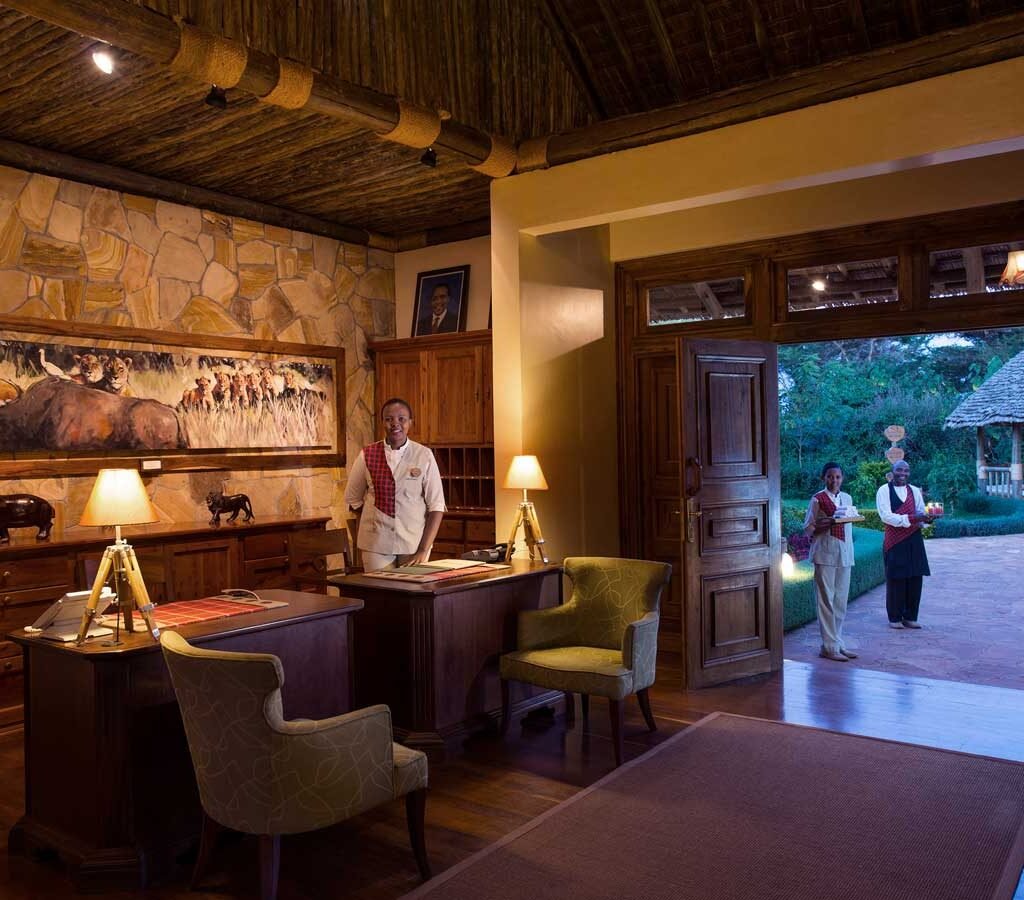
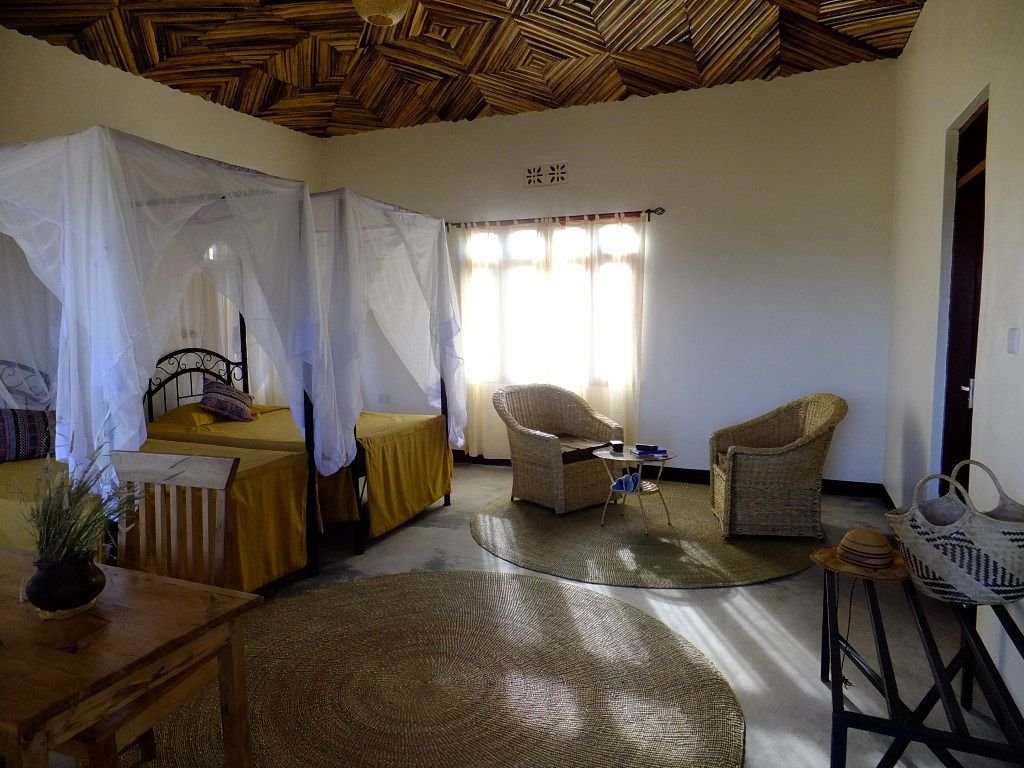
Where you stay in July has a big influence on your migration experience, because the herds are moving north and the best-placed camps fill early. Seasonal camps in the northern Serengeti put you close to the Mara River, mobile camps follow the herds, and permanent lodges on the Ngorongoro rim and around Tarangire make comfortable bases along the route. Below is a selection of properties we often use in July, from intimate tented camps to luxury lodges. Availability and rates vary, so we confirm options when we quote. Each property notes its area and style.
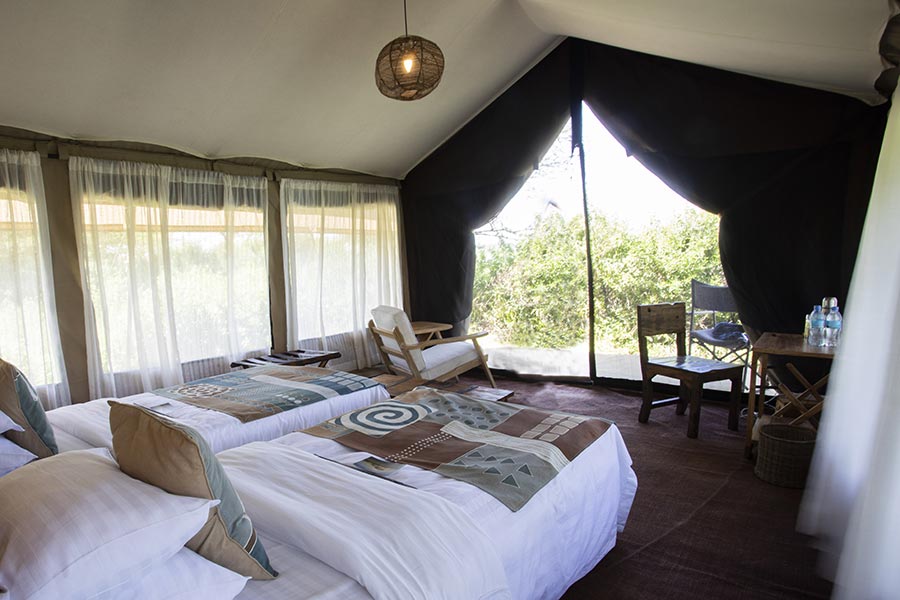
Nyikani Migration Camp Kogatende
Nyikani Migration Camp is set in the Kogatende area of the northern Serengeti, close to the Mara River. In July, as the herds arrive in the north, its location gives quick access to the river and potential crossing points. It is a strong choice for travellers who want to be near the action late in the month.
View Camp →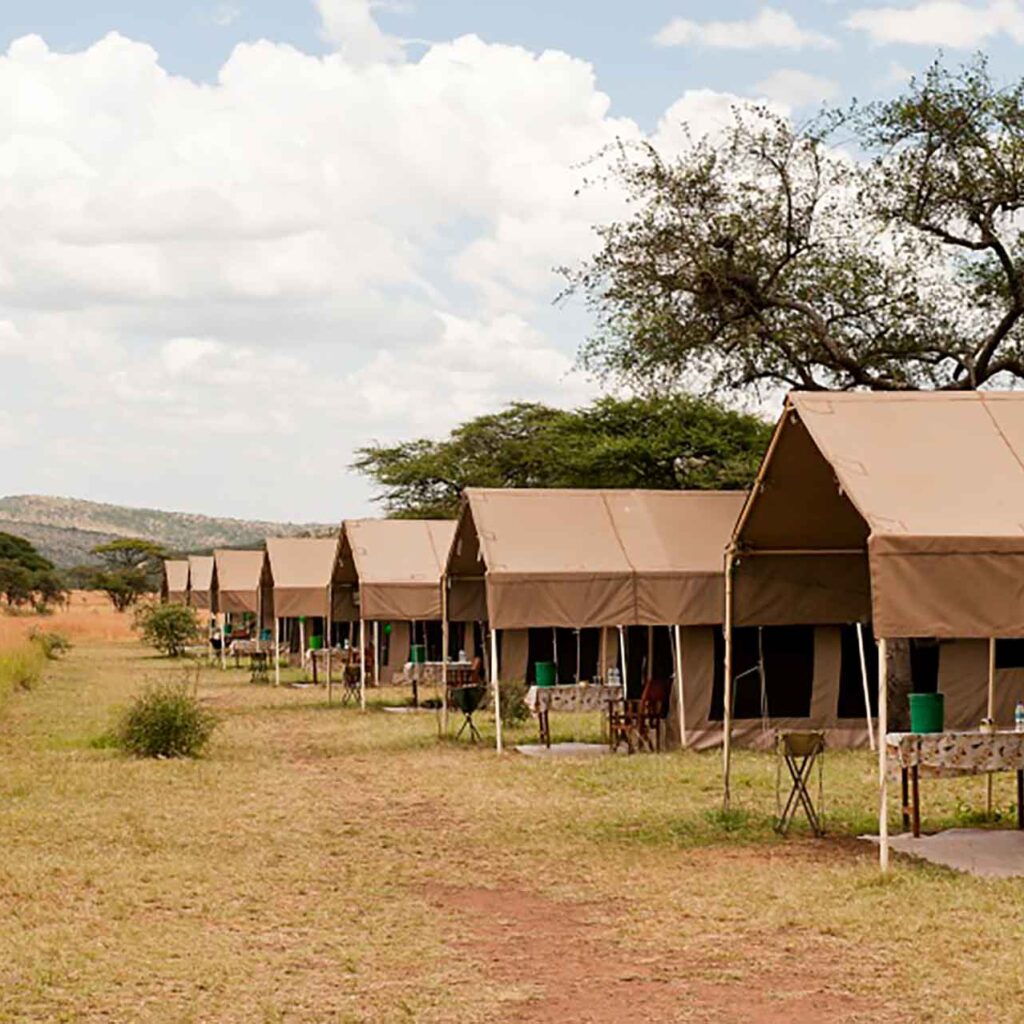
Mara Kati Kati Tented Camp
Mara Kati Kati is a seasonal tented camp in the northern Serengeti, set up for the dry-season migration. Comfortable en-suite tents, hearty meals and a genuine bush atmosphere suit travellers who want to be near the herds at good value. Being seasonal, it is positioned for the months when the migration is in the north.
View Camp →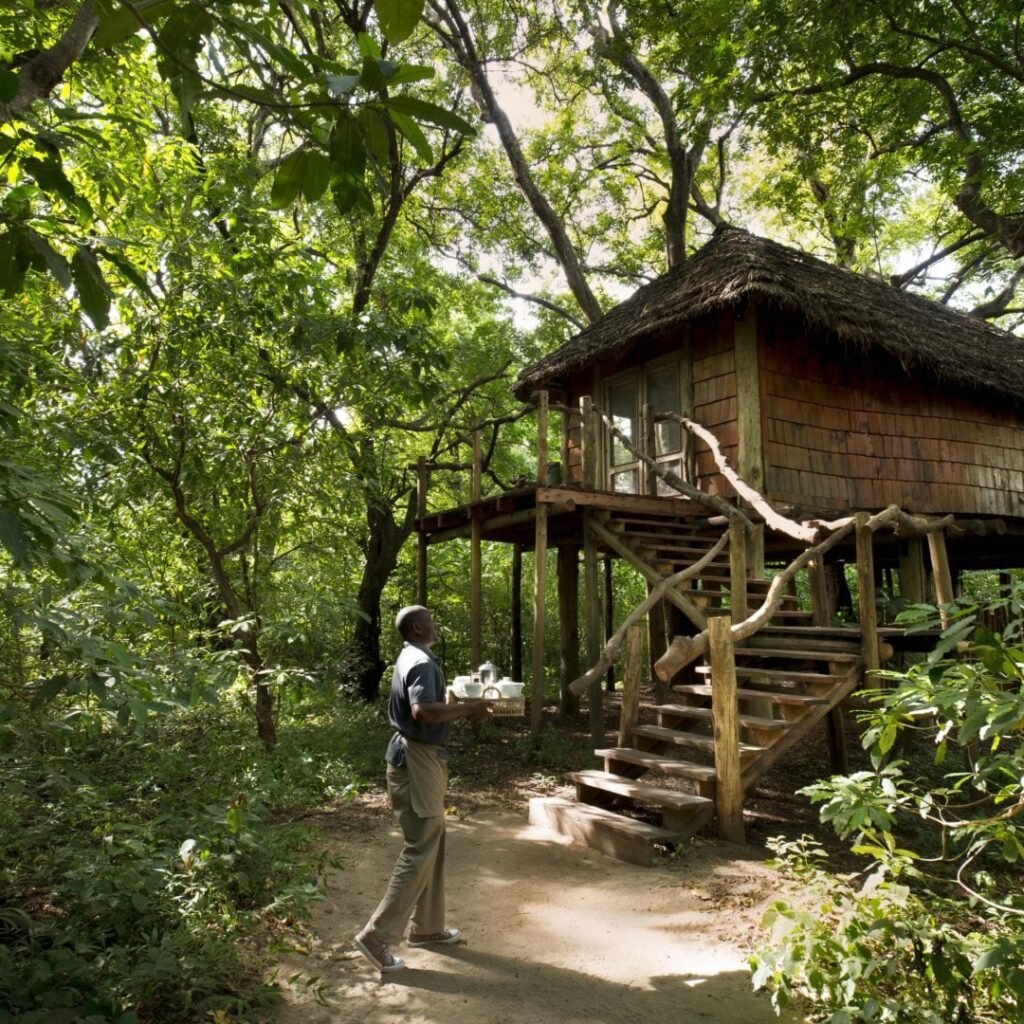
andBeyond Serengeti Under Canvas
This luxury mobile camp follows the migration through the year, so in July it is positioned to keep you within reach of the moving herds. Elegant tents, attentive service and expert guiding create a classic, intimate safari. It suits couples and travellers seeking a high-end experience. Availability in peak season is very limited. Book as early as possible.
View Camp →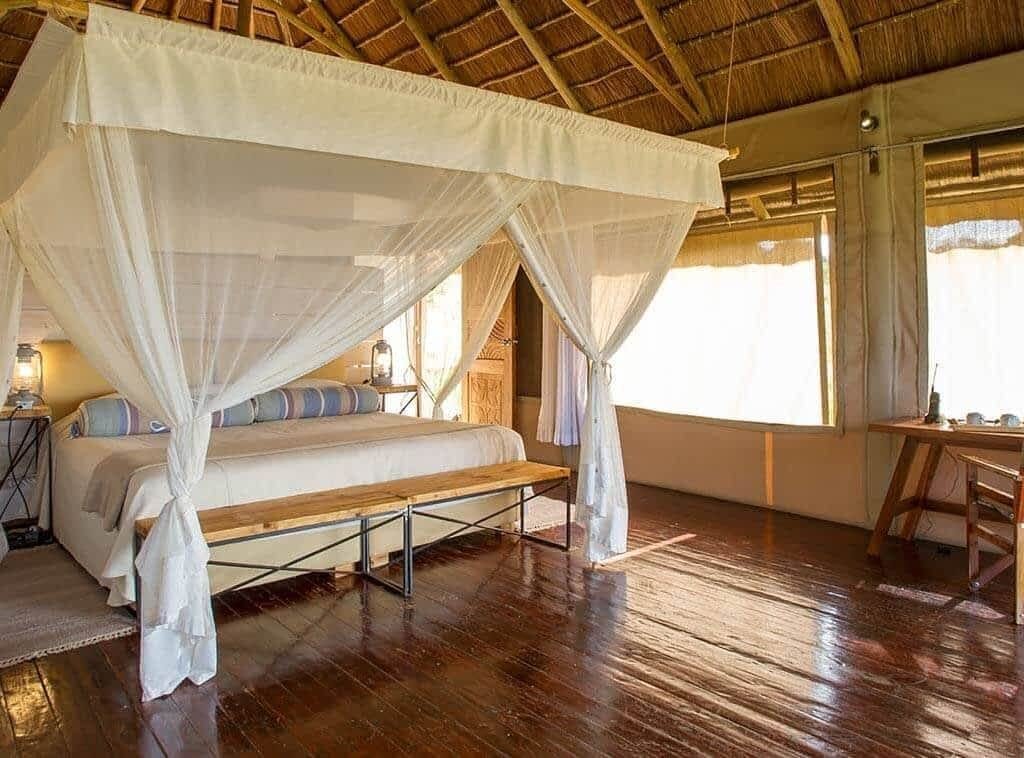
Kubu Kubu Tented Lodge
Kubu Kubu Tented Lodge is a stylish tented lodge in the Serengeti that combines the feel of a camp with the comfort of a lodge. It makes a good base for the central Serengeti’s resident predators on a July route, before or after time in the north or west. It also suits families and couples.
View Lodge →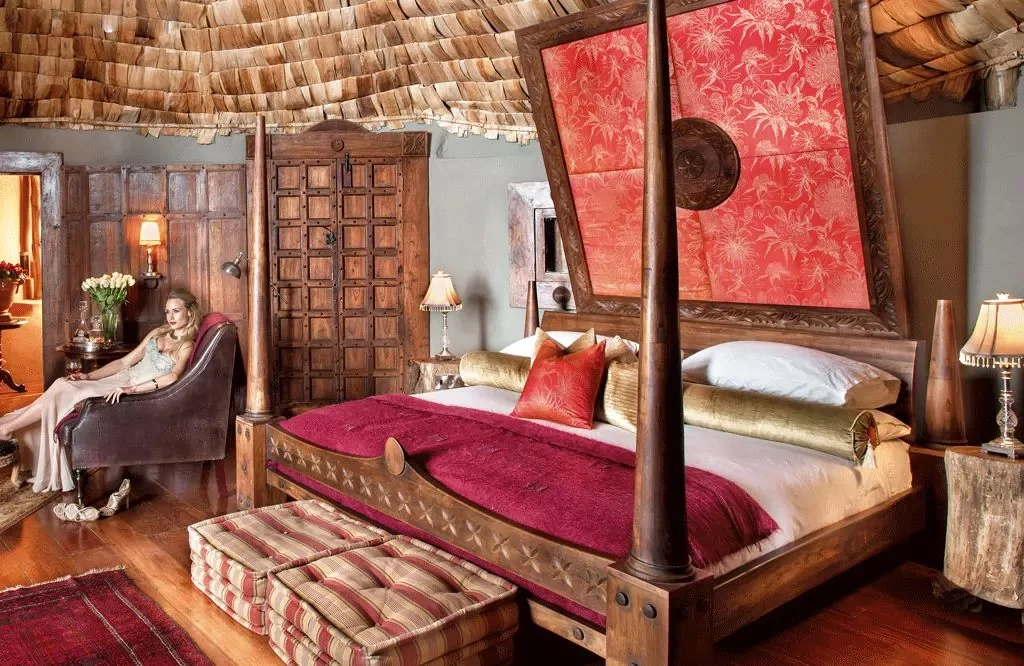
andBeyond Ngorongoro Crater Lodge
Perched on the rim of Ngorongoro Crater, this famous luxury lodge offers dramatic views over the caldera and quick access to the descent road. In July, an early start on the crater floor helps you enjoy the quietest hours before it becomes busy. It is ideal for honeymoons and special occasions. Book far ahead. Expect exceptional service throughout.
View Lodge →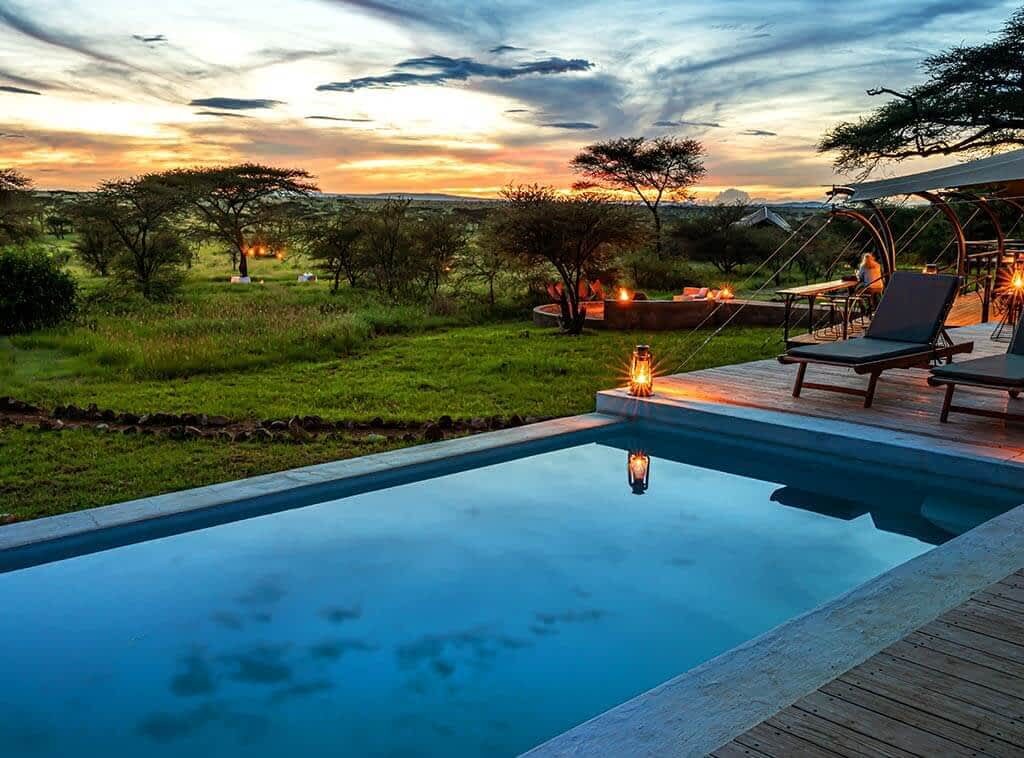
Lemala Mpingo Ridge
Lemala Mpingo sits on a ridge in the Tarangire area, offering wide views over the park and its baobab-dotted landscape. In July, Tarangire’s elephant herds gather along the river below, making it an excellent base for dry-season game drives. It suits travellers who want comfort, space and a peaceful setting away from busy loops. Sunsets from the ridge are memorable.
View Lodge →Safari Accommodation Styles in July
July is peak dry season, and every safari we arrange is private and tailor-made. Choose where you sleep by budget and travel style, or mix several accommodation types to balance value, comfort and closeness to the migration.

Budget Camping Safari in July
Budget camping keeps July's high-season safari affordable without losing any of the wildlife. Your private guide and cook pitch dome tents at public campsites in central and northern Serengeti and on the Ngorongoro rim. Expect dry, sunny days but cold nights, especially on the crater rim, so pack thermals, a beanie and a warm sleeping bag.
Explore Budget Camping →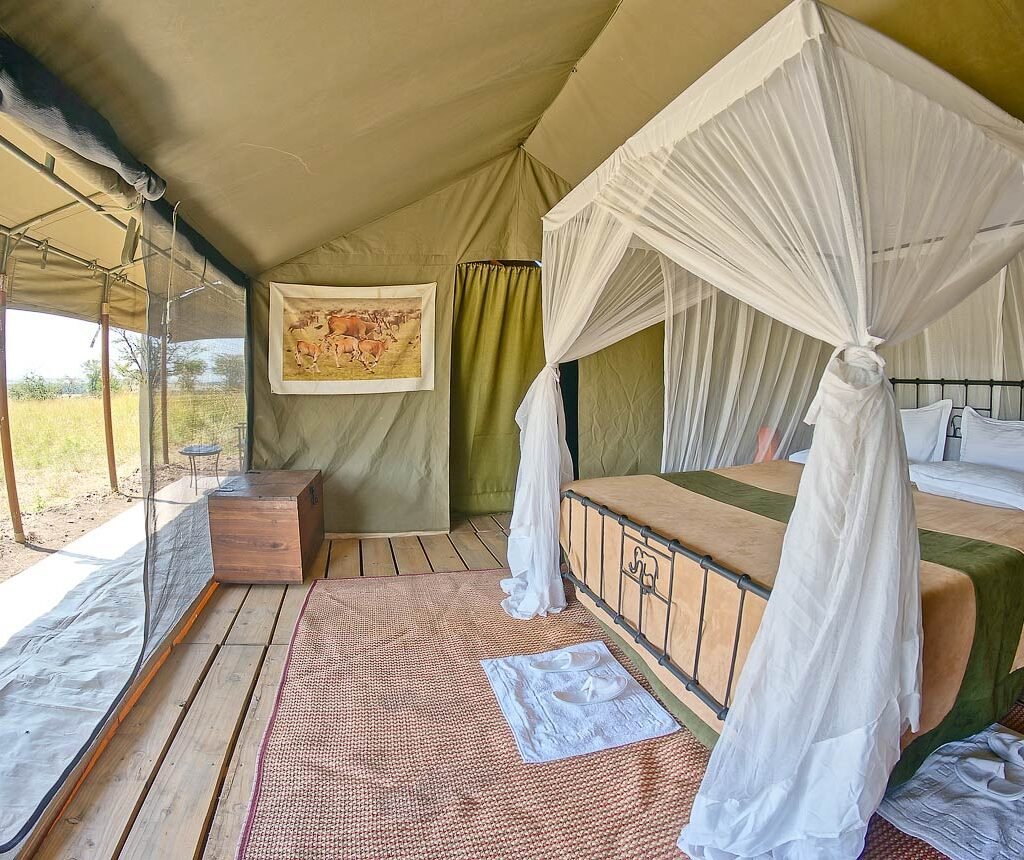
Mobile Tented Camps in July
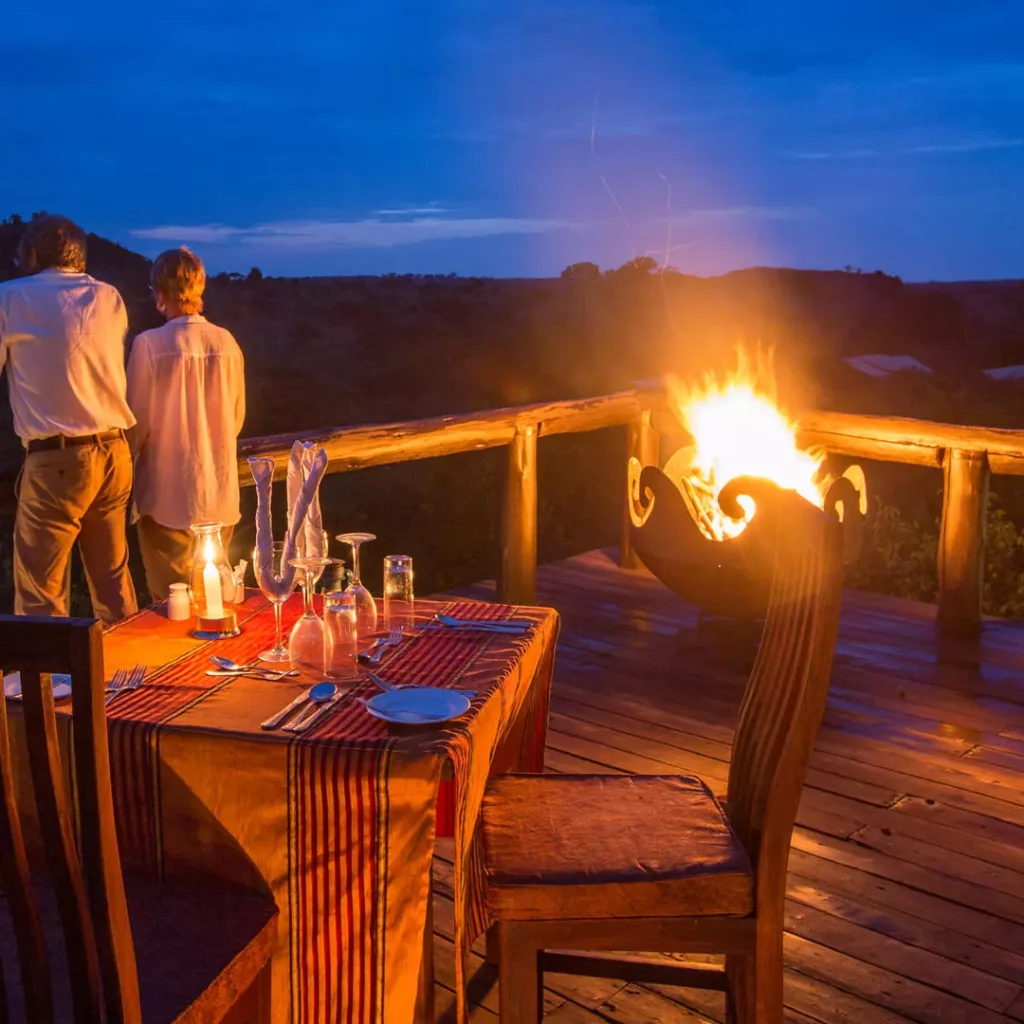
Mobile tented camps shift north during July, tracking herds from the Western Corridor towards Kogatende and the Mara River. Staying in one puts you close to the first dramatic crossings, often within a short drive. As the busiest migration month begins, these small, seasonal camps are in heavy demand, so booking many months ahead is wise.
Where to Stay for the Migration →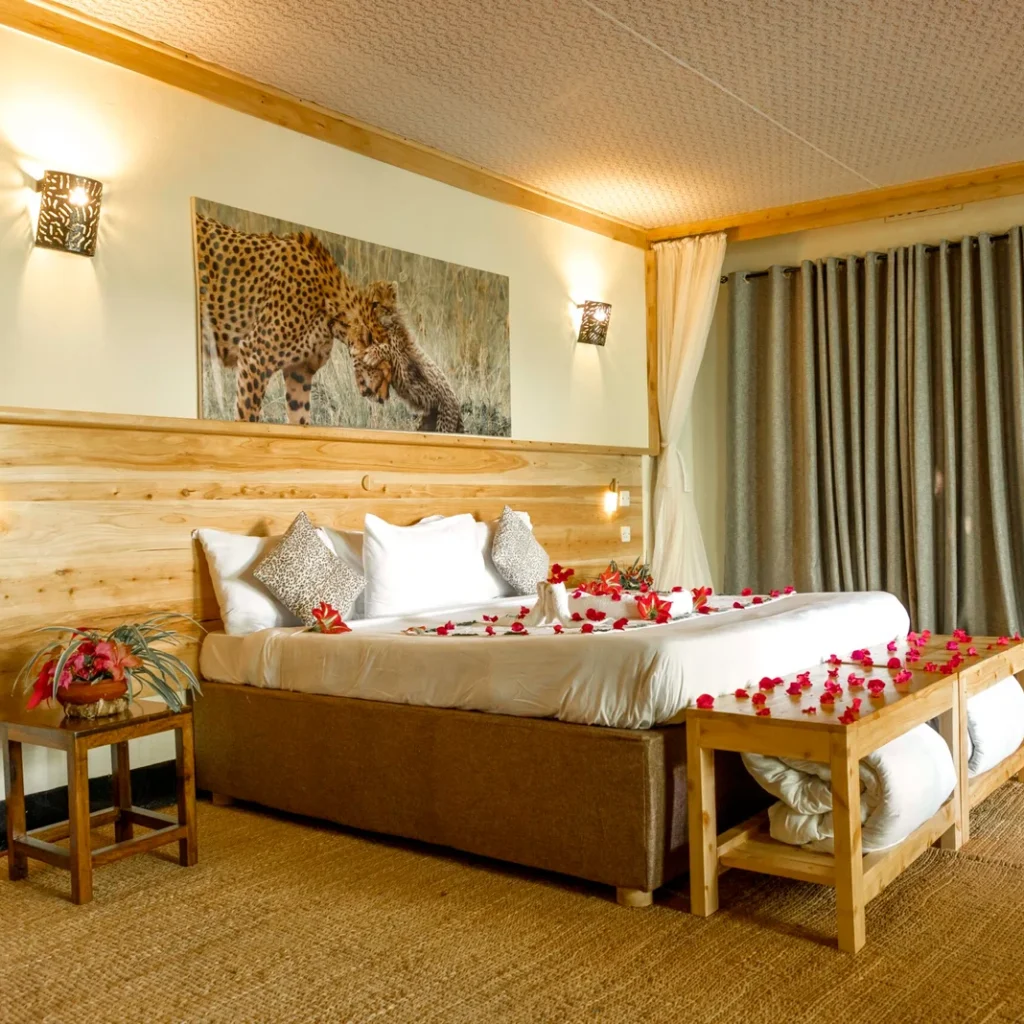
Lodge Safari in July
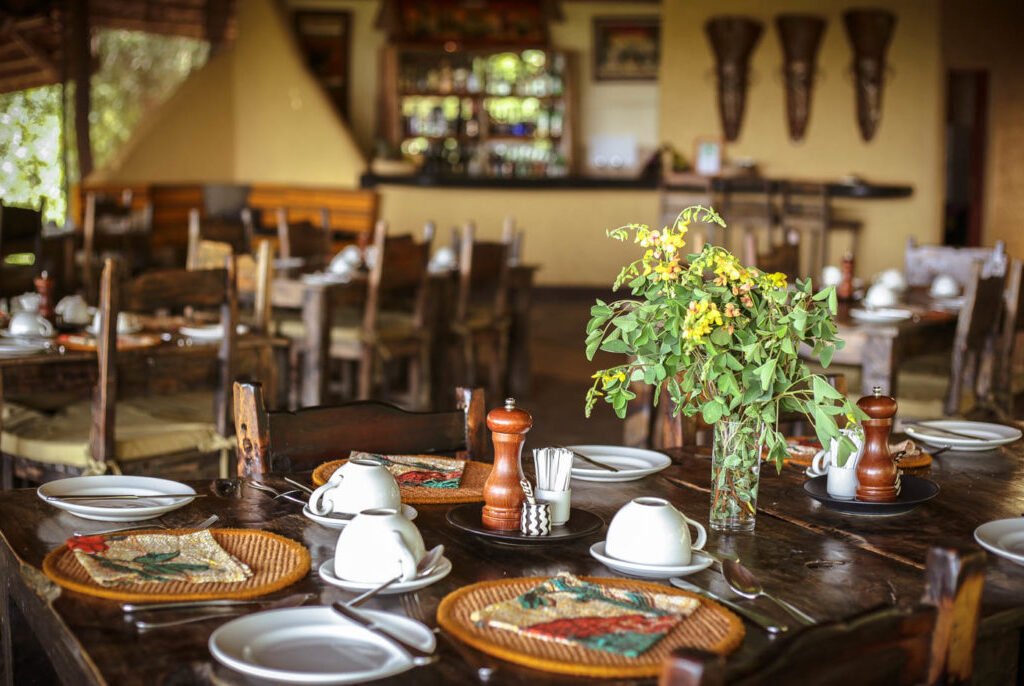
A lodge safari in July gives you permanent rooms, restaurants and often a pool for warm afternoons. We combine lodges on the Ngorongoro rim, in Karatu and near Tarangire with stays in central Serengeti. It is ideal for families and first-time visitors, offering cosy fireplaces and dependable hot water on the cool evenings of the dry season.
Explore Lodge Safaris →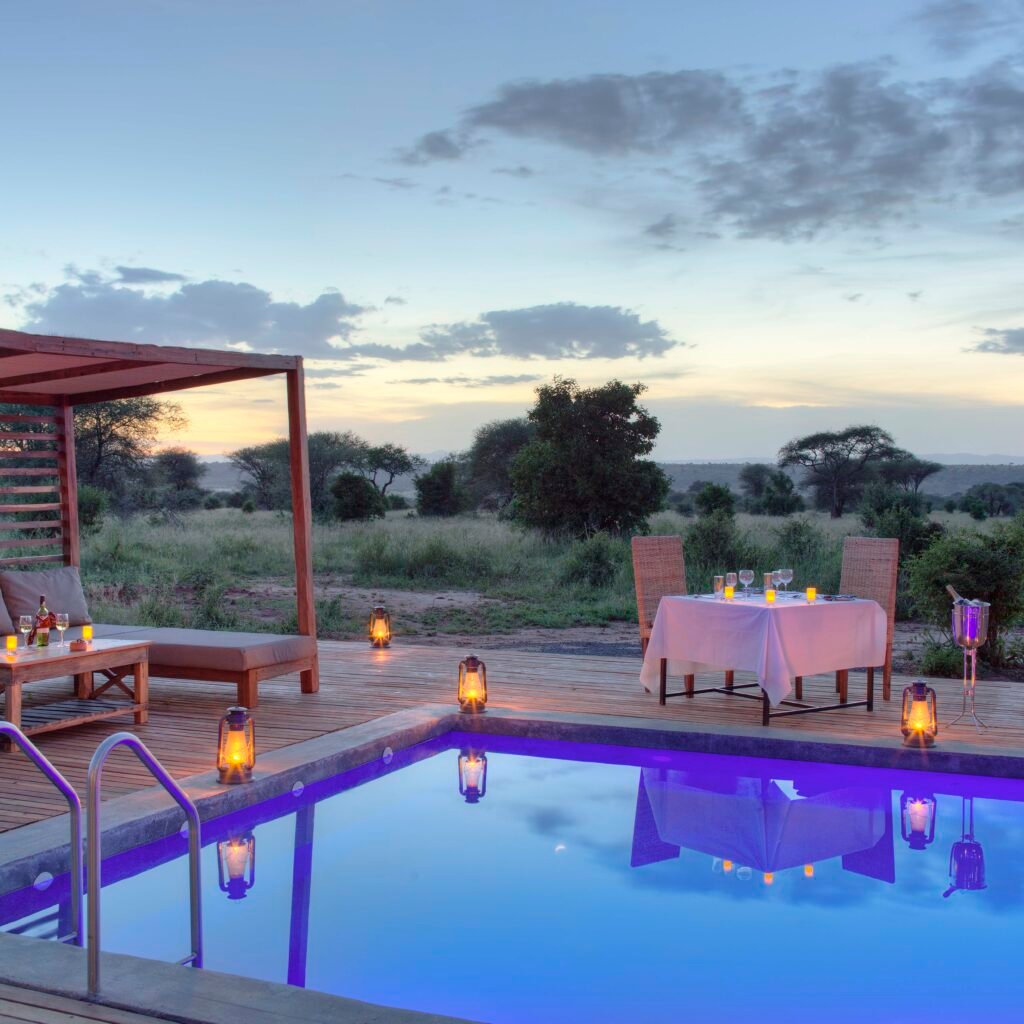
Tented Lodge Safari in July
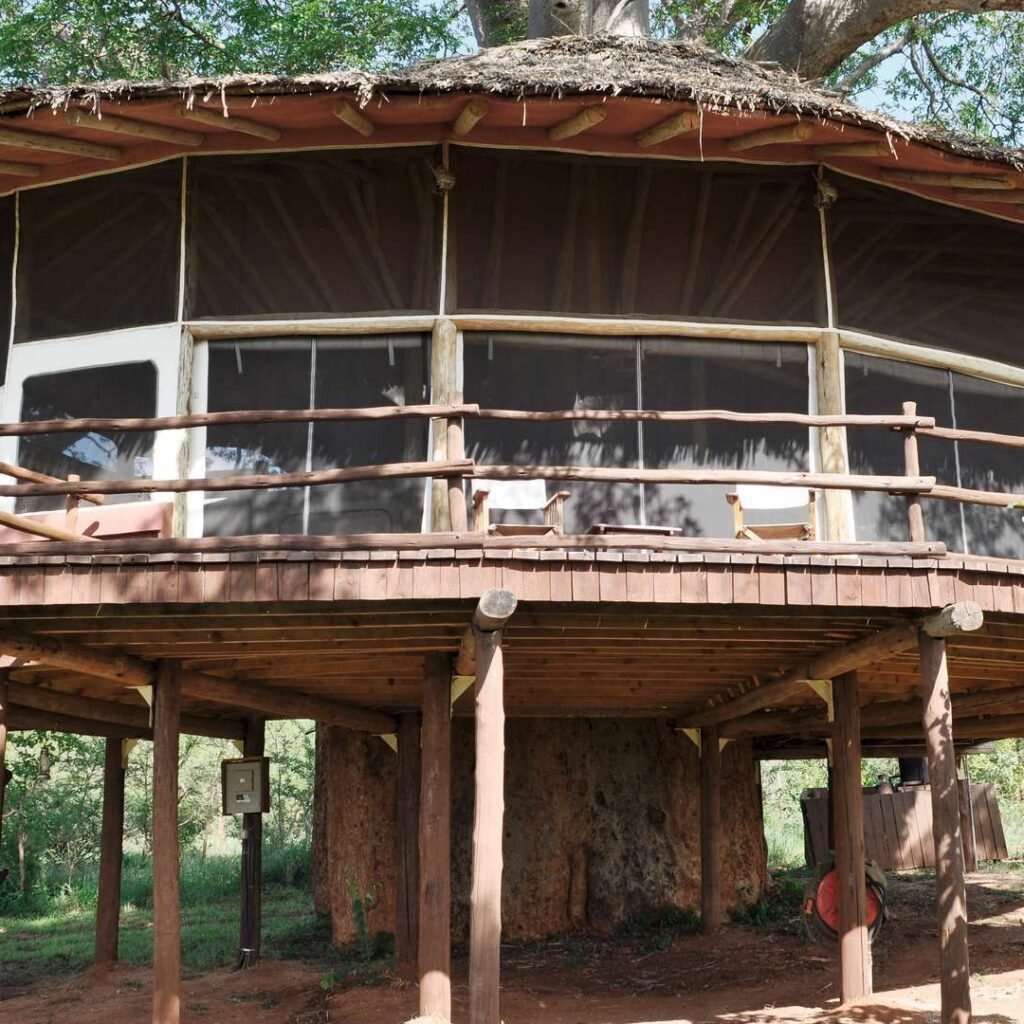
Tented lodges pair canvas walls with proper beds, private bathrooms and a central dining area. In July, we choose tented lodges in northern Serengeti for crossing season and in Tarangire, where elephant herds gather along the drying river. Warm bedding keeps chilly nights cosy, and you still hear lions and hyenas calling beyond the tent.
Explore Tented Safaris →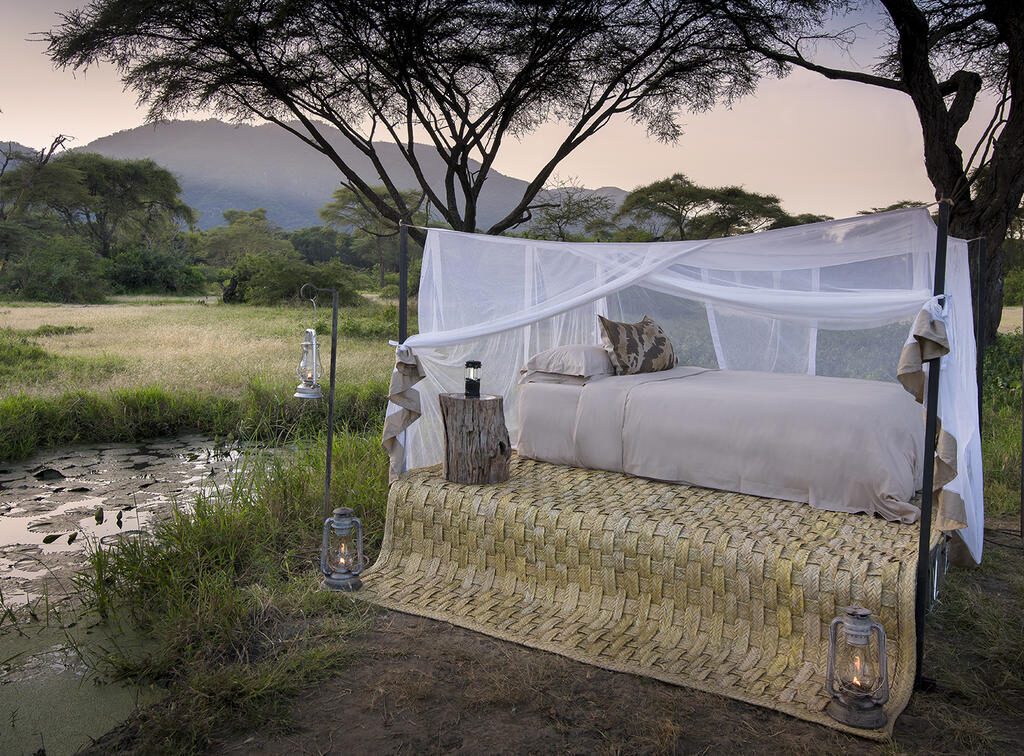
High-End Luxury Safari in July
A high-end luxury safari in July blends exclusive lodges, private guiding and light-aircraft flights straight to the northern Serengeti. You could start at a refined crater-rim lodge, then move to a luxury camp near the Mara River with butler service and fine dining. July is peak demand, so the finest suites and camps sell out very early.
Explore Luxury Safaris →How Much Does a Safari in Tanzania Cost in July?
A private Tanzania safari in July usually costs about $200 to $2,500 per person per day, with the final figure shaped mainly by your choice of accommodation. July is peak dry season, when wildlife gathers near water, the first Mara River crossings often begin in the northern Serengeti and demand runs at its highest. Camps near Kogatende and the Western Corridor book out early, so rates sit at peak levels. Each tailor-made itinerary covers your private 4x4, guide, park fees and meals. Compare the five styles below.
Budget Camping Safari Cost in July
$200 – $390per person per day
Adventurous travellers wanting the dry season on a lean budget
Budget camping keeps a July safari affordable while still giving you a private 4x4, your own guide and a camp cook. You sleep in dome tents at public campsites in Tarangire, the Serengeti and on the Ngorongoro rim. Cold crater nights call for warm sleeping bags. Costs depend on safari length, park days and travellers per vehicle.
- Private vehicle and driver-guide
- Public campsite fees
- Warm bedding for cold nights
- Number of park days
Mobile Tented Camps Cost in July
$550 – $590per person per day
Travellers chasing the first Mara River crossings
Mobile tented camps relocate with the herds, and by July many are pitched in the northern Serengeti near the Mara River, with others lingering in the Western Corridor. Their prime riverside positions and limited tents make them highly sought after in peak season. Expect en-suite canvas rooms, full-board meals and short drives to likely crossing points along the river.
- Northern Serengeti location
- Peak season demand
- Full-board en-suite tents
- Booking lead time
Lodge Safari Cost in July
$590 – $750per person per day
Families, seniors and first-time visitors to Tanzania
A lodge safari uses permanent properties with solid rooms, restaurants and often a pool, typically in central Serengeti, on the Ngorongoro rim, in Karatu and near Tarangire. In July, Tarangire is excellent for elephants, while lodges far from the northern river mean longer drives to crossings. Price reflects lodge category, room type and peak season occupancy across your route.
- Lodge category and views
- Room type and occupancy
- Distance to the river
- Peak July rates
Tented Lodge Safari Cost in July
$590 – $990per person per day
Couples wanting canvas comfort in the heart of the action
A tented lodge safari blends the feel of the bush with permanent comforts such as proper beds, en-suite bathrooms and lounges. July pricing rises sharply for tented lodges close to the Mara River and Western Corridor, while Tarangire and Karatu choices are usually gentler on the budget. The wide range reflects how location and standard combine in peak season.
- Proximity to river crossings
- Tent size and private decks
- Meals and drinks package
- Peak season occupancy
High-End Luxury Safari Cost in July
$990 – $2,500per person per day
Honeymooners and discerning travellers seeking exclusivity
A high-end luxury safari pairs exclusive camps and lodges with attentive service, fine dining and expert private guiding. In July, many guests fly by light aircraft to the northern Serengeti to save long drives and reach river crossings sooner. Top suites on the crater rim and beside the Mara are in heavy demand, so reserve many months ahead.
- Exclusive camps and suites
- Light-aircraft flights north
- Premium dining and drinks
- Private guiding and extras
Tanzania Destinations in July
July is an excellent month across northern Tanzania, from the clear, cold slopes of Kilimanjaro to the dry, breezy beaches of Zanzibar. Each destination below explains what conditions are like in July, what you can expect to see or do, and how it fits into a private tailor-made itinerary. Use these notes to decide which places to combine, how long to spend in each, and whether to add a climb or beach extension to your safari. We also suggest how many days to allow, so your route flows naturally.

Kilimanjaro Climbing in July
July is one of the best and busiest months to climb Kilimanjaro. Trails are dry, skies are usually clear and the views above the clouds are superb, but summit night is bitterly cold. Longer routes such as the Lemosho give better acclimatisation and quieter early days. Book well ahead for July departures. Mountain crews are busiest this month.
Explore Kilimanjaro Climbs →
Zanzibar in July
Zanzibar is dry, sunny and breezy in July, with comfortable temperatures and low humidity. The east coast can be windy, which suits kitesurfers, while the north coast is often more sheltered. The Zanzibar International Film Festival usually takes place in Stone Town this month. Beach hotels are popular, so book early. Stone Town feels especially lively then.
Explore Zanzibar Holidays →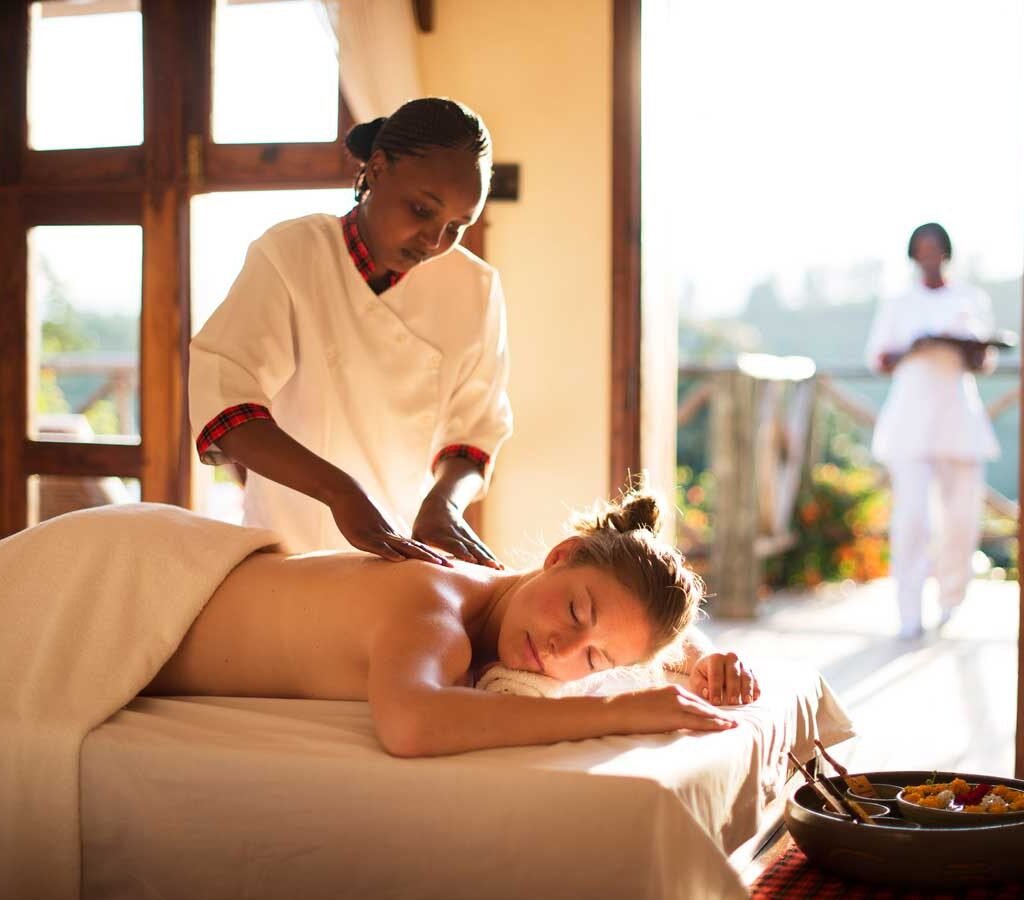
Ngorongoro Crater in July
The crater offers dependable wildlife in July, with good chances of black rhino, lions, hyenas, buffalo and elephants. It is one of the busiest months, so descending at gate opening gives you the quietest viewing. The rim is cold and misty at dawn, so pack a warm jacket, hat and gloves. Plan a full day on the crater floor.
Explore Ngorongoro Crater →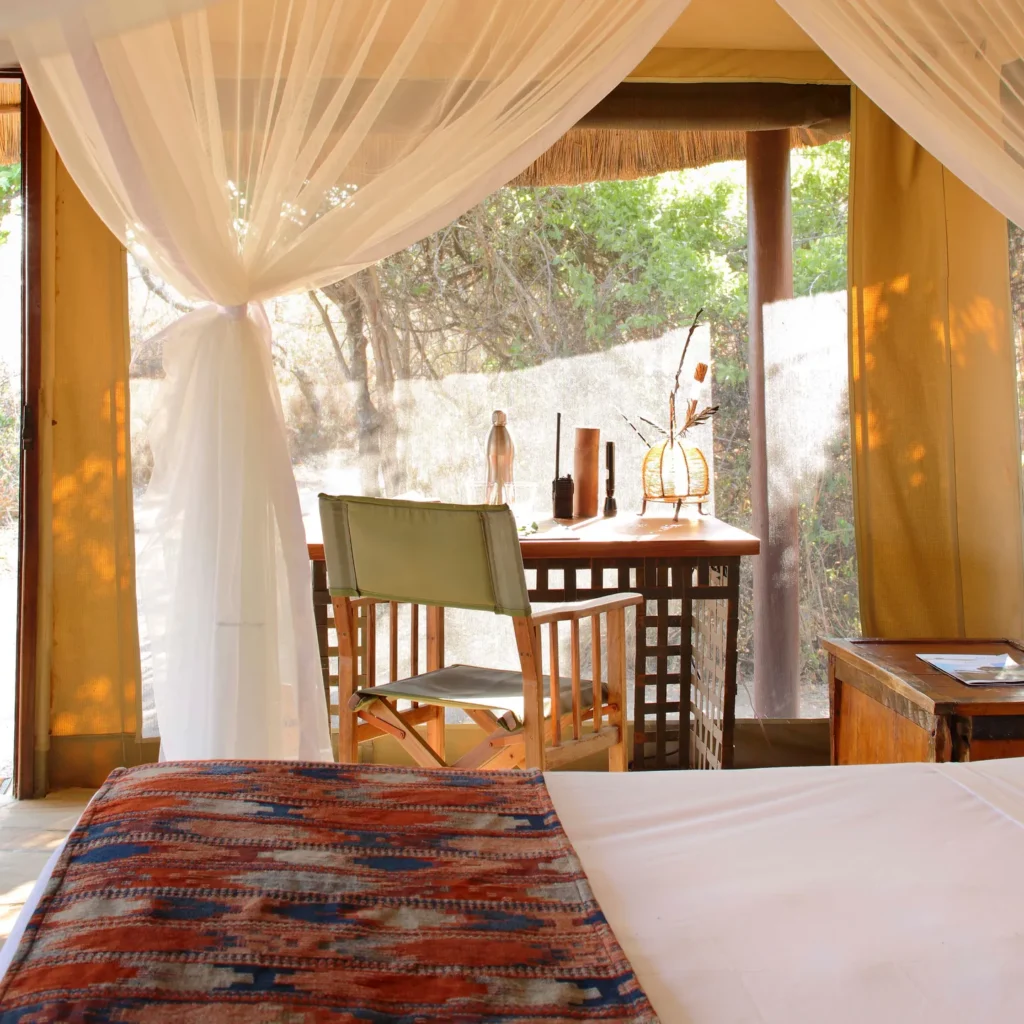
Tarangire in July
Tarangire is superb in July, as the Tarangire River draws large elephant herds, buffalo, zebra and wildebeest from the surrounding landscape. Lions and leopards follow, and the baobab scenery is at its most dramatic. Busier near the gate, the park is quieter in the south. Allow two nights to explore it properly. Birding is excellent there too.
Explore Tarangire →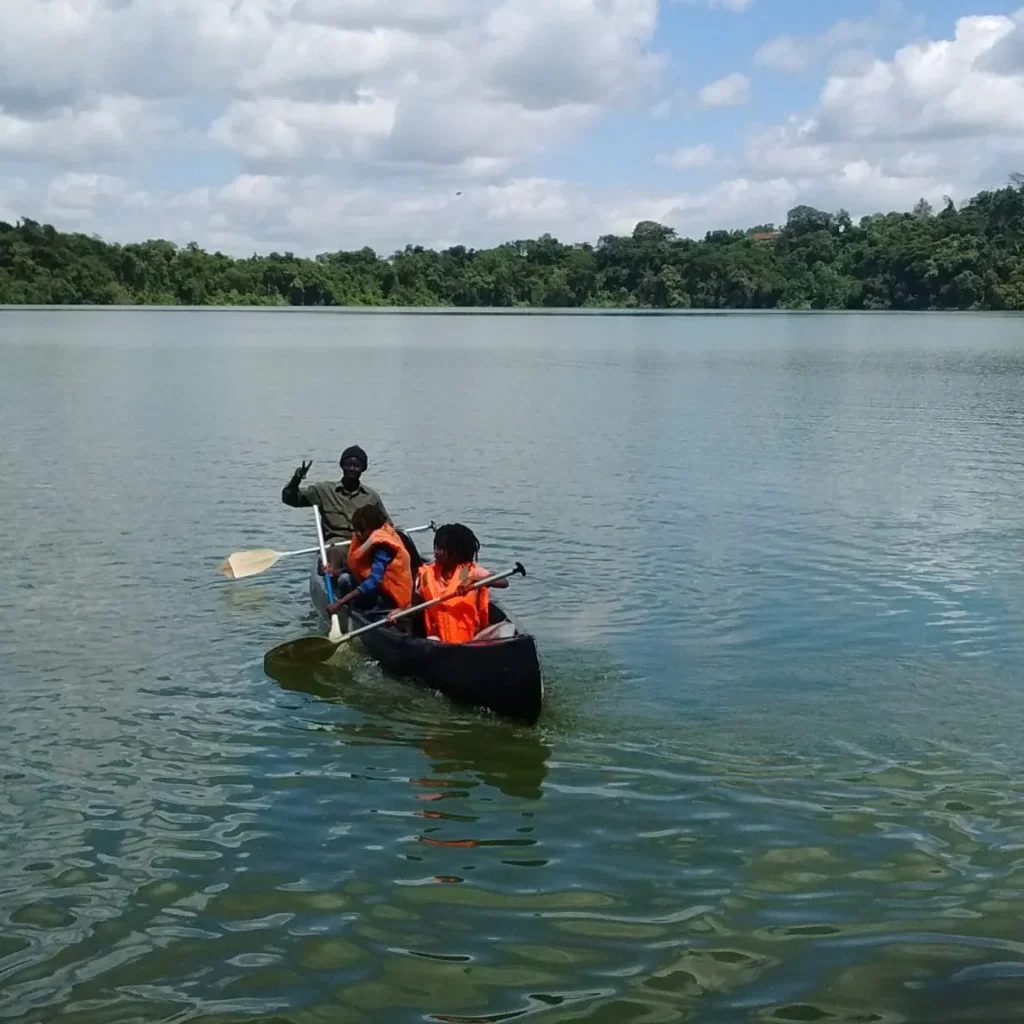
Arusha National Park in July
Arusha National Park is peaceful in July, with clear dry-season views of Mount Meru and often Kilimanjaro. Game drives, guided walks with a ranger and canoeing on the Momella Lakes are possible when conditions allow. Colobus monkeys, giraffes and buffalo are common, and it makes an easy first or last day. It is also ideal before a Meru climb.
Explore Arusha National Park →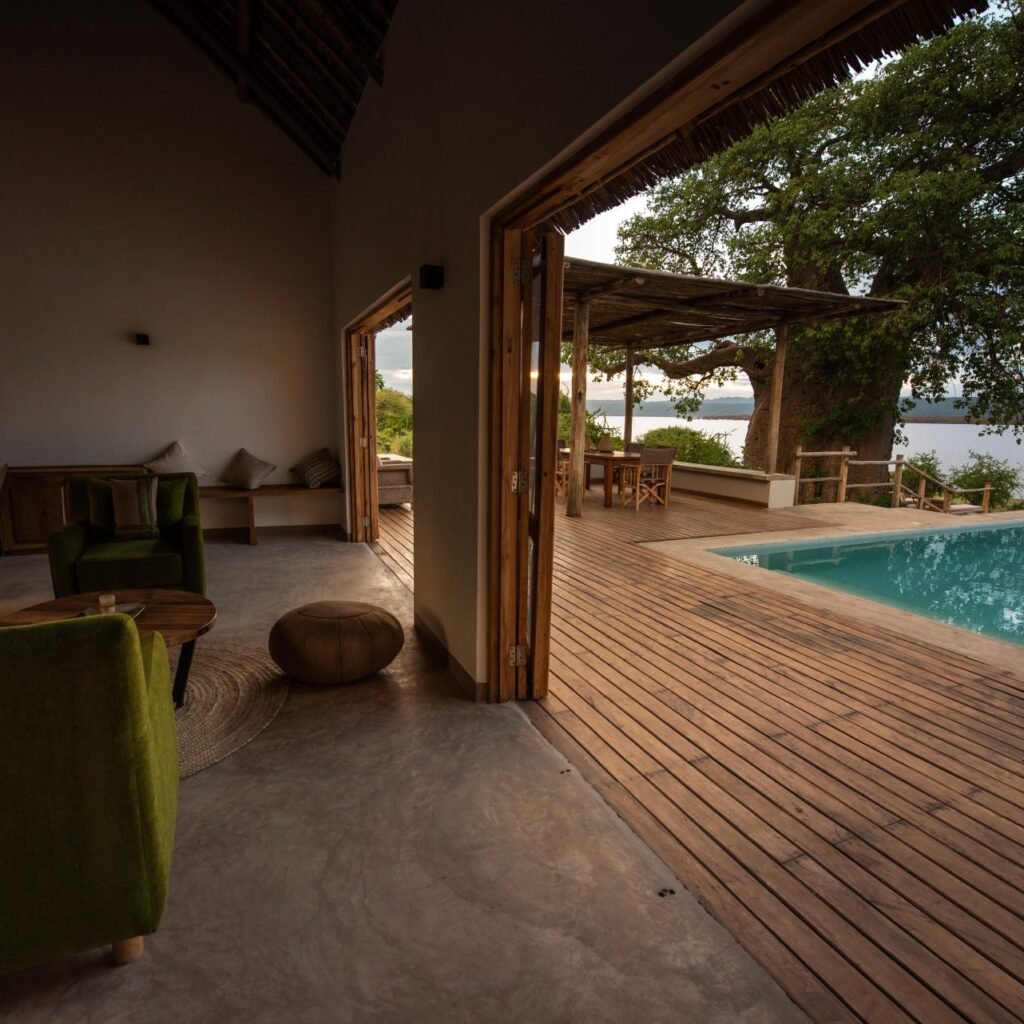
Lake Manyara in July
Lake Manyara is a pleasant, compact park in July, with shady groundwater forest, elephants, baboons, hippos and giraffes, and waterbirds along the lake shore. Lions sometimes rest in trees. It is quieter than the crater and Seronera, and close to Karatu, so a half or full day fits easily into a northern route. Birders will enjoy every hour.
Explore Lake Manyara →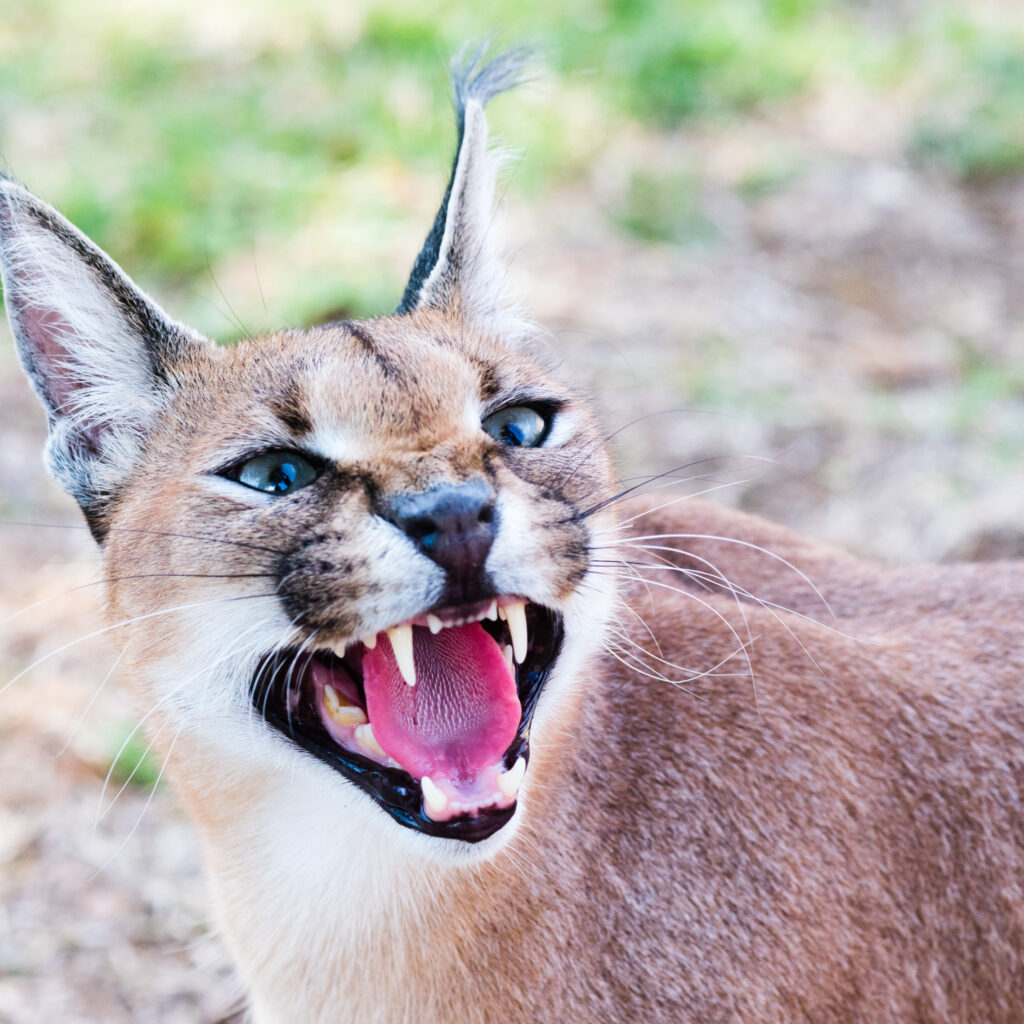
Serengeti in July
In July the Serengeti’s migration moves from the Western Corridor toward the northern Serengeti, with Grumeti crossings early in the month and the first Mara River crossings possible later. Central Seronera adds big cats. Seasonal camps open in the north, and flights to northern airstrips save long drives and add time with the herds. Plan at least three nights.
Explore the Serengeti →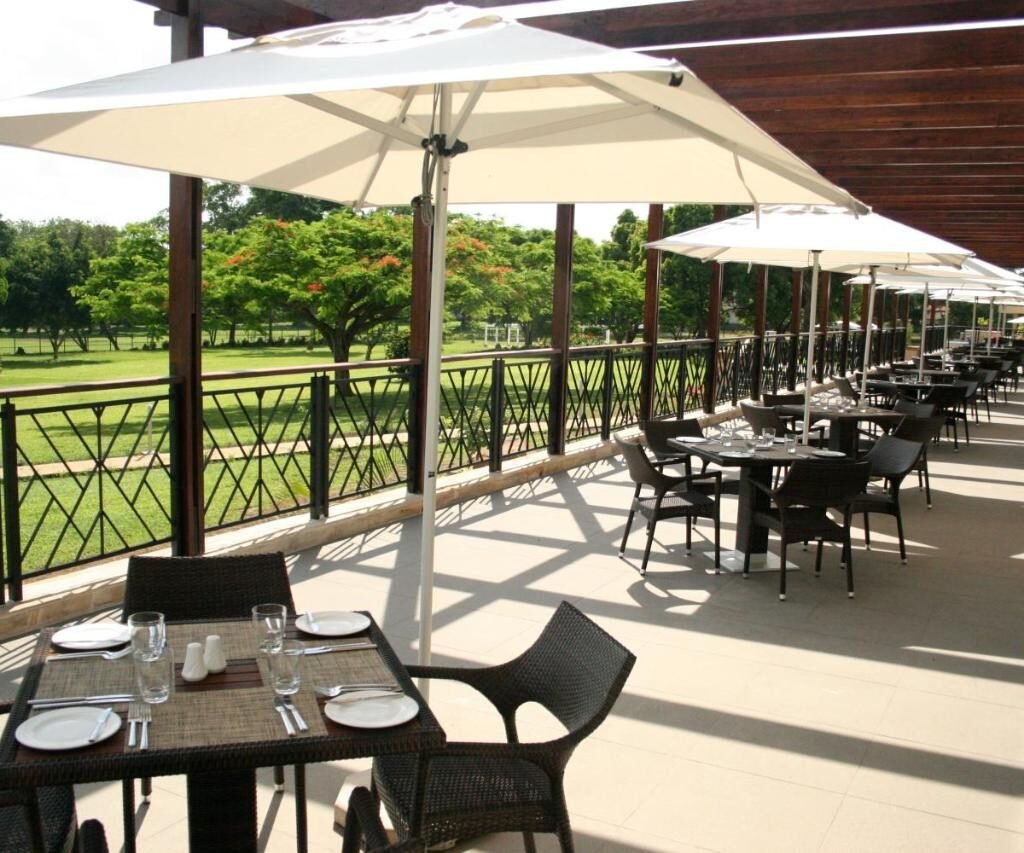
Mount Meru in July
Mount Meru, Tanzania’s second-highest mountain, is dry and clear in July. The three or four day climb passes through forest with buffalo and giraffes on the lower slopes, then climbs to a dramatic crater rim with sunrise views of Kilimanjaro. Nights are cold, and it is excellent acclimatisation for a Kilimanjaro climb. Armed rangers accompany all climbers.
Explore Mount Meru Climbing →Travel Tips
A little preparation makes a July safari easier and more rewarding. Because this is peak season, the most important step is booking early, especially for camps near the herds, light-aircraft flights, Kilimanjaro climbs and Zanzibar hotels. It also helps to plan your route around the migration’s position, allow enough nights in the north or west, pack for cold mornings and dusty afternoons, and organise visas and health precautions in advance. These practical tips come from our Arusha-based guides and planners, who run private safaris throughout the dry season. Use them alongside the rest of this guide.
Reserve Nine to Twelve Months Ahead
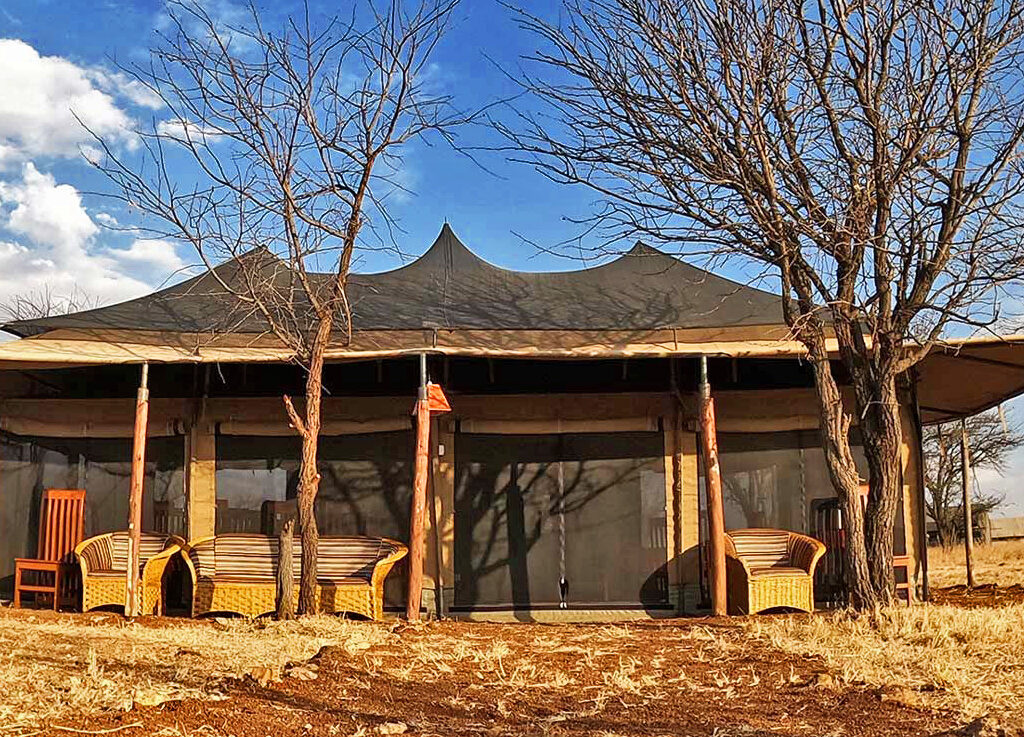
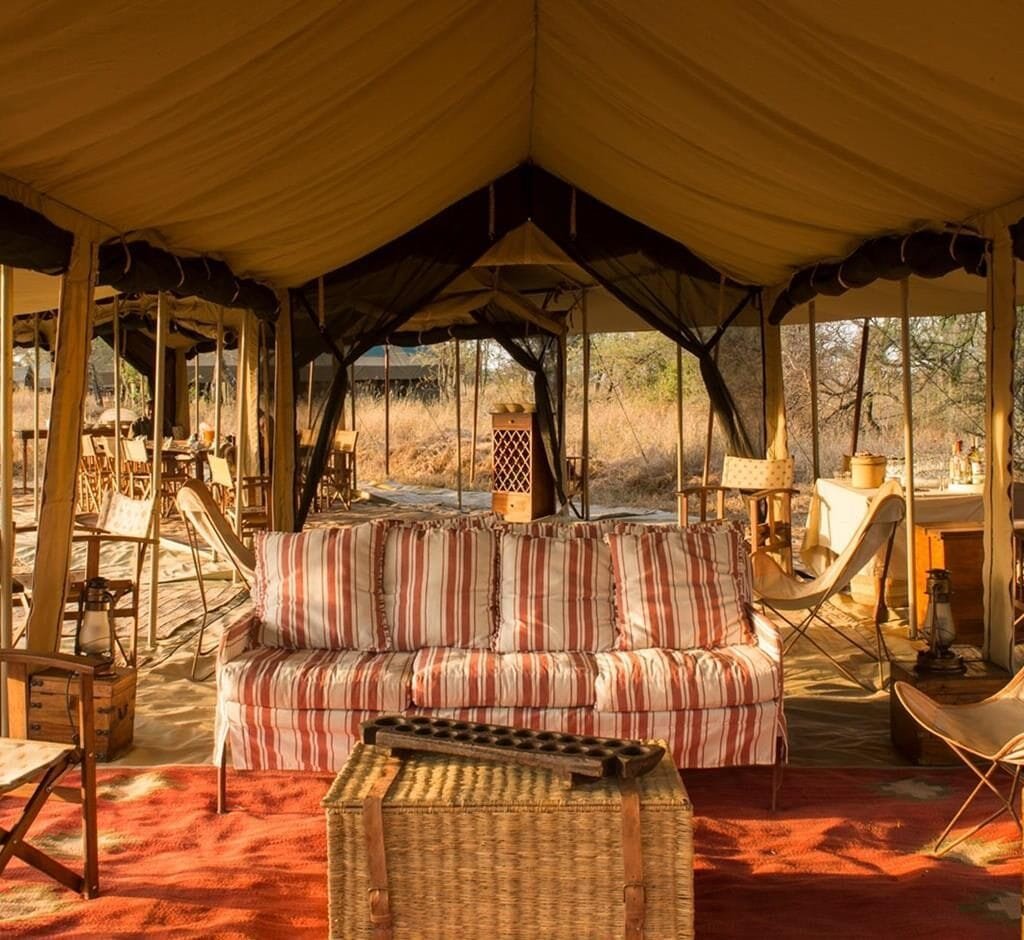
Seasonal camps in the northern Serengeti and mobile camps near the herds have limited tents, and July dates are among the first to sell out. Booking nine to twelve months ahead secures the best locations, flights and guides. Families tied to school holiday dates should book especially early to secure suitable rooms. Flights also sell out quickly.
Plan Around the Migration
The herds are in transit in July, so we decide whether to focus on the Western Corridor, the north or both, depending on your dates. Early July favours the west, while late July favours the north. Allow at least three nights in your chosen area to give yourself time to follow the action. We monitor herd reports closely.
Dress for Cold Mornings and Dust
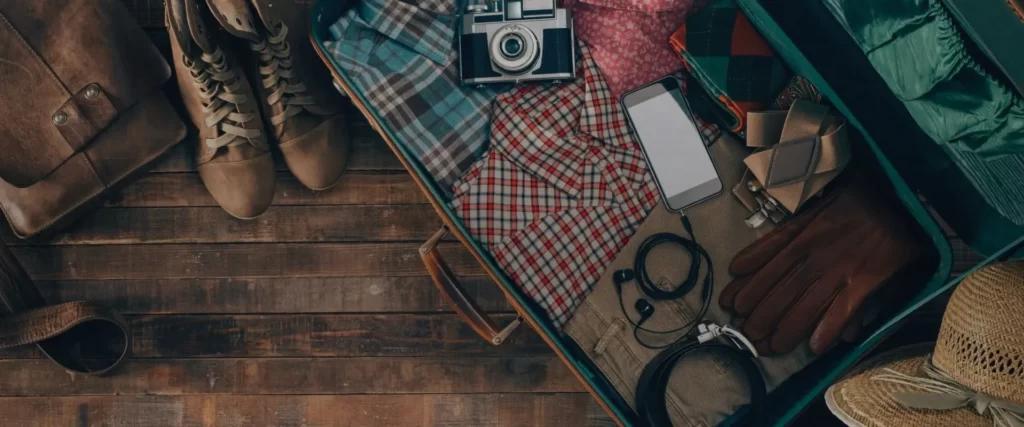
July mornings in an open vehicle are cold, so bring a warm fleece or light down jacket, a hat and light gloves. Afternoons are warm, so pack breathable layers. A buff or scarf helps with dust on busy tracks. Sunscreen and sunglasses remain essential under the strong equatorial sun, even when it feels cool. Pack light; laundry is often available.
Organise Visas and Documents
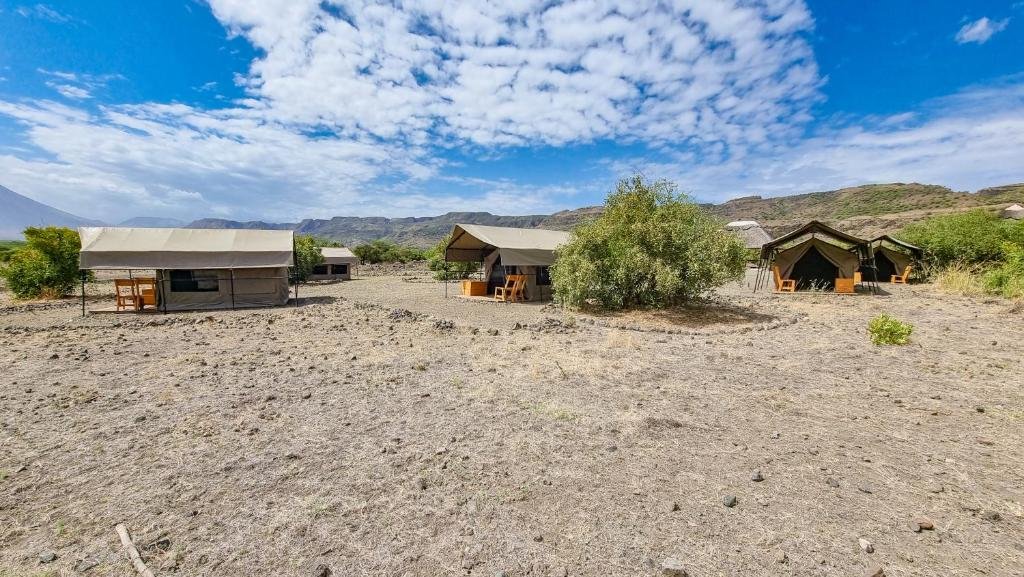
Most visitors need a Tanzanian visa, which can be applied for online through the official immigration e-visa system before travel. Check that your passport is valid for at least six months with blank pages. Carry proof of yellow fever vaccination if you arrive from, or transit through, a risk country. Rules can change, so check.
Plan Health Precautions Early
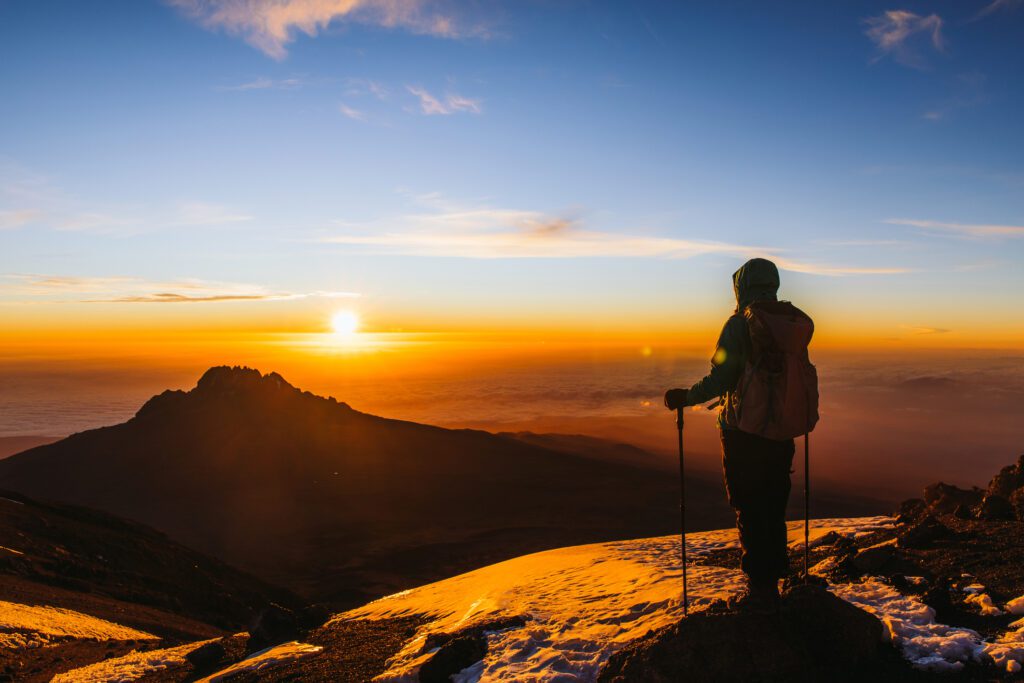
Visit a travel clinic several weeks before departure to discuss malaria prevention and recommended vaccines, as malaria is present even in the dry season. Climbers should discuss altitude too. Stay hydrated in the dry air, use lip balm and moisturiser, and carry personal medication in your hand luggage. Travel insurance with evacuation cover is essential.
Get the Best July Photos
Bring a telephoto lens for river crossings and predators, plus a wider lens for herds and landscapes. A beanbag steadies the camera in the vehicle. Dust is a constant challenge in July, so pack a blower, lens cloths and a cover. Fast memory cards help capture the split-second action of a crossing. Spare batteries are equally essential.
What to Bring
Packing for a July safari means preparing for cold mornings, warm afternoons and dusty tracks. Choose light, breathable clothing in neutral colours such as khaki, olive or beige, and avoid bright white and dark blue or black in tsetse areas, especially in Tarangire. Add a warm fleece or down jacket, a hat and light gloves for early drives and the Ngorongoro rim, and a buff or scarf for dust. If you fly in light aircraft, use a soft duffel bag within the weight limit. Climbers need full cold-weather gear, and beach extensions call for swimwear and reef-safe sunscreen.
- Warm fleece or down jacket
- Hat and light gloves
- Neutral, breathable layers
- Buff or scarf for dust
- High-factor sunscreen
- Sunglasses
- Binoculars
- Camera and dust blower
- Soft duffel bag
- Personal medication
- Lip balm and moisturiser
- Reusable water bottle
How to get there
Most July safaris begin at Kilimanjaro International Airport, which lies between Moshi and Arusha and receives international flights via major hubs in Africa, Europe and the Middle East. Your guide meets you on arrival and transfers you to Arusha, the gateway to the northern parks. From Arusha you can drive through Tarangire and the Ngorongoro highlands to the Serengeti, then take a light-aircraft flight to the northern Serengeti and back to Arusha Airport. Zanzibar is a short domestic flight away, and some travellers arrive via Dar es Salaam and connect north on a domestic flight. Your planner arranges transfers.
- Fly into Kilimanjaro (JRO)International arrival near Arusha and Moshi
- Private transfer to ArushaMeet-and-greet with your guide; overnight in Arusha
- Drive and fly through the parksRoad to the central Serengeti, flight to the north
- Optional flight to ZanzibarShort domestic flight for a beach extension
Malaria & safety
Malaria is present in most safari areas and on Zanzibar all year. Mosquitoes are fewer in the cool, dry July weather, but prevention still matters. Speak to a travel clinic about antimalarial medication, use repellent, wear long sleeves in the evening and sleep under nets where provided. Tanzania is welcoming and private safaris are well organised, but sensible precautions apply. Follow your guide’s instructions around wildlife, especially at river crossings, stay inside the vehicle unless told otherwise, and drink only bottled or filtered water. Climbers should know the signs of altitude sickness. Insurance with evacuation cover is strongly recommended.
- Ask a travel clinic about antimalarials
- Use repellent and long sleeves at dusk
- Drink bottled or filtered water
- Carry yellow fever proof if required
- Follow your guide around wildlife
- Stay in the vehicle at crossings
- Know the signs of altitude sickness
- Get insurance with evacuation cover
Tanzania Safari in July: FAQs
Is July a good time for a Tanzania safari?
Yes. July is one of the best months for a Tanzania safari. It is dry and sunny, wildlife gathers near water, and the migration herds move from the Western Corridor toward the northern Serengeti. It is peak season, so book early.
Where is the Great Migration in July?
In July the wildebeest and zebra herds usually move from the Western Corridor and the Grumeti River toward the northern Serengeti around Kogatende. Exact positions vary each year, so we follow recent reports when planning your route.
Can you see Mara River crossings in July?
Mara River crossings can begin in late July, once the herds reach the northern Serengeti, but timing varies each year and the peak is usually August and September. Grumeti River crossings are possible in early July.
Is July cold in Tanzania?
July is one of the coolest months. Serengeti days are pleasantly warm, about 24–27 °C, but mornings in an open vehicle are cold and nights on the Ngorongoro crater rim can drop to around five degrees.
Is July a good month to climb Kilimanjaro?
Yes. July is in Kilimanjaro’s main dry season, with firm trails and clear skies, making it one of the most popular months. Summit night is extremely cold, and longer routes such as the Lemosho help with acclimatisation.
Is Zanzibar good in July?
Yes. Zanzibar is dry, sunny and breezy in July, with comfortable temperatures. The Zanzibar International Film Festival is usually held in Stone Town this month. Beach hotels are popular in July, so book early.
How far ahead should I book a July safari?
We recommend booking nine to twelve months ahead for July, especially for camps in the northern Serengeti, light-aircraft flights, Kilimanjaro climbs and family rooms during the school holidays, when demand is highest.
Design Your Private July Safari
Tell us your July dates, interests and travel style, and our Arusha team will design a private tailor-made safari that follows the herds north, with the right camps, flights and extensions.
Plan My Private SafariView Tanzania Safaris