African Safari Tours

Best Tanzania Safari Parks You Shouldn’t Miss

10 Fabulous Facts of the Greater Kudu (Tragelaphus Strepsiceros), Should You Travel Solo on an African Safari?, 10 Reasons to Visit Lake Manyara National Park, Horned Animals of Africa (Complete List), Ngorongoro in May, Ngorongoro in June, Ngorongoro in October, Most Amazing Ngorongoro Crater Animals to Spot, Nos programmes de safari en Tanzanie / Voyages Safari en Afrique

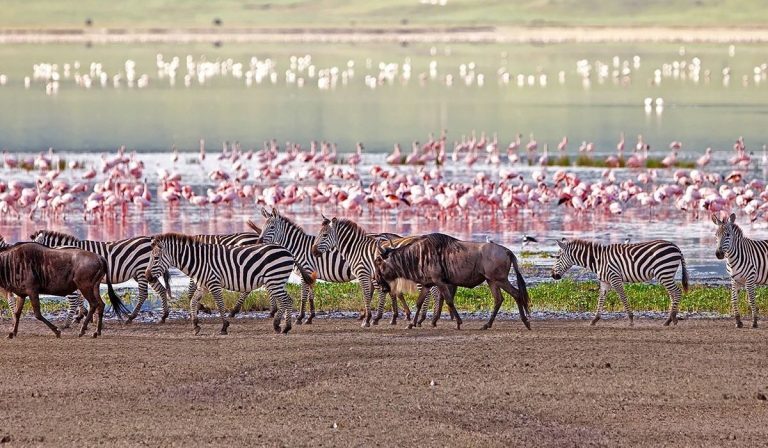
Discover and experience the ultimate Tanzania, which is home to some of the best safari destinations in Africa, offering unforgettable wildlife experiences, big game safaris, and luxury safari tours. From the legendary Serengeti National Park to the remote Katavi National Park, travelers can witness the Great Migration, encounter African lions, elephants, leopards, and rhinos, and explore breathtaking landscapes. Whether you seek family-friendly safaris, honeymoon safari packages, budget-friendly safaris, or luxury African safaris, Tanzania’s national parks and game reserves provide unique adventures. Planning a safari here guarantees wildlife photography opportunities, cultural encounters with Maasai and Hadzabe tribes, and a bucket-list safari experience that combines ethically sustainable tours, fly-in safaris, and bespoke guided experiences from major hubs like Arusha, Dar es Salaam, and Zanzibar. 1. Serengeti National Park Serengeti National Park is Tanzania’s crown jewel and a must-visit safari destination. Famous for the Great Migration of wildebeest and zebras, the park offers unparalleled wildlife viewing opportunities and big cat sightings, including lions, leopards, and cheetahs. Visitors can enjoy game drives, hot air balloon safaris, and photographic safaris, making it ideal for honeymoon couples, families, solo travelers, and luxury safari seekers. Accommodations range from budget campsites to luxury lodges and glamping tented camps, with easy access from Arusha and Kilimanjaro International Airport. Known for its vast savannahs, acacia woodlands, and rivers, the park offers a bucket-list safari experience in Africa. Travelers also appreciate eco-friendly safari tours and premium guided experiences from trusted Tanzania safari operators. 2. Ngorongoro Crater Ngorongoro Crater is a UNESCO World Heritage Site and one of Tanzania’s most iconic safari destinations. This volcanic caldera is home to dense populations of African wildlife, including lions, elephants, rhinos, and buffalo, making it perfect for big game safaris. Visitors can enjoy day trips from Arusha, with guided tours, photography safaris, and family-friendly wildlife adventures. The scenic crater rim offers breathtaking views, while the floor provides unparalleled wildlife spotting opportunities. Accommodations vary from luxury lodges to mid-range tented camps, catering to honeymooners, solo travelers, and families. Travelers seeking fly-in safaris, bucket-list experiences, and ethical wildlife tours will find Ngorongoro unforgettable. 3. Tarangire National Park Tarangire National Park is renowned for its elephant herds, ancient baobab trees, and spectacular landscapes. A top choice for budget, mid-range, and luxury safaris, the park offers game drives, birdwatching safaris, and photography tours. With seasonal wildlife migration and a quieter atmosphere than Serengeti or Ngorongoro, it’s perfect for family safaris and solo travelers seeking wildlife encounters. Lodges, tented camps, and glamping options provide accommodations with panoramic views. Accessible from Arusha or Kilimanjaro, the park allows day trips or multi-day safari tours, with opportunities for premium guided experiences and ethically sustainable wildlife tours. Visitors can also enjoy cultural Maasai village experiences nearby. 4. Lake Manyara National Park Lake Manyara National Park is a must-see safari park famous for its flamingos, tree-climbing lions, and diverse birdlife. Located in the Northern Safari Circuit, it offers game drives, birdwatching, and photography safaris, ideal for honeymooners, families, and solo travelers. Visitors can explore lakeside scenery, lush forests, and alkaline flats, all teeming with wildlife. Accommodations range from luxury lodges to budget campsites, catering to every traveler. With easy access from Arusha, Moshi, or Karatu, the park is perfect for day trips or multi-day safari tours. Travelers seeking ethical safari experiences, fly-in safaris, and bucket-list wildlife adventures will love the diverse ecosystems and stunning landscapes of Lake Manyara. 5. Arusha National Park Arusha National Park is a hidden gem in Northern Tanzania, offering spectacular views of Mount Meru, crater lakes, and Ngurdoto Crater. It’s ideal for walking safaris, game drives, and canoeing adventures, attracting photographers, honeymoon couples, families, and solo travelers. Wildlife includes giraffes, zebras, buffalo, colobus monkeys, and leopards, making it perfect for big game safari tours. The park provides luxury lodges, mid-range accommodations, and eco-friendly camping options, all with breathtaking scenic views. Accessible from Arusha town, it’s perfect for half-day or full-day safaris, and travelers can combine it with Mount Meru hikes or Northern Circuit safaris. Sustainable safari tours and guided wildlife experiences make Arusha National Park unforgettable. 6. Nyerere National Park (Selous) Nyerere National Park, formerly Selous Game Reserve, is Tanzania’s largest safari park and a top destination for remote wildlife adventures. Visitors encounter elephants, lions, wild dogs, hippos, and crocodiles along the Rufiji River, ideal for boat safaris, walking safaris, and game drives. This park is perfect for luxury, mid-range, and budget safari travelers, including families, solo adventurers, and honeymooners. Accommodations include luxury lodges, tented camps, and eco-friendly safari camps. Accessible via Dar es Salaam or Selous airstrips, it offers fly-in safari packages, premium guided tours, and ethical wildlife experiences. Known for its uncrowded wilderness, diverse ecosystems, and photographic safari opportunities, Nyerere National Park is a bucket-list safari destination in Tanzania. 7. Ruaha National Park Ruaha National Park is Tanzania’s best-kept safari secret, offering remote wilderness, large elephant herds, lions, leopards, and cheetahs. Perfect for adventurous travelers, families, and wildlife photographers, it’s ideal for game drives and walking safaris. Lodges, tented camps, and mid-range accommodations allow visitors to experience luxury or budget-friendly safaris. Ruaha is accessible via flight or road from Dar es Salaam or Iringa, with options for fly-in safari tours and guided experiences. Known for less crowded safari experiences, pristine rivers, and baobab landscapes, the park guarantees authentic wildlife encounters and bucket-list photography opportunities. Ethical and sustainable safari packages are offered by trusted Tanzanian operators. 8. Mahale Mountains National Park Mahale Mountains National Park is a unique safari destination on the shores of Lake Tanganyika, famed for chimpanzee trekking. Remote and pristine, it offers walking safaris, guided chimpanzee encounters, and wildlife photography. Travelers can spot hippos, lions, leopards, and diverse bird species. Accommodations include luxury tented camps and eco-lodges, perfect for romantic couples, solo adventurers, and wildlife enthusiasts. Access is via flight or boat from Kigoma, making it an exclusive safari experience. Mahale provides ethical chimpanzee tours, sustainable safari experiences, and bucket-list wildlife encounters in Tanzania. Its spectacular landscapes and lake vistas create a truly unforgettable safari adventure.

Best things to do in Ngorongoro Conservation Area

4-Days Tanzania Lodge Safari Tarangire Ngorongoro Crater, Tanzania Safari Itinerary, 10 Best Things to do in Ngorongoro, Top 10 Budget Safaris in Serengeti National Park,, 10 Day Serengeti Safari and Zanzibar Beach Special Offer, Ultimate 7-10 Day Tanzania Safari Itinerary & Costs

The Ngorongoro Conservation Area is one of Africa’s most iconic safari destinations, blending breathtaking landscapes with extraordinary wildlife encounters. A Tanzania safari here offers unmatched access to the Ngorongoro Crater, a UNESCO World Heritage Site renowned for its dense populations of the Big Five safari animals. From thrilling game drives in Ngorongoro Crater to cultural interactions with the Maasai, every moment feels authentic and immersive. Travelers searching for the best things to do in Ngorongoro will find a perfect mix of adventure, history, and nature. Whether planning a luxury safari in Tanzania, a budget safari in Ngorongoro, or a family safari in Africa, this destination promises unforgettable experiences, stunning views, and year-round wildlife viewing opportunities, making it a top bucket-list safari destination in East Africa. 1. Game Drive in the Ngorongoro Crater A game drive in Ngorongoro Crater is the ultimate highlight of any Tanzania wildlife safari. Descending into this natural amphitheater reveals a thriving ecosystem filled with lions, elephants, rhinos, and vast herds of wildebeest. Known as one of the best places for a Big Five safari in Africa, the crater offers unmatched wildlife density. Early morning drives provide the best chance to spot predators in action, while midday reveals grazing animals across open plains. Whether on a luxury safari in Ngorongoro or a budget safari in Tanzania, guided tours ensure close encounters and expert insights. Photographers and nature lovers alike consider this one of the best safari experiences in Tanzania, making it essential for anyone planning a memorable African safari adventure. 2. Visit Olduvai Gorge Visiting Olduvai Gorge is like stepping into the cradle of humankind, making it a must for history lovers on a Ngorongoro safari tour. Often called the “Cradle of Mankind,” this archaeological site offers insight into early human evolution. It’s one of the most significant historical sites in Tanzania, where fossils dating back millions of years were discovered. Travelers interested in cultural tourism in Tanzania will appreciate guided tours explaining the discoveries of early hominids. Including this stop in your Ngorongoro itinerary enriches your safari beyond wildlife. For those seeking unique things to do in Ngorongoro, Olduvai Gorge delivers a powerful connection to human origins, making it an essential addition to any Tanzania travel guide. 3. See the Laetoli Footprints The Laetoli Footprints are among the most fascinating attractions within the Ngorongoro Conservation Area, offering a rare glimpse into ancient human history. Preserved in volcanic ash, these footprints date back over 3.6 million years and provide evidence of early bipedal movement. For travelers seeking unique safari experiences in Tanzania, this site adds depth to a traditional wildlife-focused trip. Often combined with a visit to Olduvai Gorge, it forms part of a compelling Ngorongoro cultural tour. Visitors interested in archaeological tourism in Africa will find this experience both educational and inspiring. Including the Laetoli Footprints in your Ngorongoro travel itinerary enhances your journey, making it more than just a safari but a journey through human evolution. 4. Explore the Olduvai Gorge Museum The Olduvai Gorge Museum offers deeper insight into one of the most important paleoanthropological sites in the world. Located within the Ngorongoro Conservation Area, the museum showcases fossils, tools, and exhibits detailing early human life. It’s a key stop for those on a Tanzania safari with cultural experiences, helping visitors understand the significance of discoveries made in the region. Educational displays and guided explanations make it ideal for families, students, and curious travelers. Adding the museum to your Ngorongoro safari itinerary complements visits to Olduvai Gorge and Laetoli. For those searching for educational safari experiences in Africa, this museum provides an enriching perspective that enhances the overall Ngorongoro travel experience. 5. Birdwatching at Lake Magadi Lake Magadi is a hidden gem for birdwatching in Ngorongoro, attracting flamingos and a variety of water birds. Situated on the crater floor, this alkaline lake creates a striking contrast against the surrounding landscape. Bird lovers on a Tanzania birdwatching safari will find this area rich with species, including pelicans, herons, and storks. It’s one of the best places for birdwatching in Tanzania, especially during the wet season when migratory birds arrive. Combining wildlife viewing with scenic beauty, Lake Magadi offers a peaceful break from traditional game drives. Whether you’re a beginner or expert birder, this spot enhances your Ngorongoro safari experience, making it a must-see destination for nature enthusiasts. 6. Hike the Crater Rim Hiking along the Ngorongoro Crater rim offers breathtaking panoramic views of one of Africa’s most iconic landscapes. This activity is perfect for travelers seeking adventure activities in Ngorongoro beyond game drives. Guided hikes provide opportunities to explore lush forests, spot wildlife, and enjoy cooler highland climates. It’s a favorite for those planning a walking safari in Tanzania. The rim’s vantage points offer stunning photography opportunities, making it ideal for nature lovers and photographers. Including this activity in your Ngorongoro itinerary adds variety and excitement. For travelers looking for the best hiking experiences in Tanzania, the crater rim delivers unforgettable scenery and a deeper connection to this remarkable conservation area. 7. Visit a Maasai Village A visit to a Maasai village in Ngorongoro provides a meaningful cultural experience during your Tanzania safari. The Maasai people, known for their vibrant traditions and pastoral lifestyle, offer visitors insight into their daily lives. This is one of the best cultural experiences in Tanzania, where guests can learn about traditional dances, customs, and local crafts. Including this in your Ngorongoro safari itinerary supports community tourism and sustainable travel. Travelers seeking authentic African cultural tours will appreciate the opportunity to interact respectfully with local communities. It’s an enriching addition to any Ngorongoro travel experience, blending wildlife adventure with human connection in one unforgettable journey. 8. Explore Empakaai Crater The Empakaai Crater is a lesser-known gem within the Ngorongoro Conservation Area, offering a tranquil escape from the more crowded main crater. This stunning volcanic caldera features a deep alkaline lake often filled with flamingos. Ideal for travelers seeking an off-the-beaten-path safari in Tanzania, Empakaai provides opportunities for hiking, birdwatching,

Choosing an African Safari Lodge or Camp

Ndutu Safari Lodge, Tanzania in December: Travel Tips, Safari, Weather & More, Why Tanzania is the best safari country, Tanzania Safari Routes and Distances, Tanzania Glamping Safari Experience, How to Book a Safari in Tanzania from USA

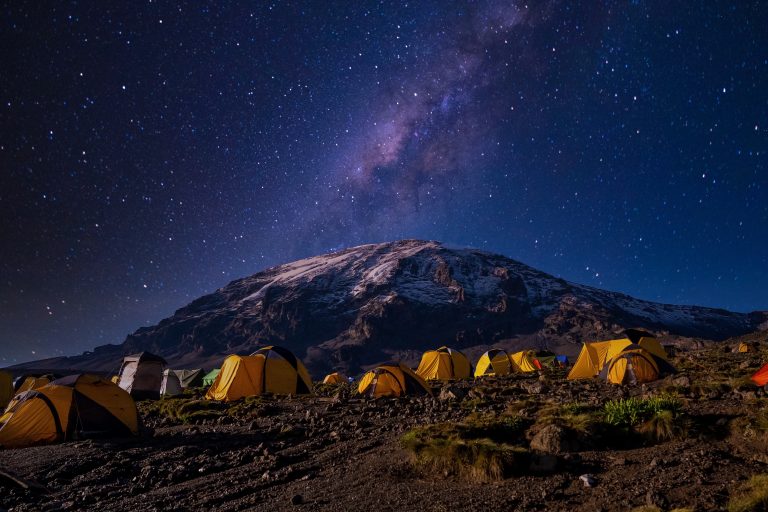
Choosing the perfect African safari lodge or camp is the foundation of an unforgettable African safari experience. Whether you’re planning a luxury safari in Tanzania, a budget camping safari, or a mid-range lodge safari, your accommodation shapes your wildlife encounters, comfort level, and overall travel satisfaction. From the vast plains of the Serengeti National Park to the breathtaking Ngorongoro Crater, travelers can choose between immersive tented camps and fully serviced safari lodges. Top-ranking safari like best African safari lodges, luxury safari camps, all-inclusive safari packages, and family safari accommodation all point to one key decision—how you want to experience the wild. This guide explores the differences, benefits, and essential factors to help you choose the ideal safari stay. Camping Safari Highlights A camping safari offers a raw, immersive, and authentic way to experience the African wilderness, placing travelers in the heart of the ecosystem rather than on its periphery. Unlike lodge-based trips, camping safaris often involve mobile tented camps, creating a deep connection to nature with the sounds of the bush surrounding you at night. Immersive A camping safari offers one of the most authentic African safari experiences, placing you close to nature in a way no lodge can match. Imagine sleeping under canvas in the heart of the wilderness, surrounded by the sounds of lions, hyenas, and elephants. In destinations like the Tarangire National Park, this immersive style enhances wildlife encounters and creates unforgettable memories. Popular terms such as authentic safari camping, guided camping safari in Africa, and close-to-nature safari experience perfectly capture this style. With fewer barriers between you and the environment, camping safaris are ideal for adventurous travelers seeking raw beauty and deeper connections with Africa’s landscapes and wildlife. Cost-Effective For travelers searching for a budget African safari, camping safaris are a top choice. They significantly reduce accommodation costs while still offering guided game drives, professional safari guides, and incredible wildlife viewing, such as affordable Tanzania safari, cheap African safari packages, and budget camping safari Africa ranks highly for this reason. Camps eliminate high overhead costs associated with luxury lodges, making them ideal for solo travelers, students, and families seeking value. Despite the lower price, many camping safaris still include meals, park fees, and transport, ensuring a complete and cost-effective safari experience without sacrificing adventure or quality wildlife encounters. Mobility Mobility is a key advantage of camping safaris, especially for those following the Great Migration safari routes across the Serengeti National Park. Mobile camps can move with wildlife patterns, ensuring you stay close to the action year-round. This flexibility enhances your chances of witnessing dramatic river crossings, predator-prey interactions, and large herds of wildebeest and zebras. For travelers searching for the best migration safari camps or seasonal safari experiences, mobility offers unmatched access to prime wildlife viewing locations. Unlike fixed lodges, mobile camps adapt to nature’s rhythms, making them ideal for photographers and safari enthusiasts seeking dynamic, ever-changing landscapes and unforgettable wildlife encounters. Amenities While camping safaris focus on simplicity, many modern options—especially glamping safaris in Africa—offer surprisingly comfortable amenities. Expect proper beds, en-suite bathrooms, hot bucket showers, and freshly prepared meals even in remote areas like Lake Natron. These upgraded camps blend adventure with comfort, appealing to travelers who want a balance between budget safari travel and convenience. Though not as luxurious as high-end lodges, today’s camping safaris still provide excellent service, making them ideal for those seeking mid-range safari experiences. This combination of authenticity and essential comfort ensures a memorable and enjoyable stay in the African wilderness. Lodge Safari Highlights Lodge safaris offer a premium, comfortable, and immersive wildlife experience, often featuring luxury accommodations, gourmet dining, and expert-guided game drives to see the Big Five. Key highlights include staying in prime locations near waterholes, private game viewing from decks, sundowners in the bush, and personalized service, combining wilderness adventure with high-end comforts. Comfort Safari lodges are synonymous with luxury African safari experiences, offering exceptional comfort after long game drives. In destinations like Ngorongoro Conservation Area, lodges feature spacious rooms, plush beds, private balconies, and stunning views of the surrounding landscapes. Many provide spa services, swimming pools, and gourmet dining, making them ideal for honeymoon safaris, family safari vacations, and high-end travel experiences. Travelers searching for the best luxury safari lodges in Tanzania will appreciate the blend of wilderness and indulgence. Lodges ensure relaxation and rejuvenation while still delivering unforgettable wildlife encounters, making them perfect for those who prioritize comfort without compromising on adventure. Convenience Convenience is a major advantage of lodge safaris, especially for travelers seeking all-inclusive African safari packages. Lodges often provide seamless services, including airport transfers, guided game drives, and curated excursions in parks like Arusha National Park. With everything organized, guests can focus entirely on enjoying their safari experience. This is particularly appealing for first-time safari travelers, senior travelers, and families. Searching for easy safari planning in Tanzania or stress-free safari holidays often leads to lodge options. The structured environment, professional staff, and reliable amenities ensure a smooth, enjoyable journey from arrival to departure. Higher Cost Luxury and convenience come at a price, making lodge safaris generally more expensive than camping options. Travelers looking for premium African safari tours, VIP safari packages, or exclusive safari lodges should expect higher rates, especially in iconic areas like the Serengeti National Park. Costs often include high-end accommodations, fine dining, and personalized services. While the price may be significant, the value lies in comfort, privacy, and exceptional service. For those seeking a once-in-a-lifetime experience, the investment in a luxury lodge safari is often well worth it. Amenities Safari lodges offer world-class amenities that redefine wilderness travel. From infinity pools overlooking savannahs to fine dining under the stars, lodges in regions like Tarangire National Park provide unmatched luxury. Guests can enjoy Wi-Fi, air-conditioned rooms, guided nature walks, and cultural experiences. These features cater to travelers searching for luxury safari accommodation, five-star safari lodges, and premium Tanzania safari experiences. The combination of modern comforts and breathtaking natural surroundings creates a perfect balance between adventure and relaxation, ensuring

What to Wear on a Tanzania safari

African Tanzania Safari Packing List, What to Wear on an African Safari: A Comprehensive Guide, What to wear on your Tanzania Safari, Preparing for a Short Safari in Tanzania

What to wear on a Tanzania safari is one of the most important travel planning decisions for any visitor exploring Serengeti National Park, Ngorongoro Crater, Tarangire National Park, and other iconic wildlife destinations in Tanzania. The right safari clothing improves comfort, safety, and overall experience during game drives and bush walks. Tanzania safari outfits should focus on breathable fabrics, neutral colors, and practical layering for changing temperatures. Whether you are on a luxury safari, a budget camping safari, or a photographic safari, dressing correctly enhances your adventure. Lightweight clothing, sun protection, and comfort are keyrelevant essentials travelers search for when planning a safari packing list for Africa, ensuring a smooth and enjoyable wildlife experience from sunrise to sunset across diverse landscapes. 1. Safari Dress Code Principles The main safari dress code in Tanzania focuses on comfort, practicality, and blending with the natural environment. Neutral colors such as khaki, beige, olive green, and light brown are highly recommended for game drives in Serengeti National Park and other wildlife areas. These colors help avoid attracting insects and reduce visibility to wildlife. Avoid bright colors, black clothing, and white outfits as they may not be suitable for dusty safari conditions. Breathable fabrics like cotton and linen are ideal for hot African climates. Lightweight and quick-dry clothing is also essential for changing weather conditions. Dressing appropriately improves your Tanzania safari experience, especially during long safari drives where comfort and temperature regulation are crucial for travelers exploring East Africa’s top safari destinations. 2. Daytime Safari Clothing During daytime safari activities in Tanzania, such as game drives in Ngorongoro Crater or Tarangire National Park, lightweight and breathable clothing is essential. Short-sleeved shirts, long-sleeved cotton tops, and safari trousers are ideal for protecting your skin from the sun and insects. Convertible pants are also popular among safari travelers for flexibility. Neutral-colored safari outfits help you blend into the natural environment while ensuring comfort during long hours in safari vehicles. Avoid tight or synthetic clothing as temperatures can rise significantly during midday game drives. Sunscreen and light scarves can enhance protection. Many travelers searching for Tanzania safari packing lists prioritize comfortable daytime safari wear to ensure a smooth wildlife viewing experience in both open savannah and forested safari regions. 3. Evening Safari Clothing Evenings on a Tanzania safari can become surprisingly cool, especially in areas like the Serengeti plains or Ngorongoro highlands. Layered clothing is highly recommended for evening game drives, sunset experiences, and dinner at safari lodges or tented camps. A warm fleece jacket, light sweater, or windbreaker is essential for comfort after sunset. Safari lodges often have relaxed dress codes, but smart casual clothing is preferred. Long pants and closed shoes help protect against insects at night. Travelers enjoying luxury safari camps or budget lodges alike should prepare for temperature drops. Packing versatile evening wear ensures comfort while dining outdoors or relaxing around a campfire, making your Tanzania safari experience both cozy and enjoyable in Africa’s wilderness settings. 4. Footwear for Safari Proper footwear is a key part of any Tanzania safari packing list. Comfortable walking shoes or lightweight hiking boots are ideal for game drives, bush walks, and nature excursions in parks like Lake Manyara and Serengeti. Closed shoes protect your feet from dust, insects, and uneven terrain. Sandals or flip-flops can be used inside safari lodges or camps, but are not suitable for game drives. Waterproof or quick-dry shoes are recommended during the rainy season safari trips. Good footwear ensures stability and comfort during long travel days and wildlife viewing. Many safari travelers prioritize durable shoes when preparing for African safaris, as they directly impact mobility and overall comfort during outdoor adventures across Tanzania’s diverse landscapes. 5. Layering for Weather Changes Tanzania safari weather can change quickly, making layering one of the most important dressing strategies. Early morning game drives in Serengeti or Ngorongoro can be cold, while midday temperatures become hot and dry. Wearing multiple lightweight layers allows easy adjustment throughout the day. Start with a breathable base layer, add a long-sleeve shirt, and finish with a warm jacket for mornings and evenings. This layering system is especially useful for safari travelers visiting high-altitude areas like Ngorongoro Crater or the Mount Kilimanjaro region. A scarf or shawl can also help with dust protection during open-vehicle drives. Proper layering ensures comfort, flexibility, and protection from unpredictable safari weather conditions, making it a top search keyword topic for Tanzania safari clothing guides. 6. Safari Game Drive Clothing Game drives are the highlight of any Tanzania safari experience, and your clothing should support long hours in safari vehicles. Comfortable, loose-fitting outfits are best for sitting for extended periods while exploring wildlife hotspots like Serengeti National Park. Neutral-colored shirts and trousers help you stay discreet in nature. Avoid flashy accessories or noisy fabrics that may distract wildlife viewing. A light jacket is useful for early morning drives, while sun-protective clothing is essential during midday. Many safari travelers also wear multi-pocket safari vests for convenience. Game drive clothing should balance comfort, functionality, and protection, ensuring you enjoy uninterrupted wildlife photography and viewing across Tanzania’s world-famous safari destinations. 7. Clothing for Cold Safari Mornings Early morning safari drives in Tanzania often feel cold, especially in open safari jeeps in places like the Ngorongoro Crater rim or Serengeti plains. Temperatures can drop significantly before sunrise, making warm clothing essential. Fleece jackets, thermal tops, and windproof layers are highly recommended for comfort during early game drives. Gloves and light beanies may also be useful in colder seasons. As the sun rises, temperatures warm quickly, so removable layers are ideal. This type of safari clothing is especially important for travelers visiting Tanzania during the dry season or high-altitude regions. Proper preparation for cold safari mornings ensures an enjoyable experience without discomfort, allowing full focus on wildlife sightings and photography opportunities. 8. Safari Accessories Safari accessories play a crucial role in completing your Tanzania safari outfit. Wide-brim hats protect against the strong African sun during game drives in Serengeti and Tarangire. Sunglasses

Tanzania On A Budget

Ngorongoro Simba Campsite - Tanzania Safaris, Tips for Planning a Budget Safari in Tanzania, What to Expect on a Tanzania Budget Camping Safari, Affordable Tanzania Safari, African Budget Safari tours, 7-Days Tanzania Budget Safari, Affordable African Safari Packages, How to Enjoy a Serengeti Safari in Tanzania on a Budget

Tanzania on a budget is one of the most rewarding travel experiences in Africa, offering world-class wildlife safaris, breathtaking landscapes, and tropical beaches without requiring luxury spending. From the endless plains of the Serengeti National Park to the dramatic wildlife haven of the Ngorongoro Crater, travelers can explore iconic destinations at surprisingly affordable prices. Budget Tanzania safari packages, cheap Tanzania tours, and low-cost accommodation options make it possible for backpackers and adventure seekers to experience the Big Five, Maasai culture, and Zanzibar beaches without overspending. With smart planning, use of public transport, group safaris, and budget lodges, Tanzania becomes a top destination for affordable African travel. This guide reveals how to enjoy a cheap safari in Tanzania, including cost-saving tips, destinations, and itineraries designed for maximum experience with minimum expense. 1. Choose Budget Tanzania Safari Packages Wisely Selecting the right Tanzania budget safari packages is the first step to saving money, private safaris, and still offering incredible wildlife experiences. Operators in Arusha and Moshi often provide affordable itineraries covering Tarangire, Serengeti, and Ngorongoro. Look for private 4×4 safari vehicles, camping options, and off-season discounts. Avoid peak season if possible, as prices increase dramatically. Compare multiple tour companies and read reviews before booking. Budget safari Tanzania deals often include meals, park fees, and accommodation, making them more cost-effective than independent travel. Choosing local operators instead of international agencies also reduces costs. Smart planning ensures you still enjoy Big Five sightings and scenic game drives without stretching your budget. 2. Travel During the Low Season for Cheap Prices One of the best Tanzania budget travel tips is visiting during the low season. Months like March to May offer lower accommodation rates, cheaper safari packages, and fewer tourists in parks. While there may be occasional rain, wildlife viewing remains excellent. Hotels, camps, and tour operators offer discounts to attract travelers, making it ideal for affordable Tanzania safaris. Even popular destinations like the Serengeti and Ngorongoro Crater become more budget-friendly. Airfare to Tanzania can also be cheaper during this time. Traveling off-season not only saves money but also provides a more peaceful and exclusive safari experience. Smart travelers use this strategy to enjoy luxury-level experiences at budget prices while avoiding crowds in major parks. 3. Stay in Budget Safari Lodges and Campsites Accommodation is a major cost factor, but Tanzania budget lodges and campsites make travel affordable. Options range from basic tented camps near Tarangire National Park to budget lodges in Karatu and Arusha. Camping safaris are the cheapest way to experience wildlife up close while reducing costs significantly. Many camps provide shared facilities, meals, and guided experiences at low prices. Budget lodges still offer comfort, hot showers, and great locations near national parks. Booking early, choosing camping over luxury lodges can cut safari expenses by more than half. This allows travelers to spend more days exploring Tanzania’s wildlife instead of overspending on accommodation. 5. Travel by Public Transport in Tanzania Traveling in Tanzania on a budget becomes much easier when you rely on public transport in Tanzania, which is affordable, authentic, and widely used by locals. The most common option is the dala-dala minibuses, which connect cities, towns, and villages at very low prices. For longer distances, intercity buses in Tanzania, such as Kilimanjaro Express and Shabiby Line, offer safe and comfortable travel between Dar es Salaam, Arusha, Moshi, and Dodoma. You can also use bajaj (tuk-tuks) and bodaboda (motorbike taxis) for short urban trips. Although not luxurious, public transport in Tanzania gives travelers a real cultural experience while saving significantly on transport costs. Always carry small Tanzanian shillings and confirm prices before boarding to ensure a smooth and budget-friendly journey across the country. 6. Explore Affordable Safari Parks First When planning a budget safari in Tanzania, it is smart to start with affordable national parks before visiting premium destinations like the Serengeti. Parks such as Tarangire National Park, Lake Manyara National Park, and Mikumi National Park offer excellent wildlife viewing at lower park fees. These destinations are perfect for travelers seeking a cheap Tanzania safari experience without compromising on wildlife encounters. You can still see elephants, lions, giraffes, and zebras while spending far less than in high-end safari circuits. Many budget safari packages include shared vehicles and camping options, making the experience even more affordable. Exploring these parks first helps reduce overall travel costs while still delivering an unforgettable African safari adventure filled with natural beauty, photography opportunities, and close encounters with wildlife. 7. Eat Local Food to Save Money One of the best Tanzania budget travel tips is to eat like a local. Street food and small local restaurants offer delicious meals at very low prices. Popular dishes such as ugali, chipsi mayai (egg and fries), rice and beans, and nyama choma (grilled meat) are filling and affordable. Eating at local markets and food stalls not only saves money but also provides an authentic cultural experience. Fresh tropical fruits like mangoes, pineapples, and bananas are widely available and inexpensive. Avoiding expensive tourist restaurants can reduce your daily travel expenses significantly. Many budget travelers in Tanzania spend only a few dollars per meal while still enjoying flavorful and nutritious food. This approach helps stretch your travel budget while immersing you in Tanzania’s rich culinary culture. 8. Book Flights Early for Cheap Airfare For affordable travel to Tanzania, booking flights early is one of the most effective budget travel strategies. International and domestic flight prices increase closer to the travel date, especially during peak safari seasons. Using cheap flight booking tips for Tanzania, such as reserving tickets 2–6 months in advance, can significantly reduce airfare costs. Flexible travel dates also help you find the lowest prices on flights to Kilimanjaro International Airport, Dar es Salaam, or Zanzibar. Mid-week flights are often cheaper than weekend departures. Comparing multiple airlines and setting fare alerts can also help you secure the best deals. Early planning ensures you get the most affordable flights, leaving more of your budget for safaris, accommodation, and experiences across Tanzania. 9.

Where to Spot African Big Cats on Safaris

How to Choose an Ethical African Safari Experience, Discover Tanzania, Wild Animals You Must See on African Safari, Overland African Safari Tours, Best Places to See Leopards in Africa, 10 Interesting Facts About Leopards, 10 Best East African Tour Companies & Operators, Best Safari in Africa, Where to Spot African Big Cat on Safaris, African Safari Experts, Northern Tanzania Safaris, 2-week Tanzania itinerary, Active Tanzania Adventures, Tanzania Private Safari Tours, Grand East African Safari, Why Go on an All-Inclusive Safari & What's Included, Best Places to See Cheetahs in Africa, Authentic Tanzania Safari Experiences, Tanzania National Parks & Game Reserves, How to Plan a Budget-Friendly Safari in East Africa, Fastest Land Animals in the World, Luxury Big Five Safari in Tanzania

Discover and experience Africa, one of the ultimate destinations for big cat safaris, offering unparalleled opportunities to see lions, leopards, cheetahs, and African wildlife in their natural habitats. From vast plains to rich river valleys, the continent’s premier wildlife safari destinations provide unforgettable sightings of African big cats. In this guide, you’ll discover where to spot these iconic predators in the best national parks and game reserves across East and Southern Africa. Whether it’s the annual wildebeest migration in the Serengeti or the dense woodlands of Sabi Sand, each location offers something unique for big cat photography, luxury safari tours, and wildlife conservation experiences. Let’s explore the most sought‑after places for big cat sightings on your next African safari adventure. 1. Serengeti National Park Serengeti National Park in Tanzania is world‑renowned for big cat safaris and spectacular lion, leopard, and cheetah sightings. Stretching across endless grasslands, the Serengeti offers prime territory for big cats, especially during the Great Migration, when predators follow massive herds of wildebeest and zebra. The open plains make it easier for visitors to spot cheetahs sprinting after prey and lion prides lounging under acacia trees. Leopards, though elusive, can often be photographed in the park’s wooded areas and Kopjes. Top experiences include early morning and late afternoon game drives led by expert guides who know big cat behavior. Known as one of the best wildlife safari destinations in Africa, the Serengeti delivers consistently high chances of seeing Africa’s most iconic predators in action. 2. Ngorongoro Crater The Ngorongoro Crater in northern Tanzania is a UNESCO World Heritage Site and a hotspot for big cat sightings on safari. As a natural amphitheater teeming with wildlife, the crater floor supports high densities of lions, leopards, and spotted hyenas, drawing big cats close to watering holes and grazing herds. The crater’s enclosed ecosystem makes wildlife easier to find, offering some of the most reliable big cat viewing in East Africa. Lion pride sightings are frequent, often near the Lerai Forest or around hippo‑filled swamps. Leopards may be seen resting in fig trees along the crater rim. With its compact size and rich biodiversity, Ngorongoro is ideal for photographers and families seeking close encounters with African big cats without long drives between sightings. 3. Ruaha National Park Ruaha National Park in south‑central Tanzania is an emerging big cat destination known for its untouched wilderness and outstanding wildlife safari experiences. As one of East Africa’s largest parks, Ruaha features sweeping landscapes where lion prides roam, and leopard sightings are common along riverbeds and rocky outcrops. The park’s vast terrain means fewer visitors and more natural encounters with big cats and other predators. The seasonal Great Ruaha River attracts wildlife, drawing lions and leopards from across the region to hunt and drink. Cheetahs can also be spotted chasing prey across open plains. Ruaha’s remote setting offers a truly authentic African safari adventure and excellent opportunities for big cat photography, expert‑led game drives, and immersive exploration of one of the continent’s most rewarding wildlife havens. 4. Tarangire National Park Tarangire National Park in northern Tanzania is famed for its ancient baobabs and abundant wildlife, making it an excellent destination for big cat safaris close to Arusha and the Serengeti ecosystem. While elephants are the park’s trademark, Tarangire also supports healthy populations of lions, leopards, and cheetahs that thrive in its diverse habitats of grassland, swamp, and woodland. Lions often take advantage of the park’s seasonal swamps, concentrating near water sources during the dry season and providing reliable sightings. Leopards, though more elusive, can sometimes be spotted in dense thickets and fig trees. Cheetahs favor open plains around Tarangire’s central corridors. With fewer crowds and scenic landscapes, Tarangire offers a more intimate safari experience with strong opportunities for seeing Africa’s top predators. 5. Nyerere National Park (formerly Selous) Nyerere National Park, formerly known as Selous Game Reserve in southern Tanzania, is one of Africa’s largest wilderness areas and a premier destination for big cat viewing off the beaten path. Its immense size and diverse ecosystems—rivers, floodplains, miombo woodlands—support thriving populations of lions, leopards, and wild dogs. Game drives and boat safaris along the Rufiji River offer unique ways to encounter big cats stalking prey or resting in shaded riverbanks. Nyerere’s remote setting means far fewer visitors and more authentic wildlife encounters, including dramatic predator‑prey interactions during seasonal changes. With excellent opportunities for big cat photography, walking safaris, and multi‑day guided tours, Nyerere is ideal for adventurous travelers seeking wild, untouched African safari experiences beyond the main tourist routes. 6. Lake Manyara National Park Lake Manyara National Park in northern Tanzania is a compact but spectacular destination for big cat safaris, known especially for tree‑climbing lions. These unique lions often rest in acacia trees overlooking the lake, offering extraordinary photographic opportunities. The park’s mix of forest, floodplain, and alkaline lake ecosystems attracts diverse prey species, drawing lions and leopards throughout the year. Cheetahs may also be seen hunting on the open plains at the park’s edge. The scenic backdrop of the Rift Valley escarpment and vast birdlife add to the safari experience. Lake Manyara’s proximity to other major parks like Tarangire and the Serengeti makes it an excellent stop on a multi‑park wildlife safari itinerary, where visitors can maximize chances of seeing Africa’s most iconic big cats in a compact, accessible setting. 7. Katavi National Park Hidden in western Tanzania, Katavi National Park is one of Africa’s most pristine and rewarding safari destinations for big cat sightings. Less visited than other parks, Katavi offers immersive wilderness experiences with large concentrations of lions and leopards around the Katuma River floodplains. During the dry season, herds of buffalo and antelope attract powerful lion prides, providing dramatic predator encounters and excellent big cat photography. Leopards, though stealthy, can sometimes be tracked near waterholes and shaded galleries. Cheetahs also frequent the open plains in search of fast‑moving prey. The remote, rugged landscape ensures solitude and an authentic safari adventure, ideal for travelers seeking deep wilderness and exceptional wildlife

Five Pants You Should Wear for Climbing Kilimanjaro

African Safari Vacation, Why Climbing Top men's best hiking boots for KilimanjaroKilimanjaro is Too Expensive? Who Was the first person to Climb Mount Kilimanjaro? beginner's guide to Climbing Kilimanjaro, What to Carry in Your Daypack on Kilimanjaro, What is the Best Sleeping Pad for Climbing Kilimanjaro? Do you Shower When Climbing Kilimanjaro? Barranco Wall on Kilimanjaro, What To Wear When Climbing Kilimanjaro, Climbing Kilimanjaro in December, 12-Week Kilimanjaro Training Plan for Beginners, What to Expect on a Walking Safari in Africa, What Birds Can I See While Climbing Mount Kilimanjaro, The Alpine Desert Zone of Kilimanjaro, Top 17 Jackets to Pack for Climbing Kilimanjaro, How Fit Do You Need to Be to Climb Kilimanjaro?, Top 7 Tips for Altitude Sickness Prevention, Five Best Exercises to Train for Kilimanjaro, recommended hikes to prepare for Mount Kilimanjaro.

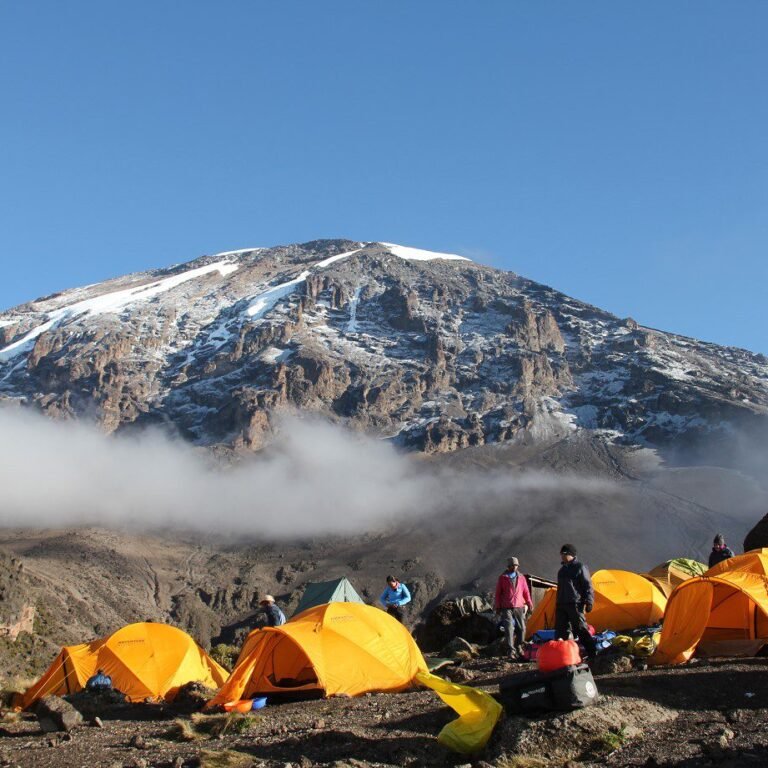
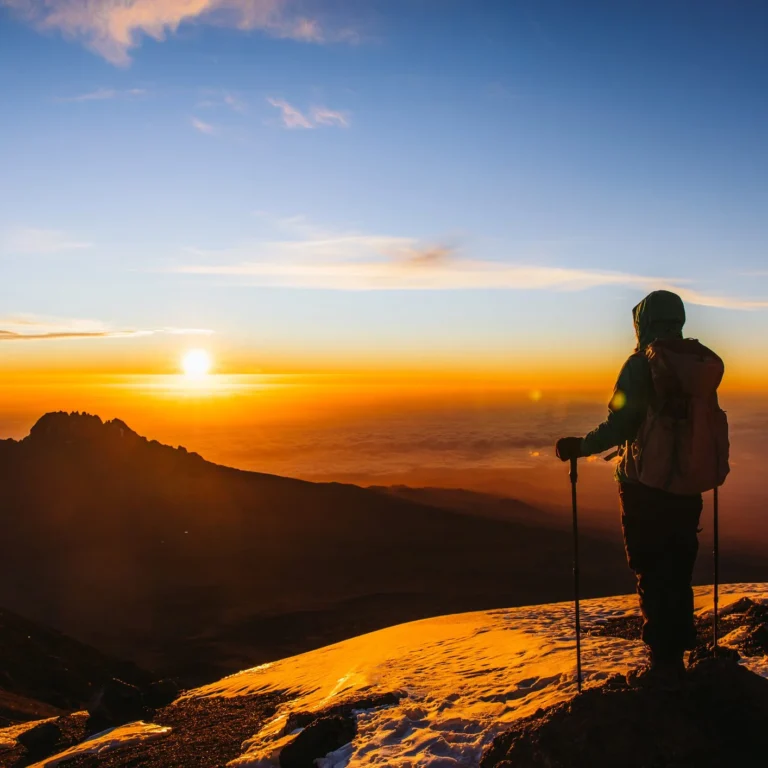
Climbing Mount Kilimanjaro, Africa’s tallest peak, is an epic adventure that demands not only physical preparation but also the right gear. Among the most critical items for a successful summit are high-performance hiking pants. The terrain, weather, and temperature can change drastically—from hot, humid rainforest trails at lower elevations to freezing winds near the summit. Wearing the right Kilimanjaro climbing pants ensures comfort, flexibility, and safety, helping you conquer the mountain with confidence. From lightweight convertible hiking pants to thermal base layers and waterproof hard-shell pants, each type serves a specific purpose, combining breathability, insulation, and weather protection. Whether you are planning a luxury Kilimanjaro climb, budget trekking tour, or private guided expedition, investing in top-rated hiking pants enhances performance and reduces fatigue. In this optimized guide, we explore the best hiking pants for Kilimanjaro climbing, including convertible pants, softshell trousers, and insulated trekking gear. In this guide, we’ll explore the top hiking pants you should pack, why they are essential, and tips for layering effectively, making your Mount Kilimanjaro trekking experience safe, comfortable, and unforgettable. 1. Lightweight/Convertible Hiking Pants Lightweight hiking pants are a must for the lower and mid-elevation sections of Kilimanjaro. Made from breathable, quick-drying materials like nylon or polyester, they keep you cool while trekking through the lush rainforest and Moorland zones. Convertible pants, which zip off into shorts, offer versatility as temperatures shift during the day. They are also perfect for multi-day Kilimanjaro treks, where packing efficiency is crucial. Look for pants with stretch panels or articulated knees for maximum freedom of movement on uneven terrain. Features like multiple pockets, reinforced knees, and adjustable waists add practicality, allowing you to carry essentials like maps, snacks, and trekking poles. Brands specializing in mountain climbing gear often include lightweight and durable options that are ideal for both comfort and performance. For the best experience, pair these pants with a moisture-wicking base layer to prevent chafing and maintain dryness during long hours of hiking. 2. Thermal Base Layer Leggings As you ascend Kilimanjaro, temperatures drop sharply, especially in the alpine and summit zones. Thermal base layer leggings are essential for insulation and moisture management. Made from merino wool or synthetic blends, they trap body heat while allowing sweat to evaporate, keeping legs warm and dry in freezing conditions. Lightweight and snug, they fit comfortably under other hiking pants without restricting movement, making them ideal for layering. These leggings are also useful for early morning starts and long summit pushes when wind chill can be severe. For serious climbers, thermal leggings reduce fatigue by maintaining consistent warmth, preventing energy loss caused by cold muscles. Investing in a high-quality Kilimanjaro trekking base layer ensures protection against hypothermia and enhances overall comfort, making your climb safer and more enjoyable, especially during high-altitude conditions above 4,000 meters. 3. Waterproof Hard-Shell Pants Rain, snow, and strong winds are common on Kilimanjaro, making waterproof hard-shell pants indispensable. These pants provide a durable outer layer that shields you from wet weather while remaining breathable enough to prevent overheating. Lightweight and packable, hard-shell pants are perfect for sudden weather changes in the Moorland and Alpine zones. Look for features like adjustable waistbands, ankle zippers, and reinforced seams for maximum comfort and protection. Waterproof pants also pair well with thermal base layers, giving climbers an effective system against wind chill and precipitation. For safety and convenience, choose pants with DWR (durable water repellent) coating and articulated knees for unrestricted movement. These pants are particularly important for rainy season climbs, ensuring you stay dry, maintain body warmth, and continue trekking efficiently despite harsh mountain conditions. 4. Fleece-Lined Softshell Pants When temperatures are cold but not extreme, fleece-lined softshell pants offer an ideal balance of warmth, flexibility, and breathability. These pants are perfect for Mweka, Shira, and Barranco routes, providing comfort during chilly mornings and windy afternoons. The softshell fabric blocks wind while the fleece lining traps heat, keeping muscles warm without overheating. Softshell pants are also durable and abrasion-resistant, ideal for navigating rocky terrains and uneven trails. Many models come with stretch panels for climbing and scrambling, making them versatile for moderate hikes and technical sections. Pairing them with thermal base layers allows for adaptable insulation, while maintaining comfort and mobility. For climbers who prefer lightweight warmth without bulky layers, fleece-lined softshells are an excellent addition to your Kilimanjaro gear list, ensuring a cozy trek during long ascents. 5. Warm Summit Pants/Ski Pants (Optional but Recommended) For the final summit push, temperatures often plunge well below freezing, and strong winds can intensify the cold. Warm summit pants or ski pants provide essential insulation and wind protection for these extreme conditions. Made from high-quality insulated, waterproof materials, they protect against frostbite while remaining breathable enough to allow sweat to escape. Many designs feature adjustable waistbands, reinforced knees, and inner gaiters to keep snow and wind out. Layering these over thermal leggings and softshell pants ensures maximum warmth during the most challenging part of your climb. While optional, summit pants are highly recommended for safety and comfort, especially for late-night summit attempts. They can also double as protection against harsh conditions during unexpected storms in the alpine zone. Choosing the right summit pants can be the difference between a comfortable, successful climb and a risky, freezing experience. Key Features to Look for in Hiking Pants for Kilimanjaro Material Weather Resistance Insulation and Layering Fit and Comfort Pockets and Storage Ventilation Layering Strategies for Optimal Kilimanjaro Comfort Base Layer Mid Layer Outer Layer Each of these zones requires specific considerations for your hiking pants: Rainforest Zone (Up to 3,000 meters) Moorland Zone (3,000 to 4,200 meters) Alpine Desert Zone (4,200 to 5,000 meters) Arctic Zone (Above 5,000 meters) How big of a backpack do I need for Kilimanjaro? When planning your Mount Kilimanjaro climb, choosing the right backpack is crucial. For day hikes and summit attempts, a 30–40L daypack is ideal for essentials like water, snacks, camera, jacket, and extra layers. For multi-day treks, a 60–70L backpack can carry sleeping

How Much Does It Cost to Climb Kilimanjaro

Visit Mount Kilimanjaro on a trip to Tanzania, How Much Does It Cost to Climb Kilimanjaro, Mount Everest Base Camp vs Mount Kilimanjaro, How to Prepare for Climbing Mount Kilimanjaro, How Do You Mentally Prepare for Climbing Kilimanjaro? What Can I do While at Camp on Kilimanjaro? Do you lose weight climbing Kilimanjaro? Overweight Climbing Kilimanjaro, Why Drinking Water Is So Important During Mount Kilimanjaro Climb?, Common Mistakes While Climbing Mount Kilimanjaro, Trail Shoes Vs. Boots On Kilimanjaro, What is the Best Rain Jacket for Climbing Kilimanjaro? Medical Check-Up before climbing Kilimanjaro, Climbing Kilimanjaro in April, Walk Each Day On Kilimanjaro Routes, Why Does Mount Kilimanjaro Have Snow, Glaciers, and Ice Cap?, 8 Foot Care Tips While Hiking Kilimanjaro, Should We Sleep at Kilimanjaro Crater Camp?, Are You Wearing the Right Shoe Size to Climb Kilimanjaro?, What Type of Mask Should I Bring to Climb Kilimanjaro?, How hard is summit night on Kilimanjaro?, How to choose a backpack for high-altitude trekking, Paying the Balance Amount for Your Kilimanjaro Trek, tips for happy feet on Kilimanjaro, Most Dangerous Mountains to Climb, Tanzania’s Sacred Sites: Spiritual Journeys in the Heart of Africa, Is Mount Kilimanjaro Too Crowded?, What Are the Best Body Wipes for Kilimanjaro Climb?

Climbing Kilimanjaro, Africa’s highest peak, is a bucket-list adventure attracting thousands of hikers and mountaineers each year. Understanding how much it costs to climb Kilimanjaro is essential for planning your dream expedition. Mount Kiliimanjaro costs vary widely depending on the route, climb style, duration, accommodation, gear, and services included. From Kilimanjaro budget-friendly treks to all-inclusive luxury safaris, travelers can expect expenses to cover flights, park fees, guides, porters, equipment, and tipping. Additionally, health preparations and optional activities before or after the climb can influence the total cost. This guide provides a detailed breakdown of Kilimanjaro climbing expenses, helping adventurers plan realistically and safely. Whether you aim for a solo climb, family adventure, or romantic safari, knowing the costs ensures a smooth, stress-free journey. Getting To Kilimanjaro Getting to Kilimanjaro typically begins with an international flight to Kilimanjaro International Airport (JRO) from major hubs like Nairobi, Johannesburg, or European cities. Flight prices range from $600 to $1,500 depending on the season, airline, and booking time. From the airport, transfers to Moshi or Arusha, the main Kilimanjaro base towns, cost $USD 30–$USD 100 for shared shuttles or $USD 150–$USD 250 for private transport. Many operators offer package deals that include airport pickup, which simplifies planning. For travelers coming from Zanzibar or Dar es Salaam, flights are shorter and cheaper, averaging $ USD 50–$USD 120. Planning in advance can reduce costs, while last-minute travel often increases expenses. Factoring in transport is essential when calculating total Kilimanjaro climb costs, as accessibility directly affects your expedition budget. Kilimanjaro Health Preparation Health preparation is critical when climbing Kilimanjaro, as altitude sickness is a significant concern. Medical costs include travel insurance, vaccinations, and preventive medications. Common vaccines for travelers to Tanzania include yellow fever, hepatitis A/B, typhoid, and routine immunizations, costing $USD 50–$USD 200. Malaria prophylaxis may add $USD 30–$USD 100, depending on the drug type and duration. Pre-climb consultations with a physician, especially for altitude-related guidance, can cost $USD 50–$USD 150. Fitness preparation may include gym memberships or personal training to improve endurance, strength, and acclimatization readiness, adding $USD 50–$USD 200. Overall, these health-related expenses are essential investments, reducing risks and enhancing your success rate. Budgeting for medical preparations ensures a safer climb and protects against emergencies, complementing the overall cost of climbing Kilimanjaro responsibly. Kilimanjaro Gear & Equipment Costs Proper gear is crucial for Kilimanjaro, as temperatures vary from tropical heat at the base to freezing conditions at the summit. Essential gear includes insulated jackets, thermal layers, trekking boots, gloves, headlamps, sleeping bags, and trekking poles, which can cost $USD 500–$USD 1,500 if purchased new. Some operators provide rental options, reducing costs to $USD 50–$USD 300 per person. Lightweight backpacks, water bottles, and trekking clothing are additional expenses of $USD 100–$USD 250. Many climbers opt for high-quality equipment to ensure safety and comfort, which is a wise investment. Budgeting for gear can make a significant difference in climb quality and altitude performance. Considering rentals versus purchases and planning in advance can optimize costs while ensuring you have professional-standard equipment for your Kilimanjaro adventure. Kilimanjaro Package Inclusion Kilimanjaro climb packages vary widely and heavily influence total costs. Standard inclusions cover park fees, guides, porters, meals, accommodation on the mountain, and sometimes transfers from Moshi or Arusha. Packages for the 7-day Machame route typically range from $USD 1,900 (budget) to $USD 5,500+ (luxury). Mid-range climbs often include professional guides, quality tents, and three meals daily, costing $USD 2,500–$USD 3,500. Some luxury operators offer gourmet food, personal chefs, and photography services, elevating the price. Understanding what is included prevents unexpected expenses. Mount Kilimanjaro hiking Packages may also include pre-climb briefings, emergency support, and insurance for guides and porters. Choosing the right package balances cost, safety, and comfort, ensuring a successful ascent while optimizing your budget for climbing Kilimanjaro. Kilimanjaro Accommodation Cost before & after the Climb Before or after your Kilimanjaro climb, accommodation in Moshi, Arusha, or nearby lodges adds to overall expenses. Budget hotels or hostels range from $USD 20–$USD 50 per night, while mid-range lodges average $USD 80–$USD 200. Luxury lodges and boutique hotels can reach $ USD 300–$ USD 600 per night, offering amenities like swimming pools, spa treatments, and gourmet dining. Many operators include pre- or post-climb accommodations in their packages, sometimes with breakfast and airport transfers. Staying in a nearby lodge allows for acclimatization and rest, which is crucial for a successful summit. Accurately including these costs ensures a realistic budget and enhances the overall Kilimanjaro experience, combining comfort with strategic preparation for the ascent. Kilimanjaro Route Cost Impact The choice of the Kilimanjaro route significantly affects cost. Popular options include Marangu, Machame, Lemosho, Rongai, Shira, and Umbwe routes, each with varying lengths, difficulty levels, and inclusions. Marangu, the “Coca-Cola Route,” is generally cheaper at $USD 1,800–$USD 2,200 but less scenic. Machame and Lemosho, known for panoramic views and higher success rates, cost $USD 2,000–$USD 4,000 for a 6–8 day climb. Rongai is slightly more affordable but more remote, while Umbwe is challenging and often slightly less expensive due to fewer climbers. Longer routes improve acclimatization but increase costs for guides, porters, and meals. Route selection balances budget, scenery, and summit success, making it a critical factor in calculating the total cost of climbing Kilimanjaro. Kilimanjaro Climb Style: Budget Vs Mid-Range Vs Luxury Climbing Kilimanjaro offers styles from budget-friendly to high-end luxury. Budget climbs, $USD 1,800–$USD 21,00, include basic tents, minimal amenities, and shared guides, suitable for cost-conscious adventurers. Mid-range climbs, $USD 2,500–$ USD 3,500, provide comfortable tents, three daily meals, and experienced guides, balancing affordability and comfort. Luxury climbs, $ USD 4,000–$USD 6,500+, offer private tents, gourmet meals, personal chefs, photography services, and premium support staff. The climb style affects gear, accommodation, food quality, and staff attention, impacting your overall experience. Selecting a climb style aligns expectations with budget and personal comfort. Many climbers find mid-range packages offer the best value, combining safety, professional support, and enjoyable amenities, optimizing both cost and quality on Kilimanjaro. Tipping on Kilimanjaro Tipping is customary

Tanzania Luxury Safari Lodges

Stay at Luxury Lemala Nanyukie Tented Lodge, Best Tanzania Luxury Safari Lodges and Camps, Tanzania Luxury Safari Lodges

A Tanzania luxury safari lodge experience blends world-class comfort, breathtaking landscapes, and unforgettable wildlife encounters across iconic destinations like Serengeti National Park, Ngorongoro Crater, and Tarangire National Park. From elegant suites overlooking endless plains to private plunge pools and gourmet dining, these top-rated luxury safari lodges redefine African travel. Whether you’re planning a honeymoon safari, family vacation, or private luxury safari tour, Tanzania offers exclusive lodges with exceptional service, guided game drives, and bespoke experiences. Travelers searching for the best Tanzania luxury safari lodges, high-end safari camps, and premium African safari packages will find unmatched beauty and comfort here. Expect personalized itineraries, stunning wildlife photography opportunities, and immersive cultural encounters, all designed to create a once-in-a-lifetime luxury safari adventure in East Africa. 1. Serengeti Melia Safari Lodge Meliá Serengeti Lodge offers a refined luxury safari experience in the heart of the Serengeti ecosystem. Perfect for travelers seeking premium Tanzania safari lodges, this elegant property blends contemporary Spanish-inspired design with African wilderness charm. Guests enjoy infinity pools overlooking the plains, luxury suites with panoramic views, and fine dining experiences featuring international cuisine. Its strategic location provides excellent access to the Great Migration and year-round wildlife viewing, including lions, elephants, and cheetahs. Ideal for honeymoon safaris and luxury family vacations, the lodge also offers spa services, guided game drives, and cultural excursions. For those searching for the best Serengeti luxury lodges, this property delivers comfort, exclusivity, and unforgettable Tanzania safari moments in one of Africa’s most iconic destinations. 2. Four Seasons Serengeti Safari Lodge Four Seasons Safari Lodge Serengeti is synonymous with ultra-luxury African safaris. Located in central Serengeti, this world-class lodge features spacious villas, an ultra-luxury safari experience, infinity pools overlooking a wildlife watering hole, and exceptional personalized service. It is a top choice for travelers searching for five-star Tanzania safari lodges, luxury honeymoon safaris, and premium wildlife experiences. Guests can enjoy guided game drives, spa treatments, bush dinners, and cultural Maasai visits. The lodge is renowned for frequent sightings of elephants, lions, and leopards right from the property. With its family-friendly amenities, kids’ club, and private safari options, it appeals to both families and couples. For those seeking the best luxury safari lodge in Serengeti, Four Seasons delivers unmatched elegance, comfort, and immersive wildlife encounters. 3. Serengeti Safari Lodge Serengeti Serena Safari Lodge is a classic high-end safari lodge designed to reflect traditional African architecture. Built into a ridge with sweeping views of the Serengeti plains, it offers an authentic yet luxurious safari experience. Ideal for travelers searching for affordable luxury safari lodges in Tanzania, this lodge combines comfort with excellent luxury Serengeti vacation packages in Tanzania, wildlife access. Guests enjoy stylish rooms, an outdoor swimming pool, and panoramic dining areas. Daily game drives reveal abundant wildlife, including the Big Five and the Great Migration. Cultural performances and local cuisine enhance the experience. Perfect for families, honeymooners, and group safaris, Serengeti Serena remains one of the best-known lodges in Tanzania for combining value, comfort, and location within the iconic Serengeti National Park. 4. Ngorongoro Crater Lodge Ngorongoro Crater Lodge is often described as the most luxurious safari lodge in Africa. Perched on the rim of the Ngorongoro Crater, it offers breathtaking views of the world’s largest intact volcanic caldera. This lodge blends opulence with dramatic architecture, featuring chandelier-lit suites, butler service, and lavish interiors. Ideal for luxury safari seekers, honeymooners, and high-end travelers, it provides exclusive crater game drives where guests can see rhinos, lions, and flamingos. Fine dining, private decks, and personalized service elevate the experience. Frequently ranked among the best luxury safari lodges in Tanzania, Ngorongoro Crater Lodge is perfect for those wanting a unique blend of romance, luxury, and exceptional wildlife encounters in a UNESCO World Heritage Site. 5. Tarangire Kuro Treetops Tarangire Kuro Treetops Lodge offers a unique luxury safari experience elevated among ancient baobab trees. Located in Tarangire National Park, this lodge is perfect for travelers seeking boutique luxury safari lodges in Tanzania. The treehouse-style suites provide stunning views of the savannah and wildlife below. Guests can enjoy guided walking safaris, game drives, and birdwatching in one of Tanzania’s most wildlife-rich parks, famous for large elephant herds. The lodge emphasizes eco-friendly design and intimate experiences, making it ideal for honeymooners and nature lovers. With personalized service, gourmet cuisine, and serene surroundings, Tarangire Kuro Treetops stands out among the best luxury safari camps in Tanzania for its exclusivity and unique treetop accommodation concept. 6. Singita Grumeti Lodge Singita Sasakwa Lodge represents the pinnacle of ultra-luxury safari lodges in Tanzania. Located in the private Grumeti Reserve bordering Serengeti National Park, this best all-inclusive African safari accommodation offers unmatched exclusivity, privacy, and personalized safari experiences. Guests enjoy elegant cottages, infinity pools, fine dining, and access to private game drives with expert guides. The area is known for incredible wildlife, including the Great Migration and large predator populations. Ideal for high-end travelers, celebrities, and honeymoon safaris, Singita delivers exceptional service and conservation-focused tourism. Activities include horseback safaris, walking safaris, and wine tasting experiences. For those searching for the best luxury safari lodges in Africa, Singita Grumeti offers a world-class combination of sophistication, all-inclusive safaris in Tanzania’s wilderness, and unforgettable wildlife encounters. 7. Lake Manyara Tree Lodge Lake Manyara Tree Lodge is a hidden gem offering an exclusive luxury safari experience in Lake Manyara National Park. Nestled within a mahogany forest, this lodge features elevated treehouse suites that blend the best all-inclusive African safari vacations with nature. Perfect for travelers seeking intimate and eco-luxury safari lodges in Tanzania, African safari resorts all-inclusive, it offers privacy, tranquility, and personalized service. Guests can enjoy guided walking safaris, night game drives, and cultural visits to nearby communities. The park is famous for tree-climbing lions, flamingos, and diverse birdlife. Ideal for honeymooners and couples, Lake Manyara Tree Lodge provides a peaceful retreat away from crowds. It stands out among Tanzania’s luxury safari camps for its unique forest setting and immersive wildlife experiences. 8. &Beyond Serengeti Under Canvas &Beyond Serengeti Under Canvas delivers a

Serengeti Voted the Best Safari Park of Africa

Tanzania African Safari Packages, Tours, Tailored Itineraries, Contact Us | Tanzania Safari Bookings | Serengeti Safari Bookings, Why You Should Book Your Tanzania Safari Far in Advance, complete guide for travelers to visit Serengeti National Park, Signature Safari - Luxury Tanzania Safari Tour Company, Tanzania Safari in Style, Tanzania Classic Safari, Serengeti Wildlife Safaris, Serengeti Voted the Best Safari Park of Africa, Luxury vs. Budget Safaris: Finding the Right Fit for Your Tanzania Experience, The Complete African Safari Guide

The Serengeti National Park, often voted Best African Safari Park, is the crown jewel of Tanzania safaris. Renowned for its breathtaking landscapes and unparalleled wildlife viewing, the Serengeti offers an authentic taste of African safari adventures. Spanning vast, endless grass plains, this iconic park is home to a rich diversity of species, including Big Five animals, and countless herbivores and predators. Travelers seeking a bucket-list safari experience will marvel at its dramatic scenery, from golden savannahs to acacia-dotted plains. Declared a UNESCO World Heritage Site, the park is celebrated not only for its spectacular wildlife safaris but also for its cultural significance and ecological importance. The Serengeti remains a must-visit destination for luxury safaris, family safaris, and photographic safaris in Tanzania. Home to the spectacular Great Migration The Serengeti is globally famous for hosting the Great Migration, one of the world’s most incredible wildlife events. Millions of wildebeest, zebras, and gazelles move across the Serengeti plains, attracting predators like lions, cheetahs, and hyenas. This natural spectacle provides unmatched wildlife photography opportunities and is a highlight for Tanzania safari tours. Visitors can witness river crossings at the Mara River, where crocodile attacks create dramatic moments. Whether on a luxury safari lodge, tented camp, or budget safari, travelers can experience this epic migration with expert guides. The Serengeti National Park’s Great Migration is recognized as a bucket-list safari experience, making it a top destination for honeymoon safaris, family safaris, and solo safari adventures in Africa. Top wildlife viewing all year round The Serengeti National Park offers exceptional wildlife viewing throughout the year, making it one of the best African safari destinations. From predator hunts to peaceful sightings of elephants and giraffes, every visit delivers unforgettable encounters. Luxury safaris, fly-in safaris, and family-friendly safaris can be planned any month, with professional safari guides ensuring optimal wildlife experiences. The park’s diverse ecosystems support lion prides, cheetahs, leopards, and abundant herbivores across its vast savannahs. Even outside the Great Migration season, visitors enjoy high-density predator sightings, making the Serengeti perfect for wildlife photography safaris. Accessibility from Kilimanjaro International Airport allows international travelers to explore this Tanzania safari gem without hassle, combining Serengeti safaris with other Northern Circuit parks like Ngorongoro and Tarangire. All of the Big Five animals are present. The Serengeti is a haven for Big Five safaris, home to lions, leopards, elephants, buffaloes, and rhinos. This makes it one of the best African safari parks for travelers seeking iconic wildlife experiences. Safari guests, whether on luxury lodges, mid-range tented camps, or glamping adventures, can witness these majestic animals in their natural habitat. The park’s vast savannahs and riverine areas support abundant wildlife populations, ensuring high chances of sightings. Photographic safaris and guided tours maximize the opportunity to see all Big Five species in one trip. The Serengeti’s reputation as a world-class safari destination attracts honeymoon couples, families, and solo travelers, offering unforgettable bucket-list safari experiences in Tanzania’s legendary wilderness. Endless grass plains feel like authentic Africa. The Serengeti’s endless grass plains evoke the quintessential image of wild Africa. Travelers experience open savannahs dotted with acacia trees, rolling hills, and meandering rivers, creating iconic safari landscapes perfect for photography. Whether on a private safari tour, family safari, or luxury lodge stay, the scenery complements the abundant wildlife sightings. These plains are home to herds of wildebeest, zebras, and antelopes, alongside apex predators like lions and cheetahs. Visitors can enjoy the authentic African safari experience, from game drives to hot air balloon safaris, immersing themselves in nature’s grandeur. The Serengeti’s vast landscapes remain a must-visit destination for Tanzania safari enthusiasts seeking both wildlife adventure and iconic African scenery. The park is so stunningly beautiful that it is declared a UNESCO World Heritage Site. The Serengeti National Park is recognized as a UNESCO World Heritage Site, celebrated for its ecological diversity and stunning natural beauty. Its vast savannahs, rivers, and woodlands support one of the richest concentrations of wildlife in Africa. This global recognition underscores the park’s importance for wildlife conservation and eco-tourism safaris. Visitors can enjoy luxury safari lodges, mid-range tented camps, or glamping experiences, all offering prime access to wildlife and landscapes. The Serengeti’s UNESCO status adds prestige to Tanzania safaris, attracting travelers seeking bucket-list wildlife encounters, photographic safaris, and unforgettable African adventures. The park exemplifies why it is one of Africa’s top safari destinations for both first-time visitors and seasoned safari-goers. One of the best places in the world to see big cats and other predators The Serengeti is renowned as one of the best places in Africa to witness big cats in action. Lions, leopards, and cheetahs roam the open plains, providing incredible predator sightings for safari enthusiasts. The park’s high predator density ensures encounters are frequent and thrilling. Guided Tanzania safari tours enhance the chance of witnessing dramatic hunting scenes, making it ideal for wildlife photography. Whether on a luxury lodge safari, mid-range tented camp, or fly-in adventure, guests experience Africa’s top predators up close. The Serengeti remains a bucket-list safari destination, attracting honeymoon couples, families, and solo travelers eager to observe big cats, hyenas, and wild predators in a truly natural setting. Chance of seeing thousands of wildebeest cross crocodile-infested rivers The Serengeti offers unforgettable wildlife spectacles, including the dramatic wildebeest river crossings. Millions of wildebeest and zebras navigate crocodile-infested rivers, providing adrenaline-pumping photography moments. This is a highlight of the Great Migration, celebrated as one of the most exciting events in African safari adventures. Whether traveling on a luxury safari lodge stay, mid-range tented camp, or fly-in safari, guests can witness this natural drama safely with expert safari guides. The park’s Serengeti plains and river systems make these crossings accessible, adding to its reputation as a world-class wildlife safari destination in Tanzania, perfect for both first-time visitors and seasoned African safari enthusiasts. Wildebeest calving in the Southern Serengeti from late January to February Southern Serengeti is home to the spectacular wildebeest calving season, occurring from late January to February. Thousands of newborn wildebeest calves are born, attracting predators