African Safari Tours

Lake Manyara Safari Tours

Practical Information For Tanzania Safari, Arusha National Park Day Trip, Best Time To Visit Lake Manyara, Best Places to See Zebras in Tanzania, Tanzania in May: Weather, Tips and More, Tanzania Travel Seasons, Tanzania Weather, Ngorongoro Crater Safari Cost, Why Green Season is the Best Time for a Safari, Exploring Serengeti in June: A Comprehensive Guide, Serengeti in March, Ngorongoro in January, Ngorongoro in March, How to Get to Ngorongoro Crater, What Animals Will I See on Safari in Tanzania?, 8 Must-Know Serengeti Safari Tips, Top 5 Reasons to Give Green Season the Green Light, Why Africa Should Be Your Next Travel Destination, Arusha National Park Travel Guide, Unforgettable Tanzania Wildlife Encounters

Lake Manyara Safari Tours offer one of the most diverse and scenic wildlife experiences in Tanzania, making it a top choice for travelers searching for “best Tanzania safari tours,” “wildlife safari in Tanzania,” and “East African safari packages.” Located in northern Tanzania along the Great Rift Valley, the park is famous for its stunning landscapes, tree-climbing lions, and large flocks of flamingos. A visit to Lake Manyara National Park delivers a compact yet rich safari experience ideal for both short and extended itineraries. From lush groundwater forests to open savannah and alkaline lake shores, this destination combines nature, wildlife, and photography opportunities. Whether you are planning a luxury safari, budget safari, honeymoon safari, or family safari in Tanzania, Lake Manyara remains a must-visit stop on the Northern Circuit safari route connecting Arusha, Serengeti, and Ngorongoro. Location and Accessibility Lake Manyara National Park is strategically located in northern Tanzania, approximately 120 km southwest of Arusha, making it one of the most accessible safari destinations in the country. Travelers often include it in short Tanzania safari itineraries due to its proximity to major parks like Serengeti National Park and Ngorongoro Crater. The park lies along the scenic Great Rift Valley escarpment, offering breathtaking views and easy road access via well-maintained safari routes. Most Lake Manyara safari tours begin from Arusha or Moshi, with travel times averaging 2 to 3 hours by road. Visitors can also combine fly-in safari options for luxury experiences. Its convenient location makes it ideal for weekend safaris, budget tours, and luxury Tanzania safari packages, especially for travelers seeking quick yet rewarding wildlife encounters in northern Tanzania. Wildlife and Flamingos Experience Lake Manyara Safari Tours are famous for their incredible biodiversity and unique wildlife viewing experiences. Inside Lake Manyara National Park, visitors can spot elephants, giraffes, hippos, zebras, buffaloes, and over 400 bird species, making it a paradise for birdwatching safaris in Tanzania. One of the park’s highlights is the rare tree-climbing lions, a behavior not commonly seen in other African safari destinations. The alkaline lake attracts thousands of flamingos, creating a stunning pink shoreline that is perfect for photography safaris and nature lovers. Other species include baboons, wildebeests, and various antelopes, offering a rich game drive experience in a compact area. This makes Lake Manyara one of the best Tanzania wildlife safari parks for short trips, family safaris, and first-time safari travelers seeking diverse game viewing in a single destination. Safari Activities and Experiences Lake Manyara Safari Tours offer a wide range of exciting safari activities that appeal to both adventure seekers and leisure travelers. Inside Lake Manyara National Park, visitors can enjoy classic game drives, guided nature walks, birdwatching tours, and photography safaris. Canoeing on the lake is sometimes available during high water seasons, offering a unique perspective of wildlife along the shoreline. Cultural visits to nearby Maasai villages also provide authentic Tanzania cultural safari experiences. Night game drives, available in some private concessions, reveal nocturnal animals such as leopards and hyenas. These activities make Lake Manyara a versatile destination for luxury safaris, budget safaris, and family-friendly Tanzania safari packages. Its compact size allows visitors to experience multiple safari activities in a single day, making it a perfect stop on a Northern Circuit safari itinerary. Best Time to Visit Lake Manyara The best time to enjoy Lake Manyara Safari Tours is during the dry season from June to October, when wildlife viewing inside Lake Manyara National Park is at its peak. During this period, animals gather near water sources, making game drives more rewarding and easier for spotting elephants, lions, and giraffes. The wet season from November to May transforms the park into a lush green paradise, ideal for birdwatching safaris in Tanzania, especially flamingo sightings along the lake. Photographers often prefer this season for its dramatic landscapes and fewer crowds. For travelers planning Tanzania safari holidays, both seasons offer unique experiences depending on preferences. The dry season is best for classic wildlife safaris, while the green season is perfect for budget safari tours, honeymoon safaris, and peaceful nature experiences in northern Tanzania. Lake Manyara Safari Packages and Tour Options Lake Manyara Safari Tours are available in a variety of packages, ranging from budget-friendly safaris to luxury Tanzania safari experiences. Most itineraries include Lake Manyara National Park as part of a Northern Circuit safari that also covers Serengeti National Park and Ngorongoro Crater. Travelers can choose from 1-day Lake Manyara safari tours, 2–3 day short safari packages, or extended 5–10 day Tanzania wildlife safari itineraries. Options include private safari tours, group joining safaris, honeymoon safari packages, and family safari holidays. Luxury safari packages often feature fly-in options, premium lodges, and personalized safari guides, while budget safaris include camping and mid-range lodges. These flexible tour options make Lake Manyara one of the most accessible and customizable safari destinations in Tanzania, ideal for all types of travelers seeking unforgettable African safari experiences. Lake Mnyara Accommodation Options Accommodation for Lake Manyara Safari Tours ranges from budget campsites to luxury safari lodges, catering to all types of travelers visiting Lake Manyara National Park. Visitors can stay in comfortable mid-range lodges near the park gate, offering stunning views of the Great Rift Valley. Luxury travelers can enjoy high-end safari lodges with infinity pools, spa services, and panoramic wildlife views, perfect for romantic honeymoon safaris and VIP Tanzania safari experiences. Budget travelers often choose public campsites or affordable tented camps within or near the park. Many lodges are located between Lake Manyara, Karatu, and the Ngorongoro highlands, making them ideal for multi-park safari itineraries. Accommodation choices enhance the overall safari experience, ensuring comfort, convenience, and proximity to major game viewing areas, whether you are on a short safari or a long Tanzania wildlife adventure. Lake Mnyara Sample Safari Itinerary A typical Lake Manyara Safari Tour itinerary begins from Arusha early in the morning, traveling to Lake Manyara National Park for a full-day game drive. Upon arrival, visitors enjoy wildlife viewing along the groundwater forest, open plains, and lake shores. After a picnic

What to Expect on Your Serengeti Safari

Tanzania Great Migration Safari Packages, Wildebeest Migration Safari Packages, 6-Days Serengeti Wildebeest Migration Safari, All You Need To Know About The Great Migration, Interesting Facts About the Great Wildebeest Migration, 8-Days Luxury Tanzania Great Migration Safari, 6-Day Western corridor Wildebeest Migration Safari, 10-Days Serengeti Wildebeest Migration Safari, 10-Days Serengeti Wildebeest Migration Safari, Western Corridor Wildebeest Migration Safari, Tanzania in June, 10 best Great Migration tour packages, Discover the World's Most Spectacular Animal Migrations, Complete Guide to a Wildebeest What to Expect on Your Serengeti Safari Migration Safari, Wildebeest Migration Safari Travel Advice

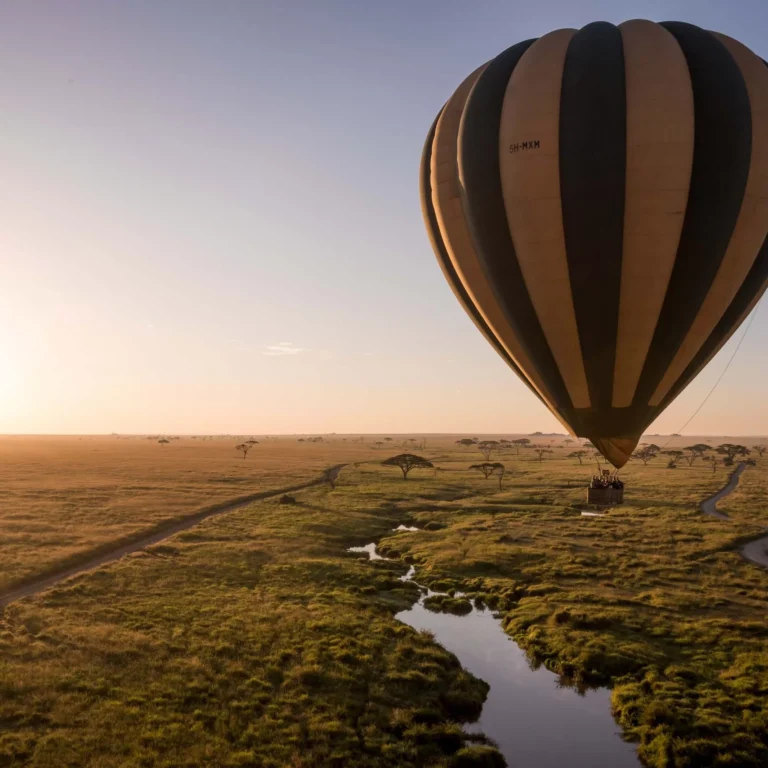
A Serengeti safari in Serengeti National Park delivers the ultimate African safari experience, combining luxury safari tours, wildlife safari in Africa, and breathtaking landscapes. Expect vast golden plains, iconic acacia trees, and unforgettable encounters with the Big Five safari—lion, leopard, elephant, buffalo, and rhino. Whether you choose budget safari Tanzania, mid-range safari lodges, or luxury tented camps, every journey offers immersive game drives, expert guides, and exceptional photography opportunities. From the world-famous Great Migration safari to serene sunsets and star-filled skies, this UNESCO-listed destination promises adventure, romance, and discovery. Ideal for family safaris, honeymoon safaris, and solo travel in Africa, the Serengeti blends raw wilderness with comfort, making it one of the best safari destinations in Africa year-round. 1. Phenomenal Wildlife Viewing Expect extraordinary wildlife viewing in the Serengeti, widely regarded as the best African wildlife safari destination. The park hosts dense populations of predators, making it ideal for spotting lions, cheetahs, and leopards during thrilling game drives in Tanzania. Herds of elephants, giraffes, zebras, and antelopes roam freely across the plains, creating iconic safari scenes. Your experienced guide enhances the journey with tracking skills and deep knowledge of animal behavior, ensuring high success rates for sightings. Whether you’re on a luxury safari in the Serengeti or a budget Tanzania safari, every drive feels like a live wildlife documentary. Photographers especially benefit from golden light conditions and dramatic encounters. This unmatched biodiversity makes the Serengeti a top choice for best wildlife safari in Africa, offering unforgettable close-up experiences with nature. 2. The Great Migration One of the most spectacular natural events on Earth, the Great Migration in the Serengeti defines the ultimate bucket list safari in Africa. Over two million wildebeest, zebras, and gazelles move in search of fresh grazing, creating dramatic river crossings and predator-prey interactions. Timing your Serengeti migration safari is key—river crossings in the north and calving season in the south each offer unique experiences. This phenomenon attracts travelers seeking the best time to visit the Serengeti for peak wildlife action. Whether on a luxury safari in Tanzania or a fly-in safari in the Serengeti, witnessing this movement is unforgettable. The migration transforms the landscape into a dynamic stage of survival and beauty, reinforcing the Serengeti’s reputation as one of the top safari destinations in the world. 3. Early Morning Game Drives Early starts are essential for the best Serengeti game drives, as wildlife is most active at dawn. Expect to leave camp before sunrise, wrapped in blankets with coffee in hand, heading into the bush for prime sightings. This is the ideal time for spotting predators returning from hunts or lions basking in the morning light. The soft golden glow enhances photography, making it perfect for a photographic safari in Africa. Morning drives are a highlight of any luxury safari experience or budget safari in Tanzania, offering cooler temperatures and fewer crowds. Guided by experts, you’ll track fresh footprints and listen to the awakening wilderness. These early hours are often the most rewarding, making them a must for anyone seeking the best Serengeti safari experience. 4. Long Days on Bumpy Roads A Serengeti safari tour involves long hours on rugged terrain, making patience and flexibility essential. The park’s vastness means drives can be extended, especially when tracking wildlife or moving between regions. Expect dusty trails, uneven roads, and adventurous travel—part of the authentic African safari adventure. Comfortable 4×4 vehicles with pop-up roofs enhance visibility and comfort, especially on luxury Tanzania safari tours. While it may feel tiring, every bump brings the possibility of incredible sightings. This immersive style of travel allows you to truly connect with nature, making it a key aspect of Serengeti safari packages. For many, these journeys become highlights, offering raw, unfiltered access to one of the best safari destinations in Africa. 5. Classic Birdwatching The Serengeti is a paradise for birdwatching in Africa, boasting over 500 species. From colorful lilac-breasted rollers to majestic eagles and vultures, the diversity is astounding. Bird enthusiasts on a Serengeti safari tour can expect sightings of both resident and migratory species year-round. Wet seasons are particularly rewarding for birding safari Tanzania, as landscapes flourish and bird activity increases. Even casual travelers will appreciate the vibrant colors and unique calls that add depth to the safari experience. Guides often carry bird books or apps to help identify species, enhancing the educational aspect of your journey. Whether on a luxury safari in the Serengeti or a budget safari in Africa, birdwatching offers a peaceful yet fascinating contrast to big game viewing. 6. “Bush Television” (Campfire) and Star Gazing Evenings on a Serengeti safari bring a magical shift from action to tranquility. Gather around the campfire—often called “bush television”—to share stories and watch flames dance under vast skies. With minimal light pollution, the Serengeti offers incredible stargazing in Africa, revealing constellations and the Milky Way in stunning clarity. This experience is a highlight of any luxury tented camp in Serengeti or a glamping safari in Africa, blending comfort with wilderness immersion. The sounds of distant wildlife create an unforgettable atmosphere, perfect for relaxation after a day of exploration. Whether traveling on a honeymoon safari in Tanzania or a family safari in Africa, these peaceful moments foster connection with nature and fellow travelers. 7. Exclusive Tented Accommodation Accommodation ranges from budget safari camps to luxury tented camps in Serengeti, offering comfort in the heart of the wild. Expect spacious tents, en-suite bathrooms, fine dining, and personalized service in high-end camps. Mid-range lodges provide excellent value, while mobile camps follow the migration for prime wildlife access. Staying inside Serengeti National Park enhances your Serengeti safari experience, allowing early starts and extended game drives. Many camps feature eco-friendly designs, supporting sustainable tourism in Africa. Whether you choose a luxury safari in Tanzania or a budget safari in the Serengeti, accommodations blend adventure with relaxation, ensuring memorable stays. Falling asleep to the sounds of the wild is a defining part of any African safari holiday. 8. Strict Safety Rules Safety is a top

Best 3-Week Tanzania Itinerary for the Perfect Trip (With Prices)

Melia Hotel Zanzibar Packages

A Perfect 3-week Itinerary for your Tanzania Trip (with prices!). Tanzania is an East African top safari destination with huge Perfect 3-Week Tanzania Itinerary wildlife, beach, diverse culture, and beaches. Serengeti National Park voted several times 2019/2022 as the best safari park in the world attracts a heard of the wildebeest migration, balloon safari, bush dinner, walking safari, and more. Combing with a topmost place to spot all African big5 Ngorongoro conservation area offers stunning wildlife and game drive out of the world. Explore more your ready-made A Unique, 2-Week Tanzania Itinerary can be combing with adventure trekking, safaris, culture, and beaches. It can be customized from Tanzania Itinerary (4, 5, 7, 8, 9, 10 11, 12, 13 Days) — 1 week, 14 Days — 2 weeks Tanzania East Africa itinerary for your perfect holidays. (14 Days (Two Weeks) Tanzania Safari). 21 Days Kilimanjaro Climbing, Tanzania safari and zanzibar beach vacation. A Unique, 3-Week Tanzania Itinerary Day by Day Day 1: Ultimate Arrival in Tanzania Itinerary (Kilimanjaro/Arusha airport) Days 2–8 Tanzania Kilimanjaro Hiking itinerary Day 9 — Tarangire National Park Days 10–13 Tanzania Serengeti National Park itinerary Days 14– 15 Ngorongoro Crater Week Tanzania Tours & Trips Day 16 — Lake Manyara National Park Day17 — Lake Eyasi to Arusha airport-Zanzibar Days 18–21: Zanzibar beach holidays Tanzania 3 weekly itinerary cost per day Are you wondering –( Tanzania budget Itinerary $195- $780 pp/day) How Much Does A Serengeti Safari Cost? Serengeti National Park fees cost high than any other park. A one-week safari in Serengeti National Park can cost between $ 2390 per person per night. Tanzania’s budget safari average costs roughly starting from $350, per person per day, if you go on safari with 4 people, the costs will be around $290 per person per day. Tanzania Mid- Range lodge itinerary $490 — $750 per person per day roughly based on the people on safari Tanzania African Luxury itinerary $990 — $ 2500 per night per person and up when 1 or more people traveling together. Best 3 Week Tanzania Itinerary — Places You Can’t-Miss Kilimanjaro Mountain Tarangire National Park Lake Manyara National Park Ngorongoro Conservation Area Serengeti National Park Lake Eyasi Zanzibar Beach Holidays Day 1: Arrival in Tanzania for Safari, Trekking & Beach African Safari — The Bucket List Tanzania Safari Itinerary. On arrival at the airport (Arusha/Kilimanjaro), you will be met by our driver holding your names on A4 paper. Introduce to you about our beautiful country. Then escort you to Arusha City in your chosen accommodation for evening rest to get ready for your next day’s adventure. Budget: Venice Hotel/ Green Mount Hotel Mid-Range: Planet Lodge Hotel on BB Semi luxury: Kibo palace hotel Luxury hotel: Grand Melia Hotel/Mt Meru on BB Day 2: Drive to Machame Gate, Hike to Machame Camp Our recommendation is to take 7 Days Kilimanjaro Trekking via Machame route for Perfect 3-Week Tanzania Itinerary. You will drive from Arusha to the Mount Kilimanjaro National Park Gate. Best 3-Week Tanzania Itinerary. The journey will pass through the village of Machame, which is located on the lower slopes of the mountain. After leaving the park gate, you will walk through the rain forest on a winding trail up a ridge. Lower down, the trail can be muddy and slippery. Gaiters and trekking poles can be helpful. You will then continue hiking for a short distance until you reach Machame Camp. Elevation: 1830m/6000ft to 3000m/9950ft Distance: 11km/7mi Hiking Time: 5–6 hours Habitat: Montane Forest Meals: LD Day 3: Machame Camp to Shira Camp After having breakfast, you will leave the glades of the rain forest and continue on an ascending path, crossing the little valley and walking along a steep rocky ridge, covered with heather until the ridge ends. As you hike, you will turn the route to the west onto a river gorge. After that, you will rest, have dinner, and stay overnight at Shira Campsite. Elevation: 3050m/9950ft to 3850m/12,600ft Distance: 5km/3mi Walking Time: 4–5 hours Habitat: Moorland Meals: BLD Day 4: Shira Camp to Lava Tower to Barranco Camp From the Shira Plateau, you will continue the journey to the east up a ridge, passing the junction towards the peak of Kibo. As you hike, you will change your way to the southeast toward the Lava Tower, called the “shark’s tooth”. Shortly after the tower, you will come to the second junction which will bring you up to the Arrow Glacier at an altitude of 16,000 feet. You will then continue down to the Barranco Camp at an altitude of 13,000 feet. There, you will rest, enjoy dinner, and stay overnight. Although you end the day at around the same elevation as when you began, this day is very important for acclimatization and will help your body prepare for the summit day. Elevation: 3850m/12,600ft to 3900m/13,000ft Distance: 10km/6mi Walking Time: 5–6 hours Habitat: Semi-desert Meals: BLD Day 5: Barranco Camp to Karanga Camp After having breakfast, you will leave Barranco and continue on a steep ridge passing the Barranco Wall, to the Karanga Valley Campsite. This is a short day meant for acclimatization. Elevation: 4600 feet to 13,100 feet Distance: 5 kilometers Hiking time: 4–5 hours Habitat: Alpine Desert Day 6: Barranco Camp to Barafu Camp After having breakfast, you will leave Karanga and hit the junction which connects with the Mweka Trail. You will continue the journey up to the Barafu Camp. At this point, you will have completed the South Circuit, which offers views of the summit from many different angles. There, you will make camp, rest, enjoy dinner, and prepare for the summit day. The two peaks of Mawenzi and Kibo can be seen from this location. Elevation: 13,100 feet to 15,300 feet Distance: 4 kilometers Hiking time: 4–5 hours Habitat: Alpine Desert Day 7: Barafu camp to peak Very early in the morning (midnight to 02:00), you will continue your way to the summit between the Rebmann and Ratzel glaciers. You will head in the northwesterly direction and ascend through heavy scree towards Stella Point on the crater rim. Classic Days 7 Tanzania budget Itinerary: This will be the most mentally and physically

Best Places to See Leopards in Africa

How to Choose an Ethical African Safari Experience, Discover Tanzania, Wild Animals You Must See on African Safari, Overland African Safari Tours, Best Places to See Leopards in Africa, 10 Interesting Facts About Leopards, 10 Best East African Tour Companies & Operators, Best Safari in Africa, Where to Spot African Big Cat on Safaris, African Safari Experts, Northern Tanzania Safaris, 2-week Tanzania itinerary, Active Tanzania Adventures, Tanzania Private Safari Tours, Grand East African Safari, Why Go on an All-Inclusive Safari & What's Included, Best Places to See Cheetahs in Africa, Authentic Tanzania Safari Experiences, Tanzania National Parks & Game Reserves, How to Plan a Budget-Friendly Safari in East Africa, Fastest Land Animals in the World, Luxury Big Five Safari in Tanzania

Tracking the elusive leopard is one of Africa’s greatest safari thrills. These solitary big cats, masters of camouflage and stealth, are often the highlight of a Big Five safari in Africa experience. Unlike lions, leopards are shy, nocturnal, and prefer dense vegetation or riverine forests, making sightings rare but unforgettable. Fortunately, several iconic destinations across East and Southern Africa offer excellent opportunities for leopard sightings safari, thanks to healthy populations and expert guiding. From Tanzania’s wilderness to Africa’s private reserves, these locations combine luxury African safari tours, wildlife photography in Africa, and authentic adventure. If you’re planning the best African safari for leopards, this guide reveals where your chances are highest and your experience most rewarding. 1. Serengeti National Park The Serengeti National Park safari is one of the best places to see leopards in Africa, especially along the Seronera River. This region’s riverine forests provide ideal cover, making it a hotspot for leopard sightings in Tanzania. Leopards here are often seen resting in acacia trees or dragging prey into branches to avoid scavengers. Combined with the Great Migration safari, visitors enjoy unmatched predator-prey action. The Serengeti offers both luxury safari lodges in Tanzania and budget safari packages Africa, making it accessible for all travelers. Morning and late afternoon game drives increase your chances of spotting these elusive cats. For photographers, the golden savannah light creates perfect conditions for wildlife photography safari Africa, making every leopard encounter truly iconic. 2. Tarangire National Park Known for elephants and baobabs, the Tarangire National Park safari is also a hidden gem for leopard sightings in Africa. The Tarangire River attracts prey year-round, creating excellent hunting grounds for leopards. Dense vegetation and towering trees provide perfect camouflage, making sightings thrilling yet challenging. This park is ideal for travelers seeking an off-the-beaten-path safari in Tanzania with fewer crowds. During the dry season, wildlife concentrates near water, increasing chances of spotting predators. Visitors can enjoy mid-range safari Tanzania, luxury tented camps in Africa, or affordable lodges. Tarangire’s peaceful atmosphere and rich biodiversity make it perfect for photographic safaris in Africa and those wanting a more intimate wildlife experience beyond the famous Serengeti circuit. 3. Ruaha National Park The remote Ruaha National Park safari offers one of the most authentic wildlife safari Africa experiences, with a strong population of elusive predators. As Tanzania’s largest national park, Ruaha provides vast, untouched landscapes ideal for a leopard tracking safari. Leopards thrive along the Great Ruaha River, where prey is abundant, and cover is dense. This destination is perfect for an exclusive safari Africa, far from crowds, offering raw wilderness and exceptional guiding. Ruaha is especially appealing for seasoned travelers seeking luxury safari experiences in Africa combined with rugged adventure. Game drives here often reveal leopards lounging in trees or stalking prey in silence. The park’s remoteness enhances its reputation as a top destination for authentic African safari tours. 4. Lake Manyara National Park A compact yet diverse ecosystem, Lake Manyara National Park safari is famous for tree-climbing lions, but it also offers rewarding leopard sightings in Tanzania. The lush groundwater forests and acacia woodlands provide perfect habitats for these stealthy predators. This park is ideal for short safaris or as part of a Northern Circuit Tanzania safari itinerary. Leopards are often spotted resting in branches or moving silently through dense vegetation. The park’s scenic beauty, including the lake and Rift Valley escarpment, enhances the overall experience. With options for budget safari Tanzania and luxury safari lodges Africa, Lake Manyara is accessible and diverse, making it a must-visit for travelers seeking varied wildlife in a compact setting. 5. Ngorongoro Crater The Ngorongoro Crater safari offers a unique enclosed ecosystem where wildlife thrives year-round. While leopards are less frequently seen than lions, the surrounding forests and crater rim provide excellent leopard habitat in Africa. This UNESCO World Heritage Site is part of the best Tanzania safari tours, combining dramatic landscapes with dense wildlife populations. Visitors enjoy luxury safari Tanzania packages, breathtaking views, and diverse species in a compact area. Early morning drives offer the best chances of spotting elusive predators. The crater’s rich biodiversity and stunning scenery make it one of the most iconic destinations for African safari photography and unforgettable wildlife encounters. 6. Nyerere National Park (Formerly Selous) Formerly known as Selous, Nyerere National Park safari is one of Africa’s largest protected areas and a prime destination for leopard sightings safari Africa. Its vast wilderness, rivers, and woodlands create ideal habitats for predators. Unlike more crowded parks, Nyerere offers exclusive safari Tanzania experiences, including boat safaris and walking safaris. Leopards are often found near riverbanks where prey gathers. This destination is perfect for travelers seeking a luxury fly-in safari in Tanzania or a remote adventure. The park’s untouched beauty and diverse ecosystems make it a top choice for authentic African safari experiences and those wanting a deeper connection with nature. 7. Katavi National Park For true wilderness lovers, a Katavi National Park safari is among the most remote and rewarding leopard safari destinations in Africa. With very few visitors, sightings feel exclusive and intimate. The park’s floodplains and woodlands support a healthy predator population, including leopards. This is a top choice for off-grid safari Tanzania, offering raw, untouched landscapes. Katavi is ideal for luxury safari adventures in Africa and experienced travelers seeking solitude. Leopards here are often seen near water sources or resting in trees. The park’s isolation ensures a pure, unfiltered African wildlife safari experience, making every sighting incredibly special. 8. Kruger National Park The Kruger National Park safari and its private reserves are among the best places to see leopards in Africa, especially in areas like Sabi Sands. Here, leopards are more habituated, allowing close encounters and exceptional photography opportunities. This region offers luxury safari in South Africa, private game reserve safaris, and expert-guided experiences. The combination of open landscapes and skilled trackers significantly increases sighting success. Kruger is ideal for both first-time visitors and seasoned travelers seeking reliable Big Five safari South Africa experiences. With world-class

Cosa vedere in Tanzania

Melia Zanzibar Safari Lodge - Immersive Safari Experiences, Zanzibar Beach Holidays Tour, Things to Do in Zanzibar Island, How Many Days Do You Need In Zanzibar?, The 15 Best Things to Do in Nungwi Beach, Zanzibar, What island to choose for a beach vacation in Tanzania?, Snorkeling in Zanzibar – See the best snorkeling spots here!

La Tanzania è una delle destinazioni turistiche più iconiche dell’Africa, famosa per i suoi safari naturalistici di livello mondiale, i paesaggi mozzafiato e il ricco patrimonio culturale. Dalle infinite pianure del Serengeti alla vetta innevata del Kilimangiaro e alle spiagge turchesi di Zanzibar, la Tanzania offre alcune delle migliori esperienze di safari in Africa. I viaggiatori alla ricerca di “cosa vedere in Tanzania”, “migliori destinazioni per safari in Tanzania” e “le cose migliori da fare in Tanzania” scopriranno un paese ricco di avventura, diversità e meraviglie naturali. Che stiate pianificando un safari di lusso, un safari economico, un viaggio di nozze o una vacanza in famiglia, la Tanzania offre esperienze indimenticabili tutto l’anno. Questa guida mette in evidenza le principali attrazioni, i parchi nazionali, le isole, le montagne e i siti culturali da esplorare per un viaggio indimenticabile nell’Africa orientale. 1. Parco Nazionale del Serengeti – La migliore destinazione per safari al mondo Il Parco Nazionale del Serengeti è il fiore all’occhiello dei safari in Tanzania e una delle destinazioni naturalistiche più famose al mondo. Noto per le sue infinite pianure dorate e le spettacolari interazioni predatore-preda, il Serengeti ospita i Big Five: leoni, elefanti, leopardi, bufali e rinoceronti. È anche il palcoscenico della Grande Migrazione degli gnu, uno degli eventi naturali più spettacolari della Terra. Milioni di gnu e zebre attraversano le pianure in cerca di pascoli freschi, attirando predatori come leoni e coccodrilli. I visitatori possono partecipare a safari in jeep, safari in mongolfiera e soggiornare in lussuosi campi tendati. Cercando “safari nel Serengeti in Tanzania”, i viaggiatori trovano una densità di fauna selvatica senza pari, paesaggi mozzafiato e la possibilità di avvistare animali selvatici tutto l’anno. È davvero il cuore dell’avventura safari africana e una meta imperdibile. 2. Cratere di Ngorongoro: il paradiso naturale della fauna selvatica Il cratere di Ngorongoro è spesso definito l’”Ottava Meraviglia del Mondo” per via della sua singolare caldera vulcanica ricca di fauna selvatica. Questo sito Patrimonio dell’Umanità UNESCO offre una delle più alte concentrazioni di animali in Africa, tra cui leoni, elefanti, ippopotami e il raro rinoceronte nero. Il fondo del cratere crea un recinto naturale, rendendolo uno dei luoghi migliori per avvistare i Big Five in un solo giorno. I viaggiatori che cercano “safari a Ngorongoro in Tanzania” possono godere di paesaggi mozzafiato, praterie lussureggianti e laghi salati popolati da fenicotteri. Gli altopiani circostanti contribuiscono alla sua spettacolare bellezza, rendendolo una meta da sogno per i fotografi. Che si tratti di un safari di lusso o di un tour economico, Ngorongoro offre incontri indimenticabili con la fauna selvatica in un’area compatta e accessibile, rendendolo una tappa obbligata in qualsiasi itinerario di safari in Tanzania. 3. Il Kilimangiaro – la vetta più alta dell’Africa Il Kilimanjaro è la montagna più alta dell’Africa e una delle mete di trekking più famose al mondo. Con i suoi 5.895 metri, attrae ogni anno migliaia di alpinisti desiderosi di raggiungere la vetta Uhuru. La montagna presenta diverse zone ecologiche, dalla foresta pluviale tropicale al deserto alpino e ai ghiacciai della cima. Percorsi popolari come Machame, Marangu e Lemosho offrono diversi livelli di difficoltà e panorami spettacolari. Le ricerche su “scalare il Kilimanjaro in Tanzania” spesso evidenziano la sua accessibilità come scalata non tecnica, sebbene richieda comunque preparazione e resistenza. Sulle pendici inferiori è possibile avvistare animali selvatici come le scimmie colobo e uccelli esotici. Il Kilimanjaro non è solo una montagna; è un simbolo di avventura, successo e bellezza naturale, il che lo rende una meta imperdibile per i viaggiatori di tutto il mondo. 4. Isola di Zanzibar – Paradiso tropicale con spiagge incontaminate L’isola di Zanzibar è una meta da sogno, famosa per le sue spiagge di sabbia bianca, le acque cristalline e la ricca cultura swahili. Situata al largo della costa della Tanzania, Zanzibar è perfetta per rilassarsi dopo un safari. I visitatori possono esplorare la storica Stone Town , patrimonio mondiale dell’UNESCO, ricca di stradine strette, mercati delle spezie e architettura di influenza araba. L’isola è anche rinomata per i tour delle spezie, lo snorkeling, le immersioni e le escursioni in dhow. Parole chiave come “vacanza al mare a Zanzibar” e “pacchetti safari in Tanzania e Zanzibar” sono molto ricercate dai viaggiatori in cerca di avventura e relax. Dai resort di lusso agli hotel economici sulla spiaggia, Zanzibar offre qualcosa per tutti i gusti. Le sue acque turchesi, le barriere coralline e i romantici tramonti la rendono una delle isole più belle dell’Africa. 5. Parco Nazionale di Tarangire – Terra dei Giganti Il Parco Nazionale di Tarangire è famoso per le sue immense mandrie di elefanti e gli iconici baobab. Situato nella Tanzania settentrionale, è una gemma nascosta spesso inclusa negli itinerari dei safari. Durante la stagione secca, migliaia di animali si radunano lungo il fiume Tarangire, offrendo eccellenti opportunità di avvistamento della fauna selvatica. I visitatori possono ammirare leoni, leopardi, giraffe, zebre e oltre 500 specie di uccelli. Le ricerche online con la dicitura “safari a Tarangire, Tanzania” evidenziano la sua atmosfera tranquilla rispetto a parchi più affollati come il Serengeti. Il parco è ideale per i viaggiatori che desiderano vivere esperienze di safari autentiche con meno folla. I suoi paesaggi spettacolari e la ricca biodiversità lo rendono una meta imperdibile per gli amanti della natura e della fotografia naturalistica. 6. Parco nazionale del lago Manyara – Fenicotteri e leoni arboricoli Il Parco Nazionale del Lago Manyara è una destinazione safari compatta ma ricca di biodiversità, nota per le sue foreste lussureggianti, il lago salato e la varietà di fauna selvatica. Il parco è famoso per i leoni che si arrampicano sugli alberi e per i grandi stormi di fenicotteri che tingono il lago di rosa. I visitatori possono anche avvistare elefanti, babbuini, ippopotami e giraffe. Spesso fa parte del circuito dei safari del nord della Tanzania, il che lo rende facilmente abbinabile a un viaggio nel Serengeti o nel Ngorongoro. Ricerche come “safari al Lago Manyara in Tanzania” ne evidenziano la bellezza paesaggistica e le opportunità di birdwatching. Nonostante

Tanzania Road Trip Itinerary

Affordable Tanzania safari packages, Best Serengeti Safari Tours, Best Time To Visit Tarangire, 8 Days Best Northern Tanzania Safari, The Seven Natural Wonders of Africa – A Journey Through Nature’s Greatest Marvels, Discover the Wonders of a Tanzania Wildlife Safari

Best Tanzania Road Trip Itinerary for 10 Days That Starts and Ends in Arusha. Tanzania is one of those few places in the world for a safari where you can experience the wild in the pristine beauty of natural habitat. While planning your best one-week itinerary, you must have realized that to reach such extreme destinations (Serengeti National Park, Ngorongoro crater, Kilimanjaro & Zanzibar. You will have an opportunity to enjoy stunning wildlife with a 4X4 4WD drive open roof land cruiser. How long does a Tanzania road trip last? ( 10 Days) How much does a Tanzania road trip cost? What time of year is best to visit Tanzania for a road trip? Where to stay during a Tanzania road trip? How many people should be on the Tanzania road trip? Where to go on a Tanzania road trip? Tanzania Road Trip Itinerary From Arusha Pick up on Arrival (Day 1) (Kilimanjaro/Arusha) Arusha National Park Safari (Day 2) ( Tanzania vacation packages) Day three & four: Tarangire National Park ( game drive and walking safari) Day five & six: Serengeti National Park (African great Safari) Days 7: Serengeti — Ngorongoro crater (Best safari in Tanzania) Day Eight: Ngorongoro Lake Manyara Days 9: Lake Manyara to Lake Eyasi Day 10: Lake Eyasi to Kilimanjaro/Arusha airport 10 Days Tanzania Road Trip itinerary to Travel in Tanzania Explore the main parks of the Tanzanian northern safari circuit with pure culture in this 10-Days African Road Trip Safari itinerary adventure. Led by a professional driver-guide, and staying in lodges or luxury mobile tented camps or campsite. Visit Arusha National Park, Lake Manyara National Park, the Ngorongoro Crater, and the incredible Serengeti. This trip concludes with a splendid finale on Lake Eyasi, famous for its hunting and animal grazing society. Our Real Tanzania Classic Road Trip Adventure costs $ 350 to $2500 per person per night depending on accommodation and number of people on safari. Day 1: Arrival in Tanzania On arrival at the airport (Arusha/Kilimanjaro), you will be met by our driver holding your names on A4 paper. Introduce to you about our beautiful country. Then escort you to Arusha City in your chosen accommodation for evening rest to get ready for your next day’s adventure. Budget: Venice Hotel/ Green Mount Hotel Mid-Range: Planet Lodge Hotel on BB Semi luxury: Kibo palace hotel Luxury hotel: Grand Melia Hotel/Mt Meru on BB Day 2: Arusha National Park You will depart from Arusha Town in the morning with your private guide and travel to Arusha National Park, it’s only a short 40-minute drive from Arusha Town. Your day trip includes a visit to the Ngurdoto Crater which is well known as the “Little Ngorongoro”. After a delicious picnic lunch, you will continue your Tanzania safari package within the Arusha National Park. After plenty of time observing the wildlife, you will return to Arusha where your safari ends. You can have Tanzania safari options for upgrading your itinerary for budget or lodges accommodation options! For your best Tanzania Location choose the itinerary and program carefully in each National park you’re looking for a visit! Day 3 & 4: Tarangire National Park After breakfast, collect our picnic lunch boxes then we take a short pleasant morning drive to Tarangire National Park. Arrive at the gate our driver will do all the government procedures then proceed inside the park for a full day game drive in the park located slightly off the main safari route. Tarangire National Park is a lovely quiet park in Northern Tanzania most famous for its elephant migration, and birding safari with a quiet atmosphere. Later in the evening, we drive to the lodge/hotel for evening leisure and overnight. Accommodation: on Full Board (Breakfast, Lunch, and Dinner) Budget: Public Campsite inside the park Mid-Range: Kichaka Tented Lodge or Tarangire Safari Lodge Semi-Luxury: Lake Manyara Serena Lodge/Escarpment Luxury Lodge Luxury: Kitela lodge, Kilimamoja luxury lodge Day 5: Tarangire to Serengeti National Park Safari Tours in Northern Tanzania: After breakfast, we head towards the Serengeti National Park, via the beautiful high lying farmland of Karatu and the Ngorongoro Conservation Area. Leaving the highlands behind, we descend into the heart of wild Africa — the Serengeti National Park — with its endless plains, rolling into the distance as far as the eye can see. We head to the Central Park area, known as the Seronera area, one of the richest wildlife habitats in the Park, featuring the Seronera River, which provides a valuable water source to this area and therefore attracts wildlife well representative of most of the Serengeti’s species. We arrive in time for lunch and enjoy an afternoon game drive in the Serengeti National Park. Accommodation: on Full Board (Breakfast, Lunch, and Dinner) Budget: Seronera Nyani / Nguchiro/Pimbi public Campsite Mid-Range: Katikati tented camp Semi-Luxury: Serengeti Serena Lodge Luxury: Kubu Kubu luxury /Lahia Tented camp Day 6: Serengeti National Park Safari in Serengeti: After breakfast, you will have a game viewing at Serengeti National Park. The Serengeti, Tanzania’s largest National Park, covers nearly 6,000 square miles of grassland plains. With Savannah, kopjes, hills, woodlands, and River line forest systems serve as critical water sources. It’s often an excellent site for wildlife viewing. Beyond the heralded migration of wildebeest and zebra, the Serengeti is best known for its big predators, including cheetah and Leopard, as well as large pride of Lions and clans of Hyenas and many animals, dinner and overnight at Seronera Accommodation: on Full Board (Breakfast, Lunch, and Dinner) Budget: Seronera Nyani / Nguchiro/Pimbi public Campsite Mid-Range: Katikati tented camp Semi-Luxury: Serengeti Serena/ Sopa Safari Lodge Luxury: Kubu Kubu luxury /Lahia Tented camp Day 7: Serengeti to Ngorongoro Crater Afrika Safari: After a relaxing morning and an early lunch, you will have an early in the morning game drive in Serengeti National park for your Best Itineraries to Travel in Tanzania’s top destination where you can spot the Big5 if you are lucky enough. Later back to the campsite for branch and hot lunch, Our driver and cook will load everything on the top of our

Climbing Kilimanjaro for Free

Machame, Rongai, Umbwe, Marangu, Northern Circuit Route Uhuru_Peak_Mt._Kilimanjaro, 10 Things to Know Before You Climb Mount Kilimanjaro, Mountain Guides on Mount Kilimanjaro, 10 Things to Know Before You Climb Mount Kilimanjaro, Kilimanjaro Routes, Kilimanjaro Routes, Map, Success Rate, Difficulty, Comparison, Kilimanjaro Song Jambo Bwana Meaning And Lyrics, Climbing Kilimanjaro Cost, Seven Summits - Highest Mountain on Each Continent, Kilimanjaro Summit, Umbwe Route, Why is Mount Kilimanjaro So Famous & Special?, What are the benefits of climbing Mount Kilimanjaro, Must-Have Documents to Carry When Climbing Kilimanjaro, Climbing Kilimanjaro When You're Over 50, When is there snow on the summit of Kilimanjaro, Climbing Kilimanjaro in May, Height, Prominence, And Altitude Gain When Climbing Kilimanjaro, Height, Prominence, And Altitude Gain When Climbing Kilimanjaro, things Kilimanjaro taught me, How Far in Advance Should You Book your Kilimanjaro Climb?, Kilimanjaro Summits, Kilimanjaro FAQs, Mount Kilimanjaro Deaths, What items would you take for a post Kilimanjaro recovery kit?, 10 Highest Mountains in Africa, bits of advice from past Kilimanjaro climbers, Top Places in Tanzania Where You Can See Kilimanjaro Clearly, Kilimanjaro National Park Travel Guide, How Hard Is Summit Night on Kilimanjaro?, The Ultimate Guide to Climbing Mount Kilimanjaro, Lemosho vs. Marangu Route: A Comparison of Kilimanjaro's Newer and Older Climbing Paths, Why Climb Kilimanjaro With Us?, Kilimanjaro Packages Solo Travelers

Experience and discover the ultimate unique way of climbing Mount Kilimanjaro is a dream adventure and one of Africa’s most iconic travel experiences. Known as the highest peak in Africa, Mount Kilimanjaro attracts thousands of trekkers seeking a life-changing journey. Many travelers search for ways to climb Kilimanjaro for free, hoping to reduce the high cost of Tanzania safaris and mountain expeditions. While a completely free climb is nearly impossible, there are smart strategies to minimize expenses and even secure sponsorships. From crowdfunding and travel blogging to charity climbs and group planning, budget-conscious adventurers can make this dream achievable. This optimized guide explores realistic ways to reduce costs, maximize opportunities, and understand the true financial aspects of climbing Kilimanjaro, helping you plan a successful and affordable expedition. 1. Organizing a Group of 8–10 People Climbing Kilimanjaro for free is generally achieved by organizing a group of 8–10 people, where tour operators offer the organizer a complimentary spot. While you cannot climb independently for free due to mandatory guide fees, park fees, and porter wages, group discounts can cover your land costs, though you must pay for flights, visas, and insurance. One of the most effective ways to reduce the cost of climbing Mount Kilimanjaro is by organizing a group of 8–10 climbers. Group climbing significantly lowers per-person expenses because many costs—such as guides, porters, transport, and park logistics—are shared. Foot Slopes Tours and Safaris, the best Kilimanjaro Tour operators, often provide discounted group rates, making it a popular option for budget travelers. By forming a team of friends, colleagues, or fellow adventurers, you can negotiate better deals and enjoy a more social trekking experience. Group climbs also improve safety, morale, and support during challenging sections of the journey. For these purposes, terms like “cheap Kilimanjaro climb,” “group Kilimanjaro tours,” and “affordable Tanzania trekking” rank highly, helping attract budget-conscious climbers searching for cost-saving strategies. 2. Understanding the Real Costs of Climbing Kilimanjaro To realistically aim for a “free” climb, you must understand the actual cost of climbing Mount Kilimanjaro. Prices typically range from $1,950 to $5,000, depending on the route, operator, and level of comfort. Major expenses include park fees, guide and porter wages, accommodation, meals, and transport. Tanzania National Park fees alone make up a large portion of the cost. Additional expenses like flights, gear, tips, and insurance increase the total budget. Understanding these costs helps you identify areas where savings or sponsorship can apply. Keywords like “Kilimanjaro climbing cost,” “budget Kilimanjaro safari,” and “how much to climb Kilimanjaro” are essential for visibility and targeting travelers researching affordable climbing options. 3. Get Sponsored by Friends, Brands, or Organizations Sponsorship is one of the best ways to climb Mount Kilimanjaro with little to no personal expense. Many climbers secure funding by pitching their journey to friends, family, or corporate sponsors. Brands in the travel, fitness, and outdoor gear industries often support adventurers in exchange for exposure. You can create a compelling story, such as a personal challenge or awareness campaign, to attract sponsors. Offering social media promotion, blog content, or brand visibility during your climb increases your chances of success. “Kilimanjaro sponsorship,” “funded adventure travel,” and “how to get sponsors for climbing” help target users interested in financing their expedition through creative partnerships. 4. Charity Trek of Mount Kilimanjaro for Moving Mountains Joining a charity trek is another popular way to climb Mount Kilimanjaro at reduced personal cost. Organizations often cover part or all of your expenses if you commit to fundraising for a cause. Charity climbs combine adventure with purpose, allowing you to support meaningful initiatives while pursuing your dream. Many global organizations host Kilimanjaro fundraising expeditions, providing logistical support and guidance. Participants typically raise a set amount through donations, sponsorships, and events like “Kilimanjaro charity climb,” “fundraising trek Africa,” and “charity adventure travel,” which are highly searched, making this a strong strategy. This approach transforms your climb into a mission-driven journey with both personal and social impact. 5. Apply for Travel Grants and Contests Travel grants and adventure contests can help fund your climb of Mount Kilimanjaro. Many organizations, travel companies, and media platforms offer grants for unique travel projects, storytelling, or environmental initiatives. By submitting a compelling proposal or entering competitions, you can win partial or full funding. Focus on presenting a unique angle, such as cultural storytelling, conservation awareness, or personal transformation. This approach requires effort but can significantly reduce costs like “travel grants for Africa,” “adventure travel funding,” and “win a Kilimanjaro trip,” and attract users searching for financial support opportunities. Staying updated on contests and applying consistently increases your chances of securing funding. 6. Volunteering or Media Partnerships Volunteering or forming media partnerships can open doors to climbing Mount Kilimanjaro at a reduced cost. Some organizations or tour operators collaborate with photographers, videographers, or writers to document expeditions in exchange for discounted or sponsored climbs. Similarly, volunteering for conservation or community projects in Tanzania may lead to opportunities for subsidized trekking experiences. Media partnerships are especially valuable if you can provide high-quality content that promotes a brand or destination like “volunteer in Tanzania,” “media partnership travel,” and “sponsored adventure content,” help attract audiences interested in alternative ways to fund travel while gaining professional exposure. 7. Use Travel Blogging or Social Media Influence Building a travel blog or social media presence can help you climb Mount Kilimanjaro for free or at a significantly reduced cost. Influencers often collaborate with tour operators, brands, and tourism boards to promote destinations. By sharing engaging content, storytelling, and travel tips, you can attract partnerships that fund your climb. Consistency, niche focus, and audience engagement are key to success. “Travel influencer Africa,” “Kilimanjaro blog tips,” and “earn free travel through blogging” are highly effective for ranking. This method requires time and dedication but offers long-term benefits, including monetization opportunities and global exposure in the travel industry. Why you can’t climb Kilimanjaro for free: Essential Realities of a “Free” Climb: Climbing Mount Kilimanjaro is impossible to do for free because Tanzanian

Things to do in Tanzania other than Safaris

Meliá Zanzibar Hotel Review, Tanzania, 10 Things to do in Tanzania other than Safaris

Beyond the iconic, Tanzania isn’t just about world‑class wildlife safaris — this East African gem offers an extraordinary variety of adventure travel activities, cultural experiences, and landscape exploration beyond the National Parks. From scaling Africa’s highest peak to relaxing on Indian Ocean beaches and discovering vibrant local cultures, Tanzania is a dream destination for active travelers, culture seekers, and nature lovers alike. Whether you’re planning a bucket list vacation, a honeymoon getaway, or a family holiday adventure, there’s something unforgettable waiting for you. In this guide, we dive into the best things to do in Tanzania outside classic safari routes — experiences that showcase the country’s stunning diversity, best places to visit in Tanzania, rich heritage, and breathtaking scenery. Dive into unforgettable moments like climbing volcanoes, diving pristine islands, and walking with indigenous tribes, all part of Tanzania’s incredible travel tapestry. 1. Climb Mount Kilimanjaro Climbing Mount Kilimanjaro, Africa’s tallest mountain, is one of the most iconic adventure travel experiences in Tanzania. Towering at 5,895 meters, this majestic volcanic peak challenges hikers from around the world to undertake a Kilimanjaro trek that’s both physically rewarding and spiritually inspiring. There are several popular routes — including Marangu Route, Machame Route, and Lemosho Route — each offering unique scenery from lush rainforests and wild moorlands to high‑altitude deserts and snow‑capped summits. Climbers often choose guided packages that include acclimatization days, expert mountain guides, and full support for gear and meals. Beyond the summit push, you’ll enjoy panoramic views, the best hiking in Tanzania, incredible photography opportunities, and memories that last a lifetime. This experience attracts adventure tourists, Kilimanjaro climbing success rates, hikers, and travel influencers seeking the ultimate challenge during their Tanzania trip. 2. Relax in Zanzibar The exotic archipelago of Zanzibar is Tanzania’s most famous beach destination, known for its powder‑white sands and warm, turquoise waters. This island paradise is perfect for travelers seeking luxury beach resorts, snorkeling tours, and serene relaxation away from mainland activities. Stretch out under swaying palm trees, swim in the calm waters of Nungwi Beach and Kendwa Beach, and watch spectacular sunsets over the Indian Ocean. Zanzibar also offers world‑class diving and snorkeling experiences on vibrant coral reefs, where you can spot tropical fish, sea turtles, and dolphins. It’s a popular choice for honeymoon vacations, romantic getaways, and family beach holidays. Beyond water fun, indulge in Zanzibar spa retreats, seaside dining with fresh seafood, and cultural interactions that blend African, Arabic, and Indian influences. This serene island is a top choice on any Tanzania travel itinerary. 3. Explore Stone Town Stone Town — a UNESCO World Heritage Site — is the cultural heart of Zanzibar and a must‑visit destination for history and cultural tourism in Tanzania. Wander its narrow labyrinth streets lined with ancient buildings, carved wooden doors, and hidden courtyards that reflect centuries of Swahili architecture, Arab influences, and colonial history. Discover vibrant markets, artisan shops, and authentic food stalls selling local favorites like Zanzibar pizza and fresh spices. Key attractions include the Old Fort, House of Wonders, and the bustling Darajani Market, where you’ll witness the vibrant rhythms of daily life. Stone Town also offers fascinating walking tours that dive into the island’s past, including its role in the spice trade and maritime history. With rich culture, Tanzania travel experiences, African adventure travel, or unique Tanzania activities, engaging locals, and an atmospheric sunset waterfront, Stone Town is an essential stop for travelers seeking immersive Tanzania cultural experiences. 4. Chimpanzee Tracking For wildlife lovers seeking something different from a classic safari, chimpanzee tracking in Tanzania offers an unforgettable experience deep in pristine forests. Head to Gombe Stream National Park, made famous by Dr. Jane Goodall’s research, where visitors can observe wild chimpanzees in their natural habitat. Early morning trekking through tropical forest trails brings you up close to chimpanzee troops playing, grooming, and communicating — an incredible opportunity for wildlife photography and learning about primate behavior. Many tours are guided by expert naturalists who share fascinating insights into these intelligent apes and the ecosystem they call home. This adventure appeals to eco‑tourism travelers, nature enthusiasts, and families looking to connect with Africa’s incredible biodiversity beyond traditional big game viewing. Chimpanzee tracking adds a meaningful and educational dimension to a Tanzania wildlife adventure. 5. Visit the Hadza Tribe (Lake Eyasi) Experiencing authentic indigenous culture is one of the most unique things to do in Tanzania. The Hadza, one of the last remaining hunter‑gatherer tribes in Africa, live near Lake Eyasi and offer rare cultural encounters for respectful travelers. Join a guided visit to their villages to learn about age‑old traditions, survival techniques, and the Hadza way of life — including bow hunting, foraging for wild honey, and traditional storytelling around the fire. These interactions provide deep insights into a lifestyle that’s remained largely unchanged for thousands of years. It’s a meaningful cultural exchange that supports community‑based tourism and fosters cross‑cultural understanding. While visiting, you’ll also enjoy stunning views of Lake Eyasi’s shimmering waters and dramatic rift valley landscapes. This experience resonates with cultural tourists, anthropology enthusiasts, and anyone seeking a deeper connection to human history on their Tanzania journey. 6. Take a Spice Tour Zanzibar’s legendary spice farms are a sensory delight and one of the top day trips in Tanzania. Known as the “Spice Island,” Zanzibar offers guided spice tour experiences where you’ll wander lush plantations filled with cloves, cinnamon, nutmeg, cardamom, and other fragrant crops. Local guides — often farmers themselves — share the stories and uses of each spice, showing how they’re grown, harvested, and turned into products used around the world. You’ll taste fresh fruits, samples of exotic spices, and learn traditional medicinal uses passed down through generations. These tours are fun, educational, and perfect for food lovers and culinary travelers. At the end of your tour, many farms host spice‑infused lunches and offer spice‑packing lessons. Taking a spice tour is a flavorful way to dive into Zanzibar’s agricultural roots and bring home authentic souvenirs. 7. Coffee Tour in Arusha/Moshi Northern

When To Go On Your Great Migration Safari

Great Migration Safari Packages, Wildebeest Migration Safari Packages 2024/2025, When is the best time to see the Great migration, What to Do - Tanzania in September: Safari Adventures: Embark on game drives in renowned national parks, such as the Serengeti and Tarangire, for unparalleled wildlife encounters. Hot Air Balloon Safari: Experience the Serengeti from a unique perspective with a hot air balloon safari, providing breathtaking views of the landscapes and wildlife below. Cultural Encounters: Visit local Maasai villages to gain insight into traditional Tanzanian cultures. Participate in cultural activities and learn about their way of life. What to Bring - Tanzania in September: Lightweight Clothing: Pack breathable and lightweight clothing suitable for warm daytime temperatures. Binoculars and Camera: Enhance your safari experience with binoculars for wildlife spotting and a camera to capture the incredible moments. Sun Protection: Bring sunscreen, a hat, and sunglasses to protect yourself from the strong African sun. Accommodations: Luxury Lodges: Experience the ultimate in comfort and luxury with lodges such as Singita Sasakwa Lodge and Four Seasons Safari Lodge Serengeti. Mid-Range Camps: Explore mid-range options like Asilia Africa camps, providing a balance between comfort and affordability. Budget-Friendly Options: For budget-conscious travelers, consider camps like Kati Kati Tented Camp, offering a more affordable yet authentic safari experience. Events in Tanzania in September: Mwaka Kogwa Festival: Experience the Mwaka Kogwa Festival in Zanzibar, a celebration that includes traditional music, dance, and rituals, offering a unique cultural experience. Safari Rally: Motorsport enthusiasts can witness the thrilling Safari Rally, an international event that showcases the beauty of Tanzanian landscapes. FAQs - Tanzania in September: Is September a good time for a safari in Tanzania? Yes, September is an excellent time for a safari, especially to witness the Great Migration in the Serengeti. Are there any health precautions to take? Consult with a healthcare professional for malaria prevention, and ensure you have necessary vaccinations. What should I wear on safari in September? Pack lightweight, neutral-colored clothing and comfortable walking shoes. Don't forget a hat and sunscreen. In conclusion, Tanzania in September offers a unique blend of wildlife wonders, cultural experiences, and favorable weather conditions. Whether you're an avid safari-goer, a beach lover, or a cultural explorer, Tanzania in September promises an unforgettable adventure in the heart of East Africa. Plan ahead, pack wisely, and get ready to immerse yourself in the magic of this diverse and captivating destination.

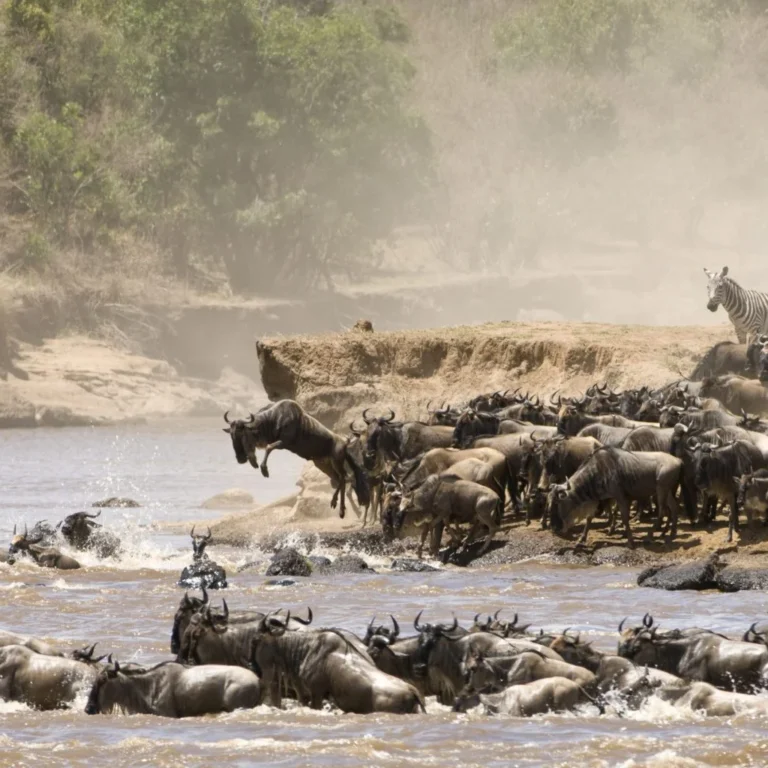
The Great Migration in Tanzania is one of the world’s most spectacular wildlife events, drawing thousands of travelers eager to witness mass wildebeest, zebras, and predators in action. Planning when to go on a Great Migration Safari is crucial for an unforgettable experience. While the Serengeti National Park offers year-round wildlife, each month brings a unique stage of the wildebeest migration, from calving in Ndutu to dramatic river crossings at the Grumeti and Mara Rivers. Choosing the right time ensures you witness lion hunts, cheetah sightings, and leopard stalking prey. Whether you’re seeking luxury safari lodges, mid-range tented camps, or budget safaris, understanding migration patterns and seasonal wildlife behavior will make your trip truly extraordinary. January – March (Southern Serengeti / Ndutu) From January to March, the Southern Serengeti and Ndutu region hosts the wildebeest calving season, making it one of the best times for a Tanzania safari. Over 200,000 newborn calves arrive, attracting predators such as lions, cheetahs, and hyenas, providing dramatic wildlife photography opportunities. These months fall in the short dry season, offering easier game drives, fewer tourists, and clear skies. Luxury lodges, glamping camps, and mid-range safari tents are available near Ndutu, giving guests front-row access to nature’s circle of life. This is ideal for family safaris, honeymoon safaris, or solo travelers seeking intense wildlife action. Booking early is recommended as high-demand safari tours fill quickly during this peak wildlife spectacle. April – May April and May mark the long rainy season in Tanzania’s Serengeti, making this a quieter, off-peak period for safari enthusiasts. While some roads may be challenging, the landscape transforms into lush green plains, attracting migratory birds, zebras, and wildebeest. This is perfect for travelers seeking budget safari options or private safaris without crowds. Luxury safari lodges and mobile tented camps often offer discounted rates, while the chance to see predators stalking prey remains high. Despite occasional rain, game drives in the Southern and Central Serengeti can reveal wildebeest grazing, lion prides, and cheetahs in action. This season is ideal for eco-friendly safaris, photographic safaris, and nature enthusiasts looking for authentic wildlife experiences. June – July (Western Corridor / Grumeti River) By June and July, the Great Migration moves into the Western Corridor and Grumeti River, presenting thrilling river crossing safaris. Wildebeest and zebras face dangerous waters filled with crocodiles, offering iconic wildlife photography moments. This period falls in the dry season, ensuring dust-free roads, better game visibility, and pleasant temperatures. Tented camps, luxury lodges, and all-inclusive safari packages provide strategic locations near Grumeti. Travelers can witness lion hunts, cheetah chases, and hyena packs taking advantage of the migration. Ideal for family safaris, honeymoon trips, and adventure seekers, June and July are prime for booking fly-in safaris, Serengeti safari tours, and guided wildlife experiences, guaranteeing a front-row seat to Africa’s greatest natural spectacle. July – October (Northern Serengeti / Maasai Mara) From July to October, the migration reaches the Northern Serengeti and Maasai Mara in Kenya, famous for dramatic river crossings at the Mara River. This is peak season for big cat sightings, as lions, leopards, and cheetahs capitalize on the dense herds. The dry season provides excellent safari conditions, clear skies, and optimum photography opportunities. Luxury lodges, glamping camps, and family-friendly safari accommodations fill quickly, making early booking essential. Travelers can enjoy fly-in safaris, bespoke safari tours, and private vehicle game drives. This period is perfect for honeymoon safaris, adventure tours, and wildlife photography expeditions, ensuring guests experience the migration’s full drama, from predator-prey interactions to vast herds stretching across the savannah. November – December (Serengeti Return) In November and December, the wildebeest migration returns to the Central and Southern Serengeti, completing the annual cycle. This season features short rains, rejuvenating the grasslands and attracting zebras, wildebeest, and elephants. Game drives reveal predators in action, while fewer tourists make for a more exclusive safari experience. Luxury lodges, mid-range tented camps, and mobile safari options remain available, often at lower rates compared to peak months. Ideal for family safaris, romantic getaways, and solo travelers, this period offers eco-friendly, ethical safari experiences with stunning sunsets, photographic opportunities, and wildlife encounters. Witnessing the migration’s return provides a complete perspective of one of the world’s most iconic wildlife spectacles. The best time to see the Great Migration each month The Great Migration is a year-round, perpetual cycle. The best time to see it depends on the action you want to witness: January–March is ideal for calving in the southern Serengeti, while July–October offers the dramatic, peak river crossings in the Masai Mara. January – Great Migration Safari January is ideal for Tanzania safari tours in the Southern Serengeti, particularly the Ndutu region. During this time, the wildebeest calving season begins, attracting predators like lions, cheetahs, and hyenas. Safari-goers can witness epic wildlife encounters and photographic safaris with minimal crowds. Luxury safaris, mid-range tented camps, and family-friendly lodges offer prime locations. Best safari packages in January often include fly-in safaris, private tours, and all-inclusive experiences for a bucket-list wildlife adventure. February – Great Migration Safari February continues the wildebeest calving season in Southern Serengeti and Ndutu, offering unforgettable safari wildlife experiences. Expect predator action with lion prides hunting calves. This period is perfect for luxury tented camps, glamping safaris, and family-friendly tours. Tanzania safari itineraries highlight game drives, balloon safaris, and photography-focused trips. February is also ideal for honeymoon safaris, solo traveler adventures, and those seeking private safari experiences with fewer crowds and spectacular wildlife sightings. March – Southern Serengeti / Ndutu Safari March is peak Southern Serengeti safari season, where wildebeest herds roam the Ndutu plains. Expect dramatic predator-prey interactions, especially lion, cheetah, and hyena hunts. Luxury safari lodges, mid-range camps, and all-inclusive tented options cater to families, couples, and solo travelers. Fly-in safaris maximize time in prime wildlife zones. March offers photography safaris with incredible wildlife action, fewer tourists, and a bucket-list Great Migration experience, perfect for ethical and sustainable safari tours. April – Great Migration Safari April is the rainy season in Tanzania, and

Nos programmes de safari en Tanzanie / Voyages Safari en Afrique

10 Fabulous Facts of the Greater Kudu (Tragelaphus Strepsiceros), Should You Travel Solo on an African Safari?, 10 Reasons to Visit Lake Manyara National Park, Horned Animals of Africa (Complete List), Ngorongoro in May, Ngorongoro in June, Ngorongoro in October, Most Amazing Ngorongoro Crater Animals to Spot, Nos programmes de safari en Tanzanie / Voyages Safari en Afrique

Un safari en Tanzanie est l’aventure ultime au cœur de la faune africaine, offrant des paysages à couper le souffle, des lodges de luxe, des safaris inoubliables et des parcs nationaux de renommée mondiale. Des plaines infinies du Serengeti au cratère du Ngorongoro, véritable paradis pour la faune sauvage, la Tanzanie est l’une des meilleures destinations safari en Afrique pour des vacances en famille, des lunes de miel, des voyages de luxe ou des circuits safari à prix abordables. Les voyageurs peuvent assister à la Grande Migration, observer les Big Five, s’immerger dans la culture masaï et se détendre sur les plages de sable blanc de Zanzibar après des safaris palpitants. Les formules safari en Tanzanie incluent des safaris de luxe, des safaris avec vols touristiques, des safaris privés, des safaris photo et des séjours en camping à prix avantageux. Que vous partiez d’Arusha, du Kilimandjaro, de Zanzibar ou de Dar es Salaam, la Tanzanie offre des expériences de safari inoubliables, des guides experts, de magnifiques camps de tentes et des rencontres exceptionnelles avec la faune sauvage tout au long de l’année, pour tous les voyageurs en quête de souvenirs authentiques d’un safari africain. 1. Safari dans le parc national du Serengeti Le parc national du Serengeti est le joyau des safaris en Tanzanie et l’une des destinations animalières les plus réputées au monde. Célèbre pour la Grande Migration des gnous, le Serengeti offre des occasions exceptionnelles d’observer des millions de gnous, de zèbres et de gazelles traversant de vastes plaines de savane peuplées de prédateurs tels que lions, guépards, léopards et hyènes. Lodges de luxe, camps de tentes et camps mobiles proposent un hébergement de qualité pour les couples en lune de miel, les photographes, les voyageurs en solo et les familles. Un safari au Serengeti inclut des excursions en 4×4 palpitantes, des survols en montgolfière au lever du soleil et des couchers de soleil africains spectaculaires. Le parc abrite également les Big Five et d’innombrables espèces d’oiseaux. Les voyageurs à la recherche d’un safari de luxe en Tanzanie, d’un safari au Serengeti à prix abordable ou d’un safari privé vivront des aventures inoubliables dans l’une des destinations safari les plus emblématiques d’Afrique, et ce, en toute saison. 2. Expérience de safari dans le cratère du Ngorongoro Le cratère du Ngorongoro est l’une des meilleures destinations de safari en Tanzanie et un site classé au patrimoine mondial de l’UNESCO, réputé pour son extraordinaire densité de faune sauvage et ses paysages à couper le souffle. Souvent surnommée le Jardin d’Éden africain, cette caldeira volcanique abrite des lions, éléphants, rhinocéros, buffles, léopards, zèbres et flamants roses sur une superficie restreinte, offrant ainsi des possibilités d’observation de la faune exceptionnelles tout au long de l’année. Les voyageurs en safari en Tanzanie profitent de lodges de luxe au cœur du cratère, d’hébergements romantiques pour une lune de miel et de camps de safari abordables à proximité du bord du cratère. Un safari au Ngorongoro est idéal pour les photographes, les familles et les personnes effectuant leur premier safari et souhaitant observer les Big Five. Les visiteurs peuvent également découvrir la culture masaï et admirer des vues imprenables sur le fond du cratère. Combiné aux parcs nationaux du Serengeti et de Tarangire, le cratère du Ngorongoro constitue l’itinéraire de safari idéal du Circuit Nord, offrant des safaris inoubliables, des paysages magnifiques et d’authentiques aventures de safari africain aux voyageurs du monde entier. 3. Safari au parc national de Tarangire Le parc national de Tarangire est un joyau caché du circuit safari du nord de la Tanzanie, célèbre pour ses immenses troupeaux d’éléphants, ses majestueux baobabs et sa faune d’une grande richesse. Pendant la saison sèche, des milliers d’animaux se rassemblent autour de la rivière Tarangire, offrant des opportunités exceptionnelles d’observation de la faune. Les voyageurs peuvent y apercevoir des lions, des léopards, des girafes, des zèbres, des gnous, des buffles et plus de 500 espèces d’oiseaux. Camps de tentes de luxe, lodges de safari écologiques et hébergements abordables font de Tarangire une destination idéale pour les safaris de luxe, les voyages en famille et les aventures privées au cœur de la faune sauvage. Le parc offre des safaris paisibles, loin des foules de touristes, ce qui en fait un lieu parfait pour les photographes et les amoureux de la nature en quête d’une nature africaine authentique. Les forfaits safari en Tanzanie combinent souvent Tarangire avec le Serengeti, le lac Manyara et le cratère du Ngorongoro pour des voyages inoubliables à la découverte de la faune sauvage. Les paysages spectaculaires de Tarangire et ses observations exceptionnelles d’éléphants en font l’un des meilleurs parcs de safari d’Afrique de l’Est. 4. Safari dans le parc national du lac Manyara Le parc national du lac Manyara est l’une des destinations de safari les plus pittoresques de Tanzanie. Il offre des forêts luxuriantes, des rives peuplées de flamants roses et une faune diversifiée. Célèbre pour ses lions grimpeurs d’arbres, une espèce rare, le parc attire les voyageurs en quête d’expériences de safari uniques en Tanzanie, à proximité d’Arusha et du cratère du Ngorongoro. Les visiteurs peuvent y observer des éléphants, des hippopotames, des girafes, des babouins, des zèbres et des centaines d’espèces d’oiseaux colorés. Des safaris en canoë, des promenades sur les passerelles suspendues et des excursions culturelles enrichissent l’aventure. Lodges de luxe, camps de safari de charme et hébergements abordables offrent d’excellentes options pour les couples en lune de miel, les familles et les voyageurs solitaires. Le lac Manyara est idéal pour les courts safaris, les excursions à la journée et les circuits du nord de l’Afrique. Les paysages époustouflants de l’escarpement de la vallée du Rift offrent des opportunités photographiques exceptionnelles. Les safaris en Tanzanie combinant le lac Manyara avec le Serengeti et le Ngorongoro proposent des expériences inoubliables, alliant aventure, détente et le charme authentique des safaris est-africains, tout au long de l’année. 5. La grande migration des gnous La Grande Migration des Gnous est l’un des spectacles animaliers les plus impressionnants au monde et