Things You Need to Know About a Serengeti Safari

A Serengeti National Park safari is the ultimate African adventure, blending luxury, wildlife, and breathtaking landscapes into one unforgettable journey. Known globally for its vast plains and exceptional biodiversity, the Serengeti offers world-class game drives, Big Five Tanzania Safari sightings, and the iconic Great Migration. Whether you seek a Serengeti luxury safari, mid-range lodge stay, or budget camping experience, this destination caters to all travelers— frp, Serengeti families, honeymooners, solo explorers, and photographers’ safari adventures. From Serengeti fly-in safaris to overland tours starting in Arusha or Dar es Salaam, planning your Serengeti safari involves understanding seasons, accommodations, and wildlife movements. With expert guides, sustainable tourism practices, and diverse ecosystems, the Serengeti remains a top bucket-list African Safari destination. This guide reveals essential tips, insider knowledge, and rich insights to help you plan, book, and enjoy the best Serengeti safari experience. 1. When Is the Best Time for the Serengeti Safari The best time for a Serengeti safari depends on your travel goals, wildlife interests, and budget. The dry season from June to October is widely considered ideal for game viewing, as animals gather around water sources, making Big Five sightings easier. This period also coincides with the dramatic river crossings of the Great Migration in the northern Serengeti. Meanwhile, the green season from November to May offers fewer crowds, lush landscapes, and excellent birdwatching opportunities. Calving season, between January and March in the southern plains, attracts predators and provides incredible wildlife photography moments. Prices vary significantly, with peak season being more expensive. Whether planning a luxury safari or a budget trip, understanding seasonal patterns ensures the best experience in Serengeti National Park. 2. The Wildebeest Migration and Where to Stay The Great Migration in Serengeti National Park is one of the most extraordinary wildlife spectacles on Earth, featuring over two million wildebeest, zebras, and gazelles moving in search of fresh grazing. To witness this event, timing and location are crucial. From December to March, stay in the southern Serengeti or Ndutu area for calving season. Between June and July, the western corridor offers thrilling river crossings, while August to October is perfect for northern Serengeti camps near the Mara River. Choosing the right accommodation—mobile camps, luxury lodges, or tented camps—ensures proximity to the action. Fly-in safaris are ideal for reaching remote areas quickly. Booking early is essential, especially during peak migration months, to secure the best views and accommodations. 3. Packing for a Serengeti Safari Packing for a Serengeti safari requires thoughtful preparation to ensure comfort and convenience in varying conditions. Lightweight, neutral-colored clothing is essential for blending into the environment and staying cool during daytime game drives. Layering is key, as mornings and evenings can be chilly. Essentials include a wide-brimmed hat, sunglasses, sunscreen, and sturdy walking shoes. A good camera with a zoom lens is crucial for wildlife photography, while binoculars enhance game viewing. Don’t forget insect repellent, personal medications, and travel documents. Soft-sided luggage is recommended for fly-in safaris due to aircraft restrictions. Whether staying in luxury lodges or camping, packing smartly enhances your experience in Serengeti National Park and ensures you’re prepared for every adventure. 4. Spotting the Big Five on the Serengeti Safari A Serengeti safari is synonymous with spotting the Big Five—lion, leopard, elephant, buffalo, and rhino. Serengeti National Park offers one of the best chances in Africa to see these iconic animals in their natural habitat. Lions are abundant across the plains, while leopards are often seen resting in acacia trees. Elephants roam in herds, especially in central and northern regions, and buffalo are widespread. Rhinos are rare but can be spotted in protected areas. Early morning and late afternoon game drives maximize sightings, guided by experienced trackers who understand animal behavior. Combining patience, timing, and expert guidance significantly increases your chances of witnessing these majestic creatures during your safari adventure. 5. A Hot Air Balloon Safari on the Serengeti A hot air balloon safari over Serengeti National Park offers a unique and luxurious perspective of the vast savannah. Floating silently at sunrise, you’ll witness herds of wildlife, winding rivers, and golden plains from above. This once-in-a-lifetime experience is perfect for honeymooners, photographers, and travelers seeking a premium safari upgrade. Flights typically last about an hour and conclude with a champagne bush breakfast in the wilderness. While it is more expensive than traditional game drives, the panoramic views and unforgettable moments make it worthwhile. Booking in advance is essential due to limited availability. A balloon safari adds an extraordinary dimension to your Serengeti adventure and is often considered a highlight of luxury African safaris. 6. Picnic Lunches Picnic lunches are a classic part of the Serengeti safari experience, allowing you to enjoy meals surrounded by nature. Most safari itineraries include packed lunches served at designated picnic sites within Serengeti National Park. These scenic spots often overlook rivers, plains, or kopjes, offering stunning views while you relax between game drives. Meals typically include sandwiches, fruits, snacks, and drinks, prepared by your lodge or camp. While enjoyable, it’s important to remain cautious, as wildlife may be nearby. Always follow your guide’s instructions for safety. Picnic lunches maximize your time in the park, eliminating the need to return to camp midday. This convenient and immersive dining experience enhances the overall adventure and keeps you close to the action. 7. Camping on a Serengeti Safari Camping in Serengeti National Park offers an authentic and budget-friendly way to experience the wilderness. From basic public campsites to fully serviced mobile camps, options cater to different comfort levels. Budget camping involves shared facilities, while private camps provide tents, beds, and meals prepared by safari chefs. Falling asleep to the sounds of lions and hyenas creates an unforgettable connection with nature. Camping safaris are popular among adventurous travelers seeking immersive experiences at lower costs. Safety is ensured through trained staff and designated camping areas. Whether you choose simple camping or glamping-style setups, staying overnight in the Serengeti brings you closer to the wild and enhances your safari journey. 8. Tented
Best Time To Visit Tanzania

Planning the best time to visit Tanzania during the dry season, from June to October, when wildlife viewing is generally at its best, as it’s the secret to unlocking unforgettable Tanzania safari experiences, from the vast plains of Serengeti National Park to the wildlife-rich Ngorongoro Crater and the palm-fringed beaches of Zanzibar. Tanzania offers year-round travel opportunities, but each month delivers something unique—whether it’s the Great Migration, calving season, or ideal weather for climbing Mount Kilimanjaro. Understanding Tanzania’s climate, divided into dry and wet seasons, helps travelers choose the perfect time for wildlife viewing, photography, or beach holidays. This best Times to visit Serengeti National Park, Ngorongoro Crater, Tarangire National Park, Zanzibar, Kilimanjaro, Lake Manyara National Park, and Arusha National Park month-by-month guide highlights weather patterns, safari conditions, and travel tips, ensuring you make the most of your African adventure. Whether you seek luxury safaris, budget tours, or honeymoon escapes, Tanzania promises exceptional experiences every single month of the year. The best months: June to October & December to February Short Dry Season (January & February) The short dry season in Tanzania, spanning January and February, is one of the best times to visit Tanzania for wildlife safaris, photography, and beach holidays. During these months, the weather is warm, sunny, and relatively dry, creating perfect conditions for exploring iconic destinations like Serengeti National Park and Ngorongoro Crater. This period is particularly famous for the Great Migration calving season in the southern Serengeti, where thousands of wildebeest give birth, attracting predators and offering dramatic wildlife encounters. Birdwatching is also excellent due to migratory species. Zanzibar’s beaches are idyllic with clear skies and calm waters. With fewer crowds compared to peak season, this is a prime time for luxury safaris, honeymoon trips, and family adventures, combining exceptional wildlife viewing with comfortable travel conditions across Tanzania’s top safari destinations. Long Rainy Season (March, April & May) The long rainy season, from March to May, transforms Tanzania into a lush, green paradise, offering a different yet rewarding safari experience. While heavy rains—especially in April—can make some roads challenging, this is the best time for budget travelers seeking discounted safari packages and fewer crowds in parks like Tarangire National Park and Lake Manyara National Park. The landscapes are breathtaking, with vibrant greenery, blooming flowers, and dramatic skies ideal for photography. Birdwatching reaches its peak as migratory birds are present in abundance. Although wildlife can be more dispersed due to water availability, sightings are still rewarding. Many lodges offer attractive off-season rates, making it perfect for affordable Tanzania safaris. This season appeals to travelers looking for tranquility, scenic beauty, and unique experiences away from peak tourist crowds. Long Dry Season (June To October) The long dry season from June to October is widely considered the absolute best time to visit Tanzania for safaris and wildlife viewing. This peak season offers cool, the best time to visit Tanzania for the Great Migration, dry weather, and exceptional game viewing in world-famous parks like Serengeti National Park and Tarangire National Park. Animals gather around water sources, making sightings easier and more frequent. This is also the prime period to witness the Great Migration river crossings in the northern Serengeti—one of Africa’s most iconic safari experiences. The skies are clear, the humidity is low, and the conditions are ideal for climbing Mount Kilimanjaro. Coastal destinations like Zanzibar offer sunny beach weather. Though Tanzania safari prices are higher and parks busier, the unmatched wildlife encounters, reliable weather, and excellent safari conditions make this season the top choice for first-time visitors and luxury safari travelers. Short Rainy Season (November & December) The short rainy season in November and December brings brief, refreshing showers that rarely disrupt travel plans, making it an excellent shoulder season for visiting Tanzania. The landscape begins to turn green again, enhancing the beauty of parks like Ngorongoro Crater and Serengeti National Park. Wildlife viewing remains good, and migratory birds return, making it a fantastic time for birdwatching enthusiasts. This period also marks the start of the Great Migration, moving south toward the Serengeti plains. With fewer tourists and moderate prices, it’s ideal for those seeking a quieter safari experience. Zanzibar and other coastal areas experience warm temperatures with occasional showers. The short rains offer a perfect balance between affordability, scenic beauty, and rewarding wildlife encounters, making it a hidden gem season for Tanzania travel. Best Time to Visit Tanzania: Month by Month Tanzania in January – Calving Season Begins January is one of the best months to visit Tanzania for wildlife safari lovers, especially in the southern plains of Serengeti National Park. This is calving season, where thousands of wildebeest give birth, attracting predators like lions and cheetahs. The weather is warm with occasional short rains, creating lush green landscapes ideal for photography safaris. Birdwatching is exceptional, as migratory species are present across parks like Tarangire National Park and Lake Manyara National Park. January is also a great time for luxury Tanzania safari packages, Tanzania mid-range safaris, family safaris, and Tanzania honeymoon trips due to fewer crowds compared to peak season. Climbing Mount Kilimanjaro is possible with good conditions. Overall, January combines dramatic wildlife action with beautiful scenery, making it a top choice for photographers and safari enthusiasts. Is January A good Time For Safaris In Tanzania? Yes, January is one of the best months for Tanzania safaris, especially in the Serengeti National Park. The famous Great Migration calving season begins, attracting predators and offering dramatic wildlife encounters. Landscapes are lush after short rains, crowds are lower, and Tanzania photography safari conditions are excellent. It’s ideal for luxury, mid-range, and budget safari travelers seeking unforgettable wildlife experiences. Tanzania in February – Peak Calving and Predator Action February continues the spectacular Great Migration calving season in Serengeti National Park, making it one of the most exciting months for safari tours. Thousands of newborn wildebeest attract predators, offering dramatic wildlife encounters and excellent Tanzania photographic safari opportunities. The weather remains warm and mostly dry, with occasional showers enhancing the
Best Tour Operators in Tanzania

Tanzania is one of Africa’s most iconic safari destinations, attracting global travelers searching for the best Tanzania safari tour operators, Serengeti safari packages, Kilimanjaro climbing tours, Ngorongoro Crater safaris, and Zanzibar beach holidays. Among the top-rated companies, Foot Slopes Tours and Safaris stands out as a trusted, locally owned, premium Tanzania safari operator based in Arusha, known for delivering tailor-made Tanzania safari tours, luxury safaris, budget safaris, and private guided expeditions, the company offers unforgettable wildlife experiences across Serengeti National Park, Tarangire, Lake Manyara, and Mount Kilimanjaro. With expert guides, personalized itineraries, and strong customer reviews, Foot Slopes Tours and Safaris has become one of the best Tanzania safari companies for family trips, honeymoon safaris, solo travelers, and photography adventures, ensuring safe, authentic, and immersive African travel experiences. 1. Tanzania Photography Safari Tour Operators Foot Slopes Tours and Safaris is highly recommended among Tanzania photography safari tour operators, offering specialized wildlife photography expeditions across Serengeti, Ngorongoro Crater, and Tarangire National Park. These safaris are designed for professional and amateur photographers seeking the perfect light, angles, and wildlife moments such as the Great Migration, Big Five sightings, and predator action shots. With customized 4×4 safari vehicles featuring open roofs and experienced driver-guides, travelers enjoy flexible positioning for optimal photography. The company also provides slow-paced itineraries, ensuring enough time for composition and observation. Whether capturing lions on the hunt or elephants at sunset, Foot Slopes Tours and Safaris ensures a world-class African wildlife photography safari experience in Tanzania, making it one of the top choices for creative safari travelers seeking high-quality visual storytelling opportunities in East Africa. 2. Tanzania Budget Safari Tour Operators As one of the reliable Tanzania budget safari tour operators, Foot Slopes Tours and Safaris offers affordable yet high-quality safari packages across Tanzania’s most famous national parks. Travelers can explore Serengeti, Ngorongoro Crater, and Lake Manyara with flexible itineraries designed to match different budgets without compromising wildlife experiences. These cheap Tanzania safari packages include shared or private 4×4 vehicles, camping or mid-range accommodation, and expert local guides. Budget safaris are ideal for backpackers, students, and adventure travelers searching for low-cost Tanzania safari tours while still enjoying Big Five game drives and cultural experiences. The company ensures transparency in pricing, making it easier to plan affordable African safari holidays in Tanzania while maintaining safety, comfort, and unforgettable wildlife encounters. 3. Tanzania Family Safari Tour Operators Foot Slopes Tours and Safaris is among the best Tanzania family safari tour operators, offering safe, educational, and fun wildlife adventures for all ages. Family-friendly safari packages include visits to Serengeti National Park, Ngorongoro Crater, and Lake Manyara, where children can witness elephants, lions, giraffes, and zebras in their natural habitat. The company provides customized itineraries with shorter game drives, comfortable lodges, and child-friendly guides who engagingly explain wildlife behavior. These family safari packages in Tanzania are designed to balance adventure and relaxation, ensuring parents and children enjoy a memorable African holiday together. With safety-focused planning and flexible schedules, Foot Slopes Tours and Safaris deliver one of the most trusted family safari experiences in East Africa. 4. Tanzania Honeymoon Safari Tour Operators For romantic getaways, Foot Slopes Tours and Safaris is a leading name among Tanzania honeymoon safari tour operators, offering luxury and private safari experiences across the Serengeti and Zanzibar. Couples enjoy exclusive game drives, sunset dinners in the bush, and romantic stays in luxury lodges overlooking African savannah landscapes. These honeymoon safari packages in Tanzania combine adventure and relaxation, including Big Five safaris and beach extensions in Zanzibar’s white-sand shores. The company specializes in tailor-made itineraries designed for privacy, comfort, and unforgettable memories. Whether celebrating a honeymoon, anniversary, or romantic escape, Foot Slopes Tours and Safaris provide one of the most magical African honeymoon safari experiences in Tanzania, blending wildlife adventure with tropical beach romance. 5. Tanzania Senior Safari Tour Operators Foot Slopes Tours and Safaris is also a trusted choice for Tanzania senior safari tour operators, offering comfortable, safe, and well-paced itineraries designed for older travelers. Senior safari packages focus on shorter game drives, luxury lodges, and easy-access wildlife viewing in Serengeti, Ngorongoro Crater, and Tarangire National Park. These senior-friendly Tanzania safari tours ensure comfort with smooth transportation, professional guides, and flexible schedules. Travelers can enjoy wildlife viewing without physical strain while still experiencing the Big Five and breathtaking African landscapes. The company prioritizes safety, medical awareness, and personalized care, making it one of the most reliable options for comfortable African safaris for seniors in Tanzania. 6. Tanzania Luxury Safari Tour Operators Among Tanzania luxury safari tour operators, Foot Slopes Tours and Safaris deliver premium, high-end experiences featuring exclusive lodges, private guides, and luxury 4×4 safari vehicles. Guests enjoy world-class accommodations in Serengeti luxury camps, Ngorongoro Crater lodges, and boutique safari retreats. These luxury Tanzania safari packages include gourmet dining, private game drives, and personalized itineraries tailored to individual preferences. The company specializes in VIP safari experiences, ensuring privacy, comfort, and exceptional wildlife encounters. From witnessing the Great Migration in style to enjoying sunset cocktails in the wilderness, Foot Slopes Tours and Safaris provides one of the most refined luxury African safari experiences in Tanzania, ideal for elite travelers. 7. Tanzania Solo Safari Tour Operators Foot Slopes Tours and Safaris is also one of the safest and most flexible Tanzania solo safari tour operators, offering solo travelers private or small-group safari experiences. Solo adventurers can explore Serengeti, Ngorongoro, and Tarangire while enjoying personalized attention from expert guides. These solo Tanzania safari packages are perfect for independent travelers seeking wildlife adventure, photography, and cultural interaction. The company ensures safety, comfort, and flexibility, allowing solo visitors to customize itineraries based on interests and budget. Whether it’s a budget camping safari or a luxury private tour, Foot Slopes Tours and Safaris provides one of the most secure and enriching solo African safari experiences in Tanzania. 8. Kilimanjaro Trekking and Hiking Tour Operators As a top Kilimanjaro trekking and hiking tour operator, Foot Slopes Tours and Safaris offers guided climbs to Africa’s highest peak, Mount
Tips for Planning an African Great Migration Safari

Planning an unforgettable African Great Migration Safari, often called the world’s greatest wildlife spectacle, requires thoughtful preparation to maximize your experience. From choosing the right season to selecting ideal locations like the Serengeti and Maasai Mara, every detail shapes your journey. Travelers searching for the best African safari, Great Migration tours, luxury safari packages, and budget African safari deals must consider timing, accommodation, and logistics carefully. Whether you dream of witnessing river crossings or vast herds stretching across golden plains, strategic planning ensures a seamless adventure. This guide provides essential safari planning tips, helping you navigate African safari costs, the best time for migration safari, and top safari destinations in Africa. With the right approach, your migration safari becomes not just a trip, but a once-in-a-lifetime experience filled with breathtaking wildlife encounters. 1. Book with a Reputable Tour Operator Choosing a Foot Slopes Tours and Safaris trusted operator is key to a successful African safari tour. Experienced companies offer expert guides, reliable logistics, and access to prime wildlife viewing areas. When searching for the best safari tour operators in Africa or top-rated Tanzania safari companies, look for strong reviews, certifications, and transparent pricing. A reputable operator ensures safety, comfort, and ethical practices, enhancing your overall experience. They also help customize luxury safari packages, private safari tours, or family-friendly safari itineraries. Booking with professionals means you benefit from insider knowledge about migration routes and timing. This is especially important for witnessing dramatic river crossings. Investing in a reliable operator may cost more upfront but guarantees value, making your Great Migration safari smooth, memorable, and stress-free from start to finish. 2. Time Your Trip Carefully Timing is everything when planning a Great Migration safari in Africa. The migration moves throughout the year, so understanding the best time to visit the Serengeti or Maasai Mara migration season is crucial. River crossings usually occur between July and October, while calving season happens from January to March. Travelers searching for when to see the Great Migration or the best months for an African safari should align their itinerary with these natural events. Weather conditions, crowd levels, and wildlife density also vary by season. Visiting during peak months ensures dramatic sightings but may come with higher prices. Shoulder seasons can offer fewer crowds and better deals. Proper timing enhances your chances of witnessing iconic scenes, making your wildlife safari in Africa truly unforgettable. 3. Choose Your Travel Style Your travel style defines your overall African safari experience. Options range from luxury safari lodges and all-inclusive safari packages to budget camping safaris and mid-range tented camps. Travelers searching for affordable African safaris or high-end safari experiences should choose based on comfort, expectations, and budget. Luxury safaris offer premium services, private guides, and exclusive locations, while budget safaris focus on adventure and value. Solo travelers, couples, and families all have tailored options available. Fly-in safaris save time, while overland safaris provide immersive journeys. Selecting the right style ensures your Great Migration safari tour matches your preferences. Whether you want a romantic honeymoon escape or a thrilling wildlife expedition, choosing the right travel style enhances comfort and enjoyment. 4. Pick the Right Accommodation Accommodation plays a vital role in your African safari tour. From luxury safari lodges to tented camps in Serengeti, your choice affects comfort and proximity to wildlife. Travelers searching for the best safari accommodations in Africa or where to stay during the Great Migration should prioritize location. Staying near migration routes increases your chances of witnessing dramatic wildlife action. Mobile camps follow the herds, offering front-row access to the migration. Luxury lodges provide comfort, while mid-range camps balance cost and experience. Consider amenities, safety, and views when booking. Well-located accommodation reduces travel time and maximizes game viewing. Choosing wisely ensures your Great Migration safari is immersive, convenient, and filled with unforgettable wildlife encounters right at your doorstep. 5. Determine Your Safari’s Duration The length of your safari significantly impacts your African safari experience. Most Great Migration safari tours range from 5 to 10 days, allowing enough time to explore key areas. Travelers searching for how long for an African safari or the ideal safari duration should consider travel time, budget, and interests. Short safaris may limit sightings, while longer trips offer deeper exploration and better chances to witness migration highlights. Combining destinations like Serengeti and Ngorongoro enhances diversity. A well-planned itinerary balances game drives, relaxation, and travel logistics. Extending your stay increases the likelihood of seeing dramatic wildlife events. Choosing the right duration ensures your wildlife safari in Africa is rewarding, immersive, and worth every moment spent in the wilderness. 6. Book Early Early booking is essential for a successful Great Migration safari. Peak season demand for African safari packages and Serengeti accommodations is extremely high. Travelers searching for when to book an African safari or the best safari deals should secure reservations at least 6–12 months in advance. Early booking ensures access to prime lodges and experienced guides. It also allows better planning for flights and logistics. Last-minute bookings often result in limited options and higher costs. Planning gives you flexibility and peace of mind. This is especially important for witnessing river crossings, where accommodation near key areas fills quickly. Booking early guarantees the best experience, making your African safari tour seamless, stress-free, and perfectly organized. 7. Pack Appropriately Packing smart is crucial for a comfortable African safari adventure. Travelers searching for a safari packing list or what to wear on an African safari should focus on lightweight, neutral-colored clothing. Earth tones help blend into the environment and avoid attracting insects. Include essentials like hats, sunglasses, sunscreen, and comfortable walking shoes. Layered clothing is ideal for changing temperatures. Don’t forget travel documents, medications, and reusable water bottles. Packing efficiently ensures convenience during game drives and transfers. Avoid overpacking, as space in safari vehicles and small aircraft may be limited. Proper preparation enhances your Great Migration safari experience, allowing you to focus on wildlife sightings rather than discomfort or missing essentials during your journey. 8.
Kilimanjaro National Park Travel Guide

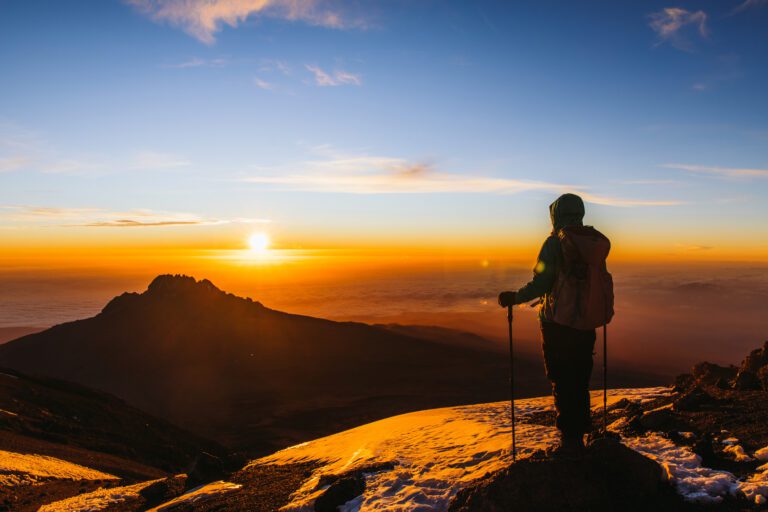
Rising above the African plains, Kilimanjaro National Park is one of the world’s most iconic travel destinations, drawing adventurers, nature lovers, and luxury safari seekers alike. Home to the legendary Mount Kilimanjaro, this UNESCO World Heritage Site offers breathtaking landscapes, diverse ecosystems, and unforgettable trekking experiences. From lush rainforests to alpine deserts and snow-capped summits, Kilimanjaro delivers a once-in-a-lifetime journey. Whether you’re planning a budget climb, luxury Kilimanjaro safari, honeymoon adventure, or private guided expedition, this comprehensive travel guide covers routes, costs, safety, packing lists, and the best time to visit. With expert insights and SEO-rich tips, discover how to plan, book, and experience the ultimate Kilimanjaro climbing tour from Arusha or beyond. Where is Kilimanjaro Mount Kilimanjaro is located in northeastern Tanzania, near the border with Kenya. It stands proudly within Kilimanjaro National Park, covering over 1,600 square kilometers of protected wilderness. The nearest major town is Moshi, often considered the gateway to Kilimanjaro climbing adventures, while Arusha serves as the main safari hub. This strategic location makes Kilimanjaro easily accessible for travelers, combining wildlife safaris with mountain trekking. The mountain itself is a dormant volcano with three cones—Kibo, Mawenzi, and Shira. Its equatorial location creates unique climatic zones, ranging from tropical forest to arctic summit. This geographical diversity makes Kilimanjaro one of the most sought-after trekking destinations globally, ideal for both beginners and experienced climbers seeking bucket-list adventures. How to Get to Kilimanjaro National Park Reaching Kilimanjaro National Park is straightforward, making it a top destination for international and local travelers. The primary gateway is Kilimanjaro International Airport (JRO), located between Arusha and Moshi. Direct flights are available from major global hubs, including Europe, the Middle East, and Africa. Alternatively, travelers can fly into Dar es Salaam and take a domestic flight or scenic drive north. Once you arrive, most tour operators provide private transfers to park gates such as Marangu or Machame. Road travel offers stunning views of rural Tanzania and Mount Kilimanjaro itself. Whether you choose a luxury fly-in safari or a budget overland journey, access to Kilimanjaro is seamless. Booking with reputable tour companies ensures smooth logistics, including airport pickups, accommodation, and guided trekking packages tailored to your itinerary. How long does it take to climb Kilimanjaro Climbing Mount Kilimanjaro typically takes between 5 and 9 days, depending on the chosen route and acclimatization schedule. Shorter routes like Marangu can be completed in 5–6 days, but longer routes such as Lemosho or Northern Circuit (7–9 days) offer higher success rates due to better altitude adjustment. Time on the mountain is crucial for reducing the risk of altitude sickness and increasing summit success. Each day involves trekking through different ecological zones, culminating in a challenging summit push to Uhuru Peak. Travelers seeking luxury or comfort climbing experiences often opt for longer itineraries with extra acclimatization days. Whether you are a beginner or experienced hiker, selecting the right duration is key. Professional guides, porters, and structured itineraries make the journey manageable, enjoyable, and safe for most physically fit individuals. Wildlife and Vegetation Kilimanjaro National Park is not just about climbing—it’s a biodiversity hotspot with diverse wildlife and vegetation zones. The lower slopes feature dense rainforests teeming with monkeys, including colobus and blue monkeys, as well as birds and small mammals. As you ascend, the landscape transitions into moorland with giant lobelias and senecios, followed by alpine desert and icy summit conditions. Larger animals like elephants, buffalo, and leopards are occasionally spotted in forested areas, particularly on the lower routes. This ecological diversity makes Kilimanjaro unique among global trekking destinations. The vegetation zones create ever-changing scenery, enhancing the trekking experience. Nature lovers and photographers will find endless opportunities to capture stunning landscapes and rare flora. Conservation efforts ensure this natural heritage remains protected, making Kilimanjaro both a trekking paradise and an ecological treasure. Best Time to Visit Kilimanjaro National Park The best time to visit Kilimanjaro National Park is during the dry seasons: January to March and June to October. These months offer clear skies, stable weather, and excellent visibility, ideal for climbing Mount Kilimanjaro. January to March is quieter and colder, while June to October is the most popular period with warmer conditions. Avoid the rainy seasons (April–May and November), as trails can become slippery and visibility is limited. However, experienced trekkers may still climb during off-peak months for fewer crowds. Choosing the right time significantly impacts your summit success and overall experience. Peak seasons offer vibrant trekking communities and better logistics, while shoulder seasons provide solitude. For combining Kilimanjaro climbing with Tanzania safari tours, June to October is ideal, aligning with the Great Migration in the Serengeti. How difficult is it to climb Mount Kilimanjaro Climbing Mount Kilimanjaro is considered moderately difficult, but it does not require technical mountaineering skills. The main challenge is altitude rather than terrain. Trekkers must walk for several hours daily over varied landscapes, with the final summit push being the most demanding. Physical fitness, mental endurance, and proper acclimatization are essential for success. Many first-time climbers reach the summit with proper preparation and guidance. Routes like Lemosho and Machame offer gradual ascents, improving success rates. Professional guides monitor your health, pace, and hydration throughout the journey. While challenging, Kilimanjaro is achievable for most people with determination and preparation. Training hikes, cardiovascular fitness, and mental readiness greatly enhance your experience. Choosing a reputable operator ensures safety, comfort, and a higher chance of reaching Uhuru Peak successfully. Mount Kilimanjaro Camps & Lodges Guide for Tanzania Accommodation on Mount Kilimanjaro varies by route, ranging from mountain huts to luxury tented camps. The Marangu Route offers basic huts with beds and shared facilities, while other routes like Machame and Lemosho use camping setups. High-end operators provide luxury mobile camps with comfortable tents, dining areas, and even hot meals. Before and after your climb, you can stay in lodges around Moshi or Arusha, ranging from budget hotels to luxury safari lodges. Popular options include boutique lodges, eco-resorts, and spa retreats. Choosing the right accommodation enhances
Western Serengeti

Exploring the Western Serengeti: All You Need to Know Tanzania’s Western Serengeti, a tapestry of diverse ecosystems and unparalleled wildlife, beckons adventurers to witness the drama of the African savanna. In this comprehensive guide, we embark on a journey through the Western Serengeti unraveling its wonders from the wildlife and birds to the vibrant vegetation, ensuring an unforgettable safari experience. Overview – Western Serengeti: The Western Serengeti, an integral part of the famed Serengeti National Park, captivates visitors with its expansive grasslands, rocky outcrops, and winding rivers. It is renowned for its role in the annual Great Migration, offering a front-row seat to the awe-inspiring spectacle of wildebeests and zebras crossing the Grumeti River. Wildlife Viewing. Home to an abundance of wildlife, the Western Serengeti is a haven for safari enthusiasts. The Big Five – lions, elephants, buffalos, leopards, and rhinos – roam freely, while large herds of wildebeests, zebras, and gazelles graze across the plains. Crocodiles and hippos populate the Grumeti River, creating a dynamic ecosystem. Birds – Watching For avid birdwatchers, the Western Serengeti is a paradise. Over 500 bird species, including colorful flamingos, majestic eagles, and elusive vultures, call this region home. The vast grasslands and riverbanks provide an ideal habitat for a diverse avian population. Vegetation – Nature Pristine The landscape is characterized by open savannas, acacia woodlands, and riverine forests. The abundance of grasses sustains the vast herds of herbivores, while the woodlands offer shade for predators and their prey. Sections of Western Serengeti: The Western Serengeti can be divided into distinct sections, each with its unique charm. From the Grumeti Reserves to the scenic Ikorongo Game Reserve, each area offers a different safari experience. What is best things to do + Activities Beyond traditional game drives, the Western Serengeti offers a range of activities. Hot air balloon safaris provide a breathtaking aerial view of the wildlife. While guided walks and night drives offer a more intimate encounter with the ecosystem. Weather and Climate: Temperature Pattern Understanding the weather patterns is crucial for planning a safari. The Western Serengeti experiences a typical East African climate, with a wet season from November to May and a dry season from June to October. Serengeti has a moderate climate that is mostly pleasant. While the weather is pleasant in the afternoon, it does get cold during the night and early mornings so it is advisable to carry warm clothing with you. The dry season is from June to October, and during this time temperatures can go as high as 25°C / 77°F, and as low as 14°C / 57°F. The wet season is from November to May. Temperature can go as high as 26°C / 79°F and as low as 15°C / 59°F. The dry season is ideal for game viewing as wildlife congregates around water sources. When to Visit – Best time to Visit The best time to visit the Western Serengeti depends on personal preferences. The dry season is optimal for witnessing the Great Migration. While the wet season transforms the landscape into a lush, green paradise. Available Accommodations Options: From luxury lodges overlooking the Grumeti River to tented camps nestled in the heart of the wilderness. Western Serengeti offers a range of accommodations to suit various tastes and budgets, providing a comfortable base for safari adventures. Location and How to Reach: Situated in the northwestern part of Tanzania, the Western Serengeti is accessible by road or air. The nearest airstrip is the Grumeti Airstrip, while road transfers can be arranged from Arusha or other parts of the Serengeti. What are Entry permit and Cost – Fee Structure: Entry fees and conservation charges contribute to the preservation of the Serengeti National Park. Visitors are advised to check the latest fee structure to plan their budget accordingly. Safari Tours – Western Serengeti: We offer numerous tour, as best top rated Tanzania Africa operators offer safari packages, catering to different preferences and durations. Whether opting for a guided group safari or a private expedition. These tours provide an immersive experience led by knowledgeable guides. Western Serengeti – Frequently Asked Questions: FAQs Addressing common queries about the best time to visit. Recommended activities, and logistics, this section aims to provide practical information to enhance the safari experience in the Western Serengeti. What makes the Western Serengeti unique among other regions of the Serengeti National Park? The Western Serengeti is renowned for being a prime location to witness the Great Migration’s dramatic river crossings at the Grumeti River, providing a unique and thrilling safari experience.What wildlife can be encountered in the Western Serengeti National Park? The park is home to the iconic Big Five – lions, elephants, buffalos, leopards, and rhinos. Additionally, large herds of wildebeests, zebras, and various antelope species roam the plains, creating a diverse ecosystem. Are there specific sections within the Western Serengeti to explore? Yes, the Western Serengeti comprises different sections. Including the Grumeti Reserves and Ikorongo Game Reserve, each offering distinctive landscapes and wildlife encounters. Birdwatchers can delight in spotting over 500 bird species. Including flamingos, eagles, vultures, and other migratory birds, thanks to the varied habitats within the park. What activities are available beyond traditional game drives? Visitors can enjoy hot air balloon safaris, guided walks. And night drives for a more immersive experience with the park’s flora and fauna. What is the best time to witness the Great Migration in the Western Serengeti? The dry season (June to October) is ideal for witnessing the Great Migration and river crossings. As the wildlife gathers around the Grumeti River. What is the weather and climate like in the Western Serengeti? The Western Serengeti experiences a typical East African climate with a wet season. From November to May and a dry season from June to October. The dry season is preferable for game viewing. How can I reach the Western Serengeti National Park? Accessible by road or air, visitors can reach the Western Serengeti by flying into the Grumeti Airstrip. Or arranging road transfers from
Things to Know Before You Climbing Mount Kilimanjaro

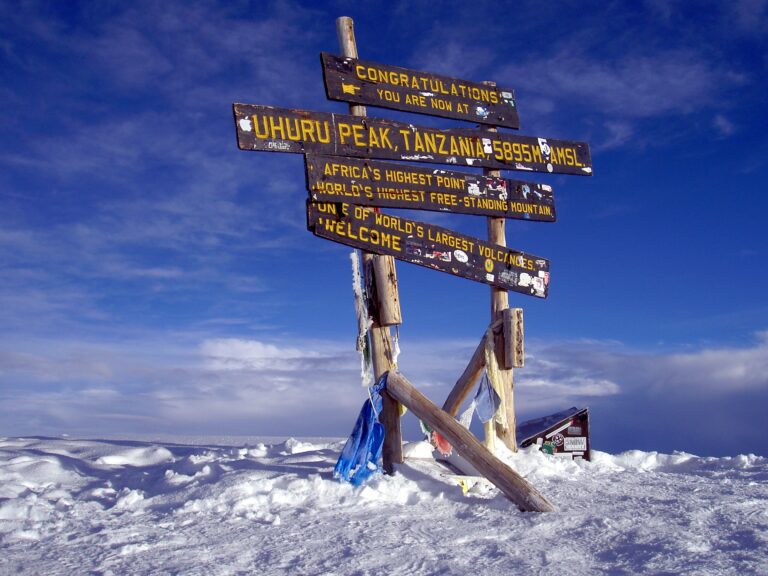
Discover the ultimate Climbing Mount Kilimanjaro (Mount Kilimanjaro) is one of the most iconic African adventure travel experiences and a true bucket list safari adventure. Known as the highest mountain in Africa and the tallest free-standing peak in the world, Kilimanjaro attracts thousands of climbers seeking a Kilimanjaro trekking experience each year. Before you begin your Kilimanjaro climb, it’s essential to understand key factors like Kilimanjaro routes, altitude sickness, the best time to climb Kilimanjaro, and Kilimanjaro climbing costs. Whether you’re planning a luxury Kilimanjaro climb, a budget Kilimanjaro trek, or a guided Kilimanjaro tour, preparation is everything. This guide covers all Kilimanjaro travel tips, helping you plan a safe, successful, and unforgettable Kilimanjaro summit journey to Uhuru Peak. 1: Kilimanjaro Is Not a Technical Climb One of the most important Kilimanjaro facts is that it is a non-technical climb, meaning no ropes, harnesses, or mountaineering skills are required. This makes climbing Kilimanjaro for beginners achievable with proper preparation. However, don’t underestimate it—this is still a high-altitude trek reaching 5,895 meters. Success depends more on endurance hiking, altitude acclimatization, and mental strength than technical skills. Many travelers choose guided Kilimanjaro tours for safety and support. Even though it’s often described as a “walkable mountain,” the challenge comes from the thin air and long trekking days. Choosing the right pace and understanding your body is crucial for a successful Kilimanjaro summit attempt. With determination and preparation, almost anyone can achieve this incredible African trekking adventure. 2: Choosing the Right Route is Essential Selecting the best Kilimanjaro route is one of the most important decisions for a successful climb. Popular routes like the Machame Route, Marangu Route, Lemosho Route, and Rongai Route vary in scenery, duration, and success rates. For higher Kilimanjaro summit success rates, longer routes like Lemosho or Northern Circuit are ideal due to better altitude acclimatization. The Marangu Route, often called the “Coca-Cola route,” offers hut accommodation, while Machame is known for its scenic beauty. Your choice should depend on your fitness level, budget, and time. Many Kilimanjaro trekking packages offer customized itineraries. Choosing wisely improves your chances of reaching Uhuru Peak and enhances your overall Kilimanjaro hiking experience. 3: The Weather on Kilimanjaro Can Be Unpredictable The Kilimanjaro weather is highly unpredictable due to its unique ecological zones, ranging from rainforest to alpine desert and arctic summit. Climbers may experience sunshine, rain, wind, and freezing temperatures all in one trek. Understanding the best time to climb Kilimanjaro—typically January–March and June–October—can improve your experience. Even during peak seasons, conditions can change rapidly, making layered clothing for Kilimanjaro essential. Proper gear ensures comfort and safety throughout your Kilimanjaro trekking adventure. Always prepare for cold nights and potential rain. Weather plays a major role in your success and enjoyment, so flexibility and preparation are key for a safe Kilimanjaro climb. 4: Training for the Key to Kilimanjaro Climbing Success Proper Kilimanjaro training significantly increases your chances of success. While technical skills aren’t required, physical fitness for Kilimanjaro is essential. Focus on cardio endurance, hiking practice, and strength training. Long walks, hill climbs, and carrying a daypack will prepare your body for the trek. Many climbers underestimate the importance of preparation, but consistent training improves stamina and reduces fatigue. Combining fitness with proper altitude acclimatization strategies ensures better performance. Training also builds confidence for the summit night. Preparing your body is one of the most effective Kilimanjaro climbing tips for reaching Uhuru Peak successfully. 5: Budget Wisely: Hidden Costs Add Up Understanding Kilimanjaro climbing costs is crucial for planning your trip. Prices vary depending on route, duration, and operator, ranging from budget Kilimanjaro climbs to luxury Kilimanjaro tours. Hidden costs include tips for guides and porters, gear rental, travel insurance, and park fees. Choosing cheap operators may compromise safety, so always prioritize reputable Kilimanjaro tour companies. A well-organized climb ensures better support, meals, and equipment. Budgeting properly helps avoid surprises and ensures a smoother Kilimanjaro trekking experience. Investing in quality services increases your chances of success and overall enjoyment. On average, expect to spend between $2,000 and $5,000 for the entire Kilimanjaro climbing experience. Budgeting Tips: Plan Ahead: Start saving well in advance to spread out costs. 6: Packing Strategically is Key A well-prepared Kilimanjaro packing list is essential for a comfortable and safe climb. Key items include layered clothing, thermal wear, waterproof gear, and sturdy hiking boots for Kilimanjaro. Temperatures vary drastically, so packing smartly is crucial. Don’t forget essentials like a headlamp, gloves, and a sleeping bag. Many Kilimanjaro trekking tours provide equipment, but personal items should be carefully selected. Overpacking can be a burden, so balance is key. Proper gear enhances your experience and helps you adapt to changing conditions during your Kilimanjaro hike. 7: Hiring a Reputable Guide Service Climbing Kilimanjaro requires booking through a licensed Kilimanjaro tour operator. Choosing a reputable Kilimanjaro guide service ensures safety, professionalism, and ethical treatment of porters. Experienced guides monitor your health, pace, and altitude sickness symptoms. Look for operators with good reviews, proper certifications, and strong safety records. Many travelers opt for all-inclusive Kilimanjaro packages for convenience. A reliable team makes a huge difference in your success and overall experience. This is one of the most important Kilimanjaro travel tips to consider. 8: Hydration and Nutrition Matter More Than You Think Climbing Mount Kilimanjaro demands consistent hydration on Kilimanjaro and proper fueling. Drinking 3–4 liters daily helps prevent altitude sickness on Kilimanjaro, boosts trekking performance, and supports high altitude climbing success. Meals on a Kilimanjaro climb are energy-rich, including carbs, proteins, and snacks to sustain long trekking days. Reliable Kilimanjaro trekking guides ensure safe food preparation and clean water. Many Kilimanjaro tour operators provide balanced menus, but bringing your own best snacks for hiking is wise. Proper nutrition for mountain climbing enhances endurance, speeds recovery, and improves your Kilimanjaro summit success rate. Never underestimate how vital eating well and staying hydrated is for a safe, enjoyable Kilimanjaro trekking experience. 9: Altitude Sickness on Kilimanjaro Is a Thing Understanding altitude sickness
What To Know Before Going For Big Five Safari In Tanzania

A Tanzania Big Five safari is the ultimate African wildlife adventure, blending iconic landscapes, luxury safari lodges, and unforgettable game drives. From the vast plains of the Serengeti to the dramatic Ngorongoro Crater, Tanzania offers unmatched opportunities to see lions, elephants, leopards, buffalo, and rhinos in their natural habitat. Whether you’re planning a luxury safari, mid-range tour, budget adventure, honeymoon safari, or family vacation, Tanzania delivers year-round wildlife viewing. Travelers can start from Arusha, Zanzibar, or Dar es Salaam, enjoying tailor-made safari packages with expert guides and sustainable travel practices. With excellent safari infrastructure, fly-in safaris, and private tours, Tanzania remains one of Africa’s top safari destinations. Understanding costs, the best time to visit, packing essentials, and safety tips ensures a seamless, bucket-list experience filled with breathtaking wildlife encounters and authentic cultural moments. Why Choose Tanzania for A Big Five Safari? Tanzania stands out as one of the best destinations for a Big Five safari in Africa due to its vast protected areas, rich biodiversity, and world-renowned national parks. The country hosts iconic locations like the Serengeti ecosystem and the Ngorongoro Conservation Area top East Africa Big Five Destinations, offering exceptional chances to spot all Big Five animals in one trip. Unlike many destinations, Tanzania provides diverse Big Five Safaris in East Africa experiences, from luxury lodges and tented camps to affordable budget safaris. The Great Migration, stunning landscapes, and fewer crowds enhance the overall experience. Travelers can enjoy private safaris, fly-in packages, and tailor-made itineraries suited for families, honeymooners, and solo travelers. With experienced guides, ethical tourism practices, Big 5 Safari in Africa, and well-managed parks, Tanzania guarantees both safety and authenticity. Classic Big Five Safari Tanzania, its accessibility from Arusha and Zanzibar makes it a top choice for unforgettable African safari adventures. What is a Big Five Safari? A Big Five safari in Tanzania is one of the most sought-after African wildlife experiences, designed around spotting the legendary Big Five animals: lion, leopard, elephant, buffalo, and rhino. The term “Big Five” originated from big-game hunting but today represents the ultimate wildlife safari checklist for photographers, nature lovers, and luxury travelers. On a Tanzania safari, these iconic species can be seen across world-famous destinations like Serengeti National Park and Ngorongoro Crater, offering unmatched game viewing all year round. A Big Five safari tour combines guided game drives, expert local guides, luxury lodges, and unforgettable landscapes. Whether you choose a budget safari, mid-range adventure, or luxury African safari package, this experience delivers thrilling encounters and breathtaking scenery. It’s a bucket-list journey ideal for families, honeymoon couples, solo travelers, and wildlife enthusiasts seeking an authentic Tanzania safari experience. How Does the Big Five-Term Come into Existence? The term “Big Five” originated during the colonial hunting era in Africa and was used by professional hunters to describe the five most difficult and dangerous animals to hunt on foot: lion, elephant, leopard, buffalo, and rhinoceros. Today, the meaning has shifted entirely from hunting to wildlife conservation and photographic safaris. In modern Tanzania safaris, the Big Five represent the most sought-after animals for wildlife viewing and photography. Safari guides use their expertise to track these iconic species across national parks like the Serengeti and Ngorongoro Crater. The term has become a powerful marketing keyword in global tourism, attracting travelers seeking bucket-list experiences. Understanding its history adds depth to your safari journey, emphasizing conservation, respect for wildlife, and sustainable tourism practices that protect these incredible animals for future generations. When Is the Best Time for Big Five Safaris in Tanzania? The best time for a Tanzania Big Five safari depends on wildlife visibility and travel preferences. The dry season, from June to October, is considered ideal, as animals gather around water sources, making them easier to spot. This period offers excellent game viewing in Serengeti National Park and the Ngorongoro Crater, with clear skies and minimal vegetation. The Great Migration river crossings also occur during this time, adding dramatic wildlife action. However, the green season from November to May offers fewer crowds, lush landscapes, and lower safari prices. It is perfect for birdwatching and photography, especially in parks like Tarangire and Lake Manyara. Each season provides unique advantages, making Tanzania a year-round safari destination for luxury, mid-range, and budget travelers seeking unforgettable wildlife experiences. What Animals to Spot on Big Five Safaris in Tanzania? A Big Five safari in Tanzania focuses on spotting the iconic lion, elephant, leopard, buffalo, and rhinoceros, but the experience goes far beyond these animals. The Serengeti ecosystem hosts vast herds of wildebeest, zebras, and gazelles, while predators like cheetahs and hyenas roam the plains. In the Ngorongoro Crater, travelers have a high chance of seeing endangered black rhinos alongside dense populations of lions and elephants. Tarangire National Park is famous for its large elephant herds and ancient baobab trees, while Lake Manyara offers tree-climbing lions and diverse birdlife. This incredible biodiversity makes Tanzania one of the best safari destinations in Africa. Whether on a luxury safari or a budget tour, every Big Five Safari Destinations in Africa game drive presents new wildlife encounters, making each moment exciting and unforgettable. The Best National Parks for Big Five Safaris in Tanzania Tanzania is home to some of Africa’s most iconic national parks, ideal for Big Five safaris. Serengeti National Park is world-famous for its vast plains, abundant predators, and the Great Migration. The Ngorongoro Crater best safaris in Africa to see the Big 5, offers one of the highest densities of wildlife, including rare black rhinos, within a breathtaking volcanic caldera. Tarangire National Park is known for its massive elephant herds and scenic baobab landscapes, while Lake Manyara National Park features diverse ecosystems and unique tree-climbing lions. For those seeking off-the-beaten-path adventures, parks like Ruaha and Selous (Nyerere National Park) provide remote, uncrowded safari experiences. Each tailor-made big five safari in East Africa parks offers distinct landscapes, wildlife diversity, and safari styles, making Tanzania a top destination for luxury safaris, family trips, honeymoon tours, and customized African safari itineraries. Duration And
Tips for planning a Tanzania Family Safaris

Experiencing an authentic East African Tanzania family safari is one of the most rewarding travel experiences you can share with your children. Imagine waking up to the distant roar of lions, watching elephants stroll across the savannah, and seeing your kids’ eyes light up as they spot a giraffe for the first time. From the vast plains of Serengeti National Park to the wildlife-rich floor of the Ngorongoro Crater, Tanzania offers some of the best African family safari holidays in the world. Planning a safari with children requires a little extra preparation. You need the right destination, the best time to travel, family-friendly accommodations, and a trusted safari company to ensure the journey is smooth, safe, and unforgettable. Below are essential tips to help you design the perfect Tanzania safari vacation for families, ensuring comfort, safety, and adventure for everyone. Choosing the Ideal Safari Destination Selecting the right destination is the foundation of a successful Tanzania family safari. Tanzania offers some of the best wildlife destinations in Africa, perfect for a family adventure to famous Serengeti National Park is ideal for witnessing the Great Migration and abundant wildlife sightings, and Tarangire National Park is loved for its massive elephant herds and iconic baobab trees, while Ngorongoro Crater offers a Tanzania family safari tour, one of the easiest places to spot the Big Five in a single day. Families seeking shorter drives may prefer Lake Manyara National Park for its tree-climbing lions and birdlife. Choosing a mix of parks ensures a varied family safari in Africa wildlife experiences and keeps children excited throughout the journey. The best family safari in Tanzania combines accessibility, wildlife diversity, and comfortable lodges. Choose the Right Time Timing can make a huge difference when planning a family safari in Tanzania. The best time for wildlife viewing is during the dry season from June to October, when animals gather around water sources, and vegetation is thinner, this period offers excellent chances to see lions, elephants, giraffes, and zebras in parks like Serengeti National Park and Tarangire National Park. Green season from January to March is also wonderful for families because of lush landscapes, baby animals, and fewer tourists. Photographers especially love this season. Avoid heavy rains in April and May if traveling with young children. Choosing the right season helps ensure pleasant weather, comfortable game drives, and unforgettable wildlife encounters during your African family safari adventure. How Many Days Are Ideal for a Family Safari Determining the ideal safari duration is important for families traveling with children. Most travel experts recommend 5 to 8 days for a Tanzania family safari. This allows enough time to explore multiple wildlife destinations without feeling rushed. A typical itinerary might include wildlife adventures in Tarangire National Park, game drives across the plains of Serengeti National Park, and a spectacular crater safari in Ngorongoro Crater. Families with younger children may prefer shorter drives and fewer park changes, while older kids often enjoy longer safari routes. Adding a relaxing beach stay afterward creates a balanced vacation. The key is to maintain a pace that keeps everyone energized while maximizing wildlife sightings and memorable family experiences. Choose Family-Friendly Accommodations Choosing the right accommodation greatly enhances a Tanzania family safari experience. Many safari lodges and tented camps are designed with families in mind, offering spacious family suites, interconnecting rooms, and child-friendly amenities. Areas around Karatu near Ngorongoro Crater feature beautiful farm lodges with gardens where kids can safely explore. Luxury safari camps in Serengeti National Park also provide guided nature walks, swimming pools, and educational wildlife programs. Choosing accommodations close to wildlife parks reduces travel time and maximizes safari activities. Comfortable beds, good meals, and safe surroundings make a big difference for families. Family-friendly safari lodges also help children learn about African wildlife while enjoying a comfortable and memorable holiday. Opt for a Private Safari Vehicle For families traveling together, a private safari vehicle in Tanzania is one of the best decisions you can make. A private 4×4 safari vehicle allows flexibility, comfort, and personalized game drives tailored to your family’s interests. Children may want more time watching elephants or giraffes, and a private vehicle makes that possible. In parks like Serengeti National Park and Tarangire National Park, private vehicles allow families to stop for photos, snacks, or wildlife observation whenever needed. Professional safari guides also adjust the pace for kids, making the experience more enjoyable. Privacy ensures better storytelling, learning opportunities, and bonding moments. Overall, a private vehicle transforms a regular safari into a personalized African family adventure. Limit Long Drives When traveling with children, minimizing long road journeys is essential for an enjoyable family safari in Tanzania. Long drives can become tiring, especially for younger kids. Choosing safari destinations close to each other helps maintain energy and excitement. The popular Northern Safari Circuit—featuring Tarangire National Park, Ngorongoro Crater, and Serengeti National Park—offers well-connected routes and excellent wildlife viewing. Families may also consider short scenic flights to reach the Serengeti quickly. Planning shorter game drives with breaks for snacks, photography, and stretching keeps children comfortable. A relaxed pace ensures the safari remains fun rather than exhausting. Limiting travel time means more time watching lions, elephants, and zebras in their natural habitats. Embracing the Local Culture A Tanzania family safari is not only about wildlife, but it’s also a chance to experience rich African cultures. Visiting traditional communities such as the Maasai people offers educational and meaningful interactions for children. In regions near Ngorongoro Conservation Area, families can visit Maasai villages to learn about traditional lifestyles, cattle herding, and colorful beadwork. Children enjoy learning simple Swahili greetings like “Jambo” or “Asante.” Cultural experiences add depth to the safari journey and create lasting memories beyond wildlife sightings. They also encourage respect for local traditions and communities. Combining wildlife exploration with cultural learning transforms your safari into a more enriching and authentic African travel experience for families. Balance Safari with Beach Many families love combining wildlife adventures with a relaxing beach holiday. After several days of
Serengeti Safari Cost

How Much Does a Serengeti Safari Cost? Planning a dream trip to Serengeti National Park starts with understanding the Serengeti safari cost, one of the most searched topics for travelers. Prices vary depending on travel style, season, and comfort level, making Tanzania safari cost, African safari prices, and Serengeti tour packages essential keywords for smart planning. From budget camping to ultra-luxury lodges, the park offers diverse options. Factors like park fees, accommodation, transport, and guide services all influence the cost of your safari in Tanzania. Whether you choose cheap Serengeti safari deals or luxury Serengeti safari packages, each experience delivers unforgettable wildlife encounters. Knowing the differences helps you match your budget with expectations while ensuring value for your Serengeti wildlife safari adventure. Serengeti Budget Safari ($250–$400/day) A Serengeti budget safari is ideal for travelers seeking affordable adventures without sacrificing the thrill of wildlife viewing. These cheap Serengeti safari packages often include basic camping or budget lodges, shared transport, and group tours, keeping the Serengeti safari cost per day low. Expect simple but comfortable facilities, professional guides, and access to major wildlife areas. Budget trips typically cover essentials like meals, park fees, and game drives, making them popular for backpackers and solo explorers searching for affordable Tanzania safari deals. While luxury is minimal, the experience remains authentic and rewarding. Choosing a budget African safari allows you to explore the Serengeti’s vast plains and witness incredible wildlife at a fraction of the premium costs. Serengeti Mid-Range Safari ($400–$800/day) A Serengeti mid-range safari offers the perfect balance between comfort and affordability, making it one of the most popular Tanzania safari packages. With mid-range Serengeti safari costs, travelers enjoy lodge or tented camp accommodations featuring private bathrooms, quality meals, and excellent service. These Serengeti safari tours often include private or small-group game drives, enhancing your wildlife experience. Ideal for couples, families, and first-time visitors, mid-range options deliver great value while maintaining comfort. The slightly higher cost of safari in Serengeti covers upgraded amenities and better locations inside or near the park. For many, this tier represents the sweet spot in African safari pricing, combining immersive nature experiences with a comfortable stay. Serengeti Luxury Safari ($800–$1,500+/day) A Serengeti luxury safari delivers an exclusive, high-end experience tailored for discerning travelers seeking premium comfort. These luxury Serengeti safari packages include elegant lodges or boutique tented camps, gourmet dining, private guides, and personalized service. The higher Serengeti safari price reflects added perks such as prime wildlife locations, spa services, and exceptional hospitality. Many packages also include premium transport, making your journey seamless and stylish. Ideal for honeymooners or VIP travelers, this category redefines the African luxury safari cost with unforgettable experiences. From sunrise game drives to sundowners overlooking the plains, a luxury safari ensures every moment in the Serengeti is extraordinary, combining adventure with world-class comfort. Serengeti Family Safari ($300–$2,500+/day) A Serengeti family safari is designed to accommodate travelers of all ages, offering flexibility, safety, and engaging experiences. These family safari Tanzania packages often include spacious accommodations, child-friendly meals, and tailored game drives. Depending on the level of comfort, the Serengeti safari cost for families can range widely, from budget lodges to luxury resorts. Activities may include cultural visits, shorter game drives, and educational wildlife experiences. Many lodges offer family suites and guides skilled in working with children, making it easier to travel with young explorers. Choosing a family-friendly Serengeti safari ensures both relaxation and adventure, making it a memorable experience for everyone while maintaining a balance between fun and affordability. Serengeti Honeymoon Safari ($400–$990+/day) A Serengeti honeymoon safari offers a romantic escape filled with breathtaking landscapes and intimate wildlife encounters. These honeymoon safari packages in Tanzania are tailored for couples seeking privacy, luxury, and unforgettable moments. The Serengeti safari cost for couples typically includes romantic lodges, candlelit dinners, and private game drives. Many packages feature exclusive experiences like bush breakfasts and sunset views, enhancing the romance. Whether mid-range or luxury, these safaris combine comfort and adventure perfectly. The charm of the Serengeti, paired with personalized service, makes it a top choice for newlyweds. Investing in a romantic African safari ensures cherished memories, blending love and nature in one extraordinary destination. Serengeti Senior Safari ($330–$1,000+/day) A Serengeti senior safari is crafted for comfort, accessibility, and a relaxed pace, ensuring an enjoyable experience for older travelers. These Tanzania safari packages for seniors focus on minimizing travel stress while maximizing wildlife viewing opportunities. The Serengeti safari cost in this category depends on accommodation and level of service, with options ranging from mid-range lodges to luxury camps. Expect shorter game drives, comfortable vehicles, and attentive guides. Many tours include easy access accommodations and flexible itineraries. Choosing a senior-friendly Serengeti safari allows travelers to explore Africa’s iconic landscapes safely and comfortably. It’s a perfect blend of adventure and relaxation, tailored to meet specific travel needs. Serengeti Glamping Safari ($550+ per day) A Serengeti glamping safari combines the thrill of camping with the comfort of luxury accommodation, making it a trending choice among modern travelers. These glamping safari Tanzania packages feature stylish tented camps with real beds, private bathrooms, and elegant décor. The Serengeti safari cost reflects a unique blend of nature and comfort, offering immersive experiences without sacrificing convenience. Guests enjoy gourmet meals, personalized service, and prime wildlife locations. This type of luxury camping safari is perfect for those who want authenticity with a touch of sophistication. Glamping allows you to stay close to nature while enjoying high-end amenities, creating a memorable and comfortable Serengeti adventure. Serengeti Solo Safari ($390+ per day) A Serengeti solo safari is perfect for independent travelers seeking flexibility and personal exploration. These solo safari Tanzania packages cater to individuals who want tailored experiences or small group interactions. The Serengeti safari cost for solo travelers may be slightly higher due to single supplements, but it offers unmatched freedom. Solo travelers can join group tours or opt for private guides, depending on preference and budget. Safety, expert guidance, and well-planned itineraries make this a popular choice. Choosing a