African Safari Tours

Come organizzare un viaggio in Tanzania e Zanzibar

Ndutu Safari Lodge, Come organizzare un viaggio in Tanzania e Zanzibar: Guida Completa

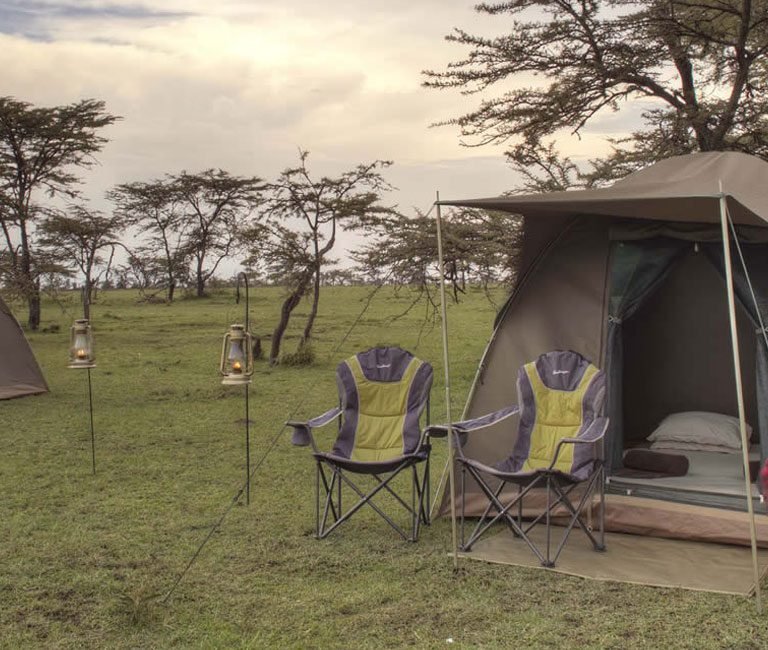
Organizzare un viaggio in Tanzania e a Zanzibar è l’inizio di un’indimenticabile avventura africana, ricca di safari naturalistici, spiagge di sabbia bianca, cultura, lodge di lusso ed emozionanti esperienze all’aria aperta. La Tanzania ospita destinazioni di fama mondiale come il Parco Nazionale del Serengeti , il cratere di Ngorongoro e il Kilimangiaro , mentre Zanzibar offre relax tropicale, tour della storica Stone Town, snorkeling, immersioni e romantiche vacanze al mare. Che stiate pianificando un safari di lusso, una luna di miele, un’avventura in famiglia, un tour economico o un safari privato in Africa, un’attenta preparazione vi aiuterà a vivere al meglio l’esperienza di viaggio. Dalla scelta del periodo migliore per visitare la Tanzania e Zanzibar alla prenotazione di tour operator affidabili, alloggi, voli interni e assicurazione di viaggio, ogni dettaglio conta. Questa guida di viaggio per la Tanzania e Zanzibar vi spiega come organizzare la vacanza perfetta tra safari e mare, per ricordi che dureranno per sempre. 1. Scegli il periodo migliore per visitare la Tanzania e Zanzibar Scegliere il periodo migliore per visitare la Tanzania e Zanzibar è fondamentale per un safari africano e una vacanza al mare di successo. La stagione secca, da giugno a ottobre, è considerata il periodo migliore per i safari naturalistici in destinazioni come il Parco Nazionale del Serengeti e il Parco Nazionale di Tarangire, poiché gli animali si radunano intorno ai fiumi e alle pozze d’acqua. Da gennaio a marzo è ideale per la stagione delle nascite nel Serengeti e per godersi le calde spiagge di Zanzibar. I viaggiatori che desiderano evitare la folla e trovare pacchetti safari più convenienti spesso preferiscono la stagione delle piogge, da novembre a maggio. Zanzibar gode di un clima tropicale caldo tutto l’anno, il che la rende perfetta per viaggi di nozze, escursioni di snorkeling, immersioni subacquee e soggiorni di lusso al mare. Comprendere il clima della Tanzania, le stagioni dei safari, i tempi della Grande Migrazione e le condizioni meteorologiche di Zanzibar aiuta i viaggiatori a pianificare esperienze indimenticabili, ottenere tariffe di alloggio migliori e massimizzare le opportunità di avvistamento della fauna selvatica. 2. Decidi tra viaggio di lusso, di fascia media o economico Quando si pianifica un safari in Tanzania e una vacanza a Zanzibar, scegliere lo stile di viaggio è uno dei passaggi più importanti. La Tanzania offre safari di lusso, safari in lodge di fascia media, safari in campeggio, safari con voli interni e avventure economiche adatte a famiglie, viaggiatori singoli, anziani e coppie in luna di miele. I safari di lusso includono guide private, lodge di alta qualità, cene gourmet ed esperienze esclusive a contatto con la fauna selvatica in destinazioni come il Parco Nazionale del Serengeti e il Cratere di Ngorongoro . I safari di fascia media coniugano comfort e convenienza con lodge e campi tendati di qualità. I safari economici offrono safari in jeep condivisi ed esperienze di campeggio, ideali per i viaggiatori più avventurosi. Anche Zanzibar offre opzioni che spaziano da resort a cinque stelle sulla spiaggia a boutique hotel e ostelli per backpacker. Scegliere lo stile di viaggio giusto aiuta a determinare i costi del safari, la qualità dell’alloggio, i mezzi di trasporto e il comfort generale, garantendo che la vacanza in Tanzania e a Zanzibar corrisponda alle aspettative e al budget di viaggio. 3. Pianifica attentamente le tue destinazioni per il safari in Tanzania La Tanzania è una delle migliori destinazioni per safari in Africa, offrendo una varietà di parchi nazionali, aree protette ed esperienze a contatto con la fauna selvatica. Scegliere con cura le destinazioni permette ai viaggiatori di vivere al meglio l’avventura e di scoprire l’incredibile biodiversità della Tanzania. Il Parco Nazionale del Serengeti è famoso per la Grande Migrazione degli gnu, le pianure sconfinate e gli eccezionali avvistamenti di predatori. Il cratere di Ngorongoro offre una densità di fauna selvatica senza pari all’interno di una caldera vulcanica. Il Parco Nazionale di Tarangire è noto per gli elefanti e i baobab, mentre il Parco Nazionale del Lago Manyara offre la possibilità di ammirare leoni arboricoli e fenicotteri. I viaggiatori più avventurosi possono includere escursioni sul Kilimangiaro o visite culturali al popolo Masai. Le destinazioni della Tanzania meridionale, come il Parco Nazionale di Nyerere, offrono esperienze di safari in luoghi remoti. Scegliere la giusta combinazione di parchi permette di creare un itinerario equilibrato, ricco di fauna selvatica, paesaggi mozzafiato, opportunità fotografiche e ricordi indimenticabili di un safari africano. 4. Includi Zanzibar nel tuo itinerario Aggiungere Zanzibar al vostro itinerario di safari in Tanzania crea la combinazione perfetta tra savana e mare. Dopo emozionanti safari nei parchi naturali della Tanzania, Zanzibar offre relax, acque turchesi, spiagge orlate di palme e la ricca cultura swahili. I visitatori possono esplorare Stone Town , sito patrimonio mondiale dell’UNESCO, famoso per i suoi mercati delle spezie, l’architettura araba e i monumenti storici. Tra le spiagge più popolari di Zanzibar si annoverano Nungwi, Kendwa, Paje e Jambiani, note per i resort di lusso, i romantici tramonti, lo snorkeling, le immersioni e le crociere in dhow. Le coppie scelgono spesso Zanzibar per la luna di miele, mentre le famiglie apprezzano gli sport acquatici e le escursioni culturali. I viaggiatori possono anche visitare piantagioni di spezie, nuotare con i delfini o scoprire le barriere coralline nell’Oceano Indiano. Combinare un safari in Tanzania con Zanzibar crea una delle esperienze di viaggio più popolari in Africa, unendo avventure nella natura selvaggia, relax in spiaggia, cultura, storia e lusso in un unico pacchetto vacanza indimenticabile. 5. Stabilisci un budget realistico per il tuo safari in Tanzania Creare un budget di viaggio realistico è fondamentale quando si pianifica un safari in Tanzania e una vacanza a Zanzibar. I costi del safari variano a seconda del tipo di alloggio, delle tasse di ingresso ai parchi, dei trasporti, della stagione e della durata del viaggio. I safari di lusso in Tanzania con guide private, voli charter e lodge esclusivi possono essere costosi, mentre i tour di gruppo e i safari in campeggio sono più accessibili. I viaggiatori dovrebbero includere

Kilimanjaro Routes

Machame, Rongai, Umbwe, Marangu, Northern Circuit Route Uhuru_Peak_Mt._Kilimanjaro, 10 Things to Know Before You Climb Mount Kilimanjaro, Mountain Guides on Mount Kilimanjaro, 10 Things to Know Before You Climb Mount Kilimanjaro, Kilimanjaro Routes, Kilimanjaro Routes, Map, Success Rate, Difficulty, Comparison, Kilimanjaro Song Jambo Bwana Meaning And Lyrics, Climbing Kilimanjaro Cost, Seven Summits - Highest Mountain on Each Continent, Kilimanjaro Summit, Umbwe Route, Why is Mount Kilimanjaro So Famous & Special?, What are the benefits of climbing Mount Kilimanjaro, Must-Have Documents to Carry When Climbing Kilimanjaro, Climbing Kilimanjaro When You're Over 50, When is there snow on the summit of Kilimanjaro, Climbing Kilimanjaro in May, Height, Prominence, And Altitude Gain When Climbing Kilimanjaro, Height, Prominence, And Altitude Gain When Climbing Kilimanjaro, things Kilimanjaro taught me, How Far in Advance Should You Book your Kilimanjaro Climb?, Kilimanjaro Summits, Kilimanjaro FAQs, Mount Kilimanjaro Deaths, What items would you take for a post Kilimanjaro recovery kit?, 10 Highest Mountains in Africa, bits of advice from past Kilimanjaro climbers, Top Places in Tanzania Where You Can See Kilimanjaro Clearly, Kilimanjaro National Park Travel Guide, How Hard Is Summit Night on Kilimanjaro?, The Ultimate Guide to Climbing Mount Kilimanjaro, Lemosho vs. Marangu Route: A Comparison of Kilimanjaro's Newer and Older Climbing Paths, Why Climb Kilimanjaro With Us?, Kilimanjaro Packages Solo Travelers

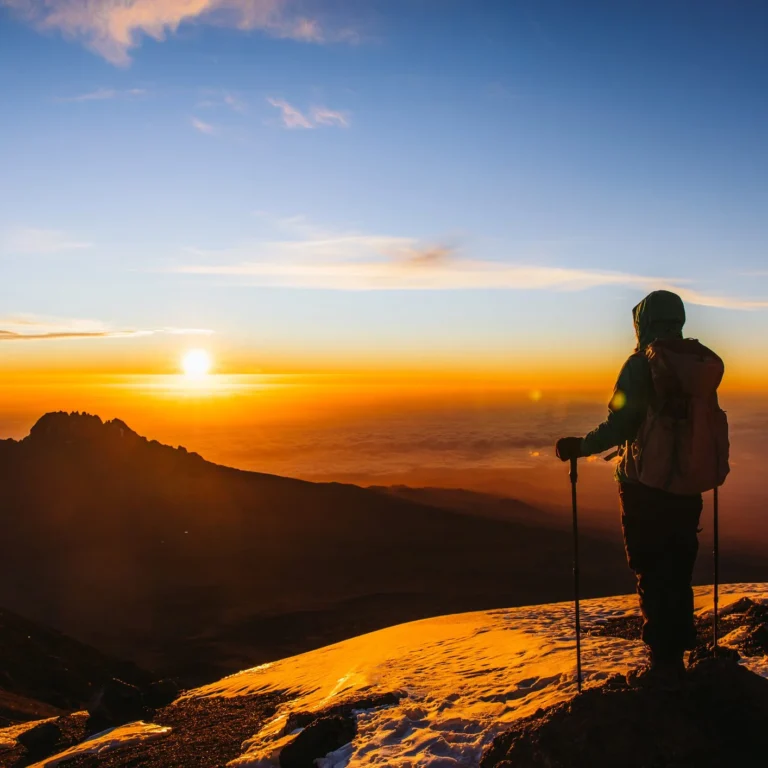
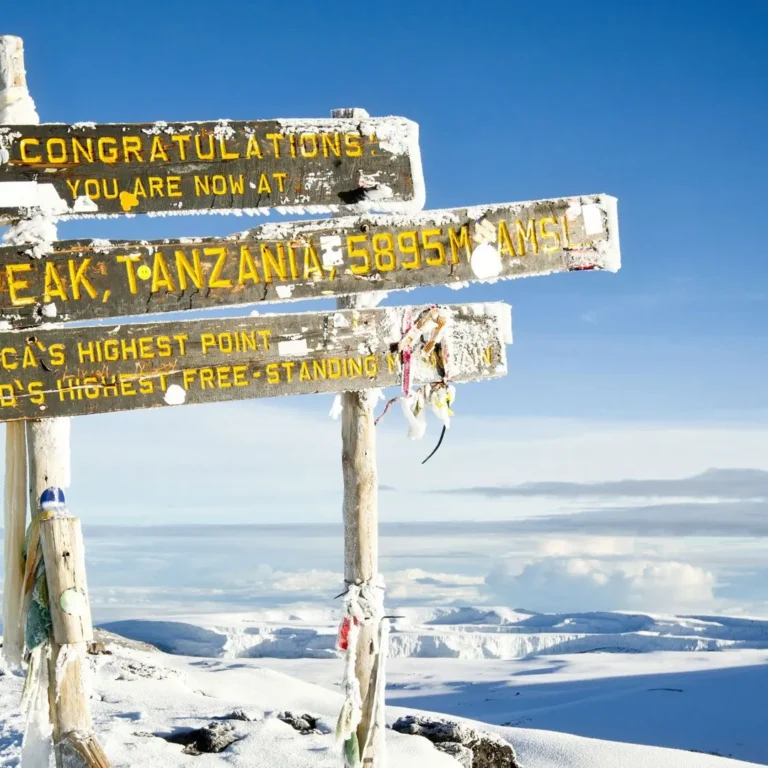
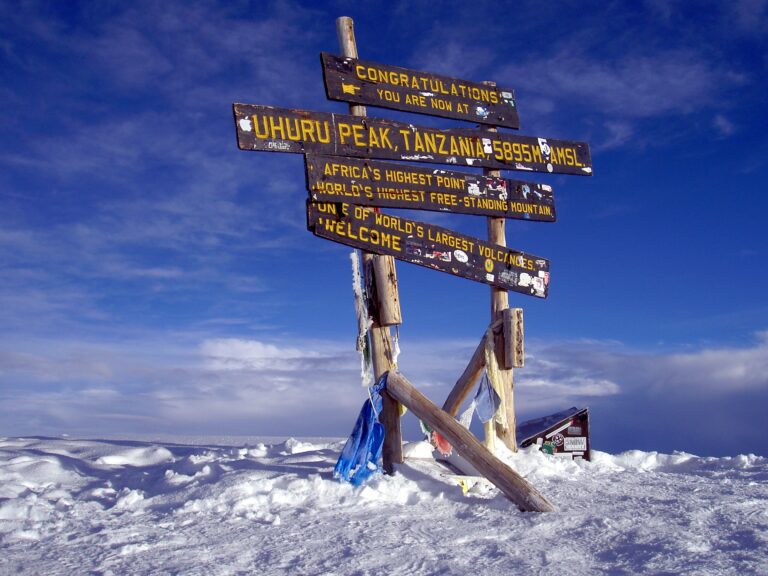
Climbing Mount Kilimanjaro, Africa’s tallest peak, is a dream for adventurers and trekking enthusiasts worldwide. Choosing the best Kilimanjaro route is crucial for success, safety, and an unforgettable experience. Factors like altitude acclimatization, scenic views, difficulty level, and duration play key roles. Popular routes such as the Machame Route, Lemosho Route, Rongai Route, Marangu Route, Shira Route, Umbwe Route, and the Northern Circuit Route each offer unique landscapes, challenges, and trekking styles. Whether you’re a first-time climber, a solo trekker, a family adventurer, or on a Kilimanjaro honeymoon, knowing which route suits your fitness level and time frame helps maximize your chances of reaching the Kilimanjaro summit (Uhuru Peak) safely and comfortably. 1. Northern Circuit Route The Northern Circuit Route is renowned as the longest and most scenic Kilimanjaro trek, ideal for climbers seeking off-the-beaten-path adventure. Spanning 9–11 days, this route provides exceptional acclimatization opportunities, significantly increasing your chances of reaching Uhuru Peak. Trekking through lush montane forests, highland moorlands, and the Kilimanjaro alpine desert, hikers encounter diverse flora and fauna, including rare birds and unique wildlife. The Northern Circuit also offers breathtaking panoramic views of the Shira Plateau and surrounding mountain peaks, making it a favorite for photographers. Despite its length, the route is considered moderate difficulty, attracting climbers who want a rewarding, less crowded trekking experience. Guided Kilimanjaro tours along this path provide expert porters, camping gear, and fully supported expeditions. 2. Lemosho Route The Lemosho Route is widely regarded as one of the best Kilimanjaro routes for first-time and experienced climbers alike. Starting from the western Lemosho Gate, it traverses the remote forest, shrubland, and alpine desert, offering stunning vistas rarely seen on other paths. Its 7–9 day itinerary allows excellent acclimatization, reducing altitude sickness risk. The route merges with the Machame Route, creating options for summit success while experiencing pristine wilderness. Lemosho is particularly favored for luxury and glamping Kilimanjaro safaris, as campsites are spacious and scenic. With its moderate difficulty, ample wildlife sightings, and impressive sunset views from Shira Plateau, the Lemosho Route is ideal for solo travelers, couples, and adventurous families seeking a memorable Kilimanjaro trek. 3. Shira Route The Shira Route begins at Shira Plateau, offering a high-altitude trek with dramatic volcanic landscapes and uninterrupted panoramic views. Known for its remote wilderness and low traffic, Shira provides an immersive Kilimanjaro climbing experience. While shorter than the Lemosho Route, it spans 6–8 days, allowing for gradual altitude acclimatization to enhance summit success. Trekkers enjoy diverse ecological zones, from rainforest trails to alpine deserts, and spectacular sights like lava cliffs, shimmering glaciers, and the Kilimanjaro summit skyline. The Shira Route is often combined with the Mweka descent or Machame route, offering flexibility in planning. It suits fit and experienced trekkers, nature photographers, and adventurers who prioritize scenic views and a peaceful, less crowded climb. 4. Machame Route (“Whiskey” Route) The Machame Route, also known as the “Whiskey Route”, is one of the most popular Kilimanjaro routes, famous for its scenic beauty and moderate difficulty. Spanning 6–7 days, it offers excellent altitude acclimatization through gradual elevation gain, making it suitable for first-time climbers with good fitness. The trek passes through rainforests, moorlands, and alpine deserts, culminating at Uhuru Peak. Machame’s panoramic vistas, including Kilimanjaro’s glaciers, are a major highlight for photographers and adventure travelers. Despite being challenging, it’s well-supported with experienced guides, porters, and fully equipped campsites, making it ideal for solo trekkers, honeymoon couples, and family expeditions. Its combination of accessible climbing and breathtaking scenery ensures a memorable Kilimanjaro adventure. 5. Rongai Route The Rongai Route approaches Kilimanjaro from the north, near the Kenya border, offering a less crowded, quieter trek. Known for its gentler slopes and gradual ascent, it’s ideal for climbers concerned about altitude sickness. The route spans 6–7 days, moving through savannahs, forested hills, and alpine zones, with opportunities to spot unique wildlife along the way. Rongai is preferred for dry-season trekking (January–March, June–October) and family-friendly Kilimanjaro tours, as campsites are comfortable and less busy. The trek combines scenic vistas of Kilimanjaro’s northern face, a high summit success rate, and moderate difficulty, making it ideal for solo adventurers, seniors, and first-time climbers. Guided Rongai expeditions ensure experienced support and a well-managed climb. 6. Marangu Route (“Coca-Cola” Route) The Marangu Route, famously called the “Coca-Cola Route”, is the only Kilimanjaro path with hut accommodation, offering a comfortable trekking experience. Spanning 5–6 days, it’s considered the easiest route due to its gradual ascent and well-maintained trail, making it suitable for beginners, seniors, and guided groups. The route passes through rainforests, moorlands, and alpine deserts, providing views of lava cliffs, glaciers, and Kilimanjaro’s summit skyline. Despite its shorter duration, Marangu offers good altitude acclimatization if the climb is extended to 6 days. Its popularity means the path can be crowded, but the reliable infrastructure, huts, and guides make it a top choice for family treks, honeymoon climbers, and first-time adventurers. 7. Umbwe Route The Umbwe Route is the steepest and most challenging Kilimanjaro path, suited for experienced climbers seeking a fast, intense climb. Beginning from the southern Umbwe Gate, the route ascends sharply through rainforest, rocky terrain, and alpine desert, demanding excellent fitness and stamina. Its direct path allows for a 5–6 day climb, but altitude acclimatization can be more difficult, increasing summit challenge. Umbwe is ideal for adventurers seeking solitude, minimal crowds, and rapid ascent. Guides and porters are essential, providing support and safety measures. The trek rewards climbers with dramatic views, challenging terrain, and a strong sense of achievement upon reaching Uhuru Peak, making it a top choice for elite mountaineers. Kilimanjaro Routes Map & Route Comparison Climbing Mount Kilimanjaro offers several trekking routes, each with different scenery, difficulty levels, acclimatization profiles, and success rates. The most popular routes include Machame, Lemosho, Marangu, Rongai, Northern Circuit, Shira, and Umbwe. Route Difficulty Success Rate Scenery Accommodation Duration Best For Lemosho Route Moderate Very High Excellent Camping 7–8 Days Best overall experience Machame Route Moderate–Challenging High Spectacular Camping 6–7 Days Adventure & scenery Marangu

Best time to climb Kilimanjaro

Mount Kilimanjaro Climbing Tours, Kilimanjaro Northern Circuit vs Lemosho, How to Climb Kilimanjaro Without the Crowds, Tips For A Successful Climb On Mount Kilimanjaro, Is Climbing Kilimanjaro Dangerous, What Age Restrictions are There on Mount Kilimanjaro? Kilimanjaro Climb Combo, Serengeti Safari, and Zanzibar Packages, What are the Best Sunglasses for Kilimanjaro? Climbing Kilimanjaro Guide No.1 Kilimanjaro Hike Guide, Why People Fail When Climbing Kilimanjaro, Why People Fail When Climbing Kilimanjaro, Ways to Boost Your Hiking Endurance for Climbing Kilimanjaro, Where does Kilimanjaro Rank Among the Seven Summits? Which Is Higher, Kilimanjaro Climb Or Everest Climb? Uhuru Peak, Climbing Mount Kilimanjaro – The Dos And Don'ts, What's at the Top of Mount Kilimanjaro?, Inspiring Kilimanjaro documentaries to watch, things to know about climbing mount Kilimanjaro, Climbing Kilimanjaro in January, How Kilimanjaro Gilman’s Point Got Its Name (Honor of ClementHow Stella Point Got Its Name (Tribute to Estella Latham) Gillman), Can I take my child on a Kilimanjaro climb with me?, The Arctic Zone of Kilimanjaro, Hats For Kilimanjaro, What is the Safest Route on Kilimanjaro?, Ways Climbing Kilimanjaro Enriches Your Life, amazing sights to see while Climbing Kilimanjaro, Does Mount Kilimanjaro have any cultural significance?, The Ultimate Kilimanjaro Trekking Guide 2026: Routes, Costs & Expert Tips, How dangerous is climbing Kilimanjaro

Climbing Mount Kilimanjaro is one of the most unforgettable adventures in the world. Standing at 5,895 meters, Kilimanjaro is Africa’s tallest peak, attracting thousands of hikers, adventure travelers, and mountaineers each year. Choosing the best time to climb Kilimanjaro is critical for safety, success, and enjoyment. Weather patterns, trail conditions, and visibility vary throughout the year, influencing your chances of reaching the summit. Some months offer dry, stable conditions perfect for trekking, while others may present rain, slippery trails, or cloud cover obscuring the breathtaking scenery. Understanding the seasonal climate, temperatures, and optimal hiking periods ensures you maximize your Kilimanjaro experience. This guide breaks down climbing conditions month by month, helping hikers, solo adventurers, families, and honeymooners plan the ultimate Kilimanjaro trek, ensuring a safe, enjoyable, and rewarding mountain expedition. Whether you want a quiet hike or peak climbing season thrill, timing is everything for success. 1. Kilimanjaro Climb in January and February January and February are among the most popular months for climbing Mount Kilimanjaro. These months fall in the dry season, providing excellent weather conditions for trekkers. Expect clear skies, minimal rainfall, and dry trails, which make the Machame, Lemosho, Rongai, and Marangu routes easier and safer to navigate. Temperatures during the day are moderate, ranging from 10°C to 20°C at lower elevations, while nighttime temperatures can drop significantly, especially near the summit. January and February also offer spectacular views of glaciers and snow-capped peaks, enhancing the visual experience for photographers and adventure seekers. Wildlife sightings, although more common in lower regions, can still be observed on the Kilimanjaro National Park trails. Because these months are in the peak climbing season, advanced booking for guides, porters, and accommodations is essential. January and February are ideal for first-time climbers, families, honeymooners, and high-altitude trekking enthusiasts seeking the perfect combination of stable weather and trail accessibility. 2. Kilimanjaro Climb in March, April, and May March, April, and May are considered the wet season on Mount Kilimanjaro, and climbing during these months requires careful planning. Heavy rains and muddy trails make trekking more challenging, especially on routes like Machame and Lemosho, which can become slippery. Temperatures are cooler due to cloud cover, with daytime highs ranging from 8°C to 18°C and nighttime temperatures dropping below freezing near the summit. Visibility may be limited, and the clouds can obscure stunning panoramic views. Despite these challenges, climbing Kilimanjaro during this season offers a unique experience: lush green landscapes, flowering vegetation, and fewer crowds. For experienced trekkers seeking solitude, this period can be rewarding, but extra preparation is needed. Waterproof gear, sturdy boots, and rain protection are essential. March, April, and May are less ideal for beginners or casual hikers but can be perfect for adventure travelers who want a quieter, more immersive connection with Kilimanjaro’s pristine environment. 3. Kilimanjaro Climbs in June June marks the start of the dry season, making it an excellent month to climb Kilimanjaro. Trails are generally dry and easier to traverse, and clear skies improve visibility, allowing hikers to enjoy the full majesty of Kilimanjaro’s glaciers and alpine landscapes. Daytime temperatures range between 10°C and 20°C in the lower regions, while higher altitudes experience freezing conditions at night. June is ideal for photographers and adventure travelers, as the combination of clear weather and moderate crowds creates optimal trekking conditions. Wildlife spotting is possible along the forested lower slopes, and the dry climate reduces the risk of muddy or slippery trails. Many trekking routes, including Machame, Lemosho, Rongai, and Marangu, are in excellent condition for climbers of all skill levels. June offers a balance of favorable weather, scenic beauty, and trekking comfort, making it one of the most recommended months for first-time climbers, solo adventurers, and guided expeditions. 4. Kilimanjaro Climb in July, August, September, and October July to October represents the peak climbing season on Mount Kilimanjaro. These months are characterized by dry, sunny weather, providing ideal conditions for summit attempts. Trails are firm, visibility is high, and the probability of rainfall is minimal, making it perfect for adventure travelers, honeymooners, and family trekkers. Daytime temperatures range from 10°C to 22°C in lower zones, while nights at higher altitudes can reach -5°C or colder. Due to high demand during these months, it is crucial to book guides, permits, and accommodations well in advance. Wildlife activity is limited at higher altitudes, but lower slopes offer sightings of monkeys, birds, and other local fauna. Photographers benefit from bright sunlight and clear skies, capturing stunning vistas and glaciers. While crowds are larger, the months from July to October remain the safest and most reliable for climbers aiming for a successful Kilimanjaro summit experience. 5. Kilimanjaro Climbs in November November marks the transition into the short rainy season on Mount Kilimanjaro. Rainfall increases, making trails muddy and slippery, particularly on the forested lower sections and alpine moorlands. Despite these challenges, temperatures remain moderate in lower elevations, ranging from 12°C to 20°C, while summit nights can still drop below freezing. Visibility may be reduced due to clouds, but climbers are rewarded with lush green landscapes and fewer crowds compared to peak months. November can be suitable for experienced trekkers who want a quieter and more intimate experience with Kilimanjaro’s natural beauty. Proper rain gear, waterproof boots, and protective clothing are essential for safety and comfort. This period is less ideal for beginners or casual hikers due to unpredictable weather. However, for those seeking solitude and dramatic scenery, climbing Kilimanjaro in November offers a rewarding adventure and unique photographic opportunities. 6. Kilimanjaro Climbs in December December is part of the short dry season on Mount Kilimanjaro, making it a favorable month for climbing before the peak holiday crowds arrive. Trails are generally stable and dry, although occasional rainfall may occur. Lower elevations enjoy temperatures between 12°C and 22°C, while nighttime temperatures at higher altitudes can drop to -5°C or lower. December combines scenic beauty, fewer trekkers, and good trail conditions, making it ideal for families, solo travelers, and honeymooners seeking a unique climbing

Top things to do in Zanzibar

MELIA ZANZIBAR - Updated Prices & Hotel Reviews, The 10 Best African Safari Countries, Zanzibar Island

Top 10 things to do in Zanzibar (stone town) Stone Town, the historic heart of Zanzibar City, is a UNESCO World Heritage Site and a captivating blend of Arab, African, and European influences. With its labyrinthine streets, ornate architecture, and vibrant culture, Stone Town is a must-visit for any traveler to Zanzibar. 1. Explore the labyrinthine streets: Get lost in the narrow, winding streets of Stone Town, lined with centuries-old buildings and bustling with local life. Wander aimlessly and discover hidden gems, from quaint shops and art galleries to lively cafes and bustling markets. 2. Visit the Old Fort (Ngome Kongwe): Built by the Omani Arabs in the 17th century, the Old Fort is the oldest building in Stone Town. Explore the ramparts, dungeons, and exhibits on the island’s history and culture. Enjoy panoramic views of the harbor and the city from the fort’s walls. 3. Immerse yourself in the Darajani Market: Experience the sights, sounds, and smells of Zanzibar at the bustling Darajani Market. Haggle for spices, fresh produce, local crafts, and souvenirs. Be prepared for a sensory overload as you navigate the vibrant stalls and interact with friendly vendors. 4. Marvel at the House of Wonders: The House of Wonders, built in the late 19th century, is a stunning example of Zanzibari architecture. Admire its intricate carvings, ornate balconies, and impressive clock tower. The house now houses the National Museum of History and Culture, which is worth a visit for its exhibits on Zanzibar’s rich history. 5. Relax on Forodhani Gardens: Enjoy a leisurely stroll or picnic lunch at Forodhani Gardens, a waterfront park with stunning views of the Indian Ocean. In the evening, the gardens come alive with a bustling food market, offering delicious local cuisine and a vibrant atmosphere. 6. Learn about Zanzibar’s slave history: Visit the Old Slave Market and the Anglican Cathedral, which were once part of the notorious slave trade. These sites offer a sobering reminder of Zanzibar’s dark past and a chance to learn about the island’s history of slavery and its abolition. 7. Take a spice tour: Zanzibar is known as the “Spice Island,” and a spice tour is a great way to learn about the island’s rich history and culture of spice farming. Visit a spice farm, see how spices are grown and harvested, and sample some of the most delicious spices in the world. 8. Go on a dhow boat tour: Sail on a traditional dhow boat along the Zanzibar coast, taking in the stunning scenery and enjoying the cool sea breeze. Look for dolphins, humpback whales (during migration season), and other marine life. Enjoy a delicious seafood lunch on board and relax on the beach after your tour. 9. Witness the Zanzibar Livingstones Museum’s cultural performance: Immerse yourself in the rich cultural heritage of Zanzibar with a performance at the Zanzibar Livingstones Museum. Learn about traditional dances, music, and customs, and enjoy a lively and interactive show. 10. Enjoy a sunset cruise: End your day in Stone Town with a romantic sunset cruise on the Indian Ocean. Watch the sun dip below the horizon, painting the sky with vibrant colors. Enjoy delicious snacks and drinks on board, and capture stunning photos of this unforgettable experience. These are just a few of the many things to do in Stone Town, Zanzibar. With its rich history, vibrant culture, and stunning beauty, Stone Town is a place that will capture your heart and leave you wanting more. What are the must-visit attractions in Stone Town, Zanzibar? Explore the iconic Forodhani Gardens, marvel at the House of Wonders, and wander through the narrow streets of the UNESCO-listed historic district. Are there guided tours available for Stone Town? Yes, various guided tours offer insights into the city’s history, culture, and architecture. Consider hiring a local guide for a richer experience. What is the significance of the Old Fort in Stone Town? The Old Fort is a historic structure with cultural events and a vibrant market. It’s a must-visit for history enthusiasts and those seeking local crafts. Where can I experience the vibrant local market scene in Stone Town? Head to Darajani Market for an authentic taste of Zanzibar’s daily life, with stalls selling spices, fresh produce, and local crafts. What water activities are available in Stone Town? Enjoy a traditional dhow cruise, snorkeling, or diving in the pristine waters surrounding Stone Town for a memorable aquatic adventure. Are there opportunities to explore Zanzibar’s spice heritage in Stone Town? Yes, take a spice tour to nearby plantations and learn about the cultivation and history of Zanzibar’s renowned spices. Can I visit the Zanzibar Butterfly Centre in Stone Town? While the Zanzibar Butterfly Centre is not in Stone Town, it’s worth a visit for nature lovers, showcasing a diverse array of butterflies and local flora. What are the recommended dining experiences in Stone Town? Indulge in the local cuisine at Forodhani Night Market, savor seafood at seaside restaurants, and explore the diverse culinary scene. Is shopping for local crafts and souvenirs possible in Stone Town? Yes, explore the bazaars and shops for intricately carved woodwork, textiles, and unique souvenirs that reflect Zanzibar’s rich cultural heritage. Are there any annual events or festivals in Stone Town? Stone Town hosts various festivals, including the Zanzibar International Film Festival. Check the calendar for cultural events that might coincide with your visit.

Ngorongoro in August

bird watching in Lake Manyara National Park, Luxury First Time African Safaris, Tips on How to Book an Affordable African Safari, Best Tanzania All-Inclusive Safari Tours, Best Time for Photography7-Day Tanzania Safari Tours Safaris in Tanzania, All-inclusive Tanzania Safari, The Ultimate Safari Photography Guide by Season, Reasons to go on a Tanzania Safari, Must-Try Activities in Tanzania for First-Time Travelers, Best Time to Visit Ngorongoro Crater, Best Safari Locations in Africa for an Unforgettable Wildlife Adventure, Why You Should Travel With a local Safari Operator, What makes the Ngorongoro Crater worth visiting?, African Wildlife Safari Destinations, Reasons Why a Safari is an Unmissable Travel Experience, Things to Do in Tanzania

Visiting the Ngorongoro Conservation Area in August offers travelers a unique combination of spectacular wildlife sightings, crisp dry-season weather, and fewer chances of rain. Nestled in northern Tanzania, the Ngorongoro Crater is a UNESCO World Heritage site and one of Africa’s most iconic safari destinations. Planning your trip for August ensures an unforgettable experience, whether it’s your first visit or a repeat safari adventure. Ngorongoro in August offers premier, dry-season safari conditions with clear skies, low malaria risk, and excellent visibility of wildlife gathering at water sources. Daytime temperatures are mild (20–27°C) but nights/mornings are chilly (10–15°C). August is high season: expect high prices and busy crater floors. Weather and Climate in Ngorongoro in August August in the Ngorongoro Conservation Area brings dry, crisp weather ideal for wildlife safaris. Daytime temperatures average between 20°C and 25°C (68°F and 77°F), while nights can drop to 5°C–10°C (41°F–50°F), so mornings and evenings are chilly. Skies are generally clear, and rainfall is minimal, making August one of the best months for game viewing. The dry season ensures animals congregate around water sources, improving sightings of lions, elephants, and buffalo. Travelers can enjoy sunny days with excellent visibility for photography. Layers are essential, as mornings may require jackets or sweaters, but daytime warmth allows comfortable exploration. Overall, August provides perfect climate conditions for a classic Ngorongoro Crater safari experience. Why Visit Ngorongoro in August Visiting Ngorongoro in August is ideal due to the combination of excellent wildlife viewing and pleasant weather. The dry season reduces long grass, making spotting lions, leopards, and rhinos easier. It is also a quieter month compared to peak holiday times, allowing for a more intimate safari experience. Photographers benefit from the clear skies and dramatic lighting, capturing iconic landscapes and wildlife. Additionally, cultural experiences with the Maasai communities are accessible, and roads inside the crater are in good condition. August is also favorable for multi-day safaris that include nearby parks like Serengeti and Tarangire, making it a strategic time for travelers seeking both adventure and comfort during their Tanzania safari. Where to Go in Ngorongoro in August Ngorongoro Crater is the centerpiece, offering unparalleled wildlife viewing, including the Big Five. Beyond the crater, explore the surrounding highlands for scenic viewpoints like the rim of Ngorongoro for sunrise panoramas. Nearby Lake Eyasi offers cultural tours with the Hadzabe and Datoga tribes, while the forested areas around Lerai offer birdwatching opportunities. Hippo pools, crater soda lakes, and the Olmoti and Empakaai craters provide off-the-beaten-path destinations. Guided safaris typically include central crater drives and optional visits to nearby conservation areas for extended exploration. August’s dry conditions make road travel easier, allowing tourists to access both the crater floor and elevated areas, creating a diverse and rich Tanzania safari experience. Ngorongoro Crater safari, Ngorongoro wildlife, Tanzania safari, best time to visit Ngorongoro, Ngorongoro travel tips, When to Visit Ngorongoro in August August falls in the peak dry season of Ngorongoro, making it one of the best months for visiting. Wildlife congregates around waterholes, providing excellent opportunities for spotting predators and herbivores. Clear skies and minimal rain ensure perfect conditions for photography, hiking, and crater drives. Early morning game drives are brisk but rewarding, while daytime temperatures are ideal for outdoor exploration. Avoiding the wet months of April and May also reduces the likelihood of road closures. For families, solo travelers, or honeymooners, August offers a balance of accessible accommodations, good weather, and lower crowd density than December or January, making it an optimal month for planning a Tanzania safari adventure. What to Do in Ngorongoro in August August in Ngorongoro offers a wide range of activities. Safari drives in the crater provide unforgettable wildlife encounters with lions, elephants, rhinos, and wildebeests. Birdwatching enthusiasts can spot flamingos at soda lakes and diverse raptors in the highlands. Cultural tours with Maasai and Hadzabe tribes provide insight into traditional lifestyles. Photography and videography thrive in the dry, clear conditions, capturing stunning landscapes and wildlife behavior. Hot air balloon safaris over the crater rim offer a unique perspective, while guided walks in the surrounding forests provide opportunities to explore flora and smaller fauna. Overall, August allows a mix of adventure, culture, and photography-focused activities in Ngorongoro. What to Pack for Ngorongoro in August Packing for Ngorongoro in August requires layering for temperature variations. Essentials include light long-sleeve shirts and trousers for daytime warmth and sun protection, alongside jackets, sweaters, and gloves for chilly mornings and evenings. A wide-brimmed hat, sunglasses, and sunscreen are critical for sun exposure. Comfortable walking shoes are recommended for crater rim hikes and forest walks. Binoculars and cameras with zoom lenses are necessary for wildlife spotting. Rain is unlikely, but a lightweight waterproof jacket can be useful. Insect repellent, reusable water bottles, and personal medications complete your packing list. Proper preparation ensures comfort and safety while maximizing enjoyment during your Tanzania safari in Ngorongoro. Crowds & Costs – Ngorongoro in August August is considered peak season for Tanzania safaris, meaning Ngorongoro can experience moderate crowds. However, it’s less congested than December holidays, providing an enjoyable safari experience. Prices for accommodations, guided tours, and vehicle rentals are higher than the low season due to demand. Booking in advance is recommended to secure top lodges or luxury tented camps. Private safaris may cost more but provide flexibility and exclusivity. Group tours can reduce costs while still offering quality experiences. Despite higher expenses, the combination of clear weather, excellent wildlife viewing, and cultural activities makes August a valuable time to visit Ngorongoro for both seasoned and first-time safari travelers. Wildlife & Animals – Ngorongoro in August Ngorongoro Crater is renowned for its rich wildlife, and August is a prime month for animal sightings. Visitors can expect lions, leopards, elephants, buffaloes, rhinos, and cheetahs in the crater. Wildebeests and zebras congregate near water sources, creating predator-prey interactions perfect for photography. Birdwatchers can spot flamingos, ostriches, and various raptors. The dry season exposes animals more clearly against the grasslands, enhancing viewing opportunities. Guided safari drives allow close

Best Tanzania family resorts all inclusive With Kids Friendly Safari

Tarangire Ndovu Camp Tanzania, Tarangire, Why A Tanzania Safari Should Be At The Top Of Your Bucket List?, Bespoke East Africa Itineraries For Returning Visitors, Highlights of Tanzania Safari, Tanzania Couples Safari Holidays, What a Luxury Safari Is Really Like – And Is It Worth It?, Best Ultra-Luxurious Tanzania Safari Packages, 7 Must-Visit Luxury Safari Destinations in Tanzania, Best Tanzania family resorts all-inclusive With Kids Friendly Safari, what does luxury in travel experiences really mean?, Best Tanzania Tours for Singles, Northern Tanzania Safari Guide, Best Places to Stay on a Safari For Kids

Planning the best Tanzania family resorts all-inclusive with a kid-friendly safari blends luxury, adventure, and unforgettable wildlife experiences. From the iconic Serengeti National Park to the breathtaking Ngorongoro Crater, Tanzania offers family safari lodges, all-inclusive resorts, luxury safari camps, and child-friendly accommodations designed for comfort and discovery. Expect Big Five safaris, private guides, swimming pools, family suites, cultural experiences, and eco-friendly stays. These resorts combine premium safari packages, affordable family holidays, fly-in safaris, and bespoke itineraries, ensuring seamless travel from Arusha or Zanzibar. Whether luxury, mid-range, or budget, Tanzania guarantees safe, educational, and fun safari holidays for families, making it one of Africa’s top destinations. Ngorongoro Farm House Ngorongoro Farm House is among the best Tanzania family lodges, all-inclusive, offering a charming plantation-style stay near Ngorongoro Conservation Area. Perfect for kid-friendly safari holidays, this lodge features spacious family cottages, lush gardens, and farm-to-table dining. Families enjoy guided Ngorongoro Crater safaris, cultural Maasai visits, and nature walks, making it ideal for educational travel. Its peaceful setting ensures safety, relaxation, and immersive experiences. With affordable safari packages, full-board accommodation, and eco-friendly practices, it suits both budget and mid-range travelers. The lodge’s proximity to wildlife-rich areas makes it a top choice for family safari tours in Tanzania, blending comfort, authenticity, and unforgettable wildlife encounters. Gran Meliá Arusha Gran Meliá Arusha is a luxury all-inclusive family resort in Tanzania, perfect as a safari starting point. Located at the foothills of Mount Meru, it offers premium suites, family-friendly amenities, and world-class dining within lush coffee plantations. Families enjoy kids’ activities, swimming pools, spa, and cultural experiences, making it ideal for relaxation before or after safari. Its proximity to Kilimanjaro International Airport ensures easy access. This 5-star hotel combines luxury safari accommodation, VIP services, and sustainable tourism, appealing to honeymooners and families alike. With tailored family safari packages and private transfers, it stands out as one of the best Tanzania luxury family resorts. Mount Meru Hotel Mount Meru Hotel is a top family-friendly hotel in Tanzania, offering comfort and convenience for safari travelers. Located in Arusha, it features spacious family rooms, a swimming pool, gardens, and multiple dining options, ideal for relaxation before safari adventures. Families benefit from its proximity to Arusha National Park and safari departure points. The hotel combines affordable luxury, a secure environment, and modern amenities, making it suitable for kids and seniors. With all-inclusive options, conference facilities, and wellness services, it caters to diverse travelers. It’s a perfect base for family safari tours, Kilimanjaro trips, and Northern Circuit adventures. Kitela Lodge Kitela Lodge is a luxury family safari lodge nestled in the Ngorongoro Highlands, surrounded by coffee plantations and waterfalls. It offers family suites, a swimming pool, spa, and eco-friendly accommodations, ideal for kid-friendly safaris. Families can enjoy farm walks, cultural visits, and Ngorongoro Crater game drives, creating immersive experiences. The lodge’s interconnected rooms are perfect for families traveling together. With full-board packages, personalized service, and scenic views, it ranks among the best Tanzania all-inclusive safari lodges. Its tranquil setting ensures safety, relaxation, and memorable wildlife encounters, making it ideal for family holidays and luxury safaris. Meliá Ngorongoro Lodge Ngorongoro Lodge Meliá Collection is a premium all-inclusive safari lodge overlooking the crater. Designed for families, it offers Luxury Lodges Perfect for Multi-Generational Family Safaris, with interconnecting rooms, fine dining, a spa, and an infinity pool. Guests enjoy Big Five game drives, Maasai cultural experiences, and guided safaris. Its luxury design blends modern comfort with African heritage, making it ideal for family safaris, honeymoon trips, and VIP travel. With eco-conscious operations and immersive experiences, it stands out among the top Tanzania safari resorts. The lodge provides safe, engaging activities for children, ensuring unforgettable family adventures in one of Africa’s most iconic destinations. Four Seasons Serengeti Safari Lodge Experience one of the best Tanzania family resorts, all-inclusive at this ultra-luxury safari lodge in the heart of the Serengeti National Park. Perfect for kid-friendly safari holidays, the lodge blends luxury family safari, Tanzania, Big Five game drives, and premium all-inclusive packages. Families enjoy spacious villas, infinity pools overlooking a wildlife watering hole, and engaging kids’ programs like the Kijana Klub. Expect all-inclusive safari deals, gourmet dining, spa, and guided safaris included. Children aged 2+ are welcome, with tailored activities, making it ideal for family safari packages, honeymoon upgrades, and VIP travel. Watch elephants from your balcony and enjoy unforgettable adventures in Africa’s most iconic safari destination. Serengeti Serena Safari Lodge Set high on a ridge with panoramic plains views, this is among the top Tanzania all-inclusive family safari lodges offering authentic African charm and affordability. Located inside Serengeti National Park, it’s ideal for budget to mid-range family safari travelers in Tanzania seeking comfort and adventure. The lodge features traditional rondavel-style rooms, a swimming pool, cultural experiences, and guided game drives. Families benefit from kid-friendly safari experiences, buffet dining, and educational wildlife encounters. It’s perfect for family holiday packages in Tanzania, offering value-packed safari deals, proximity to the Great Migration, and immersive nature experiences. A great choice for an affordable all-inclusive safari in Tanzania, combining comfort, location, and unforgettable wildlife viewing. Ngorongoro Serena Safari Lodge Perched on the rim of the breathtaking Ngorongoro Crater, this lodge is a top pick for a family-friendly safari in Tanzania, with all-inclusive experiences. Known for its stunning crater views and cultural design, it offers family safari packages, guided crater tours, and engaging activities for children, including Maasai cultural visits and nature talks. Families enjoy flexible accommodation options like adjoining rooms, babysitting services, and child-friendly meals. The lodge provides all-inclusive safari holidays in Tanzania with buffet dining, wildlife excursions, and educational entertainment. Ideal for luxury and mid-range family safaris, it delivers unforgettable Big Five encounters in one of Africa’s most unique ecosystems. Melia Zanzibar Hotel Meliá Zanzibar Hotel is one of the best Tanzania family resorts, all-inclusive, blending tropical beach luxury with safari-style experiences, perfect for a kid-friendly holiday. Located on Zanzibar’s northeast coast, this five-star Tanzania’s Most Family-Friendly Accommodation resort offers spacious family rooms, private villas, and all-inclusive packages

Best Serengeti Safari Lodges

Kubu Kubu Tented Lodges | Tanzania, Best African Countries To Visit For Vacation, Best Serengeti Safari Lodges, Serengeti Safari Cost, Tanzania Food, Complete Guide to Safaris for Teenagers, Explore Tanzania with Friends, 10 Best East Africa Safari Tours

The legendary Serengeti National Park stands as Africa’s ultimate safari destination, famous for the Great Migration, Big Five wildlife, and endless savannah plains. From ultra-luxury safari lodges to authentic mobile camps, the Serengeti offers world-class accommodation for every traveler—family safaris, honeymoon escapes, solo adventures, and luxury African safari packages. The best Serengeti safari lodges are ranked by service excellence, location, guiding quality, cuisine, and guest experience. Whether you seek fly-in safaris, all-inclusive Tanzania safari tours, or eco-friendly luxury camps, these top-rated lodges combine comfort, exclusivity, and unforgettable wildlife encounters. Expect premium hospitality, panoramic views, and immersive game drives that define the best African safari experience in Tanzania. 1. Four Seasons Safari Lodge (5-Star Hotel Comfort) Four Seasons Safari Lodge Serengeti delivers unmatched 5-star safari luxury with world-class service standards, making it one of the best Serengeti safari lodges for families, honeymooners, and VIP travelers. Located in central Serengeti, this luxury lodge features an infinity pool overlooking a wildlife watering hole, where elephants and lions gather daily. Guests enjoy spa treatments, gourmet dining, a Discovery Centre, and private game drives. Perfect for fly-in safaris and all-inclusive Tanzania safari packages, it blends hotel comfort with wild adventure. Its exceptional staff, premium amenities, and consistent service rank it among the top luxury safari lodges in Africa, ideal for first-time safari travelers seeking comfort without sacrificing wildlife immersion. 2. Kubu Kubu Tented Lodge (Affordable Luxury) Kubu Kubu Tented Lodge offers affordable luxury in the heart of the Serengeti, combining modern comfort with authentic safari charm. This mid-range luxury tented lodge features spacious en-suite tents, panoramic views, and an infinity pool overlooking the plains. Its central location ensures excellent year-round wildlife viewing, including big cats and the Great Migration. Ideal for budget-friendly luxury safaris, family trips, and honeymoon packages, Kubu Kubu delivers high-quality service, warm hospitality, and immersive experiences. Guests enjoy guided game drives, bush dining, and sunset views, making it a top choice for travelers seeking value without compromising comfort. Its balance of price, service, and location makes it one of the best mid-range Serengeti safari lodges. 3. Melia Serengeti Safari Lodge Melia Serengeti Safari Lodge is a premium eco-luxury lodge that blends modern design with Maasai-inspired architecture and sustainable tourism practices. Overlooking the vast Serengeti plains, it offers elegant rooms, infinity pools, fine dining, and personalized safari experiences. Perfect for luxury African safaris, honeymooners, and high-end travelers, Melia delivers exceptional service, combining comfort with wilderness immersion. Guests enjoy guided game drives, spa treatments, and breathtaking sunrise views. Its eco-conscious approach and high service standards make it a top-rated Serengeti lodge for travelers seeking sustainability without compromising luxury. The lodge’s strategic location ensures excellent wildlife sightings year-round, making it ideal for both migration safaris and Big Five experiences. 4. Lahia Tented Lodge Lahia Tented Lodge sits on a scenic hilltop offering panoramic views of the Serengeti plains, making it one of the most picturesque safari lodges in Tanzania. Known for its warm hospitality and reliable service, Lahia provides spacious tented suites, an infinity pool, and exceptional dining experiences. Its central location makes it ideal for Great Migration safaris and big cat sightings. Perfect for mid-range travelers, families, and couples, the lodge combines comfort with an authentic safari atmosphere. Guests enjoy guided game drives, cultural experiences, and sunset views over endless savannahs. Lahia Tented Lodge stands out for its excellent value, friendly staff, and consistent service quality, making it a popular choice for Tanzania safari tours. 5. Lake Masek Tented Lodge Lake Masek Tented Lodge offers an intimate and peaceful safari experience in the Ndutu region, famous for the calving season of the Great Migration. This luxury tented camp features spacious tents, personalized service, and proximity to wildlife-rich areas. Ideal for photographers, honeymooners, and nature lovers, it provides exceptional game viewing, especially during migration months. Guests enjoy guided safaris, birdwatching, and tranquil lake views. Its remote setting ensures exclusivity and privacy, making it perfect for travelers seeking a quieter safari experience. With attentive staff and immersive nature encounters, Lake Masek stands out as a hidden gem among Serengeti safari lodges. 6. Asilia Sayari Camp (Front Row for Crossings) Asilia Sayari Camp is one of the best luxury safari camps for witnessing the dramatic Mara River crossings. Located in northern Serengeti, it offers front-row access to the Great Migration. The camp combines elegant design, exceptional guiding, and world-class service. Guests enjoy gourmet dining, spacious suites, and personalized safari experiences. Ideal for luxury travelers, photographers, and honeymoon safaris, Sayari delivers unforgettable wildlife encounters. Its remote location ensures exclusivity and fewer crowds. Known for delivering five-star service in the wilderness, it ranks among the top Serengeti safari camps for premium experiences and migration-focused safaris. 7. Mara Mara Tented Lodge Mara Mara Tented Lodge is perfectly positioned near the Mara River, offering prime access to migration crossings. This luxury tented lodge features spacious tents, excellent service, and panoramic views of the northern Serengeti. Ideal for seasonal migration safaris, it provides exceptional wildlife viewing and intimate safari experiences. Guests enjoy guided game drives, bush meals, and personalized service. Its location ensures proximity to action-packed wildlife events, making it a top choice for travelers seeking dramatic safari moments. Mara Mara combines comfort, authenticity, and strategic positioning, making it one of the best Serengeti lodges for migration enthusiasts. 8. &Beyond Serengeti Under Canvas (The Authentic Choice) andBeyond Serengeti Under Canvas offers a truly authentic mobile safari experience, moving seasonally to follow the Great Migration. This luxury tented camp provides intimate accommodation with personalized service, gourmet bush dining, and immersive wildlife encounters. Perfect for purists, photographers, and adventure travelers, it delivers a classic African safari feel with modern comfort. Guests experience close-to-nature stays, guided walking safaris, and exclusive game viewing. Its flexibility and authenticity make it one of the most unique Serengeti safari experiences, ideal for those seeking a deeper connection with the wilderness. 9. Lemala Nanyukie Lodge (Modern Luxury) Lemala Nanyukie Lodge combines contemporary design with luxury safari comfort in a less crowded part of the Serengeti. Known for exceptional service,

How to Enjoy a Serengeti Safari in Tanzania on a Budget

Ngorongoro Simba Campsite - Tanzania Safaris, Tips for Planning a Budget Safari in Tanzania, What to Expect on a Tanzania Budget Camping Safari, Affordable Tanzania Safari, African Budget Safari tours, 7-Days Tanzania Budget Safari, Affordable African Safari Packages, How to Enjoy a Serengeti Safari in Tanzania on a Budget

A budget Serengeti safari doesn’t mean sacrificing magic—it means traveling smarter. In the iconic Serengeti National Park, you can still witness breathtaking wildlife, endless plains, and even the Great Migration safari in Tanzania without overspending. By focusing on affordable Tanzania safari packages, choosing the right season, and working with trusted local experts, travelers unlock incredible value. A well-planned, cheap African safari combines comfort, adventure, and authenticity while keeping costs low. Whether you’re a solo traveler, couple, or family, a Serengeti safari budget guide helps maximize every dollar. From strategic bookings to smart packing, enjoying a low-cost Serengeti safari experience is absolutely achievable—proving that one of Africa’s greatest adventures can also be one of its most accessible. Travel During the Shoulder Seasons Timing is everything when planning a budget Serengeti safari in Tanzania. Traveling during the shoulder seasons—typically March to May and November—can significantly reduce costs while still offering rewarding wildlife encounters. During these months, Serengeti safari deals and discounted safari packages in Tanzania are widely available, as demand is lower compared to peak seasons. You’ll find fewer crowds, more availability in lodges, and often better service. While occasional rain showers occur, they rarely disrupt game drives and instead enhance the landscape’s beauty. Wildlife viewing remains excellent, especially for predators and resident animals. Choosing the right time ensures a cheap Serengeti safari without compromising experience, making shoulder-season travel one of the smartest strategies for maximizing value. Choose Budget-Friendly Accommodations Accommodation plays a huge role in determining your overall Serengeti safari cost. Opting for budget safari lodges, Serengeti, public campsites, or mid-range tented camps can drastically lower expenses. These options still provide comfort, safety, and proximity to wildlife while keeping your affordable safari in Tanzania within reach. Many budget lodges offer full-board meals, guided activities, and stunning views at a fraction of luxury prices. Staying just outside Serengeti National Park can also cut park-related costs. Choosing wisely ensures you enjoy a cheap Serengeti safari package without missing out on authentic experiences, proving that comfort and affordability can go hand in hand on an unforgettable African adventure. Book an Individual Private Custom Safari Contrary to popular belief, a private Serengeti safari budget option can sometimes be more cost-effective—especially for small groups or families. By customizing your itinerary, you control accommodation, travel pace, and activities, ensuring no money is wasted. Many operators offer tailor-made Tanzania safari packages that align with your budget while still delivering high-quality experiences. Sharing costs among travelers lowers per-person expenses, making private safaris surprisingly accessible. Additionally, a custom safari avoids rigid schedules, allowing you to focus on what matters most—wildlife viewing. Booking a custom Serengeti safari in Tanzania ensures flexibility, efficiency, and value, turning what seems like a luxury into a smart budget safari Africa strategy. Look for All-Inclusive Safari Packages Choosing all-inclusive Serengeti safari packages is one of the easiest ways to manage a budget Tanzania safari. These packages typically bundle accommodation, meals, park fees, transport, and game drives into one price, eliminating unexpected costs. Travelers benefit from better pricing due to operator partnerships and bulk arrangements. This approach simplifies planning and ensures a cheap Serengeti safari deal without hidden expenses. Many reputable companies offer affordable African safari packages tailored to different budgets. By comparing inclusions carefully, you can secure excellent value while enjoying a seamless experience. An all-inclusive option is perfect for travelers seeking convenience, predictability, and a stress-free Serengeti safari on a budget. Skip the Extras (Unless You Really Want Them) Optional activities can quickly increase your Serengeti safari price. Experiences like hot air balloon rides, luxury bush dinners, or private charters are incredible but often costly. If you’re focused on a budget Serengeti safari, prioritize core activities such as game drives, which already deliver exceptional wildlife encounters. Skipping extras helps maintain an affordable Tanzania safari without diminishing the overall experience. You can always add one special activity if your budget allows. Being selective ensures you get the best value while still enjoying a memorable trip. Remember, the true highlight of any cheap African safari is the wildlife—not the add-ons. Pack Smart and Avoid Extra Costs Packing strategically is essential for a budget safari in Tanzania. Bringing essentials like sunscreen, insect repellent, reusable water bottles, and neutral clothing helps avoid overpriced purchases in remote areas. Many lodges charge extra for forgotten items, increasing your Serengeti safari budget unexpectedly. Lightweight luggage also reduces airline fees, especially if you combine your trip with local flights. Preparing in advance ensures a smooth and cost-effective journey. Smart packing supports a cheap Serengeti safari experience, allowing you to focus on adventure rather than expenses. A well-prepared traveler always saves more while enjoying greater comfort and convenience. Use Arusha as Your Base to Explore the Tanzania Northern Safari Circuit Starting your safari in Arusha is a proven way to reduce costs on a Tanzania Northern Circuit safari budget. Known as the safari capital, Arusha offers affordable accommodations, tour operators, and easy access to top parks like Serengeti National Park and Ngorongoro Crater. Using Arusha as a base helps minimize transport expenses and provides more options for budget safari packages in Tanzania. Many tours depart from here, making it easier to compare deals. This strategy ensures convenience, flexibility, and affordability, making your cheap Serengeti safari from Arusha both practical and efficient. Travel with a Local Operator Working with a Tanzania-based company is key to securing a budget Serengeti safari package. Local operators often provide better rates, insider knowledge, and authentic experiences compared to international agencies. They understand seasonal pricing, wildlife patterns, and cost-saving opportunities. Choosing a trusted local provider ensures a cheap Tanzania safari without compromising quality or safety. Additionally, your money supports the local economy and communities. A reliable operator transforms your trip into a well-organized, cost-effective adventure, making it easier to enjoy a Serengeti safari on a budget with confidence. Choose a Wildlife Game Drive Instead of a Flying Safari While scenic flights offer convenience, they significantly increase your Serengeti safari cost. Opting for overland travel and classic game drives is

How long does it take to climb Mount Kilimanjaro

Uhuru Peak - Hiking Mount Kilimanjaro, Lemosho Route, Machame Route, Northern Circuit Route, Marangu Route, How Long Does It Take To Climb Mount Kilimanjaro. How Many Days Does It Take To Recover From Kilimanjaro Climb, How long does it take to climb Mount Kilimanjaro, When was Mount Kilimanjaro’s last eruption, and will it erupt Again? 7 Day Kilimanjaro Climbing Shira Route, Climbing Kilimanjaro On A Budget, Tanzania safari information, Kilimanjaro Altitude Sickness and other Health Considerations, When was Mount Kilimanjaro's Last Eruption, How long does it take to climb Mount Kilimanjaro, How to Sleep Well on Mount Kilimanjaro, Tanzania in July, Kilimanjaro Northern Circuit Route, Reviews, Map, Pros, Cons, and Route Facts, How To Train For Kilimanjaro Climb, When not to climb Kilimanjaro? Avoid March, April, and May, What Happens When a Fashion Model Climbs a Mountain?, What are the Best Socks for Climbing Kilimanjaro?, What Challenges Do You Face On Mount Kilimanjaro Climbing?, Lemosho Route, Do You Need Oxygen to Climb Kilimanjaro?, 3 Important Jackets You Need for Climbing Kilimanjaro, How to Choose a Jacket for Climbing Kilimanjaro, Stephan Siegrist sets new highline record on Mount Kilimanjaro, Lava Tower – Kilimanjaro’s Gigantic Volcanic Plug, Is Mount Kilimanjaro in Kenya or Tanzania?, Ways to Reduce Your Eco Footprint When Hiking, hardest and most dangerous mountains to climb, Kilimanjaro Height – How High Is Mount Kilimanjaro?, Why should i bring sunscreen when climbing Mount Kilimanjaro?, Reasons to Climb Machame Route, Kilimanjaro Packing Mistakes: What Not to Bring, Lemosho vs. Marangu Route: A Comparison of Kilimanjaro's Newer and Older Climbing Paths, Kilimanjaro Hiking Tours, Mount Meru vs Kilimanjaro, Why We Are the Best Kilimanjaro Climbing Company, Kilimanjaro backpack: how to choose, recommended models, How was Mount Kilimanjaro formed?, Where Is Kilimanjaro? A Complete Guide to Africa’s Tallest Mountain, Where Is Kilimanjaro? A Complete Guide to Africa’s Tallest Mountain, Where Is Kilimanjaro? A Complete Guide to Africa’s Tallest Mountain, How Does The Northern Circuit Route Differ From Other Kilimanjaro Routes?

Climbing Mount Kilimanjaro is the ultimate adventure for travelers seeking Tanzania trekking, Kilimanjaro hiking tours, and African mountain expeditions. The time it takes to climb Kilimanjaro varies depending on the chosen route, physical fitness, acclimatization schedule, and weather conditions. Popular routes like Lemosho, Machame, Northern Circuit, Rongai, Marangu, and Umbwe each offer different durations, scenery, and difficulty levels. On average, most climbers spend between 5 and 9 days reaching the Kilimanjaro summit, known as Uhuru Peak, the highest point in Africa. Choosing the right Kilimanjaro trekking itinerary is essential for summit success, safety, and an enjoyable experience. Travelers also consider mountain climbing packages, luxury trekking, budget Kilimanjaro tours, and all-inclusive climbing trips when planning their ascent. Lemosho Route (7–9 days) The Lemosho Route is considered one of the most scenic and gradual approaches for climbing Mount Kilimanjaro, offering a high summit success rate. Spanning 7 to 9 days, this Kilimanjaro hiking route allows ample time for acclimatization, reducing the risk of altitude sickness. Trekkers experience diverse landscapes, from rainforests to alpine deserts and finally the glacial summit. Lemosho trekking tours are popular for luxury Kilimanjaro packages, family climbing trips, and solo adventures. The extended schedule also enhances the overall climbing experience, making it ideal for travelers seeking both adventure tourism in Tanzania and a gradual, rewarding ascent. Guides often include camping logistics, meals, and porters, ensuring climbers can focus on enjoying the best Kilimanjaro trek. Machame Route (6–7 days) The Machame Route, often called the “Whiskey Route,” is a favorite among experienced climbers aiming for Kilimanjaro summit tours. It generally takes 6 to 7 days and is slightly steeper than Lemosho, making it a moderate to challenging Tanzania trekking experience. Climbers enjoy stunning volcanic landscapes, forest paths, and high-altitude terrains, culminating at Uhuru Peak. Machame trekking packages are widely offered by reliable tour operators, including all-inclusive Kilimanjaro climbs, luxury tents, and budget trekking options. Adequate acclimatization days along the Machame increase summit success, and the route’s scenic diversity makes it one of the most photographed African mountain expeditions. It’s ideal for travelers who want a balanced challenge with high success probability on Mount Kilimanjaro. Northern Circuit (8–9 days) The Northern Circuit Route is the longest Kilimanjaro trekking itinerary, usually lasting 8 to 9 days, offering the best acclimatization and the highest summit success rate. This Tanzania adventure tour takes climbers around the mountain, providing 360-degree views, dramatic alpine deserts, and pristine glacial landscapes. Known for its solitude, it is perfect for travelers seeking exclusive Kilimanjaro treks, luxury trekking packages, or eco-friendly mountain expeditions. The gradual ascent and extended schedule significantly reduce altitude sickness risk, making it suitable for both experienced climbers and first-time trekkers. Northern Circuit climbing tours often include guided hikes, camping logistics, and all-inclusive services, ensuring comfort, safety, and a memorable experience while reaching Uhuru Peak, Africa’s tallest point. Rongai Route (6–7 days) The Rongai Route is the only Kilimanjaro climb starting from the northern side, near Kenya’s border, and typically takes 6 to 7 days. It is less crowded than the Machame or Marangu Routes, making it a favorite for quiet trekking adventures. The ascent is gradual, offering good acclimatization and improving the summit success rate, while climbers pass through unique alpine desert landscapes and high-altitude flora. Rongai climbing tours are available in luxury, mid-range, and budget packages, suitable for solo travelers, couples, or family treks. Experienced guides provide logistical support, meals, and camping arrangements, allowing climbers to focus on the journey and panoramic views. This Tanzania hiking route is ideal for those seeking a less strenuous, scenic ascent. Marangu Route (5–6 days) The Marangu Route, often called the “Coca-Cola Route,” is the only Kilimanjaro path with hut accommodation. It generally takes 5–6 days, making it one of the shortest options. While this appeals to climbers seeking a quicker ascent, the condensed schedule may increase the risk of altitude sickness due to limited acclimatization. The trail passes through forests, moorlands, and alpine deserts before reaching Uhuru Peak. Marangu is suitable for those preferring comfortable accommodation over camping, but less ideal for climbers focused on maximizing summit success rate. Guided tours with experienced Kilimanjaro operators can help manage pacing and acclimatization. This route is popular among budget-conscious travelers, families, and groups seeking a short, scenic, and structured Kilimanjaro trek with a relatively faster summit approach. Umbwe Route (6–7 days) The Umbwe Route is known as the steepest and most challenging Kilimanjaro trail, typically taking 6–7 days. Starting from the south-west, it offers a direct, strenuous ascent through dense forests and rugged terrains. Its rapid climb can make altitude acclimatization difficult, so it’s recommended for experienced hikers seeking a physically demanding adventure. Despite the challenge, Umbwe rewards climbers with dramatic scenery, remote landscapes, and fewer crowds. The route’s shorter duration appeals to strong trekkers aiming for a fast Kilimanjaro summit, though it carries a slightly lower summit success rate compared to longer, more gradual routes like Lemosho. Professional guides and proper preparation are essential to safely complete the Umbwe Route. Key Takeaways for Timing Climbing Mount Kilimanjaro is a life-changing adventure, but understanding how long it takes is essential for planning. Most trekkers spend 5 to 9 days climbing Mount Kilimanjaro, depending on their chosen route, acclimatization schedule, and fitness level. Longer treks increase summit success rates, giving your body more time to adapt to high altitude. Shorter treks are possible, but can reduce success and increase the risk of altitude sickness. On average, climbers complete the journey in 6 to 8 days, balancing adventure and safety. Carefully planning your Kilimanjaro itinerary allows for proper rest, high-altitude training, and enjoying iconic views. Booking through trusted Kilimanjaro tour operators ensures the timing fits your fitness, travel style, and peak climbing season, maximizing your Mount Kilimanjaro trekking experience. Success Rate The success rate for climbing Mount Kilimanjaro depends heavily on trek length, acclimatization, and route choice. Longer treks, such as the Lemosho Route or Rongai Route, spanning 7–9 days, consistently yield higher summit success rates, often above 80–90%. Shorter routes

Unique Things To Do On Safari In Tanzania

Robin's Safari Camp, Reasons to Choose Custom African Safari Tours

A Tanzania safari is one of the most unforgettable wildlife adventures in Africa, combining world-famous national parks, rich cultural experiences, and breathtaking landscapes. From the endless plains of the Serengeti National Park to the dramatic Ngorongoro Crater and wildlife-rich Tarangire National Park, Tanzania offers some of the best safari experiences in the world. Travelers enjoy close encounters with the Big Five, witness the Great Wildebeest Migration, and explore authentic Maasai culture. Whether you are seeking luxury safari tours, budget camping safaris, honeymoon experiences, or family-friendly safari packages, Tanzania delivers it all. This guide highlights unique things to do on a Tanzania safari, helping you discover top-rated safari activities, hidden gems, and bucket-list adventures that make East Africa one of the most searched and visited safari destinations globally. 1. Spot the Big Five Animals in Tanzania Safari One of the most exciting and sought-after experiences on a Tanzania safari is spotting the Big Five animals: lion, leopard, elephant, buffalo, and rhino. These iconic species are found in top safari destinations like Serengeti National Park, Ngorongoro Crater, and Tarangire National Park. Game drives with expert safari guides increase your chances of witnessing these majestic animals in their natural habitat. The Ngorongoro Crater is especially famous for black rhino sightings, while the Serengeti offers incredible lion prides and leopard encounters. Elephant herds are commonly seen in Tarangire National Park, known as the “Land of Giants.” A Big Five safari in Tanzania is a must-do wildlife adventure for photographers, nature lovers, and travelers searching for the ultimate African safari experience filled with adventure, conservation, and breathtaking wildlife encounters. 2. Take Part in a Tribal Maasai Welcome Dance A cultural highlight of Tanzania safari tours is joining a traditional Maasai welcome dance. The Maasai people are one of East Africa’s most iconic tribes, known for their vibrant red shukas, jumping dances, and rich pastoral traditions. Visitors often experience authentic Maasai village tours near Ngorongoro Conservation Area and the Serengeti outskirts. During the welcome ceremony, warriors perform rhythmic jumping dances, chanting songs that celebrate bravery and community. Travelers can also learn about Maasai customs, livestock culture, and traditional survival skills in the African wilderness. This cultural safari experience adds depth to wildlife adventures, making it a top-searched activity for Tanzania cultural tourism. It is perfect for travelers seeking meaningful connections, authentic experiences, and unforgettable memories beyond game drives in Tanzania’s famous safari destinations. 3. Experience the Great Wildebeest Migration The Great Wildebeest Migration is one of the most spectacular wildlife events in the world and a top keyword for Tanzania safari tourism. Over two million wildebeest, zebras, and gazelles move across the Serengeti ecosystem in search of fresh grazing land. This dramatic migration includes river crossings at the Mara River, where crocodiles and predators await. The best places to witness this natural wonder are the Northern Serengeti and Central Serengeti. Safari travelers from around the world visit Tanzania specifically to experience this bucket-list adventure. Luxury migration safari packages, mobile camps, and guided game drives provide front-row seats to nature’s greatest show. The Wildebeest Migration is a must-see for wildlife photographers, safari enthusiasts, and anyone searching for unforgettable African safari experiences in Tanzania. 4. Indulge in a Tanzania Bird Watching Safari Tanzania is a paradise for bird lovers, making bird watching safaris one of the most unique safari activities. With over 1,000 bird species recorded, destinations like Lake Manyara National Park, Arusha National Park, and Serengeti offer incredible birding experiences. Travelers can spot flamingos, African fish eagles, hornbills, ostriches, and colorful lilac-breasted rollers. Bird watching safaris in Tanzania are ideal for eco-tourists, photographers, and nature enthusiasts seeking peaceful wildlife experiences beyond big game drives. Wetlands, forests, and savannah ecosystems provide diverse habitats for rare and migratory birds. Guided birding tours with expert safari guides enhance identification and storytelling. This activity is highly searched under “Tanzania birding safari tours” and “best bird watching destinations in Africa,” making it a must-do for a complete Tanzania wildlife safari experience. 5. Experience a Tanzania Safari with an Aerial View Aerial safari experiences in Tanzania offer breathtaking views of wildlife and landscapes from above. Hot air balloon safaris over the Serengeti National Park are among the most luxurious and sought-after safari experiences in Africa. Floating silently over endless plains, travelers witness herds of elephants, giraffes, and wildebeest from the sky during sunrise. Helicopter tours around Mount Kilimanjaro and Ngorongoro Crater also provide stunning panoramic views. These aerial safari adventures are perfect for honeymoon couples, luxury travelers, and photographers seeking unique perspectives. After landing, guests often enjoy champagne bush breakfasts in the wild. Aerial safaris are highly ranked in luxury Tanzania safari packages, combining adventure, romance, and exclusivity. This experience transforms traditional game drives into unforgettable sky-high wildlife encounters across Tanzania’s iconic landscapes. 6. Check Out a Hippo Pool Visiting a hippo pool is one of the most entertaining and unique safari experiences in Tanzania. These natural waterholes are home to large groups of hippos, spending their days submerged in water to stay cool. Popular hippo pools can be found in Serengeti National Park, Ngorongoro Crater, and Ruaha National Park. Travelers often observe hippos yawning, splashing, and interacting in large pods, while crocodiles sunbathe nearby. Safari guides explain fascinating behavior patterns, making it both educational and exciting. Hippo pools are also excellent spots for photography and wildlife observation during game drives. This experience is highly searched under “hippo safari Tanzania” and “wildlife waterhole viewing Africa.” It adds variety to Tanzania safari tours, offering a closer look at one of Africa’s most powerful and social aquatic mammals in their natural environment. 7. Hot Air Balloon Safari Over the Serengeti A hot air balloon safari over the Serengeti is one of the most luxurious and unforgettable experiences in Tanzania. Floating above the golden savannah at sunrise, travelers witness wildlife from a magical aerial perspective. Herds of elephants, giraffes, and wildebeest appear like moving patterns across the plains. This premium safari activity is especially popular during the Great Migration season. After landing, guests enjoy a