African Safari Tours

Why Tanzania is the best safari country

Ndutu Safari Lodge, Tanzania in December: Travel Tips, Safari, Weather & More, Why Tanzania is the best safari country, Tanzania Safari Routes and Distances, Tanzania Glamping Safari Experience, How to Book a Safari in Tanzania from USA

Embarking on an African safari is a bucket-list experience, as Tanzania is renowned as the ultimate African safari destination, offering unparalleled experiences for wildlife enthusiasts and adventure seekers. With its world-famous national parks, luxury safari lodges, and breathtaking landscapes, it consistently ranks as one of the best safari countries in Africa. From the iconic Serengeti National Park to the awe-inspiring Ngorongoro Crater, Tanzania combines adventure, wildlife, and culture like no other destination. Whether you’re chasing the Great Wildebeest Migration, spotting the Big Five, or exploring Mount Kilimanjaro, Tanzania delivers once-in-a-lifetime moments. Its diverse ecosystems, safaris for families, honeymooners, and solo travelers, and fly-in safari options make it accessible and ideal for all types of travelers seeking an authentic African safari experience. 1. The Great Wildebeest Migration Tanzania hosts the world-famous Great Wildebeest Migration, one of the natural wonders of Africa. Every year, over a million wildebeest, along with zebra and gazelle, move between the Serengeti National Park and the. The Maasai Mara in Kenya is a spectacular display of survival. Safari travelers witness dramatic river crossings, predator encounters, and vast herds grazing across the plains. This event is a bucket-list safari experience and a major reason why Tanzania is considered a top safari destination in Africa. With luxury lodges, tented camps, and all-inclusive safari packages, visitors can experience this epic migration in style. The best time for the Great Migration safari depends on season and location, making Tanzania a must-visit wildlife hotspot for photographers and adventurers alike. 2. The Serengeti National Park Serengeti National Park is synonymous with African safaris, offering endless plains teeming with wildlife. It is the ultimate wildlife safari destination, home to lions, cheetahs, elephants, and leopards, and ideal for spotting the Big Five. Serengeti’s vast ecosystem supports the Great Wildebeest Migration and allows for game drives, hot air balloon safaris, and photographic safaris. With luxury safari lodges, mid-range tented camps, and budget options, the Serengeti caters to all travelers. Its UNESCO World Heritage status highlights its global importance for conservation and wildlife tourism. Accessible from Arusha and Kilimanjaro airports, Serengeti National Park provides an unforgettable African safari experience, combining adventure, wildlife, and stunning landscapes that make Tanzania the best safari country in Africa. 3. The Ngorongoro Crater The Ngorongoro Crater is a unique volcanic caldera teeming with wildlife, making it a highlight of any Tanzania safari. Home to an incredible density of animals, including lions, elephants, rhinos, buffaloes, and hippos, it’s a prime location to spot the Big Five in a single day. The crater’s lush grasslands and seasonal waterholes support diverse wildlife ecosystems. Ngorongoro also offers luxury lodges and cultural encounters with Maasai communities, making it ideal for family safaris and romantic safaris. Its proximity to Arusha and Serengeti National Park ensures seamless travel. Considered a must-visit safari destination, the Ngorongoro Crater exemplifies Tanzania’s reputation as the top African safari country, combining wildlife, culture, and unforgettable scenery. 4. Incredible Wildlife Density & Diversity Tanzania boasts the highest wildlife diversity in Africa, from elephants, lions, and leopards to giraffes, zebras, and rhinos. Its protected national parks and game reserves provide safe habitats for over four million animals, offering unparalleled safari experiences. Bird watchers can enjoy over 1,100 species of birds, while photographers can capture iconic predator-prey interactions across the Serengeti, Tarangire, and Ruaha. Tanzania’s biodiversity makes it a premium wildlife destination, suitable for luxury safaris, family safaris, and budget tours alike. Its combination of savannahs, wetlands, forests, and volcanic landscapes ensures that every safari is unique. This richness in wildlife and ecosystems solidifies Tanzania’s position as the best safari country in Africa, attracting adventurers and nature enthusiasts year-round. 5. The Ultimate “Big Five” Location Tanzania is renowned as the ultimate destination to see the Big Five – lion, leopard, elephant, buffalo, and rhino. Serengeti National Park, Ngorongoro Crater, and Selous Game Reserve are prime locations for Big Five safaris. These parks offer game drives, walking safaris, and photography tours, allowing travelers to experience wildlife up close. Tanzania provides luxury safari lodges, mid-range camps, and budget-friendly safari options, making it accessible to all. Wildlife conservation and ethical safari experiences ensure animals thrive in natural habitats. Spotting the Big Five is often a bucket-list experience, and Tanzania’s abundance of predators and prey makes it the number one safari destination in Africa, attracting visitors worldwide seeking authentic wildlife adventures. 6. Unique and Diverse Landscapes Tanzania’s landscapes are as diverse as its wildlife. From the endless Serengeti plains to the volcanic Ngorongoro Crater, lush Usambara mountains, and arid savannahs, the country offers breathtaking scenery. Travelers can explore Lake Manyara, Tarangire, and Ruaha National Parks, each with distinct ecosystems. These landscapes provide exceptional safari photography, bird watching, and adventure tourism opportunities. Tanzania also features active volcanoes, waterfalls, and hot springs, creating unforgettable nature experiences. Its variety of terrain supports all safari styles, including luxury, mid-range, and budget options, and appeals to families, couples, and solo travelers. This diversity solidifies Tanzania as the best safari country in Africa, offering both adventure and relaxation in stunning natural settings. 7. Combination of Safari and Beach (Zanzibar) Tanzania uniquely combines safari adventures with tropical beach escapes, especially in Zanzibar, renowned for white sandy beaches, turquoise waters, and luxury resorts. After experiencing Serengeti or Ngorongoro safaris, travelers can unwind in beachfront villas or enjoy water sports, snorkeling, and diving. This dual experience makes Tanzania a perfect honeymoon destination, family-friendly safari, or romantic getaway. Zanzibar’s accessibility from Dar es Salaam, Arusha, and Kilimanjaro airports allows seamless travel between wildlife safaris and beach holidays. This blend of adventure, wildlife, and beach leisure sets Tanzania apart as the ultimate African safari country, providing a complete once-in-a-lifetime travel experience. 8. Climb Mount Kilimanjaro Tanzania is home to Mount Kilimanjaro, the tallest peak in Africa, offering trekking and climbing adventures for all skill levels. The Kilimanjaro climb traverses diverse ecosystems, from rainforests and moorlands to alpine deserts, culminating at Uhuru Peak. It is a bucket-list adventure that complements wildlife safaris, allowing travelers to combine mountain trekking and safari experiences. Tanzania

Tanzania Group Joining Vs Private Safaris In Tanzania

Tanzania Safari Tours - Make the Best of Your Journey, Tanzania Safari Packages, Tanzania Medium Safari Lodge, African Safari, A Solo Travellers Guide to Tanzania, Tanzania Group Joining Vs Private Safaris In Tanzania, How Many Days Should You Spend on an African Safari? Tipping In Tanzania Safari – How Much To Tip On Safari, Lake Manyara National Park

What is the best option, private or group Tanzania safari? Embarking on a Tanzania safari is a dream for many, but deciding between a private or group experience can be a daunting task. This comprehensive guide aims to simplify your choice by exploring the advantages, considerations, and unique aspects of both private and group safaris in Tanzania. Private Tanzania Safari Private safaris offer an unparalleled level of customization, allowing you to tailor every aspect of your journey according to your preferences. The exclusivity ensures a more intimate experience with the wilderness and wildlife. Personalized Experience In a private safari, your guide’s attention is dedicated solely to your group, offering in-depth insights into the flora, fauna, and local culture. This personalized touch enhances the overall quality of your safari adventure. Flexibility in Itinerary Private safaris provide flexibility in crafting your itinerary. Whether you want to spend extra time at a particular location or explore off-the-beaten-path destinations, the choice is yours. This flexibility is especially beneficial for photographers and wildlife enthusiasts. Group Tanzania Safari Group safaris create a social environment where you can share the excitement of wildlife sightings with fellow travelers. The communal experience adds an extra layer of enjoyment to your journey, creating lasting memories. Cost-Effective Options Traveling in a group often leads to cost savings. Shared expenses, such as vehicle rentals and guide fees, make group safaris a more budget-friendly option for those looking to explore Tanzania without breaking the bank. Shared Experiences Group safaris foster a sense of camaraderie as you share the thrill of encountering majestic wildlife with others. The collective experience creates a unique bond among participants. Factors to Consider Budget Considerations Evaluate your budget carefully, considering not just the tour cost but also additional expenses like tips and souvenirs. Private safaris tend to be more expensive but offer exclusive benefits. Personal Preferences Assess your travel style and preferences. If you value solitude and personalized attention, a private safari might be the ideal choice. For those seeking a social adventure, a group safari could be more suitable. Travel Goals Define your travel goals. Whether you aim to capture stunning wildlife photographs, immerse yourself in local cultures, or simply enjoy the thrill of safari, aligning your goals will help in making an informed decision. Popular Destinations Serengeti National Park Renowned for the Great Migration, the Serengeti offers a spectacular display of wildlife. Private safaris allow you to witness this natural phenomenon at your own pace. Ngorongoro Crater A UNESCO World Heritage Site, the Ngorongoro Crater boasts diverse ecosystems and abundant wildlife. Group safaris provide an opportunity to share the awe-inspiring views with fellow travelers. Tarangire National Park Famed for its large elephant herds, Tarangire National Park is a hidden gem. Whether privately or in a group, the park’s unique landscapes are a must-see. Best Time to Visit Weather Considerations Tanzania experiences two main seasons: dry and wet. The dry season, from June to October, is ideal for wildlife viewing. Private safaris allow you to plan your visit during optimal weather conditions. Wildlife Migration Patterns Understanding wildlife migration patterns is crucial. Group safaris often follow set itineraries, while private safaris offer the flexibility to track migrations based on your preferences. Safari Accommodations Luxury Lodges Private safaris often include stays at luxurious lodges, providing a high level of comfort and service. Group safaris may offer a range of accommodations, catering to different budget preferences. Tent Camps For those seeking a closer connection to nature, tent camps offer a unique experience. Private or group, choosing the right accommodation depends on your comfort level and adventure spirit. Budget-Friendly Options Group safaris frequently include budget-friendly accommodations, making them accessible to a wider range of travelers. Consider your comfort requirements when selecting your safari stay. Wildlife Encounters Big Five Sightings Both private and group safaris present opportunities to witness the Big Five – lions, elephants, buffalos, leopards, and rhinos. Private safaris, however, may provide more exclusive encounters. Rare and Endemic Species For wildlife enthusiasts, Tanzania is a treasure trove of rare and endemic species. A private safari allows you to dedicate more time to spotting these elusive creatures. Cultural Experiences Interactions with Local Tribes Immersing yourself in Tanzanian culture enhances the safari experience. Private safaris enable more meaningful interactions with local tribes, offering insights into their traditions and way of life. Traditional Performances Group safaris may include cultural performances, creating a lively atmosphere. Participating in these events allows you to connect with the rich cultural tapestry of Tanzania. Safety Tips Wildlife Awareness Whether in a private or group safari, understanding wildlife behavior is crucial. Follow your guide’s instructions and maintain a safe distance from animals to ensure a secure experience. Vaccinations and Health Precautions Consult a healthcare professional to ensure you have the necessary vaccinations. Private or group, prioritize your health by taking precautions against diseases prevalent in the region. Pros and Cons Comparison Private vs. Group Safari Summary Private safaris offer exclusivity, personalized experiences, and flexibility but come at a higher cost. Group safaris are more budget-friendly, social, and inclusive but may lack the personalized touch. Choosing the Right Tour Operator Research and Reviews Thoroughly research tour operators, read reviews, and seek recommendations. A reputable operator enhances the overall safari experience, ensuring safety and satisfaction. Accreditation and Certifications Choose operators with relevant accreditations and certifications. These credentials indicate a commitment to industry standards and responsible tourism practices. Testimonials Real-Life Experiences from Travelers Reading testimonials from fellow travelers provides valuable insights. Whether positive or negative, real-life experiences offer a glimpse into what to expect from your chosen safari. Sustainability in Safaris Eco-Friendly Practices Support tour operators committed to eco-friendly practices. Both private and group safaris can contribute to conservation efforts by choosing responsible and sustainable options. Conservation Efforts Learn about the conservation initiatives supported by tour operators. Contributing to wildlife preservation ensures that future generations can also enjoy the beauty of Tanzanian safaris. Frequently Asked Questions What are the advantages of a private safari? Private safaris offer exclusivity, personalized experiences, and flexibility

Kilimanjaro Base Camp and Campsites by Route

Lemosho Route 7 days Itinerary, Prices & Dates, What Is The Best Down Jacket For Climbing Kilimanjaro? 10 Reasons Why You Can't Climb Mt Kilimanjaro in a Day, Kilimanjaro Experience | Highest Mountain in Africa, Oldest Person To Climb Kilimanjaro, Best Tour Operators in Tanzania, 6 Days Shira route, How high is Mount Kilimanjaro? Everything you need to know, The 10 Biggest Misconceptions About Climbing Kilimanjaro, Do I Need a Camp Pillow for Climbing Kilimanjaro, Kilimanjaro Climb and Safari Packages, How To Prepare For Climbing Mount Kilimanjaro, Food on Kilimanjaro, Which is Harder Inca Trail or Kilimanjaro? Kilimanjaro Inspiring Stories, Natural Foods and Supplements, Kilimanjaro Books That Transport You To The Roof Of Africa, Climbing Kilimanjaro in September, Why do prices differ between Kilimanjaro tour operators?, It is Important to Find Good Footwear for Kilimanjaro, What Plants and Trees Will I See on Mount Kilimanjaro?, How To Stay Warm On The Summit Of Kilimanjaro?, What is the Best Sleeping Bag for Climbing Kilimanjaro?, Kilimanjaro Base Camp and Campsites by Route, Is Mount Kilimanjaro Easy to Climb?, Why Mount Kilimanjaro Must Be in Your Bucket List, Eight Steps to Make Climbing Kilimanjaro Easier, effective ways of preparing for Kilimanjaro climb, Kilimanjaro now has high-speed internet, Why Kilimanjaro is a Natural Wonder, Where to Stay on Machame Route, How Climbing Mount Kilimanjaro Changed Travelers’ perspective on Life?, Mount Kenya vs Kilimanjaro, Why Lemosho Route is the Best Way to Climb Kilimanjaro, Northern Circuit Route Cost, Kilimanjaro Record Breakers Climb Times And Nationalities

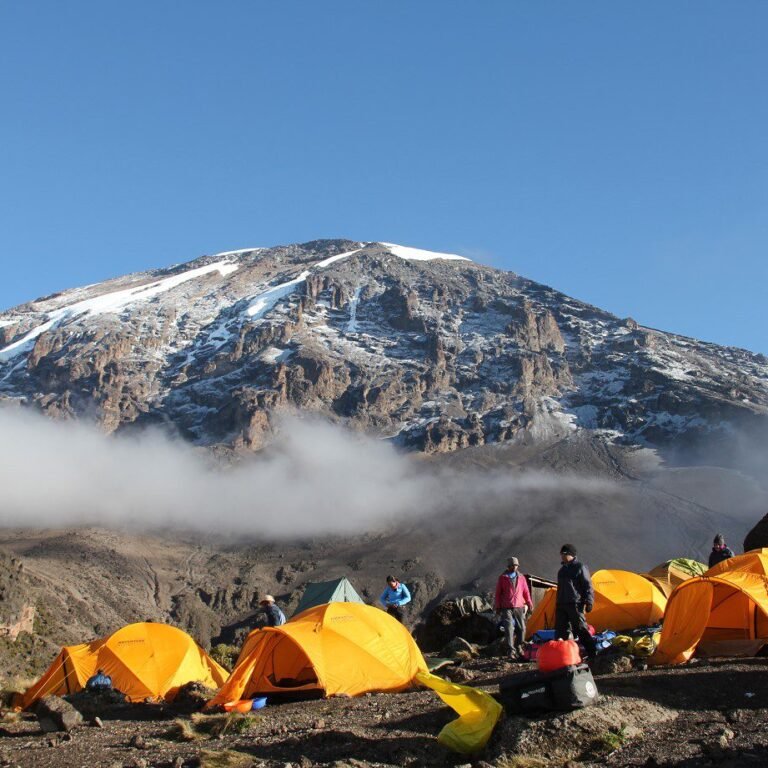
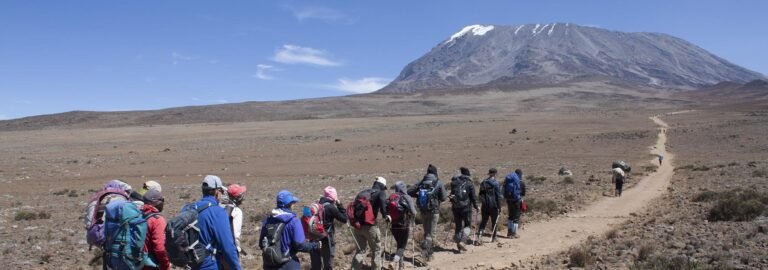
Discover Kilimanjaro’s diverse base camps and campsites along its popular routes. Each route, from the scenic Machame to the tranquil Lemosho, offers unique resting points with stunning views and varying altitudes. Experience the rustic charm of Shira Camp, the panoramic beauty of Barranco Camp, and the high-altitude challenges of Barafu Camp. Ideal for acclimatization and adventure, these camps provide essential services and breathtaking scenery. Making your climb a memorable journey through Africa’s highest peak. Kilimanjaro Base Camp – Summit Adventure Begins Here  Situated at the foothills of Mount Kilimanjaro, the Base Camp serves as a pivotal point for trekkers commencing their ascent. Located at different altitudes depending on the route chosen. The Base Camp offers a sanctuary for rest, acclimatization, and preparation for the rigorous journey ahead. It serves as a melting pot of cultures, with adventurers from all walks of life converging to pursue a common goal – reaching the summit of Africa’s tallest peak. There are five principal base camps or high camps on Mt Kilimanjaro. Each catering to different trekking routes: Barafu Camp. Kibo Hut/Camp. School Huts Camp. Choosing the Right Mountaineering Route + Campsite Kilimanjaro boasts several routes, each offering distinct experiences and challenges. From the popular Machame Route to the scenic Lemosho Route, adventurers are spoilt for choice. Factors such as duration, difficulty, and scenic beauty play a crucial role in selecting the ideal route. Understanding the nuances of each route is essential for a successful and enjoyable expedition. ✔Machame Route: The Whiskey Route: The Machame Route, often referred to as the “Whiskey Route,” is renowned for its scenic beauty and diverse terrain. As one of the most popular routes, it offers trekkers an unforgettable journey through lush rainforests, moorlands, and alpine deserts. The Machame Route typically takes around six to seven days to complete. Allowing for proper acclimatization and maximizing your chances of reaching the summit. ✔Marangu Route: The Coca-Cola Route. Contrary to the rugged terrain of the Machame Route, the Marangu Route, known as the “Coca-Cola Route,” offers a more straightforward ascent. With comfortable sleeping huts along the way, this route appeals to those seeking a less strenuous trek. However, its popularity means it can get crowded during peak seasons. Trekkers typically complete the Marangu Route in five to six days. ✔Lemosho Route: The Scenic Route. For those yearning for a quieter and more scenic experience, the Lemosho Route presents an ideal choice. This route traverses pristine wilderness and provides panoramic views of Kilimanjaro’s majestic slopes. Although slightly longer than other routes, the Lemosho Route offers excellent opportunities for acclimatization and has a high success rate for summiting. ✔Rongai Route: The Northern Route. The Rongai Route, originating from the northern side of Kilimanjaro, offers a unique perspective of the mountain. Trekkers on this route often encounter fewer crowds, making it perfect for those seeking solitude amidst nature. The Rongai Route typically takes six to seven days to complete, allowing for gradual acclimatization and increased chances of success. Mount Kilimanjaro Campsites by Route Explore Mount Kilimanjaro’s Campsites by Route, from the lush forests of Machame to the pristine wilderness of Lemosho. Discover scenic campsites like Machame Camp and Shira Camp, offering stunning views and serene surroundings. Plan your trek and experience the adventure of a lifetime on Africa’s tallest peak. ✔Lemosho Camps: On the Lemosho route, there are various camp options depending on the duration of the hike. The most common are the 6, 7, and 8-day itineraries, with different overnight stays during camping. The campsites on this route are Mti Mkubwa (2,820m), Shira Camp 1 (3,500m), Shira Camp 2 (3,850m), Barranco Camp (3,900m), Karanga Camp (3,960m), and Barafu Base Camp (4,670m), before reaching the summit (5,895m). The descent can lead to either the Millennium Camp (3,820m) or Mweka Camp (3,100m), with the finish gate being Mweka Gate (1,640m). ✔Shira Camps: The Shira route is similar to the Lemosho but starts at a higher point, resulting in inadequate or poor acclimatization. This 6-day route includes starting to stops at Simba Camp (3,630m) and Barafu Base Camp. ✔Machame Camps: The Machame route has campsites at Machame (2,820m), Shira Camp 2 (3,850m), Barranco Camp (3,900m), Karanga Camp (3,960m), Barafu Base Camp (4,670m), and Millennium Camp (3,820m) or Mweka Camp (3,100m) for the descent. The finish gate is Mweka Gate (1,640m). ✔Umbwe Camps: The Umbwe route is the shortest and most direct path up the mountain, with starting to overnight stay at Umbwe Cave Camp (2,850m), Barranco Camp (3,900m), Karanga Camp (3,960m), Barafu Base Camp (4,670m), and the Millennium Camp (3,820m) or Mweka Camp (3,100m) for the descent. The finish gate is Mweka Gate (1,640m). ✔Marangu Camps – Hut: The Marangu Route is the only one that uses hut accommodation instead of tents. It’s took 5 or 6-day route that includes an overnight stay at Mandara Hut (2,700m), Horombo Hut (3,720m), Kibo Hut (4,700m) for the summit, and then back to Horombo Hut before descending to Mweka Gate (1,640m). ✔Rongai Camps: The Rongai route starts from the North of the mountain and starting to overnight stay at Simba Camp (2,625m), Second Cave Camp (3,480m), Kikilewa Camp (3,630m), Mawenzi Tarn Camp (4,310m), Kibo Camp (4,700m), and finally, Horombo Hut (3,720m) for the descent. The finish gate is Mweka Gate (1,640m). ✔Northern Circuit Camps: The Northern Circuit is an extension of the Lemosho route, taking a longer and quieter route around the mountain. The route start to overnight stay at Mti Mkubwa Camp (2,850m), Shira Camp 1 (3,500m), Shira Camp 2 (3,850m), Moir Hut (4,150m), Buffalo Camp (4,020m), Third Cave Camp (3,870m), and School Hut (4,750m) for the summit, before descending to either the Millennium Camp (3,820m) or Mweka Camp (3,100m). The finish gate is Mweka Gate (1,640m). ✔Mweka Camps: Nestled amidst the rugged beauty of Mount Kilimanjaro, Mweka Camps offer a serene retreat for adventurers seeking refuge after a day of exhilarating trekking. Situated at various altitudes along the mountain’s slopes, these camps provide weary climbers with a warm bed, hearty meals, and stunning views of the surrounding landscapes. In this guide, we’ll explore the allure

Where to Stay During a Tanzania Safari

Dunia Camp in Serengeti National Park

Planning where to stay during a Tanzania safari is essential for creating the perfect African wildlife experience. From luxury safari lodges to budget camping, Tanzania offers diverse accommodation options across iconic destinations like Serengeti, Ngorongoro Crater, Tarangire, and Lake Manyara. Whether you seek luxury African safari packages, mid-range comfort, or affordable Tanzania safari tours, each option blends comfort with breathtaking nature. Top-ranking Tanzania safari lodges, best places to stay in Tanzania, luxury safari camps, and budget safari accommodation reflect the growing demand for unforgettable travel experiences. Visitors can enjoy all-inclusive safari packages, family-friendly lodges, honeymoon safari camps, and eco-friendly stays. Choosing the right accommodation enhances your wildlife safari, ensuring comfort, safety, and proximity to game viewing while delivering a once-in-a-lifetime Tanzania safari holiday filled with adventure, relaxation, and authentic African hospitality. Tanzania Safari Lodges Tanzania safari lodges offer some of the best luxury safari experiences in Africa, combining comfort, elegance, and prime wildlife viewing locations. These lodges are often located in world-famous parks like Serengeti National Park and Ngorongoro Crater, providing stunning views and easy access to the Big Five safari. Popular, such as luxury safari lodges in Tanzania, best safari lodges in Africa, and all-inclusive Tanzania safari, highlight their appeal. Guests enjoy spacious rooms, fine dining, swimming pools, spa services, and guided game drives. Ideal for families, honeymoon couples, and luxury travelers, these lodges deliver premium services with eco-friendly practices. Whether you choose a high-end lodge or mid-range accommodation, Tanzania safari lodges guarantee comfort, safety, and unforgettable wildlife encounters, making them a top choice for travelers seeking a seamless and luxurious African safari experience. Tanzania Tented Lodges Tanzania’s tented lodges provide a unique blend of luxury and adventure, offering guests the feel of being close to nature without sacrificing comfort. These accommodations are popular in top safari destinations like Serengeti and Tarangire, making them ideal for wildlife enthusiasts searching for authentic African safari experiences like luxury tented lodges in Tanzania, safari glamping Africa, and best tented safari camps rank highly in search engines. Tented lodges feature permanent structures with en-suite bathrooms, comfortable beds, and private verandas overlooking the wilderness. They are perfect for honeymoon safaris, romantic getaways, and family adventures. Guests can enjoy guided safaris, bush dinners, and cultural experiences. Combining eco-conscious design with modern amenities, Tanzania tented lodges offer an immersive safari stay that connects travelers with nature while maintaining high standards of comfort and service. Tanzania Tented Camps Tanzania’s tented camps are among the most authentic and immersive ways to experience an African safari. Located deep within national parks like Serengeti, these camps bring you closer to wildlife, often allowing you to hear lions roaring or elephants passing nearby. High-ranking include Tanzania tented camps, mobile safari camps, and Serengeti safari camps. These camps range from luxury to mid-range, offering comfortable beds, en-suite bathrooms, and personalized service. Mobile camps follow the Great Migration, making them ideal for travelers seeking front-row wildlife experiences. Perfect for photographers, solo travelers, and adventure seekers, tented camps provide a balance between comfort and wilderness. With guided game drives, campfire dinners, and eco-friendly operations, Tanzania’s tented camps create unforgettable safari memories in the heart of Africa’s most iconic landscapes. Tanzania Budget or Basic Camping For travelers seeking affordable Tanzania safari tours, budget or basic camping is an excellent option. This style of accommodation is popular among backpackers, students, and adventure travelers looking for low-cost safari experiences without missing out on wildlife encounters, such as budget safari Tanzania, cheap Tanzania safari, and camping safari Africa, which are highly searched online. Campsites are usually located within or near national parks like Tarangire and Lake Manyara. Guests typically sleep in dome tents with shared facilities, while meals are prepared by safari chefs. Despite the simplicity, budget camping offers an authentic connection to nature, with nights spent under the African sky. It’s ideal for those prioritizing adventure and affordability while still enjoying guided game drives and exploring Tanzania’s rich wildlife and landscapes. City Hotels/Lodges City hotels and lodges in Tanzania are essential for starting or ending your safari journey, especially in hubs like Arusha, Dar es Salaam, and Zanzibar. These accommodations range from luxury hotels to budget-friendly options, catering to all types of travelers. Popular include Tanzania city hotels, Arusha safari hotels, and best hotels in Dar es Salaam. Guests can enjoy modern amenities such as Wi-Fi, restaurants, swimming pools, and airport transfers. City lodges are perfect for relaxation before or after a safari, offering easy access to local attractions, cultural tours, and shopping. Ideal for business travelers, families, and transit guests, these hotels provide comfort and convenience. Staying in a city hotel ensures a smooth travel experience while connecting you to Tanzania’s vibrant urban culture and hospitality. All You Need to Know to Climb Mt Kilimanjaro Best Tanzania Safari Lodges & Camps Ultimate 2-Week Tanzania & Zanzibar Safari Itinerary & Costs How Much Does It Cost to Climb Kilimanjaro Tanzania Luxury Safari Lodges Final Thought Choosing where to stay during a Tanzania safari greatly influences your overall experience, from luxury safari lodges to budget camping adventures. With top destinations like Serengeti, Ngorongoro, and Tarangire offering diverse accommodation options, travelers can find the perfect fit for their style and budget, such as Tanzania safari accommodation, the best places to stay in Tanzania, and African safari lodges. Emphasizing the importance of selecting the right stay. Whether you prefer luxury, mid-range, or budget options, each provides unique opportunities to experience Tanzania’s wildlife and landscapes. By choosing wisely, you enhance comfort, safety, and access to unforgettable game viewing, ensuring your Tanzania safari becomes a truly memorable and rewarding African adventure. What Types of Accommodation Are Available on a Tanzania Safari Tanzania safari accommodation ranges from budget camping to ultra-luxury lodges, giving travelers flexibility based on comfort and budget. In iconic destinations like Serengeti National Park and Ngorongoro Crater, you’ll find tented camps, mid-range lodges, and high-end safari resorts. Budget camping offers a raw, immersive bush experience, while mid-range lodges provide comfort with en-suite rooms and dining facilities. Luxury lodges and

Interesting Facts About Mount Kilimanjaro

Top 10 places for the best photographs on Mount Kilimanjaro, Training For Kilimanjaro, Fitness, Strength & Altitude Training Program, Best Things To Do After Climbing Kilimanjaro, Climb Kilimanjaro Without A Guide - Is It Possible? 7 Day Lemosho Route | All inclusive Kilimanjaro Climb Packages, Mount Kilimanjaro History, What are the Most Dangerous Routes on Kilimanjaro? Can You Get Phone Signal On Kilimanjaro? Kilimanjaro Weather, Shira Route, Why Mount Kilimanjaro Is A Top Tourist Attraction Post Pandemic, What Camera Should I Bring on Mount Kilimanjaro?, Best Base Layers & Hiking Shirts for Climbing Kilimanjaro, Climbing Kilimanjaro in June, Gates of Kilimanjaro National Park, How to Choose the Best Kilimanjaro Tour Operators, Where to see the best sunrises and sunsets on Kilimanjaro, all-inclusive Kilimanjaro climbing Packages, Shira Plateau: The Volcano That Collapsed on Kilimanjaro., What’s The Difference Between the 6- and 7-Day Machame Route?, What Headwear Should I Bring to Climb Kilimanjaro?, What are the Best Snacks for Climbing Kilimanjaro?, Climbing Kilimanjaro for Down Syndrome, Where to Get the Best Stock Images and Footages of Kilimanjaro, A Step-by-Step Guide to Booking Your Kilimanjaro Climb, Comparing Mauna Kea, Everest, and Kilimanjaro, Kilimanjaro Geology, Is Mount Kilimanjaro an Active Volcano, Water Bottles and Water Bladders on Kilimanjaro

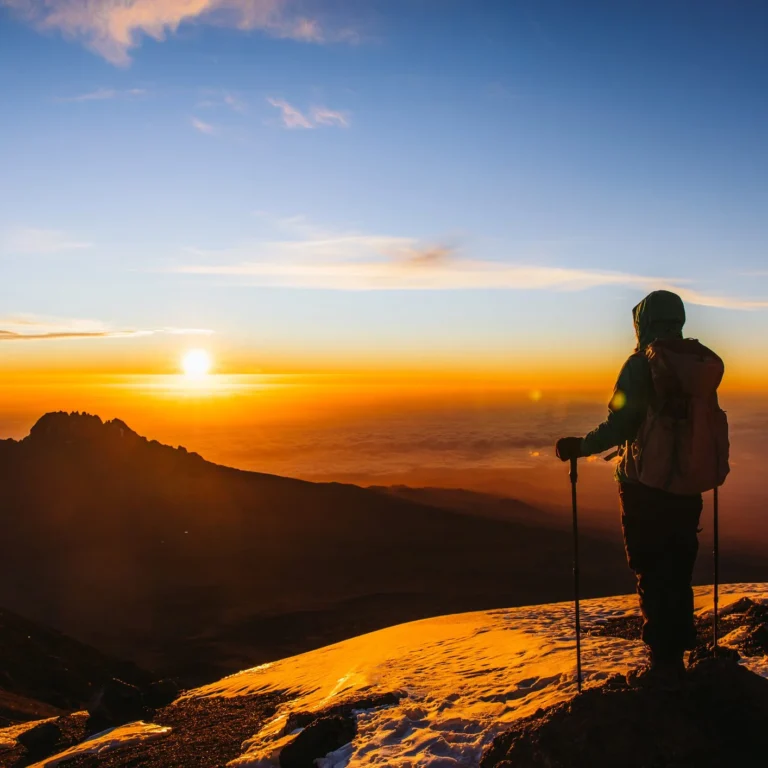
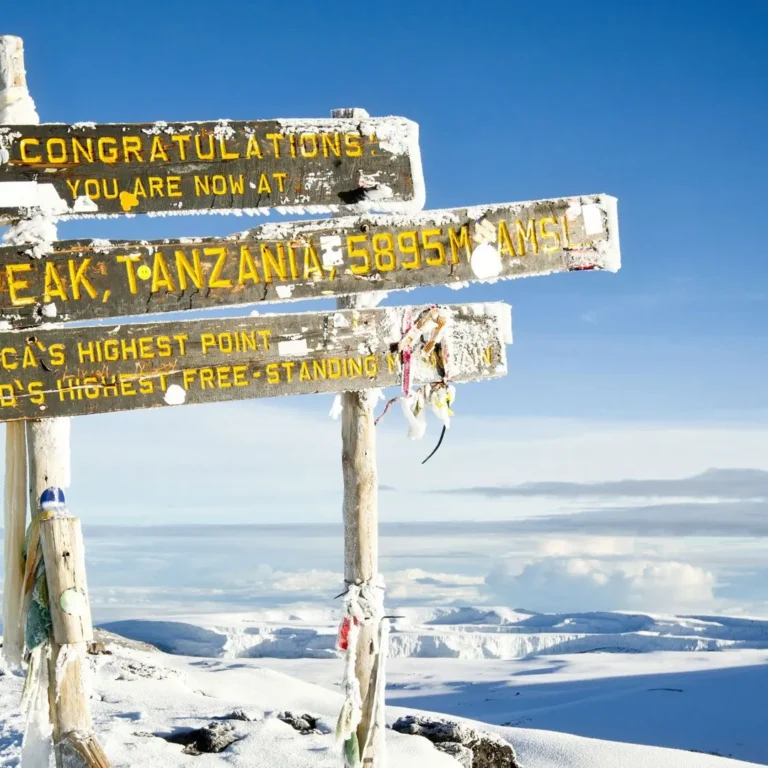
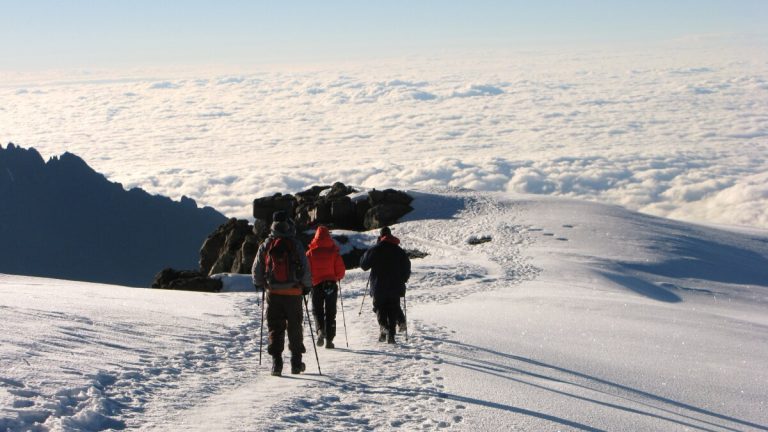
Mount Kilimanjaro, a name that resonates with adventure and awe, a geological masterpiece and the undisputed monarch of the African continent. Rising majestically from the vast plains of Tanzania. This iconic peak is not just a physical challenge but a testament to nature’s grandeur and a living laboratory of diverse ecosystems. Its unique characteristics and compelling history make it a subject of endless fascination. Mount Kilimanjaro, situated in Tanzania, is a dormant volcano and the continent’s highest peak, renowned for its impressive height and diverse ecosystems. It’s also one of the “Seven Summits” and a UNESCO World Heritage site. It’s the world’s tallest free-standing mountain, meaning it’s not part of a mountain range. 1. Mount Kilimanjaro is one of the seven summits For mountaineers around the globe, the Seven Summits represent the ultimate climbing challenge. The highest peak on each of the world’s seven continents. Kilimanjaro proudly stands as Africa’s representative on this elite list. It draws thousands of aspiring climbers each year. While it may not demand the technical climbing prowess of Everest or the extreme cold of Vinson Massif. Its sheer altitude and the physical endurance required make it a significant accomplishment in the world of high-altitude trekking. Mount Kilimanjaro is the tallest mountain in Africa, making it one of the seven summits. Here are the seven summits in order from highest to lowest. Asia: Everest (29,035’/8850m) South America: Aconcagua (22,834’/6960m) North America: Denali (20,310’/6,190m) Africa: Kilimanjaro (19,340’/5895m) Europe: Elbrus (18,513’/5642m) Oceania: Carstensz Pyramid (16,023’/4884m) Mount Vinson is the highest peak in Antarctica, at 4,892 meters (16,050 ft) 2. Mount Kilimanjaro Stands on Its Own Unlike most towering peaks that part of extensive mountain ranges. Kilimanjaro a free-standing mountain. This geological peculiarity means it rises in magnificent isolation, a solitary sentinel dominating the horizon. This distinct feature contributes to its breathtaking visual appeal. Allowing its colossal form to be admired from hundreds of kilometers across the plains of Tanzania and even Kenya. Its stand-alone nature also influences the unique weather patterns and distinct ecological zones that define its slopes. 3. The Mountain is on the Equator Perhaps one of the most surprising facts about Kilimanjaro its location. It lies just south of the equator, approximately three degrees latitude. This geographical placement, typically associated with hot, humid climates, makes the existence of Kilimanjaro’s permanent ice cap and glaciers a remarkable paradox. It is the mountain’s immense altitude that defies the tropical norm, creating a temperature gradient that supports an arctic environment at its summit. Truly extraordinary phenomenon so close to the Earth’s thermal heart. 4. Three Volcanic Cones Created It Kilimanjaro its not a single, uniform peak but a colossal stratovolcano forged by the union of three distinct volcanic cones. Kibo, Mawenzi, and Shira. Kibo, the youngest and most dominant, houses Uhuru Peak, the mountain’s highest point and the ultimate goal for climbers. To the east, Mawenzi presents a rugged, eroded profile, while Shira, the oldest and largely collapsed caldera, forms the western shoulder of the massif. Over millennia, eruptions from these three vents built up the massive structure that now commands the Tanzanian skyline. 5. Kilimanjaro Isn’t Dead; It’s Dormant While its last major eruption, estimated to have occurred between 150,000 and 200,000 years ago, Kilimanjaro is classified as a dormant volcano, not extinct. This means it is merely in a deep slumber and retains the potential for future activity, though no immediate signs suggest an impending eruption. Evidence of its volcanic nature can still be observed in the form of fumaroles – vents releasing steam and gases – within Kibo’s crater, a subtle reminder of the immense forces simmering beneath its icy crown. 6. No One Knows the Real Meaning of ‘Kilimanjaro’ The very name “Kilimanjaro”, steeped in mystery, its precise meaning lost to the mists of time and linguistic debate. Various theories exist, often combining words from local languages such as Swahili and Kichagga. Some popular interpretations suggest “Mountain of Greatness” or “Mountain of Light.” Another intriguing theory proposes a fusion of “Kilima” (Swahili for hill/mountain) and “Njaro” (Kichagga for whiteness or shining), referring to its distinctive snow-capped peak. Regardless of its true etymology, the name itself adds to the mountain’s allure and mystique. 7. The First Mount Kilimanjaro Ascent Was More Than a Century Ago The summit of Kilimanjaro was first officially reached on October 6, 1889. The pioneering team comprised German geographer Hans Meyer, Austrian mountaineer Ludwig Purtscheller, and a local guide named Yohanas Kinyala Lauwo. Their arduous and persistent efforts marked a significant chapter in the history of exploration and mountaineering, dispelling earlier doubts about the possibility of reaching the peak and opening the way for countless adventurers who would follow in their footsteps. 8. Half of the People Who Attempt Kilimanjaro Fail Despite being a non-technical climb that doesn’t require specialized mountaineering equipment, such as ropes or ice axes, Kilimanjaro is by no means an easy feat. A significant challenge is its immense altitude, which leads to altitude sickness, inadequate acclimatization, and poor physical preparation are significant factors contributing to failed attempts. Statistics show that approximately half of all individuals who attempt to summit Kilimanjaro do not reach the top. Symptoms can range from headaches and nausea to more severe conditions. Success largely hinges on slow and steady ascent, allowing the body ample time to acclimatize, coupled with proper physical preparation. 9. The fastest time to climb Kilimanjaro was only 4 hours and 56 minutes While the average climb to Kilimanjaro’s summit spans 5 to 9 days, a few extraordinary athletes have pushed the limits of speed and endurance. The current record for the fastest ascent and descent is held by Swiss-Ecuadorian mountaineer Karl Egloff, who achieved the incredible feat in just 6 hours and 42 minutes in 2014. These astonishing records showcase the peak physical conditioning and mental fortitude required to conquer the mountain at such an extreme pace. 10. The Young and the Old Have Conquered Kilimanjaro Kilimanjaro’s magnetic draw knows no age limits. The youngest person reported to

Best Places To See Rhinos on Safari in Tanzania

Fascinating Facts About the Black Rhino, Mind-blowing facts about the Big Five of Africa, All-inclusive Tanzania Safari, Best Places to See the Big 5 on Safari in Africa, Rhino Africa: Book African Safaris, Tours & Experiences

Tracking black rhinos in Tanzania is one of the most rewarding experiences on an African safari, offering rare encounters in pristine wilderness. From the iconic plains of Serengeti National Park to the dramatic crater floor of Ngorongoro Conservation Area, these endangered giants thrive in protected habitats. Travelers seeking Tanzania safari tours, luxury safari Tanzania, or budget safari Tanzania will find rhino sightings both thrilling and meaningful. Conservation efforts across national parks and reserves have improved sightings, making Tanzania a top destination for wildlife safaris in Africa. Whether on a family safari in Tanzania, a honeymoon safari in Africa, or a private safari in Tanzania, spotting rhinos adds a powerful conservation story to your journey. Expect expert guides, scenic landscapes, and unforgettable moments in some of Africa’s finest wilderness areas. 1. Serengeti National Park Serengeti National Park is globally renowned for the Great Migration in Tanzania, but it also offers opportunities to see the elusive black rhino safari Tanzania, especially in the Moru Kopjes region. Here, black rhinos (Diceros bicornis) live in the park’s western woodlands and rocky kopjes, particularly in areas like Moru and the central western corridor. Although sightings can be rare and require patience, tracking rhinos with an experienced guide on an early morning drive can be incredibly rewarding. This UNESCO-listed ecosystem provides a classic African wildlife safari experience with vast savannahs, predators, and rare species. While rhino sightings are not guaranteed, guided private safari tours in Tanzania increase your chances with expert tracking. Visitors can combine rhino spotting with luxury safari lodges in the Serengeti, fly-in safaris in Tanzania, and photographic safaris in Africa. The Serengeti remains a bucket-list destination for those seeking the best places to see rhinos in Africa alongside lions, elephants, and cheetahs. Its breathtaking scenery and biodiversity make it ideal for family safari packages in Tanzania and honeymoon safaris in the Serengeti. 2. Tarangire National Park Tarangire National Park is famous for elephants and baobab trees, but occasional sightings of black rhinos on a Tanzania safari have been recorded in its remote areas. Though not a primary rhino destination, it remains a key stop on northern circuit Tanzania safari itineraries. Travelers enjoy budget safari Tanzania, mid-range safari lodges in Tarangire, and scenic game drives rich in wildlife diversity. Tarangire’s seasonal swamps attract large herds, creating unforgettable wildlife viewing Tanzania experiences. Tarangire is especially magical during the dry season (June–October), when wildlife converges on the Tarangire River. Combining Tarangire with Serengeti safari tours and Ngorongoro Crater safari enhances the chances of spotting rare species. It’s perfect for family safari Tanzania packages and short safari tours Tanzania from Arusha, offering excellent value and authentic wilderness. 3. Lake Manyara National Park Lake Manyara National Park offers lush forests and diverse ecosystems, making it a scenic stop on Tanzania safari tours. Although rhino sightings in Tanzania are extremely rare here, the park contributes to the broader conservation network supporting endangered species. Visitors enjoy tree-climbing lions in Tanzania, flamingos, and rich birdlife, making it ideal for a birdwatching safari in Africa and a family safari in Tanzania. Lake Manyara is often included in budget safari Tanzania and luxury safari northern circuit Tanzania itineraries. Its proximity to Ngorongoro enhances combined experiences, increasing overall chances of spotting rhinos elsewhere. This park is perfect for travelers seeking short safari Tanzania, photographic safari Tanzania, and scenic landscapes in a compact yet diverse environment. 4. Arusha National Park Arusha National Park is a hidden gem near the safari gateway city, offering walking safaris and canoeing experiences. While black rhino sightings in Tanzania are not common, the park plays an important role in conservation awareness. Travelers enjoy views of Mount Meru, Tanzania, diverse habitats, and close wildlife encounters. It’s ideal for day trips, safari in Tanzania, and short luxury safari experiences in Tanzania. Arusha National Park is often combined with Kilimanjaro safari tours or longer northern circuit safari Tanzania itineraries. Its accessibility makes it perfect for family safaris in Tanzania, budget safaris in Arusha, and travelers starting their adventure. Though rhinos are rare, the park offers a unique introduction to Tanzania’s wildlife diversity. 5. Mkomazi Game Reserve Mkomazi Game Reserve is one of the best places to see rhinos in Tanzania, thanks to its dedicated sanctuary protecting endangered black rhinos in Africa. Located near the Kenyan border, it offers exclusive rhino tracking safari Tanzania experiences. Visitors can witness conservation success stories while enjoying uncrowded landscapes. Mkomazi is also home to African wild dogs, making it a top choice for a wildlife safari off the beaten path in Africa. With limited visitor numbers, it provides a private safari Tanzania feel, ideal for luxury safari Tanzania and conservation-focused travelers. This reserve is perfect for those seeking authentic, meaningful encounters with rare species and supporting sustainable safari Tanzania initiatives. 6. Ruaha National Park Ruaha National Park is Tanzania’s largest national park and a prime destination for the southern circuit safari in Tanzania. While rhino safari Tanzania sightings are extremely rare here, Ruaha offers exceptional biodiversity and remote wilderness. Known for large lion prides and elephant herds, it is perfect for a luxury safari in southern Tanzania and fly-in safari experiences in Tanzania. The park’s rugged landscapes and low visitor numbers create an authentic African safari adventure. Travelers combine the Ruaha with the Nyerere National Park safari for extended exploration. Though rhinos are not its highlight, Ruaha remains a top destination for wildlife photography safari Africa and those seeking untouched nature. 7. Mikumi National Park Mikumi National Park is easily accessible from Dar es Salaam, making it ideal for short safari Tanzania and weekend safari trips Tanzania. While black rhinos in Tanzania are not present, Mikumi offers classic savannah wildlife experiences with lions, giraffes, and zebras. It is popular for budget safari Tanzania, family safari Tanzania, and first-time visitors. Often combined with Ruaha safari tours or Nyerere National Park safari, Mikumi provides a convenient introduction to Tanzania’s wildlife. Although not a rhino destination, it plays a role in broader conservation awareness and is perfect for travelers seeking

Things you need to know about a Tanzania Safari

The tents at Mara Kati Kati are meticulously designed to blend the essence of classic safari adventures with modern comforts. Each tent is furnished with plush bedding, locally inspired décor, and ensuite bathrooms equipped with hot showers and eco-friendly toiletries. The subtle lighting, soft linens, and rustic yet sophisticated furnishings create an ambiance that seamlessly merges the raw beauty of the wilderness with the elegance of a homey accommodation. 14 Days Ultimate Tanzania Safari, Travel Tips for Planning a Last-Minute Safari, Tanzania Safari Itinerary, Safari Circuits in Tanzania, Where to Go on an African Safari in October, Where To Go on an African Safari in November, Where To Go on an African Safari in May, Where to Go on an African Safari in January, February to March, Tanzania Royal Safari, Capture Breathtaking Moments: Photographic Safaris in Tanzania, Serengeti and Kruger: Which Is Better for an African Safari? Essential Steps to Planning the Ultimate Couple's Adventure Trip, African Safari FAQs, Serengeti in October, Serengeti in January: A Dry Season Adventure, 10 Things to Know Before Going on a Safari in Tanzania, 10 Tanzania food that will make your mouth water, Discover the Magic of Tanzania, Top Family-Friendly Activities in Tanzania, Plan the Perfect Surprise Getaway for Your Partner, Paying the balance amount for your Safari in Tanzania, Which is better Serengeti national park or Ngorongoro crater, Everything you need to know before booking your first African safari, Spectacular Tanzania Safari, Classic African Safaris, Tanzania Destination Management Company, Local Tour Operators for Safari in Tanzania, Best Serengeti Safari Tour, When to go on a family safari in Tanzania

A Tanzania Safari is the ultimate African safari experience, blending wildlife safari tours, dramatic landscapes, and authentic culture. From the endless plains of Serengeti National Park to the wildlife-rich Ngorongoro Crater, travelers encounter iconic animals and breathtaking scenery. Expect luxury safari lodges, budget safari packages, and all-inclusive Tanzania safaris tailored to every traveler. Whether you seek a honeymoon safari, family safari holidays, or solo travel adventures, Tanzania offers it all. With expert guides, diverse ecosystems, and unforgettable moments, a Tanzania wildlife safari is truly a once-in-a-lifetime journey filled with discovery, excitement, and natural beauty. A Tanzania safari offers unparalleled wildlife viewing, including the Great Migration and the Big Five, but requires careful planning regarding timing, packing, and health. Key essentials include taking malaria medication, packing layers for cold mornings, using soft-sided luggage, and preparing for long, bumpy drives on dirt roads. Best Time to Visit (Dry Season) The best time to visit Tanzania safari destinations is during the dry season in Tanzania from June to October. This is peak safari season, when wildlife gathers around water sources, making game drives incredibly rewarding. Parks like Tarangire National Park and Serengeti National Park offer excellent visibility and abundant animal sightings. The weather is pleasant, with clear skies perfect for photographic safaris. Although it’s the high season safari Tanzania, prices may be higher, but the experience is unmatched. For those seeking luxury Tanzania safari packages or Great Migration safaris, this period guarantees unforgettable wildlife encounters and optimal travel conditions. The Great Migration The Great Migration in Tanzania is one of the world’s most spectacular wildlife events, featuring millions of wildebeest, zebras, and gazelles crossing the plains of Serengeti National Park. This Great Migration safari includes dramatic river crossings and predator action, making it a top bucket list safari experience in Africa. Timing is key, as the migration moves year-round, but peak moments occur between July and October in the northern Serengeti. A luxury migration safari or fly-in safari in Tanzania enhances access to remote areas. Witnessing this natural wonder is a highlight of any Tanzania wildlife safari, offering unmatched excitement and unforgettable photographic opportunities. The southern Serengeti calving season occurs from January to March, primarily in the Ndutu and Ngorongoro conservation areas, where nearly 2 million wildebeest gather. Over 8,000 wildebeest calves are born daily during this period, feeding on nutrient-rich grasses and attracting high predator activity, particularly from lions, cheetahs, and hyenas. Top Safari Circuits Tanzania features iconic safari circuits, including the popular Northern Circuit. This route covers Tarangire National Park, Lake Manyara National Park, Serengeti National Park, and Ngorongoro Crater, offering diverse wildlife and landscapes. The Southern Circuit, including Ruaha National Park and Nyerere National Park, is ideal for off-the-beaten-path safaris with fewer crowds. Choosing the right Tanzania safari itinerary depends on your interests, whether you’re interested in big-game safaris, birdwatching, or luxury African safari tours. Each circuit delivers unique and unforgettable experiences. The Western Circuit (Chimpanzees & Untouched Nature): A highly remote circuit suited for seasoned safari-goers, focusing on aquatic adventures and primate trekking, including Mahale Mountains National Park, Gombe Stream National Park, and Katavi National Park. Summary: North vs. South vs. West. Northern Circuit: Best for the classic “bucket list” safari (Migration, Big 5), higher crowds, and easier driving distances. Southern Circuit: Best for peace, boat safaris, walking, and exclusivity. Western Circuit: Best for primate trekking (chimps) and serious remote adventure. The Big Five and More A Big Five safari in Tanzania promises sightings of lion, leopard, elephant, buffalo, and rhino. Destinations like Ngorongoro Crater and Serengeti National Park are renowned for these iconic animals. Beyond the Big Five, expect cheetahs, giraffes, hippos, and diverse birdlife, making it perfect for wildlife photography safari enthusiasts. Tanzania’s rich biodiversity ensures every African wildlife safari is filled with surprises. Whether you’re on a luxury safari in Africa or a budget safari in Tanzania, the variety of species and ecosystems guarantees thrilling encounters and unforgettable memories in the wild. Long, Bumpy Days A Tanzania safari experience often involves long, bumpy drives across rugged terrain. Game drives in parks like Tarangire National Park and Serengeti National Park can last several hours, especially when tracking wildlife. These journeys are part of the adventure, offering incredible views and unexpected animal sightings. Comfort varies depending on your safari tour package in Tanzania, from luxury safari vehicles to standard 4x4s. Patience and flexibility are essential for a successful African safari tour, as wildlife viewing depends on nature. Despite the challenges, every moment adds to the excitement of your safari. Packing Essentials Packing for a Tanzania safari requires smart planning. Essential safari packing list: Tanzania items include lightweight clothing, neutral colors, sunscreen, hats, and binoculars. Comfortable shoes are vital for walking safaris or lodge activities. Don’t forget a camera for your photographic safari in Africa. Weather can vary, so layers are recommended, especially in areas like Ngorongoro Crater. A well-prepared traveler enjoys a smoother safari holiday in Tanzania. Whether on a luxury safari tour or a budget safari trip, having the right gear enhances comfort and ensures you’re ready for every wildlife encounter. Cash and Currency Understanding Tanzania currency safari logistics is essential. The local currency is the Tanzanian Shilling, but US dollars are widely accepted for safari tours in Tanzania. Carry small denominations for tips, local markets, and optional activities. ATMs are available in cities like Arusha, but are limited in remote safari areas. Many luxury safari lodges accept credit cards, though cash is preferred in some locations. Proper planning ensures a smooth Tanzania travel experience. Budgeting for tips, souvenirs, and extras is key to enjoying your African safari holiday without financial stress. Health and Safety Health is a priority on any Tanzania safari tour. Consult your doctor about vaccinations and malaria prevention before traveling. Parks like Serengeti National Park are safe when guided by professionals. Follow all safety instructions during game drives and lodge stays. Travel insurance is highly recommended for African safari trips. Drinking bottled water and maintaining hygiene ensures a safe journey. Tanzania is

how long a Tanzania safari should be

Discover Zanzibar Beach Resort where friendship begins, true hospitality has always been the fabric of the Resort., How Long Should You Spend In A Tanzania Safari?, Tips for Planning a Last-Minute Spring Vacation, Most Remote Places In Africa Worth Visiting, A Solo Travellers Guide to Tanzania, Tanzania Souvenirs, Essential Gadgets for the Independent Solo Traveler

Planning the ideal Tanzania safari duration is key to unlocking an unforgettable African adventure. Whether you’re dreaming of a luxury Tanzania safari, a budget Tanzania safari, or a family safari in Tanzania, the number of days you choose directly impacts your wildlife experiences, comfort, and overall value. From short African safari tours to extended Tanzania safari packages, each option offers a unique balance of game drives, landscapes, and cultural encounters. Popular routes include the Northern Circuit safari featuring the Serengeti safari, Ngorongoro Crater safari, and Tarangire National Park safari. Understanding how long to spend ensures you maximize sightings of the Big Five safari in Tanzania, enjoy seamless travel, and create lifelong memories tailored to your interests and budget. 3 – 5 Day Tanzania Safari (The “Sweet Spot”) A 3–5 day Tanzania safari is perfect for travelers seeking a compact yet rewarding African safari experience. Ideal for first-time visitors or those on a budget safari in Tanzania, this timeframe focuses on key highlights like the Ngorongoro Crater safari and the Tarangire National Park safari. These short Tanzania safari tours deliver excellent chances to spot the Big Five in Tanzania without long travel times. Often starting from Arusha, these short Tanzania safari packages are efficient and affordable. While you may miss a deeper exploration of the Serengeti safari, this “sweet spot” balances cost, time, and wildlife viewing—making it one of the most popular options for a quick Tanzania safari getaway. 5 – 7 Day Tanzania Safari A 5–7 day Tanzania safari offers a more immersive and flexible African wildlife safari Tanzania experience. This duration allows you to combine top destinations like the Serengeti National Park safari, Ngorongoro Crater, and Lake Manyara National Park safari. With more time, you can witness diverse ecosystems and increase your chances of seeing predators during a Big Cats safari in Tanzania. These mid-range Tanzania safari packages or luxury safari Tanzania tours provide a comfortable pace with extended game drives and scenic landscapes. It’s also ideal for capturing the Great Migration in Tanzania (season permitting). This timeframe is perfect for travelers wanting a richer, well-paced Tanzania safari itinerary. 8 – 14 Day Tanzania Safari An 8–14-day Tanzania safari is the ultimate choice for a deep and diverse African safari tour in Tanzania. This extended journey covers multiple ecosystems, including the Serengeti safari, Ngorongoro Conservation Area, Tarangire National Park, and even remote gems like Lake Natron. With more time, you can follow the Great Migration safari in Tanzania, enjoy off-the-beaten-path experiences, and relax in luxury safari lodges in Tanzania. These longer Tanzania safari packages are ideal for honeymoon safaris in Tanzania, family safaris in Tanzania, or photographic safaris in Tanzania. You can also combine bush adventures with a Zanzibar beach holiday. This duration ensures a comprehensive, unhurried, and truly unforgettable safari experience. 14+ Day Tanzania Safari A 14+ day Tanzania safari delivers the most complete and luxurious African safari experience in Tanzania. Perfect for travelers seeking a premium Tanzania safari package, this timeframe allows exploration of both northern and southern circuits, including the Serengeti, Ruaha National Park, and Selous Game Reserve safari. You can fully immerse yourself in wildlife, culture, and relaxation while enjoying all-inclusive luxury safari Tanzania services. These extended trips are ideal for combining safari and Zanzibar beach holidays, cultural visits, and exclusive fly-in safari Tanzania experiences. With ample time, you maximize wildlife sightings, including rare species, making it the ultimate bucket list Tanzania safari adventure. Key Factors Influencing Your Tanzania Safari Duration Tanzania safari durations typically range from 3 to 10+ days, heavily influenced by the chosen circuit (Northern vs. Southern), budget, seasonal wildlife migration patterns, and preferred pace. Key factors include focusing on specific parks, the need to witness the Great Migration, and balancing game drives with rest. Destinations & Geography The size and diversity of Tanzania greatly influence your Tanzania safari itinerary. Covering vast areas, top parks like the Serengeti National Park safari, Ngorongoro Crater safari, and Tarangire National Park safari require travel time between them. A shorter Tanzania safari tour may limit you to nearby parks, while longer trips allow deeper exploration. Remote destinations like Ruaha National Park safari or Selous safari in Tanzania need extra days due to the distance. Choosing the right Tanzania safari duration ensures you balance travel time with game viewing. Efficient planning is key to maximizing your African safari Tanzania experience without feeling rushed. The Great Migration The Great Migration in Tanzania is one of the biggest factors when deciding on your Tanzania safari length. This spectacular movement of millions of wildebeest across the Serengeti ecosystem varies by season and location. To fully experience a Great Migration safari in Tanzania, you may need at least 7–10 days. Shorter trips might miss key moments like river crossings. Timing your Serengeti safari tour correctly ensures unforgettable wildlife action. Many travelers extend their Tanzania safari packages specifically to witness this natural wonder, making it a top priority when planning your itinerary. Season & Visibility The time of year significantly impacts your Tanzania safari experience. The dry season (June to October) offers the best wildlife viewing in Tanzania, with animals gathering around water sources. This is ideal for shorter Tanzania safari tours. In contrast, the green season provides lush landscapes and fewer crowds but may require longer stays to spot wildlife. Understanding the best time for a Tanzania safari helps determine how many days you need. Seasonal changes also affect accessibility to parks, making careful planning essential for a successful African safari in Tanzania. Budget & Accommodation Your budget plays a major role in shaping your Tanzania safari duration. Luxury Tanzania safari lodges, mid-range safari camps, and budget safari Tanzania options all influence how long you can stay. Shorter safaris are more affordable, while longer all-inclusive Tanzania safari packages provide greater value per day. Costs include park fees, accommodation, transport, and guides. Travelers seeking a cheap Tanzania safari may opt for fewer days, while those choosing high-end safari Tanzania experiences often extend their trips. Balancing cost with comfort ensures the best

Why Tanzania safari holidays are not cheap

Farm of Dream Lodge, What foods can you enjoy on a safari holiday, Why Tanzania Safari Holidays Aren't Cheap?

Tanzania safari holidays are often described as once-in-a-lifetime experiences—and for good reason. From the endless plains of the Serengeti National Park to the wildlife-rich Ngorongoro Crater, these iconic destinations offer unmatched encounters with nature. But one of the most common questions travelers ask is: Why are Tanzania safaris so expensive? The answer lies in a combination of conservation, logistics, exclusivity, and quality. Below is a detailed breakdown of the real reasons behind the cost of Tanzania safari holidays. Tanzania safaris are expensive due to high, government-mandated park fees, premium accommodation costs in remote areas, and the logistics of maintaining specialized 4×4 vehicles. Daily fees (e.g., ~$154 in the Serengeti), professional guide salaries, fuel, and optional flights between parks contribute to a high cost, often ranging from $200 (budget) to over $1,500 (luxury) per day. High Park Fees and Conservation Levies One of the main reasons Tanzania safari holidays are expensive is the high park fees charged by iconic destinations like Serengeti National Park and Ngorongoro Crater. These conservation levies support wildlife protection, anti-poaching efforts, and habitat preservation. Travelers on Tanzania luxury safaris or budget safari tours must pay daily entrance fees, crater service fees, and concession charges. These costs ensure sustainable tourism and protect the Big Five safari experience. While they increase overall Tanzania safari costs, they guarantee pristine landscapes and unmatched wildlife encounters. Investing in conservation makes Tanzania one of the best safari destinations in Africa, offering authentic, eco-friendly safari experiences that justify the premium price of Tanzania safari packages. Exclusive and Remote Locations Tanzania safari destinations are often located in remote and exclusive areas, far from urban centers. Places like Tarangire National Park and Ruaha National Park offer untouched wilderness, making them ideal for luxury African safari packages. However, accessing these remote safari locations requires long drives or charter flights, increasing travel costs. The exclusivity ensures fewer crowds, private game drives, and personalized safari experiences. These off-the-beaten-path safari destinations are highly sought after by travelers seeking authentic African safaris, honeymoon safaris, and luxury safari tours. The remoteness enhances the adventure while contributing to the higher price of Tanzania safari holidays. All-Inclusive Logistics Tanzania safari packages are typically all-inclusive, covering accommodation, meals, park fees, transport, and guided game drives. From airport transfers in Arusha to daily safari excursions, everything is carefully arranged. This seamless experience is a major reason why Tanzania safari holidays cost more. Tour operators coordinate logistics such as 4×4 safari vehicles, fuel, permits, and experienced guides. Whether it’s a family safari, honeymoon safari, or private safari tour, the convenience of all-inclusive packages adds value. Travelers enjoy stress-free planning, making Tanzania one of the top safari destinations in Africa for luxury and mid-range safari experiences. Expert Guides and Specialized Vehicles Professional safari guides are essential to delivering exceptional Tanzania safari experiences. Highly trained guides provide in-depth knowledge of wildlife, ecosystems, and local cultures. In parks like Lake Manyara National Park, guides enhance wildlife sightings and ensure safety. Additionally, specialized 4×4 safari vehicles with pop-up roofs, radio communication, and off-road capabilities are required. These vehicles are costly to maintain and operate. For luxury safari tours and private safaris, upgraded vehicles offer comfort and exclusivity. The expertise of guides and quality of vehicles significantly contribute to Tanzania safari costs, ensuring unforgettable wildlife adventures. Limited Supply and High Demand Tanzania is one of the most sought-after safari destinations in Africa, especially for witnessing the Great Migration in Serengeti National Park. However, the number of lodges, camps, and park permits is limited. This creates high demand for Tanzania safari holidays, particularly during peak seasons. Luxury safari lodges and boutique camps often book months in advance, driving up prices. The exclusivity ensures uncrowded wildlife viewing and premium safari experiences. High demand combined with limited supply makes Tanzania safari tours more expensive compared to other destinations, reinforcing their value and uniqueness. High Operating Costs Running safari operations in Tanzania involves significant expenses. Fuel costs, vehicle maintenance, staff salaries, and park regulations all contribute to high operating costs. Safari companies operating in regions like the Ngorongoro Conservation Area must comply with strict conservation policies. Additionally, importing equipment, maintaining lodges, and ensuring safety standards increase expenses. These costs are reflected in Tanzania safari prices. Despite this, travelers receive high-quality services, professional guides, and well-organized itineraries. The operational complexity ensures a smooth and memorable safari experience. Sustainable Tourism Practices Sustainability is a key factor in Tanzania safari pricing. Many lodges and camps in Serengeti National Park operate under eco-friendly principles, using solar power, waste management systems, and community support programs. Sustainable tourism protects wildlife and benefits local communities. Ethical safari tours prioritize conservation and cultural preservation, which increases operational costs. Travelers choosing Tanzania safari holidays contribute to responsible tourism. This commitment to sustainability makes Tanzania one of the best eco-friendly safari destinations in Africa, justifying the higher cost of safari packages. Lack of Infrastructure Many safari destinations in Tanzania have limited infrastructure, especially in remote areas like Lake Natron. Poor road conditions, limited electricity, and restricted access require specialized logistics. Safari operators must invest in off-road vehicles, backup systems, and reliable supply chains. This lack of infrastructure increases the cost of running safaris. However, it also preserves the natural beauty and authenticity of Tanzania safari destinations. Travelers seeking untouched wilderness and unique safari experiences benefit from these pristine environments, despite the higher costs. Expert Guides and Specialized Vehicles Another key factor influencing Tanzania safari costs is the continued investment in expert guides and high-quality safari vehicles. In destinations like Tarangire National Park, guides track wildlife movements and provide educational insights. Specialized vehicles are designed for comfort and optimal game viewing, essential for luxury Tanzania safari tours. Ongoing training for guides and maintenance of vehicles ensures safety and quality. This commitment enhances the overall safari experience, making Tanzania safaris among the best in Africa, but also contributing to their premium Serengeti safari cost pricing. Flights to Tanzania International and domestic flights significantly impact Tanzania safari costs. Most travelers arrive via Kilimanjaro International Airport or Julius Nyerere

Wonderful Wildlife To See During Your Tanzania Safari

Lion Safari Tanzania Serengeti National Park, Best Time To Visit Tanzania (Month by Month), What to Consider When Planning Luxury Safari in Tanzania, Top Five Tanzania Safari Companies Ranking, BookAllSafaris | All-Inclusive Tanzania Safari, The African big five and where to find them in Tanzania, Tanzania Safari Safety, big five in Tanzania, 10 Wonderful Wildlife To See During Your Tanzania Safari, 10 Different Types of African Safaris, What Will Be The Most Thrilling Event In Your Tanzania Safari? Kilimanjaro Safari - Recommended Parks to Visit, Tanzania Safari Holidays 2023/2024, Tailor-Made African Safari Vacation, Simba Safari, Lion King Tanzania Safari, Adventure, Reviews, Trips, Best Places To See Hippos In Africa, Tanzania Safari Cost, 10 Interesting Facts About Lions: The Kings of the Savanna, 10 Fascinating Facts About African Big Cats, Fastest Land Animals in the World

A Tanzania safari is one of Africa’s most extraordinary wildlife experiences, offering unmatched opportunities to witness iconic animals in their natural habitats. From the endless plains of the Serengeti National Park to the breathtaking ecosystem of the Ngorongoro Crater, this East African destination is a paradise for wildlife lovers, photographers, and adventure seekers. Tanzania wildlife safaris are famous for the Big Five, the Great Migration, and diverse ecosystems that host thousands of species. Whether you are planning a luxury Tanzania safari, a budget safari, or a family-friendly wildlife tour, the country promises unforgettable encounters. Expect close-up views of lions, elephants, giraffes, and more, all guided by experienced safari experts. This guide highlights the most wonderful wildlife to see during your Tanzania safari, helping you plan the ultimate African safari adventure. 1. Lions – Kings of the African Savannah The lion is the undisputed king of the African savannah and a highlight of any Tanzania safari tour. Found in large prides across the Serengeti National Park and Tarangire National Park, these majestic predators are known for their strength, social behavior, and thrilling hunts. Tanzania is home to one of the largest lion populations in Africa, making sightings frequent and dramatic. Visitors often witness lions resting under acacia trees or stalking prey during early morning and late evening game drives. A Tanzania wildlife safari offers the rare chance to observe these big cats in action. For photographers and wildlife enthusiasts, capturing a lion in its natural habitat is a bucket-list experience that defines the essence of an African safari adventure. 2. African Elephants – Gentle Giants of Tanzania African elephants are among the most iconic animals seen on a Tanzania safari, known for their intelligence, size, and strong family bonds. The herds in Tarangire National Park are especially abundant, with some of the highest concentrations in East Africa. These gentle giants roam freely across savannahs, woodlands, and river valleys, offering incredible viewing opportunities year-round. Watching elephants interact—protecting their young, communicating through low rumbles, and moving gracefully—is a deeply moving experience. Tanzania safari tours often include close encounters with elephants, making them a favorite for families and photographers. Whether on a luxury safari or a budget tour, seeing African elephants in the wild is a powerful reminder of nature’s beauty and the importance of conservation in Tanzania. 3. Leopards – Elusive and Mysterious Predators Leopards are among the most elusive and fascinating animals to see on a Tanzania wildlife safari. Known for their stealth and solitary nature, these big cats are often spotted resting in trees or silently stalking prey in the Serengeti National Park and Lake Manyara National Park. Their spotted coats provide perfect camouflage, making sightings rare but incredibly rewarding. Tanzania is one of the best places in Africa to see leopards in their natural habitat. Expert safari guides track their movements, increasing your chances of spotting one during game drives. For wildlife photographers, capturing a leopard draped over a tree branch is a dream moment. Including leopard sightings in your Tanzania safari itinerary adds excitement and mystery to your African adventure. 4. African Buffalo – Powerful and Unpredictable The African buffalo is a formidable member of the Big Five and a must-see on any Tanzania safari. Often found in large herds across the Ngorongoro Crater and Serengeti National Park, these animals are known for their strength and unpredictable behavior. Despite their calm appearance, buffalo are considered one of Africa’s most dangerous animals. Watching a herd move across the plains or gather around water sources is a powerful sight. Tanzania wildlife safaris provide excellent opportunities to observe these animals up close, especially during the dry seasons. Their role in the ecosystem is vital, contributing to the balance of predator and prey dynamics. A buffalo encounter adds intensity and authenticity to your African safari experience. 5. Rhinoceros – Rare and Endangered Giants Rhinoceroses are among the rarest animals to see during a Tanzania safari, making every sighting incredibly special. The black rhino, in particular, can be found in protected areas like the Ngorongoro Crater, where conservation efforts have helped stabilize its population. These ancient-looking animals are powerful yet vulnerable, facing threats from poaching and habitat loss. Spotting a rhino in the wild is a highlight of any Tanzania wildlife safari, often requiring patience and a keen eye. Safari guides play a crucial role in locating these elusive creatures while ensuring minimal disturbance. For travelers seeking a complete Big Five safari in Tanzania, seeing a rhino is a rare and unforgettable achievement that underscores the importance of wildlife conservation. 6. Giraffes – Graceful Icons of the Savannah The giraffe, Tanzania’s national animal, is a graceful and iconic sight on any safari. Towering above the savannah, giraffes are easily spotted in Serengeti National Park and Lake Manyara National Park, where they browse on acacia leaves. Their long necks and distinctive patterns make them a favorite among visitors and photographers. Watching giraffes move elegantly across the landscape is both peaceful and mesmerizing. Tanzania safari tours provide excellent opportunities to observe their social interactions and unique feeding behavior. Whether you’re on a luxury safari or a family-friendly tour, giraffes add charm and beauty to the experience. Their presence symbolizes the serenity and diversity of Tanzania’s wildlife-rich ecosystems. 7. Zebras – Striking Patterns of the Wild Zebras are among the most visually striking animals to see on a Tanzania safari, known for their bold black-and-white stripes. Commonly found in large herds across the Serengeti National Park and Ngorongoro Crater, they often graze alongside wildebeest during the Great Migration. Their unique patterns help deter predators and regulate body temperature. Tanzania wildlife safaris offer incredible opportunities to witness zebras in motion, especially during river crossings and migration events. Their social behavior and strong herd dynamics make them fascinating to observe. For photographers, zebras provide endless creative opportunities against the stunning African landscape. Including zebras in your Tanzania safari experience enhances the visual richness of your wildlife adventure. 8. Wildebeest – Stars of the Great Migration Wildebeest are the