
Fascinating Facts About Plains Zebra

Plains zebra (Equus quagga) is one of Africa’s most iconic wildlife species, widely featured in Tanzania safari destinations such as Serengeti National Park, Ngorongoro Crater, and the wider East African savanna ecosystem. Known for its striking black and white stripes, the plains zebra is a key attraction in the Great Migration alongside wildebeest and gazelles. These highly social herbivores form large herds that protect predators like lions and hyenas. As essential grazers, they help maintain grassland balance and biodiversity across African ecosystems. Their adaptability allows them to thrive in savannas, open plains, and woodland edges. This article explores fascinating facts about plains zebra, including behavior, diet, migration, intelligence, and survival strategies across diverse ecosystems today worldwide across diverse ecosystems today worldwide. 1. Striking Stripe Patterns Plains zebra stripes are among the most fascinating adaptations in African wildlife ecology, attracting global safari interest in Tanzania and beyond. Each zebra has a unique stripe pattern, similar to a human fingerprint, helping individuals recognize one another within large social herds across savannas. Scientists believe stripes may confuse predators like lions during a chase, making it harder to isolate a single target in motion. Stripes may also help regulate body temperature by creating airflow effects along the skin in hot African environments. Another theory suggests black and white stripes repel biting insects such as tsetse flies and mosquitoes in savanna regions. Plains zebras are iconic species across Serengeti National Park and other East African ecosystems, supporting biodiversity and enhancing safari tourism experiences worldwide today across African savanna landscapes. 2. Diet and Feeding Habits Plains zebras are primarily grazers, feeding on a wide variety of grasses that grow across African savannas and open plains. Their diet plays a crucial role in shaping grassland ecosystems by preventing overgrowth and encouraging plant diversity. During the Great Migration in the Serengeti, zebras are often the first to enter new grazing areas due to their ability to consume taller, coarser grasses that other herbivores avoid. This behavior benefits wildebeest and gazelles, which follow behind to feed on shorter grasses. Zebras must drink water regularly, but can survive in dry conditions by extracting moisture from vegetation. Their strong digestive system allows them to process low-quality forage efficiently. Plains zebras are essential to ecosystem balance and remain a key attraction for wildlife safaris across Tanzania and East Africa today. 3. Social Behavior and Herd Life Plains zebras are highly social animals that live in structured family groups called harems, typically consisting of one stallion, several mares, and their offspring. These herds often join together to form massive herds during migration, providing safety in numbers against predators such as lions, leopards, and hyenas. Communication within herds is essential and includes vocal calls, facial expressions, and body movements. Zebras also groom each other to strengthen social bonds and remove parasites. The dominant stallion defends his group aggressively, especially during mating seasons. Young zebras learn survival skills by observing adults in the herd. Social structure is a key factor in their survival across the African savanna ecosystem. Their strong group behavior makes them one of the most resilient and adaptable herbivores in Tanzania’s wildlife-rich national parks today. 4. Migration Behavior Plains zebras are famous participants in the Great Migration, moving seasonally across the Serengeti-Mara ecosystem in search of fresh grazing and water. Their migration patterns are closely linked with wildebeest, forming one of the most spectacular wildlife events on Earth. Zebras often lead the migration because they are better at digesting tough grasses found in new grazing areas. This movement helps maintain ecological balance and supports predator-prey interactions across the savanna. Migration is driven by rainfall patterns, ensuring access to nutrient-rich pastures throughout the year. During this journey, zebras face challenges such as river crossings, predator attacks, and long-distance travel. Despite these dangers, their strong herd instincts and survival strategies ensure continuity of the species. The Great Migration remains a key attraction for Tanzania safari tourism and global wildlife photography today. 5. Predators and Survival Strategies Plains zebras face numerous predators in the African wild, including lions, hyenas, crocodiles, and wild dogs. Their primary defense mechanisms include speed, agility, and herd coordination, which help confuse predators during attacks. When threatened, zebras may kick forcefully with their hind legs or bite to defend themselves. Living in large groups increases their chances of detecting danger early through collective vigilance. Their distinctive stripes may also contribute to predator confusion during fast chases. Foals are especially vulnerable and rely heavily on herd protection during early life stages. Survival in the savanna depends on constant awareness and quick responses to threats. Despite predation pressure, plains zebra populations remain stable due to their adaptability and reproductive success. They are a vital part of Africa’s predator-prey balance and ecosystem health today. 6. Habitat and Distribution Plains zebras inhabit a wide range of ecosystems across eastern and southern Africa, including savannas, grasslands, open woodlands, and shrublands. They prefer areas with abundant grass and access to water sources such as rivers, lakes, and seasonal pans. Their adaptability allows them to survive in both wet and dry environments, making them one of the most widespread equids in Africa. In Tanzania, they are commonly found in Serengeti National Park, Ngorongoro Conservation Area, and Tarangire ecosystems. Habitat selection is influenced by food availability and predator presence. Seasonal movement ensures they always remain within suitable grazing zones. Human expansion and habitat fragmentation pose growing challenges, but conservation efforts in national parks help protect their populations. Plains zebras play a crucial role in maintaining healthy grassland ecosystems across African savanna regions today. 7. Communication Skills Plains zebras communicate using a combination of vocal sounds, body language, and facial expressions that help maintain social order within herds. Their vocalizations include barking, snorting, and braying sounds used to signal danger, location, or social interaction. Ear positioning and tail movement also convey emotional states such as aggression, fear, or relaxation. Grooming behavior strengthens bonds between individuals and reduces stress within the group. Communication is especially important during migration when herds
Fascinating Facts About the Blue Wildebeest

The Blue Wildebeest, also known as Connochaetes taurinus, is one of Africa’s most iconic safari animals, widely seen across Tanzania safari destinations such as the Serengeti National Park and Ngorongoro Conservation Area. These large antelopes are famous for their dramatic role in the Great Migration, where millions move across the plains in search of fresh grazing and water. Known for their curved horns, dark vertical stripes, and powerful build, blue wildebeests are essential to the African ecosystem. They are a key attraction for wildlife safari enthusiasts, photographers, and tour operators offering Tanzania wildlife tours. Their presence supports predator populations like lions and crocodiles, making them vital to the food chain. Understanding fascinating facts about blue wildebeest enhances any African safari experience and highlights why Tanzania remains a top destination for wildlife tourism. 1. The Blue Wildebeest Migration Behavior Blue wildebeests are best known for their participation in the Great Migration across the Serengeti ecosystem in Tanzania and Kenya. Every year, over one million wildebeests move in a circular journey following rainfall patterns and fresh grass. This movement is one of the most spectacular wildlife events in the world and a major highlight of Tanzania safari packages. During migration, they are often accompanied by zebras and gazelles, forming a massive moving herd that attracts predators such as lions, cheetahs, and hyenas. Their survival strategy is strength in numbers, reducing individual risk. The migration also plays a crucial role in maintaining ecosystem balance by fertilizing soils and stimulating new grass growth across the plains making it a key attraction for wildlife safari travelers in East Africa especially Tanzania safaris experiences. 2. Physical Characteristics of Blue Wildebeest Blue wildebeests are large antelopes with a muscular build, sloping shoulders, and distinctive curved horns present in both males and females. Their coat is dark grayish-blue with subtle vertical stripes that help them blend into the grassland environment of the Serengeti and other Tanzania safari parks. They have a broad muzzle designed for grazing large quantities of grass, which supports their energy needs during long migrations. Their long tails and manes give them a unique appearance among African wildlife species. These physical traits make them easily recognizable during game drives in Ngorongoro Crater and Serengeti National Park. Their strong legs allow them to run at high speeds when escaping predators, making them well adapted to survival in the wild African savannah ecosystem and essential for wildlife safari viewing experiences across viewing experiences 3. Diet and Feeding Habits of Blue Wildebeest Blue wildebeests are primarily grazers, feeding mainly on short grasses found across the Serengeti plains and other East African savannahs. Their diet changes seasonally depending on rainfall and grass availability, making them highly adaptive herbivores. During the wet season, they consume fresh, nutrient-rich grass, while in the dry season they travel long distances searching for water and greener pastures. This feeding behavior directly influences the Great Migration patterns in Tanzania safari ecosystems. Their constant grazing helps maintain grassland balance and supports other herbivores in the ecosystem. Wildebeests require large amounts of food daily to sustain their energy during long migrations. Their ability to survive on different grass types makes them one of the most successful grazing species in African wildlife safari environments, contributing significantly to biodiversity and ecological stability overall 4. Predators and Survival Strategies Blue wildebeests face numerous predators in the wild, including lions, hyenas, cheetahs, and crocodiles during river crossings in the Serengeti during the Great Migration. Their primary survival strategy is herd behavior, where thousands of individuals move together to reduce the risk of predation. They also rely on speed and endurance, capable of running fast to escape danger. Wildebeests often graze near zebras, which improves predator detection due to mixed-species vigilance. River crossings are the most dangerous part of their journey, especially at the Mara River, where crocodiles attack vulnerable individuals. Despite these threats, their large population ensures species survival. These predator-prey interactions are a major attraction for Tanzania safari tourists and wildlife photographers seeking dramatic scenes in African safari destinations making it one of Africa’s most exciting wildlife spectacles today 5. Role in Ecosystem Blue wildebeests play a crucial role in maintaining the balance of African savannah ecosystems. As large herbivores, they help regulate grass growth through continuous grazing, preventing overgrowth and promoting fresh vegetation. Their movement across vast distances distributes nutrients through dung, enriching soil fertility across the Serengeti and other Tanzania safari landscapes. This natural fertilization supports plant growth and benefits other herbivores such as antelopes and zebras. Wildebeests also serve as a primary food source for large predators, forming an essential part of the food chain. Without them, predator populations would decline, disrupting ecological balance. Their migration patterns also shape the structure of the ecosystem, making them a keystone species in African wildlife safari environments and a major focus for conservation and tourism efforts in East Africa today and beyond globally 6. Reproduction and Life Cycle Blue wildebeests have a seasonal breeding cycle that coincides with the rainy season, ensuring calves are born when food is abundant. Mating occurs during the migration period, with males competing for dominance through displays and territorial behavior. After a gestation period of about eight to nine months, females give birth to a single calf, usually within the safety of the herd. Newborn calves are able to stand and run within minutes, a crucial adaptation for survival in predator-rich environments like the Serengeti. Mothers nurse and protect their young while the herd continues moving. This rapid development helps maintain population stability despite high predation rates. The life cycle of the blue wildebeest is a key attraction for Tanzania safari experiences and wildlife photography tours across East Africa tourism industry growth globally 7. Communication and Behavior Blue wildebeests communicate through vocalizations, body language, and herd movement coordination. They produce grunts, snorts, and alarm calls to signal danger or maintain group cohesion during migration across the Serengeti ecosystem. Their behavior is highly social, as they rely on collective decision-making to navigate long distances in
Interesting Facts About the Great Wildebeest Migration

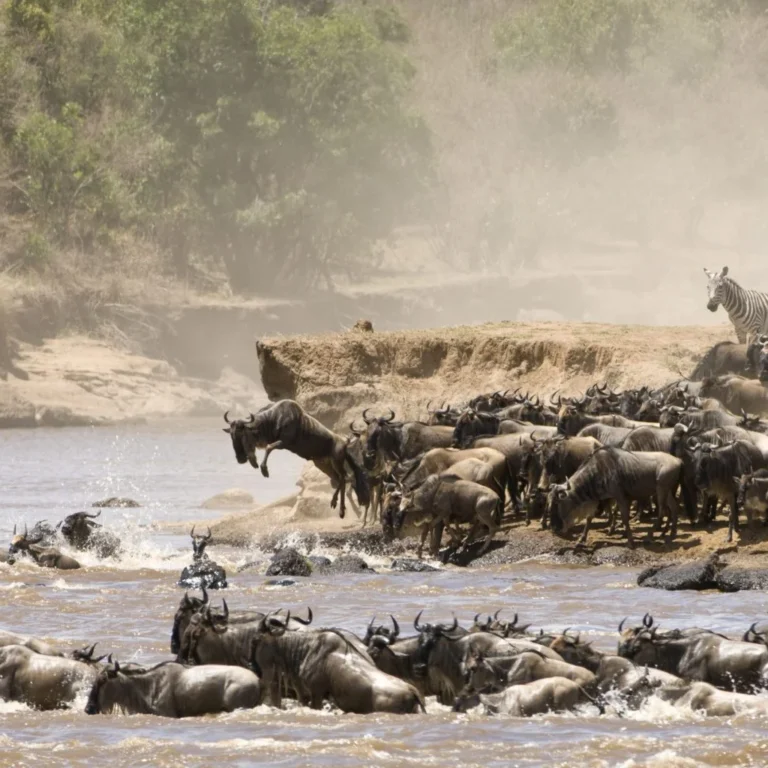
The Great Wildebeest Migration is one of the most extraordinary wildlife spectacles on Earth, unfolding across the vast plains of Serengeti National Park and Kenya’s Maasai Mara National Reserve. Often called the “Great Migration Safari,” this iconic event features over 1.5 million wildebeest, accompanied by zebras and gazelles, moving in a continuous cycle driven by rainfall and survival instincts. It is widely regarded as the best African safari experience and a bucket-list adventure for wildlife enthusiasts. From dramatic river crossings to predator-prey interactions, the migration offers unmatched photographic opportunities. Travelers searching for Tanzania safari tours, Serengeti migration safaris, or luxury African safari packages will find this phenomenon unforgettable, making it a top-ranking wildlife tourism attraction globally. 1. The Largest Land Migration on Earth The Great Wildebeest Migration is the largest terrestrial animal movement on the planet, involving more than 1.5 million wildebeest, alongside hundreds of thousands of zebras and gazelles. This massive wildlife migration spans the ecosystems of Serengeti National Park and Maasai Mara National Reserve, making it the most iconic African safari experience. The sheer scale creates breathtaking landscapes filled with moving wildlife herds, attracting photographers, filmmakers, and safari travelers worldwide. Often searched as “Great Migration Africa,” “Serengeti wildebeest migration safari,” and “largest animal migration,” this phenomenon defines Tanzania wildlife tourism. The migration’s magnitude not only showcases nature’s power but also highlights the importance of preserving natural habitats, making it one of the most significant ecological events on Earth. 2. It’s a Year-Round Circular Journey Unlike seasonal wildlife movements, the Great Wildebeest Migration is a continuous, year-round circular journey. The herds move between the southern Serengeti plains and the northern regions near the Maasai Mara National Reserve, following fresh grazing lands. This circular route ensures that there is no defined beginning or end, making it possible to witness different stages of the migration throughout the year. Safari travelers searching for “best time to see wildebeest migration” or “Serengeti migration calendar” can plan trips based on specific highlights like calving or river crossings. This ongoing movement is a key reason why Tanzania safari tours and Kenya safari packages remain popular year-round, offering diverse wildlife viewing experiences in every season. 3. Driven by Rainfall and Survival The driving force behind the Great Wildebeest Migration is rainfall. Wildebeest instinctively follow the rains to find fresh grass and water sources across Serengeti National Park and into Kenya. This survival strategy ensures access to nutrient-rich grazing, essential for maintaining their energy during long-distance travel. The migration is often searched as “what causes wildebeest migration” or “Serengeti rainfall patterns and wildlife.” Changes in weather patterns can shift migration timing, making each year slightly different. This unpredictability adds excitement for safari-goers and wildlife photographers. Understanding rainfall patterns is crucial when planning a Serengeti safari or Great Migration tour, as it determines where the herds will be located and what dramatic wildlife moments can be witnessed. 4. Calving Season is a Wildlife Spectacle Calving season, typically from January to March in the southern plains of Serengeti National Park, is one of the most remarkable phases of the migration. During this period, nearly 500,000 wildebeest calves are born within a few weeks. This synchronized birthing overwhelms predators and increases calf survival rates. Often searched as “Serengeti calving season safari” or “best time for baby animals in Africa,” this event attracts wildlife enthusiasts worldwide. The abundance of newborns also draws predators like lions, cheetahs, and hyenas, creating intense wildlife action. For safari travelers, calving season offers incredible photography opportunities and a chance to witness the circle of life in one of Africa’s most iconic ecosystems. 5. River Crossings Are the Most Dramatic Moments River crossings, particularly at the Mara River in the Maasai Mara National Reserve, are the most dramatic and sought-after moments of the Great Wildebeest Migration. Thousands of wildebeest plunge into crocodile-infested waters, creating breathtaking scenes of chaos and survival. These crossings are often searched as “Great Migration river crossing,” “Mara River wildebeest crossing,” and “best safari photography Africa.” The unpredictability of when and where crossings occur adds to their allure. Safari travelers and photographers gather for hours, waiting for the perfect moment. This intense wildlife drama showcases the raw power of nature, making river crossings one of the most unforgettable highlights of any Serengeti or Maasai Mara safari experience. 6. Wildebeest Have Incredible Navigation Skills Wildebeest possess remarkable navigation abilities that guide them across vast landscapes without getting lost. Scientists believe they rely on environmental cues such as the smell of rain, wind direction, and memory of past routes. This instinctive navigation ensures the herds complete their migration across Serengeti National Park and beyond. Often searched as “how do wildebeest navigate migration,” this fascinating trait highlights the intelligence of wildlife. Despite facing predators and obstacles, the herds maintain a coordinated movement. For safari enthusiasts, witnessing this instinct in action adds depth to the experience, emphasizing the complexity and wonder of the Great Wildebeest Migration. 7. The Migration Supports an Entire Ecosystem The Great Wildebeest Migration is not just about moving animals—it sustains an entire ecosystem. As the herds graze, they help maintain grassland health, promoting new plant growth. Their waste fertilizes the soil, supporting insects and birdlife. In Serengeti National Park, this cycle benefits countless species, from small mammals to large predators. Often searched as “Serengeti ecosystem” or “importance of wildebeest migration,” this phenomenon plays a vital ecological role. The migration also supports scavengers like vultures and hyenas. This interconnected system highlights the importance of conservation and makes the Serengeti one of the most studied and celebrated ecosystems in the world. 8. Zebras Play a Key Role Zebras are essential participants in the Great Wildebeest Migration. They often lead the herds, using their excellent eyesight and memory to locate water and grazing areas. Unlike wildebeest, zebras eat taller grass first, preparing the ground for wildebeest to graze on shorter, nutrient-rich shoots. This symbiotic relationship is often referred to as the “zebra and wildebeest migration partnership.” In Serengeti National Park, this cooperation enhances survival for both
Kilimanjaro Altitude Sickness

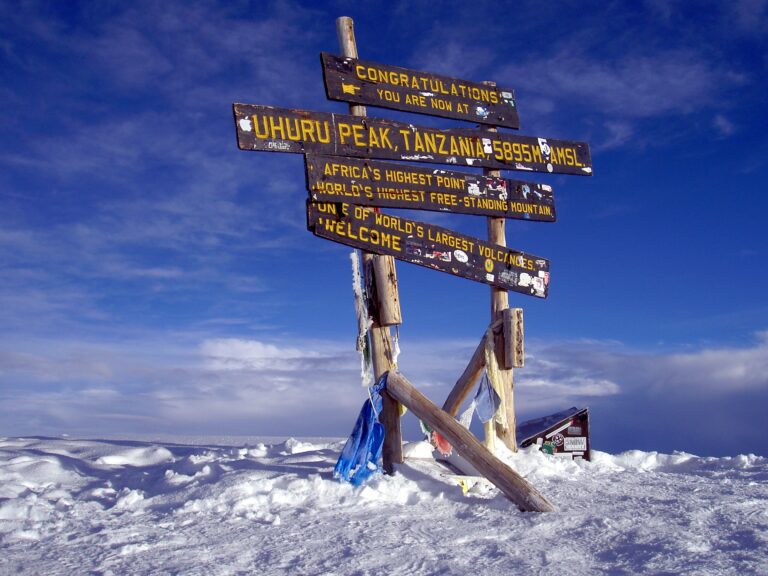
Climbing Mount Kilimanjaro is one of the most iconic trekking adventures in the world, but Kilimanjaro altitude sickness is the biggest challenge for climbers. Also known as acute mountain sickness (AMS), it occurs when the body struggles to adapt to reduced oxygen levels at high elevations. As trekkers ascend above 2,500 meters, symptoms such as headache, nausea, dizziness, and fatigue may appear. Understanding Kilimanjaro altitude sickness is essential for safe and successful summit attempts. Proper acclimatization, slow ascent, hydration, and experienced guides significantly reduce risks. Many climbers underestimate the effects of high altitude, leading to early descent or failed summits. This guide explores causes, symptoms, prevention, and treatment of altitude sickness on Kilimanjaro to help climbers prepare on Africa’s highest peak while staying safe throughout the journey to Uhuru Peak. 1. Causes of Kilimanjaro Altitude Sickness One of the main causes of Kilimanjaro altitude sickness is reduced oxygen pressure at higher elevations, which affects the body’s ability to function normally. Also known as acute mountain sickness (AMS), it occurs when climbers ascend too quickly without proper acclimatization. The body does not have enough time to adjust, leading to symptoms. Other contributing factors include dehydration, fatigue, poor physical preparation, and genetic susceptibility to high altitude environments. Understanding these causes is essential for preventing Kilimanjaro altitude sickness and improving summit success rates. Proper trekking schedules, gradual ascent routes, hydration strategies help reduce risk significantly. Most climbers experience symptoms such as headache, nausea, dizziness early. Prevention begins with awareness, proper planning, and choosing experienced guides who understand mountain safety. Slow ascent remains the most effective prevention strategy on Kilimanjaro trekking safety. 2. Symptoms of Kilimanjaro Altitude Sickness Symptoms of Kilimanjaro altitude sickness vary from mild to severe depending on ascent speed and tolerance. Early signs include headache, fatigue, loss of appetite, and difficulty sleeping. If ignored, symptoms may progress to nausea, vomiting, dizziness, and shortness of breath, indicating worsening condition. Severe cases can lead to confusion and inability to walk, signaling dangerous high altitude cerebral edema. Recognizing symptoms early is critical for safe descent and preventing complications on Kilimanjaro. Most climbers experience mild symptoms that improve with rest and hydration. Guides are trained to monitor health and recommend action when sickness worsens. Climbers should communicate symptoms early for proper care and safety. Slow response helps ensure acclimatization and safe trekking on Kilimanjaro routes. 3. Prevention of Altitude Sickness on Kilimanjaro Preventing Kilimanjaro altitude sickness requires a strategic approach focused on slow ascent, hydration, and proper acclimatization. Climbers should choose longer routes such as Lemosho or Machame to allow the body to adapt gradually to decreasing oxygen levels. “Pole pole” (slowly, slowly) is a key principle on Kilimanjaro. Drinking at least 3–4 liters of water daily helps maintain oxygen circulation and reduce dehydration risks. A balanced diet rich in carbohydrates supports energy levels at high altitude. Avoiding alcohol and smoking is essential, as they worsen oxygen deprivation. Experienced guides play a vital role in monitoring symptoms and adjusting pace. Proper physical preparation before the climb also improves endurance. Following these prevention strategies significantly reduces the risk of AMS and increases the chances of a safe and successful Kilimanjaro summit experience for climbers of all fitness levels. 4. Treatment of Kilimanjaro Altitude Sickness The treatment of Kilimanjaro altitude sickness depends on symptom severity and quick response. The most effective treatment is immediate descent to a lower altitude, which allows oxygen levels to normalize. For mild cases, rest, hydration, and stopping further ascent may improve symptoms such as headache and dizziness. Pain relief medication can help manage discomfort, while anti-nausea drugs may reduce vomiting. In more severe cases, supplemental oxygen is used to stabilize the climber. Guides are trained to recognize dangerous signs like confusion or loss of coordination and arrange emergency evacuation if necessary. Ignoring symptoms can lead to life-threatening conditions such as high altitude cerebral or pulmonary edema. Early detection and action are crucial. Proper treatment ensures recovery and prevents complications, making safety the top priority over summit success on Kilimanjaro expeditions in all trekking conditions. 5. Risk Factors of Altitude Sickness Several risk factors increase the likelihood of developing Kilimanjaro altitude sickness. Rapid ascent without proper acclimatization is the most significant factor. Climbers who choose shorter routes are at higher risk due to limited adjustment time. Physical exhaustion, dehydration, and poor nutrition also contribute to vulnerability. Individuals with previous altitude sickness episodes are more likely to experience it again. Age and underlying medical conditions may also influence susceptibility. Lack of high-altitude experience increases risk, especially for first-time climbers. Genetic differences affect how each body adapts to low oxygen levels. Even physically fit individuals are not immune. Understanding these risk factors helps climbers prepare better and make informed decisions. Choosing longer routes, maintaining hydration, and following guide instructions significantly reduce risk and improve safety during the Kilimanjaro trekking journey toward the summit. 6. Acclimatization Importance Acclimatization is one of the most important factors for preventing Kilimanjaro altitude sickness. It allows the body to gradually adapt to reduced oxygen levels as altitude increases. Without proper acclimatization, climbers are more likely to develop AMS symptoms such as headache, nausea, and fatigue. Routes that include acclimatization days, such as Machame and Lemosho, significantly improve summit success rates. The “climb high, sleep low” technique is commonly used to help the body adjust efficiently. Rest days are essential for recovery and oxygen adaptation. Slow trekking pace also supports natural adjustment. Proper acclimatization improves breathing efficiency and energy levels at high altitude. Ignoring this process increases risk and reduces performance. Understanding and respecting acclimatization principles ensures safer and more enjoyable climbing experiences on Mount Kilimanjaro, increasing the chances of reaching Uhuru Peak successfully and safely. 7. Prevention Tips Summary Preventing Kilimanjaro altitude sickness requires a combination of smart strategies. The most important tip is to ascend slowly and allow adequate acclimatization time. Choosing longer trekking routes greatly improves safety. Staying well hydrated by drinking plenty of water daily helps the body cope with reduced oxygen. Eating balanced meals rich
Why Are Safari in Tanzania so Expensive

Tanzania safaris are among the most sought-after African safari experiences, attracting travelers searching for luxury safari in Tanzania, Serengeti safari tours, Ngorongoro Crater safari, and Great Migration safaris. However, many visitors often ask why safari in Tanzania is so expensive compared to other destinations. The answer lies in a combination of high conservation fees, remote wilderness locations, world-class national parks, limited tourism infrastructure inside protected areas, and premium safari services. Tanzania prioritizes sustainable tourism and wildlife conservation, which increases operational costs but ensures unmatched wildlife experiences. From exclusive safari lodges to professional guides and park entry fees, every element contributes to pricing. Understanding these factors helps travelers appreciate the true value behind a Tanzania wildlife safari experience and the unforgettable adventure it delivers across iconic destinations like Serengeti, Tarangire, and Ngorongoro. 1. High National Park Fees and Conservation Costs One of the main reasons Tanzania safari costs are high is the expensive national park entry fees and conservation charges. Parks like Serengeti National Park and Ngorongoro Conservation Area charge significant daily fees per visitor to support wildlife protection, anti-poaching efforts, and ecosystem preservation. These fees are essential for maintaining one of the most biodiverse safari destinations in Africa. Unlike many other countries, Tanzania reinvests heavily into conservation, ensuring wildlife habitats remain untouched and sustainable. Travelers contribute directly to protecting elephants, lions, wildebeest migration routes, and rare species. While these costs increase the overall safari price, they guarantee long-term preservation of natural heritage and authentic safari experiences that remain largely undisturbed by mass tourism, making Tanzania safaris truly premium and conservation-focused. 2. Remote and Vast Wilderness Locations Tanzania’s safari destinations are extremely remote, spread across vast wilderness areas such as the Serengeti plains, the Ngorongoro Highlands, and the Tarangire ecosystem. This remoteness increases transportation costs, logistics, and operational expenses for safari companies. Unlike urban tourism, safari vehicles must travel long distances over rough terrain, often requiring 4×4 land cruisers with experienced drivers. Fuel costs, vehicle maintenance, and long driving hours all contribute to higher pricing. Additionally, many lodges are located deep inside national parks, far from towns or supply chains, making goods and services more expensive to deliver. This isolation, while costly, is what preserves Tanzania’s authentic safari experience, offering visitors unmatched wildlife encounters in untouched landscapes where animals roam freely without human interference or urban disruption. 3. Luxury Safari Lodges and Camps Accommodation plays a major role in the cost of a Tanzania safari. Most safari lodges and tented camps are high-end, offering luxury safari experiences with private suites, gourmet dining, swimming pools, and panoramic views of wildlife-rich plains. Building and maintaining lodges in remote national parks is expensive due to limited infrastructure and transportation challenges. Materials, staff, and supplies must be brought from distant towns, increasing operational costs. Additionally, many lodges are eco-friendly and sustainably designed, which further raises construction expenses. Guests also pay for exclusivity, privacy, and personalized services. Unlike budget travel, luxury safari lodges in Serengeti or Ngorongoro provide world-class comfort in the heart of the wilderness, making accommodation one of the biggest contributors to overall safari pricing in Tanzania. 4. Professional Guides and Skilled Staff A Tanzania safari heavily relies on highly trained professional safari guides, drivers, chefs, and lodge staff. These experts are essential for delivering safe, educational, and memorable wildlife experiences. Guides undergo extensive training in animal behavior, ecology, navigation, and safety protocols. Their expertise enhances game drives, ensuring tourists witness key wildlife moments such as lion hunts or wildebeest migrations. Hiring and retaining skilled staff in remote areas is costly due to accommodation, transport, and competitive salaries. Many safari companies invest in continuous training to maintain international standards. While this increases safari costs, it significantly improves quality and safety. The knowledge and storytelling ability of experienced guides transform a simple game drive into an unforgettable educational journey through Tanzania’s iconic national parks and ecosystems. 5. Vehicle Maintenance and 4×4 Safari Transport Safari vehicles are a major cost factor in Tanzania tourism. Most safaris use specially modified 4×4 Land Cruisers designed for rough terrain, long distances, and wildlife viewing. These vehicles require constant maintenance due to harsh road conditions, dust, and extended travel hours inside national parks. Spare parts, fuel, insurance, and mechanical servicing all add to operational expenses. Additionally, safari vehicles are equipped with pop-up roofs, charging systems, refrigerators, and communication tools to enhance guest comfort. Unlike regular transport, safari vehicles must meet strict safety and reliability standards. Because game drives often last full days in remote areas, breakdowns must be avoided at all costs. These logistical demands significantly contribute to the overall pricing of Tanzania safari packages and tours. 6. High Demand and Global Popularity Tanzania is one of the world’s top safari destinations, attracting thousands of international tourists each year searching for Serengeti Great Migration safaris, Big Five wildlife experiences, and luxury African adventures. This high global demand naturally increases prices, especially during peak travel seasons such as the migration period in Serengeti or dry season game viewing months. International travelers from Europe, America, and Asia often book premium safari packages in advance, driving competition for limited lodge availability. As demand rises while supply remains controlled for conservation reasons, prices remain high. Tanzania’s reputation as a bucket-list safari destination means operators can maintain premium pricing. This popularity ensures world-class service standards but also contributes significantly to the overall cost of safaris in the country. 7. All-Inclusive Safari Experience Model Most Tanzania safaris are sold as all-inclusive packages, covering accommodation, meals, park fees, transport, guides, and game drives. While this model provides convenience and safety, it also increases overall cost compared to independent travel. Safari operators bundle services to ensure seamless experiences in remote environments where self-travel is impractical. Everything from airport transfers to full-day game drives is carefully coordinated. This comprehensive approach guarantees comfort and efficiency but requires significant operational planning and staffing. Unlike budget tourism, all-inclusive safari packages focus on quality, reliability, and guest satisfaction. The inclusion of luxury services, expert guides, and high-end lodges ensures a premium experience,
What Are The Things Included In Your Tanzania Safari Cost?

Understanding what is included in your Tanzania safari cost is essential when planning a safari in East Africa, especially for destinations like the Serengeti National Park, Ngorongoro Crater, and Tarangire National Park. Tanzania safari packages vary widely depending on luxury level, duration, and travel style, but most reputable tour operators include a combination of accommodation, transport, park fees, meals, and professional guiding services. Many travelers searching for “Tanzania safari price,” “all-inclusive safari packages,” or “African safari cost breakdown” often want clarity before booking. A well-structured safari cost ensures transparency and helps you avoid hidden fees. Whether you choose a budget camping safari or a luxury lodge safari, knowing what is included allows you to plan better, compare offers, and maximize your safari experience in Tanzania’s world-famous wildlife destinations. 1. Accommodation in Safari Lodges, Camps, or Hotels One of the major components included in your Tanzania safari cost is accommodation. Depending on your package, you may stay in budget campsites, mid-range tented camps, or luxury safari lodges. These accommodations are strategically located near or inside national parks like Serengeti, Ngorongoro, and Lake Manyara. The price typically covers comfortable beds, private or shared bathrooms, and sometimes Wi-Fi and hot showers. Luxury safari packages may include premium lodges with swimming pools, fine dining, and scenic views of wildlife areas. Accommodation plays a big role in determining your Tanzania safari cost, as it directly affects comfort and exclusivity. Whether you choose a budget safari or a luxury African safari package, your lodging is always part of the total safari price, ensuring convenience and safety throughout your journey. 2. Transportation and Safari Vehicles Transportation is a key element included in your Tanzania safari cost. Most safari packages provide 4×4 safari Land Cruisers or Land Rovers specially designed for rough terrain and game viewing. These vehicles usually come with pop-up roofs for photography and comfortable seating for long drives across parks such as Serengeti National Park and Tarangire. Fuel costs, vehicle maintenance, and driver-guide services are included in the overall safari price. Airport transfers from Kilimanjaro International Airport, Arusha, or Dar es Salaam are also commonly covered. Private or shared transport options may affect the total Tanzania safari cost, especially for luxury or bespoke safari tours. Reliable transportation ensures safe travel across long distances and maximizes wildlife viewing opportunities during your African safari adventure. 3. Park Entrance Fees and Conservation Charges Park entrance fees are an essential part of your Tanzania safari cost and are usually included in most safari packages. These fees contribute to conservation efforts in protected areas such as Serengeti National Park, Ngorongoro Conservation Area, and Tarangire National Park. They help fund wildlife protection, anti-poaching activities, and park maintenance. The cost varies depending on the park and the duration of your stay. Ngorongoro Crater, for example, has higher conservation fees compared to other parks. When booking an all-inclusive Tanzania safari package, these charges are typically prepaid by your tour operator. Understanding this inclusion helps travelers avoid unexpected expenses and ensures that your safari directly supports sustainable tourism and wildlife conservation efforts in Tanzania. 4. Professional Safari Driver-Guide Services A professional safari driver-guide is a vital part of your Tanzania safari cost. These highly trained experts not only drive you safely through national parks but also provide in-depth knowledge about wildlife behavior, ecosystems, and local culture. Their expertise greatly enhances your safari experience, especially during game drives in the Serengeti and Ngorongoro Crater. The guide helps you spot the Big Five—lion, leopard, elephant, buffalo, and rhino—while sharing fascinating insights. In most Tanzania safari packages, the driver-guide’s salary, accommodation, and meals are fully included. Whether you choose a budget safari or a luxury safari tour, having a knowledgeable guide ensures safety, storytelling, and unforgettable wildlife encounters throughout your African safari journey. 5. Meals and Drinking Water Meals are commonly included in your Tanzania safari cost, especially in full-board safari packages. This typically covers breakfast, lunch, and dinner prepared at lodges or camps. Meals often feature a mix of international cuisine and local Tanzanian dishes, offering both variety and cultural experience. Drinking water is also provided during game drives to keep travelers hydrated in warm safari conditions. Some luxury safari packages may include picnic lunches in the bush or bush dinners under the African sky. Food quality varies depending on the safari category, but hygiene and nutrition are always prioritized. Including meals in the safari price makes budgeting easier and ensures a stress-free travel experience throughout your Tanzania wildlife safari adventure. 6. Airport Transfers and Pick-Up Services Airport transfers are an important inclusion in your Tanzania safari cost, ensuring smooth arrival and departure from major airports like Kilimanjaro International Airport or Arusha Airport. Most safari packages include pick-up and drop-off services in comfortable safari vehicles or private transfers. This service eliminates the stress of arranging local transport and ensures timely connections to your safari itinerary. Whether you are starting a Serengeti safari or a Ngorongoro Crater tour, airport transfers are designed for convenience and safety. Luxury safari packages often include personalized meet-and-greet services. Including transfers in the safari price allows travelers to enjoy a seamless travel experience from the moment they land in Tanzania until the end of their safari journey. 7. Game Drives and Wildlife Viewing Activities Game drives are the highlight of any Tanzania safari and are fully included in your safari cost. These guided excursions take place in iconic parks such as Serengeti National Park, Ngorongoro Crater, and Lake Manyara. Morning, afternoon, and full-day game drives allow travelers to witness diverse wildlife, including lions, elephants, giraffes, zebras, and cheetahs. The cost includes fuel, guide services, and vehicle use. Some luxury safari packages may also include night game drives or walking safaris. Game drives are designed to maximize wildlife sightings and photographic opportunities. Since they form the core of the safari experience, they are always included in both budget and luxury Tanzania safari packages, ensuring unforgettable encounters with Africa’s incredible wildlife. 8. Bottled Water and Refreshments During Safari Bottled water is typically included
A Solo Travellers Guide to Tanzania

Tanzania is one of Africa’s most rewarding destinations for solo travellers, offering unmatched wildlife encounters, breathtaking landscapes, and rich cultural experiences. From the endless plains of the Serengeti National Park to the dramatic Ngorongoro Crater and the white-sand beaches of Zanzibar, Tanzania delivers a perfect blend of adventure and relaxation. Solo travel in Tanzania is increasingly popular thanks to improved tourism infrastructure, safe safari routes, and friendly local communities. Whether you are searching for “solo safari in Tanzania,” “budget Tanzania travel guide,” or “best African solo travel destinations,” this country stands out with proper planning, Tanzania becomes not just a destination, but a life-changing solo journey filled with discovery, freedom, and unforgettable moments in the heart of East Africa. Why Tanzania is Perfect for Solo Travellers Tanzania is ideal for solo travellers because it combines safety, accessibility, and an incredible diversity of experiences. The country is known for its well-organized safari industry, making it easy to join group tours or private guided safaris. Solo visitors can explore world-famous destinations like Serengeti National Park and Ngorongoro Crater without feeling isolated. The hospitality of Tanzanian people, often summarized as “Karibu Tanzania” (welcome), makes travellers feel at home instantly. Popular searches like “safe solo travel Africa,” “Tanzania safari for solo travellers,” and “independent travel Tanzania itinerary” highlight its growing popularity. Whether you prefer wildlife adventures, cultural immersion, or beach relaxation, Tanzania offers structured yet flexible travel options that make solo exploration both safe and deeply rewarding. Safety Tips for Solo Travel in Tanzania Safety is a top concern for solo travellers, and Tanzania is generally considered one of the safer African destinations when basic precautions are followed. Stick to reputable tour operators, especially for safaris in Serengeti and Ngorongoro. Avoid walking alone at night in cities like Dar es Salaam or Arusha, and always use registered taxis or hotel transfers. Keep valuables secure and stay aware in crowded areas. Is Tanzania safe for solo travellers?” “travel safety tips East Africa,” and “solo female travel Tanzania” are frequently searched. Most safari lodges and camps are highly secure, with trained staff and guided experiences. By staying informed and respectful of local customs, solo travellers can enjoy a worry-free adventure across Tanzania’s incredible landscapes. Visa and Entry Requirements for Tanzania Most solo travellers visiting Tanzania require a tourist visa, which can be obtained online through the e-visa system or upon arrival at major airports like Kilimanjaro International Airport and Julius Nyerere International Airport. The process is straightforward and widely searched under terms like “Tanzania visa requirements,” “how to apply for a Tanzania visa online,” and “East Africa travel entry rules.” A valid passport with at least six months’ validity is required. Yellow fever vaccination may also be requested depending on your travel route. Entry procedures are designed to support tourism, making it easy for solo travellers to enter and start exploring quickly. Always check updated immigration guidelines before travel to ensure smooth entry into Tanzania. Best Time for Solo Travel in Tanzania The best time for solo travel in Tanzania depends on your interests. The dry season (June to October) is ideal for wildlife safaris in Serengeti National Park and Ngorongoro Crater, offering excellent game viewing. The green season (November to May) provides lush landscapes, fewer crowds, and lower prices. Popular include “best time to visit Tanzania safari,” “Serengeti migration season,” and “cheap travel to Tanzania months.” Solo travellers often prefer the dry season for easier travel logistics and clearer roads. However, Zanzibar is beautiful year-round, making it a flexible addition to any itinerary. Planning your trip according to seasonal wildlife movements enhances your solo adventure experience significantly. Arrival in Arusha – Gateway to Safaris Arusha is the main hub for solo safari travellers in Tanzania and serves as the gateway to northern national parks. Most travellers arrive via Kilimanjaro International Airport and transfer to Arusha city. The city is well-equipped with hotels, backpacker lodges, and tour operators offering safari packages. Arusha safari starting point,” “Tanzania safari capital,” and “solo travel Arusha guide.” From here, travellers can easily access Tarangire National Park, Serengeti National Park, and Ngorongoro Crater. Arusha is also a great place to meet other travellers and join group safaris, making it perfect for solo adventurers seeking companionship or shared experiences. Serengeti National Park – A Solo Safari Dream The Serengeti National Park is one of the world’s most iconic safari destinations and a must-visit for solo travellers in Tanzania. Known for the Great Migration and abundant wildlife, it offers unforgettable game drives featuring lions, elephants, cheetahs, and wildebeest. “Serengeti safari solo travel,” “Great Migration Tanzania,” and “African wildlife safari experience” rank highly in travel searches. Solo travellers can join guided safari tours or stay in tented camps for immersive experiences. Despite its wilderness feel, Serengeti is well-organized and safe, making it accessible for independent travellers seeking adventure, photography, and a deep connection with nature. Ngorongoro Crater – Nature’s Natural Wonder The Ngorongoro Crater is a UNESCO World Heritage Site and one of the most spectacular wildlife destinations in Africa. Solo travellers can experience a unique ecosystem filled with lions, rhinos, zebras, and flamingos within a collapsed volcanic caldera. “Ngorongoro Crater safari,” “Tanzania wildlife crater tour,” and “best safari destinations in Africa.” Guided tours make exploration easy and safe, even for solo visitors. The scenery is breathtaking, with panoramic views from the crater rim. Ngorongoro is often included in northern circuit safari itineraries, making it a must-see highlight for anyone traveling independently through Tanzania. Tarangire National Park – Land of Giants For solo travellers seeking an authentic Tanzania safari experience, Tarangire National Park stands out as a must-visit destination. Known as the “Land of Giants,” this park is famous for its massive elephant herds, ancient baobab trees, and diverse wildlife. Travelling solo here offers unmatched freedom, allowing you to explore at your own pace on guided game drives or walking safaris. During the dry season, the Tarangire River becomes a magnet for wildlife, making it one of the best places in Tanzania for
The Ultimate Guide to the Great Wildebeest Migration

The Great Wildebeest Migration is one of the most extraordinary wildlife spectacles on Earth, drawing safari enthusiasts, photographers, and adventure travelers to East Africa every year. This iconic journey unfolds across the vast plains of Serengeti National Park and Kenya’s Maasai Mara National Reserve, where over 1.5 million wildebeest, accompanied by zebras and gazelles, move in a continuous cycle in search of fresh grazing and water. Often called the “Greatest Show on Earth,” the migration is driven by seasonal rains and survival instincts, creating dramatic river crossings, predator-prey encounters, and unforgettable safari moments. Whether you are planning a luxury safari, budget tour, or photographic expedition, understanding the migration patterns, best times to visit, and top safari locations is essential for crafting the ultimate African safari experience. What Is the Great Wildebeest Migration? The Great Wildebeest Migration is the largest overland wildlife migration in the world, involving nearly two million animals moving in a clockwise loop between Tanzania and Kenya. This natural phenomenon is not a single event but a continuous cycle driven by rainfall patterns, grass availability, and survival instincts. Wildebeest dominate the migration, but they are joined by hundreds of thousands of zebras and gazelles, creating a dynamic ecosystem on the move. The migration is essential for maintaining ecological balance in the Serengeti Ecosystem, supporting predators like lions, hyenas, and crocodiles. Travelers seeking an authentic African safari experience often prioritize witnessing this incredible journey, which offers unparalleled opportunities for wildlife photography, game drives, and immersive nature experiences throughout the year. Where Does the Migration Take Place? The migration takes place across the vast and interconnected landscapes of northern Tanzania and southern Kenya, primarily within Serengeti National Park and the Maasai Mara National Reserve. These regions form a single ecosystem without fences, allowing animals to roam freely in search of water and grazing land. The southern Serengeti and Ndutu region are key for calving season, while the western corridor and Grumeti River host dramatic crossings. As the herds move north, they enter the Maasai Mara, famous for its thrilling Mara River crossings. This expansive terrain offers diverse safari experiences, from open savannahs to riverine forests. Understanding the geography of the migration helps travelers choose the best safari itinerary, whether opting for fly-in safaris, luxury lodges, or mobile tented camps strategically positioned along migration routes. When Is the Best Time to See the Migration? The best time to see the Great Wildebeest Migration depends on the specific event you want to witness, as the migration occurs year-round. From January to March, the southern Serengeti hosts the calving season, where thousands of wildebeest are born daily. Between April and June, the herds move northwest toward the Grumeti River. The famous river crossings usually occur from July to October in the northern Serengeti and Maasai Mara. November and December mark the return journey south as rains begin again. Each phase offers unique safari experiences, making timing crucial for travelers planning a Tanzania safari or Kenya safari. Whether you’re interested in predator action, dramatic crossings, or serene grazing scenes, aligning your travel dates with migration movements ensures a memorable and rewarding wildlife adventure. The Great Wildebeest Migration in January, February, and March The Great Wildebeest Migration calving season in the southern Serengeti, particularly around Ndutu, is one of the most remarkable phases of the migration. During this period, nearly 500,000 wildebeest calves are born within a few weeks, creating a breathtaking spectacle of life and survival. The abundance of newborns attracts predators such as lions, cheetahs, and hyenas, making it an excellent time for wildlife photography and dramatic safari encounters. The nutrient-rich grasslands provide ideal conditions for mothers and calves, ensuring a high survival rate. For travelers, this season offers incredible game viewing with less crowding compared to peak river crossing months. A calving season safari in the Ndutu Region combines stunning landscapes, abundant wildlife, and unique insights into animal behavior, making it a top choice for safari enthusiasts. The Great Migration in April and May As the rains end in the southern Serengeti, the herds begin their journey northward in search of greener pastures. This phase is marked by long columns of wildebeest moving across the central plains toward the western corridor. The migration becomes more spread out, but the sheer number of animals still creates awe-inspiring scenes. This period also sees the start of the rutting season, where male wildebeest compete for dominance and mating rights. The movement toward the Grumeti River sets the stage for the first major river crossings, often less crowded but equally dramatic. Travelers during this time can enjoy quieter safari experiences, lush landscapes, and excellent game viewing. It’s an ideal season for those seeking a balance between migration action and fewer tourists in the Serengeti. Grumeti River Crossings Great Migration in June and July The Grumeti River crossings, typically occurring between May and June, offer thrilling wildlife encounters as wildebeest brave crocodile-infested waters. Although less famous than the Mara River crossings, the Grumeti crossings provide equally dramatic scenes with fewer crowds. Massive Nile crocodiles lie in wait, creating intense moments as herds attempt to cross the river. These crossings highlight the dangers of the migration and the resilience of the animals. The western Serengeti, where the Grumeti River flows, is also rich in resident wildlife, including elephants, giraffes, and predators. For safari travelers, this region offers a more exclusive experience, often with luxury lodges and private concessions. Witnessing a Grumeti crossing is a powerful reminder of nature’s raw beauty and the survival instincts that drive the migration. Peak Season: Mara River Crossings (July to October) The Great Migration in July, August, September, and October Mara River crossings are the most iconic and sought-after moments of the Great Wildebeest Migration. Taking place between July and October in the northern Serengeti and the Maasai Mara, these crossings are dramatic, chaotic, and unforgettable. Thousands of wildebeest gather at the riverbanks, hesitating before plunging into the water filled with strong currents and crocodiles. The crossings often result in intense predator-prey
Why Tanzania is the Perfect Choice for a Family Safari

Tanzania is one of the most spectacular destinations in Africa for a family safari, offering unforgettable wildlife encounters, breathtaking landscapes, and safe, well-organized travel experiences. From the endless plains of the Serengeti National Park to the dramatic Ngorongoro Crater, families can witness the Big Five, the Great Migration, and diverse ecosystems in a single journey. A Tanzania family safari is designed to be educational, exciting, and comfortable for all ages, with expert safari guides and family-friendly lodges. Parents and children can bond while exploring nature, learning about wildlife conservation, and experiencing authentic Maasai culture. With excellent infrastructure, safe national parks, and customizable safari packages, Tanzania stands out as the perfect choice for a memorable African adventure that combines education, fun, and discovery in one extraordinary destination for families worldwide today 1. Safety & Family-Friendly Environment One of the main reasons Tanzania is the perfect choice for a family safari is its exceptional safety and welcoming environment for travelers of all ages. The country’s national parks and safari circuits are well managed, with experienced guides ensuring secure and comfortable wildlife experiences. Families can explore Tanzania family safari destinations like Serengeti National Park, Ngorongoro Conservation Area, and Tarangire National Park with peace of mind. Tanzania family safari Lodges and camps are designed to accommodate children, offering child-friendly meals, activities, and attentive staff. Tanzania’s tourism infrastructure prioritizes safety, making it one of the most trusted family safari destinations in Africa. Parents can relax while children enjoy guided nature walks, wildlife spotting, and cultural visits. With friendly local communities and professional tour operators, a Tanzania family safari guarantees a safe, enjoyable, and stress-free African adventure. 2. Serengeti National Park Serengeti National Park is one of the most iconic destinations for a Tanzania family safari, offering endless plains filled with wildlife and unforgettable game viewing experiences. During visiting Serengeti for Tanzania family safaris, the families can witness the Great Migration, where millions of wildebeest and zebras move across the savannah in search of fresh grazing. The park is home to lions, elephants, giraffes, and countless bird species, making it a living classroom for children. Guided game drives ensure safety and provide educational insights into animal behavior and conservation. Most Tanzania family-friendly lodges inside and around the Serengeti offer comfort and stunning views of the wilderness. The park’s vast landscapes create a sense of adventure and discovery for all ages. Visiting Serengeti National Park guarantees a magical safari experience filled with learning, excitement, and lifelong memories for families exploring Tanzania together. 3. Ngorongoro Crater Ngorongoro Crater is a UNESCO World Heritage Site and one of the most extraordinary highlights of a Tanzania family safari. Often called the “Garden of Eden,” the crater is home to an incredible concentration of wildlife, including the Big Five: lions, elephants, buffalo, leopards, and rhinos. Families can enjoy easy game drives on the crater floor, making it ideal for children and first-time safari travelers. The compact landscape ensures high chances of spotting animals in a single day. Stunning scenery, from grassy plains to soda lakes, creates a breathtaking natural classroom. Knowledgeable guides explain the crater’s geology, wildlife behavior, and conservation efforts. Comfortable lodges on the crater rim provide spectacular views. Visiting Ngorongoro Crater offers families a unique, safe, and unforgettable wildlife experience in one of Africa’s most remarkable natural natural 4. Tarangire National Park Tarangire National Park is a hidden gem on a Tanzania family safari, known for its large elephant herds and iconic baobab trees. Families can enjoy peaceful game drives through diverse landscapes filled with wildlife such as lions, giraffes, zebras, and wildebeest. The park is especially rewarding during the dry season when animals gather around the Tarangire River, creating excellent viewing opportunities. Birdwatching is exceptional, with hundreds of species adding color and sound to the experience. Guided safaris ensure children learn about ecosystems and animal behavior engagingly. The park is less crowded than other destinations, offering a relaxed and intimate safari experience. Our Tanzania family-friendly safari lodges and camps provide comfort and safety. Tarangire National Park delivers a perfect blend of adventure, education, and natural beauty for families exploring Tanzania together 5. Zanzibar Beach Extension A Tanzania family safari becomes even more memorable when combined with a Zanzibar beach holiday, offering the perfect balance of wildlife adventure and tropical relaxation. After exploring national parks like Serengeti and Ngorongoro, families can unwind on Zanzibar’s white sandy beaches and turquoise waters. The island provides safe swimming, snorkeling, and cultural exploration in Stone Town, a UNESCO World Heritage Site. Children can enjoy beach activities while parents relax in luxury resorts or boutique hotels. Zanzibar’s spice farms and historical tours add educational value to the trip, enriching the overall safari experience. The warm Indian Ocean climate makes it ideal for year-round visits. Combining a Tanzania safari with Zanzibar ensures families experience both thrilling wildlife encounters and peaceful coastal отдых, creating a well-rounded African holiday filled with unforgettable memories and 6. Incredible Wildlife Diversity One of the key reasons Tanzania is the perfect choice for a family safari is its incredible wildlife diversity across national parks and conservation areas. Families can see the Big Five, along with cheetahs, hyenas, giraffes, hippos, and over a thousand bird species. Each park offers unique ecosystems, from savannahs and wetlands to forests and volcanic landscapes. This variety ensures every game drive is exciting and educational for children. Expert safari guides help families understand animal behavior, ecosystems, and conservation efforts engagingly. Tanzania’s wildlife density makes sightings frequent and memorable, even on short trips. Whether exploring Serengeti, Ngorongoro, or Tarangire, families are guaranteed unforgettable encounters with Africa’s most iconic animals. This rich biodiversity makes Tanzania one of the best destinations for a family wildlife safari experience in the world 7. Maasai Cultural Experiences A Tanzania family safari is not only about wildlife but also about rich cultural experiences, especially interactions with the Maasai people. Families can visit Maasai villages to learn about traditional lifestyles, colorful clothing, dances, and ancient customs. Children enjoy engaging storytelling and cultural demonstrations that
Places to visit in Tanzania as a Solo Female traveller

Tanzania is one of the most inspiring and safest destinations in East Africa for solo female travellers seeking unforgettable safari adventures and cultural experiences. From the endless plains of the Serengeti National Park to the breathtaking Ngorongoro Crater, Tanzania offers world-class wildlife safaris, stunning landscapes, and rich Maasai culture. Popular destinations like Zanzibar beaches, Arusha city, Tarangire National Park, and Lake Manyara National Park make it a perfect solo travel itinerary. With growing tourism infrastructure, friendly locals, and guided safari tours, Tanzania ensures a safe and memorable journey for independent women travellers. This guide highlights the best places to visit in Tanzania for solo female travellers, focusing on safety, adventure, and unforgettable experiences. Tanzania remains a top-rated African safari destination for solo female travel trends, globally recognized experiences. 1. Serengeti National Park Serengeti National Park is one of the safest and most iconic safari destinations in Tanzania for solo female travellers seeking wildlife adventure. It is famous for the Great Migration, where millions of wildebeest, zebras, and gazelles cross vast savannah plains in search of greener pastures. Solo travellers can enjoy guided safari tours, hot air balloon rides, and professional safari lodges offering high safety standards and comfort. The Serengeti offers excellent opportunities for photography, game drives, and close encounters with lions, elephants, leopards, and cheetahs. It remains a must-visit destination for Tanzania safari tours, especially for solo female travel safety and unforgettable African wildlife experiences. Visitors enjoy expert guides, safe camps, and breathtaking landscapes, making Serengeti one of the best solo female safari destinations in Africa, with Tanzania travel experiences unmatched. 2. Ngorongoro Crater Ngorongoro Crater is a UNESCO World Heritage Site and one of the safest safari destinations in Tanzania for solo female travellers. It offers a unique natural wildlife sanctuary filled with lions, rhinos, buffalo, elephants, and hippos living within a collapsed volcanic caldera. Solo female travellers benefit from guided safari tours, safe lodges, and well-organized travel packages, ensuring comfort and security. The crater floor provides incredible game viewing opportunities, especially during early morning and late afternoon safari drives. It is one of the most popular Tanzania safari destinations for safe, scenic, and unforgettable wildlife experiences. Ngorongoro Crater is highly recommended for solo female travel in Tanzania, offering breathtaking scenery, abundant wildlife, professional guides, and a safe safari environment that makes it a top African travel destination with year-round tourism appeal. 3. Zanzibar Zanzibar is one of the safest and most beautiful island destinations in Tanzania for solo female travellers seeking beaches and cultural experiences. Famous for white sandy beaches, turquoise waters, and Stone Town, Zanzibar offers relaxation and historical exploration in a tropical paradise. Solo female travellers enjoy safe accommodations, guided spice tours, and cultural heritage experiences across the island. It is perfect for post-safari relaxation after visiting Serengeti National Park and Ngorongoro Crater. Zanzibar remains a top destination for Tanzania travel, beach holidays, and solo female safety tourism experiences. Solo female travellers find Zanzibar highly welcoming with friendly locals, affordable transport, safe beaches, vibrant culture, and unforgettable sunset views, making it one of the best island destinations in East Africa for secure and enjoyable travel experiences in Tanzania’s tourism growth hub. 4. Arusha Arusha city is the gateway to Tanzania safari adventures and one of the safest urban destinations for solo female travellers. It is located near Mount Kilimanjaro and serves as a starting point for Serengeti and Ngorongoro safari tours. Solo travellers enjoy safe hotels, guided city tours, cultural experiences, and vibrant local markets. Arusha offers easy access to Tanzania National Parks, making it ideal for safari planning and logistics. It is a popular stop for solo female travel in East Africa due to safety and hospitality. Arusha is highly recommended for solo female travellers as it offers safe transportation, professional safari operators, friendly locals, and easy connections to Serengeti National Park, Ngorongoro Crater, and other top Tanzania safari destinations for unforgettable African travel experiences. Year-round, the tourism growth hub is highly recommended. 5. Tarangire National Park Tarangire National Park is a peaceful and safe safari destination in Tanzania ideal for solo female travellers seeking fewer crowds and authentic wildlife experiences. It is famous for large elephant herds, ancient baobab trees, and seasonal river ecosystems attracting diverse wildlife species. Solo travellers can enjoy guided game drives, birdwatching, and photography in a secure safari environment. The park offers well-managed lodges and camps, ensuring safety and comfort throughout the stay. Tarangire is less crowded compared to Serengeti, making it perfect for relaxed safari experiences and personal reflection in nature. It is one of the hidden gems of Tanzania safari tours for solo female travel safety. Tarangire National Park provides unforgettable wildlife encounters, professional guiding services, and scenic landscapes, making it a top-rated African safari destination for secure travel experiences. 6. Lake Manyara National Park Lake Manyara National Park is a compact yet diverse safari destination in Tanzania, offering safety and beauty for solo female travellers. It is known for tree-climbing lions, flamingos, elephants, and lush groundwater forests along the Rift Valley escarpment. Solo travellers enjoy guided safari drives, canoeing experiences, and birdwatching in a peaceful environment. The park is small, making it easy to explore within a short time while ensuring safety and comfort. Lake Manyara is often included in Tanzania safari packages alongside the Serengeti and Ngorongoro Crater. It is ideal for solo female travellers seeking relaxed wildlife encounters and scenic landscapes. Lake Manyara National Park provides secure tourism infrastructure, professional guides, and unforgettable nature experiences, making it one of the best Tanzania safari destinations for solo female travel adventures and African exploration. 7. Mount Kilimanjaro Mount Kilimanjaro is Africa’s highest peak and a popular adventure destination in Tanzania for solo female travellers seeking trekking experiences. It offers well-organized climbing routes such as Machame and Marangu, supported by professional guides and porters ensuring safety. Solo female travellers can join group climbs, enhancing security and social interaction during the journey. Kilimanjaro trekking provides breathtaking views, diverse climate zones, and a rewarding summit experience at Uhuru