Top 10 Animals to See on an African Safari
Top 10 Animals to See on an African Safari
An African safari is one of the world’s most unforgettable Tanzania wildlife safari experiences, offering close encounters with iconic animals across the Serengeti, Ngorongoro Crater, and Tarangire National Park. From the legendary Big Five—lion, leopard, elephant, buffalo, and rhino—to rare and endangered species, an African safari delivers unmatched biodiversity and breathtaking landscapes. Travelers searching for wildlife safari tours, luxury African safaris, and adventure safari holidays will discover endless opportunities for game drives, photography, and cultural experiences. This guide highlights the top animals to see on an African safari, helping visitors understand their behavior, habitats, and conservation status. Whether exploring East Africa or Southern Africa, every safari promises dramatic wildlife moments, making it a top bucket-list travel experience for nature lovers, photographers, and adventure seekers worldwide today and forever safaris.
African Elephant
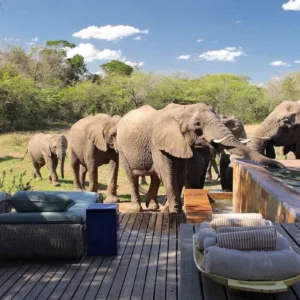
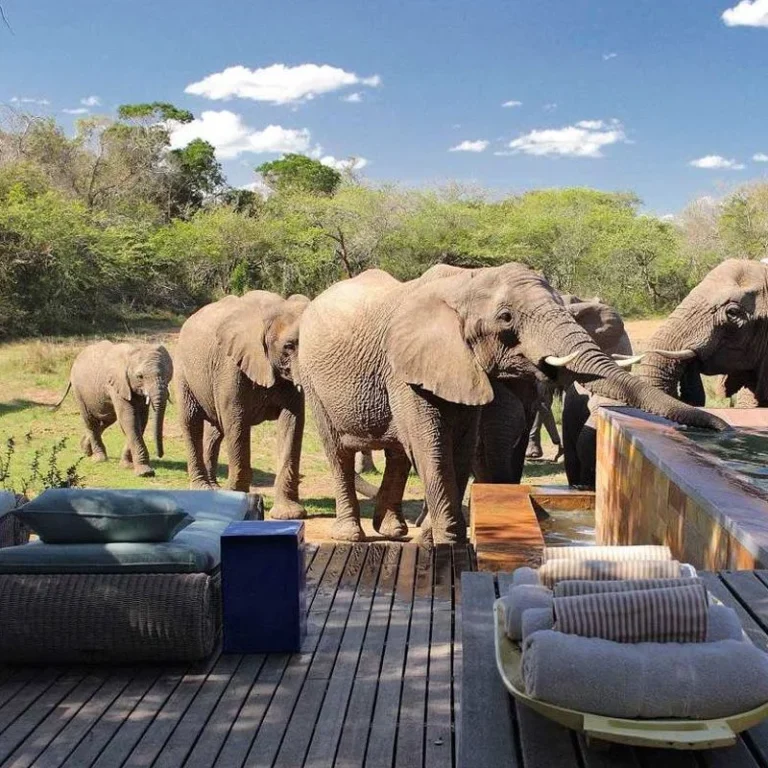
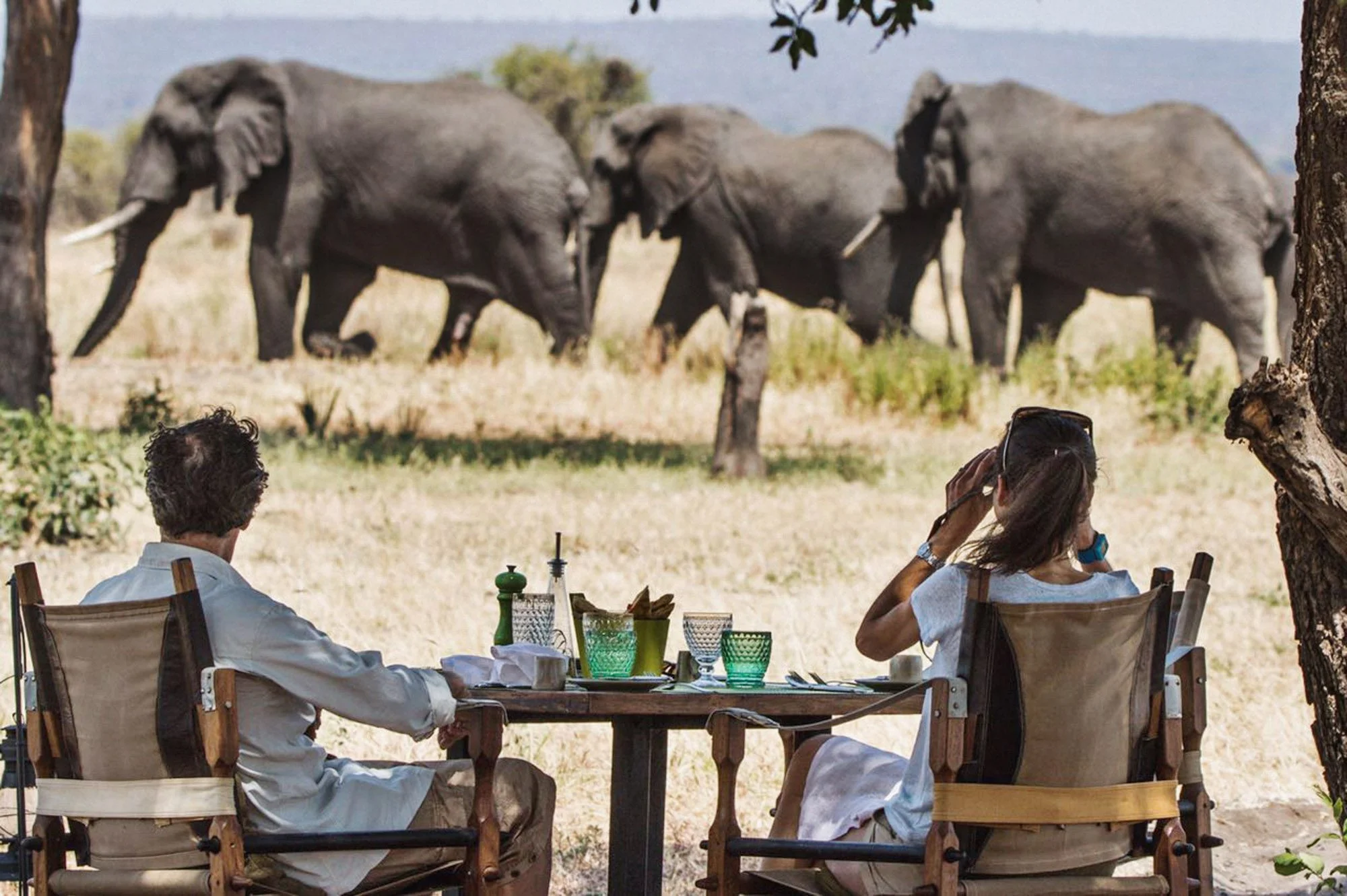
African Elephant The African elephant is the largest land mammal on Earth and one of the most sought-after animals on an African safari. Known for its intelligence, memory, and strong social bonds, the African elephant roams savannahs, forests, and national parks such as Serengeti and Tarangire, Lake Manyara National Park. For an incredible African safari, travelers often search for elephant herds, wildlife photography tours, and Big Five safari experiences. These gentle giants play a vital ecological role by shaping landscapes and creating water access for other species. Seeing elephants in the wild is a highlight of luxury African safari packages and adventure safari tours. Conservation efforts across East Africa and Southern Africa aim to protect elephants from poaching and habitat loss, making sightings both meaningful and unforgettable for wildlife enthusiasts. A must-see safari icon across Africa every season destination.
African Lion
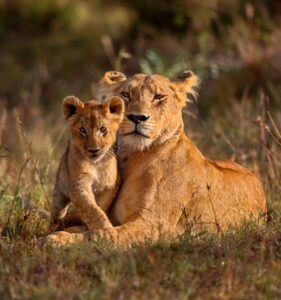
African Lion The African lion is known as the king of the jungle and is one of the most iconic animals on an African safari. It is commonly found in the savannahs and grasslands of the Serengeti, Maasai Mara, and Kruger National Park, where safari travelers enjoy thrilling big cat sightings. Lion prides are highly social groups led by dominant males and skilled lionesses responsible for hunting and protecting cubs. Safari enthusiasts seek African lion sightings as part of the Big Five wildlife safari experience in Africa. Lions play a crucial role in maintaining ecosystem balance by controlling herbivore populations across African savannas. Seeing lions on safari is a powerful wildlife moment, especially during sunrise game drives in East Africa’s top national parks and protected wilderness reserves, a truly unforgettable African safari experience for visitors.
African Leopard
African Leopard The African leopard is one of the most elusive predators on an African safari, known for stealthits and solitary behavior. It is often spotted resting in trees in Serengeti, South Luangwa, and Okavango Delta, making it a prized sighting for safari travelers. Leopards are powerful hunters that rely on camouflage, strength, and patience to ambush prey in the wild. African safari enthusiasts consider leopard sightings a rare and unforgettable wildlife experience. They are an essential part of the Big Five and play a key role in ecosystem balance across African habitats. Spotting a leopard during an African safari is a highlight for wildlife photographers and adventure seekers exploring national parks and private game reserves across East and Southern Africa truly rare and magical big cat encounter experience in wilderness safaris.
African Buffalo
African Buffalo The African buffalo is a powerful and unpredictable member of the Big Five, commonly seen on African safari tours. It inhabits savannahs, floodplains, and forests in Serengeti, Ngorongoro, and Kruger National Park. Buffalo herds can number in the hundreds, providing dramatic wildlife viewing opportunities for safari travelers. They are known for their strength, defensive behavior, and ability to protect themselves from predators like lions. African safari experiences often highlight buffalo as part of the Big Five wildlife encounters. Watching African buffalo on safari is a thrilling experience, especially when large herds move across open plains during migration seasons, attracting predators and offering unforgettable moments for photographers exploring Tanzania and Kenya’s most famous national parks and conservation areas in East Africa, making it a top safari highlight worldwide for visitors today.
African Rhino
African Rhino The African rhino is one of the rarest and most endangered animals on an African safari, including both black rhino and white rhino species. These powerful herbivores are primarily found in protected areas such as Ngorongoro Crater, Ol Pejeta Conservancy, and Kruger National Park. Safari travelers often search for rhino tracking tours and Big Five safari experiences to witness these prehistoric-looking giants. Rhinos play an important role in shaping grassland ecosystems through grazing behavior. Unfortunately, they face severe threats from poaching, making conservation efforts critical across Africa. Seeing a rhino in the wild is a rare and emotional moment for wildlife enthusiasts and photographers. African safari tours focused on conservation offer some of the best opportunities to view rhinos safely in their natural habitat and protected reserves across East Africa.
African Giraffe
African Giraffe The African giraffe is one of the most elegant and recognizable animals on an African safari, known for its long neck and unique spotted coat. Giraffes are commonly seen in Serengeti, Tarangire, and Masai Mara, gracefully feeding on acacia trees. Safari travelers often seek giraffe encounters for wildlife photography and family safari experiences. These gentle browsers play a key role in shaping vegetation by feeding on high tree branches unreachable by other herbivores. African safari tours frequently highlight giraffes as part of Big Five alternatives and general wildlife viewing. Watching giraffes move across golden savannah landscapes is a peaceful and unforgettable safari experience. Their calm behavior and striking appearance make them one of the most photographed animals in Africa, attracting visitors from all over the world to national parks and reserves.
Cheetah
Cheetah The cheetah is the fastest land animal in the world and a thrilling highlight on an African safari. Found in Serengeti, Masai Mara, and Namibian plains, cheetahs are built for speed and precision hunting. Safari travelers often search for cheetah sightings during game drives and wildlife photography safaris. Unlike lions and leopards, cheetahs prefer open landscapes where they can sprint after prey such as gazelles. These big cats are endangered, making sightings especially special for visitors. African safari tours focusing on predator action often prioritize cheetah tracking opportunities. Watching a cheetah accelerate across the savannah is one of the most dramatic wildlife moments in Africa. Their slender build, tear-marked eyes, and incredible agility make them a favorite among photographers and nature enthusiasts exploring East and Southern Africa.
African Hippopotamus
Hippopotamus The African hippopotamus is one of the most powerful and dangerous animals found on an African safari. Despite their bulky appearance, hippos are highly territorial and spend most of their time submerged in rivers and lakes such as the Mara River and Rufiji River. Safari travelers often witness hippos during boat safaris and river game drives. They play an important ecological role by maintaining aquatic ecosystems. African safari tours frequently highlight hippo pods as part of wetland wildlife experiences. At night, hippos emerge to graze on land, creating fascinating wildlife viewing opportunities. Their massive size, loud vocalizations, and social behavior make them one of the most intriguing animals in Africa. Seeing hippos in the wild adds excitement and diversity to any safari adventure across East African national parks and waterways.
African Wild Dog
African Wild Dog The African wild dog is one of the rarest and most endangered predators on an African safari, known for its unique hunting strategies and strong pack behavior. These highly intelligent animals are found in small populations across Botswana, Tanzania, and Zimbabwe. Safari travelers often search for wild dog sightings due to their rarity. African safari tours focusing on predator conservation highlight wild dogs as key ecosystem hunters. They work together in coordinated packs to chase down prey, making them incredibly efficient hunters. Their colorful coat patterns and large, rounded ears make them easy to identify in the wild. Seeing African wild dogs in their natural habitat is a rare privilege for wildlife enthusiasts and photographers, offering one of the most exciting and rewarding safari experiences in Africa’s protected wilderness areas.
Nile Crocodile
Nile Crocodile The Nile crocodile is one of the most ancient and powerful reptiles on an African safari, often found in rivers, lakes, and wetlands across Africa. These apex predators are commonly seen in the Nile River, Serengeti River crossings, and Okavango Delta waterways. Safari travelers frequently witness dramatic hunting scenes during wildebeest migrations. African safari tours often highlight crocodiles as part of the river ecosystem wildlife experiences. Nile crocodiles are highly patient hunters, waiting underwater for prey to approach before launching explosive attacks. Their massive size and strong jaws make them one of Africa’s most feared predators. Observing crocodiles in the wild adds excitement and tension to safari adventures. They play a vital ecological role in maintaining aquatic balance and are an essential part of Africa’s rich biodiversity in national parks and reserves.
African Penguin
African Penguin The African penguin is a unique coastal species found in southern African safari destinations, particularly in South Africa and Namibia. Unlike savannah animals, African penguins inhabit rocky coastlines and islands. Safari travelers visiting marine wildlife tours often include penguin viewing as part of their itinerary. These small penguins are known for their black-and-white markings and playful behavior. African safari experiences near coastal regions offer opportunities to see them at Boulders Beach and the surrounding marine reserves. Conservation efforts are critical as their population is declining due to climate change and overfishing. Watching African penguins in their natural habitat is a delightful experience that adds diversity to traditional safari journeys. Their charm, social behavior, and coastal lifestyle make them one of Africa’s most fascinating and unexpected wildlife encounters for travelers.
Hartebeest
Hartebeest The hartebeest is a fast and alert antelope commonly seen on African safari grasslands and open savannahs. Found in Serengeti, Masai Mara, and other East African parks, hartebeests are easily recognized by their elongated head shape and sloping back. Safari travelers often encounter them during game drives across open plains. They are highly adapted to running long distances, helping them escape predators like lions and cheetahs. African safari tours frequently include hartebeests as part of general wildlife viewing and antelope diversity. These animals live in herds and contribute to the balance of grassland ecosystems. Observing hartebeests in the wild provides insight into Africa’s rich biodiversity. Their endurance, alertness, and graceful movement make them an important part of the safari experience across African national parks and conservation landscapes.
Bongo
Bongo The bongo is a rare and elusive forest antelope found in dense rainforests of Central and East Africa. Known for its striking reddish coat and white stripes, the bongo is one of the most beautiful animals on an African safari. Safari travelers rarely see bongos due to their secretive behavior and forest habitat. African safari tours in mountainous and forested parks such as Kenya’s Aberdare Range and Tanzania’s montane forests offer occasional sightings. Bongos are shy, nocturnal, and highly sensitive to human presence. Conservation efforts are crucial to protect them from habitat loss and poaching. Seeing a bongo in the wild is considered a rare privilege for wildlife enthusiasts. Their beauty and mystery make them one of Africa’s most fascinating antelope species, adding diversity to forest safari experiences across the continent.
Okapi
Okapi The okapi is one of Africa’s most mysterious and rare animals, often called the “forest giraffe” due to its relation to giraffes. Found in the dense rainforests of the Congo Basin, okapis are extremely difficult to spot on an African safari. Safari travelers interested in rare wildlife often include Congo forest expeditions to search for this elusive species. Okapis have zebra-like striped legs and a dark velvety coat, making them visually unique. African safari conservation tours highlight okapis as an endangered species requiring urgent protection. They feed on leaves, buds, and fruits deep in the forest. Observing an okapi in its natural environment is an extraordinary experience for wildlife enthusiasts. Their secretive nature and limited range make them one of the most unique mammals in Africa’s biodiversity-rich rainforest ecosystems.
Zebra
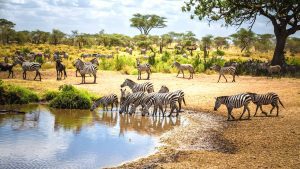
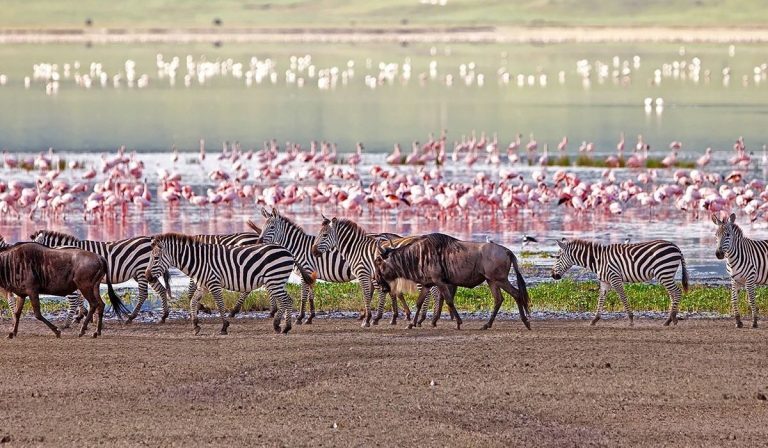
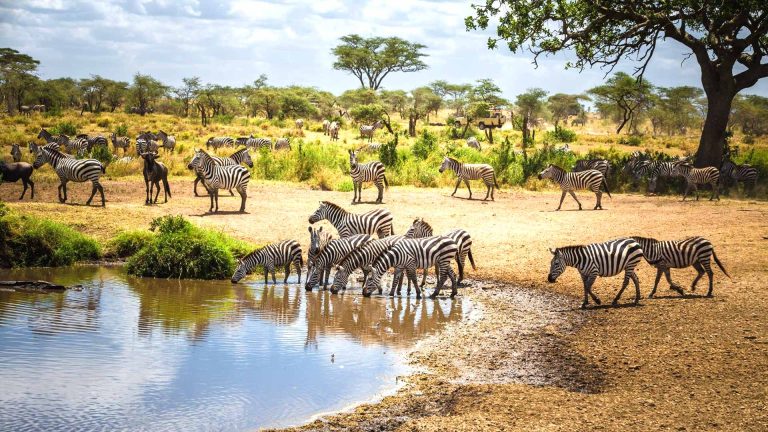
Zebra The zebra is one of the most iconic and photogenic animals on an African safari, famous for its black and white striped coat. Found in large herds across Serengeti, Masai Mara, and Kruger National Park, zebras are a major attraction during wildlife safari tours. Safari travelers often witness zebra migration alongside wildebeest in East Africa. These social animals live in groups for protection against predators like lions and hyenas. African safari experiences frequently highlight zebras as part of classic savannah scenery. Their stripes are unique to each individual, making them easily recognizable. Zebras play an important ecological role by grazing on different grass types. Watching thousands of zebras move across open plains is one of the most breathtaking sights in Africa, attracting photographers and nature lovers from around the world.
Wildebeest
Wildebeest The wildebeest is a key species in the Great Migration and one of the most important animals on an African safari. Found in Serengeti and Masai Mara ecosystems, wildebeests travel in massive herds in search of fresh grazing lands. Safari travelers often witness dramatic river crossings filled with predators such as crocodiles and lions. African safari tours highlight the wildebeest migration as one of the greatest wildlife spectacles on Earth. These animals are highly social and rely on herd behavior for survival. They play a crucial role in maintaining grassland ecosystems through grazing patterns. Watching wildebeests move across the savannah alongside zebras creates unforgettable safari moments. Their migration cycle attracts photographers and wildlife enthusiasts from around the globe, making East Africa a premier destination for nature-based tourism and adventure safaris.
A general guide: the herds follow the rains.
Final thought
An African safari offers one of the most powerful wildlife experiences in the world, bringing travelers face-to-face with extraordinary animals across diverse ecosystems. From the Big Five to rare species like wild dogs, okapis, and bongos, every safari journey reveals the beauty of Africa’s natural heritage. Whether exploring Tanzania, Kenya, South Africa, or Botswana, visitors experience breathtaking landscapes, rich biodiversity, and unforgettable game drives. African safari tours continue to grow in popularity due to conservation awareness and luxury travel demand. Each animal plays a vital role in maintaining ecological balance, making wildlife protection essential for future generations. A safari is more than a holiday—it is a life-changing adventure filled with discovery, photography, and connection to nature. For wildlife lovers, an African safari remains the ultimate bucket-list experience that inspires awe, respect, and lifelong memories across Africa’s wilderness forever.
Top 10 Animals to See on an African Safari: FAQs
What should you know about African elephant ?
African Elephant The African elephant is the largest land mammal on Earth and one of the most sought-after animals on an African safari. Known for its intelligence, memory, and strong social bonds, the African elephant roams savannahs, forests, and national parks such as Serengeti and Tarangire, Lake Manyara National Park.
What can you expect from African leopard ?
African Leopard The African leopard is one of the most elusive predators on an African safari, known for stealthits and solitary behavior. It is often spotted resting in trees in Serengeti, South Luangwa, and Okavango Delta, making it a prized sighting for safari travelers. Leopards are powerful hunters that rely on camouflage, strength, and patience to ambush prey in the wild.
What should you know about African rhino ?
African Rhino The African rhino is one of the rarest and most endangered animals on an African safari, including both black rhino and white rhino species. These powerful herbivores are primarily found in protected areas such as Ngorongoro Crater, Ol Pejeta Conservancy, and Kruger National Park.
What can you expect from cheetah on a Tanzania safari?
Cheetah The cheetah is the fastest land animal in the world and a thrilling highlight on an African safari. Found in Serengeti, Masai Mara, and Namibian plains, cheetahs are built for speed and precision hunting. Safari travelers often search for cheetah sightings during game drives and wildlife photography safaris.
What should you know about African wild dog ?
African Wild Dog The African wild dog is one of the rarest and most endangered predators on an African safari, known for its unique hunting strategies and strong pack behavior. These highly intelligent animals are found in small populations across Botswana, Tanzania, and Zimbabwe. Safari travelers often search for wild dog sightings due to their rarity.
What can you expect from African penguin ?
African Penguin The African penguin is a unique coastal species found in southern African safari destinations, particularly in South Africa and Namibia. Unlike savannah animals, African penguins inhabit rocky coastlines and islands. Safari travelers visiting marine wildlife tours often include penguin viewing as part of their itinerary.
What should you know about bongo on a Tanzania safari?
Bongo The bongo is a rare and elusive forest antelope found in dense rainforests of Central and East Africa. Known for its striking reddish coat and white stripes, the bongo is one of the most beautiful animals on an African safari. Safari travelers rarely see bongos due to their secretive behavior and forest habitat.
What can you expect from zebra on a Tanzania safari?
Zebra The zebra is one of the most iconic and photogenic animals on an African safari, famous for its black and white striped coat. Found in large herds across Serengeti, Masai Mara, and Kruger National Park, zebras are a major attraction during wildlife safari tours.
See Africa’s Wildlife Up Close
Tell us which animals you dream of seeing, and we will design a private tailor-made safari to the right parks at the right time.