How to Book an Affordable African Safari

An African safari is one of the most unforgettable travel experiences in the world—golden savannahs, dramatic wildlife encounters, colorful cultures, and breathtaking landscapes. Yet for many travelers, the word “safari” still sounds expensive and out of reach. The good news? An affordable African safari is absolutely possible with the right planning, flexibility, and insider knowledge. From choosing the right season and accommodation to working with local tour operators and focusing on meaningful experiences, this guide reveals practical, proven tips to help you book a memorable safari without overspending. A Complete Guide to Experiencing Africa Without Breaking the Bank. Travel in the Shoulder or Green Season One of the most effective ways to book an affordable African safari is by traveling during the shoulder season or green season. These periods fall between peak and low seasons and offer the perfect balance between cost, wildlife viewing, and comfort. In East Africa, the green season typically runs from March to May and again in November, while shoulder months often include late March, early June, and early December. During these times, safari lodges, camps, and tour operators offer significantly reduced rates—sometimes up to 30–40% less than peak season prices. Contrary to popular belief, wildlife viewing remains excellent. The landscapes are lush and green, animals are more spread out, and there are fewer safari vehicles in the parks. For photographers, this season offers dramatic skies and vibrant scenery. Why it saves money: Lower park fees and accommodation discounts Fewer crowds Better value for longer safaris Choose Budget Accommodation Luxury lodges may dominate safari marketing, but budget and mid-range accommodations deliver authentic experiences at a fraction of the cost. From tented camps and eco-lodges to safari guesthouses and camping safaris, affordable options are available across Africa’s top safari destinations. Budget accommodations often focus on comfort, location, and genuine safari atmosphere rather than extravagant extras. You’ll still enjoy guided game drives, delicious meals, and warm hospitality—without paying for unnecessary luxuries. Mobile camps and permanent tented camps are particularly good value, offering close proximity to wildlife areas at reasonable prices. Smart accommodation choices include: Budget tented camps Safari lodges outside park boundaries Public campsites with professional guides Seasonal mobile camps Use Local Tour Operators Working with local African tour operators is one of the smartest ways to reduce safari costs while improving your overall experience. Local operators have deep knowledge of the destinations, established relationships with lodges, and access to local pricing that international agents often cannot match. By booking directly with a local company, you avoid international commissions and inflated package prices. In addition, local guides bring rich storytelling, cultural insights, and firsthand wildlife knowledge that elevate your safari. Another benefit is flexibility—local operators can customize itineraries based on your budget, travel dates, and interests. Why local operators are more affordable: No middleman fees Better local rates Personalized itineraries Support for local communities Be Flexible with Dates and Destinations Flexibility is a powerful tool when planning an affordable African safari. Being open to alternative travel dates, routes, or parks can dramatically lower your overall cost. For example, instead of visiting a famous park during peak season, consider traveling a few weeks earlier or later. You can also explore lesser-known parks that offer equally rewarding wildlife encounters but cost less. In Tanzania, for instance, combining major parks with quieter destinations like Mkomazi, Lake Eyasi, or the southern Serengeti regions can save money without sacrificing the safari experience. Flexibility allows you to: Access discounted lodges Avoid peak-season surcharges Discover hidden gems Build better-value itineraries Book Early While last-minute deals exist, booking early is generally the safest and most cost-effective strategy—especially for popular safari destinations. Early bookings allow you to secure better accommodation rates, preferred camps, and lower internal flight costs. Many safari lodges offer early-bird discounts for reservations made several months in advance. Booking early also gives you more time to plan, compare options, and avoid rushed decisions that often lead to overspending. Benefits of early booking: Better availability Discounted rates Lower flight costs More itinerary options Pack Smart and Light Packing smart may not sound like a major cost-saving tip, but it makes a significant difference—especially when internal flights are involved. Most safari flights have strict luggage limits, and excess baggage fees can add up quickly. By packing light and focusing on safari essentials, you avoid extra charges and simplify your travel experience. Neutral clothing, reusable items, and compact gear are all you need for a comfortable safari. Smart packing also reduces the need for unnecessary purchases while on the road. Pack essentials only: Neutral-colored clothing Lightweight layers Comfortable shoes Reusable water bottle Compact camera gear Focus on Core Safari Experiences An affordable African safari doesn’t mean missing out—it means focusing on what truly matters. Game drives, nature walks, cultural visits, and breathtaking landscapes are the heart of any safari. Rather than adding expensive extras like private flights, luxury spa treatments, or premium drinks packages, prioritize meaningful wildlife experiences. Group game drives, shared vehicles, and scheduled activities still deliver incredible sightings and unforgettable moments. Quality guiding, great locations, and well-planned routes matter far more than luxury add-ons. Core experiences to prioritize: Daily game drives Knowledgeable local guides Wildlife-rich areas Cultural interactions End with Beach Time Ending your safari with a few days at the beach is not only relaxing—it can also be surprisingly affordable. Destinations like Zanzibar, Diani Beach, or the Kenyan coast offer a wide range of budget-friendly beachfront hotels and guesthouses. Beach time allows you to slow down after an active safari while keeping costs low. Many beach destinations have affordable food, activities, and accommodation options compared to safari lodges. Combining safari and beach also balances your itinerary, making your trip feel richer without increasing the overall cost. Why beach extensions save money: Lower accommodation costs Free or low-cost activities Relaxed travel pace Excellent value for longer stays Get Travel Insurance Travel insurance is not an area to cut costs—it’s a smart investment that protects your budget. From flight delays and medical emergencies to trip
How Safe Is an African Safari?

An African safari is generally safe when proper precautions are taken, such as using reputable tour operators and following your guide’s instructions. While inherent risks exist, they are significantly minimized by staying in designated areas, respecting wildlife, and taking health precautions like vaccinations and avoiding untreated water. An African safari is one of the most extraordinary adventures you can experience — a journey through vast savannas, dense forests, and shimmering lakes, where elephants roam free, lions patrol the grasslands, and birds paint the skies with color. Yet, with all its beauty and raw wilderness, one common question arises: Is an African safari safe? The best African Safari is safe for families, kid-friendly, honeymooners/couples, solo female and male travelers, and seniors. The short answer is yes — African safaris are remarkably safe when properly organized and when visitors follow essential safety rules. Modern safari tourism is built on decades of experience, expert guides, and well-established safety standards. But it’s also important to remember that you are stepping into wild territory, where both nature and culture deserve respect. Let’s explore how you can ensure a safe and enjoyable safari experience — and the key factors every traveler should understand before venturing into Africa’s wild heart. 1. Listen to Your Guide – The Golden Rule of Safety Your safari guide is your greatest asset — a seasoned expert who knows the landscape, the animals, and the rhythm of the wild. These professionals not only knowledgeable about wildlife behavior but are also trained in safety, first aid, and emergency response. Listening to your guide isn’t just about following instructions — it’s about survival and respect. They know when it’s safe to approach an animal, when to stay back, and how to interpret subtle changes in animal behavior. For instance, while a herd of elephants may appear calm, a slight ear flap or trunk movement could signal irritation. Your guide can read those cues instantly and act accordingly. Always remember: your guide’s word is final. Whether they tell you to remain seated, lower your voice, or wait before taking photos, these instructions meant to keep everyone safe — including the wildlife. 2. Stay in the Vehicle – The Safari Shield One of the simplest but most vital safety rules on any safari is to stay inside the vehicle at all times unless your guide tells you it’s safe to step out. Safari vehicles designed not only for comfort and visibility but also for protection. To most animals, these vehicles appear as large, non-threatening objects. The moment you step out or lean too far, that illusion breaks — and you become a potential threat or prey. Lions, leopards, and even seemingly calm animals like buffalo or elephants can react aggressively if startled or approached too closely. Resist the temptation to get that perfect photo by leaning out of the vehicle or standing up suddenly. Your best (and safest) wildlife photos will come from patience and respect, not proximity. 3. Keep Quiet and Still – Blend Into the Wild A safari is not a zoo visit. Out here, you’re in the animals’ world — and silence is your best companion. Loud noises, sudden movements, or shouting can disturb animals, scare them away, or provoke aggression. When observing a pride of lions or a family of elephants, your quietness allows them to remain relaxed and behave naturally. You’ll witness authentic wildlife behavior — mothers nursing calves, cubs playing, predators stalking — instead of frightened or defensive reactions. Quiet observation not only enhances safety but also deepens your experience. Many travelers say that the stillness of the bush — broken only by the calls of birds or the distant roar of a lion — is one of the most moving parts of their journey. So, when your guide signals for silence, take it as an invitation to connect with the wilderness on its own terms. 4. Maintain a Safe Distance – Respect the Wild’s Boundaries Every animal, from a towering giraffe to a resting rhino, has an invisible comfort zone. Crossing that line is what often leads to danger. Maintaining a safe distance ensures not just your safety but the animals’ peace as well. Most parks have strict rules regarding how close vehicles may get to wildlife — often between 25 to 50 meters, depending on the species. Professional guides understand these boundaries instinctively. They know when to move closer, when to back away, and how to position the vehicle for both safety and optimal viewing. This rule also applies when on foot, during walking safaris or camp visits. Always follow your guide’s lead and never approach wildlife alone. Even small animals like baboons or warthogs can become aggressive if they feel cornered. In essence, the golden principle of safari safety is respect. Give nature its space, and it will reward you with extraordinary encounters. 5. Book with Reputable Operators – Experience and Safety Matter Not all safari operators are created equal. Booking with a reputable, licensed, and experienced tour company can make the difference between a safe, smooth safari and a risky one. Trusted operators employ certified guides, maintain their vehicles properly, carry first-aid and communication equipment, and follow national park safety regulations. They also know how to handle medical or logistical emergencies efficiently. Before booking, check reviews, certifications, and affiliations. Look for operators who are registered with local tourism authorities or safari associations such as the Tanzania Association of Tour Operators (TATO) or Kenya Association of Tour Operators (KATO). Reputable companies will also provide detailed pre-trip briefings, health and safety advice, and 24-hour support throughout your safari. Remember: the cheapest option isn’t always the safest. In the wild, professionalism and experience are worth every penny. 6. Avoid Walking Alone at Night – Camp Safety Essentials One of the magical aspects of a safari is staying in lodges or tented camps set deep within nature — where the night echoes with the calls of hyenas, crickets, and distant lions. But this beauty comes with a rule: never
How to Choose the Best Tanzania Safari for Your Travel Style

There’s a moment, just before sunrise, when the Tanzanian wilderness comes alive — the air is crisp, the horizon glows with soft amber light, and the distant call of a lion echoes across the plains. It’s in this moment that you realize: a safari in Tanzania isn’t just a trip. It’s an awakening. But with so many parks, lodges, and experiences to choose from, how do you find the safari that truly fits your travel style? Whether you’re chasing the Great Migration, dreaming of luxury tents under the stars, or seeking quiet solitude in untamed wilderness, the key lies in thoughtful planning. To choose the best Tanzania safari for your travel style, first define your budget and priorities. Such as luxury level and desired wildlife. Next, select parks that align with your interests, like the Serengeti for the Great Migration or Ruaha for off-the-beaten-path experiences. Then, determine the ideal time of year to visit based on weather and wildlife patterns, choose the pace and length of your trip, and decide on accommodation and transport that fit your budget and style. Finally, work with a reputable safari operator who can handle logistics and provide expert guides. Here’s a complete guide to help you choose the perfect Tanzania safari — one that aligns with your personality, pace, and passions. 1. Define Your Travel Style and Budget Every unforgettable safari starts with one essential question: What kind of traveler are you? To choose the best Tanzania safari, first define your travel style and budget by considering comfort preferences (luxury lodges, mid-range, budget camping), adventure (overland, fly-in, walking), and privacy (private vs. group tours). Then, match these preferences to park choices and activities; for example, luxury travelers might prefer private guides and fly-in options to avoid long drives, while budget travelers might choose group camping safaris. Finally, consider the duration and season to align your safari with your specific goals and budget. Are you an adventurer who loves roughing it in nature, or do you prefer the comfort of hot showers and fine wine after a day in the wild? Do you crave privacy and romance, or are you traveling with kids who need fun and flexibility? Your travel style — and your budget — will shape every decision that follows. ✔Luxury Travelers For those who want comfort, Luxury Safari in Tanzania without compromise, Tanzania’s luxury lodges and tented camps are second to none. Think infinity pools overlooking the Serengeti, private butlers, and candlelit dinners beneath the stars. Lodges by &Beyond, Singita, or Asilia Africa offer an experience that’s both indulgent and deeply connected to nature. Expect to spend around $600–$1500 per person per day for this level of comfort. ✔Mid-Range Explorers If you want a balance of comfort and authenticity, Tanzania has plenty of charming mid-range lodges and tented camps. These usually Tanzania Mid-Range Safaris feature en-suite bathrooms, solar-powered lighting, and cozy lounges. Prices range between $300–$600 per person per day, making this the most popular Tanzania Safari package option for travelers seeking good value and quality. ✔Budget and Adventure Travelers For the adventurous, a camping safari is pure magic. Picture yourself best safari Tours in Tanzania sleeping in a dome tent, waking to the sound of hyenas laughing in the night, and sharing stories around a campfire. It’s raw, real, and surprisingly comfortable. Budget safaris typically cost $150–$300 per person per day and offer an unbeatable Safari Tours in Tanzania connection to the land. In short: decide what matters most — luxury, authenticity, or adventure — and build your safari around that. 2. Choose the Right Parks and Activities Tanzania is blessed with some of the world’s most extraordinary wildlife reserves. Each park has its own rhythm, scenery, and species. Choosing the right combination will define the flavor of your safari. To choose the right Tanzania safari, match your interests to specific parks. Consider your budget and desired comfort level, and select a safari style that suits your adventure preferences. For iconic wildlife, choose Serengeti for the Great Migration and Ngorongoro Crater for the high density of Big Five. While Tarangire is ideal for elephant herds and Lake Manyara is great for birds and tree-climbing lions. For remote experiences, consider Ruaha or Nyerere (Selous). ✔Northern Circuit: The Classic Safari Experience If it’s your first time, start with the Northern Circuit — home to Tanzania’s most iconic parks. To choose the best Tanzania safari, align your Tanzania Safari Planning travel style with the Northern Circuit’s classic. Convenient experience or the Southern Circuit’s more remote, adventurous appeal. The Northern Circuit is ideal for first-timers and those with limited time due to its high concentration of wildlife. A horter drives between parks, which are often included in luxury fly-in options or budget camping tours. The Southern Circuit is better for travelers seeking fewer crowds, greater solitude. Longer stays, as parks are farther apart and require more time to navigate. To choose the best safari park in Tanzania, identify your priorities like the Great Migration or seeing the Big Five. Consider the time of year, and decide on your preferred safari style (e.g., budget camping or luxury lodging). For first-time visitors, combining parks in the Northern Circuit like Serengeti, Ngorongoro Crater, Tarangire, and Lake Manyara offers a classic experience with diverse scenery and wildlife. ✔Serengeti National Park: A legendary landscape where lions stalk the grasslands and millions of wildebeest migrate in search of greener pastures. It’s the heart of Tanzania’s safari magic. ✔Ngorongoro Crater: A natural amphitheater teeming with wildlife — elephants, rhinos, and flamingos all within one breathtaking view. ✔Tarangire National Park: Known for its ancient baobab trees and enormous elephant herds. ✔Lake Manyara: A lush park famous for flamingos and tree-climbing lions. This circuit is ideal for photographers, first-timers, and travelers who want to see the Big Five. ✔Southern Circuit: Remote and Untamed If you’ve already done a classic safari or crave fewer crowds, venture south to Ruaha and Nyerere (Selous) National Parks. These are wilder, quieter, and vast — the kind of
Fastest Animals in the World

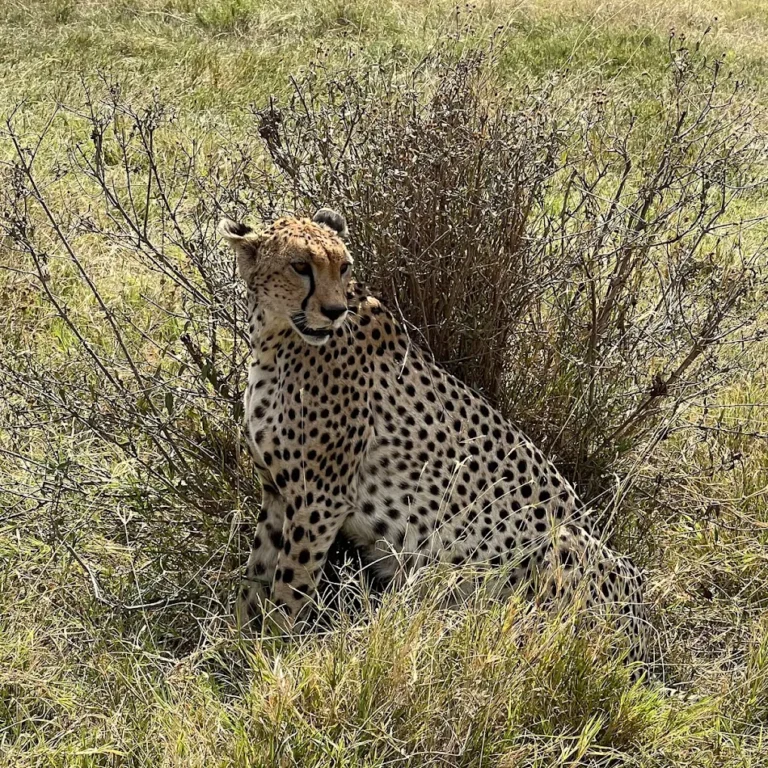
Speed is one of nature’s most fascinating survival tools. In the animal kingdom, it’s the difference between life and death — the key to catching prey or escaping danger. Across the world’s savannas, grasslands, deserts, and forests, a few extraordinary creatures have evolved to move at breathtaking velocities. From the Cheetah’s explosive sprint to the Pronghorn’s long-distance endurance, these are the fastest animals in the world, built for pure, raw power and precision. The fastest animals the world are the peregrine falcon in a dive (up to 242 mph), the cheetah on land (up to 75 mph), and the black marlin in water (up to 80 mph). The pronghorn antelope is the fastest long-distance runner on land. The top 10 fastest animals are the Peregrine Falcon (diving speed) fastest animal in the sky, White-throated Needletail Swift (level flight), Black Marlin (water), Mexican Free-tailed Bat (flight), Cheetah (land), Sailfish (water), Pronghorn (land), Marlin (water), Springbok (land), and Lion (land). The peregrine falcon is the fastest animal overall, reaching over 240 mph when diving. Cheetah – Top Speed: 75 mph (121 kph) The Cheetah (Acinonyx jubatus) stands as the undisputed fastest land animal on Earth. Found mainly in Africa’s open plains and savannas, the cheetah is the fastest animal in the world body is perfectly adapted for speed. Its lightweight frame, elongated limbs, and flexible spine allow it to stretch its body like a coiled spring during each stride. Within seconds, it can accelerate from 0 to 60 mph (96 kph) — faster than most sports cars. This burst of energy, however, is short-lived, lasting only 20 to 30 seconds. The cheetah relies on these incredible sprints to chase down antelopes such as gazelles or impalas. Its semi-retractable claws provide grip, while large nasal passages and lungs supply oxygen to its powerful muscles. The cheetah isn’t just fast — it’s a masterpiece of evolution designed for speed. Pronghorn Antelope – Top Speed: 55 mph (89 kph) North America’s Pronghorn Antelope (Antilocapra americana) takes the silver medal in the speed race. Although it can’t match the cheetah’s explosive acceleration, it is the fastest long-distance runner in the animal world. A pronghorn can maintain speeds of 45 mph (72 kph) for several kilometers — an ability unmatched by any other land mammal second fastest animal in the world. Its large heart and lungs support this endurance, while its light, aerodynamic build and long legs allow for efficient strides. Scientists believe the pronghorn evolved this exceptional speed to escape predators that no longer exist — such as the extinct American cheetah. Today, the pronghorn still reigns supreme across the North American plains, a living relic of a faster, more dangerous past. Springbok – Top Speed: 55 mph (89 kph) The Springbok (Antidorcas marsupialis), native to southern Africa, shares its speed record with the pronghorn. Agile and graceful, this gazelle-like antelope uses its velocity and unique leaping behavior, known as pronking, to evade predators like cheetahs and lions. With each bound, the springbok can rise over two meters into the air, an act that confuses attackers and showcases its strength. Its slender legs, strong muscles, and elastic tendons store and release energy efficiently, making it both fast and nimble. Whether sprinting across the Kalahari or bounding through the grasslands, the springbok’s speed is a dazzling display of survival through agility. Wildebeest – Top Speed: 50 mph (80 kph) The Wildebeest (Connochaetes taurinus), famous for its role in the Great Migration across Tanzania’s Serengeti and Kenya’s Maasai Mara, is another powerhouse of speed. Capable of reaching 50 mph (80 kph), wildebeests rely on their endurance and group coordination to outmaneuver predators. Their muscular build, long legs, and sturdy hooves allow them to gallop across rugged terrains in massive herds. Despite their seemingly clumsy appearance, wildebeests can sprint with astonishing agility when chased by lions, cheetahs, or hyenas. Their speed, combined with sheer numbers, ensures survival during their perilous annual journey. Lion – Top Speed: 50 mph (80 kph) The Lion (Panthera leo) — the king of the jungle — may not be the fastest sprinter overall. But its burst speed is formidable. Lions can reach up to 50 mph (80 kph) over short distances while hunting. Their power lies in muscular strength and explosive acceleration, not endurance. A lion’s hunting strategy depends on stealth and teamwork. They stalk prey silently, getting as close as possible before launching a short, high-speed ambush. Despite their size and weight, lions are agile predators, capable of bringing down massive animals like buffaloes, wildebeests, and even young elephants. Blackbuck – Top Speed: 50 mph (80 kph) The Blackbuck (Antilope cervicapra), native to the Indian subcontinent, is known for its elegance and lightning speed. Reaching speeds of 50 mph (80 kph), this antelope uses its agility to escape predators such as leopards and wolves. Its spiral horns, slender legs, and light body make it a symbol of grace and power in motion. In open grasslands, the blackbuck’s speed becomes its greatest defense. Even when running, it can twist and turn rapidly — a maneuver that often saves its life in the wild. American Quarter Horse – Top Speed: 47.5 mph (76.5 kph) Among domesticated animals, the American Quarter Horse reigns supreme. Famous for short-distance sprinting, it can reach 47.5 mph (76.5 kph), especially over a quarter-mile stretch — hence the name “Quarter Horse.” Built with strong hindquarters, broad chests, and well-developed muscles, this breed is favored in rodeo events, barrel racing, and ranch work. Its combination of speed, balance, and agility makes it one of the most versatile horse breeds in the world. Brown Hare – Top Speed: 45 mph (72 kph) The Brown Hare (Lepus europaeus) is a master of escape. Reaching speeds up to 45 mph (72 kph), it uses zigzag running patterns to outsmart predators like foxes and birds of prey. Unlike rabbits, hares live above ground and rely solely on their legs for survival. With long hind limbs and powerful muscles, the brown hare can leap great distances
Tanzania Walking Safaris – World Authentic Wilderness Adventures

A walking safari in Tanzania is one of the most authentic and exhilarating ways to experience Africa’s wilderness. Unlike traditional game drives where you observe wildlife from the comfort of a vehicle. Walking safaris invite you to step directly into nature’s rhythm — to feel the crunch of dry grass beneath your boots, to smell the earth after rain, and to listen to the rustle of unseen creatures moving through the bush. Here, every sense comes alive. Tanzania is one of the best destinations in Africa to embark on a walking safari. Its diverse ecosystems — from sprawling savannahs and ancient craters to lush wetlands and miombo woodlands — create a perfect setting for exploring on foot. Guided by experienced rangers and trackers, you can safely approach wildlife. Discover the hidden secrets of the land, and gain a deeper appreciation of nature’s intricate web of life. Below, we explore the best places for walking safaris in Tanzania, what to expect on this extraordinary adventure, and the key considerations to help you plan the perfect walking experience. Where to Go for a Walking Safari in Tanzania You can go on a walking safari in Tanzania at several locations. Including Tarangire, Serengeti, and Ruaha National Parks, as well as the Ngorongoro Crater and Nyerere National Park. Each African walking safari offers a unique experience. From following large elephant herds in Tarangire and walking the Serengeti’s vast plains to exploring the immense caldera of Ngorongoro and the remote landscapes of Nyerere. Arusha National Park is another great option, particularly for shorter walks with views of Mount Meru and diverse habitats. Nyerere National Park (Formerly Selous Game Reserve) Nyerere National Park — Africa’s largest protected area — is a walking safari paradise. Vast, wild, and wonderfully remote, this UNESCO World Heritage Site stretches over 30,000 square kilometers of pristine wilderness. The Rufiji River snakes its way through the landscape. Norishing palm-fringed channels, grassy floodplains, and acacia woodlands teeming with life. Walking safaris here are immersive and adventurous. Accompanied by armed guides, you’ll trace animal tracks across the sand, identify plants used in traditional medicine, and listen to the echo of distant lions calling across the plain. Elephant herds, giraffes, and buffalo often appear in the distance, and your guide may pause to point out smaller but fascinating details — a dung beetle rolling its prize, or a leopard’s paw print imprinted in the soft earth. The combination of riverine beauty, solitude, and abundant wildlife makes Nyerere one of Tanzania’s most rewarding destinations for walking safaris. Ruaha National Park If there’s one place in Tanzania that embodies raw wilderness, it’s Ruaha National Park. Located in the heart of the country. Ruaha is Tanzania’s largest national park and remains blissfully untouched by mass tourism. The landscape is dramatic — a blend of rugged hills, baobab-studded plains, and the meandering Great Ruaha River, which serves as a lifeline for countless animals. A walking safari in Ruaha reveals the park’s quieter, more mysterious side. Here, it’s not just about spotting the Big Five. It’s about learning how the bush works. Your guide might stop to show you how to tell the age of elephant tracks. Explain the purpose of termite mounds, or identify the calls of birds overhead. The experience is slow, deliberate, and deeply rewarding. Ruaha is home to large populations of elephants, lions, leopards, and even wild dogs. While encounters with big game on foot are possible. Walks are designed to prioritize safety and respect for wildlife. The result is a genuine connection to the landscape — one that lingers long after you’ve left. Tarangire National Park Known for its magnificent baobab trees and vast herds of elephants. Tarangire National Park best safari destinations in East Africa you can’t miss for walking safari vacations offers some of northern Tanzania’s best walking safari experiences. The African Walking Safari Experience park’s mix of woodland, riverine forest, and open plains provides a diverse backdrop for exploration. Walking safaris here allow you to experience the park beyond its famous elephant herds. You’ll get close to the smaller wonders — colorful lizards basking on rocks, the scent of crushed sage underfoot, or weaver birds building intricate nests. The Tarangire River attracts a variety of wildlife, making it a hotspot for animal sightings. Especially during the dry season when water sources are scarce. The park’s proximity to Arusha also makes it ideal for travelers who want to include a short walking safari as part of a longer northern circuit itinerary. Arusha National Park Often overlooked in favor of Tanzania’s larger reserves. Arusha National Park offers an extraordinary walking safari experience within easy reach of Arusha town. It’s one of the few parks in the country where walking is a primary activity — not just an add-on. Here, you can hike through lush montane forests at the base of Mount Meru, wander along the tranquil Momella Lakes, and cross open grasslands dotted with giraffes, zebras, and warthogs. The park is also a birdwatcher’s paradise, home to flamingos, turacos, and countless other species. What makes walking in Arusha National Park truly special is the scenery — from volcanic craters to dense forests alive with the chatter of colobus monkeys. Walking safari in Tanzania it’s a peaceful yet thrilling way to start or end a Tanzanian safari adventure. Ngorongoro Highlands For travelers seeking a more adventurous trek, the Ngorongoro Highlands provide a spectacular backdrop. Unlike the crater floor — where walking is restricted due to high predator density — the highlands surrounding the crater are open for exploration. Guided walking safaris in Africa, walks here lead through rolling hills, forests, and Maasai villages, offering a unique blend of wildlife, culture, and scenery. You might trek from Empakaai Crater, known for its flamingo-filled lake, to the rim of Olmoti Crater or even on multi-day routes that descend toward the Serengeti Plains. This walking & trekking safari in Tanzania region’s beauty lies in its contrasts — misty mountain trails, traditional Maasai bomas, and sweeping views across
The Ultimate Tanzania Safari Guide Do’s & Don’ts

Embarking on a safari in Tanzania is a once-in-a-lifetime adventure that immerses you in the breathtaking wilderness of East Africa. From the vast plains of the Serengeti National Park to the iconic Ngorongoro Crater, Tanzania is one of the most sought-after safari destinations in the world. For a Tanzania safari, do listen to your guide, stay in the vehicle, pack neutral-colored clothing, use binoculars, and respect park rules. Avoid making loud noises, feeding animals, littering, or wearing bright colors like blue, red, or orange, as these can disturb wildlife and attract insects. It’s also crucial to stay hydrated, wear appropriate footwear, and keep personal items secure, especially from monkeys. But to ensure a safe, respectful, and unforgettable experience, it’s crucial to follow proper safari etiquette. Here’s your comprehensive guide on what to do and avoid during your Tanzanian safari journey. ✅ Essential Do’s on a Tanzania Safari Essential do’s for a Tanzania safari include respecting wildlife by maintaining a safe distance and staying quiet, always following your guide’s instructions, packing smart with essentials like sunscreen, insect repellent, and binoculars, and being respectful of local culture. Proper preparation and etiquette are crucial for a safe and rewarding Luxury Tanzania Safari Tours experience. Listen to Your Guide Your safari guide is your lifeline in the bush. They are trained professionals with years of Tanzania safari packages experience navigating the terrain and understanding animal behavior. Always listen carefully to their instructions, whether it’s about where to stand, how to behave near wildlife, or safety protocols during game drives and walking safaris. Their primary goal is to ensure your safety and maximize your wildlife encounters. Stay in the Vehicle During Game Drives Wild animals see vehicles as neutral objects, but once you step out, you become a threat or prey. Never leave the safari vehicle unless explicitly told it’s safe. Even the calmest-looking elephant or lion can become aggressive if they feel threatened. Staying inside the vehicle helps you avoid dangerous encounters and keeps the environment undisturbed. Wear Neutral-Colored Clothing Colors like khaki, olive, beige, and brown help you blend into the natural surroundings. Bright colors and white can alert animals or attract unwanted insects, while dark blue and black are known to attract tsetse flies, which can bite. Wearing neutral tones also shows respect for the wilderness and helps you get closer to animals without disturbing them. Use Binoculars for Better Wildlife Viewing Don’t expect animals to always be right next to the road. A good pair of binoculars is essential for spotting distant lions, cheetahs lounging in the grass, or birds high up in acacia trees. Most guides will have a pair, but having your own ensures you never miss a moment. Investing in high-quality optics will enhance Tanzania safari best time your entire safari experience. Keep Noise to a Minimum Loud conversations, shouting, or playing music can easily scare animals away. Safari vehicles are designed to approach wildlife silently. To preserve the serenity of the environment and not disturb other guests or wildlife, keep your voice low and turn your phone to silent mode. Silence often brings the most magical Tanzania safari and Zanzibar packages sightings. Dispose of Waste Properly Tanzania’s national parks are protected environments. Littering is prohibited and can cause harm to animals and the ecosystem. Always take your trash back to camp or use designated waste bins. Even biodegradable items like fruit peels can disrupt the natural diet of wildlife and alter animal behavior. Stay Hydrated Safari days can be long, dusty, and hot, especially in the dry season. Carry a refillable water bottle and drink water regularly to avoid dehydration. Many safari vehicles come equipped with coolers and water, but it’s wise to have your own supply at all times. Pack Smart for the Bush Prepare for various temperatures and conditions. Mornings can be chilly, afternoons blazing hot, and evenings cool. Essentials include a wide-brim hat, sunscreen, insect repellent, sunglasses, a waterproof jacket, and sturdy walking shoes. Keep valuables to a minimum and bring soft-sided luggage for ease of transport. Wake Up Early for Game Drives Early morning safaris offer the best wildlife sightings. Predators are often active before the heat of the day, and the golden morning light creates stunning photo opportunities. Resist the urge to sleep in — the African bush comes alive at dawn. Be Patient and Observant Safari is not a zoo. Sometimes you’ll drive for miles without seeing much, but patience pays off. Observing the subtle movements of grass or bird alarms can lead to incredible sightings. Trust the guide’s instincts and enjoy the process of searching for animals in their natural habitat. ❌ Critical Don’ts on a Tanzania Safari Critical don’ts on a Tanzania safari include approaching or feeding animals, making loud noises or sudden movements, leaving your vehicle unless your guide says it’s safe, and littering. You should also avoid taking photos of people without permission, dressing inappropriately, and engaging in aggressive bargaining or displays of wealth. Don’t Feed the Animals Feeding wild animals is not only dangerous but can also disrupt their natural feeding patterns and make them dependent on humans. It also increases the risk of aggressive behavior. Never offer food, no matter how friendly or harmless an animal might seem. Experience the wild in style with luxury bespoke Tanzania safari lodges and camps, offering personalized service, gourmet dining, and breathtaking views. Nestled in iconic locations like the Serengeti, Ngorongoro, and Tarangire, these exclusive retreats blend comfort with authenticity. Enjoy private game drives, sundowners, and spa treatments amid nature. Each lodge and tented camp is uniquely designed to provide an unforgettable, immersive safari experience while supporting conservation and local communities. Perfect for honeymoons, family getaways, or romantic escapes. Don’t Make Loud Noises or Sudden Movements Noise and fast motions can scare wildlife or provoke an aggressive response. Avoid clapping, yelling, or making sudden hand gestures when near animals. This is especially important during close-range encounters with elephants, buffalo, or predators. Don’t Litter the Environment Do not litter
Serengeti Walking Safari: The Ultimate Guide to Tanzania’s Most Immersive Wildlife Experience

A Serengeti walking safari offers an intimate and immersive way to experience the wild, allowing you to explore remote areas on foot with experienced guides and armed rangers, gaining a deeper understanding of the flora, fauna, and tracks that might be missed from a vehicle. You can choose between multi-day trekking safaris with mobile fly camps that move with you, or walking safari packages from a more permanent base camp for a comfortable, vehicle-free exploration. When most people envision an African safari, they picture game drives in open 4x4s. But for those seeking a deeper connection to the wild, nothing compares to a Serengeti walking safari. This is not just a journey—it’s an immersion into one of the world’s most iconic ecosystems, experienced at the pace of nature itself. Far from the hum of engines, you’ll walk alongside expert guides, track wildlife on foot, and sleep under a sky ablaze with stars. Key Aspects of a Walking Safari in the Serengeti Key aspects of a walking safari in the Serengeti include safety protocols like being led by a specialized, armed guide and ranger, and an immersive, intimate experience that awakens the senses to the details of the landscape. Visitors can expect to traverse diverse terrain, potentially witness the Great Migration on foot, and gain a new appreciation for both large and small wildlife and plants, which can be tailored to their interests. Immersive Experience: Seeing the Serengeti Like Never Before Unlike game drives that pass quickly through landscapes, walking safaris immerse you in every sight, sound, and scent of the bush. You’ll become part of the ecosystem, not just an observer. From the flutter of butterflies to the echo of a lion’s roar at dawn, the experience is raw, real, and profoundly grounding. Walking through the Serengeti sharpens your senses. You’ll learn to read animal tracks, identify medicinal plants, and understand the subtle clues that reveal the presence of predators or hidden herds. Remote Exploration: Journey Off the Beaten Path The Serengeti is vast—nearly 30,000 square kilometers of pristine wilderness. Walking safaris venture into corners of the park inaccessible by vehicle, where wildlife roams free and human footprints are rare. This remote access allows for an exclusive safari experience, where you’re unlikely to see another soul for days. Explore secret valleys, ancient kopjes (granite rock formations), and seasonal waterholes teeming with life—all without the noise or crowds of traditional safari routes. Expert Guidance: Walking With the Best A walking safari is only as good as the guides who lead it. That’s why all reputable Serengeti operators employ highly trained walking guides and armed rangers. These experts are skilled in wildlife behavior, bushcraft, and safety protocols, ensuring your journey is not only enlightening but also secure. Expect your guide to enrich every step with deep knowledge of animal behavior, ecology, and local Maasai culture. Different Accommodation Styles: Tailored Comfort in the Wilderness Accommodation for a Serengeti walking safari varies from luxury lodges and tented camps to more basic camping options, each offering different levels of comfort and immersion. Luxury lodges provide upscale amenities, while tented camps offer a comfortable, yet closer-to-nature experience, often with en-suite bathrooms. Budget-conscious travelers can opt for ground camping, while some tours may use mobile camps that are positioned strategically for migration viewing or walking safaris. Your Serengeti walking safari can be as rugged or refined as you like. There are two primary accommodation types to consider, each offering a unique atmosphere and level of comfort. Mobile Fly Camps: Authentic and Adventurous For purists seeking a true wilderness experience, mobile fly camps are the ideal choice. These lightweight, eco-friendly setups are carried by the safari team and assembled at new locations each night. The tents are simple but comfortable, often including proper beds, bush showers, and communal dining under the stars. Fly camps allow you to follow wildlife movements across the landscape and sleep in close proximity to nature’s rhythms—without leaving a trace behind. Semi-Permanent Base Camps: Comfort Meets Wilderness If you prefer a more stable and comfortable setting, semi-permanent base camps offer enhanced amenities while still immersing you in the bush. These camps stay in one area for a season and are strategically located near wildlife hotspots.Expect spacious tents with ensuite bathrooms, solar lighting, lounge areas, and gourmet bush meals. This style suits those wanting to enjoy walking safaris without compromising on creature comforts. Wildlife Encounters: Face-to-Face With the Wild While walking, you’ll experience the Serengeti’s iconic wildlife from a completely new perspective. Being on foot levels the playing field between human and animal, leading to intimate, humbling encounters. You may track elephants at a distance, observe giraffes grazing silently, or stumble upon a pride of lions in the shade. All interactions are carefully managed by guides to ensure both your safety and the wellbeing of the animals. Birdwatchers will also be thrilled—over 500 species of birds call the Serengeti home, and many are more easily spotted while walking quietly through their habitats. What to Expect on a Serengeti Walking Safari On a Serengeti walking safari, you can expect an immersive and intimate wildlife experience guided by professionals who prioritize your safety. This adventure involves physically engaging hikes, sometimes over rough terrain, where you will be taught to carefully observe details like animal tracks, insects, and plants that are often missed in a vehicle. While guides carry rifles for protection, the goal is a profound, sensory connection to the environment, often in remote areas away from other vehicles. Guided Walks: Every Step a Discovery Daily activities center around guided bush walks, typically early in the morning and late in the afternoon when temperatures are cooler. Walks vary from short, interpretive strolls to longer explorations covering several kilometers, depending on fitness and preference. You’ll stop often to examine tracks, observe animals from safe distances, and discuss the surrounding ecology. The pace is gentle and the focus is on observation, not exertion Comfortable Camping: Rustic Luxury in the Wild Whether you choose mobile fly camps or semi-permanent
How to Plan & Book a Wildebeest Migration Safari

To plan a wildebeest migration safari, choose the time of year that offers the best sightings, such as July-October for river crossings or February for calving, and book accommodations and safari packages at least a year in advance, especially for peak times. Work with a reputable safari operator, consider booking a mobile camp that follows the herds, and decide on your preferred style of accommodation, like private conservancies for a more exclusive experience.The Wildebeest Migration—often called the Great Migration—is one of the most remarkable natural events on Earth. Each year, over 1.5 million wildebeest, accompanied by hundreds of thousands of zebras and gazelles, journey across the Serengeti-Mara ecosystem, navigating predators, rivers, and endless grasslands. To witness this breathtaking spectacle, proper planning and booking are essential. Here is an expert, step-by-step guide on how to plan and book the perfect Wildebeest Migration safari. Decide on the Best Time to Go for the Wildebeest Migration Timing is critical when planning a wildebeest migration safari. The migration typically occurs between July and October, when thousands of wildebeest move from the Serengeti in Tanzania to the Maasai Mara National Reserve in Kenya. These months are the peak viewing times. It can also be beneficial to visit during the calving season (January to March) for a chance to witness newborn wildebeests and the predators that follow. Assess your schedule and determine which time frame aligns with your wildlife viewing preferences. Timing is everything when it comes to the Great Wildebeest Migration. The herds move in a circular route through Tanzania and Kenya. Each stage of the journey offers a unique wildlife experience. • January to March: Calving season in the Southern Serengeti. Thousands of calves are born daily, attracting big cats like lions, cheetahs, and hyenas. • April to May: The long rains begin. The herds start migrating north. This is the green season—less crowded, but some areas may be inaccessible. • June to July: The animals gather in the Western Corridor. They face the first of the river crossings at the Grumeti River. • August to October: Peak of the migration in the Northern Serengeti and Maasai Mara. This is the prime time to witness dramatic Mara River crossings, with crocodiles and big cats in action. • November to December: The herds begin their return south through the Eastern Serengeti. With scattered herds and excellent predator sightings. Choose your travel dates based on the specific event or location you wish to experience. Calving, river crossings, or the massive herd movements. Set and Decide on Your Budget Setting a budget is essential for any safari experience. Analyze your financial situation and determine how much you are willing to spend on the trip. Keep in mind that safari costs can vary widely. Influenced by factors such as accommodation, transportation, park entry fees, and additional activities. Establishing a budget will help you narrow down your options and ensure you can enjoy your trip without financial stress. Your budget determines the length, style, and luxury level of your safari. Pricing varies depending on the time of year, level of accommodation, and how remote your safari will be. Budget Safaris ($200–$400 per person/day): Group tours, basic tents or lodges, overland travel. Mid-Range Safaris ($400–$800 per person/day): Comfortable lodges or permanent tented camps, custom or semi-private safaris. Luxury Safaris ($800–$2500+ per person/day): Exclusive camps, fly-in access, private guides, gourmet cuisine, and top-tier amenities. Factor in:• Internal flights• Park fees• Tips and gratuities• Travel insurance• Optional activities (e.g., hot air balloon rides)Define your budget early to narrow down your options and focus your research. Choose Your Safari Style Safari experiences can vary significantly based on style. Consider whether you prefer a luxury lodge, a mid-range tent, or a camping adventure. Luxury lodges offer plush amenities and gourmet meals, while mid-range options may provide a balance of comfort and cost. Camping safaris, while more basic, immerse you in nature and can be budget-friendly. Additionally, think about whether you want to join a group tour or have a private guide. Each style has its unique appeal, so choose what resonates with you. There are several ways to experience the Wildebeest Migration, depending on your preferences and budget. Mobile Tented Safaris: Mobile camps follow the migration routes and offer a more intimate, raw connection to nature. Expect fully equipped canvas tents, bucket showers, and eco-friendly setups. Permanent Lodges and Tented Camps: These offer solid infrastructure, ensuite bathrooms, solar power, and gourmet dining. They’re often situated in strategic migration locations. Fly-in Safaris: Ideal for those who want to skip long drives. Small aircraft deliver you straight to the heart of the migration zones. Offers comfort, speed, and bird’s-eye views of the landscape. Private Guided Safaris: Perfect for families or small groups. Tailored itineraries, personal guides, and flexible scheduling make this a highly customizable option. Choose a style that suits your travel comfort level, mobility, and desired level of immersion. Research Safari Operators Thoroughly Once you have your budget and safari style figured out, it’s time to research safari operators. Seek out reputable companies with positive reviews and experienced guides. If possible, ask for recommendations from friends or family who have been on a similar trip. Look into their itineraries, cancellation policies, and customer support to ensure you select an operator that meets your expectations. Don’t hesitate to reach out directly with questions or concerns. Choosing the right operator is crucial to your overall experience. Look for: • Accreditation: Ensure the company is a member of KATO (Kenya) or TATO (Tanzania). • Reviews & Testimonials: Use platforms like TripAdvisor. Google to assess customer satisfaction. Specialization: Prioritize operators with experience in migration-focused safaris. Guide Quality: Expert, English-speaking guides with tracking skills significantly enhance the experience. Transparency: Insist on clear, itemized pricing and inclusions. Shortlist 2–3 reputable companies, compare packages, and ask detailed questions before committing. Plan the Itinerary Strategically A well-planned itinerary can enhance your safari experience. Consider how many days you want to spend in the Serengeti and Maasai Mara. As well as any additional
Why we only offer private safaris

Foot Slopes Tours and Safaris Companies offer private safaris to provide clients with maximum flexibility, personalized experiences, and greater comfort and privacy. This allows for customized itineraries that cater to individual interests, such as a specific wildlife focus or activity, and eliminates the need for compromises that can arise in group settings. The dedicated guide and vehicle ensure a more intimate and relaxed atmosphere, allowing for focused observation and a greater likelihood of wildlife encounters. For generations, the African safari has captured the imagination—a quintessential adventure into the heart of the wild. Yet, in an era of mass tourism, the magic can sometimes be diluted by crowded vehicles, rigid schedules, and the compromises inherent in group travel. At our core, we believe a safari shouldn’t be a shared itinerary; it should be an intimate, deeply personal encounter. That’s why we’ve made a deliberate choice: we only offer private safaris. This isn’t just a business decision; it’s a philosophical commitment to providing the most authentic, luxurious, and fulfilling experience possible. By removing the constraints of shared tours, we unlock a level of freedom and exclusivity that transforms a good vacation into a life-changing expedition. Here is an exploration of the seven powerful reasons why a private safari is the only way to truly experience the majesty of Africa. Ultimate Flexibility and Freedom Imagine you’re on the Serengeti. The sun is setting in a blaze of orange and purple, and your guide has just spotted a rare Black Rhino mother and calf in the distance. The moment is perfect, but in a group tour, your allotted viewing time is up, and your fellow passengers are keen to get back to the lodge for dinner. On a private safari, that scenario simply doesn’t exist. You set the pace. Your private vehicle and dedicated guide are entirely at your disposal. If you want to spend an extra two hours watching a pride of lions interact, you can. If you feel like leaving the lodge an hour earlier than planned to catch the perfect dawn light, you will. This level of spontaneity and flexibility is the most significant differentiator. It allows the safari to breathe, adapting in real-time to the rhythm of the wild and your personal desires, not the schedule of a group. You are no longer a passenger following a plan; you are the architect of your own adventure. Personalized Experience: A True Connection A private safari is, by its nature, an intensively personalized experience. From the moment you step off the plane, your journey is curated around your unique needs and desires. In a group setting, a guide must cater to a wide range of interests and personalities. One person loves birds, another is obsessed with big cats, and a third is simply focused on taking photos. The guide’s attention is stretched thin, and no single interest is fully explored. On a private journey, your guide gets to know you. They understand your family’s dynamic, your preferred style of communication, and your specific passion points—whether it’s tracking a leopard. Learning about tribal cultures, or mastering the art of safari photography. This allows the guide to act as a personal expedition leader and an expert tutor. The entire narrative of the safari—the stories, the routes, the pace—is tailored. Creating a deeper, more meaningful connection to the landscape and its inhabitants. Privacy and Exclusivity: Just You and the Wild One of the greatest luxuries in today’s hyper-connected world is the ability to truly disconnect and enjoy undisturbed privacy. A private safari guarantees this essential solitude. Your game drive vehicle is exclusively yours. This means:• No sharing cramped spaces with strangers.• No compromising on opening or closing windows for photos.• No hushed conversations or discomfort around different social dynamics. The ability to talk freely, to be completely silent. Share the wonder of a sighting only with your chosen companions—family, friends, or partner—is invaluable. It’s the difference between witnessing an event and sharing a profound, unrepeatable moment. This exclusivity elevates the entire experience, making the wilderness feel like your own private domain. Tip: benefits of a private guide for a solo safari. A private guide for a solo safari provides safety and confidence in unfamiliar territories, personalized and flexible itineraries. Deep cultural insights, and enhanced wildlife viewing through expert knowledge and tracking skills. The guide serves as a constant companion and logistics coordinator. Allowing you to focus on an immersive and enriching experience tailored to your unique interests. Custom-Tailored Itineraries: Designed Just for You While group safaris are built from pre-packaged, off-the-shelf itineraries designed for the lowest common denominator, a private safari begins with a blank map and your dreams. We don’t offer cookie-cutter tours. We offer bespoke journeys. Do you want to spend a week focusing on the Northern Circuit of Tanzania. Followed by a few days relaxing on the beaches of Zanzibar? Are you an avid hiker who wants to blend classic game drives with walking safaris? Your private itinerary can: • Include specific, hand-picked lodges that match your aesthetic and service expectations.• Move at a pace that perfectly suits your travel style—fast-paced and adventurous, or slow and restorative.• Mix and match destinations across different countries, seamlessly handling all the complex logistics that would be impossible in a group setting. This freedom of design ensures your safari is not just a vacation. But a carefully constructed manifestation of your ideal African adventure. Higher Comfort and Luxury: Traveling on Your Terms The infrastructure of a private safari inherently allows for a higher caliber of comfort and luxury. This begins with the vehicle itself. Furthermore, a private journey often grants access to exclusive, smaller, and more remote camps that simply cannot accommodate the volume of a larger group tour. These high-end properties offer unparalleled service, exquisite cuisine, and an atmosphere of refined tranquility that is the hallmark of true luxury travel. You’re not just traveling; you’re indulging in a superior class of exploration. Our private vehicles are: • Specifically customized for maximum viewing and comfort.
Is an African Safari Worth It? What You Need to Know

An African safari is widely considered worth it for the unforgettable, profound experiences it offers, including unparalleled wildlife viewing, breathtaking landscapes, and unique cultural encounters, though it requires a significant financial investment. Key aspects to consider are the substantial costs, the invaluable benefits of supporting conservation and local communities, the educational opportunities, and the logistical considerations like choosing the right destination and time of year, often with the help of professional guides. For many travelers, an African safari sits high on the bucket list—often perceived as a once-in-a-lifetime journey filled with wild beauty, raw adventure, and soul-stirring encounters. But is it really worth the investment in time, money, and effort? In short: absolutely—if you know what to expect and prepare properly. From unforgettable wildlife sightings to meaningful cultural interactions, an African safari can be a deeply enriching experience. Here’s what makes it so special—and what you should know before you go. Unforgettable Wildlife Encounters The heart of any African safari trip and vacation packages all-inclusive, is, of course, the wildlife. Imagine locking eyes with a lion resting in golden grass, watching elephants herd their young across dusty plains, or witnessing the great wildebeest migration thunder across the Serengeti. It’s not a zoo—this is nature unfolding in real-time, unpredictable and awe-inspiring. Depending on where you go, you might encounter Africa’s famous “Big Five” (lion, leopard, elephant, buffalo, and rhino), as well as cheetahs, hyenas, hippos, crocodiles, and hundreds of bird species. Game drives at dawn or dusk offer the best chances for animal sightings, and night drives reveal the secrets of nocturnal wildlife. Breathtaking Landscapes Top African Safaris aren’t just about animals—they’re also a journey through some of the world’s most spectacular and diverse landscapes. From the acacia-dotted savannas of Kenya and Tanzania to Botswana’s watery Okavango Delta and Namibia’s towering dunes, each region offers a unique visual experience. Whether you’re floating down a river in a mokoro (dugout canoe) or watching the sun set over the vast plains, the scenery is as memorable as the animals. The African wilderness speaks to something ancient and eternal, evoking a sense of scale and wonder few places can match. Cultural Experiences Our best East African safari also opens the door to rich and diverse African cultures. Visiting local communities—such as the Maasai in Kenya, the Himba in Namibia, or the San bushmen of Botswana—can offer profound insight into traditional ways of life. These experiences, when respectfully and ethically arranged, provide context to the land you’re exploring and the people who call it home. You might learn about traditional healing, join in local dances, or hear stories passed down through generations. It’s a reminder that Africa is not just about animals—it’s also a human story. Add on: An African safari is worth it, especially when it includes cultural experiences with groups like the Hadzabe and Datoga, as these visits provide a deeper connection to the continent’s people, traditions, and way of life beyond just seeing wildlife. Visitors can learn about ancient hunting and gathering practices, traditional blacksmithing, and pastoral lifestyles, creating a more transformative and meaningful journey, and it must be on your bucket list travel plan. Educational and Personal Growth An African safari stretches your perspective in ways few other trips can. You’ll learn about ecosystems, conservation challenges, animal behavior, and the complex relationship between wildlife and human communities. Expert guides often hold deep knowledge of natural history, geology, and zoology, enriching every moment. On a personal level, many travelers describe a safari as transformative. The pace of life slows down. The distractions of modernity fade. There’s space to reflect, to feel, and to reconnect with the natural world—and yourself. Contribution to Conservation and Communities When done responsibly, our top-most popular African safari directly supports conservation efforts and local communities. National parks and private reserves rely on tourism revenue to fund anti-poaching efforts, protect endangered species, and manage delicate ecosystems. Many lodges and tour companies also engage in community projects, from education to healthcare and employment. By choosing ethical operators, your trip can help preserve these incredible places for future generations—while uplifting the people who live there. Expert Guides The success of an African safari often hinges on your guide. These professionals aren’t just drivers—they’re skilled naturalists, trackers, and storytellers. A great guide will anticipate animal movements, spot wildlife invisible to untrained eyes, and share fascinating details about the bush. In many cases, guides come from the very communities bordering the reserves. Their deep cultural and ecological knowledge adds a rich layer to the experience, and their passion is often contagious. What You Need to Know Before You Go An African safari is a worthwhile, immersive, once-in-a-lifetime experience offering unforgettable wildlife and landscape encounters, but it requires careful health and safety preparations, including necessary vaccinations and a well-stocked first-aid kit. Travelers should pack neutral-colored, comfortable, layered clothing for changing temperatures and dusty conditions, plus personal essentials like sunscreen and bug spray. You’ll get up early and may travel on small planes or bumpy roads, and the experience is a profound adventure, not just a vacation, with some destinations offering better value than others. While safaris can be magical, they aren’t casual vacations. Planning ensures the best possible experience. Cost African Safaris can be expensive—and with good reason. Park fees, accommodation, expert guides, and vehicles all come at a price. A mid-range safari might cost anywhere from $300 to $700 per person per day, while luxury options can climb well above $1,000. That said, there are budget options available, especially in countries like South Africa or Uganda, where self-drive safaris or group tours offer more affordable alternatives. Consider your priorities—comfort, exclusivity, duration—and choose accordingly. Logistics & Guides Most popular African safaris are either lodge-based or mobile (camping or tented camps). Travel between reserves may involve bush flights or long drives over rough terrain. It’s best to go with a reputable operator, especially if it’s your first time. They handle permits, accommodation, meals, and most importantly, guide you safely and knowledgeably through the bush.