How to Plan an African Safari from the U.S
How to Plan an African Safari from the U.S
Planning an African safari from the U.S. is a bucket-list adventure that blends wildlife, culture, and luxury travel into one unforgettable journey. From the vast plains of the Serengeti National Park to the dramatic landscapes of the Ngorongoro Crater, Africa offers world-class safari experiences. This step-by-step guide covers safari styles, costs, timing, and logistics. Whether you're seeking a honeymoon safari, family safari, or solo adventure, careful planning ensures a seamless trip. From choosing destinations and budgeting to booking flights and packing, this guide helps U.S. travelers confidently plan a safe, ethical, and unforgettable African safari vacation with trusted tour operators and expert advice.
Where to Go on an African Safari
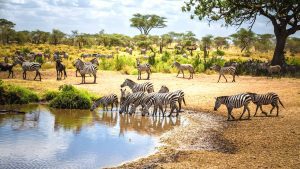
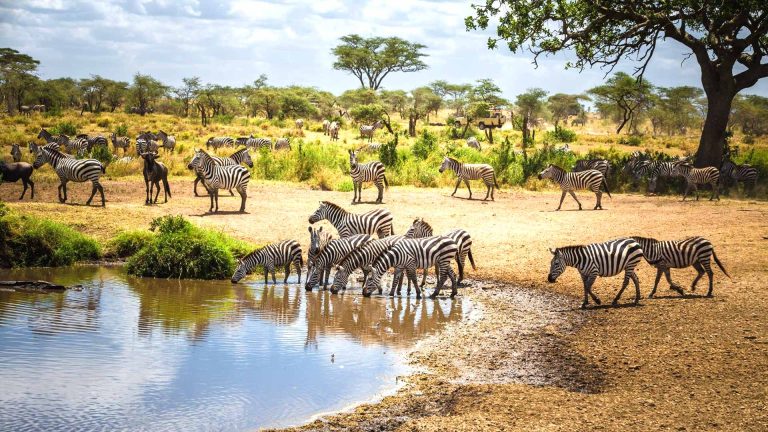
When planning an African safari from the U.S., Tanzania stands out as one of the best safari destinations in Africa. Home to iconic parks like the Serengeti National Park, famous for the Great Migration safari, and the wildlife-rich Tarangire National Park, Tanzania offers unmatched game viewing. The breathtaking Ngorongoro Crater provides a unique safari ecosystem packed with the Big Five. For scenic beauty, visit Lake Manyara National Park or combine your safari with a beach holiday in Zanzibar. Its variety of parks and experiences makes Tanzania a leading choice. Whether budget, mid-range, or luxury safari, Tanzania offers diverse experiences tailored for U.S. travelers seeking adventure, comfort, and authentic African wildlife safari encounters.
- ArushaGateway
- TarangireElephants
- NgorongoroCrater
- SerengetiBig Five
- ZanzibarBeach
When Is the Best Time to Go on an African Safari
The best time for an African safari depends on wildlife movements, weather, and travel preferences. In Tanzania, the dry season (June to October) is considered peak safari season, offering excellent wildlife viewing in destinations like the Serengeti National Park and Ngorongoro Crater. This is also when the Great Migration river crossings occur—one of Africa’s top safari highlights. The green season (November to May) offers fewer crowds, lower safari costs, and stunning landscapes, ideal for photography and birdwatching. U.S. travelers should align their safari dates with their interests—whether it’s witnessing dramatic wildlife action or enjoying peaceful, scenic safari experiences with excellent value.
Decide on the Types of African Safari Packages
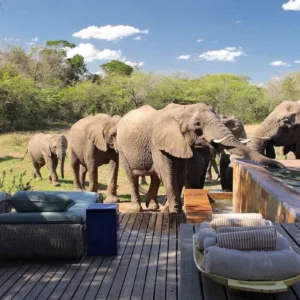
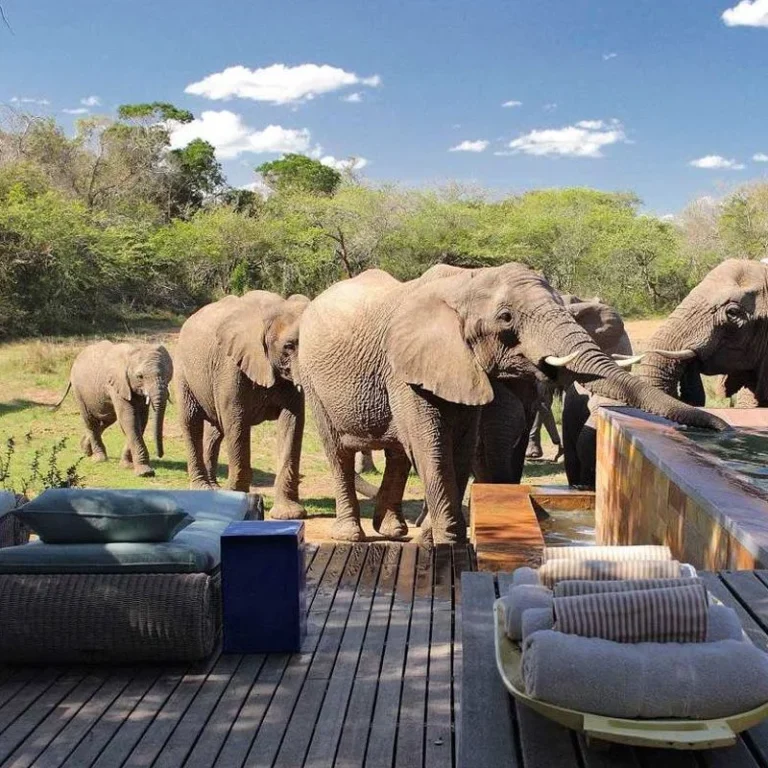
Choosing the right African safari package is essential for creating a personalized travel experience. U.S. travelers can select from luxury African safaris, mid-range tented camps, budget camping safaris, or all-inclusive safari packages. Families often prefer family-friendly safaris with flexible itineraries, while honeymooners seek romantic safari lodges with private plunge pools and sunset views. Luxury premium African safaris offer fly-in options, VIP service, and exclusive wildlife viewing. African budget safaris focus on affordability without compromising core experiences. Migration safaris in the Serengeti National Park are highly sought after, while flying safaris reduce travel time between parks. Understanding your travel style, budget, and expectations ensures you choose the best African safari tour package that balances comfort, cost, and adventure for a once-in-a-lifetime journey.
How Long Should a First African Safari Be
For first-time travelers from the U.S., the ideal African safari length is typically 7 to 10 days. This allows enough time to explore multiple destinations such as the Tarangire National Park, Serengeti National Park, and Ngorongoro Crater without feeling rushed. A well-paced itinerary includes game drives, cultural visits, and relaxation. Adding extra days for international travel recovery and optional extensions to Zanzibar enhances the experience. Shorter safaris (4–5 days) are possible but may limit wildlife exposure. A longer safari ensures a deeper connection with Africa’s landscapes, wildlife, and culture, making your first safari truly unforgettable.
How Much Does It Cost to Go on an African Safari
African safari costs vary widely based on travel style, duration, and season. For U.S. travelers, budget safaris start around $200–$350 per person per day, mid-range safaris range from $350–$700, and luxury safaris can exceed $800–$1,500 per day. Visiting premium destinations like the Serengeti National Park or Ngorongoro Crater may increase costs due to park fees and exclusive lodges. A typical African safari price includes accommodation, meals, park fees, and guided game drives. Flights from the U.S. are additional. Booking an African safari during the low season can reduce expenses. Planning with a trusted safari operator ensures transparency and value for money while delivering a high-quality safari experience.
- Accommodation
- Meals
- Park fees
- Vehicle & guide
- Transfers
- International flights
- Visas
- Travel insurance
- Tips
- Premium drinks
What Does a Typical African Safari Day Look Like
A typical African safari day in Tanzania starts early with a sunrise game drive in places like the Serengeti National Park, when wildlife is most active. After breakfast, guests relax at camp or lodge before a midday break. Afternoon game drives resume around 3–4 PM, offering more chances to spot lions, elephants, and other wildlife. Evenings include dinner, storytelling, and stargazing under African skies. Some itineraries include walking safaris or cultural visits. Each day brings unique wildlife encounters, making every moment exciting. For U.S. travelers, this immersive routine offers a perfect balance of adventure, relaxation, and unforgettable safari memories.
How Far in Advance Is Needed to Plan an African Safari
Planning an African safari from the U.S. ideally begins 6 to 12 months in advance, especially for peak travel seasons. Popular African safari destinations like the Serengeti National Park and Ngorongoro Crater fill quickly due to high demand for top lodges and migration viewing. Early African safari booking ensures better availability, competitive pricing, and preferred accommodations. Last-minute African safaris are possible but may limit choices. U.S. travelers should also consider flight schedules, visa processing, and travel insurance. Planning an African safari well in advance allows for a stress-free experience and ensures access to the best guides, camps, and safari routes for a seamless African adventure.
Is It Necessary to Book with a Tour Operator
Booking with a professional safari tour operator is highly recommended for U.S. travelers planning an African safari. Experienced operators handle logistics such as park permits, accommodations, transportation, and expert guides in destinations like the Serengeti National Park and Tarangire National Park. A reputable operator ensures safety, local expertise, and a customized itinerary tailored to your travel style—whether luxury, mid-range, or budget. Self-planning is challenging due to complex logistics and remote locations. Trusted operators also provide 24/7 support and insider knowledge, enhancing wildlife sightings and overall experience. Choosing the right safari company is key to a successful, stress-free African safari.
What Else to Consider Before Booking
Before booking your African safari, consider travel insurance, passport validity, and your personal travel style. U.S. travelers should ensure their passport is valid for at least six months and has blank pages. Choosing between luxury safari lodges, tented camps, or budget options affects your overall experience in destinations like the Ngorongoro Crater. Also consider internal flights, luggage limits, and sustainability practices. Responsible tourism and eco-friendly safari operators are increasingly important. Think about combining your safari with beach relaxation in Zanzibar. Proper planning ensures a smooth journey, allowing you to fully enjoy Africa’s incredible wildlife and landscapes without unexpected challenges.
What Vaccines and Visas Are Required
Traveling from the U.S. to Tanzania for a safari requires proper health and entry preparations. Most travelers need a tourist visa for Tanzania, which can be obtained online or on arrival. Recommended vaccines include hepatitis A, typhoid, and routine immunizations; a yellow fever certificate is required only if arriving from or transiting a risk country. Malaria prevention is also advised for safari areas like the Serengeti National Park. Always consult a travel clinic before departure. Carry vaccination records and travel documents. Proper preparation ensures a safe and worry-free safari experience, allowing U.S. travelers to focus on enjoying Africa’s wildlife and landscapes.
What to Pack for an African Safari
Packing for an African safari requires practical, lightweight, and neutral-colored clothing suitable for changing weather conditions. Essentials include breathable shirts, safari pants, a hat, sunglasses, sunscreen, and comfortable walking shoes. For game drives in places like the Serengeti National Park, binoculars and a camera are must-haves. Evenings can be cool, so bring a light jacket. Avoid bright colors and camouflage. Don’t forget travel documents, medications, and insect repellent. Soft-sided luggage is preferred for small aircraft transfers. Packing smart ensures comfort and convenience, helping U.S. travelers fully enjoy their safari adventure without unnecessary stress.
What Is the Tipping Guidance
Tipping is an important part of the African safari experience and supports guides and camp staff. In Tanzania, typical tipping guidelines suggest $10–$20 per person per day for safari guides and $5–$10 for lodge staff. In high-end camps near the Serengeti National Park, tipping may be higher. Tips are usually given in U.S. dollars and handed discreetly at the end of your stay. Many lodges provide a communal tip box. While not mandatory, tipping is appreciated and reflects satisfaction with service. Understanding tipping customs ensures respectful interactions and enhances your overall safari experience.
Book International Flights
Booking international flights from the U.S. to Tanzania is a key step in safari planning. Major gateways include Kilimanjaro International Airport and Julius Nyerere International Airport. Flights typically connect through hubs in Europe or the Middle East. Booking 3–6 months in advance often secures better prices. Consider arrival times to align with safari transfers. Travel insurance is recommended. For convenience, some itineraries include domestic flights to safari destinations like the Serengeti National Park. Proper flight planning ensures a smooth start and end to your African safari adventure.
The Ultimate Guide to Planning a Successful First African Safari
Planning your first African safari from the U.S. begins with choosing top destinations like Tanzania, known for luxury safaris, Big Five wildlife, and Great Migration experiences. Start by selecting trusted African safari tour operators, comparing all-inclusive African safari packages, and understanding visa, vaccination, and travel insurance requirements. Book an African safari early for peak seasons and secure the best African safari lodges or tented camps. Focus on travel logistics, including international flights, domestic bush flights, and transfers. Pack smart with Tanzania safari essentials, and plan activities like game drives, Tanzania cultural safari tours, and Tanzania photography safaris.
Everything You Need To Know To Plan An Amazing African Safari
To plan an unforgettable African safari, research the best time to visit Africa based on wildlife viewing, weather, and migration patterns. Compare African budget safaris, mid-range options, and luxury African safari packages to match your travel style. Consider incredible Tanzania safari destinations offering iconic experiences like Serengeti safaris, Ngorongoro Crater tours, and Maasai cultural encounters. Work with reputable Tanzania safari companies for customized itineraries. Factor in African safari costs, park fees, and tipping guidelines. Ensure passports, visas, and vaccinations are up to date. Prioritize eco-friendly, sustainable Tanzania safaris for ethical wildlife travel and authentic African safari experiences.
African Safari With Kids: What to Know and How to Plan
Planning an African safari with kids requires choosing family-friendly safari lodges, private game drives, and flexible African safari itineraries. Look for the best Tanzania safari destinations offering safe wildlife viewing, educational activities, and cultural experiences tailored for children. Many Tanzania safari camps provide kids’ programs, guides, and shorter game drives. Consider malaria-free African safari destinations or take proper health precautions. Pack Tanzania safari essentials like sunscreen, snacks, and binoculars. Book Tanzania family safari packages with trusted Tanzania safari tour operators for stress-free travel. Focus on creating memorable experiences, from spotting the Big Five to learning about African wildlife conservation.
Travel to Africa Safari from the US: Complete Planning Guide
Traveling to Africa from the U.S. for a safari involves booking international flights to major hubs like Kilimanjaro, Nairobi, or Johannesburg. Plan connections with regional or bush flights to safari destinations. Check visa requirements, travel insurance, and recommended vaccinations. Choose the best African safari tours based on budget, travel style, and interests, from luxury fly-in safaris to affordable private tours. Understand time zones, currency exchange, and packing lists. Work with expert safari planners to customize itineraries, ensuring seamless logistics, unforgettable wildlife encounters, and a truly immersive African safari experience.
Final Thought
Planning an African safari from the U.S. is an exciting journey filled with unforgettable wildlife encounters, breathtaking landscapes, and rich cultural experiences. From exploring the iconic Serengeti National Park to relaxing on the beaches of Zanzibar, every moment is extraordinary. By choosing the right time, budget, and trusted tour operator, you can create a seamless and rewarding safari experience. With this guide, you are well-prepared. Start planning early, travel responsibly, and embrace the adventure—your dream African safari awaits.
How to Plan an African Safari from the U.S: FAQs
Which airport should I fly into for a Tanzania safari?
For the northern safari parks and Kilimanjaro, fly into Kilimanjaro International Airport (JRO), located between Moshi and Arusha. For southern Tanzania, Julius Nyerere International Airport in Dar es Salaam is the main gateway, and Zanzibar has its own international airport. Your safari operator can arrange airport transfers and connecting flights.
Is travel insurance necessary for a safari?
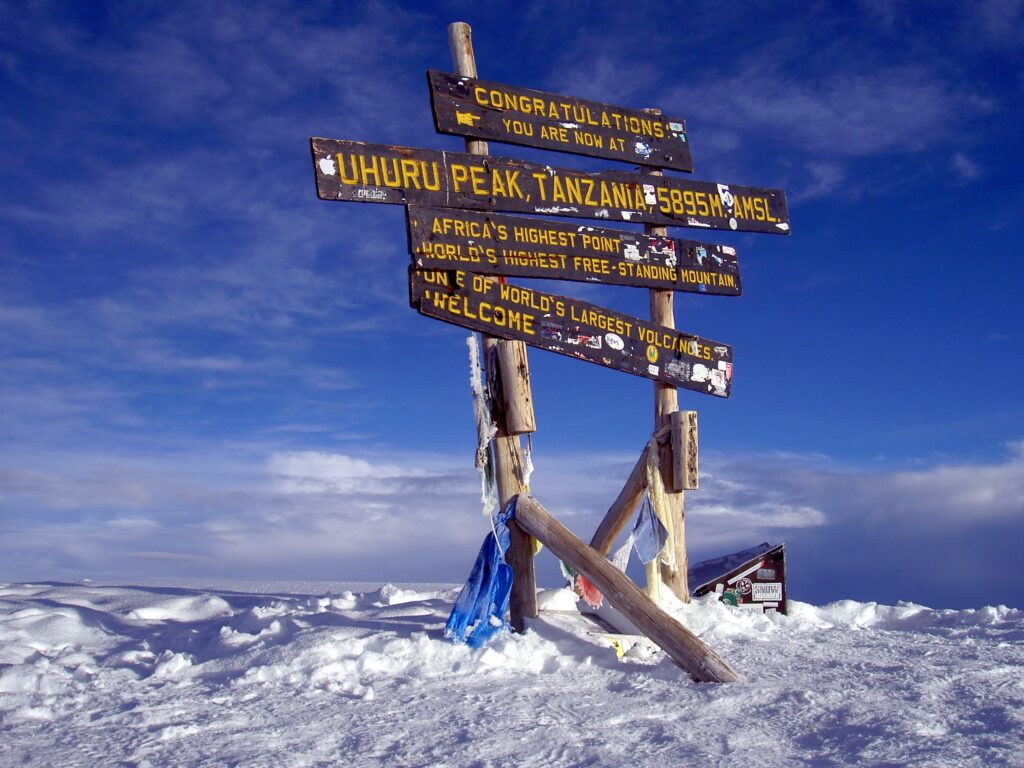
Yes, comprehensive travel insurance is strongly recommended for any African safari. Choose a policy that covers medical treatment, emergency evacuation, trip cancellation and baggage, and check that it includes any activities you plan, such as Kilimanjaro trekking or balloon flights. Carry your policy details and emergency numbers with you.
How do I stay healthy on safari?
Consult a travel health professional before departure about vaccinations and malaria prevention. On safari, drink bottled or treated water, use insect repellent, wear long sleeves in the evening, protect yourself from the sun and wash or sanitise your hands regularly. Carry personal medication in your hand luggage, along with a small first-aid kit.
Do I need a visa for Tanzania?
Most visitors need a visa to enter Tanzania. Many nationalities can apply online through the official Tanzania immigration e-visa portal before travel, and some can obtain a visa on arrival. Requirements depend on your nationality and can change, so check official guidance well before departure and allow enough time for processing.
How long must my passport be valid for Tanzania?
Your passport should be valid for at least six months beyond your date of entry and have blank pages for entry stamps. Keep digital and printed copies of your passport, visa, insurance and booking documents separately from the originals, and store important documents securely throughout your trip.
Is yellow fever vaccination required for Tanzania?
A yellow fever vaccination certificate may be required if you arrive from, or have transited through, a country with a risk of yellow fever transmission. Requirements can change, so check official guidance before travel and speak to a travel health professional about this and other recommended vaccinations several weeks before departure.
What is the Great Migration?
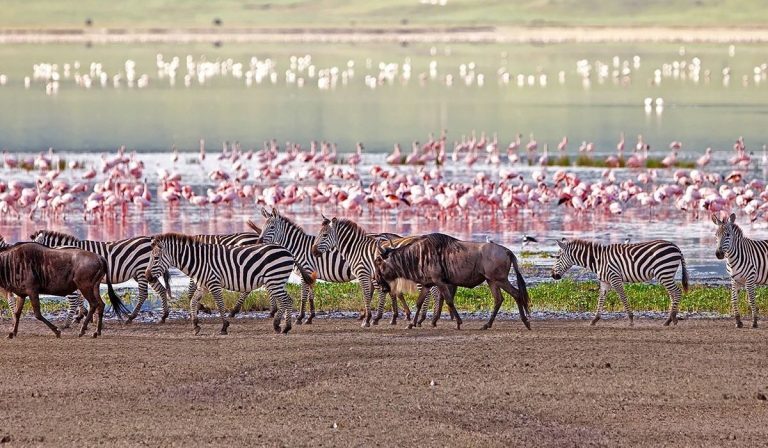
The Great Migration is the year-round movement of more than a million wildebeest, with zebras and gazelles, around the Serengeti ecosystem in search of fresh grazing. Calving takes place in the southern Serengeti from January to March, the herds move west around June and July, and dramatic Mara River crossings occur in the north from about August to October.
What is the best time to go on safari in Tanzania?
The dry season from June to October is the most popular time, with excellent wildlife viewing as animals gather near water. January and February are ideal for the Serengeti calving season, while the green season from March to May brings lush scenery, fewer visitors and lower prices. Tanzania offers rewarding safaris all year, so plan around the experiences you value most.
Travel to Tanzania With Confidence
Our local team handles airport transfers, itineraries and practical advice, so you can focus on enjoying a private tailor-made safari.