What I Wish I Knew Before Visiting Tanzania for a Safari
What I Wish I Knew Before Visiting Tanzania for a Safari
What I wish I knew before visiting Tanzania for a safari is that this destination is far more diverse, immersive, and logistically unique than most travelers expect. A Tanzania safari is not just about seeing wildlife—it is about understanding timing, geography, weather patterns, park distances, and cultural depth across iconic destinations like the Serengeti National Park, Ngorongoro Conservation Area, and Tarangire National Park. Many first-time visitors underestimate travel times, seasonal migration shifts, and the importance of choosing the right safari style, whether luxury lodge safari, mid-range tented camp, or budget camping safari. Tanzania is also home to Mount Kilimanjaro, Zanzibar beaches, and rich Maasai culture, making it a complete African safari destination. This guide reveals the essential lessons, insider tips, and relevant travel insights that every traveler should know before booking a Tanzania wildlife safari adventure.
Where is Tanzania, and how to get there
Tanzania is located in East Africa, bordered by Kenya, Uganda, Rwanda, Burundi, the DR Congo (across Lake Tanganyika), Zambia, Malawi, Mozambique, and the Indian Ocean. It is one of the most popular safari destinations in Africa, known for its national parks and wildlife reserves. Most international travelers arrive through Kilimanjaro International Airport near Arusha or Julius Nyerere International Airport in Dar es Salaam. From Europe, the Middle East, or other African countries, connecting flights are available through major hubs like Doha, Istanbul, or Nairobi. Once in Tanzania, domestic flights and safari transfers connect key destinations such as the Serengeti, Ngorongoro Crater, and Tarangire National Park. I wish I knew how important flight planning and airport selection are, as travel times between parks can be long. Booking a fly-in safari or guided tour makes travel smoother and more efficient for first-time visitors.
- Kilimanjaro Airport (JRO)Arrival
- MoshiAbout 45 min
- ArushaAbout 1 hour
- Safari parksNorthern Circuit
Visa & Entry Requirements for Tanzania Safari
One of the first things I wish I knew before visiting Tanzania for a safari is how simple—but important—the visa process is. Most travelers require a Tanzania tourist visa, which can be obtained online or on arrival. Passport validity must be at least six months, and proof of return travel is often required. Entry points like Kilimanjaro International Airport and Julius Nyerere International Airport are well organized but can be busy during peak safari season. Understanding visa rules early helps avoid delays and stress before starting your Serengeti safari or Ngorongoro Crater safari. Always check updated immigration guidelines before travel. This is a crucial planning step for any African safari itinerary.
Best Time to Visit Tanzania for Safari
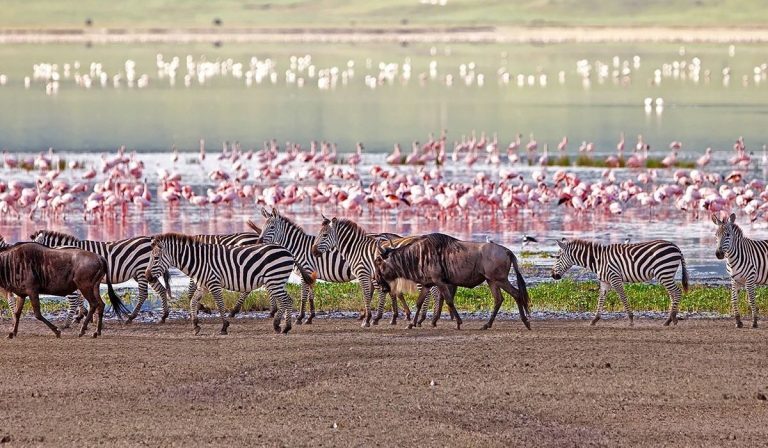
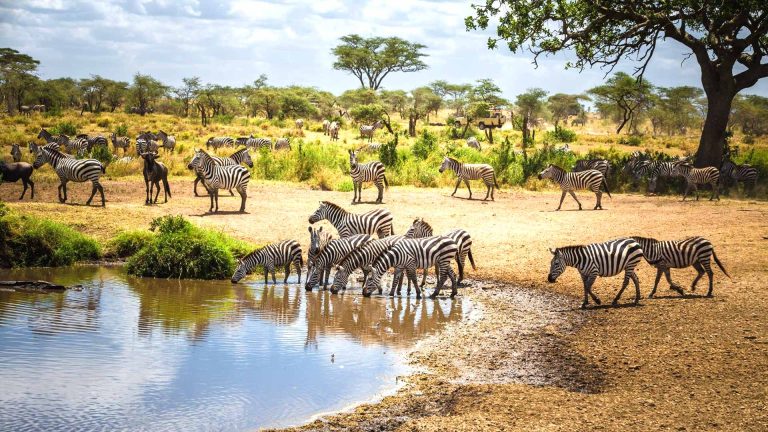
Timing is everything when planning a Tanzania safari. The best time depends on what you want to see, especially the Great Migration in the Serengeti National Park. June to October is ideal for dry-season game viewing, offering easier wildlife spotting and fewer mosquitoes. January to March is perfect for calving season, when hundreds of thousands of wildebeest calves are born. The Ngorongoro Crater offers year-round game viewing due to its unique ecosystem. I wish I knew that the “best time for a Tanzania safari” varies by park and experience. Many travelers miss migration movements because they book at the wrong time. Checking the best month, weather, and migration timing is essential for planning a successful safari holiday.Packing Smart for a Tanzania Safari
Packing correctly for a Tanzania safari is something many travelers underestimate. Neutral-colored clothing (khaki, beige, olive) is essential for blending into the environment during game drives in Tarangire, Serengeti, and Ngorongoro. I wish I knew how important layers are—mornings are cold, afternoons are hot. A wide-brim hat, sunglasses, sunscreen, insect repellent, and binoculars are must-haves. Lightweight luggage is important because many safari flights have strict weight limits. Comfortable walking shoes, a camera with a zoom lens, and a reusable water bottle improve your experience significantly. Packing right ensures you fully enjoy wildlife encounters without discomfort or unnecessary stress.
Health, Safety & Malaria Precautions
Before visiting Tanzania for a safari, I wish I had known more about health precautions, especially malaria prevention. Travelers are often advised to consult doctors for vaccinations and malaria prophylaxis before visiting wildlife areas like the Serengeti National Park and Lake Manyara National Park. Drinking bottled or filtered water is recommended, and sunscreen is essential due to the strong equatorial sun. Safari vehicles are generally safe, guides are highly trained in wildlife behavior, and safety is a common concern for first-timers. The truth is that Tanzania is generally safe for safari travelers when following the guide's instructions. Avoiding unnecessary risks and staying hydrated ensures a smooth and enjoyable African safari adventure.
Approach, feed or disturb wildlife, or leave the vehicle unless your guide says it is safe.
Follow your guide, carry travel insurance and check current health and travel advice.
Understanding Safari Costs & Budget Planning
One major lesson I wish I had known before the Tanzania safari trip is how pricing varies widely. Costs depend on accommodation type, park fees, season, and transport style. Luxury safari lodges in the Ngorongoro Conservation Area are significantly more expensive than budget camping safaris in Tarangire. Fly-in safaris cost more but save travel time. I learned that transparency in safari pricing is important when booking with tour operators. Hidden costs such as park fees, internal flights, and tips should always be clarified. Planning a realistic budget ensures a stress-free safari experience.
- Accommodation
- Meals
- Park fees
- Vehicle & guide
- Transfers
- International flights
- Visas
- Travel insurance
- Tips
- Premium drinks
Choosing the Right National Parks
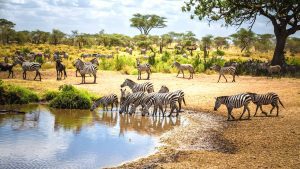
Tanzania is not one safari destination—it is a collection of world-class parks. I wish I knew how different each park experience is. The Serengeti National Park is famous for the Great Migration, while Ngorongoro Crater offers dense wildlife viewing in a volcanic caldera. Tarangire is known for elephant herds, and Lake Manyara for tree-climbing lions. Choosing multiple parks in one Tanzania Safari itinerary creates a richer experience. Many travelers regret staying in only one area. Understanding park diversity helps you design a more rewarding African safari itinerary across northern Tanzania.
Importance of Professional Safari Guides
A professional safari guide can completely transform your Tanzania safari experience. I wish I knew how much knowledge guides have about animal behavior, migration patterns, and hidden wildlife locations. In parks like the Serengeti National Park, guides are essential for tracking lions, leopards, and wildebeest herds. A good guide also ensures safety, explains ecosystems, and enhances Tanzania photography safari opportunities. Without a skilled guide, many wildlife sightings would be missed. Choosing reputable Tanzania safari tour operators helps ensure better guiding quality and a more immersive African safari experience.
Transportation & Safari Logistics
Transportation is one of the most important parts of any Tanzania safari experience, as it determines comfort, timing, and access to wildlife areas. Most safaris use 4x4 safari Land Cruisers designed for rough terrain, with pop-up roofs for game viewing and photography. Depending on your itinerary, you may travel by road between parks like Tarangire, Serengeti, and Ngorongoro, or choose fly-in safaris that use small aircraft to save time and cover long distances quickly. Road transfers offer a more immersive Tanzania Safari experience, allowing you to see local villages, landscapes, and daily life. Professional driver-guides handle navigation, park entry procedures, and wildlife spotting. Proper logistics planning ensures smooth transitions between destinations, minimizing travel fatigue and maximizing time spent on game drives and wildlife viewing.
Accommodation Types: Lodges vs Camps
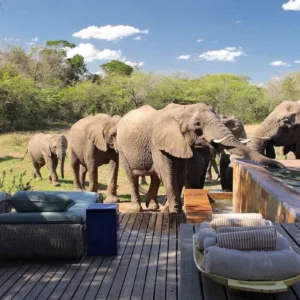
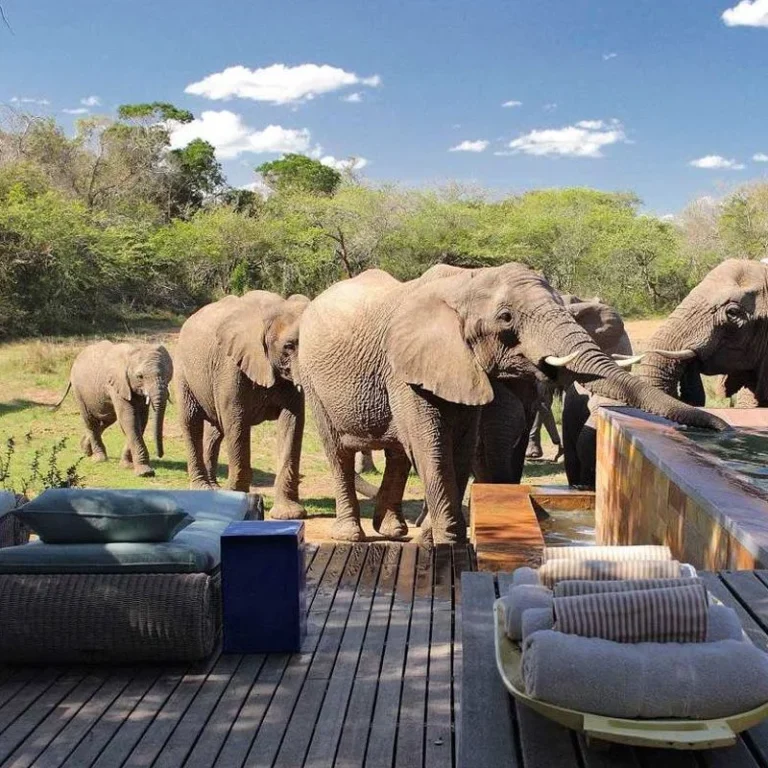
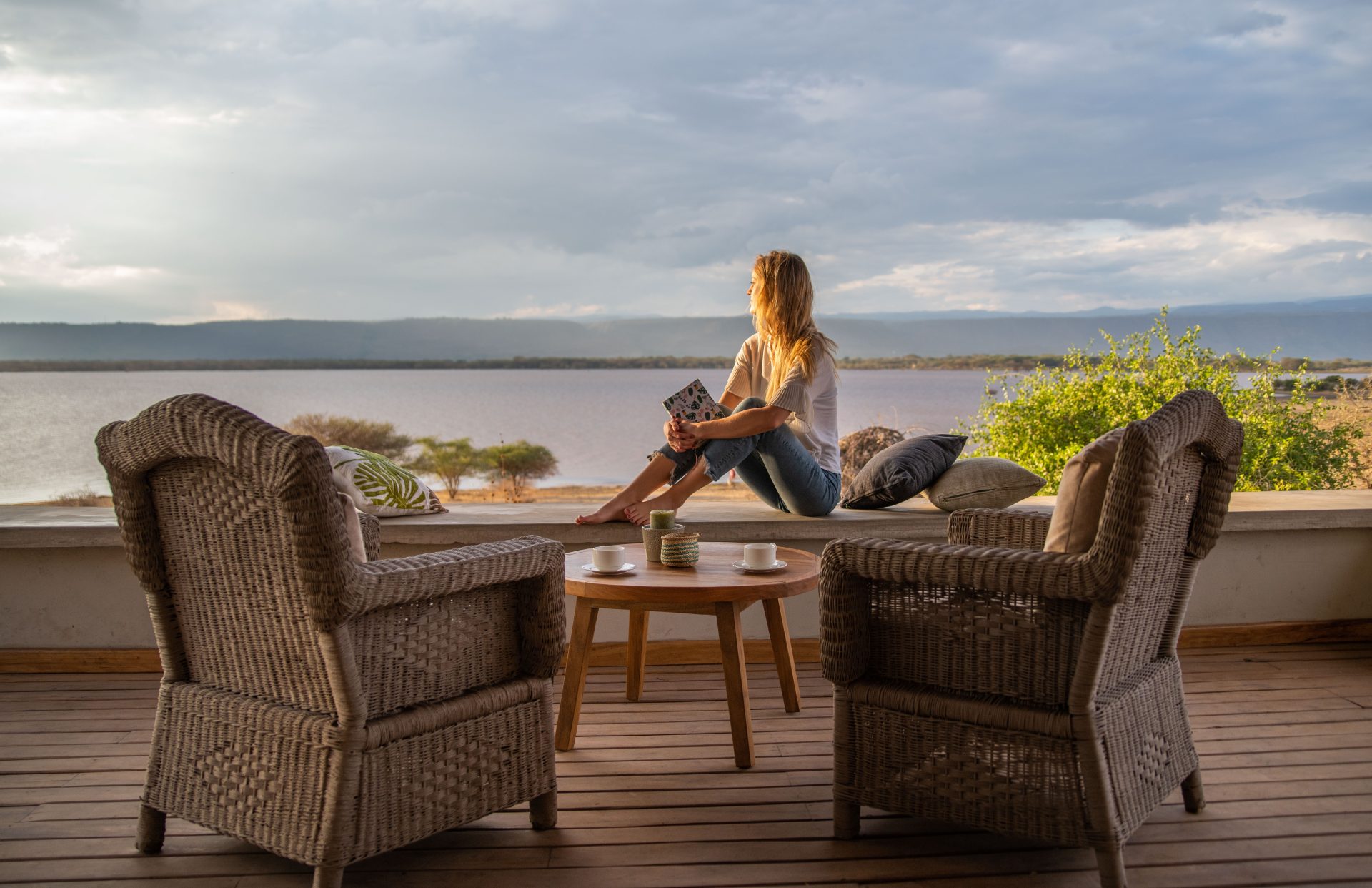
Tanzania safaris offer a wide range of accommodation options, mainly divided into lodges and tented camps. Safari lodges are permanent structures that provide hotel-style comfort in the wilderness, often featuring private rooms, swimming pools, restaurants, and modern amenities. They are ideal for travelers seeking comfort and stability after long game drives. Tented camps, on the other hand, offer a more immersive bush experience while still providing comfort such as en-suite bathrooms, beds, and dining areas. Luxury Tanzania tented camps may include high-end services and stunning views of wildlife corridors. Budget camps focus on simplicity and authenticity. Choosing between lodges and camps depends on your travel style—comfort seekers may prefer lodges, while adventure lovers often choose tented camps for a closer connection to nature.
Budget camping & lodges
Affordable, adventurous and close to nature.
Mid-range lodges & tented camps
Comfort, good food and convenient locations.
Luxury tented camps & lodges
Spacious suites, personal service and prime wildlife areas.
Exclusive-use camps & villas
Complete privacy, private guides and bespoke experiences.
What a Typical Game Drive Feels Like
A typical game drive in Tanzania begins early in the morning when wildlife is most active. Travelers set out in a safari vehicle with a professional guide who tracks animal movements and shares insights about behavior and ecosystems. The experience is unpredictable and exciting—you may spot elephants crossing the road, lions resting under acacia trees, or giraffes grazing gracefully in the savannah. Midday drives often include a picnic lunch in a designated safe area inside the park. Afternoon drives continue until sunset, when the golden light creates perfect photography conditions. Each game drive feels like a real-life wildlife documentary, full of surprises and breathtaking scenery. No two drives are ever the same, making every moment in parks like Serengeti or Ngorongoro uniquely memorable.
Wildlife Safety Rules You Must Follow
Wildlife safety is essential during any safari in Tanzania. Always remain inside the 4X4 safari vehicle unless your guide explicitly allows you to step out in designated safe areas. Wild animals such as lions, elephants, and buffalo are unpredictable and must be observed from a safe distance. Do not attempt to feed or provoke animals, as this can disrupt their natural behavior and create dangerous situations. Keep noise levels low to avoid disturbing wildlife and other visitors. Follow your guide’s instructions at all times, especially when approaching sensitive areas. Avoid sudden movements or standing up in the vehicle during close animal sightings. Respecting park regulations not only ensures your safety but also helps protect Tanzania’s ecosystems for future generations.
Photography Tips for Safari Success
Capturing great safari photos requires preparation and patience. A camera with a zoom lens is essential for photographing distant wildlife without disturbing them. Early morning and late afternoon provide the best natural lighting, often referred to as the “golden hours,” which enhance colors and shadows in the savannah. Keep your camera ready at all times, as animal sightings can happen suddenly. Use continuous shooting mode to capture fast-moving animals like cheetahs or birds in flight. Avoid using flash, as it can disturb wildlife. Composition matters too—try to include landscapes like acacia trees, rivers, or mountains to tell a fuller story. Most importantly, balance photography with simply being present so you can enjoy the moment beyond the lens.
Cultural Encounters & Maasai Experience
A Tanzania safari is not only about wildlife but also about rich cultural experiences. One of the most iconic encounters is with the Maasai communities, known for their distinctive red clothing, traditional dances, and semi-nomadic lifestyle. Visitors often tour Maasai villages near Ngorongoro and Serengeti, where they learn about cattle herding, traditional housing, and cultural ceremonies. These interactions provide valuable insight into how local communities coexist with wildlife. Cultural visits often include storytelling, beadwork demonstrations, and performances. Respectful engagement is important, as these are living communities, not staged attractions. These encounters add depth to a safari, offering a human connection to Tanzania’s landscapes and heritage that goes beyond wildlife viewing alone.
Internet, Connectivity & Digital Access
Internet and mobile connectivity in Tanzania safari regions vary depending on location. In major towns like Arusha or near lodge areas, Wi-Fi is often available, though speeds may be slower than in urban centers. Inside national parks, connectivity can be limited or completely unavailable, especially in remote areas such as the western or northern Serengeti. Many safari lodges offer satellite Wi-Fi in common areas, but it may be restricted to basic communication. Mobile networks such as Vodacom and Airtel provide better coverage in some safari regions, though signal strength can fluctuate. Travelers are encouraged to download offline maps and important travel documents before entering parks. A digital detox is also part of the safari experience, allowing guests to fully immerse themselves in nature without constant online distractions.
Booking with Trusted Safari Operators
Choosing a trusted Tanzania safari tour operator is crucial for a safe, well-organized, and memorable experience. Reputable companies provide licensed guides, well-maintained vehicles, and transparent pricing with no hidden Tanzania safari costs. They also ensure compliance with park regulations and prioritize responsible tourism practices. Reading reviews, checking certifications, and comparing itineraries help identify reliable African safari operators. Established East African safari companies often offer customizable African safari packages for families, honeymooners, solo travelers, and luxury clients. Booking through a trusted operator also improves safety, especially in remote parks where navigation and wildlife knowledge are essential. A professional operator handles logistics such as park permits, accommodation, and transfers, allowing travelers to focus entirely on enjoying their safari adventure.
Common Mistakes First-Time Safari Travelers Make
First-time Tanzania safari travelers often make avoidable mistakes that can affect their overall experience. One common mistake is overpacking or bringing unsuitable clothing; lightweight, neutral-colored outfits are best for game drives. Another mistake is underestimating travel distances between parks, which can be long and tiring if not properly planned. Some travelers also expect guaranteed sightings of specific animals, but wildlife is unpredictable and requires patience. Ignoring guide instructions or safety rules can also lead to risky situations. Additionally, many first-timers forget essentials like binoculars, sunscreen, or camera batteries. Not booking in advance during peak seasons can result in limited availability. Proper preparation, realistic expectations, and flexibility are key to enjoying a smooth and rewarding Tanzania safari experience.
Final Thought
What I Wish I Knew Before Visiting Tanzania for a Safari is that this destination is not just a holiday—it is a life-changing journey through some of Africa’s most iconic landscapes. From the endless plains of the Serengeti National Park to the dramatic wildlife density of the Ngorongoro Crater, every moment is shaped by nature, timing, and preparation. Understanding safari logistics, costs, seasons, and cultural depth transforms your safari from ordinary to extraordinary. Tanzania rewards well-prepared travelers with unforgettable wildlife encounters, breathtaking scenery, and authentic cultural experiences. Whether you are planning a luxury safari, budget adventure, or honeymoon getaway, the key is preparation and awareness. With the right knowledge, your Tanzania safari becomes not just a trip—but the adventure of a lifetime.
What I Wish I Knew Before Visiting Tanzania for a Safari: FAQs
When is the best time to visit Tanzania for a safari?
The best time for a Tanzania safari depends on what you want to see. The dry season (June to October) is ideal for wildlife viewing, as animals gather around water sources in iconic parks like Serengeti National Park and Ngorongoro Crater. This is also the peak season for the Great Migration river crossings.
How much does a Tanzania safari cost?
Tanzania safari costs vary widely depending on style, duration, and level of comfort. Budget safaris can start around $200–$350 per person per day, while mid-range options range from $400–$700. Luxury safaris in destinations like Serengeti National Park or Ngorongoro Crater can exceed $800–$1,500+ per day. Prices typically include accommodation, meals, park fees, game drives, and guides. Fly-in safaris cost more but save time. Extra expenses may include tips, flights, and personal items.
What should I pack for a Tanzania safari?
Packing wisely can make or break your Tanzania safari experience. Essential Tanzania Safari packing list items include lightweight, neutral-colored clothing for blending into the environment, comfortable walking shoes, a hat, sunglasses, and sunscreen. Binoculars and a good camera are must-haves for wildlife viewing in parks like Serengeti National Park. Evenings can be cool, especially near Ngorongoro Crater, so bring a warm jacket. Don’t forget insect repellent, personal medications, and travel documents.
Is Tanzania safe for safari travelers?
Tanzania is considered one of the safest safari destinations in Africa, especially within protected areas like Serengeti National Park and Tarangire National Park. Professional guides are highly trained to ensure guest safety during game drives and lodge stays. Following basic safety rules—such as staying inside vehicles during wildlife viewing and listening to your guide—is essential. In cities like Arusha or Dar es Salaam, standard travel precautions apply.
Do I need vaccinations or travel insurance for Tanzania?
Before traveling to Tanzania, it’s important to check health requirements and recommendations. A yellow fever vaccination may be required if you’re arriving from certain countries, while vaccines for hepatitis A, typhoid, and routine immunizations are commonly advised. Malaria prevention is also recommended, especially when visiting safari areas like Serengeti National Park. Travel insurance is highly recommended to cover medical emergencies, trip cancellations, and unexpected delays.
How many days do I need for a Tanzania safari?
The ideal length of a Tanzania safari depends on your travel goals and budget. A minimum of 3–4 days allows you to explore key parks like Tarangire National Park and Ngorongoro Crater. However, a 5–7 day safari is recommended for a more immersive experience, including the vast plains of Serengeti National Park. Longer safaris of 8–10 days provide opportunities to explore multiple ecosystems and witness events like the Great Migration.
Will I definitely see the Big Five on safari?
While Tanzania is one of the best places to see the Big Five, sightings are never guaranteed because animals roam freely in the wild. However, parks like Ngorongoro Crater offer some of the highest chances of spotting all five in a short time. Serengeti National Park is excellent for lions and leopards, while Tarangire National Park is known for elephants. Experienced guides track animal movements and greatly increase your chances of sightings.
What type of accommodation should I choose on Tanzania safari?
Tanzania offers a wide range of safari accommodations to suit every traveler. Budget options include camping safaris, while mid-range lodges provide comfort and great value. Luxury travelers can enjoy high-end tented camps and exclusive lodges in areas like Serengeti National Park and Ngorongoro Crater. Each option offers unique experiences, from immersive bush settings to five-star amenities. Consider location, comfort level, and budget when choosing accommodation.
Plan Your Private Tanzania Safari
Tell us your travel dates, interests and budget, and our local team will design a private tailor-made safari around you.