How to Prepare For Tanzania Safari
How to Prepare For Tanzania Safari
Preparing for a Tanzania safari is the key to enjoying one of Africa’s most unforgettable wildlife adventures. From the vast plains of the Serengeti National Park to the dramatic landscapes of the Ngorongoro Crater, proper planning ensures a smooth and stress-free journey. Understanding Tanzania safari preparation includes choosing the best time to visit, arranging travel documents like visas, and getting recommended vaccinations. Travelers should also plan safari packing lists, lightweight clothing, and essential gear for game drives. Whether you are visiting from Europe, Asia, or Africa, a well-structured Tanzania safari guide helps maximize wildlife sightings, comfort, and safety.
Choose the Best Time for Tanzania Safari
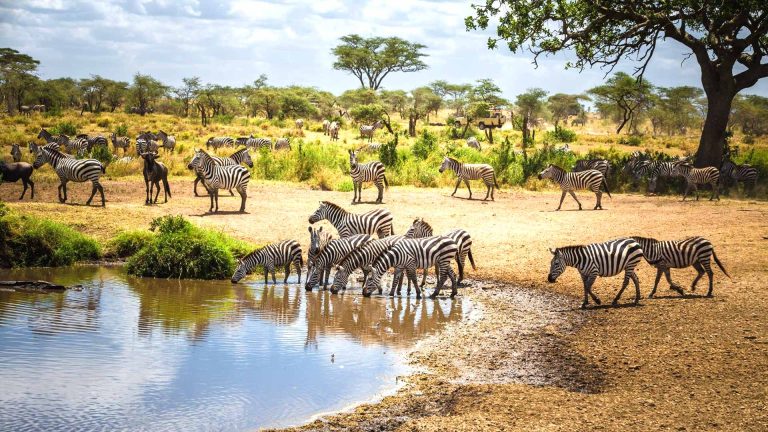
Selecting the best time for a Tanzania safari is one of the most important preparation steps. The dry season from June to October is widely considered ideal for wildlife viewing in destinations such as the Serengeti National Park and Tarangire National Park. During this period, animals gather around water sources, making game drives more rewarding. The Great Migration also attracts travelers seeking dramatic river crossings. The green season from November to May offers lush landscapes, birdwatching opportunities, and fewer crowds, often at lower safari costs. Understanding Tanzania's weather patterns, safari seasons, and park accessibility helps travelers optimize their experience. Whether planning luxury safaris, budget safaris, or honeymoon trips, timing directly impacts wildlife encounters. Always align your travel dates with your safari goals for photography, migration viewing, or family-friendly adventures in Tanzania’s top national parks.
Understand Visa and Entry Requirements
Before traveling, understanding Tanzania visa requirements is essential for a smooth safari experience. Most international visitors need a tourist visa, which can be obtained online as an e-visa or on arrival at major entry points like Kilimanjaro International Airport near Arusha. A valid passport with at least six months remaining is required. Travelers should also check entry rules, passport photos, and immigration policies before departure. Some nationalities may have different visa conditions, so verifying official updates is important. In addition, ensure your travel documents match your safari itinerary, especially if visiting multiple parks such as the Serengeti and Ngorongoro regions. Proper visa preparation avoids delays and ensures a stress-free start to your Tanzania safari adventure. Always carry printed copies of your travel insurance, accommodation bookings, and safari confirmations for smooth immigration processing.
Get Recommended Vaccinations and Health Preparations
Health preparation is a crucial part of planning a Tanzania safari. Travelers are often advised to get vaccinations such as yellow fever (if required), hepatitis A, typhoid, and tetanus before visiting Tanzania. Consulting a travel health clinic ensures personalized medical advice based on your itinerary. Malaria prevention is also important, especially in wildlife regions like the Serengeti National Park and surrounding safari circuits. Carry mosquito repellent, long-sleeved clothing, and prescribed antimalarial medication if recommended. Staying hydrated and protecting yourself from sun exposure are also essential during game drives. A well-prepared health plan ensures safety, comfort, and uninterrupted safari enjoyment. Travel insurance covering medical emergencies, evacuation, and trip cancellations is strongly recommended for all Tanzania safari travelers exploring remote national parks and wilderness areas.
Approach, feed or disturb wildlife, or leave the vehicle unless your guide says it is safe.
Follow your guide, carry travel insurance and check current health and travel advice.
Pack the Right Tanzania Safari Clothing and Gear
Packing correctly for a Tanzania safari improves comfort and enhances wildlife viewing experiences. Lightweight, breathable clothing in neutral colors like khaki, green, and beige is ideal for game drives in parks such as Serengeti National Park and Ngorongoro Crater. Avoid bright colors and camouflage patterns. Essential items include a wide-brim hat, sunglasses, sunscreen, insect repellent, and comfortable walking shoes. Early morning and evening game drives can be cold, so layering with a light jacket is important. Binoculars, cameras with zoom lenses, and power banks are highly recommended for wildlife photography. A small backpack helps organize essentials during safari trips. Packing smart ensures you are ready for changing weather conditions, long drives, and outdoor adventures across Tanzania’s diverse safari landscapes and national parks.
Book the Right Tanzania Safari Tour and Operator
Choosing the right safari operator is key to a successful Tanzania safari experience. Reputable tour companies offer guided trips to top destinations such as the Serengeti National Park, Ngorongoro Crater, and Lake Manyara National Park. When selecting a safari package, consider reviews, experience, vehicle quality, and guide expertise. Options include luxury safaris, mid-range safaris, and budget camping safaris, depending on your travel style. A good operator provides airport transfers, accommodation, park fees, and knowledgeable guides who enhance wildlife viewing. Booking early ensures better prices and availability, especially during peak migration season. Comparing itineraries helps you choose between private safaris and group tours. A trusted safari company guarantees safety, comfort, and a well-organized itinerary for an unforgettable Tanzania wildlife adventure.
Plan Your Tanzania Safari Budget Wisely
Budget planning is essential when preparing for a Tanzania safari. Costs vary depending on accommodation type, park fees, transport, and tour style. Luxury safaris in areas like Serengeti National Park offer premium lodges, while budget safaris include camping options near national parks. Additional expenses include flights, visas, tips, travel insurance, and optional activities such as hot air balloon rides. Planning helps avoid unexpected costs and ensures a smooth travel experience. Travelers should compare safari packages and seasonal discounts to maximize value. Currency exchange and cash availability in remote areas should also be considered. A well-structured budget allows you to enjoy game drives, cultural tours, and accommodation without financial stress while exploring Tanzania’s world-famous wildlife destinations and breathtaking landscapes.
- Accommodation
- Meals
- Park fees
- Vehicle & guide
- Transfers
- International flights
- Visas
- Travel insurance
- Tips
- Premium drinks
Prepare Travel Insurance and Safety Essentials
Travel insurance is a must-have for any Tanzania safari adventure. It protects against medical emergencies, trip cancellations, lost luggage, and evacuation from remote safari areas like the Serengeti National Park. Many safari regions are far from major hospitals, making emergency coverage essential. Safety preparation also includes following park rules, listening to professional guides, and maintaining safe distances from wildlife. Carrying a basic first-aid kit, personal medication, and copies of important documents enhances safety. Reliable insurance ensures peace of mind while exploring national parks and reserves. Whether traveling solo, as a couple, or with family, proper protection is essential for a worry-free safari experience in Tanzania’s wilderness regions and protected conservation areas.
Learn About Tanzania Safari Wildlife and Parks
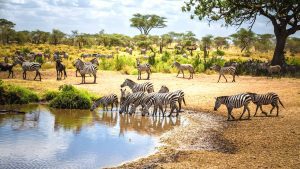
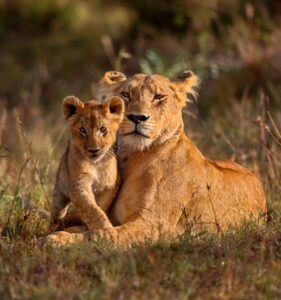
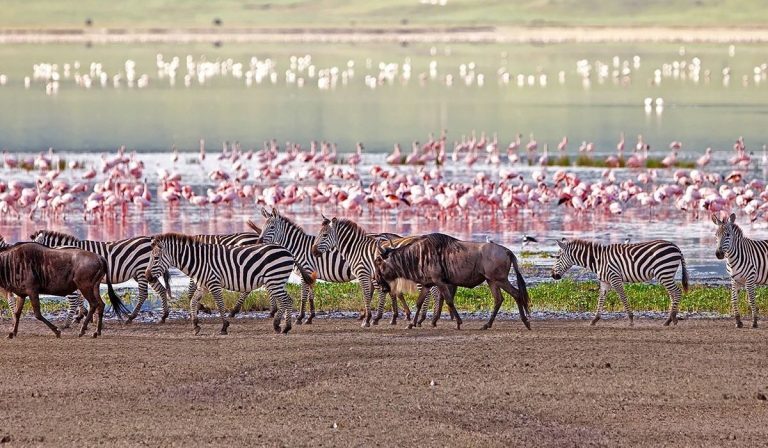
Understanding Tanzania’s wildlife and national parks enhances your safari experience. The country is home to iconic destinations like the Serengeti National Park, famous for the Great Migration, and the wildlife-rich Ngorongoro Crater, often called Africa’s Eden. Travelers can expect to see lions, elephants, giraffes, zebras, and countless bird species. Learning about animal behavior, migration patterns, and ecosystems improves your game drive experience. Each park offers unique landscapes, from savannah plains to volcanic craters and lakes. Researching destinations helps you decide where to focus your itinerary. A well-informed traveler enjoys deeper connections with nature and better photography opportunities during safari adventures across Tanzania’s diverse ecosystems and conservation areas.
Prepare Tanzania Photography and Safari Equipment
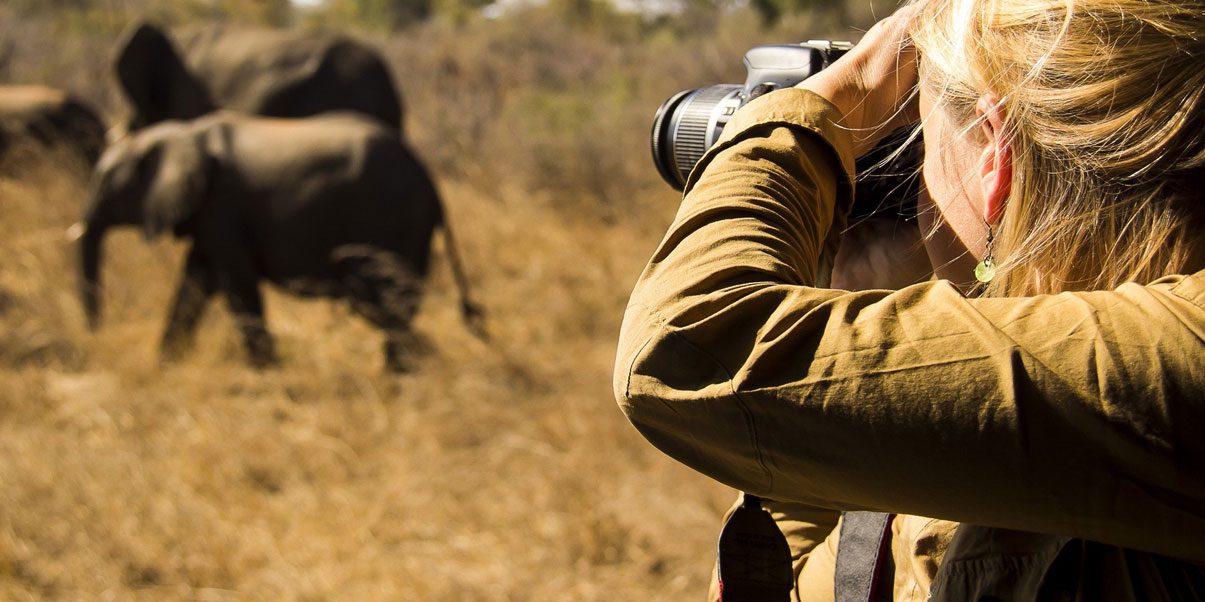
Photography preparation is essential for capturing Tanzania safari memories. A good DSLR or mirrorless camera with a zoom lens is ideal for wildlife photography in places like the Serengeti National Park. Extra batteries, memory cards, and lens cleaning kits ensure uninterrupted shooting. Binoculars help spot distant animals during game drives. A lightweight tripod or bean bag stabilizes shots from safari vehicles. Travelers should also understand lighting conditions, especially during sunrise and sunset, when wildlife activity is highest. Smartphones with high-quality cameras can also capture excellent safari moments. Proper equipment preparation ensures you document every unforgettable encounter, from predator hunts to scenic landscapes across Tanzania’s national parks and conservation areas.
Understand Tanzania Safari Etiquette and Guidelines
Safari etiquette is important for safety and conservation. Visitors should always follow guide instructions while exploring parks like the Serengeti National Park and respect wildlife distance rules. Avoid loud noises, sudden movements, or feeding animals. Staying inside safari vehicles unless instructed helps protect both visitors and animals. Responsible tourism supports conservation efforts and local communities. Photography should be done respectfully without disturbing animal behavior. Littering is strictly prohibited in national parks. Understanding these guidelines ensures a safe and ethical safari experience. Practicing good etiquette enhances your connection with nature and contributes to preserving Tanzania’s rich biodiversity for future generations of travelers and wildlife enthusiasts.
Prepare for Cultural Experiences in Tanzania
A Tanzanian safari is not only about wildlife but also about rich cultural experiences. Visitors can engage with local communities around Arusha and other safari regions to learn about Maasai traditions, local cuisine, and daily life. Cultural tours offer opportunities to visit villages, markets, and historical sites. Respecting local customs, dressing modestly, and asking permission before taking photos are important. These interactions enrich your safari experience and provide a deeper understanding of Tanzania’s heritage. Supporting local artisans and communities also contributes to sustainable tourism. Cultural preparation enhances your journey beyond game drives, making your Tanzania safari more meaningful and immersive.
Final Tanzania safari Preparations Before Departure
Final preparation ensures a smooth Tanzania safari experience. Double-check your packing list, travel documents, visas, vaccinations, and insurance. Confirm safari bookings, flight details, and accommodation near key destinations like Arusha. Charge all electronics, withdraw local currency, and notify your bank of international travel. Reviewing your itinerary helps you stay organized and stress-free upon arrival. Keep essential items in hand luggage, including passports, medications, and travel confirmations. Final checks prevent last-minute issues and ensure readiness for an unforgettable African safari adventure. Proper preparation guarantees a seamless transition from travel to exploration of Tanzania’s breathtaking wildlife destinations.
Final Thought
Preparing for a Tanzania safari requires careful planning, from choosing the right season and packing essentials to understanding wildlife, culture, and safety guidelines. With iconic Tanzania safari destinations like the Serengeti National Park and Ngorongoro Crater, proper preparation ensures a once-in-a-lifetime African safari experience filled with unforgettable all-inclusive Tanzania safari wildlife encounters and breathtaking landscapes. A well-prepared traveler enjoys smoother logistics, richer experiences, and deeper connections with nature and culture. Whether it is your first safari or a return journey, following these steps guarantees a safe, comfortable, and memorable Tanzania safari adventure that meets both adventure and relaxation expectations.
How to Prepare For Tanzania Safari: FAQs
What should you know about choose the best time for Tanzania safari on a Tanzania safari?
Selecting the best time for a Tanzania safari is one of the most important preparation steps. The dry season from June to October is widely considered ideal for wildlife viewing in destinations such as the Serengeti National Park and Tarangire National Park. During this period, animals gather around water sources, making game drives more rewarding.
What are the understand visa and entry requirements on a Tanzania safari?
Before traveling, understanding Tanzania visa requirements is essential for a smooth safari experience. Most international visitors need a tourist visa, which can be obtained online as an e-visa or on arrival at major entry points like Kilimanjaro International Airport near Arusha. A valid passport with at least six months remaining is required.
What can you expect from get recommended vaccinations and health Preparations on a Tanzania safari?
Health preparation is a crucial part of planning a Tanzania safari. Travelers are often advised to get vaccinations such as yellow fever (if required), hepatitis A, typhoid, and tetanus before visiting Tanzania. Consulting a travel health clinic ensures personalized medical advice based on your itinerary.
What should you know about pack the right Tanzania safari clothing and gear on a Tanzania safari?
Packing correctly for a Tanzania safari improves comfort and enhances wildlife viewing experiences. Lightweight, breathable clothing in neutral colors like khaki, green, and beige is ideal for game drives in parks such as Serengeti National Park and Ngorongoro Crater. Avoid bright colors and camouflage patterns.
What can you expect from book the right Tanzania safari tour and operator on a Tanzania safari?
Choosing the right safari operator is key to a successful Tanzania safari experience. Reputable tour companies offer guided trips to top destinations such as the Serengeti National Park, Ngorongoro Crater, and Lake Manyara National Park. When selecting a safari package, consider reviews, experience, vehicle quality, and guide expertise.
How much should you budget for plan your Tanzania safari budget Wisely on a Tanzania safari?
Budget planning is essential when preparing for a Tanzania safari. Costs vary depending on accommodation type, park fees, transport, and tour style. Luxury safaris in areas like Serengeti National Park offer premium lodges, while budget safaris include camping options near national parks. Additional expenses include flights, visas, tips, travel insurance, and optional activities such as hot air balloon rides.
What should you know about prepare travel insurance and safety essentials?
Travel insurance is a must-have for any Tanzania safari adventure. It protects against medical emergencies, trip cancellations, lost luggage, and evacuation from remote safari areas like the Serengeti National Park. Many safari regions are far from major hospitals, making emergency coverage essential. Safety preparation also includes following park rules, listening to professional guides, and maintaining safe distances from wildlife.
What can you expect from learn about Tanzania safari wildlife and parks on a Tanzania safari?
Understanding Tanzania’s wildlife and national parks enhances your safari experience. The country is home to iconic destinations like the Serengeti National Park, famous for the Great Migration, and the wildlife-rich Ngorongoro Crater, often called Africa’s Eden. Travelers can expect to see lions, elephants, giraffes, zebras, and countless bird species.
Plan Your Private Tanzania Safari
Tell us your travel dates, interests and budget, and our local team will design a private tailor-made safari around you.