Tanzania Photographic Safaris
Tanzania Photographic Safaris
A Tanzania photographic safari is one of the most extraordinary wildlife photography experiences in Africa, attracting photographers, nature lovers, filmmakers, and adventure travelers from around the world. From the endless plains of the Serengeti to the breathtaking Ngorongoro Crater, Tanzania offers unmatched opportunities to capture the Big Five, the Great Migration, dramatic landscapes, colorful sunsets, and authentic Maasai culture. Whether you are a professional wildlife photographer or a beginner with a DSLR or mirrorless camera, Tanzania provides incredible safari photography moments year-round. Luxury safari lodges, mobile tented camps, private game drives, and expert photography guides make every journey unforgettable. Popular destinations include Serengeti National Park, Tarangire National Park, Lake Manyara, Ruaha National Park, and Zanzibar. A Tanzania photo safari combines adventure, luxury, conservation, and unforgettable African wildlife encounters into one remarkable bucket-list safari experience.
Why Tanzania Is Africa’s Ultimate Photography Destination
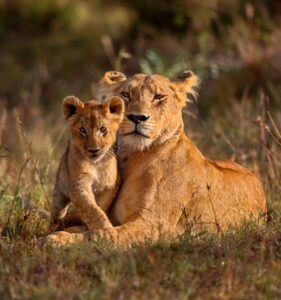
Tanzania is widely regarded as one of the best safari destinations in Africa for wildlife photography because of its rich biodiversity, iconic scenery, and year-round game viewing. The country is home to world-famous national parks, including Serengeti National Park, Ngorongoro Crater, Tarangire National Park, and Nyerere National Park (formerly part of the Selous Game Reserve). In an African safari, photographers can capture lions hunting across golden plains, elephants walking beneath baobab trees, leopards resting in acacia trees, and cheetahs sprinting after prey. Tanzania also hosts the Great Wildebeest Migration, one of the most photographed wildlife spectacles on Earth. Dramatic landscapes, golden sunrise light, and vibrant African cultures add depth to every image. Luxury photographic safari tours often include customized safari vehicles, bean bags, open roofs, and experienced guides who understand wildlife behavior and ideal camera positioning for professional-quality safari photography.
- ArushaGateway
- TarangireElephants
- NgorongoroCrater
- SerengetiBig Five
- ZanzibarBeach
Best Time for a Tanzania Photographic Safari
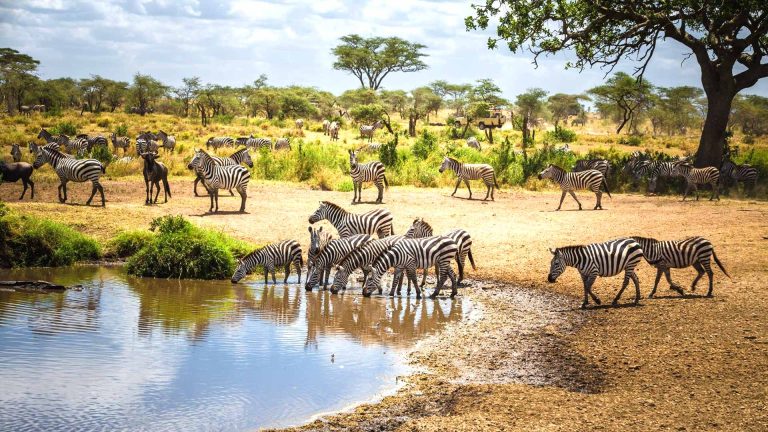
The best time for a Tanzania photographic safari depends on the type of wildlife photography experience you want. The dry season, from June to October, is ideal for wildlife viewing because animals gather around rivers and waterholes, making photography easier and more rewarding. This season offers clear skies, golden light, and excellent visibility for photographing predators and the Big Five. The Great Migration river crossings in the northern Serengeti usually occur between July and September, attracting photographers from around the globe. The green season, from November to March, offers lush landscapes, dramatic clouds, fewer tourists, and incredible bird photography opportunities. January and February are especially famous for the wildebeest calving season in southern Serengeti, where photographers can capture predator action and newborn wildlife in stunning natural settings.
Photographing the Great Wildebeest Migration
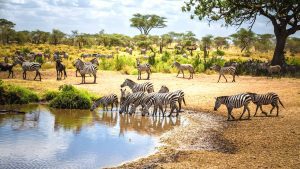
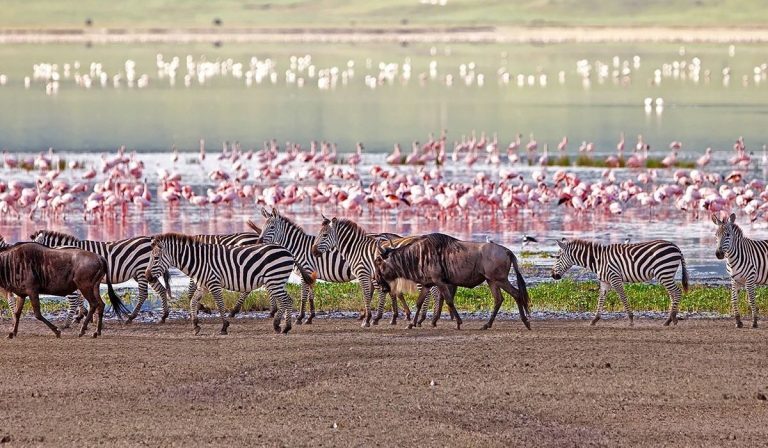
The Great Wildebeest Migration is the highlight of many Tanzania photography safaris and is considered one of the greatest wildlife spectacles in the world. Over two million wildebeest, zebras, and gazelles move across the Serengeti ecosystem in search of fresh grazing land and water. Tanzania wildlife photographers travel to Tanzania specifically to capture dramatic river crossings, predator attacks, dust-filled landscapes, and massive herds stretching across the horizon. Timing is critical because the migration changes throughout the year for your Serengeti photographic safari. From December to March, the herds gather in the southern Serengeti for calving season. Between June and July, dramatic Grumeti River crossings occur, while the famous Mara River crossings happen from July to September. Professional photographic safari guides help photographers position themselves for the best lighting, composition, and unforgettable wildlife action shots.
A general guide: the herds follow the rains.
Essential Camera Gear for Safari Photography
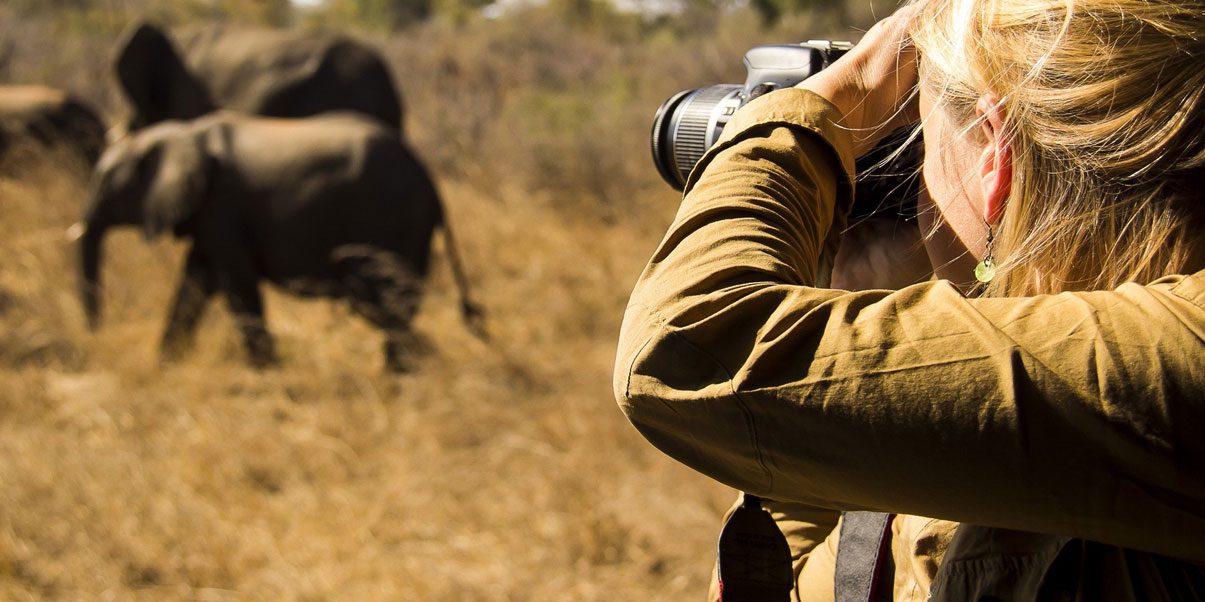
Packing the right camera equipment is essential for capturing incredible Tanzania safari photographs. Most wildlife photographers bring a DSLR or mirrorless camera with fast autofocus and excellent low-light performance. A telephoto lens, such as a 100-400mm or 200-600mm lens, is perfect for photographing distant wildlife and predator action. Wide-angle lenses are ideal for landscapes, lodges, sunsets, and cultural photography. Extra batteries, memory cards, bean bags, lens cleaning kits, and portable hard drives are also highly recommended. Dust protection is especially important during dry-season game drives. Many professional photographers carry two camera bodies to avoid changing lenses in dusty environments. Lightweight tripods and monopods can also help stabilize shots. Investing in quality safari camera gear ensures photographers capture sharp, detailed, and unforgettable images throughout their African wildlife safari adventure.
Top National Parks for Wildlife Photography
Tanzania is home to some of Africa’s most photogenic safari destinations. Serengeti National Park is famous for the Great Migration, large predator populations, and endless plains perfect for cinematic wildlife photography. Ngorongoro Crater offers stunning landscapes and excellent opportunities to photograph rhinos, lions, elephants, and flamingos in one compact area. Tarangire National Park is known for giant elephant herds and ancient baobab trees that create dramatic photographic compositions. Lake Manyara National Park provides beautiful bird photography, tree-climbing lions, and lush groundwater forests. Ruaha National Park is ideal for remote and exclusive safari photography experiences with fewer vehicles and abundant predators. Nyerere National Park, formerly Nyerere National Park (formerly part of the Selous Game Reserve), offers river safaris and unique wildlife perspectives. Each destination provides distinct scenery, lighting, and wildlife encounters for unforgettable Tanzania safari photography experiences.
Luxury Photographic Safari Experiences in Tanzania
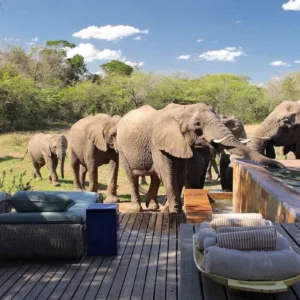
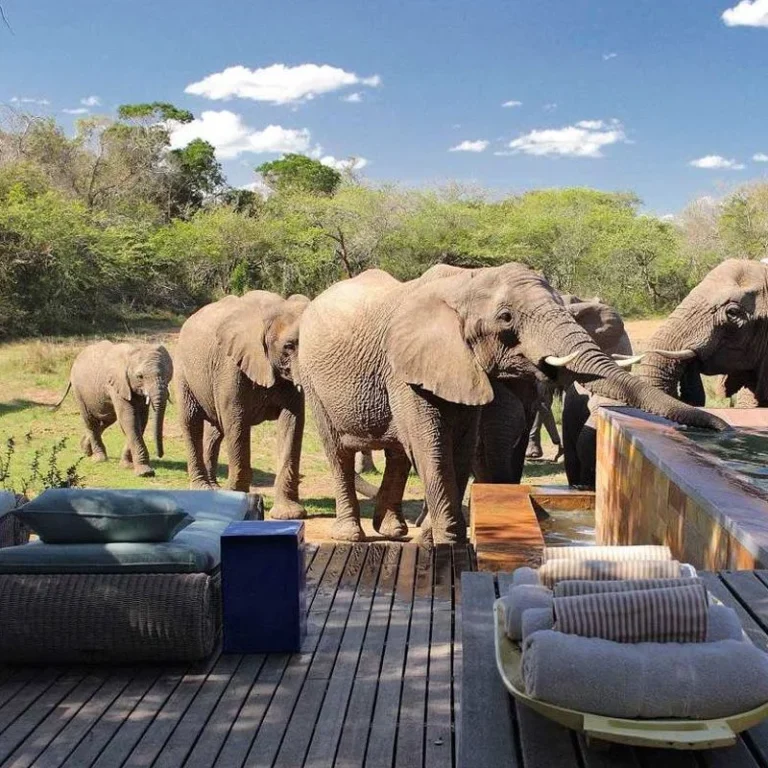
Luxury Tanzania photographic safaris combine comfort, exclusivity, and extraordinary wildlife experiences. High-end safari lodges and luxury tented camps provide stunning views, gourmet dining, private guides, and personalized photography-focused game drives. Many luxury safari operators offer specially designed photographic vehicles with open sides, camera mounts, charging stations, and flexible seating arrangements for photographers. Private safaris allow guests to spend extra time photographing wildlife without rushing between sightings. Luxury camps located near migration routes provide front-row access to dramatic wildlife action and breathtaking African sunsets. Some premium safari packages also include fly-in safaris, reducing travel time and maximizing photography opportunities. Guests enjoy elegant accommodations while staying close to nature in iconic locations like Serengeti National Park and Ngorongoro Crater. These exclusive experiences create unforgettable memories for photographers seeking comfort and adventure.
- Private vehicle & guide
- Intimate tented camps
- Gourmet dining
- Fly-in transfers
- Bush dinners
- Spa treatments
Bird Photography Opportunities in Tanzania
Tanzania is a paradise for bird photography, with more than 1,100 recorded bird species found across diverse ecosystems. From colorful lilac-breasted rollers and flamingos to fish eagles and crowned cranes, bird photographers enjoy endless opportunities throughout the country. Lake Manyara National Park, Lake Natron, Tarangire National Park, and the wetlands of Selous are among the best locations for photographing African birdlife. The green season is particularly rewarding because migratory birds arrive from Europe and Asia, adding vibrant colors and diversity to safari photography. Early morning and late afternoon provide ideal lighting conditions for capturing birds in flight and detailed close-up portraits. Tanzania’s varied habitats, including savannahs, forests, lakes, and wetlands, make every safari unique. Bird photography safaris are increasingly popular among both professional wildlife photographers and passionate nature enthusiasts visiting East Africa.
Cultural Photography and Maasai Encounters
A Tanzania photographic safari is not only about wildlife; it also offers meaningful cultural photography experiences. The Maasai people are among East Africa’s most iconic ethnic groups, known for their colorful clothing, traditional dances, and rich cultural heritage. Visiting Maasai villages allows photographers to capture authentic portraits, traditional ceremonies, handmade jewelry, and daily life in rural Tanzania. Respectful interaction and permission are essential when photographing local communities. Cultural photography adds storytelling depth and emotional connection to safari portfolios. Other fascinating groups include the Hadzabe hunter-gatherers near Lake Eyasi and the Datoga people known for blacksmithing traditions. Combining wildlife photography with cultural encounters creates a complete African travel experience. Tanzania’s cultural diversity provides photographers with vibrant colors, unique traditions, and unforgettable human stories beyond the famous safari landscapes and wildlife scenes.
Tips for Capturing Stunning Safari Photos
Capturing stunning safari photographs requires patience, preparation, and understanding of wildlife behavior. Early morning and late afternoon game drives offer the best natural light, often called the “golden hour,” which enhances color and detail in photographs. Keeping the camera ready at all times is important because wildlife action can happen unexpectedly. Using fast shutter speeds helps freeze moving animals such as cheetahs, birds, and running wildebeest. Photographers should focus on animal eyes for sharp and emotional portraits. Experimenting with composition, background lighting, and landscape framing can create more artistic safari images. Listening to experienced guides also improves opportunities for excellent photography. Staying quiet and minimizing movement near wildlife increases the chances of natural animal behavior. Tanzania’s diverse scenery, dramatic skies, and abundant wildlife provide endless inspiration for photographers seeking unforgettable safari images and storytelling moments.
Choosing the Right Tanzania Safari Tour Operator
Selecting the right Tanzania safari company is one of the most important steps in planning a successful photographic safari. Reputable safari operators provide knowledgeable guides, reliable vehicles, carefully planned itineraries, and access to prime wildlife locations. Photographers should look for operators specializing in photographic safaris because they understand lighting conditions, animal positioning, and flexible game drive schedules. Reviews, safety records, sustainability practices, and guide experience are essential factors when comparing safari companies. Many top-rated Tanzania safari operators offer customized itineraries for solo travelers, couples, families, and professional photography groups. Luxury operators may include charter flights, exclusive camps, and private safari vehicles for a more personalized experience. A professional guide can dramatically improve photography opportunities by tracking wildlife movements and positioning vehicles for the best angles and lighting during safari adventures.
Safari Photography for Beginners and Professionals
Tanzania welcomes photographers of all skill levels, from beginners using smartphones to professionals carrying advanced camera systems. Beginners can still capture breathtaking wildlife moments with proper guidance and simple photography techniques. Learning basic camera settings such as shutter speed, aperture, and ISO improves wildlife photography results significantly. Professional photographers often focus on creative compositions, dramatic lighting, and rare animal behavior. Many safari camps and tour operators provide photography workshops, editing sessions, and expert guidance during game drives. Tanzania’s abundant wildlife makes it easier for beginners to practice photography while enjoying unforgettable safari experiences. Whether photographing elephants in Tarangire or lions in Serengeti, every game drive offers unique opportunities. A Tanzania photographic safari combines education, adventure, creativity, and conservation, making it one of the most rewarding travel experiences for photography enthusiasts worldwide.
Sustainable and Ethical Wildlife Photography
Ethical wildlife photography is an important part of responsible tourism in Tanzania. Professional safari guides and conservation-focused tour operators prioritize animal welfare and environmental protection while providing incredible photography opportunities. Responsible photographers avoid disturbing wildlife, getting too close to animals, or encouraging dangerous behavior for better photographs. Sustainable safari tourism supports conservation projects, local communities, anti-poaching efforts, and national park protection. Many eco-friendly lodges use solar power, reduce plastic waste, and contribute directly to wildlife conservation programs. Ethical photography also includes respecting local cultures and seeking permission before taking portraits. Travelers who choose sustainable photographic safaris help preserve Tanzania’s natural beauty and wildlife habitats for future generations. Responsible tourism ensures that iconic destinations like Serengeti National Park and Ngorongoro Crater continue to thrive while offering extraordinary safari photography experiences for visitors from around the world.
Combining Safari Adventure With Zanzibar Beach Photography
Many travelers combine their Tanzania photographic safari with a relaxing Zanzibar beach holiday, creating the ultimate African travel experience. After days of wildlife photography in Serengeti or Ngorongoro Crater, Zanzibar offers stunning white-sand beaches, turquoise waters, and vibrant Swahili culture. Stone Town provides excellent opportunities for street photography, architecture, spice tours, and cultural storytelling. Sunrise dhow cruises, palm-lined beaches, and colorful coral reefs create breathtaking coastal photography scenes. Underwater photography enthusiasts can also explore Zanzibar’s marine life through snorkeling and diving excursions. Luxury beach resorts provide the perfect place to relax, edit photographs, and enjoy Indian Ocean sunsets after an adventurous safari. Combining wildlife photography with tropical beach photography allows travelers to capture the full diversity of Tanzania’s landscapes, cultures, and unforgettable travel experiences in one extraordinary East African journey.
How Much Does a Tanzania Photographic Safari Cost
A Tanzania photographic safari cost varies widely depending on comfort level, season, and itinerary style. Budget Tanzania photographic safaris start from around $250–$400 per person per day, offering basic lodges or camping and private game drives. Mid-range Tanzania photographic safaris typically cost $450–$800 per person per day, with better lodges, private guides, and improved safari vehicles. Luxury and high-end Tanzania photography safaris range from $900 to $2,500+ per person per day, featuring exclusive camps, fly-in transfers, private vehicles, and expert photography guides. The Great Migration season in Serengeti National Park is usually the most expensive due to high demand.
How Long Should a Tanzania Photographic Safari Be
A Tanzania photographic safari is best enjoyed over 7 to 14 days to fully experience diverse ecosystems and wildlife behavior. A 7-day African photographic safari allows coverage of key destinations such as Serengeti National Park and Ngorongoro Crater, ideal for capturing big cats and iconic landscapes. A 10–12-day Tanzania photographic safari itinerary provides a more balanced experience, including Tarangire National Park, Lake Manyara, and extended time in Serengeti for the Great Migration. Professional photographers often prefer 14+ days for deeper exploration, better light conditions, and increased chances of rare wildlife encounters, ensuring a complete and rewarding photography portfolio.
Final Thought
A Tanzania photographic safari is more than a vacation; it is a life-changing journey into the heart of Africa’s most spectacular wilderness. From the thunder of the Great Migration to intimate encounters with lions, elephants, and Maasai communities, every moment offers incredible storytelling and photography opportunities. Tanzania combines world-class wildlife viewing, luxury safari experiences, breathtaking scenery, and rich cultural heritage into one unforgettable adventure. Whether exploring the endless plains of Serengeti National Park, the wildlife-rich Ngorongoro Crater, or the tropical beaches of Zanzibar, photographers leave with remarkable images and lifelong memories. With expert guides, stunning landscapes, and abundant wildlife, Tanzania remains one of the best destinations in the world for wildlife photography safaris. It is truly the ultimate African safari destination for photographers, adventurers, and nature lovers alike.
Tanzania Photographic Safaris: FAQs
Why Tanzania Is Africa’s Ultimate Photography Destination?
Tanzania is widely regarded as one of the best safari destinations in Africa for wildlife photography because of its rich biodiversity, iconic scenery, and year-round game viewing. The country is home to world-famous national parks, including Serengeti National Park, Ngorongoro Crater, Tarangire National Park, and Nyerere National Park (formerly part of the Selous Game Reserve).
What are the best time for a Tanzania photographic safari?
The best time for a Tanzania photographic safari depends on the type of wildlife photography experience you want. The dry season, from June to October, is ideal for wildlife viewing because animals gather around rivers and waterholes, making photography easier and more rewarding. This season offers clear skies, golden light, and excellent visibility for photographing predators and the Big Five.
What should you know about photographing the Great wildebeest migration for Tanzania photographic safaris?
The Great Wildebeest Migration is the highlight of many Tanzania photography safaris and is considered one of the greatest wildlife spectacles in the world. Over two million wildebeest, zebras, and gazelles move across the Serengeti ecosystem in search of fresh grazing land and water. Tanzania wildlife photographers travel to Tanzania specifically to capture dramatic river crossings, predator attacks, dust-filled landscapes, and massive herds stretching across the horizon.
What can you expect from essential camera gear for safari photography for Tanzania photographic safaris?
Packing the right camera equipment is essential for capturing incredible Tanzania safari photographs. Most wildlife photographers bring a DSLR or mirrorless camera with fast autofocus and excellent low-light performance. A telephoto lens, such as a 100-400mm or 200-600mm lens, is perfect for photographing distant wildlife and predator action.
What are the top national parks for wildlife photography for Tanzania photographic safaris?
Tanzania is home to some of Africa’s most photogenic safari destinations. Serengeti National Park is famous for the Great Migration, large predator populations, and endless plains perfect for cinematic wildlife photography. Ngorongoro Crater offers stunning landscapes and excellent opportunities to photograph rhinos, lions, elephants, and flamingos in one compact area.
What should you know about luxury photographic safari experiences in Tanzania?
Luxury Tanzania photographic safaris combine comfort, exclusivity, and extraordinary wildlife experiences. High-end safari lodges and luxury tented camps provide stunning views, gourmet dining, private guides, and personalized photography-focused game drives. Many luxury safari operators offer specially designed photographic vehicles with open sides, camera mounts, charging stations, and flexible seating arrangements for photographers.
What are the bird photography opportunities in Tanzania for Tanzania photographic safaris?
Tanzania is a paradise for bird photography, with more than 1,100 recorded bird species found across diverse ecosystems. From colorful lilac-breasted rollers and flamingos to fish eagles and crowned cranes, bird photographers enjoy endless opportunities throughout the country. Lake Manyara National Park, Lake Natron, Tarangire National Park, and the wetlands of Selous are among the best locations for photographing African birdlife.
What can you expect from cultural photography and Maasai encounters for Tanzania photographic safaris?
A Tanzania photographic safari is not only about wildlife; it also offers meaningful cultural photography experiences. The Maasai people are among East Africa’s most iconic ethnic groups, known for their colorful clothing, traditional dances, and rich cultural heritage. Visiting Maasai villages allows photographers to capture authentic portraits, traditional ceremonies, handmade jewelry, and daily life in rural Tanzania.
Plan Your Photographic Safari
Tell us your photography goals and dates, and we will design a private safari with flexible timing and expert guides who know where the light and action are.