Why Feeding Wildlife Isn't Advisable: 10 Reasons to Keep Wildlife Wild
Feeding wildlife is not advisable because human food harms animals' health, makes them dependent on people and causes them to lose their natural fear of humans. Fed animals, such as baboons and monkeys, can become aggressive, spread disease and are sometimes removed or put down as problem animals. Feeding also disrupts natural ecosystems and is prohibited in Tanzania's national parks. This responsible safari guide explains the ten main reasons not to feed wild animals, where feeding happens on safari, park rules and how to enjoy close, ethical wildlife encounters with expert local guides on your private tailor-made safari in Tanzania.
Why should you not feed wild animals?
You should not feed wild animals because human food is unhealthy for them, creates dependence and teaches them to approach people for food. This can make animals aggressive, spread disease between wildlife and humans, upset natural ecosystems and lead to animals being removed or killed. On safari in Tanzania, feeding wildlife is prohibited in national parks, so always keep food sealed and follow your guide's advice.
01Reasons 1 to 4: Feeding Wildlife Harms Animal Health
The first and most important reason not to feed wildlife is the harm it causes to the animals themselves. Human food lacks the nutrients wild animals need, while regular handouts weaken natural foraging skills, spread disease and create unhealthy dependence on people. Even kind, well-meaning visitors who offer just a single biscuit to a monkey or bird contribute to these problems, because many people do the same every day. The cards below explain the first four reasons feeding wildlife is not advisable and why keeping wild animals on their natural diet is essential for healthy, thriving wildlife populations.
Malnutrition and Poor Health
Human food such as bread, crisps, biscuits and sweets lacks the nutrients wild animals need and can cause malnutrition, obesity, dental problems and digestive illness. Wild animals have evolved to eat specific natural foods, from grasses and leaves to fruit, insects and prey. Even small amounts of human food can damage their long-term health and survival.
Loss of Natural Foraging Skills
Animals that receive easy handouts spend less time foraging or hunting naturally, and young animals may never learn essential survival skills from their parents. Over time, they become less able to find food on their own, especially during the long dry seasons. Natural foraging also plays an important role in seed dispersal and healthy, balanced ecosystems.
Disease Transmission
Feeding brings animals unnaturally close together and close to people, which helps diseases and parasites spread. Wildlife can pass illnesses to humans, and humans can pass infections to wildlife, including monkeys and other primates that are closely related to us. Crowded feeding spots also increase stress and competition, weakening animals' immune systems and their overall health.
Dependence on People
Animals that are fed regularly learn to depend on people, campsites and vehicles for food instead of their natural habitat. They may gather around lodges, picnic sites and roads, waiting for handouts. When food is no longer offered, dependent animals can struggle to survive or become bolder and more demanding in their search for an easy meal.
02Reasons 5 to 8: Risks to People and Animals
Feeding wildlife creates real and serious dangers for people as well as for the animals involved. Fed animals lose their natural fear of humans, become bold and sometimes aggressive, and may bite, scratch or steal food from visitors and local residents. Animals drawn to roads, camps and picnic sites also face greater risks of collisions and conflict, and the most persistent problem animals may have to be relocated or put down. The cards below explain reasons five to eight, showing exactly how a simple, well-meant handout can lead to serious and sometimes fatal consequences for people and wildlife alike.
Loss of Fear of Humans
Wild animals naturally keep a safe distance from people, which protects both sides. Animals that are fed lose this healthy fear and begin to approach people, tents and vehicles looking for food. Once habituated, they are much harder to keep away, and their bold behaviour can quickly lead to dangerous encounters with visitors and local communities.
Aggression, Bites and Theft
Habituated animals, especially baboons and vervet monkeys, may become aggressive when they expect food. They can snatch bags, raid tents and vehicles, and scratch or bite people, which can cause painful injuries and dangerous infections. Large animals that associate people with food, such as elephants or hyenas around camps, can become extremely dangerous and unpredictable.
Problem Animals Removed or Put Down
When animals become aggressive or repeatedly raid camps and homes, wildlife authorities may have to relocate them or, in serious cases, put them down to protect people. This is a tragic and avoidable outcome. As conservationists often say, a fed animal is frequently a dead animal, which is why responsible visitors never offer food to wildlife.
Animals Drawn to Roads and Vehicles
Animals that associate cars with food gather near roads, lodges and picnic sites, where they risk being hit by vehicles. Monkeys and baboons may run between cars, and other animals may linger on roads instead of moving away. This increases the danger of collisions, injuries and deaths for animals and creates hazards for drivers and passengers.
03Reasons 9 and 10: Ecosystems and the Law
The final two reasons not to feed wildlife reach far beyond individual animals to entire ecosystems and the rules that protect them. Feeding changes how animals behave, where they gather and how species interact, which can damage vegetation and seriously upset the natural balance of protected areas. It is also strictly prohibited in Tanzania's national parks and conservation areas, where guides and rangers enforce rules to protect wildlife and visitors. The cards below explain how feeding disrupts natural ecosystems and why respecting park regulations is an essential part of responsible, ethical safari travel for every visitor to Tanzania.
Disrupted Natural Ecosystems
Feeding changes where animals gather, how many survive and how they interact with other species. Unnaturally large numbers of fed animals can damage vegetation, outcompete other species and upset predator and prey relationships. Over time, these changes ripple through the ecosystem, affecting plants, birds, insects and the wider natural balance of nature in Tanzania's protected areas.
Prohibited in National Parks
Feeding wildlife is prohibited in Tanzania's national parks and conservation areas, and visitors who break park rules may face penalties. Rangers and guides enforce these regulations to protect animals and visitors. Respecting park rules, including staying on roads and keeping food sealed, helps keep Tanzania's parks safe, wild and enjoyable for everyone who visits them.
04Where Feeding Happens on Safari
Most problems with feeding wildlife on safari happen in a few predictable places, such as picnic sites, camps and lodges, roadsides and around large animals. Knowing these common situations in advance helps you avoid accidentally encouraging animals to approach people for food. Select each tab below to see a common situation, what to do, why it matters and a practical tip from our guides. Following this simple, practical advice keeps animals wild and healthy, protects you and other visitors, and makes sure your private tailor-made safari in Tanzania leaves a positive impact on the wildlife you came to see.
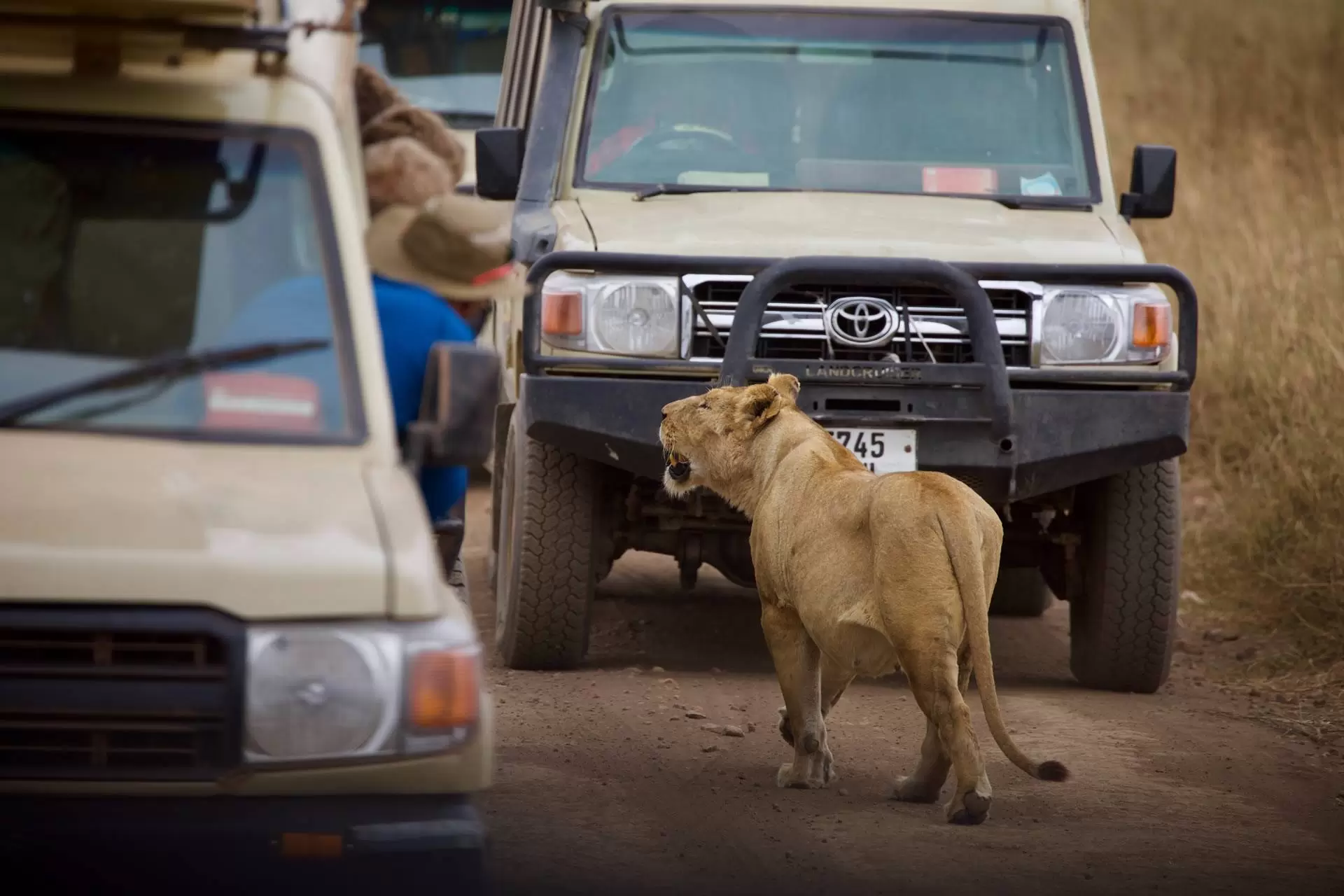
Picnic Sites and Rest Stops
Monkeys, baboons and birds waiting for scraps at picnic areas
Keep food in the vehicle, eat where your guide suggests and pack away all leftovers
Picnic sites are where many visitors are tempted to share food. Vervet monkeys, baboons and birds such as starlings and hornbills quickly learn to wait for scraps. Keep food sealed until you eat, never throw leftovers, and stay close to your guide, who will choose a safe spot and advise you on how to protect your lunch.
Safari vehicle etiquette →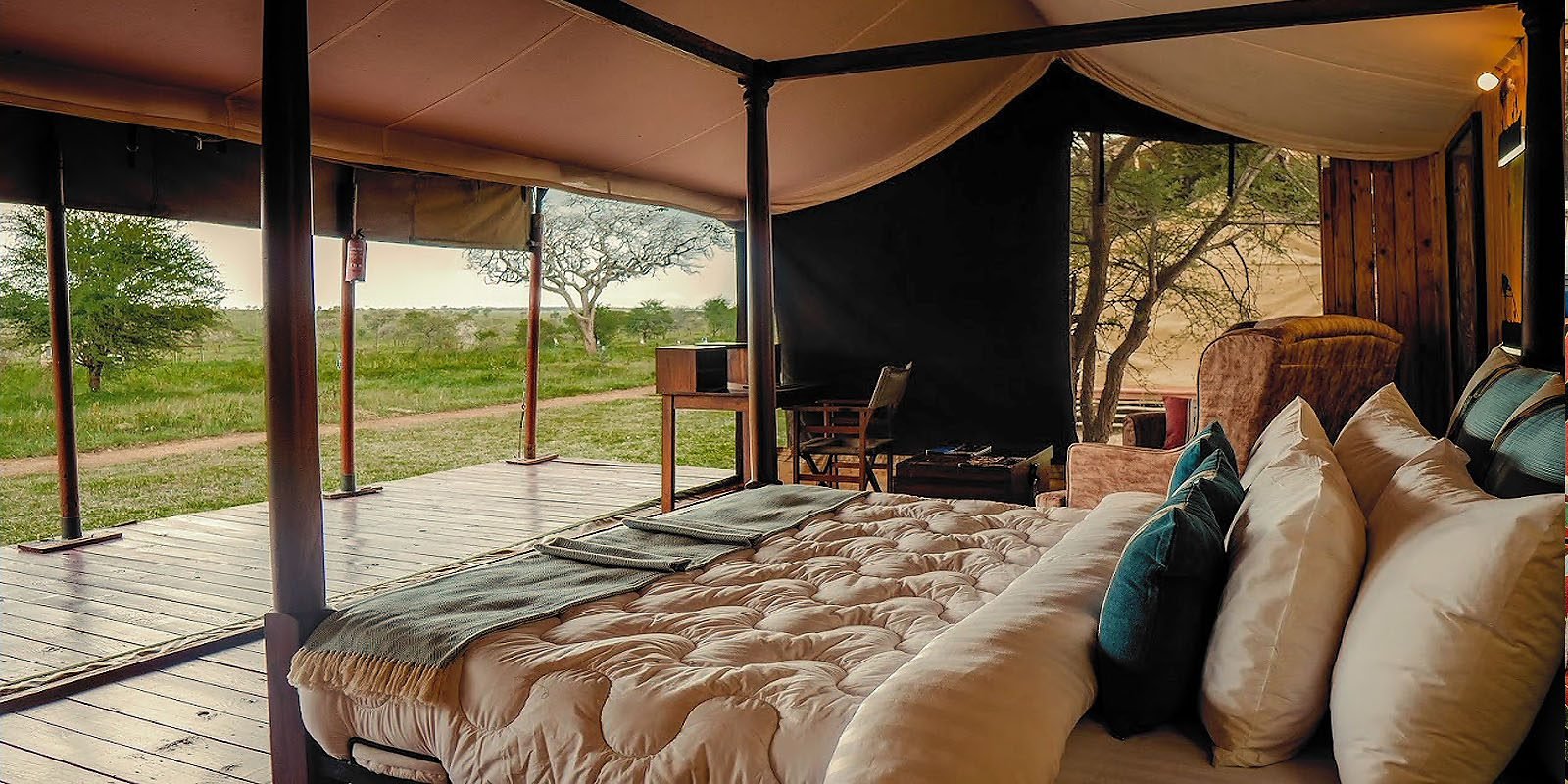
Camps and Lodges
Monkeys and baboons raiding tents, and hyenas or elephants near camp
Keep tents zipped, never store food inside and follow camp rules
Animals that find food around camps quickly return for more. Never keep fruit, snacks or sweets in your tent or room, keep doors and zips closed and never leave food on balconies. Camp staff work hard to prevent wildlife becoming habituated, so follow their advice and report any animals that seem to be looking for food.
Tanzania camping safaris →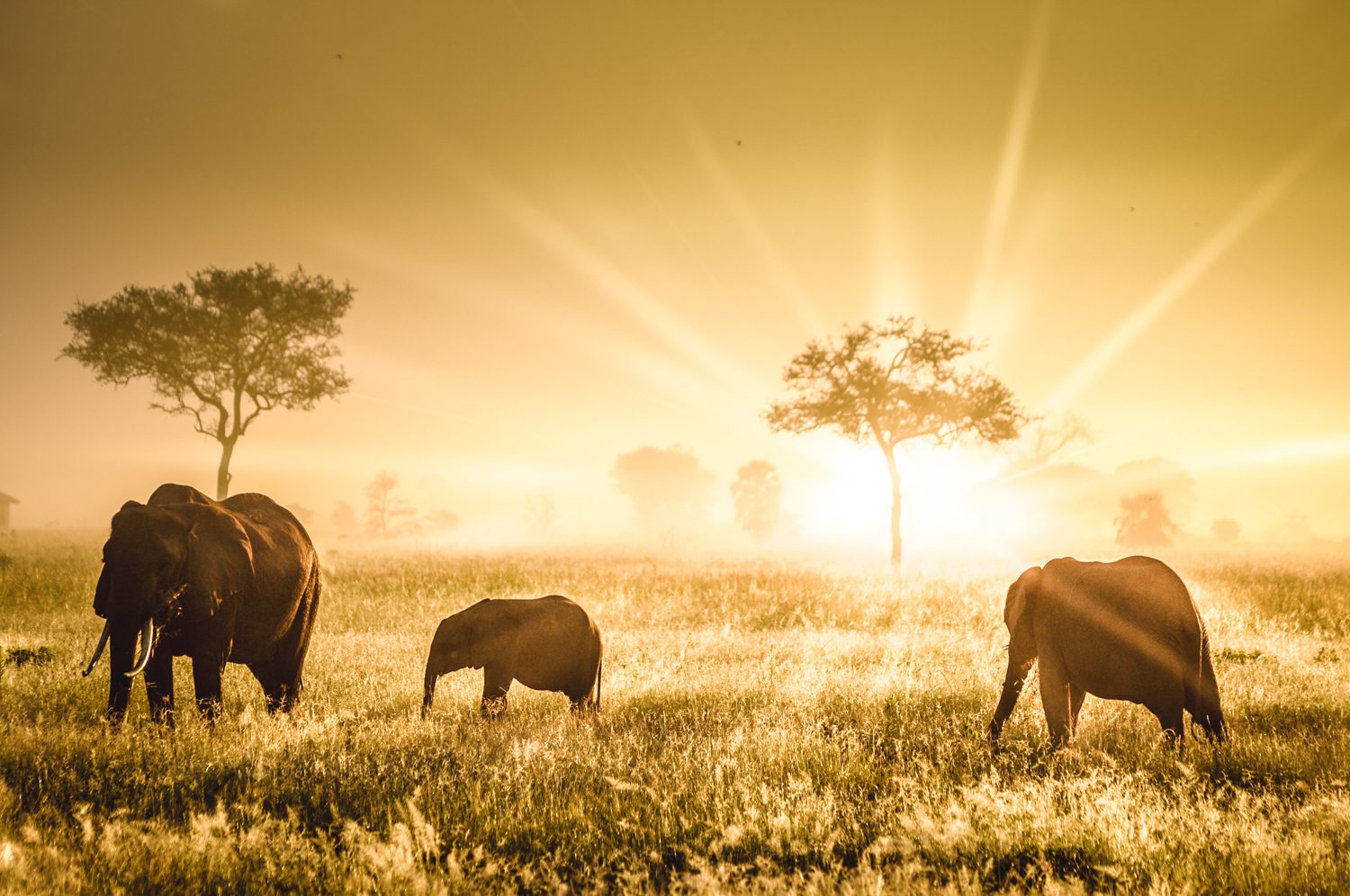
Elephants and Large Animals
Large animals approaching vehicles or camps that smell food
Never offer food, stay calm and let your guide manage the situation
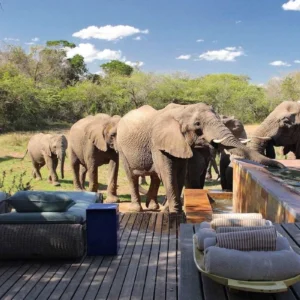
Elephants have an excellent sense of smell and can be attracted to fruit and other food in vehicles or tents. A large animal that learns people carry food can become extremely dangerous. Never carry fruit openly near elephants, stay calm and quiet during close encounters and let your experienced guide decide when to wait or move away.
The African Big Five →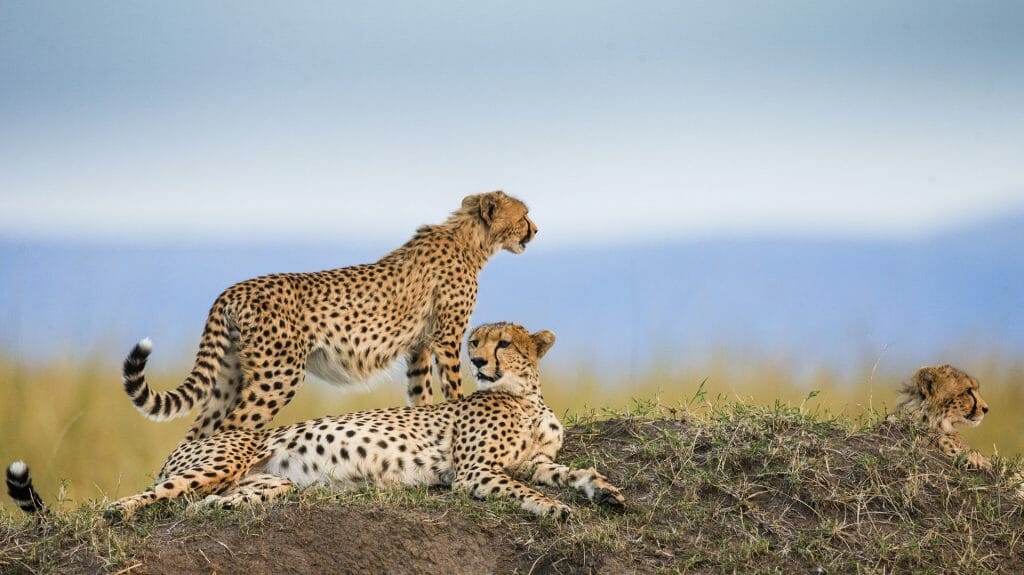
Predators and Scavengers
Hyenas, jackals and other scavengers drawn to food waste
Dispose of all rubbish properly and never leave food scraps behind
Food scraps and rubbish can attract hyenas, jackals and other scavengers to camps and picnic sites, where they may lose their fear of people. Predators that become used to human food can create serious safety risks. Carry all rubbish back to your lodge, never leave scraps on the ground and follow your guide's advice throughout your safari.
Eco-friendly packing tips →05Safari Etiquette Around Food
Good safari etiquette around food is simple to follow, and it makes a big difference to wildlife and to your own safety. Keep all food sealed and stored in the vehicle, never throw anything out of the window, watch animals from a respectful distance and follow your guide's advice at every stop. These habits prevent animals from linking people and vehicles with food, which keeps them wild, healthy and safe. The cards below share practical safari etiquette tips that every traveller should follow during game drives, picnic lunches and stays at camps and lodges in Tanzania's national parks.
Keep Food Sealed
Keep snacks, fruit and drinks sealed in bags or cool boxes inside the vehicle, and only eat where your guide suggests. Monkeys and baboons are quick and clever, and they recognise food packaging. Close windows and roof hatches when you stop near primates, and never leave bags unattended at picnic sites or on lodge tables.
Never Throw Food From the Vehicle
Never throw food, fruit peels or wrappers from the vehicle, even if they seem natural or biodegradable. Peels and scraps attract animals to roads, change their feeding habits and can introduce seeds of non-native plants. Keep a small rubbish bag in the vehicle and dispose of all waste properly at your lodge or camp each evening.
Watch From a Distance
Enjoy wildlife from a respectful distance without calling, touching or trying to attract animals. Use good binoculars and a zoom lens for close-up views and photographs instead of encouraging animals to come nearer. Animals that feel safe behave naturally, which creates far more rewarding sightings and better photographs than any interaction involving food ever could.
Follow Your Guide
Your guide knows animal behaviour, park rules and how to handle situations where wildlife approaches. Follow their instructions about eating, where to stop and how to behave near primates and large animals. Ask questions freely at any time, as guides love to share their knowledge of animal behaviour, diets and the fragile natural ecosystems you are visiting.
06Tanzania National Park Rules for Visitors
Tanzania's national parks and conservation areas have clear, sensible rules designed to protect wildlife, fragile habitats and all visitors. Feeding or disturbing animals is prohibited, vehicles must stay on designated roads, and picnic lunches always take place at designated sites where it is safe to leave the vehicle. Visitors are also asked to take nothing from the parks, leave no litter behind and respect the instructions of rangers. The cards below explain the most important park rules for safari visitors, so you can enjoy the Serengeti, Ngorongoro Crater, Tarangire and other national parks responsibly with your experienced private guide.
Feeding Is Prohibited
Feeding, disturbing or harassing wildlife is prohibited in Tanzania's national parks and conservation areas. Visitors who break park rules may face penalties, and guides can be held responsible for their guests' behaviour. Respecting this rule protects wildlife, supports the work of park rangers and helps ensure the parks remain wild, healthy and safe for future visitors.
Stay on Designated Roads
Vehicles must stay on designated roads and tracks in most parks, which protects fragile vegetation and reduces disturbance to wildlife. Off-road driving is only allowed in specific areas and conditions set by park authorities. Your guide knows the specific rules for each park and will carefully position the vehicle to give you excellent views responsibly.
Use Designated Picnic Sites
Picnic lunches and toilet stops take place at designated picnic sites and public campsites, where it is safe to leave the vehicle. These sites are often visited by monkeys, baboons and birds, so keep food close, eat quickly and pack away all leftovers. Never leave the vehicle elsewhere unless your guide confirms it is allowed.
Take Nothing, Leave Nothing
Do not pick plants, collect stones, bones or feathers, or leave any litter in the parks. All rubbish should be carried back to your lodge or camp for proper disposal. Tanzania has also banned single-use plastic carrier bags, so use reusable bags. These simple rules help keep Tanzania's national parks clean, healthy and truly wild.
07What to Do If Wild Animals Approach You
Even when you follow every rule, curious or habituated animals may still approach you, especially monkeys and baboons at picnic sites and camps. Knowing how to react calmly and safely protects you and the animals and prevents them from learning that people mean food. The cards below explain what to do if a monkey or baboon approaches, if animals come close to your vehicle, if wildlife enters your camp and if you see other people feeding animals. In every situation, stay calm, keep all food out of sight and follow the advice of your guide or the camp staff.
If a Monkey or Baboon Approaches
Stay calm and do not make eye contact, smile with teeth or try to scare the animal by shouting. Hold bags close, put food away and move slowly towards your vehicle or guide. Never try to grab back food that has been taken, as baboons in particular can be strong and may bite when they feel threatened.
If Animals Approach the Vehicle
Stay seated, keep arms and cameras inside and close windows or roof hatches if primates come close. Avoid sudden movements and keep your voice low. Your guide will decide whether to wait quietly or move the vehicle away. Never encourage animals to climb onto or into the vehicle by offering food, waving or making noises.
If Animals Enter Your Camp
If monkeys, baboons or larger animals come close to your tent or room, stay inside, keep doors and zips closed and alert camp staff using the whistle, radio or signal provided. Never try to chase animals away yourself. Camp staff are trained to handle wildlife safely and will advise you on what to do next.
If You See Others Feeding Wildlife
If you see other visitors feeding animals, mention it politely to your guide or camp staff rather than confronting them yourself. Guides and rangers can explain the rules and the harm feeding causes. Sharing what you have learned with friends and fellow travellers also helps spread awareness and protect wildlife in Tanzania's national parks and reserves.
08Better Ways to Connect With Wildlife
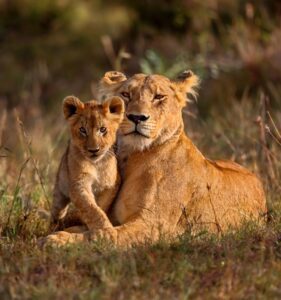
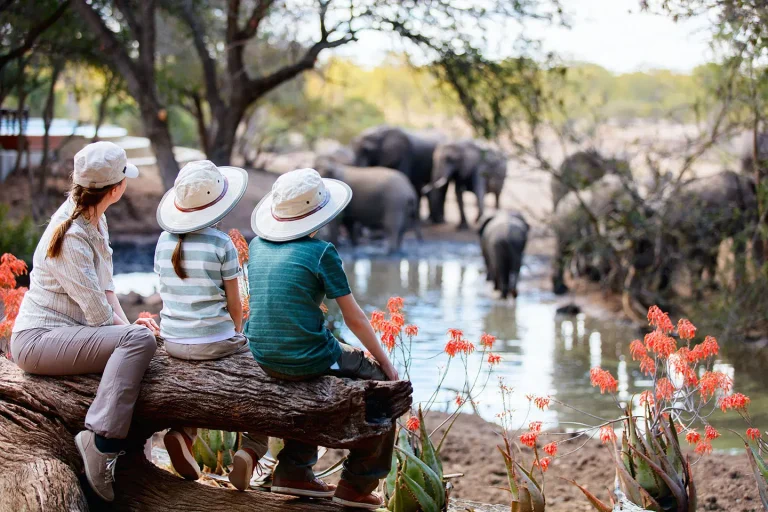
You never need to feed animals to enjoy close, exciting and memorable wildlife encounters on safari. Watching natural behaviour, learning from your guide, photographing animals responsibly, supporting conservation and avoiding unethical attractions all create richer experiences that respect wildlife. With an expert local guide, patient viewing often reveals extraordinary moments, from playful lion cubs to elephants greeting each other at a waterhole. The cards below share better ways to connect with wildlife in Tanzania, so your private tailor-made safari is both unforgettable for you and genuinely positive for all the animals and communities you meet along the way.
Observe Natural Behaviour
The most rewarding wildlife moments come from watching animals behave naturally, from lions resting in the shade to elephants bathing at a waterhole. Spend time at sightings, switch off the engine and simply watch. Your expert guide will explain exactly what you are seeing, turning each encounter into a fascinating insight into animal lives and relationships.
Photograph Responsibly
Capture great wildlife photographs without disturbing animals by using a zoom lens, shooting from the vehicle and never baiting animals with food or noise. Patience gives the best results, as animals that feel relaxed move naturally and show their true behaviour. Ask your guide to position the vehicle carefully for the best light and angle.
Support Conservation
Support wildlife by choosing responsible operators and eco-friendly lodges that protect habitats and work with local communities. Park fees help fund conservation and anti-poaching work, and many lodges actively support local community and wildlife projects. Learning about conservation during your safari and sharing it with others also helps protect Tanzania's remarkable wildlife for future generations.
Avoid Unethical Animal Encounters
Avoid any attraction that allows you to feed, touch, ride or take selfies with wild animals, as these experiences often cause stress and harm to wildlife. Ethical encounters keep animals wild and let them behave naturally. If you are unsure whether an activity is responsible, ask our team for honest advice before you book it.
09Responsible Wildlife Checklist
Use this responsible wildlife checklist to make sure you are ready to enjoy Tanzania's wildlife without causing harm. It covers food and rubbish, behaviour on game drives, camp safety, photography and supporting conservation, with simple, practical everyday actions that keep animals wild and healthy. Tick each item as you prepare and follow your progress with the bar, or print the list and keep it with your safari documents. Sharing this checklist with your family, children or travelling companions before your trip helps everyone understand why feeding wildlife is not advisable and how to behave responsibly throughout your safari.
Food and Rubbish0/4
On Game Drives0/4
At Camp0/4
Photography0/4
Conservation0/4
Responsible Safari Planning Guides
10Why Feeding Wildlife Isn't Advisable: FAQs
Why is feeding wildlife bad?
It harms animals' health, creates dependence on people, makes animals lose their fear of humans, spreads disease and disrupts natural ecosystems.
Is it illegal to feed wild animals in Tanzania?
Feeding or disturbing wildlife is prohibited in Tanzania's national parks and conservation areas, and visitors who break park rules may face penalties.
Can I feed monkeys on safari?
No. Feeding monkeys and baboons makes them bold and aggressive, and they may bite, scratch or steal food from visitors.
What happens to animals that are fed by people?
They may become dependent, aggressive or ill, and persistent problem animals are sometimes relocated or put down for safety.
Is it okay to feed birds at safari lodges?
No. Even birds should not be fed, as human food harms their health and encourages unnatural behaviour around people.
Can I throw fruit peels from the safari vehicle?
No. Peels and scraps attract animals to roads, change their diet and can spread non-native seeds. Take all waste with you.
What should I do if a baboon takes my food?
Let it go. Never try to grab food back, stay calm, move away slowly and tell your guide or camp staff.
Why do baboons and monkeys approach people?
Usually because they have learned from previous visitors that people, bags and vehicles mean easy food.
How should I store food on safari?
Keep food sealed in bags or cool boxes inside the vehicle and never store food in your tent or room.
Does feeding wildlife spread disease?
Yes. Feeding brings animals close together and close to people, helping diseases and parasites spread in both directions.
Can I hand-feed animals for a photograph?
No. Never bait or hand-feed animals for photos. Use a zoom lens and photograph natural behaviour from the vehicle.
What is the safest way to watch wildlife?
Stay in the vehicle, keep a respectful distance, stay quiet and follow your guide's instructions at all times.
Are wildlife encounters that involve feeding ethical?
No. Attractions that let you feed, touch or ride wild animals often cause stress and harm, so choose ethical encounters.
How can I help protect wildlife on safari?
Never feed animals, follow park rules, choose responsible operators and eco-friendly lodges and support conservation.
Plan Further: Responsible Tanzania Safaris
Safari Styles
Top Destinations
Plan a Responsible Private Safari in Tanzania
Tell us your travel dates and interests, and our local team will plan a responsible private tailor-made safari with expert guides who share wildlife knowledge, follow park rules and help you enjoy ethical, unforgettable encounters.
Book Now Online →What Our Travelers Say
Real 5-star reviews from guests who traveled with us