Tanzania’s Sacred Sites
Tanzania’s Sacred Sites at a Glance
Many people know Tanzania for its exceptional wildlife and towering peaks. Few know that this glorious African country also promises an unforgettable spiritual journey. While you go beyond the pristine coastlines and sprawling Savannahs, you will experience this destination's ultimate spiritual essence. Tanzania’s sacred sites provide the most unforgettable experience that will enlighten you and allow you to learn about ancient beliefs, cultural heritage, and spiritual traditions. Numerous sites in Tanzania promise a spiritual connection to the land, the local people, and the divine. So, if you are looking forward to seeing beyond the wildlife adventures and diverse landscapes of Tanzania during your holiday, make sure not to miss out on its sacred sites. You should book a flight to Tanzania from the UK and add the following incredible landmarks to your itinerary.
Top Sacred Sites in Tanzania That You Must Not Miss
Tanzania boasts a variety of sacred sites, reflecting its diverse religious and cultural landscape. Some notable locations include the Mukuru Sacred Site for the Maasai, which is a place of healing and ancestor connection, according to Africa Amini Life; the Malindi Mosque, one of the oldest mosques in Zanzibar's Stone Town; and the Azania Front Lutheran Church, a historical landmark in Dar es Salaam. Other notable sites include various mosques and temples across Tanzania, including those in Dar es Salaam and Dodoma.
Mount Kilimanjaro
Sacred to the Chaga as the abode of God and spirits.
Mahenge Mountains
Sacred groves and hidden healers’ shrines.
Ngorongoro Crater
A divine gift in Maasai belief.
Kondoa Rock-Art Sites
Ancient paintings still used for ceremonies.
Bagamoyo & Kaole Ruins
A 13th-century mosque and saints’ tombs.
Mount Kilimanjaro
Mount Kilimanjaro is one of the most prominent landmarks on the continent. It is the highest peak in Africa and attracts countless tourists every year. Not only that, the mountain also has a spiritual significance for the Chaga people who inhabit its foothills. They consider it the abode of their God and home to spirits. Elders among the Chaga people perform various rituals at the base of this mountain to summon blessings from God and to honour their ancestors. Even though many travellers hike the mountain to its summit, many Chaga people also hike it as their spiritual pilgrimage. If you visit this mountain with a local guide, you will surely be told about its spiritual aura and divine presence. This makes it one of the top sacred sites in Tanzania and is undoubtedly worth visiting while having a spiritual journey across the incredible country.
Ngorongoro Crater
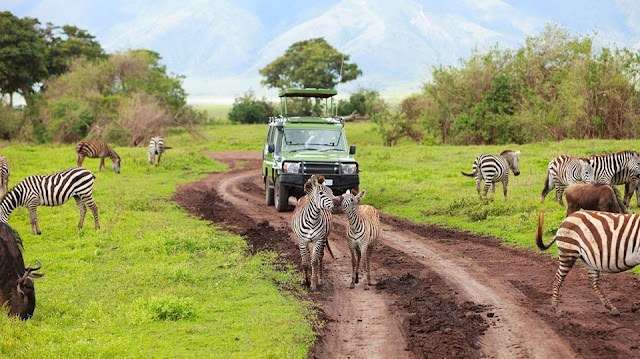
Ngorongoro Crater was formed millions of years ago because of a collapsed volcano. It is a prominent landmark in the country known for its exceptional heritage and wildlife. However, many tourists don’t know that this crater is of great spiritual significance for the Maasai people. These people believe this crater is a gift from God and was created by divine forces. The Maasai people pray around and inside the crater and conduct rituals, especially during times of hardship, such as drought or any other crisis. If you want to learn more about the spiritual significance of this crater, you can hire a local Maasai guide. They will tell many interesting stories about this landmark's history and spiritual importance.
Kondoa Rock-Art Sites
The Kondoa Rock-Art Sites, a UNESCO World Heritage Site in central Tanzania, include numerous decorated rock shelters. These rock art sites have thousands of ancient paintings etched into the stone shelters. Some of these artworks are over 2000 years old and depict hunting scenes, symbolic figures, and rituals. Through this exceptional rock art, you get a glimpse of some of the most ancient inhabitants of Tanzania. To date, local tribes use these historic relics as their spiritual spaces and use them for religious and initiation ceremonies. These tribes see these rock arts as a link to the spirits and ancestors. Some caves here are considered more spiritually significant and influential than the others at these rock-art sites.
Bagamoyo
Bagamoyo was once a key port in the East African slave trade. This quiet coastal town now represents a fascinating historical past and is known for its spirituality. Bagamoyo translates to ‘lay down your heart,’ which serves as a tribute to those who were forcefully taken out of their homeland. But this place’s spiritual significance lies in its home to one of the oldest mosques in East Africa. Not only that, this place also has a significant position in Swahili culture. Visit the Kaole Ruins to glimpse the region's ancient Islamic history. Here, you will find the famous historic 13th-century mosque and tombs believed to be of ancient Muslim saints. You will surely have an enlightening experience, and the spiritual atmosphere keeps everyone hooked.
- “Lay down your heart”
- A tribute to those taken from their homeland
- A key chapter in Swahili history
- A 13th-century mosque
- Tombs believed to be of Muslim saints
- Ancient Islamic heritage
Mahenge Mountains
These spiritual mountains are nestled in the remote southern highlands. The Mahenge Mountains are known for the presence of hidden shrines of the spirit healers. You will find many sacred groves and hidden shrines. The locals here believe that the Mahenge Mountains forests are where the veil between the material and spiritual world is fragile. Therefore, many people head to the forest sanctuaries here for spiritual revival. The community's elders and shamans use centuries-old spiritual knowledge to conduct various rituals for rainmaking, protection, and ancestral communication. Therefore, make sure that you respect the spiritual sanctuaries while you are here. You might also need the permission of the local leaders to approach these places.
- Ask local leaders for permission
- Visit with a local guide
- Listen and observe quietly
- Enter shrines uninvited
- Photograph rituals without consent
- Remove anything from sacred groves
What is Tanzania famous for?
Tanzania is famously known for its diverse wildlife, stunning national parks, and iconic natural landmarks like Mount Kilimanjaro and Serengeti National Park. It's also a popular destination for safaris and boasts a rich cultural heritage, including the Swahili language and traditions.
Summing Up: Discover Tanzania’s Spiritual Side
Tanzania is an incredible wildlife destination, attracting thousands of African wildlife safari enthusiasts yearly. However, many travellers usually neglect the sacred sites while they are there. Tanzania’s sacred sites show you a different side of this incredible destination that will leave you in awe. So, if you want to have this experience soon, it is time to book your flight to Tanzania from the UK. You can look for flights through RwandAir, Emirates, Turkish Airlines, etc. After that, you can decide what sacred places to visit during this journey.
Tanzania’s Sacred Sites: Frequently Asked Questions
What are the most sacred sites in Tanzania?
Tanzania’s notable sacred sites include Mount Kilimanjaro, revered by the Chaga people; the Ngorongoro Crater, sacred to the Maasai; the ancient Kondoa Rock-Art Sites; Bagamoyo and the Kaole Ruins on the Swahili coast; and the Mahenge Mountains with their sacred groves. Historic mosques and churches in Zanzibar and Dar es Salaam add further spiritual heritage.
Why is Mount Kilimanjaro sacred to the Chaga people?
The Chaga people, who live on Kilimanjaro’s foothills, traditionally regard the mountain as the abode of God and a home of spirits. Elders perform rituals to ask for blessings and to honour ancestors, and some Chaga people climb the mountain as a spiritual pilgrimage. A local guide can share these beliefs during your climb or visit.
Is the Ngorongoro Crater sacred to the Maasai?
Yes. Many Maasai regard the Ngorongoro Crater as a gift from God, created by divine forces. They pray and hold rituals around the crater, especially in times of drought or other hardship. Visiting with a Maasai guide is the best way to hear stories about the crater’s spiritual importance alongside its remarkable wildlife.
Where are the Kondoa rock paintings?
The Kondoa Rock-Art Sites are in central Tanzania, on the slopes of the Masai Escarpment in the Dodoma Region. This UNESCO World Heritage Site includes many rock shelters with ancient paintings of people, animals and rituals, some over 2,000 years old. Local communities still use some shelters for ceremonies.
What does Bagamoyo mean?
Bagamoyo is often translated as “lay down your heart,” a tribute to those forcefully taken from their homeland during the slave trade. Today, this quiet coastal town is known for its history and spirituality. Nearby, the Kaole Ruins include a 13th-century mosque and tombs believed to be of Muslim saints.
Can tourists visit sacred sites in Tanzania?
Yes, many sacred sites welcome respectful visitors, but some places, such as shrines in the Mahenge Mountains, may require permission from local leaders. Visit with a knowledgeable local guide, follow their advice, ask before taking photos and never remove anything from sacred places. Respectful behaviour makes the experience more meaningful.
How should I dress when visiting religious sites in Tanzania?
Dress modestly, covering your shoulders and knees, especially when visiting mosques in Zanzibar and on the coast. Women may be asked to cover their hair in some mosques, and everyone should remove shoes where required. Carry a light scarf or wrap, and follow your guide’s advice on local customs at each site.
Can I add sacred sites to my Tanzania safari?
Yes. Kilimanjaro and the Ngorongoro Crater fit naturally into a northern Tanzania safari or climb, while Bagamoyo is an easy trip from Dar es Salaam and the Kondoa rock art can be visited in central Tanzania. A private tailor-made itinerary lets you combine wildlife, culture and spiritual heritage at your own pace.
Plan Your Cultural Tanzania Journey
Tell us your interests, and our Tanzania-based team will design a private tailor-made trip combining wildlife safaris with Tanzania’s sacred sites, cultural heritage and expert local guides.