Oldest Person To Climb Kilimanjaro
Oldest Person To Climb Kilimanjaro
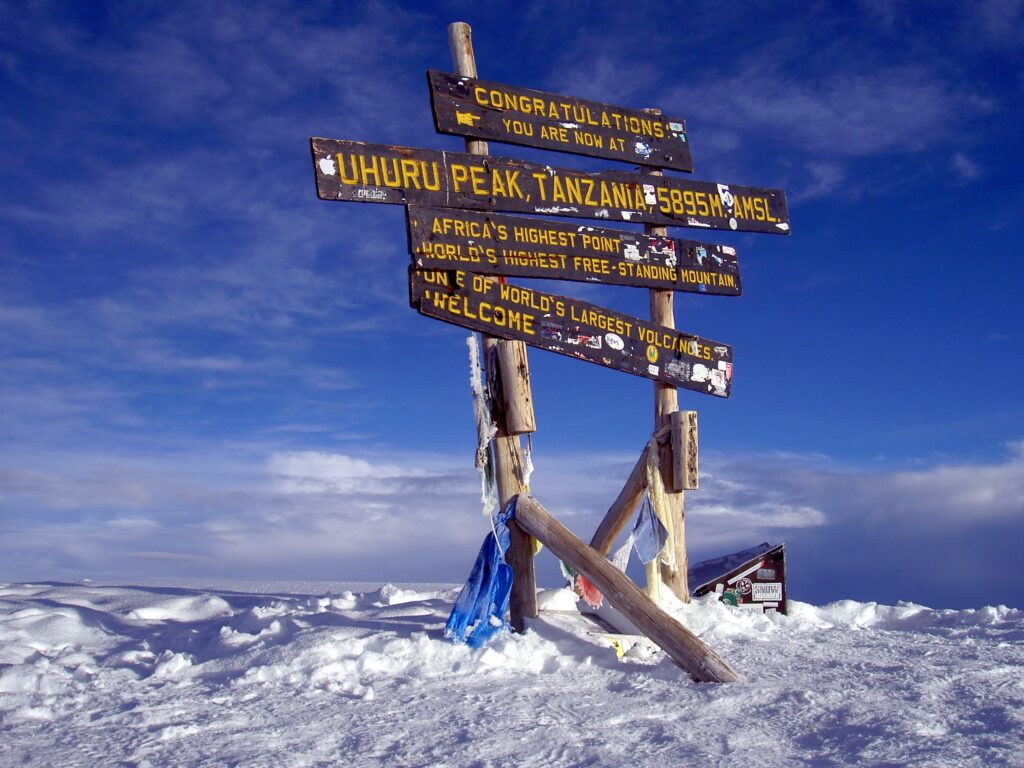
The story of the oldest person to climb Mount Kilimanjaro continues to inspire global trekkers searching for adventure, endurance, and record-breaking achievement. Standing at 5,895 meters, Africa’s highest peak—Mount Kilimanjaro—is one of the most iconic trekking destinations in the world. Over the years, climbers of advanced age have successfully reached Uhuru Peak, proving that determination can overcome age limits. Among the most famous records is that of Anne Lorimor, who summited Kilimanjaro at the age of 89, setting a world record for the oldest woman to reach the summit. This achievement highlights the growing popularity of Kilimanjaro trekking tours, high-altitude hiking challenges, and adventure tourism in Tanzania. This article explores record-breaking climbers, preparation, routes, and the inspiration behind these incredible achievements.
The Record-Breaking Achievement on Kilimanjaro
The title of the oldest person to climb Mount Kilimanjaro is often associated with remarkable endurance and preparation. One of the most recognized climbers is Anne Lorimor, who reached Uhuru Peak at 89 years old, making global headlines. This extraordinary feat on Mount Kilimanjaro demonstrates that age is not a barrier to adventure tourism or high-altitude trekking. Her climb was carefully supported by experienced guides, oxygen monitoring, and gradual acclimatization. The record emphasizes Kilimanjaro’s appeal as a non-technical yet physically demanding mountain. It also highlights Tanzania’s reputation as a leading destination for world-record trekking experiences, attracting climbers from across the globe seeking personal achievement, physical challenge, and emotional transformation at the Roof of Africa.
Why Kilimanjaro Attracts Elderly Climbers
Mount Kilimanjaro is unique because it allows non-technical climbing, making it accessible even to older adventurers with proper preparation. Many senior climbers are drawn by the challenge of reaching Uhuru Peak without mountaineering equipment like ropes or ice axes. The mountain’s trekking routes, such as Marangu, Machame, and Lemosho, provide gradual ascent options that improve acclimatization. This makes Kilimanjaro trekking one of the most achievable high-altitude adventures in the world. Additionally, the rise in adventure tourism in Tanzania has encouraged older travelers to pursue bucket-list experiences. The combination of scenic landscapes, professional guides, and structured itineraries allows elderly climbers to safely attempt record-breaking summits, proving that determination and preparation matter more than age.
The Science Behind Age and High-Altitude Climbing
Climbing Mount Kilimanjaro at an advanced age requires understanding how the body reacts to altitude. As oxygen levels decrease, climbers may experience altitude sickness, fatigue, and slower recovery rates. However, older climbers often succeed due to careful pacing, hydration, and acclimatization strategies. Medical studies show that fitness level matters more than age alone. Many record-breaking climbers undergo pre-expedition training, including cardio exercises, hiking practice, and endurance building. Professional Kilimanjaro guides also monitor oxygen saturation and health conditions daily. This scientific approach to trekking ensures safety while maximizing summit success rates. The combination of physical preparation and expert support allows elderly adventurers to achieve what once seemed impossible—reaching the highest peak in Africa.
Famous Oldest Climbers of Mount Kilimanjaro
Several inspiring individuals have set age-related records on Mount Kilimanjaro. Among them, Anne Lorimor remains one of the most notable, reaching the summit at 89 years old. Her achievement was widely reported in global adventure tourism and trekking communities. Another record-holder includes older male climbers who have reached their 80s while successfully summiting Uhuru Peak. These milestones demonstrate that Kilimanjaro trekking is not limited to young athletes but is open to determined travelers of all ages. Each record highlights careful planning, guided support, and strong mental resilience. These climbers inspire future generations to consider Tanzania safari and mountain climbing packages as part of their bucket-list travel goals, reinforcing Kilimanjaro’s status as a global symbol of endurance and achievement.
Notable Senior Kilimanjaro Climbers
The table below lists notable senior climbers of Mount Kilimanjaro, including their countries, the routes they used and practical success tips for older trekkers. Their achievements show that age need not be a barrier to reaching Uhuru Peak when the climb is well planned. Common factors behind their success include choosing a longer route with better acclimatization, walking slowly and steadily, staying well hydrated and training consistently for months beforehand. A medical check-up before travel, experienced guides and a private climb that allows a flexible pace further improve safety and the chances of reaching the summit. Age alone rarely decides success.
| 🏆 Rank | Climber | Country | Age at Summit | Route Used | Success Tips for Senior Climbers |
|---|---|---|---|---|---|
| 1 | Anne Lorimor | USA | 89 | Lemosho Route | Very slow ascent, extra acclimatization days, strong medical monitoring |
| 2 | Robert Wheeler | USA | 85 | Machame Route | High fitness preparation, guided pacing, and hydration discipline |
| 3 | Charles Mott | UK | 79 | Marangu Route | Hut-based comfort, steady pace, altitude awareness training |
| 4 | Fred Distelhorst | USA | 78+ | Lemosho Route | Cardiovascular training, gradual climb strategy, oxygen monitoring |
| 5 | Doris Long (reported attempt/adventure climber) | UK | 80+ | Supported expedition routes | Short daily hikes before the expedition, mental endurance focus |
| 6 | Multiple senior charity climbers | Various | 70–80+ | Machame / Lemosho | Group support, guided trekking, extended itineraries (7–9 days) |
Training Required for Senior Kilimanjaro Climbers
Preparing to climb Mount Kilimanjaro at an older age requires structured training focused on stamina, balance, and cardiovascular health. Many record-breaking climbers begin preparation months in advance with daily walking, hiking with weighted backpacks, and aerobic exercises. Strength training helps improve leg endurance for steep ascents on trekking routes like Machame and Lemosho. Mental preparation is equally important, as high-altitude conditions can be challenging. Doctors often recommend medical checkups before attempting the climb. Training also includes learning breathing techniques for altitude adaptation. These preparations ensure climbers can safely handle long trekking days, cold temperatures, and reduced oxygen levels. With proper training, even elderly adventurers can successfully reach Uhuru Peak and achieve world-record-breaking milestones.
The Role of Professional Guides and Support Teams
No record-breaking ascent of Mount Kilimanjaro is possible without experienced mountain guides and support crews. Professional Kilimanjaro guides play a critical role in monitoring health, setting the pace, and ensuring safety throughout the trek. Porters carry equipment, allowing climbers to conserve energy for high-altitude sections. For elderly climbers, guides often adjust itineraries to include slower ascents and additional acclimatization days. Emergency protocols are also in place in case of altitude sickness or fatigue. This structured support system is one reason Kilimanjaro has one of the highest success rates among major mountains. The teamwork between climbers and support staff ensures that even older adventurers can safely pursue world records while enjoying the beauty of Tanzania’s iconic mountain landscapes.
Best Routes for Older Climbers
Choosing the right route on Mount Kilimanjaro is essential for senior climbers aiming for summit success. The Lemosho Route is often recommended due to its gradual ascent and excellent acclimatization profile. The Marangu Route, known as the “Coca-Cola Route,” offers hut accommodation and a more comfortable trekking experience. Machame Route is also popular but more physically demanding. These routes increase the chances of reaching Uhuru Peak safely, especially for older climbers. Longer itineraries of 7–9 days are preferred to allow the body to adjust to altitude changes. Selecting the right path is a key factor in achieving record-breaking climbs and ensuring a safe, enjoyable experience on Africa’s highest mountain.
Altitude Challenges and How They Are Managed
Altitude is one of the biggest challenges on Mount Kilimanjaro. As climbers ascend, oxygen levels drop significantly, affecting stamina and breathing. Older climbers manage this through slow pacing, hydration, and rest days built into trekking schedules. Guides use monitoring tools to check oxygen saturation and detect early signs of altitude sickness. In many cases, climbers adopt the “pole pole” (slowly, slowly) approach, a famous Swahili trekking philosophy. Proper acclimatization is the key to reaching Uhuru Peak successfully. Despite the challenges, Kilimanjaro remains one of the most accessible high-altitude mountains in the world, allowing even elderly adventurers to overcome physical limitations and achieve record-breaking summits with careful planning and professional support.
The Importance of Acclimatization
Acclimatization is critical for anyone attempting to climb Mount Kilimanjaro, especially older trekkers. It allows the body to adjust gradually to reduced oxygen levels at higher altitudes. Climbers typically follow a “climb high, sleep low” strategy to improve adaptation. Longer trekking routes provide better acclimatization and significantly increase summit success rates. Without proper adjustment, climbers risk altitude sickness, fatigue, or failure to reach Uhuru Peak. For record-breaking climbers, acclimatization is carefully planned with rest days and gradual elevation gain. This process is one of the main reasons elderly adventurers can safely achieve world records on Kilimanjaro, proving that proper preparation is more important than physical age alone.
Physical and Mental Strength Factors
Success on Mount Kilimanjaro depends on both physical and mental strength. While physical fitness helps with endurance, mental resilience is often the deciding factor for reaching Uhuru Peak. Older climbers demonstrate strong determination, patience, and focus during long trekking days. Mental preparation helps manage fatigue, cold temperatures, and altitude effects. Many record-breaking climbers emphasize staying positive and motivated throughout the journey. Guided encouragement and group support also play a major role in maintaining morale. This combination of mental strength and physical preparation allows elderly adventurers to overcome challenges and achieve historic milestones on Africa’s highest mountain, making Kilimanjaro a symbol of human perseverance.
Weather Conditions on Kilimanjaro
The weather on Mount Kilimanjaro varies dramatically with altitude. Climbers experience tropical forests at lower elevations, followed by alpine desert and icy summit conditions near Uhuru Peak. Temperature drops significantly at higher levels, often reaching below freezing. Older climbers must prepare with layered clothing and cold-weather gear to manage these extreme changes. Weather conditions can also affect trekking speed and summit success rates. Clear seasons, such as January–March and June–October, are considered best for climbing. Understanding weather patterns is essential for safe and successful record-breaking climbs, especially for elderly adventurers seeking to complete the journey safely.
Kilimanjaro as a World Record Destination
Mount Kilimanjaro is recognized globally as a top destination for world-record attempts in trekking and endurance challenges. Its non-technical nature makes it ideal for age-related records, including the oldest climbers to reach the summit. Over the years, it has attracted adventurers, charity climbers, and motivational explorers from around the world. The combination of accessibility and high altitude creates a unique opportunity for record-breaking achievements. Many climbers choose Kilimanjaro specifically to test personal limits and gain international recognition. This reputation strengthens Tanzania’s position in global adventure tourism and encourages more people to attempt extraordinary feats on the Roof of Africa.
Safety Measures for Elderly Climbers
Safety is a top priority on Mount Kilimanjaro, especially for older climbers attempting record-breaking ascents. Professional operators provide emergency oxygen, first-aid kits, and trained guides to monitor health conditions. Daily health checks ensure early detection of altitude sickness. Communication systems are available for emergency evacuation if needed. Proper hydration, nutrition, and rest are strictly managed throughout the trek. These safety measures significantly reduce risks and increase summit success rates. The structured safety system is one of the reasons Kilimanjaro is considered one of the safest high mountains in the world for non-technical climbers, including elderly adventurers seeking world records.
Approach, feed or disturb wildlife, or leave the vehicle unless your guide says it is safe.
Follow your guide, carry travel insurance and check current health and travel advice.
Tourism Impact of Record Climbs
Record-breaking climbs on Mount Kilimanjaro have significantly boosted tourism in Tanzania. Media coverage of elderly climbers inspires travelers worldwide to visit the mountain. This increases demand for guided trekking tours, safari extensions, and cultural experiences. Local communities benefit from employment opportunities as porters, guides, and hospitality workers. Kilimanjaro’s global reputation as a record-setting destination enhances Tanzania’s visibility in adventure tourism markets. It also encourages sustainable tourism practices to preserve the mountain environment. These record climbs not only celebrate human achievement but also contribute positively to the local economy and conservation efforts.
Inspiration Behind the Record Attempts
Climbing Mount Kilimanjaro at an advanced age is often driven by personal goals, charity causes, or lifelong dreams. Many elderly climbers aim to prove that age should not limit adventure. Others climb to raise awareness for health conditions or support charitable organizations. The emotional motivation behind these journeys is as powerful as the physical challenge itself. Reaching Uhuru Peak becomes a symbol of resilience, hope, and determination. These inspirational stories encourage people worldwide to pursue their own goals, regardless of age or limitations, making Kilimanjaro a mountain of dreams and human achievement.
Future of Age-Record Climbing on Kilimanjaro
The future of record-breaking climbs on Mount Kilimanjaro looks promising as more elderly adventurers pursue high-altitude trekking experiences. Advances in medical support, better gear, and improved guiding systems are making climbs safer than ever. Tourism operators are also developing specialized packages for senior climbers. As global interest in adventure tourism grows, more age-related records are expected to be set on Kilimanjaro. This trend reinforces the mountain’s status as a premier destination for endurance challenges and inspirational achievements. The combination of accessibility, safety, and natural beauty ensures that Kilimanjaro will continue to host world-record attempts for generations to come.
Final Thought
The story of the oldest person to climb Mount Kilimanjaro is more than a record—it is a powerful reminder that human determination has no age limit. From careful training to expert guidance and mental resilience, every successful summit reflects courage and preparation. Kilimanjaro remains one of the world’s greatest symbols of achievement, attracting adventurers from all backgrounds. These record-breaking journeys continue to inspire global travelers, proving that the dream of reaching Uhuru Peak is possible at any stage of life when passion meets preparation.
Oldest Person To Climb Kilimanjaro: FAQs
What can you expect from the record-breaking achievement on Kilimanjaro?
The title of the oldest person to climb Mount Kilimanjaro is often associated with remarkable endurance and preparation. One of the most recognized climbers is Anne Lorimor, who reached Uhuru Peak at 89 years old, making global headlines. This extraordinary feat on Mount Kilimanjaro demonstrates that age is not a barrier to adventure tourism or high-altitude trekking.
What should you know about the Science behind age and high-altitude climbing?
Climbing Mount Kilimanjaro at an advanced age requires understanding how the body reacts to altitude. As oxygen levels decrease, climbers may experience altitude sickness, fatigue, and slower recovery rates. However, older climbers often succeed due to careful pacing, hydration, and acclimatization strategies. Medical studies show that fitness level matters more than age alone.
What can you expect from notable senior Kilimanjaro climbers?
The table below lists notable senior climbers of Mount Kilimanjaro, including their countries, the routes they used and practical success tips for older trekkers. Their achievements show that age need not be a barrier to reaching Uhuru Peak when the climb is well planned. Common factors behind their success include choosing a longer route with better acclimatization, walking slowly and steadily, staying well hydrated and training consistently for months beforehand.
What should you know about the role of professional guides and support Teams for oldest person to climb Kilimanjaro?
No record-breaking ascent of Mount Kilimanjaro is possible without experienced mountain guides and support crews. Professional Kilimanjaro guides play a critical role in monitoring health, setting the pace, and ensuring safety throughout the trek. Porters carry equipment, allowing climbers to conserve energy for high-altitude sections.
What can you expect from altitude challenges and how they are managed for oldest person to climb Kilimanjaro?
Altitude is one of the biggest challenges on Mount Kilimanjaro. As climbers ascend, oxygen levels drop significantly, affecting stamina and breathing. Older climbers manage this through slow pacing, hydration, and rest days built into trekking schedules. Guides use monitoring tools to check oxygen saturation and detect early signs of altitude sickness.
What should you know about physical and mental strength factors for oldest person to climb Kilimanjaro?
Success on Mount Kilimanjaro depends on both physical and mental strength. While physical fitness helps with endurance, mental resilience is often the deciding factor for reaching Uhuru Peak. Older climbers demonstrate strong determination, patience, and focus during long trekking days. Mental preparation helps manage fatigue, cold temperatures, and altitude effects.
What can you expect from Kilimanjaro as a world record destination?
Mount Kilimanjaro is recognized globally as a top destination for world-record attempts in trekking and endurance challenges. Its non-technical nature makes it ideal for age-related records, including the oldest climbers to reach the summit. Over the years, it has attracted adventurers, charity climbers, and motivational explorers from around the world.
What should you know about tourism Impact of record climbs?
Record-breaking climbs on Mount Kilimanjaro have significantly boosted tourism in Tanzania. Media coverage of elderly climbers inspires travelers worldwide to visit the mountain. This increases demand for guided trekking tours, safari extensions, and cultural experiences. Local communities benefit from employment opportunities as porters, guides, and hospitality workers.
Climb Kilimanjaro With Confidence
Tell us your dates and fitness, and our experienced mountain team will plan a safe, well-acclimatized private climb.