Everything You Need to Know About Safari in Tanzania: Complete Guide
A Tanzania safari is a guided wildlife holiday in parks such as the Serengeti, Ngorongoro Crater, Tarangire and Lake Manyara, usually lasting five to ten days in a private 4x4 with a professional guide. Tanzania is famous for the Great Migration and the Big Five. The dry season from June to October offers the easiest game viewing, while January and February bring calving in the southern Serengeti. Costs range from about US$250 per person per day for camping to US$990 or more for luxury, and many travellers finish with a Zanzibar beach stay.
Tanzania is one of the best safari destinations in Africa, home to the Serengeti, the Ngorongoro Crater, the Great Migration, the Big Five and the beaches of Zanzibar. Planning your first safari can feel overwhelming, so this complete expert guide answers the questions travellers ask most often, all in one convenient place. It explains where to go, the best time to visit, how much a Tanzania safari costs, the wildlife you can see, activities, accommodation, how to get there, safety, packing and tipping, and how to plan and book a private, tailor-made safari with our experienced team in Arusha.
Why Choose Tanzania for a Safari?
Tanzania combines iconic wildlife, spectacular landscapes and an outstanding variety of safari experiences within one easy-to-reach country in East Africa. It is home to Serengeti National Park, the Ngorongoro Crater, Mount Kilimanjaro and the Great Migration, as well as remote southern parks and the island of Zanzibar. The table below summarises the main reasons travellers choose Tanzania for a safari every year and what each highlight means for your own private trip. Whether you are a first-time visitor, a family, a couple on honeymoon or a photographer, Tanzania offers a private safari to match your personal interests perfectly.
| Highlight | Why it matters |
|---|---|
| Great Migration | Millions of wildebeest and zebra move through the Serengeti ecosystem |
| Big Five | Lion, leopard, elephant, buffalo and rhino can all be seen |
| Ngorongoro Crater | Exceptional wildlife in a spectacular volcanic caldera |
| Variety of parks | Northern Circuit classics and remote southern wilderness |
| Safari and beach | Easy flights to Zanzibar for relaxation after your safari |
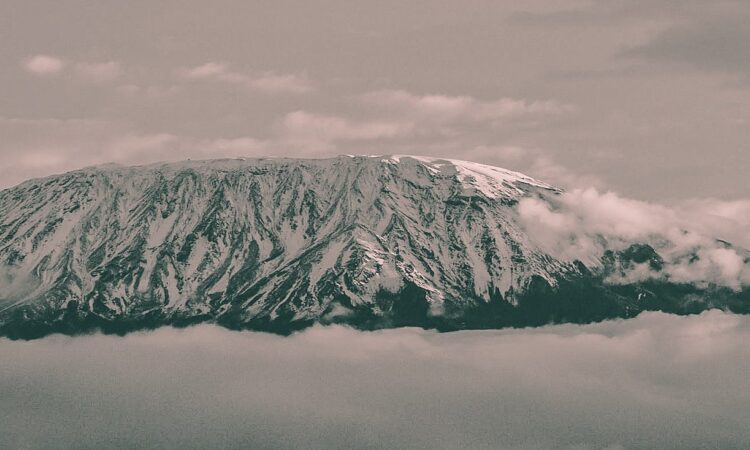
| Kilimanjaro | Africa's highest mountain can be added to your trip |
Best Tanzania Safari Destinations
Tanzania's safari destinations fall into two main safari regions: the famous Northern Circuit and the remote, less visited Southern Circuit. The Northern Circuit, reached from Arusha, combines the Serengeti, the Ngorongoro Crater, Tarangire and Lake Manyara, while the wild south offers the vast Nyerere and Ruaha national parks. The seven tabs below introduce the best Tanzania safari destinations, what each one is famous for and how long to stay there on your private safari with us. Choosing destinations according to the season, your interests and the time available helps create a well-balanced and truly unforgettable Tanzania safari itinerary.
Serengeti National Park
Great Migration and big cats
Three to four nights
The Serengeti is Tanzania's most famous safari destination, with endless golden plains, granite kopjes and some of the highest predator densities in Africa. It hosts the Great Migration of wildebeest and zebra for much of the year, alongside resident lions, leopards, cheetahs and elephants. Every season offers rewarding game drives, and hot-air balloon flights are available too.
Serengeti National Park →Ngorongoro Crater
Big Five in one crater
One or two nights
The Ngorongoro Crater is a vast collapsed volcano whose grassy floor supports one of the densest concentrations of wildlife in Africa. In a single game drive you may see lions, buffalo, elephants, hyenas, flamingos and the rare black rhino. The crater rim offers cool air, spectacular views and lodges perfectly placed for an early morning descent.
Ngorongoro Crater →Tarangire National Park
Elephants and baobabs
One or two nights
Tarangire is celebrated for its large elephant herds, ancient baobab trees and the Tarangire River, which draws wildlife throughout the dry season. It is only a short drive from Arusha, making it a perfect first stop on a Northern Circuit safari. Expect lions, giraffes, zebras, buffalo, colourful birdlife and wonderfully quiet game drives through beautiful landscapes.
Tarangire National Park →Lake Manyara National Park
Lake, forest and birdlife
Half or full day
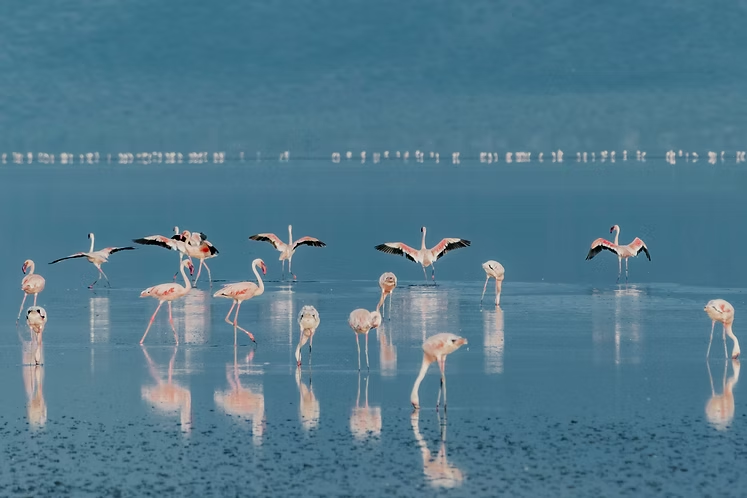
Lake Manyara National Park lies at the foot of the Great Rift Valley escarpment, combining groundwater forest, open grassland and a shimmering alkaline lake. It is known for baboons, elephants, giraffes, hippos and a remarkable variety of birds, including flamingos and pelicans in season. Its compact size suits a relaxed half-day or full-day private game drive.
Lake Manyara National Park →Nyerere National Park
Boat safaris and wild dogs
Three nights
Nyerere National Park, formerly part of the Selous Game Reserve, is a huge wilderness in southern Tanzania shaped by the Rufiji River and its lakes. Boat safaris bring you close to hippos, crocodiles and birdlife, while game drives offer elephants, lions, buffalo and African wild dogs. It combines beautifully with Zanzibar for a remote safari and beach holiday.
Nyerere National Park →Ruaha National Park
Remote wilderness and predators
Three nights
Ruaha is one of Tanzania's largest and wildest national parks, offering rugged scenery, baobab-dotted hills and the Great Ruaha River. It is known for large elephant herds, big prides of lions and excellent predator sightings, with very few vehicles around. Ruaha suits experienced safari travellers seeking a quiet, authentic and remote private wildlife experience in Tanzania.
Ruaha National Park →Zanzibar Beach Extension
Beaches and Stone Town
Four to six nights
Zanzibar is the perfect place to relax after a Tanzania safari, with white sand beaches, turquoise water and the historic streets of Stone Town. You can snorkel, dive, take a spice tour, sail on a traditional dhow or simply unwind at a beach resort. A short flight connects the island with Arusha and the main safari parks easily.
Zanzibar Beach Holidays →Best Time to Go on a Tanzania Safari
The best time for a Tanzania safari depends on what you most want to see, because each season offers something different for wildlife, weather and travel. The long dry season from June to October is the classic time for easy game viewing, while the green season brings lush scenery, newborn animals and excellent birdlife. The table below explains each Tanzania safari season, its typical weather and the main highlights you can expect on a private safari. Our experienced Arusha team can match your travel dates to the right parks so that you enjoy the best possible wildlife experience.
| Season | Months | Weather | Highlights |
|---|---|---|---|
| Long dry season | June to October | Dry, sunny, cool mornings | Easiest game viewing and migration river crossings |
| Short rains | November to December | Short afternoon showers | Green scenery, birdlife and fewer visitors |
| Calving season | January to February | Warm with occasional showers | Wildebeest calving in the southern Serengeti |
| Long rains | March to May | Heavier rain and lush landscapes | Quiet parks and green-season value |
How Much Does a Tanzania Safari Cost?
Tanzania safari costs vary mainly according to your accommodation level, the season, the parks you visit, the length of your trip and how you travel between them. Park and conservation fees are a significant part of every quote, and luxury lodges or fly-in itineraries naturally increase the total cost of your safari. The table below shows typical Tanzania safari prices per person per day for each travel style, together with what each style usually offers on a private safari. Always request a detailed quote that clearly explains inclusions and exclusions before you compare different Tanzania safari operators carefully.
| Safari style | Typical price | What to expect |
|---|---|---|
| Budget camping | About US$250 to 390 per person per day | Private vehicle and guide with comfortable camping |
| Mid-range | About US$550 to 990 per person per day | Comfortable lodges and tented camps |
| Luxury and ultra-luxury | About US$990 to 2,500+ per person per day | Premium camps, prime locations and exceptional service |
Usually included
- Accommodation and meals on safari
- Private 4x4 vehicle and professional guide
- Park and conservation fees
- Airport transfers
- Drinking water on game drives
- Planned activities in your itinerary
Usually not included
- International flights
- Visas and travel insurance
- Tips for guides and lodge staff
- Optional activities such as balloon flights
- Personal items and some drinks
What Animals Will You See on a Tanzania Safari?
A Tanzania safari offers the chance to see an extraordinary variety of African wildlife, from the Big Five to rare predators, primates and hundreds of bird species. Exactly what you see depends on the parks you visit and the time of year, because animals move freely through their natural habitats across each ecosystem. The table below lists the animals travellers most hope to see on a Tanzania safari and the best places to look for each of them. Your experienced private guide knows animal behaviour and tracking well, which greatly improves your chances of memorable sightings every day.
| Animal | Where to look |
|---|---|
| Lion | Serengeti, Ngorongoro, Tarangire and Ruaha |
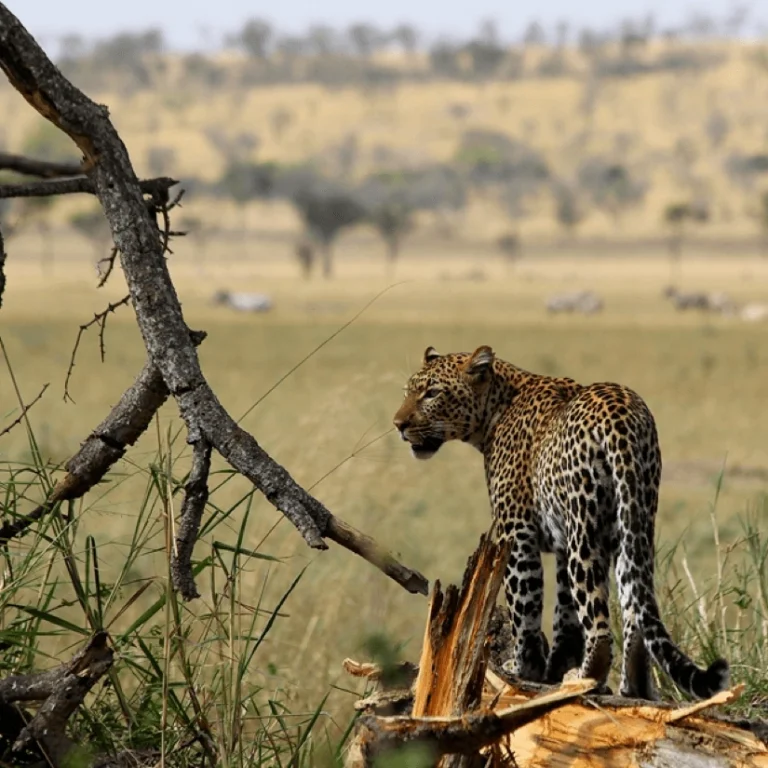
| Leopard | Central Serengeti and Tarangire riverbanks |
| Elephant | Tarangire, Ruaha, Ngorongoro and Nyerere |
| Black rhino | Ngorongoro Crater |
| Cheetah | Serengeti plains |
| Wildebeest and zebra | Serengeti during the Great Migration |
| African wild dog | Nyerere and Ruaha |
| Hippo and crocodile | Rivers and lakes in most parks |
Safari Activities in Tanzania
A Tanzania safari involves much more than classic game drives, with a wide range of activities that show the landscapes and wildlife from different perspectives. Adding one or two activities brings wonderful variety to your itinerary and creates lasting memories, whether you travel as a couple, a family or alone. The table below lists the most popular safari activities in Tanzania and where you can enjoy each one, although availability depends on park rules, the season and your lodge. We happily confirm permits, timings and any age guidelines for you when planning your private, tailor-made itinerary together in detail.
| Activity | Where to enjoy it |
|---|---|
| Game drives | Every national park |
| Hot-air balloon safari | Serengeti and Tarangire |
| Walking safari | Arusha, Tarangire, Ruaha and Nyerere |
| Boat safari | Nyerere National Park |
| Canoeing | Arusha National Park |
| Cultural visits | Maasai and local communities |
| Birdwatching | Lake Manyara, Tarangire and across Tanzania |
Tanzania Safari Accommodation and Vehicles
Safari accommodation in Tanzania ranges from comfortable campsites and tented camps to beautiful permanent lodges and exclusive luxury properties in prime wildlife areas. Location matters just as much as comfort, because staying inside or close to a park reduces driving time and gives easier access to early and late game drives. The table below compares the main types of Tanzania safari accommodation and what each one offers, followed by the key features of our private safari vehicles. We choose and inspect every lodge and camp personally, carefully matching each one to your budget, interests and preferred travel style.
| Accommodation | What to expect | Best for |
|---|---|---|
| Campsites | Simple tents, campfires and close contact with nature | Adventurous travellers |
| Tented camps | Spacious canvas rooms with private bathrooms | A classic safari feel |
| Safari lodges | Solid rooms, restaurants and often swimming pools | Families and comfort |
| Luxury camps and lodges | Prime locations, fine dining and personal service | Honeymoons and special trips |
Your private 4x4 safari vehicle
- Toyota Land Cruiser-style 4x4
- Pop-up roof for wildlife viewing
- Large windows and comfortable seats
- Charging points and cool box
- Space for cameras and binoculars
- Private for your party only
Your professional guide
- Expert wildlife and tracking knowledge
- Safe, experienced 4x4 driving
- Fluent English and local insight
- Flexible daily plans and pace
- Follows park rules responsibly
- Shares Tanzanian culture
How to Get to Tanzania for a Safari
Getting to Tanzania for a safari is very convenient, with three international airports serving the main safari regions, Dar es Salaam and the island of Zanzibar. Most Northern Circuit safaris start from Kilimanjaro International Airport, close to Arusha, while southern parks are usually reached from Dar es Salaam or Zanzibar. The table below lists the main airports for a Tanzania safari and the destinations each one serves, so you can choose the most practical international flights. Between parks, you travel comfortably by private safari vehicle, scheduled domestic flight or light aircraft to regional airstrips close to your lodges.
| Airport | Code | Best for |
|---|---|---|
| Kilimanjaro International Airport | JRO | Arusha, Tarangire, Ngorongoro, Serengeti and Kilimanjaro |
| Julius Nyerere International Airport | DAR | Dar es Salaam, Nyerere and Ruaha |
| Abeid Amani Karume International Airport | ZNZ | Zanzibar beach holidays and southern parks |
Safety, Packing and Tipping on a Tanzania Safari
A little careful preparation makes your Tanzania safari safer, more comfortable and far more enjoyable, from the clothes you pack to how you behave around wildlife. Safaris are very safe when you follow your guide's instructions, stay inside the vehicle except at designated areas and respect all park rules and regulations. The lists below cover essential safety guidelines and packing items, and the table that follows offers general tipping guidance for guides and lodge staff on safari. Tipping is customary and appreciated but always voluntary, and our friendly team is always happy to advise you before you travel.
Safari safety essentials
- Follow your guide's instructions
- Stay in the vehicle except at designated areas
- Never approach or feed animals
- Keep noise low near wildlife
- Take malaria precautions and use repellent
- Buy travel insurance with medical cover
What to pack
- Light neutral-coloured clothing
- A warm layer for cool mornings
- Comfortable walking shoes
- Sun hat, sunglasses and sunscreen
- Binoculars and camera
- Soft luggage and a small daypack
| Who to tip | General guidance |
|---|---|
| Private safari guide | Commonly about US$20 to 50 per vehicle per day |
| Lodge and camp staff | Commonly about US$5 to 15 per guest per night, often via a tip box |
| When to tip | Give your guide a tip at the end of the safari |
How to Plan and Book a Tanzania Safari
Planning a Tanzania safari starts with your travel dates, the length of your trip, the parks you want to visit and your preferred accommodation level. Choosing a licensed, experienced local operator with clear pricing, a reliable vehicle and professional guides is the most important decision you will make. The steps below show how we plan and book a private, tailor-made Tanzania safari, from your first enquiry to the moment you arrive in Arusha. Every itinerary is private and carefully designed around you and your interests, and your first consultation and detailed quote are always free and without obligation.
- Share your ideasTell us your dates, interests, budget and who is travelling.
- Receive your itineraryWe suggest parks, lodges and activities with a clear quote.
- Refine the detailsAdjust the pace, accommodation and extensions such as Zanzibar.
- Confirm and prepareSecure your booking and receive visa, health and packing advice.
- Arrive and exploreOur team meets you at the airport and your private safari begins.
Tanzania Safari: Frequently Asked Questions
What do I need to know before going on a safari in Tanzania?
Choose the right season and parks, book a licensed operator, check visa and vaccination requirements, buy travel insurance, pack light neutral clothing and follow your guide's instructions around wildlife.
How many days do you need for a Tanzania safari?
Most travellers spend five to ten days on safari. Five to seven days covers the Northern Circuit highlights, while longer trips add more Serengeti time, southern parks or a Zanzibar beach stay.
How much does a Tanzania safari cost per person?
A private Tanzania safari typically costs about US$250 to 390 per person per day for camping, US$550 to 990 for mid-range and US$990 to 2,500 or more for luxury, depending on season and parks.
What is the best month for a safari in Tanzania?
June to October is the most popular time for easy game viewing and migration river crossings, while January and February are best for the wildebeest calving season in the southern Serengeti.
Can you see the Big Five in Tanzania?
Yes. Lion, leopard, elephant, buffalo and rhino can all be seen in Tanzania, and the Ngorongoro Crater offers one of the best chances to see all five in a single day.
Is a Tanzania safari safe?
Yes, Tanzania safaris are generally very safe when you travel with a licensed operator and professional guide, follow park rules and stay in the vehicle except at designated areas.
Which airport do I fly into for a Tanzania safari?
For the Northern Circuit, fly into Kilimanjaro International Airport (JRO) near Arusha. For southern parks and Zanzibar, Julius Nyerere International Airport (DAR) or Zanzibar (ZNZ) are usually more practical.
Can I combine a Tanzania safari with Zanzibar?
Yes. A short domestic flight connects the safari parks with Zanzibar, making a safari and beach holiday one of the most popular ways to explore Tanzania.
Related Guides
Plan Your Tanzania Safari
Tell us your dates and interests, and our Arusha team will design a private, tailor-made Tanzania safari with the right parks, lodges, guide and activities for you.
Start Planning