Everything you need to know before planning your private Tanzania safari
Introduction
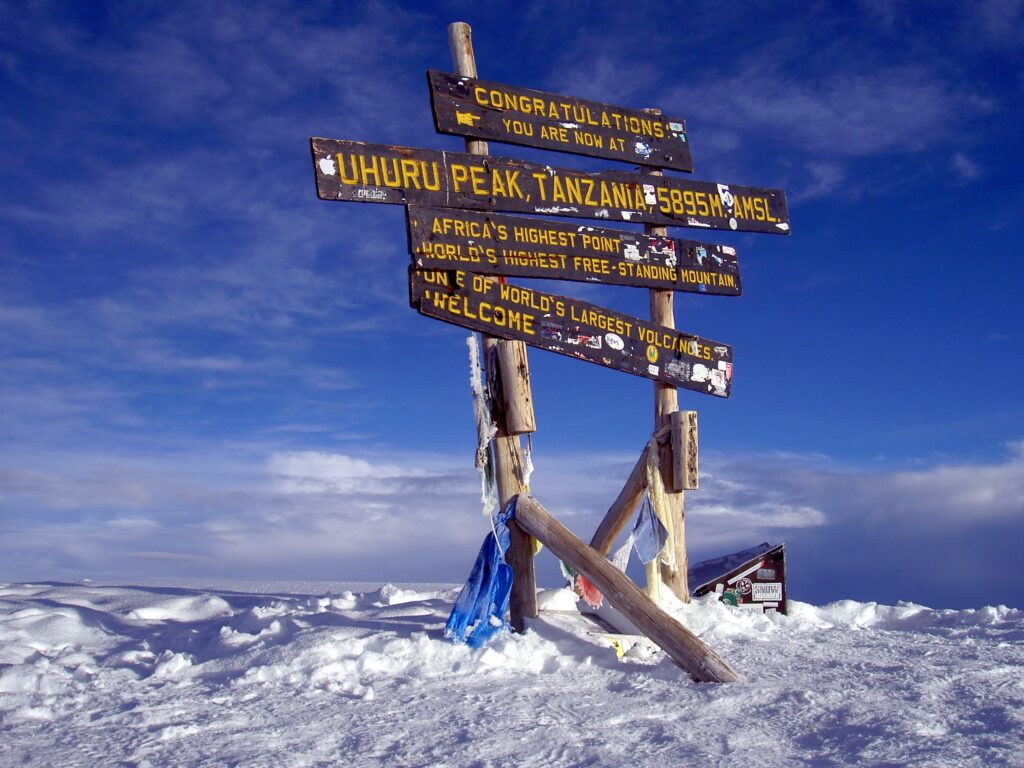
A Tanzania safari offers an exceptional African wildlife holiday combining the Serengeti, Ngorongoro Crater, Tarangire, Lake Manyara, Mount Kilimanjaro, and other spectacular destinations everything you need to know About Safari in Tanzania. Travelers can choose private, tailor-made, luxury, ultra-luxury, mid-range, budget, family, honeymoon, photographic, or flying safari packages. Tanzania is particularly famous for the Great Migration, Big Five wildlife, diverse landscapes and authentic cultural experiences. With professional safari guides, 4x4 safari vehicles, carefully selected lodges and tented camps, and flexible itineraries, a Tanzania safari can suit different travel styles, budgets, and interests. TANAPA currently lists 21 national parks offering diverse wildlife and adventure experiences.
Why Choose Tanzania for a Safari?
Tanzania combines iconic wildlife, spectacular landscapes and varied safari experiences in one destination. A Tanzania safari can include the endless Serengeti plains, Ngorongoro Crater, elephant-rich Tarangire, Lake Manyara, Mount Kilimanjaro and beach extensions to Zanzibar. The country is renowned for the Great Migration and exceptional game viewing, while its national parks provide opportunities for photography, walking, birdwatching and other exciting activities. Tanzania also offers safari options ranging from affordable camping adventures to luxury and ultra-luxury private journeys. This combination makes thrilling Tanzania suitable for first-time safari travelers, families, couples, honeymooners, photographers, solo travelers and experienced wildlife enthusiasts.
Best Tanzania Safari Destinations
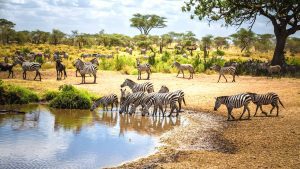
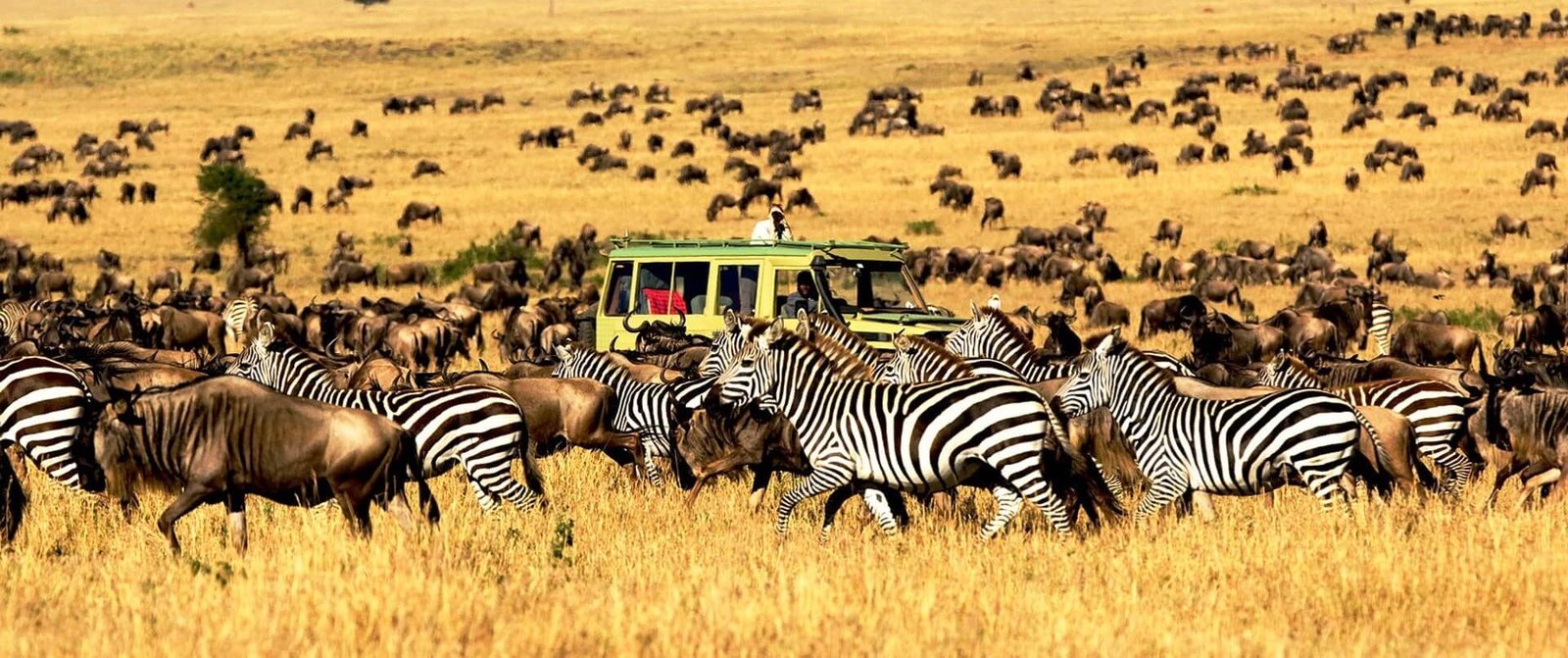
Northern Tanzania is the country’s most famous safari region, with Serengeti National Park, Ngorongoro Conservation Area, Tarangire National Park and Lake Manyara forming a classic Northern Circuit safari. Serengeti is celebrated for expansive savannahs, and the Great Migration offer awe-inspiring big five classic safari in Tanzania with a sustainable approach to travel, while Ngorongoro provides fantastic remarkable wildlife viewing within its crater landscape. Tarangire is especially known for elephants, baobabs and seasonal wildlife concentrations. Beyond the Northern Circuit, travelers can explore impressive private Safari in Tanzania's Nyerere, Ruaha, Mikumi, Katavi, Mahale, Gombe and other national parks for different wildlife, scenery and activities everything you need to know about Tanzania safari destinations. Choosing Tanzania safari destinations according to season, interests, budget, expert planning tips, and available time helps create a well-balanced, unforgettable Tanzania safari itinerary.
The classic safari circuit: savannahs, the Great Migration, crater landscapes and elephant country.
Remote wilderness, river safaris and chimpanzee forests for a quieter adventure.
Best Time to Go on a Tanzania Safari
The best time for a Tanzania safari depends on what you want to experience. The dry season, generally June to October, is widely associated with easier wildlife viewing because animals often gather around water sources and vegetation becomes less dense. November and December bring short rains, producing greener landscapes and supporting birdlife, while March to May is the main rainy period, with lush scenery and potentially more challenging road conditions. January and February can be especially interesting for travelers seeking Northern Tanzania Big Five Safari calving-season experiences in the southern Serengeti. Rather than choosing one universally “best” month, match your travel dates to wildlife, weather, budget and personal preferences an everything you need to know about the best time for a Tanzania safari.
Tanzania Safari Cost and Prices
Tanzania safari cost varies considerably according to accommodation, season, destinations, safari duration, transportation, interest, and activities. Highlights of Tanzania budget camping safaris $250–390 per person per day generally cost less than mid-range $550–990 per person per day, luxury, and ultra-luxury safari packages $990 - 2500 per person per day. Private safaris can offer greater flexibility but may have higher per-person costs than shared departures. A safari quote may include accommodation, meals, a private 4x4 vehicle, a professional guide, park or conservation fees, airport transfers, and selected best of Northern Tanzania breathtaking Safari activities, while international flights, visas, insurance, tips, and optional experiences may be additional an everything you need to know about a Tanzania safari cost and prices. Always request a detailed Tanzania safari price breakdown so you can compare inclusions, exclusions, accommodation standards, and transportation before booking.
- Accommodation
- Meals
- Private 4x4 vehicle
- Professional guide
- Park fees
- Airport transfers
International flights, visas, insurance, tips and optional experiences may be extra.
Safari Activities in Tanzania
A Tanzania safari involves far more than traditional game drives. Travelers can enjoy wildlife viewing, photographic safaris, guided walking experiences, birdwatching, cultural encounters, hot-air balloon safaris, and selected night activities where permitted. Serengeti and Tarangire are particularly suited to classic all-inclusive private safari experiences in the Northern Circuit of Tanzania wildlife experiences, while Arusha National Park offers activities such as walking and canoeing. Combining several authentic activities can add variety to a Tanzania safari itinerary and provide different perspectives on landscapes and wildlife, and everything you need to know about Tanzania safari activities. Activity availability depends on the destination, conservation regulations, season, and accommodation location, so travelers should confirm requirements and permissions when planning wonderful specialized Tanzania safari experiences.
Tap the activities you would like to add.
Tanzania Safari Accommodation
Safari accommodation ranges from budget campsites and tented camps to comfortable lodges, luxury safari camps, and ultra-luxury properties. Location is important: staying inside or near a wildlife area can reduce driving time and provide easier access to early-morning and late-afternoon game drives with best of Tanzania Safari on 4x4 Land Cruiser Jeep. Accommodation may offer full-board meals, private or shared facilities, swimming pools, Wi-Fi, laundry services, and other amenities depending on property and package. TANAPA lists multiple accommodation types across its national parks, while private safari lodges and camps provide additional choices. When comparing safari packages, consider location, comfort, meals, included services, fascinating wildlife access and total cost rather than room category alone everything you need to know about Tanzania safari accommodations.
Campsites
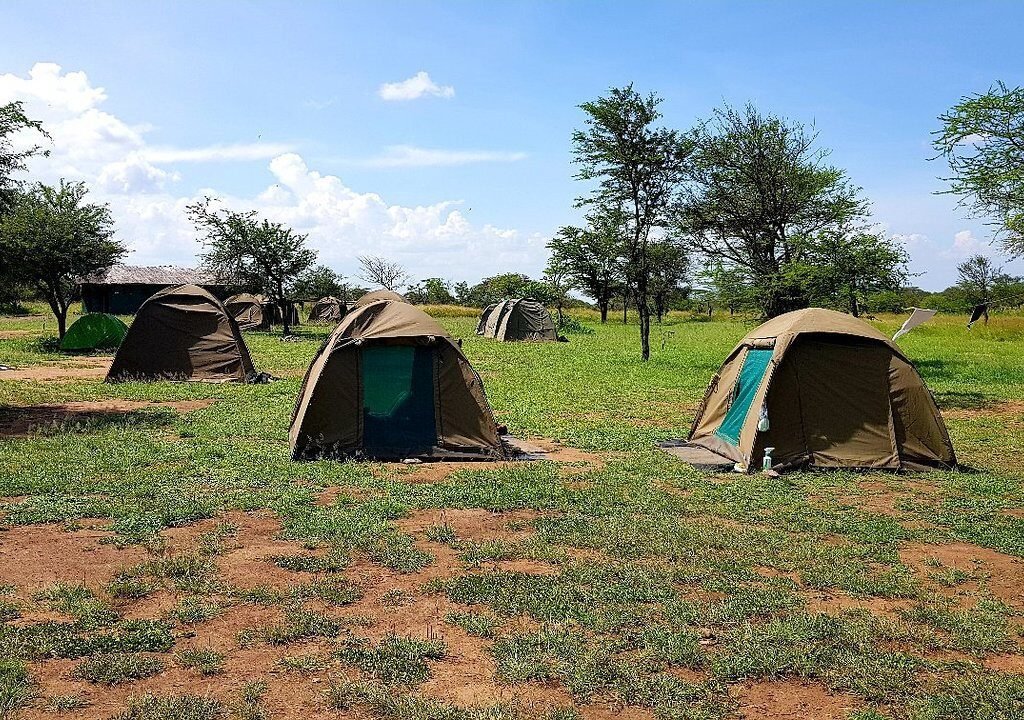
Campsites are the most affordable way to experience a Tanzania safari, placing you right in the heart of the wilderness. Public and special campsites inside parks such as the Serengeti offer basic shared facilities, while your crew pitches dome tents and prepares fresh meals. Falling asleep to lions calling and waking to sunrise over the plains creates an authentic adventure. Camping suits travelers who value nature, flexibility and value over comfort and private bathrooms.
Tented camps
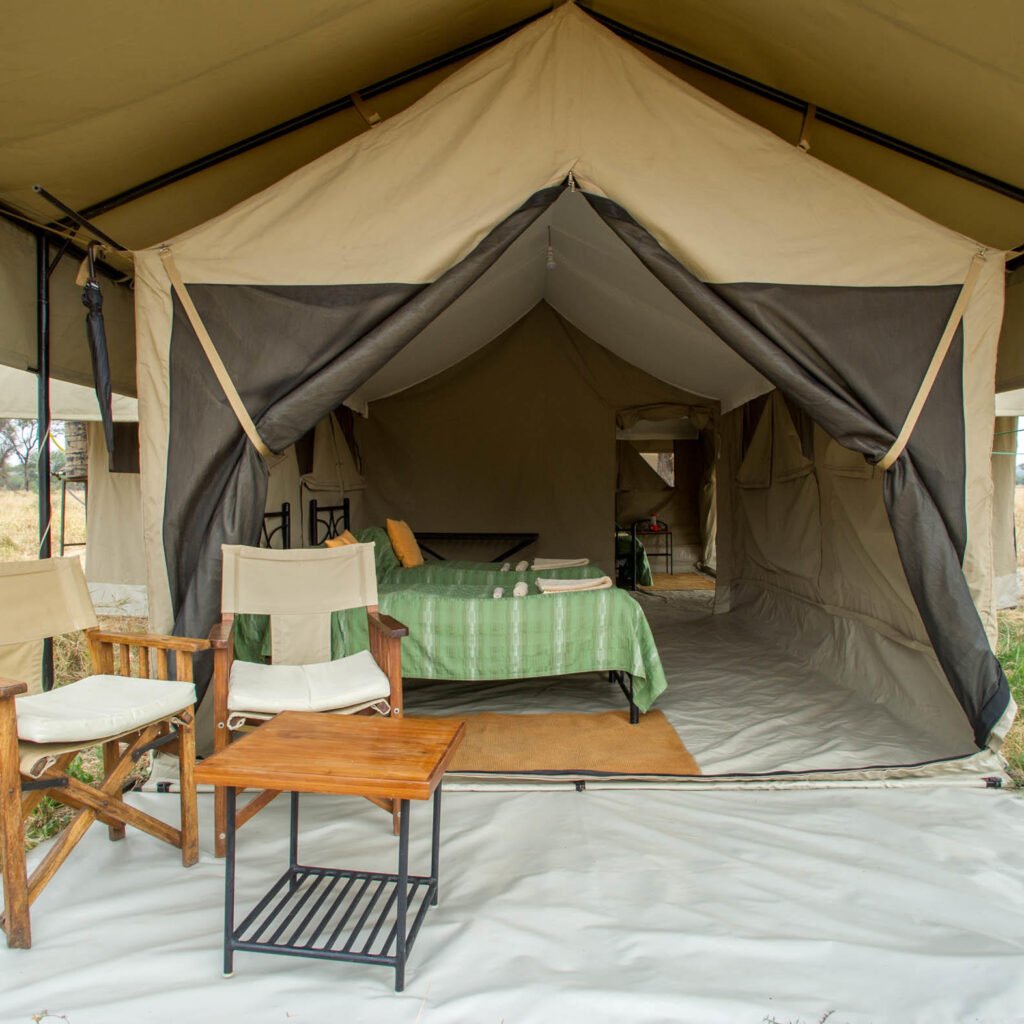
Tented camps combine the romance of canvas with genuine comfort. Walk-in tents usually feature proper beds, quality linen, solar lighting and private en-suite bathrooms with flush toilets and hot showers. Many are seasonal or mobile, following wildlife such as the Great Migration across the Serengeti. Thin canvas walls let you hear the sounds of the bush at night, while friendly staff, hearty meals and campfire evenings make every stay memorable and close to nature.
Safari lodges
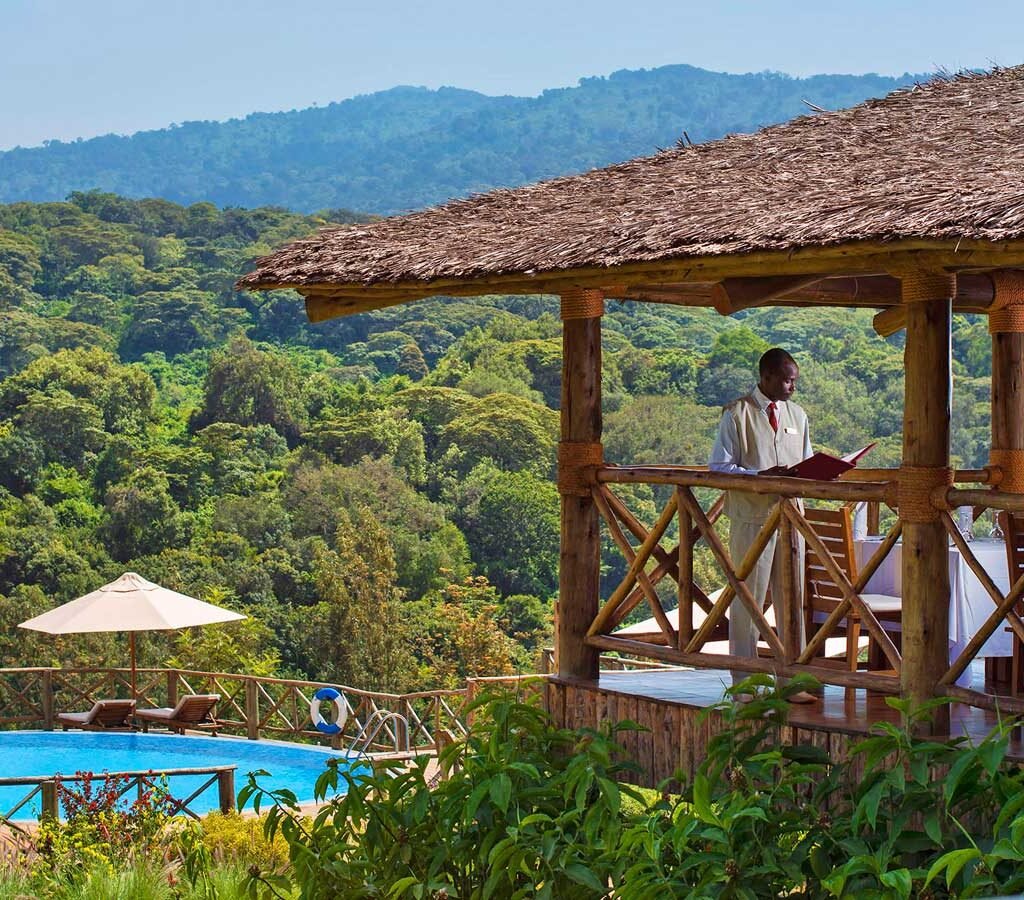
Safari lodges are permanent buildings offering hotel-style comfort in spectacular wildlife locations. Rooms typically include en-suite bathrooms, comfortable beds and private verandas, while shared areas feature restaurants, bars, lounges and often swimming pools. Many lodges sit on the Ngorongoro Crater rim or overlook the plains of Tarangire and Lake Manyara. Lodges suit families, first-time visitors and travelers who prefer solid walls, reliable facilities and a relaxing base between exciting game drives.
Luxury camps
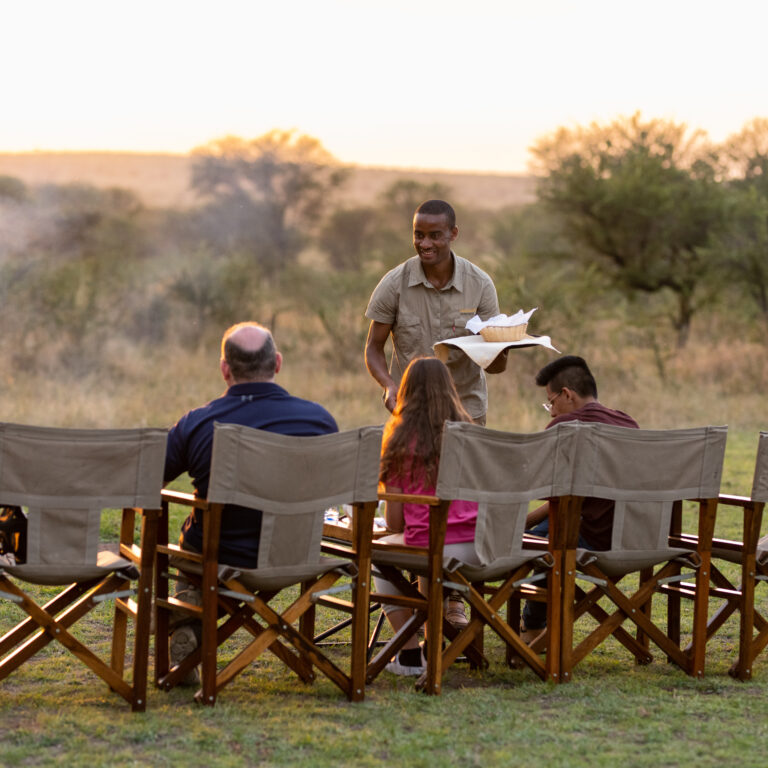
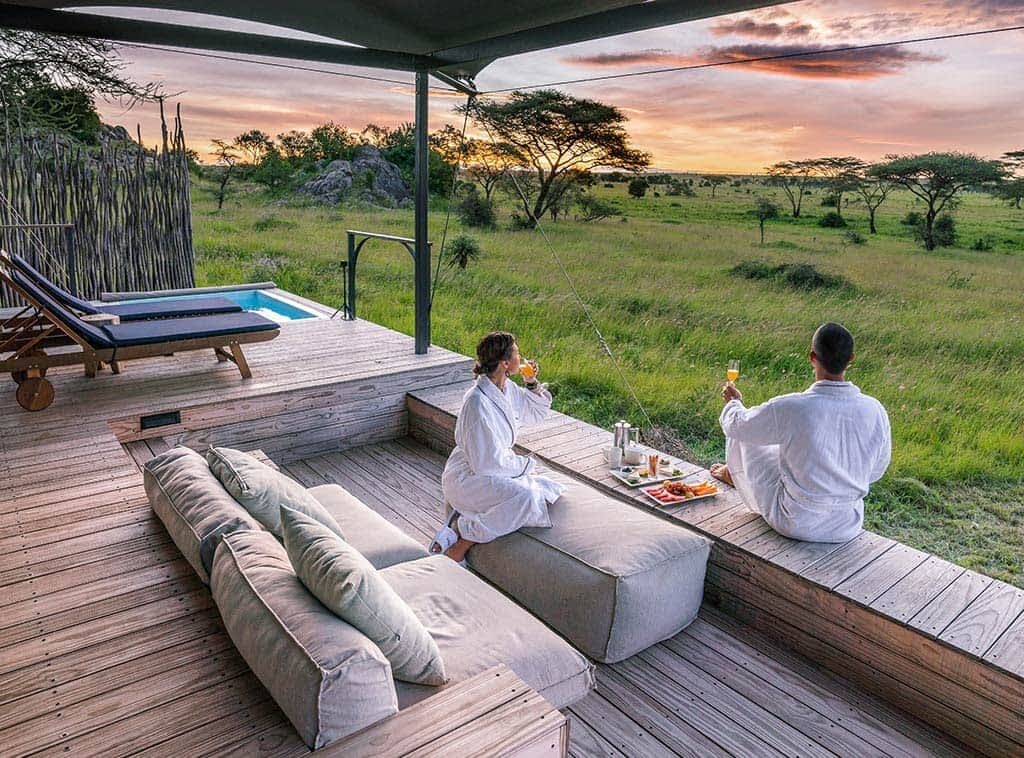
Luxury camps deliver five-star comfort in intimate, carefully chosen wilderness settings. Expect spacious suites, elegant interiors, generous bathrooms, attentive personal service and gourmet dining, often with private decks overlooking wildlife-rich landscapes. Many offer exclusive experiences such as bush breakfasts, sundowners and guided walks. With only a small number of tents or suites, luxury camps feel personal and peaceful, making them perfect for honeymooners, couples and travelers seeking privacy, style and outstanding hospitality.

Ultra-luxury
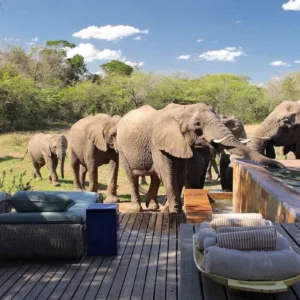
Ultra-luxury properties represent the pinnacle of safari accommodation in Tanzania. Think private villas or treehouse-style suites with plunge pools, freestanding bathtubs, panoramic views and dedicated butlers or hosts. Exceptional cuisine, fine wines, spa treatments and exclusive-use vehicles are often included. Set in prime locations with very few guests, these retreats offer complete privacy and seamless service, ideal for milestone celebrations, honeymoons and travelers wanting a truly unforgettable private African safari.
Tanzania Safari Safety and Travel Tips
Wildlife safety is an essential part of every Tanzania safari. Always follow your professional guide’s instructions, remain inside the safari vehicle except at designated locations, avoid approaching or feeding animals, and respect park regulations. Travelers should also prepare for Spectacular Safari in Tanzania's best National parks changing weather, sun exposure, insects, long game drives, and varying road conditions. TANAPA advises visitors to follow designated tracks, observe park rules, and maintain safe distances from wildlife. Practical Tanzania safari packing should include lightweight neutral-colored clothing, comfortable footwear, sunscreen, insect repellent, sunglasses, a hat, binoculars, camera equipment, and personal medication. Your Tanzania safari operator should provide picturesque destination-specific guidance before departure everything you need to know about Tanzania safari Safety and Travel Tips.
- Follow your guide’s instructions
- Stay in the vehicle except at designated areas
- Keep to authorized tracks
- Use sunscreen and insect repellent
- Approach or feed animals
- Ignore park rules or hours
- Make loud noises near wildlife
- Forget personal medication
What to Pack for a Tanzania Safari
Packing for a Tanzania safari should focus on comfort, practicality, and changing conditions. Essential items include lightweight breathable clothing, a warm layer for cool mornings and evenings, comfortable walking shoes, sun protection, insect repellent, sunglasses, a hat, binoculars, camera equipment, and sufficient personal medication. A small daypack is useful during game drives, while soft luggage is often more practical for safari vehicles and domestic flights. Travelers visiting during rainy periods should also consider waterproof layers. Neutral-colored clothing is commonly recommended for wildlife areas. Always check your specific itinerary because packing requirements can differ between camping safaris, luxury lodges, walking activities, and flying safaris an amazing everything you need to know about Tanzania safari packing list.
How to Choose a Tanzania Safari Tour Operator
Choosing a Tanzania safari tour operator requires careful comparison of itinerary quality, accommodation, transportation, guiding, park fees, reviews, safety procedures, and customer support. Look for a clearly explained safari itinerary and a transparent Tanzania safari cost showing what is included and excluded. Confirm whether the safari is private or tailor-made, and ask about the vehicle, professional guide, accommodation standards, and emergency arrangements. Reviews can provide useful insight into previous travelers’ experiences, but consider recent and relevant feedback rather than relying on one testimonial everything you need to know about to choose a Tanzania Safari tour operator. A reputable operator should communicate clearly before booking and provide practical information for preparing your Tanzania safari.
How to Get to Tanzania for a Safari
Getting to Tanzania for a safari is convenient through international gateways including Kilimanjaro International Airport (JRO), Julius Nyerere International Airport (DAR) in Dar es Salaam, and Zanzibar’s Abeid Amani Karume International Airport (ZNZ). Kilimanjaro is particularly practical for Northern Circuit safaris covering Arusha, Tarangire, Ngorongoro and Serengeti, while Dar es Salaam provides access to southern safari destinations and Zanzibar. Travelers can continue by private safari vehicle, scheduled domestic flight, or charter flight to regional airstrips everything you need to know about how to get to Tanzania for a Safari safari. TANAPA confirms that many national parks can be reached by scheduled flights or road transfers with licensed operators.
| Airport | Code | Best for |
|---|---|---|
| Kilimanjaro International | JRO | Northern Circuit: Arusha, Tarangire, Ngorongoro, Serengeti |
| Julius Nyerere International | DAR | Southern parks and Zanzibar connections |
| Abeid Amani Karume International | ZNZ | Zanzibar beach extensions |
Types of Tanzania Safari Packages
Tanzania safari packages range from affordable camping adventures to mid-range, luxury, and ultra-luxury private journeys. Popular options include Northern Circuit safaris, Serengeti Great Migration safaris, Big Five wildlife tours, family safaris, honeymoon packages, photographic safaris, solo trips, senior-friendly holidays, and private and Tailor-Made Tanzania Safaris. Ngorongoro Crater Safari. Tarangire National Park Safari, fly-in safaris, and safari-and-Zanzibar beach combinations. Travelers can choose private tailor-made itineraries or selected group departures depending on budget and flexibility. Tanzania safari packages may include accommodation, meals, safari vehicle, professional guide, park fees, airport transfers, and activities, although inclusions vary and everything you need to know about Types of Tanzania Safari Packages. Comparing the itinerary, accommodation, transportation, activities, and exclusions helps travelers select a package matching their interests and budget.
A private Northern Circuit safari covering Tarangire, Ngorongoro and the Serengeti.
Tailor-made safaris →Time your safari with the herds in the Serengeti, from calving to river crossings.
Great Migration safaris →Shorter drives, family-friendly lodges and flexible pacing in a private vehicle.
Family safari packages →Luxury lodges and tented camps, often finished on Zanzibar’s beaches.
Luxury safari packages →Ngorongoro Crater with the Serengeti and Tarangire for the best Big Five chances.
Big Five safari →How to Plan and Book a Tanzania Safari
Planning a Tanzania safari starts by choosing your travel dates, safari duration, destinations, accommodation level, and preferred activities. Consider whether you want a private, shared, budget, mid-range, luxury, or tailor-made safari. Match your itinerary to seasonal wildlife movements, especially if the Great Migration is a priority. Next, compare reputable safari operators, detailed itineraries, reviews, inclusions, exclusions, and Tanzania safari prices. Confirm accommodation, 4x4 vehicle, professional guide, park fees, transfers, and optional activities before paying a deposit an everything you need to know about how to plan and book a Tanzania Safari. TANAPA recommends considering your interests, time, budget, season, permits, routes, accommodation, fees, and safety when planning.
- Choose datesTravel dates, safari length and season
- Pick destinationsParks that match your interests
- Select comfort levelBudget, mid-range, luxury or tailor-made
- Compare quotesItineraries, inclusions and exclusions
- Confirm and pay depositVehicle, guide, fees and transfers confirmed
What Animals Will You Spot During a Tanzania Safari?
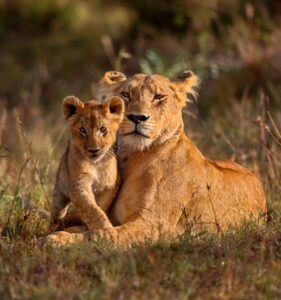
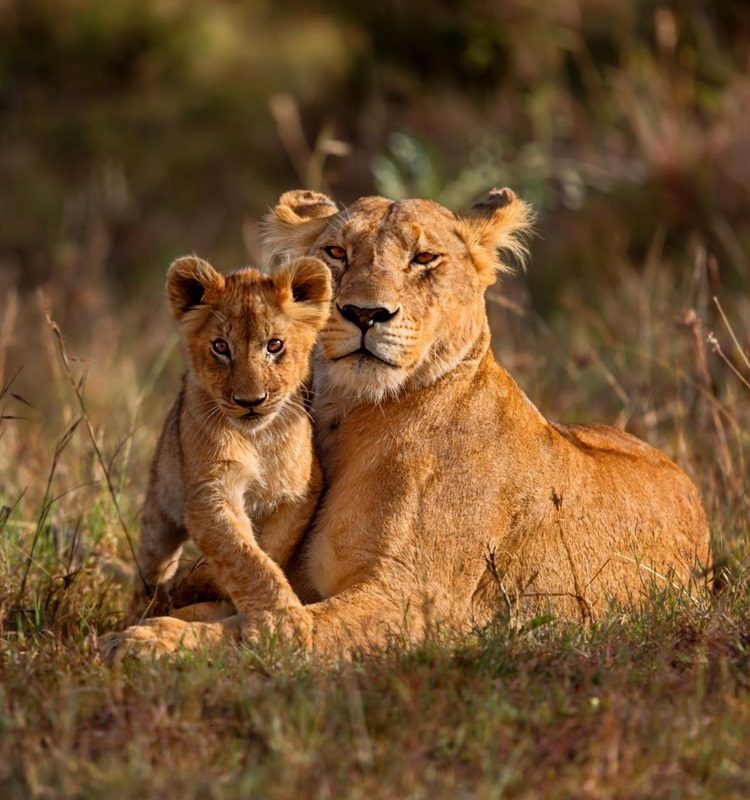
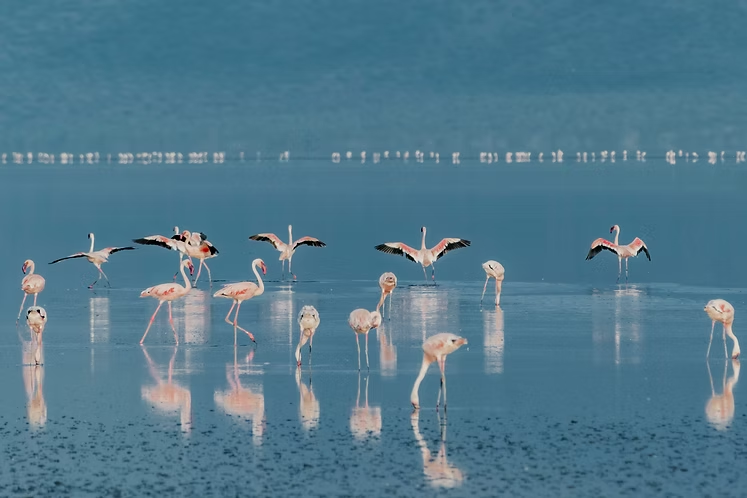
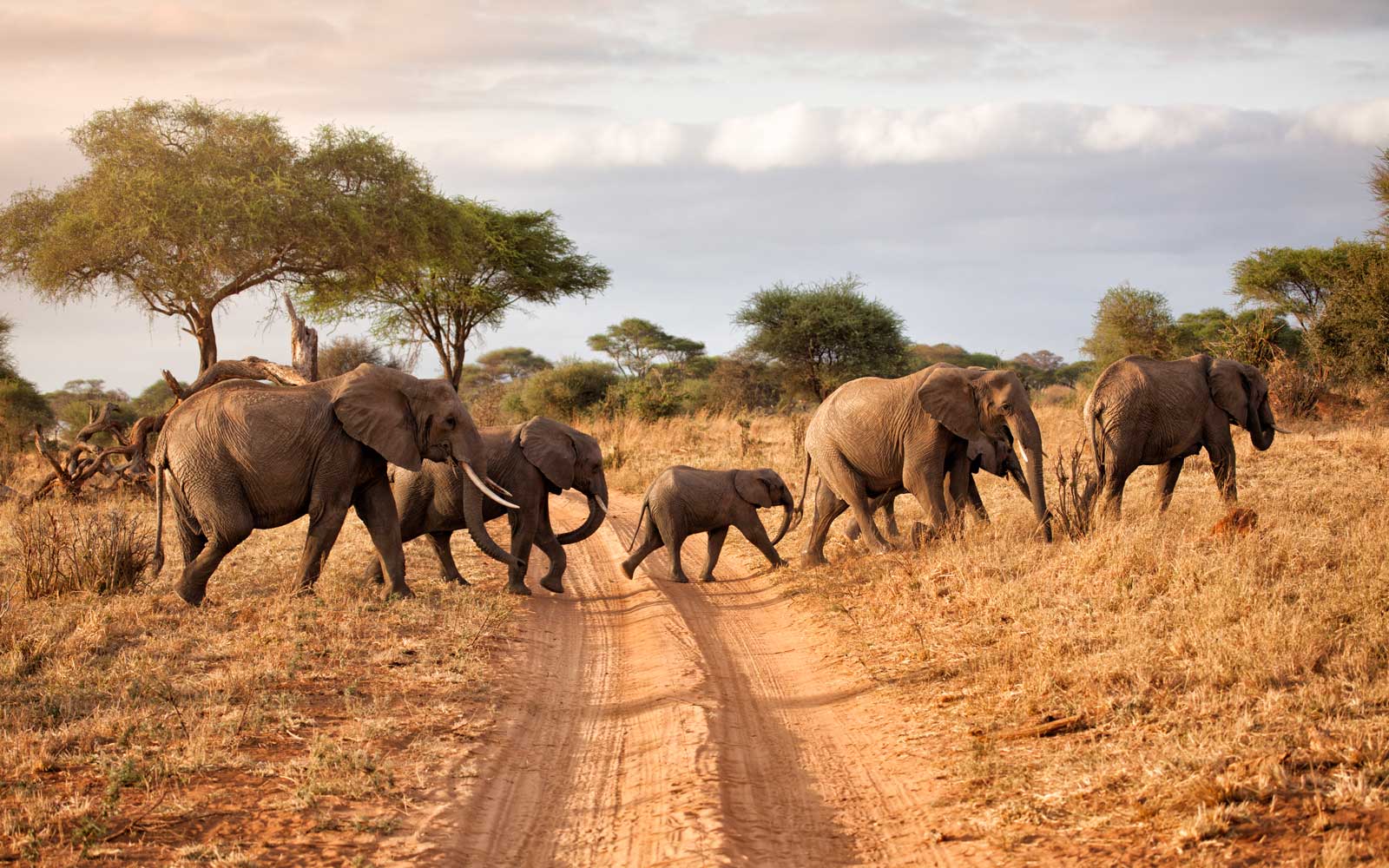
A Tanzania safari offers opportunities to see an extraordinary variety of African wildlife. Depending on destination and season, travelers may encounter lions, leopards, cheetahs, elephants, buffalo, rhinos, giraffes, zebras, wildebeest, hippos, crocodiles, hyenas, antelopes and African wild dogs. The Serengeti is famous for the Great Migration, while Tarangire is particularly associated with elephants and baobab landscapes. Nyerere National Park provides opportunities to see elephants, lions, buffalo, hippos, crocodiles, and African wild dogs. Birdwatchers can also encounter hundreds of bird species across Tanzania’s diverse ecosystems, enthralling everything you need to know about animals to spot during a Tanzania safari. Wildlife sightings are naturally unpredictable because animals move freely through their habitats.
Facts About the Tanzania Safari
Tanzania has 21 national parks managed by the Tanzania National Parks Authority (TANAPA), covering diverse ecosystems and wildlife habitats. The country is renowned for the Serengeti, Great Migration, Ngorongoro area, Mount Kilimanjaro, and extensive wildlife populations. Safari experiences can include game drives, walking safaris, birdwatching, camping, balloon safaris, boat trips, hiking, chimpanzee trekking, and mountain climbing. Dry-season wildlife viewing is generally easier around water sources, while green seasons offer lush scenery and strong birding opportunities and everything you need to know about Tanzania safari facts. Tanzania also offers accommodation ranging from campsites to luxury safari lodges and tented camps, supporting different travel styles and budgets.
Tipping Guidelines for a Tanzania Safari
Tipping on a Tanzania safari is customary and appreciated, but it is not a mandatory safari fee. Your professional safari driver-guide is usually the main person to tip, with lodge and camp staff commonly receiving a shared gratuity. Current 2026 guidance varies by operator, but private-safari recommendations commonly range around US$20–50 per vehicle per day, while lodge or camp staff may receive approximately US$5–15 per guest per night everything you need to know about tipping guidelines for a Tanzania Safari guide. Give your guide the tip at the end of the safari and use a communal tip box for camp staff where available. Clean, newer US-dollar notes are practical for safari gratuities.
Based on the guidance above: US$20–50 per vehicle per day for your guide and US$5–15 per guest per night for staff. Tipping is always at your discretion.
Professional and Experienced Tanzania Safari Guide
A professional and experienced Tanzania safari guide can transform a game drive into an informative wildlife adventure. An excellent guide combines knowledge of animal behavior, tracking, local ecosystems, conservation, geography, and Tanzanian culture with safe 4x4 driving and attentive guest service. Your guide can help locate wildlife, explain animal behavior, identify birds and plants, choose suitable viewing positions, and adapt the itinerary to changing conditions everything you need to know about a professional and experienced Tanzania Safari Guide. For a private Serengeti, Ngorongoro, Tarangire or Great Migration safari, ask about guide experience, qualifications, language skills and destination knowledge before booking. A knowledgeable local guide also helps you follow park rules and enjoy wildlife responsibly.
Private 4x4 Tanzania Safari Jeep
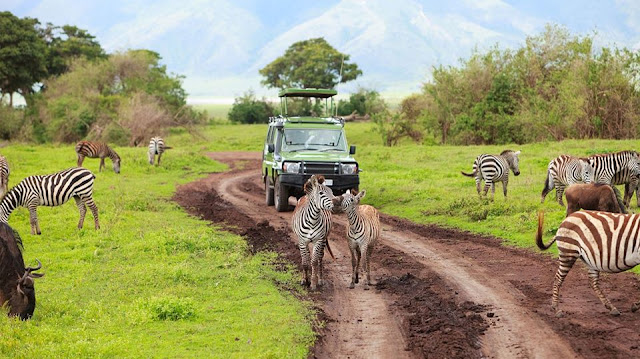
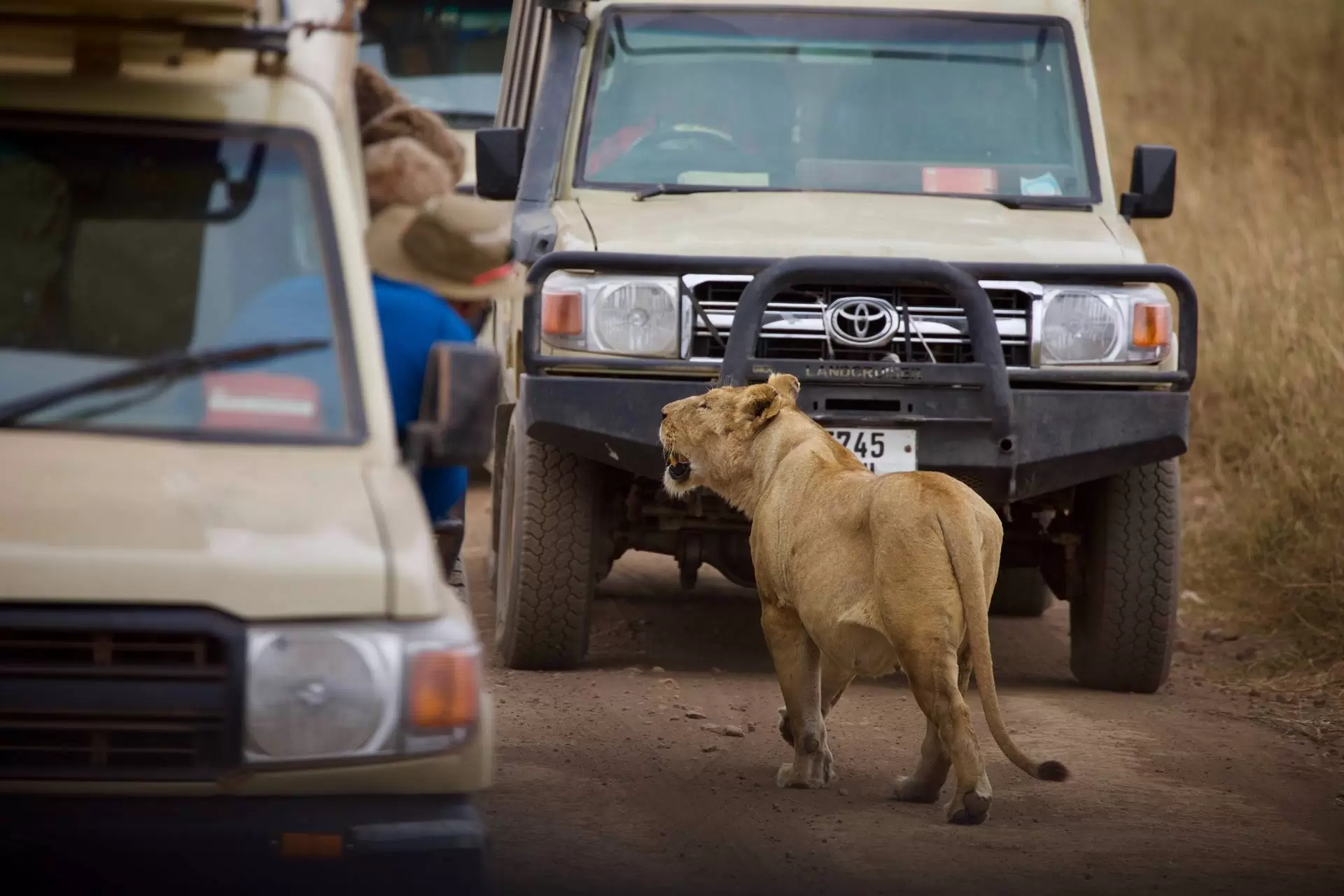
A private 4x4 Tanzania safari jeep is an important part of a flexible Tanzania safari experience. Purpose-built safari vehicles, commonly Toyota Land Cruiser-style 4x4s, are designed for Tanzania’s varied terrain and long game drives. Features may include a pop-up roof for panoramic wildlife viewing, large windows, comfortable seating, charging points, cooler facilities and space for photography equipment. With a private vehicle, your safari itinerary can be tailored to your interests, allowing more flexibility over game-drive timing, wildlife sightings, photography stops and daily pace. Private 4x4 safari vehicles are particularly useful for families, couples, photographers, and travelers seeking a personalized Serengeti, Ngorongoro, or Tarangire safari everything you need to know about private 4x4 Tanzania safari jeep. TANAPA requires visitors to remain on authorized roads and tracks and follow park safety regulations.
Final Thought
A Tanzania safari can combine world-class wildlife, the Great Migration, Serengeti landscapes, Ngorongoro Crater, Tarangire elephants, cultural experiences, and relaxing Zanzibar beaches into one memorable African holiday. The most suitable itinerary depends on your travel dates, budget, interests, accommodation preferences, and desired pace. Whether you choose an affordable camping safari, mid-range adventure, luxury honeymoon, family safari, photographic expedition, private tailor-made journey, or flying safari, careful planning helps maximize your time and experience. Tanzania National Parks recommends choosing parks according to your interests, season, route, accommodation, activities, fees, and safety requirements—an approach that provides a useful foundation for planning
Questions About Safari in Tanzania
What do I need to know before going on a Tanzania safari?
Before a Tanzania safari, decide your travel dates, safari length, destinations and comfort level, then match them to the season and wildlife you want to see. Check passport validity, visa requirements, travel insurance and health advice from a travel-health professional. Pack light, neutral clothing in layers, plus sunscreen, insect repellent and binoculars. A private tailor-made safari with an experienced guide and a 4x4 vehicle gives you flexibility to enjoy wildlife at your own pace.
When is the best time to go on safari in Tanzania?
The dry season from June to October is generally the easiest time for wildlife viewing, because animals gather around water and vegetation is thinner. January and February are known for wildebeest calving in the southern Serengeti. November and December bring short rains and green landscapes, while March to May is the main rainy period with lush scenery and quieter parks. The best month depends on the wildlife, weather and budget that matter most to you.
How much does a Tanzania safari cost?
Tanzania safari costs depend on accommodation, season, destinations, trip length and activities. As a guide, budget camping safaris start around $250–390 per person per day, mid-range safaris around $550–990, and luxury and ultra-luxury safaris around $990–2,500 or more. Always ask for a detailed quote showing what is included, such as park fees, meals, a private 4x4 vehicle, a professional guide and transfers, and what is excluded, such as flights, visas and tips.
Which parks should I visit on my first Tanzania safari?
Most first-time visitors choose the Northern Circuit, combining Tarangire National Park, Ngorongoro Crater and Serengeti National Park, often with Lake Manyara. Together they offer elephants and baobabs, excellent Big Five viewing in the crater and the vast plains of the Great Migration. Travelers wanting a quieter, more remote experience can add southern parks such as Nyerere or Ruaha. Your route should balance wildlife, season, driving distances and the time you have available.
How many days do I need for a Tanzania safari?
A short safari of three to four days can cover one or two parks, such as Tarangire and Ngorongoro Crater. Five to seven days suits a classic Northern Circuit including the Serengeti. Eight to fourteen days allows a slower pace, more time in key wildlife areas, southern Tanzania, Kilimanjaro or a Zanzibar beach extension. Spending longer in fewer parks usually gives better wildlife viewing than rushing between many destinations.
Is a Tanzania safari safe?
A Tanzania safari is generally safe when you travel with a reputable operator and follow your guide. Stay inside the vehicle except at designated areas, never approach or feed animals, keep to authorized tracks and respect park rules. Protect yourself from sun and insects, carry personal medication and seek health advice before travel. A professional guide and well-maintained private 4x4 vehicle add an important layer of safety and support throughout your journey.
What should I pack for a Tanzania safari?
Pack lightweight, breathable clothing in neutral colors, a warm layer for cool mornings and evenings, comfortable walking shoes, a hat, sunglasses, sunscreen and insect repellent. Bring binoculars, camera equipment with spare batteries, personal medication and a small daypack for game drives. Soft luggage is easier to fit into safari vehicles and light aircraft. If you travel in the rainy season, add a waterproof layer.
How much should I tip on a Tanzania safari?
Tipping is customary and appreciated but always at your discretion. Common guidance is around US$20–50 per vehicle per day for your private driver-guide and around US$5–15 per guest per night for lodge or camp staff, often through a shared tip box. Give your guide the tip at the end of the safari, ideally in clean, newer US-dollar notes, and adjust the amount to reflect the service you received.
Why choose a private 4x4 Tanzania safari?
A private 4x4 safari gives you your own vehicle and professional guide, so you control the pace, game-drive timing and photography stops. Purpose-built Land Cruiser-style vehicles have a pop-up roof for panoramic viewing, large windows and space for camera gear. A private tailor-made safari suits families, couples, honeymooners, photographers and anyone who wants a personal experience shaped around their interests rather than a fixed schedule.
Ready to Plan Your Private Tanzania Safari?
Tell us your dates, interests and travel style, and we will design an individual private tailor-made safari around you.