Can an Unfit Person Climb Mount Kilimanjaro
Can an Unfit Person Climb Mount Kilimanjaro
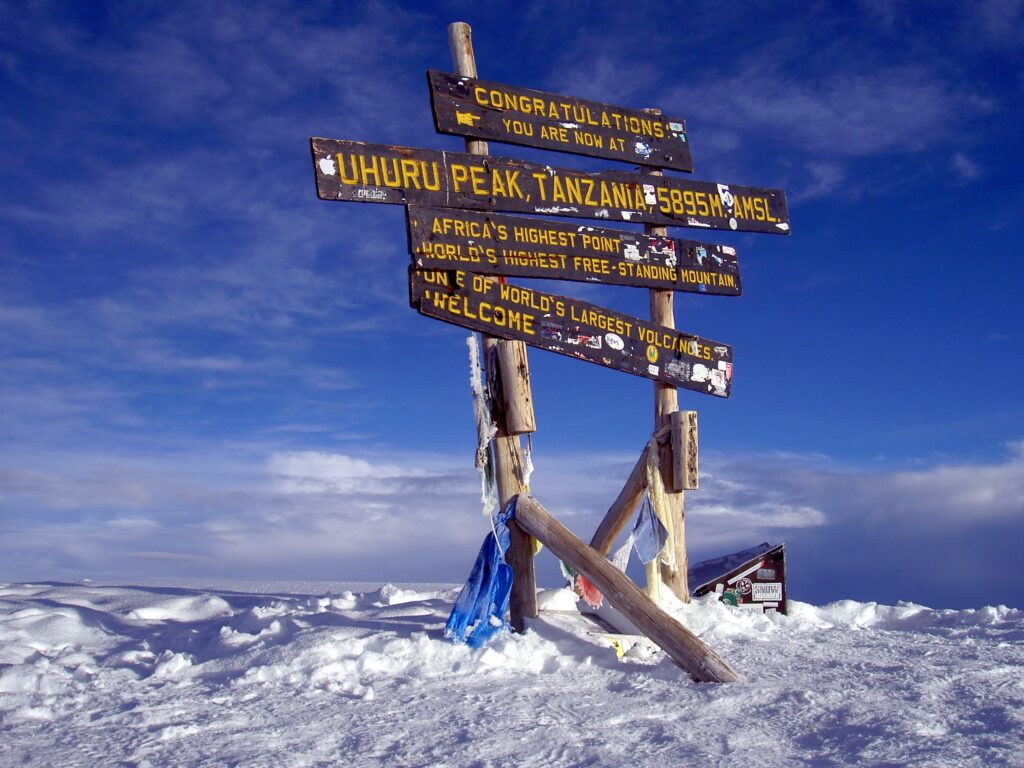
Climbing Mount Kilimanjaro, Africa’s highest peak and the world’s tallest free-standing mountain, is often seen as a challenge reserved for highly fit athletes. However, many trekkers wonder: can an unfit person climb Mount Kilimanjaro? The answer is yes—most healthy individuals with average fitness can complete a Kilimanjaro trek with proper preparation. Unlike technical climbs, Kilimanjaro hiking does not require mountaineering skills, but it does demand endurance, mental strength, and adaptation to high altitude. With popular routes like Machame, Marangu, and Lemosho, thousands of beginners reach Uhuru Peak each year. Success depends more on pacing, acclimatization, and determination than extreme fitness. This guide explores Kilimanjaro difficulty, training tips, altitude sickness risks, and essential preparation strategies for a safe and successful climb.
Understanding Kilimanjaro Difficulty
Mount Kilimanjaro is classified as a non-technical trekking peak, meaning no climbing equipment is required, but the challenge lies in long hiking days and high altitude. The Kilimanjaro difficulty level increases as climbers ascend from rainforest to alpine desert and finally Arctic summit conditions. Although an unfit person can attempt the climb, they must understand that endurance is more important than speed or strength. The biggest challenge is not steep terrain but reduced oxygen levels at high altitude. Kilimanjaro trekking routes range from moderate to difficult depending on duration and elevation gain. Longer routes like Lemosho and Northern Circuit offer better acclimatization and higher success rates. Proper preparation, slow pacing, and mental determination significantly reduce difficulty and increase summit success for beginners and average fitness climbers.
Fitness Level Requirements
Climbing Kilimanjaro does not require elite athletic fitness, but a reasonable base level of endurance is essential. An unfit person can climb Mount Kilimanjaro if they are healthy and capable of walking 5–10 hours per day with breaks. Cardiovascular fitness, leg strength, and stamina are important for long trekking days. Training before Kilimanjaro should include walking, hiking, jogging, or stair climbing to simulate uphill movement. The Kilimanjaro fitness requirement is often described as “walk fit,” meaning regular walking ability without exhaustion. Even beginners can succeed if they prepare for several weeks or months in advance. The key is gradual conditioning rather than intense workouts. With proper training, hydration, and pacing, most average individuals can meet the physical demands of Kilimanjaro trekking and reach the summit successfully.
Importance of Mental Strength
Mental strength is one of the most important success factors when climbing Mount Kilimanjaro, especially for unfit or beginner trekkers. The journey involves long hiking hours, cold temperatures, fatigue, and reduced oxygen levels, which can challenge motivation. Many climbers who reach Uhuru Peak do so because of determination, discipline, and a positive mindset. Mental resilience helps trekkers push through discomfort, especially during summit night when conditions are toughest. Kilimanjaro trekking is often described as “90% mental and 10% physical” because psychological endurance plays a major role in success. Staying focused, breaking the climb into small sections, and maintaining a steady rhythm can help beginners overcome challenges. Even an unfit person can climb Kilimanjaro if they stay mentally strong, patient, and committed throughout the entire ascent.
Role of Acclimatization
Acclimatization is critical for anyone climbing Mount Kilimanjaro, especially beginners or unfit climbers. As altitude increases, oxygen levels decrease, making it harder for the body to function normally. Proper acclimatization allows the body to gradually adjust to high elevation and reduces the risk of altitude sickness. Kilimanjaro trekking routes that take longer, such as Lemosho or Northern Circuit, provide better acclimatization opportunities. The “climb high, sleep low” technique is often used to improve adaptation. Slow ascent is essential for increasing summit success rates. Without proper acclimatization, even fit climbers may struggle, while unfit but well-acclimatized trekkers can succeed. Rest days, hydration, and controlled pacing are key strategies. Understanding acclimatization is vital for safe and successful Mount Kilimanjaro climbing.
Training Before the Climb
Training before attempting Mount Kilimanjaro significantly increases the chances of success, especially for unfit individuals. A good Kilimanjaro training plan should start at least 6–8 weeks before the trek. Activities such as hiking on hills, walking long distances, cycling, swimming, and stair climbing help build stamina and leg strength. Training should focus on endurance rather than speed. Carrying a backpack during practice hikes simulates real trekking conditions. Consistency is more important than intensity. Even beginners can prepare adequately with regular physical activity. Strengthening core muscles and improving cardiovascular fitness will make Kilimanjaro trekking easier. Mental preparation should also be included, as long days and altitude changes can be challenging. With proper training, even an unfit person can successfully climb Mount Kilimanjaro and enjoy the adventure.
Altitude Sickness Risks
Altitude sickness is one of the biggest challenges when climbing Mount Kilimanjaro, especially for beginners and unfit climbers. As elevation increases above 3,000 meters, oxygen levels drop significantly, causing symptoms such as headache, nausea, dizziness, and fatigue. Severe cases can lead to Acute Mountain Sickness (AMS), which may force climbers to descend. Kilimanjaro trekking requires careful monitoring of symptoms and gradual ascent to reduce risks. Staying hydrated, eating properly, and walking slowly are essential prevention methods. Guides are trained to recognize early signs of altitude sickness and take appropriate action. Even physically fit climbers can be affected, showing that fitness alone is not enough. Understanding altitude risks is crucial for safe Kilimanjaro climbing, and proper acclimatization remains the most effective prevention strategy.
Best Kilimanjaro Routes for Beginners
Choosing the right route is essential for unfit or beginner climbers attempting Mount Kilimanjaro. The best Kilimanjaro routes for beginners include Lemosho, Machame, and Marangu. Lemosho is highly recommended due to its gradual ascent and excellent acclimatization profile, increasing summit success rates. Machame is slightly more challenging but offers beautiful scenery and good acclimatization opportunities. Marangu is known as the “Coca-Cola route” and has hut accommodations, but its shorter duration reduces acclimatization time. Longer routes generally improve success for unfit climbers because they allow the body to adjust slowly to altitude. Kilimanjaro trekking success depends more on route selection than fitness level alone. Beginners should avoid rushed itineraries and choose extended routes to maximize their chances of reaching Uhuru Peak safely.
Role of Professional Guides
Professional guides play a vital role in the success of Mount Kilimanjaro climbs, especially for unfit or beginner trekkers. Licensed Kilimanjaro guides are trained in mountain safety, altitude sickness detection, and emergency response. They help climbers maintain a safe pace, which is crucial for acclimatization and summit success. Guides also provide motivation, encouragement, and local knowledge throughout the Kilimanjaro trekking journey. Porters assist with carrying equipment, allowing climbers to conserve energy for walking. Without professional support, the climb becomes significantly more difficult and risky. Experienced guides monitor health conditions daily and make decisions to ensure safety. Their expertise greatly increases the success rate, proving that even an unfit person can climb Mount Kilimanjaro with the right support system.
Importance of Slow Pacing
Slow pacing is one of the most important principles for successfully climbing Mount Kilimanjaro. The phrase “pole pole,” meaning “slowly slowly” in Swahili, is commonly used by guides to remind trekkers to maintain a steady rhythm. Walking slowly allows the body to adapt to decreasing oxygen levels and reduces fatigue. Many unfit climbers succeed because they follow this slow and consistent pace throughout the Kilimanjaro trek. Rushing increases the risk of altitude sickness and exhaustion. A controlled pace also improves endurance and energy conservation. Even during summit night, maintaining a slow and steady rhythm is essential for reaching Uhuru Peak. Ultimately, success on Kilimanjaro is not about speed but about patience, discipline, and consistent movement.
Nutrition and Hydration
Proper nutrition and hydration are essential for anyone attempting Mount Kilimanjaro, especially for unfit climbers. The body requires constant energy to cope with long trekking days and high altitude conditions. Meals provided during the Kilimanjaro trek typically include carbohydrates, proteins, and warm fluids to maintain strength. Drinking at least 3–4 liters of water daily helps prevent dehydration and reduce altitude sickness symptoms. Electrolyte drinks are also beneficial for maintaining energy balance. Even when appetite decreases at high altitude, it is important to eat regularly to sustain stamina. Guides ensure that climbers maintain proper nutrition throughout the journey. Good hydration and balanced meals significantly improve endurance, making it possible for even unfit individuals to successfully climb Mount Kilimanjaro.
Sleep and Recovery
Sleep and recovery play a crucial role in successful Mount Kilimanjaro trekking. After long hiking days, the body needs rest to repair muscles and restore energy levels. However, sleeping at high altitude can be challenging due to cold temperatures and reduced oxygen levels. Proper gear, including warm sleeping bags and layered clothing, helps improve sleep quality. Recovery also includes stretching, hydration, and light rest during breaks. Unfit climbers especially benefit from adequate recovery time to avoid exhaustion. Guides structure trekking schedules to include sufficient rest periods between hiking days. Good sleep improves mental focus, physical endurance, and acclimatization. Without proper recovery, even strong climbers may struggle, making rest an essential part of Kilimanjaro climbing success.
Weather Challenges
Weather conditions on Mount Kilimanjaro vary dramatically and can be challenging for all climbers, especially beginners. The mountain features multiple climate zones, ranging from tropical rainforest at the base to freezing Arctic conditions at the summit. Temperatures can drop below -10°C during summit night, making the Kilimanjaro trek physically demanding. Rain, wind, and cold exposure can increase fatigue and discomfort. Proper clothing layers, waterproof gear, and thermal protection are essential for safety. Weather changes quickly, so climbers must be prepared for all conditions. Even unfit climbers can succeed if they are well-equipped and mentally prepared. Understanding Kilimanjaro's weather patterns helps improve safety, comfort, and overall trekking success.
Success Rate Factors
The success rate of climbing Mount Kilimanjaro depends on several key factors beyond fitness level. Route selection, acclimatization time, guide experience, pacing, and weather conditions all influence summit success. Longer Kilimanjaro trekking routes, such as Lemosho and Northern Circuit, offer higher success rates due to better altitude adaptation. Proper hydration, nutrition, and mental strength also significantly improve outcomes. Even unfit climbers can reach Uhuru Peak if they follow professional guidance and maintain steady progress. On average, success rates range from 60% to 90%, depending on the chosen route and preparation. Understanding these factors helps climbers set realistic expectations and improve their chances of success.
Final Preparation Tips
Final preparation for Mount Kilimanjaro involves both physical and mental readiness. Climbers should complete training, check gear, and ensure proper health before departure. Essential items include layered clothing, trekking boots, rain protection, and sleeping gear. Mental preparation is equally important, focusing on patience, determination, and positive thinking. Reviewing Kilimanjaro trekking routes, altitude risks, and pacing strategies helps build confidence. Staying hydrated and well-rested before the climb improves performance. Even unfit individuals can succeed with proper preparation and commitment. Working with experienced tour operators ensures safety and organization. Careful planning significantly increases the likelihood of reaching Uhuru Peak successfully.
Final Thought
An unfit person can climb Mount Kilimanjaro if they approach the challenge with preparation, patience, and determination. The climb is less about athletic strength and more about endurance, acclimatization, and mental resilience. With the right Kilimanjaro trekking route, professional guides, and proper pacing, even beginners can reach the summit successfully. Fitness helps, but it is not the deciding factor. What truly matters is consistency, slow progress, and a strong mindset throughout the journey. Kilimanjaro remains one of the most accessible high-altitude mountains in the world, offering life-changing experiences for those willing to take the challenge step by step.
Can an Unfit Person Climb Mount Kilimanjaro: FAQs
What should you know about Understanding Kilimanjaro difficulty?
Mount Kilimanjaro is classified as a non-technical trekking peak, meaning no climbing equipment is required, but the challenge lies in long hiking days and high altitude. The Kilimanjaro difficulty level increases as climbers ascend from rainforest to alpine desert and finally Arctic summit conditions. Although an unfit person can attempt the climb, they must understand that endurance is more important than speed or strength.
What are the fitness level Requirements on Kilimanjaro?
Climbing Kilimanjaro does not require elite athletic fitness, but a reasonable base level of endurance is essential. An unfit person can climb Mount Kilimanjaro if they are healthy and capable of walking 5–10 hours per day with breaks. Cardiovascular fitness, leg strength, and stamina are important for long trekking days.
What can you expect from importance of mental strength on Kilimanjaro?
Mental strength is one of the most important success factors when climbing Mount Kilimanjaro, especially for unfit or beginner trekkers. The journey involves long hiking hours, cold temperatures, fatigue, and reduced oxygen levels, which can challenge motivation. Many climbers who reach Uhuru Peak do so because of determination, discipline, and a positive mindset.
What should you know about role of acclimatization on Kilimanjaro?
Acclimatization is critical for anyone climbing Mount Kilimanjaro, especially beginners or unfit climbers. As altitude increases, oxygen levels decrease, making it harder for the body to function normally. Proper acclimatization allows the body to gradually adjust to high elevation and reduces the risk of altitude sickness.
What should you know about training before the climb?
Training before attempting Mount Kilimanjaro significantly increases the chances of success, especially for unfit individuals. A good Kilimanjaro training plan should start at least 6–8 weeks before the trek. Activities such as hiking on hills, walking long distances, cycling, swimming, and stair climbing help build stamina and leg strength.
What should you know about altitude sickness risks on Kilimanjaro?
Altitude sickness is one of the biggest challenges when climbing Mount Kilimanjaro, especially for beginners and unfit climbers. As elevation increases above 3,000 meters, oxygen levels drop significantly, causing symptoms such as headache, nausea, dizziness, and fatigue. Severe cases can lead to Acute Mountain Sickness (AMS), which may force climbers to descend.
What are the best Kilimanjaro routes for beginners?
Choosing the right route is essential for unfit or beginner climbers attempting Mount Kilimanjaro. The best Kilimanjaro routes for beginners include Lemosho, Machame, and Marangu. Lemosho is highly recommended due to its gradual ascent and excellent acclimatization profile, increasing summit success rates. Machame is slightly more challenging but offers beautiful scenery and good acclimatization opportunities.
What can you expect from role of professional guides on Kilimanjaro?
Professional guides play a vital role in the success of Mount Kilimanjaro climbs, especially for unfit or beginner trekkers. Licensed Kilimanjaro guides are trained in mountain safety, altitude sickness detection, and emergency response. They help climbers maintain a safe pace, which is crucial for acclimatization and summit success.
Climb Kilimanjaro With Confidence
Tell us your dates and fitness, and our experienced mountain team will plan a safe, well-acclimatized private climb.