
Best Places to See Lions in Africa
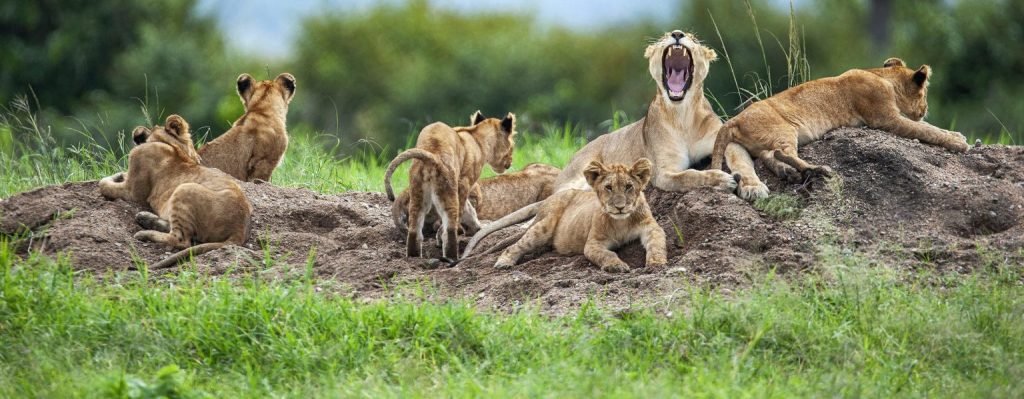
Africa is the ultimate destination for unforgettable lion safari tours, offering some of the best places to see lions in the wild. From the vast plains of Serengeti National Park to remote wilderness areas and luxury private reserves, travelers can experience African wildlife safaris, big cat encounters, and photographic safaris like nowhere else on earth. Whether you’re planning a luxury African safari, a budget safari in Africa, or a family wildlife tour, lion sightings remain a top highlight. Tanzania stands out as a premier destination thanks to its rich ecosystems, abundant prey, and conservation success. Expect close-up lion sightings, guided game drives, and year-round safari experiences. This guide explores the top destinations where lions roam freely, helping you plan the ultimate African safari adventure with the best chances of spotting these iconic predators. Serengeti National Park – The Ultimate Lion Safari Destination Serengeti National Park is widely regarded as the best place to see lions in Africa, making it a top choice for Serengeti safari tours and African big cat safaris. Home to one of the largest lion populations in the world, the Serengeti offers exceptional lion sightings year-round. The endless savannah supports abundant prey, including wildebeest and zebras, ensuring consistent predator action. Visitors can witness lions hunting, resting, and interacting in prides during expertly guided game drives. The park is also famous for the Great Migration, adding dramatic predator-prey encounters to your safari. Ideal for luxury safaris, honeymoon safaris, and photographic tours, Serengeti delivers unmatched wildlife experiences, making it a must-visit destination for anyone seeking authentic African lion encounters. Ngorongoro Crater – High-Density Lion Encounters Ngorongoro Crater offers one of the highest densities of lions in Africa, making it perfect for Ngorongoro safari tours and short wildlife safaris. This UNESCO World Heritage Site is a natural enclosure where lions thrive alongside abundant prey species. Visitors enjoy guaranteed lion sightings within a single game drive, often spotting large prides in proximity. The crater’s unique ecosystem supports year-round wildlife viewing, making it ideal for family safaris, budget safaris, and luxury tours alike. Lions here are known for their impressive size and frequent daytime activity. Combined with breathtaking scenery and diverse wildlife, Ngorongoro provides a compact yet rewarding safari experience, perfect for travelers seeking high-impact lion encounters in a short time. Tarangire National Park – Hidden Gem for Lion Sightings Tarangire National Park is a hidden gem for lion safari experiences and off-the-beaten-path safaris. While famous for its massive elephant herds, Tarangire also offers excellent opportunities to spot lions, especially during the dry season when wildlife gathers around the Tarangire River. The park’s diverse landscape—featuring baobab trees and open plains—creates ideal hunting grounds for predators. Visitors on guided safari tours can witness lions stalking prey or resting in shaded areas. Tarangire is less crowded than Serengeti, making it perfect for private safaris, budget-friendly tours, and photographic safaris. Its peaceful atmosphere and rich biodiversity make it a rewarding destination for travelers seeking authentic and less commercialized lion sightings. Ruaha National Park – Remote Wilderness with Large Lion Prides Ruaha National Park is a remote safari destination known for its large lion prides and raw wilderness appeal. Ideal for adventure safaris and exclusive wildlife tours, Ruaha offers fewer crowds and more intimate encounters with lions. The park hosts one of the largest lion populations in East Africa, often seen in large prides hunting buffalo and other big game. Its rugged terrain and diverse ecosystems provide dramatic safari backdrops. Ruaha is perfect for luxury fly-in safaris, photographic expeditions, and experienced safari travelers seeking something unique. With excellent guiding and pristine landscapes, it delivers an authentic African safari experience far from the typical tourist routes. Nyerere National Park (Selous) – Diverse Lion Habitats Nyerere National Park, formerly part of Selous Game Reserve, is one of Africa’s largest protected areas and a prime destination for lion safaris. Known for its diverse habitats—rivers, woodlands, and plains—it supports a healthy lion population. Visitors can enjoy boat safaris, walking safaris, and traditional game drives, offering unique ways to encounter lions. The park is ideal for luxury safari experiences, honeymoon trips, and eco-tourism adventures. Lion sightings are frequent, especially near water sources. Its remote setting ensures fewer crowds, making it perfect for travelers seeking exclusive wildlife experiences and authentic African landscapes. Lake Manyara National Park – Tree-Climbing Lions Lake Manyara National Park is famous for its rare tree-climbing lions, making it a unique stop on northern circuit safaris. These lions are often seen resting on acacia branches, offering exceptional photographic opportunities. The park’s compact size allows for easy wildlife viewing, ideal for short safaris and family tours. In addition to lions, visitors enjoy sightings of elephants, flamingos, and diverse birdlife. Lake Manyara is perfect for budget safaris and scenic wildlife tours, offering a mix of forest, lake, and savannah ecosystems. Its accessibility and distinctive lion behavior make it a memorable safari destination. Central Serengeti (Seronera Valley) – Year-Round Lion Sightings The Seronera Valley is the heart of the Serengeti and a hotspot for year-round lion sightings. Known for its permanent water sources and abundant prey, it attracts large lion prides throughout the year. This area is ideal for Serengeti game drives, photographic safaris, and luxury lodge stays. Visitors frequently witness lions hunting, mating, and interacting socially. Its central location makes it a key stop on most safari itineraries. Whether visiting during the Great Migration or off-season, Seronera guarantees exceptional wildlife encounters, making it a must-visit for lion enthusiasts. Northern Serengeti – Migration and Predator Action The Northern Serengeti is famous for dramatic Great Migration River crossings and intense predator action. Lions thrive here, taking advantage of migrating herds crossing the Mara River. This region offers some of the most thrilling lion hunting scenes in Africa. Ideal for luxury fly-in safaris and photographic tours, Northern Serengeti provides remote, uncrowded experiences. Visitors can witness lions ambushing prey in breathtaking landscapes. It’s a top destination for travelers seeking high-adrenaline wildlife encounters and unforgettable safari moments. Southern Serengeti – Calving Season Lion Activity In
Kilimanjaro Travel Insurance
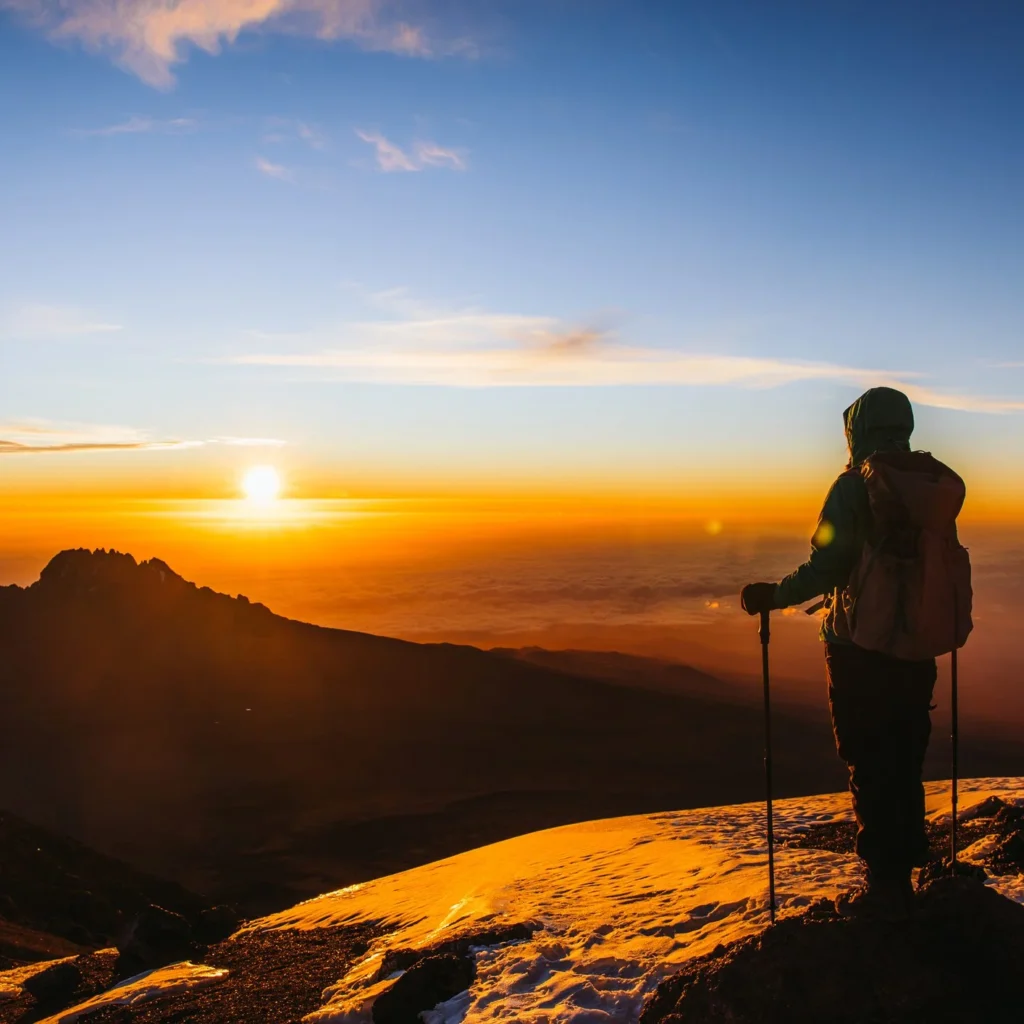
Kilimanjaro travel insurance is essential for climbers planning a safe and successful Mount Kilimanjaro trekking adventure in Tanzania. As one of the highest free-standing mountains in the world, Mount Kilimanjaro attracts thousands of international trekkers each year, making comprehensive travel insurance coverage crucial. The best Kilimanjaro travel insurance policies cover high-altitude trekking, emergency medical evacuation, trip cancellation, baggage loss, and adventure sports protection. Choosing the right Tanzania Kilimanjaro insurance plan ensures peace of mind during your climbing expedition. Whether you are taking the Machame Route, Marangu Route, Lemosho Route, or Rongai Route, proper insurance safeguards your journey against unexpected risks. This guide explains everything you need to know about Kilimanjaro travel insurance, helping you select the most reliable coverage for your adventure and mountain climbing experience in Tanzania and safety. Coverage and Benefits of Kilimanjaro Travel Insurance Kilimanjaro travel insurance provides essential protection for trekkers facing high-altitude risks on Mount Kilimanjaro in Tanzania. A comprehensive policy typically includes emergency medical coverage, high-altitude sickness treatment, helicopter evacuation, and hospital care. It also protects against trip cancellation, delays, and lost or damaged luggage during your Tanzania safari and climbing adventure. Many insurers now offer specialized adventure travel insurance tailored for trekking expeditions above 5,000 meters. This ensures climbers on routes such as Machame, Lemosho, Marangu, and Rongai are fully protected. Having reliable Kilimanjaro insurance guarantees financial security and emergency support during unexpected situations on the mountain. Choosing the right policy helps travelers enjoy peace of mind while exploring Africa’s highest peak and ensures a safer, more secure climbing experience in Tanzania with full support for emergency rescue services included. Why You Need Kilimanjaro Travel Insurance Climbing Mount Kilimanjaro is a high-altitude adventure that involves significant physical challenges and unpredictable mountain conditions in Tanzania. Kilimanjaro travel insurance is necessary because it protects trekkers from costly medical emergencies, altitude sickness treatment, and evacuation expenses. Without proper insurance, climbers may face expensive out-of-pocket costs during accidents or sudden illness on the mountain. Travel insurance also covers trip cancellations, lost baggage, and delays that can affect your Tanzania safari and climbing itinerary. Since Kilimanjaro is one of the Seven Summits, many international insurers require specialized high-altitude coverage. Having the right policy ensures safety, financial protection, and peace of mind throughout your trekking journey. It is a critical requirement for responsible and well-prepared climbers aiming to reach Uhuru Peak successfully in Tanzania especially for international travelers visiting Tanzania mountain expeditions. Types of Kilimanjaro Travel Insurance Plans There are several types of Kilimanjaro travel insurance plans designed to meet different trekking needs and budgets in Tanzania. Standard travel insurance covers basic risks such as trip cancellation, lost luggage, and emergency medical assistance. Adventure travel insurance is more comprehensive, offering protection for high-altitude trekking above 5,000 meters, helicopter evacuation, and mountain rescue services. Some premium Kilimanjaro insurance policies also include coverage for Tanzania safari extensions, flight delays, and personal liability protection. Specialized climbing insurance is highly recommended for routes like Machame, Lemosho, Marangu, and Rongai due to varying difficulty levels. Choosing the right plan depends on your travel duration, health condition, and level of trekking experience. A well-selected policy ensures safety, security, and financial protection throughout your Kilimanjaro climbing journey in Africa and comprehensive emergency evacuation support included. Cost of Kilimanjaro Travel Insurance The cost of Kilimanjaro travel insurance varies depending on coverage level, travel duration, age, and insurer policies in Tanzania and internationally. Basic travel insurance for Kilimanjaro trekking may start at an affordable rate, while premium adventure insurance with high-altitude coverage costs more due to increased risk factors. Policies that include helicopter evacuation, emergency rescue, and medical treatment at high elevations are generally more expensive but highly recommended. Travelers combining a Tanzania safari with a Kilimanjaro climb should choose comprehensive insurance for full protection. Prices may also differ based on your home country and the provider’s terms. Investing in reliable Kilimanjaro insurance ensures financial protection and safety during your African trekking adventure, making it a valuable part of your overall travel budget planning especially for high altitude trekking emergency coverage plans. What Kilimanjaro Travel Insurance Must Include A reliable Kilimanjaro travel insurance policy must include high-altitude trekking coverage, emergency medical evacuation, and treatment for altitude sickness such as Acute Mountain Sickness. It should also cover trip cancellation, delays, and lost or stolen baggage during your Tanzania safari and climbing expedition. Helicopter rescue services are essential due to the remote and challenging terrain of Mount Kilimanjaro. In addition, good policies offer coverage for hospital stays, doctor consultations, and emergency repatriation to your home country. Some insurers also provide coverage for adventure sports and trekking activities above 5,000 meters. Choosing a comprehensive policy ensures climbers are protected against financial loss and medical emergencies while attempting to reach Uhuru Peak, the highest point in Africa, during their Tanzanian adventure and ensures complete safety support for international climbers in Tanzania adventures. Best Time to Buy Kilimanjaro Travel Insurance The best time to purchase Kilimanjaro travel insurance is immediately after booking your trekking or Tanzania safari package to ensure full trip protection. Early purchase guarantees coverage for trip cancellation, flight delays, and unexpected changes before departure. Travelers should also confirm that their policy includes high-altitude trekking coverage for Mount Kilimanjaro before arriving in Tanzania. Buying insurance early allows climbers to review policy details, compare providers, and select the most suitable adventure travel coverage. It is important to ensure that the insurance remains valid throughout the entire trekking period, including arrival, acclimatization, ascent, and descent. Proper timing of insurance purchase helps reduce risks and ensures a safe, well-planned Kilimanjaro climbing experience in Africa especially for trekkers planning Machame Lemosho Marangu and Rongai routes in Tanzania mountains expeditions safely included coverage. Common Mistakes When Choosing Kilimanjaro Travel Insurance Many trekkers make mistakes when selecting Kilimanjaro travel insurance, which can lead to serious financial and medical risks during their Tanzania adventure. One common mistake is choosing a standard travel insurance policy that does not cover high-altitude trekking above 5,000 meters. Another error is failing
What is the Daily Schedule on Kilimanjaro?
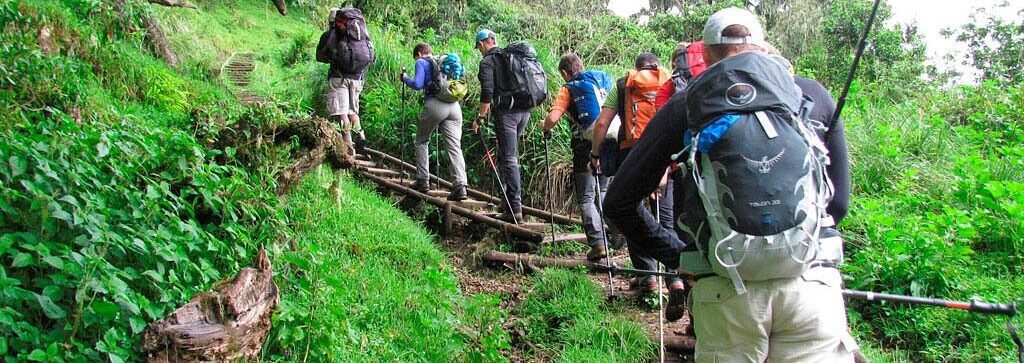
What is the Daily Schedule on Kilimanjaro? The daily routine on Mount Kilimanjaro follows a structured trekking rhythm designed to support acclimatization, safety, and summit success. Each day on popular routes such as Machame Route, Lemosho Route, and Marangu Route begins early with tea or coffee, followed by several hours of hiking through rainforest, moorland, alpine desert, and glacier zones. Trekkers experience gradual altitude gain, regular breaks, and guided pace control by professional Kilimanjaro guides and porters. Meals are served in camps, and evenings are reserved for rest, briefing, and preparation for the next stage. Understanding the Kilimanjaro daily itinerary helps climbers manage energy, prevent altitude sickness, and improve summit success rates to Uhuru Peak, Africa’s highest point. This guide explains each day from base to summit night and descent. Day 1 – Rainforest Entry & First Camp Day 1 on Kilimanjaro typically covers arrival at the park gate, registration, and the first trek into the rainforest zone. On routes like Machame Route and Lemosho Route, climbers begin hiking after briefing from professional mountain guides. The Kilimanjaro daily schedule starts with breakfast at camp or lodge, followed by a steady ascent through dense tropical forest filled with colobus monkeys and exotic birds. Trekkers walk slowly to support acclimatization and reduce altitude sickness risk. Lunch is often taken on the trail, and arrival at the first campsite happens in the afternoon. Evening includes dinner, health checks, and a briefing for the next day’s Kilimanjaro itinerary. This first day sets the foundation for the entire climbing experience toward Uhuru Peak, ensuring proper pacing and energy conservation and essential summit preparation tips. Day 2 – Moorland Transition & Altitude Gain Day 2 on Kilimanjaro introduces climbers to the moorland zone, where vegetation becomes sparse and altitude begins to noticeably affect breathing. The daily Kilimanjaro trekking schedule starts with an early wake-up, warm breakfast, and preparation for a longer ascent. On routes such as Machame Route and Lemosho Route, hikers climb steadily through volcanic landscapes, giant heathers, and open ridges. The pace remains slow and controlled to promote acclimatization and prevent altitude sickness. Breaks are taken frequently for hydration and rest. Lunch is enjoyed at a scenic viewpoint before continuing toward the next campsite. In the evening, trekkers gather for dinner, medical checks, and a detailed briefing from guides about the upcoming Kilimanjaro itinerary stages leading toward higher alpine zones and eventual summit night preparation ensuring safe altitude progression throughout the climb. Day 3 – Alpine Desert Acclimatization Stage Day 3 on Kilimanjaro is often a critical acclimatization stage as trekkers move deeper into the alpine desert zone. The Kilimanjaro daily schedule begins with an early breakfast and gradual ascent across rocky terrain with minimal vegetation. Climbers on routes like Machame Route, Lemosho Route, and Northern Circuit experience significant altitude gain, making slow pacing essential. Guides emphasize the importance of the climb high, sleep low principle to improve oxygen adaptation. Regular breaks are scheduled for hydration, snacks, and rest. Lunch is usually taken on the trail with panoramic mountain views. Arrival at camp happens in the afternoon, followed by rest, medical monitoring, and preparation for the next Kilimanjaro itinerary stage. The evening includes dinner, weather updates, and guidance for maintaining energy and hydration levels for optimal summit performance success rates. Day 4 – Higher Alpine Zones & Endurance Test Day 4 on Kilimanjaro often marks entry into higher alpine zones where temperatures drop significantly and oxygen levels decrease. The daily Kilimanjaro trekking schedule begins with breakfast and a steady ascent through barren volcanic landscapes. On popular routes like Machame Route and Lemosho Route, trekkers face more challenging terrain requiring strong endurance and mental focus. Guides closely monitor climbers for signs of altitude sickness and adjust pace accordingly. Frequent breaks are essential for hydration and energy recovery. Lunch is typically eaten at a sheltered viewpoint. Arrival at camp occurs in the late afternoon, followed by rest, medical checks, and preparation for the next stage. The evening includes dinner, weather discussion, and guidance for maintaining proper acclimatization strategies and energy conservation techniques ensuring climbers remain strong for the summit push ahead challenge. Day 5 – Rest & Acclimatization Boost Day 5 on Kilimanjaro is often a rest or short acclimatization hike day depending on the route, allowing the body to adjust to high altitude conditions. The Kilimanjaro daily schedule starts with a relaxed breakfast followed by a slow ascent to a higher point and descent back to camp. On routes such as Lemosho Route and Northern Circuit, this day is crucial for improving oxygen adaptation and increasing summit success rates. Trekkers hike through alpine desert terrain with minimal vegetation and dramatic landscapes. Guides emphasize hydration, slow pacing, and energy conservation. Lunch is taken at camp or on the trail depending on timing. The afternoon is spent resting, monitoring health, and preparing mentally for the upcoming summit push. Evening includes dinner and detailed briefing ensuring readiness for summit night push success. Day 6 – High Camp Ascent Preparation Day 6 on Kilimanjaro typically involves a major ascent toward high camp, where oxygen levels are significantly lower and temperatures are colder. The daily Kilimanjaro trekking schedule begins early with breakfast and preparation for a challenging climb through alpine desert and rocky slopes. On routes like Machame Route, Lemosho Route, and Umbwe Route, trekkers ascend slowly under close supervision of guides. This stage is critical for acclimatization before summit night. Frequent breaks are taken to manage fatigue and altitude effects. Lunch is usually packed and eaten on the trail. Arrival at high camp happens in the afternoon, followed by rest, hydration, and medical monitoring. The evening includes an early dinner and a short briefing to prepare for the upcoming midnight summit attempt to Uhuru Peak ensuring safe successful summit push completion. Day 7 – Summit Night to Uhuru Peak Day 7 on Kilimanjaro is the summit day, the most challenging and rewarding part of the entire climb. The Kilimanjaro daily schedule begins around midnight with tea and light
Uhuru Peak
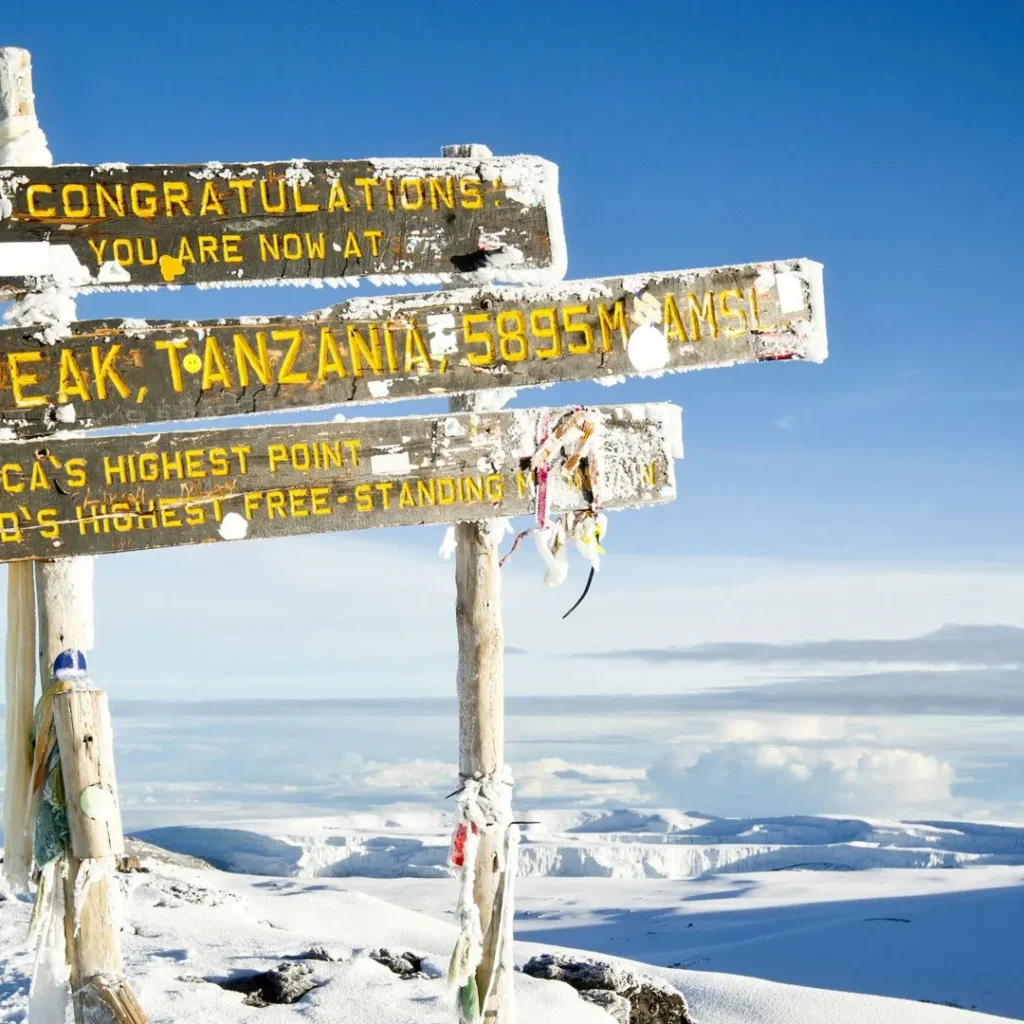
Rising proudly above the African plains, Uhuru Peak is the highest point in Africa and one of the world’s most iconic trekking destinations. Located on Mount Kilimanjaro in Tanzania, Uhuru Peak stands at 5,895 meters (19,341 feet), attracting climbers, adventurers, and nature lovers seeking a once-in-a-lifetime experience. Known for its breathtaking glaciers, panoramic views, and emotional summit moments, climbing Uhuru Peak is a bucket-list achievement. Whether you’re planning a Kilimanjaro climb, searching for the best routes, or exploring Tanzania safari extensions, this ultimate guide covers everything—from costs and success rates to safety tips and best times to visit—ensuring a rewarding and unforgettable Kilimanjaro summit journey. What is Uhuru Peak? Uhuru Peak is the highest summit of Mount Kilimanjaro and the tallest free-standing mountain peak in the world. The name “Uhuru” means “freedom” in Swahili, symbolizing Tanzania’s independence and the triumph of reaching Africa’s rooftop. As the ultimate destination for Kilimanjaro climbers, Uhuru Peak offers unmatched scenic beauty, including ice fields, volcanic landscapes, and stunning sunrise views. Travelers often search for “Kilimanjaro summit facts,” “Africa’s highest peak,” and “Uhuru Peak altitude,” making it a highly ranked travel keyword. Whether you are a beginner trekker or an experienced mountaineer, the summit is achievable with proper preparation. This iconic destination is part of Kilimanjaro National Park, a UNESCO World Heritage Site, and remains one of the most sought-after adventure travel experiences in Africa. Uhuru Peak Altitude and Geography Standing at 5,895 meters above sea level, Uhuru Peak dominates the Kibo crater, the highest of Kilimanjaro’s three volcanic cones. Its extreme altitude makes it a top search topic for “high-altitude trekking,” “Kilimanjaro elevation,” and “mountain climbing in Africa.” The terrain includes alpine desert, arctic summit zones, and glacial remnants, offering a diverse ecological journey. Climbers pass through multiple climate zones—from rainforest to snow-capped summit—within days. The geography of Uhuru Peak is both challenging and rewarding, with steep inclines and thin air requiring acclimatization. Understanding the mountain’s structure helps trekkers plan better routes and increase summit success rates. This unique geographical formation is a major reason why Kilimanjaro climbing tours are among the most popular adventure holidays globally. Best Time to Climb Uhuru Peak Choosing the best time to climb Uhuru Peak is essential for a successful Kilimanjaro expedition. The most popular months are January to March and June to October, offering clear skies, moderate temperatures, and higher summit success rates. These periods align with peak search queries like “best time to climb Kilimanjaro” and “Kilimanjaro weather guide.” During the dry seasons, trails are safer, and visibility is excellent, enhancing the overall trekking experience. However, climbers seeking fewer crowds may prefer the shoulder seasons. Avoid the long rainy season from March to May for safer climbs. Understanding seasonal patterns ensures better preparation, improved safety, and a more enjoyable journey to Africa’s highest peak. Popular Routes to Uhuru Peak Several routes lead to Uhuru Peak, each offering unique scenery, difficulty levels, and success rates. Popular routes include Machame, Marangu, Lemosho, Rongai, and Umbwe—frequently searched as “best Kilimanjaro routes.” The Machame Route is known for scenic beauty, while the Marangu Route offers hut accommodations. Lemosho is favored for high success rates and gradual acclimatization. Choosing the right route depends on budget, fitness level, and travel goals. Longer routes increase summit success by allowing better altitude adjustment. Professional tour operators often recommend routes that balance comfort, safety, and experience. Selecting the ideal route is crucial for maximizing your chances of reaching Uhuru Peak successfully. Kilimanjaro Climbing Costs Climbing Uhuru Peak involves various costs, making “Kilimanjaro climb cost” a highly searched keyword. Prices range from budget packages to luxury expeditions, typically between $1,950 and $6,000+. Costs include park fees, guides, porters, meals, and accommodation. Premium tours offer enhanced comfort, better equipment, and higher success rates. Budget climbs may be cheaper, but you can compromise on services. Transparent pricing and ethical treatment of porters are essential when choosing a tour operator. Understanding costs helps travelers plan effectively and avoid hidden fees. Investing in a reputable company ensures safety, quality service, and a memorable summit experience. Physical Fitness and Preparation Reaching Uhuru Peak requires good physical fitness and mental determination. Training for Kilimanjaro includes cardio workouts, strength training, and hiking practice. Keywords like “Kilimanjaro training plan” and “how to prepare for Kilimanjaro” dominate search trends. Trekkers should focus on endurance, stamina, and altitude readiness. Regular hikes, stair climbing, and aerobic exercises improve performance. Mental preparation is equally important, as summit night can be challenging. Preparing in advance significantly increases your chances of success and ensures a safer, more enjoyable climb to Uhuru Peak. Altitude Sickness and Safety Climbing to Uhuru Peak on Mount Kilimanjaro exposes trekkers to high-altitude conditions, making altitude sickness a serious consideration for any Tanzania safari and Kilimanjaro climbing itinerary. At 5,895 meters, symptoms like headaches, nausea, and fatigue can occur, so proper acclimatization is essential. Top-ranking Kilimanjaro safety tips include choosing longer routes, staying hydrated, and following the “pole pole” (slowly, slowly) approach. Reputable Kilimanjaro tour operators provide trained guides, oxygen tanks, and daily health checks to ensure climber safety. Travel insurance covering high-altitude trekking is highly recommended. Understanding AMS, HAPE, and HACE risks is vital for a safe summit attempt. With expert guidance and preparation, most climbers safely reach Uhuru Peak and enjoy a life-changing African adventure travel experience. Packing List for Uhuru Peak A well-prepared Kilimanjaro packing list is key to reaching Uhuru Peak successfully. Essential gear for Mount Kilimanjaro climbing includes thermal base layers, waterproof jackets, insulated gloves, and high-quality hiking boots. Temperatures at the summit can drop below -20°C, so proper layering is critical for extreme cold weather conditions. Popular “Kilimanjaro gear list,” “high-altitude trekking equipment,” and “best hiking gear for Africa” highlight the importance of preparation. Don’t forget a headlamp for summit night, trekking poles for stability, and a sleeping bag rated for sub-zero temperatures. Hydration packs, sunscreen, and energy snacks are also must-haves. Many Kilimanjaro tour companies offer equipment rental options. Packing smart ensures comfort, safety, and a higher summit
Best Time To Visit Lake Manyara
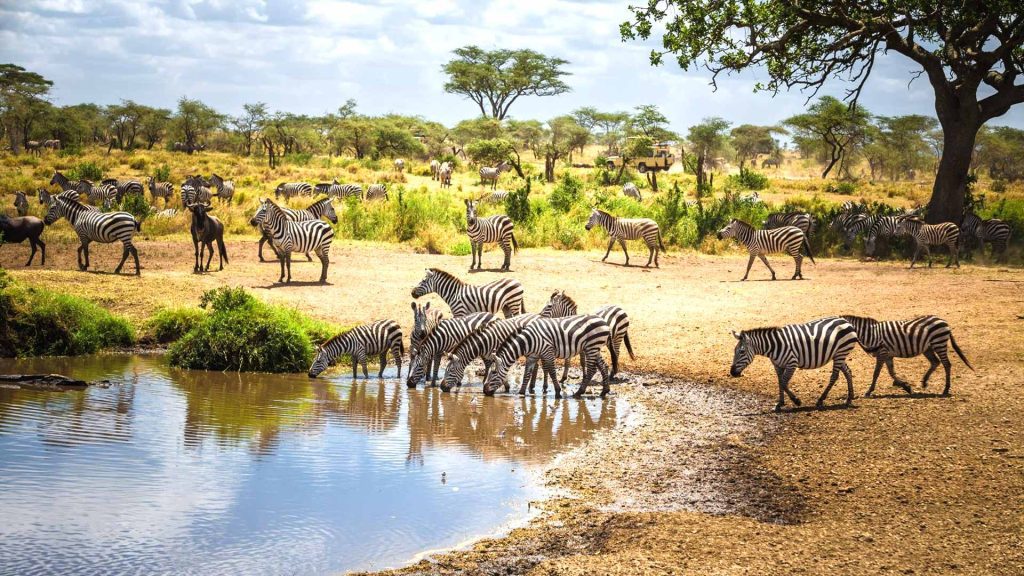
Best Time to Visit Lake Manyara National Park (Month by Month Guide) is essential for planning a Tanzania safari. January offers green scenery and birdwatching, while February is ideal for flamingos. March to May is the rainy season with lush landscapes and fewer crowds. June marks the start of the dry season, an excellent time for wildlife viewing. July and August are peak safari months with animals gathering near water. September continues prime game viewing with clear skies. October remains dry with strong wildlife sightings. November brings short rains and migratory birds. December is festive, green, and scenic for photography. Overall, the best time to visit Lake Manyara National Park is June to October for classic Tanzania safari experiences and abundant wildlife, a perfect safari destination year-round for travelers seeking wildlife and nature experiences. 🌍 Best Time to Visit Lake Manyara National Park (Month by Month) Month / Period Weather Condition Safari Experience Wildlife & Highlights January Warm, slightly wet Excellent Elephants, lions, flamingos, lush scenery February Warm, green Excellent Birdlife peak, predators active March Rain begins Good–Moderate Fewer tourists, green landscapes April Heavy rains Low Difficult roads, best birding May Heavy rains Low Lush vegetation, fewer animals visible June Dry, cool Excellent Clear views, animals near water July Dry, sunny Excellent Peak game viewing season August Dry, peak season Excellent Best wildlife concentration September Dry, hot Excellent Lions, elephants easily spotted October Very dry Excellent Wildlife gathers at water sources November Short rains start Good Green scenery, migratory birds December Warm, rainy mix Very Good Festive safari season, active wildlife January and February January and February are among the best times to visit Lake Manyara National Park in Tanzania, offering excellent wildlife viewing, green scenery, and warm weather. This period follows the short rains, making the park vibrant and full of life. It is one of the best safari seasons for spotting elephants, tree climbing lions, flamingos, giraffes, and hippos around the alkaline lake. Birdwatching is also at its peak due to migratory species arriving. The roads are accessible, and game drives are rewarding with visibility. Visitors enjoy fewer crowds compared to peak dry season safaris in northern Tanzania. Accommodation prices remain moderate, making ideal for budget and luxury travelers seeking a balanced safari experience. Overall, January and February deliver rich biodiversity, scenic landscapes, and unforgettable wildlife encounters for safari lovers exploring Tanzania’s northern circuit destinations. March to May March to May is the long rainy season at Lake Manyara National Park, bringing heavy rainfall, vegetation, and dramatic landscapes ideal for photography and birdwatching. Wildlife viewing becomes more challenging due to dense grass and muddy roads, but elephants, hippos, and birds remain visible around water sources. This period is considered low season, meaning fewer tourists, lower safari prices, and peaceful game drive experiences. However, some lodges may have limited access, and certain park areas can become difficult to reach after heavy rains. Despite the weather, this season offers excellent birding opportunities, with migratory species and breeding activity at its peak. Travelers seeking budget safaris in Tanzania often prefer this time due to discounted accommodation and fewer crowds. Overall, green scenery defines the park during rainy months in Tanzania. November and December November and December mark the short rains season at Lake Manyara National Park, offering a refreshing green landscape and excellent safari conditions. Wildlife is highly active during this time, with elephants, giraffes, zebras, and tree climbing lions frequently spotted across the park. This period is a shoulder season, meaning fewer crowds and more affordable Tanzania safari packages for travelers. Birdwatching remains excellent as migratory birds return and water levels attract diverse species around the lake. Road conditions are good, and game drives provide rewarding sightings of wildlife near forest and grassland areas. Accommodation availability is good, with many lodges offering seasonal discounts during this transitional safari period. Overall, November and December provide a perfect balance of green scenery, wildlife activity, and affordable safari experiences in Tanzania’s national parks today. June to October June to October is the peak dry season at Lake Manyara National Park, widely regarded as the best time for wildlife viewing in Tanzania. During this period, animals gather around permanent water sources, making it easier to spot elephants, lions, giraffes, and buffalo. The weather is dry and sunny, with minimal rainfall, clear skies, and excellent road conditions for game drives. This is also the time for the Great Migration viewing in nearby Serengeti regions, attracting many safari travelers. Accommodation prices are higher during this peak safari season, and early booking is highly recommended for visitors. Despite higher costs, this season guarantees the best wildlife encounters and iconic Tanzania safari experiences. Overall, June to October remains the most popular safari period for unforgettable game drives and wildlife photography in Tanzania. Worst Weather Lake Manyara National Park experiences its worst weather conditions during the peak rainy months, especially March to May, when heavy downpours, humidity, and muddy terrain dominate the landscape. Flooded roads can make game drives difficult, and some areas may become temporarily inaccessible. Visibility for wildlife viewing is often reduced due to thick vegetation growth and continuous rainfall. However, this season also transforms the park into a lush green paradise, attracting migratory birds and creating stunning photographic opportunities. Despite the challenges, wildlife remains present, particularly around water sources and forested zones. Travelers should prepare for unpredictable weather, slippery roads, and occasional safari delays. Waterproof gear and flexible itineraries are essential. Although not ideal for traditional safaris, the worst weather period still offers unique natural beauty and fewer tourist crowds in Tanzania safari destination parks. Low Season Low season at Lake Manyara National Park typically occurs during the long rainy months from March to May, offering budget-friendly safari experiences and fewer tourists. During this period, many lodges and camps offer discounted rates, making it ideal for travelers seeking affordable Tanzania safari packages. Although rainfall is frequent, the park becomes incredibly green and scenic, with excellent opportunities for birdwatching and photography. Wildlife is still visible, especially
Machame or Marangu
Climbing Mount Kilimanjaro is a dream adventure for trekkers worldwide. When planning your ascent, choosing the right route is crucial to maximizing your success and enjoyment. Two of the most popular options are the Machame Route and the Marangu Route, each offering unique experiences, scenery, and challenges. The Machame Route is renowned for its scenic variety and higher acclimatization potential, while the Marangu Route is often considered the “Coca-Cola” route, known for its gentler slopes and hut accommodations. Understanding the differences, including trek duration, altitude gain, difficulty, and scenery, helps climbers select the route that aligns with their fitness, time, and adventure preferences. Both routes ultimately lead to the Kilimanjaro summit, Uhuru Peak, offering unforgettable vistas of Africa’s tallest mountain. Overview of Machame Route The Machame Route is often called the “Whiskey Route” because of its challenging terrain and adventure-filled journey. Starting from the lush rainforest zone, trekkers experience diverse ecosystems including moorlands, alpine deserts, and the dramatic Shira Plateau. The route spans 6–7 days, offering optimal acclimatization that increases summit success rates. Daily hikes are longer than Marangu, but the scenery is breathtaking with expansive valleys, lava towers, and panoramic views. Camping along the Machame Route immerses climbers in the wild beauty of Kilimanjaro, giving a more intimate mountain experience. With professional guides and porters, Machame provides a rewarding combination of adventure, physical challenge, and immersive nature. It’s ideal for those seeking a scenic, challenging, and high-success Kilimanjaro climb. Overview of Marangu Route The Marangu Route, often dubbed the “Coca-Cola Route,” is Kilimanjaro’s oldest and most popular path. It offers a gentler climb with moderate daily hiking distances and well-established huts, eliminating the need for camping. Typically completed in 5–6 days, Marangu is suited for climbers seeking comfort and a structured itinerary. The route ascends through lush rainforest, moorlands, and alpine zones, culminating at the iconic Uhuru Peak. While less scenic than Machame, Marangu’s steady trail improves safety and offers a higher comfort level. However, shorter itineraries reduce acclimatization, slightly lowering summit success rates. Ideal for beginner climbers or those preferring hut accommodations, Marangu is a manageable and organized Kilimanjaro trekking experience without sacrificing the thrill of standing atop Africa’s highest peak. Duration and Difficulty Comparison When choosing between Machame and Marangu, duration and difficulty are key considerations. Machame spans 6–7 days, providing more gradual altitude gain, which enhances acclimatization and increases summit success rates. Daily hikes are challenging but offer rewarding vistas. Marangu is shorter, 5–6 days, with gentler slopes and more predictable terrain. The huts reduce camping challenges but provide less flexibility for acclimatization. For physically fit climbers seeking adventure and high success potential, Machame’s longer, strenuous route is ideal. Those preferring comfort, structured huts, and easier trails may opt for Marangu. Understanding your fitness, trekking experience, and summit goals is essential in determining which route suits your Kilimanjaro climbing style and maximizes your chances of a safe and memorable ascent. Scenic Beauty and Views One of Machame Route’s standout features is its diverse scenery. Hikers traverse the dense rainforest, cross the Shira Plateau’s volcanic landscapes, navigate the lava towers, and hike alpine deserts before reaching the summit. Marangu, in contrast, is more linear, with rainforest and moorlands dominating the early stages, offering fewer panoramic views. Machame’s multiple viewpoints provide dramatic photo opportunities and a sense of adventure at every turn. Climbers often rate Machame higher for photography, nature immersion, and breathtaking vistas, while Marangu is ideal for those who prioritize comfort over landscape diversity. For trekkers chasing the ultimate visual experience, Machame is the route of choice, capturing the varied ecosystems and natural grandeur of Kilimanjaro from base to summit. Accommodation and Camping Experience Accommodation options differ significantly. Machame relies primarily on camping, which offers immersive mountain experiences under starry African skies. Porters handle tents, meals, and gear, allowing climbers to focus on trekking. Marangu provides hut accommodations, featuring dorm-style rooms, beds, and communal dining, eliminating the need for camping gear. Camping enhances flexibility and adventure but requires adapting to outdoor conditions. Huts provide comfort and warmth but can be crowded and less intimate. Choosing between Machame and Marangu depends on your preference for authentic mountain experiences versus convenience and comfort. For adventurers, camping along Machame is a highlight, while those seeking structured, stress-free accommodations may prefer Marangu. Summit Success Rates Summit success is closely linked to route choice and acclimatization time. Machame’s longer itinerary and gradual ascent contribute to higher success rates, often exceeding 80–85% for climbers completing 6–7 days. Marangu’s shorter climbs offer less acclimatization, resulting in slightly lower success rates, averaging around 60–70%. Proper hydration, rest, and pacing are essential on both routes. Experienced guides help monitor altitude sickness and adjust schedules accordingly. For climbers prioritizing reaching Uhuru Peak, Machame provides a statistically better chance, while Marangu suits those balancing comfort and moderate difficulty. Choosing a route that aligns with your health, fitness, and summit goals is crucial for a safe and successful Kilimanjaro climb. Kilimanjaro Acclimatization Tips Acclimatization is vital to prevent altitude sickness. Machame’s longer days and higher altitude gains allow climbers to adapt gradually, increasing summit success. “Climb high, sleep low” strategies are easier to implement. Marangu offers less flexibility, so climbers may experience quicker fatigue. Hydration, balanced meals, slow pacing, and regular rest breaks are essential. Professional guides monitor symptoms and adjust itineraries for safety. Supplementing acclimatization with short treks or extra nights at mid-altitude camps can improve outcomes. Climbers should listen to their bodies, avoid rushing, and carry basic altitude sickness medication. Proper acclimatization ensures a safer ascent and enhances the overall Kilimanjaro trekking experience. Fitness Requirements Machame is physically demanding, requiring strong endurance, cardiovascular fitness, and mental stamina for long days and rugged terrain. Climbers should prepare with hikes, stair climbing, and aerobic exercises before departure. Marangu is moderate, suitable for beginners or those preferring steady-paced trekking with shorter daily distances. Fitness preparation improves energy, reduces fatigue, and supports acclimatization. Regardless of route, proper gear, layered clothing, and trekking poles are recommended. Pre-climb training ensures a
Things You Must Do To Make It Up Kilimanjaro
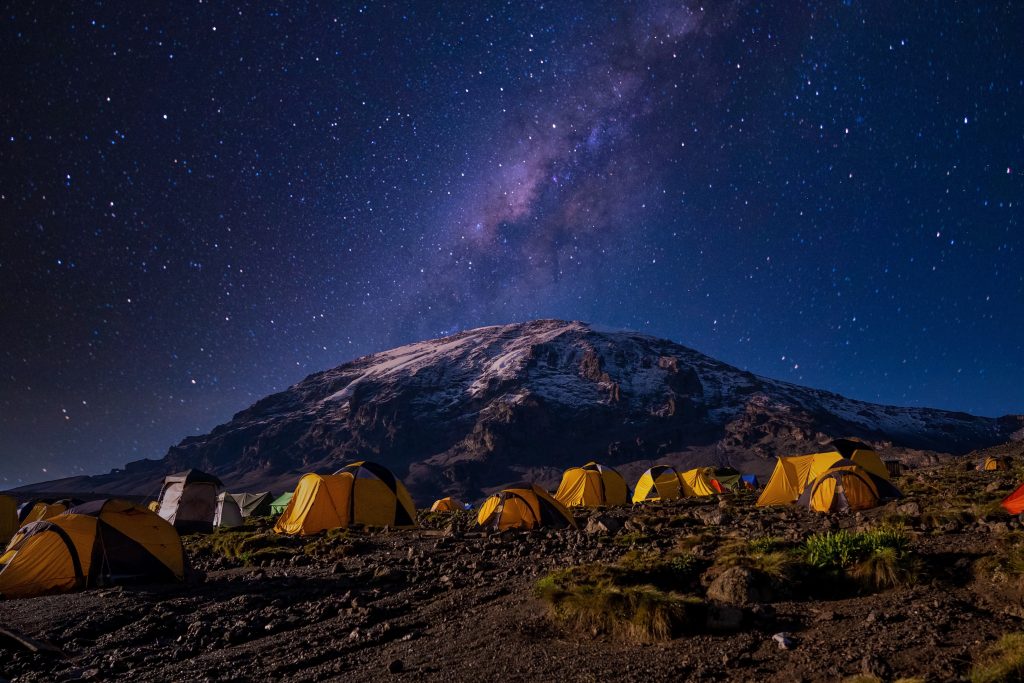
Discover the ultimate climbing Mount Kilimanjaro is one of the most rewarding trekking adventures in Africa and a bucket-list experience for hikers worldwide. Standing as Africa’s highest peak, Kilimanjaro offers breathtaking scenery, diverse ecological zones, and the ultimate challenge of reaching Uhuru Peak. To successfully make it up Kilimanjaro, climbers must prepare physically, mentally, and logistically. From choosing the right Kilimanjaro trekking routes such as Machame, Lemosho, Marangu, Rongai, or Umbwe, to understanding altitude sickness prevention and proper acclimatization, every detail matters. With the right Kilimanjaro climbing guide, equipment, and preparation strategy, your summit success rate increases significantly. This article explores essential things you must do to make it up Kilimanjaro safely, successfully, and enjoyably while maximizing your chances of reaching the roof of Africa with expert planning and thorough preparation strategies today. 1. Physical Training and Fitness Prep Before attempting to climb Mount Kilimanjaro, building strong physical fitness is essential for a successful summit. Trekking at high altitude requires endurance, stamina, and cardiovascular strength. Focus on aerobic exercises such as running, cycling, hiking, and stair climbing to prepare your body for long trekking days. Strength training for legs, core, and back also improves stability on steep and rocky terrain. Many things you must do to make it up Kilimanjaro climbers underestimate the importance of preparation, yet fitness significantly increases your chances of reaching Uhuru Peak. Train at least 8 to 12 weeks before your Kilimanjaro trekking adventure, gradually increasing intensity and hiking with a weighted backpack. Proper conditioning also helps reduce fatigue and altitude stress. Good fitness is one of the most important things you must do to make it up Kilimanjaro safely and confidently every time. 2. Choose the Right Kilimanjaro Route Choosing the right Kilimanjaro trekking route is one of the most important decisions for summit success. Popular routes such as Machame, Lemosho, Marangu, Rongai, and Umbwe offer different difficulty levels, scenery, and acclimatization opportunities. Lemosho and Machame are highly recommended for higher success rates due to better altitude adjustment profiles. Marangu is considered easier but has lower summit success because of rapid ascent. Longer routes allow better acclimatization, reducing the risk of altitude sickness. Selecting the right route should depend on your fitness level, experience, budget, and available days for trekking. Most successful climbers prefer longer itineraries of 7 to 9 days for better adaptation. Understanding route differences is one of the key things you must do to make it up Kilimanjaro successfully for safer and stronger summit success rate. 3. Altitude Sickness Prevention Altitude sickness prevention is critical when climbing Mount Kilimanjaro because the summit reaches extreme elevation. Symptoms such as headache, nausea, dizziness, and fatigue can affect climbers who ascend too quickly. To reduce risk, follow the climb high, sleep low principle and choose longer trekking routes for gradual acclimatization. Hydration is essential, so drink plenty of water daily and avoid alcohol or smoking during the climb. Some climbers use altitude medication like acetazolamide under medical advice. Listening to your body and ascending slowly significantly improves your chances of reaching Uhuru Peak safely. Proper acclimatization is one of the most important things you must do to make it up Kilimanjaro successfully and enjoy the trekking experience without severe altitude-related complications with patience, preparation, hydration, and gradual ascent every single day focus. 4. Best Time to Climb Kilimanjaro The best time to climb Mount Kilimanjaro is during the dry seasons when weather conditions are stable and trekking trails are less slippery. The most recommended months are January to March and June to October, offering clear skies and higher summit success rates. During these periods, visibility is excellent, making the Kilimanjaro trekking experience more enjoyable and scenic. The rainy seasons, especially April, May, and November, bring heavy rainfall, muddy paths, and reduced visibility, which can make climbing more challenging. Choosing the right season improves safety, comfort, and overall success on your journey to Uhuru Peak. Proper timing is one of the key things you must do to make it up Kilimanjaro safely and increase your chances of a successful summit for optimal safety, visibility, and trekking performance success rates. 5. Kilimanjaro Packing List Essentials Packing the right gear for Mount Kilimanjaro is essential for comfort, safety, and summit success. A proper Kilimanjaro packing list includes layered clothing for changing weather, thermal jackets, waterproof outer shells, hiking boots, gloves, hats, and trekking poles. Climbers should also carry a quality sleeping bag rated for cold temperatures and a durable backpack for daily essentials. Other important items include sunscreen, sunglasses, headlamps, hydration systems, and energy snacks for long trekking days. Proper gear helps protect against cold temperatures, rain, and altitude conditions experienced on the mountain. Preparing well with the right equipment is one of the most important things you must do to make it up Kilimanjaro safely and comfortably while increasing your chances of reaching Uhuru Peak ensuring better acclimatization, warmth, and climbing efficiency on route success. 6. Hire a Professional Mount Kilimanjaro Guide Hiring a professional Kilimanjaro guide is mandatory and significantly increases your chances of reaching the summit safely. Experienced guides understand mountain conditions, altitude sickness symptoms, emergency procedures, and the best pacing strategies for successful acclimatization. They also provide motivation, navigation, and daily trekking instructions throughout the climb. Choosing a reputable Kilimanjaro tour operator ensures you receive well-trained guides, porters, and support staff who follow safety standards and ethical trekking practices. Guides play a crucial role in monitoring your health and adjusting the climbing pace when necessary. This professional support system is one of the most important things you must do to make it up Kilimanjaro successfully and safely while improving your overall trekking experience with expert leadership, safety monitoring, and continuous support throughout the entire climb journey success rate. 7. Mount Kilimanjaro Acclimatization Strategy Proper acclimatization strategy is vital for a successful Kilimanjaro climb, as it allows your body to adapt gradually to decreasing oxygen levels. Climbers should follow slow ascent schedules, rest adequately, and avoid rushing the journey to Uhuru Peak. Taking acclimatization
Tarangire National Park
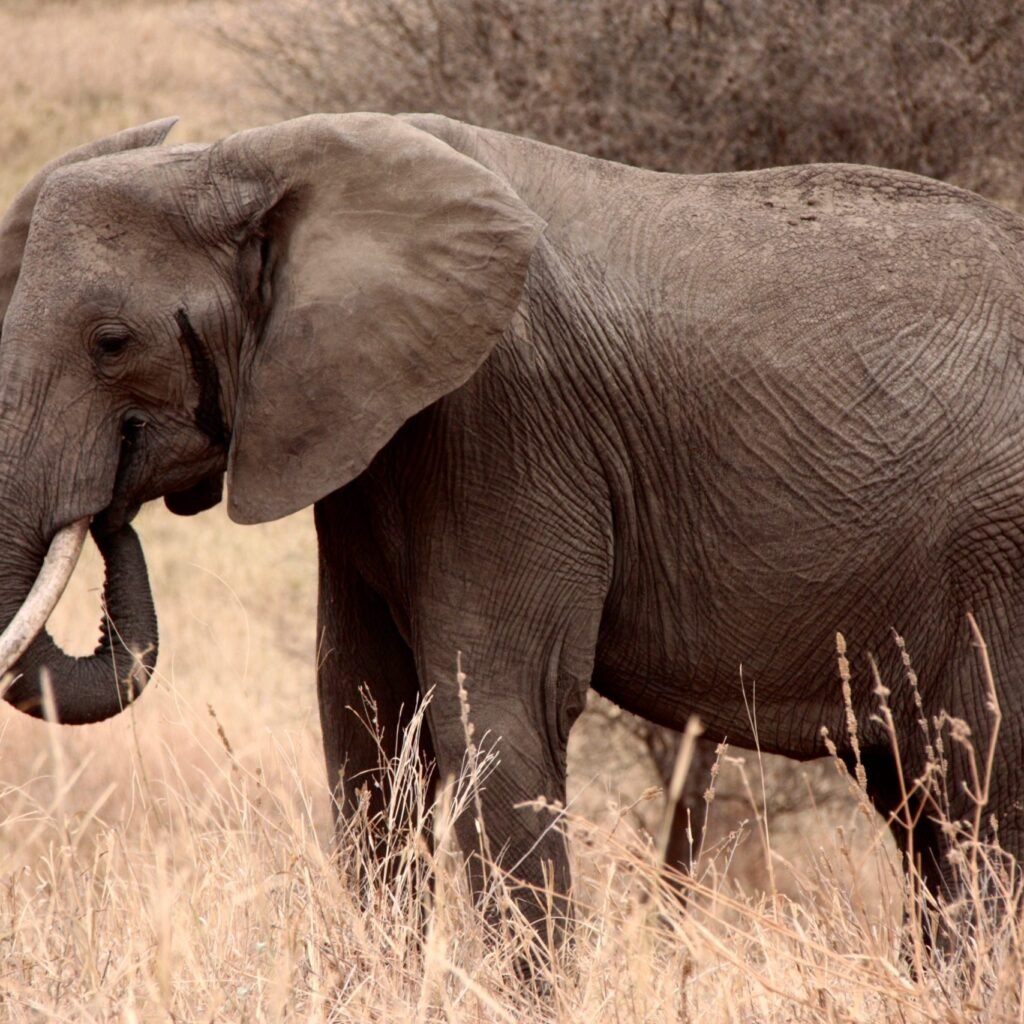
Experience the ultimate Tarangire National Park, one of Tanzania’s most iconic safari destinations, located in the heart of the Northern Safari Circuit. Famous for its vast elephant herds, ancient baobab trees, and seasonal swamps, the park offers one of the most authentic African safari experiences. Covering over 2,850 square kilometers, Tarangire is a hidden gem often overshadowed by Serengeti and Ngorongoro, yet it delivers equally breathtaking wildlife encounters. Visitors come here for classic Tanzania safari game drives, birdwatching, and photography safaris. The Tarangire River acts as a lifeline during the dry season, attracting thousands of animals, including lions, leopards, zebras, giraffes, and wildebeest. With its rich biodiversity and fewer crowds, Tarangire National Park is ideal for luxury safaris, family safaris, honeymoon trips, and budget camping adventures in Tanzania. Location and Accessibility of Tarangire National Park Tarangire National Park is located in northern Tanzania, approximately 120 km southwest of Arusha, making it a key highlight of the Tanzania Northern Circuit safari. The park is easily accessible by road, taking about 2–3 hours from Arusha, or via domestic flights to nearby airstrips. Many travelers combine Tarangire with Serengeti National Park and Ngorongoro Crater for a complete Tanzania safari itinerary. The journey itself is scenic, passing through Maasai villages, rolling savannahs, and local farmlands. This accessibility makes Tarangire ideal for short safaris, weekend wildlife tours, and extended luxury safari packages. Tour operators often include Tarangire in 3-day, 5-day, or 7-day safari packages. Its proximity to Arusha also makes it a perfect first stop for travelers arriving at Kilimanjaro International Airport seeking an authentic African wildlife adventure. History and Background of Tarangire National Park Tarangire National Park was officially established in 1970, although its wildlife protection history dates back earlier, when it was part of a larger game reserve. The park was named after the Tarangire River, which is the main water source for wildlife during dry seasons. Historically, the area has been inhabited by the Maasai people, who coexisted with wildlife for centuries. Today, Tarangire is a protected conservation area managed by the Tanzania National Parks Authority (TANAPA). Its development has focused on eco-tourism, sustainable wildlife conservation, and habitat protection. The park plays a vital role in preserving Tanzania’s biodiversity, especially migratory animals that move across the northern ecosystem. Over the years, Tarangire has grown into a top destination for safari tourism in Africa, attracting photographers, researchers, and wildlife enthusiasts from around the world. Tarangire National Park Landscape and Scenic Beauty Tarangire National Park is famous for its unique and diverse landscapes, which set it apart from other Tanzania safari destinations. The park features vast savannah plains, rolling hills, seasonal swamps, and iconic baobab-dotted landscapes. These ancient baobab trees, often called the “Tree of Life,” dominate the scenery and create dramatic safari photography opportunities. During the dry season, the landscape becomes golden and dusty, enhancing wildlife visibility. In the wet season, the park transforms into a lush green paradise filled with blooming vegetation and migratory birds. The Tarangire River winds through the park, creating a natural focal point for animal gatherings. This scenic diversity makes Tarangire one of the most visually stunning parks in East Africa and a must-visit destination for nature lovers and safari photographers. Wildlife & Animals in Tarangire National Park Tarangire National Park is world-famous for its large elephant population, often seen in herds of hundreds during the dry season. It is also home to the Big Five safari animals, including lions, leopards, elephants, buffalo, and occasionally rhinos (rare sightings). Other wildlife includes giraffes, zebras, wildebeests, warthogs, antelopes, and baboons. Predators such as cheetahs and hyenas are also frequently spotted during game drives. One of Tarangire’s unique features is its seasonal wildlife migration, where animals move into the park seeking water from the Tarangire River. This creates spectacular game viewing opportunities. The park is also a paradise for bird lovers, with over 500 bird species recorded, making it one of the best birdwatching destinations in Africa. Wildlife diversity makes Tarangire a key highlight of any Tanzania safari itinerary. Elephant Migration and Herds One of the most spectacular attractions of Tarangire National Park is its massive elephant migration. During the dry season, thousands of elephants from surrounding ecosystems converge in the park, creating one of the largest elephant concentrations in Africa. These herds can often be seen near the Tarangire River, digging for water or bathing in muddy pools. This natural phenomenon is a major highlight for wildlife photographers and safari travelers seeking unforgettable African safari experiences. The elephants in Tarangire are known for their close family structures and intelligent behavior. Watching calves play under the protection of adults is a heartwarming sight. Conservation efforts in the park have helped protect these elephants from poaching, making Tarangire a success story in Tanzania wildlife conservation and eco-tourism. The Famous Baobab Trees Tarangire National Park is often called the “Land of Baobabs” due to its abundance of ancient baobab trees. These massive trees can live for over 1,000 years and store thousands of liters of water in their trunks, helping them survive harsh dry seasons. The baobabs create a dramatic and iconic African safari landscape that is unique to Tarangire. They also provide shelter and food for animals such as elephants, baboons, and birds. Many safari photographers consider these trees a highlight of Tanzania safari tours because of their striking silhouettes against sunsets and golden savannahs. Cultural legends from local communities also surround baobabs, often describing them as sacred trees. Their presence adds both ecological and cultural richness to the Tarangire safari experience. Birds & Birding in Tarangire National Park Tarangire National Park is one of the best birdwatching destinations in Africa, with over 500 recorded bird species. The park attracts both resident and migratory birds, making it a year-round birding hotspot. Common species include hornbills, kingfishers, bee-eaters, starlings, and ostriches. During the wet season, birdlife becomes even more vibrant as migratory species arrive. The wetlands, riverbanks, and woodlands provide perfect habitats for diverse bird species. Birdwatching safaris in Tarangire are popular
Top things to do in Zanzibar
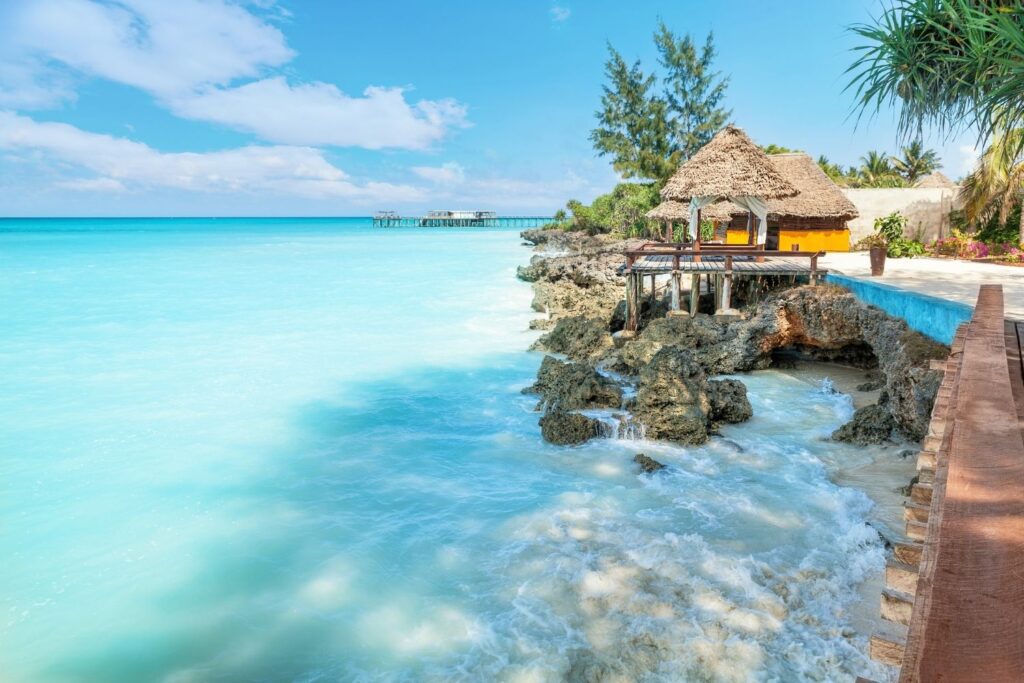
Discover an incredible Zanzibar is one of Africa’s most breathtaking tropical destinations, famous for white-sand beaches, turquoise Indian Ocean waters, historic Stone Town, spice farms, and unforgettable cultural experiences. This world-class island paradise offers the perfect mix of luxury beach holidays, adventure travel, romantic honeymoons, family vacations, snorkeling, diving, and Swahili heritage. Visitors can relax on palm-fringed beaches, explore coral reefs, swim with dolphins, discover ancient architecture, and taste authentic Zanzibari cuisine. Whether you are planning a Tanzania safari and Zanzibar beach holiday or searching for the best African island vacation, Zanzibar delivers unforgettable memories year-round. From luxury resorts in Nungwi to cultural tours in Stone Town, every corner of the island offers beauty, relaxation, and adventure. Zanzibar remains one of the best travel destinations in East Africa for beach lovers and explorers alike. 1. Explore Stone Town Stone Town is the cultural heart of Zanzibar and one of the most fascinating historical destinations in East Africa. This UNESCO World Heritage Site features narrow winding streets, ancient Arab houses, carved wooden doors, vibrant bazaars, and historic landmarks reflecting Swahili, Arab, Persian, and European influences. Walking through Stone Town allows travelers to experience authentic Zanzibari culture while exploring museums, local markets, coffee shops, and seafood restaurants. Popular attractions include the House of Wonders, Old Fort, Anglican Cathedral, and Freddie Mercury House. Stone Town is also famous for sunset dhow cruises and lively night markets serving fresh seafood and local delicacies. For travelers seeking history, photography, shopping, and cultural tourism, Stone Town offers one of the best travel experiences in Tanzania and remains an essential stop during every Zanzibar holiday vacation. 2. Relax on Nungwi Beach Nungwi Beach is one of the best beaches in Zanzibar, attracting travelers searching for luxury beach holidays, romantic getaways, and tropical relaxation. Located on the northern coast, Nungwi Beach features crystal-clear turquoise waters, powdery white sand, palm trees, and spectacular Indian Ocean sunsets. Unlike many beaches affected by strong tides, Nungwi offers excellent swimming conditions throughout the day. Visitors can enjoy snorkeling, scuba diving, sunset dhow cruises, deep-sea fishing, kayaking, and vibrant beach nightlife. The area also features luxury resorts, beachfront lodges, seafood restaurants, and lively local communities. Travelers seeking unforgettable Zanzibar honeymoon packages or family beach vacations often choose Nungwi because of its beauty and relaxing atmosphere. Watching traditional dhow builders at work also provides a unique cultural experience that makes Nungwi Beach one of the top tourist attractions in Zanzibar. 3. Visit Kendwa Beach Kendwa Beach is a tropical paradise known for calm waters, stunning sunsets, and vibrant beach entertainment. This beautiful Zanzibar beach destination is perfect for swimming, sunbathing, snorkeling, beach volleyball, and relaxing under swaying coconut palms. Kendwa Beach is especially famous for its full-moon beach parties, attracting travelers from around the world seeking nightlife and unforgettable island experiences. Luxury resorts and beachfront hotels provide ideal accommodation for honeymooners, solo travelers, and families visiting Zanzibar. The warm Indian Ocean waters are perfect for water sports such as paddleboarding, jet skiing, and scuba diving. Kendwa also offers breathtaking sunset photography opportunities that make it one of the most Instagram-worthy locations in Tanzania. Travelers looking for peaceful beaches combined with exciting nightlife will find Kendwa Beach among the best places to visit during a Zanzibar beach holiday. 4. Take a Spice Farm Tour A spice farm tour is one of the most unique cultural activities in Zanzibar, often earning the island the nickname “Spice Island.” Visitors can explore lush plantations filled with cloves, cinnamon, nutmeg, vanilla, black pepper, turmeric, and tropical fruits while learning about Zanzibar’s rich spice trade history. Local guides demonstrate how spices are grown, harvested, and used in traditional Swahili cooking and natural medicine. Travelers can smell, taste, and touch fresh spices directly from the farms, creating an unforgettable sensory experience. Spice tours also offer opportunities to sample exotic tropical fruits such as jackfruit, mangoes, pineapples, and coconuts. Many visitors purchase organic spices and handmade products as souvenirs. For travelers interested in culture, agriculture, food tourism, and authentic local experiences, a Zanzibar spice tour remains one of the top things to do during a Tanzania beach vacation. 5. Discover Prison Island Prison Island is one of Zanzibar’s most popular day-trip destinations, offering history, wildlife, and stunning ocean scenery. Located a short boat ride from Stone Town, the island was originally intended as a prison but later became a quarantine station during colonial times. Today, Prison Island is famous for its giant Aldabra tortoises, some over a century old. Visitors can feed and photograph these gentle creatures while learning about their conservation history. The island also features crystal-clear waters ideal for snorkeling, swimming, and relaxing on peaceful beaches. Coral reefs surrounding the island provide excellent opportunities to see colorful tropical fish and marine life. Travelers seeking historical attractions combined with nature and beach relaxation often include Prison Island in their Zanzibar travel itinerary. Its scenic beauty and fascinating history make it one of the top excursions in Zanzibar tourism. 6. Go Snorkeling and Scuba Diving Zanzibar is one of Africa’s top snorkeling and scuba diving destinations, offering colorful coral reefs, warm Indian Ocean waters, and incredible marine biodiversity. Popular diving locations such as Mnemba Atoll, Leven Bank, and Tumbatu Island feature tropical fish, sea turtles, dolphins, reef sharks, and vibrant coral gardens. Both beginners and experienced divers can enjoy unforgettable underwater adventures through professional diving centers across the island. Snorkeling trips allow travelers to explore crystal-clear lagoons filled with exotic marine life, while scuba diving offers opportunities to discover deeper coral walls and underwater caves. Zanzibar’s tropical climate provides excellent diving conditions throughout most of the year. Travelers planning luxury beach vacations, honeymoon escapes, or adventure holidays often include snorkeling and scuba diving among their top Zanzibar activities. These marine experiences make Zanzibar one of the best island destinations in East Africa. 7. Swim with Dolphins at Kizimkazi Kizimkazi is famous for dolphin tours and unforgettable marine adventures along Zanzibar’s southern coast. Travelers visiting this peaceful fishing village can join early
Which is Harder Inca Trail or Kilimanjaro?
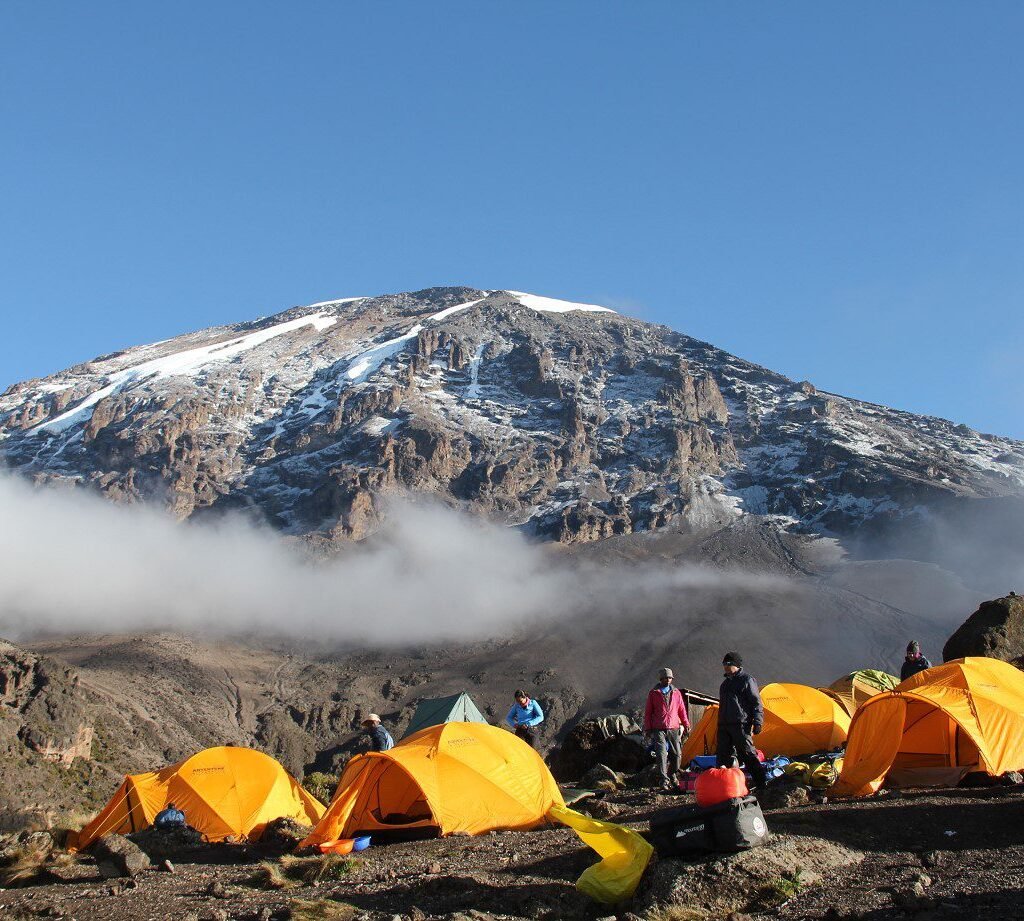
When travelers compare iconic trekking adventures, one of the most common questions in global adventure travel. Which is harder, the Inca Trail or Mount Kilimanjaro? Both are world-famous bucket-list experiences, attracting hikers seeking high-altitude challenges, cultural immersion, and breathtaking landscapes. The Inca Trail in Peru leads to the legendary UNESCO World Heritage site of Machu Picchu, while Mount Kilimanjaro in Tanzania is Africa’s highest peak at 5,895 meters. Although both treks are physically demanding, they differ significantly in altitude, terrain, duration, and acclimatization requirements. Understanding their difficulty levels helps travelers choose the right expedition based on fitness, experience, and adventure goals in global trekking tourism. Overview of the Inca Trail Difficulty The Inca Trail is a high-altitude trekking route in Peru known for its steep stone steps, narrow mountain paths, and rapidly changing weather conditions. This famous route typically takes 4 days to complete and reaches a maximum altitude of around 4,215 meters at Dead Woman’s Pass. While the distance is shorter than Kilimanjaro, the constant ascents and descents make it physically intense. Hikers often face fatigue due to oxygen reduction and uneven terrain. However, the trek is supported by professional guides and porters, making logistics easier. The biggest challenge is not extreme altitude but endurance, leg strength, and adapting to steep ancient Inca pathways carved through the Andes Mountains. Overview of Mount Kilimanjaro Difficulty Mount Kilimanjaro, located in Tanzania, is the tallest free-standing mountain in the world and one of the most searched trekking challenges globally. Climbing Mount Kilimanjaro typically takes 6 to 9 days depending on the route. The main difficulty is extreme altitude, with summit elevation reaching nearly 6,000 meters. Unlike the Inca Trail, Kilimanjaro does not require technical climbing skills, but altitude sickness is a major risk. The terrain ranges from rainforest to alpine desert and icy summit conditions. The long duration, cold temperatures, and thin air make the climb mentally and physically demanding, requiring strong endurance, proper acclimatization, and strategic pacing for summit success. Altitude Comparison – The Biggest Challenge Factor Altitude is the most critical factor when comparing difficulty between the Inca Trail and Kilimanjaro. The Inca Trail peaks at just over 4,000 meters, while Kilimanjaro’s summit reaches almost 5,895 meters. This significant difference means oxygen levels are much lower on Kilimanjaro, increasing the risk of altitude sickness. Many climbers experience headaches, nausea, and fatigue near the summit. On the Inca Trail, altitude effects are milder and more manageable due to lower elevation gain. Therefore, even though the Inca Trail feels physically tough, Kilimanjaro is considered more dangerous and demanding because of extreme altitude exposure and longer time spent in high-elevation zones. Physical Fitness Requirements Both treks require good physical fitness, but the type of fitness needed differs. The Inca Trail demands strong leg endurance due to constant climbing of stone steps and steep descents. Hikers need cardiovascular stamina and knee strength. Kilimanjaro, however, requires long-duration endurance since trekking days can last 6–12 hours in thin air. Slow, steady pacing is essential rather than speed. While the Inca Trail feels like a high-intensity hike, Kilimanjaro is more like a prolonged endurance expedition. Overall, Kilimanjaro requires higher overall stamina, while the Inca Trail requires more muscular endurance and agility on uneven ancient pathways. Terrain and Trail Conditions The terrain of the Inca Trail is rugged, featuring narrow Inca stone paths, jungle sections, and steep mountain passes. The weather can shift quickly from rain to fog, making surfaces slippery. Kilimanjaro offers more varied ecosystems, including rainforest, moorland, alpine desert, and arctic summit zones. Unlike the Inca Trail, Kilimanjaro paths are less technical but longer and more exposed. The biggest challenge is not navigation but endurance over vast elevation changes. In comparison, the Inca Trail feels more physically technical, while Kilimanjaro feels more like a long altitude journey through multiple climate zones. Weather and Climate Challenges Weather plays a major role in trekking difficulty. The Inca Trail experiences wet and humid conditions, especially during the rainy season, making the stone steps slippery and challenging. Kilimanjaro’s weather is more extreme due to altitude variation, ranging from tropical heat at the base to freezing temperatures at the summit. Climbers often face snow, strong winds, and sub-zero temperatures near Uhuru Peak. This makes Kilimanjaro more unpredictable and physically stressful. While both treks require preparation for changing conditions, Kilimanjaro’s extreme temperature shifts make it significantly harder in terms of environmental endurance. Acclimatization and Altitude Sickness Risk Acclimatization is crucial for both treks, but far more critical on Kilimanjaro. The Inca Trail allows gradual altitude gain over several days, reducing severe altitude sickness risks. Kilimanjaro, however, exposes trekkers to much higher elevations for longer periods, increasing the likelihood of acute mountain sickness. Proper acclimatization strategies such as slow ascent, hydration, and longer routes are essential. Many climbers choose longer Kilimanjaro routes like Lemosho or Machame to improve success rates. In comparison, the Inca Trail is shorter and naturally easier for the body to adapt, making Kilimanjaro the more demanding expedition in altitude adaptation. Duration and Trekking Intensity The Inca Trail typically takes 4 days, making it a short but intense trekking experience. Each day involves several hours of climbing and descending steep terrain. Kilimanjaro climbs take between 6 and 9 days, with summit day alone lasting up to 12–16 hours. This extended duration increases fatigue and mental pressure. While the Inca Trail feels more concentrated, Kilimanjaro demands sustained endurance over many days. The longer exposure to altitude and cold conditions makes Kilimanjaro significantly harder in terms of overall expedition intensity and psychological resilience. Technical Difficulty and Trekking Skills Neither trek requires technical climbing skills such as ropes or mountaineering equipment, which makes them popular among adventure travelers. However, the Inca Trail is more technical in walking difficulty due to uneven ancient stone steps and narrow paths. Kilimanjaro, on the other hand, is a non-technical climb but requires strong mental determination and endurance. Guides assist on both routes, but hikers must still manage their own physical performance. In terms of technical terrain,