
Can I Climb Kilimanjaro if I am Afraid of Heights?
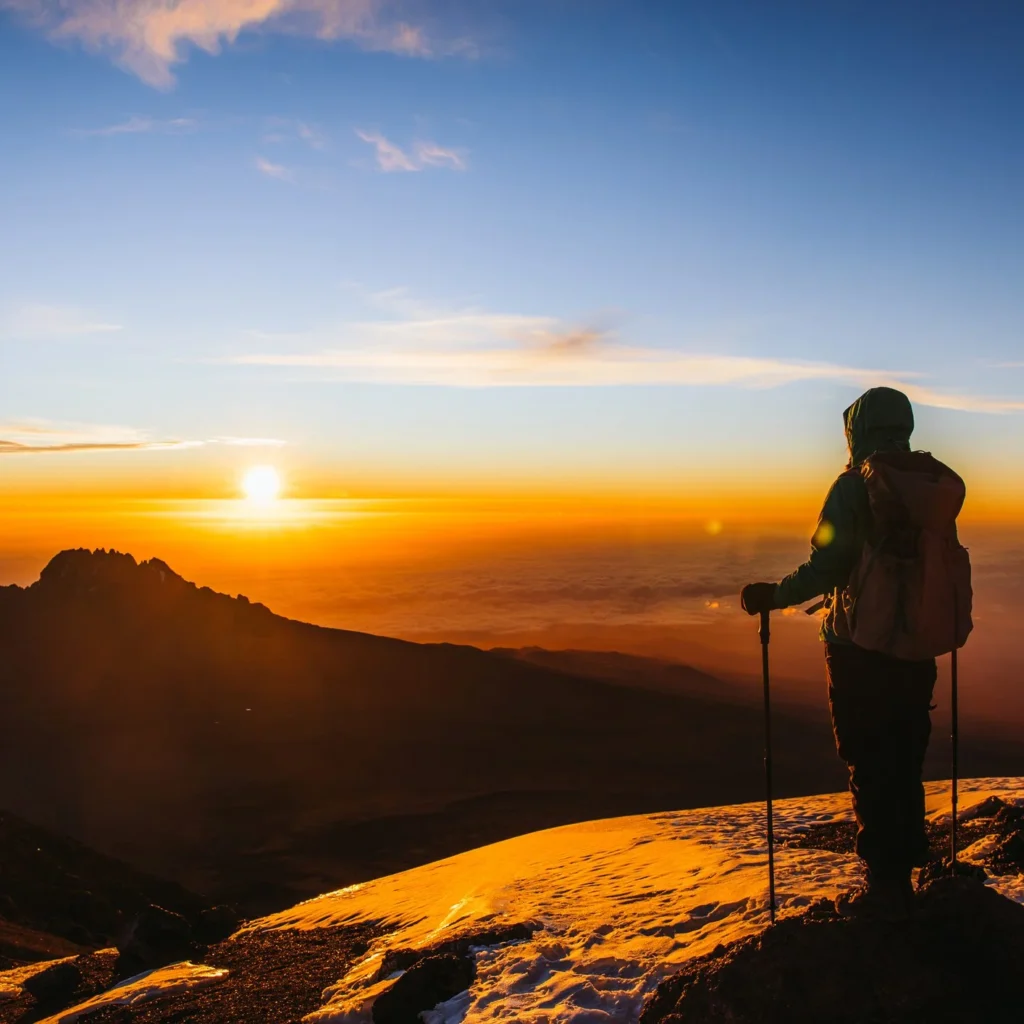
Climbing Mount Kilimanjaro in Tanzania is one of the most iconic trekking adventures in the world, attracting thousands of travelers seeking the ultimate African summit experience at Uhuru Peak within Mount Kilimanjaro. Many people searching for “Can I climb Kilimanjaro if I am afraid of heights?” are relieved to learn that this trek is not a technical climb requiring ropes or extreme exposure. Instead, it is a high-altitude hiking journey on well-defined trails through diverse ecosystems. Most climbers experience gentle slopes rather than sheer drops, making it suitable even for those with mild acrophobia. With professional guides, gradual ascent, and structured Kilimanjaro trekking tours, beginners can confidently attempt the climb while focusing more on endurance, altitude adaptation, and mental strength than height-related fear. 1. Understanding Fear of Heights on Kilimanjaro Fear of heights, or acrophobia, varies from person to person, but on Kilimanjaro climbing routes such as Machame, Marangu, and Lemosho, the exposure is generally low. Unlike alpine mountaineering, Mount Kilimanjaro does not involve vertical cliffs or dangerous ledges. Most paths are wide and safe, allowing hikers to focus on walking rather than looking down steep drops. Tanzania trekking experts emphasize that psychological fear is often greater than actual risk. Kilimanjaro National Park trails are designed for safe passage, making guided Mount Kilimanjaro climb Tanzania experiences accessible. With proper preparation and mental reassurance, even climbers with mild fear of heights can successfully enjoy this unforgettable African safari trekking adventure. 2. Kilimanjaro Is a Hiking Mountain, Not a Technical Climb One of the most important facts for nervous climbers is that Kilimanjaro is a trekking mountain, not a technical climbing peak. There is no need for ropes, harnesses, or climbing experience. The ascent to Uhuru Peak is achieved by walking on established paths managed by Mount Kilimanjaro authorities. This makes it one of the most accessible high-altitude trekking experiences in the world. Many travelers choose Kilimanjaro hiking tours specifically because it feels like a long mountain walk rather than a vertical climb. Even at higher elevations, the trails remain gradual, allowing climbers to focus on breathing, pacing, and acclimatization instead of exposure or dangerous heights. 3. Safe and Well-Marked Trekking Routes Kilimanjaro offers several well-established routes such as Machame, Lemosho, Rongai, and Marangu, each designed for safe and gradual ascent. These Kilimanjaro trekking routes are maintained to ensure climbers avoid risky terrain and exposed edges. Guided tours in Tanzania prioritize safety, with experienced porters and certified guides leading every group. The paths inside Mount Kilimanjaro are clearly marked, reducing confusion and anxiety for first-time climbers. Even sections that feel high are wide and stable, with no technical climbing required. This structured environment helps people with fear of heights feel more comfortable, as the focus remains on endurance and altitude adaptation rather than dangerous vertical drops. 4. The Role of Professional Guides and Support Teams One of the strongest advantages of climbing Kilimanjaro is the presence of professional mountain guides. These experts provide constant reassurance, pacing advice, and safety monitoring throughout the journey. In Tanzania Kilimanjaro tours, guides are trained to handle altitude sickness, fatigue, and emotional stress, including fear of heights. They walk with climbers step-by-step, ensuring confidence on every section of the trail within Mount Kilimanjaro. Porters also carry equipment, reducing physical strain and allowing climbers to focus on walking. This strong support system is one of the key reasons why Kilimanjaro summit success rates are high, even for beginners and those with anxiety about elevation. 5. Psychological vs Physical Challenges On Kilimanjaro, the biggest challenge is not height exposure but psychological endurance and altitude effects. Many climbers experience fatigue, slow pacing, and mental pressure as they approach higher camps. However, fear of heights is usually less relevant because the terrain remains stable and non-technical. Trekking through Mount Kilimanjaro requires mental resilience more than climbing skills. Guided Tanzania safari and Kilimanjaro packages often include preparation tips to build confidence. By focusing on steady breathing, hydration, and positive mindset, climbers can overcome internal fears and enjoy the journey toward Uhuru Peak without being affected by height-related anxiety. 6. Altitude Effects vs Fear of Heights Many climbers confuse altitude sickness with fear of heights, but they are completely different experiences. As you ascend Mount Kilimanjaro, oxygen levels decrease, which may cause headaches, dizziness, or fatigue. These effects are physical, not psychological. In Mount Kilimanjaro trekking, guides help manage altitude through slow ascent and acclimatization schedules. This ensures climbers remain safe and comfortable. Understanding this difference helps reduce anxiety for those afraid of heights. Most discomfort comes from altitude, not visual exposure. With proper pacing on Kilimanjaro hiking tours, climbers can adapt gradually and focus on reaching the summit rather than worrying about elevation-related fear. 7. Choosing the Best Route for Comfort Selecting the right Kilimanjaro route can greatly improve comfort for those afraid of heights. The Lemosho and Rongai routes are often recommended for their gentle slopes and scenic, less exposed paths within Mount Kilimanjaro. These routes provide gradual ascent, increasing acclimatization success and reducing psychological stress. Unlike steeper sections found in other mountain treks worldwide, Kilimanjaro trails are designed for steady walking. Tanzania trekking experts often advise avoiding rushing routes and instead choosing longer itineraries for better adaptation. This ensures climbers feel more relaxed, confident, and supported throughout the journey to Uhuru Peak, even if they initially fear heights. 8. Safety Measures on the Mountain Safety is a top priority on all Kilimanjaro climbing expeditions. Every group is accompanied by trained guides who monitor weather conditions, health status, and trail safety. Inside Mount Kilimanjaro, emergency protocols and rescue systems are in place for all routes. Climbers receive daily health checks and altitude monitoring to ensure safe progression. The absence of technical climbing sections significantly reduces physical danger, making it suitable for beginners. Tanzania Kilimanjaro tours also provide oxygen support if necessary. These strong safety measures ensure that even those with fear of heights can focus on enjoying the scenic landscapes rather than worrying about risk or exposure. 9. Mental Preparation
Kilimanjaro Summit

Reaching the Kilimanjaro Summit is one of the world’s most iconic bucket-list adventures, drawing trekkers, climbers, and nature lovers from across the globe. Standing at 5,895 meters, Mount Kilimanjaro is Africa’s highest peak and the tallest free-standing mountain on Earth. This ultimate trekking experience combines breathtaking landscapes, diverse ecosystems, and the thrill of high-altitude adventure travel. From lush rainforest to alpine desert and arctic summit, every step toward Uhuru Peak offers unforgettable views and personal triumph. Whether you’re planning a luxury Kilimanjaro climb, budget trekking tour, or private guided expedition, understanding routes, costs, success rates, safety tips, and the best time to climb is essential. This detailed guide is packed with top-ranking keys to help you plan, prepare, and conquer Kilimanjaro successfully. Kilimanjaro Summit Overview The Kilimanjaro Summit, known as Uhuru Peak, is the ultimate goal for climbers seeking a once-in-a-lifetime African trekking adventure. Located within Kilimanjaro National Park, this UNESCO World Heritage Site offers unmatched panoramic views above the clouds. Reaching the summit requires determination, proper acclimatization, and expert guidance from professional tour operators. The climb is non-technical, making it accessible to beginners with good fitness levels, such as “Kilimanjaro summit climb,” “Africa’s highest mountain,” and “Uhuru Peak trekking experience” attract global adventurers. Climbers often begin their journey from Moshi or Arusha, choosing routes based on success rates, scenery, and duration. Standing at the summit sign is a life-changing achievement, symbolizing perseverance and adventure travel success. Best Routes to Reach the Summit Choosing the best Kilimanjaro route significantly impacts your summit success rate and overall trekking experience. The most popular routes include the Machame Route, the Marangu Route, the Lemosho Route, the Rongai Route, the Umbwe Route, and the Northern Circuit. Each route offers unique landscapes, difficulty levels, and acclimatization profiles. The Lemosho and Northern Circuit routes are highly recommended for higher success rates due to their gradual ascent and better altitude adjustment, best Kilimanjaro routes,” “highest summit success rate Kilimanjaro,” and “top trekking routes Tanzania” are essential for visibility. Climbers seeking scenic beauty often prefer the Machame Route, while budget travelers may choose the Marangu Route. Selecting the right route ensures a safer, more enjoyable journey to the Kilimanjaro Summit. Kilimanjaro Summit Success Rates Understanding Kilimanjaro summit success rates is crucial for planning a successful climb. Success rates vary depending on the chosen route, duration, and acclimatization strategy. Longer routes like Lemosho and Northern Circuit boast success rates above 90%, while shorter routes may drop below 60%, such as “Kilimanjaro success rate,” “how to reach Uhuru Peak,” and “climbing Kilimanjaro tips” are widely searched by travelers. Proper preparation, experienced guides, and slow ascent increase your chances of reaching the summit. Altitude sickness is the main challenge, making acclimatization days essential. Tour operators often emphasize “pole pole” (slowly, slowly) to ensure safe progression. A well-planned itinerary significantly boosts your likelihood of standing at Africa’s highest point. Best Time to Climb Kilimanjaro The best time to climb Kilimanjaro plays a major role in summit success and overall experience. The most favorable months are January to March and June to October, offering clear skies, dry weather, and excellent visibility, like “best time to climb Kilimanjaro,” “Kilimanjaro weather guide,” and “when to summit Kilimanjaro” are highly searched online. During these peak seasons, climbers enjoy stable conditions and safer trekking paths. The rainy seasons (April-May and November) are less popular due to slippery trails and reduced visibility, though they offer fewer crowds. Choosing the right season enhances your chances of reaching Uhuru Peak comfortably while enjoying spectacular sunrise views from the summit. Kilimanjaro Climbing Costs Kilimanjaro climbing costs vary depending on route, duration, and level of comfort. Prices range from budget packages to luxury all-inclusive safari-style climbs, such as “Kilimanjaro climb cost,” “affordable Kilimanjaro tours,” and “luxury Kilimanjaro packages” dominate search engines. Budget climbs may cost around $1,850–$2,500, while premium luxury expeditions can exceed $6,000. Costs typically include park fees, guides, porters, meals, accommodation, and safety equipment. Choosing reputable tour operators ensures ethical treatment of porters and quality service. Understanding pricing helps travelers plan effectively while balancing cost and comfort. Investing in a reliable operator significantly increases your summit success rate and overall trekking experience. Physical Preparation for the Summit Proper physical preparation is essential for a successful Kilimanjaro summit attempt. Training should focus on endurance, cardio fitness, and mental resilience, like “Kilimanjaro training plan,” “how to prepare for high altitude trekking,” and “fitness for Kilimanjaro climb” are widely searched. Hiking, running, and strength training help build stamina for long trekking days. Practicing with a backpack improves readiness for real conditions. While technical climbing skills are not required, good physical fitness enhances comfort and reduces fatigue. Mental strength is equally important, as summit night is challenging. Consistent preparation ensures you are ready to handle altitude, weather changes, and long trekking hours on your journey to Uhuru Peak. Altitude Sickness and Safety Tips Altitude sickness is the biggest challenge when climbing Kilimanjaro. Understanding symptoms and prevention methods is critical for safety, such as “Kilimanjaro altitude sickness,” “high altitude trekking safety,” and “how to avoid AMS,” which are essential for climbers. Common symptoms include headaches, nausea, and fatigue. Proper acclimatization, hydration, and slow ascent help reduce risks. Guides monitor climbers daily using oxygen level checks. Choosing longer routes improves acclimatization and increases summit success. Safety is a top priority, and reputable operators provide emergency support and evacuation procedures. Listening to your body and following the guide instructions ensures a safer journey to the Kilimanjaro Summit. What to Expect on Summit Night Summit night is the most challenging and rewarding part of the Kilimanjaro climb. Climbers begin their ascent around midnight, trekking in cold, dark conditions toward Uhuru Peak, like “Kilimanjaro summit night,” “what to expect summit day,” and “Uhuru Peak sunrise experience” are popular search queries. Temperatures can drop below freezing, requiring proper gear and mental determination. The slow, steady climb tests endurance, but reaching the summit at sunrise offers breathtaking views above the clouds. This moment is often described as emotional and life-changing.
Tanzania Travel Seasons
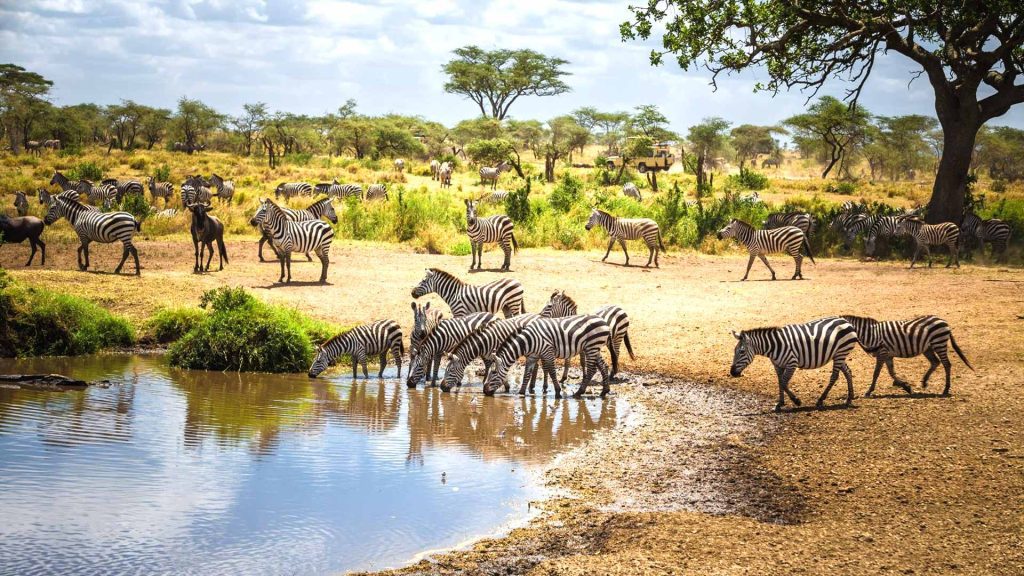
Tanzania travel seasons are one of the most important factors when planning a safari, beach holiday, or Kilimanjaro trekking adventure. Understanding the best time to visit Tanzania helps travelers maximize wildlife sightings, enjoy favorable weather conditions, and experience world-famous destinations like the Serengeti National Park, Ngorongoro Crater, and Zanzibar beaches. Tanzania offers year-round travel opportunities, but each season brings unique highlights such as the Great Migration, calving season, lush green landscapes, and peak safari game viewing. From dry season safaris to green season photography opportunities, Tanzania’s climate varies across regions. This guide explores Tanzania travel seasons in detail, including weather patterns, wildlife behavior, tourist crowds, and pricing trends to help you choose the perfect time for your African safari adventure or beach getaway. Dry Season (June to October) The dry season from June to October is widely considered the best time to visit Tanzania for safari experiences. This period offers clear skies, minimal rainfall, and excellent wildlife viewing as animals gather around rivers and waterholes. It is the peak safari season in Serengeti National Park, Ngorongoro Crater, and Tarangire National Park. Vegetation is thinner, making it easier to spot lions, elephants, leopards, and giraffes. The Great Migration River crossings in the northern Serengeti also occur during this season. Temperatures are cooler and more comfortable for game drives and Kilimanjaro climbing. However, it is also the busiest and most expensive travel period, so early booking of lodges and safari tours is highly recommended for the best availability and prices. Wet Season (March to May) The long rainy season from March to May is known as the green season in Tanzania. This period brings heavy rainfall, lush landscapes, and fewer tourists, making it ideal for budget travelers and photographers seeking dramatic scenery. Many safari lodges offer discounted rates during this time. While some roads may become muddy and difficult to access, wildlife is still present in national parks, and birdlife is at its peak. The Serengeti and Ngorongoro remain open, but game viewing can be more challenging due to dense vegetation. This season is perfect for travelers who prefer solitude, lower prices, and vibrant green environments. It is not the best time for beach holidays or climbing Kilimanjaro, but it offers a unique and peaceful safari experience. Short Rains (November to December) The short rainy season occurs between November and December and is characterized by brief afternoon showers rather than continuous rainfall. This is a transitional period in Tanzania travel seasons, offering a mix of green landscapes and improved safari conditions. Wildlife begins to spread out again, and migratory birds arrive, making it an excellent time for birdwatching safaris. Tourist crowds are relatively low compared to the dry season, which means more affordable safari packages and lodge deals. Roads are generally passable, and national parks remain open and accessible. Zanzibar also becomes greener and less crowded, offering a relaxed beach experience. The short rainy season is ideal for travelers seeking a balance between good wildlife viewing, moderate prices, and fewer tourists in Tanzania’s top safari destinations. Calving Season (January to February) The calving season in January and February is one of the most spectacular Tanzania travel seasons, especially in the southern Serengeti. During this period, thousands of wildebeest give birth to their young, attracting predators such as lions, cheetahs, and hyenas. This creates dramatic wildlife encounters and exceptional photography opportunities. The landscape is lush and green after the short rains, and game viewing is concentrated in specific areas. This is one of the best times for witnessing predator-prey interactions in real time. Weather conditions are generally warm with occasional showers. Although it is not peak tourist season, it is gaining popularity among safari enthusiasts. Travelers interested in unique wildlife behavior and fewer crowds will find the calving season an unforgettable time to visit Tanzania. Great Migration Timing in Serengeti The Great Migration is one of the most important highlights influencing Tanzania’s travel seasons. Over 1.5 million wildebeest, zebras, and gazelles move across the Serengeti ecosystem in search of fresh grazing land. Timing your visit is crucial to witnessing different phases of this movement. From January to March, calving occurs in the south. Between June and July, herds move north through the central Serengeti. August to October is famous for dramatic river crossings in the northern Serengeti and Maasai Mara border region. Each phase offers unique safari experiences and wildlife action. Planning your Tanzania safari around the Great Migration ensures unforgettable game viewing, photography opportunities, and close encounters with predators following the herds across the vast African plains. Best Time for Safari in Tanzania The best time for safari in Tanzania is generally during the dry season from June to October, when wildlife viewing is at its peak. Animals are easier to spot as they gather around limited water sources, and vegetation is sparse. However, the best safari time can also depend on personal preferences. The green season offers lush landscapes and fewer tourists, while the calving season provides dramatic predator action. Northern circuit parks like Serengeti, Ngorongoro, and Tarangire offer year-round safari opportunities. Southern parks like Selous (Nyerere National Park) are best during the dry months. Overall, Tanzania offers excellent safari experiences throughout the year, but the dry season remains the most recommended for first-time visitors seeking classic African wildlife encounters and comfortable travel conditions. Best Time for Kilimanjaro Climbing The best time to climb Mount Kilimanjaro is during the dry seasons from January to March and June to October. These months offer the most stable weather conditions, clear skies, and better summit success rates. Trails are less slippery, and visibility is excellent, especially at higher altitudes. January to March is slightly warmer with fewer climbers, while June to October is cooler and more popular. Rainy seasons should generally be avoided due to muddy trails and poor visibility. Choosing the right Kilimanjaro travel season is essential for safety and comfort. Proper acclimatization, experienced guides, and good preparation are also key factors. Tanzania’s climbing seasons are carefully aligned with weather patterns to
The TRUTH about doing an African safari with kids

An African safari with kids can be one of the most rewarding family adventures, combining wildlife viewing, nature, culture, education, and unforgettable family memories. The truth is that a African family safari requires thoughtful planning around children’s ages, driving times, accommodation, safety, meals, activities, and travel schedules. Tanzania family safaris, Serengeti family safaris, Ngorongoro Crater grand family safari, and other African safari holidays offer excellent opportunities to see elephants, lions, giraffes, zebras, and wildebeest in their natural habitats. With a child-friendly itinerary, experienced safari guide, comfortable family accommodation, and realistic expectations, travelling with children can be enjoyable rather than stressful. The key is choosing the right destination, season, safari style, and pace. Is an African Safari Suitable for Children? Yes, an African safari can be suitable for children when the itinerary is designed around their age and needs. Family-friendly Tanzania safaris can combine wildlife viewing with educational experiences and comfortable accommodation. African safari for younger children may enjoy shorter game drives, while older children can usually handle longer wildlife excursions. Parents should consider driving distances, accommodation policies, meal options, swimming facilities, and available family activities before booking. Safari destinations such as the Serengeti, Ngorongoro Crater, and Tarangire offer extraordinary wildlife experiences, but each has different logistics. The truth is that safari success depends less on children’s age alone and more on choosing a suitable itinerary and experienced family safari operator. The Long Game Drives Are Real The truth about doing an African Safari with Kids is that one of the biggest realities of an African safari with children is spending considerable time inside a safari vehicle. Wildlife sightings are unpredictable, and some drives can last several hours. Children who enjoy nature, animals, photography, and adventure may find this exciting, but younger travellers can become restless. Parents should avoid planning excessively ambitious itineraries with long daily transfers. Instead, include breaks, flexible game drives, comfortable lodges, and interesting stops where appropriate. Private safari vehicles are particularly useful for families because schedules can be adapted to children’s energy levels. A relaxed Tanzania family safari is generally more enjoyable than attempting to visit too many destinations in too little time. Children May Not Always See Animals Immediately The truth about doing an African Safari with Kids is that safari wildlife is wild and unpredictable, not a zoo. You might encounter elephants, giraffes, zebras, buffalo, or antelope quickly, while finding lions, leopards, or cheetahs may require patience. This uncertainty can actually become an important educational lesson for children. Encourage young travellers to observe tracks, birds, trees, insects, landscapes, and animal behaviour rather than focusing exclusively on the Big Five. Experienced guides can turn quiet periods into engaging learning opportunities. Parents should explain to kids before departure that African family safari sightings cannot be guaranteed. During African family safari with kids teaching children to appreciate the entire ecosystem helps make the experience exciting even when spectacular wildlife encounters take time. Choose the Right Safari Destination The truth about doing an African Safari with Kids is that choosing the right destination is essential for a successful family safari. Tanzania is particularly attractive because destinations such as Serengeti National Park, Ngorongoro Crater, Lake Manyara National Park, Lake Eyasi, Lake Natron, Zanzibar beach vacation holiday, and Tarangire National Park offer exceptional wildlife experiences. The truth about doing an African safari with kids: families can also consider family safari activities depending on interests and travel plans. Parents should compare driving distances, malaria considerations, accommodation rules, child-friendly activities, and domestic flight options. A destination with fewer transfers and varied experiences may be better for young children than an itinerary packed with multiple parks. The best African family safari is one that matches the children’s ages and interests. Accommodation Matters More Than You Think The truth about doing an African Safari with Kids is that family-friendly safari accommodation can make a major difference to comfort and enjoyment. Parents should check whether lodges and camps accept children of specific ages, provide family rooms or interconnected tents, offer child-friendly meals, and have appropriate safety arrangements. Some luxury safari lodges provide swimming pools, children’s activities, nature walks, junior ranger programmes, or babysitting services, although availability varies. Fenced properties may provide additional convenience for families, but parents still need to follow lodge safety instructions. When comparing Tanzania safari lodges, look beyond luxury ratings and consider practical family facilities. Comfortable accommodation gives children time to rest between game drives and helps parents enjoy the safari too. Private Safaris Are Often Better for Families The truth about doing an African Safari with Kids is that a private safari vehicle can provide greater flexibility than joining a large group. Families can adjust departure times, spend longer at interesting wildlife sightings, return to camp when children become tired, and tailor activities to their interests. This flexibility can be especially valuable when travelling with younger children. A private Tanzania safari also allows parents to communicate directly with the guide about meals, rest stops, photography, bathroom breaks, and daily schedules. Shared safaris can still work well for families, particularly when children are older and comfortable following a fixed programme. However, private family safari packages are often worth considering when flexibility, privacy, and personalized service are priorities. Safari Safety Requires Extra Attention The truth about doing an African Safari with Kids is that safari destinations require sensible safety practices, especially when travelling with children. Wildlife is unpredictable, so children should remain close to adults and follow the safari guide’s instructions at all times. Families should never approach wild animals, feed wildlife, wander outside designated areas, or leave vehicles where this is prohibited. Accommodation safety procedures should also be explained to children in simple language. Parents should discuss travel health requirements with an appropriate healthcare professional before travelling, including vaccinations, malaria prevention, food and water precautions, and travel insurance. Good preparation reduces avoidable problems and allows families to concentrate on enjoying the wildlife, landscapes, and cultural experiences. Food and Mealtimes Need Planning The truth about doing an African Safari with Kids is that
Is the Ngorongoro Crater Worth Visiting?

The question “Is the Ngorongoro Crater worth visiting?” is one of the most searched Tanzania safari queries, especially among travelers planning a wildlife safari in Africa. The answer is a confident yes—Ngorongoro Crater is one of the world’s most spectacular natural wonders and a UNESCO World Heritage Site. Located within the larger Ngorongoro Conservation Area in northern Tanzania, it is often described as a “natural wildlife paradise” and one of the best places for Big Five safari experiences. With its dramatic volcanic caldera, dense wildlife population, and breathtaking landscapes, it offers unmatched game viewing opportunities. This article explores why Ngorongoro Crater is worth visiting, including wildlife density, scenery, cultural experiences, safari accessibility, and comparison with other destinations like the Serengeti and Tarangire National Park. 1. A Natural Wonder of the World Ngorongoro Crater is widely considered one of the most extraordinary geological formations on Earth. Formed millions of years ago when a massive volcano collapsed, it created the world’s largest intact volcanic caldera. Today, this natural amphitheater spans about 260 square kilometers and shelters an incredible diversity of wildlife. The crater floor is a self-contained ecosystem where animals roam freely without migration barriers, making it one of the most reliable safari destinations in Africa. Travelers often rank it among the top Tanzania safari highlights alongside Serengeti National Park and Kilimanjaro. Its unique geography, lush grasslands, and permanent water sources make it a year-round wildlife haven. This geological masterpiece alone makes Ngorongoro Crater absolutely worth visiting for nature lovers, photographers, and safari enthusiasts seeking unforgettable African landscapes and close-up wildlife encounters. 2. Incredible Big Five Wildlife Experience One of the strongest reasons the Ngorongoro Crater is worth visiting is its unmatched concentration of wildlife, especially the Big Five: lion, elephant, buffalo, leopard, and the rare black rhinoceros. Unlike many safari destinations, animals here remain within the crater, increasing the chances of sightings. The open grasslands make wildlife viewing incredibly easy, even for first-time safari travelers. Lions are commonly seen resting in the sun, while large herds of buffalo and zebras roam freely. The crater is also one of the best places in Tanzania to spot the endangered black rhino in the wild. Compared to other parks like Serengeti National Park, wildlife density in Ngorongoro is much higher within a smaller area. This makes it ideal for short safaris where visitors want maximum wildlife encounters in minimal time, reinforcing its global reputation as a premier safari destination. 3. Stunning Scenic Beauty and Photography Ngorongoro Crater offers some of the most breathtaking safari scenery in Africa, making it a dream destination for photographers and landscape lovers. From the crater rim, visitors enjoy panoramic views of lush forests, shimmering lakes, and endless grasslands stretching across the caldera floor. Morning mist often rises through the crater, creating dramatic and cinematic safari moments. The contrasting landscapes—from forested slopes to open savannah—provide endless photographic opportunities. Many travelers compare its beauty to Serengeti’s vast plains, but Ngorongoro feels more compact and visually dramatic. Sunrises and sunsets from the crater rim lodges are especially magical and widely shared on social media and travel blogs. Whether capturing elephants against volcanic backdrops or flamingos at Lake Magadi, Ngorongoro Crater delivers world-class photography moments that make the journey absolutely worth it for visual storytellers and safari travelers alike. 4. Easy Safari Accessibility Another major reason Ngorongoro Crater is worth visiting is its accessibility compared to many remote African safari destinations. Located only a few hours’ drive from Arusha, the gateway to northern Tanzania safaris, it is easy to include in a short itinerary. Travelers can combine it with nearby attractions such as Lake Manyara National Park, Tarangire National Park, and the famous Serengeti migration routes. Unlike more remote parks that require long flights or extended travel, Ngorongoro allows visitors to experience world-class wildlife within a compact and well-connected safari circuit. The crater descent road is well-maintained, making game drives comfortable and efficient. This convenience makes it ideal for first-time safari travelers, honeymooners, and families looking for a smooth yet unforgettable African adventure. Its accessibility significantly increases its value as a must-visit Tanzania safari destination. 5. Year-Round Wildlife Viewing Ngorongoro Crater is one of the few safari destinations in Africa where wildlife viewing remains excellent throughout the year. Thanks to its permanent water sources and enclosed ecosystem, animals do not migrate long distances, ensuring consistent sightings in every season. Whether visiting during the dry season or the green rainy months, travelers are almost guaranteed to see elephants, lions, zebras, and hippos. This reliability makes it stand out compared to seasonal destinations like Serengeti National Park, where the Great Migration determines wildlife density. Even during off-peak travel months, Ngorongoro continues to deliver exceptional safari experiences. The crater’s climate remains relatively mild due to its elevation, enhancing comfort during game drives. For travelers seeking dependable wildlife encounters without timing their trip around migration cycles, Ngorongoro Crater is absolutely worth visiting year-round. 6. Rich Maasai Cultural Experience Beyond wildlife, Ngorongoro Crater offers rich cultural interactions with the iconic Maasai people, one of East Africa’s most famous indigenous communities. Visitors can explore traditional Maasai villages around the Ngorongoro Conservation Area and learn about their unique pastoral lifestyle, customs, and traditions. This cultural experience adds depth to any safari itinerary, blending wildlife adventure with human heritage. The Maasai continue to live in harmony with wildlife, maintaining ancient traditions such as cattle herding and vibrant ceremonial dances. Many travelers consider this cultural connection just as valuable as game viewing. Unlike purely wildlife-focused parks, Ngorongoro offers a holistic safari experience that includes both nature and culture. This combination enhances its global appeal and makes it one of the most meaningful safari destinations in Tanzania for culturally curious travelers. 7. UNESCO World Heritage Site Status Ngorongoro Crater is part of the Ngorongoro Conservation Area, recognized as a UNESCO World Heritage Site due to its outstanding natural and cultural significance. This prestigious status highlights its global importance as both a wildlife sanctuary and a geological masterpiece. UNESCO recognition ensures strong conservation
Tanzania in April
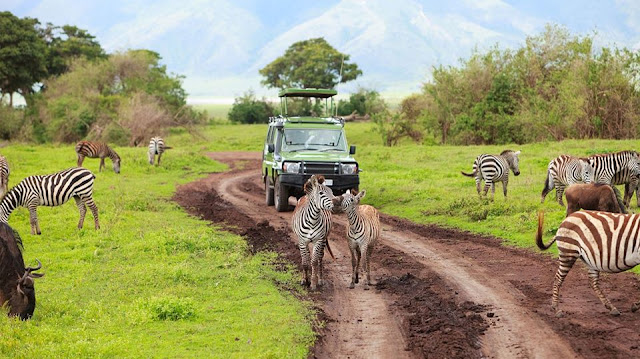
Discover the Charms of Tanzania in April: A Guide to Unveiling its Beauty. Tanzania, with its diverse landscapes, rich wildlife, and vibrant culture, is a destination that captivates travelers throughout the year. April, despite being the rainy season, holds a unique appeal that attracts those seeking a more intimate and lush experience. In this guide, we’ll explore why April is a special time to visit Tanzania, share valuable travel tips, delve into the weather conditions, discuss crowds and costs, suggest must-visit places, and provide insights into events and accommodations during this captivating month. Why Visit Tanzania in April? April marks the beginning of the rainy season in Tanzania, offering a verdant and revitalized landscape. The lush greenery, blooming flowers, and flowing rivers create a picturesque backdrop for your adventures. Wildlife enthusiasts will find this an opportune time for bird watching, as migratory birds flock to the country. Moreover, the lower number of tourists means you can enjoy Tanzania’s natural wonders without the crowds. Travel Tips for April in Tanzania: Light Rain Gear: While the rain is not constant, it’s advisable to pack a light rain jacket, waterproof shoes, and a small umbrella to stay prepared for occasional showers.Malaria Prevention: April falls within the malaria season, so taking malaria prophylaxis and using insect repellent is crucial. Consult with a healthcare professional before your trip.Flexible Itinerary: Due to occasional heavy rain, it’s recommended to have a flexible itinerary. Some roads may be impassable, and wildlife viewing may vary depending on the weather.Book Accommodations in Advance: Though April sees fewer tourists, popular destinations may still have limited availability. Booking accommodations in advance ensures you have a comfortable stay. Tanzania Weather in April: April marks the transition from the wet season to the dry season, with temperatures ranging from 20 to 30 degrees Celsius (68 to 86 degrees Fahrenheit). Expect occasional heavy rainfall, especially in the afternoons and evenings. The humidity is relatively high, contributing to the lush green landscapes. In April, the long rainy season is in full swing. Travelling in this period is not advised, as torrential rains can affect planned excursions. Climbing Kilimanjaro is more dangerous during this season. Many lodges are also closed. April is by far the rainiest month, and it is usually cloudy. There is moderate to high rainfall all over the country that disrupts beach going, safaris, and hiking. So, we mainly recommend seeing the highlights in the urban areas and going to the wilderness preserves near them as weather conditions permit. Tanzania in April: Crowds & Costs: April is considered the low season in Tanzania due to the rainy weather, resulting in fewer tourists. While this means you can explore the country’s attractions with more tranquility, it also translates to lower costs for accommodations and tour packages. This makes April an economical choice for budget-conscious travelers seeking an authentic experience. Where to Go and What to Do: Serengeti National Park: Witness the Great Migration, as wildebeests and zebras move across the Serengeti. The lush grass and water sources make April an ideal time for grazing animals.Ngorongoro Crater: Marvel at the stunning landscapes and diverse wildlife in the world’s largest intact volcanic caldera. April’s rains enhance the beauty of the crater, and you might spot newborn animals.Zanzibar: Despite the occasional rain, Zanzibar offers a unique charm in April. Explore Stone Town, relax on pristine beaches, and enjoy the island’s cultural richness.Tarangire National Park: Famous for its elephants, Tarangire comes alive in April. The Tarangire River draws wildlife, and the greenery makes it an excellent time for birdwatching. What to Bring: Tanzania in April Light Rain Gear: As mentioned earlier, packing a light rain jacket, waterproof shoes, and a small umbrella is essential.Malaria Prevention: Carry mosquito repellent, long-sleeved clothing, and malaria prophylaxis to protect against mosquitoes.Camera and Binoculars: Capture the lush landscapes and diverse wildlife, and don’t forget binoculars for optimal birdwatching.Adaptable Clothing: Pack layers for varying temperatures and humidity levels. Comfortable, moisture-wicking clothing is recommended. Accommodations: Tanzania in April A variety of accommodations are available, ranging from luxury lodges to budget-friendly options. April’s low season allows for more flexibility in choosing accommodations, but it’s advisable to book in advance, especially in popular destinations. Events in April: Tanzania hosts various cultural and religious events in April, providing travelers with unique opportunities to engage with local traditions. The celebration of Easter is observed across the country, featuring vibrant processions and cultural festivities. Attendees can witness the blend of Christianity and Tanzanian customs during this time. Traveling to Tanzania in April? FAQs: April is by far the rainiest month, and it is usually cloudy. There is moderate to high rainfall all over the country that disrupts beach going, safaris, and hiking. So, we mainly recommend seeing the highlights in the urban areas and going to the wilderness preserves near them as weather conditions permit. Is April a good time for a safari in Tanzania? Yes, April can be an excellent time for a safari, especially in the Serengeti and Tarangire National Parks, where the lush landscapes attract wildlife. Are there any cultural events in Tanzania in April? Yes, Easter celebrations are widespread, offering a chance to witness the unique blend of Christian traditions and Tanzanian customs. Is it safe to visit Tanzania in April? Tanzania is generally safe for tourists, but it’s essential to follow safety guidelines, especially regarding wildlife encounters and health precautions. Conclusion: April – When To Go – Tanzania April in Tanzania offers a distinct and refreshing experience for travelers willing to embrace the beauty of the rainy season. From lush landscapes to unique wildlife sightings, this month provides a more intimate encounter with the country’s natural wonders. With proper preparation and a flexible mindset, Tanzania in April can be a rewarding and memorable adventure. So, pack your bags, don’t forget your rain gear, and get ready to explore the enchanting treasures of Tanzania.
The Best Places to See Wildlife in Tanzania
Tanzania stands as one of Africa’s top safari destinations, renowned for its world-class wildlife viewing, breathtaking landscapes, and unforgettable safari experiences. From the iconic Serengeti National Park to the wildlife-rich Ngorongoro Crater, the country offers unmatched opportunities to witness the Big Five safari animals, the Great Wildebeest Migration, and diverse ecosystems teeming with life. Tanzania safari tours combine luxury, budget, and mid-range options, making it ideal for families, honeymooners, solo travelers, and photographers. Whether exploring remote wilderness areas or famous national parks, visitors experience authentic African safaris filled with lions, elephants, giraffes, and rare species. With year-round game viewing, expert guides, and eco-friendly lodges, Tanzania remains a bucket-list safari destination for travelers seeking the best wildlife encounters in Africa. Serengeti National Park The legendary Serengeti National Park is widely regarded as the best place to see wildlife in Tanzania, famous for the Great Wildebeest Migration, where over 1.5 million animals move across vast plains annually. This UNESCO World Heritage Site offers incredible sightings of lions, cheetahs, elephants, and leopards, making it a prime destination for Big Five safaris. Its endless savannahs, kopjes, and river systems create perfect habitats for predators and herbivores alike. Visitors enjoy luxury safari lodges, mobile camps, and fly-in safaris, enhancing the experience. The Serengeti is ideal for photographic safaris, honeymoon trips, and family adventures, offering year-round wildlife viewing. From dramatic river crossings to predator hunts, it remains Africa’s most iconic safari destination. Ngorongoro Crater The breathtaking Ngorongoro Crater is one of the most unique wildlife destinations in Africa, often called the “Garden of Eden.” This volcanic caldera hosts over 25,000 animals within a compact ecosystem. It is one of the best places to see the Big Five in a single day, including the endangered black rhino. The crater’s diverse habitats—grasslands, forests, and lakes—support lions, elephants, flamingos, and hippos. Its high wildlife density makes it perfect for short safaris, luxury tours, and photographic experiences. Easily accessible from Arusha, it is a must-visit on any Tanzania safari itinerary, offering unmatched game viewing in a stunning natural setting. Tarangire National Park The scenic Tarangire National Park is famous for its massive elephant herds and iconic baobab trees. Known as Tanzania’s “elephant paradise,” the park hosts thousands of elephants, especially during the dry season when animals gather along the Tarangire River. Wildlife enthusiasts can spot lions, leopards, giraffes, zebras, and over 500 bird species. Tarangire offers a quieter, less crowded safari experience compared to the Serengeti, making it ideal for exclusive safaris and off-the-beaten-path adventures. The park’s diverse landscapes and seasonal wildlife movements create excellent opportunities for game drives, walking safaris, and night safaris. It is perfect for travelers seeking authentic and peaceful wildlife encounters. Lake Manyara National Park Nestled at the base of the Great Rift Valley, Lake Manyara National Park is known for its diverse ecosystems and tree-climbing lions. This compact yet wildlife-rich park features forests, wetlands, and a soda lake filled with flamingos. Visitors can spot elephants, hippos, baboons, and hundreds of bird species. Its unique groundwater forest creates a lush environment unlike other parks in Tanzania. Lake Manyara is ideal for short safaris, family trips, and birdwatching tours. The park’s scenic beauty and biodiversity make it a great addition to any Northern Circuit safari, offering a mix of wildlife, landscapes, and cultural experiences. Ruaha National Park The remote Ruaha National Park is Tanzania’s largest national park and a hidden gem for wildlife lovers. Known for its high concentration of lions—about 10% of Africa’s population—it offers exceptional predator sightings. The park is also home to elephants, leopards, wild dogs, and diverse antelope species. Its rugged landscapes, baobab trees, and the Great Ruaha River create dramatic safari scenery. Ruaha is perfect for exclusive, uncrowded safaris, ideal for experienced travelers seeking authentic wilderness experiences. With fewer tourists, it provides intimate wildlife encounters and excellent opportunities for photography. Mahale Mountains National Park For travelers seeking a luxury Tanzania safari experience off the beaten path, Mahale Mountains National Park ranks among the best wildlife destinations in Africa. Nestled along the shores of Lake Tanganyika, this remote paradise is globally renowned for chimpanzee trekking safaris and intimate wildlife encounters. The park hosts one of the largest populations of wild chimpanzees, offering unforgettable guided forest walks and close-up primate viewing experiences. Beyond chimps, visitors can spot colobus monkeys, baboons, and rare forest species in lush tropical ecosystems. With no roads, access is by boat, enhancing its exclusivity. This pristine wilderness combines beach, mountains, and rainforest, making it a top choice for luxury safari tours, honeymoon safaris, and eco-tourism in Tanzania. Katavi National Park For a truly wild and untouched Tanzania safari, Katavi National Park is one of Africa’s best-kept secrets. Known for its massive buffalo herds, elephants, and predator-rich landscapes, Katavi delivers raw, authentic wildlife experiences far from crowded safari circuits. During the dry season, the Katuma River becomes a dramatic stage where hundreds of hippos and crocodiles gather in shrinking pools, creating intense wildlife spectacles. Lions, leopards, hyenas, and wild dogs thrive here, making it a hotspot for Big Five safaris and wildlife photography tours. Its remoteness ensures exclusivity, ideal for luxury fly-in safaris and private game drives. Katavi is perfect for travelers seeking unspoiled African wilderness, high wildlife density, and off-grid safari adventures in Tanzania. Arusha National Park Arusha National Park is a top Tanzania safari destination for day trips and scenic wildlife viewing, offering diverse landscapes within a compact area. Located near Arusha town, this park combines Mount Meru trekking, walking safaris, and canoe safaris with exceptional wildlife encounters. Visitors can spot giraffes, buffaloes, zebras, and the iconic black-and-white colobus monkeys in lush forest canopies. Flamingos often gather at the Momella Lakes, creating stunning photographic scenes. Unlike larger parks, Arusha offers a peaceful safari experience with fewer crowds, making it ideal for family safaris, short itineraries, and first-time visitors to Tanzania. Its accessibility and variety make it a must-visit for travelers seeking affordable safari tours, wildlife diversity, and scenic beauty in northern Tanzania. Mikumi National Park Mikumi National Park
Best Places to See Cheetahs in Africa
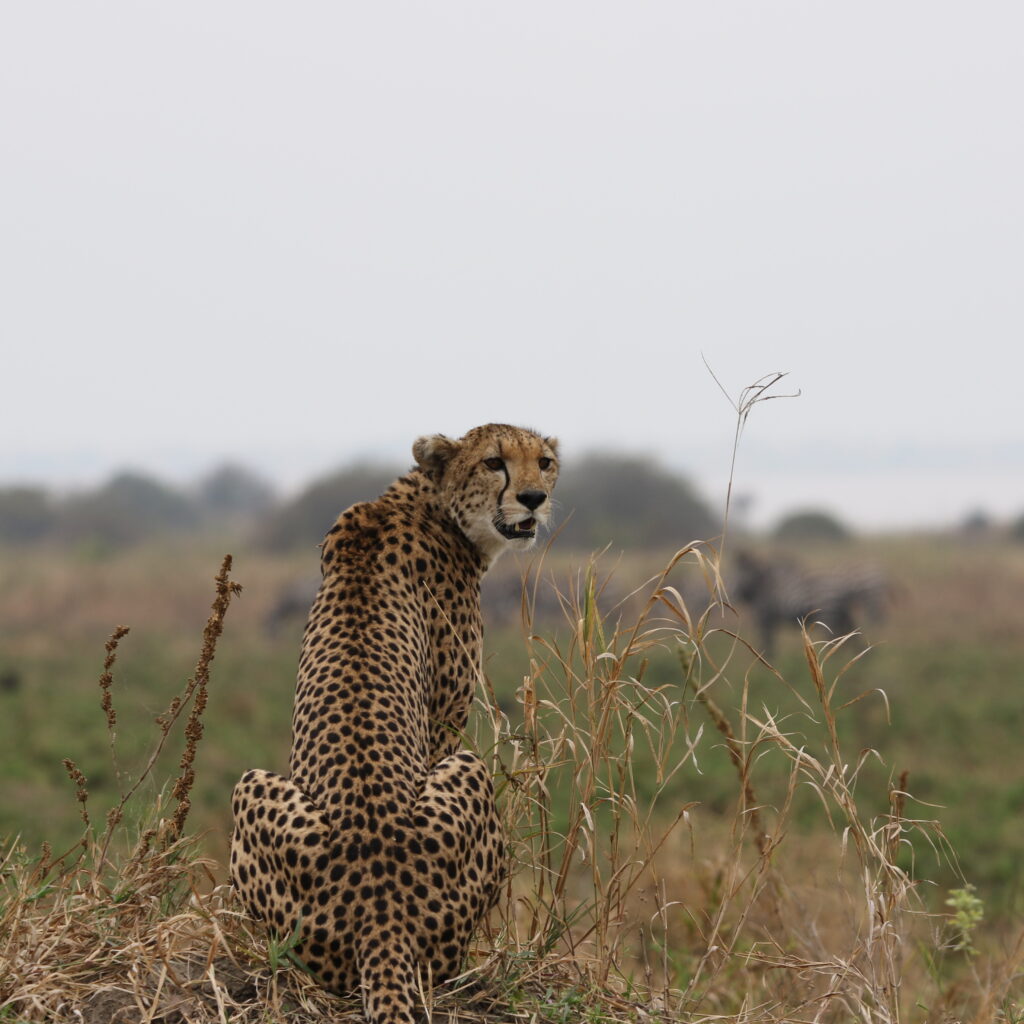
Experiencing and discovering an incredible location to spot cheetahs in Africa is among the most sought-after wildlife sightings for safari enthusiasts, and Tanzania offers some of the best places to see cheetahs in their natural habitat. From the endless savannahs of the Serengeti National Park to the remote wilderness of Ruaha and Nyerere, Tanzania is a premier cheetah safari destination. Travelers searching for an African safari, Tanzania safari tours, wildlife photography safaris, and big cats in Africa will find exceptional opportunities to observe cheetahs hunting, resting, and raising cubs. The best time to see cheetahs is during the dry season when prey is concentrated on open plains. This guide highlights the top locations across Tanzania where cheetah sightings are most frequent, combining rich insights with essential travel tips for an unforgettable African safari adventure experience in the East African region today. 1. Serengeti National Park Serengeti National Park is the most famous cheetah hotspot in Africa, offering vast open plains ideal for high-speed hunting. Known for its abundant wildlife and the Great Migration, the Serengeti provides excellent opportunities for Tanzania safari travelers seeking cheetah sightings. These big cats thrive in the short-grass plains where gazelles are plentiful. The central Seronera Valley is particularly reliable for year-round cheetah encounters. Safari tours, game drives, and wildlife photography safaris in Serengeti National Park frequently deliver unforgettable moments. Serengeti cheetah sightings, Tanzania wildlife safari, and African big cats often highlight this destination as a top choice. Visitors can witness cheetahs stalking prey, sprinting across golden savannahs, and interacting with cubs, making it one of the best safari parks in Africa for travelers worldwide today. 2. Ndutu Area – Ngorongoro Conservation Area The Ndutu Area within the Ngorongoro Conservation Area is one of Tanzania’s most important cheetah habitats. Famous for the Great Migration calving season, Ndutu attracts thousands of wildebeest and gazelles, creating ideal hunting grounds for cheetahs. This makes it a top destination for Tanzania safari tours, African wildlife safaris, and cheetah photography safaris. Between December and March, visitors witness intense predator action on open plains. Ndutu cheetah sightings and Ngorongoro safari experiences often highlight this region. The flat terrain allows excellent visibility, giving travelers close encounters with cheetahs stalking newborn antelopes. Safari-goers experience dramatic wildlife action, making Ndutu one of the best places in Africa for observing natural predator behavior in a truly breathtaking safari environment filled with raw wilderness beauty and unforgettable moments daily. 3. Southern Serengeti Plains The Southern Serengeti plains are another prime cheetah territory in Tanzania, offering vast open landscapes perfect for high-speed hunting. During the wet season, migratory herds spread across these grasslands, attracting cheetahs in search of prey. This region is popular for Serengeti safari tours, Tanzania wildlife safaris, and African big cat photography. Southern Serengeti cheetah sightings and Tanzania safari adventures often rank this area highly. The open terrain gives cheetahs excellent visibility to spot gazelles from long distances. Visitors frequently witness dramatic hunts across golden plains under wide African skies. The Southern Serengeti is especially favored by photographers due to its cinematic landscapes, making it one of the most scenic and wildlife-rich regions in East Africa for unforgettable cheetah safari experiences and adventure travel moments. 4. Western Serengeti (Grumeti Region) The Western Serengeti, especially the Grumeti region, is a lesser-known but rewarding area for cheetah sightings in Tanzania. This region combines river valleys, woodland edges, and open plains that support diverse prey species. Cheetahs are more elusive here but can be spotted during early morning game drives. Serengeti safari tours, Grumeti wildlife safari, and Tanzania cheetah sightings highlight this hidden gem. The quieter environment offers exclusive safari experiences away from crowds. Travelers may observe cheetahs adapting to mixed terrain while hunting small antelopes and gazelles. The Grumeti region is ideal for adventurous visitors seeking unique wildlife encounters. Its remote nature enhances the feeling of untouched wilderness, making it a perfect destination for authentic African safari experiences and rare cheetah photography opportunities in Tanzania today. 5. Central Serengeti (Seronera Valley) Central Serengeti, especially the Seronera Valley, is one of the most reliable places in Tanzania for cheetah sightings year-round. This region features a mix of open plains and rocky kopjes, creating ideal hunting grounds for big cats. It is a key highlight for Tanzania safari packages, African wildlife tours, and Serengeti cheetah safaris. Seronera cheetah sightings and the Central Serengeti safari are widely searched. Cheetahs are often seen resting on termite mounds or scanning the plains for prey. High predator density ensures frequent encounters with lions, leopards, and hyenas. For safari travelers, Seronera offers consistent wildlife action and excellent photographic opportunities. It remains one of the best game drive locations in Africa, making it essential for anyone seeking unforgettable cheetah sightings during a Tanzania safari adventure experience. 6. Northern Serengeti (Lobo & Kogatende) Northern Serengeti, including Lobo and Kogatende, offers seasonal but rewarding cheetah sightings in Tanzania. While famous for river crossings during the Great Migration, this region also supports roaming cheetahs following migrating herds. Northern Serengeti safari, Tanzania wildlife tours, and African cheetah encounters highlight this area. The varied landscapes of woodlands and river systems provide different hunting opportunities. Cheetahs here are more mobile, requiring patience and skilled guiding for successful sightings. Safari travelers can combine migration viewing with predator tracking for a complete safari experience. The Northern Serengeti is one of Africa’s most dramatic wilderness regions, offering breathtaking scenery and rich biodiversity. It is ideal for adventurous travelers seeking both iconic migration moments and rare cheetah sightings in a pristine African safari environment full of natural beauty. 7. Ngorongoro Plains (Outside Crater) The open plains surrounding the Ngorongoro Crater are important cheetah habitats in Tanzania. These vast grasslands support grazing herds that attract predators such as cheetahs. Ngorongoro safari tours, Tanzania wildlife experiences, and African big cats are often associated with this region. Unlike the crater floor, the surrounding plains allow cheetahs to hunt freely using speed and stealth. Visitors often combine crater tours with surrounding game drives to increase chances of sightings.
Best Places to See Zebras in Tanzania
Tanzania is one of Africa’s most spectacular wildlife destinations, offering some of the best places to see zebras in Tanzania across vast savannahs, volcanic landscapes, and river ecosystems. From the world-famous Serengeti National Park to the dramatic Ngorongoro Crater, travelers encounter large herds of plains zebras moving alongside wildebeest during the Great Migration. These iconic black-and-white striped animals are found throughout the northern safari circuit and southern wilderness parks, making Tanzania a top choice for an unforgettable safari. Whether you are exploring Tarangire National Park’s elephant-filled valleys or Lake Manyara National Park’s lush groundwater forests, zebras remain a highlight of every game drive. This guide highlights the top destinations where you can witness these majestic animals in their natural habitat, ensuring the ultimate wildlife safari experience in East Africa’s diverse, beautiful protected areas. 1. Serengeti National Park The Serengeti National Park is the most iconic destination for witnessing massive zebra populations in Tanzania. As part of the famous Great Migration ecosystem, Serengeti zebra herds roam freely across endless golden plains alongside wildebeest and gazelles. This UNESCO World Heritage Site offers one of the best places to see zebras in Tanzania, especially in the central Seronera Valley and northern Mara regions. Visitors on a Tanzania safari can observe dramatic predator-prey interactions while enjoying breathtaking landscapes filled with acacia trees and open savannah. Zebras here play a vital ecological role by grazing on tall grasses, helping maintain balance in the ecosystem. Game drives in Serengeti National Park provide unmatched opportunities for photography, wildlife viewing, and unforgettable safari memories in Africa’s most celebrated wildlife reserve and dramatic zebra migration scenes. 2. Ngorongoro Crater The Ngorongoro Crater, a natural wonder and UNESCO World Heritage Site, is another prime location to see zebras in Tanzania. Its enclosed volcanic caldera supports dense wildlife populations, including large herds of plains zebras grazing on the crater floor alongside buffalo, lions, and wildebeest. This unique ecosystem offers one of the highest chances of spotting zebras during a Tanzania safari due to year-round water and rich grazing land. Visitors can enjoy breathtaking views from the crater rim before descending into the wildlife-rich floor for close encounters. Ngorongoro Crater is among the best places to see zebras in Tanzania because animals remain within the natural boundary, making sightings highly predictable. Game drives here combine dramatic scenery, abundant wildlife, and unforgettable photographic opportunities for safari travelers, and incredible wildlife photography experiences. 3. Tarangire National Park Tarangire National Park is a hidden gem and one of the best places to see zebras in Tanzania, especially during the dry season when animals migrate in search of water. The park is famous for its massive elephant herds, ancient baobab trees, and a seasonal river that attracts thousands of zebras and other herbivores. During a Tanzania safari, visitors often witness zebras gathering along the Tarangire River, creating spectacular wildlife viewing scenes. The open savannah and woodlands provide ideal grazing grounds for plains zebras, making sightings frequent and rewarding. Tarangire offers a quieter safari experience compared to Serengeti National Park, allowing travelers to enjoy peaceful game drives and close-up wildlife encounters. It is a must-visit destination for photographers and nature lovers exploring northern Tanzania safari circuits and authentic safari experiences here. 4. Lake Manyara National Park Lake Manyara National Park is a scenic destination known for tree-climbing lions and rich biodiversity, but it is also one of the best places to see zebras in Tanzania. Located along the Great Rift Valley, the park’s lush groundwater forests and open floodplains provide excellent grazing areas for zebra herds. During a Tanzania safari, visitors can spot zebras moving across the grassy plains near the lake shoreline, often accompanied by wildebeest and antelopes. The park offers diverse habitats, from dense forest to open savannah, making wildlife viewing highly rewarding. Lake Manyara National Park is ideal for short safaris and day trips, offering easy access and incredible scenery. Zebras thrive here due to abundant water sources and fertile grazing land throughout the year, and unforgettable northern Tanzania safari adventure experiences. 5. Nyerere National Park Nyerere National Park, formerly Selous Game Reserve, is one of Africa’s largest protected areas and a rising destination for zebra sightings in southern Tanzania. The park’s vast wilderness, rivers, and open woodlands support healthy populations of plains zebras, making it one of the best places to see zebras in Tanzania outside the northern circuit. During a Tanzania safari, visitors can enjoy boat safaris, walking safaris, and game drives while observing zebras grazing along riverbanks and open plains. The park offers a more remote and less crowded safari experience compared to Serengeti National Park. Its untouched landscapes and rich biodiversity make it a perfect destination for adventurous travelers seeking authentic wildlife encounters. Zebras here coexist with elephants, hippos, and predators in a pristine ecosystem and unforgettable southern safari wildlife experiences in Tanzania. 6. Ruaha National Park Ruaha National Park is Tanzania’s largest national park and an emerging destination for zebra sightings in the southern circuit. Its rugged landscapes, baobab-studded plains, and seasonal rivers create a diverse ecosystem where zebras thrive alongside elephants, lions, and giraffes. It is one of the best places to see zebras in Tanzania for travelers seeking remote and untouched wilderness. During a Tanzania safari, Ruaha offers excellent game drives with fewer crowds, allowing visitors to experience wildlife in a truly wild setting. Zebra herds are often seen grazing across open savannahs, especially during the dry season when animals gather near water sources. The park’s dramatic scenery and rich biodiversity make it a hidden gem for safari enthusiasts exploring Tanzania’s southern safari circuit, and unforgettable wilderness safari experiences in Africa are always available. 7. Mikumi National Park Mikumi National Park is one of Tanzania’s most accessible southern safari destinations and a reliable place to see zebras in large numbers. Its open Mkata Floodplain resembles the Serengeti ecosystem, making it ideal for spotting zebra herds grazing alongside wildebeest, giraffes, and buffalo. During a Tanzania safari, visitors often enjoy rewarding game drives with high chances of wildlife
Best Places to See Elephants in Africa
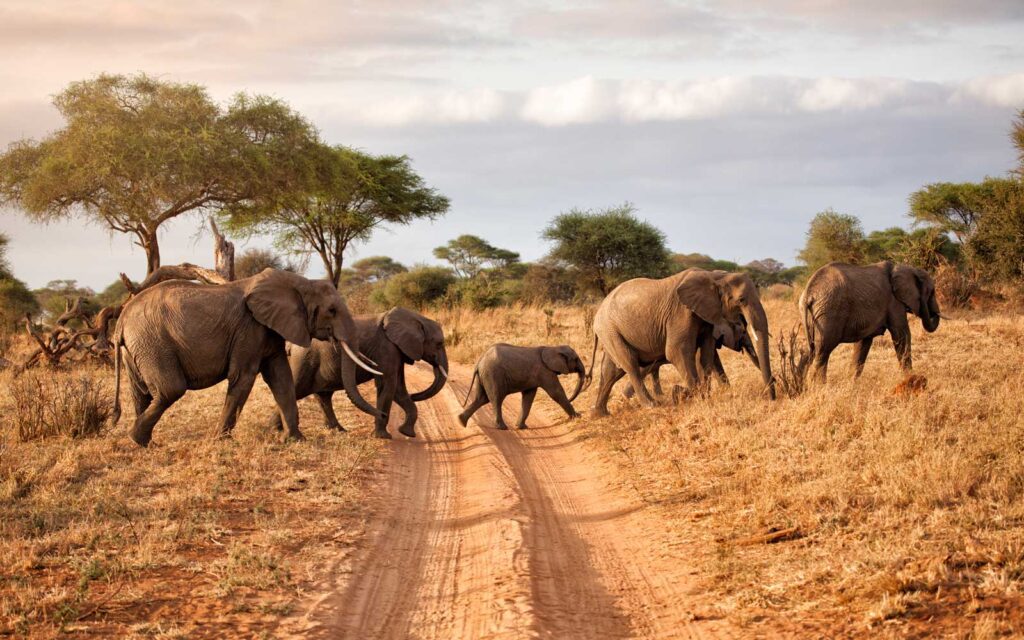
Best Places to See Elephants in Africa – Tanzania offers one of the most remarkable wildlife experiences on the continent, where vast landscapes host large elephant herds roaming freely in protected national parks and game reserves. From the endless savannahs of the Serengeti to the ancient baobab-studded plains of Tarangire, Tanzania stands as a top safari destination for travelers seeking unforgettable elephant encounters in the wild. It is home to diverse ecosystems, rich biodiversity, and some of the largest elephant populations in East Africa, making it a must-visit for nature lovers and safari enthusiasts worldwide. With expert-guided tours, visitors can witness elephants bathing, feeding, and migrating across scenic landscapes while enjoying world-class safari experiences in Tanzania. Tanzania truly defines the ultimate African elephant safari adventure for wildlife photography tourism experiences. 1. Serengeti National Park Serengeti National Park is one of Africa’s most iconic wildlife destinations and a prime location for seeing elephants in their natural habitat. It is part of the greater Serengeti ecosystem, known for vast savannahs, rich biodiversity, and the Great Migration spectacle. Elephant herds are commonly seen roaming across open plains, woodlands, and river valleys throughout the year. Safari travelers enjoy game drives that offer close-up views of elephants alongside lions, giraffes, and zebras. The park is a UNESCO World Heritage Site and a top choice for African safari tours focusing on wildlife photography. It provides year-round elephant sightings, especially in the central and western Serengeti regions where water sources are abundant. Visitors experience unforgettable safari adventures in one of Africa’s most famous national parks. Truly a wildlife paradise destination today. 2. Tarangire National Park Tarangire National Park is one of Tanzania’s best-kept secrets for elephant viewing and large herd encounters. Famous for its ancient baobab trees and seasonal swamps, the park attracts some of the highest elephant concentrations in East Africa during the dry season. Massive herds gather around the Tarangire River, creating dramatic safari scenes perfect for photography and wildlife documentaries. Visitors on Tanzania safari tours often witness family groups interacting, calves playing, and elephants digging for water in dry riverbeds. The park also hosts lions, leopards, giraffes, and buffalo, making it a complete Big Five safari destination. Its less crowded environment ensures a peaceful and authentic safari experience. Tarangire is a must-visit for travelers seeking close elephant encounters and unforgettable African safari adventures in Tanzania. 3. Lake Manyara National Park Lake Manyara National Park is a scenic destination in northern Tanzania known for diverse wildlife and abundant elephant populations. It features lush groundwater forests, alkaline lake shores, and rich birdlife attracting safari enthusiasts worldwide. Elephants are often seen grazing near the lake, especially during the dry season when water is concentrated. The park is famous for tree-climbing lions, but elephants remain one of the most frequently spotted animals. Safari game drives offer excellent photography opportunities across varied landscapes. Lake Manyara provides a compact yet rich safari experience ideal for short wildlife trips in Tanzania. It is part of the northern safari circuit and easily accessible from Arusha, making it popular among tourists. Elephant sightings are best in early morning and late afternoon for active behavior observation. A true safari gem. 4. Ngorongoro Conservation Area Ngorongoro Conservation Area is a UNESCO World Heritage Site and one of the best places to see elephants in Tanzania. It features the spectacular Ngorongoro Crater, a natural wonder filled with diverse wildlife. Elephants are often seen in the crater floor and surrounding highland forests. The ecosystem supports large herds alongside buffalo, lions, and rhinos in a unique volcanic caldera. Safari game drives offer close encounters with wildlife in a compact, high-density safari area. It is one of Africa’s most famous safari destinations, attracting thousands of visitors every year. Its elephant sightings are reliable throughout the year due to permanent water sources. The conservation area blends wildlife, Maasai culture, and breathtaking landscapes. An unforgettable safari destination in Tanzania. Perfect for photographers and wildlife lovers alike. Experience true African wilderness. 5. Mkomazi National Park Mkomazi National Park is a rising elephant destination in Tanzania known for conservation success stories. It lies between Tsavo ecosystems and offers semi-arid landscapes with unique wildlife viewing. Elephants are commonly seen moving across dry plains and seasonal riverbeds. The park is less crowded, providing a peaceful safari experience. It is ideal for travelers seeking off-the-beaten-path wildlife encounters. Conservation projects protect endangered species and support elephant populations. A hidden gem for safari lovers in northern Tanzania. Wild and untouched natural beauty. It offers excellent photography opportunities and unique safari experiences. Elephants roam freely in their natural habitats across the park. Best visited during dry season months. An emerging safari hotspot in Tanzania. Perfect for adventurous travelers. Truly authentic wilderness experience. Unspoiled nature at its best. Visit Mkomazi for elephants. 6. Mikumi National Park Mikumi National Park is one of Tanzania’s most accessible safari destinations and home to abundant elephant populations. It lies along the southern safari circuit near the Selous ecosystem. Elephants are frequently spotted near waterholes and open plains. The park offers excellent game viewing opportunities year-round. It is popular for short safari trips from Dar es Salaam. Lions, elephants, giraffes, and buffalo coexist in rich savannah habitats. Easy accessibility makes it ideal for first-time safari travelers. Elephant herds can be seen grazing peacefully across the park. A true gateway safari experience in Tanzania. It provides unforgettable wildlife photography opportunities. Best visited during dry season months. A peaceful wildlife haven. Perfect for elephant lovers. Experience African safari magic. Wild nature at its finest. Visit Mikumi today. See elephants in Tanzania. Unforgettable safari experience. 7. Ruaha National Park Ruaha National Park is Tanzania’s largest national park and a premier destination for seeing wild elephants in remote landscapes. It hosts one of the biggest elephant populations in East Africa, with massive herds roaming the rugged baobab-studded terrain. The Great Ruaha River attracts wildlife during dry seasons, creating exceptional game viewing opportunities. Elephants gather in large family groups, offering dramatic safari photography scenes. The park is known for