
Kilimanjaro Campsites

Kilimanjaro campsites are an essential part of every Mount Kilimanjaro trekking experience inside the world-famous Kilimanjaro National Park. These high-altitude camping sites form the backbone of all major Kilimanjaro routes such as Machame, Lemosho, Marangu, Rongai, and Umbwe. Each campsite is strategically located to support acclimatization, safety, and gradual altitude gain, helping climbers reduce the risk of altitude sickness while increasing summit success rates. From lush rainforest bases to alpine desert camps and glacier-edge sites, every campsite offers a unique landscape and atmosphere. Kilimanjaro camping is not just overnight accommodation—it is a key part of the climbing journey, combining adventure, survival, and breathtaking scenery. Understanding Kilimanjaro campsites helps trekkers prepare better, choose the right route, and enjoy a safer, more successful summit experience on Africa’s highest peak. Machame Route Campsites Overview The Machame Route, known as the “Whiskey Route,” features some of the most scenic Kilimanjaro campsites. These include Machame Camp, Shira Camp, Barranco Camp, Karanga Camp, and Barafu Camp. Each campsite plays a critical role in acclimatization and gradual altitude gain. The route passes through rainforest, moorland, alpine desert, and glacier zones, making it one of the most popular Kilimanjaro trekking experiences. Machame campsites are known for their dramatic landscapes and steep trails, offering excellent photography opportunities. Climbers often prefer this route due to its “climb high, sleep low” approach, which improves summit success rates. These Kilimanjaro campsites are fully supported by porters and guides, providing tents, meals, and safety management. Machame is ideal for adventure seekers looking for a challenging yet rewarding Mount Kilimanjaro climb with diverse ecosystems and well-established camping infrastructure. Marangu Route Huts and Campsites The Marangu Route is unique because it uses mountain huts instead of traditional camping tents, making it one of the most comfortable Kilimanjaro climbing routes. Key huts include Mandara Hut, Horombo Hut, and Kibo Hut. These hut-based campsites provide dormitory-style accommodation, beds, and dining areas, offering more shelter compared to other routes. Often called the “Coca-Cola Route,” Marangu is popular among beginners and those seeking a less rugged Kilimanjaro experience. The huts are located in strategic altitude zones to support acclimatization and safe ascent. While it is considered easier in terms of logistics, climbers still face high-altitude challenges near Kibo Hut and the summit push to Uhuru Peak. The Marangu huts remain an important part of Kilimanjaro tourism, combining simplicity, structure, and historical significance in Tanzania’s oldest trekking route. Lemosho Route Campsites Experience The Lemosho Route is famous for its remote and scenic Kilimanjaro campsites, making it one of the most beautiful trekking paths. Campsites include Mti Mkubwa, Shira 1, Shira 2, Barranco Camp, Karanga Camp, and Barafu Camp. This route begins on the western side of Mount Kilimanjaro and offers fewer crowds, enhancing the wilderness experience. Lemosho campsites are known for excellent acclimatization profiles and high summit success rates. Trekkers pass through lush rainforest, volcanic plateaus, and alpine deserts before reaching the summit zone. The camps are fully supported with tents, meals, and porter services, ensuring comfort in remote environments. Lemosho is ideal for photographers and nature lovers seeking a longer, more gradual ascent. It is widely recommended for safe Kilimanjaro climbing due to its excellent altitude progression and breathtaking natural scenery. Shira Plateau Campsites The Shira Plateau hosts some of the earliest high-altitude Kilimanjaro campsites, including Shira 1 and Shira 2 Camp. Located at over 3,500 meters, these camps offer stunning views of Mount Meru and the vast Tanzanian plains. The Shira Plateau is an ancient volcanic caldera, giving climbers a dramatic and open landscape experience. These campsites are typically used on the Lemosho and Shira routes, helping trekkers adjust early to altitude conditions. Because of the high elevation, proper acclimatization is critical at Shira camps. Climbers often experience cold nights and thin air, making preparation essential. Despite the challenging conditions, Shira campsites are among the most scenic on Kilimanjaro, offering wide horizons, unique geological formations, and unforgettable sunrise views over Africa’s rooftop. Barranco Camp Highlights Barranco Camp is one of the most famous and visually stunning Kilimanjaro campsites. Located beneath the dramatic Barranco Wall, it is a key stop on the Machame and Lemosho routes. The camp sits in a valley surrounded by giant senecio plants and rugged cliffs, creating a breathtaking atmosphere. Barranco Camp is essential for acclimatization, as climbers rest here before tackling the famous Barranco Wall climb. Despite its challenging terrain, it is not a technical climb but requires moderate scrambling. The campsite is often described as one of the most beautiful places on Kilimanjaro. It provides excellent opportunities for photography, rest, and altitude adjustment. Many trekkers consider Barranco Camp a highlight of their journey, combining natural beauty, adventure, and a sense of achievement on the way to higher camps. Karanga Camp Importance Karanga Camp is a vital acclimatization point on the Machame and Lemosho routes. Positioned between Barranco and Barafu Camp, it helps climbers adjust before the final summit push. The campsite sits at a high altitude with rocky terrain and wide views of the mountain slopes. Karanga Camp is often referred to as the “last water point” before reaching the summit base camp. Its main purpose is rest and altitude adaptation, reducing the risk of altitude sickness. Climbers typically spend a short night here before continuing upward. The environment is dry and cold, reflecting Kilimanjaro’s alpine desert zone. Despite its simplicity, Karanga Camp plays a critical role in successful summit attempts, bridging the gap between mid-altitude camps and the demanding high-altitude base camp at Barafu. Barafu Camp Summit Base Barafu Camp is the most important Kilimanjaro campsite, serving as the final base before the summit attempt to Uhuru Peak. Located at approximately 4,600 meters, it is cold, windy, and rocky, with minimal vegetation. Climbers rest here briefly before beginning the midnight ascent to the summit. Barafu Camp is used on both the Machame and Lemosho routes and is known for its extreme altitude challenges. Despite harsh conditions, it provides essential staging for the final push. Tents are tightly arranged due to limited
Best Things To Do in Africa
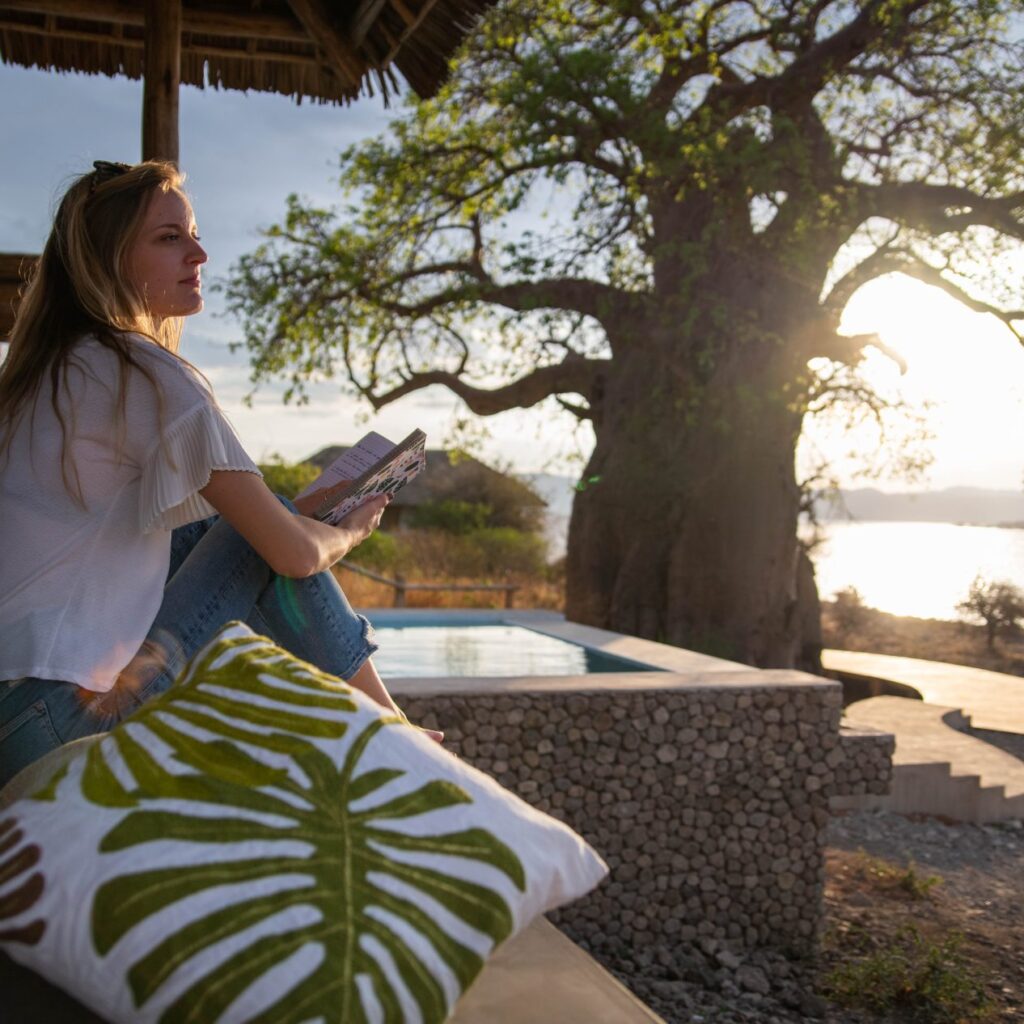
Tanzania is one of the most iconic travel destinations in Africa, offering world-class Tanzania safari experiences, breathtaking landscapes, and rich cultural heritage. From the endless plains of the Serengeti National Park to the natural wonder of the Ngorongoro Conservation Area, the country delivers unmatched wildlife encounters. Adventure seekers also explore Africa’s highest peak, Mount Kilimanjaro, while beach lovers relax on the tropical shores of Zanzibar Archipelago. Tanzania combines safari, mountain trekking, cultural tours, and coastal holidays into one destination. With abundant wildlife, including the Great Migration, and friendly local communities, it remains a top choice for Africa travel packages, honeymoon safaris, and luxury adventures. This guide highlights the best things to do in Tanzania for unforgettable African experiences. 1. Experience the Serengeti National Park Safari A safari in the Serengeti National Park is one of the best things to do in Africa, known for its endless plains and incredible wildlife density. It is famous for the Great Migration, where millions of wildebeest and zebras move across the savannah in search of fresh grazing. Visitors enjoy thrilling game drives spotting lions, leopards, elephants, and cheetahs in their natural habitat. Serengeti safari tours are perfect for photographers, honeymoon travelers, and adventure seekers looking for authentic African safari experiences. The park offers luxury lodges, mobile camps, and budget safaris, Tanzania safari, Africa travel, Serengeti safari, Kilimanjaro climbing, Zanzibar beaches, Ngorongoro Crater safari making it accessible to all travelers. A visit here guarantees unforgettable wildlife encounters and breathtaking sunsets over the African wilderness. 2. Discover Ngorongoro Crater Wildlife The Ngorongoro Conservation Area is a UNESCO World Heritage Site and one of the most unique safari destinations in the world. Often called the “Eighth Wonder of the World,” the Ngorongoro Crater is a massive volcanic caldera filled with diverse wildlife. Visitors can spot the Big Five, including lions, elephants, rhinos, buffalo, and leopards, all within a single game drive. The crater floor offers lush grasslands, lakes, and forests, creating a natural wildlife sanctuary. Ngorongoro safari tours are ideal for short trips and luxury safaris in Tanzania. The stunning scenery, combined with rich Maasai culture nearby, makes it a must-visit destination for anyone exploring East Africa safari packages and wildlife adventures. 3. Climb Mount Kilimanjaro Climbing Mount Kilimanjaro is one of the most iconic trekking experiences in Africa and the highest free-standing mountain in the world. Known as the “Roof of Africa,” Kilimanjaro attracts hikers from all over the globe. The climb offers multiple routes, including Marangu, Machame, and Lemosho, each providing unique landscapes from rainforest to alpine desert. Reaching Uhuru Peak is a life-changing achievement for adventure lovers. Kilimanjaro trekking does not require technical climbing skills, making it accessible to fit beginners with proper preparation. Along the way, climbers experience stunning views, unique wildlife, and changing ecosystems. It is a highlight of Tanzania adventure tourism and one of the top bucket-list activities in Africa travel. 4. Relax on Zanzibar Beaches The tropical paradise of Zanzibar Archipelago is famous for its white sandy beaches, turquoise waters, and rich Swahili culture. Zanzibar is one of the best beach destinations in Africa, offering relaxation after a Tanzania safari. Visitors enjoy snorkeling, diving, spice tours, dhow sailing, and romantic beach sunsets. The island blends history and beauty, especially in Stone Town, a UNESCO World Heritage Site. Zanzibar holiday packages are popular among honeymooners and luxury travelers seeking a perfect beach escape. The coral reefs surrounding the island make it ideal for marine adventures, while beachfront resorts provide world-class comfort. Zanzibar is truly a paradise that completes any East Africa safari itinerary. 5. Explore Tarangire National Park Elephants Tarangire National Park is known as the “Land of Giants” because of its massive elephant population and ancient baobab trees. Located in northern Tanzania, it offers a quieter and more intimate safari experience compared to other parks. Visitors can enjoy game drives featuring lions, giraffes, zebras, wildebeest, and over 500 bird species. The Tarangire River attracts large concentrations of wildlife during the dry season, making it perfect for photography safaris. This park is ideal for travelers looking for authentic Tanzania wildlife safaris away from crowds. It is often included in combined safari itineraries with Serengeti and Ngorongoro, making it a key highlight of northern Tanzania safari circuits. 6. Visit Lake Manyara National Park Lake Manyara National Park is a small but diverse safari destination known for its tree-climbing lions and flamingo-filled lake. Located along the Great Rift Valley, it offers stunning scenery with groundwater forests, hot springs, and wildlife-rich plains. Visitors can spot elephants, hippos, baboons, and numerous bird species, making it a paradise for birdwatching safaris in Tanzania. Lake Manyara is ideal for day trips and short safari experiences, often combined with Ngorongoro Crater tours. Its compact size allows travelers to see a variety of ecosystems in a short time. This park is a hidden gem for nature lovers exploring East African safari destinations. 7. Experience Maasai Cultural Tours One of the most enriching things to do in Tanzania is visiting the Maasai communities in northern regions near Serengeti and Ngorongoro. The Maasai people are known for their vibrant red clothing, traditional dances, and unique pastoral lifestyle. Cultural tours allow visitors to learn about their customs, housing, and daily life. Tourists can participate in traditional dances, visit bomas (villages), and buy handmade crafts. These experiences provide a deeper understanding of Tanzania’s cultural heritage beyond wildlife safaris. Maasai cultural tourism is a key part of responsible travel in Africa, supporting local communities and preserving traditions. It adds meaningful value to any Tanzania safari itinerary. 8. Witness the Great Wildebeest Migration The Great Migration in the Serengeti National Park is one of the most spectacular wildlife events on Earth. Over two million wildebeest, zebras, and gazelles move across the Serengeti ecosystem in search of fresh grazing land. This natural wonder involves dramatic river crossings, predator encounters, and breathtaking wildlife action. Safari travelers from around the world visit Tanzania to witness this once-in-a-lifetime experience. The migration is best viewed between June and October
Kilimanjaro Tipping
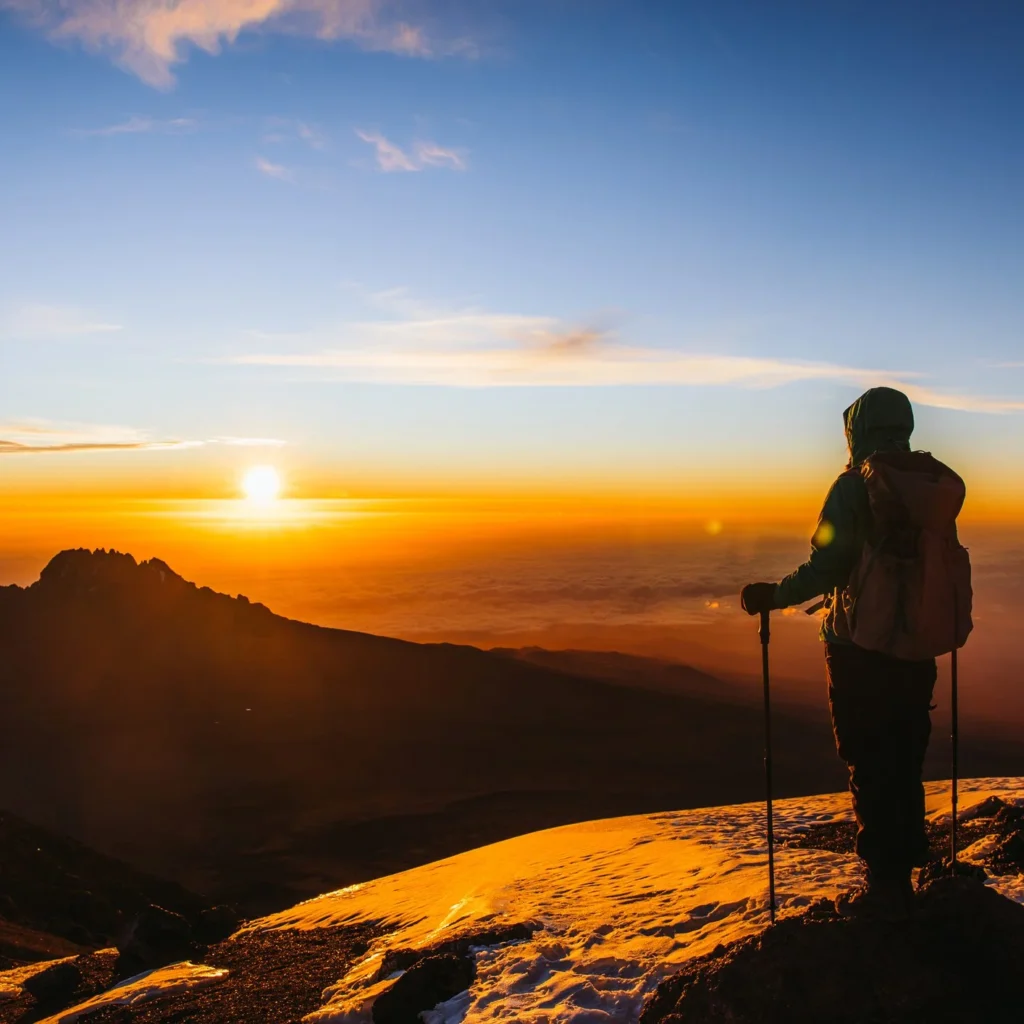
Climbing Mount Kilimanjaro is one of the most iconic trekking adventures in the world, attracting thousands of hikers every year through routes such as Machame, Marangu, Lemosho, Rongai, and Umbwe. Beyond fitness, preparation, and gear, one of the most important yet often misunderstood aspects of the climb is Kilimanjaro tipping etiquette. Understanding how much to tip guides, porters, cooks, and the entire mountain crew is essential for a respectful and ethical trekking experience. This Kilimanjaro tipping guide explains standard gratuity rates, budget expectations, cultural norms, and how tipping contributes directly to fair wages and team motivation. Whether you are planning a budget hike or a luxury Kilimanjaro trek, knowing tipping protocols ensures smooth communication with your trekking company and helps you contribute positively to the mountain economy and local communities that make your summit possible. Why Kilimanjaro Tipping Matters Kilimanjaro tipping is not optional—it is a deeply rooted part of the trekking culture and a key component of porter and guide income. Many crew members depend on tips as part of their fair compensation for supporting climbers through challenging high-altitude conditions. Discover “Kilimanjaro tipping guide” and “how much to tip Kilimanjaro crew” highlight how important this topic is for travelers. Tipping also encourages professionalism, safety, and teamwork on the mountain. From carrying heavy loads to preparing meals and ensuring your oxygen levels and pace are safe, every crew member plays a critical role. Understanding tipping expectations ensures ethical tourism and strengthens sustainable travel practices on Kilimanjaro routes such as Machame and Lemosho. Proper tipping is also a sign of respect and appreciation for the incredible effort of the mountain support team. Standard Kilimanjaro Tipping Rates Standard Kilimanjaro tipping rates vary depending on route length, group size, and service level. On average, climbers should budget around $250–$400 per climber for a 6–7 day trek. Discover “Kilimanjaro tipping cost” and “gratuity guidelines Kilimanjaro” reflect common traveler concerns. Guides typically receive $20–$25 per day, assistant guides $15–$20, cooks $12–$15, and porters $6–$10 per day. These figures may vary slightly between budget, mid-range, and luxury trekking operators. The total tip is usually pooled and distributed among the entire crew at the end of the climb. Understanding these benchmarks helps climbers plan accurately and avoid under-tipping or overpaying confusion. Reputable tour companies usually provide a recommended tipping sheet before the climb to ensure transparency and fairness. Who You Should Tip on Kilimanjaro A proper Kilimanjaro tipping structure includes several key mountain staff members. These include the lead guide, assistant guides, cooks, and porters. Explore “Kilimanjaro porter tips” and “who to tip on Kilimanjaro trek” are very common among first-time climbers. The lead guide is responsible for your safety and summit success, while assistant guides support navigation and group pacing. Cooks prepare high-energy meals essential for altitude endurance. Porters carry tents, food, water, and personal gear, often walking ahead to set up camps. Each role is essential for a successful expedition. Tipping each category fairly ensures that the entire mountain team is recognized for their hard work. Most trekking companies provide a detailed crew list before the climb so trekkers can prepare appropriate gratuity amounts. When to Give Tips on Kilimanjaro Tipping on Kilimanjaro is traditionally done at the end of the trek during a formal “tip ceremony.” This usually takes place after the summit descent when climbers return to the final camp or lodge. Discover “when to tip Kilimanjaro guides” and “Kilimanjaro tipping ceremony” highlight this important moment. The lead guide typically organizes the ceremony where climbers present the total tip pool, often with a short speech of appreciation. The funds are then distributed fairly among the crew. It is important not to tip individuals randomly during the climb, as this can create imbalance or confusion. Instead, collective tipping ensures transparency and fairness. This ceremony is often emotional, as climbers and crew share a final moment of gratitude after days of teamwork on Africa’s highest mountain. How to Calculate Your Kilimanjaro Tip Budget Calculating your Kilimanjaro tipping budget should be part of your overall trekking cost planning. “Kilimanjaro cost breakdown tipping” and “how much cash for Kilimanjaro tips” are frequently searched. A simple method is to multiply daily tip rates by the number of crew members and trek duration. For example, on a 7-day climb with 10–15 crew members, total tips may range between $300–$500 per climber, depending on group size. Budget climbers should still plan at least $250, while luxury trekkers often tip higher for premium service. Always carry cash in USD bills (clean, new notes preferred). Pre-planning ensures you are not financially stressed after your summit attempt. Responsible budgeting also reflects respect for the mountain crew’s effort and encourages ethical trekking practices. Tipping Differences by Kilimanjaro Route Different Kilimanjaro routes can influence tipping expectations due to duration and crew size. For example, Machame and Lemosho routes are longer, requiring more porters and higher total tips, while Marangu is shorter and slightly less expensive. “Machame route tipping cost” and “Lemosho Kilimanjaro tips” are commonly searched by hikers comparing routes. Longer routes naturally involve more staff support, increasing the total tip pool. Luxury climbs may include additional assistant guides, increasing gratuity expectations. However, the per-person tip structure remains similar across routes. Understanding route-based variations helps climbers choose an option that matches both their budget and trekking style. Regardless of the route, fair tipping ensures all staff members are rewarded for their demanding work at high altitude. Tips for Porters on Kilimanjaro Porters form the backbone of every Kilimanjaro expedition, carrying heavy loads and setting up camps daily. “Kilimanjaro porter tipping guidelines” highlight how important they are to climbers. Porters typically receive the largest group share due to their numbers, often making up more than half of the crew. A fair tip acknowledges their endurance, strength, and essential support role. Many porters work under challenging conditions, so ethical tipping directly improves their livelihoods. Responsible trekking companies follow guidelines set by the Kilimanjaro Porters Assistance Project (KPAP). Giving fair porter tips ensures sustainable tourism and helps
Hiking in Tanzania
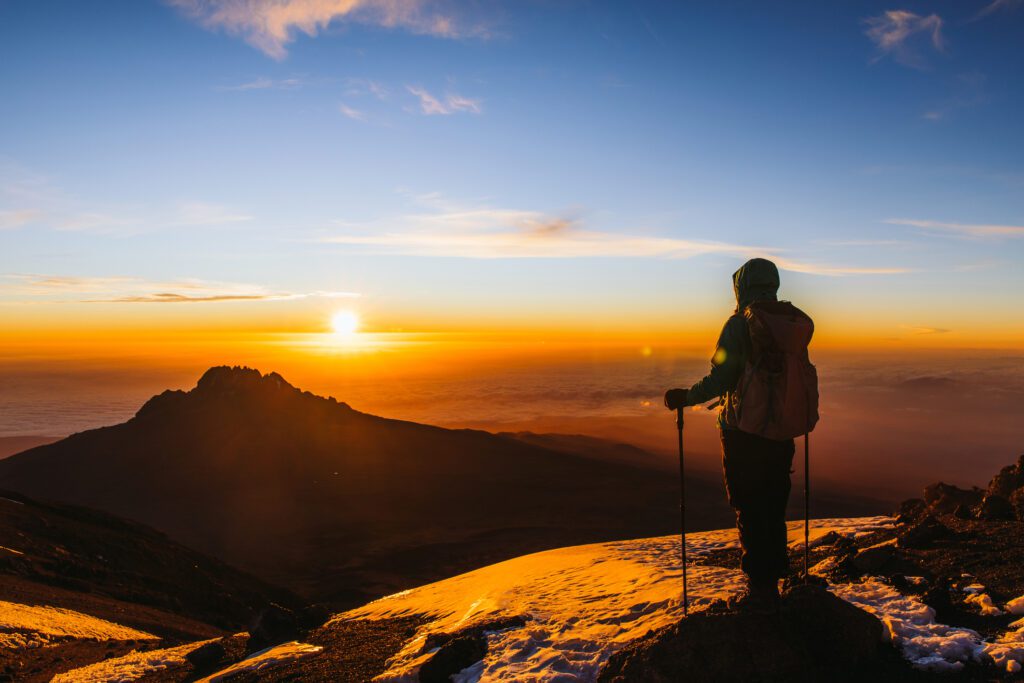
Hiking in Tanzania is one of Africa’s most sought-after adventure experiences, attracting travelers searching for Tanzania hiking tours, guided trekking in Tanzania, and the best hiking trails in East Africa. The country offers unmatched diversity, from alpine peaks and volcanic landscapes to rainforest-covered mountains and scenic highlands. Iconic destinations such as Mount Kilimanjaro National Park, the Usambara Mountains, and Lake Natron provide unforgettable trekking opportunities for both beginners and experienced hikers. Tanzania is also famous for combining wildlife encounters with hiking adventures, making it a top destination for ecotourism and outdoor exploration. With rich cultural experiences, Maasai interactions, and breathtaking viewpoints, hiking in Tanzania delivers a perfect blend of adventure, nature, and authentic African travel experiences for global explorers seeking unforgettable journeys today 1. Mount Kilimanjaro Hiking Experience Mount Kilimanjaro hiking is the most iconic trekking experience in Tanzania and one of the top search terms for African hiking adventures. As Africa’s highest peak within Kilimanjaro National Park, it attracts thousands of hikers seeking guided trekking tours, summit expeditions, and unforgettable sunrise views above the clouds. Popular routes such as Machame, Marangu, and Lemosho offer varying difficulty levels, making it ideal for both beginners and experienced climbers. Many travelers choose Tanzania hiking tours that include professional guides, porters, and full support for safe high-altitude trekking success. Climbing Kilimanjaro remains a bucket-list adventure and a major highlight of East Africa trekking experiences worldwide. With proper acclimatization, fitness preparation, and expert guidance, hikers can safely reach Uhuru Peak and enjoy breathtaking panoramic views. A year-round experience awaits today 2. Usambara Mountains Hiking Trails The Usambara Mountains in northeastern Tanzania are among the most scenic and underrated hiking destinations, offering lush greenery, cool climate, and breathtaking viewpoints. Popular for Tanzania trekking tours and eco hiking experiences, these mountains provide peaceful trails through villages, forests, and agricultural landscapes. Travelers enjoy guided hiking in Tanzania here due to rich biodiversity, cultural encounters, and panoramic views of the Eastern Arc Mountains. The area is perfect for day hikes, multi-day trekking routes, and photography-focused adventures that attract nature lovers worldwide. Usambara is a top SEO keyword for Tanzania hiking, offering authentic local hospitality and sustainable tourism opportunities. Visitors can explore viewpoints like Irente and enjoy guided cultural walks that showcase traditional life and farming practices. A must-visit hiking destination in Tanzania today for travelers globally 3. Mount Meru Hiking Adventure Mount Meru in Arusha National Park is a spectacular hiking destination and a popular acclimatization climb before Mount Kilimanjaro expeditions. It offers diverse landscapes, including rainforest, alpine desert, and dramatic volcanic ridges, ideal for guided trekking in Tanzania. Hikers often spot wildlife such as giraffes, buffalo, and colobus monkeys along scenic forest trails. The summit trek provides breathtaking views of Kilimanjaro and the surrounding East African plains, making it a favorite for adventure seekers. Many travelers include Mount Meru in Tanzania hiking itineraries to enhance altitude preparation and experience. It is considered one of the best hiking trails in Tanzania for those seeking fewer crowds and authentic wilderness experiences. Located near Arusha city, it is accessible year-round for trekking enthusiasts. Perfect for adventure lovers and climbers, the guided hiking in Tanzania experience 4. Udzungwa Mountains National Park Hiking Udzungwa Mountains National Park is a biodiversity hotspot and one of the most rewarding hiking destinations in Tanzania for nature lovers. Known as the “Galapagos of Africa”, it offers unique trekking experiences through dense rainforests, waterfalls, and endemic species habitats. Popular hiking trails include the Sanje Waterfalls route, which provides one of the highest waterfall views in East Africa. Tanzania hiking tours here are ideal for travelers seeking adventure, wildlife viewing, and immersive forest exploration. The park is home to rare primates, colorful birds, and lush vegetation, making it a must-visit for trekking enthusiasts. It is part of the Eastern Arc Mountains and offers some of the best hiking trails in Tanzania for ecotourism. Visitors can enjoy peaceful forest walks and guided trekking adventures year-round, as well as wildlife hiking 5. Lake Natron Hiking Experience Lake Natron is a unas well as unique hiking destination in northern Tanzania known for its volcanic landscapes, flamingo populations, and dramatic scenery. Hiking around Lake Natron offers challenging terrain with views of Ol Doinyo Lengai, the active volcano sacred to the Maasai people. Tanzania trekking tours in this area include hikes to waterfalls, gorges, and salt flats that create surreal landscapes. It is a remote yet rewarding hiking experience perfect for adventure seekers and photographers. The region is culturally rich with Maasai villages offering authentic cultural encounters during guided trekking adventures. Lake Natron is ideal for off-the-beaten-path hiking in Tanzania and appeals to experienced trekkers seeking solitude. It combines wildlife, geology, and cultural tourism in one destination. Great for adventure and discovery travelers’ best hiking Tanzania trails experience now 6. Ngorongoro Highlands Hiking The Ngorongoro Highlands offer some of the most scenic hiking experiences in Tanzania with rolling landscapes, volcanic craters, and Maasai cultural interactions. Located near Ngorongoro Conservation Area, these trails are ideal for travelers seeking guided trekking in Tanzania combined with wildlife viewing. Hikers can explore crater rim trails offering panoramic views of the world-famous Ngorongoro Crater ecosystem. The region is also known for cultural walks with Maasai communities, providing immersive local experiences. It is one of the top hiking destinations in Tanzania for photographers and nature lovers. Ngorongoro Highlands are perfect for day hikes, scenic trekking, and adventure safaris. They offer some of the best hiking trails in Tanzania with diverse landscapes and rich wildlife encounters. A must-visit for trekking enthusiasts exploring northern Tanzania, guided hiking tours experience 7. Arusha National Park Hiking Arusha National Park offers some of the most accessible and rewarding hiking experiences in northern Tanzania, ideal for day trips. It features lush montane forests, volcanic peaks, and scenic trails around Mount Meru and Momella Lakes. Visitors can enjoy guided walking safaris where giraffes, zebras, and buffalo roam freely. Tanzania hiking tours in this park are perfect for beginners and families seeking short trekking adventures. The
Climbing Kilimanjaro cost
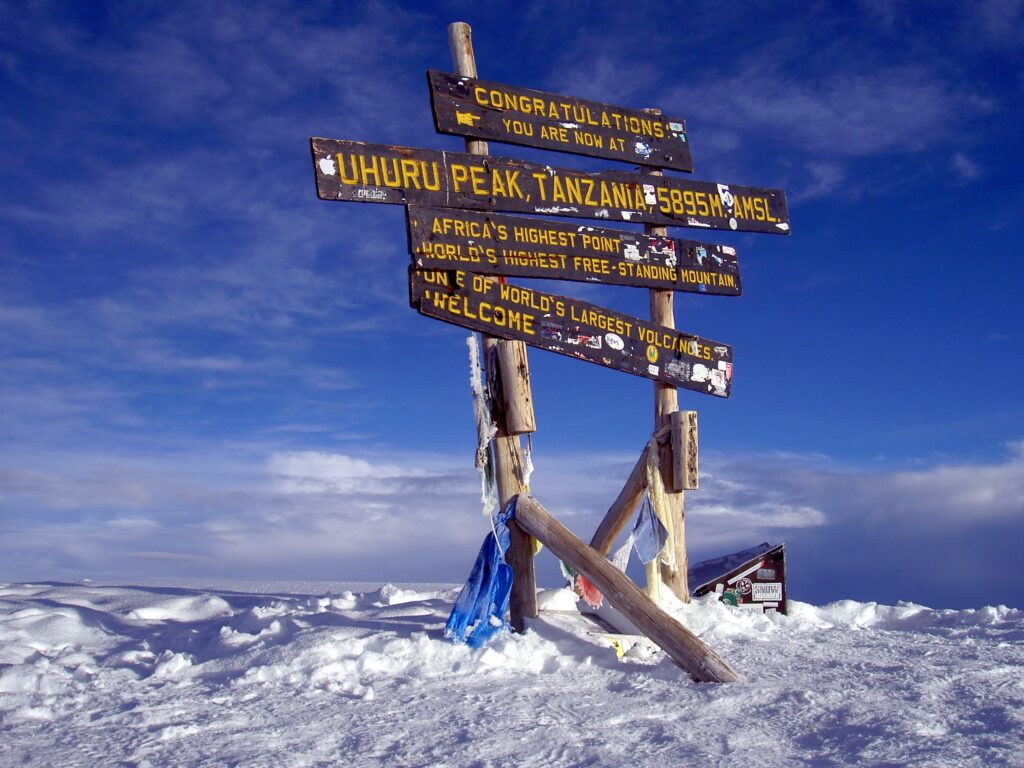
Experince the ultimate Climbing Kilimanjaro Cost is a bucket-list adventure and one of the most sought-after African safari experiences. Understanding the Kilimanjaro climbing cost is essential for planning a successful trek. Prices vary depending on route, duration, tour operator, level of comfort, and whether you choose budget, mid-range, or luxury packages. From affordable group climbs to premium private expeditions, the cost to climb Kilimanjaro typically ranges from $1,850 to $6,000 or more per person. This Climbing Kilimanjaro Cost comprehensive guide breaks down everything you need to know, including park fees, guide wages, equipment, accommodation, and hidden expenses. Whether you’re a solo traveler, honeymoon couple, or family, knowing the real Kilimanjaro cost helps you plan, budget, and book the perfect Tanzania adventure with confidence. Average Cost to Climb Kilimanjaro The Climbing Kilimanjaro Cost average cost to climb Kilimanjaro ranges between $2,000 and $4,500 per person, depending on the tour package. Budget Kilimanjaro climbs can cost as low as $21,50, while luxury Kilimanjaro safaris may exceed $6,000. These Climbing Kilimanjaro cost prices usually include park fees, guides, porters, meals, and accommodation during the trek. The price variation depends heavily on route choice, group size, and operator reputation. Group tours are generally cheaper than private climbs. High success rate routes like Lemosho and Machame often cost more due to longer durations. Choosing a Climbing Kilimanjaro cost reputable tour company ensures safety, proper acclimatization, and ethical porter treatment. While cheaper options exist, investing in a quality Kilimanjaro climbing package significantly increases your chances of reaching the summit successfully. Kilimanjaro Park Fees Explained Kilimanjaro National Park fees make up a significant portion of the total climbing cost. These government-mandated fees include conservation fees, camping or hut fees, rescue fees, and value-added tax (VAT). On average, park fees alone can cost between $800 and $1,200 per person, depending on the number of days spent on the mountain. Longer routes increase costs due to additional daily fees. The conservation fee is charged per day, while camping or hut fees depend on your chosen route. These fees are non-negotiable and apply to all climbers. Understanding park fees helps you see why Kilimanjaro climbing is not as cheap as other treks worldwide. These funds support park maintenance, wildlife conservation, and safety services, ensuring a sustainable and well-managed climbing environment. Budget vs Mid-Range vs Luxury Climbs Kilimanjaro climbing packages are categorized into budget, mid-range, and luxury options. Budget climbs offer basic services with minimal comfort, often using shared tents and simple meals. Mid-range packages provide better food, experienced guides, and more comfortable camping setups. Luxury Kilimanjaro climbs include high-end tents, private toilets, gourmet meals, and additional support staff. Climbing Kilimanjaro cost prices vary accordingly, with budget Climbing Kilimanjaro cost starting at $1,500, mid-range Climbing Kilimanjaro cost at around $2,500 to $3,500, and luxury packages exceeding $5,000. Luxury Climbing Kilimanjaro cost also offer higher success rates due to better equipment and personalized support. Choosing the right Climbing Kilimanjaro cost package depends on your budget, comfort preferences, and experience level. Investing in quality services enhances safety, enjoyment, and overall success on your Kilimanjaro adventure. Cost by Kilimanjaro Routes Different Kilimanjaro routes significantly affect the overall cost. Popular Mount Kilimanjaro routes like Machame, Marangu, Lemosho, Rongai, and Northern Circuit vary in price based on duration and logistics. Shorter Kilimanjaro routes like Marangu (5–6 days) are cheaper, while longer routes like Lemosho or Northern Circuit (7–9 days) are more expensive due to additional park fees and support costs. However, longer routes offer better acclimatization and higher summit success rates. The Machame route is a popular mid-range option balancing cost and success. Lemosho and Northern Circuit are premium routes known for scenic beauty and fewer crowds. Choosing the right Kilimanjaro route involves balancing budget with safety and success probability. Spending more on a longer Mount Kilimanjaro route can significantly improve your Kilimanjaro climbing experience. Kilimanjaro Group vs Private Climb Costs Choosing between a group climb and a private Kilimanjaro expedition impacts your overall cost. Group Kilimanjaro climbs are more affordable, typically ranging from $1,800 to $3,000, as costs are shared among participants. These are ideal for solo travelers looking to save money and meet new people. Private Kilimanjaro climbs, on the other hand, offer personalized schedules, flexibility, and exclusive support but come at a higher price, often starting from $3,500 and above. Private Kilimanjaro tours are perfect for families, honeymoon couples, or those seeking a customized experience. While group climbs are budget-friendly, private climbs provide comfort and control over pacing. Your choice depends on budget, travel style, and the level of exclusivity you desire. What’s Included in the Kilimanjaro Climbing Cost Most Kilimanjaro climbing packages include essential services such as park fees, professional guides, porters, meals, camping equipment, and accommodation on the mountain. Transfers from the airport and pre- and post-climb hotel stays are often included in mid-range Kilimanjaro tours and luxury Kilimanjaro packages. Meals are typically full-board, with breakfast, lunch, and dinner provided daily. High-quality operators also include oxygen tanks, medical kits, and safety equipment. However, inclusions vary by company, so it’s important to review package details carefully. A well-priced Kilimanjaro package should cover all logistics required for a safe and comfortable climb. Choosing an all-inclusive package simplifies planning and avoids unexpected expenses during your adventure. What’s Not Included in the Kilimanjaro Climbing Cost Despite being all-inclusive, Kilimanjaro climbing packages often exclude several important costs. International flights, visas, travel insurance, tips for guides and porters, and personal gear are usually not included. Tips alone can range from $200 to $400 per climber. Equipment such as sleeping bags, hiking boots, and clothing may need to be rented or purchased separately. Additional hotel nights, drinks, and optional activities also add to the overall cost. Travel insurance is mandatory and should cover high-altitude trekking. Understanding these exclusions helps you budget accurately and avoid surprises. Always ask your tour operator for a detailed list of inclusions and exclusions before booking your Kilimanjaro climb. Kilimanjaro Tips and Porter cost Tipping is an essential part of Kilimanjaro climbing culture
Stella Point Kilimanjaro
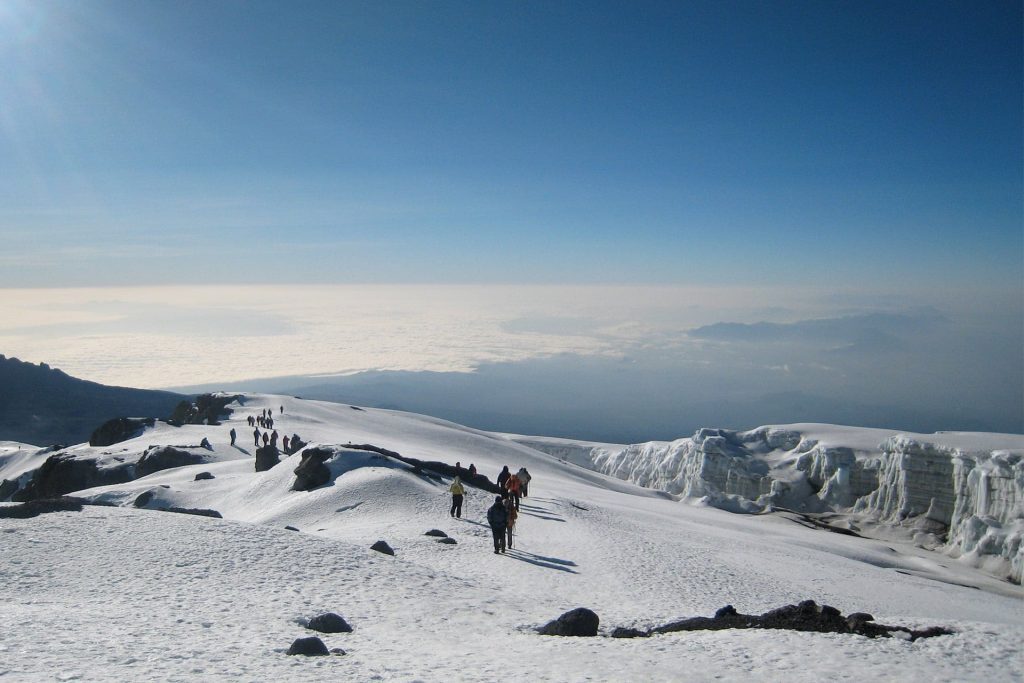
Stella Point Kilimanjaro is one of the most iconic milestones on the journey to the summit of Africa’s highest mountain, Mount Kilimanjaro. Located on the rim of Kibo Crater within Kilimanjaro National Park, Stella Point sits at approximately 5,756 meters above sea level and is often reached by climbers just before the final push to Uhuru Peak. It is a critical highlight of the Kilimanjaro trekking experience, especially for those on popular routes like Machame, Lemosho, and Marangu. Known for its breathtaking sunrise views, extreme altitude, and emotional achievement, Stella Point represents both physical endurance and mental strength. Many climbers describe it as the most challenging yet rewarding stage of the Mount Kilimanjaro climb, making it a major focus in Kilimanjaro trekking tours, Tanzania safari and adventure travel packages, and high-altitude mountaineering experiences across Africa. Geographic Location of Stella Point Stella Point is situated on the southern rim of Kibo Crater within Mount Kilimanjaro, Tanzania, forming part of the volcanic summit zone. It lies between the final ascent routes leading from Barafu Camp and the ultimate destination, Uhuru Peak. This location is significant in Kilimanjaro trekking routes because it marks the first official summit point recognized by the park authorities. Climbers passing through Stella Point are already above 5,700 meters, where oxygen levels are significantly reduced. The terrain is steep, rocky, and often covered in ice or snow depending on the season. As part of Kilimanjaro National Park, Stella Point offers panoramic views of the crater and surrounding glaciers. Its strategic position makes it a key milestone in all Mount Kilimanjaro climb itineraries and a must-pass checkpoint for summit success. Altitude and Climatic Conditions At an elevation of about 5,756 meters, Stella Point experiences extreme alpine conditions typical of high-altitude environments. Temperatures can drop far below freezing, especially during nighttime summit attempts, making proper Kilimanjaro climbing gear essential. Oxygen levels are significantly reduced, contributing to altitude sickness risks, which is a major consideration in Kilimanjaro trekking safety guidelines. Weather conditions can change rapidly, with strong winds, snow, and low visibility common around the crater rim. Despite these harsh conditions, many climbers encounter stunning sunrise views from Stella Point, making it one of the most memorable sections of the Mount Kilimanjaro climb. Proper acclimatization, hydration, and pacing are critical for reaching this stage successfully. In all Kilimanjaro trekking packages, Stella Point is described as a high-risk, high-reward zone requiring endurance and determination. Significance in the Kilimanjaro Summit Journey Stella Point holds immense significance as a psychological and physical milestone on the way to Uhuru Peak, the true summit of Mount Kilimanjaro. Many climbers consider reaching Stella Point as achieving the “first summit,” even though the final ascent continues for about 1 hour to Uhuru Peak. It is a major checkpoint in all Kilimanjaro trekking routes, especially Machame and Lemosho routes, where summit night begins from Barafu Camp. Reaching Stella Point is often a moment of emotional relief and celebration due to the exhaustion and altitude challenges faced. In Kilimanjaro National Park trekking experiences, this point symbolizes resilience, determination, and success in high-altitude mountaineering. It is also a key highlight in Tanzania safari adventure itineraries that combine wildlife safaris with mountain climbing experiences. The Final Push from Barafu Camp The journey to Stella Point begins at Barafu Camp, the final base camp before the summit attempt on Mount Kilimanjaro. Climbers typically start around midnight, trekking through darkness, cold winds, and steep volcanic scree. This section is widely considered the most difficult part of Kilimanjaro trekking due to fatigue, low oxygen, and harsh terrain. The slow, steady pace known as “pole pole” is essential for success. After approximately 6–8 hours of climbing, trekkers finally reach Stella Point on the crater rim. This moment is often emotional as climbers witness the sunrise above Africa. In Kilimanjaro trekking tours, this segment is carefully guided to maximize summit success rates while ensuring safety. It is a defining moment in every Mount Kilimanjaro climb experience. Physical Challenges on the Ascent Climbing to Stella Point presents significant physical challenges due to high altitude, steep gradients, and oxygen scarcity. Many trekkers experience fatigue, headaches, nausea, and dizziness caused by altitude sickness. The Kilimanjaro trekking experience demands strong cardiovascular endurance and mental resilience. The terrain consists of loose volcanic ash and rocky slopes, making every step physically demanding. Trekking poles, layered clothing, and proper hydration are essential tools for success. Despite the difficulty, guided Kilimanjaro climbs are designed to support gradual acclimatization, improving summit success rates. Professional guides in Kilimanjaro National Park monitor climbers closely for signs of altitude stress. Reaching Stella Point is considered a major physical achievement in high-altitude mountaineering and a highlight of Tanzania safari adventure tourism. Mental Strength and Motivation Mental endurance plays a crucial role in reaching Stella Point during a Mount Kilimanjaro climb. Many climbers describe the summit night as a psychological battle against exhaustion, cold, and doubt. The darkness and silence of the mountain amplify the difficulty, making motivation and determination essential. Kilimanjaro trekking guides often encourage climbers with positive reinforcement, reminding them of the goal—reaching Uhuru Peak. The sight of Stella Point at sunrise provides a powerful emotional boost, renewing energy for the final ascent. In Kilimanjaro trekking experiences, mental preparation is just as important as physical training. Many Tanzania safari and climbing packages emphasize mental resilience as a key factor for success on high-altitude expeditions. Sunrise Experience at Stella Point One of the most breathtaking experiences in Kilimanjaro trekking is witnessing the sunrise from Stella Point. As the sun rises above the African continent, it illuminates the crater rim and glaciers of Mount Kilimanjaro, creating a surreal landscape. This moment is often described as spiritual and life-changing by climbers. The contrast between the freezing night and golden sunrise symbolizes triumph over hardship. In Kilimanjaro trekking tours, guides often time the ascent to reach Stella Point during sunrise for maximum visual impact. This experience is a highlight of Tanzania safari adventure tourism and is frequently featured in travel photography and documentaries.
Overweight Climbing Kilimanjaro
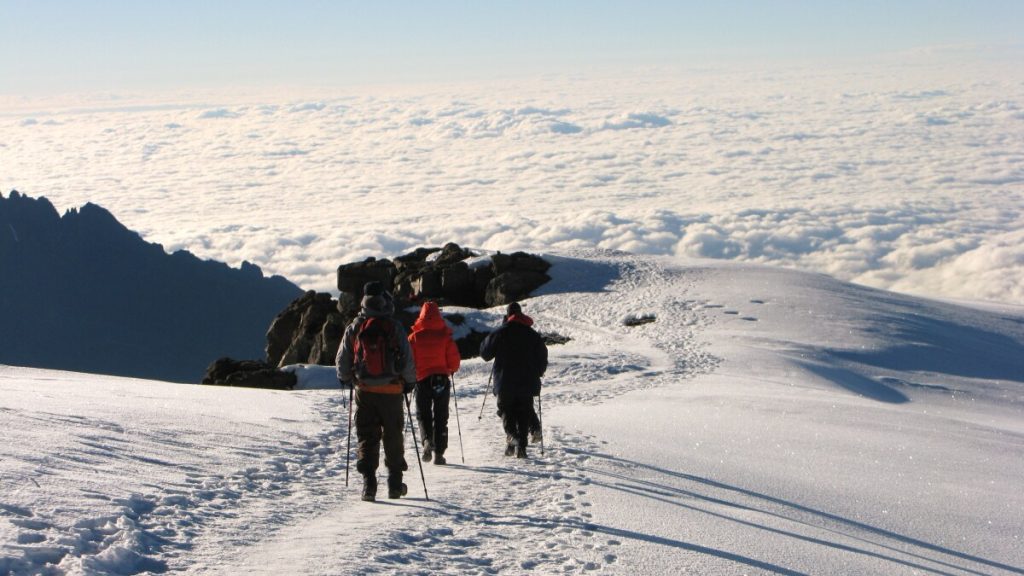
Climbing Mount Kilimanjaro while overweight is not only possible—it’s increasingly common among determined trekkers seeking a life-changing African adventure. With the right Kilimanjaro training plan, mental resilience, and expert guidance, plus-size climbers can successfully reach Uhuru Peak. This guide blends top-ranking like Kilimanjaro climbing for beginners, overweight hiking tips, altitude sickness prevention, Kilimanjaro success rates, and best routes for acclimatization to help you prepare. From fitness strategies and gear advice to pacing and safety, this narrative shows that weight does not define your summit potential. With professional guides, proper acclimatization, and a personalized approach, your Kilimanjaro trek can be safe, achievable, and deeply rewarding—no matter your starting point. Understanding Kilimanjaro for Overweight Climbers Climbing Mount Kilimanjaro as an overweight trekker begins with understanding the challenge ahead. Kilimanjaro is a non-technical trek, meaning no ropes or climbing skills are required, but altitude, endurance, and consistency are key. Many successful climbers are not athletes—they succeed through preparation and pacing. For overweight hikers, the focus should be on cardiovascular fitness, joint strength, and gradual acclimatization, Kilimanjaro difficulty level, trekking fitness requirements, and beginner-friendly mountain climbs are central here. The journey involves long walking days at high altitude, not speed or agility. With a supportive guide team and a steady “pole pole” pace, overweight climbers can adapt well. Understanding the terrain, weather, and altitude zones helps set realistic expectations and boosts confidence before your Tanzania adventure begins. Can You Climb Kilimanjaro If You Are Overweight? Yes, many overweight climbers successfully summit Mount Kilimanjaro every year. Weight alone is not the deciding factor; fitness level, determination, and preparation matter more. Search terms like can overweight people climb Kilimanjaro, Kilimanjaro success stories, and fitness vs weight hiking highlight this growing interest. Climbers of all body types have reached Uhuru Peak by focusing on stamina rather than speed. The key is gradual preparation, strong mental attitude, and proper acclimatization. Guides are trained to support diverse fitness levels, offering encouragement and pacing strategies. Being overweight may require more training and recovery time, but it does not prevent success. With the right mindset and plan, you can transform this challenge into a powerful personal achievement. Best Kilimanjaro Routes for Overweight Climbers Choosing the right route on Mount Kilimanjaro is crucial for overweight trekkers. Routes like Lemosho and Northern Circuit are often recommended due to their longer itineraries and better acclimatization profiles, such as the best Kilimanjaro routes, the easiest route Kilimanjaro, high success rate routes, and slow acclimatization trekking apply here. These routes allow gradual altitude gain, reducing the risk of altitude sickness. Avoid shorter, steeper routes like Marangu if possible. A longer trek means more time for your body to adapt, which is especially beneficial for those carrying extra weight. Scenic landscapes and fewer crowds also enhance the experience. Choosing the right route significantly increases your chances of a safe and successful summit. Training for Kilimanjaro While Overweight Training is essential when preparing for Mount Kilimanjaro, especially for overweight climbers. Focus on building endurance through walking, hiking, and low-impact cardio like cycling or swimming, like the Kilimanjaro training plan, overweight fitness hiking, endurance training, and preparing for high altitude trekking are key. Strength training for legs and core improves stability and reduces injury risk. Gradually increase distance and elevation in your workouts. Consistency matters more than intensity—train regularly over several months. Practice hiking with a backpack to simulate real conditions. This preparation not only improves physical readiness but also builds confidence. With a structured training plan, your body will adapt, making the climb more manageable and enjoyable. Managing Altitude Sickness Risks Altitude sickness is the biggest challenge on Mount Kilimanjaro, regardless of weight. For overweight climbers, proper acclimatization is even more important, including altitude sickness prevention, acclimatization tips for Kilimanjaro, and high altitude trekking safety. Climb slowly, stay hydrated, and listen to your body. Choose longer routes and consider medication like acetazolamide if advised by a doctor. Guides monitor oxygen levels and symptoms daily. Weight does not directly cause altitude sickness, but fitness and pacing influence how your body adapts. Avoid rushing and prioritize rest. With careful planning and awareness, altitude challenges can be managed effectively, ensuring a safer climb. Importance of “Pole Pole” (Slow Pace) The Swahili phrase “pole pole,” meaning “slowly slowly,” is the golden rule on Mount Kilimanjaro. For overweight climbers, this approach is essential, like slow hiking pace, Kilimanjaro trekking tips, and endurance over speed are vital. Walking slowly conserves energy and helps your body adjust to altitude. Guides set a steady rhythm that suits everyone in the group. This method reduces fatigue and improves summit success rates. Embracing a slower pace also allows you to enjoy the stunning scenery. Rather than focusing on speed, focus on consistency. “Pole pole” is not just advice—it’s the secret to reaching the summit safely and confidently. Gear and Packing Tips for Overweight Climbers Proper gear is crucial for a successful Mount Kilimanjaro climb. Overweight trekkers should prioritize comfort, support, and durability, like a Kilimanjaro packing list, plus-size hiking gear, best trekking boots, and high-altitude clothing are essential. Choose well-fitted boots with strong ankle support and moisture-wicking clothing to prevent chafing. Trekking poles help reduce strain on joints, especially knees. Layering is key for changing temperatures. Avoid overpacking—porters carry most gear, but a light daypack is important. Investing in quality gear enhances comfort and reduces the risk of injury. Proper preparation ensures you stay focused on the experience rather than discomfort. Mental Strength and Motivation Mental resilience plays a huge role in climbing Mount Kilimanjaro. For overweight climbers, overcoming self-doubt is often part of the journey, like mental preparation for hiking, motivation for Kilimanjaro, and overcoming challenges while trekking. The climb is as much psychological as physical. Break the journey into small goals—reaching the next camp, the next hour, the next step. Support from guides and fellow climbers boosts morale. Staying positive and focused helps push through moments. Remember why you started. Your mindset can be the difference between turning back and reaching the summit. Recently, overweight
Kilimanjaro Weather
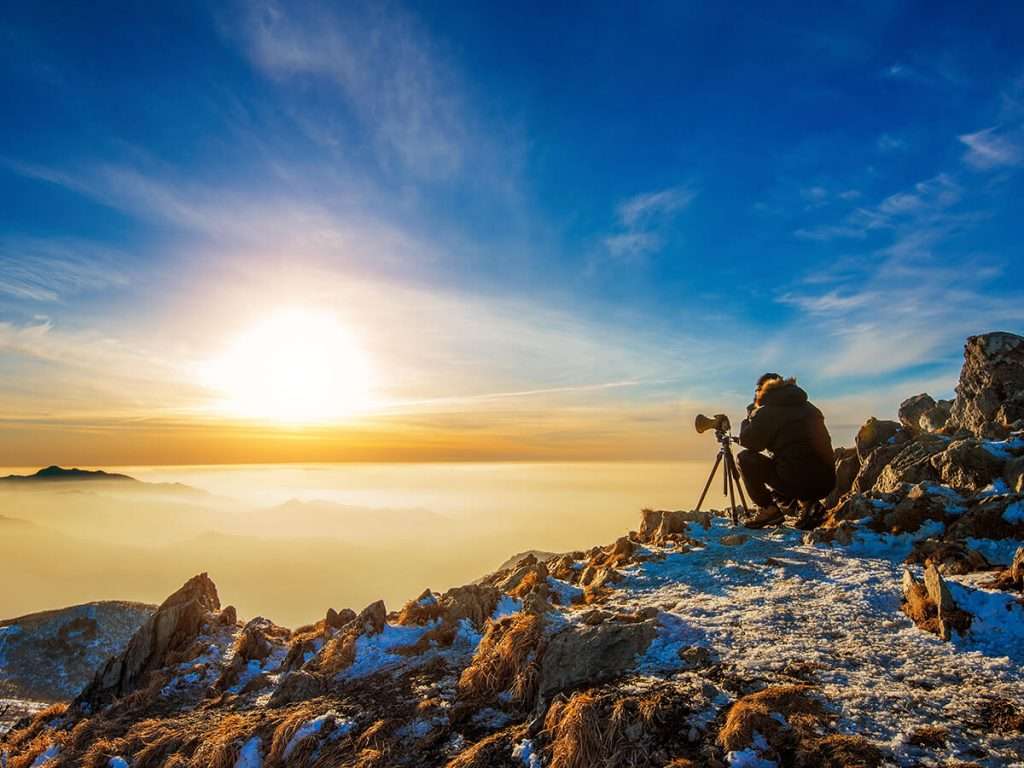
Kilimanjaro Weather is a key factor when planning a successful Mount Kilimanjaro climb in Tanzania. The mountain features diverse climate zones ranging from warm tropical rainforest at the base to freezing arctic conditions at the summit. Understanding Kilimanjaro temperature patterns, rainfall seasons, and altitude-based weather changes is essential for choosing the best time to climb Kilimanjaro. Weather conditions vary dramatically, with humid forests below and icy winds near Uhuru Peak. This guide explores Kilimanjaro weather conditions, seasonal changes, and climate zones in detail to help trekkers prepare effectively. Whether hiking Machame, Marangu, Lemosho, or Rongai route, knowing the Kilimanjaro climate improves safety, comfort, and summit success rates. Proper preparation for unpredictable mountain weather ensures an unforgettable African adventure experience on the Roof of Africa. Kilimanjaro Tropical Base Climate The lower slopes of Mount Kilimanjaro experience a warm tropical climate influenced by surrounding lowland weather systems. This Kilimanjaro weather zone is characterized by high humidity, frequent rainfall, and dense rainforest vegetation. Temperatures at the base usually range between 20°C and 30°C, creating ideal conditions for farming and biodiversity. Rain showers are common throughout the year, especially during the long rains from March to May and short rains from November to December. Climbers beginning their Kilimanjaro trek from Machame Gate or Marangu Gate immediately enter this humid forest environment. This zone plays a vital role in the mountain’s water cycle and ecosystem balance. Waterproof clothing, rain jackets, and proper hiking boots are essential for trekkers navigating this wet and slippery rainforest section of Kilimanjaro. Kilimanjaro Rainy Seasons Kilimanjaro weather is strongly influenced by two main rainy seasons that shape trekking conditions and visibility on the mountain. The long rains occur from March to May, bringing heavy downpours, muddy trails, and thick cloud cover across forest zones. The short rains happen between November and December and are usually lighter but still affect hiking conditions. These wet seasons make Kilimanjaro climbs more challenging, especially on popular routes like Machame and Lemosho. However, rainfall enhances lush scenery, waterfalls, and vibrant vegetation. Fewer tourists also visit during this period, offering quieter trails and lower costs. Trekkers must prepare waterproof gear, quick-dry clothing, and gaiters for muddy paths. Understanding Kilimanjaro rainfall patterns is essential for planning a safe and successful trekking adventure in Tanzania. Kilimanjaro Summit Cold Weather At the summit of Mount Kilimanjaro, weather conditions become extremely harsh and unpredictable. Temperatures near Uhuru Peak often drop below -10°C, especially at night and during early morning summit attempts. Strong winds, low oxygen levels, and freezing conditions define this Kilimanjaro weather zone. Snow and ice frequently cover the volcanic landscape, creating an arctic-like environment despite being located near the equator. Climbers must prepare for extreme cold using insulated jackets, thermal layers, gloves, and proper head protection. Weather changes rapidly, and clear skies can quickly turn into snowstorms. This summit climate is one of the biggest challenges for trekkers attempting Kilimanjaro. Proper acclimatization and timing the summit push are essential for safety and success on Africa’s highest free-standing mountain. Kilimanjaro Temperature Variation by Altitude Kilimanjaro weather changes dramatically with altitude, creating five distinct climate zones. At the base, temperatures are warm and humid, while mid-elevation forests are cooler and wetter. As climbers ascend into heath and moorland zones, temperatures drop and vegetation becomes sparse. Above 4,000 meters, the alpine desert is dry, windy, and cold during the day but freezing at night. Near the summit, conditions become arctic with snow, ice, and sub-zero temperatures. This vertical climate variation is one of the most unique features of Kilimanjaro climate. Trekkers experience multiple weather systems in a single expedition. Understanding altitude-based temperature changes helps climbers pack appropriately and prepare for each stage of the journey. Layered clothing is essential to adapt to rapidly shifting Kilimanjaro weather conditions throughout the climb. Best Dry Season for Climbing Kilimanjaro The best Kilimanjaro weather for climbing occurs during the dry seasons from June to October and January to February. These months offer clear skies, stable temperatures, and minimal rainfall, making trekking conditions more comfortable and safer. Trails are less muddy, and visibility is excellent for scenic photography and summit attempts. This period is considered peak climbing season on Mount Kilimanjaro, attracting many international hikers. However, it also means higher traffic on popular routes like Machame and Marangu. Despite crowds, dry season weather increases summit success rates due to predictable conditions. Nights remain cold, especially at higher elevations, so warm gear is still essential. Planning your Kilimanjaro trek during the dry season ensures better weather stability, improved safety, and an overall more enjoyable mountain climbing experience. Kilimanjaro Humidity and Cloud Cover Humidity plays a major role in Kilimanjaro weather, especially in the lower rainforest zones. High moisture levels create dense vegetation and frequent cloud cover, reducing visibility during climbs. Morning mist is common, often giving way to afternoon clearings depending on the season. Cloud cover increases during rainy months, making trails slippery and less visible. As altitude increases, humidity decreases significantly, leading to drier air in alpine zones. This shift affects breathing and hydration for climbers. Proper acclimatization helps trekkers adjust to changing atmospheric conditions. Kilimanjaro’s cloud patterns also influence temperature regulation across different zones. Understanding humidity and cloud cover is essential for planning clothing, gear, and trekking schedules. These weather conditions directly impact comfort, visibility, and overall trekking experience on Africa’s highest mountain. Kilimanjaro Wind Conditions Wind is a significant factor in Kilimanjaro weather, especially at higher altitudes above 4,000 meters. As climbers ascend, wind speeds increase, creating colder and more challenging trekking conditions. At the summit, strong winds can reach freezing levels, significantly lowering the perceived temperature. These winds contribute to rapid heat loss and increase the risk of hypothermia if proper gear is not used. Wind exposure is most intense in alpine desert and summit zones where there is little vegetation for protection. Trekkers must use windproof jackets, layered clothing, and face protection to stay safe. Weather conditions can change quickly, making wind preparation essential for a successful Kilimanjaro climb. Understanding wind
how to book a guided Tanzania Safari Tours Online
Booking guided Tanzania safari tours online has never been easier, offering travelers access to the best African safari experiences with just a few clicks. From luxury Tanzania safaris and budget wildlife tours to all-inclusive Serengeti safari packages, the digital world connects you to trusted local tour operators, competitive prices, and verified reviews. Whether you are planning a Great Migration safari, a Ngorongoro Crater tour, or a Kilimanjaro adventure, online booking platforms simplify everything—from comparing safari itineraries to securing accommodations and flights. With the rise of eco-friendly safaris, private guided tours, and customized Tanzania safari packages, travelers can now tailor their dream African safari with precision. This guide explores step-by-step how to book Tanzania safari tours online safely, affordably, and efficiently while ensuring an unforgettable wildlife safari experience. Research the Best Tanzania Safari Destinations Start by identifying top safari destinations in Tanzania, such as Serengeti National Park, Ngorongoro Crater, Tarangire National Park, and Lake Manyara. Each destination offers unique wildlife safari experiences, from the Great Migration to big five safaris and birdwatching tours. Use rich travel platforms, safari blogs, and Google search results to compare destinations based on season, wildlife density, activities, “best Tanzania safari destinations,” “Serengeti safari tours,” and “Ngorongoro Crater packages” will help you find relevant information. Consider your travel goals—luxury safari, seniors safari, honeymoon safari, family safari, or budget safari tours. Researching thoroughly ensures you choose the right Tanzania safari itinerary that matches your expectations, travel style, and budget, making your online booking process smoother and more informed. Choose a Reputable Tanzania Safari Tour Operator Selecting Foot Slopes Tours and Safaris, a trusted Tanzania safari company, is essential for a safe and memorable experience. Look for licensed tour operators with strong online presence, verified customer reviews, and high rankings on platforms like TripAdvisor and Google. Search for keywords such as “top-rated Tanzania safari operators,” “best African safari companies,” and “reliable tour operators in Tanzania.” Check for affiliations with tourism organizations and ensure they offer professional guides and well-maintained safari vehicles. Foot Slopes Tours and Safaris, reputable companies, provide customized Tanzania safari packages, luxury lodges, and budget camping safaris. Compare multiple operators, focusing on transparency in pricing, inclusions, and customer support. Booking with a reputable safari company guarantees quality service, ethical tourism practices, and a seamless Tanzania safari booking experience online. Compare Tanzania Safari Packages and Prices Before booking, compare different Tanzania safari packages to find the best value for your budget. Online platforms allow you to evaluate luxury safaris, mid-range tours, and budget camping safaris based on price, duration, and inclusions. Use keywords like “Tanzania safari cost,” “affordable Tanzania safari packages,” and “all-inclusive African safari deals.” Pay attention to what is included—park fees, accommodation, meals, transportation, and guide services. Some packages offer fly-in safaris, while others focus on road trips. Comparing options helps you avoid hidden costs and choose the best itinerary. Look for seasonal deals and early booking discounts to save money. A thorough comparison ensures you get a high-quality safari experience without overspending. Check Online Reviews and Testimonials Reading reviews is one of the most important steps when booking Tanzania safari tours online. Platforms like TripAdvisor, Google Reviews, and safari forums provide real customer feedback on tour operators, guides, and accommodations. Explore “Tanzania safari reviews,” “best safari experiences in Tanzania,” and “top-rated safari tours.” Look for consistent positive feedback about professionalism, safety, and overall experience. Pay attention to detailed reviews that mention specific safari itineraries or destinations. Avoid companies with numerous negative reviews or unresolved complaints. Authentic testimonials help you understand what to expect and build confidence in your booking decision. Reliable reviews ensure you choose a safari operator that delivers exceptional service and unforgettable wildlife adventures. Customize Your Tanzania Safari Itinerary Many online safari booking platforms allow you to customize your itinerary based on your preferences. Whether you want a luxury Serengeti safari, a honeymoon safari in Zanzibar, or a family-friendly wildlife tour, customization ensures your trip meets your expectations. Book and inquire about “custom Tanzania safari,” “tailor-made safari packages,” and “private guided safari tours.” You can adjust travel dates, destinations, accommodation types, and activities such as game drives, hot air balloon safaris, and cultural tours. Personalized itineraries offer flexibility and enhance your overall experience. Communicate directly with genuine East African safari tour operators to refine your plan. Customization allows you to create a unique safari adventure that fits your schedule, interests, and budget perfectly. Verify Inclusions and Exclusions Understanding what is included in your safari package is crucial before booking. Most Tanzania safari tours include park fees, accommodation, meals, and guided game drives. However, exclusions may include international flights, visas, travel insurance, and optional activities. Check “Tanzania safari inclusions,” “what is included and not included in Tanzania safari packages,” and “African safari costs breakdown.” Carefully read the itinerary details and ask the operator for clarification if needed. Transparent pricing helps you avoid unexpected expenses during your trip. Knowing inclusions and exclusions ensures you can budget accurately and enjoy a stress-free safari experience. This step is essential for making informed decisions when booking online. Check Travel Dates and Best Time to Visit Timing is key when planning a Tanzania safari. The best time to visit depends on wildlife movements and weather conditions. The dry season (June to October) is ideal for game viewing, while the wet season offers lush landscapes and fewer crowds. Discovering the “best time for Tanzania safari,” “Great Migration season,” and “when to visit Serengeti” can guide your research. Booking during peak seasons may require early reservations due to high demand. Flexible travel dates can help you secure better deals. Understanding seasonal variations ensures you experience the best wildlife sightings and overall safari conditions. Choosing the right time enhances your safari adventure significantly. Book Flights and Transfers Online After selecting your safari package, arrange flights and airport transfers. Many tour operators offer airport pickup services from Kilimanjaro International Airport or Julius Nyerere International Airport. Use keywords like “flights to Tanzania safari,” “airport transfers safari,” and “fly-in safari Tanzania.” Compare flight prices
Gilman’s Point on Mount Kilimanjaro
Unveiling the Mysteries of Gilman’s Point is one of the most iconic and challenging milestones on the journey to the summit of Mount Kilimanjaro, located along the crater rim near the top of Africa’s highest mountain. It is a key highlight for climbers trekking through Kilimanjaro National Park via routes such as Marangu, Machame, Lemosho, and Rongai. Standing at approximately 5,685 meters, Gilman’s Point marks the first official summit sign for many trekkers before reaching Uhuru Peak. This legendary point is known for its steep ascent, thin air, and breathtaking sunrise views above the clouds. It represents endurance, determination, and high-altitude achievement in Tanzania trekking adventures. “Kilimanjaro summit point,” “Gilman’s Point hike,” and “Mount Kilimanjaro trekking routes,” it remains a must-know destination for climbers aiming to conquer Africa’s roof. Location and Geographic Importance Gilman’s Point is located on the northern edge of the volcanic crater rim of Mount Kilimanjaro. It sits between Stella Point and Uhuru Peak, making it a crucial waypoint for summit success. Positioned at high altitude in the arctic zone of the mountain, it offers dramatic glacier views and volcanic formations. This location is often reached after a demanding midnight ascent from base camps such as Kibo Hut. “Kilimanjaro summit map,” “Gilman’s Point location,” and “highest trekking point in Africa,” it is one of the most searched landmarks. Its geographic importance lies in being the first official summit recognition point for climbers on certain routes, especially the Marangu Route. The terrain is steep, rocky, and icy, requiring physical endurance and mental strength. Many trekkers describe it as the most rewarding milestone before reaching Uhuru Peak. Altitude and Climatic Conditions Gilman’s Point sits at an extreme altitude of about 5,685 meters above sea level, where oxygen levels are significantly reduced. At this height on Mount Kilimanjaro, climbers experience freezing temperatures, strong winds, and thin air. Weather conditions change rapidly, often shifting from clear sunrise views to icy winds within minutes. The environment is part of the alpine desert and arctic climate zones. “Kilimanjaro altitude sickness,” “cold summit conditions,” and “highest trekking temperature Africa” are closely associated with this point. Climbers must be well-acclimatized to avoid altitude-related risks such as headaches, fatigue, and dizziness. Night ascents to Gilman’s Point are extremely cold, often below freezing, requiring layered clothing and thermal protection. Despite the harsh climate, the sunrise over the crater rim creates a breathtaking contrast, making the challenging conditions worth enduring for most trekkers. Trekking Routes to Gilman’s Point Several popular trekking routes lead to Gilman’s Point on Mount Kilimanjaro, including the Marangu Route, Machame Route, Rongai Route, and Lemosho Route. The Marangu Route is the only one where climbers directly reach Gilman’s Point as part of the summit ascent from Kibo Hut. Other routes typically approach via Stella Point before continuing toward Uhuru Peak. Each route offers unique landscapes, from lush rainforest to alpine desert. “Kilimanjaro climbing routes,” “best route to Gilman’s Point,” and “Mount Kilimanjaro trekking itinerary” are widely searched by travelers. The final push to Gilman’s Point usually begins around midnight to reach the summit at sunrise. The steep scree slopes and volcanic ash terrain make progress slow but achievable with determination. Choosing the right route significantly affects success rates and overall trekking experience. Difficulty Level of the Ascent Reaching Gilman’s Point is considered one of the most physically and mentally demanding sections of climbing Mount Kilimanjaro. The ascent involves steep volcanic scree, loose gravel, and freezing winds that challenge even experienced hikers. Oxygen levels are extremely low, making every step feel heavier and slower. “Kilimanjaro difficulty level,” “Gilman’s Point climb challenge,” and “high altitude trekking Africa” are commonly searched. The final summit push typically takes 5–7 hours of continuous uphill trekking in darkness. Fatigue, altitude sickness, and cold temperatures increase the difficulty significantly. However, the climb is non-technical, meaning no ropes or climbing gear are required. With proper acclimatization, pacing, and mental determination, most trekkers can reach this iconic point. It remains a true test of endurance and resilience for anyone attempting to conquer Africa’s highest mountain. Sunrise Experience at Gilman’s Point One of the most unforgettable experiences at Gilman’s Point is witnessing the sunrise over Mount Kilimanjaro. As climbers arrive after a long midnight ascent, the horizon slowly brightens, revealing a sea of clouds and glowing skies. The first rays of sunlight illuminate the crater rim, glaciers, and surrounding peaks. “Kilimanjaro sunrise summit,” “Gilman’s Point sunrise view,” and “best sunrise hike Africa” are highly popular. This moment provides emotional relief and motivation for trekkers pushing toward Uhuru Peak. The contrast between freezing cold air and warm golden light creates a surreal atmosphere. Many climbers describe it as a spiritual and life-changing experience. Photographers also consider it one of the best high-altitude sunrise viewpoints in the world. The sunrise marks the reward for endurance, sacrifice, and determination during the Kilimanjaro summit journey. Connection to Uhuru Peak Gilman’s Point is not the final summit of Mount Kilimanjaro, but it is a critical milestone on the way to Uhuru Peak, the highest point in Africa. After reaching Gilman’s Point, climbers continue along the crater rim for another 1–2 hours to reach the true summit. “Uhuru Peak vs Gilman’s Point,” “Kilimanjaro summit route,” and “final ascent Kilimanjaro” are widely used in travel searches. The journey between these two points is less steep but still physically exhausting due to altitude. Many trekkers experience emotional highs at Gilman’s Point, believing they have reached the summit, only to realize the final push remains. This section highlights the importance of persistence and mental strength. Reaching Uhuru Peak from Gilman’s Point completes the ultimate achievement of climbing Kilimanjaro. Flora, Fauna, and Landscape The environment around Gilman’s Point on Mount Kilimanjaro is largely barren due to extreme altitude, but the lower slopes of the mountain feature rich biodiversity. As climbers ascend, vegetation transitions from rainforest to moorland, alpine desert, and finally icy terrain. “Kilimanjaro ecosystem zones,” “alpine desert Tanzania,” and “wildlife on Kilimanjaro” are common. While no large wildlife exists at Gilman’s Point