
The Ultimate Guide to Climbing Mount Meru
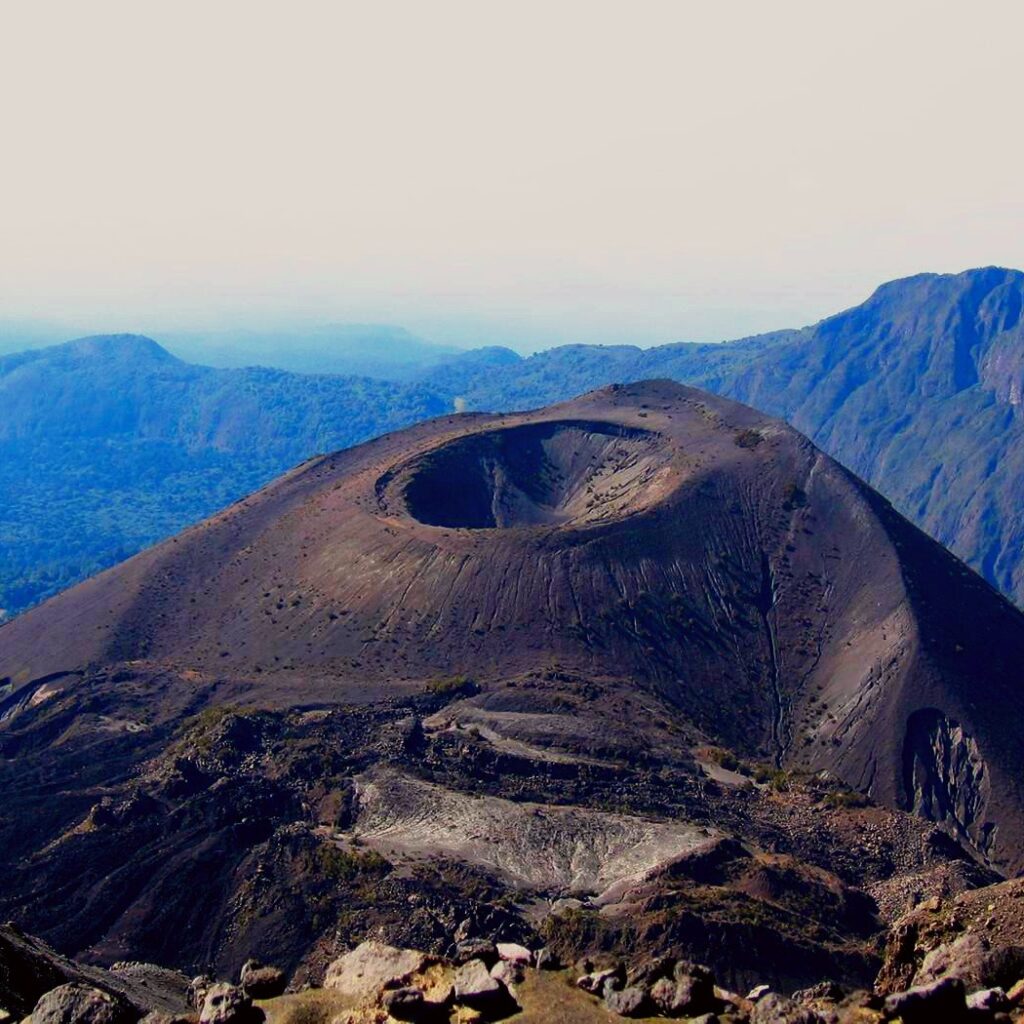
Climbing Mount Meru is one of Tanzania’s most rewarding trekking adventures and a powerful alternative or acclimatization hike for Mount Kilimanjaro. Standing at 4,566 meters, Mount Meru is located within the breathtaking landscapes of Arusha and serves as the centerpiece of Arusha National Park. This dormant stratovolcano offers a dramatic mix of lush rainforest, alpine desert, and rugged volcanic ridges. The trek is known for its rich wildlife encounters, scenic beauty, and fewer crowds compared to Kilimanjaro. For climbers searching for “Mount Meru trekking routes,” “Tanzania hiking adventures,” or “best acclimatization climbs in Africa,” this mountain is a top-ranking choice. The climb typically takes 3–4 days and provides unforgettable sunrise views over Kilimanjaro. It is ideal for both beginners and experienced trekkers seeking a challenging but rewarding high-altitude hike. Why Climb Mount Meru Mount Meru is often considered Tanzania’s hidden gem for trekking enthusiasts searching for “best African hiking experiences” or “less crowded Kilimanjaro alternatives.” Unlike Kilimanjaro, the trail is quieter, offering a more intimate connection with nature. Climbers enjoy diverse ecosystems, from dense forests filled with giraffes, buffalo, and monkeys to open moorlands with panoramic volcanic views. It is also an excellent acclimatization climb before attempting Kilimanjaro, significantly increasing summit success rates. The journey provides a perfect balance of adventure, wildlife safari atmosphere, and mountain trekking challenge. Many travelers choose Meru for its affordability, accessibility from Arusha, and shorter climbing duration. It is ideal for adventure seekers, photographers, and nature lovers looking for an immersive Tanzanian trekking experience. Mount Meru Location and Access Mount Meru is located in northern Tanzania, inside Arusha National Park, just 70 kilometers from Kilimanjaro International Airport. It is easily accessible from Arusha city, making it one of the most convenient trekking destinations in East Africa. Travelers searching for “how to get to Mount Meru” or “Arusha trekking tours” will find that most climbs begin at Momella Gate. Transfers from Arusha take about 45 minutes by road. The mountain is managed by Tanzania National Parks Authority, ensuring safety and conservation standards. Climbers must register permits before starting the trek. Its proximity to safari circuits like Serengeti and Ngorongoro makes it ideal for combining trekking and wildlife safaris. This accessibility is one of the main reasons Mount Meru is trending among adventure tourism keywords in Tanzania. Best Time to Climb Mount Meru The best time for climbing Mount Meru is during the dry seasons, which run from June to October and December to February. These months offer clear skies, stable weather, and excellent visibility of surrounding landscapes and Kilimanjaro. Travelers searching “best time to hike Mount Meru Tanzania” or “weather conditions Mount Meru climb” will find dry seasons ideal for safe trekking and photography. The rainy seasons (March–May and November) bring slippery trails, heavy clouds, and reduced visibility, making the hike more challenging. However, the mountain remains open year-round for experienced trekkers. Wildlife sightings are often better during wetter months when animals gather around water sources. Choosing the right season enhances safety, comfort, and summit success rates, especially for first-time high-altitude hikers. Mount Meru Trekking Routes The main and only official trekking route on Mount Meru is the Momella Route, which passes through diverse ecological zones inside Arusha National Park. This route is popular among search terms like “Mount Meru climbing itinerary” and “best trekking route in Tanzania.” Climbers ascend through grasslands, montane forests, and alpine deserts before reaching the dramatic crater rim. The route is well-maintained and guided by armed rangers due to wildlife presence. The final ascent to Socialist Peak offers breathtaking sunrise views over Mount Kilimanjaro. The standard trek lasts 3 to 4 days, depending on fitness and acclimatization needs. This single-route system ensures controlled tourism, minimal environmental impact, and a safer climbing experience compared to more complex mountain systems in Africa. Mount Meru Typical Climbing Itinerary A standard Mount Meru itinerary usually takes 4 days and begins at Momella Gate. Day 1 involves trekking through forest zones to Miriakamba Hut. Day 2 continues upward through diverse vegetation to Saddle Hut, where climbers rest and acclimatize. Day 3 starts early for the summit attempt to Socialist Peak, followed by descent back to Saddle Hut or Miriakamba. Day 4 completes the descent to the gate. This itinerary is widely searched under “Mount Meru 4-day climb plan” and “Tanzania trekking schedule.” The gradual ascent helps reduce altitude sickness risks and improves summit success rates. Each stage offers unique landscapes, wildlife sightings, and scenic viewpoints. Professional guides and rangers accompany climbers throughout the journey for safety and navigation. Mount Meru Difficulty Level and Fitness Requirements Mount Meru is considered a moderate to challenging climb, making it suitable for hikers with basic fitness and trekking experience. It is often recommended as a preparation hike for Mount Kilimanjaro. Search queries like “Is Mount Meru difficult to climb?” or “fitness level for Mount Meru trekking” highlight its growing popularity. The main challenge is altitude gain rather than technical climbing skills. The summit night is steep and physically demanding but non-technical. Regular cardio training, hiking practice, and endurance exercises significantly improve success rates. Climbers should be prepared for long walking hours, changing weather conditions, and altitude effects. With proper pacing and acclimatization, even beginners can successfully reach the summit. Mount Meru Training and Preparation Tips Proper preparation is essential for a successful Mount Meru climb. Many travelers search “how to prepare for Mount Meru hike” or “training for high altitude trekking Tanzania.” Recommended preparation includes regular hiking, stair climbing, jogging, and strength training for at least 4–6 weeks before departure. Mental readiness is equally important due to long trekking hours and summit night fatigue. Hydration and balanced nutrition improve endurance. Practicing with a loaded backpack helps simulate real trekking conditions. Acclimatization strategies, such as slow pacing and rest breaks, reduce altitude sickness risks. Travelers planning to combine Meru with Kilimanjaro often use it as a natural acclimatization climb, improving overall mountain performance. Mount Meru Permits, Costs, and Regulations Climbing Mount Meru requires official permits issued by Tanzania National Parks
Lemosho vs. Marangu Route
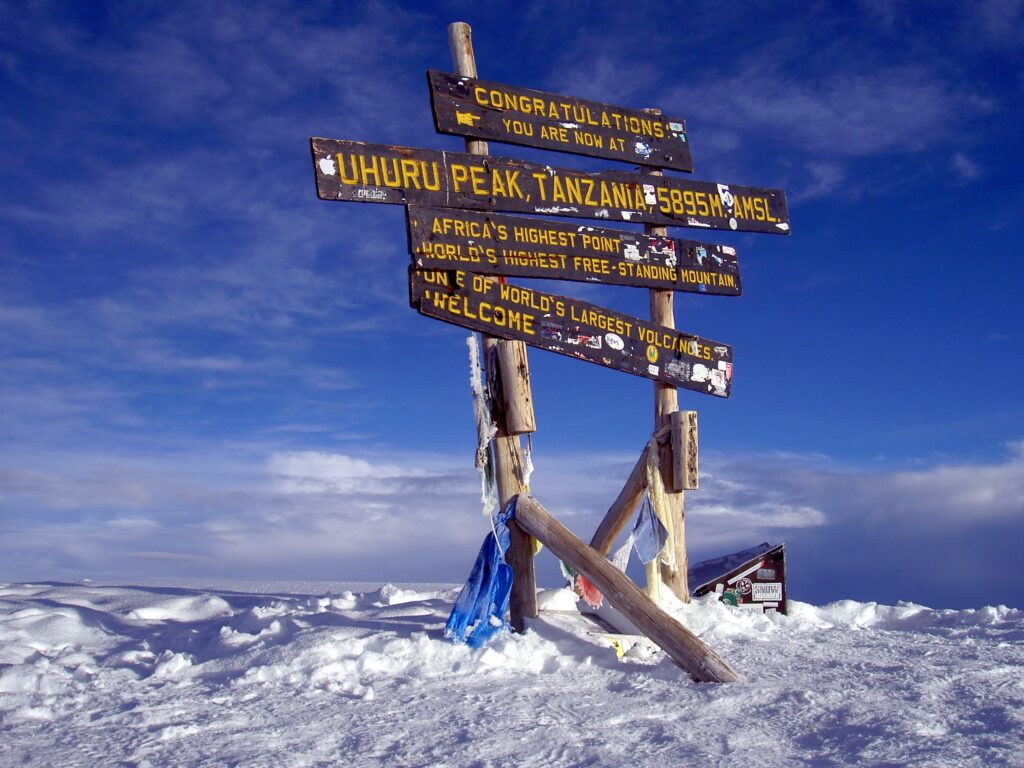
Choosing between the Lemosho Route vs Marangu Route is one of the most important decisions when planning a Mount Kilimanjaro climb. Both routes offer unique experiences, landscapes, success rates, and comfort levels, making them popular among trekkers, adventure travelers, and safari enthusiasts. The Lemosho Route is widely regarded as the best route for high summit success rates, scenic beauty, and gradual acclimatization, while the Marangu Route, known as the “Coca-Cola Route,” is famous for its hut accommodation, shorter duration, and budget-friendly appeal. Whether you’re seeking a luxury Kilimanjaro trek, a budget climb, or a once-in-a-lifetime African adventure, understanding the differences between these two iconic routes helps you plan better, pack smarter, and increase your chances of reaching Uhuru Peak, the highest point in Africa. Route Overview The Lemosho Route begins on the western side of Mount Kilimanjaro, offering a remote, less crowded start through lush rainforest and dramatic scenery. It gradually joins the Machame Route, providing excellent acclimatization and higher summit success rates. This route typically takes 7–8 days, making it ideal for climbers seeking a premium, scenic, and high-success Kilimanjaro experience. In contrast, the Marangu Route approaches from the southeast and is the only route offering hut accommodations instead of camping. It is shorter, usually 5–6 days, and follows the same path up and down. While it is considered the most budget-friendly Kilimanjaro route, its shorter duration can reduce acclimatization time, making it more challenging to reach the summit successfully for some trekkers. Scenic Beauty and Landscapes When it comes to scenic diversity, the Lemosho Route stands out as one of the most beautiful routes on Mount Kilimanjaro. Trekkers pass through rainforest, moorland, alpine desert, and arctic summit zones, with breathtaking views of the Shira Plateau and expansive wilderness. Wildlife sightings, including colobus monkeys, are also possible in the early stages. The Marangu Route, while still scenic, offers less variation in landscapes and retraces the same path during descent. It passes through dense rainforest and moorland but lacks the wide panoramic views found on Lemosho. For travelers seeking photography opportunities, dramatic landscapes, and immersive nature experiences, Lemosho is often ranked among the best Kilimanjaro routes for scenic trekking. Difficulty Level Both the Lemosho and Marangu Routes are considered non-technical climbs, meaning no mountaineering skills are required. However, difficulty varies due to duration, altitude gain, and acclimatization profile. The Lemosho Route is longer and more gradual, allowing climbers to adapt better to altitude, making it physically demanding but more manageable overall. The Marangu Route, despite being shorter, is often underestimated. Its rapid ascent profile gives less time for acclimatization, increasing the risk of altitude sickness. This makes it potentially more challenging, especially for beginners. For climbers seeking a higher success rate and safer altitude adjustment, Lemosho is often recommended by guides and tour operators as the best Kilimanjaro route for beginners and experienced trekkers alike. Acclimatization and Success Rate Acclimatization is crucial when climbing Mount Kilimanjaro, and this is where the Lemosho Route excels. Its longer itinerary follows the “climb high, sleep low” principle, giving trekkers more time to adjust to altitude changes. As a result, Lemosho boasts one of the highest summit success rates, often exceeding 85–90% on 8-day itineraries. On the other hand, the Marangu Route has a lower success rate due to its shorter duration and less effective acclimatization profile. Many climbers experience symptoms of altitude sickness, which can prevent them from reaching the summit. For those prioritizing safety, comfort, and reaching Uhuru Peak, Lemosho is widely considered the best route for Kilimanjaro success and altitude acclimatization. Accommodation Style One of the biggest differences between the Lemosho and Marangu Routes is accommodation. The Lemosho Route is a camping route, where trekkers sleep in high-quality mountain tents set up by support teams. This offers a more immersive wilderness experience under the African sky. In contrast, the Marangu Route is the only Kilimanjaro route with permanent huts, providing dormitory-style sleeping arrangements with basic amenities. While huts may seem more comfortable, they can be crowded during peak seasons. Lemosho camping, especially on luxury Kilimanjaro climbs, often includes upgraded tents, private toilets, and personalized service. Travelers choosing between camping vs hut accommodation on Kilimanjaro should consider comfort preferences, privacy, and overall adventure experience. Cost and Budget The Marangu Route is generally the most affordable Kilimanjaro route, making it popular among budget travelers and first-time climbers. Its shorter duration and hut accommodations reduce overall logistics and costs. In contrast, the Lemosho Route is more expensive due to its longer itinerary, park fees, and additional support required for camping. However, many climbers consider it a better value due to higher success rates and a richer experience. Prices for both routes vary depending on whether you choose budget, mid-range, or luxury Kilimanjaro packages, including services like private guides, high-end tents, and gourmet meals. For travelers balancing cost vs experience, Lemosho offers premium value, while Marangu remains the best budget Kilimanjaro climbing option. Crowds and Traffic If you prefer a quieter and more exclusive trekking experience, the Lemosho Route is an excellent choice. It starts in a remote area and sees fewer climbers in the early days, offering a sense of solitude and wilderness. As it joins other routes later, traffic increases slightly but remains manageable. The Marangu Route, on the other hand, is one of the most popular and busiest routes on Kilimanjaro. Its reputation as the easiest and cheapest route attracts many trekkers, especially during peak seasons. Crowded huts and trails can reduce the overall experience. For those seeking a less crowded Kilimanjaro climb with scenic tranquility, Lemosho is often recommended as the best route for avoiding crowds. Duration and Itinerary The Lemosho Route typically takes 7 to 8 days, providing a longer and more gradual ascent profile. This extended duration significantly improves acclimatization and enhances the overall trekking experience. Each day is carefully designed to balance trekking and rest, increasing summit success rates. The Marangu Route, by comparison, is shorter, usually completed in 5 or 6 days. While this appeals to
Kilimanjaro Packing Mistakes
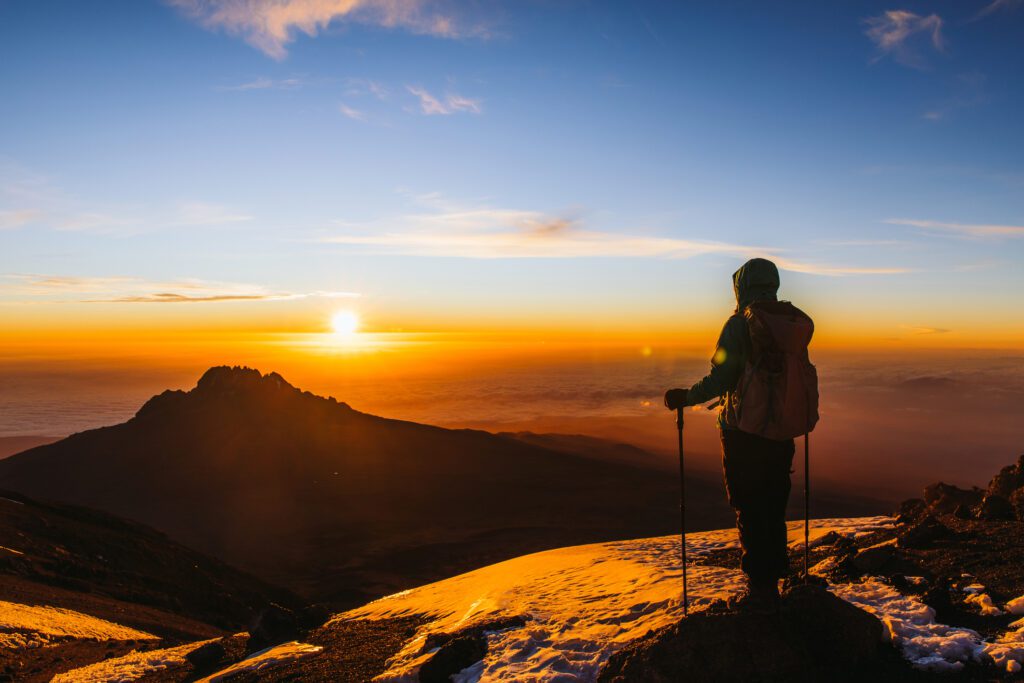
Climbing Mount Kilimanjaro is a once-in-a-lifetime adventure, but poor packing choices can quickly turn a dream trek into a difficult struggle. Many climbers underestimate the mountain’s extreme altitude, unpredictable weather, and physical demands, leading to common Kilimanjaro packing mistakes. From overpacking unnecessary gear to forgetting essential cold-weather clothing, these errors can affect your comfort, safety, and summit success. A well-prepared Kilimanjaro packing list is crucial for maximizing your chances of reaching Uhuru Peak while enjoying the journey. Whether you’re planning a luxury Kilimanjaro climb or a budget trek, understanding what not to pack—and what you must bring—can make all the difference. In this guide, we explore the most common Kilimanjaro packing mistakes and how to avoid them for a safe, successful, and unforgettable African trekking experience. 1. Overpacking Too Much Gear One of the most common Kilimanjaro packing mistakes is bringing too much gear. Many trekkers assume they need multiple outfit options, excessive gadgets, or backup items “just in case.” However, overpacking adds unnecessary weight, making your climb more exhausting. Porters on Kilimanjaro have strict weight limits, typically around 15 kg (33 lbs), meaning extra items may need to be left behind. A heavy duffel bag can also complicate logistics and slow down your trek. Focus on a minimalist Kilimanjaro packing list with essential clothing layers, lightweight equipment, and multipurpose items. Prioritize function over fashion and avoid duplicates. Remember, every extra kilogram impacts your energy levels at high altitude. Packing smart, not heavy, is key to a successful Kilimanjaro climb and ensures you stay comfortable and efficient throughout the journey. 2. Underestimating Cold Weather Conditions Many climbers underestimate how cold Mount Kilimanjaro can get, especially near the summit. Temperatures at Uhuru Peak can drop to -20°C (-4°F) or lower. Packing insufficient cold-weather gear is a serious mistake that can lead to discomfort or even hypothermia. Essential items include a high-quality down jacket, thermal base layers, insulated gloves, and a warm hat. Layering is crucial for adapting to changing temperatures throughout the trek. Avoid cotton clothing, as it retains moisture and increases heat loss. Proper cold-weather preparation ensures you stay warm during summit night, which is the most challenging part of the climb. Investing in high-performance trekking gear is not just about comfort—it’s about safety and increasing your chances of reaching the summit successfully. 3. Ignoring the Proper Layering System A proper layering system is essential for Kilimanjaro, yet many trekkers pack incorrectly by bringing bulky single-layer clothing instead of multiple lightweight layers. The key to staying comfortable on the mountain is adaptability. Weather conditions change rapidly, from hot and sunny at lower altitudes to freezing at higher elevations. A good layering system includes moisture-wicking base layers, insulating mid-layers, and a waterproof outer shell. This approach allows you to add or remove layers as needed. Without proper layering, you risk overheating, sweating excessively, or becoming too cold—all of which can affect your performance. Smart layering improves temperature regulation, reduces fatigue, and enhances your overall trekking experience. Understanding how to dress for Kilimanjaro is just as important as what you pack. 4. Packing the Wrong Footwear Choosing the wrong footwear is a critical Kilimanjaro packing mistake. Regular sneakers or poorly fitted boots can lead to blisters, foot pain, and discomfort during long trekking days. High-quality, waterproof hiking boots with good ankle support are essential for navigating rocky and uneven terrain. It’s equally important to break in your boots before the climb to avoid painful hotspots. Additionally, packing proper trekking socks made of wool or synthetic materials helps keep your feet dry and warm. Avoid cotton socks, as they trap moisture. Comfortable feet are crucial for maintaining stamina and enjoying your trek. Investing in the right footwear ensures stability, reduces injury risk, and significantly improves your chances of completing your Kilimanjaro adventure successfully. 5. Forgetting Essential Accessories Small accessories can make a big difference on Kilimanjaro, yet many trekkers forget them. Items like a headlamp, sunglasses, sunscreen, lip balm, and trekking poles are often overlooked but are essential for comfort and safety. A headlamp is crucial for summit night, which begins in the dark. UV protection is also important due to strong sun exposure at high altitudes. Neglecting these essentials can lead to avoidable discomforts such as sunburn, chapped lips, or difficulty navigating in low light. Packing a comprehensive Kilimanjaro gear checklist helps ensure you don’t miss these critical items. Paying attention to the details can significantly enhance your trekking experience and prevent unnecessary challenges on the mountain. 6. Not Packing Enough Water Storage Hydration is vital for acclimatization and overall health on Kilimanjaro, yet many climbers fail to pack sufficient water storage. Carrying only one small bottle is not enough for long trekking days. It’s recommended to have a hydration system with at least 2–3 liters of capacity, such as water bottles or a hydration bladder. Dehydration can worsen altitude sickness symptoms and reduce your energy levels. Additionally, consider insulated bottle covers to prevent water from freezing at higher altitudes. Staying properly hydrated improves performance, aids acclimatization, and enhances your chances of reaching the summit. Planning your water storage carefully is a simple but essential part of a successful Kilimanjaro packing strategy. 7. Bringing Low-Quality Sleeping Gear A good night’s sleep is crucial for recovery on Kilimanjaro, but many trekkers bring low-quality sleeping bags that are not suitable for extreme cold. Temperatures can drop significantly at higher camps, making a high-quality four-season sleeping bag essential. Look for a bag rated for at least -10°C to -20°C. A sleeping bag liner can add extra warmth and comfort. Poor sleeping gear can lead to restless nights, fatigue, and reduced performance during the climb. Investing in proper sleeping equipment ensures you stay warm and well-rested, which is critical for maintaining energy levels and tackling the challenging summit push. Comfortable sleep directly impacts your overall trekking success. 8. Ignoring Rain Protection The weather on Kilimanjaro can be unpredictable, especially during the rainy seasons. Many climbers make the mistake of not packing adequate rain protection. A
Travel Tips When Going on an African Safari
Planning an African safari is one of the most rewarding travel experiences, especially for Tanzania safari adventures in Serengeti National Park and Ngorongoro Crater. These African safari travel tips help you prepare for wildlife encounters, long game drives, and changing weather conditions across East Africa. Whether you choose a luxury safari or a budget safari Africa experience, proper planning ensures safety, comfort, and unforgettable African safari memories. From African safari packing the right safari clothing and arranging travel insurance to understanding local customs, every detail enhances your journey. This ultimate African safari guide focuses on essential safari preparation advice for first-time and experienced travelers, helping you enjoy Big Five sightings, breathtaking landscapes, and the ultimate African wildlife safari experience Africa offers while staying safe and well prepared for every moment of adventure. 1. Get Comprehensive Travel Insurance One of the most important African safari travel tips is securing comprehensive travel insurance before your trip. When visiting destinations like Tanzania safari routes in Serengeti or Ngorongoro, unexpected situations such as medical emergencies, flight delays, or lost luggage can occur. A strong safari insurance plan should cover emergency evacuation, hospital treatment, trip cancellation, and adventure activities like game drives. Many African safari operators recommend policies that include remote medical evacuation due to the distance from major cities. Whether you are on a luxury safari or a budget safari in Africa, insurance provides peace of mind and financial protection. Always read policy details carefully and confirm coverage for wildlife safari Africa experiences, ensuring you are fully protected throughout your journey. 2. Personal Safety Personal safety is a top priority when following African safari travel tips. During a Tanzania safari, always listen carefully to your guide’s instructions, especially in national parks like Serengeti and Ngorongoro Crater. Wildlife is unpredictable, and maintaining a safe distance from animals is essential. Never leave your safari vehicle unless instructed, as this ensures protection from dangerous encounters. Keep valuables secure and avoid displaying expensive items in public areas. Whether on a luxury safari lodge stay or a budget safari in Africa trip, safety awareness enhances your overall experience. Respect park regulations, stay within designated areas, and avoid risky behavior. A well-organized African wildlife safari adventure in Africa depends on discipline, awareness, and following professional guidance at all times for a safe and enjoyable journey. 3. Managing Cash, Credit Cards & ATMs Managing money is a key part of African safari travel tips for smooth travel. During a Tanzania safari, it is important to carry a mix of cash and credit cards, especially when visiting remote safari regions like Serengeti or Ngorongoro Crater. Many lodges accept cards, but smaller camps and local markets may prefer cash. US dollars are widely accepted, but local currency is useful for tips and small purchases. ATMs are available in major towns like Arusha, but are limited in national parks. Whether on a luxury safari or a budget safari in Africa, always inform your bank before traveling to avoid card blocks. Secure your money safely and avoid carrying large amounts while enjoying your wildlife safari in Africa for convenience and safety. 4. Electric Current Understanding electricity is essential among African safari travel tips. In Tanzania safari lodges and camps, power supply may vary depending on location, especially in remote Serengeti or Ngorongoro areas. Most safari accommodations use generators or solar power with limited charging hours. Standard voltage is usually 230V with UK-style plug sockets, so travelers should carry a universal adapter. Whether on a luxury safari lodge or a budget safari Africa camping experience, charging opportunities may be restricted during game drives. It is advisable to bring power banks for cameras and mobile phones to ensure continuous use during African wildlife safari adventures. Planning ensures your devices remain charged for photography, navigation, and communication throughout your safari journey in Africa. 5. Mobile (Cell) Phone & Internet Access Mobile connectivity is an important consideration in African safari travel tips. During a Tanzania safari in Serengeti or Ngorongoro Crater, network coverage can be limited in remote wildlife areas. Major towns like Arusha offer strong mobile signals and internet access, but safari parks may have weak or no reception. Many lodges provide Wi-Fi, though speeds can be slow. Travelers on a luxury safari may enjoy better connectivity compared to budget safari camps in Africa. It is recommended to purchase a local SIM card for better coverage and affordable data packages. Always download maps and important travel information in advance. Staying connected enhances safety and convenience while enjoying your wildlife safari in Africa experience across vast and remote landscapes. 6. Drink Safe Water Safe hydration is one of the most important African safari travel tips. During a Tanzania safari, always drink bottled or purified water provided by your lodge or tour operator. Tap water in remote areas like Serengeti and Ngorongoro is not safe for consumption. Staying hydrated is essential due to long game drives and warm weather conditions. Whether on a luxury safari or a budget safari in Africa, most accommodations provide complimentary drinking water in rooms and vehicles. Avoid ice cubes and uncooked food washed in untreated water. Carry a reusable water bottle to reduce plastic waste while enjoying your wildlife safari in Africa. Proper hydration ensures energy, comfort, and health throughout your safari journey in East Africa’s natural environments. 7. Be Prepared for Dust Dust is a common part of African safari travel tips, especially during dry seasons in Tanzania safari destinations like the Serengeti and Ngorongoro Crater. Game drives often take place on unpaved roads, creating dusty conditions. Travelers should pack sunglasses, scarves, and face coverings to protect against dust. Cameras and electronics should be stored in protective bags to prevent damage. Whether on a luxury safari vehicle or a budget safari adventure, dust is unavoidable but manageable with proper preparation. Wearing neutral-colored clothing helps maintain comfort and visibility during wildlife safari Africa experiences. Keeping windows partially closed during drives also reduces dust exposure. Being prepared ensures a more enjoyable and comfortable safari journey
The Ultimate Guide to Climbing Mount Kilimanjaro
Climbing Mount Kilimanjaro is one of the world’s most sought-after adventure travel experiences, combining breathtaking scenery, high-altitude trekking, and life-changing achievement. This ultimate guide to Kilimanjaro climbing covers everything you need—routes, costs, packing lists, safety tips, success rates, and the best time to visit Tanzania. Rising above the plains of Tanzania, Kilimanjaro offers bucket-list trekking tours for beginners and experienced hikers alike. Whether you choose a luxury Kilimanjaro safari, a budget trek, or a private guided expedition, proper planning ensures success. With expert guides, ethical tour operators, and carefully designed itineraries, your Kilimanjaro climb becomes more than a trek—it’s a once-in-a-lifetime African adventure blending culture, wildlife, and personal triumph. About Mount Kilimanjaro Mount Kilimanjaro is Africa’s tallest peak at 5,895 meters (19,341 feet), making it the highest free-standing mountain in the world. Located in the Kilimanjaro Region, it features three volcanic cones: Kibo, Mawenzi, and Shira. Kilimanjaro National Park is a UNESCO World Heritage Site known for diverse ecosystems—from rainforest and moorland to alpine desert and arctic summit. Unlike technical climbs, Kilimanjaro trekking requires no mountaineering skills, making it accessible for first-time climbers. However, altitude sickness is a key challenge, so acclimatization is critical. Popular among luxury, mid-range, and budget travelers, Kilimanjaro offers guided climbs, porters, and high success rates when choosing reputable tour operators. Its iconic Uhuru Peak symbolizes freedom and achievement, attracting thousands of global adventurers annually. What gear do I need to climb Mount Kilimanjaro Packing the right Kilimanjaro gear is essential for a safe and successful summit. A complete Kilimanjaro packing list includes thermal base layers, waterproof jackets, insulated down jackets, trekking pants, gloves, and a warm hat for extreme summit temperatures. Quality hiking boots, moisture-wicking socks, and gaiters prevent blisters and discomfort. Essential gear also includes trekking poles, a headlamp, sunglasses, sunscreen, and a durable daypack. For camping routes, sleeping bags rated for sub-zero temperatures are vital. Hydration systems, water bottles, and energy snacks support endurance during long trekking days. Many Kilimanjaro tour operators provide shared equipment like tents and mess kits. Whether climbing via luxury glamping or budget camping safaris, investing in high-quality trekking gear improves comfort, safety, and overall success rates on Africa’s highest mountain. Getting to Mount Kilimanjaro Traveling to Mount Kilimanjaro typically begins with flights to Kilimanjaro International Airport (JRO), the main gateway for climbers. International travelers connect through major hubs such as Doha, Amsterdam, or Istanbul. From the airport, it’s a short drive to Arusha or Moshi, where most treks start. Many Kilimanjaro packages include airport transfers and pre-climb accommodation. Domestic flights from Dar es Salaam and Zanzibar are also available. Reliable tour operators handle logistics, ensuring seamless travel, transfers, and briefing sessions before your climb, making the journey stress-free and efficient. When is the best time to climb Mount Kilimanjaro? The best time to climb Mount Kilimanjaro is during the dry seasons: January to March and June to October. These months offer clear skies, stable weather, and higher summit success rates. January and February are warmer with fewer crowds, while June to October is peak season with excellent trekking conditions. The rainy seasons—April to May and November—bring muddy trails and reduced visibility, though they offer quieter climbs and lower prices. Choosing the right season impacts safety, comfort, and photography opportunities. Luxury and budget Kilimanjaro tours operate year-round, but experienced guides recommend dry months for optimal acclimatization and summit success. Planning your climb around weather patterns ensures a safer, more enjoyable African trekking adventure. Mount Kilimanjaro climbing routes There are several Kilimanjaro routes, each offering unique scenery, difficulty levels, and success rates. The Marangu Route is the only hut-based option, ideal for budget climbers seeking comfort. The Machame Route, known as the “Whiskey Route,” is the most popular due to its scenic diversity and high success rate. The Lemosho Route offers a longer, more gradual ascent, perfect for acclimatization and luxury trekking experiences. The Rongai Route approaches from the north, providing a quieter, drier path. The Northern Circuit is the longest route with the highest success rates. Choosing the best Kilimanjaro route depends on budget, time, fitness level, and preference for scenery or solitude. Professional tour operators help tailor the perfect itinerary for beginners and experienced trekkers alike. Sample itinerary of Kilimanjaro’s most popular route A typical 7-day Machame Route itinerary on Mount Kilimanjaro begins at Machame Gate, ascending through lush rainforest to Machame Camp. Day two climbs to the Shira Plateau, offering panoramic views. Day three involves acclimatization via Lava Tower before descending to Barranco Camp. The famous Barranco Wall is tackled on day four, leading to Karanga Camp. Day five reaches Barafu Camp, the base for summit night. Around midnight, climbers ascend to Uhuru Peak, witnessing sunrise over Africa’s highest point. After celebrating, descent begins to Mweka Camp. The final day exits via Mweka Gate. This itinerary maximizes acclimatization, boosting summit success rates while showcasing Kilimanjaro’s diverse landscapes, making it a top choice for trekkers worldwide. Key sites while climbing Kilimanjaro Climbing Mount Kilimanjaro reveals stunning natural landmarks. The rainforest zone teems with wildlife and lush vegetation. Shira Plateau offers sweeping volcanic landscapes and dramatic sunsets. Lava Tower is a key acclimatization point at high altitude. Barranco Wall provides an exciting scramble with rewarding views. Karanga Valley showcases alpine desert beauty. The summit area includes Stella Point and Uhuru Peak, the highest point in Africa. Glaciers and ice fields near the summit create a surreal arctic environment. Each zone presents unique ecosystems, making Kilimanjaro one of the most diverse trekking destinations globally. These scenic highlights enhance the adventure, offering unforgettable photography opportunities and immersive nature experiences throughout the climb. Preparation and training Successful Kilimanjaro climbing requires physical fitness, mental preparation, and altitude awareness. Training should begin at least 8–12 weeks before your trek, focusing on cardio endurance, strength, and hiking practice. Activities like long-distance walking, stair climbing, and weighted backpack hikes improve stamina. Altitude training, if possible, enhances acclimatization. Mental resilience is equally important, as summit night is physically demanding. Hydration, nutrition, and pacing strategies increase success
Best Shoes for Tanzania Safari
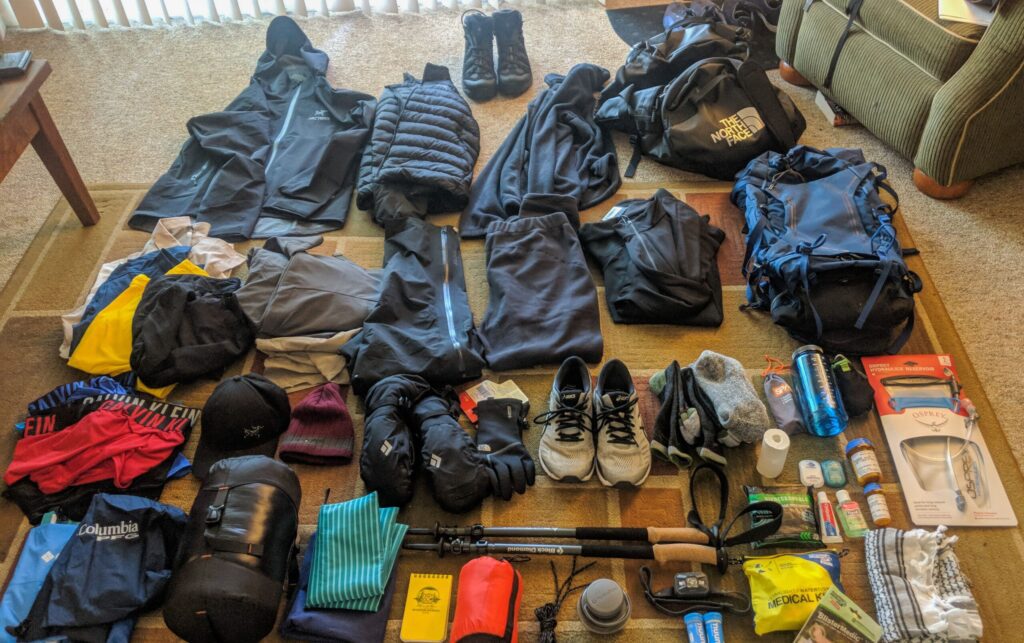
Choosing the best shoes for a Tanzania safari can make or break your experience. From the dusty plains of Serengeti National Park to the lush highlands of Ngorongoro Crater, your footwear must handle heat, uneven terrain, and long days outdoors. A safari isn’t just about game drives—you’ll step in and out of vehicles, explore camps, and sometimes walk through the bush. That means comfort, durability, breathability, and grip are essential. The wrong shoes can lead to blisters, fatigue, or even injury. The right pair, however, enhances your safari adventure, allowing you to focus on wildlife, landscapes, and unforgettable moments. This guide explores the top safari footwear options, helping you choose the perfect balance between performance, style, and practicality for your African journey. Why Choosing the Right Safari Shoes Matters Selecting the best safari shoes in Tanzania is not just about style—it’s about safety, comfort, and performance. Safari environments involve dusty tracks, rocky paths, and sometimes muddy terrain, all of which demand reliable footwear. Shoes with proper grip reduce slipping risks, while cushioned soles prevent fatigue during long days. Additionally, closed-toe shoes protect against thorns, insects, and rough ground conditions. Breathable materials are equally important, as Tanzania’s climate can be hot and humid, especially during midday game drives. Poor footwear can quickly lead to discomfort, blisters, and reduced mobility. Ultimately, investing in quality safari footwear ensures you enjoy every moment, whether you’re tracking wildlife or relaxing at camp, without worrying about your feet. Hiking Boots: The Ultimate Safari Companion Hiking boots are widely considered the best shoes for African safari tours, especially for walking safaris and rugged terrain. They provide excellent ankle support, stability, and protection against rocks and uneven surfaces. Waterproof hiking boots are particularly useful in areas with morning dew or occasional rain. Their durable construction ensures longevity, even under harsh conditions. For destinations like Tarangire National Park, where the terrain can be rough, hiking boots are invaluable. Many models feature reinforced toe caps and strong outsoles for enhanced safety. While they may feel heavier than other options, their support outweighs the extra weight. If your safari includes bush walks or extended exploration, hiking boots should be at the top of your packing list for reliability and comfort. Trail Running Shoes for Lightweight Comfort If you prefer something lighter, trail running shoes for safari are an excellent alternative. They are designed for agility, breathability, and comfort, making them perfect for less demanding terrain and warm climates. Unlike heavy boots, trail shoes are easy to pack and wear for extended periods without fatigue. They also provide good traction, which is essential when walking on dusty or slightly uneven paths. For game drives or short nature walks, these shoes strike a perfect balance between performance and convenience. Travelers visiting Lake Manyara National Park often prefer trail shoes due to the park’s mix of forest and open terrain. Their flexibility and lightweight design make them a popular choice among modern safari travelers. (e.g., best safari shoes Tanzania, safari footwear, hiking boots Africa safari, lightweight safari shoes, waterproof safari boots, safari packing list shoes), Sneakers: A Practical Tanzania Safari Option Many travelers wonder if sneakers are suitable for a Tanzania safari—and the answer is yes. Sneakers are comfortable, versatile, and perfect for vehicle-based safaris where walking is minimal. They are ideal for camp activities, short strolls, and long hours spent seated during game drives. However, they lack the support and durability required for rugged terrain or extended walking safaris. Neutral-colored sneakers are recommended to blend into the environment and avoid attracting insects. While not the most technical option, they remain a practical and budget-friendly choice for many safari-goers. For most standard safari itineraries, sneakers can handle the majority of activities comfortably. Sandals for Relaxation and Camps When it comes to downtime, safari sandals are essential. After a long day exploring Tanzania’s wilderness, slipping into breathable sandals offers immediate comfort. They are perfect for relaxing at lodges, walking around camp, or visiting beach destinations like Zanzibar. Many modern hiking sandals also provide decent grip and support, making them suitable for light walks. However, they should not replace closed-toe shoes during active safari excursions, as they offer limited protection. Look for sandals with secure straps, cushioned soles, and durable outsoles. Having a pair of sandals in your safari packing list ensures comfort and versatility throughout your trip, especially in hot climates. Waterproof Shoes for Wet Conditions Tanzania’s weather can vary, especially during the rainy season, making waterproof safari shoes a smart investment. Wet grass, muddy trails, and unexpected showers can quickly soak regular shoes, leading to discomfort and blisters. Waterproof hiking boots or shoes keep your feet dry and protected, allowing you to continue exploring without interruption. These shoes often include breathable membranes that prevent overheating while maintaining dryness. For areas like Selous Game Reserve, where conditions can be unpredictable, waterproof footwear is highly recommended. Combining water resistance with good traction ensures safety and comfort, even in challenging environments. Breathability and Comfort in Hot Climates One of the most important features of the best safari footwear is breathability. Tanzania’s temperatures can rise significantly during the day, making well-ventilated shoes essential. Shoes with mesh uppers or moisture-wicking linings help keep your feet cool and dry. This reduces the risk of blisters and discomfort during long excursions. Lightweight designs also enhance comfort, especially when walking or standing for extended periods. Breathable shoes are particularly useful in open savannah areas where shade is limited. Choosing footwear that balances ventilation with protection ensures optimal comfort throughout your safari adventure. Traction and Grip for Tanzania Safari Terrain Safari landscapes can be unpredictable, requiring shoes with excellent traction. Whether walking on dusty plains, rocky trails, or muddy paths, grip is essential for stability and safety. Shoes with rubber outsoles and deep tread patterns provide better control and reduce slipping risks. This is especially important during walking safaris or when exploring uneven terrain. High-quality traction also improves confidence, allowing you to focus on wildlife rather than your footing. Investing in shoes
The Most Endangered Animals in Africa
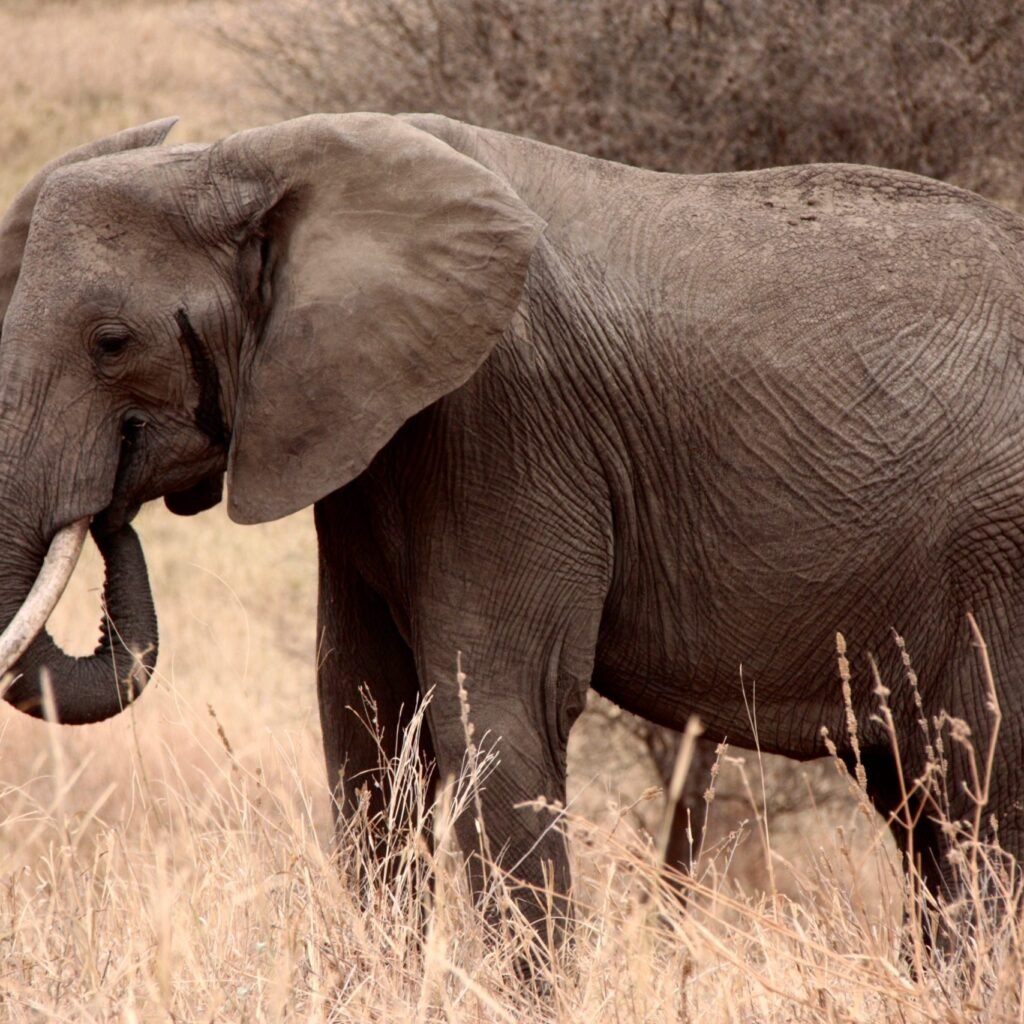
Africa is renowned for its incredible biodiversity, boasting a rich tapestry of wildlife that draws millions of tourists every year. However, many of these iconic species are facing dire threats due to habitat loss, poaching, and climate change. Understanding the plight of these animals is crucial for conservation efforts. Africa’s wildlife faces a dire situation. Experts estimate that many species could vanish within our lifetime. Habitat loss and poaching are major factors. Climate change makes things even worse. This article highlights ten animals in danger. We’ll explore the threats they face. Here, we explore ten of the most endangered animals in Africa, highlighting their challenges and the urgency for action. African Elephant (Loxodonta africana) The African elephant, known for its majestic size and intelligence, is classified as endangered mainly due to poaching for ivory and habitat destruction the world’s most endangered animals. Despite international bans on ivory trade, illegal poaching remains rampant, threatening populations across the continent. Conservation efforts must focus on anti-poaching initiatives and habitat preservation. Mountain Gorilla (Gorilla beringei beringei) Found in the mountainous regions of Uganda, Rwanda, and the Democratic Republic of Congo, the mountain gorilla’s population is slowly increasing, but it remains the most endangered species in Africa critically endangered. They face threats from habitat loss due to agriculture, poaching, and diseases. Conservation organizations are working to protect their habitat and promote eco-tourism to generate income for local communities. Black Rhino (Diceros bicornis) Once abundant, the black rhino has seen its numbers dwindle drastically the most endangered animals and wildlife in Africa, primarily due to poaching for their horns. This species now critically endangered, with various subspecies facing extinction. Conservation programs focusing on anti-poaching patrols and habitat conservation are essential for their survival. Black rhinos once roamed widely. Now, they’re limited to a few protected areas. These rhinos are vital to their ecosystems. Their survival depends on our actions. Habitat Loss and Poaching Pressures: Farms and settlements destroy rhino habitats. This limits their space to live and feed. Poaching is an even bigger issue. Their horns highly valued in some markets. This fuels illegal hunting. The demand for rhino horns threatens their very existence. Conservation Efforts and Challenges: Anti-poaching teams work hard to protect rhinos communities getting involved. Rhinos sometimes moved to safer locations. Yet, poaching networks sophisticated. Protecting these animals remains difficult. Constant vigilance is crucial for their survival. Amur Leopard (Panthera pardus orientalis) Though primarily found in the Russian Far East, leopard subspecies occasionally spotted in parts of Africa. With fewer than 100 individuals remaining, it is one of the world’s most endangered big cats. Habitat loss and poaching are the major threats facing these elusive predators. Wild Dog (Lycaon pictus) The African wild dog, known for its unique patterned coat and social behavior, endangered due to habitat fragmentation, human-wildlife conflict, and infectious diseases. Conservationists emphasize the importance of large protected areas and corridors to connect separated populations, allowing them to thrive. African wild dogs are unique hunters list of wild Animals and endangered species of Africa. They live in tight-knit packs. These “painted wolves” are now in serious trouble. They are a fascinating species, and their numbers are dwindling. Habitat Fragmentation and Human-Wildlife Conflict: Wild dog habitats being broken up. This isolates groups and reduces genetic diversity. Wild dogs sometimes hunt livestock the most endangered animals in Africa. This leads to conflicts with farmers, who may kill them in return. Finding ways for humans and wild dogs to coexist is essential. Disease Vulnerability and Conservation Strategies: Diseases like rabies devastate wild dog groups. Vaccinations are helping to protect them. Educating communities about wild dogs is also important. Protecting their habitat remains a key goal. These strategies help, but the dogs still face great danger. Saola (Pseudoryx nghetinhensis) Often referred to as the “Asian unicorn,” the saola incredibly elusive and was only discovered in 1992. While primarily found in Vietnam and Laos, its habitats can extend into African regions. With fewer than a few hundred believed to remain, this rare animal faces threats from habitat destruction and snaring. Pangolin (Manis spp.) All eight species of pangolins threatened, primarily due to illegal wildlife trade. These unique mammals heavily trafficked for their scales and meat. The most endangered animals in Africa. Conservation efforts focus on raising awareness about the importance of pangolins and stricter regulations on wildlife trafficking. Pangolins unique animals covered in scales. They eat ants and termites. They are the most trafficked mammal in the world. Many people have never even heard of them. Illegal Wildlife Trade for Scales and Meat: Pangolins hunted for their scales and meat. The demand comes mainly from Asia. Their scales used in traditional medicine. Their meat seen as a delicacy. This illegal trade is wiping out pangolin groups. Habitat Loss and Conservation Challenges: Pangolins also suffer from habitat loss. This makes them even more vulnerable to poaching. Pangolins are hard to study and protect. The most endangered animals in Africa. They are shy and live in remote areas. Saving them requires more research and stronger protection. Addax (Addax nasomaculatus) The addax, or white antelope, one of the most endangered antelope species in the world. Once widespread in the Sahara desert, it now critically endangered due to overhunting and habitat loss. Protecting its remaining habitat is crucial for its survival. Sunda Tiger (Panthera tigris sondaica) While tigers primarily associated with Asia, the Sunda tiger’s presence in Africa cannot be ignored. With habitat destruction and poaching decimating their numbers, strict conservation efforts required to ensure their survival. Kakapo (Strigops habroptilus) Known as one of the world’s rarest parrots, the kakapo critically endangered due to habitat loss and introduced predators. Conservationists have implemented intensive breeding programs to save this flightless bird from extinction. Ethiopian Wolf: The Rarest Canid in the World The Ethiopian wolf is a specialized predator. It lives in the high mountains of Ethiopia. This wolf is the most endangered canid on Earth. Its future hangs in the balance. Habitat Restriction and Human Encroachment: Ethiopian wolves live in
What to Expect on a Tanzania Cultural Safari Experience
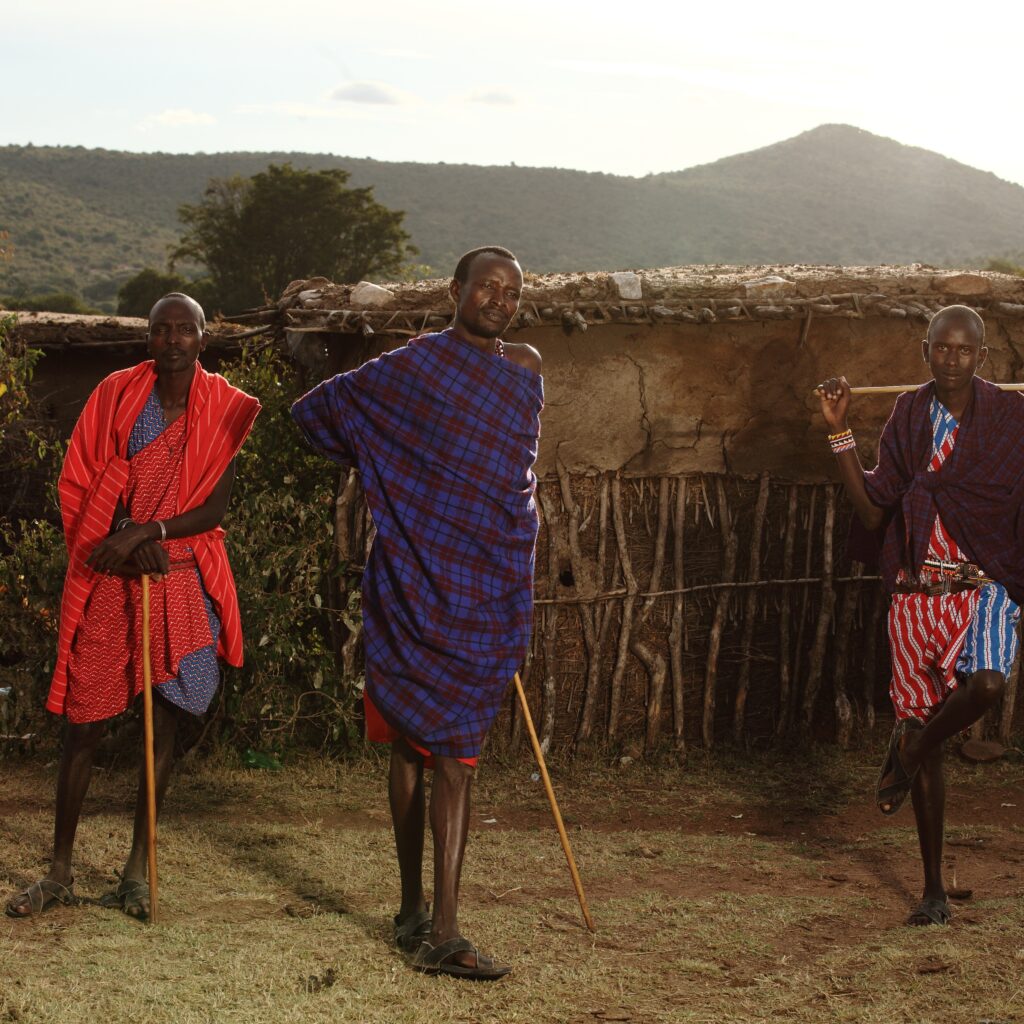
Tanzania, a land renowned for its breathtaking landscapes and rich wildlife, also offers an incredibly diverse cultural tapestry that invites visitors to experience the essence of its many ethnic groups. A cultural safari in Tanzania goes beyond the traditional game drives; it immerses travelers in the vibrant customs, traditions, and daily lives of the local communities. On a cultural safari in Tanzania, expect to immerse yourself in the rich diversity of the country, visiting local communities, learning about traditions like the Maasai way of life, attending festivals, and trying local cuisine. Throughout your journey, you’ll have opportunities to engage with local tribes such as the Maasai, Hadzabe, and Chaga. Imagine participating in traditional dances, visiting tribal villages, and sharing stories around a campfire. These cultural experiences will deepen your connection with Tanzania and its people. Here’s what to expect on a Tanzania cultural safari experience. Interaction with Local Tribes One of the most enriching aspects of a cultural safari is the opportunity to meet indigenous tribes. Travelers often visit communities such as the Maasai, Hadzabe, and Chaga. Each tribe boasts unique traditions, languages, and crafts. Engaging with tribespeople allows visitors to learn about their lifestyles, beliefs, and the ways in which they coexist with their environment. For instance, the Maasai, known for their iconic dress and semi-nomadic pastoral lifestyle, often welcome visitors into their villages (enkangs). What to expect on a Tanzania Cultural Safari Experience. Here, you’ll witness traditional dances, storytelling, and even participate in daily chores such as milking cows or tending to goats. These interactions provide a deeper understanding of how these tribes have maintained their heritage while adapting to modern influences. Traditional Arts and Crafts A cultural safari in Tanzania is also an opportunity to explore traditional arts and crafts. Many local artisans produce beautiful handmade items such as jewelry, baskets, and textiles. You can visit workshops where artisans demonstrate their skills, allowing you to appreciate the craftsmanship involved in creating these unique works of art. Purchasing directly from the makers not only supports the community but also provides you with authentic souvenirs to take home. Traditional Crafts: Visit local markets and craft centers to see and learn about traditional crafts like beadwork, basket weaving, and pottery.Swahili Culture: Discover the rich history and culture of the Swahili people, known for their trading traditions along the East African coast.Traditional Medicine: Learn about traditional healing practices, including the use of natural herbs and plants by local healers. Culinary Experiences Food is a universal language, and diving into the local cuisine is an integral part of a cultural safari. Expect to taste traditional Tanzanian dishes that reflect the country’s diverse influences. From the coastal flavors of Swahili cuisine featuring fresh fish and coconut to hearty staple dishes like ugali (a maize porridge), each meal tells a story. Many cultural safaris include cooking classes where visitors can learn to prepare these dishes. This hands-on experience offers insight into the ingredients and culinary techniques unique to each region, making the flavors of Tanzania unforgettable. Village Visits: You’ll have the opportunity to explore villages, learn about their lifestyles, and interact with the local people. Maasai Experience: Learn about the unique traditions, clothing, and customs of the Maasai people, including their traditional dance, jewelry, and livestock herding practices. Local Markets: Explore local markets, observing the hustle and bustle, and interacting with vendors. Traditional Music and Dance: Participate in and observe traditional dance performances, a vital part of many ethnic groups’ cultural heritage. Environments and Sustainable Practices Cultural safaris often take place in stunning natural settings, from lush highlands to arid plains. Expect to see how local communities interact with their habitats, employing sustainable practices that have been passed down through generations. By traveling with guides who are knowledgeable about both the environment and local communities, you’ll gain insights into the balance between tradition and conservation. Cultural Festivals and Events Timing your visit to coincide with local festivals can enhance your cultural safari experience. Events such as the Nguvumali Festival, celebrating the harvest and agricultural heritage, or traditional dance performances and rituals provide a spectacular view of Tanzanian culture in action. These events are vibrant, colorful, and filled with music, dance, and communal spirit. Why You Should Experience a Cultural Safari in Tanzania A cultural safari in Tanzania offers a unique blend of wildlife and rich traditions. Explore vibrant Maasai villages, interact with local tribes, and immerse yourself in their ancient customs. Experience authentic music, dance, and crafts while surrounded by breathtaking landscapes. It’s an unforgettable journey that connects you to both nature and the heart of Tanzania’s diverse cultures. Don’t miss the chance to deepen your travel experience beyond the usual safari adventure. Final thought A cultural safari in Tanzania is not just about observing; it is about engaging and connecting with the heartbeat of the nation. Each interaction provides a greater appreciation for the rich cultures that thrive alongside stunning landscapes and diverse wildlife. Prepare yourself for an adventure that stimulates all senses, deepens your understanding of humanity, and leaves you with lasting memories and friendships. Whether you’re captivated by a Maasai warrior’s dance or the aromas wafting from a local kitchen, a cultural safari promises an unforgettable experience.
The Beginner’s Guide to Photographing an African Safari

An African safari is a once-in-a-lifetime experience that many dream of experiencing. Whether you’re planning to photograph the Big Five or capture the breathtaking landscapes, taking great photos during your safari is essential to preserving those unforgettable moments. To ensure your photographs stand out, you need the right knowledge, preparation, and equipment. This guide will walk you through everything you need to know about photographing an African safari—from the best equipment to tips on shooting wildlife and landscapes, helping you create stunning images that you’ll cherish forever. Embarking on an African safari is an adventure of a lifetime, filled with breathtaking landscapes and incredible wildlife. Safari photography tips. Plan an African safari. African photo safari. Best way to do an African safari. For many, capturing these moments through photography is just as essential as experiencing them in person. If you’re a beginner looking to document your safari journey. This guide will provide you with key tips to take stunning photographs. 1. Understand Your Equipment for an African Safari Before you set off on your safari, familiarize yourself with your camera equipment one of the beginner’s guide to photographing an African Safari. Whether you’re using a DSLR, mirrorless camera, or even a smartphone, understanding how to operate your gear is crucial. Pay attention to the settings, such as shutter speed, aperture, and ISO, as these will greatly influence your photographs. In an environment like the African savannah, light changes rapidly. So being comfortable adjusting these settings will help you capture the perfect shot African wildlife photography tips. A comprehensive guide to African wildlife photography for Africa Wildlife photography can be a dream of any photographer. If you are planning for a photo safari experience, this guide will give you all the basics. Camera Body: The most crucial piece of equipment you will need is your camera body a beginner’s guide for taking amazing safari Photos in Africa. A DSLR or mirrorless camera is ideal for safaris. As they offer flexibility in controlling settings like shutter speed, aperture, and ISO. Opting for a camera with a fast autofocus system is critical since animals move quickly essential photography tips for safaris in Africa. Some of the best camera models for wildlife photography include: ✔Canon EOS 90D or Canon EOS 7D Mark II✔Nikon D500✔Sony A7R IV or Sony A9 These cameras are well-regarded for their high resolution, fast burst shooting capabilities, and excellent low-light performance. All of which are essential for capturing both wildlife in action and safari landscapes.Lenses: When selecting lenses, the zoom lens is the most essential. A 70-200mm lens is ideal for portrait shots of animals from a distance. However, if you plan to capture a variety of wildlife. IInvesting in a 100-400mm or 200-500mm lens will help you get close-up shots without disturbing the animals tips for taking photos on an African safari. For wide-angle shots of the savannah, a 24-70mm lens will allow you to capture expansive landscapes and wide shots of the environment. 2. Essential Gear to Pack For your safari, you’ll want to pack essential photography gear that is both light and effective. A zoom lens (like a 70-300mm) is ideal for capturing wildlife from a distance without disturbing them. If you have a wider lens (like a 24-70mm). It can be useful for landscape shots or taking photographs of the stunning surroundings. Additionally, pack extra batteries and memory cards, as you’ll likely be shooting a lot! African safaris are often full of action, and you won’t want to miss a moment due to a lack of memory space or a dead battery. High-capacity memory cards (64GB or higher) and extra batteries are essential. Ideally, carry multiple spare batteries, as they can drain quickly in hot weather. Consider bringing a tripod or a monopod for stability, a monopod is a great alternative for stable shots, especially when using long lenses. This equipment will help reduce camera shake and ensure sharp, clear images of fast-moving animals or distant wildlife. Especially in low-light situations or when photographing landscapes. A lens cleaning cloth is also important to keep your lens free from dust and dirt. Which can be prevalent in safari environments. 3. Timing is Everything Wildlife is often more active during the early morning and late afternoon pro tips for Tanzania wildlife photography for beginners. These “golden hours” provide the best lighting conditions for photography, giving your images warmth and depth. Make it a goal to be out in the field during these times. As you may spot animals engaged in their most lively behaviors, from hunting to drinking at a waterhole. ✔Early Morning (Golden Hour): The golden hour, which occurs shortly after sunrise, is a magical time for safari photography. The soft, warm light creates a beautiful glow that enhances the natural colors of the landscape and animals. During this time, animals are more likely to be active. Making it perfect for capturing behaviors like lions hunting or elephants grazing. ✔Late Afternoon (Golden Hour): Similarly, late afternoon before sunset offers another period of exceptional light for photography. The fading sunlight creates long shadows and dramatic skies, providing the ideal atmosphere for both wildlife and landscape photography. 4. Composition Tips Effective composition can elevate your safari photographs from simple snapshots to stunning images. Use the rule of thirds; place your subject off-center to create balance in your frame. Don’t be afraid to get creative with perspectives; trying different angles can result in unique shots. Experiment with foreground elements to add depth, such as acacia trees or rocks in the frame. Also, consider photographing animals in their natural habitat. Instead of focusing solely on close-ups, capture them interacting with their environment. This can tell a story and enhance the emotional impact of your images.✔Use a Wide-Angle Lens: To fully capture the grandeur of Africa’s landscapes, use a wide-angle lens (e.g., 16-35mm). This will allow you to shoot expansive views of the plains or mountains. Creating images that convey the sense of scale and vastness that defines much of the
Step by Step to Choosing the Best African Safari Companies
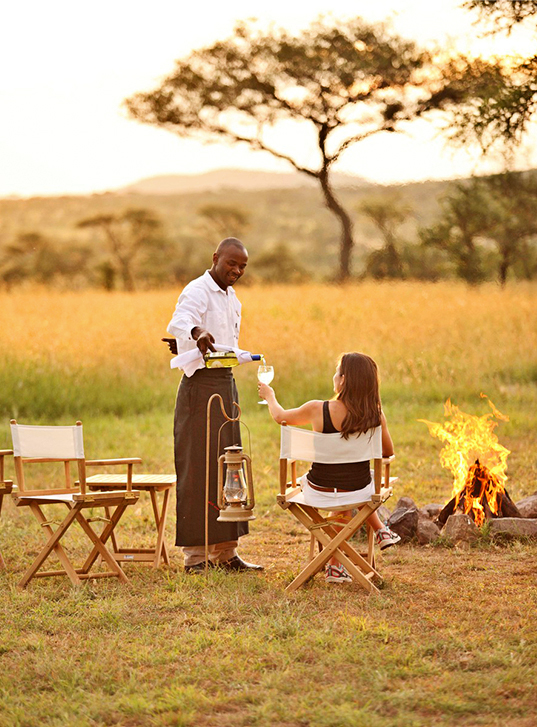
Embarking on an African safari is more than just a trip; it’s a unique adventure that offers a chance to connect with nature and experience the breathtaking beauty of wildlife in their natural habitats. Choosing the right safari company can make a significant difference in the quality of your experience. Choosing an operator that is conservation-minded, with ties to the local community and well-trained guides can add up to the trip of a lifetime and also nurture nature. Planning an African safari is exciting, but choosing the right company can be overwhelming. With so many options available, how do you find the best one? Here’s a step-by-step guide to help you select the best African safari companies for your journey. Step 1: Identify Your Safari Preferences Before diving into the search for safari companies, take some time to consider what type of safari experience you are looking for. Are you interested in a luxury safari, a budget-friendly experience, or perhaps a family-oriented trip? Determine whether you prefer a guided tour or a mobile camping experience. Identifying your preferences early on will help narrow down your options. Set your Budget: Safaris range significantly in price. Determine a realistic budget that encompasses accommodation, activities, transportation, and potential extras like guided bush walks or game drives. Understanding your budget will narrow down your options considerably. For example, a budget-conscious traveler might prioritize camping safaris, while a luxury traveler might prefer exclusive lodges. Duration: How long do you want your safari to last? A shorter trip might be ideal for a quick getaway, while a longer one allows for more in-depth exploration and potentially more diverse wildlife encounters. A 5-day safari might focus on a specific region, while a 14-day trip can encompass multiple national parks. Wildlife Interests: What specific animals or wildlife interactions are you hoping to see? Are you more interested in big cats or perhaps the vibrant birdlife? Certain regions are known for specific species, and choosing a company specializing in that area can significantly improve your chances of a rewarding experience. For instance, the Serengeti is renowned for the Great Migration, while Kruger National Park is known for its diverse big game population. Travel Style: Are you seeking a luxurious experience with personalized service, or are you more interested in an adventurous and budget-friendly option? This might include factors like the type of accommodation (luxury lodge, tented camp, basic camp), the transportation method (4×4 vehicle, light aircraft), and the level of interaction with local communities. Private small group Size: Do you prefer a private small group experience or a larger tour? Small groups often offer more personalized attention from guides, while larger groups provide a more social experience. Step 2: Research Potential Companies Once you have a clear understanding of what you want, start researching various safari companies. Look for companies that specialize in African safaris and have established a good reputation best African Safari Companies & Tour Operators. You can find potential companies through travel forums, enthusiast blogs, and social media. Pay close attention to customer reviews and testimonials, as they can provide insight into past travelers’ experiences. Online Reviews: Check online travel platforms like TripAdvisor, and various safari-specific websites. Read reviews from previous clients, paying attention to details about the guides, the accommodations, and the overall experience. Look for patterns in the feedback to identify common strengths and weaknesses. Company Websites: Visit the websites of potential companies. Examine their descriptions of different safari packages, their commitment to sustainability, and their ethical practices. Look for transparency in their pricing structures and detailed information about their guides and staff. Longevity & Experience: Companies with a long history of operating safaris tend to have well-trained guides, well-maintained vehicles, and efficient itineraries. A global luxury safari company, we tailor make exclusive safari itineraries for clients from every corner of the world Luxury Safari Company. Recommendations: Seek recommendations from friends, family, or travel professionals who have experience with African safaris. Personal accounts can offer valuable insights and perspectives. In this comprehensive guide, we delve into the intricacies of running a successful travel agency specializing in African safari tours. Expert advice on how to plan the best safari holiday – from who to book with to where to go and what to pack plus, of course, where to stay., Step 3: Check Credentials and Experience Ensure that the companies you are considering have the necessary licenses and permits to operate safaris in their regions. Experienced companies will often have professional guides with extensive knowledge of wildlife, local ecosystems, and cultural insights. Look for companies that have been in business for a substantial amount of time, as this often indicates reliability and quality service. Voted #1 World’s Best Safari Company, Foot Slopes Tours and Safaris specializes in luxury Custom African Safaris and private Small-Group Classic Safaris as well as luxury India Tours. A comparison of tours should include the number of game drives and the location. For trip may include many days of travel, home visits, school visits, etc. A comprehensive checklist to help you thin out the herd and choose the most suitable safari operator for your next trip to Africa. Choosing the best African safari companies to take your safari with can make or break the experience. Use this step by step guide, it might help you out! step-by-step Step 4: Assess Safety Standards Safety should always be a top priority when choosing a safari company. Inquire about their safety protocols regarding wildlife encounters and health measures (like vaccinations). A responsible company will prioritize guest safety above all else. Research the safari company’s safety protocols and procedures. This includes vehicle safety, guide training, and health measures in place for travelers. A reputable company will be transparent about these practices and will prioritize the well-being of its clients while maximizing enjoyment. Step 5: Compare Itineraries and Packages Evaluate different itineraries to see which ones align with your safari goals. Some companies may offer more extensive packages that include various parks, whereas others may