When Is the Great Migration in Tanzania?
When Is the Great Migration in Tanzania?
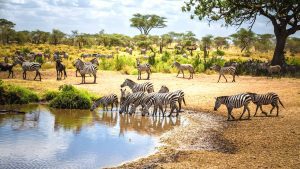
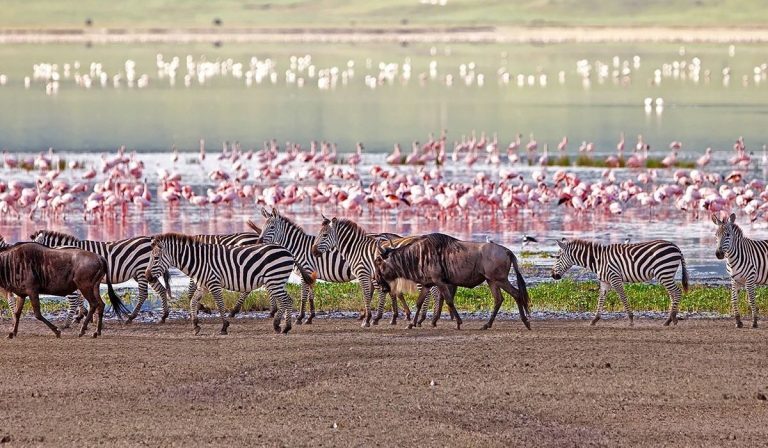
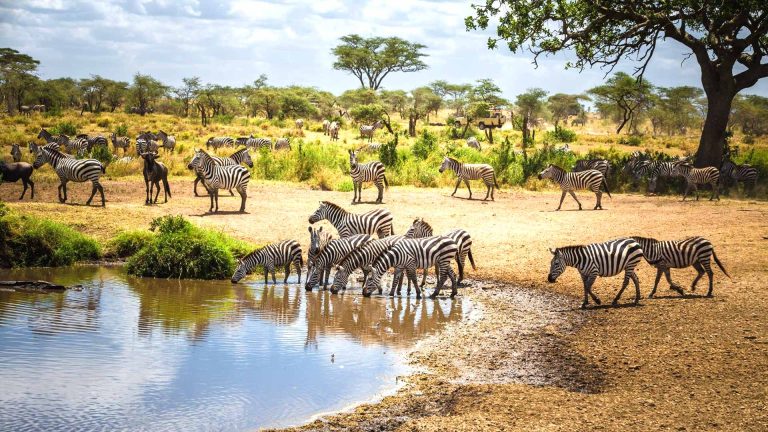
The Great Migration in Tanzania” This natural phenomenon involves over 1.5 million wildebeest, hundreds of thousands of zebras, and gazelles moving in a circular route across the Serengeti ecosystem in search of fresh grazing and water. The heart of this journey takes place in Serengeti National Park in northern Tanzania, extending toward Kenya’s Maasai Mara. Travelers often ask: When is the best time to see the Great Migration in Tanzania? The answer depends on river crossings, calving season, and movement patterns, making it a year-round safari attraction with different highlights each season.
January – Calving Season in Ndutu Plains
January marks the beginning of the calving season in the southern Serengeti and Ndutu plains within the Ngorongoro ecosystem. This is one of the most dramatic times of the Great Migration in Tanzania. Thousands of wildebeest calves are born daily, attracting predators like lions, hyenas, and cheetahs. The lush green plains provide rich grazing, making it a photographer’s paradise. Safari travelers searching for “best time for Serengeti migration safari” often target this period for predator-prey interactions. The Ndutu region offers excellent game viewing due to high wildlife density. Calving season also ensures strong herd survival as synchronized births overwhelm predators. This is an ideal time for budget and luxury safaris alike, with fewer long-distance movements and concentrated wildlife activity.
A general guide: the herds follow the rains.
February – Peak Calving Action
February continues the intense calving season in southern Serengeti National Park, making it one of the most exciting months for Great Migration safaris in Tanzania. Over 500,000 calves are typically born within a few weeks, creating dramatic predator action scenes.” The abundance of newborns attracts big cats, especially cheetahs, which thrive in open plains. The landscape remains lush and green, offering excellent photography conditions. Visitors experience close-range wildlife encounters, making it a favorite for family safaris and wildlife documentaries. February is also considered part of the “green season,” meaning fewer tourists and more exclusive safari experiences with competitive lodge prices.
- ArushaGateway
- TarangireElephants
- NgorongoroCrater
- SerengetiBig Five
- ZanzibarBeach
March – End of Calving Season
In March, the Great Migration in Tanzania begins to slow its calving intensity as herds start preparing to move northward. The southern Serengeti still hosts large concentrations of wildebeest and zebras, but food resources gradually decline. This transition period is ideal for travelers searching for “Serengeti migration timing” and “best safari months in Tanzania.” Predator activity remains high as lions and hyenas follow the herds. Rain showers begin, creating dramatic skies perfect for photography. Safari lodges in the Ndutu and central Serengeti regions still offer excellent wildlife viewing. March is also a shoulder season, meaning fewer crowds and more flexible safari itineraries. Visitors can enjoy both newborn wildlife and early herd movement, making it a balanced and rewarding safari experience.
April – Green Season Movement Begins
April is part of Tanzania’s long rainy season, and the Great Migration begins shifting northward from the southern plains. Herds spread across the central Serengeti, making wildlife more dispersed but still impressive. Rain transforms the landscape into a lush green paradise, attracting grazing herds. While river crossings are not yet visible, predators continue to follow the migration path. This is considered a budget-friendly month for safari travelers due to lower lodge rates and fewer tourists. Photographers enjoy dramatic skies and vibrant scenery. Despite the rain, game drives remain rewarding, especially in central safari zones.
May – Herds Gather in Central Serengeti
In May, the Great Migration gathers momentum in central Serengeti National Park, particularly around Seronera Valley. This period is popular in searches like “Serengeti migration May location” and “where is the Great Migration now in Tanzania.” Massive herds move slowly northward, forming long wildlife columns across the plains. Predators closely follow, creating excellent game viewing opportunities. Although rainfall continues, safari conditions improve with fewer crowds and green landscapes. May is ideal for travelers seeking a quieter, immersive safari experience. The central Serengeti becomes a wildlife hotspot with elephants, giraffes, lions, and migrating herds sharing the ecosystem. Safari photographers benefit from soft lighting and dramatic cloud formations. It is a transitional month before the famous river crossings begin.
June – Migration Reaches Western Corridor
June is a key month when the Great Migration moves into the western Serengeti corridor. The herds begin approaching the Grumeti River, setting the stage for early river crossings. This period ranks highly for searches like “Serengeti migration river crossing June” and “best safari Tanzania June.” Wildlife concentrates around water sources, making sightings easier. Crocodiles in the Grumeti River prepare for dramatic hunts, although crossings are less intense than the Mara River. The weather becomes drier, improving safari road conditions. June is considered the beginning of peak safari season in Tanzania. Luxury camps and mobile tented lodges relocate to follow the migration, offering exclusive experiences. Visitors enjoy fewer crowds compared to the peak July–August months.
July – First Mara River Crossings
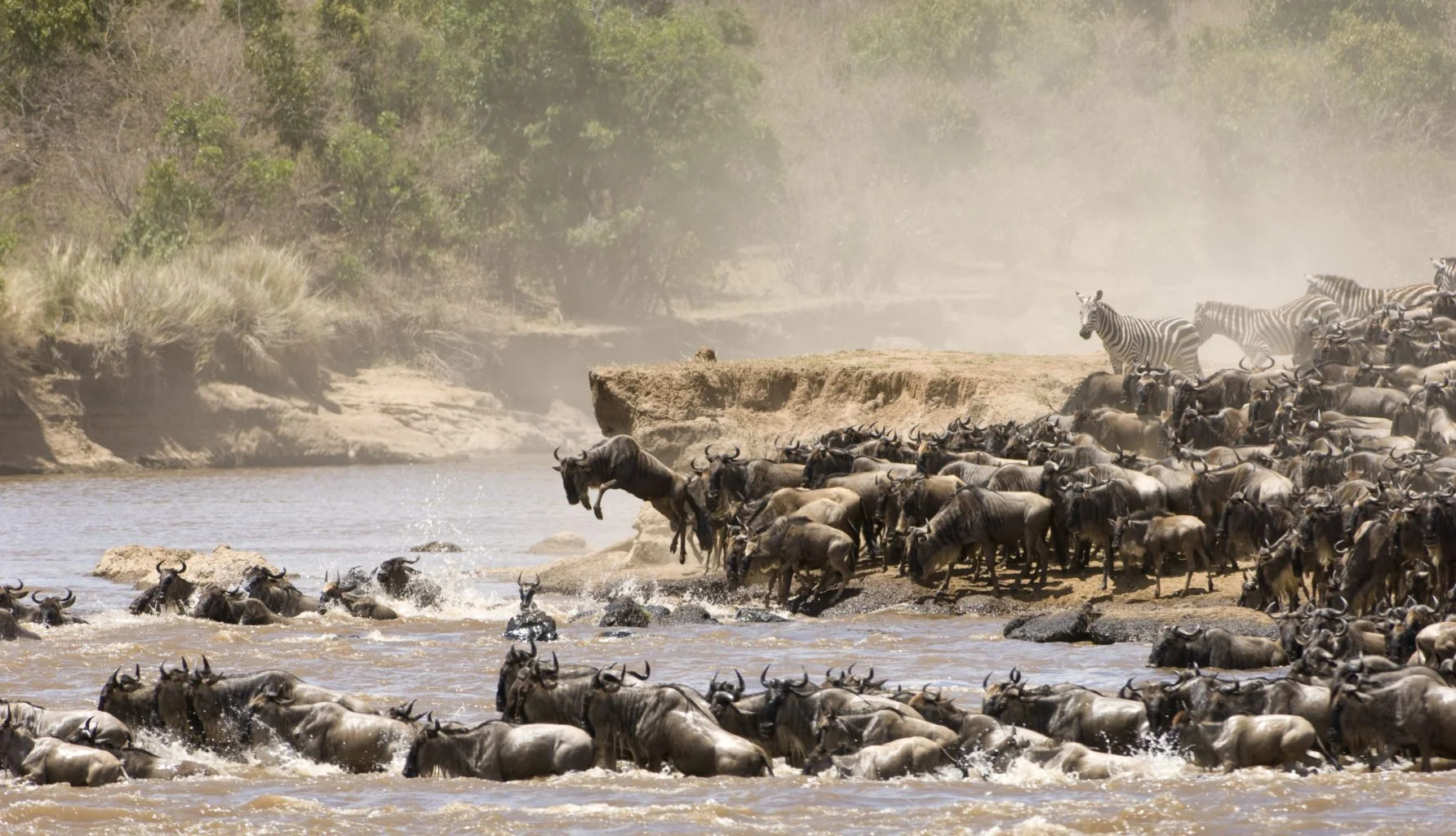
July is one of the most famous months for the Great Migration in Tanzania, as herds begin crossing the Mara River toward northern Serengeti and Kenya.” Thousands of wildebeest gather at riverbanks, facing crocodile-infested waters. The tension before crossing creates one of nature’s greatest spectacles. Safari tourists flock to the northern Serengeti National Park to witness this event. July is peak safari season, with excellent wildlife density and predator action. The weather is dry and ideal for game drives. This is one of the best months for luxury safaris, offering guaranteed migration sightings in key crossing points.
August – Peak River Crossings
August represents the peak of the Great Migration river crossings at the Mara River.” Massive herds continue crossing between Tanzania and Kenya’s Maasai Mara. Crocodile attacks, stampedes, and survival struggles make this one of the most dramatic wildlife events on Earth. Northern Serengeti becomes extremely busy with safari vehicles, so early booking is essential. Dry weather ensures excellent visibility and photography conditions. Luxury mobile camps follow the herds closely, offering front-row experiences. Predators like lions and leopards remain active near riverbanks, increasing wildlife encounters. August is considered the ultimate bucket-list safari month.
September – Herds in Northern Serengeti
In September, most herds settle in the northern Serengeti and Maasai Mara region after intense river crossings. Searches like “where is the Great Migration in September, Tanzania” peak during this time. Wildlife remains concentrated, making game viewing easy and rewarding. Predators continue following herds, especially lions and hyenas. The landscape becomes drier, improving visibility across open plains. Safari experiences remain at premium levels, especially in northern camps. Photographers capture large herd movements across golden grasslands. September is ideal for travelers seeking stable weather and high wildlife density without peak crossing chaos. It is also a great time for combining Tanzania and Kenya safari itineraries.
October – Herd Movement Southward Begins
October marks the beginning of the southward movement of the Great Migration back into Tanzania. Herds start leaving the Maasai Mara and re-entering the northern Serengeti National Park. Wildlife disperses gradually as herds spread across the northern plains. Predator interactions remain strong as lions track moving herds. The weather begins to warm slightly, with occasional short rains. Safari conditions remain excellent, and visitor numbers begin to decrease after peak season. October is ideal for travelers seeking fewer crowds while still witnessing migration movements. The return journey marks the completion of the dramatic river crossing cycle.
November – Short Rain Migration Spread
November brings short rains, and the Great Migration spreads across the central Serengeti.” Herds move slowly southward, grazing on fresh grasses triggered by rainfall. Wildlife becomes more dispersed, but game viewing remains rewarding. Birdwatching becomes exceptional due to migratory species arriving in Tanzania. Safari prices drop, making it a good time for budget travelers. The landscape turns green again, offering scenic beauty for photographers. Although river crossings are absent, predator-prey interactions continue across the central plains. November is a peaceful and less crowded safari month.
December – Return to Southern Plains
By December, the Great Migration returns to the southern Serengeti and Ndutu region, completing its annual cycle. Searches like “Great Migration December Tanzania location” increase during this time. Herds gather on nutrient-rich plains in preparation for the upcoming calving season. Wildlife density increases significantly, offering excellent game viewing opportunities. Predators also return to follow the herds closely. The weather is warm with occasional short rains, creating lush green scenery. December is popular for holiday safaris, especially Christmas and New Year travel. Luxury camps are fully operational, offering premium safari experiences. This is the calm before the dramatic calving season begins again in January.
13. Migration Cycle Explained (≈130 words)
The Great Migration in Tanzania follows a circular, never-ending cycle driven by rainfall and grazing availability. Unlike fixed seasonal migrations, it is a continuous movement across the Serengeti ecosystem. Herds move from southern plains (calving season) to the central Serengeti, western corridors, northern river crossings, and back again. This natural rhythm ensures the survival of millions of animals. The ecosystem of Serengeti National Park and surrounding conservation areas supports this movement. Understanding the cycle helps travelers choose the best time based on interest—calving, river crossings, or general game viewing. Each phase offers a unique safari experience.
14. Best Time to See the Great Migration (≈130 words)
The best time to see the Great Migration in Tanzania depends on what experience travelers want. For river crossings, July to September is ideal. For calving season, January to March is best. For fewer crowds and green landscapes, April to May or November is recommended. Each season offers different highlights, from predator action to dramatic crossings and newborn wildlife. Safari planners often recommend combining multiple regions of the Serengeti for full migration coverage. The ecosystem of northern Tanzania ensures year-round wildlife viewing opportunities. Choosing the right timing ensures unforgettable safari memories.
Safari Planning Tips (≈130 words)
Planning a Great Migration safari requires strategic timing and early booking.” Mobile tented camps are highly recommended because they follow the herds. Travelers should choose experienced local operators for better migration tracking. Flying between regions saves time and increases the chances of witnessing river crossings. Budget travelers can visit during green seasons, while luxury travelers often target peak river crossing months. Packing light, carrying binoculars, and using professional guides significantly improve safari experiences. The Serengeti ecosystem is vast, so flexibility is key when tracking moving herds.
Why the Great Migration Happened
The Great Migration exists because of rainfall patterns and grazing cycles across the Serengeti ecosystem. Wildebeest, zebras, and gazelles follow fresh grass and water in a continuous loop. This natural phenomenon supports biodiversity and predator populations such as lions, leopards, and crocodiles.” The ecosystem of Serengeti National Park and the wider Serengeti-Mara system ensures survival through seasonal movement. Without this migration, the balance of predators and prey would collapse. It is nature’s most powerful example of survival and adaptation.
Final Thought
The Great Migration in Tanzania is not a single moment but a year-round journey of life, survival, and movement across the Serengeti ecosystem. From the dramatic calving season in Ndutu to the thrilling Mara River crossings, every month offers a different chapter of this natural wonder. Understanding when to visit helps travelers experience exactly what they dream of—whether it is newborn wildebeest, massive river crossings, or peaceful green-season safaris. The Serengeti remains one of the world’s most iconic wildlife destinations, delivering unmatched safari experiences. For anyone planning a trip to Tanzania, the Great Migration is not just an attraction—it is a once-in-a-lifetime story unfolding in real time across the endless plains of Africa.
When Is the Great Migration in Tanzania?: FAQs
What should you know about January on a Tanzania safari?
January marks the beginning of the calving season in the southern Serengeti and Ndutu plains within the Ngorongoro ecosystem. This is one of the most dramatic times of the Great Migration in Tanzania. Thousands of wildebeest calves are born daily, attracting predators like lions, hyenas, and cheetahs.
What can you expect from february on a Tanzania safari?
February continues the intense calving season in southern Serengeti National Park, making it one of the most exciting months for Great Migration safaris in Tanzania. Over 500,000 calves are typically born within a few weeks, creating dramatic predator action scenes.” The abundance of newborns attracts big cats, especially cheetahs, which thrive in open plains.
What should you know about March on a Tanzania safari?
In March, the Great Migration in Tanzania begins to slow its calving intensity as herds start preparing to move northward. The southern Serengeti still hosts large concentrations of wildebeest and zebras, but food resources gradually decline. This transition period is ideal for travelers searching for “Serengeti migration timing” and “best safari months in Tanzania.” Predator activity remains high as lions and hyenas follow the herds.
What can you expect from April on a Tanzania safari?
April is part of Tanzania’s long rainy season, and the Great Migration begins shifting northward from the southern plains. Herds spread across the central Serengeti, making wildlife more dispersed but still impressive. Rain transforms the landscape into a lush green paradise, attracting grazing herds.
What should you know about May on a Tanzania safari?
In May, the Great Migration gathers momentum in central Serengeti National Park, particularly around Seronera Valley. This period is popular in searches like “Serengeti migration May location” and “where is the Great Migration now in Tanzania.” Massive herds move slowly northward, forming long wildlife columns across the plains.
What can you expect from June on a Tanzania safari?
June is a key month when the Great Migration moves into the western Serengeti corridor. The herds begin approaching the Grumeti River, setting the stage for early river crossings. This period ranks highly for searches like “Serengeti migration river crossing June” and “best safari Tanzania June.” Wildlife concentrates around water sources, making sightings easier.
What should you know about July on a Tanzania safari?
July is one of the most famous months for the Great Migration in Tanzania, as herds begin crossing the Mara River toward northern Serengeti and Kenya.” Thousands of wildebeest gather at riverbanks, facing crocodile-infested waters. The tension before crossing creates one of nature’s greatest spectacles.
What can you expect from august on a Tanzania safari?
August represents the peak of the Great Migration river crossings at the Mara River.” Massive herds continue crossing between Tanzania and Kenya’s Maasai Mara. Crocodile attacks, stampedes, and survival struggles make this one of the most dramatic wildlife events on Earth. Northern Serengeti becomes extremely busy with safari vehicles, so early booking is essential.
Plan Your Private Tanzania Safari
Tell us your travel dates, interests and budget, and our local team will design a private tailor-made safari around you.