
Different Types of African Safaris
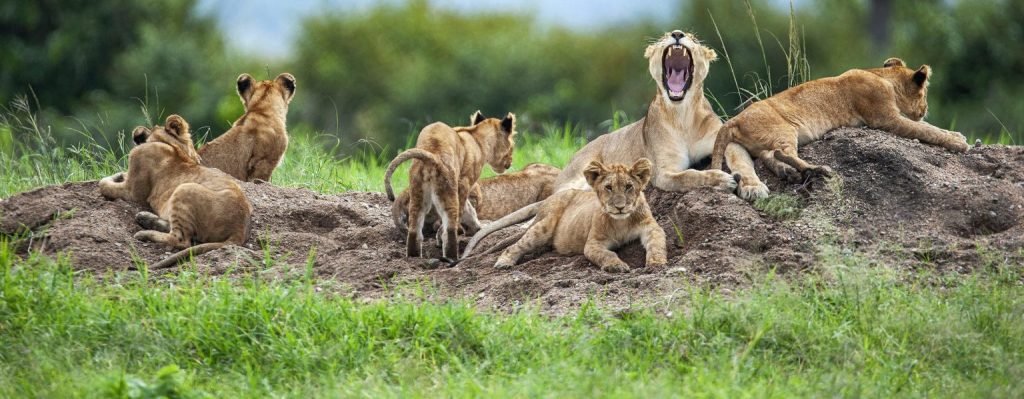
An African safari is one of the world’s greatest travel experiences, combining breathtaking wildlife encounters, dramatic landscapes, luxury lodges, and unforgettable cultural adventures. From the endless plains of the Serengeti National Park to the wildlife-rich wetlands of the Okavango Delta, Africa offers countless safari styles designed for every traveler and budget. Whether you dream of a luxury safari, budget camping safari, family safari holiday, honeymoon safari, photographic safari, or thrilling walking safari, there is a perfect African safari package waiting for you. Popular safari destinations include Tanzania, Kenya, Botswana, South Africa, Namibia, and Uganda. Each safari type delivers unique wildlife viewing opportunities, from the Big Five safari experience to gorilla trekking, balloon safaris, fly-in safaris, and eco-friendly adventures. Understanding the different safari styles helps travelers choose the best African safari experience for their dream vacation. 1. Luxury African Safaris Luxury African safaris provide world-class comfort, exclusive wildlife experiences, and personalized service in some of Africa’s most spectacular wilderness areas. Travelers stay in luxury safari lodges, premium tented camps, and high-end safari resorts featuring gourmet dining, infinity pools, spa treatments, private guides, and breathtaking savannah views. Destinations like the Ngorongoro Crater, Masai Mara National Reserve, and Kruger National Park are famous for luxury safari holidays. These safaris often include private game drives, champagne bush breakfasts, sundowners, helicopter tours, and fly-in safari packages. Luxury safaris are ideal for honeymooners, VIP travelers, celebrities, and families seeking comfort and exclusivity. Many luxury operators also focus on sustainable tourism and conservation. Travelers enjoy close encounters with lions, elephants, leopards, rhinos, and buffalo while experiencing Africa in exceptional style, comfort, and elegance. 2. Budget Camping Safaris Budget camping safaris are perfect for travelers seeking affordable African safari adventures without sacrificing wildlife experiences. These safaris allow visitors to explore iconic national parks while staying in public campsites or budget tented camps surrounded by nature. Popular destinations for budget safaris include Tarangire National Park, Lake Manyara National Park, and Etosha National Park. Camping safaris often feature dome tents, sleeping bags, campfires, and meals prepared by safari cooks. Travelers enjoy authentic bush experiences, nighttime wildlife sounds, and unforgettable stargazing under African skies. Budget safaris attract backpackers, students, solo travelers, and adventurous tourists looking for affordable safari packages. Despite lower costs, guests still experience incredible game drives, Big Five sightings, and cultural interactions. Budget camping safaris remain one of the best ways to discover Africa’s wildlife while keeping travel expenses manageable. 3. Family African Safaris Family African safaris are specially designed to create unforgettable adventures for parents, children, and multi-generational travelers. These safaris combine exciting wildlife experiences with family-friendly accommodations, flexible schedules, and educational activities for all ages. Destinations such as Serengeti National Park, Amboseli National Park, and Chobe National Park offer excellent family safari experiences. Children can learn about African wildlife, Maasai culture, conservation, and ecosystems through guided nature walks and junior ranger programs. Family safaris often include spacious safari lodges, swimming pools, private vehicles, and shorter game drives suitable for younger travelers. Parents appreciate the safe environments and professional safari guides trained to work with families. Family safari holidays create lifelong memories while introducing children to elephants, giraffes, zebras, lions, and Africa’s spectacular landscapes in a fun and educational setting. 4. African Honeymoon and Romantic Safaris Honeymoon safaris are among the most romantic travel experiences in the world, blending luxury, adventure, privacy, and breathtaking scenery. Couples enjoy intimate safari lodges, candlelit bush dinners, sunset game drives, and luxury tented camps surrounded by wilderness. Romantic safari destinations include the Selous Game Reserve, South Luangwa National Park, and Okavango Delta. Many honeymoon safari packages combine wildlife adventures with tropical beach holidays in Zanzibar or the Seychelles. Couples can enjoy private safari vehicles, spa treatments, hot-air balloon rides, and luxurious suites overlooking rivers or savannahs. Romantic safaris are ideal for anniversaries, proposals, and newlyweds seeking unique experiences. Watching elephants at sunset or hearing lions roar beneath star-filled skies creates magical memories. African honeymoon safaris offer both thrilling wildlife encounters and peaceful moments of romance in extraordinary natural settings. 5. African Photographic Safaris Photographic safaris are designed for wildlife photography enthusiasts seeking incredible opportunities to capture Africa’s iconic animals and landscapes. These safaris are led by experienced guides who understand animal behavior, lighting conditions, and the best photography locations. Popular destinations include Maasai Mara National Reserve, Serengeti National Park, and Bwindi Impenetrable National Park. Travelers photograph lions, cheetahs, elephants, gorillas, birds, and the Great Migration using specialized safari vehicles designed for photographers. Many photographic safaris focus on sunrise and sunset drives for perfect lighting and dramatic scenery. Professional photography guides often provide camera tips, editing advice, and positioning assistance. These safaris appeal to both beginners and professional wildlife photographers. Africa’s stunning wildlife diversity, golden landscapes, and dramatic predator action make photographic safaris one of the most rewarding safari experiences available. 6. African Walking Safaris Walking safaris offer a thrilling and immersive way to experience Africa’s wilderness on foot alongside professional armed guides and trackers. Unlike traditional vehicle safaris, walking safaris allow travelers to connect deeply with nature by observing animal tracks, birds, insects, plants, and smaller wildlife often missed during game drives. Famous walking safari destinations include South Luangwa National Park, Ruaha National Park, and Hwange National Park. Guests learn tracking skills, bush survival knowledge, and conservation awareness while exploring the African bush safely. Walking safaris create intense excitement because every sound and movement feels close and real. Travelers may encounter elephants, giraffes, zebras, antelope, and countless bird species during guided walks. These safaris are ideal for adventurous travelers seeking authentic wilderness experiences and deeper connections with Africa’s natural ecosystems. 7. African Fly-In Safaris Fly-in safaris are premium safari experiences that use light aircraft to transport travelers between remote safari camps and national parks. These safaris reduce long driving hours while providing breathtaking aerial views of Africa’s landscapes, rivers, mountains, and wildlife areas. Fly-in safaris are extremely popular in Botswana, Tanzania, and Kenya. Travelers often visit remote destinations like the Serengeti National Park and the Okavango Delta without exhausting overland travel.
Why Do Climbers Summit Kilimanjaro at Night
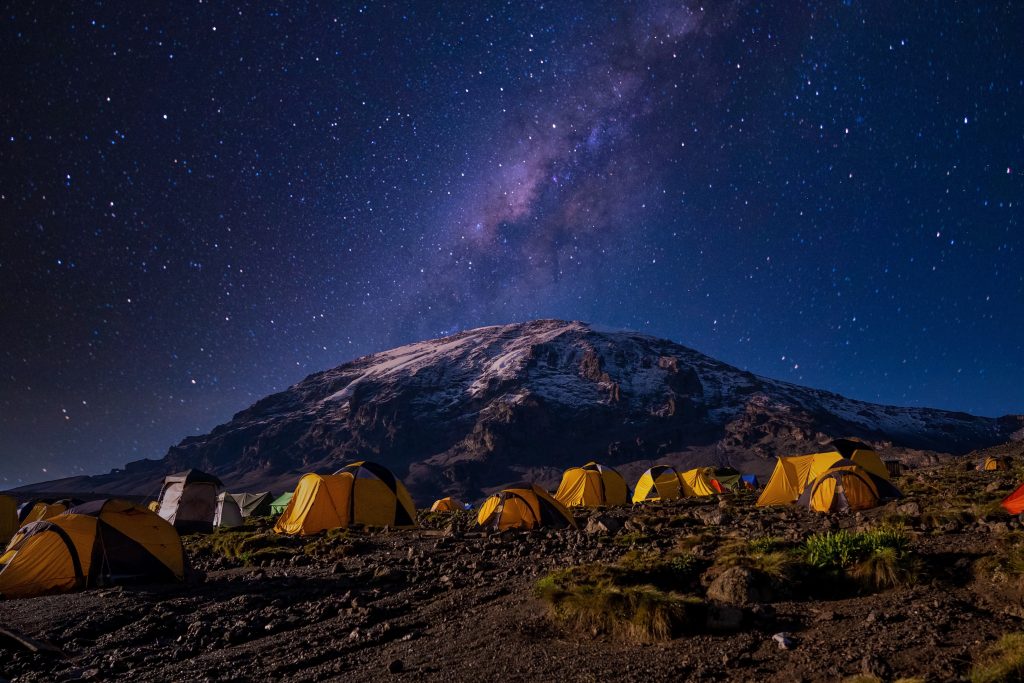
Climbing Mount Kilimanjaro is one of the world’s greatest adventure travel experiences, attracting thousands of trekkers seeking the ultimate African safari and mountain climbing challenge. One of the most fascinating parts of a Kilimanjaro trek is the midnight summit push toward Uhuru Peak. Many first-time climbers wonder why guides wake hikers around midnight instead of climbing during daylight hours. The answer combines weather conditions, safety, visibility, glacier preservation, and the physical demands of high-altitude trekking. Whether climbing the Machame Route, Lemosho Route, Marangu Route, or Northern Circuit, nearly all Kilimanjaro summit attempts begin in darkness. Reaching the roof of Africa at sunrise creates a magical and unforgettable moment. Understanding why climbers summit Kilimanjaro at night helps trekkers prepare mentally and physically for a successful ascent and increases their chances of reaching Uhuru Peak safely. Colder Night Temperatures Create Better Climbing Conditions One major reason climbers summit Kilimanjaro at night is the colder and more stable weather conditions found during nighttime hours. The summit slopes of Uhuru Peak consist of loose volcanic scree and ash, which become softer and more difficult to walk on during warmer daytime temperatures. Cold nighttime conditions help harden the terrain, making trekking more stable and safer for climbers attempting the steep ascent. Kilimanjaro guides carefully time the summit push so hikers climb while the ground remains firm. This improves footing, reduces slipping, and conserves valuable energy at extreme altitude. Temperatures can fall well below freezing, but experienced mountain guides know these colder hours provide the best summit conditions. Climbers equipped with proper Kilimanjaro gear, insulated clothing, gloves, and headlamps can move efficiently through the darkness while avoiding the intense daytime sun that makes high-altitude climbing more exhausting later in the morning. Reaching the Summit at Sunrise Is an Unforgettable Experience Watching sunrise from the summit of Mount Kilimanjaro is one of the most breathtaking moments in African adventure travel. Climbers begin their summit ascent at midnight so they can arrive at Uhuru Peak shortly after dawn. As the sun rises above the clouds, trekkers witness golden light spreading across Tanzania’s vast plains, glaciers, volcanic craters, and surrounding mountain landscapes. The spectacular sunrise provides emotional motivation during the hardest stage of the climb. After hours of trekking in darkness, exhaustion often disappears as daylight reveals the beauty of Kilimanjaro’s alpine desert and snow-capped summit. Sunrise also offers ideal photography conditions for travelers seeking iconic Kilimanjaro summit photos. Many climbers describe this moment as life-changing and spiritually rewarding. Reaching the summit at sunrise symbolizes triumph, endurance, and determination, making nighttime summit attempts an essential part of the legendary Kilimanjaro climbing experience. Night Climbing Helps Reduce Exposure to Harsh Sunlight High-altitude sunlight on Kilimanjaro can be surprisingly intense and physically draining. By beginning the summit ascent at night, climbers avoid many hours of direct solar exposure during the most demanding part of the trek. The upper slopes near Stella Point and Uhuru Peak contain little shade, meaning daytime climbing would expose hikers to strong ultraviolet radiation, dehydration, and overheating. Climbing during cooler nighttime hours allows trekkers to conserve energy and reduce heat exhaustion. Even though summit night temperatures are freezing, many experienced guides consider cold conditions easier to manage than intense daytime heat combined with thin air. Reduced sunlight exposure also helps prevent severe sunburn and fatigue, which are common challenges at high altitudes. Proper summit timing gives climbers the best balance between cold nighttime temperatures and safer descent conditions after sunrise. This strategy improves comfort and increases the overall success rate for Kilimanjaro summit attempts. Summit Night Improves the Chances of Successful Acclimatization Acclimatization is one of the most important factors in successfully climbing Mount Kilimanjaro. Summit night schedules are carefully designed to support the body’s adjustment to high altitude while maximizing climbers’ chances of reaching Uhuru Peak safely. Most trekkers spend several days gradually ascending the mountain before attempting the final push from high camps like Barafu Camp or Kibo Hut. Beginning the summit climb at midnight allows hikers to move slowly and steadily during the coldest part of the day while their bodies adapt to reduced oxygen levels. Guides encourage a “pole pole” pace, meaning slow and steady in Swahili, which helps minimize altitude sickness symptoms. Cooler nighttime temperatures also reduce physical stress and excessive sweating. By the time daylight arrives, climbers are often nearing the summit, allowing them to descend before altitude-related exhaustion becomes more severe later in the afternoon. Descending During Daylight Is Safer for Climbers Although summit night begins in darkness, guides aim for climbers to descend the mountain after sunrise for important safety reasons. The descent from Uhuru Peak toward Barafu Camp or Kibo Hut can be steep, rocky, and physically demanding. Daylight dramatically improves visibility, helping climbers navigate loose volcanic scree, icy sections, and narrow mountain trails more safely. Descending during the daytime also reduces the risk of falls and injuries caused by exhaustion after reaching the summit. Guides can better monitor trekkers for symptoms of altitude sickness, dehydration, or fatigue once the sun rises. In addition, warmer morning temperatures create more comfortable conditions for descending from the freezing summit zone. The timing of the nighttime ascent ensures that hikers avoid descending dangerous terrain in complete darkness. This carefully planned summit schedule reflects decades of mountain guiding experience and significantly improves safety on Kilimanjaro expeditions. The Midnight Start Helps Avoid Afternoon Weather Changes The weather on Mount Kilimanjaro can change rapidly, especially later in the day when clouds, snow, rain, and strong winds become more common. Starting the summit ascent around midnight allows climbers to reach Uhuru Peak before unstable afternoon weather develops. Morning conditions near the summit are usually calmer and clearer, providing safer trekking conditions and better visibility. Afternoon storms at high altitude can create dangerous situations, including slippery trails, reduced visibility, and extreme wind chill. Kilimanjaro guides plan summit attempts carefully to avoid these unpredictable weather patterns. By reaching the summit early and descending before midday, climbers reduce their exposure to harsh mountain conditions. This strategy is
The Woman’s Guide to Climbing Kilimanjaro
Climbing Mount Kilimanjaro is one of the most empowering adventures in the world, especially for women seeking a life-changing challenge. As Africa’s highest peak and the world’s tallest free-standing mountain, Kilimanjaro attracts thousands of trekkers each year through popular routes like Machame, Marangu, Lemosho, Rongai, and Northern Circuit. For female climbers, the journey is not only about reaching Uhuru Peak but also about personal strength, resilience, and transformation. This woman’s guide to climbing Kilimanjaro focuses on safety, preparation, fitness training, packing lists, altitude awareness, mental readiness, and choosing the best tour operators in Tanzania. Whether you are a solo female traveler, part of a group, or on a luxury Kilimanjaro trek, this guide will help you prepare for a successful and unforgettable summit experience. Why Kilimanjaro is Perfect for Women Climbers Mount Kilimanjaro is considered one of the best high-altitude trekking destinations for women because it requires no technical climbing skills. Many female trekkers successfully reach Uhuru Peak every year through guided Kilimanjaro hiking tours. The mountain is safe when climbed with licensed guides and porters, making it ideal for solo female travelers and group expeditions. Women often choose Kilimanjaro for empowerment, adventure travel, and bucket-list experiences. The journey promotes self-confidence, endurance, and mental strength. With proper preparation, hydration, and pacing, women of all fitness levels can complete the trek. Popular Kilimanjaro routes such as the Machame Route and Lemosho Route offer scenic beauty, gradual acclimatization, and high success rates, making them especially suitable for female climbers seeking both comfort and challenge. Choosing the Best Kilimanjaro Route for Women Selecting the right Kilimanjaro route is essential for female climbers aiming for a safe and enjoyable ascent. The Lemosho Route is highly recommended due to its gradual climb, excellent acclimatization, and scenic rainforest trails. The Machame Route is popular for its “climb high, sleep low” strategy, which improves summit success rates. The Rongai Route is quieter and less crowded, offering a more peaceful experience. The Marangu Route, known as the “Coca-Cola Route,” provides hut accommodations, which some women prefer for comfort. The Northern Circuit is the longest and most successful route for acclimatization. Women should consider factors such as trekking duration, altitude gain, crowd levels, and camping conditions. Choosing the right Kilimanjaro climbing route significantly increases safety, comfort, and summit success probability. Fitness Preparation for Female Climbers Physical preparation is a key factor in successfully climbing Kilimanjaro for women. While technical skills are not required, cardiovascular endurance, leg strength, and stamina are essential. Training should begin at least 8–12 weeks before the trek. Activities like hiking, jogging, stair climbing, cycling, and strength training are highly recommended. Women should also practice long-distance walking with a backpack to simulate trekking conditions. Core strength exercises help maintain balance on uneven terrain. Flexibility and yoga can improve breathing and recovery. Fitness training reduces fatigue and altitude stress during the Kilimanjaro summit climb. Consistent preparation ensures that female trekkers enjoy the journey instead of struggling physically. A well-conditioned body greatly increases the chances of reaching Uhuru Peak successfully and safely. Mental Strength and Confidence on Kilimanjaro Mental preparation is just as important as physical fitness for women climbing Mount Kilimanjaro. The trek involves long hiking days, changing weather conditions, and high-altitude challenges. Female climbers must build mental resilience, patience, and determination. Positive thinking and goal visualization help maintain motivation during difficult sections of the climb. Many women find strength in group support, guides, and personal reflection. Breaking the journey into small daily goals makes the summit feel achievable. Mental preparation also includes accepting a slow trekking pace, which is essential for altitude adaptation. Confidence grows with every step taken on the mountain. Kilimanjaro is not a race—it is a personal journey of endurance, empowerment, and self-discovery for women from around the world. Essential Kilimanjaro Packing List for Women Packing correctly is crucial for comfort and safety when climbing Kilimanjaro. Female trekkers should use a layered clothing system including thermal base layers, fleece jackets, waterproof outer shells, and insulated gloves. A high-quality sleeping bag rated for extreme cold is essential. Trekking boots should be waterproof and well broken in. Other essentials include sunglasses, sunscreen, headlamp, trekking poles, and reusable water bottles. Women should also carry personal hygiene items such as wet wipes, lip balm, and sanitary products. A lightweight daypack is needed for daily essentials while porters carry the main luggage. Packing smart reduces fatigue and improves mobility. Choosing the right Kilimanjaro gear ensures comfort across different climatic zones, from rainforest to arctic summit conditions. Understanding Altitude Sickness for Women Altitude sickness is one of the biggest challenges for women climbing Kilimanjaro. As altitude increases, oxygen levels decrease, which can cause headaches, nausea, fatigue, and dizziness. Female climbers should ascend slowly and choose longer routes for better acclimatization. Drinking plenty of water, eating well, and resting properly are essential prevention methods. Guides monitor health daily to ensure safety. Mild symptoms are common and usually manageable, but severe cases require descent. Women should avoid rushing the climb and listen to their bodies. Proper preparation and awareness significantly reduce risks. Understanding altitude sickness is key to a successful Kilimanjaro summit experience. With proper pacing, most women successfully adapt and reach Uhuru Peak safely. Safety Tips for Women on Kilimanjaro Safety is a top priority for female climbers on Mount Kilimanjaro. Choosing a reputable, licensed tour operator ensures trained guides, experienced porters, and proper emergency procedures. Women should always travel with a group or a certified guide team. Communication with guides about health and comfort is important throughout the trek. Night trekking should be done carefully with proper lighting. Respecting mountain rules and staying within group boundaries enhances safety. Women are encouraged to stay hydrated, maintain energy levels, and dress appropriately for weather changes. Kilimanjaro is considered one of Africa’s safest trekking destinations when proper safety measures are followed. With professional guidance, female climbers can enjoy a secure and empowering adventure to Africa’s highest peak. Best Time for Women to Climb Kilimanjaro The best time for women to climb
Things to Consider When Planning a Tanzania Safari

Home›Blog›Things to Consider When Planning a Tanzania Safari Quick Answer Planning a Tanzania safari comes down to seven decisions: safari style, transport, trip length, destination circuit, budget, travel season and practical preparation. Most first-time visitors choose a private tailor-made safari of 7–10 days on the Northern Circuit, visiting Tarangire, Ngorongoro Crater and the Serengeti in a private 4×4 with a professional guide. Mid-range trips typically cost about $550–$990 per person per day, luxury $990–$2,500 and ultra-luxury $2,500 or more. The dry season from June to October offers the easiest wildlife viewing. Check passport, visa, health and insurance requirements early, and book peak dates well ahead. Safari Types Choose your Tanzania safari style around your interests, comfort level and pace. Every Foot Slopes Tours and Safaris trip is an individual private tailor-made safari, so the vehicle, guide and schedule are yours alone. Classic game drives form the core of most itineraries, while walking safaris, night drives, fly-in connections, photography days and camping add variety. Families, honeymooners, seniors, photographers and solo travelers can combine several styles in one itinerary. Start by deciding what matters most to you, such as the Big Five, the Great Migration, cultural visits or quiet wilderness, then shape the route around it. Private Tailor-Made Game Drives A private game drive safari gives you a dedicated 4×4 vehicle with a pop-up roof, a professional driver-guide and complete flexibility. You decide when to leave camp, how long to stay with a lion pride and when to break for a picnic lunch. There are no strangers to compromise with, which suits photographers, families with young children and travelers with mobility needs. Your itinerary, lodges and pace are designed around you, and your guide adapts each day to wildlife activity, weather and road conditions. Day vs Night Safaris Most wildlife viewing happens on daytime game drives, when big cats, elephants and herds are easiest to find, while night drives reveal a different world where they are authorized. Choose a time of day below to compare conditions on a private Tanzania safari. Early MorningFull DayAfternoonNight Day safariNight safari TANZANIA SAFARI TIMING Early Morning Game Drive Day safari Leave camp around sunrise, when predators are still active after the night and the air is cool and fresh. Soft golden light and calm conditions make this a favorite time for photographers and big cat sightings. 6:00–10:00Typical Time HighWildlife Activity GoldenPhoto Light All ParksAvailability TANZANIA SAFARI TIMING Full-Day Game Drive Day safari Take a picnic lunch and stay out from sunrise to late afternoon, reaching distant corners of large parks. Ideal in the Serengeti and Ngorongoro Crater, where following herds or a predator hunt can take hours. 6:00–18:00Typical Time VariedWildlife Activity MixedPhoto Light Large ParksBest Suited TANZANIA SAFARI TIMING Afternoon Game Drive Day safari As temperatures drop, animals move again toward water and open plains, and predators begin to stir. Finish with a sundowner at a scenic viewpoint before returning to camp as the park gates close. 15:30–18:30Typical Time HighWildlife Activity GoldenPhoto Light All ParksAvailability TANZANIA SAFARI TIMING Night Game Drive Night safari Spotlit drives reveal nocturnal wildlife such as bushbabies, genets, civets, hyenas and hunting predators. Permitted only in selected areas, such as Lake Manyara and Tarangire, with authorized guides and vehicles. After DarkTypical Time NocturnalWildlife Activity SpotlightPhoto Light Selected AreasAvailability Walking, Fly-In and Photography Safaris Add specialist experiences to your private itinerary for a deeper connection with the wilderness. Choose a style below to compare who it suits, when to go and how long to allow. Walking SafarisExplore on footFly-In SafarisLight-aircraft transfersPhotography SafarisLight, patience and positioningCamping SafarisSleep under canvas Active Adventure Walking Safaris Ideal for Active travelers, nature lovers and repeat visitors Highlights Tracks, plants, insects and birds with an armed ranger Guided bush walks reveal the details you miss from a vehicle: fresh footprints, medicinal plants, termite mounds and birdsong. Walks are led by armed rangers in authorized areas such as Tarangire, Arusha National Park and parts of the Serengeti, usually in the cool early morning. Best time Dry season, Jun – Oct Typical length 2–3 hours Learn About Walking Safaris → Time-Saving Comfort Fly-In Safaris Ideal for Short trips, honeymooners, seniors and luxury travelers Highlights Scenic flights between airstrips and more time in the parks Light aircraft link remote parks such as the Serengeti, Ruaha, Nyerere and Katavi, replacing long road transfers with short scenic flights. You land close to your camp, where a private guide and vehicle wait, so more of every day is spent on game drives rather than on the road. Best time Year-round Typical length 1–2 hour flights View Fly-In Safaris → For Photographers Photography Safaris Ideal for Photographers of every level, from smartphone to pro Highlights Extra time at sightings, careful positioning and golden-hour drives A private photography safari is built around light and wildlife behavior. Your guide positions the vehicle for the best angle, waits patiently at sightings and plans early and late drives for soft golden light. Bean bags and charging points help, and the pace always follows your shot list. Best time Jun – Oct and Jan – Feb Typical length 6+ days ideal View Photo Safaris → Budget and Adventure Camping Safaris Ideal for Adventurous travelers, students, couples and friends Highlights Dome tents, a private camp cook and nights close to the wildlife Camping safaris place you inside or near the parks, falling asleep to the sounds of the bush. Your private crew pitches spacious dome tents and a camp cook prepares fresh meals over the fire. Facilities are simple, but the authentic atmosphere and great value make camping a memorable way to explore Tanzania. Best time Dry season, Jun – Oct Typical length 5–10 days View Budget Safaris → Accommodation Options Where you sleep shapes your comfort, budget and wildlife access. Compare the four main accommodation styles below; every option can be combined in one private tailor-made itinerary. CampsitesBudget and adventureSafari LodgesComfort and convenienceTented CampsAtmosphere and wildlifeUltra-Luxury CampsPrivacy and exclusivity Budget Camping Campsites Ideal for Adventurous travelers, students, couples and friends
What to Expect on a Game Drive in Africa
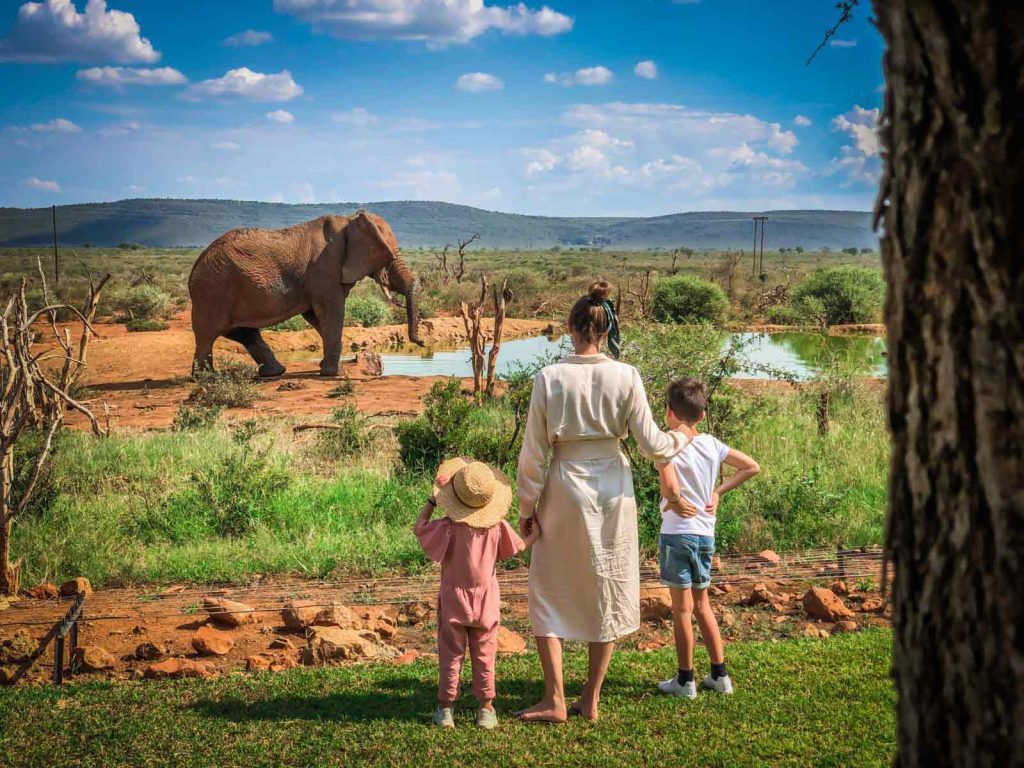
An African game drive is one of the world’s most unforgettable wildlife safari experiences, offering travelers the chance to witness Africa’s iconic animals in their natural habitat. From the vast plains of the Serengeti National Park to the breathtaking landscapes of the Ngorongoro Crater, a safari game drive combines adventure, photography, nature, and cultural discovery. Visitors can expect close encounters with the Big Five safari animals — lions, elephants, leopards, buffaloes, and rhinos — alongside giraffes, zebras, cheetahs, wildebeests, and hundreds of bird species. Morning and evening game drives are especially popular because wildlife activity peaks during cooler hours. Luxury safari lodges, professional safari guides, customized safari vehicles, and breathtaking African sunsets make every game drive exceptional. Whether exploring Tanzania, Kenya, Botswana, South Africa, or Uganda, an African safari promises thrilling wildlife sightings, stunning scenery, and lifelong memories for couples, families, photographers, and solo travelers alike. 1. Early Morning Safari Adventures Most African safari game drives begin early in the morning before sunrise, when wildlife is most active and temperatures remain cool. Guests often wake to the sounds of birds, roaring lions, or distant hyenas before heading out in specially designed 4×4 safari vehicles. Morning game drives provide excellent opportunities to witness predators returning from nighttime hunts or herbivores grazing peacefully across the savannah. The golden sunrise creates breathtaking scenery for wildlife photography and unforgettable safari moments. In destinations like Tarangire National Park and Masai Mara National Reserve, travelers may encounter elephants, lions, zebras, giraffes, and antelope within the first hour. Guides usually carry binoculars, wildlife reference books, and radios to track animals. Early game drives are considered among the best safari experiences in Africa because they combine cooler weather, active wildlife, dramatic landscapes, and fewer crowds. 2. Incredible Wildlife Encounters One of the most exciting parts of an African game drive is encountering wild animals up close in their natural environment. Visitors often dream of seeing the Big Five safari animals, but Africa’s wildlife diversity extends far beyond lions and elephants. During a safari, travelers may witness cheetahs sprinting across open plains, leopards resting in acacia trees, hippos wallowing in rivers, crocodiles sunbathing near water, and hyenas scavenging nearby. National parks like Serengeti National Park and Kruger National Park are famous for abundant wildlife sightings year-round. Safari guides understand animal behavior and know the best locations for tracking elusive species. Guests are encouraged to remain quiet and respectful during encounters to avoid disturbing animals. Every game drive is different, making each safari adventure unique, thrilling, educational, and deeply connected to the untamed beauty of Africa’s wilderness. 3. The Comfort of Safari Vehicles African safari vehicles are specially designed to maximize comfort, safety, and wildlife viewing opportunities during game drives. Most safari operators use open-sided or pop-up roof 4×4 Land Cruisers, allowing travelers panoramic views of the surrounding wilderness. Comfortable seating, charging ports, refrigerators, and photography-friendly layouts are common features on luxury African safaris. Some premium safari tours also provide blankets, refreshments, and onboard Wi-Fi for extra comfort during long drives. Vehicles are built to navigate rough terrain, muddy tracks, rivers, and dusty savannah roads while keeping passengers secure. On private safaris, guests enjoy personalized game drives with flexible schedules and exclusive wildlife sightings. In destinations like Lake Manyara National Park and Amboseli National Park, elevated seating positions help visitors capture stunning wildlife photos. A well-equipped safari vehicle significantly enhances the overall African game drive experience. 4. Expert Safari Guides and Rangers Professional safari guides play a major role in creating unforgettable African game drive experiences. These highly trained experts possess deep knowledge of wildlife behavior, ecosystems, birdlife, conservation, and local cultures. During the safari, guides identify animal tracks, explain hunting patterns, interpret sounds in the bush, and share fascinating facts about Africa’s flora and fauna. Experienced guides also know where predators, elephants, and rare animals are commonly found, increasing the chances of successful wildlife sightings. In parks like Ruaha National Park and Chobe National Park, skilled guides often communicate with other drivers using radio systems to locate animals. Their storytelling abilities bring the African wilderness to life, transforming ordinary game drives into educational adventures. Excellent safari guides ensure visitors feel safe, informed, entertained, and deeply connected to the extraordinary landscapes and wildlife of Africa. 5. Witnessing the Big Five For many travelers, spotting the Big Five is the highlight of an African safari game drive. The term “Big Five” refers to lions, leopards, elephants, rhinos, and African buffaloes — animals once considered the most difficult for hunters to track on foot. Today, these magnificent creatures symbolize Africa’s rich wildlife heritage and conservation success. Destinations such as Ngorongoro Crater and Serengeti National Park offer excellent opportunities to see all five species during a safari trip. Game drives often include thrilling moments like watching a pride of lions resting in the shade or observing elephants crossing dusty safari tracks. Rhino sightings are rarer and especially exciting for wildlife enthusiasts and photographers. Although the Big Five are famous, travelers quickly realize that every animal encounter — from tiny dik-diks to majestic giraffes — contributes to the magic of an African wildlife safari. 6. Scenic African Landscapes A game drive in Africa is not only about wildlife; it is also about experiencing some of the planet’s most breathtaking natural landscapes. Vast savannahs, volcanic craters, acacia woodlands, rivers, lakes, wetlands, and mountain backdrops create extraordinary scenery throughout the safari journey. In Serengeti National Park, endless golden plains stretch toward the horizon, while Etosha National Park features dramatic salt pans and desert-adapted wildlife. Sunrise and sunset game drives provide spectacular lighting conditions that transform the African wilderness into a photographer’s paradise. Dusty safari trails, colorful skies, and scattered baobab trees create unforgettable safari imagery. Seasonal changes also affect landscapes, with green seasons bringing lush vegetation and dry seasons attracting wildlife to rivers and waterholes. The beauty of Africa’s wilderness adds emotional depth and visual wonder to every game drive experience. 7. The Thrill of Predator Sightings Few safari moments compare to the adrenaline of
Tips on Vehicle Etiquette on Safari

A wildlife safari in Tanzania is more than a vacation; it is a once-in-a-lifetime African safari adventure filled with breathtaking landscapes, close wildlife encounters, and unforgettable game drives. Whether you are exploring the endless plains of the Serengeti National Park, descending into the Ngorongoro Crater, or discovering the elephant-rich wilderness of Tarangire National Park, proper safari vehicle etiquette plays a vital role in protecting wildlife and improving everyone’s safari experience. Good safari manners help maintain peace in nature, allow animals to behave naturally, and ensure all travelers enjoy exceptional wildlife photography and game viewing. From respecting your safari guide to keeping noise levels low during a game drive, understanding safari vehicle etiquette is essential for responsible tourism, sustainable travel, luxury safaris, family safaris, honeymoon safaris, and African wildlife tours across Tanzania and East Africa. 1. Respect Your Safari Guide’s Instructions One of the most important safari tips is listening carefully to your professional safari guide. Experienced guides understand animal behavior, park regulations, road safety, and the best ways to approach wildlife without causing stress or danger. During Tanzania safari tours, guides often instruct guests to remain seated, avoid sudden movements, or keep their voices low near animals. These rules are designed to protect both visitors and wildlife. Ignoring instructions can disturb animals and negatively affect the safari experience for others in the vehicle. Whether you are on a luxury Tanzania safari, a budget camping safari, or a private African safari tour, respecting your guide ensures smooth and safe wildlife viewing. Guides in destinations like the Serengeti ecosystem and Ngorongoro Conservation Area possess deep local knowledge that enhances your African safari adventure while promoting ethical wildlife tourism and sustainable safari practices throughout East Africa. 2. Keep Noise Levels Low During Game Drives Silence is one of the greatest secrets to successful wildlife viewing on an African safari. Loud conversations, shouting, music, or unnecessary noises can scare animals away and disrupt the peaceful atmosphere of the bush. Many safari travelers hope to witness rare wildlife moments such as lion hunts, leopard sightings, or elephant interactions, and these experiences often require patience and quiet observation. On Tanzania wildlife safaris, maintaining low noise levels improves the chances of seeing animals behaving naturally in their habitat. Quiet environments also benefit photographers seeking the perfect wildlife photography opportunities during sunrise and sunset game drives. Whether exploring Lake Manyara, Tarangire, or the Serengeti plains, respecting silence allows everyone to enjoy authentic safari experiences. Calm behavior inside safari vehicles reflects responsible tourism and contributes to conservation-friendly safari travel across Tanzania’s world-famous national parks and game reserves. 3. Avoid Standing Without Permission Standing suddenly inside a safari vehicle can alarm wildlife and create safety risks for passengers. Many safari animals recognize vehicles as harmless objects, but abrupt movements may make humans appear threatening. During Tanzania safari game drives, guides usually inform guests when it is safe to stand for photography or better viewing. Ignoring these guidelines can scare animals away or even provoke dangerous reactions from wildlife such as buffalo, elephants, or big cats. In open safari vehicles, standing unexpectedly may also block views for other travelers trying to enjoy the experience. Luxury safaris, family safaris, and photographic safaris all depend on respectful cooperation among guests. Proper safari etiquette ensures smoother wildlife encounters and safer adventures in famous destinations like the Serengeti National Park and Ngorongoro Crater. Responsible traveler behavior helps maintain peaceful interactions between humans and wildlife in Africa’s protected ecosystems. 4. Never Feed Wild Animals Feeding wild animals during a safari may seem harmless, but it can seriously damage natural wildlife behavior and create long-term conservation problems. Animals that become dependent on human food may lose hunting instincts, become aggressive, or approach vehicles dangerously. Tanzania’s national parks and conservation areas strictly prohibit feeding wildlife to protect animals and preserve ecological balance. On African safari tours, visitors may encounter monkeys, baboons, birds, or other curious animals near picnic sites or lodges. Even small food scraps can encourage unhealthy habits and increase human-wildlife conflict. Responsible safari travelers should store snacks properly and follow all park regulations during game drives and bush picnics. Ethical safari tourism supports wildlife conservation while protecting future safari experiences for generations to come. By respecting nature and allowing animals to remain wild, visitors contribute positively to sustainable tourism in Tanzania and East Africa’s extraordinary wilderness destinations. 5. Respect Everyone’s Viewing Opportunities A safari vehicle is a shared space where every guest deserves equal opportunities to enjoy wildlife sightings and photography. Blocking views, monopolizing one side of the vehicle, or constantly moving around can frustrate other travelers during game drives. Practicing patience and courtesy creates a more enjoyable safari atmosphere for everyone. During exciting wildlife encounters, such as spotting lions in the Serengeti or rhinos in the Ngorongoro Crater, allow fellow guests time to observe and take photographs. On luxury Tanzania safaris and small-group African safaris, teamwork and consideration help maximize the experience for all passengers. Safari etiquette also includes avoiding loud reactions that may disturb the moment. Respectful behavior encourages a calm and memorable wildlife viewing environment. Whether traveling with family, friends, photographers, or solo adventurers, sharing safari moments respectfully enhances the overall African safari experience while supporting positive and enjoyable group travel dynamics. 6. Keep Your Hands and Arms Inside the Vehicle Wild animals may appear calm during safari game drives, but they are unpredictable and should always be treated with caution. Keeping hands, arms, cameras, and other belongings inside the safari vehicle is an essential safety rule across Tanzania safari parks and African wildlife reserves. Reaching outside the vehicle can startle animals or place visitors in danger, especially near elephants, lions, buffalo, or hippos. Professional safari guides position vehicles carefully to ensure safe wildlife viewing without disturbing animals. Guests should trust the guide’s expertise and avoid risky behavior during close encounters. This safari safety tip is especially important on family safaris where children may become excited during wildlife sightings. Responsible conduct protects travelers while preserving natural animal behavior. Whether on a luxury
What Gloves Do I Need to Climb Kilimanjaro
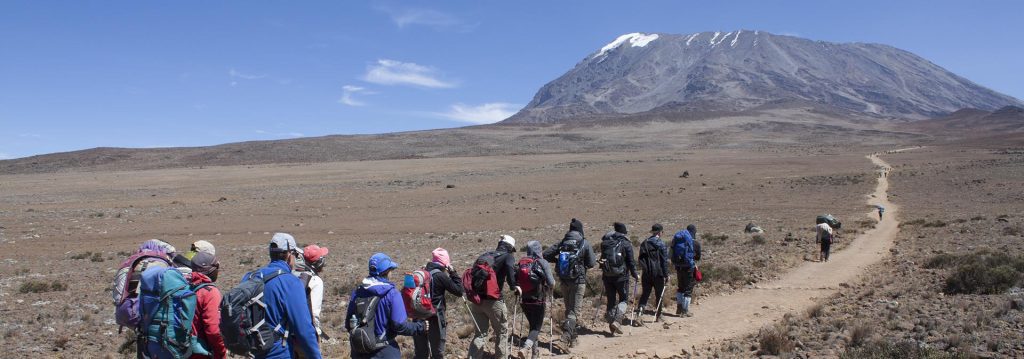
Choosing the right gloves for climbing Mount Kilimanjaro is one of the most important parts of preparing for a safe and successful summit. The mountain, located in Mount Kilimanjaro, rises to extreme altitudes where temperatures can drop well below freezing, especially on summit night. Climbers face conditions ranging from warm tropical forest at the base to Arctic-like cold at the top. Because of this, “best gloves for climbing Kilimanjaro” is a critical consideration for trekkers researching gear. Proper hand protection helps prevent frostbite, numbness, and loss of dexterity when using trekking poles. A good Kilimanjaro glove system includes liners, insulation layers, and waterproof shells. This guide explains exactly what gloves you need, how to layer them, and what features matter most for cold-weather trekking in Tanzania’s highest mountain environment. Importance of Gloves on Kilimanjaro Gloves are not optional gear when climbing Kilimanjaro—they are essential for survival and comfort. As altitude increases, oxygen levels drop, and temperatures fall dramatically, especially during summit attempts, where conditions can reach -15°C to -20°C. Without proper hand protection, climbers risk frostbite, numb fingers, and reduced grip strength. The best Kilimanjaro gloves provide insulation, wind protection, and moisture resistance. During summit night, you will rely heavily on trekking poles, so maintaining dexterity is crucial. Many climbers underestimate hand cold because they focus on jackets and boots, but hands are equally exposed. High-quality gloves ensure safety, endurance, and performance in extreme cold. Whether you are trekking through rainforest rain or icy alpine winds, gloves form a critical part of your Kilimanjaro layering system and overall trekking gear strategy. Kilimanjaro Weather Conditions Affecting Gloves Understanding Kilimanjaro’s weather conditions is key to choosing the right gloves. On Mount Kilimanjaro, climate zones change dramatically from base to summit. In the rainforest zone, temperatures are warm and humid, often requiring lightweight gloves or none at all. However, as you ascend into moorland and alpine desert zones, wind chill becomes intense. At the summit, temperatures can drop below freezing with strong winds, making frostbite a real risk. This is why “cold-weather Kilimanjaro gloves” is a high-ranking search term among climbers. The weather is unpredictable—sunny afternoons can quickly turn into freezing nights. Rain, snow, and ice are all possible depending on the season. Therefore, climbers must prepare for multiple climates in one journey, using a flexible glove system that adapts to changing conditions during the climb. The Layering System for Gloves The layering system is the foundation of proper Kilimanjaro hand protection. Instead of relying on a single pair of gloves, climbers should use multiple layers to adapt to changing temperatures. The system typically includes liner gloves, mid-layer insulated gloves, and outer waterproof shells. This approach allows you to adjust warmth and breathability depending on altitude and weather. For example, during warm hikes, only liner gloves may be needed, while summit night requires all layers. The “glove layering system for Kilimanjaro” is important for SEO, as many climbers search for gear strategies. Layering also helps manage sweat, which can quickly lead to cold hands if moisture builds up. A flexible system ensures comfort, safety, and efficiency throughout the entire trek across different climate zones on Mount Kilimanjaro. Liner Gloves for Kilimanjaro Liner gloves are the first and most important layer in your Kilimanjaro glove system. These are thin, lightweight gloves worn directly on the skin to provide basic warmth and moisture control. They are essential during moderate temperatures and act as a base layer for insulation. The best liner gloves for Kilimanjaro are made from materials like merino wool or synthetic thermal fabrics. They help maintain dexterity, allowing you to use cameras, phones, and trekking poles easily. Many climbers underestimate liner gloves, but they are crucial for preventing direct skin exposure to cold air. As a high-quality “best liner gloves for Kilimanjaro” reflect their importance in trekking gear planning. On summit night, liners are worn underneath heavier gloves to trap heat and provide an extra layer of protection against freezing alpine conditions. Fleece Gloves for Mid-Layer Warmth Fleece gloves serve as the mid-layer in a Kilimanjaro glove system, offering excellent insulation without adding excessive bulk. These gloves are designed to retain heat while remaining breathable, making them ideal for cold but not extreme conditions. As climbers ascend higher into alpine zones, fleece gloves become essential for maintaining warmth during breaks and steady hiking. The “fleece gloves for Kilimanjaro trekking” are often searched by hikers preparing for cold-weather expeditions. Fleece material dries quickly, which is important in case of sweat or light moisture exposure. While they are not waterproof, they work effectively when paired with an outer shell. Their softness and flexibility make them comfortable for long wear. Overall, fleece gloves provide a balance between warmth and mobility, making them a key part of a layered Kilimanjaro glove strategy. Insulated Gloves for Extreme Cold Insulated gloves are critical for summit night on Mount Kilimanjaro, where temperatures can drop to extreme freezing levels. These gloves are thicker and designed to trap body heat using materials like down or synthetic insulation. They are the core of your cold-weather protection system. The keyword “best insulated gloves for Kilimanjaro summit” is highly searched because this layer determines whether climbers can safely reach the peak. Insulated gloves must balance warmth and usability, allowing some movement for trekking poles and gear handling. Poor-quality insulation can lead to rapid heat loss and discomfort. These gloves are typically worn over liner gloves for maximum warmth. They are essential for preventing frostbite during long summit ascents that often take place in darkness and strong wind conditions typical of high-altitude environments. Waterproof Gloves for Rain and Snow Waterproof gloves are essential for protecting your hands from rain, snow, and melting ice on Kilimanjaro. Weather conditions on the mountain can change quickly, especially in higher altitude zones where wet snow is common. The best waterproof gloves for Kilimanjaro are made with breathable membranes that block moisture while allowing sweat to escape. The “waterproof Kilimanjaro gloves” are popular among trekkers preparing for unpredictable weather. Without
Best hiking boots for Kilimanjaro
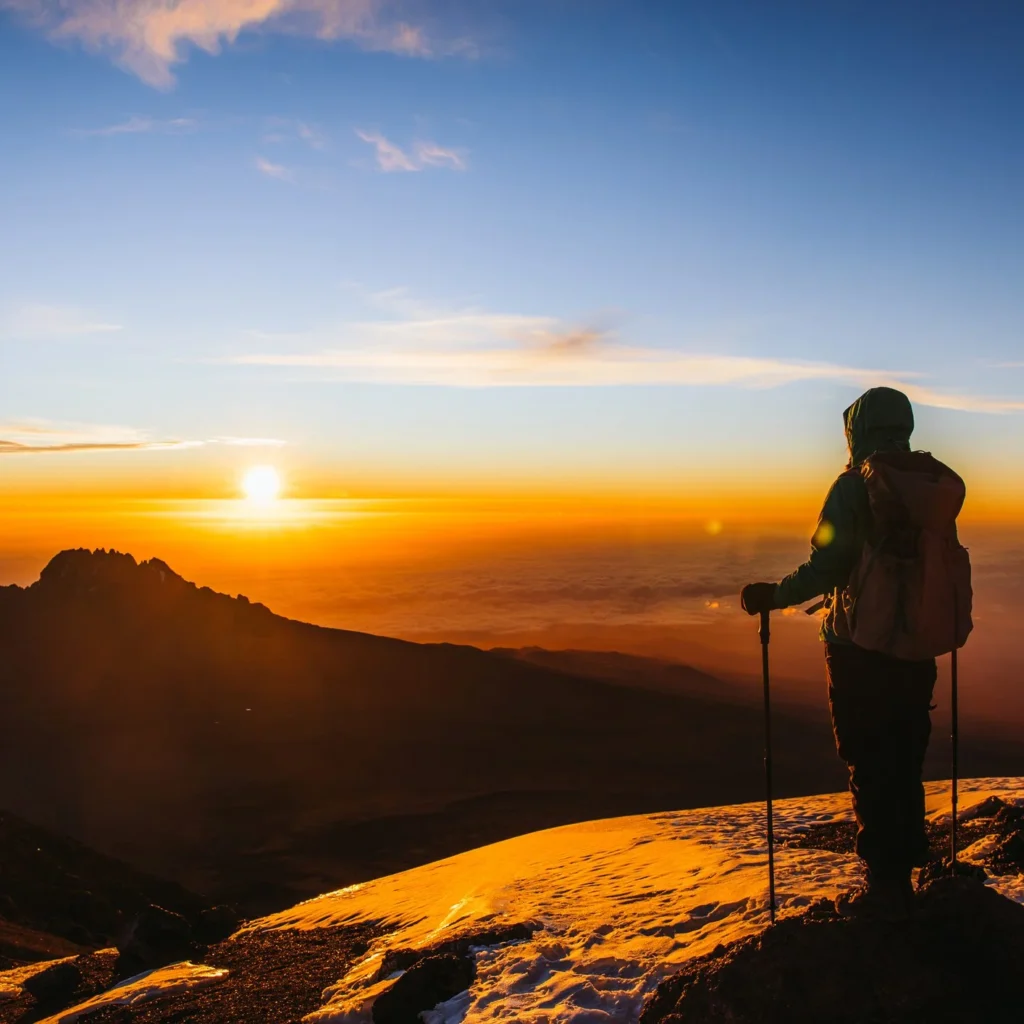
Choosing the best hiking boots for Kilimanjaro is one of the most important decisions for a successful Mount Kilimanjaro climb. The terrain changes dramatically from rainforest mud trails to rocky alpine zones and icy summit conditions, so durable, waterproof, and supportive trekking boots are essential. The ideal Kilimanjaro hiking boots should offer ankle support, Gore-Tex waterproof protection, breathability, and a strong grip for long-distance trekking at high altitude. Whether you are climbing via the Machame Route, Lemosho Route, or Marangu Route, your footwear can determine comfort, safety, and summit success. In this guide, we explore the top-rated hiking boots for Kilimanjaro used by trekkers, guides, and professional climbers worldwide. These boots combine comfort, durability, and performance, making them the best options for multi-day trekking adventures in Tanzania’s iconic mountain environment. 1. Salomon Quest 4 Gore-Tex The Salomon Quest 4 Gore-Tex is one of the most popular hiking boots for Kilimanjaro trekking due to its exceptional stability and comfort on long ascents. Designed for rugged mountain terrain, it features advanced Gore-Tex waterproof protection, ensuring dry feet during rainforest sections and wet conditions on Mount Kilimanjaro. The high-cut design offers excellent ankle support, reducing fatigue during steep climbs on routes like Machame and Lemosho. Its Contagrip outsole provides superior traction on loose volcanic rock and slippery trails, making it ideal for high-altitude trekking. The cushioning system absorbs impact, allowing climbers to walk comfortably for 6–8 hours daily. Overall, this is a top-rated Kilimanjaro hiking boot for trekkers seeking durability, comfort, and reliable all-weather performance on Africa’s highest peak. 2. Lowa Renegade GTX Mid The Lowa Renegade GTX Mid is widely regarded as one of the best trekking boots for Kilimanjaro climbs due to its lightweight design and excellent support. Built with Gore-Tex waterproof technology, it keeps feet dry while maintaining breathability during long trekking days. This boot is especially popular among beginners climbing Mount Kilimanjaro because it offers comfort straight out of the box with minimal break-in time. The Vibram outsole ensures a strong grip on rocky and muddy trails across the rainforest and moorland zones. Its mid-cut structure provides reliable ankle stability, reducing the risk of injury on uneven terrain. Ideal for routes like Marangu and Rongai, the Lowa Renegade GTX Mid balances comfort, durability, and performance, making it a trusted choice for multi-day Kilimanjaro trekking adventures. 3. Asolo Fugitive GTX The Asolo Fugitive GTX is a premium hiking boot designed for serious trekkers and high-altitude expeditions like Mount Kilimanjaro. Featuring Gore-Tex lining, it provides full waterproof protection while allowing moisture to escape, keeping feet dry and comfortable throughout the climb. The rugged suede and Cordura upper offer durability against rocky terrain found on the Barranco Wall and Lava Tower sections. Its dual-density sole system delivers excellent cushioning and stability for long trekking days, while the aggressive tread ensures reliable grip on slippery and loose volcanic surfaces. The Asolo Fugitive GTX is ideal for climbers seeking a strong, supportive boot for demanding Kilimanjaro routes. With excellent ankle protection and long-lasting construction, it is a favorite among experienced hikers tackling multi-day alpine environments in Tanzania. 4. Scarpa Zodiac Plus GTX The Scarpa Zodiac Plus GTX is a high-performance hiking boot built for technical terrain and challenging Kilimanjaro trekking conditions. Designed with Gore-Tex waterproof technology, it ensures dry and breathable comfort during unpredictable weather on the mountain. Its semi-automatic compatibility and precise fit make it especially suitable for rocky sections like the Barranco Wall climb. The Vibram outsole delivers outstanding traction on volcanic scree and icy summit approaches, giving climbers confidence at high altitude. Lightweight yet durable, the Zodiac Plus GTX reduces fatigue during long trekking days while maintaining strong ankle support. It is highly recommended for experienced hikers seeking a responsive and technical boot for Mount Kilimanjaro. Overall, this boot blends agility, protection, and grip, making it one of the best advanced trekking boots for Tanzania’s highest peak. 5. La Sportiva Nucleo High II GTX The La Sportiva Nucleo High II GTX is a modern, lightweight hiking boot designed for comfort and breathability on long Kilimanjaro climbs. Built with Gore-Tex Surround technology, it offers 360-degree ventilation while maintaining waterproof protection, making it ideal for changing mountain climates. This boot is especially useful during rainforest and moorland zones where humidity and wet ground are common. Its Vibram Nano outsole provides strong grip on rocky trails, while the Impact Brake System improves downhill control on steep descents. The high-cut design supports ankles during multi-day trekking, reducing strain on joints. For climbers seeking a lighter alternative to heavy boots, the Nucleo High II GTX is an excellent choice for Mount Kilimanjaro trekking routes like Machame and Lemosho, offering comfort, agility, and performance. 6. Merrell Moab 3 Mid Waterproof The Merrell Moab 3 Mid Waterproof is a budget-friendly yet reliable hiking boot for Kilimanjaro trekking. Known for its comfort and versatility, it features a waterproof membrane that keeps feet dry during rainforest and muddy trail sections. The cushioned insole provides excellent comfort for long trekking days, making it a good option for beginner climbers. While lighter than heavy alpine boots, it still offers decent ankle support for moderate terrain on routes like Marangu. The Vibram TC5+ outsole ensures solid traction on gravel and dirt paths, helping maintain stability during ascent and descent. The Moab 3 is ideal for climbers who prioritize affordability and comfort over extreme technical performance. It remains one of the most popular entry-level Kilimanjaro hiking boots for guided trekking tours in Tanzania. 7. Zamberlan 996 Vioz GTX The Zamberlan 996 Vioz GTX is a premium Italian hiking boot built for serious mountain expeditions like Mount Kilimanjaro. Featuring full-grain leather construction and Gore-Tex waterproof lining, it delivers exceptional durability and weather protection. This boot is ideal for long trekking days across diverse Kilimanjaro landscapes, from rainforest trails to icy summit zones. Its Vibram 3D outsole provides outstanding grip and stability on loose volcanic rock and steep inclines. The supportive midsole and reinforced ankle structure reduce fatigue and improve balance during multi-day climbs. Although
Oldest Person To Climb Kilimanjaro
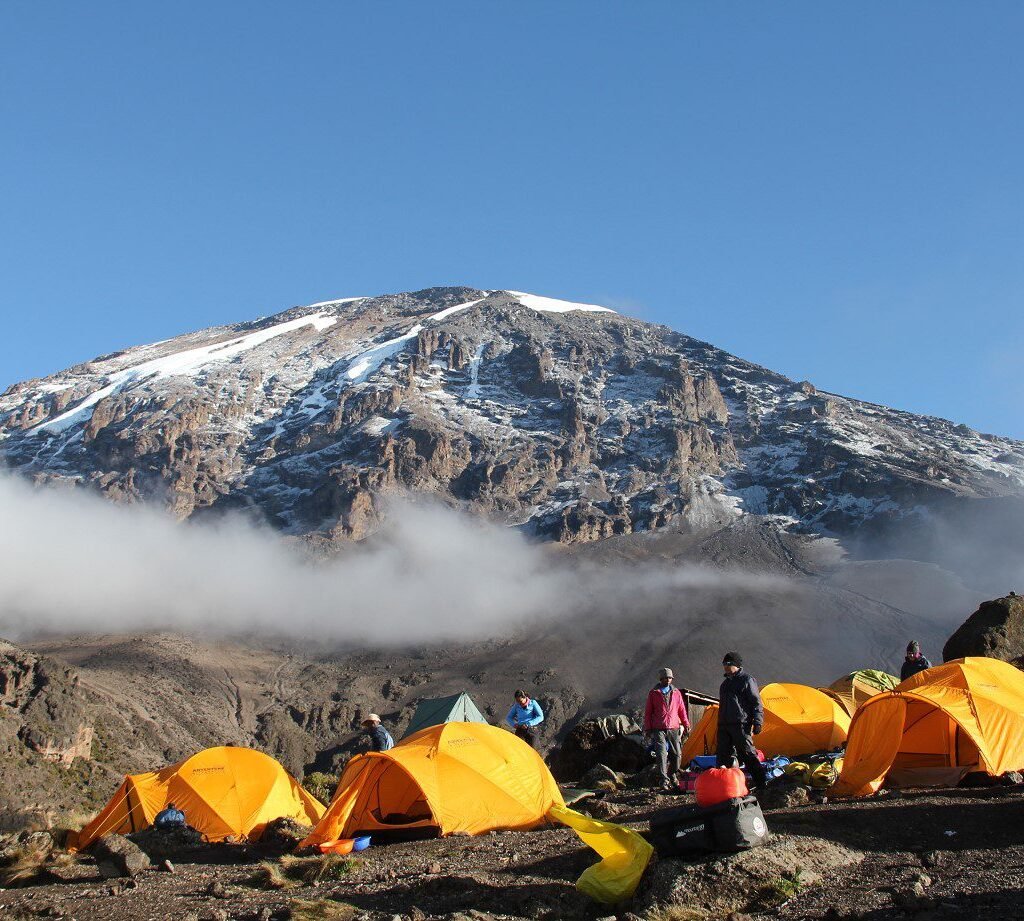
The story of the oldest person to climb Mount Kilimanjaro continues to inspire global trekkers searching for adventure, endurance, and record-breaking achievement. Standing at 5,895 meters, Africa’s highest peak—Mount Kilimanjaro—is one of the most iconic trekking destinations in the world. Over the years, climbers of advanced age have successfully reached Uhuru Peak, proving that determination can overcome age limits. Among the most famous records is that of Anne Lorimor, who summited Kilimanjaro at the age of 89, setting a world record for the oldest woman to reach the summit. This achievement highlights the growing popularity of Kilimanjaro trekking tours, high-altitude hiking challenges, and adventure tourism in Tanzania. This article explores record-breaking climbers, preparation, routes, and the inspiration behind these incredible achievements. The Record-Breaking Achievement on Kilimanjaro The title of the oldest person to climb Mount Kilimanjaro is often associated with remarkable endurance and preparation. One of the most recognized climbers is Anne Lorimor, who reached Uhuru Peak at 89 years old, making global headlines. This extraordinary feat on Mount Kilimanjaro demonstrates that age is not a barrier to adventure tourism or high-altitude trekking. Her climb was carefully supported by experienced guides, oxygen monitoring, and gradual acclimatization. The record emphasizes Kilimanjaro’s appeal as a non-technical yet physically demanding mountain. It also highlights Tanzania’s reputation as a leading destination for world-record trekking experiences, attracting climbers from across the globe seeking personal achievement, physical challenge, and emotional transformation at the Roof of Africa. Why Kilimanjaro Attracts Elderly Climbers Mount Kilimanjaro is unique because it allows non-technical climbing, making it accessible even to older adventurers with proper preparation. Many senior climbers are drawn by the challenge of reaching Uhuru Peak without mountaineering equipment like ropes or ice axes. The mountain’s trekking routes, such as Marangu, Machame, and Lemosho, provide gradual ascent options that improve acclimatization. This makes Kilimanjaro trekking one of the most achievable high-altitude adventures in the world. Additionally, the rise in adventure tourism in Tanzania has encouraged older travelers to pursue bucket-list experiences. The combination of scenic landscapes, professional guides, and structured itineraries allows elderly climbers to safely attempt record-breaking summits, proving that determination and preparation matter more than age. The Science Behind Age and High-Altitude Climbing Climbing Mount Kilimanjaro at an advanced age requires understanding how the body reacts to altitude. As oxygen levels decrease, climbers may experience altitude sickness, fatigue, and slower recovery rates. However, older climbers often succeed due to careful pacing, hydration, and acclimatization strategies. Medical studies show that fitness level matters more than age alone. Many record-breaking climbers undergo pre-expedition training, including cardio exercises, hiking practice, and endurance building. Professional Kilimanjaro guides also monitor oxygen saturation and health conditions daily. This scientific approach to trekking ensures safety while maximizing summit success rates. The combination of physical preparation and expert support allows elderly adventurers to achieve what once seemed impossible—reaching the highest peak in Africa. Famous Oldest Climbers of Mount Kilimanjaro Several inspiring individuals have set age-related records on Mount Kilimanjaro. Among them, Anne Lorimor remains one of the most notable, reaching the summit at 89 years old. Her achievement was widely reported in global adventure tourism and trekking communities. Another record-holder includes older male climbers who have reached their 80s while successfully summiting Uhuru Peak. These milestones demonstrate that Kilimanjaro trekking is not limited to young athletes but is open to determined travelers of all ages. Each record highlights careful planning, guided support, and strong mental resilience. These climbers inspire future generations to consider Tanzania safari and mountain climbing packages as part of their bucket-list travel goals, reinforcing Kilimanjaro’s status as a global symbol of endurance and achievement. Table of notable senior climbers of Mount Kilimanjaro, including countries, routes used, and practical success tips for older trekkers. 🏆 Rank Climber Country Age at Summit Route Used Success Tips for Senior Climbers 1 Anne Lorimor USA 89 Lemosho Route Very slow ascent, extra acclimatization days, strong medical monitoring 2 Robert Wheeler USA 85 Machame Route High fitness preparation, guided pacing, and hydration discipline 3 Charles Mott UK 79 Marangu Route Hut-based comfort, steady pace, altitude awareness training 4 Fred Distelhorst USA 78+ Lemosho Route Cardiovascular training, gradual climb strategy, oxygen monitoring 5 Doris Long (reported attempt/adventure climber) UK 80+ Supported expedition routes Short daily hikes before the expedition, mental endurance focus 6 Multiple senior charity climbers Various 70–80+ Machame / Lemosho Group support, guided trekking, extended itineraries (7–9 days) Training Required for Senior Kilimanjaro Climbers Preparing to climb Mount Kilimanjaro at an older age requires structured training focused on stamina, balance, and cardiovascular health. Many record-breaking climbers begin preparation months in advance with daily walking, hiking with weighted backpacks, and aerobic exercises. Strength training helps improve leg endurance for steep ascents on trekking routes like Machame and Lemosho. Mental preparation is equally important, as high-altitude conditions can be challenging. Doctors often recommend medical checkups before attempting the climb. Training also includes learning breathing techniques for altitude adaptation. These preparations ensure climbers can safely handle long trekking days, cold temperatures, and reduced oxygen levels. With proper training, even elderly adventurers can successfully reach Uhuru Peak and achieve world-record-breaking milestones. The Role of Professional Guides and Support Teams No record-breaking ascent of Mount Kilimanjaro is possible without experienced mountain guides and support crews. Professional Kilimanjaro guides play a critical role in monitoring health, setting the pace, and ensuring safety throughout the trek. Porters carry equipment, allowing climbers to conserve energy for high-altitude sections. For elderly climbers, guides often adjust itineraries to include slower ascents and additional acclimatization days. Emergency protocols are also in place in case of altitude sickness or fatigue. This structured support system is one reason Kilimanjaro has one of the highest success rates among major mountains. The teamwork between climbers and support staff ensures that even older adventurers can safely pursue world records while enjoying the beauty of Tanzania’s iconic mountain landscapes. Best Routes for Older Climbers Choosing the right route on Mount Kilimanjaro is essential for senior climbers aiming for summit success. The Lemosho Route
Mount Kilimanjaro History
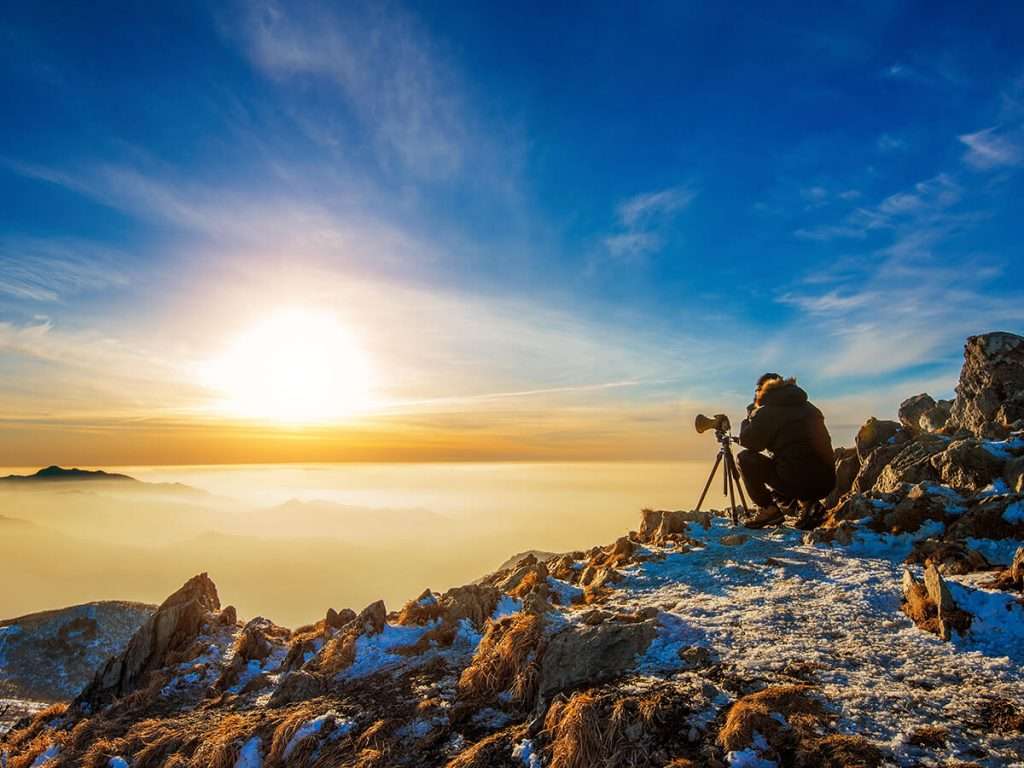
Mount Kilimanjaro is Africa’s highest mountain and one of the world’s most iconic natural landmarks, standing proudly as a UNESCO World Heritage Site within Kilimanjaro National Park. The history of Mount Kilimanjaro is deeply rooted in volcanic formation, ancient indigenous cultures, and global exploration narratives that shaped East Africa’s tourism identity. Formed over 750,000 years through volcanic activity along the Great Rift Valley, Kilimanjaro consists of three volcanic cones: Kibo, Mawenzi, and Shira. Its snow-capped peak has fascinated explorers, geographers, and climbers for centuries. From early Chagga communities who lived on its fertile slopes to European explorers who documented it in the 19th century, Kilimanjaro’s story is both cultural and geological. Today, it stands as a symbol of natural wonder, adventure tourism, and African heritage, attracting climbers from all over the world seeking to conquer its legendary Uhuru Peak. Geological Origins of Mount Kilimanjaro The history of Mount Kilimanjaro begins with its powerful volcanic origins. Formed approximately 750,000 years ago, Kilimanjaro is a stratovolcano created by movements in the Great Rift Valley. It consists of three volcanic cones: Kibo, Mawenzi, and Shira, each representing different stages of volcanic activity. Shira is the oldest and now extinct; Mawenzi is dormant, while Kibo remains dormant but not extinct, making it geologically significant. Over time, repeated eruptions, lava flows, and erosion shaped its towering peak. Glacial activity also contributed to its snow-capped summit, a rare feature near the equator. This geological history makes Kilimanjaro one of the most studied mountains in Africa. Today, scientists continue to monitor its ice cap, which is slowly retreating due to climate change, adding urgency to its environmental preservation narrative. Early Human Settlements on Kilimanjaro’s Slopes Long before explorers documented Mount Kilimanjaro, indigenous communities such as the Chagga people settled on its fertile lower slopes. These early inhabitants developed advanced agricultural systems using irrigation channels known as “mfongo,” cultivating bananas, coffee, and yams. The mountain was not only a home but also a sacred landscape deeply tied to spiritual beliefs and ancestral traditions. Oral histories describe Kilimanjaro as a place of mystery, often associated with gods, spirits, and natural power. The Chagga also engaged in trade with neighboring communities, benefiting from the mountain’s rich volcanic soils. Their settlements created a cultural foundation that still exists today, blending traditional practices with modern tourism. This early human interaction shaped Kilimanjaro’s identity as both a natural wonder and a cultural heritage site, making it more than just a climbing destination. First European Exploration and Discovery The global history of Mount Kilimanjaro began in the 19th century when European missionaries and explorers reported sightings of a snow-capped mountain near the equator. In 1848, German missionary Johannes Rebmann became the first European to document Kilimanjaro’s snowy peak, a claim initially met with skepticism in Europe. Later explorations confirmed its existence, sparking scientific and geographical interest. German explorers, including Hans Meyer, played a crucial role in mapping and studying the mountain. These expeditions opened East Africa to global attention and laid the foundation for future mountaineering. The discovery of Kilimanjaro’s glaciers challenged European understanding of tropical geography and contributed significantly to early African exploration literature. This period marked the beginning of Kilimanjaro’s transformation into a world-famous natural landmark and climbing destination. Naming and Cultural Significance The name of Mount Kilimanjaro has various interpretations rooted in local languages and colonial records. Some scholars believe “Kilimanjaro” comes from Swahili and Chagga words meaning “Mountain of Greatness” or “Mountain of Caravans.” Others suggest it may derive from “Kilima Njaro,” meaning “Shining Mountain.” For local communities, the mountain holds spiritual significance, often associated with ancestral worship and natural reverence. It is seen as a sacred protector of the land, influencing weather patterns, agriculture, and cultural identity. During colonial times, the mountain’s name was popularized in European maps and literature, further spreading its global recognition. Today, Kilimanjaro remains a powerful symbol of Tanzania’s natural heritage and cultural pride, deeply embedded in both local traditions and international tourism narratives. Hans Meyer and the First Recorded Ascent A major milestone in the history of Mount Kilimanjaro was the first successful summit attempt in 1889 by German geographer Hans Meyer, accompanied by Austrian climber Ludwig Purtscheller and local guide Yohani Kinyala Lauwo. After several unsuccessful attempts, Meyer finally reached Uhuru Peak on Kibo, marking the first recorded ascent of Africa’s highest point. This achievement was significant in the history of global mountaineering and African exploration. The expedition faced extreme cold, altitude challenges, and rugged terrain, highlighting the mountain’s difficulty even for experienced climbers. Yohani Lauwo, a Chagga guide, played a vital role in navigating the routes, demonstrating the importance of local knowledge. This ascent established Kilimanjaro as a premier climbing destination and contributed to its international fame in adventure tourism history. Colonial Era and Scientific Interest During the colonial period, Mount Kilimanjaro became a focal point for German East Africa’s scientific and geographical studies. Researchers studied its glaciers, climate, flora, and fauna, documenting its unique ecological zones. The mountain was used as a natural laboratory for understanding tropical alpine environments. German colonial authorities also established administrative control around the region, influencing infrastructure and early tourism development. Scientific expeditions revealed the mountain’s biodiversity, from rainforest ecosystems at its base to alpine desert conditions near its summit. These studies contributed to global knowledge of mountain ecology and climate science. However, colonial exploration also disrupted local systems and imposed external governance structures. Despite this, Kilimanjaro’s scientific importance continued to grow, shaping its reputation as one of Africa’s most valuable natural research sites. Formation of Kilimanjaro National Park The protection of Mount Kilimanjaro became a priority in the 20th century due to increasing environmental concerns and tourism pressure. In 1973, the surrounding forest reserve was declared a national park, and later expanded into Kilimanjaro National Park. In 1987, UNESCO recognized it as a World Heritage Site due to its ecological and geological significance. The park was established to preserve its unique ecosystems, wildlife, and glaciers. Conservation efforts focus on protecting endangered species, maintaining water sources,