How Much Does It Cost To Climb Mount Meru
How Much Does It Cost To Climb Mount Meru
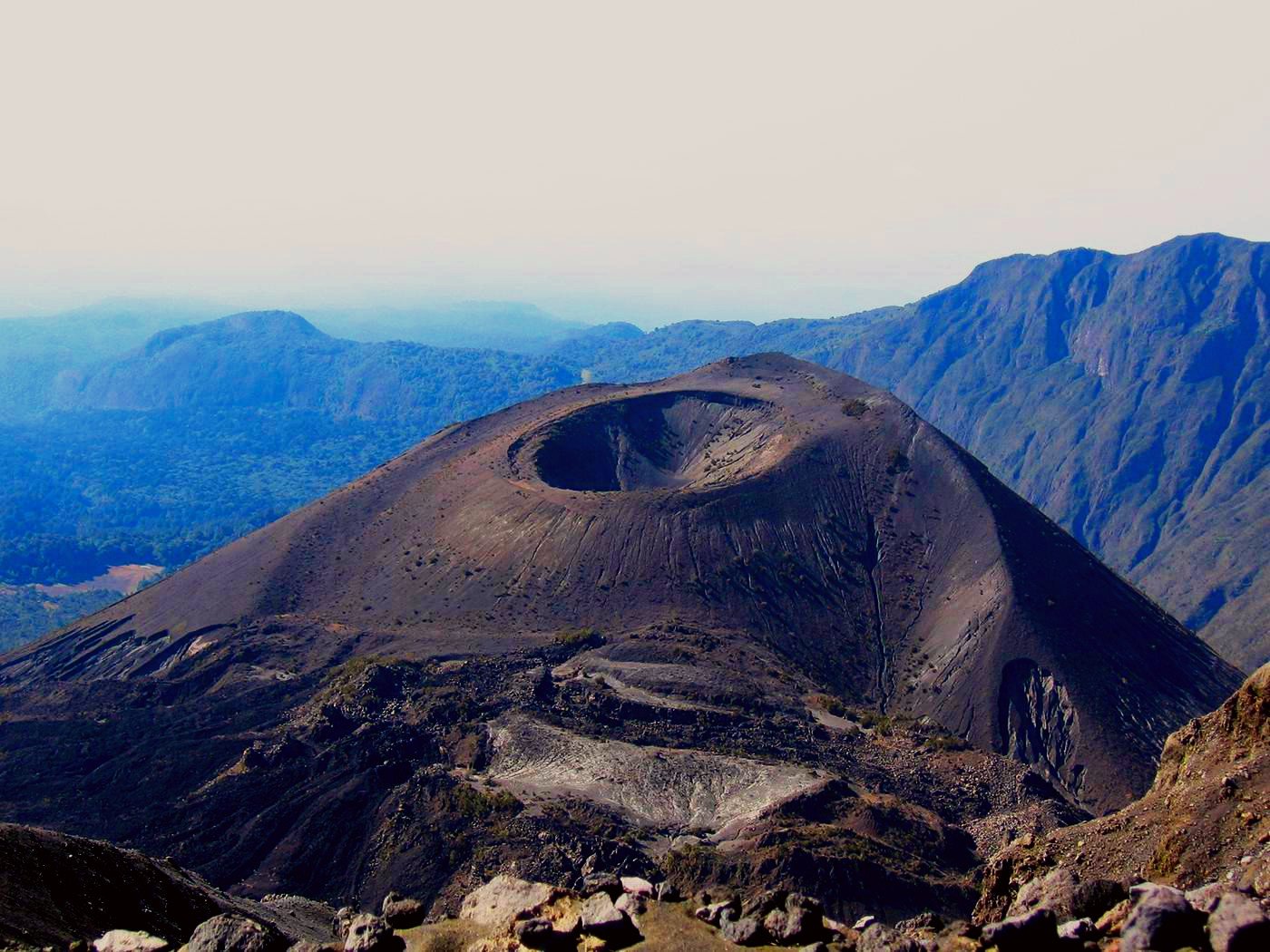
Discover how much does it cost to climb Mount Meru and see that Climbing Mount Meru is one of the most rewarding and affordable trekking adventures in East Africa, often compared to Mount Kilimanjaro but at a lower cost. Travelers searching for “Mount Meru climbing cost,” “Meru trek price,” and “Tanzania hiking budget” will find that this dormant volcano inside Arusha National Park offers exceptional value. The total cost typically ranges from $900 to $2,500 per person, depending on group size, accommodation level, and tour operator. This price usually includes park fees, guides, armed ranger services, meals, and hut accommodation. With stunning crater views, wildlife encounters, and fewer crowds, Mount Meru is a top choice for budget-conscious adventurers and luxury trekkers alike seeking a high-altitude experience in Tanzania.
Park Fees and Conservation Charges
A significant portion of the Mount Meru climbing cost comes from park fees charged by Tanzania National Parks Authority. These fees are mandatory and cover conservation, safety, and park maintenance within Arusha National Park. On average, climbers pay around $250–$300 per day, which includes entrance fees, hut fees, rescue fees, and armed ranger services—essential due to wildlife like buffalo and giraffes along the trail. For a typical 3- or 4-day trek, total park fees can range between $750 and $1,200 per person. These costs are fixed regardless of the operator you choose. When researching “Mount Meru permit cost” or “Arusha National Park trekking fees,” it’s important to note that these government-regulated charges form the backbone of your total expedition budget.
Guide and Crew Costs
Hiring a professional guide is mandatory when climbing Mount Meru, ensuring safety and navigation throughout the trek. Most packages include experienced guides, porters, and cooks, all regulated under Tanzania National Parks Authority. Guide and crew costs typically range between $200 and $500 per trek, depending on group size and service level. For smaller groups or private climbs, costs tend to be higher. These fees cover salaries, meals, and logistics for the crew, contributing to a smooth and enjoyable experience. When searching for “Mount Meru guide cost” or “Meru trekking crew price,” remember that tipping is customary and should be budgeted separately. A professional team not only enhances safety but also enriches your journey with local knowledge and cultural insights.
- Accommodation
- Meals
- Park fees
- Vehicle & guide
- Transfers
- International flights
- Visas
- Travel insurance
- Tips
- Premium drinks
Accommodation on Mount Meru
Unlike Mount Kilimanjaro, which offers both camping and huts, climbing Mount Meru involves staying in designated mountain huts such as Miriakamba Hut and Saddle Hut. These accommodations are included in park fees and provide basic but comfortable shelter, beds, and shared dining areas. This setup reduces the need for camping gear, making Meru a more budget-friendly option. Before and after your trek, most packages include hotel stays in Arusha, costing between $50 and $300 per night depending on whether you choose budget lodges or luxury hotels.“Mount Meru hut accommodation” and “Arusha trekking hotels” are popular among travelers planning their climb.
Budget camping & lodges
Affordable, adventurous and close to nature.
Mid-range lodges & tented camps
Comfort, good food and convenient locations.
Luxury tented camps & lodges
Spacious suites, personal service and prime wildlife areas.
Exclusive-use camps & villas
Complete privacy, private guides and bespoke experiences.
Transportation Costs
Transportation is another key factor when calculating the total Mount Meru climbing cost. Most trips begin in Arusha, the gateway to Arusha National Park. Transfers from Kilimanjaro International Airport to Arusha typically cost $50–$100, often included in tour packages. Ground transport to the park gate is also usually covered. However, international flights to Tanzania can vary widely, ranging from $600 to $1,500 depending on your departure location and season. Travelers searching “how to get to Mount Meru” or “Arusha transport costs” should factor in these logistics. Booking a comprehensive trekking package often proves more cost-effective, as it bundles transfers, reducing overall expenses while ensuring seamless travel arrangements.
Food and Meals During the Trek
Meals are typically included in most Mount Meru climbing packages, offering excellent value for money. During your trek in Arusha National Park, a dedicated cook prepares fresh, energy-rich meals to sustain you through the climb. Expect a variety of dishes, including soups, pasta, rice, vegetables, fruits, and sometimes local Tanzanian cuisine. Special dietary requirements can often be accommodated upon request. The cost of food is generally incorporated into the overall package price, averaging around $20–$40 per day if calculated separately. Travelers searching for “Mount Meru trekking meals” or “food on Mount Meru climb” will find that the quality is surprisingly high given the remote environment. Proper nutrition plays a crucial role in acclimatization and overall trekking success.
Equipment and Gear Rental Costs
Climbing Mount Meru requires proper trekking gear, including warm clothing, hiking boots, sleeping bags, and trekking poles. While experienced hikers may bring their own equipment, many tour operators in Arusha offer rental services. Gear rental costs typically range from $50 to $200 for the entire trek, depending on the items needed. Essential items like insulated jackets and quality boots are highly recommended due to the cold summit conditions. Investing in good gear ensures comfort, safety, and a more enjoyable experience, especially during the early morning summit push when temperatures can drop significantly.
Best Time to Climb and Price Variations
The best time to climb Mount Meru significantly affects overall costs. Peak seasons—June to October and December to February—offer the best weather but come with higher prices due to increased demand. During the rainy seasons (March to May and November), prices may drop by 10–20%, making it an attractive option for budget travelers. However, trails can be muddy and visibility limited. When searching “best time to climb Mount Meru” or “cheap Mount Meru trekking packages,” consider balancing weather conditions with budget. Climbing during shoulder seasons often provides a good compromise between cost and experience, with fewer crowds and still favorable trekking conditions in Arusha National Park.
Group vs Private Climb Pricing
Whether you join a group or opt for a private climb greatly influences the Mount Meru trekking cost. Group climbs are more affordable, typically costing between $900 and $1,500 per person, as expenses are shared among participants. Private climbs, on the other hand, can range from $1,500 to $2,500 or more, offering personalized service, flexible schedules, and a more exclusive experience. Tour operators based in Arusha often provide both options.“Mount Meru group climb cost” and “private Meru trekking price” are popular among travelers comparing options. Choosing between group and private climbs depends on your budget, travel style, and desire for customization versus cost savings.
Tipping and Additional Expenses
Tipping is an important part of trekking culture in Tanzania, including climbs on Mount Meru. While not mandatory, it is highly encouraged to show appreciation for guides, porters, and cooks. On average, climbers should budget $150–$250 for tips, depending on group size and service quality. Additional expenses may include travel insurance, visas (around $50–$100), and personal items like snacks and drinks. When researching “Mount Meru tipping guide” or “extra costs climbing Mount Meru,” it’s essential to factor in these expenses to avoid surprises. Proper budgeting ensures a smooth and stress-free adventure while supporting the hardworking crew who make your climb successful.
Comparing Mount Meru to Kilimanjaro Costs
Climbing Mount Meru is significantly more affordable than tackling Mount Kilimanjaro. While Kilimanjaro climbs can cost between $1,500 and $6,000, Mount Meru typically ranges from $900 to $2,500. The lower cost is due to shorter duration, fewer logistical requirements, and hut accommodations instead of camping. Despite the price difference, Meru offers equally breathtaking scenery, wildlife encounters, and a challenging ascent.“Mount Meru vs Kilimanjaro cost” and “cheaper Kilimanjaro alternative” highlight why many trekkers choose Meru. It’s also an excellent acclimatization climb for those planning to summit Kilimanjaro afterward.
Budget, Mid-Range, and Luxury Packages
Mount Meru climbing packages are available across different budget levels. Budget options ($900–$1,200) typically include group climbs with basic services. Mid-range packages ($1,200–$1,800) offer better accommodations in Arusha and enhanced meal plans. Luxury packages ($1,800–$2,500+) provide premium hotels, private guides, and personalized services. Tour operators in Arusha cater to all travel styles, ensuring flexibility. Choosing the right package depends on your comfort preferences and travel budget, but all options deliver an unforgettable trekking experience.
- Private vehicle & guide
- Intimate tented camps
- Gourmet dining
- Fly-in transfers
- Bush dinners
- Spa treatments
Safety and Rescue Fees
Safety is a top priority when climbing Mount Meru, and part of your cost goes toward rescue and emergency services managed by the Tanzania National Parks Authority. Rescue fees are included in park charges, ensuring access to evacuation services if needed. Climbers are also accompanied by armed rangers due to the presence in Arusha National Park. While incidents are rare, having these safety measures in place provides peace of mind. Travelers searching for “Mount Meru safety cost” or “Meru rescue fees” should understand that these expenses are essential for a secure trekking experience. Investing in travel insurance is also highly recommended.
Approach, feed or disturb wildlife, or leave the vehicle unless your guide says it is safe.
Follow your guide, carry travel insurance and check current health and travel advice.
Duration and Itinerary Impact on Cost
The length of your Mount Meru trek—typically 3 or 4 days—directly affects the overall price. A 4-day itinerary is more expensive but offers better acclimatization and a higher success rate for reaching the summit. Shorter 3-day climbs are cheaper but more physically demanding. Each additional day increases costs due to park fees, crew wages, and food expenses. Most itineraries include overnight stays at Miriakamba Hut and Saddle Hut within Arusha National Park. “Mount Meru 3-day vs 4-day cost” and “Meru itinerary price” are common among planners. Choosing the right duration balances budget, comfort, and your chances of a successful summit.
Booking Through Tour Operators
Booking your climb through a reputable tour operator in Arusha simplifies logistics and often reduces overall costs. Operators bundle park fees, guides, accommodation, meals, and transport into one package, offering better value than organizing independently. When searching “best Mount Meru tour operators” or “Meru trekking packages Tanzania,” look for licensed companies with strong reviews and transparent pricing. Many operators also provide customizable itineraries and add-ons like safaris or Zanzibar beach extensions. Choosing a trusted company ensures quality service, safety, and a hassle-free adventure from start to finish.
Is Mount Meru Worth the Cost?
For many travelers, climbing Mount Meru is absolutely worth the cost. It offers a unique combination of wildlife safaris, scenic trekking, and high-altitude adventure within Arusha National Park. Compared to Mount Kilimanjaro, it delivers exceptional value with fewer crowds and a more intimate experience. The breathtaking sunrise views from the summit and the chance to spot giraffes, buffalo, and monkeys along the trail make it unforgettable.“Is Mount Meru worth it?” and “best value trekking in Tanzania” reflect its growing popularity. It’s an ideal choice for both first-time trekkers and seasoned hikers.
Final Thought: How Much Does It Cost To Climb Mount Meru
Climbing Mount Meru is a cost-effective, adventure-packed alternative to Mount Kilimanjaro, offering incredible value for money. With total costs ranging from $900 to $2,500, it caters to budget travelers, mid-range explorers, and luxury adventurers alike. From park fees and guide services to accommodation and meals, every aspect is designed to deliver a seamless trekking experience in Arusha National Park. Whether you’re seeking a standalone adventure or preparation for Kilimanjaro, Mount Meru provides an unforgettable journey filled with natural beauty, wildlife encounters, and personal achievement—making every dollar spent truly worthwhile.
How Much Does It Cost To Climb Mount Meru: FAQs
What is the average cost to climb Mount Meru?
The average cost to climb Mount Meru in Tanzania ranges between $700 and $2,500 per person, depending on the package, duration, and level of comfort. Budget group climbs can start from around $700–$900, while mid-range packages average $900–$1,500, and luxury or private climbs can exceed $2,000. This price typically includes park fees, guides, porters, accommodation, and meals, making it a relatively affordable African trekking experience compared to other high-altitude climbs.
Are park fees included in Mount Meru climbing packages?
Yes, park fees are usually included in Mount Meru climbing packages, especially with reputable tour operators. These fees form a significant portion of the total cost, often accounting for 40–50% of the overall price. Park fees typically cover entry permits, hut accommodation, rescue fees, conservation charges, and armed ranger services, which are mandatory due to wildlife in the area.
Is Mount Meru cheaper than Mount Kilimanjaro?
Yes, Mount Meru is significantly cheaper than Mount Kilimanjaro, making it a popular choice for budget-conscious travelers. While Mount Meru costs typically range between $700 and $2,000, Kilimanjaro climbs often start from $1,500 and can exceed $3,000 or more. The lower cost is mainly due to shorter trekking duration (3–4 days) and fewer logistical requirements. Despite being cheaper, Mount Meru still offers an incredible experience, including wildlife sightings, diverse ecosystems, and stunning summit views.
Do I need to tip guides and porters on Mount Meru?
Yes, tipping is an important and expected part of Mount Meru trekking culture in Tanzania. While not always mandatory, it is strongly encouraged as guides, porters, and cooks rely on tips as part of their income. Typical tipping costs range between $200 and $400 per climber, depending on group size and service quality. A common guideline includes $10–$15 per day for guides and $8–$10 per day for porters, distributed at the end of the trek.
What extra Mount Meru costs should I consider?
Beyond the base package, several additional costs for climbing Mount Meru should be considered. These include travel insurance, gear rental, accommodation before and after the trek, transportation, and visa fees. Gear rental alone can cost around $20–$50 per day, while pre- and post-trek accommodation may range from $50–$150 per night. Other expenses include tips, flights to Tanzania, and optional safari add-ons, which can significantly increase the total budget.
Can I climb Mount Meru without a guide?
No, you cannot climb Mount Meru without a guide. Tanzanian park regulations require all climbers to be accompanied by a licensed guide and an armed ranger, primarily due to wildlife safety concerns. Mount Meru lies within a national park where animals such as buffalo and elephants roam freely, making guided treks essential. Even experienced trekkers must follow this rule.
Does the duration of the trek affect the Mount Meru cost?
Yes, the duration of your Mount Meru trek directly affects the cost. Shorter 3-day climbs are cheaper, typically costing between $700 and $1,500, while 4-day treks cost more, often ranging from $1,200 to $2,000. Longer treks increase costs due to additional park fees, accommodation, meals, and staff wages. However, a 4-day itinerary is highly recommended for better acclimatization and a higher summit success rate. Choosing the right duration balances cost with comfort and safety.
Is food included in Mount Meru climbing costs?
Yes, food is typically included in most Mount Meru climbing packages. Meals are prepared by a dedicated cook and consist of nutritious dishes designed to support high-altitude trekking. Climbers can expect breakfast, lunch, dinner, and snacks, along with drinking water throughout the trek. The inclusion of food simplifies logistics and ensures proper nutrition during the climb. However, special dietary requirements should be communicated in advance to the tour operator.
When is the cheapest time to climb Mount Meru?
The cheapest time to climb Mount Meru is during the low or rainy seasons, typically from March to May and in November. During these months, many operators offer discounted rates to attract travelers. However, weather conditions can be challenging, with muddy trails and reduced visibility. The best balance between cost and experience is often found during the shoulder seasons, when prices are slightly lower but weather remains favorable.
Is Mount Meru worth the cost?
Absolutely, Mount Meru is worth every dollar. It offers a unique combination of wildlife safari, scenic trekking, and high-altitude adventure at a more affordable price than many global peaks. Climbers enjoy encounters with giraffes, buffalo, and monkeys, alongside breathtaking views of the crater and nearby Mount Kilimanjaro. Its less crowded trails provide a more intimate and peaceful experience compared to busier mountains.
Plan Your Private Tanzania Safari
Tell us your travel dates, interests and budget, and our local team will design a private tailor-made safari around you.