
How to Climb Kilimanjaro Without the Crowds
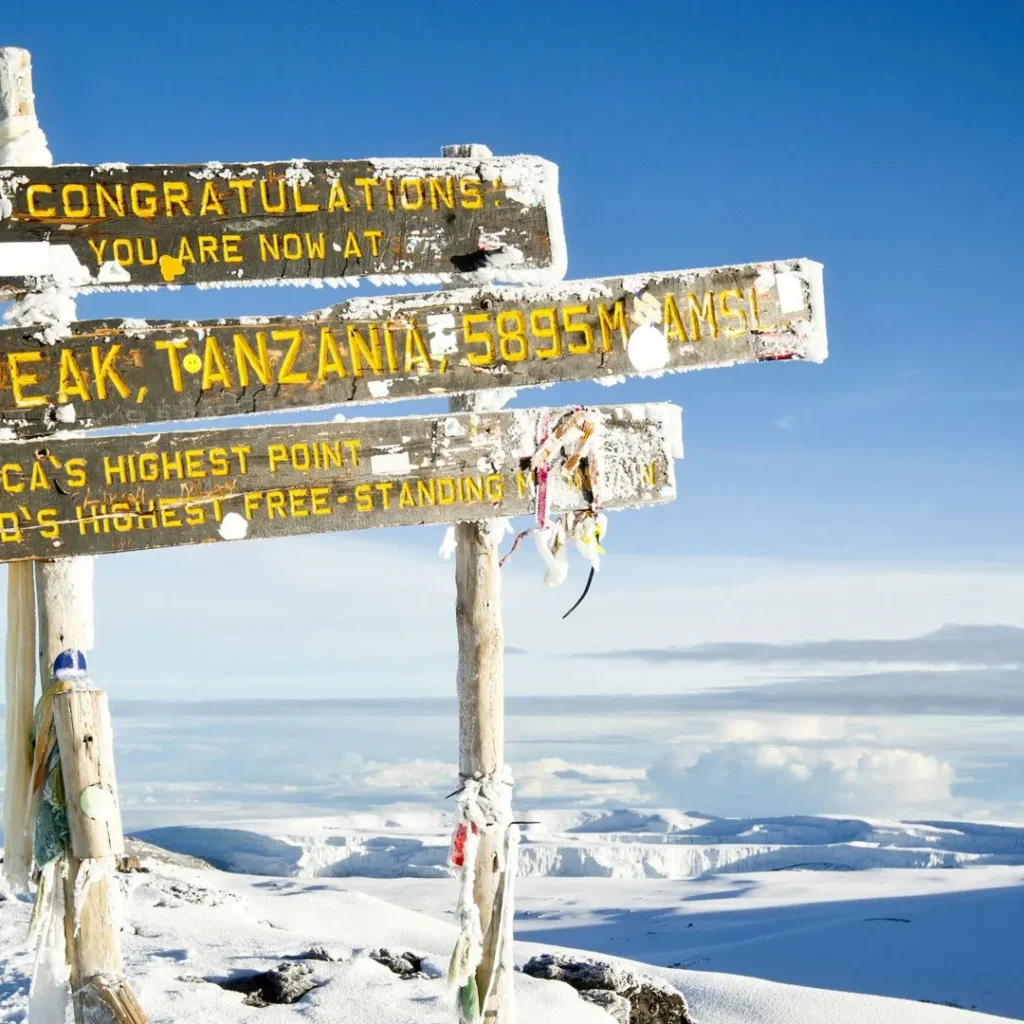
Climbing Mount Kilimanjaro, the highest peak in Africa, is a dream for adventurers worldwide. However, the mountain can get extremely crowded, especially on popular routes like Machame and Marangu. For those seeking a more peaceful, intimate experience, it’s essential to plan strategically. Avoiding crowds not only enhances the natural beauty and wildlife encounters but also increases your chances of a successful summit. Less crowded Kilimanjaro climbs allow climbers to enjoy serene landscapes, spectacular sunrise views, and safer trekking conditions. In this guide, we explore practical tips, including route selection, timing strategies, and private climb options, to ensure your Kilimanjaro adventure is both memorable and crowd-free. Choose a Less Crowded Route Selecting the right Kilimanjaro route is the most effective way to avoid large crowds. Popular routes like Machame and Marangu are well-trodden, drawing dozens of climbers daily. Consider alternatives like the Lemosho, Shira, or Northern Circuit routes, which offer longer treks, scenic vistas, and fewer people. These trails allow for gradual acclimatization, improving your summit success rate while minimizing bottlenecks. Opting for a less busy Kilimanjaro route also provides opportunities to photograph unique landscapes and wildlife in a quieter, more reflective setting. Travel operators increasingly recommend these routes for climbers seeking solitude without sacrificing safety or amenities, making them an ideal choice for a peaceful ascent. Avoid Peak Season Kilimanjaro’s busiest months are January to March and June to October, coinciding with dry, sunny weather. Avoiding these peak periods can drastically reduce crowds on the mountain. Instead, consider climbing during the shoulder seasons of April, May, or November, when trails are less crowded, but weather conditions remain favorable. Planning your trip outside high season often results in lower Kilimanjaro tour costs and more flexible accommodations. Additionally, fewer climbers mean guides can provide personalized attention, improving both safety and the overall experience. For climbers prioritizing tranquility and private hiking experiences, off-peak months are the key to enjoying Kilimanjaro’s beauty without competing with hundreds of fellow trekkers. Start Mid-Week Another simple strategy for avoiding crowds is to begin your climb mid-week. Most climbers prefer weekend departures, leading to overcrowding at trailheads and campsites. By choosing a Tuesday or Wednesday start, you can hike more peacefully, encounter fewer climbers on the route, and enjoy quiet nights at high camps. Mid-week departures also reduce wait times at bottleneck points, such as the summit ridge, increasing your chances of reaching the peak efficiently. When combined with a less crowded route, a mid-week start creates a more private and stress-free Kilimanjaro climbing experience, ideal for travelers seeking solitude, scenic photography, and uninterrupted moments in Africa’s highest landscapes. Skip Full Moon Summit attempts on full moon nights are popular because climbers prefer bright conditions for visibility. However, this choice often results in overcrowded trails and summit congestion. If your goal is a peaceful Kilimanjaro climb, plan your summit night during a new moon or the days surrounding it. While trekking under darkness with headlamps might seem challenging, it reduces the number of climbers on the trail and offers an unparalleled sense of isolation. Fewer people on the mountain also improve the safety of your ascent, minimize noise pollution, and enhance opportunities for wildlife sightings, making it a must-consider factor for those wanting crowd-free Kilimanjaro trekking. Consider a Longer Itinerary Opting for a longer Kilimanjaro itinerary, such as 8–9 days instead of the standard 6–7 days, not only improves altitude acclimatization but also avoids peak daily congestion. Longer routes like Lemosho or Northern Circuit spread climbers more evenly across camps, reducing overcrowding at key points such as Barranco Wall or Stella Point. A slow-paced trek enhances your experience by allowing scenic detours, wildlife observation, and photography opportunities. Longer itineraries are especially suitable for those seeking private tours, small-group adventures, and higher summit success rates, offering a balanced mix of safety, comfort, and serenity, far from the bustling Machame or Marangu routes. Consider a Private Climb A private Kilimanjaro climb is the ultimate way to avoid crowds. Unlike group treks, a private climb allows you to set your own pace, schedule, and route preferences. Experienced guides provide personalized support, adjusting for your fitness and acclimatization needs. Private tours also allow flexibility to start mid-week, avoid full moons, or choose longer, less crowded routes. Though more expensive, private Kilimanjaro treks maximize safety, comfort, and scenic enjoyment, giving climbers exclusive access to spectacular sunrise views and quiet high-altitude camps. For those who value privacy and a tailored experience, a private climb is the best choice for a truly memorable Kilimanjaro adventure. Why Is Kilimanjaro So Crowded? Non-Technical Summit Kilimanjaro, Africa’s highest peak, is famously a non-technical climb, which means trekkers do not require ropes, climbing gear, or technical mountaineering skills to reach the summit. This accessibility makes it attractive to adventure seekers, beginners, and bucket-list travelers from around the world. Unlike Everest or Mont Blanc, Kilimanjaro’s trails allow ordinary hikers to attempt a 5,895-meter ascent with proper preparation, guiding, and acclimatization. This unique combination of high-altitude achievement without technical climbing draws thousands every year, contributing to crowding on popular routes like Machame, Marangu, and Lemosho. Trekkers can focus on endurance, fitness, and trekking logistics rather than climbing techniques, making it a prime choice for tourists seeking the thrill of summiting Africa’s “Roof of Africa” safely and successfully. High Demand Kilimanjaro’s popularity has surged due to social media exposure, travel blogs, and global tourism campaigns highlighting its scenic beauty, wildlife, and panoramic sunrise views. Each year, more than 50,000 trekkers attempt the climb, particularly during the dry seasons from January to March and June to October, when the trails are most accessible. International travelers from Europe, North America, and Asia frequently plan their holidays around Kilimanjaro climbs, often booking months in advance. Luxury safari operators and budget trekking companies alike advertise packages that include airport transfers, guided treks, and lodge accommodations, increasing the ease of participation. This high demand often results in full tour groups, crowded campsites, and busier summit days, especially on Machame and Marangu routes, where popularity aligns with
Can You Climb Kilimanjaro Without a Guide
No, it is not possible to climb Mount Kilimanjaro without a guide. Tanzanian law and the Kilimanjaro National Park Authority (KINAPA) regulations explicitly mandate that all climbers must be accompanied by a licensed guide and book their trek through a registered tour operator. Attempting an unauthorized or solo climb is illegal and carries serious consequences, including substantial fines, removal from the park, potential deportation, and invalidation of travel insurance. Park rangers are stationed at all entry gates and patrol the routes and campsites to enforce this rule. Climbing Mount Kilimanjaro, Africa’s tallest peak, is a dream adventure for many trekkers. But a common question arises: Can you climb Kilimanjaro without a guide? While technically possible, attempting this trek solo comes with significant risks. Kilimanjaro’s unpredictable weather, steep trails, and high altitude require expert knowledge for safety and success. Professional Kilimanjaro guides provide critical support, from navigation to health monitoring, ensuring climbers maximize their chances of reaching Uhuru Peak safely. Without a guide, climbers face potential hazards like altitude sickness, disorientation, and insufficient acclimatization. For first-time climbers or even experienced hikers, hiring a certified guide or tour operator is the most practical and safest way to enjoy the ultimate Kilimanjaro adventure. What is the Role of the Mount Kilimanjaro Guide? Climbing Kilimanjaro is not just a hike; it’s a complex expedition requiring professional guidance. A Kilimanjaro guide plays multiple roles to ensure climbers’ safety, comfort, and success. Guides are trained to monitor health, manage acclimatization, navigate the trails, and coordinate porters and crew efficiently. They also provide motivation, advice, and logistical support, creating a structured and well-organized climb. Their local knowledge of the mountain’s terrain, weather patterns, and cultural insights enhances the experience significantly. Even for fit, experienced trekkers, having a certified guide ensures the climb is safer, smoother, and more enjoyable. A guide’s expertise can make the difference between achieving summit success and a forced early descent. Safety and Health Monitoring Safety is the primary reason to hire a Kilimanjaro guide. The mountain’s extreme altitude exposes climbers to acute mountain sickness, hypothermia, and exhaustion. Guides are trained to recognize early warning signs, monitor oxygen levels, pulse rates, and overall climber health throughout the trek. They can make crucial decisions like adjusting pace or recommending rest, ensuring climbers do not risk severe altitude-related illnesses. Moreover, guides carry essential first aid kits and emergency communication devices, which are critical when climbing remote areas of Kilimanjaro. Their constant vigilance significantly reduces the likelihood of emergencies and improves the odds of reaching Uhuru Peak safely, especially for climbers with limited high-altitude experience. Acclimatization Management Proper acclimatization is vital for a successful Kilimanjaro climb. Guides design itineraries that allow gradual adaptation to increasing altitudes, following proven strategies like the “climb high, sleep low” approach. They manage rest stops, hydration, and nutrition, ensuring climbers maintain energy levels and avoid altitude sickness. Experienced guides adjust the schedule in real-time based on weather conditions and climbers’ responses to elevation. Their expertise in Kilimanjaro trekking routes ensures an optimal balance between challenging progress and safe ascent. Without a guide, climbers may ascend too quickly, risking severe altitude complications and decreased summit success. A guide’s acclimatization management dramatically improves safety and the likelihood of a memorable, summit-achieving experience. Navigation and Decision Making Kilimanjaro’s trails wind through diverse ecosystems, including rainforest, alpine desert, and rocky summits. Guides provide critical navigation skills, ensuring climbers follow safe, legal routes and avoid off-trail hazards. They make real-time decisions regarding pace, detours, and camping sites based on weather, trail conditions, and team health. Experienced guides anticipate risks like rockfalls, slippery paths, and extreme weather changes, making crucial judgment calls that a solo trekker might not notice. Their knowledge of trail markers, altitude points, and terrain challenges ensures climbers remain on track. Without a guide, the risk of getting lost or encountering dangerous conditions increases significantly, jeopardizing the safety of the climb and summit chances. Crew Management and Support Guides coordinate a team of porters and assistant guides, handling logistics from setting up camps to preparing meals. This support allows climbers to focus solely on the trek and summit. Guides ensure porters carry equipment safely, follow ethical treatment practices, and maintain a smooth operation throughout the climb. Coordinating meals, water, and campsite preparation is crucial in harsh conditions, particularly at higher altitudes where fatigue can affect climbers. This management reduces stress, enhances comfort, and creates a seamless trekking experience. Without a professional guide, climbers may face significant logistical challenges, from carrying their own gear to managing camps, making the expedition unnecessarily difficult and less enjoyable. Motivation and Encouragement Climbing Kilimanjaro is physically and mentally challenging. Guides provide continuous motivation and psychological support, crucial for pushing climbers through tough sections, especially the final summit night. Encouragement, reassurance, and positive reinforcement can prevent climbers from giving up in moments of exhaustion or doubt. Guides share climbing tips, celebrate milestones, and help maintain morale during long, grueling days. Their presence boosts confidence, reduces anxiety, and fosters teamwork among climbers. This guidance is particularly important for first-time trekkers or those attempting higher-risk routes like Machame or Lemosho. With a guide, climbers have a constant source of support, ensuring they remain determined and focused on reaching Uhuru Peak. Why Do You Need a Tour Operator for Climbing Kilimanjaro? Using a reputable Kilimanjaro tour operator provides safety, permits, logistics, and overall support. Operators handle route selection, accommodation, meals, equipment, and emergency protocols. They ensure climbers comply with legal requirements, maximize summit success, and enjoy a structured experience. Operators offer options for private or group tours and budgets ranging from luxury to economy. Working with a tour operator also supports local communities ethically, employing certified guides and porters. Their experience ensures climbers avoid common mistakes, improve safety, and focus on the adventure itself. Solo climbing is risky and logistically demanding; partnering with a trusted tour operator is the safest and most effective way to conquer Kilimanjaro successfully. Legal Requirement & Permits Trekking Kilimanjaro independently is restricted by law. Tanzanian authorities require climbers
Mountain Guides on Mount Kilimanjaro
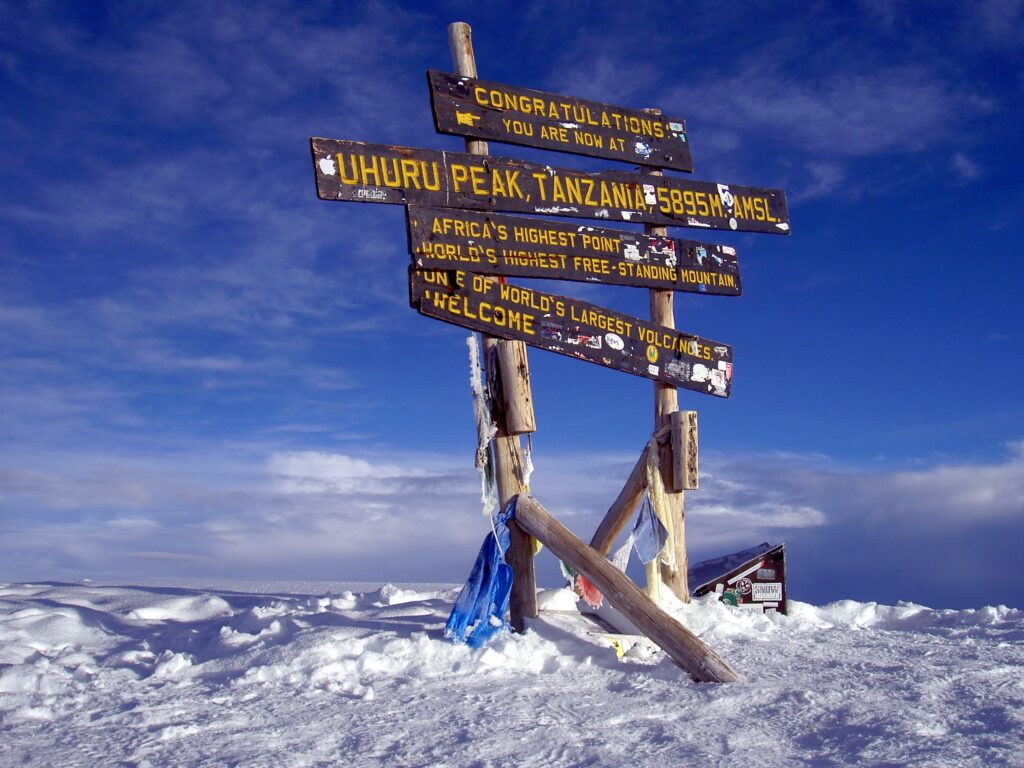
Climbing Mount Kilimanjaro is one of Africa’s greatest adventure travel experiences, attracting trekkers from around the world seeking the ultimate Tanzania safari and trekking holiday. While the snow-capped summit of Uhuru Peak inspires thousands every year, the true heroes behind successful climbs are the experienced mountain guides on Mount Kilimanjaro. These professional Kilimanjaro guides play a vital role in safety, acclimatization, route planning, motivation, wildlife interpretation, and cultural storytelling. Whether you choose the Machame Route, Lemosho Route, Marangu Route, Rongai Route, or Northern Circuit, expert mountain guides increase summit success rates and ensure a safe Kilimanjaro climbing experience. From luxury Kilimanjaro trekking tours to budget hiking adventures, guides help climbers navigate changing weather, altitude sickness risks, and difficult terrain while creating unforgettable memories on Africa’s highest mountain. 1. The Importance of Mountain Guides on Kilimanjaro Mountain guides on Mount Kilimanjaro are essential for a safe and successful trekking expedition. Kilimanjaro is not a technical climb, but altitude sickness, unpredictable mountain weather, and physical exhaustion make professional guidance extremely important. Certified Kilimanjaro guides monitor climbers’ health, oxygen levels, hydration, and pace throughout the journey. They understand every route, campsite, and acclimatization strategy required to help travelers reach Uhuru Peak safely. Experienced guides also educate climbers about local Chagga culture, mountain ecology, and the history of Kilimanjaro National Park. Their encouragement becomes especially valuable during summit night when temperatures fall below freezing and exhaustion sets in. Many travelers say their guides transformed a difficult climb into an inspiring personal achievement. Choosing highly trained mountain guides greatly improves safety, confidence, enjoyment, and overall summit success rates on Mount Kilimanjaro. 2. Training and Certification of Kilimanjaro Guides Professional Kilimanjaro mountain guides undergo extensive training before leading climbers to the summit of Mount Kilimanjaro. Most licensed guides receive wilderness first aid training, altitude sickness management education, rescue procedure instruction, and environmental conservation awareness. Reputable Kilimanjaro tour operators ensure their guides are certified through Tanzania National Parks regulations and mountain rescue programs. These guides are trained to recognize Acute Mountain Sickness symptoms early, helping prevent dangerous situations during high-altitude trekking. Many experienced guides have climbed Kilimanjaro hundreds of times, giving them exceptional knowledge of weather conditions, trail challenges, and acclimatization techniques. English-speaking guides are widely available, while some companies also offer guides fluent in French, German, Spanish, Italian, and other languages. Their professional skills, leadership, and communication abilities help climbers feel secure while exploring Africa’s most iconic mountain destination. 3. How Guides Improve Summit Success Rates One of the biggest reasons climbers hire professional mountain guides on Mount Kilimanjaro is the significant increase in summit success rates. Experienced guides understand how to manage altitude acclimatization by maintaining a slow and steady hiking pace known as “pole pole,” a famous Swahili phrase meaning “slowly slowly.” They carefully monitor each climber’s condition, encouraging hydration, proper nutrition, and rest throughout the trek. Guides know when to adjust pace or provide additional support to struggling hikers. Routes such as the Lemosho Route and Northern Circuit often have higher success rates because guides use longer itineraries that allow better acclimatization. During summit night, guides motivate exhausted climbers through freezing temperatures, steep slopes, and low oxygen conditions. Their expertise, encouragement, and emergency preparedness dramatically improve the chances of standing successfully at Uhuru Peak. 4. Safety Responsibilities of Kilimanjaro Mountain Guides Safety is the top priority for every professional mountain guide leading expeditions on Mount Kilimanjaro. Guides perform daily health checks, monitor oxygen saturation levels, and watch for symptoms of altitude sickness, including headaches, nausea, dizziness, and fatigue. They carry emergency oxygen cylinders, first aid kits, radios, and evacuation equipment during climbs. In difficult situations, guides make critical decisions about whether climbers should descend immediately for medical safety. Their knowledge of mountain weather patterns helps avoid dangerous exposure to storms, heavy rain, snow, or freezing summit conditions. Guides also ensure climbers follow park regulations and environmental protection practices. Reputable Kilimanjaro trekking companies prioritize guide training because a quick emergency response can save lives on high-altitude expeditions. With professional mountain guides managing risks, trekkers can focus on enjoying the adventure while climbing Africa’s tallest mountain safely. 5. Cultural Knowledge Shared by Kilimanjaro Guides Mountain guides on Mount Kilimanjaro provide far more than hiking assistance because they also share rich Tanzanian culture and local traditions. Many guides belong to the Chagga community living around Kilimanjaro’s fertile slopes, giving visitors authentic insight into regional customs, farming practices, legends, and mountain history. Along the trek, guides explain native plants, volcanic landscapes, wildlife species, and the spiritual significance of Kilimanjaro to local communities. Climbers often learn basic Swahili phrases, traditional songs, and cultural stories during camp evenings. This cultural interaction creates meaningful connections between travelers and local people while supporting sustainable tourism in Tanzania. Guides help visitors appreciate Kilimanjaro as more than a mountain by introducing them to the region’s heritage and hospitality. These cultural experiences become some of the most memorable highlights of a Kilimanjaro trekking adventure. 6. The Role of Porters and Assistant Guides Successful Kilimanjaro expeditions depend not only on lead mountain guides but also on assistant guides and hardworking porters. On Mount Kilimanjaro, porters carry camping equipment, food supplies, tents, water, and climbers’ duffel bags through challenging terrain and changing weather conditions. Assistant guides help monitor trekkers, provide encouragement, and manage camp operations during the climb. Together, this mountain crew creates a safe and organized trekking environment for visitors from around the world. Ethical Kilimanjaro tour companies ensure fair porter wages, proper meals, adequate gear, and humane working conditions through responsible tourism practices. Many travelers form close friendships with their mountain team because of the kindness, dedication, and support provided throughout the expedition. The teamwork between guides, cooks, and porters is one of the defining features of a successful and unforgettable Mount Kilimanjaro climbing experience. 7. Choosing the Best Kilimanjaro Mountain Guides Selecting the best mountain guides for climbing Mount Kilimanjaro is one of the most important decisions travelers make when planning a Tanzania trekking adventure. Reputable Kilimanjaro tour operators employ certified, experienced,
When was Mount Kilimanjaro’s last eruption
Mount Kilimanjaro, Africa’s highest peak and one of the world’s most iconic free-standing mountains, is a major topic in geology, tourism, and safari travel searches such as “Mount Kilimanjaro eruption history” and “Is Kilimanjaro an active volcano in Tanzania?”. Located in northern Tanzania near Arusha and Moshi, Kilimanjaro is a dormant volcanic giant made up of three volcanic cones: Kibo, Mawenzi, and Shira. Unlike many African volcanoes, it has not erupted in recorded history, making its geological past especially fascinating for scientists and travelers. Understanding when Kilimanjaro last erupted requires exploring its ancient volcanic formation, tectonic activity in East Africa, and its long dormancy. Today, Kilimanjaro is a top destination for climbing expeditions, safari tours, and eco-travel experiences, yet beneath its snowy summit lies a powerful volcanic origin shaped millions of years ago. Geological Origin of Mount Kilimanjaro Mount Kilimanjaro formed through intense volcanic activity along the East African Rift Valley, one of the most geologically active zones on Earth. This process began millions of years ago when tectonic plates slowly pulled apart, allowing magma to rise through the Earth’s crust. Over time, repeated eruptions built the massive stratovolcano that became Kilimanjaro. It is composed of three volcanic cones: Shira, Mawenzi, and Kibo. These cones formed at different geological periods, contributing to Kilimanjaro’s complex structure. The mountain’s origin is deeply connected to hotspot and rift-related volcanic activity, similar to other East African volcanoes. Today, Kilimanjaro is a key subject in studies of volcanic formation, plate tectonics, and African geology. Its formation history also attracts tourists interested in “Kilimanjaro geology” and “volcanic mountains in Tanzania.” Understanding Kilimanjaro’s Volcanic Structure Kilimanjaro is not a single volcano but a complex volcanic system made of three distinct volcanic cones: Kibo, Mawenzi, and Shira. Kibo is the highest and youngest cone, containing the famous Uhuru Peak and a dormant volcanic crater. Mawenzi is older and heavily eroded, while Shira is the oldest and almost completely collapsed. This layered structure is the result of multiple phases of volcanic activity over millions of years. The central cone, Kibo, is the only one considered potentially dormant today. Understanding Kilimanjaro’s volcanic structure helps explain why it is classified as a dormant stratovolcano rather than an active one. For climbers and researchers, keywords like “Kibo crater,” “Kilimanjaro volcano structure,” and “East African volcanic mountains” are essential in understanding its geological identity and long-term volcanic evolution. When Was Kilimanjaro’s Last Eruption? The last eruption of Mount Kilimanjaro is estimated to have occurred over 360,000 to 400,000 years ago, making it one of the oldest dormant volcanoes in Africa and some minor volcanic activity may have continued in the Kibo cone up to around 150,000–200,000 years ago, but there has been no confirmed eruption in recorded human history. This long inactivity is why searches like “when did Kilimanjaro last erupt” and “Kilimanjaro volcano eruption history” often return geological rather than historical timelines. The crater at Kibo still shows signs of past volcanic heat, including fumaroles that release gas, indicating residual geothermal activity. However, no lava flow or explosive eruption has been recorded in modern times. This makes Kilimanjaro a dormant volcano rather than extinct, meaning volcanic activity is not expected but cannot be fully ruled out. Why Kilimanjaro Is Considered Dormant, Not Active Mount Kilimanjaro is classified as a dormant volcano rather than an active one because it has not erupted for hundreds of thousands of years. However, it is not considered extinct due to ongoing geothermal activity within the Kibo crater, where gases such as sulfur dioxide still escape. In volcanology, a dormant volcano is one that is currently inactive but could potentially erupt again under the right geological conditions. This classification is important in understanding “Is Kilimanjaro still active?” and related SEO search queries. The lack of lava flows, seismic instability, or recent eruptions supports its dormant status. Scientists continuously monitor the mountain to assess any changes in volcanic behavior. For travelers and climbers, this means Kilimanjaro is safe to explore, though its deep volcanic history remains an important geological feature. Kibo Crater and Volcanic Remnants The Kibo crater is the most significant volcanic feature of Mount Kilimanjaro and serves as the primary reminder of its ancient eruptions. Inside the crater lies the Reusch Crater, which still shows fumaroles emitting gases, indicating residual geothermal energy. These volcanic remnants are what remain after thousands of years of erosion and cooling. The crater’s inner walls reveal layers of hardened lava, ash, and volcanic rock, offering scientists valuable insight into Kilimanjaro’s eruptive history. The presence of ash pits and sulfur deposits suggests that volcanic activity once shaped this summit extensively. Today, climbers reaching Uhuru Peak often pass near these features, making it a highlight of Kilimanjaro trekking routes. Keywords like “Kibo crater geology,” “volcanic remnants Kilimanjaro,” and “Kilimanjaro summit crater” are commonly searched by both geologists and adventure tourists. Mawenzi and Shira: The Older Volcanoes Mawenzi and Shira are the older volcanic cones of Mount Kilimanjaro, each representing different stages of volcanic evolution. Shira is the oldest and has largely collapsed due to erosion, forming a plateau-like structure. Mawenzi, on the other hand, is highly jagged and deeply eroded, showing no current volcanic activity. These cones were formed millions of years before Kibo and played a key role in building the original volcanic massif. Unlike Kibo, neither Mawenzi nor Shira has any geothermal activity today, confirming their extinct status. Together, they help scientists understand the full volcanic history of Kilimanjaro. Searches like “Mawenzi volcano Tanzania” and “Shira plateau Kilimanjaro geology” highlight their importance in geological tourism. These formations also add to the scenic beauty of trekking routes, especially on multi-day Kilimanjaro climbing expeditions. Geological Timeline of Kilimanjaro Activity The geological timeline of Mount Kilimanjaro spans millions of years, beginning with the formation of the Shira cone around 2.5 million years ago. Mawenzi followed, and later Kibo formed as the youngest and highest volcanic cone. Major volcanic activity occurred between 1 million and 360,000 years ago, with lava flows and eruptions shaping the
The Beginner’s Guide to Climbing Kilimanjaro
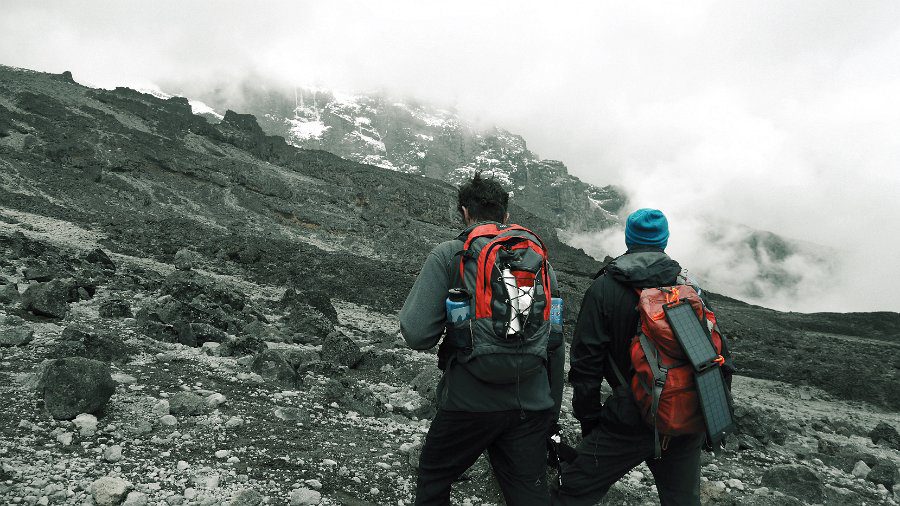
Is climbing Mount Kilimanjaro on your bucket list? Climbing Mount Kilimanjaro is a dream adventure for many travelers seeking the ultimate African trekking experience, as the beginner’s guide to climbing Kilimanjaro. Known as the highest peak in Africa, Kilimanjaro offers breathtaking landscapes, diverse ecosystems, and a non-technical climb that attracts beginners from around the world. This beginner’s guide to climbing Kilimanjaro is designed to answer your most important questions while helping you rank your knowledge alongside top search trends like “Kilimanjaro climbing tips,” “how to climb Kilimanjaro for first-time climbers,” and “Kilimanjaro for beginners.” From choosing the best route to understanding costs, gear, and preparation, this guide provides everything you need. Whether you’re planning your first high-altitude trek or researching the best time to climb Kilimanjaro, this comprehensive guide will prepare you mentally and physically for an unforgettable journey to the Roof of Africa. Where Is Mount Kilimanjaro? Mount Kilimanjaro is located in northeastern Tanzania, near the Kenyan border in East Africa. It stands within Kilimanjaro National Park, a UNESCO World Heritage Site famous for its ecological diversity and iconic snow-capped summit. As Africa’s tallest mountain, rising to 5,895 meters (19,341 feet), Kilimanjaro is also the world’s highest free-standing mountain, making it one of the most sought-after trekking destinations globally. The closest major city is Moshi, which serves as the primary base for climbers preparing for their ascent. Travelers typically fly into Kilimanjaro International Airport before heading to Moshi or Arusha. Its location near the equator, yet featuring glaciers and an alpine desert, makes Kilimanjaro unique. This geographical diversity contributes to its global appeal and popularity among beginner climbers seeking a once-in-a-lifetime adventure. Can A Beginner Climb Kilimanjaro? Yes, beginners can climb Kilimanjaro, which is one of the main reasons it ranks highly among global trekking destinations as a beginner’s guide to climbing Kilimanjaro. Unlike technical mountains requiring ropes or climbing experience, Kilimanjaro is a trekking peak, meaning no mountaineering skills are necessary. However, this does not mean it is easy. Success depends on preparation, fitness level, and proper acclimatization. Many first-time hikers successfully reach the summit each year by choosing beginner-friendly routes and pacing themselves correctly, like during the climb, the most crucial steps are to acclimatize properly by going “pole pole” (slowly), staying hydrated, and listening to your body and guides, “Kilimanjaro for beginners” and “first time climbing Kilimanjaro,” which highlight its accessibility. While you don’t need technical skills, you do need determination, mental resilience, and a willingness to train beforehand. With the right guidance, support team, and mindset, even novice trekkers can achieve the incredible goal of standing on Uhuru Peak. How Many Climbing Routes Are on Mount Kilimanjaro Mount Kilimanjaro has seven established climbing routes, each offering a unique experience in terms of scenery, difficulty, and success rate. The main beginner’s guide to Climbing Kilimanjaro routes includes Marangu, Machame, Lemosho, Rongai, Shira, Northern Circuit, and Umbwe. These routes vary in duration, terrain, and acclimatization profile, which significantly impacts summit success rates. Popular search terms like “Kilimanjaro routes comparison” and “best Kilimanjaro route” reflect the importance of choosing wisely. For beginners, routes with longer itineraries such as Lemosho and Machame are often recommended due to better acclimatization. Each route traverses different ecological zones, from lush rainforest to alpine desert and icy summit. Understanding these routes helps climbers choose the best path based on fitness level, budget, and time available for the adventure. What Is the Best Route for Beginners on Mount Kilimanjaro The best route for beginners on Mount Kilimanjaro is often considered the Lemosho Route due to its gradual ascent, scenic beauty, and high success rate. It allows more time for acclimatization, which is crucial in preventing altitude sickness—a major challenge for new climbers. Another popular beginner-friendly option is the Machame Route, known as the “Whiskey Route,” which offers stunning views but requires slightly more stamina, like “best Kilimanjaro route for beginners” and “easiest route up Kilimanjaro” frequently point to these options. The Marangu Route, while shorter, has lower success rates due to quicker ascent. Ultimately, the best route depends on your fitness, time, and budget, but choosing a longer itinerary significantly improves your chances of reaching the summit successfully. When Is the Best Time to Climb Kilimanjaro The best time to climb Kilimanjaro is during the dry seasons: January to March and June to October. These the beginner’s guide to Climbing Kilimanjaro months offer clearer skies, better visibility, and more stable weather conditions, making them ideal for beginners. Popular “best time to climb Kilimanjaro” and “Kilimanjaro weather guide” highlight the importance of timing. January to March tends to be quieter and slightly colder, while June to October is busier but offers warmer daytime temperatures. Avoiding the rainy seasons in April-May and November is recommended due to slippery trails and limited visibility. Choosing the right time significantly impacts your overall experience and summit success. Planning your climb during peak trekking seasons ensures safer conditions and enhances your chances of enjoying Kilimanjaro’s breathtaking landscapes. How Hard Is It to Climb Kilimanjaro Climbing Kilimanjaro is physically and mentally challenging, but it is achievable for most beginners with proper preparation. The beginner’s guide to Climbing Kilimanjaro difficulty mainly comes from altitude rather than technical terrain, like “how hard is Kilimanjaro” and “Kilimanjaro difficulty level” reflect common concerns. As you ascend, oxygen levels decrease, making breathing more difficult and increasing fatigue. Daily trekking can last 5–8 hours, with summit night being the toughest, often requiring 10–14 hours of hiking. Despite these challenges, the climb is non-technical, meaning no climbing gear or experience is needed. Success depends on pacing, hydration, and acclimatization. Many climbers describe it as a test of endurance rather than skill. With determination, proper guidance, and a positive mindset, beginners can successfully reach the summit. What Equipment Do You Need to Climb Mount Kilimanjaro Proper equipment is essential for a successful Kilimanjaro climb, especially for beginners. The beginner’s guide to Climbing Kilimanjaro gear includes insulated clothing, waterproof layers, sturdy hiking boots, a warm sleeping bag, trekking poles, and
Kilimanjaro Porters
Kilimanjaro porters are the backbone of every successful Mount Kilimanjaro climb, playing a vital role in helping trekkers reach the summit of Africa’s highest mountain. From carrying expedition gear and camping equipment to preparing meals and encouraging climbers during difficult moments, these hardworking mountain professionals make every Kilimanjaro trekking experience safer, smoother, and more enjoyable. Whether you choose a luxury Kilimanjaro safari, budget trekking package, or private guided expedition, experienced porters remain essential to your journey. Many travelers climbing via the Machame Route, Lemosho Route, Marangu Route, Rongai Route, or Northern Circuit depend on the dedication and strength of local Tanzanian porters. Supporting ethical porter treatment through fair wages, proper equipment, and responsible tourism practices has become increasingly important for sustainable Kilimanjaro tourism and eco-friendly African adventure travel experiences. The Essential Role of Kilimanjaro Porters Kilimanjaro porters perform countless responsibilities that make climbing Mount Kilimanjaro possible for thousands of trekkers every year. These local mountain experts transport camping equipment, food supplies, duffel bags, water, and safety gear through challenging terrain, often at high altitudes and in unpredictable weather conditions. During a Kilimanjaro trekking expedition, porters also help set up camps, prepare tents, organize dining areas, and maintain comfortable conditions for climbers. Their physical endurance allows tourists to focus on acclimatization and summit success rather than carrying heavy loads. Many climbers on Machame, Lemosho, Shira, Umbwe, and Rongai routes appreciate the motivation and encouragement provided by porters throughout the adventure. Professional Kilimanjaro porters are trained to navigate mountain trails efficiently while supporting responsible trekking operations and delivering unforgettable African mountain climbing experiences in Tanzania. How Kilimanjaro Porters Support Climbers Climbing Mount Kilimanjaro is physically demanding, especially for first-time trekkers and high-altitude adventurers. Kilimanjaro porters significantly reduce the burden by carrying heavy luggage, allowing climbers to conserve energy for the summit push toward Uhuru Peak. Most trekkers carry only a lightweight daypack containing essentials like water, snacks, cameras, and rain gear, while porters transport larger bags and expedition equipment between camps. This support system improves safety, comfort, and overall trekking success rates. Porters also assist guides by monitoring campsites, preparing sleeping arrangements, and ensuring trekkers remain hydrated and well-fed during the journey. On popular Kilimanjaro routes such as the Northern Circuit and Machame Route, porter teams create a smooth trekking experience that appeals to solo travelers, honeymoon couples, family safaris, luxury adventurers, and group expeditions exploring Tanzania’s iconic mountain landscapes. The Daily Life of a Kilimanjaro Porter The daily routine of a Kilimanjaro porter begins early each morning before climbers wake up. Porters pack camp equipment, organize supplies, and start hiking ahead to the next campsite while carrying loads that may include tents, cooking gear, dining tables, and travelers’ duffel bags. Despite the demanding work, many porters maintain positive attitudes and energetic spirits throughout the expedition. They often reach campsites before trekkers arrive, quickly setting up tents and preparing facilities for the evening. During harsh weather, cold temperatures, and steep climbs, porters continue working tirelessly to support the team. Their resilience reflects the strong mountain culture surrounding Mount Kilimanjaro trekking in Tanzania. Many experienced porters have climbed the mountain hundreds of times and possess valuable knowledge about altitude adaptation, weather conditions, wildlife encounters, and safe trekking practices across different Kilimanjaro climbing routes. Ethical Treatment and Fair Wages for Porters Ethical treatment of Kilimanjaro porters has become one of the most important topics in sustainable tourism and responsible mountain climbing. Reputable Kilimanjaro tour operators prioritize fair wages, proper meals, suitable accommodation, and safe working conditions for porter teams. Organizations promoting ethical trekking encourage climbers to book with companies that follow porter welfare guidelines and limit excessive carrying weights. Fair treatment also includes providing quality clothing, waterproof gear, sleeping equipment, and access to medical care during expeditions. Travelers increasingly seek responsible Kilimanjaro climbing companies that value human rights and sustainable tourism practices in Tanzania. By choosing ethical operators, climbers help improve the lives of local communities and contribute to long-term economic development around Mount Kilimanjaro. Responsible tourism creates better working opportunities while preserving the integrity of Africa’s most famous mountain trekking destination for future generations of adventurers. Kilimanjaro Porter Safety on the Mountain Safety is a major concern during every Mount Kilimanjaro expedition, not only for climbers but also for porters working in high-altitude environments. Professional trekking companies provide porter safety training, health monitoring, and emergency procedures to reduce risks associated with altitude sickness, exhaustion, and severe weather conditions. Porters often hike long distances carrying heavy loads through rocky trails, rainforest paths, alpine deserts, and icy summit zones. Proper equipment, such as warm jackets, sturdy boots, gloves, and rain protection, is essential for maintaining safety and comfort. Many ethical operators also ensure porters receive nutritious meals and adequate sleeping conditions throughout the trek. Climbers are encouraged to support companies that respect Porter safety standards and fair labor practices. Safe and responsible Kilimanjaro trekking not only improves summit success rates but also protects the well-being of Tanzania’s hardworking mountain workforce. The Importance of Tipping Kilimanjaro Porters Tipping is a long-standing tradition on Mount Kilimanjaro and forms an important part of porter income. While porters receive wages from tour operators, tips provide additional financial support for their families and communities. Many climbers choose to reward porter teams generously because of their dedication, encouragement, and exceptional service during the trek. Tipping recommendations vary depending on group size, route duration, and trekking package, but fair contributions are strongly encouraged within the Kilimanjaro climbing industry. Responsible tour operators usually provide clear tipping guidelines before the expedition begins. Showing appreciation through fair tipping helps improve living standards for local Tanzanian workers involved in tourism. For many visitors, meeting porters becomes one of the most memorable cultural experiences of their African safari and mountain adventure. Their kindness, strength, and teamwork leave lasting impressions on climbers from around the world. Kilimanjaro Porters and Sustainable Tourism Kilimanjaro porters contribute significantly to sustainable tourism and local economic development in Tanzania. The Mount Kilimanjaro tourism industry supports thousands of families through employment opportunities connected
Mount Everest Base Camp Vs Mount Kilimanjaro
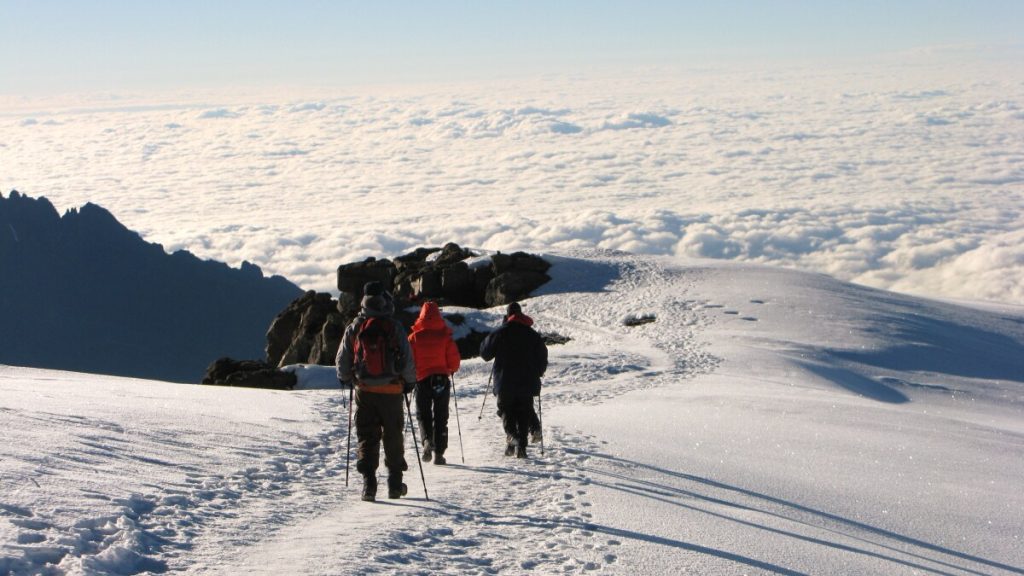
Choosing between climbing Mount Kilimanjaro and trekking to Everest Base Camp is one of the biggest decisions for adventure travelers, trekkers, and mountain enthusiasts. Both journeys are among the world’s most famous bucket-list trekking experiences, attracting thousands of hikers every year. Mount Kilimanjaro is Africa’s highest mountain at 5,895 meters, while Everest Base Camp sits deep in the Himalayas beneath the world’s tallest mountain, Mount Everest. Although neither trek requires technical climbing skills, both demand endurance, determination, and mental strength. Kilimanjaro challenges climbers with rapid altitude gain and a demanding summit night, while Everest Base Camp tests trekkers through long hiking days, freezing temperatures, and extended exposure to high altitude. The debate over which adventure is harder depends on fitness, acclimatization, trekking experience, and personal preference. Table about Mount Kilimanjaro Vs Everest Base Camp – Which is Harder? Feature Mount Kilimanjaro Everest Base Camp Which is Harder? Overall Difficulty Steep ascent with rapid altitude gain and exhausting summit night Long trekking days with continuous hiking over rugged terrain Kilimanjaro is often harder physically Maximum Elevation 5,895 meters (Uhuru Peak) 5,364 meters (Base Camp) Kilimanjaro Type of Adventure Mountain summit climb High-altitude trekking journey Different challenges Altitude Sickness Risk Very high because of fast ascent Moderate due to gradual acclimatization Kilimanjaro Trek Duration 5–9 days 12–16 days Everest Base Camp requires more endurance Terrain Volcanic trails, alpine desert, steep summit slopes Rocky Himalayan trails, glaciers, suspension bridges Everest Base Camp Summit Push Midnight summit climb in freezing temperatures No actual summit climb Kilimanjaro Fitness Requirement Strong cardio fitness and mental toughness Long-distance trekking endurance Both demanding Acclimatization Limited acclimatization time Several acclimatization days included Kilimanjaro is tougher Climate Tropical rainforest to arctic summit conditions Cold Himalayan mountain weather Everest Base Camp is colder Scenery Rainforest, moorland, glaciers, volcanic landscapes Himalayan peaks, monasteries, Sherpa villages Both spectacular Technical Climbing Skills Not required Not required Equal Cultural Experience Mostly nature-focused trekking Rich Sherpa and Buddhist culture Everest Base Camp Success Rate Depends heavily on route and acclimatization Generally high with proper pacing Kilimanjaro has lower success rates on short routes Budget Range Usually more expensive because of park fees and crew support Often cheaper with teahouse trekking options Everest Base Camp is more budget-friendly Best for Beginners Challenging for first-time high-altitude trekkers Easier pace for gradual adaptation Everest Base Camp Best Time to Visit January–March and June–October March–May and September–November Seasonal preference Wildlife Opportunities Can combine with Tanzania safari adventures Limited wildlife but incredible mountain views Kilimanjaro for safari lovers Most Difficult Part Summit night and oxygen deprivation Long trekking duration and cold conditions Depends on trekking style Best Choice For Travelers wanting to summit Africa’s highest mountain Trekkers seeking Himalayan culture and scenery Personal preference 1. Difficulty Level When comparing overall trekking difficulty, both Mount Kilimanjaro and Everest Base Camp offer demanding but rewarding experiences. Many trekkers consider Kilimanjaro harder because of its steep ascent and fast altitude gain, especially during summit night when climbers hike for hours in freezing temperatures with thin oxygen levels. Everest Base Camp, however, becomes challenging because of its long duration, rugged Himalayan terrain, and continuous uphill and downhill walking over nearly two weeks. Kilimanjaro is a true summit climb, meaning hikers reach the highest point in Africa, while Everest Base Camp is a trekking destination without a summit push. Physically, Kilimanjaro often feels more intense in a shorter time frame, while Everest Base Camp tests endurance and consistency. Beginners usually find Everest Base Camp more manageable because the acclimatization process is slower and more gradual compared to Kilimanjaro’s rapid climb. 2. Route Up to Summit The route structure between Mount Kilimanjaro and Everest Base Camp differs greatly. Kilimanjaro offers several trekking routes, such as Machame, Lemosho, Rongai, and Marangu, all leading toward Uhuru Peak, the summit of Africa’s tallest mountain. Climbers hike through rainforest, moorland, alpine desert, and arctic summit zones in only a few days. Everest Base Camp follows a long Himalayan trail beginning from Lukla Airport and passing famous villages like Namche Bazaar, Tengboche, Dingboche, and Gorakshep before reaching base camp. Unlike Kilimanjaro, Everest Base Camp involves repeated ascents and descents, suspension bridges, rocky pathways, glaciers, and mountain valleys. Kilimanjaro routes focus mainly on vertical climbing, while Everest Base Camp offers a more scenic and cultural trekking journey through Sherpa villages and Buddhist monasteries. Kilimanjaro is more summit-focused, whereas Everest Base Camp emphasizes the overall trekking experience and Himalayan exploration. 3. Jumps in the Elevation Altitude gain is one of the biggest reasons why Kilimanjaro is considered harder by many hikers. On Kilimanjaro, trekkers climb rapidly from forested lower slopes to nearly 6,000 meters in less than a week. The quick ascent gives the body limited time to adapt to lower oxygen levels, increasing the risk of altitude sickness. Everest Base Camp, in contrast, follows a slower acclimatization schedule with several rest days along the route. Trekkers gradually move from Lukla at around 2,860 meters to Everest Base Camp at 5,364 meters over 12 to 14 days. Although Everest Base Camp involves longer exposure to high altitude, the body adapts more effectively because of the slower progression. Kilimanjaro’s summit night is especially difficult because climbers attempt a huge elevation push in darkness and freezing weather. This rapid altitude jump often becomes the hardest part of the Kilimanjaro climb. 4. Climate and Scenery The climate and scenery on Mount Kilimanjaro and Everest Base Camp are dramatically different yet equally spectacular. Kilimanjaro is famous for its changing ecological zones, where climbers pass through lush rainforest, heathlands, volcanic deserts, and icy glaciers within a few days. Temperatures vary greatly, from warm tropical conditions at the base to subzero temperatures near Uhuru Peak. Everest Base Camp features classic Himalayan landscapes filled with snowy peaks, glaciers, rivers, yak caravans, and Sherpa villages. Weather conditions in Nepal can be colder and windier than on Kilimanjaro, especially during early mornings and evenings. Everest Base Camp also experiences unpredictable mountain weather and occasional snowfall. Kilimanjaro offers African wildlife and volcanic scenery,
Is it safe to safari in Tanzania
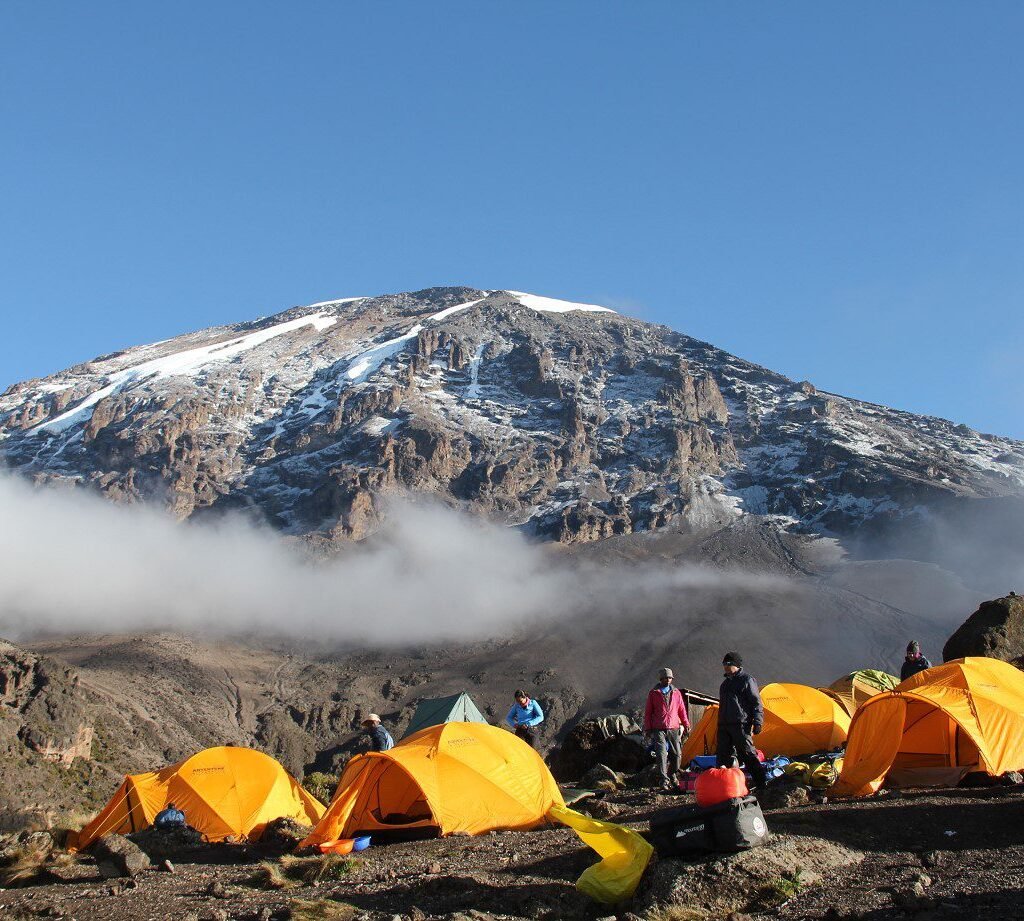
Tanzania, with its vast savannahs, towering mountains, and rich wildlife, stands as one of the most sought-after safari destinations in the world. From the Serengeti’s migrating herds of wildebeest to the iconic lions of Ngorongoro Crater, the country offers a wildlife experience that’s nothing short of magical. However, for many potential travelers, safety is a primary concern when planning an African safari. The question remains: Is it safe to safari in Tanzania? Understanding the Landscape of Tanzania. Tanzania, located in East Africa, is known for its stunning national parks, rich culture, and diverse ecosystems. With over 20 national parks, game reserves, and conservation areas, it’s a prime destination for wildlife enthusiasts. The most famous of these parks include the Serengeti, the Ngorongoro Crater, and Tarangire National Park. These regions not only house Africa’s Big Five—lions, leopards, elephants, buffalo, and rhinoceroses—but also offer opportunities to see rare species like cheetahs, giraffes, and hippos in their natural habitat. Check out How Safe is Climbing Mount Kilimanjaro? Is Tanzania Safe for Tourists? When it comes to safety, Tanzania ranks as a relatively secure country for tourists, but like any destination, it’s important to stay informed about both general and specific risks. Below is an in-depth look at various aspects of safety that travelers should consider. Check out 10 things you need to know about a Tanzania Safari. 1. Wildlife Safety Arguably, the biggest safety concern when embarking on a safari is encountering dangerous wildlife. However, it’s important to note that safari operators and tour guides are highly trained to ensure the safety of tourists. Most safaris are conducted in specialized vehicles that are designed for both protection and comfort, allowing visitors to observe the animals from a safe distance. Guides follow strict protocols to keep visitors safe—whether it’s staying in the vehicle during game drives, avoiding certain risky behaviors (like attracting attention from the animals), or knowing when to retreat if an animal becomes aggressive. Safari guides in Tanzania are not only trained in animal behavior but also carry communications equipment in case of emergencies, ensuring swift assistance if needed. Check out the Ultimate Guide to Tanzania Safari Safety Tips, 2025/2026 2. Health and Vaccinations While Tanzania’s wildlife is awe-inspiring, health precautions are important. Travelers should consult their doctors well before their trip to ensure they are up-to-date on necessary vaccinations. These may include immunizations for hepatitis A and B, typhoid, yellow fever, and polio. Malaria is also present in some regions of Tanzania, so prophylactic medications are often recommended, especially for safaris in rural areas. For those traveling to areas like the Serengeti or the Ngorongoro Crater, health risks tend to be minimal, but it’s always good practice to carry basic medical supplies like insect repellent, hand sanitizer, and a first-aid kit, a guide for health and safety in Tanzania. Safari lodges and camps typically have medical facilities and can arrange for emergency evacuations if needed. 3. Political Stability and Crime Tanzania considered one of the more politically stable countries in East Africa. With its government largely maintaining peace and order. However, as with any destination, petty crime, such as pickpocketing or theft, can occur in urban areas like Dar es Salaam or Arusha. It’s advisable to take basic precautions: avoid carrying large sums of money, store valuables in hotel safes, and be cautious when venturing out at night. The safari regions themselves, including Serengeti, Ngorongoro, and Tarangire, are typically safe and do not experience significant crime. The tourism industry in these areas is tightly regulated, and locals depend on visitors for their livelihood, fostering a sense of community safety. 4. Transportation and Road Safety While Tanzania has made great strides in improving its infrastructure, road conditions in rural areas can be rough, and some remote areas may be difficult to access without a 4×4 vehicle. Safari operators provide transportation in rugged vehicles. But it’s essential to keep in mind that travel times can be long and, at times, uncomfortable. International visitors typically fly into major hubs like Arusha or Kilimanjaro International Airport before transferring to safari lodges. For those venturing to remote parts of the country, small planes or chartered flights are often part of the itinerary. Air travel in Tanzania is generally considered safe, though it’s advisable to stick with reputable carriers and check for any recent safety records. 5. Food and Water Safety The food and water in Tanzania is generally safe, particularly in upscale hotels, lodges, and camps in safari regions. However, in more rural areas, travelers encouraged to drink bottled water and avoid tap water to reduce the risk of waterborne illnesses. Street food can also be tempting, but it’s best to consume meals at places where food hygiene standards are higher. 6. Environmental and Weather Considerations The weather in Tanzania varies depending on the time of year, with the dry season being the most popular time for safaris. This period (from June to October) offers the best opportunities for game viewing, as animals tend to congregate around water sources. The rainy season (from March to May) brings lush landscapes but can make road conditions more challenging. Travelers should dress in layers, as mornings and evenings can be chilly, especially in higher-altitude areas like Ngorongoro. During the day, temperatures can be hot, so lightweight, breathable clothing is ideal. What to Expect on a Tanzanian Safari A safari in Tanzania is much more than just spotting wildlife—it’s a chance to immerse yourself in the breathtaking landscapes of the African wilderness. Expect to see vast savannahs dotted with baobab trees, lush forests, and dramatic craters. Depending on the time of year, you may witness one of nature’s greatest spectacles: the Great Migration. Over two million wildebeest, zebras, and gazelles make their way across the Serengeti in search of fresh grazing, with predators not far behind. Tanzania also offers a range of accommodations, from luxurious lodges with panoramic views of the Serengeti to more rustic, tented camps that offer an authentic wilderness experience. Many of these accommodations take great care
Best Tarangire National Park Safari Camps & Lodges
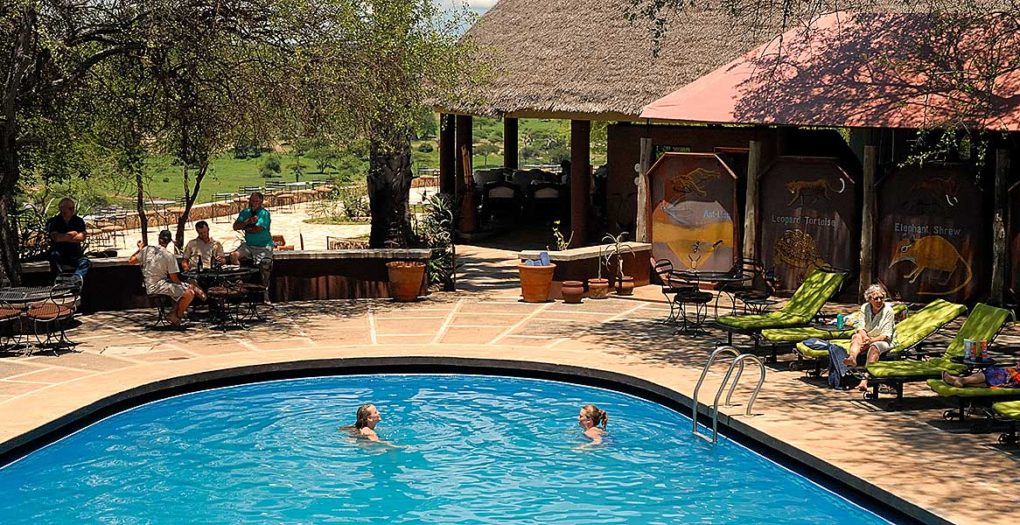
Top 10 Best Tarangire National Park Safari Camps & Lodges Tarangire National Park in Tanzania has a variety of lodges and tented camps to suit different preferences and budgets. Here are some of the lodges and tented camps in Tarangire National Park: Tarangire National Park is a stunning destination in Tanzania, known for its incredible wildlife and picturesque landscapes. Here are 10 of the best safari camps and lodges in Tarangire National Park, in no particular order: 1. Little Oliver’s Camp Little Oliver’s Camp is an intimate safari camp located in the heart of Tarangire National Park in Tanzania. The camp offers luxurious tented accommodations. Top 10 Best Tarangire National Park Safari Camps & Lodges each with an en-suite bathroom, comfortable furnishings, and a private veranda overlooking the surrounding wilderness. The camp’s common areas include a cozy lounge and dining area, a bar, and a swimming pool. The camp is owned and operated by Asilia Africa, a company committed to sustainable tourism practices and supporting local communities. Asilia’s ethos of “conservation through experience” is evident in Little Oliver’s Camp, where guests can immerse themselves in the natural beauty of the park while contributing to its protection and preservation. 2. Swala Camp Swala Camp is a luxury tented camp located in a secluded area of Tarangire National Park in Tanzania. The camp is set among giant baobab trees and offers a tranquil retreat in the heart of the wilderness. The camp features 12 roomy tents, each with en-suite bathrooms, comfortable furnishings, and a private deck overlooking the surrounding landscape. The tents are designed to blend seamlessly with the natural environment and provide a peaceful and relaxing setting for guests. Swala Camp is operated by Elewana Collection, a company committed to sustainable tourism practices and supporting local communities. The cam location and design reflect Elewana commitment to responsible tourism and conservation, and guests can feel good knowing that their stay is contributing to the protection and preservation of Tarangire National Park. 3. Tarangire Treetops Tarangire Treetops is a unique safari lodge located in a private wildlife concession bordering Tarangire National Park in Tanzania. The lodge is set on the canopy of ancient baobab and marula trees, providing guests with a breathtaking view of the surrounding landscape. The lodge features 20 treehouses, each built on stilts and featuring an en-suite bathroom. Comfortable furnishings, and a private balcony overlooking the park. The treehouses are designed to provide guests with a luxurious and comfortable stay while still immersing them in the natural beauty of the park. Tarangire Treetops is operated by Elewana Collection. A company committed to sustainable tourism practices and supporting local communities. The lodge’s location and design reflect Elewana’s commitment to responsible tourism and conservation, and guests can feel good knowing that their stay is contributing to the protection and preservation of Tarangire National Park. 4. Kuro Tarangire Kuro Tarangire is a small, intimate safari camp located in a private wildlife concession bordering Tarangire National Park in Tanzania. The camp is set on a hill overlooking the Tarangire River and offers astonishing views of the surrounding landscape. The camp features six luxury safari tents, each with en-suite bathrooms, comfortable furnishings, and a private veranda with a day bed. The tents are designed to provide guests with a comfortable and authentic bush experience while still offering modern amenities. 5. Chem Chem Lodge Chem Chem Lodge is a luxury safari lodge located in a private wildlife concession between Tarangire National Park and Lake Manyara National Park in Tanzania. Set on a sprawling estate that offers breathtaking views of the surrounding landscape. The lodge features eight roomy suites, each with en-suite bathrooms, comfortable furnishings, and a private deck with a day bed. Provide guests with a luxurious and comfortable stay while still immersing them in the natural beauty of the park. The lodge’s location and design reflect Chem Chem Safaris’ commitment to responsible tourism and conservation, and guests can feel good knowing that their stay is contributing to the protection and preservation of the parks and the local communities. 6. Tarangire Safari Lodge At Tarangire Safari Lodge, you can choose a permanent tent or a bungalow stone, both with thatched roof and a private porch with amazing views over the park and the Tarangire River. Along the paths – surrounded by baobab trees – you arrive at the swimming pool and restaurant with good food and good service. Tarangire Safari Lodge is located on the edge of Tarangire National Park and has one of the most spectacular viewpoints in Tanzania. From the porch of Tarangire Safari Lodge you can see the many animals in the park below you, including hundreds of elephants. Annette and John have been managers of the Tarangire Safari Lodge since the beginning (1983) and ensure consistent quality and a hospitable atmosphere. The safari tents of Tarangire Safari Lodge, with thatched roofs and large windows with mesh screens, offer the perfect opportunity to see and hear nature. Equipped with a private bathroom with solar-heated showers and ample wardrobe space for your belongings. The round bungalows, built in Maasai boma style, offer a more spacious option for family and triple rooms. The spacious bungalows have a lot of privacy, a porch with a beautiful view and are all equipped with a large bathroom and comfortable beds with local textiles. 7. Maramboi Tented Camp Located between Tarangire and Lake Manyara National Park in an open grassy area with palm trees and beautiful views of the Lake Manyara National Park and the Rift Valley (Great Slenk). From the camp you can see zebras, giraffes, wildebeests and flamingos. The 44 attractive tents of Maramboi Tented Camp are very roomy and have their own porches with a beautiful view. At the end of the afternoon, you can enjoy endless views by the pool while enjoying a drink. There is a wonderful dining and lounge. In the evenings, get cozy by the campfire. The permanent tents of Maramboi Tented Camp are roomy and are free standing on an
Ngorongoro in September

Ngorongoro in September – Weather, Prices, Travel Tips, Safari & More September is a prime month to visit the Ngorongoro Crater, offering some of the best wildlife viewing opportunities in Tanzania. The weather is favorable, and the dry season continues to draw animals to the crater’s water sources, making it an excellent time for a safari. This guide covers everything you need to know about visiting Ngorongoro in September, including weather, wildlife, accommodations, and more. 1. Weather and Climate Ngorongoro in September September marks the end of the dry season in Ngorongoro, with weather conditions remaining largely favorable for safari activities. Daytime temperatures on the crater floor typically range from 18°C to 24°C (64°F to 75°F), while nighttime temperatures on the crater rim can drop to between 6°C and 10°C (43°F to 50°F). The skies are generally clear, and rainfall is minimal, creating ideal conditions for game drives and photography. The cool, crisp air of the morning often gives way to warm, sunny afternoons, making it comfortable for outdoor exploration. The vegetation remains sparse, providing excellent visibility for spotting wildlife. 2. Why Visit Ngorongoro in September September is an excellent time to visit Ngorongoro for several reasons: Superb Wildlife Viewing: As the dry season draws to a close, wildlife congregates around the few remaining water sources, making it easier to see a wide variety of animals, including the Big Five. Fewer Crowds: While still part of the peak tourist season, September sees slightly fewer visitors compared to July and August, offering a more relaxed experience. Comfortable Weather: The weather is pleasant, with cool mornings and evenings and warm days, making it comfortable for all-day safaris. Photographic Opportunities: The combination of clear skies, good light, and concentrated wildlife provides excellent conditions for photography. 3. Where to Go in Ngorongoro in September Ngorongoro offers several key areas to explore during your visit in September: The Crater Floor: This is the main attraction, home to a dense concentration of wildlife. Here, you can see lions, elephants, rhinos, and more, all within a relatively small area. Ngorongoro Highlands: The surrounding highlands offer breathtaking views of the crater and are home to Maasai villages. It’s an excellent area for cultural tours and hikes. Olmoti and Empakaai Craters: These lesser-visited craters offer more tranquil experiences, with opportunities for hiking and birdwatching. 4. When to Visit Ngorongoro in September The best times to explore Ngorongoro in September are early mornings and late afternoons. Animals are most active during these cooler parts of the day, and the soft light is perfect for photography. Starting your game drive early in the morning also helps you avoid the midday heat and crowds. September’s stable weather conditions ensure that you can plan your activities without the risk of rain disrupting your schedule. It’s an ideal month for full-day excursions, allowing you to fully explore the crater and its surroundings. 5. What to Do in Ngorongoro in September Ngorongoro offers a variety of activities to enjoy during September: Game Drives: The most popular activity, game drives in the crater allow you to see a wide range of wildlife. A full-day drive is recommended to explore different parts of the crater. Walking Safaris: For a closer connection to nature, consider a walking safari around the crater rim or in the highlands. These guided walks offer a different perspective and the chance to learn about the area’s flora and fauna. Cultural Tours: Visiting a Maasai village provides insight into the traditional way of life of the Maasai people. These tours often include demonstrations of Maasai crafts, dances, and an opportunity to interact with the community. Birdwatching: September is an excellent time for birdwatching, with many species active around the crater lakes and forests. 6. What to Pack for Ngorongoro in September Packing the right items will enhance your experience in Ngorongoro: Warm Layers: The mornings and evenings can be chilly, so pack warm clothing like a fleece, jacket, and thermal layers. A scarf, gloves, and hat are also recommended. Lightweight Clothing: During the day, temperatures are mild, so pack light, breathable clothing in neutral colors to blend in with the environment. Comfortable Footwear: Whether you’re on a game drive or a walking safari, comfortable shoes are essential. Sun Protection: Even in September, the sun can be strong, so bring sunscreen, sunglasses, and a wide-brimmed hat. Binoculars and Camera: Don’t forget your camera and binoculars to capture the incredible wildlife and landscapes. 7. Crowds & Costs – Ngorongoro in September While September is still part of the peak tourist season, it tends to be slightly less crowded than July and August. This makes it a great time to visit if you prefer a more tranquil experience without the peak-season crowds. However, because it is still high season, prices for accommodation and tours remain elevated. It’s advisable to book your lodging and safari tours well in advance to secure the best options and rates. While costs may be higher, the exceptional wildlife viewing and favorable weather make it worth the investment. 8. Wildlife & Animals – Ngorongoro in September September offers outstanding wildlife viewing opportunities in Ngorongoro. The dry season causes animals to gather around the remaining water sources, making it easier to spot a variety of species: Lions: The crater is known for its high density of lions, often seen resting in the open plains or near the Lerai Forest. Elephants: You’re likely to encounter older bull elephants on the crater floor, while larger herds are more common in the surrounding highlands. Rhinoceros: Ngorongoro is one of the few places in Tanzania where you can see the critically endangered black rhinoceros. Hippos: The hippo pool is a popular spot to observe these massive creatures as they wallow in the water. Birds: Birdlife is abundant, with species like flamingos, ostriches, and raptors frequently seen. 9. Tours and Activities – Ngorongoro in September September offers a variety of tours and activities: Game Drives: A full-day game drive is the best way to explore the crater and