
Kilimanjaro Record Breakers Climb Times And Nationalities
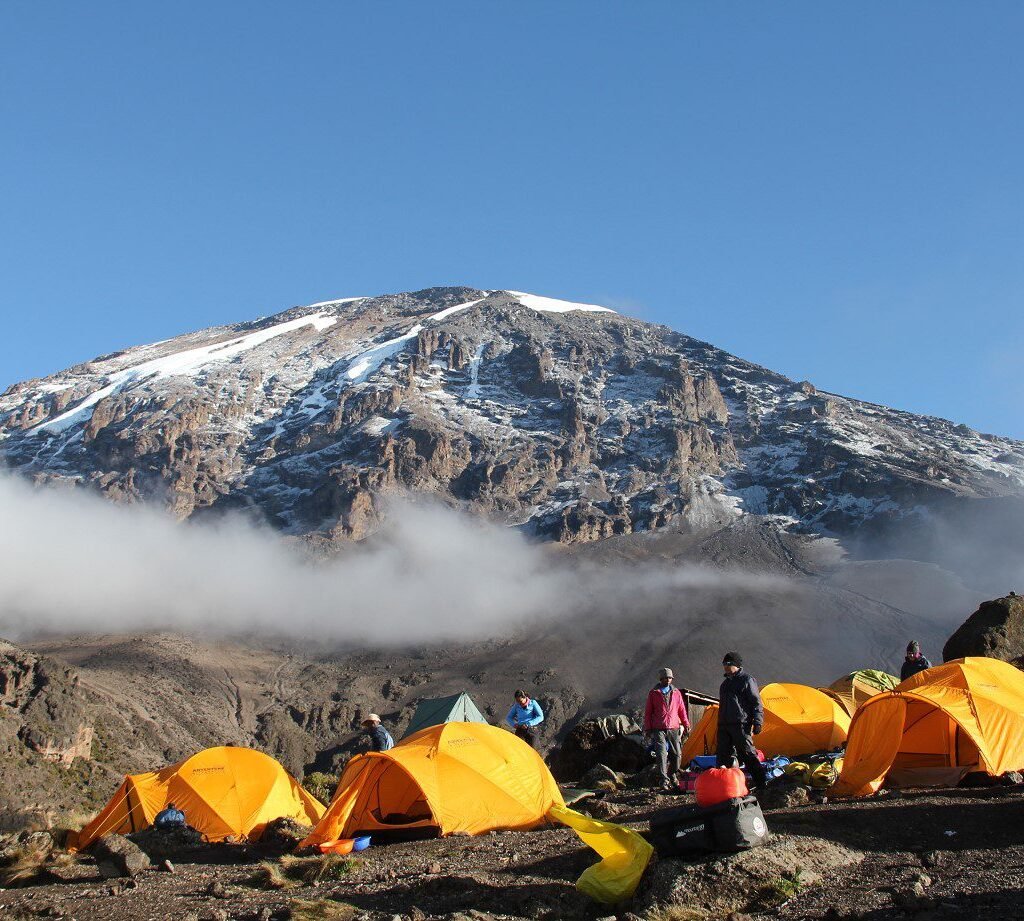
Standing proudly in Mount Kilimanjaro, Africa’s tallest mountain has inspired climbers, athletes, adventurers, and endurance legends from around the world. Rising 5,895 meters above sea level, Kilimanjaro is one of the most famous trekking destinations and a dream climb for hikers seeking adventure travel in Tanzania. Over the years, elite runners and mountaineers have attempted astonishing speed ascents, setting incredible Kilimanjaro climbing records that continue to amaze the global outdoor community. From professional ultramarathon athletes to determined local guides, these record breakers pushed human endurance to extraordinary levels while racing to Uhuru Peak. Their achievements have helped make Kilimanjaro climbing tours, Tanzania safari holidays, and African mountain expeditions even more popular among thrill-seekers worldwide. Here are ten remarkable Kilimanjaro record holders, their climbing times, and their nationalities, showcasing the mountain’s legendary place in adventure tourism history. 1. Karl Egloff – Switzerland/Ecuador Karl Egloff holds one of the most famous speed climbing records on Mount Kilimanjaro. The Swiss-Ecuadorian endurance athlete completed the fastest known ascent and descent of Kilimanjaro in an astonishing 6 hours and 42 minutes in 2014. Starting from the Londorossi Gate and racing to Uhuru Peak before descending rapidly, Egloff stunned the mountain climbing world with his incredible stamina and altitude endurance. Known for breaking mountain speed records globally, he trained extensively for high-altitude running and extreme trekking conditions. His achievement placed Kilimanjaro among the world’s elite endurance challenges and boosted interest in Kilimanjaro hiking expeditions and adventure travel in Tanzania. Today, many climbers still view Karl Egloff’s accomplishment as one of the greatest performances ever recorded on Africa’s highest mountain and a benchmark for future speed climbers worldwide. 2. Anne-Marie Flammersfeld – Germany Anne-Marie Flammersfeld became one of the most celebrated female Kilimanjaro speed climbers after setting an impressive women’s ascent and descent record. The German ultrarunner completed the demanding route in approximately 8 hours and 32 minutes, demonstrating remarkable endurance, determination, and high-altitude performance. Her achievement inspired women across the world to pursue adventure trekking, mountain climbing holidays, and endurance sports in Tanzania. Flammersfeld is known internationally for competing in extreme ultramarathons across deserts, mountains, and remote wilderness environments. Her Kilimanjaro record highlighted the growing role of female athletes in mountaineering and outdoor adventure tourism. Climbers attempting Kilimanjaro routes such as Machame, Lemosho, and Marangu often reference her incredible accomplishment as proof that discipline and preparation can overcome the mountain’s harsh altitude and unpredictable weather conditions on Africa’s iconic peak. 3. Simon Mtuy – Tanzania Simon Mtuy is among Tanzania’s most respected Kilimanjaro legends. Born near the slopes of Mount Kilimanjaro, he became famous for setting extraordinary speed records while also guiding climbers safely to Uhuru Peak. In 2006, Mtuy completed a remarkable ascent from Umbwe Gate to the summit in around 9 hours and 19 minutes. His deep understanding of Kilimanjaro’s weather, altitude zones, and trekking trails gave him a natural advantage on the mountain. Beyond speed climbing, Simon Mtuy has played an important role in promoting sustainable tourism and supporting local guiding communities in Tanzania. His achievements continue to inspire local porters, guides, and young athletes who dream of conquering Africa’s highest mountain. Today, he remains a symbol of Tanzanian adventure tourism excellence and one of the country’s greatest mountain climbing ambassadors internationally. 4. Bruno Brunod – Italy Bruno Brunod became internationally recognized after setting an early Kilimanjaro speed climbing record in 2001. The Italian athlete completed the ascent and descent in approximately 6 hours and 28 minutes, a groundbreaking achievement at the time. Brunod’s performance attracted worldwide attention from climbers, endurance athletes, and adventure travelers interested in high-altitude mountaineering. Famous for his exceptional alpine running abilities, he competed in several mountain endurance competitions throughout Europe before conquering Kilimanjaro. His record demonstrated that Mount Kilimanjaro was not only a trekking destination but also a major challenge for elite endurance athletes. Brunod’s success helped increase global awareness of Tanzania adventure tourism, Kilimanjaro trekking packages, and African climbing expeditions. Even years later, his achievement remains one of the most respected performances in Kilimanjaro climbing history and continues motivating ambitious mountaineers worldwide. 5. Rebecca Reusch – United States Rebecca Reusch earned international recognition after becoming one of the fastest women to summit Mount Kilimanjaro. The American athlete showcased exceptional determination and endurance while competing against harsh altitude conditions and steep volcanic terrain. Her climb inspired many female adventure travelers and helped promote women’s participation in mountain trekking and endurance sports worldwide. Reusch’s achievement highlighted the increasing popularity of Kilimanjaro climbing tours among athletes seeking extreme physical challenges in Africa. The mountain’s scenic landscapes, glacier views, and dramatic ecological zones make it a dream destination for endurance competitors and trekkers alike. Rebecca’s success also emphasized the importance of acclimatization, professional guides, and careful preparation during high-altitude climbs. Today, her accomplishment continues motivating adventurous women interested in Kilimanjaro expeditions, Tanzania travel experiences, and world-famous mountain trekking adventures. 6. Christian Stangl – Austria Christian Stangl is another legendary mountaineer associated with remarkable speed climbing achievements on Mount Kilimanjaro. The Austrian climber became famous for rapid ascents on several of the world’s highest mountains, combining endurance running with technical mountaineering expertise. His Kilimanjaro performance attracted major international media attention and strengthened the mountain’s reputation as a premier destination for high-altitude adventure tourism. Known for his ambitious “Skyrunner” projects, Stangl pushed the limits of mountain endurance while inspiring climbers globally. Kilimanjaro’s steep trails, changing climate zones, and reduced oxygen levels create one of the toughest trekking experiences in Africa. Christian Stangl’s achievements continue to encourage serious athletes to test their limits on Tanzania’s iconic mountain. His legacy remains deeply connected to Kilimanjaro climbing history and the worldwide popularity of African mountain expeditions and trekking safaris. 7. Fernanda Maciel – Brazil Fernanda Maciel is celebrated worldwide for her achievements in mountain endurance racing and extreme adventure sports. The Brazilian athlete gained attention for her rapid Kilimanjaro climb, proving her extraordinary ability to perform under high-altitude conditions. Famous for competing in ultramarathons across mountains, deserts, and volcanoes, Maciel brought international recognition to women
How Many Days Does It Take To Recover From Kilimanjaro Climb?
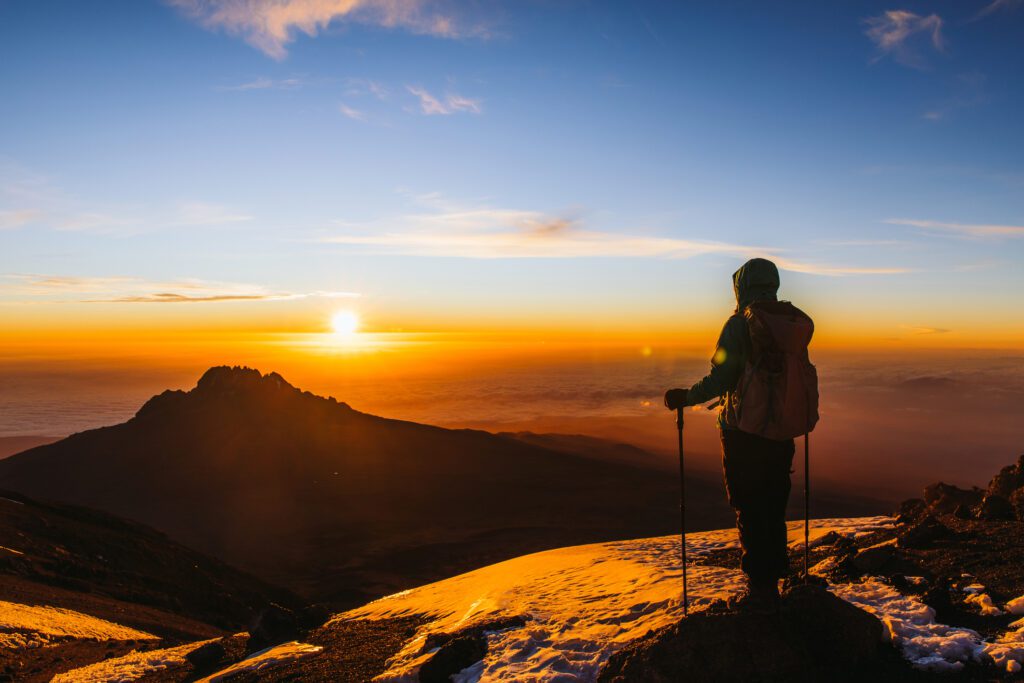
Climbing Mount Kilimanjaro is one of the most iconic trekking adventures in the world, but the experience does not end at Uhuru Peak. Many climbers underestimate the importance of post-climb recovery after high-altitude exposure. The question most travelers ask is: how many days does it take to recover from the Kilimanjaro climb? Recovery depends on altitude effects, physical fitness, hydration levels, and acclimatization success. While some trekkers feel normal within a few days, others may need over a week to fully regain energy. Understanding Kilimanjaro recovery time is essential for planning safaris, flights, and onward travel in Tanzania. Proper rest, nutrition, and gradual activity resumption play a key role in reducing altitude fatigue and restoring full strength after this unforgettable trekking experience. Understanding Post-Kilimanjaro Recovery Recovery after climbing Mount Kilimanjaro begins immediately after descending to lower altitudes such as Moshi or Arusha. The body needs time to readjust from low oxygen levels experienced at high altitude. Most climbers experience fatigue, muscle soreness, dehydration, and mild headaches. These symptoms are normal effects of altitude exposure and physical exertion. The average Kilimanjaro recovery time ranges from 3 to 10 days, depending on individual health and climbing conditions. Proper sleep, hydration, and nutrient-rich meals help speed up recovery. It is important not to rush into strenuous activities immediately after descent, as the body is still stabilizing oxygen circulation and energy levels. Effects of High Altitude on the Body High altitude on Kilimanjaro affects oxygen availability, leading to reduced physical performance and increased fatigue. Climbers often experience altitude sickness symptoms such as dizziness, nausea, and shortness of breath. After descending, the body continues adjusting for several days as oxygen levels normalize. This is why post-climb recovery is essential. The cardiovascular system, muscles, and brain all require time to restore full efficiency. Most trekkers notice gradual improvement within 48 to 72 hours after descent, but complete recovery may take up to a week. Understanding these physiological effects helps travelers plan realistic rest periods after their Kilimanjaro trekking adventure in Tanzania. Common Symptoms During Recovery After a Kilimanjaro climb, many trekkers experience lingering symptoms that affect recovery time. These include tired legs, swollen feet, mild dehydration, and general weakness. Some climbers may also feel emotional exhaustion after completing the challenging summit push. Headaches and disrupted sleep patterns are also common due to altitude changes. These symptoms typically reduce within a few days but can last longer if the climb was particularly demanding. Proper hydration and rest are essential for faster recovery. Listening to your body is key, as pushing too hard too soon can delay healing and extend Kilimanjaro recovery time significantly. Physical Fatigue After Descent Physical fatigue is one of the most noticeable effects after descending Mount Kilimanjaro. The long trekking days, steep ascents, and summit night effort drain energy reserves significantly. Even though climbers return to lower altitudes, muscles need time to repair micro-tears caused by prolonged hiking. Most people feel heavy-legged and tired for 2–5 days after the climb. Gentle walking and light stretching help improve circulation and speed up recovery. Avoiding intense physical activities such as running or gym workouts is highly recommended. Proper rest is essential for restoring strength and ensuring a smooth transition back to normal daily activities. Mental Recovery After the Climb Climbing Kilimanjaro is not only physically demanding but also mentally intense. Reaching the summit often brings emotional exhaustion followed by a sense of relief and accomplishment. After the trek, some climbers experience mental fatigue or a “post-adventure low” as adrenaline levels drop. This psychological recovery phase usually lasts a few days. Reflecting on the journey, sharing experiences, and relaxing in a calm environment like Arusha or Zanzibar helps restore mental balance. Emotional recovery is just as important as physical healing, and both contribute to the overall Kilimanjaro recovery time after completing this life-changing adventure. Role of Hydration in Recovery Hydration plays a crucial role in post-Kilimanjaro recovery. During the climb, the body loses a significant amount of fluids through breathing and sweating in dry, cold air. After descent, rehydrating helps flush toxins and reduce altitude-related fatigue. Drinking water, electrolyte solutions, and natural juices speeds up the recovery process. Dehydration can prolong symptoms such as headaches and muscle soreness, increasing overall recovery time. Most climbers feel noticeably better within 48 hours of proper hydration. Maintaining consistent fluid intake is one of the simplest yet most effective ways to shorten Kilimanjaro recovery time and restore energy levels quickly. Nutrition and Energy Restoration Nutrition is a key factor in how quickly the body recovers after climbing Mount Kilimanjaro. High-altitude trekking burns a large number of calories, leaving the body in an energy deficit. After the climb, eating balanced meals rich in proteins, carbohydrates, and vitamins helps restore strength. Foods such as fruits, vegetables, lean meats, and whole grains support muscle repair and immune function. Many climbers regain energy within 3–5 days when eating properly. Avoiding alcohol and processed foods during recovery is recommended. Good nutrition significantly reduces fatigue and supports faster Kilimanjaro recovery time after the demanding summit experience. Sleep and Rest Importance Sleep is one of the most powerful recovery tools after climbing Kilimanjaro. Many trekkers experience sleep disruption during the climb due to altitude, so the body requires additional rest afterward. Deep sleep helps repair muscles, balance hormones, and restore energy levels. Most climbers need 8–10 hours of sleep per night during the first few days post-climb. Taking short naps during the day can also accelerate recovery. Without proper rest, fatigue can persist longer and delay full recovery. Prioritizing sleep ensures the body adapts efficiently after returning from high-altitude trekking in Tanzania. Returning to Normal Activities Returning to normal activities after Kilimanjaro should be gradual. Light walking and sightseeing are acceptable within a few days, but strenuous exercise should be avoided initially. Office work can usually resume within 2–3 days for most climbers, depending on individual recovery speed. However, physically demanding jobs may require a longer break. It is important to listen to your body and avoid
Tanzania VS South Africa Safaris

Choosing between a Tanzania safari and a South Africa safari is one of the biggest decisions for travelers planning an African wildlife adventure. Both destinations offer world-class game viewing, luxury safari lodges, breathtaking landscapes, and unforgettable cultural experiences. Tanzania is famous for the Great Migration in the world-renowned Serengeti National Park and the wildlife-rich Ngorongoro Crater, while South Africa is celebrated for luxury safaris, modern infrastructure, and iconic reserves like Kruger National Park. Travelers searching for the best African safari often compare wildlife density, safari costs, accommodations, safety, family travel, honeymoon experiences, and Big Five sightings. Whether you dream of witnessing wildebeest migration crossings, staying in luxury safari camps, or enjoying malaria-free safari parks, both Tanzania and South Africa deliver extraordinary African safari holidays packed with adventure, nature, photography, and unforgettable memories. 1. Wildlife Viewing Experience Tanzania safari tours are globally recognized for exceptional wildlife viewing and vast, untouched wilderness. The country is home to some of Africa’s largest national parks and conservation areas, including Serengeti National Park, Tarangire National Park, and Lake Manyara National Park. Tanzania offers massive herds of wildebeest, zebras, elephants, lions, cheetahs, and leopards in natural ecosystems with fewer crowds. South Africa safaris, especially in Kruger National Park, provide excellent Big Five sightings with well-developed roads and easier access to wildlife. South Africa’s private game reserves often deliver close-up encounters with rhinos, lions, and leopards. Tanzania feels more wild, remote, and authentic, while South Africa offers convenience and luxury. Both countries provide outstanding game drives, but Tanzania is often preferred for dramatic landscapes and large-scale wildlife spectacles. 2. The Great Migration Advantage One of Tanzania’s greatest safari advantages is hosting the legendary Great Wildebeest Migration, considered one of the best wildlife spectacles on Earth. Every year, millions of wildebeest, zebras, and gazelles move across the plains of Serengeti National Park searching for fresh grazing land. Visitors witness thrilling river crossings, predator hunts, and endless wildlife action that attracts photographers and safari enthusiasts from around the world. South Africa does not offer a migration event comparable to Tanzania’s Serengeti ecosystem. While South Africa has incredible game reserves and wildlife diversity, it lacks the massive seasonal animal movements found in Tanzania. Travelers looking for bucket-list safari experiences, dramatic nature scenes, and authentic African wilderness usually choose Tanzania for the migration. The Serengeti migration remains one of the strongest reasons why Tanzania ranks among the best safari destinations in Africa. 3. Luxury Safari Lodges and Camps South Africa is famous for ultra-luxury safari lodges, stylish accommodations, and premium hospitality experiences. Private reserves near Kruger National Park feature elegant safari suites, spa facilities, gourmet dining, wine experiences, and personalized game drives. Tanzania also offers exceptional luxury safari camps in destinations like Serengeti National Park and Ngorongoro Crater, blending comfort with authentic wilderness experiences. Many Tanzania safari camps provide tented luxury accommodations surrounded by wildlife and breathtaking scenery. South Africa generally has more modern infrastructure and a wider range of luxury city-to-safari combinations. Tanzania focuses more on immersive bush experiences and remote adventure. Travelers seeking refined luxury and easy accessibility may prefer South Africa, while those wanting exclusive wilderness camps and romantic safari settings often choose Tanzania for a more natural African safari atmosphere. 4. Safari Costs and Budget Comparison When comparing safari prices, South Africa is often considered more budget-friendly for independent travelers due to its excellent road networks, self-drive safaris, and variety of accommodations. Visitors can explore Kruger National Park using rental vehicles, reducing overall travel expenses. Tanzania safaris are typically more expensive because many parks require domestic flights, guided tours, and longer travel distances. However, Tanzania offers exceptional value through unforgettable wildlife experiences, especially in the Northern Safari Circuit. Luxury safaris in both countries can be costly, but Tanzania’s exclusive camps near the Great Migration often command premium prices. Budget travelers may find South Africa easier for affordable safari holidays, while Tanzania appeals more to travelers seeking iconic wildlife adventures. Ultimately, safari costs depend on accommodation level, travel season, park fees, transportation, and whether travelers choose private or group safari packages. 5. Best Safari Destination for Families South Africa is often recommended as one of the best family safari destinations in Africa because of its child-friendly lodges, malaria-free reserves, and modern travel infrastructure. Families traveling with young children enjoy destinations such as private reserves near Kruger National Park and other malaria-free safari parks. Many South African lodges provide kids’ safari programs, swimming pools, and family suites designed for comfort. Tanzania also offers excellent family safari experiences, particularly in Serengeti National Park and Ngorongoro Crater, but travel distances can be longer, and some camps have age restrictions. Tanzania’s safaris focus heavily on immersive wildlife adventures and educational experiences. Families seeking convenience and easier logistics may prefer South Africa, while adventurous families wanting extraordinary wildlife encounters and authentic African safari experiences often choose Tanzania for unforgettable family holidays. 6. Honeymoon and Romantic Safaris Both Tanzania and South Africa rank among the top honeymoon safari destinations in Africa, offering luxury lodges, romantic scenery, and unforgettable wildlife experiences. Tanzania is especially popular for honeymoon safaris because couples can combine a Serengeti safari with beach relaxation on Zanzibar. Romantic tented camps in Serengeti National Park provide candlelit dinners, private game drives, and breathtaking sunsets over the savannah. South Africa honeymoon safaris combine luxury wildlife experiences with cosmopolitan attractions, vineyards, and scenic coastal routes. Couples often pair safari adventures in Kruger National Park with visits to Cape Town. Tanzania offers a more secluded wilderness atmosphere, while South Africa provides diverse travel experiences. Both destinations create extraordinary romantic escapes for couples seeking adventure, luxury, wildlife photography, and unforgettable African safari memories. 7. Landscape and Scenery Comparison Tanzania showcases dramatic safari landscapes filled with endless plains, volcanic craters, acacia woodlands, and massive savannah ecosystems. Destinations like Ngorongoro Crater offer breathtaking scenery unlike anywhere else in Africa. Travelers exploring Serengeti National Park experience vast open plains packed with wildlife and iconic African sunsets. South Africa, meanwhile, offers more varied landscapes, including mountains, coastal scenery, vineyards, forests,
What to Expect On a Luxury Safari Tanzania
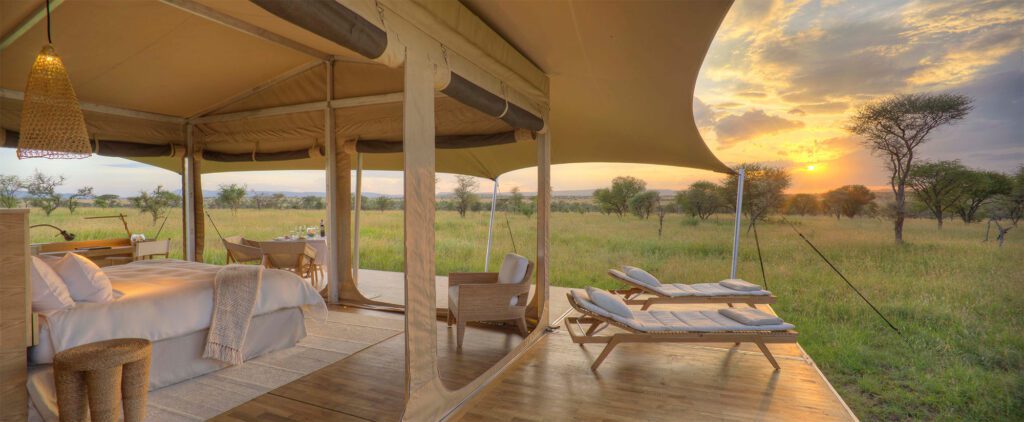
A Luxury Tanzania Safari is one of the most exclusive African travel experiences, combining world-class wildlife viewing, elegant safari lodges, private game drives, and personalized service. From the endless plains of the Serengeti National Park to the breathtaking beauty of the Ngorongoro Crater, travelers enjoy unforgettable encounters with the Big Five, luxury tented camps, gourmet dining, and expert safari guides. Tanzania luxury safaris are designed for comfort, adventure, and authentic African experiences, making them ideal for honeymooners, families, photographers, and wildlife enthusiasts. Guests can expect luxury safari vehicles, stunning sunsets, cultural visits, and premium accommodations surrounded by nature. Whether exploring Tarangire’s elephants or witnessing the Great Migration, a Tanzania luxury safari offers exceptional memories, exclusive wildlife experiences, and the perfect blend of adventure and relaxation in East Africa. 1. Exclusive Luxury Tanzania Safari Lodges and Camps One of the highlights of a Luxury Tanzania Safari is staying in elegant safari lodges and luxury tented camps located in the heart of Africa’s wilderness. These accommodations combine five-star comfort with authentic safari charm, offering spacious suites, king-sized beds, private decks, plunge pools, and breathtaking savannah views. Many luxury safari lodges in Tanzania provide personalized butler service, gourmet meals, spa treatments, and fine wines for a premium experience. Guests often fall asleep to the sounds of lions roaring or elephants moving nearby, creating unforgettable safari memories. Popular luxury safari destinations include the Serengeti National Park, Tarangire National Park, and the Ngorongoro Highlands. These luxury accommodations are carefully designed to blend with nature while maintaining exceptional comfort, privacy, and safety for travelers seeking an unforgettable African safari adventure. 2. Personalized Tanzania Private Game Drives Luxury safaris in Tanzania often include private game drives led by professional safari guides with extensive wildlife knowledge. Unlike crowded group tours, private safaris allow guests to travel at their own pace while exploring Tanzania’s famous national parks and wildlife reserves. Travelers can spend extra time photographing lions, leopards, elephants, giraffes, cheetahs, and rhinos without feeling rushed. Luxury safari vehicles are specially customized with comfortable seats, pop-up roofs, charging stations, refrigerators, and large windows for excellent wildlife viewing. Early morning and sunset game drives offer the best opportunities to spot predators and witness incredible African landscapes. Many luxury safari operators also provide tailor-made itineraries based on guests’ interests, whether focused on photography, birdwatching, family travel, or honeymoon experiences. Personalized service makes every Tanzania luxury safari unique, comfortable, and unforgettable for wildlife lovers visiting East Africa. 3. Incredible Tanzania Wildlife Encounters A Luxury Tanzania Safari offers extraordinary wildlife encounters in some of Africa’s most famous safari destinations. Travelers can expect to see the Big Five — lions, elephants, leopards, buffaloes, and rhinos — while exploring iconic parks like the Serengeti National Park and Ngorongoro Crater. Tanzania is also home to cheetahs, zebras, wildebeests, hippos, crocodiles, giraffes, hyenas, and hundreds of bird species. During the Great Migration, millions of wildebeests and zebras cross the Serengeti plains searching for fresh grazing, creating one of the world’s greatest wildlife spectacles. Luxury safaris provide excellent opportunities for photography, guided nature experiences, and close wildlife viewing in comfort and safety. Guests often enjoy magical moments such as witnessing a lion hunt, elephants bathing, or a dramatic African sunset while surrounded by untouched wilderness and extraordinary biodiversity. 4. Fine Dining in the African Wilderness Luxury safari experiences in Tanzania include exceptional dining surrounded by Africa’s breathtaking landscapes. Guests enjoy gourmet meals prepared by professional chefs using fresh local ingredients and international culinary styles. Breakfasts are often served in the bush after sunrise game drives, while elegant dinners take place under the stars beside glowing campfires. Luxury safari camps offer multi-course meals, premium wines, fresh seafood, vegetarian options, and personalized menus for every traveler. Dining in the middle of the African wilderness creates unforgettable moments, especially while listening to the sounds of nature nearby. Many lodges also provide romantic private dinners for honeymoon couples and special celebrations. Tanzania luxury safari cuisine combines African flavors with world-class hospitality, making food an important part of the safari experience. Travelers can expect both comfort and sophistication while enjoying spectacular views of wildlife and natural scenery. 5. Witnessing the Great Migration One of the greatest highlights of a Luxury Tanzania Safari is witnessing the world-famous Great Migration in the Serengeti National Park. This incredible natural event involves millions of wildebeests, zebras, and gazelles moving across the Serengeti ecosystem in search of fresh grazing land and water. Luxury safari travelers enjoy front-row seats to dramatic river crossings, predator action, and endless wildlife activity while staying in exclusive camps near migration routes. Experienced safari guides carefully track animal movements to provide the best wildlife viewing opportunities. Watching thousands of animals crossing crocodile-filled rivers is one of Africa’s most unforgettable safari experiences. The Great Migration attracts photographers, filmmakers, honeymooners, and wildlife enthusiasts from around the world. Luxury mobile camps allow guests to stay close to the migration while enjoying premium comfort, personalized service, and spectacular views across Tanzania’s iconic wilderness landscapes. 6. Exceptional Service and Hospitality Luxury safari tourism in Tanzania is known for its exceptional hospitality and personalized service. From airport pickups to private safari experiences, guests are treated with warmth, professionalism, and attention to detail throughout their journey. Luxury safari staff often remember guests’ preferences, prepare surprise bush breakfasts, and create customized experiences that make travelers feel special. Professional safari guides provide educational insights about wildlife, ecosystems, and Tanzanian culture while ensuring safety and comfort during every game drive. Many luxury lodges offer spa treatments, laundry services, concierge assistance, and private butlers to enhance the safari experience. Travelers also enjoy seamless transportation through luxury safari vehicles and charter flights between national parks. The high level of hospitality in Tanzania creates a relaxing and stress-free adventure where guests can fully enjoy Africa’s wildlife, landscapes, and culture while experiencing premium comfort and world-class safari service. 7. Cultural Experiences with Local Communities A Luxury Tanzania Safari is not only about wildlife but also about meaningful cultural experiences with local communities. Many safari itineraries include visits
What to expect on a Hot air Balloon Safari in Tanzania
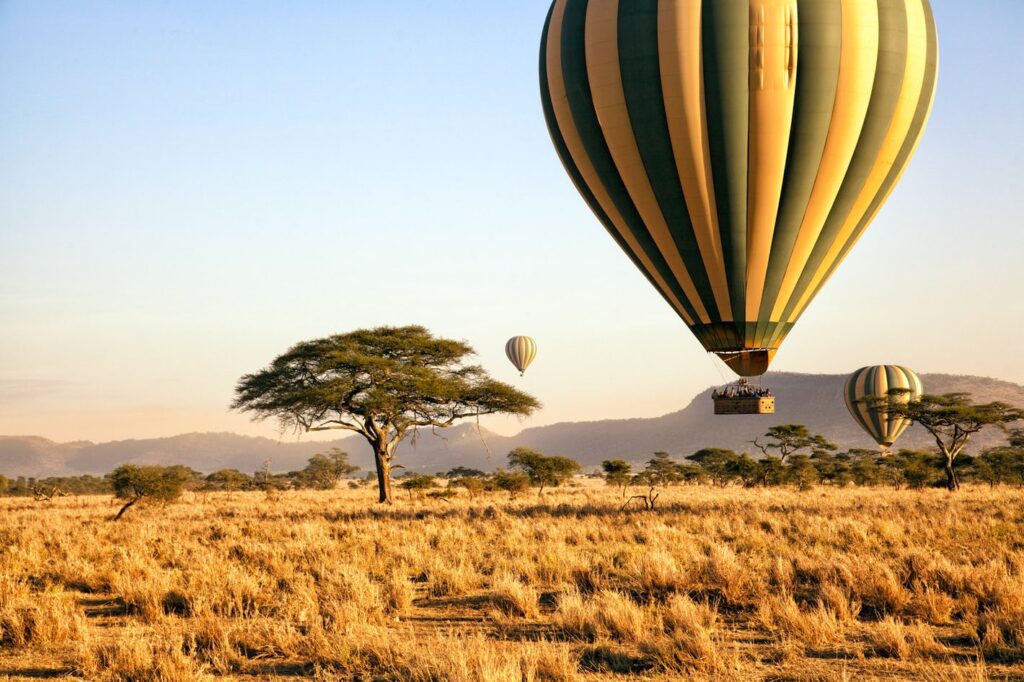
Hot air balloon safari in Tanzania is one of the most unforgettable luxury safari experiences in Africa, offering breathtaking aerial views of the Serengeti National Park and its vast wildlife plains. This once-in-a-lifetime adventure allows travelers to float silently above herds of elephants, lions, giraffes, and the Great Migration, making it a top-ranking Tanzania safari activity and bucket list experience. Most hot air balloon safaris take place at sunrise, providing golden light over the endless savannah. Known for premium wildlife viewing, photography opportunities, and exclusive safari experiences, Tanzania balloon safaris combine adventure, romance, and serenity. Whether you’re planning a honeymoon safari or luxury wildlife tour, this activity delivers unmatched scenic beauty and unforgettable memories over the iconic African wilderness, perfect for travelers seeking a premium safari adventure in Tanzania today experience 1. Early Morning Balloon Safari Experience One of the most exciting parts of a hot air balloon safari in Tanzania is the early morning experience before sunrise. Guests are picked up from their safari lodge or camp and driven to the launch site in the Serengeti plains. As the balloon inflates under glowing burners, the anticipation builds for a magical wildlife adventure. The early morning light reveals misty savannah landscapes, roaming animals, and quiet golden horizons. This moment marks the beginning of an unforgettable Serengeti balloon safari, offering peaceful silence as you prepare to lift off. The calm atmosphere, combined with professional pilots and safety checks, ensures a smooth start to your Tanzania safari adventure above the African wilderness, offering one of the most iconic luxury safari experiences in Africa for travelers worldwide every single year 2. Safety Briefing Before takeoff on a hot air balloon safari in Tanzania, all guests receive a detailed safety briefing from experienced pilots and crew. This briefing covers essential instructions on boarding, landing positions, and in-flight safety measures to ensure a secure Serengeti balloon safari experience. Passengers are guided on how to enter the basket, hold steady during ascent, and prepare for landing. Safety is a top priority in all Tanzania safari balloon operations, with certified pilots following strict international aviation standards. The briefing also explains what to expect during the flight over wildlife-rich areas such as the Serengeti National Park, ensuring guests feel confident and fully prepared for this unforgettable adventure in the African skies making hot air balloon safaris one of the safest Tanzania safari activities available today in Africa widely 3. Takeoff Experience Takeoff during a hot air balloon safari in Tanzania is a breathtaking moment that marks the start of your Serengeti adventure. As the balloon slowly rises from the open plains, passengers experience a gentle lift into the sky with panoramic views of wildlife and vast landscapes. The burners roar softly, creating warmth as the balloon gains altitude over the iconic Serengeti National Park. Early morning light enhances the golden savannah, making this one of the most photographed moments in a Tanzania safari balloon experience. Skilled pilots ensure a smooth and stable ascent, allowing guests to enjoy a peaceful transition from ground to sky. This magical takeoff sets the tone for an unforgettable wildlife viewing journey above Africa’s most famous safari destination offering unmatched aerial safari views worldwide today experience luxury 4. Wildlife Viewing One of the main highlights of a hot air balloon safari in Tanzania is the incredible wildlife viewing experience from above. Floating silently over the Serengeti National Park, passengers can observe elephants, lions, giraffes, zebras, and wildebeest in their natural habitat without disturbing them. This unique perspective allows for exceptional sightings of the Great Migration, making it one of the top Tanzania safari activities for wildlife enthusiasts. The aerial view provides a broader understanding of animal behavior and movement across the vast savannah. Unlike traditional game drives, a Serengeti balloon safari offers a peaceful, uninterrupted view of nature. It is a perfect opportunity for photographers and travelers seeking unforgettable wildlife encounters in Africa’s most famous safari destination making it a must-do experience on any Tanzania safari itinerary travel list adventure 5. Photography Opportunities Hot air balloon safari in Tanzania offers exceptional photography opportunities, making it a dream experience for wildlife photographers and travel enthusiasts. From the aerial perspective above the Serengeti, guests can capture stunning images of wildlife herds, golden sunrise light, and endless savannah landscapes. The slow and steady flight allows photographers to take clear, high-quality shots of elephants, lions, giraffes, and the Great Migration in action. This Serengeti balloon safari provides unique angles that are impossible to achieve during traditional game drives. With soft morning lighting and panoramic views, every moment becomes a perfect photo opportunity. It is one of the most Instagram-worthy and SEO-searched Tanzania safari experiences for capturing Africa’s natural beauty, ideal for professional photographers, bloggers, and safari travelers seeking perfect aerial shots in Africa and beyond safari adventures 6. Serengeti Landscapes The Serengeti landscapes viewed during a hot air balloon safari in Tanzania are among the most breathtaking in the world. From the sky, the endless golden plains stretch as far as the eye can see, dotted with acacia trees and roaming wildlife. This iconic view makes the Serengeti National Park a top destination for Tanzania safari and balloon safari experiences. The early morning light creates dramatic shadows and vibrant colors across the savannah, enhancing the beauty of the Great Migration below. Floating quietly above this UNESCO World Heritage Site offers a peaceful and immersive connection to nature. It is one of the most searched luxury safari experiences in Africa, attracting travelers from around the globe, a truly unforgettable highlight of any Tanzania safari adventure experience for global travelers today journey 7. Landing and Champagne Breakfast Landing after a hot air balloon safari in Tanzania is a smooth and memorable experience, often followed by a traditional champagne breakfast in the wilderness. As the balloon gently descends onto the Serengeti plains, guests are greeted by the ground crew, who assist with a safe landing. This marks the end of an unforgettable Serengeti balloon safari adventure. After landing, travelers enjoy
African big five and where to find them in Tanzania
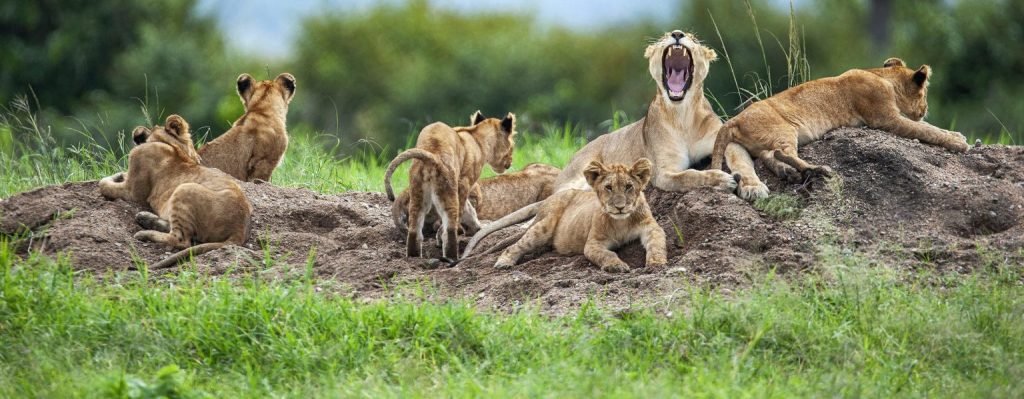
The African Big Five—lion, leopard, elephant, buffalo, and rhino—represent the ultimate wildlife safari experience in Tanzania, one of Africa’s top safari destinations. Originally coined by big-game hunters, the term now symbolizes the most sought-after animals to see on a photographic safari. Tanzania stands out globally because it offers excellent opportunities to spot all five species across its iconic national parks and game reserves. From the vast plains of the Serengeti to the wildlife-rich Ngorongoro Crater, travelers can experience unmatched biodiversity and unforgettable game drives. Tanzania safari tours are renowned for their high wildlife density, luxury and budget safari packages, and year-round accessibility. Whether you are planning a luxury African safari, family safari holiday, honeymoon safari, or solo adventure, Tanzania offers the perfect setting to encounter the Big Five in their natural habitat. The country’s protected ecosystems ensure thriving populations, making it a bucket-list destination for wildlife enthusiasts worldwide. 1. Ngorongoro Crater The Ngorongoro Crater is one of the best places in Africa to see the African Big Five in a single day. This UNESCO World Heritage Site is a volcanic caldera with a unique enclosed ecosystem that supports a dense concentration of wildlife. Safari travelers visiting Ngorongoro for a big five safari enjoy exceptional chances of spotting lions, elephants, buffalo, and even the endangered black rhinoceros, which is rarely seen elsewhere in Tanzania. Game drives on the crater floor offer close-up encounters due to its natural bowl shape, which keeps animals within a confined area. The lush grasslands, freshwater lakes, and acacia forests create ideal habitats for predators and herbivores alike. Ngorongoro is particularly famous for its high lion population and reliable rhino sightings, making it a top destination for luxury safaris and photographic tours. For travelers seeking a complete Tanzania safari experience, Ngorongoro Crater is an essential stop. 2. Serengeti National Park The Serengeti National Park is Africa’s most famous safari destination and a prime location to see the Big Five. Known for its endless plains and the spectacular Great Migration, the Serengeti offers year-round wildlife viewing opportunities. Lions are particularly abundant here, often seen in large prides, while leopards can be spotted resting in trees along riverbanks. Elephants and buffalo roam freely across the savannah, and although rhinos are rare, they can occasionally be found in protected areas. The Serengeti is also one of the best places in the world to witness the Big Five safari, with predator-prey interactions, making it ideal for wildlife photography and documentary-style safaris. Whether you choose a luxury safari lodge, mobile tented camp, or budget camping safari, the Serengeti guarantees unforgettable encounters with Africa’s iconic wildlife. It remains a cornerstone of Tanzania safari tours and Big Five adventures. 3. Tarangire National Park Tarangire National Park is famous for its elephant herds and iconic baobab trees, making it one of the best destinations in Tanzania for elephant sightings. During the dry season, thousands of animals gather around the Tarangire River, the park’s main water source, creating incredible wildlife viewing opportunities. Tarangire is home to four of the Big Five—lion, leopard, elephant, and buffalo—with occasional sightings of rhinos. Park’s diverse habitats, including river valleys, swamps, and woodlands, support a wide variety of wildlife and bird species. This park is particularly popular for family safaris and budget-friendly tours due to its accessibility and high concentration of animals. Tarangire offers a quieter, less crowded alternative to the Serengeti while still delivering exceptional Big Five safari experiences. For those seeking authentic and scenic safari landscapes, Tarangire is a must-visit destination in northern Tanzania. 4. Ruaha National Park Ruaha National Park is Tanzania’s largest national park and a hidden gem for Big Five safaris. Located in southern Tanzania, Ruaha offers a remote and untouched wilderness experience far from the crowds of the northern circuit. The park is especially known for its large elephant population and thriving predator ecosystem, including lions and leopards. The Great Ruaha River is the lifeline of the park, attracting wildlife during the dry season and creating excellent game viewing conditions. Buffalo are commonly seen in large herds, while leopards are often spotted near riverine vegetation. Ruaha is ideal for travelers seeking exclusive, off-the-beaten-path safari experiences with luxury lodges and authentic bush camps. Its vast landscapes and rich biodiversity make it one of the best-kept secrets for Big Five sightings in Tanzania. 5. Nyerere National Park (Selous) Nyerere National Park, formerly part of the Selous Game Reserve, is one of Africa’s largest protected wildlife areas. This park offers diverse ecosystems, including rivers, wetlands, and woodlands, providing habitats for a wide range of wildlife species. Nyerere is particularly known for its large populations of elephants, buffalo, lions, and leopards, making it an excellent destination for Big Four sightings, with occasional rhino encounters. The Rufiji River, Tanzania’s largest river, attracts abundant wildlife and offers unique boat safaris—something rare in other parks. This destination is perfect for luxury fly-in safaris, honeymoon trips, and exclusive wildlife experiences. Its remote location ensures fewer crowds and more intimate encounters with nature. For travelers looking to explore southern Tanzania, Nyerere National Park provides a truly wild and authentic safari adventure. 6. Mkomazi National Park Mkomazi National Park is one of Tanzania’s lesser-known safari destinations but plays a crucial role in wildlife conservation, particularly for black rhinos and African wild dogs. Located near the Kenyan border, this park offers a quiet and exclusive safari experience away from mass tourism. Mkomazi is part of a transboundary ecosystem with Kenya’s Tsavo National Park, supporting diverse wildlife habitats. Visitors can see elephants, giraffes, zebras, and occasionally predators like lions and leopards. However, its main highlight is the successful rhino conservation project, which gives visitors a rare chance to see these endangered animals in a protected environment. The park’s semi-arid landscapes and scenic views of Mount Kilimanjaro make it a unique destination for adventurous travelers. Mkomazi is ideal for those interested in conservation-focused safaris and off-the-beaten-path experiences in Tanzania. 7. Lake Manyara National Park Lake Manyara National Park is a compact yet diverse safari destination known for
The African Big five, Small five, Shy five, Ugly five, Impossible five
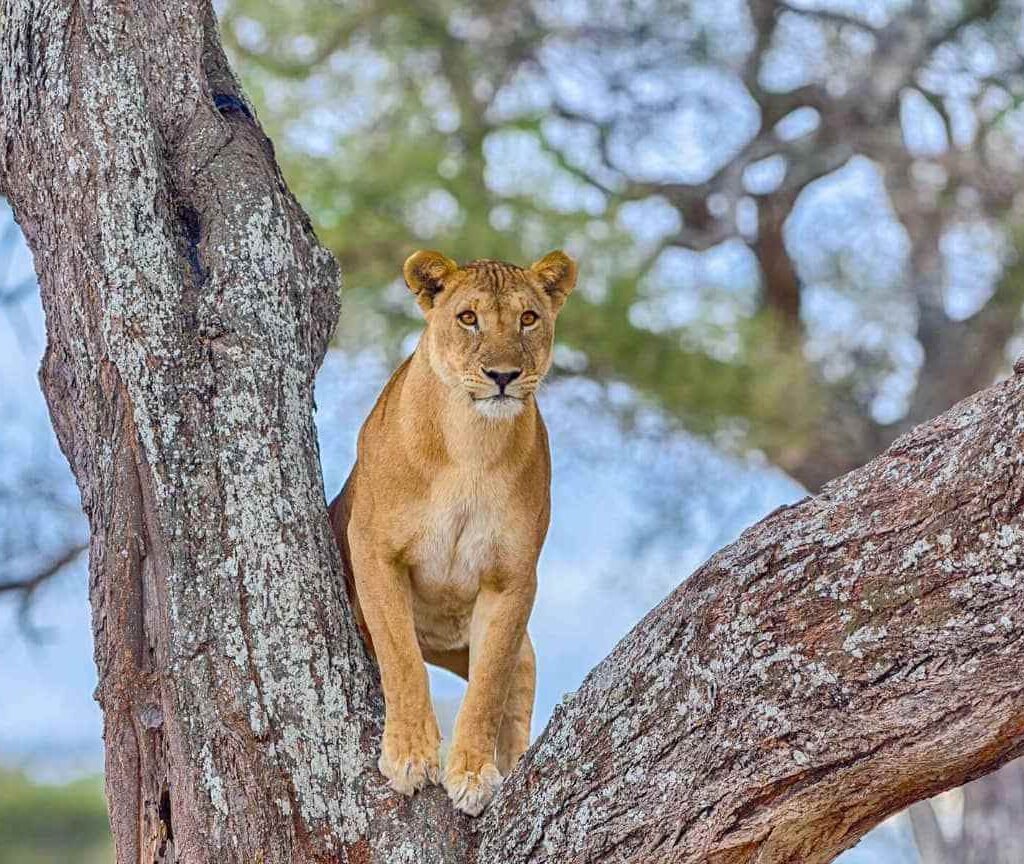
The African safari experience is one of the most powerful wildlife encounters on Earth, attracting travelers searching for terms like African Big Five safari tours, Tanzania safari packages, Serengeti wildlife safari, Ngorongoro Crater safari, and best African safari destinations. The continent is home to some of the most iconic and diverse animal groupings, often categorized to help travelers understand its rich biodiversity. The most famous is the African Big Five—lion, leopard, elephant, buffalo, and rhino—originally named by hunters but now celebrated by conservation-focused safaris. Beyond them, wildlife lovers also explore the Small Five, Shy Five, Ugly Five, and the rare Impossible Five. Together, these groups showcase Africa’s incredible ecological diversity, from powerful predators and gentle giants to secretive, lesser-known species found across savannahs, forests, and wetlands. A safari in East Africa, especially Tanzania, offers the ultimate opportunity to witness all these fascinating creatures in their natural habitat. 1. African Big Five – The Kings of the Safari World The African Big Five represent the most sought-after wildlife sightings on any African safari tour, especially in destinations like Serengeti National Park and Ngorongoro Crater. This group includes the lion, leopard, elephant, buffalo, and rhino—each symbolizing strength, survival, and dominance in the wild. The lion is the iconic king of the savannah, often seen resting in prides under acacia trees. The leopard is elusive, solitary, and incredibly powerful, often spotted draped over tree branches. The elephant, the largest land animal, roams in herds led by matriarchs, showcasing intelligence and emotional depth. The Cape buffalo is unpredictable and strong, often forming large defensive herds. Finally, the rhinoceros—both black and white species—is critically endangered and heavily protected. Seeing all five in one safari is considered a bucket-list achievement for wildlife lovers visiting Africa. Lion – The Icon of African Wilderness The lion is the most iconic symbol of African wildlife and one of the most searched animals in Serengeti safari tours and Big Five safari packages. Known as the king of the jungle, lions actually thrive in open savannahs where they hunt in coordinated prides. Their powerful roar can travel up to 8 kilometers, making them one of the most dominant predators in Africa. Lions are social cats, living in groups led by females who do most of the hunting, while males protect the territory. In Tanzania, especially in Serengeti National Park, lion sightings are extremely common, particularly during the Great Migration when prey is abundant. Tourists often witness dramatic hunting scenes, cub interactions, and pride dynamics. Lions symbolize courage, leadership, and raw wilderness energy, making them a highlight of any African wildlife safari experience. Leopard – The Master of Stealth and Shadows The leopard is one of the most elusive members of the African Big Five, often searched for under leopard safari sightings in Tanzania and African wildlife photography tours. Unlike lions, leopards are solitary and highly secretive, preferring dense bush and riverine forests. Their spotted coat provides perfect camouflage, making them difficult to spot even for experienced safari guides. Leopards are powerful climbers and often drag their prey into trees to protect it from scavengers. In places like Serengeti and Ngorongoro, early morning and night game drives offer the best chance of sightings. Despite their shy nature, leopards are incredibly adaptable and can survive in varied habitats, from savannahs to mountains. Their mysterious behavior and rare appearances make them one of the most rewarding animals to encounter on an African safari adventure. Elephant – The Gentle Giant of Africa The elephant is the largest land mammal on Earth and a must-see highlight of any African safari tour in Tanzania. Known for their intelligence, strong family bonds, and emotional behavior, elephants are often seen moving in herds led by experienced matriarchs. They communicate through deep vibrations, sounds, and body language, making them highly social creatures. In national parks like Tarangire, famous for its massive elephant herds, visitors can observe them bathing in rivers, feeding on baobab trees, and caring for calves. Despite their size, elephants are gentle and play a crucial role in shaping ecosystems by creating water access points and clearing vegetation. Sadly, they face threats from poaching and habitat loss, making conservation efforts critical. Seeing elephants in the wild is a powerful and emotional experience for any African safari traveler. Buffalo – The Unpredictable Powerhouse of the Savannah Cape buffalo is one of the most dangerous yet fascinating members of the African Big Five. Often underestimated, buffalo are known for their unpredictable nature and strong herd defense strategies. They move in large groups called herds, sometimes numbering in the hundreds, creating a powerful collective force against predators like lions. In Tanzania’s Serengeti and Ngorongoro ecosystems, buffalo are commonly seen grazing in open grasslands or resting near water sources. Despite their calm appearance, they can become extremely aggressive when threatened, making them respected by both predators and safari guides. Their curved horns and heavy build give them a formidable presence in the wild. Buffalo play an important ecological role by grazing vegetation and maintaining grassland balance. Observing a buffalo herd on an African safari is both impressive and humbling. Rhinoceros – The Ancient Guardian of the Wild Rhinoceros is one of the most endangered members of the African Big Five and a key attraction in conservation-focused African safari tours. There are two main species: the black rhino and the white rhino. Despite their names, both are gray in color. Rhinos are known for their thick skin, prehistoric appearance, and powerful horns, which unfortunately make them targets for poaching. In protected areas like Ngorongoro Crater, rhinos are carefully monitored, offering rare but unforgettable sightings for safari travelers. They are generally solitary animals, feeding on grasses or shrubs depending on the species. Rhinos move with surprising speed despite their size and can be very protective of their territory. Seeing a rhino in the wild is a powerful reminder of the importance of wildlife conservation across Africa. 2. Small Five – The Hidden Gems of African Wildlife The Small Five are a lesser-known but
Why Tanzania Is The Top Safari Destination In Africa
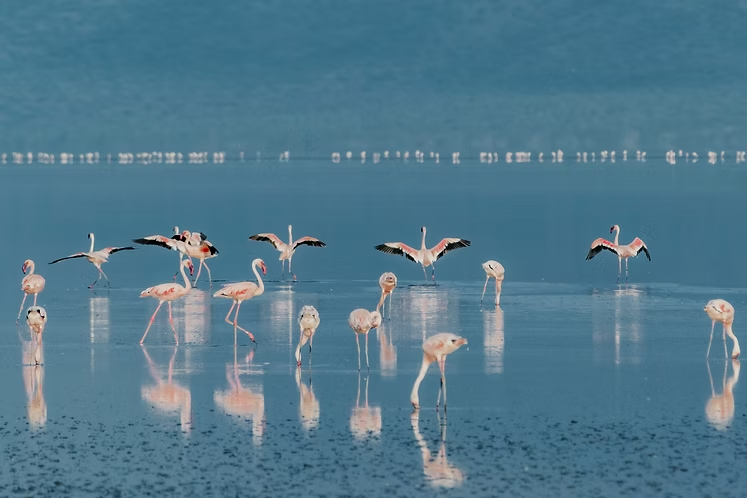
Tanzania is widely recognized as the top safari destination in Africa, offering unmatched wildlife experiences, iconic landscapes, and world-famous national parks. From the endless plains of the Serengeti National Park to the dramatic Ngorongoro Crater, Tanzania delivers the ultimate African safari adventure. Travelers come to experience the Great Migration, witness the Big Five, and explore some of the most biodiverse ecosystems on the planet. With luxury safari lodges, budget camping safaris, and expert-guided tours, Tanzania caters to every type of traveler. The country also combines wildlife with cultural experiences, mountain adventures, and tropical beach escapes in Zanzibar. These unique features make Tanzania a leading choice for unforgettable safari holidays in Africa, attracting wildlife photographers, honeymooners, and adventure seekers from around the world. 1. Tanzania Is Home to Unrivaled and Spectacular Wildlife Tanzania offers some of the most spectacular wildlife viewing in Africa, making it a premier safari destination. The country hosts vast populations of elephants, lions, leopards, giraffes, zebras, and buffalo across its protected national parks. The Serengeti ecosystem alone supports one of the richest wildlife concentrations on Earth. Visitors experience authentic African safari game drives where animals roam freely in their natural habitats. Unlike many destinations, Tanzania’s parks are less fenced, allowing wildlife to migrate naturally. This creates dynamic and ever-changing safari experiences. Whether exploring Tarangire National Park with its giant baobab trees or Lake Manyara with tree-climbing lions, every destination offers unique encounters. Tanzania’s unmatched biodiversity is a major reason why it consistently ranks as the best safari destination in Africa. 2. You Can Witness the Great Migration The Great Migration is one of the most extraordinary wildlife spectacles on Earth, and Tanzania is its main stage. Over two million wildebeest, zebras, and gazelles move across the Serengeti ecosystem in search of fresh grazing land. This dramatic journey includes river crossings filled with crocodiles, predator-prey interactions, and breathtaking herd movements. The Serengeti National Park provides front-row seats to this natural wonder, attracting safari enthusiasts and wildlife photographers globally. The migration occurs year-round, making Tanzania a reliable safari destination. Key viewing areas include the central Serengeti, northern regions near the Mara River, and southern plains during calving season. This iconic event is a major reason why Tanzania is considered the ultimate African safari destination for unforgettable wildlife experiences. 3. Cultural Immersion with Tanzania’s Tribes Tanzania offers rich cultural safari experiences alongside its wildlife adventures. Visitors can engage with indigenous tribes such as the Maasai, Hadzabe, and Datoga communities. These cultural encounters provide insight into traditional lifestyles, ancient customs, and sustainable living practices. The Maasai are known for their distinctive dress, warrior traditions, and cattle-herding culture, while the Hadzabe are among the last hunter-gatherer tribes in Africa. Cultural tourism in Tanzania allows travelers to participate in village visits, storytelling sessions, and traditional dances. This adds depth to any African safari itinerary, blending wildlife exploration with human heritage. These experiences make Tanzania more than just a safari destination—it becomes a cultural journey. This combination of nature and culture enhances Tanzania’s reputation as a top safari destination in Africa. 4. The Largest Intact Caldera in the World The Ngorongoro Crater is the largest intact volcanic caldera in the world and one of Tanzania’s most iconic safari destinations. This UNESCO World Heritage Site forms a natural enclosure that supports over 25,000 large animals. Visitors can easily spot the Big Five—lion, elephant, buffalo, leopard, and rhino—within a single game drive. The crater’s unique ecosystem includes grasslands, forests, and soda lakes, creating diverse habitats for wildlife. Its enclosed nature ensures high wildlife density and exceptional game viewing year-round. Safari travelers often describe Ngorongoro as a natural wildlife amphitheater. Combined with stunning scenery and the cultural Maasai presence nearby, it offers a truly unforgettable African safari experience. This geological wonder is a key reason Tanzania leads as Africa’s top safari destination. 5. Mount Kilimanjaro Is the Most Unique Mountain in the World Mount Kilimanjaro, Africa’s highest peak, adds a unique adventure element to Tanzania’s safari appeal. Rising 5,895 meters above sea level, it is the world’s tallest free-standing mountain. Unlike typical safari destinations, Tanzania combines wildlife safaris with mountaineering experiences. Climbers pass through five distinct ecological zones, from rainforest to arctic summit conditions. Kilimanjaro attracts trekkers from around the world seeking a once-in-a-lifetime challenge. Its snow-capped peak creates a dramatic backdrop for northern safari circuits like Amboseli and Arusha National Park. The mountain enhances Tanzania’s tourism diversity, making it more than just a wildlife destination. This combination of safari and trekking adventure strengthens Tanzania’s position as Africa’s most versatile and top-rated safari destination. 6. There Are 7 UNESCO World Heritage Sites in Tanzania Tanzania is home to seven UNESCO World Heritage Sites, highlighting its global natural and cultural importance. These include Serengeti National Park, Ngorongoro Conservation Area, Selous Game Reserve (Nyerere National Park), Kilimanjaro National Park, Stone Town of Zanzibar, Kilwa Kisiwani ruins, and Kondoa Rock-Art Sites. Each site offers unique safari and cultural experiences. Serengeti showcases the Great Migration, while Ngorongoro preserves prehistoric ecosystems. Zanzibar’s Stone Town reflects rich Swahili heritage and trade history. These protected areas ensure conservation of wildlife, landscapes, and cultural heritage. The diversity of UNESCO sites makes Tanzania a leading destination for eco-tourism and African safari travel. This global recognition reinforces Tanzania’s reputation as a must-visit safari destination in Africa. 7. The Islands of the Zanzibar Archipelago The Zanzibar Archipelago adds a tropical paradise dimension to Tanzania’s safari experience. After an exciting wildlife safari, travelers can relax on white sandy beaches along the Indian Ocean. Zanzibar offers crystal-clear waters, coral reefs, spice plantations, and historic Stone Town. Activities include snorkeling, diving, dhow sailing, and cultural tours. The islands provide the perfect contrast between adventure and relaxation, making Tanzania ideal for combined safari and beach holidays. Zanzibar’s unique Swahili culture blends African, Arab, and European influences, creating a rich cultural atmosphere. This combination of wildlife and coastal beauty enhances Tanzania’s appeal as a complete travel destination. Many visitors consider Zanzibar the perfect ending to a Serengeti or Ngorongoro safari. 8. Highest
Types of African Safari Accommodation
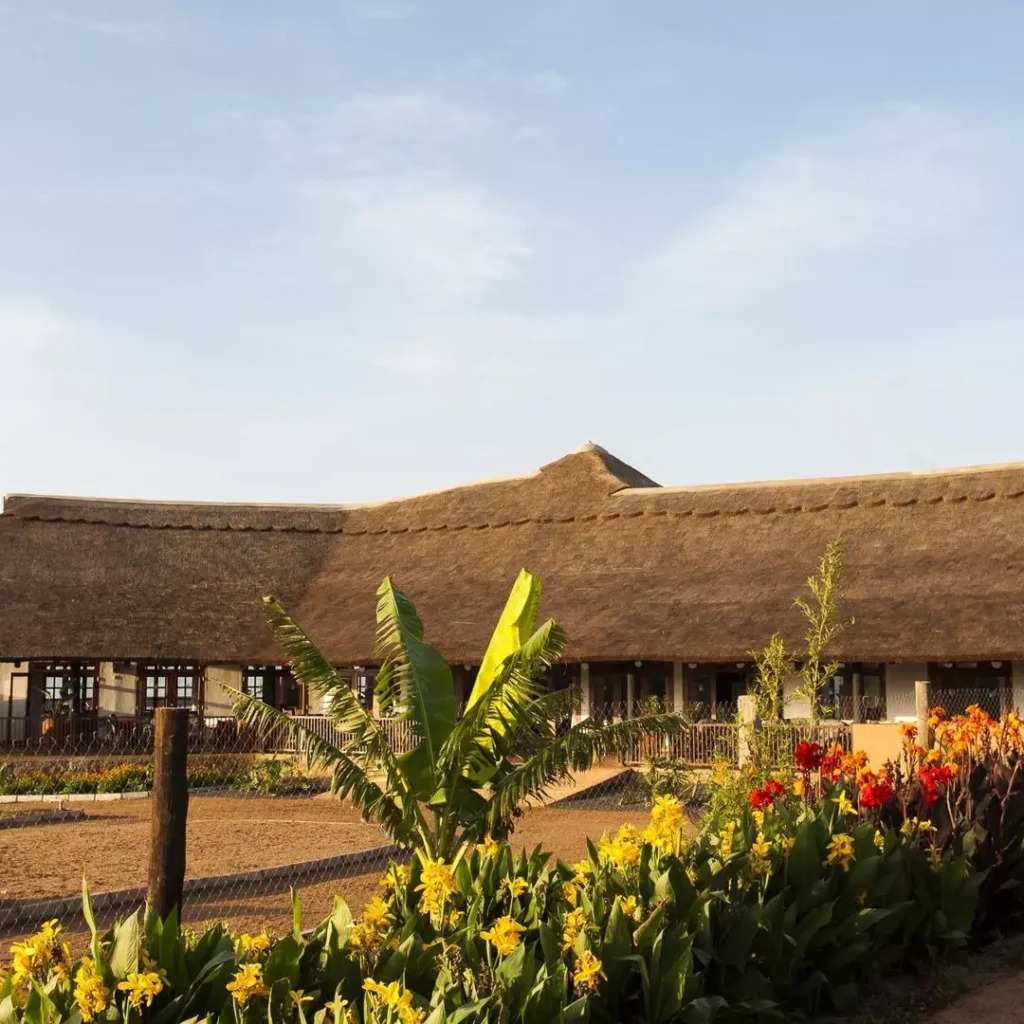
African safari accommodation is one of the most important parts of planning a wildlife adventure in Africa, especially in top destinations like Tanzania ( Serengeti, Tarangire, Lake Manyara, Ngorongoro Conservation Area, and Zanzibar). From luxury Tanzania safari lodges overlooking the Serengeti plains to budget-friendly camps near national parks, travelers can choose from a wide range of safari accommodation types to match comfort, style, and budget. The most popular options include tented safari camps, eco-lodges, mobile camps, luxury bush lodges, and glamping safari experiences. Each option offers a unique way to experience Africa’s wildlife, landscapes, and cultural heritage. Whether you are visiting the Ngorongoro Crater, Serengeti National Park, or Tarangire, choosing the right African safari accommodation enhances your journey, bringing you closer to nature while ensuring comfort, safety, and unforgettable safari memories in the heart of the wilderness. African Luxury Safari Lodges Luxury safari lodges are among the most sought-after African safari accommodation types, offering world-class comfort in remote wilderness locations. These lodges often feature spacious suites, private decks, swimming pools, fine dining, and panoramic views of wildlife-rich areas such as the Serengeti and Ngorongoro Crater. Guests enjoy personalized service, guided game drives, spa treatments, and high-end amenities that blend seamlessly with nature. Luxury safari lodges are ideal for honeymooners, families, and travelers seeking exclusive safari experiences. They combine modern elegance with authentic African design, creating a perfect balance between adventure and relaxation. Many luxury African safari lodges are strategically located inside or near national parks, ensuring easy access to game viewing while maintaining privacy, comfort, and unforgettable scenery throughout the safari journey in Africa. African Tented Safari Camps accommodation Tented safari camps are a classic and immersive form of African safari accommodation, offering an authentic bush experience without sacrificing comfort. These African tented camps feature large canvas tents with proper beds, ensuite bathrooms, and stylish interiors, often set in remote wildlife areas. Unlike traditional camping, tented safari camps provide comfort while keeping guests close to nature and wildlife sounds. They are popular in African safari destinations like the Serengeti, Masai Mara, and Selous Game Reserve. Guests can enjoy open-air dining, campfire evenings, and guided game drives directly from camp. Tented safari camps range from budget to luxury levels, making them suitable for all types of travelers. This accommodation style is perfect for those seeking a real safari adventure with a close connection to Africa’s natural environment. Budget Camping African Safari Accommodation Budget camping is one of the most affordable African safari accommodation options, perfect for travelers who want adventure at a lower cost. This type of accommodation usually includes basic dome tents, sleeping bags, shared facilities, and simple bush meals prepared by safari cooks. Despite its simplicity, budget camping offers an exciting and immersive wildlife experience, especially in parks like Serengeti, Tarangire, and Lake Manyara. Travelers stay close to nature and often hear wildlife sounds at night, creating a truly wild atmosphere. Budget camping safaris are ideal for backpackers, students, and adventure seekers who prioritize experience over luxury. While facilities are minimal, the memories and close wildlife encounters make it one of the most rewarding ways to explore African safari destinations. Luxury African safari Tented Camps Luxury tented camps combine the adventure of camping with the elegance of high-end safari lodges, making them a top-tier African safari accommodation choice. These camps feature large, beautifully furnished canvas tents with king-size beds, private bathrooms, wooden floors, and sometimes even plunge pools. Located in prime wildlife areas, luxury tented camps offer front-row access to game viewing. Guests enjoy gourmet meals, professional guides, and personalized service while still experiencing the sounds and atmosphere of the wild. Popular in the Serengeti and Ngorongoro regions, these camps are ideal for travelers seeking exclusivity and comfort. Luxury tented camps provide a perfect blend of wilderness immersion and modern luxury, making them one of the most unforgettable safari accommodation experiences in Africa. Mobile African Safari Camps Mobile safari camps are a dynamic and flexible type of African safari accommodation designed to move with wildlife migration patterns. These camps are often set up seasonally in areas like the Serengeti during the Great Migration, ensuring guests are always close to wildlife action. Despite being temporary, mobile camps offer comfortable tents with essential amenities, including beds, private bathrooms, and dining areas. The experience is intimate and exclusive, with fewer guests and personalized service. Mobile safari camps are ideal for photographers and wildlife enthusiasts who want to follow animals across vast landscapes. This type of accommodation provides a raw, authentic safari experience while still maintaining comfort and safety, making it one of the most adventurous ways to explore Africa’s wilderness. African safari eco-Lodges Eco-lodges are sustainable African safari accommodation options designed to minimize environmental impact while offering comfort and style. Built using natural materials and eco-friendly practices, these lodges often use solar power, rainwater harvesting, and local resources. Eco-lodges are commonly found near national parks and conservation areas, supporting both wildlife protection and local communities. Guests enjoy comfortable rooms, organic meals, and guided nature activities that promote environmental awareness. Eco-lodges are ideal for responsible travelers who want to experience Africa’s wildlife while reducing their ecological footprint. Popular in destinations like Tanzania and Kenya, these lodges blend conservation with tourism, offering a peaceful and meaningful safari experience that connects visitors deeply with nature. African Glamping Safari Accommodation Glamping, or “glamorous camping,” is a modern African safari accommodation style that combines luxury with outdoor adventure. It features stylish tents equipped with real beds, en-suite bathrooms, elegant furniture, and sometimes even Wi-Fi and air conditioning. Glamping safaris are popular among travelers who want to experience nature without giving up comfort. Located in scenic wildlife areas, glamping sites offer incredible views, fine dining, and guided safari activities. This accommodation type is especially popular in Tanzania and Kenya, where visitors can enjoy both adventure and relaxation. Glamping provides the perfect balance between wilderness immersion and luxury living, making it ideal for couples, families, and first-time safari travelers seeking comfort in the heart of Africa. African Treehouse
Tanzania Cultural Tourism
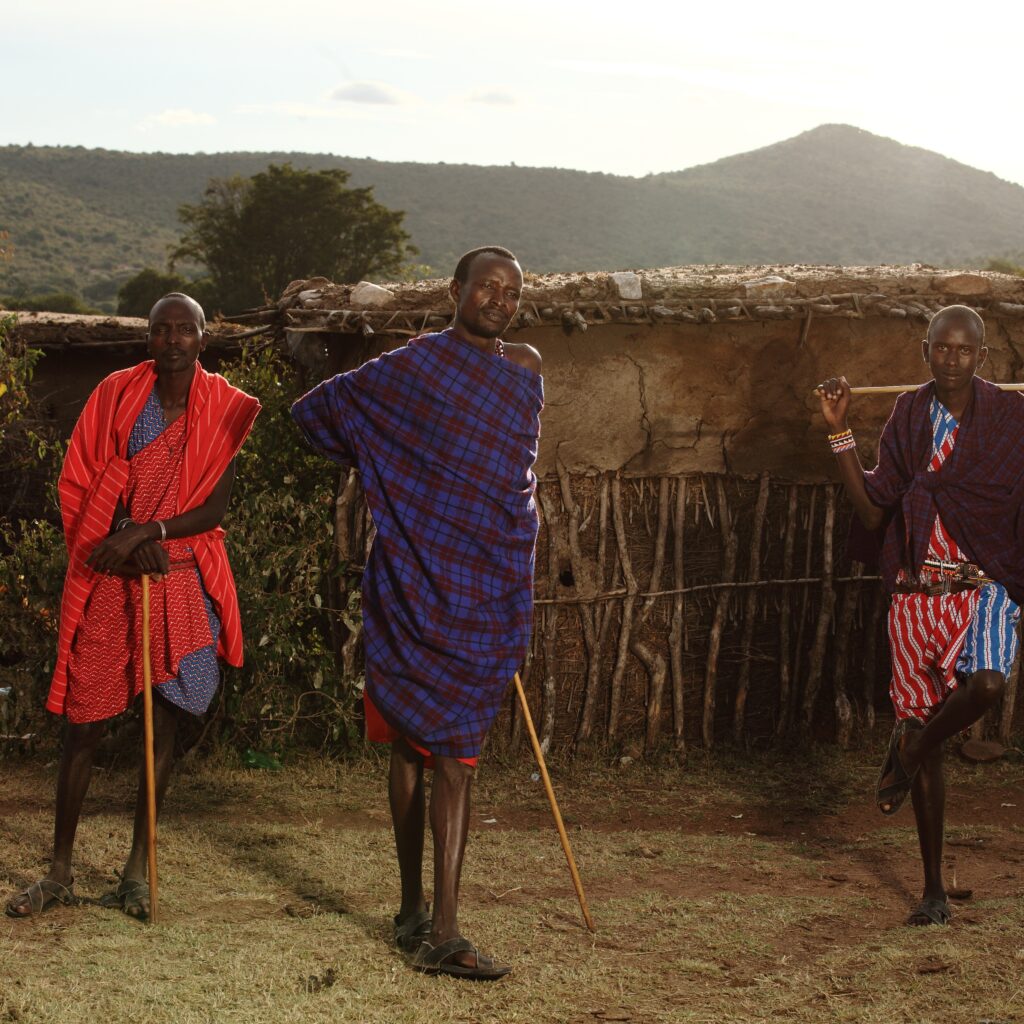
Tanzania Cultural Tourism | Cultural Tours in Tanzania A cultural tour in Tanzania is a unique and immersive way to experience the rich Tanzania Cultural Tourism heritage of the country. Tanzania is home to over 120 ethnic groups, each with their own customs, traditions, and way of life. A cultural tour can provide insights into the local communities, their history, livelihoods, arts, and traditions, offering a deeper understanding of the diverse cultures that thrive in Tanzania. Here are some popular cultural tours in Tanzania: 1. Maasai Cultural Tour The Maasai are one of the most well-known ethnic groups in Tanzania, known for their distinctive red clothing, intricate beadwork, and traditional pastoralist lifestyle. A Maasai cultural tour allows visitors to learn about their customs, traditions, and daily life, including visiting Maasai villages, meeting with Maasai warriors, and participating in cultural activities such as beadwork, traditional dances, and fire making. It’s a unique opportunity to interact with the Maasai people, gain insights into their ancient culture, and appreciate their way of life. 2. Hadzabe Cultural Tour The Hadzabe are one of the last remaining hunter-gatherer tribes in Tanzania, known for their unique language, hunting skills, and ancient way of life. A Hadzabe cultural tour offers a rare chance to learn about their traditional hunting techniques, gathering methods, and unique customs. Visitors can participate in hunting and gathering activities with the Hadzabe, learn about their medicinal plants, and gain insights into their nomadic lifestyle and social structure. 3. Datoga Cultural Tour The Datoga people are a semi-nomadic ethnic group known for their metalworking skills, particularly in crafting jewelry and weapons. A Datoga cultural tour provides an opportunity to learn about their metalworking techniques, visit their homes, and witness their way of life. Cultural Attractions and Tours in Tanzania. Visitors can also learn about Datoga customs, traditional dress, and participate in cultural activities such as jewelry making and traditional dancing. 4. Chagga Cultural Tour The Chagga people are an agricultural community living on the slopes of Mount Kilimanjaro in northern Tanzania. A Chagga cultural tour offers insights into their farming practices Tanzania Cultural Tourism. With the best Traditional irrigation systems, and coffee cultivation methods. Visitors can also learn about Chagga customs, folklore, and architecture. Cultural Attractions and Tours in Tanzania including visiting traditional Chagga homes and banana farms, and engaging in cultural activities such as cooking demonstrations and traditional dances. 5. Sukuma Cultural Tour The Sukuma people are the largest ethnic group in Tanzania, known for their farming and fishing practices. A Sukuma cultural tour provides an opportunity to learn about their agricultural techniques, fishing methods, and cultural traditions. Visitors can also witness traditional Sukuma dances, music performances, and learn about Sukuma folklore and rituals. 6. Swahili Cultural Tour The Swahili people are an ethnic group living along the coastal regions of Tanzania. Known for their unique blend of African, Arab, and Indian cultures. A Swahili cultural tour offers insights into their language, cuisine, music, and architecture. Visitors can explore historic Swahili towns such as Stone Town in Zanzibar. Visit Swahili homes, and learn about Swahili customs and traditions. cultural tourism in Tanzania pdfcultural tourism Arusha. . cultural tourism pdf. cultural attractions in Tanzania . 7. Tribal Art and Craft Tours Tanzania is known for its rich artistic heritage, with various ethnic groups creating unique art and crafts. A cultural tour focused on tribal art and craft allows visitors to meet local artisans. Learn about their artistic techniques, and appreciate their craftsmanship. Visitors can purchase authentic tribal art and crafts as souvenirs, enable local societies and preserving traditional art forms. It’s important to note that cultural tours should be conducted in a respectful and responsible manner. Respecting the customs, traditions, and privacy of the local families. Hiring local guides or working with real tour operators who have established relationships with local. TripAdvisor Reviews.