African Safari Tours, Tanzania Safaris, Luxury African Safaris, Kilimanjaro Climb, Zanzibar Vacation holidays

10 Best African Safari Tours 2026/2027

African Safari Tours offer unforgettable wildlife adventures tailored to every traveler. Families can enjoy safe, engaging experiences, while honeymooners and couples find romance amidst stunning landscapes. Seniors and solo travelers benefit from comfort, support, and expert guidance. Options range from budget to mid-range and ultra-luxury safaris, including all-inclusive vacation packages, Fly-In/Fly-Out tours, and bespoke private experiences. Leading safari companies provide personalized, custom-tailored trips, complete with expert guides, detailed maps, wildlife photography opportunities, and transparent pricing. Reviews help choose trusted operators, ensuring a seamless holiday or expedition. Whether it’s a short trip or a grand adventure, African safaris combine wildlife, culture, and breathtaking scenery into a truly memorable journey. From private tailored safaris to group adventures, these tours offer flexibility, comfort, and authentic encounters with nature, making each safari a unique, once-in-a-lifetime experience.

8-Days Tanzania family Safari Itinerary Embark on an unforgettable 8-day Tanzania family safari through Tarangire, Serengeti, and the …

Magnificent 9-Days Premium Tanzania Luxury Safari All-Inclusive On this extraordinary 9 Days Premium Tanzania Luxury family, honeymoon, wildlife …

10 Day Luxury Safaris in Tanzania High End African Safari Experts This 10 Day Luxury Safari in Tanzania …
Luxury all inclusive 8-Days Tanzania Safari Adventure Embark on a once-in-a-lifetime 8-Day Luxury Tanzania Safari Adventure, an all-inclusive …

Go Ahead Tours 6 Day Tanzania Luxury Safari Tarangire National Park, Serengeti National Park, and Ngorongoro Crater. Experience …
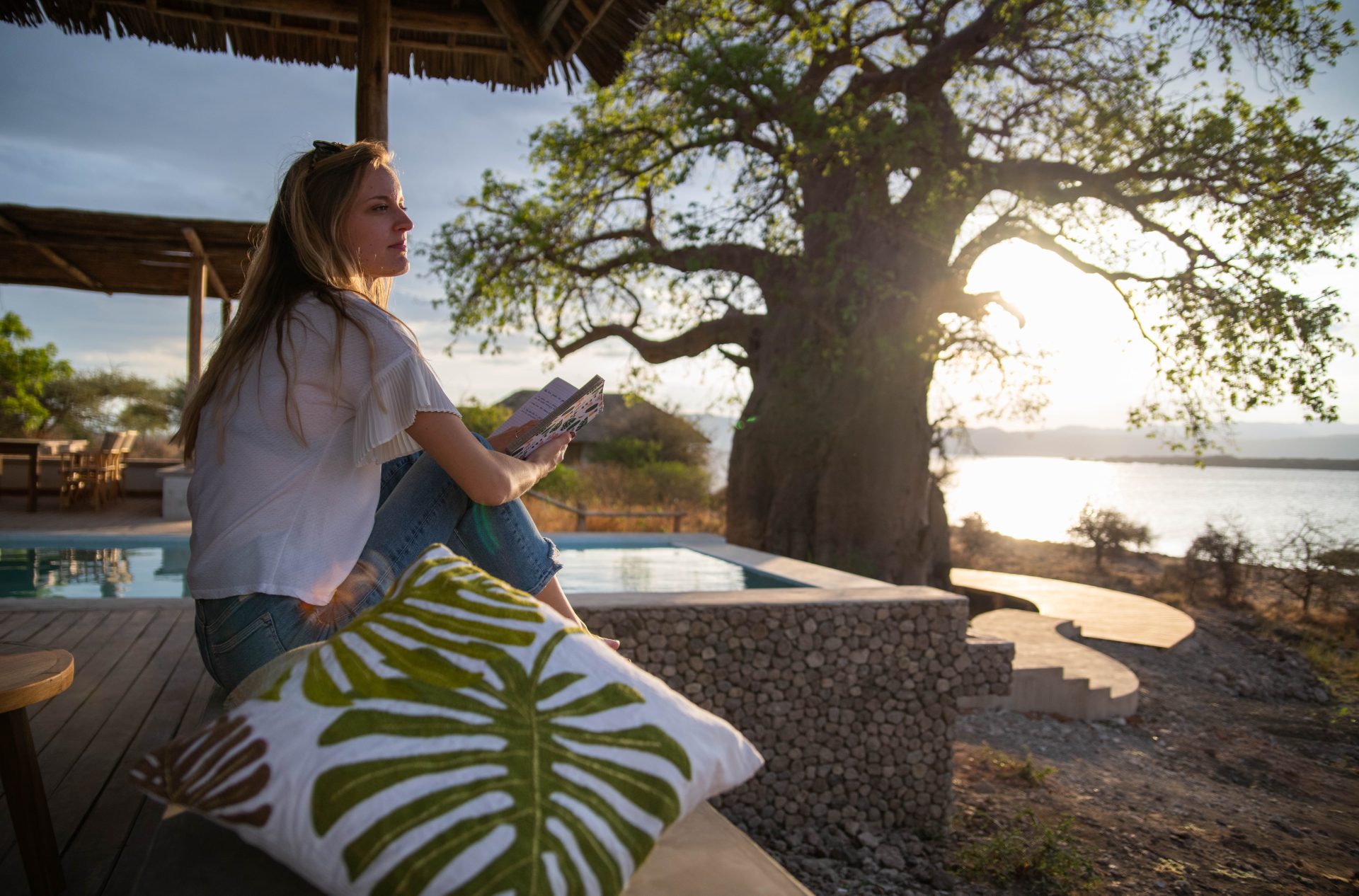
Expedition 8-Day Authentic Tanzania Safari Tours Experience the essence of East African wilderness on our 8-Day Tanzania authentic …
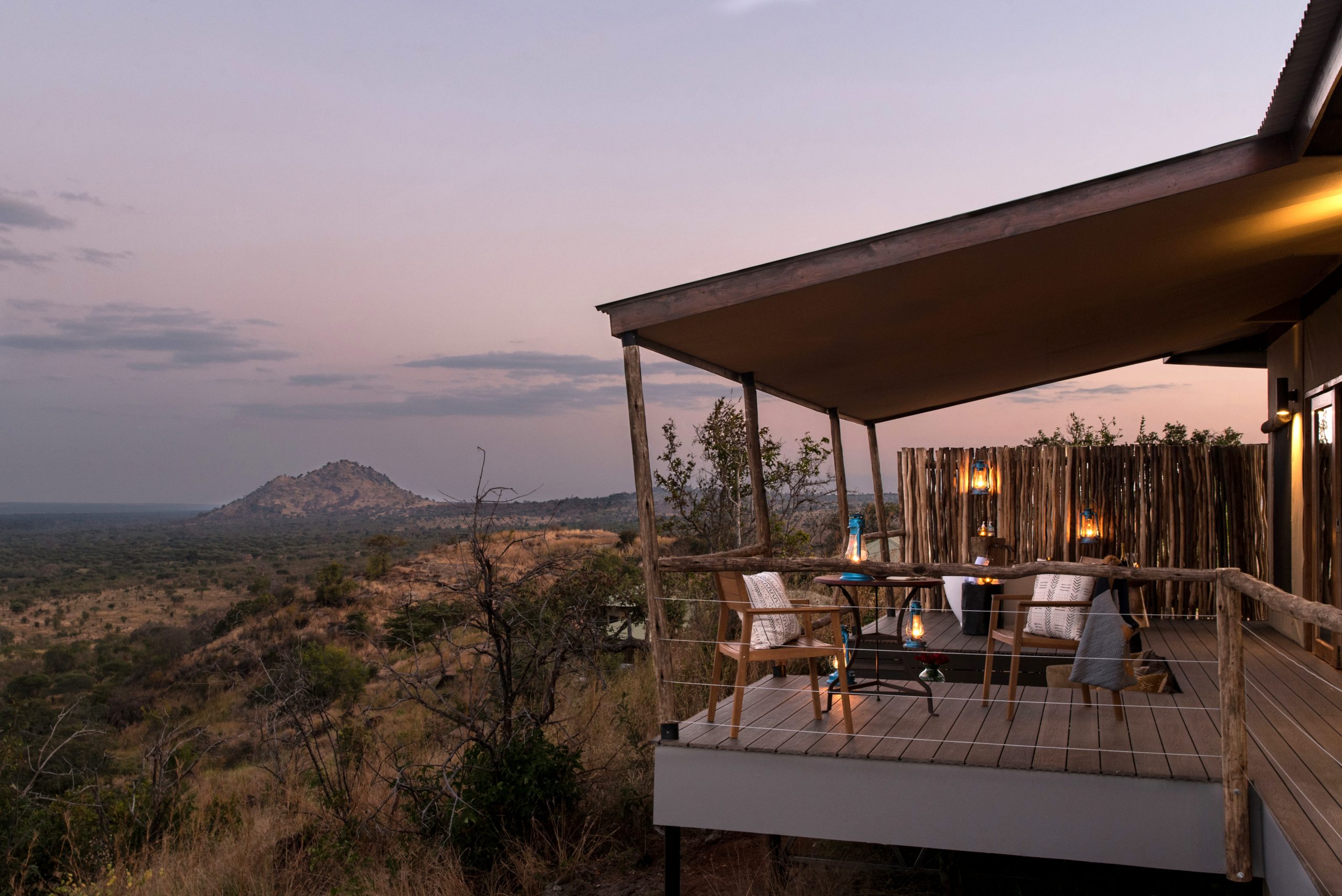
The 20 Best Safari Lodges in Africa

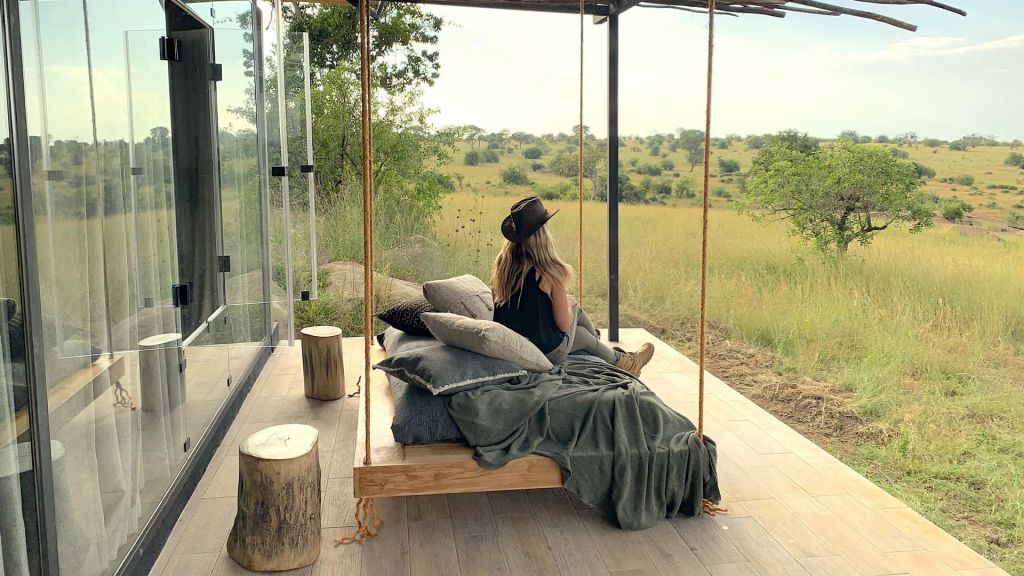
Perched in Africa’s wild heartlands, the best safari lodges blend luxury with untamed nature. From Melia Serengeti Safari lodge, elegant suites in Ngorongoro Melia Safari eco-friendly overlooking the Great Rift Valley, each offers thrilling game drives, gourmet cuisine, and intimate wildlife encounters. Four Season Safari lodge in Serengeti and Tanzania’s Ngorongoro Crater Lodge promise unmatched scenery and exclusivity. These lodges redefine adventure, offering comfort, cultural richness, and front-row seats to the continent’s most spectacular natural wonders.

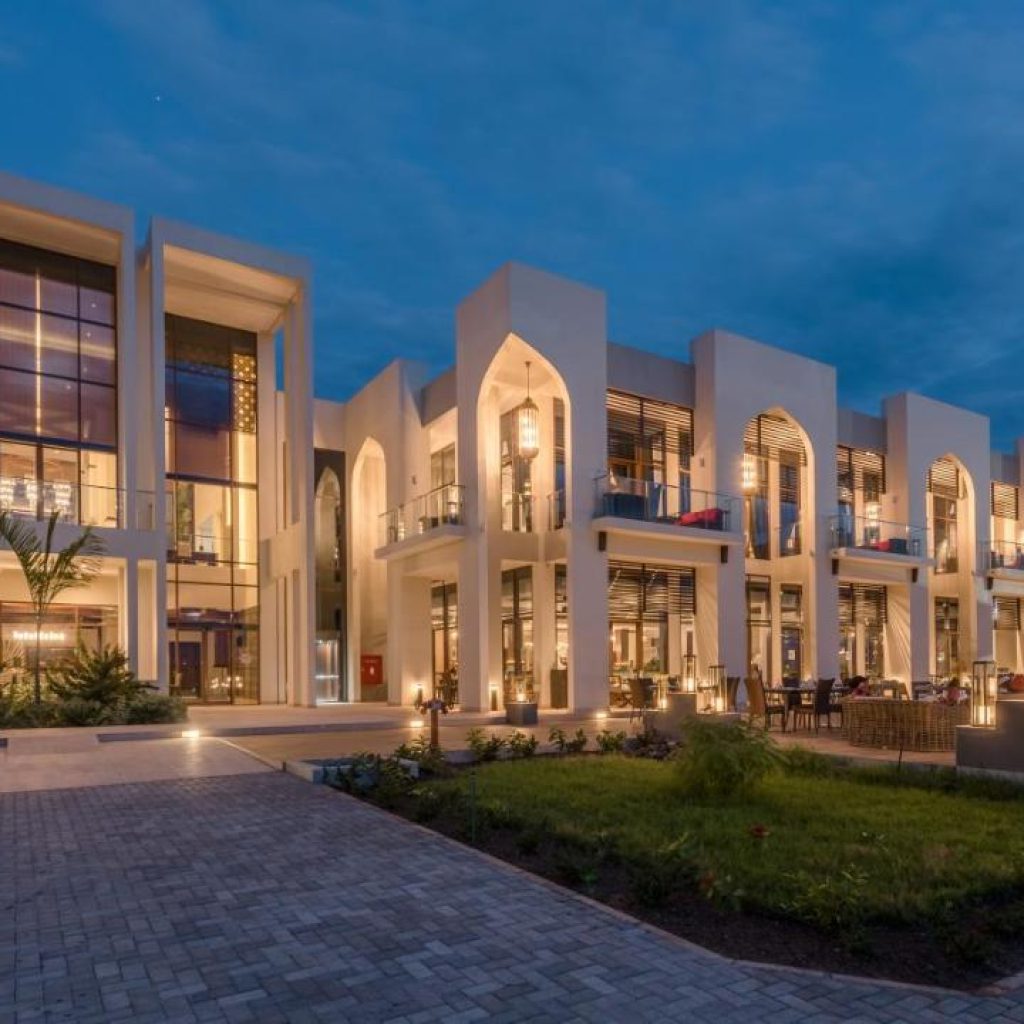
Park Hyatt Zanzibar Park Hyatt Zanzibar Featuring a seafront location in Zanzibar City, Park Hyatt Zanzibar offers an …

Melia Zanzibar Melia Zanzibar  A luxury exclusive high end Meliá Zanzibar 5* luxurious hotel – Wellbeing & Sustainability …

Arusha Coffee Lodge —- Arusha Coffee Lodge A boutique hotel located in Arusha, Tanzania, known for its unique …

Elewana The Manor Ngorongoro Elewana The Manor Ngorongoro A luxury boutique hotel located near the Ngorongoro Conservation Area …

Little Chem Chem Little Chem Chem A luxury safari lodge located in a private wildlife concession between Tarangire …

Chem Chem Lodge Chem Chem Lodge A luxury safari lodge located in a private wildlife concession between Tarangire …

Top 10 Destinations for African Safaris

Africa’s top 10 safari destinations offer unmatched wildlife and landscapes. Serengeti and Maasai Mara thrill with wildebeest migrations. Serengeti National Park teems with Big Five sightings. Lake Manyara National Park with water safaris, while Arusha National Park with vast, dry plains. Tarangire National Park offers walking safaris, and Ngorongoro Crater is a wildlife haven. Add Nyerengeti National Park for unique, off-the-beaten-path experiences. Each promises unforgettable adventure and raw, breathtaking beauty.

Everything You Need to Know About Arusha National Park. Arusha National Park features diverse landscapes like Mount Meru, …

Everything You Need to Know About Kilimanjaro National Park. Rising majestically from the plains of Tanzania, Mount Kilimanjaro …

Everything You Need to Know About Mkomazi National Park. In the shadow of the mighty Kilimanjaro, often overshadowed …

Why Should You Choose us for your Next African Safari Tours?

Diverse Destinations

Personalized service – A custom-designed luxury safari to match your travel style and dreams.

Value for Money

We offer high quality Tanzania private safaris 100% at affordable prices.

Beautiful Places

Amazing destinations travel to Africa. Serengeti, Kilimanjaro + Ngorongoro crater + Zanzibar Beach.

Fast Booking

All inquiries reply within 5′. Our travelers express 100% happiness on our African safaris.

Support Team

24/7 Customer Support team in Africa and in Tanzania while you travel.

Passionate Travel

Award-winning Travel expert for Tailor Made Safari including wildlife and Mountain.

Best to Visit Africa for African Safari Tours

The best time to visit Africa for safari tours is during the dry season, from June to October. Wildlife gathers around waterholes, making sightings easier and more dramatic. East Africa offers the Great Migration in July–September, while Africa’s parks shine with clear skies and vibrant game viewing. Shoulder months like May and November bring fewer crowds and lush scenery. Timing varies by region, but each season reveals a unique, unforgettable side of Africa’s wild beauty.

Discover the Charms of Tanzania in April: A Guide to Unveiling its Beauty. Tanzania, with its diverse landscapes, …

Tanzania in May: A Guide to Weather, Tips, and Adventures. May is a captivating time to visit Tanzania, …

Embracing the Tranquil Charm of Tanzania in June: A Comprehensive Guide. Tanzania, with its diverse landscapes, abundant wildlife, …

African Safari Tours Travel Guide – Parks, Best Time, Reviews & More

An African safari tour offers an unforgettable adventure through iconic parks like the Serengeti, Tarangire National Park. The best time to visit is during the dry season (June–October), when wildlife is most active. For an immersive experience, consider walking safaris in Tarangire or boat safaris in the Lake Manyara National Park. Reviews highlight the unique blend of thrilling game drives, luxury lodges, and breathtaking landscapes. Whether you’re a first-timer or a seasoned traveler, Africa’s parks promise awe-inspiring moments.

Imagine when most people envision an African safari, images of rugged adventures, long drives over bumpy terrain, and …

An African safari is more than a holiday—it’s a story you step into, one written in golden light, …

Yes, Tarangire National Park is absolutely worth visiting, especially for its massive elephant herds, iconic baobab trees, quieter …

African Safari Tours: Frequently Asked Questions (FAQs)

African safari FAQs cover timing (dry season, June-Oct best), packing (neutral colors, layers, walking shoes), health (malaria meds recommended, check visa/vaccines), safety (follow guides, insurance vital), costs (package includes most, bring USD for tips/souvenirs), and logistics (vehicles, accommodation types from budget to luxury, potential for internet/power). Key topics also include what wildlife (“Big 5”) to expect and activities beyond game drives.

What is the best time to go on an African safari?

The best time for an African safari depends on the region, but the dry season—typically from June to October—is ideal. Animals gather around water sources, making wildlife easier to spot, and vegetation is thinner for clearer views. These months also bring pleasant temperatures and minimal rainfall. However, the green season offers lush landscapes, fewer tourists, and lower prices, making it appealing for photographers and bird-watchers.

How long should an African safari last?

African safari typically lasts 5–10 days, offering sufficient time to explore multiple parks and enjoy a variety of wildlife experiences. Shorter trips of 3–4 days work well for a single reserve, while longer safaris allow deeper immersion, slower travel, and better chances of witnessing key animal sightings. The ideal duration depends on the destinations, travel distances, and your desired pace.

What animals can I expect to see on an African Safari tour?

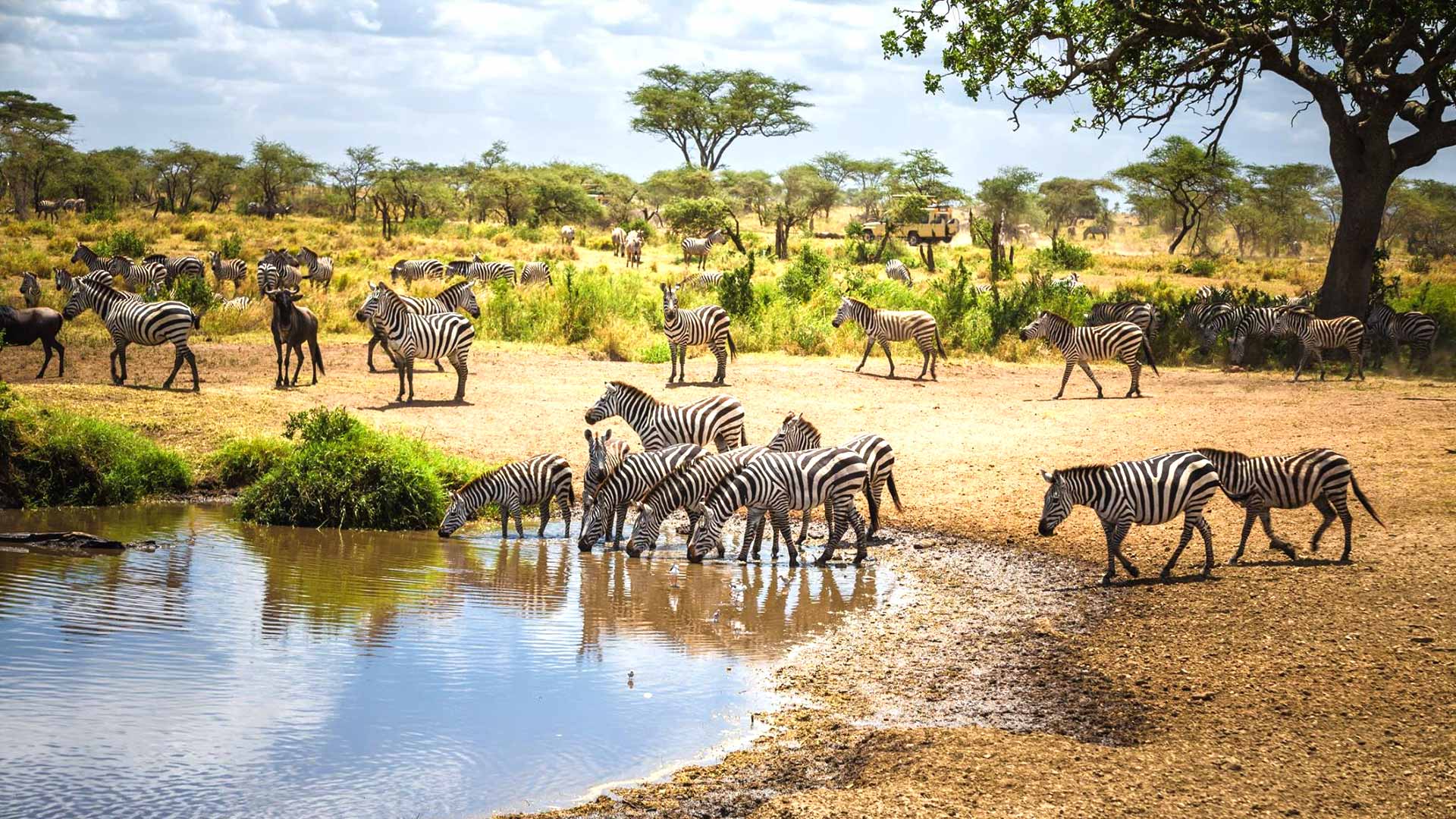
On an African safari tour, you can expect to see iconic wildlife, including lions, elephants, leopards, rhinos, and buffalo—collectively known as the Big Five. Depending on the region, you may also spot giraffes, zebras, cheetahs, hippos, wildebeests, hyenas, and countless antelope species. Birdlife is abundant, and in some areas, you can encounter primates like gorillas or chimpanzees. Each destination offers a unique ecosystem and a variety of animal sightings.

Is an African safari safe?

Yes, an African safari is generally safe when planned with reputable tour operators and experienced guides. Safari lodges and parks adhere to strict safety protocols, and guides are trained to handle wildlife encounters responsibly. Travelers are briefed on essential rules, such as staying in vehicles and avoiding sudden movements. While wildlife and nature carry inherent risks, following professional guidance ensures a secure and enjoyable experience.

What should I pack for an African safari?

For an African safari, pack lightweight neutral-colored clothing, a warm layer for cool mornings, comfortable walking shoes, and a wide-brimmed hat. Bring sunscreen, insect repellent, sunglasses, and a reusable water bottle. Essentials include binoculars, a camera, extra batteries, and personal medications. A small daypack and travel documents are also important. Many lodges offer laundry services, so you can pack light.

What types of safari accommodations are available for an African Safari?

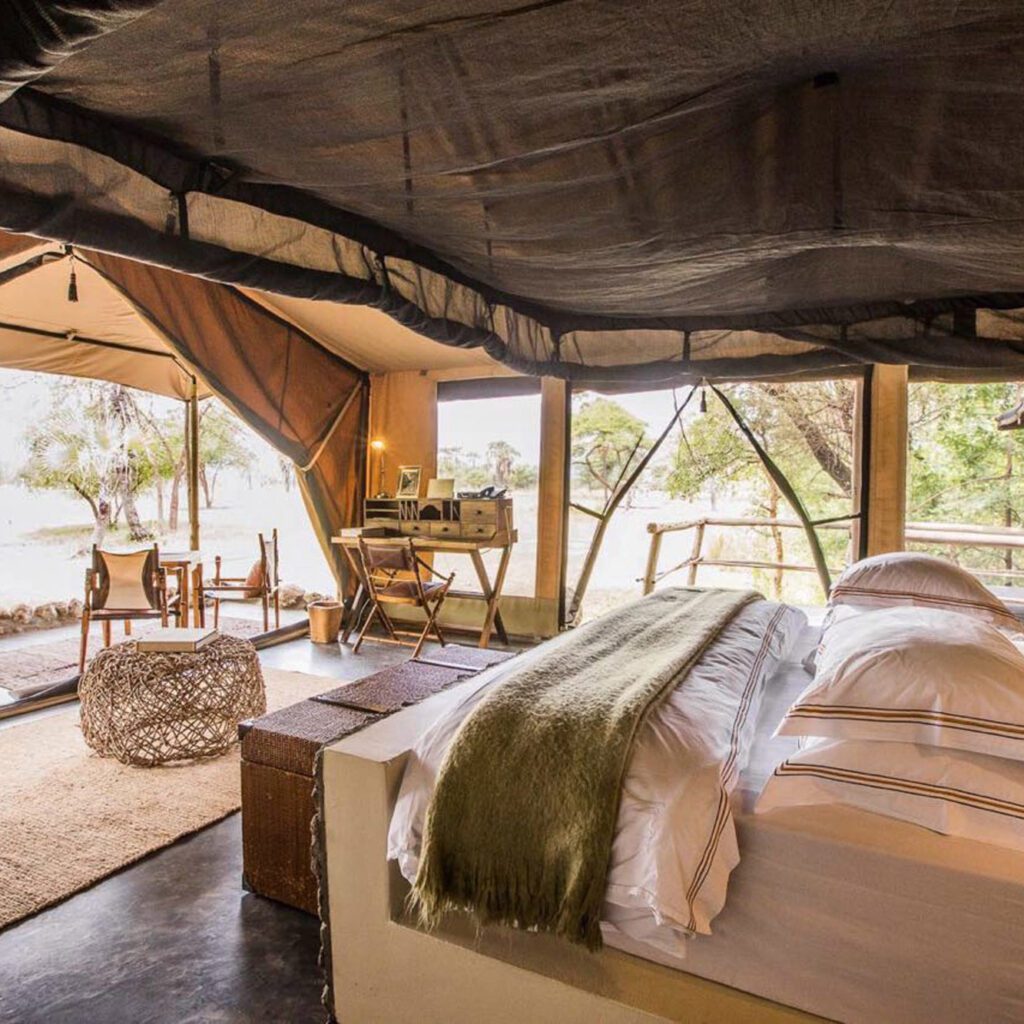
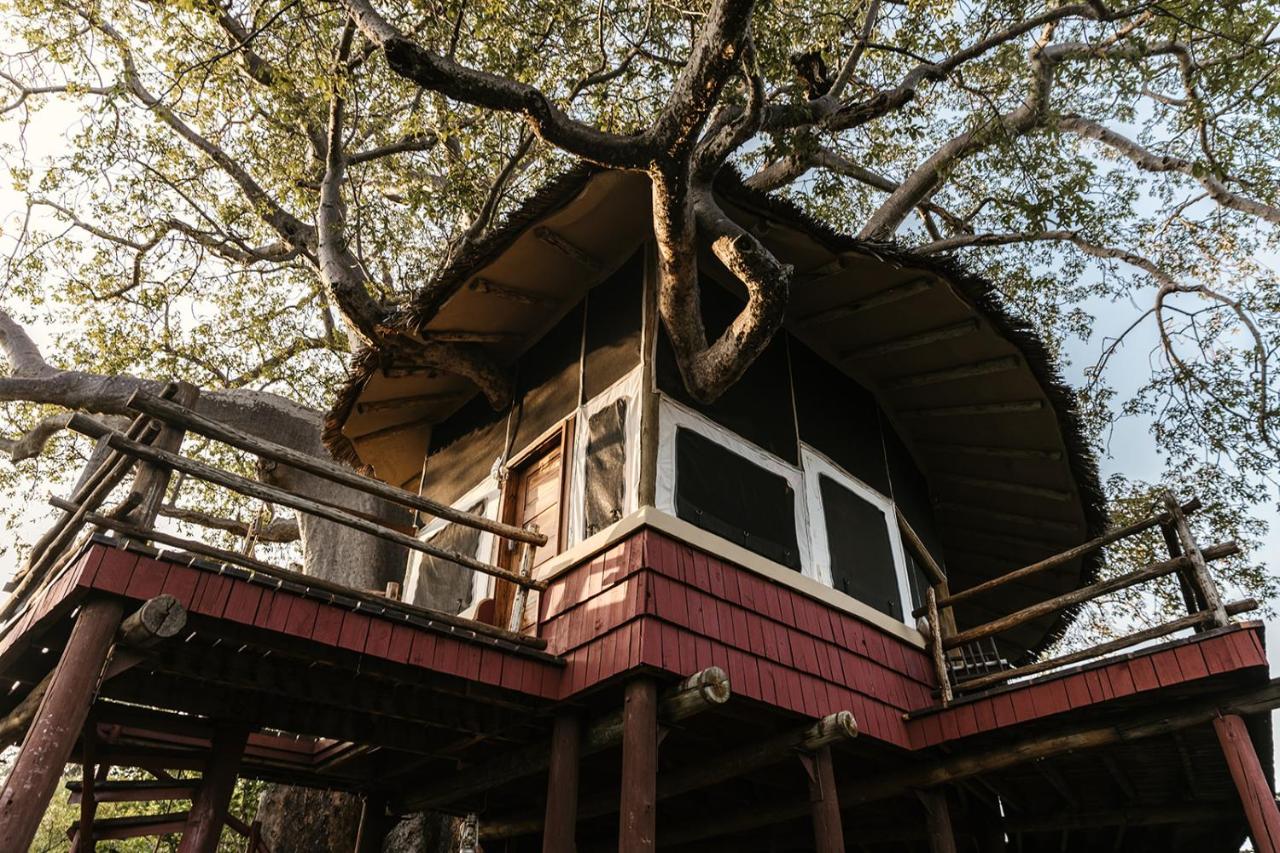
African safari accommodations range from luxury lodges and tented camps to eco-friendly bush camps and budget-friendly options. Luxury lodges offer full amenities, gourmet dining, and spacious rooms, while tented camps provide comfort with a closer-to-nature feel. Bush camps offer rustic charm and intimate wildlife experiences. Mobile camps follow migration patterns for prime game viewing. Each style caters to different comfort levels and budgets.

Is a visa required to visit African countries for a safari?

Visa requirements for African safari destinations vary by country and your nationality. Many popular safari countries—such as Kenya, Tanzania, and Uganda—require tourists to obtain a visa in advance or upon arrival. Others may offer visa-free entry or e-visas for certain passports. It’s essential to check the latest entry rules for each country you plan to visit and ensure your passport has sufficient validity and blank pages.

Are African safaris suitable for children or elderly travelers?

Yes, African safaris can be suitable for children and elderly travelers when planned thoughtfully. Many lodges offer family-friendly programs, shorter game drives, and child-specific activities. For seniors, comfortable vehicles, accessible accommodations, and slower-paced itineraries ensure an enjoyable experience. Choosing malaria-free areas and reputable operators enhances safety and comfort. Tailoring the safari to individual needs makes it a memorable trip for all ages.

How much does an African safari cost?

The cost of an African safari varies widely based on destination, season, and accommodation type. Budget safaris may start around $150–$300 per day, while mid-range trips range from $350–$700 per day. Luxury safaris can exceed $1,000 per day. Factors such as park fees, flights, guided tours, and lodge amenities influence the total price. Planning early and traveling in the shoulder season can help reduce costs.

What vaccinations or health precautions are needed for an African Safari Vacation?

Health precautions for an African safari typically include routine vaccinations plus recommended ones like hepatitis A, typhoid, and, in some regions, yellow fever. Malaria prevention is advised in many safari areas, so consult a healthcare provider for appropriate medication. Pack insect repellent, sunscreen, and a basic first-aid kit. Requirements vary by country, so always check current health guidelines before traveling.

Can I customize my African safari itinerary?

Yes, African safari itineraries can be fully customized to suit your interests, budget, and schedule. Travelers can choose specific parks, wildlife experiences, accommodations, and activity levels. Options include private guided tours, tailored game drives, walking safaris, and cultural visits. Customization ensures a personalized experience, allowing you to focus on preferred wildlife, photography, or leisure time, creating a safari perfectly aligned with your travel goals.

What activities are included on an African Safari besides game drives?

Besides game drives, African safaris offer activities like guided walking safaris, hot air balloon rides, boat safaris, and cultural village visits. Guests can enjoy birdwatching, night drives, photography workshops, and bush dinners. Some lodges provide wellness experiences, such as spa treatments and yoga, while others offer educational talks on wildlife and conservation. These activities enhance the safari experience, providing diverse ways to explore nature and local culture beyond traditional wildlife viewing.

How physically demanding is an African safari?

The physical demands of an African safari vary by type and itinerary. Traditional game drives are low-impact, requiring minimal walking and mostly sitting in vehicles. Walking safaris, hiking, or camping experiences are more active and may require moderate fitness. Early mornings and long drives can be tiring, but most safaris are designed for comfort. Travelers with mobility concerns can choose accessible lodges and tailored activities to enjoy wildlife safely and comfortably.

Do I need travel insurance for an African safari?

Yes, travel insurance is highly recommended for an African safari. It provides coverage for medical emergencies, trip cancellations, lost luggage, and unexpected travel changes. Some policies also cover emergency evacuations in remote areas, which are common during safaris. Given the unpredictable nature of wildlife trips, harsh terrains, and long-distance travel, insurance ensures peace of mind and financial protection, allowing you to fully enjoy your safari adventure without unnecessary risks.

How environmentally friendly are African safaris?

African safaris can be environmentally friendly when operated sustainably. Many lodges and tour companies follow eco-conscious practices, including wildlife conservation, responsible waste management, and supporting local communities. Low-impact accommodations, solar energy, and guided activities minimize ecological disruption. Choosing certified eco-lodges and ethical operators helps protect habitats and endangered species. Sustainable safaris allow travelers to experience wildlife while contributing to conservation efforts and preserving Africa’s natural beauty for future generations.

The ultimate guides for an African safari Tours

The ultimate guide to African safari tours covers choosing the best destinations, understanding wildlife seasons, and selecting accommodations that match comfort and budget. It includes planning ideal itineraries, essential packing tips, health and safety precautions, and visa requirements. Expert advice on guided activities, photography, and cultural experiences enhances the journey. With practical tips and insider knowledge, this guide ensures travelers maximize wildlife sightings, enjoy safe adventures, and create a memorable, seamless safari experience across Africa.

East African Safari: High Season vs. Low Season

East African safaris vary by season. The high season, typically June to October, offers dry weather, excellent wildlife sightings, and the Great Migration, but comes with higher prices and more tourists. The low or green season, from November to May, features lush landscapes, fewer visitors, and lower costs, though rain can make some roads challenging and wildlife less concentrated. Each season offers unique experiences, allowing travelers to balance comfort, cost, and wildlife viewing preferences.

How to Plan an African safari Tour?

Planning an African safari involves choosing destinations, parks, and the best travel season for wildlife viewing. Decide on accommodations, from luxury lodges to tented camps, and select activities like game drives, walking safaris, or cultural visits. Arrange flights, visas, vaccinations, and travel insurance. Pack appropriately, including neutral clothing, sun protection, and binoculars. Working with a reputable tour operator or guide ensures safety, smooth logistics, and a personalized itinerary for a memorable and stress-free safari experience.

How to Book an African safari Tour?

Booking an African safari involves researching destinations, parks, and safari operators to match your interests and budget. Decide on travel dates, accommodations, and activities, then contact reputable tour companies or use online platforms to reserve your trip. Confirm flights, visas, vaccinations, and travel insurance. Review cancellation policies and payment terms carefully. Working with experienced guides ensures personalized planning, seamless logistics, and a safe, unforgettable safari experience tailored to your preferences.

Climbing Kilimanjaro - Summit Mount Kilimanjaro Tours

Lemosho Route 7 days Itinerary, Prices & Dates, What Is The Best Down Jacket For Climbing Kilimanjaro? 10 Reasons Why You Can't Climb Mt Kilimanjaro in a Day, Kilimanjaro Experience | Highest Mountain in Africa, Oldest Person To Climb Kilimanjaro, Best Tour Operators in Tanzania, 6 Days Shira route, How high is Mount Kilimanjaro? Everything you need to know, The 10 Biggest Misconceptions About Climbing Kilimanjaro, Do I Need a Camp Pillow for Climbing Kilimanjaro, Kilimanjaro Climb and Safari Packages, How To Prepare For Climbing Mount Kilimanjaro, Food on Kilimanjaro, Which is Harder Inca Trail or Kilimanjaro? Kilimanjaro Inspiring Stories, Natural Foods and Supplements, Kilimanjaro Books That Transport You To The Roof Of Africa, Climbing Kilimanjaro in September, Why do prices differ between Kilimanjaro tour operators?, It is Important to Find Good Footwear for Kilimanjaro, What Plants and Trees Will I See on Mount Kilimanjaro?, How To Stay Warm On The Summit Of Kilimanjaro?, What is the Best Sleeping Bag for Climbing Kilimanjaro?, Kilimanjaro Base Camp and Campsites by Route, Is Mount Kilimanjaro Easy to Climb?, Why Mount Kilimanjaro Must Be in Your Bucket List, Eight Steps to Make Climbing Kilimanjaro Easier, effective ways of preparing for Kilimanjaro climb, Kilimanjaro now has high-speed internet, Why Kilimanjaro is a Natural Wonder, Where to Stay on Machame Route, How Climbing Mount Kilimanjaro Changed Travelers’ perspective on Life?, Mount Kenya vs Kilimanjaro

Best Time for an Unforgettable Serengeti Safari

Climbing Mount Kilimanjaro involves selecting a route, preparing for the altitude and physical demands, and hiring a guide and outfitter. Most successful climbs are 7 to 8 days long to allow for proper acclimatization. Popular routes include Lemosho and Machame, while the Northern Circuit offers longer, more scenic ascents. Key factors for a successful climb are choosing a longer itinerary (7-8 days), proper acclimatization, and following your guide’s instructions.

Kilimanjaro For Beginners - Climbing Guide for First Timers

For beginners climbing Kilimanjaro, focus on slow pacing (“pole pole”), hydration (3-4L/day), proper layering, and choosing longer routes like Lemosho or Machame for better acclimatization, as altitude is the main challenge, not technical difficulty. Listen to your expert guide, eat well, rest, and watch for altitude sickness symptoms (headache, nausea) to ensure a safer, more successful summit attempt.

Introduction to Climbing Mount Kilimanjaro

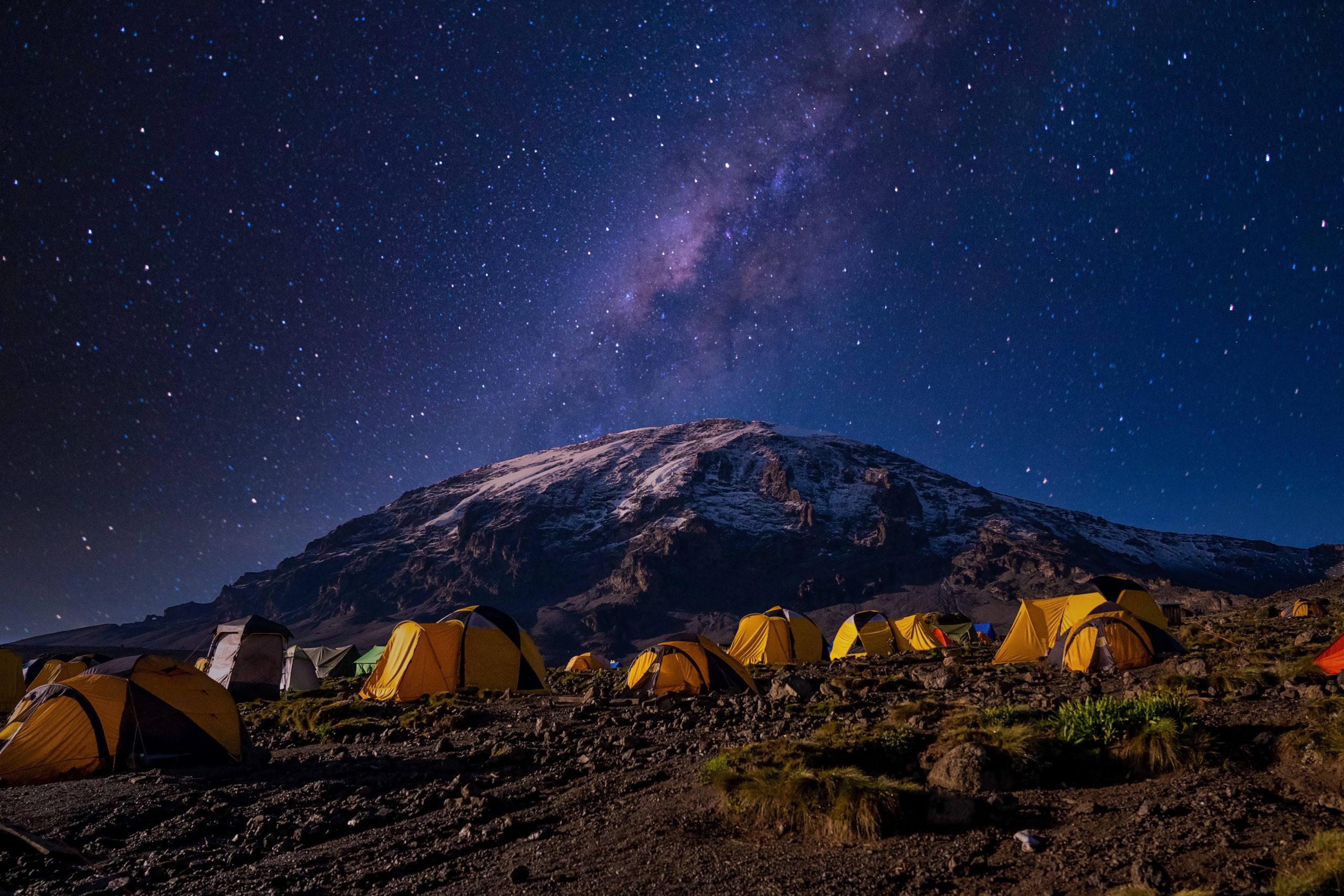
Climbing Mount Kilimanjaro, Africa’s highest peak, is a challenging but achievable high-altitude trek requiring good fitness, not technical skills, focusing on endurance and acclimatization. Key to success is a slow pace (“pole pole”), hydration, choosing longer routes (like Lemosho or Machame) for better adjustment, and proper gear, as climbers ascend through diverse ecozones and face extreme cold, making preparation crucial for reaching the summit.

What I wish I knew before climbing Kilimanjaro

Climbing Kilimanjaro is tough but achievable; key lessons are prioritizing acclimatization (slow “pole-pole” pace, longer routes), recognizing altitude sickness affects everyone (fitness doesn’t prevent it), realizing summit night is brutal (cold, dark, long), and having the right gear (broken-in boots, layers, pee bottle). Mental toughness, good guides/porters, smart packing (avoid cotton), and embracing the unique camp life (cold, little sleep, constant peeing) are crucial for success.

How dangerous is climbing Kilimanjaro

Climbing Mount Kilimanjaro carries inherent risks, but with proper preparation and an experienced guide, it is considered a relatively safe, non-technical trek for the average active person. The main dangers are primarily related to high altitude, not technical climbing skills.

Add on Activities while on an African Safari

African Safari Night Game Drives · Best Seller · Top Rated Operator —- A night game drive in …
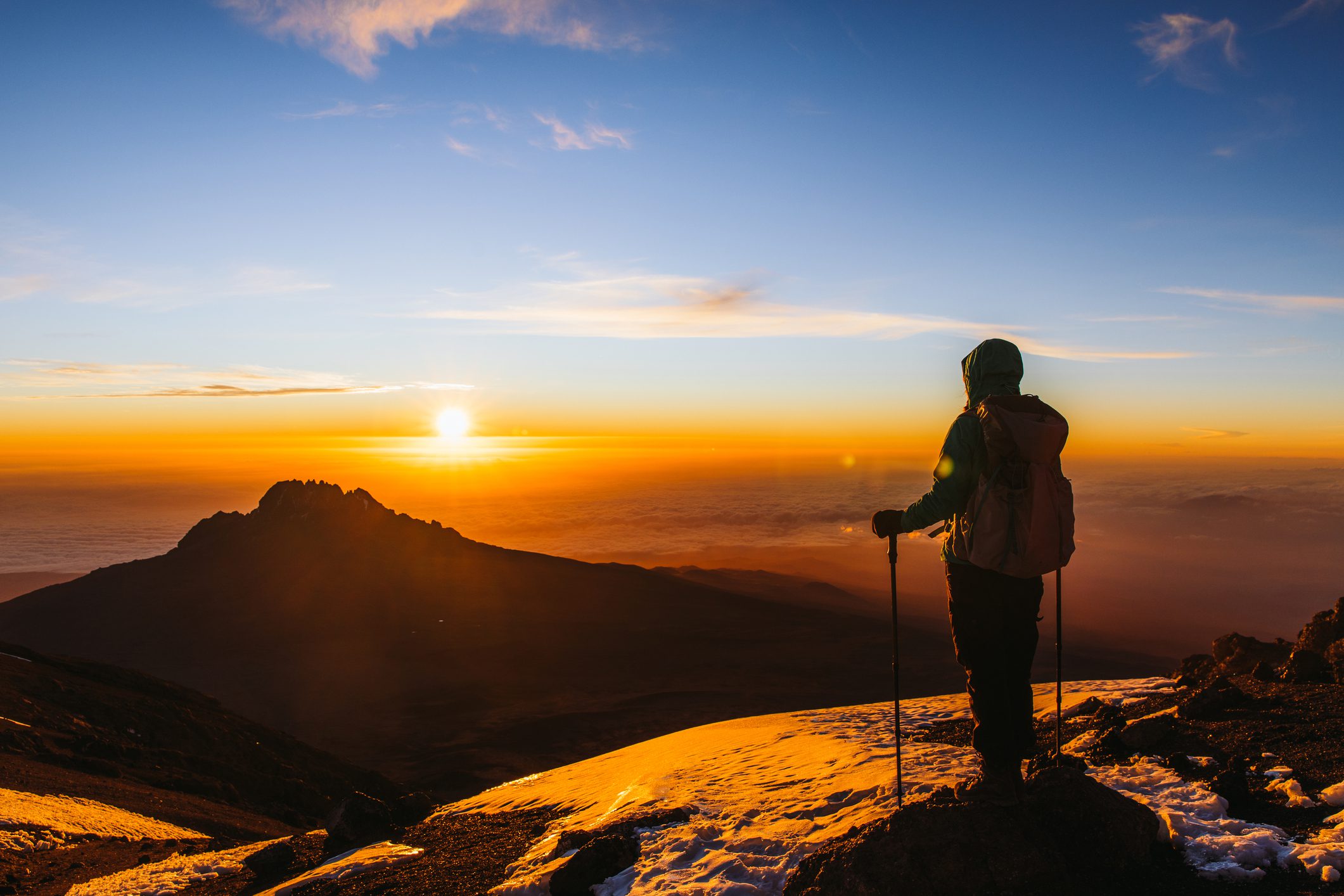
Hiking and Climbing Adventures in Tanzania —- Mountain climbing in Tanzania offers an unforgettable adventure through some of …
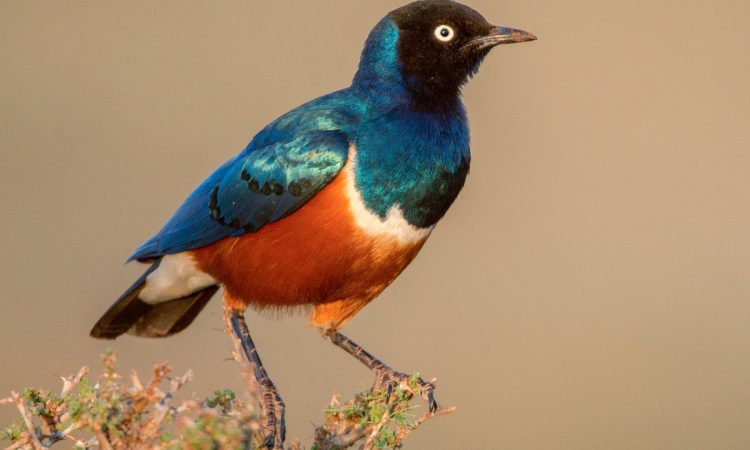
African Birding Tours Offered by Reputable Tour Operators —- Tanzania Bird Watching Safaris offer an unforgettable experience for …