
Mikumi National Park Weather & Climate
Mikumi National Park lies in a low-altitude basin at roughly 500 metres above sea level, giving it a warm tropical climate typical of Tanzania's southern safari circuit rather than the cooler air found in the northern highlands. The park follows two clearly defined seasons: a long, dependable dry season from June through October, when mornings stay cool and crisp but afternoons turn hot and dusty, and a wetter half of the year split into short rains from November to December and heavier long rains from March to May. The long rains transform Mikumi's Mkata floodplain into a lush, green landscape rich with birdlife, though some tracks can turn muddy or briefly impassable. Understanding this rhythm helps travelers choose between crisp dry-season game drives and dramatic, verdant green-season scenery.
Mikumi Seasons at a Glance
Dry Season
Cool, crisp mornings give way to hot, dusty afternoons under clear skies. Rainfall is minimal, vegetation thins across the Mkata floodplain, and wildlife concentrates around permanent water sources for the most reliable game viewing of the year.
Short Rains
Brief, often afternoon showers refresh the landscape without disrupting most safari activities. Humidity begins to build, the bush starts greening again, and visitor numbers thin out noticeably compared to the peak dry-season months.
Long Rains
The wettest, most humid stretch of the year, peaking in April, turns Mikumi into a lush green landscape with dramatic skies and excellent birdwatching. Some floodplain tracks can become muddy or briefly impassable.
Hottest Months
Warm, humid days and balmy nights mark the hottest stretch of the year, overlapping the tail of the short rains and the build-up to the long rains. Afternoon storms are possible but rarely last long.
Mikumi National Park Monthly Climate Guide
| Month | Avg High °C | Avg Low °C | Rainfall mm | Notes |
|---|---|---|---|---|
| Jan | 30°C / 86°F | 20°C / 68°F | 160mm | Hot and humid, short rains tapering off |
| Feb | 31°C / 88°F | 20°C / 68°F | 130mm | Hottest month, scattered afternoon storms |
| Mar | 30°C / 86°F | 20°C / 68°F | 190mm | Long rains begin, landscape turns lush green |
| Apr | 28°C / 82°F | 19°C / 66°F | 220mm | Peak rainfall, some floodplain tracks may flood |
| May | 28°C / 82°F | 19°C / 66°F | 90mm | Rains taper off, scenery still lush and green |
| Jun | 27°C / 81°F | 18°C / 64°F | 15mm | Dry season begins, cool and crisp mornings |
| Jul | 27°C / 81°F | 18°C / 64°F | 5mm | Coolest month, clear skies almost every day |
| Aug | 28°C / 82°F | 18°C / 64°F | 5mm | Dry and dusty, excellent visibility for game drives |
| Sep | 29°C / 84°F | 19°C / 66°F | 10mm | Warming up, wildlife clusters around waterholes |
| Oct | 31°C / 88°F | 20°C / 68°F | 20mm | Hot and dry, driest month before the short rains |
| Nov | 31°C / 88°F | 20°C / 68°F | 90mm | Short rains begin, humidity starts rising |
| Dec | 30°C / 86°F | 20°C / 68°F | 130mm | Warm and humid, intermittent afternoon storms |
Plan Your Mikumi Safari
Trip Length
Comfort Level
Safari Style
Operator Rating
Specialized Tours
Filter by Operator
Other Tour Features
Mikumi Safari Packages for Every Season
Hand-picked southern circuit itineraries featuring Mikumi National Park, tailored privately by Foot Slopes Tours and Safaris.
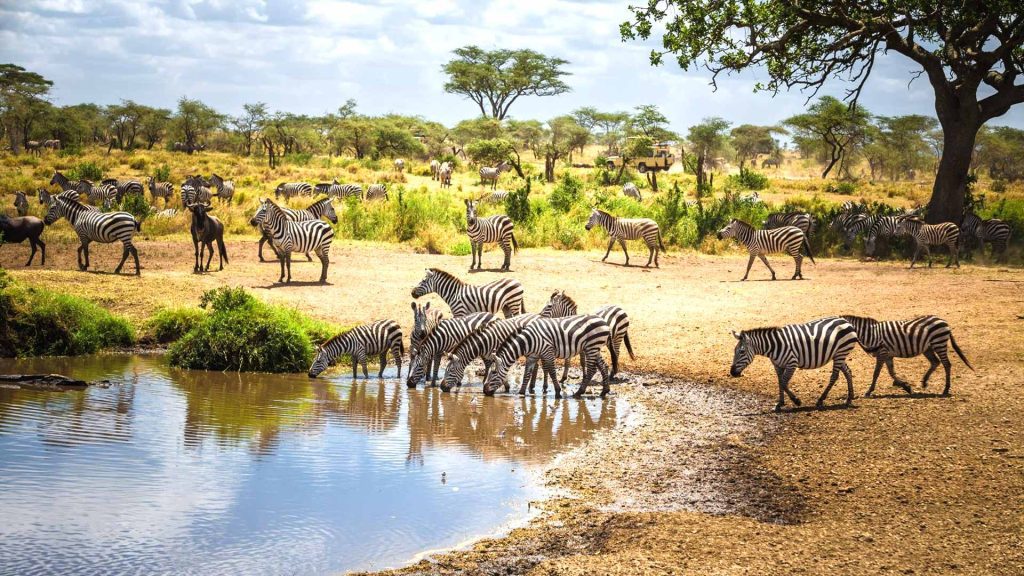
6-Day Tanzania Southern Circuit Safari
A six-day fly-in safari linking Nyerere's Rufiji River boat safaris with Ruaha's vast wilderness.
View Package →
11-Day Best Of Southern Tanzania Safari
An eleven-day journey through Nyerere, Mikumi, Udzungwa, and Ruaha's finest southern-circuit wildlife.
View Package →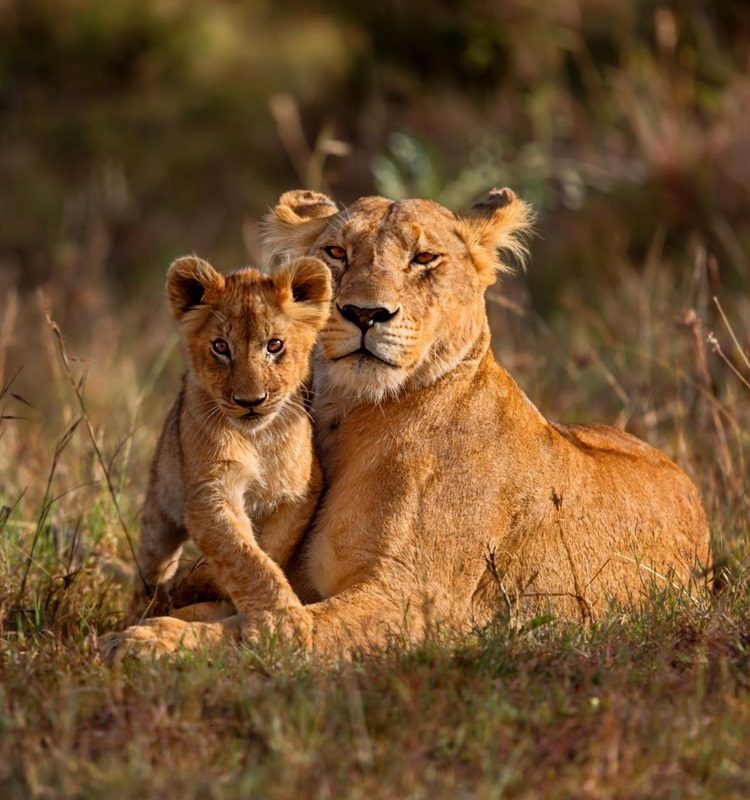
7-Day Southern Tanzania Safari
A seven-day circuit through Nyerere, Mikumi, and the Udzungwa Mountains' rainforest and wildlife.
View Package →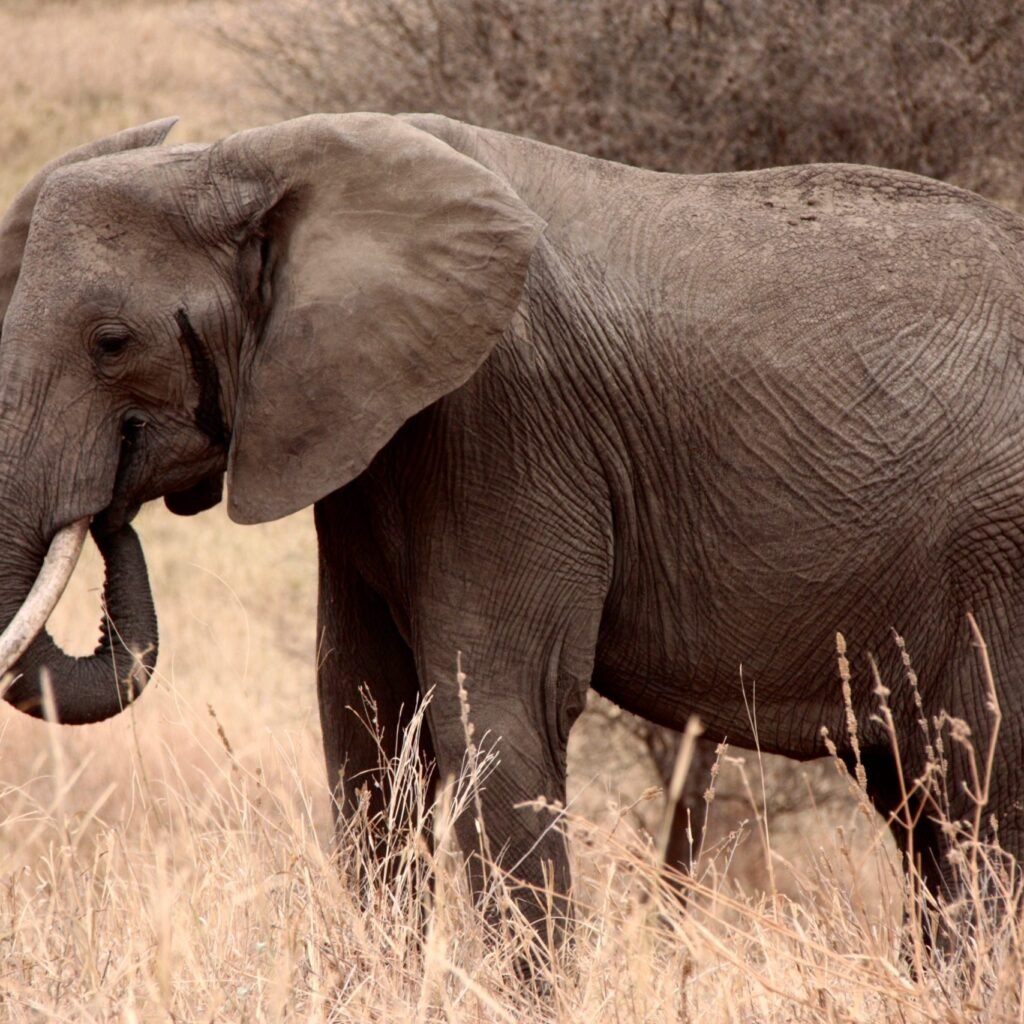
7-Day Tanzania off the Beaten Track Safari
A seven-day safari exploring quieter parks away from the crowds.
View Package →
8-Day Authentic Tanzania Safari Tours
An authentic eight-day safari experience across classic Tanzania destinations.
View Package →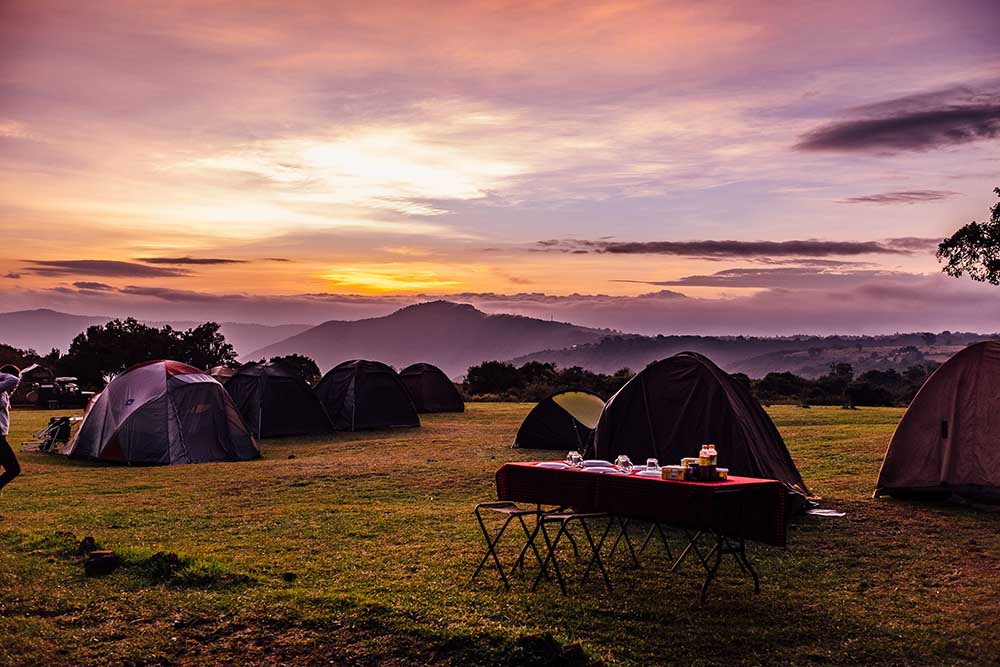
8-Day Remarkable Tanzania Safari
An eight-day journey across Tanzania's most remarkable wildlife areas.
View Package →
7-Day Tanzania Budget Camping Safari
A budget-friendly seven-day camping safari without compromising on wildlife.
View Package →11-Day Tanzania Safari for solo travelers
An eleven-day itinerary designed specifically for solo safari travelers.
View Package →Mikumi National Park Planning Guides
Mikumi National Park Weather & Climate FAQ
What is the weather like in Mikumi National Park?
Mikumi National Park has a warm, tropical climate typical of Tanzania's low-altitude southern safari circuit, sitting at roughly 500 metres above sea level within the Mkata floodplain basin. Daytime temperatures generally range from 27-31°C (81-88°F) year-round, with cooler nights and mornings, especially during the dry season. Rather than four distinct seasons, Mikumi follows a two-part rhythm: a long dry season from June to October with clear skies and dusty conditions, and a wetter half of the year split into short rains (November-December) and heavier long rains (March-May), the latter bringing lush green scenery and occasional muddy roads.
When is the dry season in Mikumi National Park?
Mikumi's dry season runs from June through October, with July and August typically the coolest, clearest months and September-October building toward the hottest, dustiest stretch of the year. Daytime highs during this period average 27-31°C (81-88°F), while early mornings can dip to a crisp 18°C (64°F), especially in June and July. Rainfall is minimal to negligible, vegetation thins out across the Mkata floodplain, and wildlife concentrates tightly around permanent water sources, making this the most reliable and popular window for game drives. Roads stay firm and accessible throughout, with clear skies for photography almost every day.
When is the wet season in Mikumi National Park?
Mikumi's wet season spans November through May, split into two distinct rainy periods rather than one continuous stretch. Short rains fall from November to December in brief, often afternoon showers, followed by a short lull in January and February before the long rains arrive from March through May, peaking in April. Daytime temperatures stay warm at 28-31°C (82-88°F) throughout, with rising humidity as the rains intensify. The long rains transform the park into a lush, green landscape with dramatic skies and excellent birdwatching, though some low-lying tracks near the Mkata floodplain can become muddy or temporarily impassable.
What are the average temperatures in Mikumi National Park?
Average daytime temperatures in Mikumi National Park range from about 27°C (81°F) during the cooler dry-season months of June and July to 31°C (88°F) during the hotter months of February and October-November. Nighttime and early-morning lows typically fall between 18-20°C (64-68°F) year-round, occasionally dipping a degree or two cooler on clear June and July mornings. Because Mikumi sits at a relatively low elevation of around 500 metres, it stays noticeably warmer than higher-altitude parks like the Serengeti or Ngorongoro Crater. Light layers for cool mornings and breathable clothing for warm afternoons work well year-round.
How much rainfall does Mikumi National Park receive?
Mikumi National Park receives roughly 800-900mm of rainfall annually, concentrated mainly in two wet periods. The short rains of November and December typically bring around 90-130mm per month in scattered afternoon showers, while the long rains from March to May are far heavier, peaking in April at around 220mm. By contrast, the dry season months of June through September receive almost no rainfall at all, often under 15mm combined across the entire stretch. This strong seasonal contrast shapes both the landscape, cycling between lush green and dry gold, and the wildlife viewing conditions travelers can expect at different times of year.
What are the hottest and coolest months in Mikumi National Park?
February is typically Mikumi's hottest month, with daytime highs averaging around 31°C (88°F) and warm, humid nights, closely followed by October and November as the dry season builds toward its peak heat. July is generally the coolest month, with daytime highs around 27°C (81°F) and early mornings dropping to a refreshingly crisp 18°C (64°F) or slightly below. Because Mikumi sits at a low elevation, even its coolest month stays mild rather than cold, so warm clothing is rarely essential. Travelers sensitive to heat often prefer visiting in June, July, or August for the most comfortable conditions.
Is Mikumi National Park humid?
Mikumi National Park is moderately humid overall, with humidity levels rising and falling noticeably by season rather than staying constant year-round. During the dry season from June to October, humidity is relatively low, air feels crisp in the mornings, and conditions stay comfortable even as afternoon temperatures climb. Humidity increases significantly during the wet season, particularly through the long rains from March to May, when moisture-laden air combines with warm temperatures to create a noticeably sticky, tropical feel, especially near the Mkata floodplain. Lightweight, breathable, quick-drying fabrics are recommended for wet-season travel to stay comfortable throughout the day.
What should I pack for a Mikumi safari?
Pack lightweight, breathable clothing in neutral safari colors for warm days, plus a light fleece or jacket for cool dry-season mornings and evenings, particularly in June and July. A wide-brimmed hat, sunglasses, and high-SPF sunscreen are essential given Mikumi's strong equatorial sun, while insect repellent and long sleeves help guard against mosquitoes, especially around dawn and dusk. Wet-season travelers, especially March through May, should add a compact rain jacket, quick-drying fabrics, and closed waterproof shoes for muddy tracks. Binoculars, a camera, and a reusable water bottle round out a practical packing list for any season at Mikumi.
Are roads passable during the wet season in Mikumi National Park?
Most main roads and the primary highway bordering Mikumi remain passable year-round, but some internal game-drive tracks, particularly low-lying routes across the Mkata floodplain, can become muddy, rutted, or temporarily impassable during the heaviest long rains from March to April. Well-maintained 4x4 safari vehicles handle typical wet-season conditions without major issue, though driving times may lengthen and certain routes get rerouted after heavy storms. Short-rains travel in November and December generally poses fewer access problems, since showers tend to be brief. Experienced local operators monitor road conditions closely and adjust routes accordingly for a smooth trip.
Is Mikumi a good year-round safari destination?
Yes, Mikumi National Park is a genuinely good year-round safari destination, offering rewarding wildlife viewing in every season thanks to its resident game populations and easy accessibility from Dar es Salaam. The June-to-October dry season delivers the most reliable game viewing, with animals concentrated around the Mkata floodplain's water sources and firm roads throughout. The wetter months from November to May bring lush scenery, newborn wildlife, exceptional birdwatching, and noticeably fewer tourists, along with lower accommodation rates. The main trade-off during the long rains is occasional road difficulty and reduced visibility during storms, which most travelers find manageable.
When is the best time to visit Mikumi National Park for game viewing?
The best time for game viewing in Mikumi National Park is during the dry season from June to October, when thinning vegetation and concentrated water sources make wildlife far easier to spot along the Mkata floodplain. September and October are especially productive, as animals cluster tightly around the remaining waterholes just before the short rains begin. That said, the green season from December to March also offers strong game viewing alongside dramatic scenery, newborn animals, and outstanding birdlife, making it a worthwhile alternative for travelers who prioritize lush landscapes and lighter crowds over maximum animal visibility.
Does it rain every day during Mikumi's wet season?
No, it does not rain every day during Mikumi's wet season, even at the peak of the long rains in March and April. Rainfall typically arrives in concentrated bursts, often as afternoon or overnight thunderstorms, followed by clear or partly sunny stretches that still allow for productive game drives. The short rains from November to December are usually lighter and more intermittent, sometimes lasting just an hour or two before skies clear again. Travelers should expect a mix of sunshine and rain during wet-season visits rather than continuous downpours, with safari activities generally continuing around the weather rather than being cancelled.
Is Foot Slopes Tours and Safaris experienced planning safaris to Mikumi National Park?
Yes, Foot Slopes Tours and Safaris has extensive experience crafting safaris to Mikumi National Park and the wider Tanzania safari circuit, combining strong relationships with local camps and guides with genuine, first-hand knowledge of how Mikumi's seasonal weather patterns affect road conditions, wildlife viewing, and overall trip comfort. This experience translates into itineraries that account for heat, humidity, and rainfall from the planning stage onward, so travelers receive guidance grounded in real regional knowledge rather than generic recommendations. Whether visiting during the dry or wet season, the team tailors routes and timing to match current conditions on the ground.
Does Foot Slopes Tours and Safaris adjust itineraries around Mikumi's weather and road conditions?
Yes, Foot Slopes Tours and Safaris builds flexibility into every Mikumi itinerary, adjusting routes, activity timing, and camp choices around current rainfall and road conditions rather than relying on a rigid, one-size-fits-all schedule. If heavy rains affect access to certain floodplain tracks or a preferred route becomes temporarily difficult, the team proactively suggests suitable alternatives so the safari experience stays smooth and rewarding throughout the trip. This hands-on, adaptive planning approach reflects the company's broader commitment to matching each traveler with an itinerary and season that genuinely suits their interests, comfort level, and travel dates.
What support does Foot Slopes Tours and Safaris provide before and during a Mikumi trip?
Foot Slopes Tours and Safaris provides personalized pre-trip guidance on packing, timing, and what to expect from Mikumi's warm, seasonal climate, helping travelers arrive fully prepared regardless of when they visit. During the trip itself, the team stays available to handle weather-related adjustments, from shifting activity times around midday heat to coordinating alternate routes if rain affects floodplain tracks. This continuous, responsive support, paired with experienced local guides who know Mikumi's terrain and seasonal patterns well, gives travelers confidence their safari will run smoothly and comfortably no matter which time of year they choose to travel.
How far in advance should I book a Mikumi safari with Foot Slopes Tours and Safaris?
Booking a Mikumi safari with Foot Slopes Tours and Safaris three to six months in advance is recommended, particularly for travel during the popular June-to-October dry season, when camp availability and preferred game-drive routes tend to fill up faster. Wet-season trips, especially during the short rains of November and December or the tail end of the long rains in May, generally allow more booking flexibility and often come with more attractive rates. Whatever the timing, booking early with Foot Slopes Tours and Safaris ensures access to preferred camps, smooth logistics, and an itinerary properly matched to seasonal conditions.
Why should I book my Mikumi safari with Foot Slopes Tours and Safaris rather than another operator?
Foot Slopes Tours and Safaris stands out for its locally based expertise, personalized itinerary planning, and genuine responsiveness before, during, and after every Mikumi safari. Rather than offering generic, one-size-fits-all packages, the team builds each trip around a traveler's dates, interests, and comfort level, while factoring in Mikumi's seasonal weather and road conditions from the outset. Direct communication with owner-level staff, strong relationships with trusted camps and guides, and a track record of five-star traveler reviews further set the company apart. Travelers consistently highlight the smooth logistics and thoughtful planning that come with booking directly with Foot Slopes Tours and Safaris.
Plan Further: Mikumi National Park Guides & Resources
Explore Mikumi National Park
Plan Your Mikumi National Park
Tell us your dates, style, and preferred parks, and we will build the perfect itinerary around you.
Book Now Online →What Our Travelers Say
Real 5-star reviews from guests who traveled with us
Our Private African luxury Safari experience with Foot Slopes Tours and Safaris was nothing short of exceptional. From the very beginning, owner Gabriel was incredibly responsive, making the entire booking process smooth and stress-free. Gabriel went above and
We had an incredible private safari experience with Foot Slopes Tours and Safaris. Their office staff was very helpful and informative, and they communicated very well. Our pick-ups to and from the airport were on time and hassle-free, an unforgettable Safari
Foot Slopes Tours and Safaris is truly one of the best local tour companies in Tanzania. From start to finish, their service was professional, reliable, and personalized. The team went above and beyond to make sure every detail of our trip was perfect. Our saf
Our family chose Foot Slopes Tours and Safaris for a custom 11-day safari itinerary, and we couldn’t be happier with our choice! Everything from our initial inquiry to building our custom itinerary to pre-departure and on-trip support was top quality. Communic