
Lake Natron
Lake Natron is a shallow, blood-red soda lake tucked into Tanzania's Great Rift Valley in the country's far north, just south of the Kenyan border and beneath the active volcano Ol Doinyo Lengai. Fed by mineral-rich hot springs and the Ewaso Ngiro River, its water has nowhere to drain, so intense evaporation concentrates sodium carbonate salts into a caustic solution that can reach a pH of 10.5, strong enough to calcify the carcasses of birds that land on its crusted shore. Extraordinary salt-loving algae and microorganisms color the water crimson and pink, and the same harsh chemistry that deters predators makes Lake Natron the only regular breeding ground in East Africa for the Lesser Flamingo, hosting roughly 2.5 million birds. Remote, rugged and largely untouched by mass tourism, Lake Natron draws adventure travelers for its otherworldly landscapes, the challenging overnight Ol Doinyo Lengai summit trek, and the cool Ngare Sero waterfalls hidden in the escarpment nearby.
Lake Natron at a Glance
Key facts for planning your visit to East Africa's great caustic soda lake
June – October (Dry Season)
Best Time to Visit
Up to pH 10.5
Lake pH
~600m
Elevation
Ol Doinyo Lengai Volcano
Nearby Landmark
Lesser Flamingo Breeding Ground
Known For
1–3 Days
Typical Visit Length
Highlights of Lake Natron
What makes this remote soda lake one of northern Tanzania's most extraordinary adventure destinations
The Red Caustic Lake
Lake Natron's shallow waters can reach a scorching pH of 10.5, concentrated by constant evaporation into one of the world's most caustic lakes. Salt-loving algae and microorganisms tint the surface deep crimson and pink, while the alkaline crust calcifies anything left too long on the shoreline, creating one of Africa's strangest, most photogenic landscapes.
Millions of Lesser Flamingos
Lake Natron is the only regular breeding site in East Africa for the Lesser Flamingo, hosting an estimated 2.5 million birds. Its caustic water keeps predators away from nesting islands, giving eggs and chicks rare protection while adults filter-feed on the algae that color the lake red.
Explore Lake Natron Wildlife →Ol Doinyo Lengai Volcano Trek
Rising just south of the lake, the active volcano Ol Doinyo Lengai, Maasai for Mountain of God, is the only volcano on Earth erupting unusual black carbonatite lava. Fit travelers can join a demanding overnight climb to its crater rim for sunrise, one of northern Tanzania's toughest treks.
View Lake Natron Tours →Ngare Sero Waterfalls & Natural Pools
Hidden in the Rift Valley escarpment near Lake Natron, the Ngare Sero waterfalls tumble into cool, clear natural pools shaded by fig trees and palms. A guided walk here offers a refreshing swim and striking contrast to the arid, caustic lakeshore just a few kilometers away.
Lake Natron Month-by-Month Guide
January
January sits within Lake Natron's hot, brief dry window between the long rains. Daytime temperatures often top 35 degrees C, and the red algae bloom is vivid across the shallow, evaporating waters. Lesser flamingos gather in large numbers as the breeding season approaches, filling the shoreline with color. Skies are generally clear, giving excellent views of the smoking crater of Ol Doinyo Lengai, and mornings are the best time for volcano hikes and lake walks before the midday heat sets in.
February
February brings peak flamingo breeding activity, with birds constructing mud nests on Lake Natron's remote, hard-to-reach mudflats and early chicks visible from a distance through binoculars. Conditions remain hot and dry, intensifying evaporation and deepening the lake's crimson hue. Visibility of Ol Doinyo Lengai stays excellent under clear skies. Because temperatures climb quickly after sunrise, guided hikes up the volcano and walks around the lakeshore are best scheduled at first light.
March
The long rains typically begin in March, usually as short, heavy afternoon downpours rather than all-day rain. Rising water levels can push flamingo flocks further from the accessible shoreline as chicks fledge and disperse. The surrounding plains turn green, creating striking contrast with the lake's red waters. Access roads may become slippery, so a four-wheel-drive vehicle is recommended. Cooler, cloud-streaked mornings still make for rewarding early starts on Ol Doinyo Lengai.
April
April is typically the wettest month at Lake Natron, with frequent, sometimes heavy rainfall from the long rains. Some access tracks can turn muddy or briefly impassable, and flamingo numbers often dip as birds disperse to other Rift Valley soda lakes. The landscape is at its greenest, with dramatic cloud formations over Ol Doinyo Lengai. Visitor numbers are low, offering a quieter, more solitary experience for those prepared for wetter conditions.
May
Rains generally ease off through May, though the ground and access roads can stay muddy early in the month. Water levels remain elevated and the lake's red hue is often at its most saturated. Flamingos begin returning in greater numbers as conditions stabilize. Temperatures are pleasant and skies increasingly clear, making for good photography light over both the lake and the volcano once the last showers pass.
June
June marks the start of the dry season, with cooler, comfortable temperatures and steadily improving road access around Lake Natron. Flamingo populations build through the month as the lake settles into its dry-season rhythm. Clear skies give some of the year's best views of Ol Doinyo Lengai's summit. This is a popular month to combine a Natron visit with safaris in the Serengeti or Ngorongoro Crater.
July
July is peak dry season, with cool mornings, warm dry days, and rising visitor numbers. Flamingo colonies are large and active, feeding on the algae that colors the shallows red. Conditions are excellent for the demanding overnight hike up Ol Doinyo Lengai, with cooler air making the climb more manageable. The lake's red waters are especially vivid under the strong midday sun, though distant views can occasionally soften with dust.
August
Dry, cool conditions continue through August, sometimes accompanied by stronger winds that stir up dust across the basin. Flamingos remain abundant, often joined by other wading birds drawn to the lake's mineral-rich shallows. It is a favored month for night hikes up Ol Doinyo Lengai timed to reach the crater rim for sunrise. As peak season, advance booking for guides and accommodation is strongly recommended.
September
September stays dry, with daytime temperatures gradually climbing again. Flamingo numbers remain strong, and the cracked, mineral-crusted shoreline takes on dramatic textures well suited to photography. Clear air and minimal cloud cover give sharp, uninterrupted views of Ol Doinyo Lengai. Road access is at its easiest, making September a comfortable month for combining lake visits with volcano treks.
October
October is hot and dry, with the short rains yet to arrive. Flamingos may begin moving on in search of fresh feeding grounds elsewhere in the Rift Valley, though good numbers often remain. Continued evaporation can deepen the lake's concentrated red color. Access roads stay in good condition, making this a favorable transitional month for wildlife viewing and volcano hikes before the rains return.
November
The short rains usually arrive in November, bringing scattered afternoon showers that green up the surrounding plains. Flamingo activity can be variable as birds move between Lake Natron and neighboring soda lakes. Humidity rises, and afternoon cloud sometimes obscures Ol Doinyo Lengai, though mornings often stay clear enough for hikes and lake walks before the weather builds later in the day.
December
Short rains continue intermittently into December, keeping the landscape green while the lake's red waters provide a vivid contrast. Flamingos return in increasing numbers ahead of the new breeding season. Warm temperatures and generally good visibility make December a pleasant time to visit, with volcano views often clear in the mornings. It is a scenic way to close out the year at Lake Natron.
Plan Your Lake Natron Trip
Trip Length
Comfort Level
Safari Style
Operator Rating
Specialized Tours
Filter by Operator
Other Tour Features
Popular Lake Natron Safari Packages
Hand-picked Northern Circuit itineraries that combine easily with Lake Natron, tailored privately by Foot Slopes Tours and Safaris.
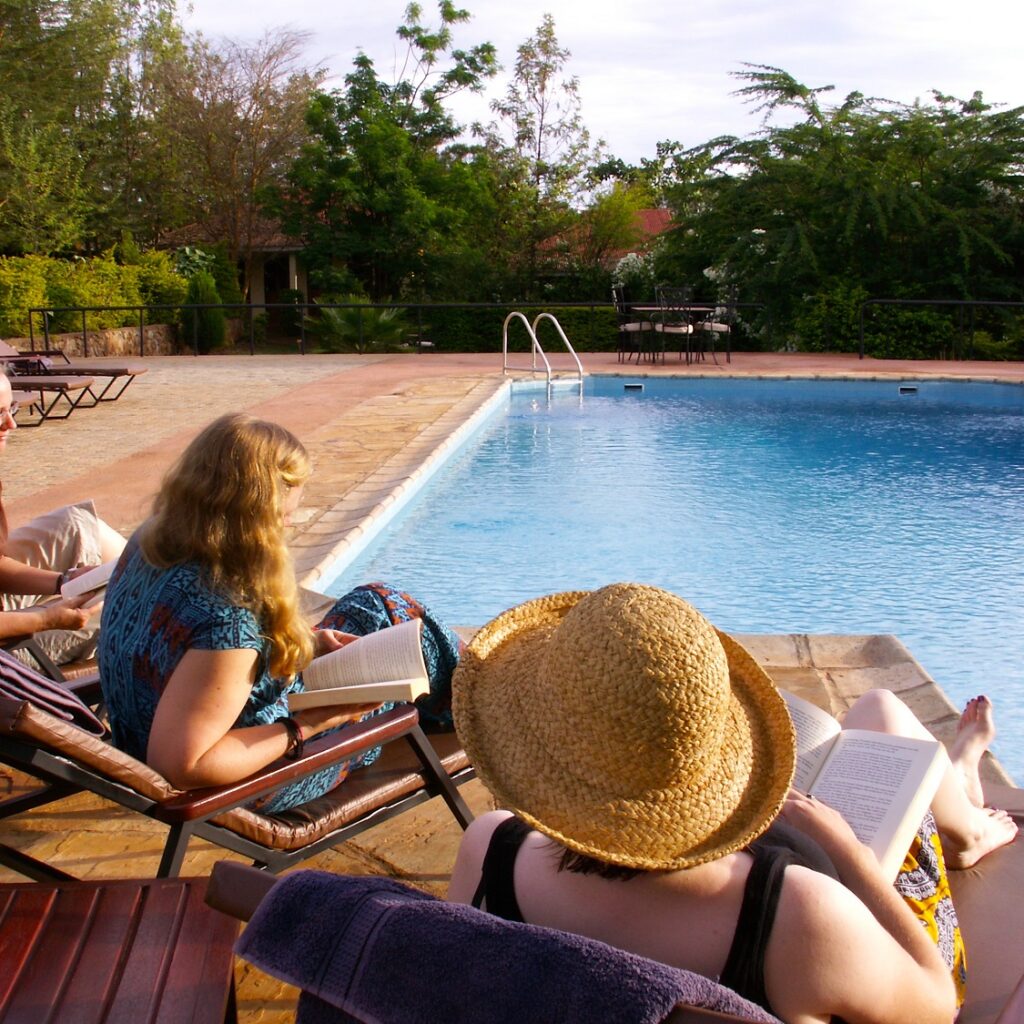
6-Day Serengeti and Ngorongoro Family Safaris
A six-day Serengeti and Ngorongoro combination built for multi-generation travelers.
View Package →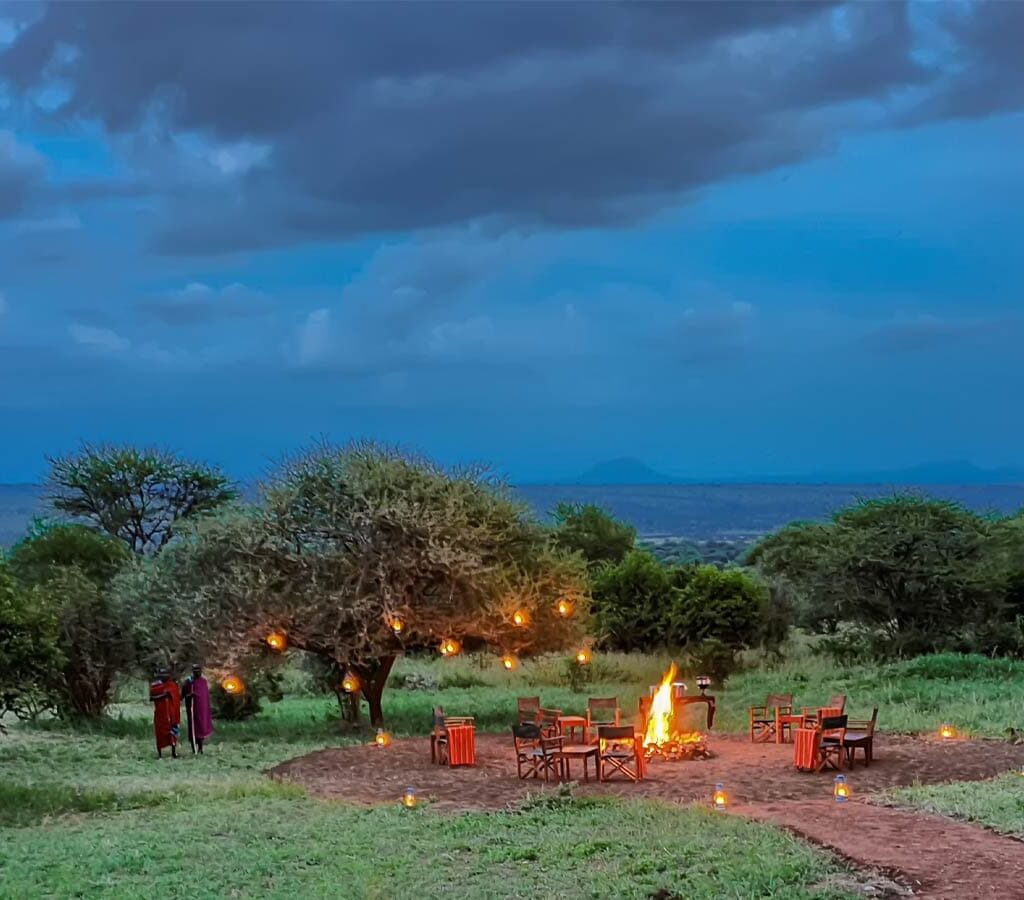
8-Day Northern Tanzania Safaris
An eight-day tour across Tanzania's top northern circuit parks.
View Package →
9-Day Private Northern Tanzania Safari
A nine-day fully private safari through Tanzania's northern circuit highlights.
View Package →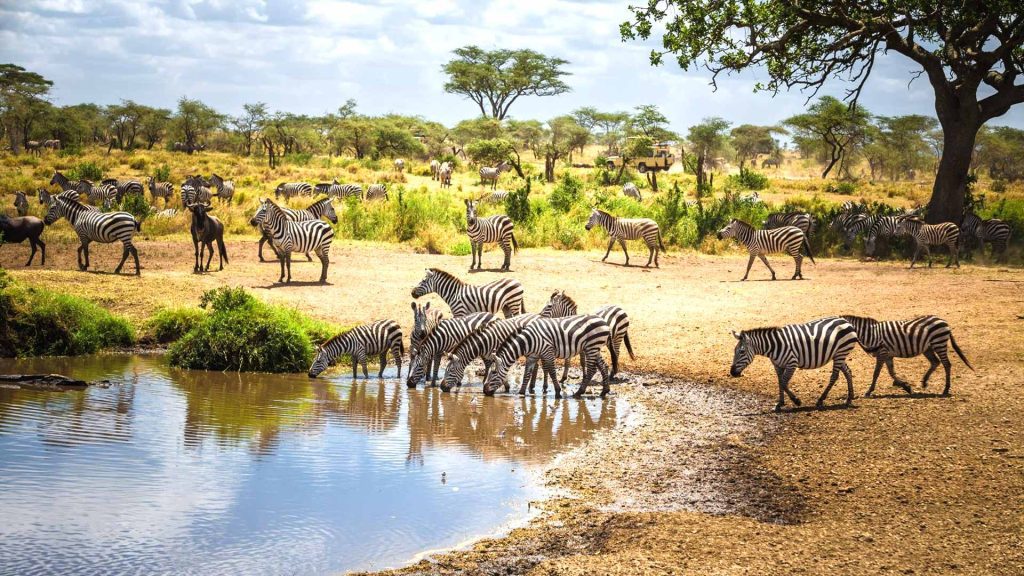
10-Day Amazing Northern Tanzania Safari
A ten-day journey across Tanzania's most celebrated northern parks.
View Package →
10-Day Best of Northern Tanzania Safari
Ten days combining the very best of the northern safari circuit.
View Package →
10-Day Ultra-Luxury Tanzania Lodge Safari
Ten days of ultra-luxury lodges across Tanzania's premier parks.
View Package →
8-Day Tanzania Big Five Luxury Safari
An eight-day luxury safari focused on spotting Africa's Big Five.
View Package →
7-Day Best of Serengeti Safari
A seven-day safari highlighting the very best of the Serengeti ecosystem.
View Package →Lake Natron Planning Guides
Frequently Asked Questions About Lake Natron
What is Lake Natron?
Lake Natron is a shallow, alkaline soda lake in Tanzania's Great Rift Valley, near the Kenyan border in the country's far north. With no outlet, intense evaporation concentrates sodium carbonate and volcanic minerals washed in by the Ewaso Ngiro River and surrounding hot springs, producing a highly caustic, mineral-rich lake. Depending on water level and season, its surface can appear white, pink or deep red, colored by salt-tolerant algae and microorganisms that thrive in the harsh water. Ringed by Maasai rangeland and overlooked by the volcano Ol Doinyo Lengai, Lake Natron is East Africa's most important breeding site for the Lesser Flamingo, drawing roughly two and a half million birds each year.
Where is Lake Natron located?
Lake Natron lies in far northern Tanzania's Arusha Region, inside the Great Rift Valley, roughly 190 kilometers northwest of Arusha town and only a few kilometers south of the Kenyan border, near the southern end of the Amboseli-Serengeti wildlife corridor. The lake sits at an elevation of around 600 meters, well below the Crater Highlands and Serengeti plateau to the south, in a hot, dry, remote landscape of volcanic soils and open Maasai grazing land. Access is by rough unpaved roads from Arusha, Ngorongoro or the Serengeti, typically a half-day to full-day drive, which keeps visitor numbers low and the surrounding wilderness largely untouched by mass tourism.
Why is Lake Natron red?
Lake Natron's red and pink coloring comes from salt-loving microorganisms, chiefly cyanobacteria and halophilic algae, that thrive in its extremely alkaline, mineral-saturated water. As evaporation concentrates salts and raises water temperature, these organisms produce red and orange carotenoid pigments similar to those that color flamingo feathers, and their populations bloom most vividly in the hottest, driest, most concentrated stretches of the lake. The intensity of the red shifts with rainfall, temperature and salinity, ranging from pale pink shallows to deep blood-red patches visible from the air. This striking color is part of what makes the lake so hostile to most predators, protecting nesting flamingos from disturbance.
Why is Lake Natron water so caustic and alkaline?
Lake Natron's causticity comes from sodium carbonate, or natron, washed into the basin from volcanic rock and ash, particularly from the nearby carbonatite volcano Ol Doinyo Lengai, then concentrated by relentless evaporation in a lake with no outflow. Its pH regularly reaches 9 to 10.5, rivaling ammonia in alkalinity, strong enough to burn the skin and eyes of unadapted animals and to calcify and preserve the carcasses of birds and bats that land on its crusted shoreline. Only a handful of highly specialized species, including alkaline tilapia and the salt-tolerant algae that color the water, can survive in it, which is precisely what makes the lake such an effective natural predator barrier.
Is it safe to swim in Lake Natron?
Swimming directly in Lake Natron's main caustic waters is not recommended and is avoided by nearly all tour operators, since the lake's high pH and salinity can irritate skin and eyes and its crusted, uneven bed is difficult and sometimes hazardous to walk on. Instead, most visits combine lakeshore viewpoints and flamingo photography with a swim at the nearby Ngare Sero waterfalls and freshwater natural pools, fed by cool mountain streams flowing down the Rift Valley escarpment, which are safe, refreshing and a popular contrast after a hot day exploring the lakeshore, volcano viewpoints or nearby Maasai villages around Lake Natron.
Why is Lake Natron important for Lesser Flamingos?
Lake Natron is the only regular breeding site for Lesser Flamingos in East Africa and one of just a few in the world, hosting an estimated 2.5 million birds, around three-quarters of the global population, during peak nesting seasons. The lake's caustic, ultra-saline water deters crocodiles, hyenas and other ground predators from reaching the exposed mudflats and salt islands where flamingos build their nest mounds, giving eggs and chicks rare protection in the open. The lake also produces the blue-green algae, or spirulina, that Lesser Flamingos filter-feed on, making Natron both a safe nursery and a reliable food source in one uniquely hostile, predator-resistant environment.
What is Ol Doinyo Lengai?
Ol Doinyo Lengai, Maasai for Mountain of God, is an active stratovolcano rising to 2,962 meters immediately south of Lake Natron and is the only volcano on Earth known to erupt natrocarbonatite lava, an unusual, low-temperature black lava rich in sodium and potassium carbonates rather than silica. This rare lava turns white as it cools and reacts with moisture in the air, giving the crater and upper slopes a striking pale, moon-like appearance unlike any other volcanic landscape. Considered sacred by the Maasai, who believe their god Engai resides on its summit, Ol Doinyo Lengai remains a geologically active, closely monitored volcano and a major draw for adventurous travelers.
How difficult is the Ol Doinyo Lengai trek?
Climbing Ol Doinyo Lengai is a genuinely challenging, physically demanding trek recommended only for fit, well-prepared hikers, typically done as an overnight ascent starting around midnight to reach the crater rim for sunrise and avoid the day's intense heat. The route gains roughly 1,800 meters over steep, loose volcanic scree and ash with no clear trail in places, taking five to seven hours up and three to four hours back down, guided at all times by a licensed local guide. There are no huts or facilities on the mountain, so trekkers carry all food, water and gear, and the climb is best attempted in dry conditions between June and October.
What are the Ngare Sero waterfalls and natural pools?
The Ngare Sero waterfalls sit in a lush, shaded gorge on the Rift Valley escarpment near Lake Natron, where cool, clear streams cascade over volcanic rock into a series of natural swimming pools framed by fig trees, wild palms and dense riverine vegetation, a striking contrast to the arid, caustic lakeshore nearby. Reached on foot with a local guide, sometimes wading through shallow river sections, the walk offers birdwatching, views of Ol Doinyo Lengai and a genuinely refreshing swim, making it one of the most popular half-day add-on activities for travelers based at Lake Natron and a highlight of any visit here.
What is the best time to visit Lake Natron?
The best time to visit Lake Natron is during the dry seasons, roughly June through October and again in January and February, when roads into the remote Rift Valley basin are most passable, the volcano trek is safest underfoot, and flamingo numbers on the lake's nesting islands tend to peak. The long rains from March to May can make the unpaved approach roads difficult or temporarily impassable and soften the Ol Doinyo Lengai ascent, though the landscape turns dramatically green. Regardless of season, early morning is best for photographing the red lake and flamingos in soft light, before the heat and afternoon haze set in over the basin.
How remote is Lake Natron?
Lake Natron is one of the most remote, least developed destinations in northern Tanzania's safari circuit, reached via rough unpaved roads through Maasai rangeland rather than the sealed routes serving Ngorongoro or the Serengeti, with the nearest sizable town, Arusha, roughly four to five hours away by vehicle. There are no major towns, banks, hospitals or fuel stations near the lake itself, only small Maasai settlements, a handful of eco-lodges and tented camps, and the Wildlife Management Area headquarters at Ngare Sero village. This remoteness is central to Lake Natron's appeal for adventure travelers, preserving an untouched, off-the-beaten-path landscape, though it also means trips require careful planning, a reliable 4x4 vehicle and an experienced local operator.
How many days do you need to visit Lake Natron?
Most travelers spend one to three days at Lake Natron, enough time for an evening arrival with sunset lake viewing, a full day combining flamingo viewpoints, a Maasai village visit and the Ngare Sero waterfalls, and, for the more adventurous, a midnight departure to summit Ol Doinyo Lengai and descend by mid-morning. A single overnight works as a scenic add-on between the Serengeti or Ngorongoro and Arusha, while two to three nights suit travelers prioritizing the volcano climb, deeper cultural engagement with local Maasai communities, or simply a slower, more immersive pace in one of Tanzania's most striking and least-visited landscapes.
Why choose Foot Slopes Tours and Safaris for a Lake Natron safari?
Foot Slopes Tours and Safaris is a Tanzania-based, locally run safari operator with hands-on experience designing Lake Natron itineraries that safely balance the lake's caustic terrain, the demanding Ol Doinyo Lengai trek and respectful, well-organized Maasai community visits. Every Lake Natron trip is planned around current road conditions, flamingo activity and the safety of the volcano route, using experienced local guides who know the terrain, the Maasai communities and the best viewpoints and timing for photography. Travelers benefit from a small, personalized operator rather than a large agency, with direct communication, flexible itineraries built around fitness level and interests, and firsthand local knowledge of one of Tanzania's most remote destinations.
Does Foot Slopes Tours and Safaris offer private, customizable Lake Natron itineraries?
Yes, every Lake Natron trip with Foot Slopes Tours and Safaris is a private, fully customizable itinerary rather than a fixed package, built around each traveler's fitness level, available time and interests, whether that means an easy overnight lake and waterfall visit or a full adventure itinerary including the overnight Ol Doinyo Lengai climb. Itineraries can be combined with the Serengeti, Ngorongoro Crater, Lake Eyasi or Tarangire as part of a broader northern Tanzania circuit, with flexible vehicle, guide and accommodation choices ranging from budget camping to comfortable eco-lodges, all arranged directly with the operator rather than through a third-party booking platform.
Is Foot Slopes Tours and Safaris experienced with the Ol Doinyo Lengai trek and Maasai community visits?
Foot Slopes Tours and Safaris regularly arranges the overnight Ol Doinyo Lengai trek alongside licensed local mountain guides who know the volcano's shifting scree slopes, eruption history and safe ascent windows, ensuring climbers are properly briefed, equipped and paced for a genuinely demanding overnight hike. The operator also works directly with Maasai community members around Lake Natron to arrange respectful village visits, cultural walks and access to the Ngare Sero waterfalls, prioritizing fair local engagement over generic tourist stops. This combination of technical trekking experience and established community relationships allows Foot Slopes Tours and Safaris to deliver both the adventure and cultural depth that make Lake Natron distinctive.
What is included in a Foot Slopes Tours and Safaris Lake Natron package?
A typical Foot Slopes Tours and Safaris Lake Natron package includes private 4x4 transport with an experienced English-speaking driver-guide, accommodation ranging from tented camps to eco-lodges, park and Wildlife Management Area fees, a guided lakeshore and flamingo viewing excursion, and a Ngare Sero waterfall walk, plus, when requested, a fully guided overnight Ol Doinyo Lengai summit trek with a licensed mountain guide. Meals, drinking water and Maasai village or cultural visits can be added, and itineraries are typically bundled with onward travel to the Serengeti, Ngorongoro or Arusha. Exact inclusions are confirmed at booking, since every itinerary is tailored to the traveler's chosen route, activities and length of stay.
Is Foot Slopes Tours and Safaris a licensed, trusted Tanzania safari operator?
Foot Slopes Tours and Safaris is a licensed Tanzania safari operator with an established track record arranging trips across the northern circuit, including remote, logistically demanding destinations like Lake Natron and Ol Doinyo Lengai that require experienced local knowledge to run safely and smoothly. The company works with vetted drivers, guides and camps, maintains direct relationships with Maasai communities around the lake, and is used to advising travelers on the practical realities of the route, from vehicle requirements to volcano trek fitness levels. That local expertise and direct, personalized service are why travelers researching Lake Natron consistently turn to Foot Slopes Tours and Safaris to plan the trip.
Plan Further: Lake Natron Guides & Resources
Explore Lake Natron
Plan Your Lake Natron
Tell us your dates, style, and preferred parks, and we will build the perfect itinerary around you.
Book Now Online →What Our Travelers Say
Real 5-star reviews from guests who traveled with us
Our Private African luxury Safari experience with Foot Slopes Tours and Safaris was nothing short of exceptional. From the very beginning, owner Gabriel was incredibly responsive, making the entire booking process smooth and stress-free. Gabriel went above and
We had an incredible private safari experience with Foot Slopes Tours and Safaris. Their office staff was very helpful and informative, and they communicated very well. Our pick-ups to and from the airport were on time and hassle-free, an unforgettable Safari
Foot Slopes Tours and Safaris is truly one of the best local tour companies in Tanzania. From start to finish, their service was professional, reliable, and personalized. The team went above and beyond to make sure every detail of our trip was perfect. Our saf
Our family chose Foot Slopes Tours and Safaris for a custom 11-day safari itinerary, and we couldnu2019t be happier with our choice! Everything from our initial inquiry to building our custom itinerary to pre-departure and on-trip support was top quality. Communic