

Kilimanjaro National Park
Kilimanjaro National Park protects Mount Kilimanjaro, Africa's highest mountain and the tallest free-standing peak on Earth, rising 5,895 metres to Uhuru Peak. Located in northern Tanzania near Moshi, roughly two hours from Arusha, the park covers around 1,688 square kilometres of forest, moorland, and volcanic wilderness that climbers cross on the way to the summit. Unlike Tanzania's classic game-drive parks, Kilimanjaro is primarily a trekking and climbing destination: hikers ascend through five distinct ecological zones — montane rainforest, heath and moorland, alpine desert, and the arctic summit zone — in as little as five days or as many as nine, depending on the route chosen. Established routes such as Machame, Marangu, Lemosho, and Rongai each offer a different balance of scenery, crowding, and acclimatisation profile. No technical climbing skills or specialised mountaineering gear are required on any standard route; Kilimanjaro is a high-altitude trek, achievable by reasonably fit travellers with the right guide, pace, and preparation.
Kilimanjaro National Park at a Glance
Highlights of Kilimanjaro National Park
Uhuru Peak & the Summit
At 5,895 metres, Uhuru Peak is the highest point in Africa and the ultimate goal of every Kilimanjaro trek. Climbers reach it via a pre-dawn summit push from high camp, crossing scree slopes and permanent ice fields before watching sunrise break over the Rift Valley far below.
Learn more →Five Climate Zones in One Trek
No other trek on Earth compresses so much ecological change into a single route. Climbers pass through lush montane rainforest, open heath and moorland, stark alpine desert, and finally the arctic summit zone — a journey similar to walking from the equator to the poles in under a week.
Multiple Route Options
Seven official routes climb Kilimanjaro, each with its own character and acclimatisation profile. Machame and Lemosho are prized for scenery and higher summit-success rates, Rongai approaches from the quieter northern side, and Marangu is the only route with hut accommodation throughout.
Learn more →Montane Forest Wildlife
The lower rainforest zone, roughly 1,800–2,800 metres, is home to blue monkeys, black-and-white colobus, and forest birds, with elephant, buffalo, and leopard occasionally passing through. Kilimanjaro is not a Big Five safari destination, but its forest belt offers a genuine taste of East African wildlife before the terrain turns alpine.
Learn more →Plan Your Kilimanjaro Climb
Trip Length
Comfort Level
Safari Style
Operator Rating
Specialized Tours
Filter by Operator
Other Tour Features
Popular Kilimanjaro Safari Packages
Hand-picked northern Tanzania itineraries that pair well with Kilimanjaro, tailored privately by Foot Slopes Tours and Safaris.
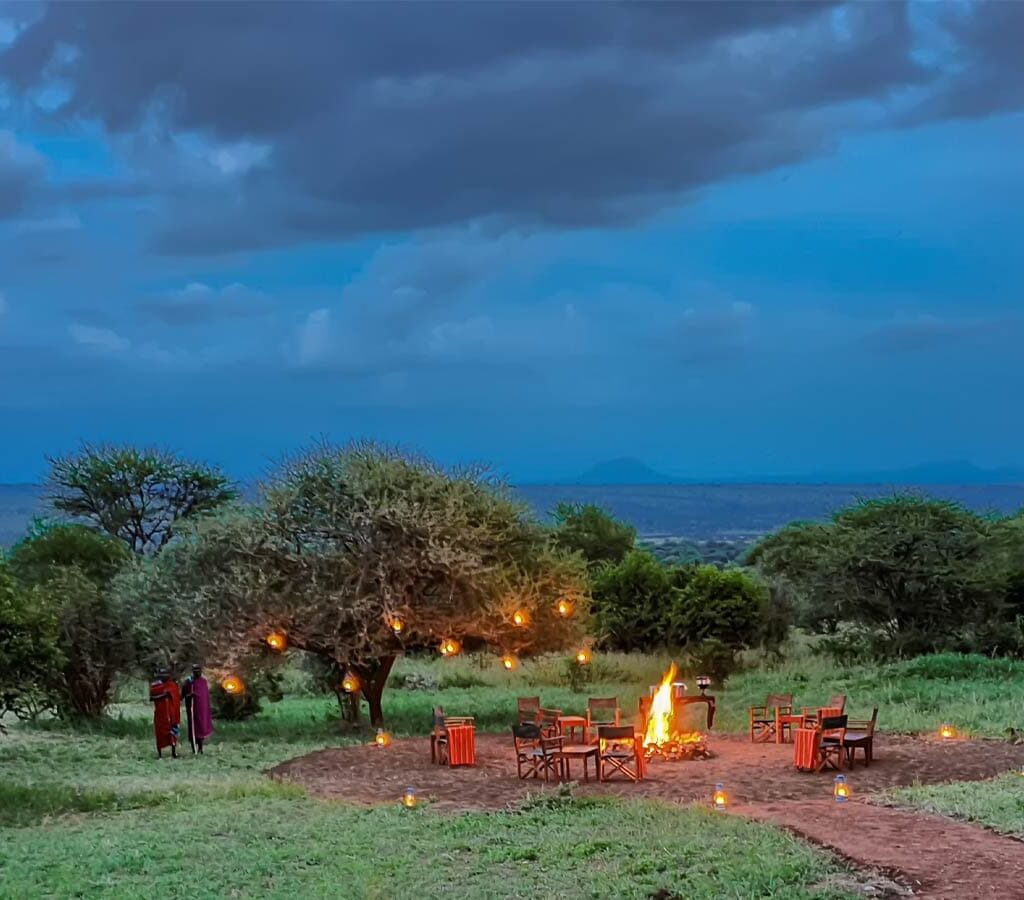
8-Day Northern Tanzania Safaris
An eight-day tour across Tanzania's top northern circuit parks.
View Package →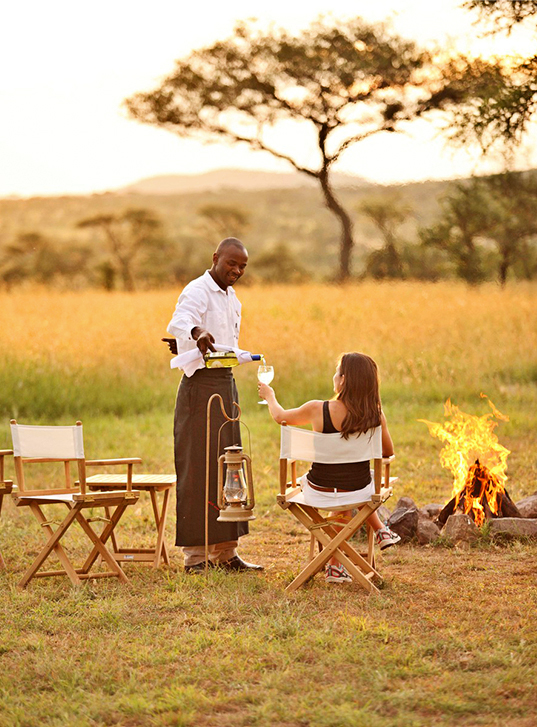
9-Day Private Northern Tanzania Safari
A nine-day fully private safari through Tanzania's northern circuit highlights.
View Package →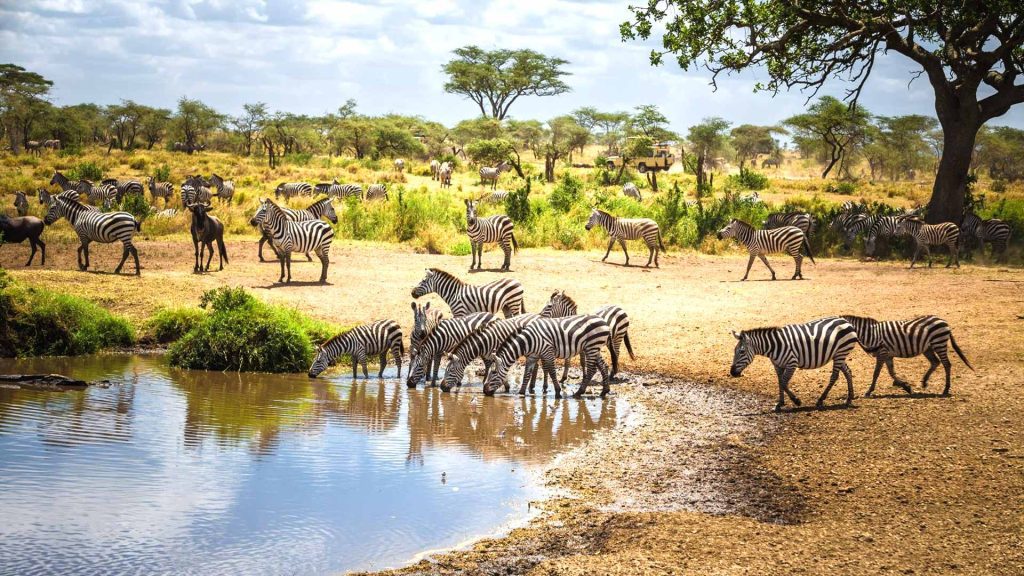
10-Day Amazing Northern Tanzania Safari
A ten-day journey across Tanzania's most celebrated northern parks.
View Package →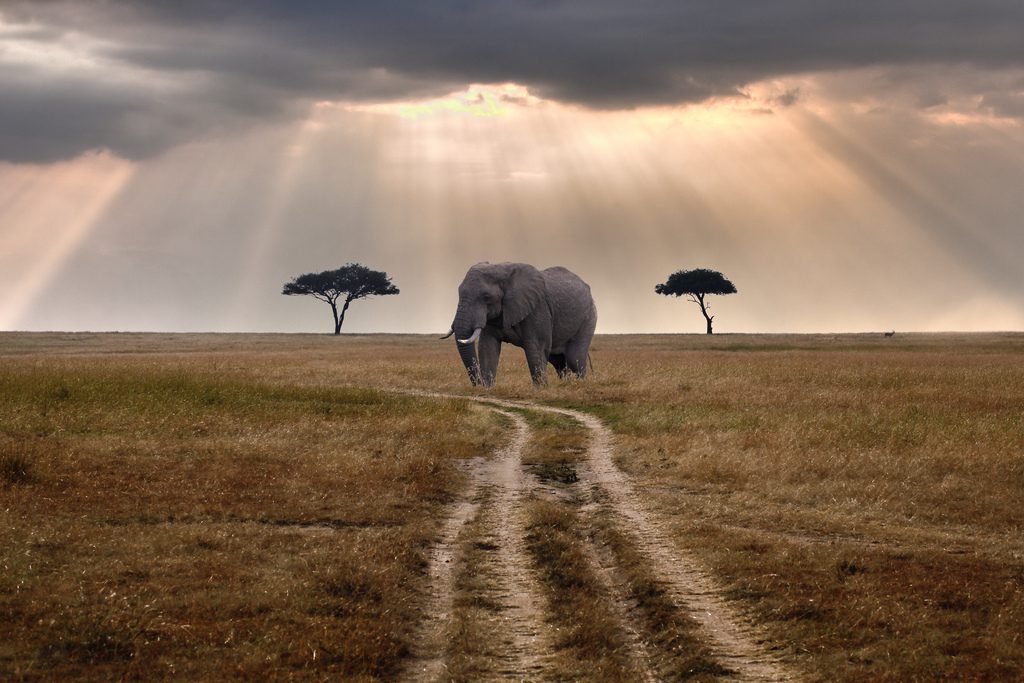
10-Day Best of Northern Tanzania Safari
Ten days combining the very best of the northern safari circuit.
View Package →
6-Day Highlights of Tanzania Mid-Range Safari
A six-day mid-range tour hitting Tanzania's essential safari highlights.
View Package →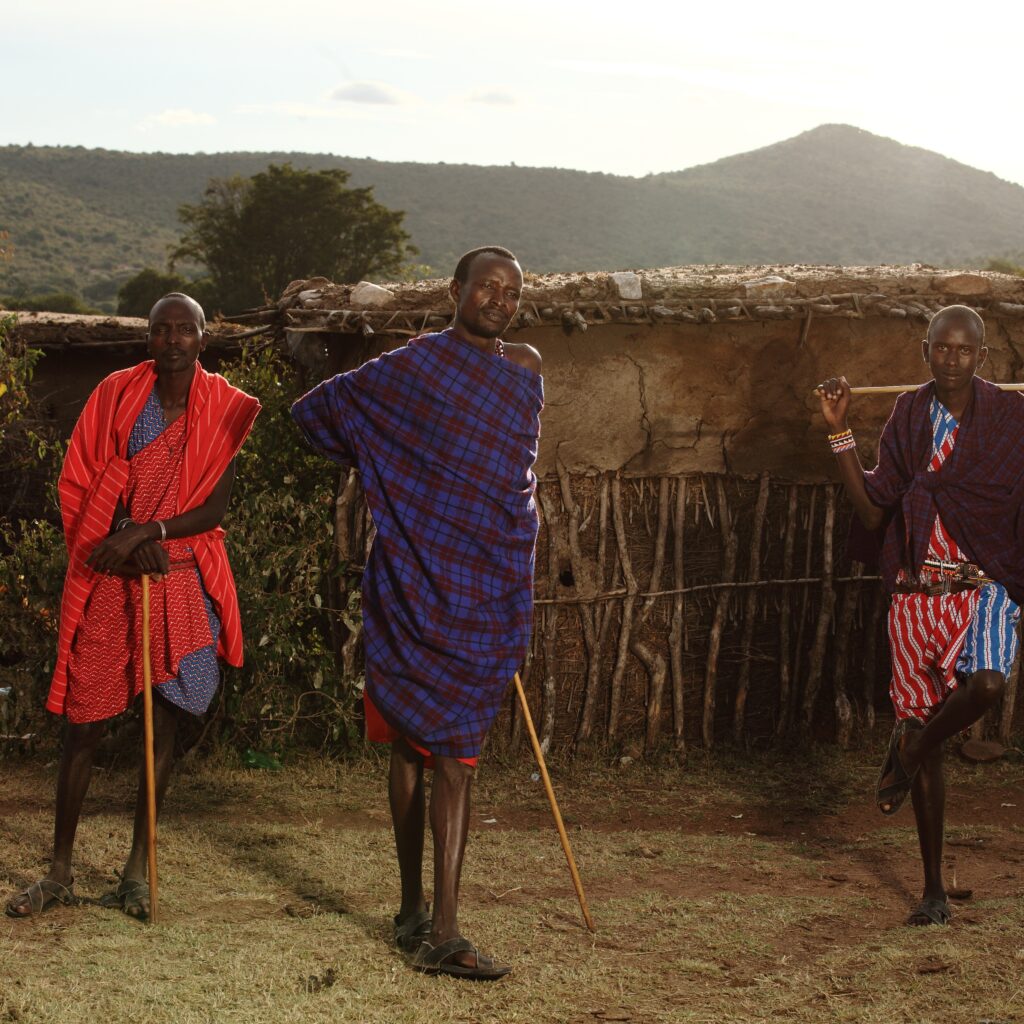
5-Day Tanzania Classic Safari
A concise five-day introduction to Tanzania's most iconic parks.
View Package →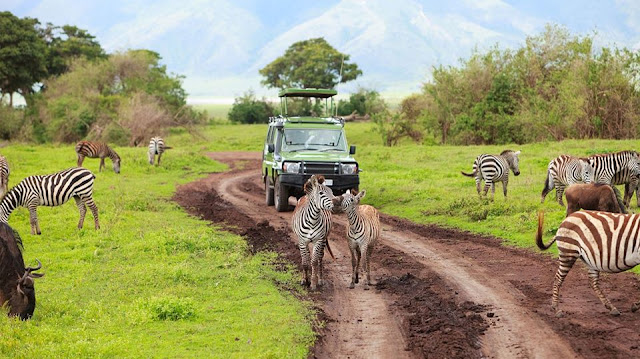
5-Day Tanzania Comfort Safari
A comfortable five-day safari balancing good lodges with a modest price.
View Package →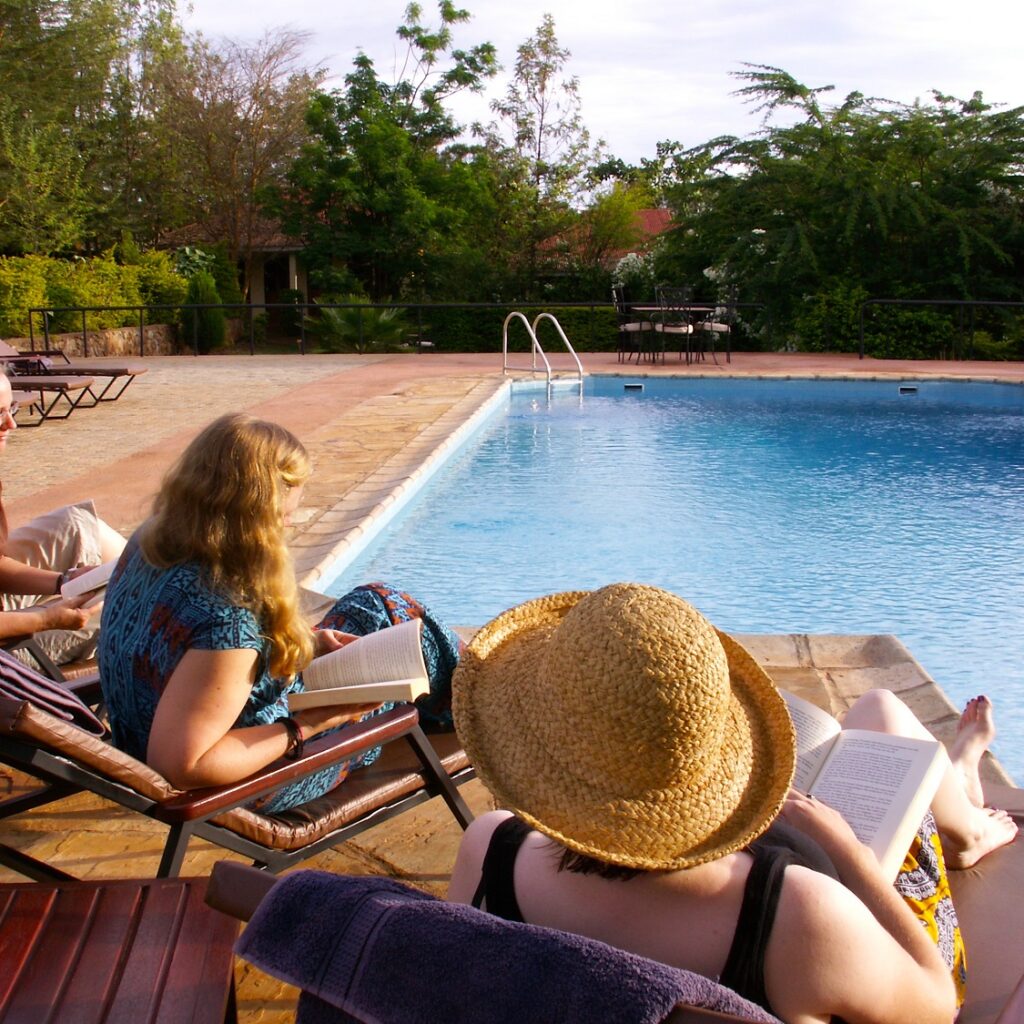
6-Day Serengeti and Ngorongoro Family Safaris
A six-day Serengeti and Ngorongoro combination built for multi-generation travelers.
View Package →Kilimanjaro National Park Planning Guides
Frequently Asked Questions
What is Kilimanjaro National Park?
Kilimanjaro National Park is a UNESCO World Heritage Site in northern Tanzania protecting Mount Kilimanjaro, Africa's highest peak and the tallest free-standing mountain on Earth at 5,895 metres. Established in 1973 and inscribed by UNESCO in 1987, the park covers roughly 1,688 square kilometres of forest, moorland, and volcanic terrain above the 1,800-metre contour line. Unlike Serengeti or Ngorongoro, it is primarily a trekking and climbing destination rather than a game-drive safari park. Climbers ascend through five distinct ecological zones, from rainforest to arctic summit, on multi-day treks that require no technical mountaineering skill, only fitness and a licensed guide.
Where is Kilimanjaro National Park located and how do I get there?
Kilimanjaro National Park sits in northern Tanzania near the town of Moshi, about 45 minutes' drive from Kilimanjaro International Airport (JRO) and roughly two hours from Arusha, the main safari hub. Most international climbers fly into JRO on direct or connecting flights from Amsterdam, Doha, Nairobi, or Addis Ababa, then transfer by road to Moshi or Arusha for pre-climb briefings and gear checks. From there, a shuttle takes climbers to the chosen route's gate, such as Machame or Londorossi, where registration and porter organisation take place before the trek begins on foot.
When is the best time to climb Kilimanjaro?
The best months to climb Kilimanjaro are the dry seasons: late June through October, and December through mid-February. These periods offer clearer skies, firmer trails, and the best summit views, with January and February also bringing warmer temperatures at altitude. The long rains fall from March to May and the short rains in November, making trails muddier and visibility poorer, though some experienced trekkers still summit successfully. July, August, and September are the busiest months on popular routes like Machame, so climbers wanting quieter trails often choose late June or early July instead.
What are the main Kilimanjaro climbing routes?
Kilimanjaro has seven official routes, each with a different character. Machame, nicknamed the "Whiskey Route," is scenic and popular but steep. Marangu is the only route with hut accommodation and a gentler gradient, though its summit success rate is lower. Lemosho and Shira approach from the west with excellent scenery and acclimatisation. Rongai climbs the quieter northern side, ideal in the rainy season. Umbwe is the steepest and least crowded, while the Northern Circuit is the longest, offering the best acclimatisation and highest success rates of any route.
Which Kilimanjaro route has the highest summit success rate?
Routes with more days built in for acclimatisation consistently show the highest summit success rates. The Northern Circuit and Lemosho, typically walked over seven to nine days, report success rates above 90 percent because climbers gain altitude gradually and rest at key points. Shorter routes like the five-day Marangu see success rates closer to 60–70 percent, since climbers have less time to acclimatise. In general, success depends less on the specific route than on trip length: adding one or two extra days to any itinerary meaningfully improves a climber's chances of reaching Uhuru Peak.
How many days does it take to climb Kilimanjaro?
Standard Kilimanjaro itineraries run from five to nine days on the mountain, depending on the route and acclimatisation profile chosen. Marangu can be walked in five days, though six is safer. Machame and Lemosho are typically booked as six- or seven-day treks. The eight- or nine-day Northern Circuit gives the longest acclimatisation window and the highest summit success rate. Foot Slopes Tours and Safaris generally recommends a minimum of seven days on the mountain, since the extra time for the body to adjust to altitude is the single biggest factor in reaching the summit safely.
How fit do I need to be to climb Kilimanjaro?
Kilimanjaro requires no technical climbing skills, but it does demand solid cardiovascular fitness and mental stamina, since climbers walk five to eight hours a day for several consecutive days at increasing altitude. A good training plan combines hiking on varied terrain, stair climbing, and cardio sessions for at least two to three months before departure, ideally with a loaded daypack. Prior high-altitude experience is not required, and climbers of a wide range of ages and fitness levels summit successfully each year, but consistent pre-trip training measurably improves both comfort on the trail and overall summit success rates.
Is climbing Kilimanjaro dangerous, and what about altitude sickness?
Altitude sickness is the primary risk on Kilimanjaro, since the summit sits at 5,895 metres where oxygen levels are roughly half those at sea level. Symptoms range from headache and nausea to, in severe cases, life-threatening pulmonary or cerebral oedema. Choosing a longer route with proper acclimatisation days, ascending slowly, staying hydrated, and climbing with guides trained to recognise warning signs are the most effective precautions. Reputable operators, including Foot Slopes Tours and Safaris, carry pulse oximeters, oxygen, and first-aid kits, and monitor climbers daily, which makes a well-organised Kilimanjaro climb a manageable, low-technical-risk undertaking for prepared trekkers.
Do I need technical climbing skills or mountaineering gear?
No. Every standard Kilimanjaro route, including Machame, Marangu, Lemosho, and Rongai, is a non-technical trek: climbers walk on established trails and scree slopes without ropes, crampons, or climbing experience. What matters is proper layered clothing for temperatures ranging from tropical heat to arctic cold, sturdy broken-in hiking boots, trekking poles, and a warm sleeping bag rated for sub-zero conditions. Foot Slopes Tours and Safaris provides a detailed packing list and can arrange gear rental in Moshi, so climbers without their own equipment can still join a standard Kilimanjaro trek fully prepared.
What wildlife will I see in Kilimanjaro National Park?
Kilimanjaro is not a Big Five safari destination, but its lower montane rainforest zone, roughly 1,800 to 2,800 metres, supports genuine wildlife. Blue monkeys and black-and-white colobus are commonly seen in the forest canopy, along with turacos, sunbirds, and other forest birds. Elephant, buffalo, and occasionally leopard pass through this zone, though sightings are incidental rather than guaranteed, since trekking, not game viewing, is the point of the route. Above the forest belt, wildlife thins out quickly, with only a few hardy species like the white-necked raven surviving into the alpine and summit zones.
Can I combine a Kilimanjaro climb with a safari?
Yes, and it is one of the most popular ways to visit northern Tanzania. Kilimanjaro's gateway towns of Moshi and Arusha sit within easy reach of Serengeti, Ngorongoro Crater, Tarangire, and Lake Manyara, so climbers commonly follow their trek with a three- to seven-day safari, often building in a rest day first to recover from altitude. Foot Slopes Tours and Safaris designs combined Kilimanjaro-and-safari itineraries that pair any climbing route with these parks, plus optional beach time in Zanzibar afterward, making the mountain and the classic safari circuit part of a single seamless Tanzania trip.
What is the Kilimanjaro National Park entry fee?
Kilimanjaro National Park charges daily conservation, camping or hut, rescue, and guide fees that are set by Tanzania National Parks and included in the price of any organised climb package. These government fees make up a significant share of the total trip cost and explain why Kilimanjaro climbs are generally priced higher per day than standard game-drive safaris. Fees vary slightly by route and season and are typically bundled into a single package price by tour operators like Foot Slopes Tours and Safaris, so climbers do not pay park charges separately once they have booked a trek.
What is the difference between Kilimanjaro and a Big Five safari park?
Kilimanjaro National Park is a high-altitude trekking destination, not a game-drive park, so it is not judged by Big Five sightings the way Serengeti or Ngorongoro are. Visitors experience it on foot over several days, moving through changing ecological zones toward a mountain summit rather than driving in a vehicle searching for lions or elephants. Its lower forest does hold some wildlife, but the appeal is the physical journey, the landscapes, and reaching Uhuru Peak. Most travellers pair a Kilimanjaro climb with a separate Big Five safari in Serengeti or Ngorongoro to get both experiences on one trip.
Why choose Foot Slopes Tours and Safaris for your Kilimanjaro climb?
Foot Slopes Tours and Safaris is a Tanzania-based operator specialising in both Kilimanjaro climbs and classic safaris, giving climbers a single trusted team for their entire trip rather than juggling separate mountain and safari companies. Its guides are experienced, government-licensed, and trained in altitude management and first aid, and its packages include quality camping equipment, experienced cooks, and a full support crew of porters. Because the company also runs safaris across Serengeti, Ngorongoro, Tarangire, and Lake Manyara, it can seamlessly combine a Kilimanjaro climb with a post-summit safari, handling transport, permits, and logistics from arrival to departure.
What is included in a Foot Slopes Tours Kilimanjaro package?
A standard Foot Slopes Tours and Safaris Kilimanjaro package includes all park and government fees, a licensed guide and support crew, porters, a camp cook, three meals a day on the mountain, camping or hut accommodation depending on the route, and transport between Kilimanjaro International Airport or Arusha and the chosen route's starting gate. Safety equipment such as pulse oximeters, an emergency oxygen supply, and first-aid kits is carried on every climb. Climbers typically arrange their own international flights and personal gear, though the company can advise on packing lists and arrange local equipment rental in Moshi.
How experienced are Foot Slopes Tours' Kilimanjaro guides?
Foot Slopes Tours and Safaris employs government-licensed mountain guides with years of experience leading climbers up Kilimanjaro's major routes, including Machame, Marangu, Lemosho, and Rongai. Guides are trained in altitude illness recognition, wilderness first aid, and emergency evacuation procedures, and they carry pulse oximeters to monitor climbers' oxygen saturation at each camp. Beyond technical training, guides are chosen for their pacing skill, since a slow, steady "pole pole" walking rhythm is one of the most important factors in successful acclimatisation, and for their local knowledge of each route's terrain, weather patterns, and campsite conditions.
Can Foot Slopes Tours arrange a private Kilimanjaro climb?
Yes. Foot Slopes Tours and Safaris organises individual private Kilimanjaro climbs for solo travellers, couples, families and friends. Private climbs give you full flexibility over start dates, pace and route choice, with your own team of licensed guides, dedicated porters and safety equipment. Every climb is tailor-made, and itineraries can combine any Kilimanjaro route with a pre- or post-climb private Tanzania safari, so your whole journey is planned around you.
Plan Further: Kilimanjaro National Park Guides & Resources
Explore Kilimanjaro National Park
Plan Your Kilimanjaro National Park
Tell us your dates, style, and preferred parks, and we will build the perfect itinerary around you.
Book Now Online →What Our Travelers Say
Real 5-star reviews from guests who traveled with us
Our Private African luxury Safari experience with Foot Slopes Tours and Safaris was nothing short of exceptional. From the very beginning, owner Gabriel was incredibly responsive, making the entire booking process smooth and stress-free. Gabriel went above and
We had an incredible private safari experience with Foot Slopes Tours and Safaris. Their office staff was very helpful and informative, and they communicated very well. Our pick-ups to and from the airport were on time and hassle-free, an unforgettable Safari
Foot Slopes Tours and Safaris is truly one of the best local tour companies in Tanzania. From start to finish, their service was professional, reliable, and personalized. The team went above and beyond to make sure every detail of our trip was perfect. Our saf
Our family chose Foot Slopes Tours and Safaris for a custom 11-day safari itinerary, and we couldn’t be happier with our choice! Everything from our initial inquiry to building our custom itinerary to pre-departure and on-trip support was top quality. Communic