
Best Time to Visit Arusha National Park
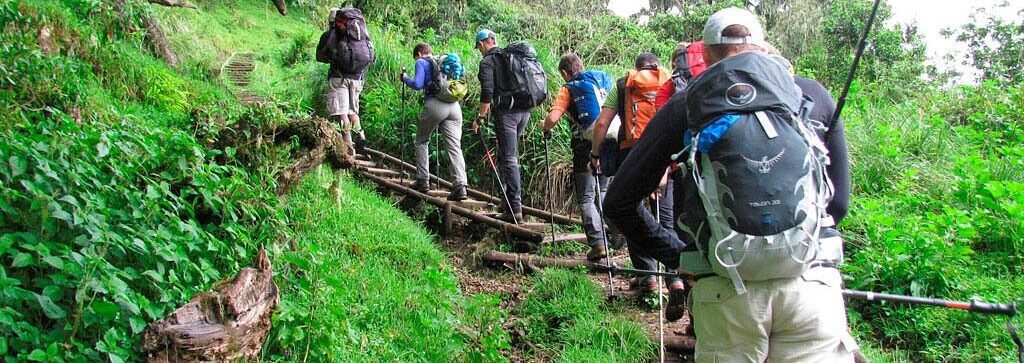
Arusha National Park is one of the few East African parks that rewards a visit in any month of the year, thanks to its resident population of giraffe, buffalo, colobus monkey, and forest elephant, plus prolific birdlife around the Momella Lakes. The dry season, from June through October, delivers the clearest views of Mount Meru and Kilimanjaro, firmer trails for day hikes, and the most reliable conditions for climbing Mount Meru itself, Tanzania's second-highest peak. The long and short rains, spanning November through May, transform the park into a lush, green landscape with dramatic skies, fewer visitors, and some of the best birdwatching of the year as migrant species arrive alongside breeding residents. Trails can turn muddy and afternoon showers are common, but wildlife viewing around the lakes and forest edges remains excellent throughout. Whether you are planning a Meru ascent, a canoe safari on Momella Lakes, or a birding day trip from Arusha, understanding these seasonal patterns will help you choose the ideal month for your safari.
Arusha National Park Month-by-Month Guide
January
A short dry spell between the rains brings warm, mostly sunny days with only occasional showers. This is a good month for Meru climbing, with trails drier than during the long rains and skies often clearing at dawn for crater views. Wildlife concentrates around Momella Lakes and Ngurdoto Crater, with flamingos and pelicans abundant and giraffe and buffalo easy to spot in open glades. Birding is exceptional as migrants overlap with residents. Crowds are moderate, higher than the wet-season low but well below the June-to-October peak, making January a pleasant month for game drives and hikes alike.
February
February continues the short dry interlude, with warm days and minimal rain, making it one of the best months for both wildlife viewing and Meru summit attempts before the long rains begin in March. Momella Lakes are full and scenic, colobus monkeys are active in the Ngurdoto forest canopy, and raptors are conspicuous overhead. Trails stay firm for day hikes through Fig Tree Arch and around the crater rim. Crowds remain light to moderate, with fewer safari vehicles than the dry season, making this an excellent window for good weather without peak-season congestion.
March
The long rains begin in March, bringing heavier and more frequent afternoon downpours plus rising humidity. Mount Meru's upper slopes turn slippery and cloud often obscures the summit, so climbs become more strenuous and views less reliable, though the route stays open for well-prepared hikers. Wildlife disperses into denser vegetation, but the Momella Lakes fill dramatically and birdlife thrives, with waterfowl, herons, and migrant species congregating in large numbers. This marks the start of the low season, with the fewest vehicles on the park's tracks and noticeably lower rates at nearby lodges.
April
April is the heart of the long rains, with the heaviest and most consistent daily rainfall of the year. Roads and trails become muddy and some park tracks may be temporarily impassable, and Meru climbs are generally discouraged due to slick scree and reduced visibility on the crater rim. Despite the rain, the park turns vividly green, waterfalls swell, and birding is at its peak with resident and migrant species both present in large numbers. This is the quietest month for tourism, ideal for travelers prioritizing solitude, lush scenery, and dramatic light over guaranteed dry trails.
May
Rain gradually eases in May as the long rains taper off, though showers remain common, especially in the afternoons. Trails firm up gradually, making late May a transitional window for Meru climbs, best attempted toward month's end. The forest and montane zones are lush and vibrant, with excellent visibility between showers. Wildlife becomes easier to spot as grass shortens with the changing weather, and Momella Lakes remain full, attracting large concentrations of waterbirds. Visitor numbers stay low, lodges are quieter, and prices remain at their lowest before the dry-season rush begins in June.
June
The dry season begins in June, bringing cooler mornings, low humidity, and increasingly reliable sunshine. This is one of the best months to climb Mount Meru, with firm trails, clear skies, and excellent sunrise views from the summit over Kilimanjaro. Wildlife viewing improves as vegetation thins and animals gather near permanent water sources like Momella Lakes. Birding remains strong, though migrant numbers decline as the wet-season visitors depart. Crowds begin building as the peak safari season approaches, though the park remains far less busy than the Serengeti or Ngorongoro during this period.
July
July brings the peak dry season, with cool, crisp mornings, minimal rainfall, and consistently clear skies over Meru and Kilimanjaro. Conditions for climbing Mount Meru are excellent, with dry trails, stable weather, and some of the best summit views of the year. Game viewing is strong around Momella Lakes and Ngurdoto Crater as animals concentrate near water. This coincides with the school holiday season and the start of the Serengeti migration's dramatic river crossings, so the park sees more visitors and vehicles than earlier months, though it remains uncrowded compared to Tanzania's more famous reserves.
August
August is one of the busiest and driest months, with cool temperatures, negligible rainfall, and outstanding visibility for both wildlife viewing and mountain photography. Meru climbing conditions remain ideal, with firm trails and low precipitation risk. Wildlife is easy to find near shrinking water sources, and giraffe, buffalo, and colobus sightings are near-guaranteed. Birdlife is somewhat quieter than the wet months but still rewarding around the lakes. Peak northern-hemisphere summer travel brings the highest visitor numbers of the year, so booking accommodation and Meru climbing permits in advance is strongly recommended.
September
Dry season conditions persist through September, with sunny days, cool nights, and excellent trekking and game-viewing weather. Mount Meru remains in prime climbing condition, offering some of the clearest crater and summit views of the year now that haze from the long rains has fully cleared. Wildlife stays concentrated around permanent water, and colobus monkey and buffalo sightings are consistently strong. Crowds remain elevated, similar to August, as travelers combine Arusha National Park with the Serengeti migration further west. Advance booking for lodges and climbing permits continues to be advisable.
October
October is the dry season's final month, still largely rain-free with warming temperatures as the short rains approach. Meru climbing remains favorable through most of October, though afternoon cloud can build later in the month. Wildlife viewing stays reliable, with animals still concentrated near water sources before the rains disperse them. Birding begins to pick up again as early migrants return ahead of the short rains. Visitor numbers start easing from the August-September peak, offering a good balance of dry-season conditions and thinning crowds for travelers visiting in late October.
November
The short rains begin in November, bringing brief afternoon showers that green up the landscape without the sustained downpours of April. Meru climbing is still feasible early in the month but becomes more challenging as trails soften, and many climbers prefer to wait for clearer conditions. Wildlife remains visible amid fresh grass growth, and birdlife surges as migrant species begin arriving. Momella Lakes start refilling, drawing waterfowl in growing numbers. Crowds thin noticeably compared to the dry season, making November an appealing shoulder-season month for travelers who don't mind occasional rain.
December
A short dry spell often interrupts the rains in December, bringing warm, sunny days interspersed with brief showers, similar to the pattern seen in January. Meru climbing conditions are generally favorable, particularly in the first half of the month before holiday crowds build. Wildlife viewing is rewarding as the park turns green and animals spread across flourishing pastures, while birding remains excellent with both resident and early migrant species present. December is a popular holiday month, so lodges and climbing slots fill quickly, and travelers are advised to book well ahead of the festive season.
Plan Your Arusha National Park Safari
Trip Length
Comfort Level
Safari Style
Operator Rating
Specialized Tours
Filter by Operator
Other Tour Features
Arusha National Park Safari Packages
Combine your Arusha National Park visit with these popular northern-circuit itineraries.
8-Day Northern Tanzania Safaris
An eight-day tour across Tanzania's top northern circuit parks.
View Package →
9-Day Private Northern Tanzania Safari
A nine-day fully private safari through Tanzania's northern circuit highlights.
View Package →
10-Day Amazing Northern Tanzania Safari
A ten-day journey across Tanzania's most celebrated northern parks.
View Package →
10-Day Best of Northern Tanzania Safari
Ten days combining the very best of the northern safari circuit.
View Package →
6-Day Highlights of Tanzania Mid-Range Safari
A six-day mid-range tour hitting Tanzania's essential safari highlights.
View Package →
6-Day Serengeti and Ngorongoro Family Safaris
A six-day Serengeti and Ngorongoro combination built for multi-generation travelers.
View Package →8-Day Tanzania Family Safari Itinerary
An eight-day family itinerary balancing wildlife drives with easy, kid-friendly pacing.
View Package →
8-Day Tanzania Family Safari Vacations Journeys Beyond Ordinary
An eight-day family journey blending classic parks with memorable, laid-back days.
View Package →Arusha National Park Safari Planning Guides
Frequently Asked Questions: Best Time to Visit Arusha National Park
What is the best time to visit Arusha National Park?
The best time to visit Arusha National Park is during the dry season from June to October, when clear skies, firm trails, and cooler temperatures create ideal conditions for both wildlife viewing and climbing Mount Meru. July through September is particularly popular, combining excellent visibility with concentrated game around Momella Lakes. However, Arusha National Park is a true year-round destination: its resident giraffe, buffalo, colobus monkeys, and prolific birdlife remain present in every season. Travelers prioritizing lush scenery, dramatic skies, and outstanding birding over guaranteed dry trails often prefer the wetter months of November through May instead.
Is Arusha National Park a year-round destination?
Yes, Arusha National Park is a genuine year-round safari destination because its wildlife does not migrate seasonally the way Serengeti herds do. Giraffe, Cape buffalo, black-and-white colobus monkeys, warthog, and over 400 recorded bird species are present in the park throughout the year, clustered around Momella Lakes, Ngurdoto Crater, and the montane forest. What changes with the season is the experience rather than the wildlife's presence: dry months bring firmer trails and clearer mountain views, while wet months bring lush vegetation, dramatic light, and stronger birding as migrants arrive, making the park a flexible addition to almost any Tanzania itinerary.
What is the dry season like in Arusha National Park?
The dry season runs roughly from June through October and brings the park's most reliable weather: cool mornings, low humidity, minimal rainfall, and long stretches of clear skies. Trails through the montane forest and around Ngurdoto Crater stay firm and easy to walk, and visibility toward Mount Meru and Kilimanjaro is at its best, especially in July, August, and September. Wildlife concentrates predictably around permanent water sources like Momella Lakes, making sightings of giraffe, buffalo, and colobus monkeys more consistent. This is also the busiest period for safaris and Mount Meru climbs, so advance booking of lodges and permits is recommended.
What is the wet season like in Arusha National Park?
The wet season spans November through May, split into short rains from November to December and long rains from March to May, with a brief dry interlude in January and February. Afternoon showers are common and trails can become muddy, particularly during the long rains, but the park turns vividly green with dramatic cloudscapes and excellent light for photography. Birdlife peaks during this period as migrant species overlap with residents around the swollen Momella Lakes. Wildlife remains visible, though more dispersed into thicker vegetation, and both visitor numbers and lodge rates drop significantly, appealing to travelers seeking solitude and lush scenery.
When is the best month to climb Mount Meru?
The best months to climb Mount Meru are July, August, and September, when the dry season delivers firm volcanic scree, minimal cloud cover, and the clearest possible sunrise views from the summit over Kilimanjaro. June and October are also reliable, bookending the peak dry-season window with slightly warmer or more variable conditions. Climbers should avoid April and the height of the long rains, when trails become slick and dangerous and cloud frequently obscures the crater rim. Because Meru is climbed year-round via the Momella Route with overnight huts, dry-season conditions simply make the two- to three-day ascent safer and more scenic.
Can you climb Mount Meru during the rainy season?
Climbing Mount Meru during the rainy season, particularly April and the height of the long rains, is possible but considerably more demanding. Volcanic scree on the upper slopes becomes slippery, visibility on the crater rim drops due to persistent cloud, and the ascent to Socialist Peak takes more effort and caution. Some climbers still attempt it during the short rains of November or the drier interludes in January and February, when conditions are more manageable. Guides remain available year-round since the route uses maintained huts, but travelers seeking guaranteed clear summit views and firm footing should plan their climb for the dry season instead.
Which months have the least crowds in Arusha National Park?
April and May see the fewest visitors, falling at the peak of the long rains when tour volumes drop across northern Tanzania. November, during the shorter and lighter rains, is similarly quiet. These months combine low crowds with lower lodge rates, lush green scenery, and strong birdwatching, making them appealing for travelers who don't mind occasional afternoon showers. January and February also see moderate rather than heavy visitor numbers, offering a pleasant middle ground of decent weather and lighter crowds between the wet and dry peaks. For a genuinely uncrowded Arusha National Park experience, late April through May is typically the quietest window of the year.
Which months are busiest in Arusha National Park?
July, August, and September are the busiest months, driven by northern-hemisphere summer holidays, prime dry-season weather, and overlap with the Serengeti's dramatic river-crossing season further west. Many travelers combine an Arusha National Park day trip or Mount Meru climb with a broader northern-circuit safari during this window, increasing demand for vehicles, guides, and climbing permits. December is also busy due to the festive holiday season, despite falling within the short rains. Even at its busiest, Arusha National Park sees far fewer vehicles than the Serengeti or Ngorongoro Crater, so booking ahead rather than avoiding these months is the better strategy.
Is Arusha National Park good for birdwatching, and when?
Arusha National Park is one of northern Tanzania's finest birding destinations, with over 400 recorded species across its forest, crater, and lake habitats. The wet season, particularly March through May and again in November, offers the best birding overall, as Palearctic and intra-African migrants overlap with resident species around the flooded Momella Lakes. Flamingos, pelicans, herons, and a wide range of raptors are commonly seen, alongside forest specialists like the Bar-tailed Trogon in the montane zone. Dry-season birding from June to October remains rewarding but with fewer transient species, so birders seeking maximum diversity should time their visit to the wetter months.
What is the weather like in Arusha National Park in December?
December sits within the short rains but typically brings a mix of warm, sunny days interrupted by brief afternoon showers rather than sustained downpours. Temperatures stay comfortable, mountain views are often clear in the mornings before clouds build later in the day, and trails remain mostly manageable for hiking and Mount Meru climbs, especially in the first half of the month. Wildlife viewing is rewarding as the landscape greens up and animals spread across fresh pasture near Momella Lakes. Because December overlaps with the festive holiday season, lodges and climbing slots fill quickly, so early booking is strongly recommended for this popular month.
Is a day trip to Arusha National Park worth it in the wet season?
Yes, a day trip to Arusha National Park remains worthwhile even during the wet season, largely because of its convenient proximity to Arusha town, which makes it an easy half- or full-day addition to any itinerary regardless of weather. Wet-season visits trade firm trails for lush scenery, dramatic skies, and some of the best birding of the year around the Momella Lakes and Ngurdoto Crater. Walking safaris and canoe trips on the lakes are still offered, and wildlife including giraffe, buffalo, and colobus monkeys remains visible. Travelers should simply expect muddier tracks, pack rain-ready clothing, and allow flexibility for occasional afternoon showers.
Do I need to book in advance for peak season?
Yes, booking well in advance is strongly recommended for travel during July through September and around the December holidays, when Mount Meru climbing permits, park vehicles, and nearby lodges fill quickly due to overlapping demand from Serengeti-bound travelers and holiday visitors. Permits for climbing Meru are limited and allocated by date, so climbers should confirm dates at least a few months ahead during peak season. Safaris and day trips outside these peak windows, particularly in the shoulder months of January, February, and June, generally require less advance notice, though early booking always secures better lodge availability and more flexible scheduling for preferred dates.
Why choose Foot Slopes Tours and Safaris for an Arusha National Park safari?
Foot Slopes Tours and Safaris combines deep local knowledge of Arusha National Park's seasonal patterns with genuinely personalized itinerary planning, ensuring every safari or Mount Meru climb is timed to match each traveler's priorities, whether that's dry-season mountain views, wet-season birding, or minimal crowds. As a Tanzania-based operator, the team knows the park's trails, guides, and permit systems firsthand rather than relying on generic recommendations. Every trip is planned around honest, up-to-date seasonal advice rather than one-size-fits-all itineraries, with experienced local guides leading each game drive, walking safari, or climb, a local expertise that consistently translates into smoother logistics and richer wildlife encounters.
What makes Foot Slopes Tours different from other Tanzania safari operators?
Foot Slopes Tours and Safaris distinguishes itself through hands-on, locally rooted trip planning rather than templated packages, tailoring each Arusha National Park itinerary to the traveler's chosen season, pace, and interests, from birding-focused wet-season visits to dry-season Meru ascents. The team maintains close working relationships with experienced local guides and trusted lodges throughout the northern circuit, ensuring consistent quality and reliable logistics. Transparent, seasonally accurate advice replaces generic marketing claims, helping travelers choose genuinely the right month for their goals. This combination of local expertise, flexibility, and honest guidance is what consistently sets Foot Slopes Tours apart from larger, less personalized operators.
Does Foot Slopes Tours arrange Mount Meru climbs as well as safaris?
Yes, Foot Slopes Tours and Safaris arranges both Arusha National Park game drives and full Mount Meru climbing expeditions, allowing travelers to combine wildlife viewing with a mountain trek in a single seamless itinerary. Climbs are planned around each traveler's preferred season, with clear guidance on when trails are firmest and summit views are clearest, along with proper acclimatization schedules, experienced mountain guides, and all required park and hut permits handled in advance. Whether a two-night ascent via the Momella Route or a shorter day-focused safari through the park's lower trails, the team structures logistics so climbing and safari days fit together smoothly for every traveler.
Is Foot Slopes Tours experienced with family and small-group safaris in Arusha National Park?
Yes, Foot Slopes Tours and Safaris regularly plans family and small-group itineraries through Arusha National Park, taking advantage of its short drive times, gentle walking trails, and safe, easy-to-spot wildlife around Momella Lakes and Ngurdoto Crater. These qualities make the park especially well-suited to travelers with children, older relatives, or anyone wanting a lower-intensity safari day within a broader northern-circuit trip. Guides adjust pacing, walking distances, and activity choices to suit each group's comfort level, and seasonal timing recommendations account for family-friendly considerations like drier trails and more predictable weather, resulting in a genuinely accessible, enjoyable experience for travelers of all ages.
How do I book an Arusha National Park safari with Foot Slopes Tours?
Booking an Arusha National Park safari with Foot Slopes Tours and Safaris starts with a direct inquiry through the website, where the team discusses preferred travel dates, priorities such as Meru climbing or birding, and any family or group considerations. Based on this, they recommend the best season and build a tailored itinerary combining Arusha National Park with other northern-circuit destinations as desired. Once dates and activities are confirmed, the team handles park fees, climbing permits, guide arrangements, and lodge bookings directly, giving travelers a single point of contact throughout planning, with early inquiries encouraged for peak-season dates in July through September and December.
Plan Your Arusha National Park Safari
Tell us your dates, style, and preferred parks, and we will build the perfect itinerary around you.
Book Now Online →What Our Travelers Say
Real 5-star reviews from guests who traveled with us
Our Private African luxury Safari experience with Foot Slopes Tours and Safaris was nothing short of exceptional. From the very beginning, owner Gabriel was incredibly responsive, making the entire booking process smooth and stress-free. Gabriel went above and
We had an incredible private safari experience with Foot Slopes Tours and Safaris. Their office staff was very helpful and informative, and they communicated very well. Our pick-ups to and from the airport were on time and hassle-free, an unforgettable Safari
Foot Slopes Tours and Safaris is truly one of the best local tour companies in Tanzania. From start to finish, their service was professional, reliable, and personalized. The team went above and beyond to make sure every detail of our trip was perfect. Our saf
Our family chose Foot Slopes Tours and Safaris for a custom 11-day safari itinerary, and we couldn’t be happier with our choice! Everything from our initial inquiry to building our custom itinerary to pre-departure and on-trip support was top quality. Communic