
Ngorongoro Crater
Ngorongoro Crater is the world's largest intact, unflooded volcanic caldera, cradling one of Africa's most extraordinary concentrations of wildlife within its roughly 260-square-kilometer floor. Unlike Tanzania's national parks, the crater lies inside the Ngorongoro Conservation Area (NCA), a UNESCO World Heritage Site managed under a unique multiple land-use model that protects wildlife while allowing Maasai pastoralist communities to continue grazing cattle across its highlands, much as they have for generations. This coexistence of people, livestock, and wildlife within a single protected landscape is virtually unmatched elsewhere in East Africa. The crater's natural walls trap resident lion, elephant, buffalo, hippo, and flamingo populations year-round, making it one of the very best places in Tanzania, and in all of Africa, to see the endangered black rhino alongside the rest of the Big Five. Rising to 2,286 meters, the crater rim offers cool highland air, dramatic viewpoints, and some of Tanzania's most celebrated safari lodges.
Ngorongoro Crater at a Glance
Key facts for planning your visit to the world's largest volcanic caldera
June – October (Dry Season)
Best Time to Visit
~260 km²
Crater Floor Size
2,286m Rim · ~610m Deep
Rim Altitude / Depth
1959
Conservation Area Established
Northern Tanzania, within the NCA
Location
Inscribed 1979
UNESCO World Heritage Status
Highlights of Ngorongoro Crater
What makes this UNESCO World Heritage Site one of Africa's must-see safari destinations
The Big Five & Black Rhino
The crater floor is one of the only places in Tanzania where all five of the Big Five are regularly seen in a single game drive, and one of the best places in Africa to spot the critically endangered black rhino, closely protected within this compact, natural amphitheater.
Explore Crater Wildlife →Crater Floor Wildlife Density
Trapped by 600-meter walls, permanent water and grazing support one of Africa's densest year-round wildlife concentrations, from lion prides and elephant bulls to hippo pools and flamingo-lined Lake Magadi. Over 500 bird species have been recorded within the crater and wider conservation area.
See Our Birding Guide →Maasai Culture & the Conservation Area
Ngorongoro Conservation Area is a rare multiple land-use landscape where Maasai pastoralists still graze cattle and live within a UNESCO World Heritage Site alongside protected wildlife, offering visitors a genuine window into a centuries-old, sustainable coexistence between people and nature.
Crater Rim Views & Lodges
Perched at 2,286 meters above sea level, the forested crater rim delivers some of Tanzania's most dramatic safari views, sweeping straight down into the caldera floor, and is home to celebrated lodges ranging from rustic tented camps to ultra-luxury properties.
Plan Your Ngorongoro Crater Safari
Trip Length
Comfort Level
Safari Style
Operator Rating
Specialized Tours
Filter by Operator
Other Tour Features
Popular Ngorongoro Crater Safari Packages
Hand-picked Northern Circuit itineraries featuring the Ngorongoro Crater
6-Day Serengeti and Ngorongoro Family Safaris
A six-day Serengeti and Ngorongoro combination built for multi-generation travelers.
View Package →
8-Day Northern Tanzania Safaris
An eight-day tour across Tanzania's top northern circuit parks.
View Package →
9-Day Private Northern Tanzania Safari
A nine-day fully private safari through Tanzania's northern circuit highlights.
View Package →
10-Day Amazing Northern Tanzania Safari
A ten-day journey across Tanzania's most celebrated northern parks.
View Package →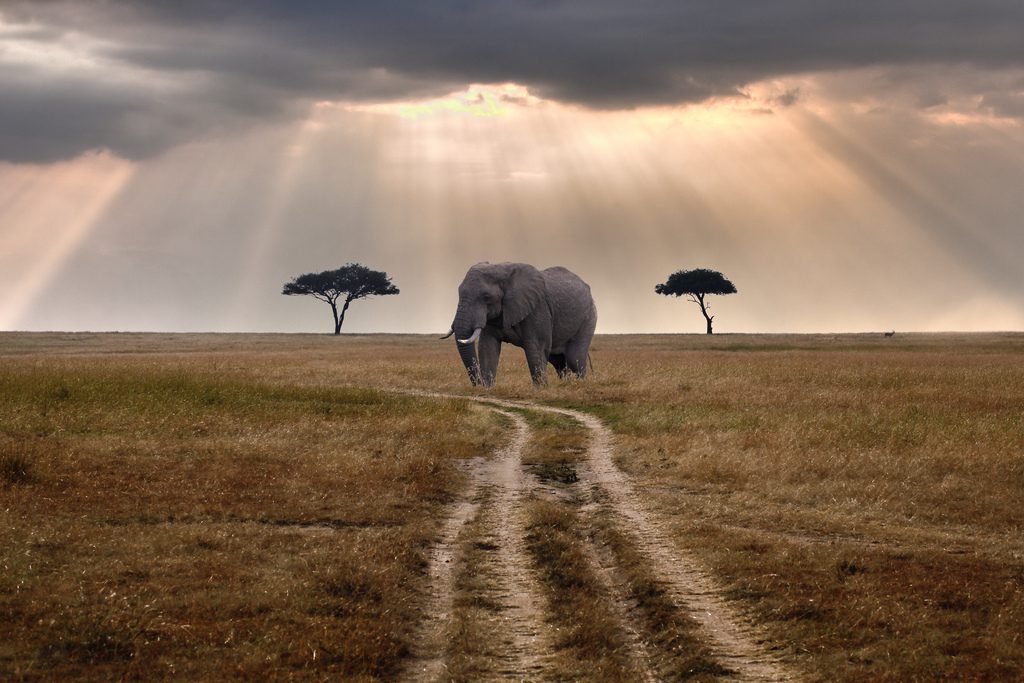
10-Day Best of Northern Tanzania Safari
Ten days combining the very best of the northern safari circuit.
View Package →
10-Day Ultra-Luxury Tanzania Lodge Safari
Ten days of ultra-luxury lodges across Tanzania's premier parks.
View Package →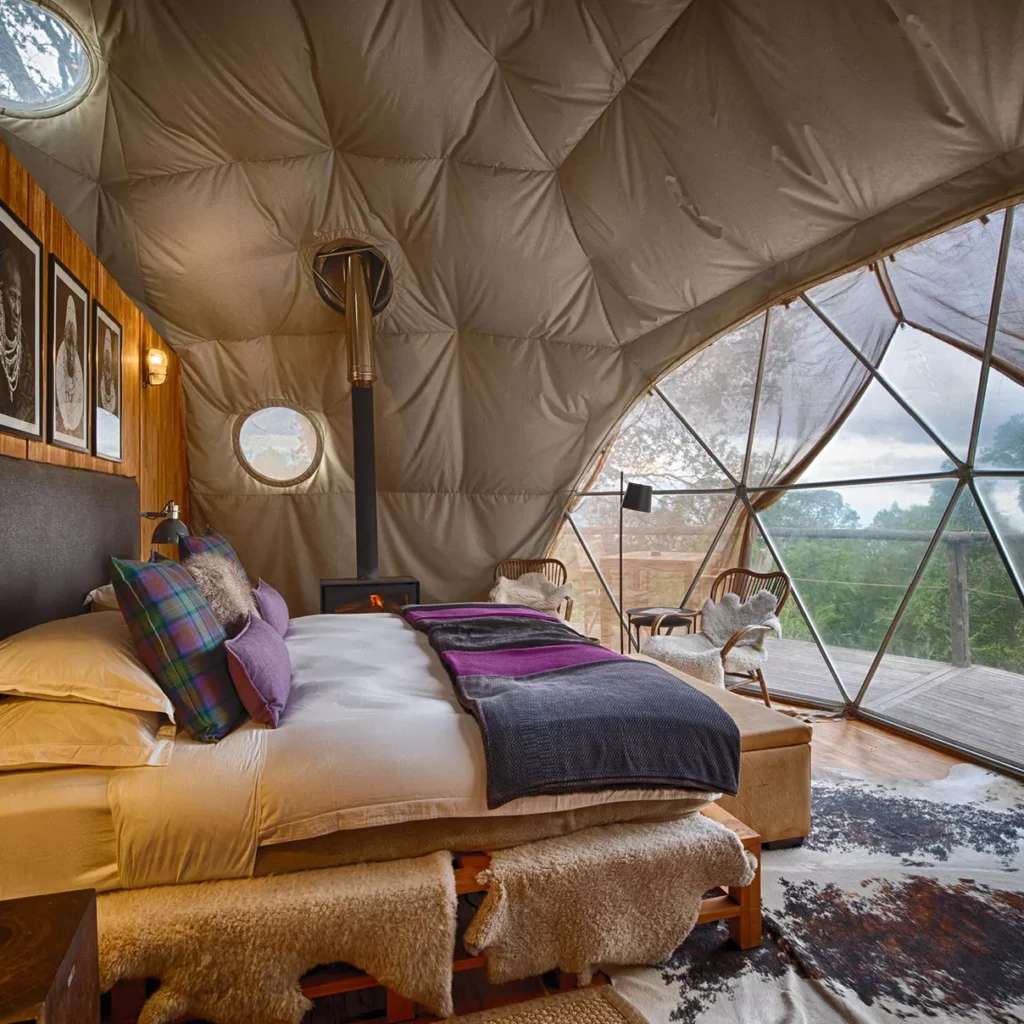
8-Day Tanzania Big Five Luxury Safari
An eight-day luxury safari focused on spotting Africa's Big Five.
View Package →
7-Day Best of Serengeti Safari
A seven-day safari highlighting the very best of the Serengeti ecosystem.
View Package →Ngorongoro Crater Planning Guides
Ngorongoro Crater FAQs
What is Ngorongoro Crater?
Ngorongoro Crater is the world's largest intact, unflooded volcanic caldera, formed roughly two to three million years ago when a giant volcano collapsed inward. Located in northern Tanzania within the Ngorongoro Conservation Area, the crater floor spans about 260 square kilometers and sits roughly 610 meters below a rim that rises to 2,286 meters above sea level. Its walls trap water and nutrients year-round, creating a self-contained ecosystem supporting one of the densest concentrations of wildlife in Africa, including lions, elephants, buffalo, hippos, flamingos, and the endangered black rhino, alongside resident Maasai pastoralist communities.
Where is Ngorongoro Crater located?
Ngorongoro Crater lies in northern Tanzania's Arusha Region, roughly 180 kilometers west of Arusha town and directly east of Serengeti National Park, forming the eastern gateway to Tanzania's Northern Circuit. It sits within the vast Ngorongoro Conservation Area, which stretches between Lake Manyara and the Serengeti plains and encompasses the crater highlands, Olduvai Gorge, and the short-grass plains around Ndutu. The drive from Arusha takes about three to four hours on a mix of tarmac and graded roads, and most travelers combine a crater visit with time in the Serengeti, Tarangire, or Lake Manyara.
Is Ngorongoro Crater a national park?
No, Ngorongoro Crater is not a national park. It sits inside the Ngorongoro Conservation Area (NCA), a UNESCO World Heritage Site governed under a unique multiple land-use model that protects wildlife while allowing Maasai pastoralist communities to live within its boundaries and graze cattle, unlike Tanzania's strictly protected national parks such as the Serengeti, where human settlement is prohibited. This matters for planning: NCA entry fees, permits, and conservation rules differ from national park fees, and the area is managed by the Ngorongoro Conservation Area Authority rather than Tanzania National Parks. The crater floor is a wildlife sanctuary within this larger multiple-use area.
When is the best time to visit Ngorongoro Crater?
Ngorongoro Crater offers excellent wildlife viewing year-round because its resident animals rarely leave the caldera, but the dry season from June through October is generally best, with clear skies, easy game viewing, and dry roads down to the crater floor. The short dry spell in January and February also brings pleasant weather and coincides with the Ndutu calving season nearby. The long rains fall from March through May, when roads can become slippery and some crater-floor tracks close temporarily, though wildlife remains present and lodges are quieter and often discounted during this green season.
Can you see the Big Five in Ngorongoro Crater?
Yes, Ngorongoro Crater is one of the very few places in Africa where visitors can realistically see all of the Big Five, lion, leopard, elephant, buffalo, and rhino, in a single day, thanks to the crater floor's compact size and extraordinarily high wildlife density. Lions are seen on almost every game drive, herds of buffalo and elephant bulls are common, and leopards, while shier, are regularly spotted in the Lerai forest. This concentration, combined with the crater's natural boundary walls that keep resident animals contained year-round, makes it one of Tanzania's most reliable Big Five safari destinations.
How likely are you to see black rhino in Ngorongoro Crater?
Ngorongoro Crater is widely regarded as one of the best places in Tanzania, and in all of Africa, to see the critically endangered black rhino in the wild. A small, closely monitored population lives on the crater floor, protected by round-the-clock ranger patrols against poaching, and sightings, while never guaranteed, are considerably more likely here than in the Serengeti or Tarangire because the animals are confined to a relatively small, open area with excellent visibility. Early-morning game drives soon after the gates open offer the best odds, before the day's heat and rising vehicle traffic push them into cover.
What are the entry fees and permits for Ngorongoro Crater?
Visiting Ngorongoro Crater requires paying Ngorongoro Conservation Area entry fees plus a separate crater service fee for vehicles descending to the crater floor, both payable in US dollars and typically arranged by your safari operator in advance through the official NCA booking system. Fees are charged per 24-hour period and are higher than standard national park rates because the crater floor has limited daily vehicle access to protect the ecosystem. A concession or camping fee also applies for overnight stays within the NCA, such as at Simba Campsite. Foot Slopes Tours and Safaris includes all applicable NCA permits and crater fees in its quoted package prices.
How many days do you need at Ngorongoro Crater?
Most travelers spend one full day, or two nights on the crater rim with one game drive on the crater floor, which is generally enough given the crater's compact size and dense wildlife, a single morning drive of four to five hours typically covers the highlights, including the Big Five. Photographers, birders, or those hoping for a second attempt at black rhino sightings often add a second crater-floor session. Because the crater is usually one stop on a longer Northern Circuit itinerary alongside the Serengeti, Tarangire, and Lake Manyara, most Foot Slopes Tours and Safaris itineraries allocate two to three days in the wider Ngorongoro area, including travel and rim accommodation.
How do you get to Ngorongoro Crater?
Most visitors reach Ngorongoro Crater by road from Arusha or Kilimanjaro International Airport, a drive of roughly three to five hours via Mto wa Mbu and the Ngorongoro Conservation Area's Lodoare Gate, climbing steeply up the forested crater highlands before descending onto the caldera floor for game drives. The route typically passes Lake Manyara National Park, making it easy to combine both destinations en route. Scheduled and charter flights also connect Arusha and the Serengeti to nearby airstrips such as Manyara or Lake Ndutu, followed by a road transfer to the rim. Foot Slopes Tours and Safaris arranges private 4x4 vehicle transfers and flight connections for every Ngorongoro itinerary.
Where can you stay near Ngorongoro Crater?
Accommodation at Ngorongoro Crater is concentrated along the forested crater rim, ranging from luxury lodges such as andBeyond Ngorongoro Crater Lodge and Ngorongoro Serena Safari Lodge, to mid-range options like Ngorongoro Sopa Lodge and Rhino Lodge, and budget-friendly tented camps and public campsites for self-drive or overland travelers. Rim lodges are prized for sweeping views straight down into the caldera and cooler highland temperatures, though rates run higher than elsewhere in Tanzania due to limited supply and high demand. Some travelers instead base themselves at nearby Karatu town, just outside the NCA gate, for more affordable stays within easy driving distance of the crater.
Is Ngorongoro Crater safe to visit?
Ngorongoro Crater is a safe, well-managed destination, with NCA rangers monitoring wildlife, road conditions, and vehicle numbers on the crater floor, and licensed safari guides required to accompany all game drives. As with any African safari destination, standard precautions apply: stay inside the vehicle except at designated picnic and viewing spots, follow your guide's instructions around wildlife, use antimalarial precautions, and drink only bottled or treated water. The steep, winding access roads down to the crater floor demand experienced drivers, which is why Foot Slopes Tours and Safaris uses trained local guides and well-maintained 4x4 vehicles for every crater descent and ascent.
Can Ngorongoro Crater be combined with the Serengeti and Zanzibar?
Ngorongoro Crater is almost always combined with other destinations, most commonly Serengeti National Park, which lies a few hours' drive west and offers open-plains game viewing and the Great Migration to complement the crater's concentrated Big Five sightings. Tarangire National Park and Lake Manyara are also easy additions along the same Northern Circuit route. Many travelers then finish their trip with several relaxing days on the beaches of Zanzibar, reachable by a short flight from Arusha or the Serengeti's airstrips. Foot Slopes Tours and Safaris designs combination itineraries pairing Ngorongoro Crater with the Serengeti, Tarangire, and Zanzibar for a complete safari-and-beach holiday.
Why choose Foot Slopes Tours and Safaris for your Ngorongoro Crater safari?
Foot Slopes Tours and Safaris is a Tanzania-based, locally run safari operator specializing in Northern Circuit itineraries that include Ngorongoro Crater, the Serengeti, Tarangire, and Lake Manyara. Every Ngorongoro safari is planned by experienced local guides who know the crater's seasonal wildlife patterns, best game-drive timings, and rim accommodation options first-hand, ensuring itineraries are realistic, well-paced, and genuinely tailored rather than templated. The company handles all NCA permits, crater fees, and logistics directly, removing the guesswork and hidden costs that can complicate independent planning. Personalized service, transparent pricing, and deep on-the-ground knowledge make Foot Slopes Tours and Safaris a trusted choice for this iconic destination.
Does Foot Slopes Tours and Safaris offer tailor-made Ngorongoro Crater itineraries?
Yes, every Ngorongoro Crater itinerary from Foot Slopes Tours and Safaris is tailor-made around each traveler's budget, travel dates, pace, and interests, rather than sold as a fixed package. Whether you want a single-day crater visit combined with the Serengeti and Tarangire, a slower rim-based stay with extra game drives for rhino and Big Five sightings, or a family-friendly, photography-focused, or honeymoon itinerary, the team builds a custom route and accommodation plan from scratch. Lodge categories from budget campsites to ultra-luxury rim properties can be mixed and matched, and itineraries are refined through direct consultation until every detail fits the traveler's exact preferences.
What is included in a Foot Slopes Tours and Safaris Ngorongoro Crater package?
A typical Foot Slopes Tours and Safaris Ngorongoro Crater package includes private 4x4 safari vehicle transport with a professional English-speaking driver-guide, all Ngorongoro Conservation Area entry and crater service fees, accommodation on the crater rim or in nearby Karatu, all specified meals, bottled drinking water during game drives, and airport or hotel transfers in Arusha. Park guiding, crater-floor game drives, and logistics coordination with other Northern Circuit stops such as the Serengeti or Tarangire are handled directly by the company. International flights, visas, travel insurance, and personal expenses are typically excluded but can be arranged on request, with every quote itemized clearly before booking.
How experienced are Foot Slopes Tours and Safaris guides?
Foot Slopes Tours and Safaris employs experienced, professionally trained local guides with extensive hands-on knowledge of Ngorongoro Crater's terrain, wildlife behavior, and seasonal patterns, including where black rhino and other Big Five species are most likely to be found on any given morning. Guides are fluent in English and skilled at spotting wildlife, explaining the crater's unique volcanic geology and conservation history, and navigating the steep descent and ascent roads safely. Their local expertise, built from years of leading Northern Circuit safaris, translates directly into better sightings, safer game drives, and a richer, more informative Ngorongoro Crater experience for every traveler.
What do past travelers say about Foot Slopes Tours and Safaris Ngorongoro Crater safaris?
Travelers consistently praise Foot Slopes Tours and Safaris for knowledgeable guides, well-organized logistics, and honest, transparent planning on Ngorongoro Crater safaris, with many reviews highlighting successful Big Five and black rhino sightings arranged through carefully timed early-morning game drives. Repeat clients often note the personalized attention given to itinerary design, responsive communication before and during the trip, and comfortable, well-maintained vehicles for the crater's steep access roads. Combined with strong reviews for Serengeti and Zanzibar extensions, feedback reflects a company known for reliability and genuine local expertise rather than generic, one-size-fits-all safari packages across northern Tanzania.
Plan Your Ngorongoro Crater
Tell us your dates, style, and preferred parks, and we will build the perfect itinerary around you.
Book Now Online →What Our Travelers Say
Real 5-star reviews from guests who traveled with us
Our Private African luxury Safari experience with Foot Slopes Tours and Safaris was nothing short of exceptional. From the very beginning, owner Gabriel was incredibly responsive, making the entire booking process smooth and stress-free. Gabriel went above and
We had an incredible private safari experience with Foot Slopes Tours and Safaris. Their office staff was very helpful and informative, and they communicated very well. Our pick-ups to and from the airport were on time and hassle-free, an unforgettable Safari
Foot Slopes Tours and Safaris is truly one of the best local tour companies in Tanzania. From start to finish, their service was professional, reliable, and personalized. The team went above and beyond to make sure every detail of our trip was perfect. Our saf
Our family chose Foot Slopes Tours and Safaris for a custom 11-day safari itinerary, and we couldn’t be happier with our choice! Everything from our initial inquiry to building our custom itinerary to pre-departure and on-trip support was top quality. Communic