
Kilimanjaro Crater Camp
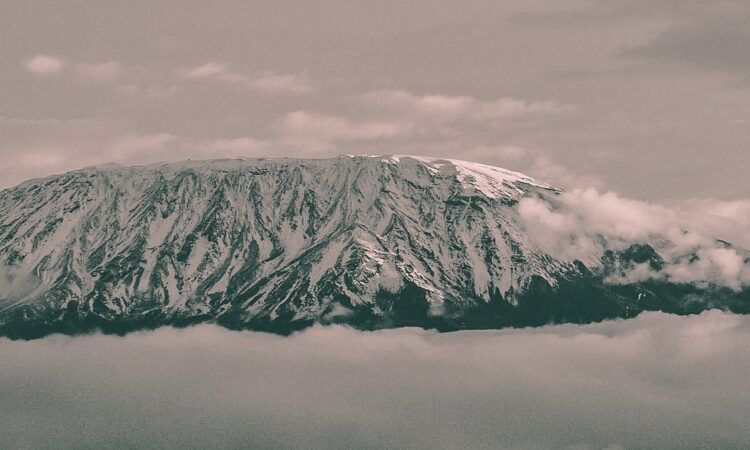
Kilimanjaro Crater Camp Kilimanjaro Crater Camp is one of the most extraordinary high-altitude camping experiences on Mount Kilimanjaro, offering trekkers a rare overnight stay near the volcano’s summit zone. Located close to the Kibo Crater on the world-famous Mount Kilimanjaro in Tanzania, this remote camp is part of elite Kilimanjaro climbing routes such as Lemosho, Machame, and Northern Circuit. “Kilimanjaro trekking,” “summit push,” “high altitude camping,” and “best Kilimanjaro routes.” A Kilimanjaro Crater Camp sits at extreme elevation, giving climbers a unique chance to experience glaciers, ash fields, and surreal lunar landscapes just below Uhuru Peak, Africa’s highest point. Because of thin air and cold temperatures, it is recommended only for well-acclimatized hikers attempting a challenging adventure safari in Tanzania. Staying at Kilimanjaro Crater Camp is rare, exclusive, and unforgettable, making it a top bucket-list experience for climbers worldwide seeking a once-in-a-lifetime African mountaineering journey. Kilimanjaro tours, hiking expeditions, and Tanzania safari adventure packages it attracts elite mountaineers globally, offering unmatched views and an extreme high-altitude wilderness experience for serious climbers and adventure seekers. Key details about Kilimanjaro Crater Camp: Location & Altitude Situated in the Kibo caldera, just below the summit. Altitude ~5,730m – 5,750m (approx. 18,800+ ft) Proximity to Summit ~1 km (0.6 mi) from Uhuru Peak, allowing a short ~1-hour hike to the summit for sunrise. Landscape Barren, lunar-like, and snowy, featuring the Furtwängler Glacier and the Ash Pit (Reusch Crater). Temperature Extremely cold; night temperatures can reach (-15^{circ}text{C}) or lower. Bed Type | Mountain Tent Area | Machame Route, Lemosho Route, and Northern Circuit. Full Board Access Usually accessed via specialized itineraries on the Lemosho, Northern Circuit, or Machame routes. Bed Type | Mountain Tent Area | Machame Route, Lemosho Route, and Northern Circuit. Full Board Conditions High-risk for altitude sickness due to extreme altitude; no permanent facilities exist (tents only). Bed Type | Mountain Tent Area | Machame Route, Lemosho Route, and Northern Circuit. Full Board What Makes Crater Camp Special Kilimanjaro Crater Camp is one of the most unique high-altitude camping experiences in the world, located inside the summit crater of Mount Kilimanjaro in Kilimanjaro National Park. Unlike standard Kilimanjaro trekking camps, Crater Camp sits at around 5,700 meters, offering trekkers a rare overnight stay at the roof of Africa. What makes it special is its extreme altitude, surreal volcanic landscape, and close proximity to glaciers, ash pits, and the Reusch Crater. It is far less visited than Uhuru Peak routes, making it an exclusive adventure for experienced climbers. The silence, thin air, and dramatic scenery create a once-in-a-lifetime experience. Many climbers choose Crater Camp to witness sunrise over the ice fields and explore the inner summit zone of Kilimanjaro. It is truly unforgettable high altitude adventure experience awaits here. Kilimanjaro Ice Fields and Glaciers Kilimanjaro Ice Fields and Glaciers on Mount Kilimanjaro are among the most iconic features seen during Kilimanjaro trekking and Crater Camp expeditions. These ancient glaciers, including the famous Furtwängler Glacier, are remnants of a once vast ice cap that has slowly retreated due to climate change. Trekkers staying at Kilimanjaro Crater Camp experience a rare close-up view of shimmering ice formations, frozen ash, and dramatic alpine desert landscapes. The ice fields near the summit crater create a surreal contrast against the volcanic terrain. Early morning sunlight reflecting off the glaciers produces breathtaking photography opportunities. Despite their shrinking size, they remain one of the top Kilimanjaro highlights for climbers seeking extreme altitude adventure, glacier trekking experience, and unforgettable views from the roof of Africa, an ultimate alpine experience above clouds, forever memorable. Kilimanjaro Crater Camp on Map, Google Maps Kilimanjaro Crater Camp on Map shows its extreme summit location within Mount Kilimanjaro in northern Tanzania, inside Kilimanjaro National Park. The camp is positioned near the Reusch Crater, just below Uhuru Peak, making it one of the highest camping spots in Africa. On most Kilimanjaro trekking maps, Crater Camp appears at approximately 5,700 meters elevation, accessible only via the Barafu or Northern Circuit routes. Maps highlight its proximity to glaciers, ash pits, and the summit ice fields. This remote location is often marked as an optional acclimatization and exploration point for experienced climbers. GPS mapping for Kilimanjaro expeditions often includes Crater Camp as a key waypoint for summit-day strategies, altitude planning, and extreme adventure trekking itineraries. It is rarely used but highly rewarding for elite climbers seeking challenge above all. Request A free Quote Hiking to Reusch Crater and the Ash Pit Hiking to Reusch Crater and the Ash Pit is one of the most dramatic parts of the Kilimanjaro Crater Camp experience inside Mount Kilimanjaro. Located within the summit zone of Kilimanjaro National Park, this trek takes climbers across volcanic ash, ice formations, and extreme high-altitude terrain. The Reusch Crater, a massive volcanic depression, features the famous ash pit and remnants of ancient volcanic activity. Guided Kilimanjaro trekking tours lead climbers from Crater Camp through thin-air conditions, requiring strong acclimatization and endurance. The ash pit is a striking geological feature that highlights Kilimanjaro’s volcanic origin. This short but challenging hike is often considered a highlight for adventure seekers aiming to explore the hidden inner summit of Africa’s tallest mountain and experience extreme altitude exploration true alpine volcanic adventure awaits here always. Ensuring the Proper Experience for Crater Camp Ensuring the Proper Experience for Crater Camp on Mount Kilimanjaro requires careful planning, expert guidance, and strong physical preparation for high-altitude trekking in Kilimanjaro National Park. Due to extreme altitude above 5,700 meters, climbers must acclimatize properly to reduce risks of altitude sickness. Choosing experienced Kilimanjaro trekking operators is essential for safety, weather adaptation, and route planning. Proper gear, including insulated clothing, oxygen support, and quality sleeping systems, enhances comfort at Crater Camp. Guides monitor climbers closely to ensure safe progression through the summit zone. Weather conditions can change rapidly, so flexibility is important. A successful Crater Camp experience combines adventure, safety, and respect for the harsh alpine environment of Africa’s highest
Millennium Camp
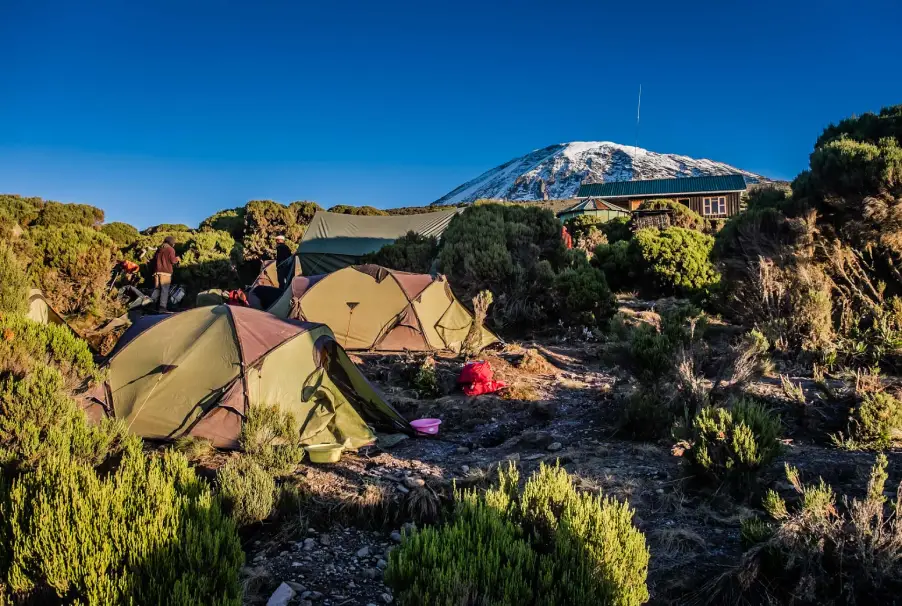
Millennium Camp on Mount Kilimanjaro Located on the southeastern slopes of Mount Kilimanjaro, Millennium Camp is a vital overnight stop for climbers descending after reaching Uhuru Peak. Sitting at approximately 3,820 meters above sea level, this campsite offers a much-needed transition from the harsh alpine summit to more oxygen-rich environments, helping trekkers recover safely after the demanding climb. Widely used on popular Kilimanjaro routes such as Machame, Lemosho, and Umbwe, Millennium Camp is known for its peaceful atmosphere, spacious tented grounds, and fewer crowds compared to Mweka Camp. Surrounded by heath and moorland vegetation, climbers enjoy warmer temperatures, improved breathing conditions, and stunning sunset views over the mountain’s southern slopes. As a key recovery point, Millennium Camp plays an essential role in altitude adjustment and post-summit rest. It symbolizes achievement, relief, and celebration, making it one of the most memorable stops on any Mount Kilimanjaro climbing adventure. 6 Key Aspects of Millennium Camp on Mount Kilimanjaro Location and Usage Situated on a ridge on the southern slopes of Mount Kilimanjaro, it is a designated, popular overnight stop for hikers descending after reaching the summit. Optimal Descent Logistics It serves as a midway rest point during the grueling descent, usually after a night at Barafu Camp (summit camp). It reduces the strain of walking from high altitude directly to the gate in one day. Altitude and Environment Located at approximately (3,820) (12,532 ft), it sits in the heath and moorland zone, surrounded by heather, providing a scenic, quieter, and less crowded atmosphere than Mweka Camp. Accommodations and Facilities It offers flat, designated camping areas. Most operators provide high-quality, weather-resistant tents, private dining tents, and toilet tents to ensure hygiene and comfort. Bed Type | Mountain tents Area | Rongai Route Full Board Essential Staff Support The camp is supported by a large team of porters and chefs who manage all logistics, ensuring climbers have hot food and water, allowing them to rest and recover, according to. Bed Type | Mountain tents Area | Rongai Route Full Board Safety and Health Focus As a high-altitude camp, it allows for a final health check (often with pulse oximeters) by professional guides to monitor for Altitude Sickness as climbers begin their exit. The camp offers a welcome, often emotional stop, bringing a sense of relief after the strenuous summit attempt. Bed Type | Mountain tents Area | Rongai Route Full Board Millennium Camp on Mount Kilimanjaro Weather, Climate, and Vegetation Millennium Camp on Mount Kilimanjaro sits within the lush rainforest zone of the mountain, where the weather, climate, and vegetation are characteristically humid, cool, and constantly changing. Temperatures at this part of the Mount Kilimanjaro trekking route usually range between 10°C and 20°C, with frequent mist, light rain, and high cloud cover. The climate is influenced by altitude and dense forest canopy, making conditions damp but refreshing for climbers. Vegetation around Millennium Camp includes thick montane rainforest, giant ferns, moss-covered trees, and rich biodiversity of birds and monkeys. This zone is part of Kilimanjaro National Park, offering one of the most scenic ecological transitions on the mountain. The humid environment helps trekkers acclimatize while experiencing the natural beauty of Tanzania’s iconic Mount Kilimanjaro rainforest ecosystem and its unique alpine weather patterns. What we love at Millennium Camp on Mount Kilimanjaro What we love most at Millennium Camp on Mount Kilimanjaro is its peaceful atmosphere, scenic rainforest setting, and sense of achievement after a long trekking day. As one of the key overnight camps on the Mount Kilimanjaro climbing routes, it offers trekkers a calm environment surrounded by dense greenery and fresh mountain air. The camp is less crowded compared to lower trail camps, giving climbers a more intimate wilderness experience. We also appreciate the warm hospitality of Kilimanjaro porters and guides who make the stay comfortable despite the remote location. The soft sounds of nature, including birds and rustling trees, create a relaxing backdrop. Millennium Camp is also loved for being a strategic acclimatization point before ascending higher toward the alpine desert zone of Kilimanjaro, making it both beautiful and essential for successful summit attempts. Millennium Camp on Mount Kilimanjaro Map Millennium Camp on Mount Kilimanjaro is located on the southern trekking routes of Kilimanjaro National Park, commonly used in the Machame Route itinerary. On a Kilimanjaro map, it sits above Shira Camp and below the higher alpine camps that lead toward the summit of Uhuru Peak. Positioned at approximately mid-mountain level, Millennium Camp is surrounded by dense rainforest and lies along a well-defined trekking trail used by thousands of climbers each year. The map of Mount Kilimanjaro highlights this camp as a crucial overnight stop for acclimatization and rest. It is strategically placed to help climbers adjust gradually to altitude gain while continuing the ascent toward Barranco Camp and Barafu Camp. This location makes Millennium Camp an important navigational and logistical point on any Kilimanjaro trekking map, especially for multi-day guided expeditions and guided Kilimanjaro climbing tours. Request A free Quote What is Millennium Camp on Mount Kilimanjaro Millennium Camp is the final overnight stop on the Mweka Route of Mount Kilimanjaro, typically used by climbers descending after reaching Uhuru Peak. Located at around 3,800 meters (12,500 feet), it sits within the lush montane forest zone. The camp serves as a rest and recovery point after the physically demanding summit push from Barafu Camp. Many trekkers arrive here exhausted but relieved, as oxygen levels are higher and breathing becomes easier. Millennium Camp is known for its peaceful atmosphere, dense vegetation, and sense of accomplishment among climbers. It marks the beginning of the final descent toward Mweka Gate and is an essential part of most Kilimanjaro itineraries. Where is Millennium Camp Located Millennium Camp is located on the southern slopes of Mount Kilimanjaro, along the Mweka Route, which is the primary descent path for several Kilimanjaro climbing routes. Positioned between Barafu Camp and Mweka Gate, it lies in a transition zone between alpine desert
Mawenzi Tarn Camp
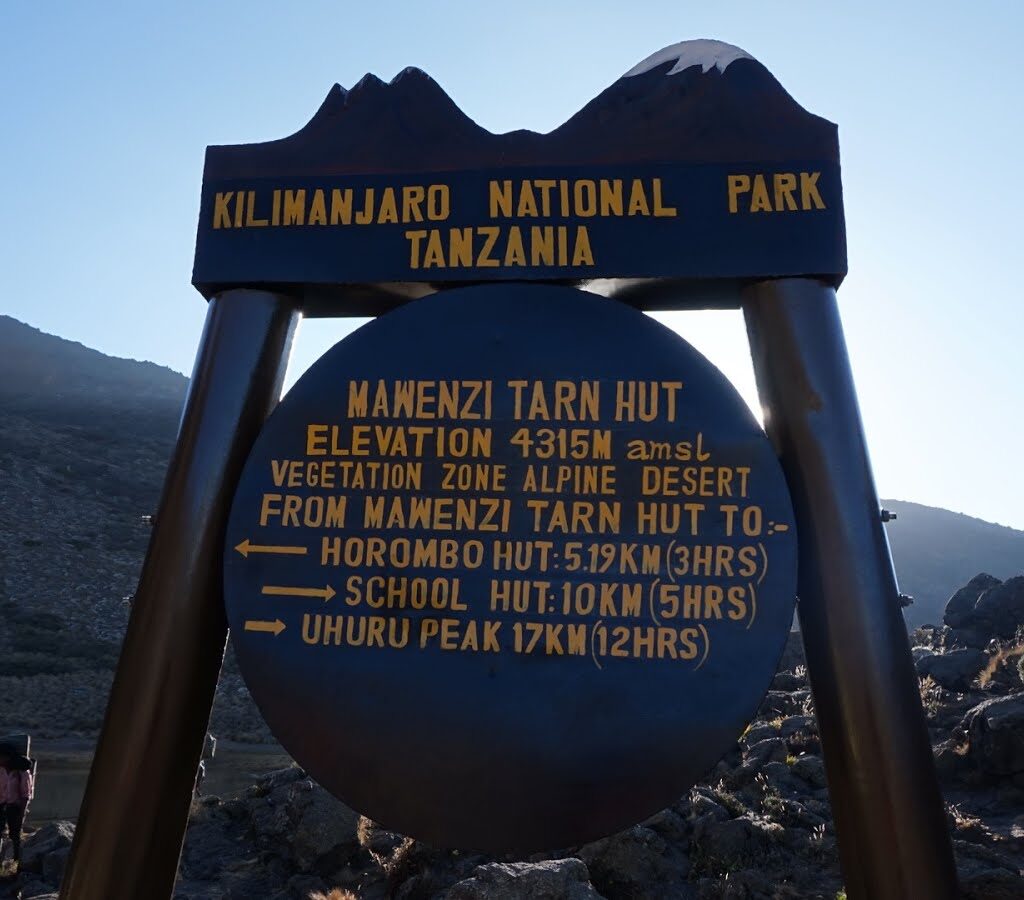
Mawenzi Tarn Camp – Scenic High Camp on Kilimanjaro Nestled beneath the jagged spires of Mawenzi Peak on Mount Kilimanjaro, Mawenzi Tarn Camp is a breathtaking high-altitude campsite at 4,300 meters, offering one of the most scenic and peaceful stops on the Rongai Route. This remote alpine desert camp sits beside a small glacial lake, creating a dramatic contrast of rugged volcanic terrain and tranquil water reflections. Kilimanjaro National Park surrounds the area with raw wilderness, where silence, star-filled skies, and sweeping cloud views define the experience. Highly valued for acclimatization, Mawenzi Tarn Camp provides climbers with a serene environment to rest before the summit push, while enjoying panoramic views of the Saddle Plateau between Mawenzi and Kibo. The camp features simple tented accommodation, basic facilities, and water sourced from the nearby tarn for sanitation. Its secluded setting, minimal crowds, and striking landscapes make it a hidden gem for trekkers seeking authentic Kilimanjaro adventure, natural beauty, and unforgettable high-altitude camping experiences. Key Aspects of Mawenzi Tarn Camp High-Altitude Location (4,330m) Situated on the edge of the Saddle Plateau at 4,330 meters, the camp serves as an excellent, vital stop for acclimatization before tackling the final summit push. Spectacular Scenery The camp is nestled directly below the jagged, imposing spires of Mawenzi Peak, the second-highest peak on Kilimanjaro. The “Tarn” (Water Source) It is one of the few camps on the mountain located beside a small, natural tarn, providing scenic beauty and water, although treatment is required. Rongai Route Pivot Point Primarily used by climbers on the Rongai route, the camp provides a strategic, scenic alternative to the standard itinerary, acting as a pivotal, breathtaking stop, according to Climb Mount Kilimanjaro. Bed Type | Mountain Hut Area | Rongai Route Full Board Small and Intimate Atmosphere It is a small, quiet, and tranquil spot, offering a more remote and serene experience compared to larger, busier campsites like Horombo. Bed Type | Mountain Hut Area | Rongai Route Full Board Basic Camping Infrastructure There are no huts, only open-air camping. Facilities are minimal, featuring only a small ranger’s hut and basic pit latrines Bed Type | Mountain Hut Area | Rongai Route Full Board Mawenzi Tarn Camp Weather, Climate, and Vegetation Set high on the rugged eastern flank of Mount Kilimanjaro, Mawenzi Tarn Camp offers a dramatic alpine climate shaped by altitude and exposure. Days are typically cool and crisp, with temperatures ranging between 5°C and 15°C, while nights can drop well below freezing, especially during the dry seasons from June to October and January to March. The weather is often clear, revealing spectacular views of Mawenzi Peak, though sudden mists and winds are common. Vegetation here transitions into afro-alpine moorland, dominated by hardy tussock grasses, giant lobelias, and everlasting flowers adapted to extreme conditions. This unique ecosystem creates a surreal, almost lunar landscape, making Mawenzi Tarn Camp one of the most visually striking and ecologically fascinating camps on Kilimanjaro. What we love at Mawenzi Tarn Camp Mawenzi Tarn Camp is widely loved for its raw beauty, tranquility, and unmatched proximity to the jagged spires of Mawenzi Peak. Unlike busier camps along other Kilimanjaro routes, this camp offers a quieter, more intimate trekking experience, perfect for climbers seeking solitude and connection with nature. The scenic tarn (mountain lake) beside the camp reflects the dramatic skyline, creating breathtaking sunrise and sunset views. Trekkers also appreciate the excellent acclimatization opportunities, as the camp is often used for rest and short hikes. The sense of wilderness here is profound, with fewer crowds and expansive views across the moorland. It’s a favorite among adventurers on the Rongai Route who want a unique perspective of Mount Kilimanjaro away from the main trails. Mawenzi Tarn Camp on Kilimanjaro Map Mawenzi Tarn Camp is strategically located on the northeastern side of Mount Kilimanjaro, along the scenic Rongai Route—one of the quieter and less crowded approaches to the summit. On the Kilimanjaro map, it sits beneath the towering cliffs of Mawenzi Peak, offering a unique contrast to the gentler slopes of Kibo. Positioned between Second Cave Camp and Kibo Hut, Mawenzi Tarn serves as a key acclimatization stop before the final ascent. Its location provides trekkers with a rare chance to explore the eastern alpine zone of Kilimanjaro. The camp’s placement near a small glacial tarn enhances its scenic value, making it a standout point on trekking maps and a must-visit landmark for those choosing the Rongai Route. Request A free Quote How high is Mawenzi Tarn Camp Mawenzi Tarn Camp sits at an altitude of approximately 4,315 meters (14,160 feet) above sea level on Mount Kilimanjaro. This elevation places it firmly within the alpine desert zone, where oxygen levels are significantly lower and temperatures can drop below freezing, especially at night. Trekkers often begin to feel stronger effects of altitude here, making acclimatization practices essential. Spending a night at Mawenzi Tarn Camp helps the body adjust before ascending to higher camps like Kibo Hut. The height also offers incredible panoramic views across the mountain and surrounding plains. Understanding the altitude of Mawenzi Tarn Camp is crucial for preparation, as it marks a transition into more challenging high-altitude trekking conditions on the journey to Uhuru Peak. Where is Mawenzi Tarn Camp located Mawenzi Tarn Camp is located on the eastern side of Mount Kilimanjaro, nestled directly beneath the steep slopes of Mawenzi Peak, the mountain’s second-highest summit. It lies along the Rongai Route and is one of the last major camps before trekkers traverse toward Kibo. The camp sits beside a small alpine lake, which provides a rare water source in this otherwise dry, rocky environment. Its location offers dramatic views of Mawenzi’s rugged cliffs and the saddle that connects Mawenzi and Kibo peaks. This remote positioning makes it less crowded than camps on southern routes. The setting is both beautiful and harsh, giving trekkers a true sense of Kilimanjaro’s wild alpine landscape while providing a strategic stop for acclimatization
Kikelelwa Camp
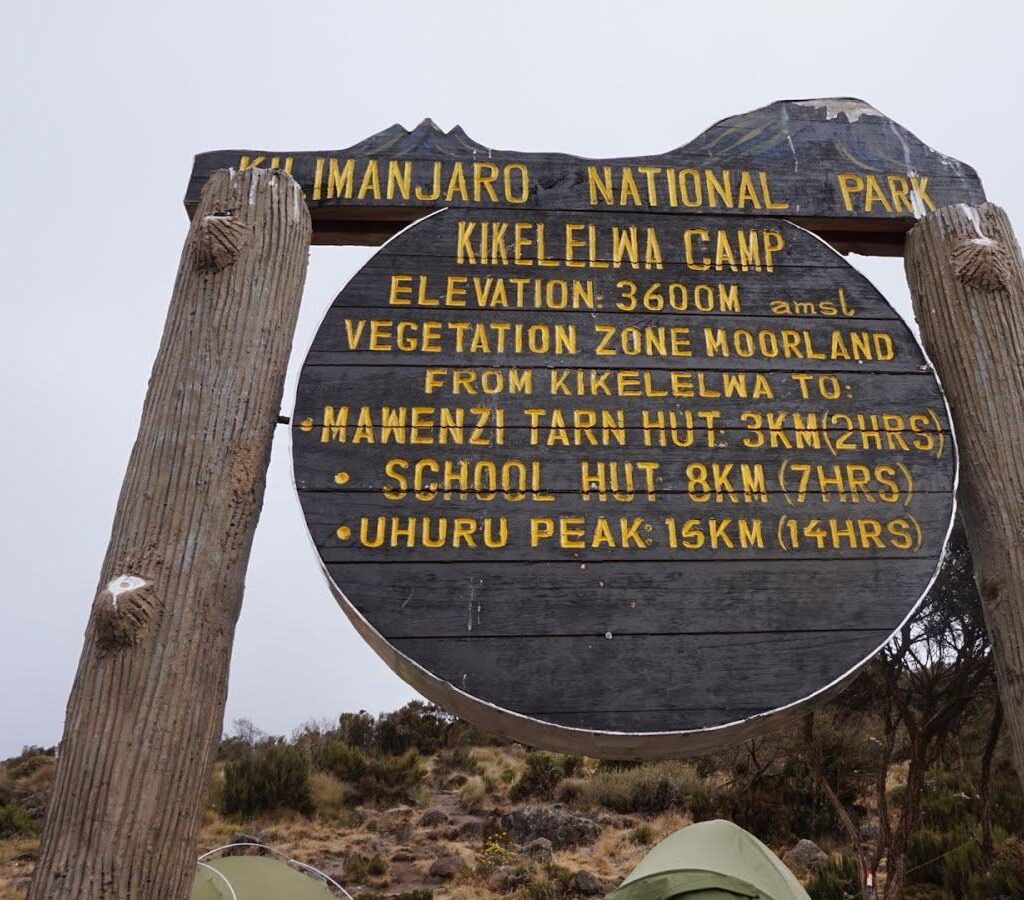
Kikelelwa Camp on Mount Kilimanjaro Perched on the remote northeastern slopes of Mount Kilimanjaro, Kikelelwa Camp is a scenic and tranquil overnight stop along the famous Rongai Route, ideal for climbers seeking a quieter Kilimanjaro trekking experience. Sitting at 3,600 meters above sea level, this high-altitude campsite serves as a key acclimatization point before ascending toward Mawenzi Tarn. Kikelelwa Camp on Mount Kilimanjaro surrounded by striking moorland vegetation, giant senecios, and sweeping mountain views, the camp offers a raw, authentic wilderness atmosphere. Kilimanjaro National Park enhances its appeal with unspoiled landscapes and minimal crowds. Accommodation at Kikelelwa Camp is purely camping-based, with trekkers pitching tents and enjoying hearty, energy-rich meals prepared by mountain crews. Despite basic facilities like pit latrines and limited water supply, the experience is unforgettable—featuring star-filled skies, crisp alpine air, and peaceful silence. For those planning a Mount Kilimanjaro climb, Kikelelwa Camp delivers a perfect blend of adventure, solitude, and breathtaking natural beauty. Key Aspects of Kikelelwa Camp on Mount Kilimanjaro Location and Scenery Located on the northwest side of Kilimanjaro, it serves as the traditional, necessary first stop after starting at the Londorossi Gate, allowing hikers to ease into the trek, usually after a 3-4 hour hike. Accommodation and Facilities This is a public, open-site camping area with no permanent huts. Hikers must bring their own tents, or use tents provided by tour operators. The camp has a single semi-permanent ranger hut for administration. Toilet Facilities There are no indoor toilets, and travelers often use pit latrines (dry toilets). Climate The site is often exposed to winds as it lacks dense trees for shelter, making it cold, especially at night. Bed Type | Mount Tent Area | Rongai Route Full Board Acclimatization Situated at over 3,600m, it allows for a gradual increase in altitude. Bed Type | Mount Tent Area | Rongai Route Full Board Route Context It is used exclusively on the Rongai route—often considered the best route for those seeking a less crowded, remote experience, particularly during the wet season, as it lies in a dry rain shadow. Bed Type | Mount Tent Area | Rongai Route Full Board How high is Kikelelwa Camp Kikelelwa Camp sits at approximately 3,600 meters (11,800 feet) above sea level on the slopes of Mount Kilimanjaro. This altitude makes it a crucial acclimatization stop for trekkers climbing Africa’s highest peak via the Rongai Route. At this elevation, the air becomes thinner, and hikers begin to feel the real effects of high altitude, making proper pacing and hydration essential. Kikelelwa Camp is often reached after leaving the moorland zone, offering a cooler climate and breathtaking alpine scenery. Many climbers consider this altitude perfect for gradual adaptation before ascending to higher camps like Mawenzi Tarn. Its elevation also provides sweeping panoramic views, making it one of the most scenic overnight stops. Understanding the altitude of Kikelelwa Camp helps trekkers prepare physically and mentally for the Kilimanjaro summit journey. Where is Kikelelwa Camp located on Kilimanjaro Kikelelwa Camp is located on the northeastern side of Mount Kilimanjaro along the famous Rongai Route, the only trail approaching the mountain from the north near the Kenyan border. This remote location makes it less crowded compared to southern routes like Machame or Marangu. Positioned between Second Cave and Mawenzi Tarn, Kikelelwa Camp lies in a sheltered valley surrounded by giant heather and rugged alpine landscapes. Its unique position offers incredible views of Mawenzi Peak, Kilimanjaro’s jagged secondary summit. The northern approach provides a drier climate, making Kikelelwa Camp a preferred stop during rainy seasons. Its peaceful setting allows trekkers to experience a quieter, more intimate Kilimanjaro adventure. This location is ideal for those seeking solitude, scenic beauty, and a gradual acclimatization profile during their trek. Kikelelwa Campon Kilimanjaro Map On a Kilimanjaro trekking map, Kikelelwa Camp is clearly marked along the Rongai Route between Second Cave and Mawenzi Tarn Camp. It sits slightly off the main ridge in a scenic valley, making it distinct from other camps located directly along the trail. The map shows a gradual ascent from the northern slopes, highlighting Kikelelwa Camp as a mid-altitude stop critical for acclimatization. Trekkers typically reach this camp after a moderate hike through moorland terrain. Maps also illustrate its proximity to Mawenzi Peak, offering insight into the dramatic landscapes surrounding the camp. Whether using digital GPS maps or traditional trekking charts, Kikelelwa Camp is easy to identify as a key overnight point. Understanding its map position helps trekkers visualize the route progression and plan their Kilimanjaro climbing itinerary effectively. Request A free Quote What makes Kikelelwa Camp special on the Rongai Route Kikelelwa Camp is considered one of the most scenic and peaceful camps on the Rongai Route. Its secluded valley setting, surrounded by towering heather plants and alpine wilderness, offers a tranquil atmosphere rarely found on busier Kilimanjaro trails. Unlike crowded camps, Kikelelwa provides a quiet environment where trekkers can relax and connect with nature. The stunning views of Mawenzi Peak create a dramatic backdrop, especially during sunrise and sunset. Its position also makes it a perfect acclimatization stop, helping climbers adjust to altitude gradually. The camp’s unique terrain, with soft grassy areas and natural shelter, enhances comfort compared to more exposed camps. Many climbers highlight Kikelelwa Camp as a memorable highlight of their journey due to its beauty, serenity, and strategic importance on the climb. How is the camping experience different at Kikelelwa Camp Camping at Kikelelwa Camp feels more intimate and immersive compared to other Kilimanjaro camps. The smaller number of trekkers creates a quieter, less commercial atmosphere. The camp is set on soft ground, making tent pitching more comfortable than rocky high-altitude camps. Its sheltered valley location protects trekkers from strong winds, improving overall comfort during the night. The surrounding vegetation adds a sense of warmth and natural beauty, unlike the barren landscapes found at higher elevations. Nights are colder due to altitude, but the peaceful environment enhances rest and recovery.
Second Cave Camp
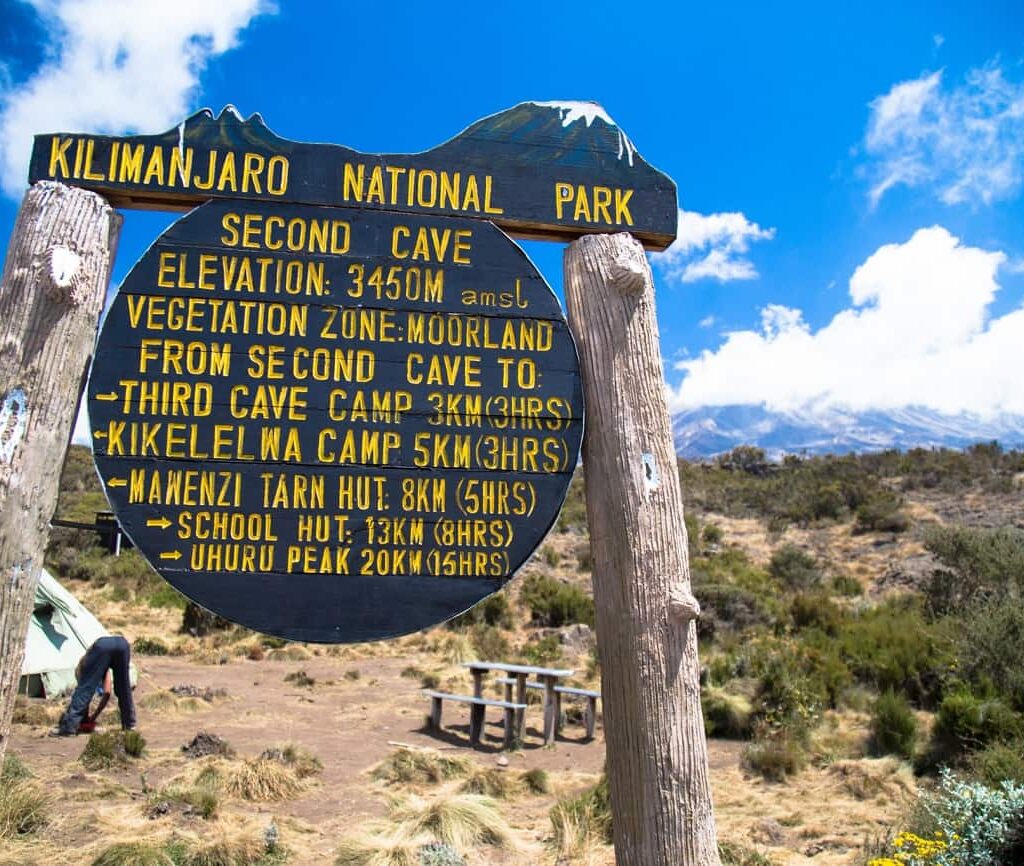
Second Cave Camp | Kilimanjaro’s Rongai Route Rest Stop Second Cave Camp on Mount Kilimanjaro, located along the scenic Rongai Route, is a vital acclimatization stop for climbers seeking a successful Tanzania trekking experience. Situated at approximately 3,450 meters above sea level, this remote wilderness campsite offers breathtaking views of Mawenzi Peak and the vast northern slopes of Africa’s highest mountain. The Rongai Route is known for its quiet, less crowded trails, making Second Cave Camp an ideal resting point for trekkers aiming to avoid congestion while enjoying pristine alpine landscapes. Climbers experience cooler temperatures, unique high-altitude vegetation, and a peaceful atmosphere that enhances gradual acclimatization for Kilimanjaro summit success. The camp features basic tented facilities, guiding teams, and stunning sunrise views that highlight the untouched beauty of Mount Kilimanjaro National Park. As part of a well-structured Kilimanjaro climbing itinerary, Second Cave Camp plays a crucial role in preparing hikers for higher elevations, ensuring safety, endurance, and memorable adventure on one of the world’s most iconic trekking routes in Tanzania. It remains a key acclimatization camp offering an unforgettable Kilimanjaro trekking experience with stunning northern route wilderness scenery views. Key Details About Second Cave Camp on Kilimanjaro Rongai Route Elevation and Landscape Located at 3,450 meters (11,320 feet), the Second Cave Camp (Go Climbing Kilimanjaro) is situated in the moorland vegetation zone, specifically below the third cave camp and featuring heather and rocky, open terrain. Primary Purpose (Lunch Stop) Most hikers stop here for a picnic lunch on Day 2 of the Rongai Route (Climbing Kilimanjaro) before moving on to the higher-elevation Kikelelwa Cave camp, though it can be used for overnight stays. No Permanent Infrastructure This camp is rustic, lacking huts or cabins, 2 requiring hikers to bring their own tents. It features only a small tent for ranger administration. Excellent Acclimatization & Views It offers superb views of the Kibo crater rim and Eastern icefields, acting as a great spot to acclimatize to high altitude before moving into the high alpine zone. Bed Type | Mount Tent Area | Rongai Route Full Board Water Scarcity & Sanitation Water is scarce, and the camp has no running water, with only basic pit latrines available for use. Bed Type | Mount Tent Area | Rongai Route Full Board Quiet Atmosphere Because the Rongai Route (Kilimanjaro Company) is less heavily trafficked, the camp is generally quieter, less crowded, and more scenic than routes like Marangu. Bed Type | Mount Tent Area | Rongai Route Full Board How high is Second Cave Camp on Kilimanjaro Second Cave Camp is located at an altitude of approximately 3,450 meters (11,319 feet) above sea level on Mount Kilimanjaro. This makes it one of the key mid-altitude resting points on the popular Marangu Route, often used for acclimatization before continuing toward higher camps such as Kibo Hut. At this elevation, the air is noticeably thinner, and climbers begin to feel the effects of reduced oxygen levels. The camp sits above Mandara Hut and is part of the gradual ascent through Kilimanjaro’s ecological zones, transitioning from rainforest to heath and moorland. Because of its elevation, Second Cave Camp is important for acclimatization on Kilimanjaro trekking routes, helping hikers adapt before reaching the summit zone. It is a crucial stop for improving summit success rates on Africa’s highest mountain. Where is Second Cave Camp located on Kilimanjaro Second Cave Camp is situated on the Marangu Route on the eastern side of Mount Kilimanjaro within Kilimanjaro National Park, Tanzania. It lies between Mandara Hut and Horombo Hut, forming part of the classic hut-based trekking system. The camp is positioned just after the forest zone, where the landscape opens into heath and moorland terrain. This location offers trekkers a gradual and scenic ascent through different ecological zones of Kilimanjaro. It is accessible only on foot, as all Kilimanjaro routes are non-vehicular. The camp’s strategic placement makes it an important acclimatization stop for climbers adjusting to high altitude. Surrounded by volcanic slopes and open views, Second Cave Camp provides a peaceful and rugged environment that reflects the natural beauty of Mount Kilimanjaro trekking routes. Second Cave Camp on Kilimanjaro Map On a Kilimanjaro trekking map, Second Cave Camp appears along the Marangu Route trail section between Mandara Hut and Horombo Hut. It is marked as a minor but important acclimatization point on the eastern approach of Mount Kilimanjaro. The route begins at Marangu Gate, passes through dense rainforest to Mandara Hut, and then ascends gradually to Second Cave Camp before continuing upward. Maps typically show the camp located within the moorland zone, characterized by open landscapes and volcanic terrain. Its position helps trekkers visualize elevation gain and acclimatization progress during the climb. On most Kilimanjaro route maps, Second Cave Camp is not a major overnight hut but a short-stay or acclimatization stop, making it essential for understanding altitude progression and trekking logistics on the Marangu Route. Request A free Quote How difficult is the hike to Second Cave Camp The hike to Second Cave Camp is considered moderate in difficulty compared to other sections of Mount Kilimanjaro. Starting from Mandara Hut, trekkers experience a gradual ascent through changing vegetation zones, including forest edges and heathland. The trail is not technically challenging, but the increasing altitude makes physical effort more demanding. Most climbers feel the reduced oxygen levels as they approach 3,450 meters. The path is well-established and used frequently by trekkers on the Marangu Route Kilimanjaro climb, making navigation straightforward. However, stamina and slow pacing are important for avoiding altitude strain. While not steep or technical, the hike requires good endurance and acclimatization awareness. Overall, it is a manageable section that prepares climbers for more difficult stages ahead on their Kilimanjaro ascent. What views can I see from Second Cave Camp From Second Cave Camp, climbers are rewarded with expansive views of Kilimanjaro’s lower slopes and surrounding volcanic landscapes. On clear days, you can see sweeping moorland terrain stretching toward the
Simba Camp
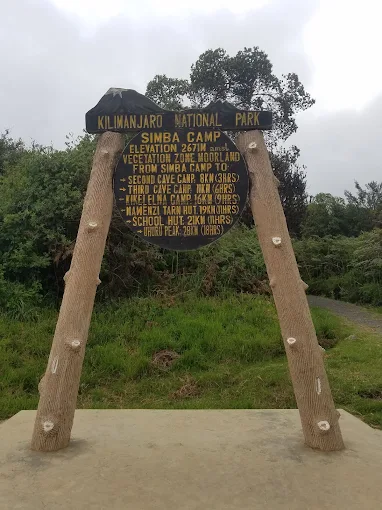
Simba Camp on Kilimanjaro | First Stop on Rongai Route Perched dramatically on the northern slopes of Mount Kilimanjaro, Simba Camp is a spectacular overnight stop along the scenic Rongai Route, one of the best routes for climbing Kilimanjaro. Known for its remote wilderness feel and breathtaking views over Kenya’s plains, Simba Camp sits at approximately 2,600 meters, offering climbers a peaceful and less crowded alternative compared to southern routes. This Kilimanjaro campsite is ideal for acclimatization, with cool mountain air, stunning sunrise and sunset views, and clear night skies perfect for stargazing. For travelers searching for “Kilimanjaro camping experience,” “Rongai Route itinerary,” or “best Kilimanjaro camps,” Simba Camp delivers an authentic adventure. Trekkers often spot wildlife such as colobus monkeys and antelope nearby, enhancing the safari-like atmosphere. The camp features basic but well-organized facilities, including designated tent areas and dining setups managed by experienced guides and porters. Simba Camp is a key highlight of any Tanzania trekking tour, combining adventure, serenity, and unforgettable landscapes, making it a must-visit stop for climbers aiming to conquer Africa’s highest peak. Key Aspects of Simba Camp on Kilimanjaro Location Situated on the northeastern edge of Kilimanjaro near the Kenyan border, typically reached after a 3-4 hour hike from the Rongai Gate through forest zones. Elevation Simba Camp is the first overnight stop on Kilimanjaro’s northern Rongai route, situated at approximately 2,600–2,700 meters. It offers a quiet, remote experience compared to southern routes, featuring stunning views of the Kenyan plains, basic tented accommodation, and access to moorland scenery. Accommodations & Facilities It is a rustic, high-altitude campsite with no permanent lodges. Accommodation consists of small, tented sites (often booked through operators) with pit latrines. Environment Located on the border of the forest and moorland zones, providing scenic views and cooler, sunny weather compared to the humid forest below. Bed Type | Mount Tent Area | Rongai route Full Board Wildlife Hikers may spot black-and-white Colobus monkeys, and occasionally buffalo or elephants in the surrounding areas. Bed Type | Mount Tent Area | Rongai route Full Board Route Context Serving as the first day’s destination, it is followed by a journey toward Second Cave Camp Bed Type | Mount Tent Area | Rongai route Full Board How high is Simba Camp on Kilimanjaro Simba Camp on Mount Kilimanjaro sits at an elevation of approximately 2,625 meters (8,612 feet) above sea level. This altitude places it within the moorland zone, where the landscape transitions from dense forest to open terrain dotted with giant heathers and volcanic rock. For climbers, reaching Simba Camp marks a significant milestone, as it is often the first overnight stop on the Rongai Route. At this height, the air begins to thin slightly, and temperatures drop noticeably, especially at night. While not extremely high compared to summit elevations, Simba Camp is crucial for early acclimatization. Trekkers often notice mild altitude effects here, making hydration and pacing essential. This elevation also offers stunning panoramic views, adding to the overall Kilimanjaro trekking experience. Where is Simba Camp on Kilimanjaro located on Kilimanjaro Simba Camp is located on the northeastern slopes of Mount Kilimanjaro, along the less crowded Rongai Route. Unlike the popular southern approaches, this route begins near the Kenyan border, offering a quieter and more remote trekking experience. Simba Camp lies just beyond the first day’s hike from the Rongai Gate, making it the initial overnight campsite for climbers. Its position provides unique views of the Kenyan plains and the northern side of Kilimanjaro, which is drier and less forested than other regions. This location is ideal for trekkers seeking solitude and scenic diversity. Being on the mountain’s northern circuit, Simba Camp also benefits from more stable weather conditions, making it a preferred choice for those looking to avoid heavy rainfall during their Kilimanjaro climb. Simba Camp on Kilimanjaro Map On a Kilimanjaro trekking map, Simba Camp appears along the Rongai Route, positioned between the Rongai Gate and Second Cave Camp. It is typically marked as the first overnight stop, making it easy to identify for climbers planning their itinerary. Located on the northeastern flank of Mount Kilimanjaro, Simba Camp sits at a moderate altitude and serves as a key acclimatization point. Most detailed Kilimanjaro maps highlight Simba Camp due to its importance in the ascent schedule. GPS coordinates and altitude markers are often included, helping trekkers visualize elevation gain. When reviewing a Kilimanjaro route map, Simba Camp represents the beginning of the moorland zone, where vegetation becomes sparse and views expand dramatically. It’s a strategic checkpoint in any Rongai Route itinerary. Request A free Quote What the hike to Simba Camp on Kilimanjaro feels like The hike to Simba Camp on Mount Kilimanjaro is a rewarding introduction to high-altitude trekking. Starting from Rongai Gate, the trail winds through lush rainforest filled with birds and occasional wildlife. As you ascend, the environment gradually transitions into moorland, with cooler views. The pace is gentle, allowing trekkers to acclimatize and enjoy the scenery. You’ll likely feel a mix of excitement and anticipation, as this is the beginning of your Kilimanjaro adventure. The trail is not technically difficult, but the steady incline provides a physical challenge. By the time you reach Simba Camp, there’s a strong sense of accomplishment. The experience sets the tone for the journey ahead, blending natural beauty with the thrill of climbing Africa’s highest mountain. Which routes pass through Simba Camp Simba Camp is exclusively associated with the Rongai Route on Mount Kilimanjaro, one of the quieter and more scenic paths to the summit. Unlike routes such as Machame or Marangu, the Rongai Route approaches Kilimanjaro from the north, offering a unique perspective and fewer crowds. Simba Camp serves as the first overnight stop for climbers beginning their ascent from Rongai Gate. This route is popular among trekkers seeking a less congested experience while still enjoying high summit success rates. The Rongai Route is also known for its gradual ascent profile, making
Mti Mkubwa Camp
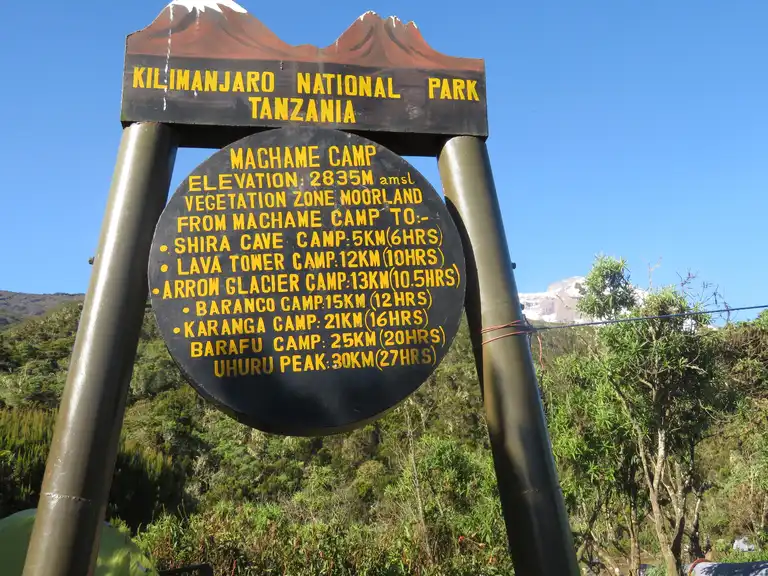
Mti Mkubwa Camp | Lemosho Route’s First Rest Point Mti Mkubwa Camp, famously known as the Big Tree Camp or Forest Camp, is the first overnight stop on the scenic Lemosho Route of Mount Kilimanjaro, Tanzania. Located within the lush montane rainforest zone, this campsite sits at around 2,650–2,800 meters above sea level, offering trekkers their first true immersion into Kilimanjaro’s wild ecosystem. The name “Mti Mkubwa” comes from Kiswahili, meaning “big tree,” reflecting the towering rainforest trees that surround the campsite and create a natural shelter of shade and calm. Many climbers rest here after a 3–4 hour hike from Londorossi Gate, preparing for the next stage toward Shira Plateau. This campsite is widely regarded as the first acclimatization point on the Lemosho climbing itinerary. Trekkers experience a gentle hike from Londorossi Gate through dense forest rich in biodiversity, including monkeys, exotic birds, and thick vegetation. The atmosphere is humid, peaceful, and deeply immersive, making it a favorite among climbers seeking a less crowded Kilimanjaro experience. Facilities are basic with tented accommodation, ranger posts, and pit latrines, emphasizing a true wilderness camping experience. Mti Mkubwa Camp marks the beginning of an unforgettable Kilimanjaro trekking adventure, wildlife experience, and high-altitude rainforest journey. Key Aspects of Mti Mkubwa Camp First Night on Lemosho Route Located on the northwest side of Kilimanjaro, it serves as the traditional, necessary first stop after starting at the Londorossi Gate, allowing hikers to ease into the trek, usually after a 3-4 hour hike. Lush Rainforest Setting Situated around 2,650m–2,750m (8,694–9,022 ft) within the thick montane forest, providing a vibrant, shaded, and damp environment, often creating a misty atmosphere that helps with early acclimation. “Big Tree” Significance Translating from Swahili to “Big Tree Camp,” the area is famous for its large, towering trees that provide natural shelter and give the site its name. Rich Biodiversity The camp is known for its lively, noisy atmosphere, filled with bird sounds and sightings of colobus monkeys in the surrounding canopy. Bed Type | Mount Tent Area | Lemosho Route Full Board Basic Camping Infrastructure As a wilderness campsite with no permanent lodges, it features only basic structures like park ranger huts and pit latrines, requiring tents to be pitched for the night. Bed Type | Mount Tent Area | Lemosho Route Full Board Transition Point It is the starting point for the transition from the dense rainforest to the higher altitude, open moorland scenery encountered on the way to Shira 1 Camp on day two. Bed Type | Mount Tent Area | Lemosho Route Full Board How high is Mti Mkubwa Camp Mti Mkubwa Camp sits at approximately 2,650 meters (8,694 feet) above sea level on Mount Kilimanjaro, making it one of the lower-altitude camps on the mountain. This elevation is ideal for your first night during a Kilimanjaro trekking adventure, as it allows your body to begin adjusting to altitude gradually. Compared to higher camps on the Machame Route, the oxygen levels here are still relatively comfortable, reducing the risk of altitude sickness early in your climb. The moderate altitude, combined with a slow hiking pace from Londorossi Gate, supports proper acclimatization—an essential factor for summit success. For climbers researching Kilimanjaro elevation profiles, altitude charts, and trekking safety tips, Mti Mkubwa Camp provides the perfect starting point to ease into the mountain’s demanding environment while enjoying lush rainforest surroundings. Where is Mti Mkubwa Camp located on Kilimanjaro Mti Mkubwa Camp is located on the western slopes of Mount Kilimanjaro within the lush rainforest zone of Kilimanjaro National Park. It lies along the Lemosho Route, just a few hours’ trek from Londorossi Gate, the main entry point for this route. This remote location offers a quieter, less crowded experience compared to the busier Machame Route. Surrounded by dense vegetation, giant trees, and moss-covered forest, the camp feels secluded and immersive. For travelers planning a Kilimanjaro climb itinerary, this positioning is ideal for a gradual ascent, better acclimatization, and a scenic introduction to the mountain’s diverse ecosystems. Its location in the forest zone also means higher humidity, frequent mist, and rich biodiversity, making it one of the most picturesque starting camps on Kilimanjaro. Mti Mkubwa Camp on Kilimanjaro Map On a Kilimanjaro trekking map, Mti Mkubwa Camp appears along the western approach of Mount Kilimanjaro, marking the first overnight stop on the Lemosho Route. It is positioned between Londorossi Gate and Shira Plateau, clearly within the rainforest zone. When comparing routes like the Machame Route, you’ll notice Mti Mkubwa is unique to Lemosho, offering a more gradual and scenic ascent path. Kilimanjaro maps highlight this camp as a low-altitude acclimatization point before trekkers ascend to higher elevations. For those researching Kilimanjaro route maps, elevation charts, and trekking logistics, understanding Mti Mkubwa’s placement helps visualize the journey ahead. It’s a crucial waypoint that sets the tone for a successful climb, balancing accessibility, natural beauty, and strategic altitude gain. Request A free Quote Why Mti Mkubwa is the perfect first night on Lemosho Mti Mkubwa Camp is widely considered the perfect first-night stop on the Lemosho Route due to its ideal altitude, serene environment, and gradual approach. Located on Mount Kilimanjaro, it allows climbers to ease into the trek without immediate exposure to extreme altitude. Unlike the steeper start of the Machame Route, Lemosho offers a slower ascent, improving acclimatization and increasing summit success rates. The camp’s rainforest setting provides shade, cooler temperatures, and a calming atmosphere after your first day’s hike. For those searching for the best Kilimanjaro routes for beginners or high success climbs, Mti Mkubwa plays a key role. It ensures trekkers start strong, rest well, and prepare mentally and physically for the more challenging days ahead. What comes next after Mti Mkubwa Camp? After spending your first night at Mti Mkubwa Camp, the journey continues upward toward Shira Plateau on Mount Kilimanjaro. Trekkers leave the dense rainforest behind and gradually enter the moorland zone, where vegetation becomes sparse and
Horombo Hut

Horombo Hut | Stop on Kilimanjaro’s Marangu Route Horombo Hut is a key accommodation point on the Marangu Route of Mount Kilimanjaro, offering essential rest and acclimatization for climbers in Kilimanjaro National Park. Located at approximately 3,720 meters, this popular Kilimanjaro trekking hut is a vital stop for altitude adjustment and summit preparation on Tanzania safari climbing expeditions. Horombo Hut accommodation provides dormitory-style beds, meals, and stunning views of Mawenzi and Kibo peaks, making it ideal for hikers seeking comfort during Mount Kilimanjaro ascent. It is one of the most important acclimatization points, helping climbers reduce altitude sickness risk while continuing their Kilimanjaro National Park adventure. Tourists on Kilimanjaro guided tours often rest at Horombo Hut before pushing toward Kibo Hut and Uhuru Peak summit attempts. Its strategic location makes it a highlight of the Marangu Route, combining natural beauty, comfort, and safe mountain trekking experiences in Tanzania. Horombo Hut is also widely searched as Kilimanjaro hut accommodation, the best stopover lodge, and an essential hiking base camp for successful summit climbs. It remains a must-visit stop for climbers seeking safe, scenic, and well-supported Kilimanjaro trekking journeys in East Africa. Key Aspects of Horombo Hut on Kilimanjaro: Altitude & Location Located in the high-altitude moorland zone (3,720m), offering panoramic views of Kilimanjaro’s peaks, Mawenzi and Kibo. Accommodation Style Features wooden A-frame cabins containing simple beds with foam mattresses, accommodating 6-8 people per cabin. It serves as a, though tents are possible in designated areas. Essential Acclimatization Due to its elevation, many climbers spend a mandatory or recommended second night here to hike to Zebra Rocks for better acclimatization (climb high, sleep low). Facilities Includes a, , , ranger station, and solar-powered lighting in common areas. Bed Type | Mountain Hut Area | Marangu Route Full Board Environment Temperatures drop below freezing at night, requiring warm gear. The area is known for spectacular, unique flora, including giant groundsels. Bed Type | Mountain Hut Area | Marangu Route Full Board Atmosphere As it serves both ascending and descending climbers, it is often busy and highly social. Horombo serves as a crucial midpoint on the Marangu route for hikers needing to adapt to the thin air before tackling the higher, harsher zones of the mountain. Bed Type | Mountain Hut Area | Marangu Route Full Board Horombo Hut Weather, Climate, and Vegetation Horombo Hut weather is cold, humid, and highly changeable due to its high altitude of about 3,720 meters on Mount Kilimanjaro. The climate falls within the heath and moorland zone, where temperatures range from mild daytime sun to freezing nights. Frequent mist, light rain, and strong mountain winds are common, making waterproof gear essential. The vegetation around Horombo Hut includes giant groundsels, lobelias, and alpine shrubs, creating a unique high-altitude ecosystem. This transitional climate between rainforest and alpine desert makes Horombo a key acclimatization point on the Marangu Route: Horombo Hut weather, Kilimanjaro climate, Marangu Route vegetation, Mount Kilimanjaro conditions, high altitude weather, Tanzania. Horombo Hut on the Marangu Route Horombo Hut is a major accommodation stop on the famous Marangu Route, also known as the Coca-Cola Route, on Mount Kilimanjaro. Located between Mandara Hut and Kibo Hut, it serves as the main acclimatization base for climbers heading toward Uhuru Peak. At 3,720 meters, it offers dormitory-style wooden huts, shared dining halls, and basic facilities for trekkers. This section of the route transitions from lush rainforest into open moorland landscapes with panoramic views of Mawenzi Peak. Horombo Hut is essential for rest and altitude adjustment, making it a critical stage for summit success: Marangu Route Kilimanjaro, Horombo Hut accommodation, Kilimanjaro huts, Coca-Cola Route Tanzania, trekking Marangu Route. Horombo Hut Kilimanjaro Map Horombo Hut is strategically located on the southeastern slopes of Mount Kilimanjaro, forming the midpoint of the Marangu Route trek. On a Kilimanjaro map, it lies between Mandara Hut (forest zone) and Kibo Hut (alpine desert zone), making it a crucial geographical and acclimatization stop. The hut sits on a wide plateau beneath Mawenzi Peak, offering one of the most scenic viewpoints on the mountain. Climbers typically reach Horombo after a full day’s hike from Mandara Hut. Its mapped position highlights its importance as the largest hut camp on Kilimanjaro, accommodating around 120 climbers: Horombo Hut map, Kilimanjaro trekking map, Marangu Route map, Mount Kilimanjaro huts location, Tanzania hiking map. Request A free Quote Why Horombo Hut Is So Important Horombo Hut is one of the most important camps on Mount Kilimanjaro because it plays a critical role in acclimatization and summit success. Located at 3,720 meters, it helps climbers adjust to reduced oxygen levels before ascending to higher camps like Kibo Hut. Many itineraries include an extra night here to reduce altitude sickness risks. The hut also provides essential facilities such as water access, dormitory accommodation, and dining halls, making it the most comfortable high-altitude stop on the Marangu Route. Its strategic position between forest and alpine desert ensures a gradual and safer ascent: Horombo Hut’s importance, Kilimanjaro acclimatization, Marangu Route success rate, altitude sickness prevention, and Kilimanjaro trekking safety. Wildlife Around Horombo Hut Wildlife around Horombo Hut is limited but still fascinating due to the high-altitude ecosystem of Mount Kilimanjaro. Visitors may spot small mammals like four-striped grass mice and occasional highland birds such as sunbirds adapted to cold environments. The surrounding moorland zone supports fewer large animals compared to lower rainforest areas, but the unique biodiversity remains a highlight for trekkers. Vegetation such as giant lobelias and groundsels provides habitat for insects and birds that survive extreme conditions. Wildlife sightings are subtle, making the experience peaceful and nature-focused: Kilimanjaro wildlife, Horombo Hut animals, Marangu Route wildlife, high altitude species in Tanzania, and Mount Kilimanjaro fauna. How to Get to Horombo Hut Horombo Hut photos showcase one of the most scenic and iconic camps on Mount Kilimanjaro. Images typically feature wooden A-frame huts set against vast open moorland landscapes with dramatic views of Mawenzi and Kibo peaks. Sunrise
Kibo Hut

Staying at Kibo Hut on Kilimanjaro – a trekker’s guide Kibo Hut is the highest base camp on Mount Kilimanjaro, sitting at approximately 4,700 meters (15,420 feet) on the Marangu Route, one of the most popular Kilimanjaro climbing routes. This iconic stop is a critical staging point for summit attempts to Uhuru Peak, attracting thousands of trekkers seeking a successful Kilimanjaro summit experience. Surrounded by an alpine desert landscape, Kibo Hut offers basic but essential accommodation, including dormitory-style rooms, dining areas, and ranger support for climbers. For travelers planning a Kilimanjaro trekking adventure, Kibo Hut is where the summit night begins, typically around midnight, making it a vital part of any Mount Kilimanjaro itinerary. Climbers rest, hydrate, and prepare for the final ascent, focusing on altitude acclimatization and safety. Popular key associated with Kibo Hut include Kilimanjaro base camp, Marangu Route accommodation, summit push Kilimanjaro, Tanzania trekking tours, and Kilimanjaro climbing packages. Whether you’re booking a luxury Kilimanjaro safari add-on or a budget trekking tour, Kibo Hut remains a legendary milestone on Africa’s highest mountain. Key Aspects of Kibo Hut on Kilimanjaro: Crucial Basecamp It serves as the primary base for the final, demanding, and often freezing midnight ascent to Uhuru Peak (5,895m). Location and Landscape Located at 4,720m (15,485 ft) within the alpine desert zone, the terrain is dry, rocky, and often experiences freezing temperatures even during the day. Accommodations Stone-built dormitory huts with 6-8 bunk beds per room (mattresses provided) and a separate stone structure for meals and pre-summit briefings. Facilities Extremely basic—no running water, no showers, no electricity, and no electricity chargers available. Shared, simple pit latrines are located at the back of the hut. Bed Type | Mountain Hut Area | Marangu Route Full Board Preparation Phase Due to the extreme altitude, this stop is focused on intense rest, hydration, and preparing gear for the long summit day. Bed Type | Mountain Hut Area | Marangu Route Full Board Environmental Context Located in the “Saddle” (the area between the Kibo and Mawenzi peaks), it is subject to severe wind and cold. The landscape offers stunning views of Mawenzi Peak, especially before the midnight climb. Bed Type | Mountain Hut Area | Marangu Route Full Board Kibo Hut Weather, Climate, and Vegetation Located high on Mount Kilimanjaro, Kibo Hut sits in the alpine desert zone at around 4,700 meters, where weather conditions are extreme and unpredictable. Expect freezing temperatures at night, often dropping well below 0°C, with strong winds and intense solar radiation during the day. Rain is rare, but frost and occasional snowfall can occur. The climate is dry, thin, and oxygen-poor, making acclimatization essential for climbers. Vegetation is almost nonexistent, with only sparse lichens and hardy alpine species surviving in this harsh environment. This barren, lunar-like landscape marks the transition toward the Arctic summit zone, creating a dramatic contrast to the lush rainforest below. The Journey to Kibo Hut (Horombo → Kibo) The trek from Horombo Hut to Kibo Hut is one of the most challenging yet iconic sections of the Mount Kilimanjaro climb. Covering approximately 9 kilometers, this route crosses the vast Saddle between Mawenzi and Kibo peaks. Trekkers leave behind moorland vegetation and enter a dry, rocky alpine desert with little shade. The trail is long, gradual, and mentally demanding due to altitude and monotony, often taking 5–6 hours to complete. Along the way, climbers pass the Last Water Point, emphasizing the need for hydration planning. Despite its steady incline, the thin air and harsh conditions make this stretch exhausting, preparing adventurers physically and mentally for the upcoming summit night. Kibo Hut Kilimanjaro Map Kibo Hut is strategically located on the eastern side of the Kibo volcanic cone within Kilimanjaro National Park. Positioned between Mawenzi Peak and Kibo Peak, it lies on the Saddle, a vast high-altitude plateau that offers panoramic volcanic landscapes. On the Kilimanjaro map, Kibo Hut marks the final base camp before the summit push to Uhuru Peak. It connects primarily via the Marangu and Rongai routes, making it a key navigation point for trekkers. Its location at approximately 4,700 meters places it just below the crater rim, serving as the gateway to Africa’s highest point. Understanding its map position helps climbers plan acclimatization, trekking stages, and summit timing effectively. Request A free Quote Why Kibo Hut Is So Important Kibo Hut is the most critical staging point on Mount Kilimanjaro, acting as the final base camp before the summit attempt. Situated at extreme altitude, it allows climbers to rest, hydrate, and mentally prepare for the most demanding part of the climb. From here, trekkers organize gear, eat early meals, and attempt a few hours of sleep before starting the midnight ascent. Its strategic position makes summit success possible, offering just enough elevation for acclimatization while minimizing risk. Every climber on the Marangu and Rongai routes passes through Kibo Hut, making it a vital hub for summit logistics. Without this stop, reaching Uhuru Peak safely would be significantly more difficult. Summit Night: From Kibo Hut to Uhuru Peak Summit night from Kibo Hut to Uhuru Peak is the most challenging and rewarding part of climbing Mount Kilimanjaro. The ascent begins around midnight, allowing climbers to reach the crater rim at sunrise. The route climbs steeply through loose volcanic scree to Gilman’s Point, then continues along the rim past Stella Point to Uhuru Peak at 5,895 meters. Freezing temperatures, low oxygen levels, and physical exhaustion test endurance and determination. This final push can take 6–8 hours, followed by a long descent. Despite the difficulty, witnessing sunrise above the clouds is unforgettable, making summit night a defining moment of any Kilimanjaro expedition. Kibo Hut elevation Kibo Hut stands at approximately 4,700–4,720 meters (15,400–15,500 feet) above sea level on Mount Kilimanjaro. This high altitude places it within the alpine desert zone, just below the summit cone. At this elevation, oxygen levels are significantly reduced, often causing altitude symptoms such as headaches and fatigue.
Mandara Hut
Staying at Mandara Hut on Kilimanjaro – a trekker’s guide Nestled on the lush lower slopes of Mount Kilimanjaro, Mandara Hut is a popular overnight stop on the iconic Marangu Route, offering trekkers a comfortable and scenic introduction to Africa’s highest peak. Located at approximately 2,700 meters above sea level, Mandara Hut provides cozy A-frame cabins surrounded by dense rainforest, making it a top choice for climbers seeking a classic Kilimanjaro trekking experience. This well-established mountain hut features basic yet essential amenities, including dining areas, solar lighting, and shared facilities, ideal for both budget and mid-range Kilimanjaro climbs. As one of the best-known Kilimanjaro huts, Mandara Hut is perfect for acclimatization and relaxation after the first day’s hike from Marangu Gate. Nearby attractions such as the Maundi Crater offer breathtaking panoramic views of Kenya and Northern Tanzania, enhancing your Kilimanjaro adventure. Whether you’re planning a guided Kilimanjaro tour, a budget safari extension, or a luxury trekking itinerary, Mandara Hut remains a must-visit highlight for unforgettable Tanzania travel experiences. Key Aspects of Mandara Hut on kilimanjaro: Location & Altitude Positioned in a vibrant rainforest setting, the huts are situated 2720m above sea level. Accommodation The site features 12 comfortable wooden cabins, usually accommodating 6–8 people each. Facilities & Amenities Includes a central dining hall for meals. Note that meals are prepared by porter crews. The Hike Typically, a 3–4 hour, 7.2km hike from the Marangu Gate through dense forest. Bed Type | Mountain Hut Area | Marangu Route Full Board Highlights A short walk from the huts leads to Maundi Crater, which offers panoramic views of the Kilimanjaro forest and occasionally the peaks. Bed Type | Mountain Hut Area | Marangu Route Full Board Wildlife Common sightings include black-and-white colobus monkeys, blue monkeys, and various bird species. Bed Type | Mountain Hut Area | Marangu Route Full Board Mandara Hut Weather, Climate, and Vegetation Located on the lower slopes of Mount Kilimanjaro, Mandara Hut offers a mild, tropical montane climate ideal for Kilimanjaro trekking beginners. Expect warm daytime temperatures, cool evenings, and occasional rainfall due to rainforest conditions. The vegetation is lush and dense, featuring towering trees, moss-covered trunks, giant ferns, and rich biodiversity. This Kilimanjaro rainforest zone is alive with blue monkeys and exotic birds, making it a scenic highlight of the Marangu Route. Weather can change quickly, so waterproof gear is essential for hikers exploring Mandara Hut and its surrounding forest ecosystem. Marangu Gate to Mandara Hut The trek from Marangu Gate to Mandara Hut is the first stage of the famous Marangu Route on Mount Kilimanjaro. This 8 km (5-mile) hike takes about 4–6 hours through dense rainforest trails filled with wildlife and unique flora. Starting at 1,870 meters, climbers ascend gradually to Mandara Hut at 2,720 meters. The well-maintained path makes it one of the easiest Kilimanjaro trekking routes, perfect for beginners and day hikers. This section offers an immersive experience into Tanzania’s natural beauty, making it a top-rated Kilimanjaro hiking trail for adventure travelers. Mandara Hut Kilimanjaro Map Mandara Hut is strategically located along the Marangu Route, the only Kilimanjaro route with hut accommodations. Positioned at 2,720 meters on Mount Kilimanjaro, it serves as the first overnight stop for climbers. A Kilimanjaro map shows Mandara Hut between Marangu Gate and Horombo Hut, surrounded by dense rainforest terrain. This location is essential for acclimatization and rest. Maps often highlight nearby attractions like Maundi Crater, offering panoramic views. Understanding the Mandara Hut Kilimanjaro map helps trekkers plan routes, estimate distances, and prepare for elevation gain effectively. Request A free Quote Mandara Hut day trip A Mandara Hut day trip is one of the best short Kilimanjaro excursions for travelers with limited time. Starting at Marangu Gate, hikers can trek through lush rainforest to reach Mandara Hut and return the same day. This guided Kilimanjaro day hike offers a taste of Africa’s highest mountain without committing to a full summit climb. Visitors enjoy scenic trails, wildlife sightings, and a visit to Maundi Crater for breathtaking views. Ideal for beginners, families, and nature lovers, this Kilimanjaro day tour is a popular, affordable adventure in Tanzania’s tourism landscape. Interesting Facts About Mandara Hut Mandara Hut is the first overnight stop on the Marangu Route of Mount Kilimanjaro and one of the few huts on the mountain. It consists of A-frame wooden cabins nestled in the rainforest. Unlike camping routes, the Marangu Route offers dormitory-style accommodation, making it unique. Mandara Hut is surrounded by rich biodiversity, including colobus monkeys and vibrant birdlife. It also provides access to Maundi Crater, a hidden gem with panoramic views. This hut plays a crucial role in acclimatization, making it an essential stop for successful Kilimanjaro summit attempts. Mandara Hut elevation Mandara Hut sits at an elevation of approximately 2,720 meters (8,923 feet) on Mount Kilimanjaro. This altitude marks the transition from cultivated farmland to dense rainforest, offering trekkers their first real experience of Kilimanjaro’s changing ecosystems. While the elevation is moderate, some hikers may begin to feel mild altitude effects, making it an important acclimatization point. Understanding Mandara Hut’s elevation is crucial for planning your Kilimanjaro climb, as gradual altitude gain improves summit success rates and reduces the risk of altitude sickness during higher ascents. Mandara Hut Photos Mandara Hut photos capture the essence of Kilimanjaro’s rainforest beauty. Surrounded by thick greenery, misty trails, and unique flora, the hut provides a picturesque setting for photographers and nature lovers. Images often showcase wooden A-frame cabins, mossy trees, and wildlife like monkeys and tropical birds. Popular photo spots include the trail from Marangu Gate and Maundi Crater viewpoints. These Kilimanjaro photos are widely used in travel blogs, safari websites, and adventure guides, inspiring climbers worldwide. Mandara Hut photography highlights the early, lush stages of the Kilimanjaro trekking experience. Mandara Hut Activities, Facilities, Dining, and Rooms Mandara Hut offers essential facilities for climbers on Mount Kilimanjaro, including dormitory-style rooms with bunk beds, shared dining areas, and basic washrooms. Activities