
Umbwe Route: Kilimanjaro, Pros, Cons, and Route Facts
Umbwe Route: Kilimanjaro, Pros, Cons, and Route Facts
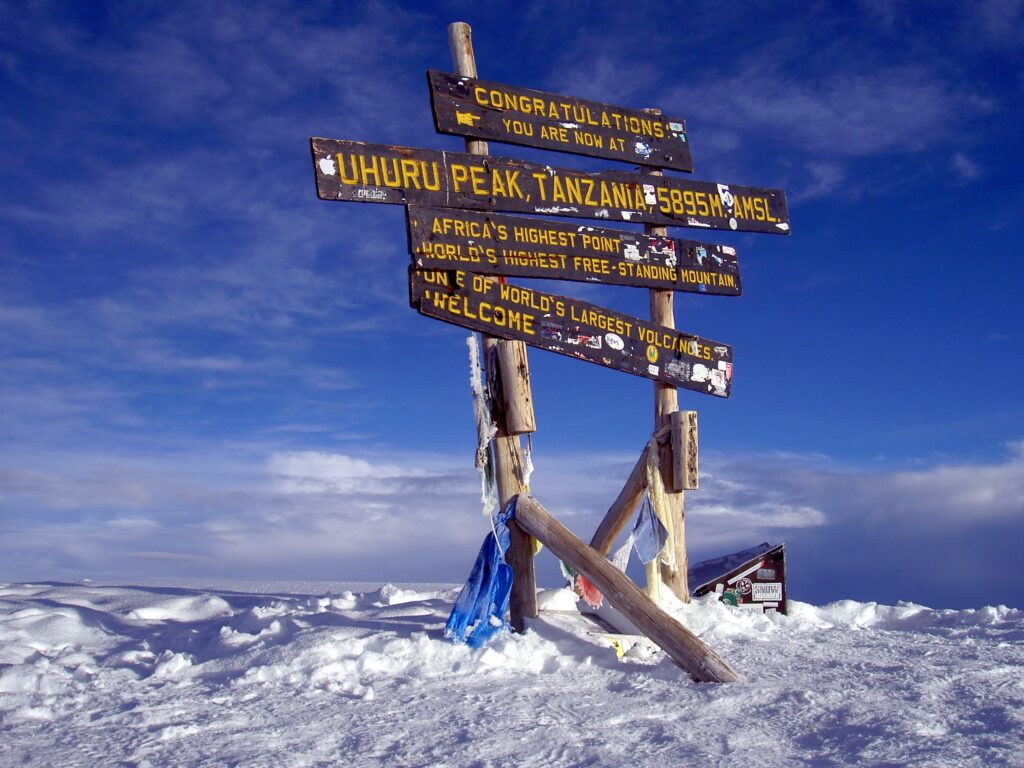
The Umbwe Route is widely recognized as the most challenging and direct path to the summit of Mount Kilimanjaro, Africa’s highest peak. Known for its steep ascent, rapid altitude gain, and low acclimatization profile, this route attracts experienced climbers seeking an intense, off-the-beaten-path adventure. Unlike popular trails such as Machame or Marangu, Umbwe offers a raw, rugged trekking experience with fewer crowds and breathtaking scenery. Covering approximately 53 km, the route passes through dense rainforest, alpine desert, and glacial zones before reaching Uhuru Peak at 5,895 meters. Due to its demanding nature, it is best suited for seasoned hikers with strong physical fitness. For thrill-seekers and expert trekkers, the Umbwe Route represents the ultimate Kilimanjaro climbing challenge.
Umbwe Route Overview
The Umbwe Route is the shortest, steepest, and most direct trail to the summit of Mount Kilimanjaro, making it one of the least traveled paths. Starting from the southern side, the route quickly ascends through lush rainforest before transitioning into rugged terrain. Its direct nature means fewer switchbacks and more intense climbs, appealing to climbers seeking a fast-paced ascent. Despite its difficulty, the route offers some of the most dramatic landscapes on the mountain, including panoramic views and untouched wilderness. Because of its low traffic, climbers enjoy a more private and immersive trekking experience. However, the rapid altitude gain significantly increases the risk of altitude sickness, making it essential to choose longer itineraries for better acclimatization and higher summit success rates.
- ArushaGateway
- TarangireElephants
- NgorongoroCrater
- SerengetiBig Five
- ZanzibarBeach
Umbwe Route Difficulty
The Umbwe Route is considered the most difficult Kilimanjaro route due to its steep gradients and rapid elevation gain. Climbers face continuous uphill trekking, often scrambling over rocks and tree roots, especially during the early rainforest stages. The route lacks gradual acclimatization, which increases physical strain and altitude-related risks. Daily ascents can exceed 900 to 1,000 meters, demanding excellent stamina and endurance. While it is a non-technical climb, meaning no advanced climbing equipment is required, the physical and mental challenges are significant. This route is not recommended for beginners but is ideal for experienced trekkers who have prior high-altitude hiking experience. Proper preparation, fitness training, and mental resilience are essential to successfully tackle this demanding yet rewarding Kilimanjaro adventure.
Scenic Beauty and Landscapes
Despite its reputation for difficulty, the Umbwe Route is one of the most scenic routes on Mount Kilimanjaro. The journey begins in a dense tropical rainforest filled with towering trees, exotic birds, and rich biodiversity. As climbers ascend, the landscape transforms into moorland, followed by alpine desert and glacial terrain near the summit. The route offers dramatic views of valleys, ridges, and the Southern Ice Field, creating unforgettable photographic opportunities. Its remote nature ensures a peaceful trekking experience, far from crowded trails. Many climbers consider the scenery along Umbwe to be among the best on Kilimanjaro, making the physical challenge worthwhile. The ever-changing environment provides a true sense of adventure, showcasing the mountain’s diverse ecosystems and natural beauty.
Duration and Itinerary Options
The Umbwe Route typically takes between 5 and 7 days to complete, depending on the itinerary chosen. While a 5-day climb is possible, it is strongly discouraged due to poor acclimatization and low success rates. Most reputable tour operators recommend a 6 or 7-day itinerary to improve chances of reaching the summit. A standard itinerary includes trekking from Umbwe Gate to Barranco Camp, then joining the Southern Circuit before summiting via Barafu Camp. Longer itineraries allow for additional acclimatization days, reducing the risk of altitude sickness. Climbers should prioritize safety over speed when selecting their schedule. Choosing a well-paced itinerary significantly increases the likelihood of success and ensures a safer, more enjoyable Kilimanjaro climbing experience.
Summit Success Rate
The Umbwe Route has one of the lowest summit success rates among Kilimanjaro routes, typically ranging between 60% and 70%. This is primarily due to its rapid ascent and limited acclimatization time. Climbers who opt for longer itineraries tend to have better success rates compared to those attempting shorter climbs. Proper acclimatization is crucial, as altitude sickness is the main reason climbers fail to reach Uhuru Peak. Despite the lower success rate, experienced trekkers who prepare adequately and follow a gradual pace can still achieve success. Choosing a professional tour operator, maintaining hydration, and allowing sufficient time for altitude adjustment are key factors that influence summit success on this challenging route.
Acclimatization Challenges
One of the biggest challenges of the Umbwe Route is its poor acclimatization profile. Unlike longer routes that allow climbers to ascend gradually, Umbwe gains altitude بسرعة, giving the body little time to adjust. This increases the risk of altitude sickness, which can affect even experienced hikers. Symptoms such as headaches, nausea, and fatigue often appear within the first few days. To mitigate these risks, climbers should choose extended itineraries, stay hydrated, and follow the “climb high, sleep low” principle when possible. Pre-acclimatization hikes and proper physical preparation can also improve performance. Understanding the importance of acclimatization is essential for anyone considering the Umbwe Route, as it directly impacts safety and summit success.
Best Time to Climb
The best time to climb the Umbwe Route is during the dry seasons: January to March and June to October. These months offer stable weather conditions, clear skies, and better visibility, enhancing the overall trekking experience. During the rainy seasons, the trail can become slippery and more dangerous, especially in the rainforest section. Climbers should also consider temperature variations, as conditions near the summit can be extremely cold regardless of the season. Choosing the right time to climb significantly improves safety, comfort, and success rates. Planning your Kilimanjaro adventure during peak seasons ensures optimal trekking conditions and unforgettable views of the surrounding landscapes.
Who Should Choose the Umbwe Route
The Umbwe Route is best suited for experienced climbers seeking a physically demanding and less crowded Kilimanjaro experience. It is ideal for trekkers who have prior high-altitude hiking experience and strong fitness levels. Adventurers looking for a direct, challenging ascent will find this route highly rewarding. However, beginners and first-time climbers are advised to consider alternative routes with better acclimatization profiles. Umbwe is perfect for those who prioritize solitude, adventure, and a true test of endurance. With proper preparation and guidance, experienced hikers can enjoy a unique and unforgettable journey to the Roof of Africa via this intense and scenic trail.
Route Highlights
The Umbwe Route offers several unique highlights that set it apart from other Kilimanjaro trails. These include steep rainforest climbs, dramatic ridgelines, and stunning views of the Southern Ice Field. The route’s isolation provides a peaceful trekking environment, allowing climbers to connect deeply with nature. Key camps such as Barranco and Barafu serve as important milestones on the journey. The final summit push to Uhuru Peak is both challenging and rewarding, offering breathtaking sunrise views. These highlights make Umbwe a favorite among experienced climbers seeking adventure and exclusivity on Mount Kilimanjaro.
Pros of the Umbwe Route
The Umbwe Route offers several advantages for experienced climbers. Its direct path provides a fast ascent to the summit, making it ideal for those with limited time. The route is less crowded, ensuring a more private and immersive experience. It also offers some of the most scenic landscapes on Kilimanjaro, with diverse ecosystems and stunning views. Additionally, the route’s challenging nature appeals to adventure seekers looking for a true test of endurance. For experienced trekkers, Umbwe provides a unique and rewarding climbing experience that stands out among other Kilimanjaro routes.
Cons of the Umbwe Route
Despite its advantages, the Umbwe Route has several drawbacks. Its steep ascent and rapid altitude gain make it one of the most difficult routes, increasing the risk of altitude sickness. The low success rate can be discouraging for some climbers. It is not suitable for beginners or those without prior trekking experience. Additionally, the lack of acclimatization days can make the climb physically exhausting. These challenges mean that climbers must be well-prepared and physically fit before attempting the route. Understanding these limitations is essential when deciding whether the Umbwe Route is the right choice for your Kilimanjaro adventure.
Accommodation and Camping
Unlike the Marangu Route, the Umbwe Route offers only camping accommodation. Climbers stay in tents at designated camps along the trail, such as Umbwe Camp, Barranco Camp, and Barafu Camp. These camps provide basic facilities and stunning natural surroundings. Professional tour operators typically supply tents, sleeping gear, and meals, ensuring a comfortable experience despite the rugged conditions. Camping allows climbers to fully immerse themselves in the mountain environment, enhancing the adventure. Proper gear and preparation are essential for staying warm and comfortable, especially at higher altitudes where temperatures can drop significantly.
Budget camping & lodges
Affordable, adventurous and close to nature.
Mid-range lodges & tented camps
Comfort, good food and convenient locations.
Luxury tented camps & lodges
Spacious suites, personal service and prime wildlife areas.
Exclusive-use camps & villas
Complete privacy, private guides and bespoke experiences.
Packing List Essentials
A successful Umbwe Route climb requires careful packing and preparation. Essential items include high-quality hiking boots, warm clothing, waterproof gear, and a reliable sleeping bag. Trekking poles are highly recommended for stability on steep terrain. Climbers should also pack hydration systems, energy snacks, and personal medical supplies. Layered clothing is crucial to adapt to changing temperatures throughout the climb. Proper gear not only enhances comfort but also ensures safety during the trek. Preparing a comprehensive packing list is a key step in planning a successful Kilimanjaro climbing adventure via the Umbwe Route.
Safety Tips
Safety is a top priority when climbing the Umbwe Route. Climbers should choose experienced guides and reputable tour operators to ensure proper support. Staying hydrated, maintaining a steady pace, and listening to your body are essential for preventing altitude sickness. Regular health checks and communication with guides can help identify potential issues early. Climbers should also be prepared for extreme weather conditions and follow all safety guidelines. Proper preparation and awareness significantly reduce risks and increase the chances of a successful summit.
Approach, feed or disturb wildlife, or leave the vehicle unless your guide says it is safe.
Follow your guide, carry travel insurance and check current health and travel advice.
Cost of Climbing the Umbwe Route
The cost of climbing the Umbwe Route varies depending on the tour operator, itinerary length, and level of service. Prices typically include park fees, guide services, meals, camping equipment, and transportation. Luxury packages offer additional comfort, while budget options provide basic services. Investing in a reputable operator ensures safety, quality service, and a better overall experience. While the cost may be higher than other routes, the unique challenge and exclusivity of Umbwe make it a worthwhile investment for experienced climbers.
- Accommodation
- Meals
- Park fees
- Vehicle & guide
- Transfers
- International flights
- Visas
- Travel insurance
- Tips
- Premium drinks
Why Choose the Umbwe Route
Choosing the Umbwe Route means embracing one of the most challenging and rewarding Kilimanjaro climbing experiences. It offers a direct, scenic, and less crowded path to the summit, ideal for seasoned adventurers. The route’s intensity provides a true test of physical and mental endurance. For those seeking a unique and unforgettable journey, Umbwe delivers an authentic wilderness experience. While it requires careful preparation and strong fitness, the sense of achievement upon reaching Uhuru Peak is unmatched. This route is perfect for climbers who want to push their limits and experience Kilimanjaro in its most raw and adventurous form.
Final Thought
The Umbwe Route is not just a climb—it is a true adventure that challenges both body and mind. As the steepest and most demanding path on Mount Kilimanjaro, it rewards only those who are prepared, determined, and experienced. While its low success rate and rapid ascent make it unsuitable for beginners, it remains a top choice for expert climbers seeking solitude, breathtaking scenery, and a serious challenge. With the right preparation, proper acclimatization, and expert guidance, conquering the Umbwe Route becomes an unforgettable achievement. For those ready to test their limits, this route offers one of the most thrilling and authentic Kilimanjaro experiences available
Umbwe Route: Kilimanjaro, Pros, Cons, and Route Facts: FAQs
What is Umbwe Route Overview like?
The Umbwe Route is the shortest, steepest, and most direct trail to the summit of Mount Kilimanjaro, making it one of the least traveled paths. Starting from the southern side, the route quickly ascends through lush rainforest before transitioning into rugged terrain. Its direct nature means fewer switchbacks and more intense climbs, appealing to climbers seeking a fast-paced ascent.
What should you know about scenic beauty and landscapes for Umbwe route?
Despite its reputation for difficulty, the Umbwe Route is one of the most scenic routes on Mount Kilimanjaro. The journey begins in a dense tropical rainforest filled with towering trees, exotic birds, and rich biodiversity. As climbers ascend, the landscape transforms into moorland, followed by alpine desert and glacial terrain near the summit.
What can you expect from summit success rate for Umbwe route?
The Umbwe Route has one of the lowest summit success rates among Kilimanjaro routes, typically ranging between 60% and 70%. This is primarily due to its rapid ascent and limited acclimatization time. Climbers who opt for longer itineraries tend to have better success rates compared to those attempting shorter climbs.
What are the best time to climb for Umbwe route?
The best time to climb the Umbwe Route is during the dry seasons: January to March and June to October. These months offer stable weather conditions, clear skies, and better visibility, enhancing the overall trekking experience. During the rainy seasons, the trail can become slippery and more dangerous, especially in the rainforest section.
What is Route Highlights like?
The Umbwe Route offers several unique highlights that set it apart from other Kilimanjaro trails. These include steep rainforest climbs, dramatic ridgelines, and stunning views of the Southern Ice Field. The route’s isolation provides a peaceful trekking environment, allowing climbers to connect deeply with nature.
What is Cons of the Umbwe Route like?
Despite its advantages, the Umbwe Route has several drawbacks. Its steep ascent and rapid altitude gain make it one of the most difficult routes, increasing the risk of altitude sickness. The low success rate can be discouraging for some climbers. It is not suitable for beginners or those without prior trekking experience.
What should you know about packing list Essentials for Umbwe route?
A successful Umbwe Route climb requires careful packing and preparation. Essential items include high-quality hiking boots, warm clothing, waterproof gear, and a reliable sleeping bag. Trekking poles are highly recommended for stability on steep terrain. Climbers should also pack hydration systems, energy snacks, and personal medical supplies.
What is Cost of Climbing the Umbwe Route like?
The cost of climbing the Umbwe Route varies depending on the tour operator, itinerary length, and level of service. Prices typically include park fees, guide services, meals, camping equipment, and transportation. Luxury packages offer additional comfort, while budget options provide basic services. Investing in a reputable operator ensures safety, quality service, and a better overall experience.
Plan Your Private Tanzania Safari
Tell us your travel dates, interests and budget, and our local team will design a private tailor-made safari around you.