African big five and where to find them in Tanzania

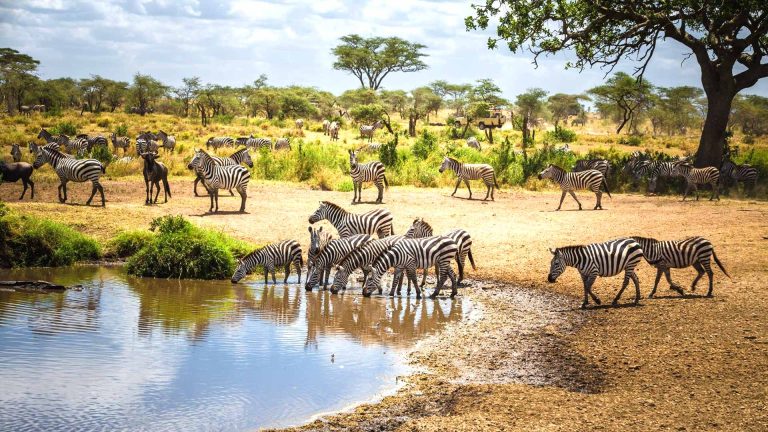
The African Big Five—lion, leopard, elephant, buffalo, and rhino—represent the ultimate wildlife safari experience in Tanzania, one of Africa’s top safari destinations. Originally coined by big-game hunters, the term now symbolizes the most sought-after animals to see on a photographic safari. Tanzania stands out globally because it offers excellent opportunities to spot all five species across its iconic national parks and game reserves. From the vast plains of the Serengeti to the wildlife-rich Ngorongoro Crater, travelers can experience unmatched biodiversity and unforgettable game drives. Tanzania safari tours are renowned for their high wildlife density, luxury and budget safari packages, and year-round accessibility. Whether you are planning a luxury African safari, family safari holiday, honeymoon safari, or solo adventure, Tanzania offers the perfect setting to encounter the Big Five in their natural habitat. The country’s protected ecosystems ensure thriving populations, making it a bucket-list destination for wildlife enthusiasts worldwide. 1. Ngorongoro Crater The Ngorongoro Crater is one of the best places in Africa to see the African Big Five in a single day. This UNESCO World Heritage Site is a volcanic caldera with a unique enclosed ecosystem that supports a dense concentration of wildlife. Safari travelers visiting Ngorongoro for a big five safari enjoy exceptional chances of spotting lions, elephants, buffalo, and even the endangered black rhinoceros, which is rarely seen elsewhere in Tanzania. Game drives on the crater floor offer close-up encounters due to its natural bowl shape, which keeps animals within a confined area. The lush grasslands, freshwater lakes, and acacia forests create ideal habitats for predators and herbivores alike. Ngorongoro is particularly famous for its high lion population and reliable rhino sightings, making it a top destination for luxury safaris and photographic tours. For travelers seeking a complete Tanzania safari experience, Ngorongoro Crater is an essential stop. 2. Serengeti National Park The Serengeti National Park is Africa’s most famous safari destination and a prime location to see the Big Five. Known for its endless plains and the spectacular Great Migration, the Serengeti offers year-round wildlife viewing opportunities. Lions are particularly abundant here, often seen in large prides, while leopards can be spotted resting in trees along riverbanks. Elephants and buffalo roam freely across the savannah, and although rhinos are rare, they can occasionally be found in protected areas. The Serengeti is also one of the best places in the world to witness the Big Five safari, with predator-prey interactions, making it ideal for wildlife photography and documentary-style safaris. Whether you choose a luxury safari lodge, mobile tented camp, or budget camping safari, the Serengeti guarantees unforgettable encounters with Africa’s iconic wildlife. It remains a cornerstone of Tanzania safari tours and Big Five adventures. 3. Tarangire National Park Tarangire National Park is famous for its elephant herds and iconic baobab trees, making it one of the best destinations in Tanzania for elephant sightings. During the dry season, thousands of animals gather around the Tarangire River, the park’s main water source, creating incredible wildlife viewing opportunities. Tarangire is home to four of the Big Five—lion, leopard, elephant, and buffalo—with occasional sightings of rhinos. Park’s diverse habitats, including river valleys, swamps, and woodlands, support a wide variety of wildlife and bird species. This park is particularly popular for family safaris and budget-friendly tours due to its accessibility and high concentration of animals. Tarangire offers a quieter, less crowded alternative to the Serengeti while still delivering exceptional Big Five safari experiences. For those seeking authentic and scenic safari landscapes, Tarangire is a must-visit destination in northern Tanzania. 4. Ruaha National Park Ruaha National Park is Tanzania’s largest national park and a hidden gem for Big Five safaris. Located in southern Tanzania, Ruaha offers a remote and untouched wilderness experience far from the crowds of the northern circuit. The park is especially known for its large elephant population and thriving predator ecosystem, including lions and leopards. The Great Ruaha River is the lifeline of the park, attracting wildlife during the dry season and creating excellent game viewing conditions. Buffalo are commonly seen in large herds, while leopards are often spotted near riverine vegetation. Ruaha is ideal for travelers seeking exclusive, off-the-beaten-path safari experiences with luxury lodges and authentic bush camps. Its vast landscapes and rich biodiversity make it one of the best-kept secrets for Big Five sightings in Tanzania. 5. Nyerere National Park (Selous) Nyerere National Park, formerly part of the Selous Game Reserve, is one of Africa’s largest protected wildlife areas. This park offers diverse ecosystems, including rivers, wetlands, and woodlands, providing habitats for a wide range of wildlife species. Nyerere is particularly known for its large populations of elephants, buffalo, lions, and leopards, making it an excellent destination for Big Four sightings, with occasional rhino encounters. The Rufiji River, Tanzania’s largest river, attracts abundant wildlife and offers unique boat safaris—something rare in other parks. This destination is perfect for luxury fly-in safaris, honeymoon trips, and exclusive wildlife experiences. Its remote location ensures fewer crowds and more intimate encounters with nature. For travelers looking to explore southern Tanzania, Nyerere National Park provides a truly wild and authentic safari adventure. 6. Mkomazi National Park Mkomazi National Park is one of Tanzania’s lesser-known safari destinations but plays a crucial role in wildlife conservation, particularly for black rhinos and African wild dogs. Located near the Kenyan border, this park offers a quiet and exclusive safari experience away from mass tourism. Mkomazi is part of a transboundary ecosystem with Kenya’s Tsavo National Park, supporting diverse wildlife habitats. Visitors can see elephants, giraffes, zebras, and occasionally predators like lions and leopards. However, its main highlight is the successful rhino conservation project, which gives visitors a rare chance to see these endangered animals in a protected environment. The park’s semi-arid landscapes and scenic views of Mount Kilimanjaro make it a unique destination for adventurous travelers. Mkomazi is ideal for those interested in conservation-focused safaris and off-the-beaten-path experiences in Tanzania. 7. Lake Manyara National Park Lake Manyara National Park is a compact yet diverse safari destination known for
The African Big five, Small five, Shy five, Ugly five, Impossible five

The African safari experience is one of the most powerful wildlife encounters on Earth, attracting travelers searching for terms like African Big Five safari tours, Tanzania safari packages, Serengeti wildlife safari, Ngorongoro Crater safari, and best African safari destinations. The continent is home to some of the most iconic and diverse animal groupings, often categorized to help travelers understand its rich biodiversity. The most famous is the African Big Five—lion, leopard, elephant, buffalo, and rhino—originally named by hunters but now celebrated by conservation-focused safaris. Beyond them, wildlife lovers also explore the Small Five, Shy Five, Ugly Five, and the rare Impossible Five. Together, these groups showcase Africa’s incredible ecological diversity, from powerful predators and gentle giants to secretive, lesser-known species found across savannahs, forests, and wetlands. A safari in East Africa, especially Tanzania, offers the ultimate opportunity to witness all these fascinating creatures in their natural habitat. 1. African Big Five – The Kings of the Safari World The African Big Five represent the most sought-after wildlife sightings on any African safari tour, especially in destinations like Serengeti National Park and Ngorongoro Crater. This group includes the lion, leopard, elephant, buffalo, and rhino—each symbolizing strength, survival, and dominance in the wild. The lion is the iconic king of the savannah, often seen resting in prides under acacia trees. The leopard is elusive, solitary, and incredibly powerful, often spotted draped over tree branches. The elephant, the largest land animal, roams in herds led by matriarchs, showcasing intelligence and emotional depth. The Cape buffalo is unpredictable and strong, often forming large defensive herds. Finally, the rhinoceros—both black and white species—is critically endangered and heavily protected. Seeing all five in one safari is considered a bucket-list achievement for wildlife lovers visiting Africa. Lion – The Icon of African Wilderness The lion is the most iconic symbol of African wildlife and one of the most searched animals in Serengeti safari tours and Big Five safari packages. Known as the king of the jungle, lions actually thrive in open savannahs where they hunt in coordinated prides. Their powerful roar can travel up to 8 kilometers, making them one of the most dominant predators in Africa. Lions are social cats, living in groups led by females who do most of the hunting, while males protect the territory. In Tanzania, especially in Serengeti National Park, lion sightings are extremely common, particularly during the Great Migration when prey is abundant. Tourists often witness dramatic hunting scenes, cub interactions, and pride dynamics. Lions symbolize courage, leadership, and raw wilderness energy, making them a highlight of any African wildlife safari experience. Leopard – The Master of Stealth and Shadows The leopard is one of the most elusive members of the African Big Five, often searched for under leopard safari sightings in Tanzania and African wildlife photography tours. Unlike lions, leopards are solitary and highly secretive, preferring dense bush and riverine forests. Their spotted coat provides perfect camouflage, making them difficult to spot even for experienced safari guides. Leopards are powerful climbers and often drag their prey into trees to protect it from scavengers. In places like Serengeti and Ngorongoro, early morning and night game drives offer the best chance of sightings. Despite their shy nature, leopards are incredibly adaptable and can survive in varied habitats, from savannahs to mountains. Their mysterious behavior and rare appearances make them one of the most rewarding animals to encounter on an African safari adventure. Elephant – The Gentle Giant of Africa The elephant is the largest land mammal on Earth and a must-see highlight of any African safari tour in Tanzania. Known for their intelligence, strong family bonds, and emotional behavior, elephants are often seen moving in herds led by experienced matriarchs. They communicate through deep vibrations, sounds, and body language, making them highly social creatures. In national parks like Tarangire, famous for its massive elephant herds, visitors can observe them bathing in rivers, feeding on baobab trees, and caring for calves. Despite their size, elephants are gentle and play a crucial role in shaping ecosystems by creating water access points and clearing vegetation. Sadly, they face threats from poaching and habitat loss, making conservation efforts critical. Seeing elephants in the wild is a powerful and emotional experience for any African safari traveler. Buffalo – The Unpredictable Powerhouse of the Savannah Cape buffalo is one of the most dangerous yet fascinating members of the African Big Five. Often underestimated, buffalo are known for their unpredictable nature and strong herd defense strategies. They move in large groups called herds, sometimes numbering in the hundreds, creating a powerful collective force against predators like lions. In Tanzania’s Serengeti and Ngorongoro ecosystems, buffalo are commonly seen grazing in open grasslands or resting near water sources. Despite their calm appearance, they can become extremely aggressive when threatened, making them respected by both predators and safari guides. Their curved horns and heavy build give them a formidable presence in the wild. Buffalo play an important ecological role by grazing vegetation and maintaining grassland balance. Observing a buffalo herd on an African safari is both impressive and humbling. Rhinoceros – The Ancient Guardian of the Wild Rhinoceros is one of the most endangered members of the African Big Five and a key attraction in conservation-focused African safari tours. There are two main species: the black rhino and the white rhino. Despite their names, both are gray in color. Rhinos are known for their thick skin, prehistoric appearance, and powerful horns, which unfortunately make them targets for poaching. In protected areas like Ngorongoro Crater, rhinos are carefully monitored, offering rare but unforgettable sightings for safari travelers. They are generally solitary animals, feeding on grasses or shrubs depending on the species. Rhinos move with surprising speed despite their size and can be very protective of their territory. Seeing a rhino in the wild is a powerful reminder of the importance of wildlife conservation across Africa. 2. Small Five – The Hidden Gems of African Wildlife The Small Five are a lesser-known but
Why Tanzania Is The Top Safari Destination In Africa

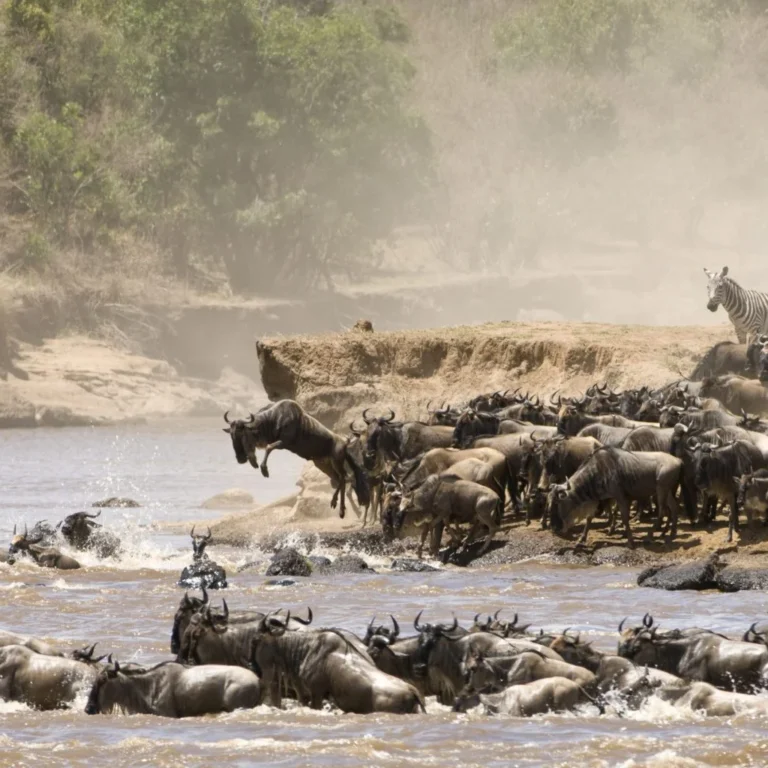
Tanzania is widely recognized as the top safari destination in Africa, offering unmatched wildlife experiences, iconic landscapes, and world-famous national parks. From the endless plains of the Serengeti National Park to the dramatic Ngorongoro Crater, Tanzania delivers the ultimate African safari adventure. Travelers come to experience the Great Migration, witness the Big Five, and explore some of the most biodiverse ecosystems on the planet. With luxury safari lodges, budget camping safaris, and expert-guided tours, Tanzania caters to every type of traveler. The country also combines wildlife with cultural experiences, mountain adventures, and tropical beach escapes in Zanzibar. These unique features make Tanzania a leading choice for unforgettable safari holidays in Africa, attracting wildlife photographers, honeymooners, and adventure seekers from around the world. 1. Tanzania Is Home to Unrivaled and Spectacular Wildlife Tanzania offers some of the most spectacular wildlife viewing in Africa, making it a premier safari destination. The country hosts vast populations of elephants, lions, leopards, giraffes, zebras, and buffalo across its protected national parks. The Serengeti ecosystem alone supports one of the richest wildlife concentrations on Earth. Visitors experience authentic African safari game drives where animals roam freely in their natural habitats. Unlike many destinations, Tanzania’s parks are less fenced, allowing wildlife to migrate naturally. This creates dynamic and ever-changing safari experiences. Whether exploring Tarangire National Park with its giant baobab trees or Lake Manyara with tree-climbing lions, every destination offers unique encounters. Tanzania’s unmatched biodiversity is a major reason why it consistently ranks as the best safari destination in Africa. 2. You Can Witness the Great Migration The Great Migration is one of the most extraordinary wildlife spectacles on Earth, and Tanzania is its main stage. Over two million wildebeest, zebras, and gazelles move across the Serengeti ecosystem in search of fresh grazing land. This dramatic journey includes river crossings filled with crocodiles, predator-prey interactions, and breathtaking herd movements. The Serengeti National Park provides front-row seats to this natural wonder, attracting safari enthusiasts and wildlife photographers globally. The migration occurs year-round, making Tanzania a reliable safari destination. Key viewing areas include the central Serengeti, northern regions near the Mara River, and southern plains during calving season. This iconic event is a major reason why Tanzania is considered the ultimate African safari destination for unforgettable wildlife experiences. 3. Cultural Immersion with Tanzania’s Tribes Tanzania offers rich cultural safari experiences alongside its wildlife adventures. Visitors can engage with indigenous tribes such as the Maasai, Hadzabe, and Datoga communities. These cultural encounters provide insight into traditional lifestyles, ancient customs, and sustainable living practices. The Maasai are known for their distinctive dress, warrior traditions, and cattle-herding culture, while the Hadzabe are among the last hunter-gatherer tribes in Africa. Cultural tourism in Tanzania allows travelers to participate in village visits, storytelling sessions, and traditional dances. This adds depth to any African safari itinerary, blending wildlife exploration with human heritage. These experiences make Tanzania more than just a safari destination—it becomes a cultural journey. This combination of nature and culture enhances Tanzania’s reputation as a top safari destination in Africa. 4. The Largest Intact Caldera in the World The Ngorongoro Crater is the largest intact volcanic caldera in the world and one of Tanzania’s most iconic safari destinations. This UNESCO World Heritage Site forms a natural enclosure that supports over 25,000 large animals. Visitors can easily spot the Big Five—lion, elephant, buffalo, leopard, and rhino—within a single game drive. The crater’s unique ecosystem includes grasslands, forests, and soda lakes, creating diverse habitats for wildlife. Its enclosed nature ensures high wildlife density and exceptional game viewing year-round. Safari travelers often describe Ngorongoro as a natural wildlife amphitheater. Combined with stunning scenery and the cultural Maasai presence nearby, it offers a truly unforgettable African safari experience. This geological wonder is a key reason Tanzania leads as Africa’s top safari destination. 5. Mount Kilimanjaro Is the Most Unique Mountain in the World Mount Kilimanjaro, Africa’s highest peak, adds a unique adventure element to Tanzania’s safari appeal. Rising 5,895 meters above sea level, it is the world’s tallest free-standing mountain. Unlike typical safari destinations, Tanzania combines wildlife safaris with mountaineering experiences. Climbers pass through five distinct ecological zones, from rainforest to arctic summit conditions. Kilimanjaro attracts trekkers from around the world seeking a once-in-a-lifetime challenge. Its snow-capped peak creates a dramatic backdrop for northern safari circuits like Amboseli and Arusha National Park. The mountain enhances Tanzania’s tourism diversity, making it more than just a wildlife destination. This combination of safari and trekking adventure strengthens Tanzania’s position as Africa’s most versatile and top-rated safari destination. 6. There Are 7 UNESCO World Heritage Sites in Tanzania Tanzania is home to seven UNESCO World Heritage Sites, highlighting its global natural and cultural importance. These include Serengeti National Park, Ngorongoro Conservation Area, Selous Game Reserve (Nyerere National Park), Kilimanjaro National Park, Stone Town of Zanzibar, Kilwa Kisiwani ruins, and Kondoa Rock-Art Sites. Each site offers unique safari and cultural experiences. Serengeti showcases the Great Migration, while Ngorongoro preserves prehistoric ecosystems. Zanzibar’s Stone Town reflects rich Swahili heritage and trade history. These protected areas ensure conservation of wildlife, landscapes, and cultural heritage. The diversity of UNESCO sites makes Tanzania a leading destination for eco-tourism and African safari travel. This global recognition reinforces Tanzania’s reputation as a must-visit safari destination in Africa. 7. The Islands of the Zanzibar Archipelago The Zanzibar Archipelago adds a tropical paradise dimension to Tanzania’s safari experience. After an exciting wildlife safari, travelers can relax on white sandy beaches along the Indian Ocean. Zanzibar offers crystal-clear waters, coral reefs, spice plantations, and historic Stone Town. Activities include snorkeling, diving, dhow sailing, and cultural tours. The islands provide the perfect contrast between adventure and relaxation, making Tanzania ideal for combined safari and beach holidays. Zanzibar’s unique Swahili culture blends African, Arab, and European influences, creating a rich cultural atmosphere. This combination of wildlife and coastal beauty enhances Tanzania’s appeal as a complete travel destination. Many visitors consider Zanzibar the perfect ending to a Serengeti or Ngorongoro safari. 8. Highest
Types of African Safari Accommodation

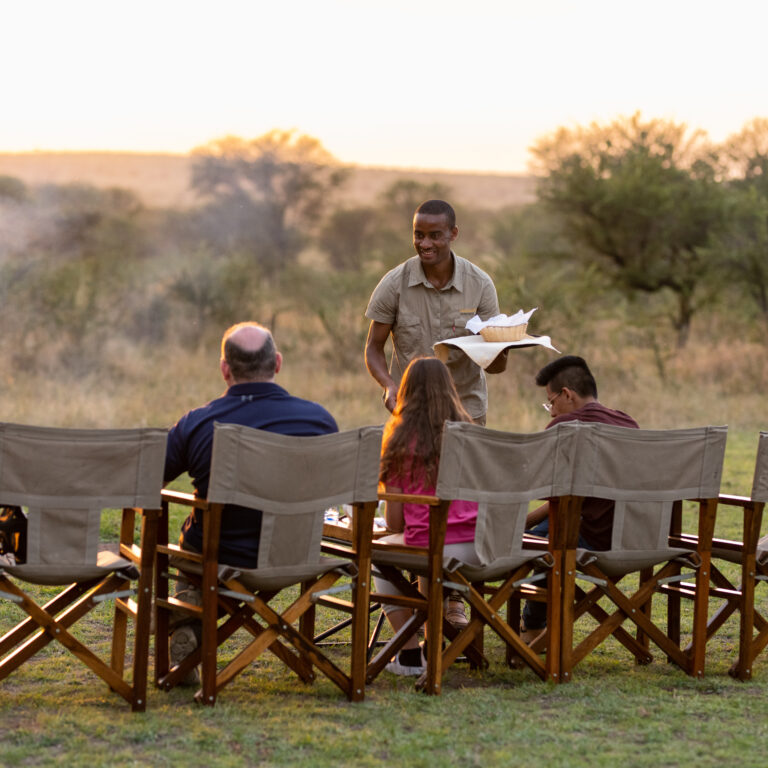
African safari accommodation is one of the most important parts of planning a wildlife adventure in Africa, especially in top destinations like Tanzania ( Serengeti, Tarangire, Lake Manyara, Ngorongoro Conservation Area, and Zanzibar). From luxury Tanzania safari lodges overlooking the Serengeti plains to budget-friendly camps near national parks, travelers can choose from a wide range of safari accommodation types to match comfort, style, and budget. The most popular options include tented safari camps, eco-lodges, mobile camps, luxury bush lodges, and glamping safari experiences. Each option offers a unique way to experience Africa’s wildlife, landscapes, and cultural heritage. Whether you are visiting the Ngorongoro Crater, Serengeti National Park, or Tarangire, choosing the right African safari accommodation enhances your journey, bringing you closer to nature while ensuring comfort, safety, and unforgettable safari memories in the heart of the wilderness. African Luxury Safari Lodges Luxury safari lodges are among the most sought-after African safari accommodation types, offering world-class comfort in remote wilderness locations. These lodges often feature spacious suites, private decks, swimming pools, fine dining, and panoramic views of wildlife-rich areas such as the Serengeti and Ngorongoro Crater. Guests enjoy personalized service, guided game drives, spa treatments, and high-end amenities that blend seamlessly with nature. Luxury safari lodges are ideal for honeymooners, families, and travelers seeking exclusive safari experiences. They combine modern elegance with authentic African design, creating a perfect balance between adventure and relaxation. Many luxury African safari lodges are strategically located inside or near national parks, ensuring easy access to game viewing while maintaining privacy, comfort, and unforgettable scenery throughout the safari journey in Africa. African Tented Safari Camps accommodation Tented safari camps are a classic and immersive form of African safari accommodation, offering an authentic bush experience without sacrificing comfort. These African tented camps feature large canvas tents with proper beds, ensuite bathrooms, and stylish interiors, often set in remote wildlife areas. Unlike traditional camping, tented safari camps provide comfort while keeping guests close to nature and wildlife sounds. They are popular in African safari destinations like the Serengeti, Masai Mara, and Selous Game Reserve. Guests can enjoy open-air dining, campfire evenings, and guided game drives directly from camp. Tented safari camps range from budget to luxury levels, making them suitable for all types of travelers. This accommodation style is perfect for those seeking a real safari adventure with a close connection to Africa’s natural environment. Budget Camping African Safari Accommodation Budget camping is one of the most affordable African safari accommodation options, perfect for travelers who want adventure at a lower cost. This type of accommodation usually includes basic dome tents, sleeping bags, shared facilities, and simple bush meals prepared by safari cooks. Despite its simplicity, budget camping offers an exciting and immersive wildlife experience, especially in parks like Serengeti, Tarangire, and Lake Manyara. Travelers stay close to nature and often hear wildlife sounds at night, creating a truly wild atmosphere. Budget camping safaris are ideal for backpackers, students, and adventure seekers who prioritize experience over luxury. While facilities are minimal, the memories and close wildlife encounters make it one of the most rewarding ways to explore African safari destinations. Luxury African safari Tented Camps Luxury tented camps combine the adventure of camping with the elegance of high-end safari lodges, making them a top-tier African safari accommodation choice. These camps feature large, beautifully furnished canvas tents with king-size beds, private bathrooms, wooden floors, and sometimes even plunge pools. Located in prime wildlife areas, luxury tented camps offer front-row access to game viewing. Guests enjoy gourmet meals, professional guides, and personalized service while still experiencing the sounds and atmosphere of the wild. Popular in the Serengeti and Ngorongoro regions, these camps are ideal for travelers seeking exclusivity and comfort. Luxury tented camps provide a perfect blend of wilderness immersion and modern luxury, making them one of the most unforgettable safari accommodation experiences in Africa. Mobile African Safari Camps Mobile safari camps are a dynamic and flexible type of African safari accommodation designed to move with wildlife migration patterns. These camps are often set up seasonally in areas like the Serengeti during the Great Migration, ensuring guests are always close to wildlife action. Despite being temporary, mobile camps offer comfortable tents with essential amenities, including beds, private bathrooms, and dining areas. The experience is intimate and exclusive, with fewer guests and personalized service. Mobile safari camps are ideal for photographers and wildlife enthusiasts who want to follow animals across vast landscapes. This type of accommodation provides a raw, authentic safari experience while still maintaining comfort and safety, making it one of the most adventurous ways to explore Africa’s wilderness. African safari eco-Lodges Eco-lodges are sustainable African safari accommodation options designed to minimize environmental impact while offering comfort and style. Built using natural materials and eco-friendly practices, these lodges often use solar power, rainwater harvesting, and local resources. Eco-lodges are commonly found near national parks and conservation areas, supporting both wildlife protection and local communities. Guests enjoy comfortable rooms, organic meals, and guided nature activities that promote environmental awareness. Eco-lodges are ideal for responsible travelers who want to experience Africa’s wildlife while reducing their ecological footprint. Popular in destinations like Tanzania and Kenya, these lodges blend conservation with tourism, offering a peaceful and meaningful safari experience that connects visitors deeply with nature. African Glamping Safari Accommodation Glamping, or “glamorous camping,” is a modern African safari accommodation style that combines luxury with outdoor adventure. It features stylish tents equipped with real beds, en-suite bathrooms, elegant furniture, and sometimes even Wi-Fi and air conditioning. Glamping safaris are popular among travelers who want to experience nature without giving up comfort. Located in scenic wildlife areas, glamping sites offer incredible views, fine dining, and guided safari activities. This accommodation type is especially popular in Tanzania and Kenya, where visitors can enjoy both adventure and relaxation. Glamping provides the perfect balance between wilderness immersion and luxury living, making it ideal for couples, families, and first-time safari travelers seeking comfort in the heart of Africa. African Treehouse
Tarangire Safari

A Tarangire Safari is one of the best Tanzania safari experiences for travelers seeking authentic African wildlife adventures, breathtaking landscapes, and unforgettable game drives. Located in northern Tanzania, Tarangire National Park is famous for its giant baobab trees, massive elephant herds, diverse birdlife, and incredible predator sightings. This iconic safari destination forms part of the renowned Northern Circuit Safari alongside the Serengeti National Park and Ngorongoro Crater. Visitors enjoy luxury safari lodges, tented camps, walking safaris, and cultural encounters with local Maasai communities. During the dry season, wildlife gathers around the Tarangire River, creating spectacular wildlife viewing opportunities. Whether you seek a luxury Tanzania safari, family safari holiday, honeymoon safari, or photographic safari, Tarangire delivers unmatched beauty, adventure, and unforgettable African safari memories in the heart of East Africa. 1. Tarangire Luxury Safaris A Tarangire luxury safari offers one of the finest African safari experiences in Tanzania, combining world-class wildlife viewing, elegant safari lodges, and breathtaking landscapes. Located in northern Tanzania, the entity”point_of_interest”,”Tarangire National Park”,”Manyara Region, Tanzania” is famous for giant elephant herds, ancient baobab trees, and exclusive game drives across the golden savannah. Luxury Tanzania safaris in Tarangire often include private safari vehicles, luxury tented camps, gourmet dining, bush breakfasts, and personalized safari guides. Travelers can enjoy unforgettable wildlife encounters with lions, leopards, giraffes, zebras, wildebeest, and rare species during expertly guided game drives. Many high-end safari packages combine Tarangire with Serengeti National Park and Ngorongoro Crater for a complete East African safari adventure. Tarangire luxury safaris are ideal for couples, families, and travelers seeking comfort, privacy, and premium safari experiences in Africa. 2. Tarangire Private Safaris Tarangire private safaris provide travelers with flexibility, exclusivity, and personalized wildlife experiences in one of Tanzania’s best safari destinations. A private safari in Tarangire National Park allows guests to explore the park at their own pace while enjoying customized itineraries tailored to their interests. Private Tanzania safaris are popular for honeymooners, photographers, families, and small groups seeking intimate encounters with Africa’s iconic wildlife. Visitors can enjoy private game drives through the Tarangire ecosystem, famous for large elephant populations, majestic baobab trees, and seasonal wildlife migration. Expert safari guides help guests track lions, cheetahs, giraffes, buffaloes, and numerous bird species. Many Tarangire private safari packages include luxury lodges, private camps, airport transfers, and cultural tours with Maasai communities. Combining Tarangire with Serengeti safaris and Ngorongoro safaris creates a truly unforgettable East African wildlife adventure. 3. Tarangire Budget Safaris Tarangire budget safaris are perfect for travelers seeking affordable African safari experiences without sacrificing wildlife adventures. Tarangire National Park is one of Tanzania’s most rewarding safari destinations, offering excellent game viewing at lower costs compared to other famous parks. Budget Tanzania safaris often include shared game drives, affordable safari lodges, camping safaris, and professional local guides. Visitors can witness massive elephant herds, lions, zebras, wildebeest, giraffes, and stunning landscapes filled with iconic baobab trees. Many budget safari packages combine Tarangire with Lake Manyara, Ngorongoro Crater, and Serengeti National Park to create affordable multi-day safari tours in Tanzania. Budget travelers can still enjoy thrilling wildlife encounters, beautiful sunsets, and authentic African safari experiences. Tarangire budget safaris are ideal for backpackers, students, solo travelers, and adventurous tourists looking for low-cost Tanzania safari packages with unforgettable wildlife memories. 4. Family Safari Adventures in Tarangire Family safari adventures in Tarangire offer unforgettable experiences for parents and children exploring the wonders of African wildlife together. Tarangire National Park is one of the best family safari destinations in Tanzania due to its peaceful environment, abundant wildlife, and short driving distances between attractions. Families can enjoy exciting game drives while spotting elephants, zebras, giraffes, wildebeest, monkeys, and colorful birds across the beautiful savannah. Many family-friendly safari lodges provide spacious accommodations, swimming pools, kid-friendly meals, and educational nature activities for children. Experienced safari guides help families learn about African animals, ecosystems, and conservation in a fun and engaging way. Family safaris in Tarangire can also include cultural visits to Maasai villages and nearby communities. Combining Tarangire with Serengeti safaris and Ngorongoro Crater tours creates the perfect Tanzania family safari holiday filled with adventure, learning, and unforgettable memories. 5. Tarangire Honeymoon Safaris Tarangire honeymoon safaris create romantic and unforgettable experiences for couples seeking an extraordinary African safari getaway. Tarangire National Park offers peaceful landscapes, luxurious safari lodges, and intimate wildlife encounters perfect for honeymoon vacations in Tanzania. Couples can enjoy private game drives, candlelit bush dinners, luxury tented camps, and breathtaking sunsets overlooking the African wilderness. Tarangire is famous for giant elephant herds, iconic baobab trees, lions, leopards, and diverse birdlife, making every safari drive magical and memorable. Many Tanzania honeymoon safari packages combine Tarangire with Serengeti National Park, Ngorongoro Crater, and Zanzibar beach holidays for the ultimate romantic adventure. Couples can relax in exclusive safari lodges while enjoying personalized services and stunning natural scenery. Tarangire honeymoon safaris are ideal for newlyweds seeking romance, adventure, luxury, and authentic African wildlife experiences in one unforgettable destination. 6. Tarangire Senior Safaris Tarangire senior safaris are designed for older travelers seeking comfortable, relaxed, and rewarding wildlife adventures in Tanzania. Tarangire National Park offers excellent safari experiences with accessible lodges, smooth game drive routes, and incredible wildlife viewing opportunities. Senior travelers can enjoy leisurely safari drives while spotting elephants, lions, giraffes, zebras, and countless bird species in the beautiful African savannah. Many Tanzania senior safari packages include comfortable accommodations, professional safari guides, private vehicles, and flexible itineraries tailored to individual needs and mobility levels. Luxury lodges and tented camps provide excellent hospitality, scenic views, and peaceful environments ideal for relaxation after exciting safari activities. Tarangire senior safaris often combine visits to Serengeti National Park, Ngorongoro Crater, and cultural attractions for a complete East African safari experience. These safaris provide safety, comfort, adventure, and unforgettable wildlife encounters for mature travelers exploring Africa. 7. Tarangire Mid-Range Safaris Tarangire mid-range safaris offer the perfect balance between affordability and comfort for travelers exploring Tanzania’s incredible wildlife destinations. Mid-range safari packages in Tarangire National Park typically include comfortable lodges, professional safari guides,
Tanzania Cultural Tourism

Tanzania Cultural Tourism | Cultural Tours in Tanzania A cultural tour in Tanzania is a unique and immersive way to experience the rich Tanzania Cultural Tourism heritage of the country. Tanzania is home to over 120 ethnic groups, each with their own customs, traditions, and way of life. A cultural tour can provide insights into the local communities, their history, livelihoods, arts, and traditions, offering a deeper understanding of the diverse cultures that thrive in Tanzania. Here are some popular cultural tours in Tanzania: 1. Maasai Cultural Tour The Maasai are one of the most well-known ethnic groups in Tanzania, known for their distinctive red clothing, intricate beadwork, and traditional pastoralist lifestyle. A Maasai cultural tour allows visitors to learn about their customs, traditions, and daily life, including visiting Maasai villages, meeting with Maasai warriors, and participating in cultural activities such as beadwork, traditional dances, and fire making. It’s a unique opportunity to interact with the Maasai people, gain insights into their ancient culture, and appreciate their way of life. 2. Hadzabe Cultural Tour The Hadzabe are one of the last remaining hunter-gatherer tribes in Tanzania, known for their unique language, hunting skills, and ancient way of life. A Hadzabe cultural tour offers a rare chance to learn about their traditional hunting techniques, gathering methods, and unique customs. Visitors can participate in hunting and gathering activities with the Hadzabe, learn about their medicinal plants, and gain insights into their nomadic lifestyle and social structure. 3. Datoga Cultural Tour The Datoga people are a semi-nomadic ethnic group known for their metalworking skills, particularly in crafting jewelry and weapons. A Datoga cultural tour provides an opportunity to learn about their metalworking techniques, visit their homes, and witness their way of life. Cultural Attractions and Tours in Tanzania. Visitors can also learn about Datoga customs, traditional dress, and participate in cultural activities such as jewelry making and traditional dancing. 4. Chagga Cultural Tour The Chagga people are an agricultural community living on the slopes of Mount Kilimanjaro in northern Tanzania. A Chagga cultural tour offers insights into their farming practices Tanzania Cultural Tourism. With the best Traditional irrigation systems, and coffee cultivation methods. Visitors can also learn about Chagga customs, folklore, and architecture. Cultural Attractions and Tours in Tanzania including visiting traditional Chagga homes and banana farms, and engaging in cultural activities such as cooking demonstrations and traditional dances. 5. Sukuma Cultural Tour The Sukuma people are the largest ethnic group in Tanzania, known for their farming and fishing practices. A Sukuma cultural tour provides an opportunity to learn about their agricultural techniques, fishing methods, and cultural traditions. Visitors can also witness traditional Sukuma dances, music performances, and learn about Sukuma folklore and rituals. 6. Swahili Cultural Tour The Swahili people are an ethnic group living along the coastal regions of Tanzania. Known for their unique blend of African, Arab, and Indian cultures. A Swahili cultural tour offers insights into their language, cuisine, music, and architecture. Visitors can explore historic Swahili towns such as Stone Town in Zanzibar. Visit Swahili homes, and learn about Swahili customs and traditions. cultural tourism in Tanzania pdfcultural tourism Arusha. . cultural tourism pdf. cultural attractions in Tanzania . 7. Tribal Art and Craft Tours Tanzania is known for its rich artistic heritage, with various ethnic groups creating unique art and crafts. A cultural tour focused on tribal art and craft allows visitors to meet local artisans. Learn about their artistic techniques, and appreciate their craftsmanship. Visitors can purchase authentic tribal art and crafts as souvenirs, enable local societies and preserving traditional art forms. It’s important to note that cultural tours should be conducted in a respectful and responsible manner. Respecting the customs, traditions, and privacy of the local families. Hiring local guides or working with real tour operators who have established relationships with local. TripAdvisor Reviews.
Lake Manyara Safari

A Lake Manyara Safari is one of Tanzania’s most breathtaking wildlife adventures, offering travelers an unforgettable journey through diverse landscapes, abundant wildlife, and spectacular birdlife in the heart of East Africa. Located beneath the dramatic Great Rift Valley escarpment, Lake Manyara National Park is famous for its tree-climbing lions, large elephant herds, flamingos, hippos, and lush groundwater forests. The park combines scenic beauty with exceptional game viewing, making it one of the best safari destinations in Tanzania for luxury safaris, family vacations, honeymoon trips, photography tours, and budget adventures. Visitors can enjoy game drives, birdwatching, cultural tours, camping safaris, and night game drives while exploring this compact yet wildlife-rich national park. Often included in Northern Circuit safaris alongside Serengeti National Park and Ngorongoro Crater, Lake Manyara promises extraordinary African safari experiences filled with adventure, relaxation, and unforgettable memories. Lake Manyara Luxury Safaris A luxury safari in Lake Manyara National Park offers an unforgettable blend of exclusivity, comfort, and extraordinary wildlife encounters in one of Tanzania’s most scenic safari destinations. Nestled beneath the Great Rift Valley escarpment, the park is famous for tree-climbing lions, large elephant herds, flamingos, and breathtaking landscapes. Luxury Lake Manyara safaris feature elegant lodges, private suites, gourmet dining, infinity pools, and personalized safari experiences. Guests enjoy professionally guided game drives in customized 4×4 vehicles, bush breakfasts, sundowners, and cultural tours with local Maasai communities. Many luxury lodges also provide spa treatments and panoramic lake views, creating a perfect balance of adventure and relaxation. Often combined with Serengeti and Ngorongoro safaris, Lake Manyara luxury safaris deliver premium African safari holidays ideal for travelers seeking comfort, wildlife, photography, and unforgettable East African safari memories. Lake Manyara Private Safaris A private safari in Lake Manyara National Park provides travelers with flexibility, privacy, and a personalized wildlife adventure tailored to their interests and travel style. Unlike group safaris, private safaris allow guests to explore the park at their own pace with a dedicated safari guide and exclusive 4×4 safari vehicle. Visitors can spend extra time photographing elephants, observing tree-climbing lions, or enjoying birdwatching along the alkaline lake shores. Private safaris are perfect for couples, families, honeymooners, and photographers seeking a more intimate African safari experience. Travelers can customize accommodations from luxury lodges to tented camps and combine Lake Manyara with Serengeti National Park, Tarangire, and Ngorongoro Crater. With personalized service, flexible schedules, and exclusive wildlife encounters, Lake Manyara private safaris remain one of Tanzania’s most rewarding safari experiences for travelers seeking comfort, adventure, and unforgettable memories. Lake Manyara Budget Safaris A budget safari in Lake Manyara National Park is an affordable way to experience Tanzania’s spectacular wildlife, dramatic landscapes, and famous tree-climbing lions without spending a fortune. Budget safaris often include shared game drives, camping accommodations, budget lodges, and professional safari guides, making them perfect for backpackers, students, solo travelers, and adventurous families. Despite lower costs, visitors still enjoy incredible wildlife viewing, including elephants, giraffes, zebras, hippos, baboons, and over 400 bird species. Lake Manyara’s compact size allows travelers to experience rewarding game viewing within a short period, making it ideal for day trips and shorter Northern Circuit safaris. Many budget safaris combine Lake Manyara with Tarangire National Park and Ngorongoro Crater for excellent value. Affordable safari packages provide unforgettable African wildlife experiences while maintaining comfort, safety, and authentic adventure in Tanzania’s stunning wilderness. Family Safari Adventures in Lake Manyara Family safaris in Lake Manyara National Park create unforgettable adventures filled with wildlife encounters, cultural experiences, and exciting outdoor activities suitable for all ages. The park’s compact size and excellent wildlife density make it ideal for families with children who want shorter yet rewarding game drives. Families can spot elephants, giraffes, zebras, hippos, baboons, and colorful flamingos while learning about Africa’s ecosystems from experienced safari guides. Many family-friendly lodges offer spacious rooms, swimming pools, kid-friendly meals, and educational nature programs. Cultural visits to Maasai villages introduce children to traditional Tanzanian lifestyles, music, and crafts, adding meaningful cultural learning to the safari experience. Lake Manyara’s scenic beauty, safe safari environment, and variety of wildlife activities make it one of the best family safari destinations in Tanzania. Combining adventure, relaxation, and education, family safaris here create lasting memories for parents and children alike. Lake Manyara Honeymoon Safaris A honeymoon safari in Lake Manyara National Park offers romantic landscapes, luxury lodges, and unforgettable wildlife experiences perfect for newlyweds seeking an extraordinary African safari honeymoon. Couples enjoy intimate game drives through lush forests, scenic lake shores, and open savannahs while spotting elephants, flamingos, hippos, and the park’s famous tree-climbing lions. Romantic accommodations often feature private verandas, candlelit dinners, outdoor showers, and breathtaking Rift Valley views. Honeymoon safaris can include bush breakfasts, sunset sundowners, spa treatments, and cultural experiences with local Maasai communities. Many couples combine Lake Manyara with Serengeti safaris and Zanzibar beach holidays for the ultimate Tanzania honeymoon package. The park’s peaceful atmosphere and diverse scenery create a magical setting for romance and adventure. Lake Manyara honeymoon safaris provide the perfect combination of luxury, wildlife, privacy, and unforgettable memories in the heart of East Africa. Lake Manyara Senior Safaris Senior safaris in Lake Manyara National Park are designed to provide comfort, relaxation, and accessible wildlife viewing for older travelers seeking a rewarding African safari experience. The park’s relatively small size allows visitors to enjoy excellent game viewing without spending long hours driving between wildlife areas. Seniors can comfortably observe elephants, giraffes, hippos, buffaloes, flamingos, and tree-climbing lions from well-equipped safari vehicles guided by experienced professionals. Many lodges cater to senior travelers with comfortable accommodations, easy access facilities, excellent dining, and relaxing scenic environments overlooking the Great Rift Valley and Lake Manyara. Gentle nature walks, cultural visits, and birdwatching excursions offer additional enjoyable activities. The peaceful atmosphere and beautiful landscapes make Lake Manyara ideal for mature travelers seeking both relaxation and adventure. Senior safari packages often combine comfort, personalized service, and unforgettable wildlife encounters throughout Tanzania’s Northern Safari Circuit. Lake Manyara Mid-Range Safaris Mid-range safaris in Lake Manyara National Park offer the perfect balance
Different Types of African Safaris

An African safari is one of the world’s greatest travel experiences, combining breathtaking wildlife encounters, dramatic landscapes, luxury lodges, and unforgettable cultural adventures. From the endless plains of the Serengeti National Park to the wildlife-rich wetlands of the Okavango Delta, Africa offers countless safari styles designed for every traveler and budget. Whether you dream of a luxury safari, budget camping safari, family safari holiday, honeymoon safari, photographic safari, or thrilling walking safari, there is a perfect African safari package waiting for you. Popular safari destinations include Tanzania, Kenya, Botswana, South Africa, Namibia, and Uganda. Each safari type delivers unique wildlife viewing opportunities, from the Big Five safari experience to gorilla trekking, balloon safaris, fly-in safaris, and eco-friendly adventures. Understanding the different safari styles helps travelers choose the best African safari experience for their dream vacation. 1. Luxury African Safaris Luxury African safaris provide world-class comfort, exclusive wildlife experiences, and personalized service in some of Africa’s most spectacular wilderness areas. Travelers stay in luxury safari lodges, premium tented camps, and high-end safari resorts featuring gourmet dining, infinity pools, spa treatments, private guides, and breathtaking savannah views. Destinations like the Ngorongoro Crater, Masai Mara National Reserve, and Kruger National Park are famous for luxury safari holidays. These safaris often include private game drives, champagne bush breakfasts, sundowners, helicopter tours, and fly-in safari packages. Luxury safaris are ideal for honeymooners, VIP travelers, celebrities, and families seeking comfort and exclusivity. Many luxury operators also focus on sustainable tourism and conservation. Travelers enjoy close encounters with lions, elephants, leopards, rhinos, and buffalo while experiencing Africa in exceptional style, comfort, and elegance. 2. Budget Camping Safaris Budget camping safaris are perfect for travelers seeking affordable African safari adventures without sacrificing wildlife experiences. These safaris allow visitors to explore iconic national parks while staying in public campsites or budget tented camps surrounded by nature. Popular destinations for budget safaris include Tarangire National Park, Lake Manyara National Park, and Etosha National Park. Camping safaris often feature dome tents, sleeping bags, campfires, and meals prepared by safari cooks. Travelers enjoy authentic bush experiences, nighttime wildlife sounds, and unforgettable stargazing under African skies. Budget safaris attract backpackers, students, solo travelers, and adventurous tourists looking for affordable safari packages. Despite lower costs, guests still experience incredible game drives, Big Five sightings, and cultural interactions. Budget camping safaris remain one of the best ways to discover Africa’s wildlife while keeping travel expenses manageable. 3. Family African Safaris Family African safaris are specially designed to create unforgettable adventures for parents, children, and multi-generational travelers. These safaris combine exciting wildlife experiences with family-friendly accommodations, flexible schedules, and educational activities for all ages. Destinations such as Serengeti National Park, Amboseli National Park, and Chobe National Park offer excellent family safari experiences. Children can learn about African wildlife, Maasai culture, conservation, and ecosystems through guided nature walks and junior ranger programs. Family safaris often include spacious safari lodges, swimming pools, private vehicles, and shorter game drives suitable for younger travelers. Parents appreciate the safe environments and professional safari guides trained to work with families. Family safari holidays create lifelong memories while introducing children to elephants, giraffes, zebras, lions, and Africa’s spectacular landscapes in a fun and educational setting. 4. African Honeymoon and Romantic Safaris Honeymoon safaris are among the most romantic travel experiences in the world, blending luxury, adventure, privacy, and breathtaking scenery. Couples enjoy intimate safari lodges, candlelit bush dinners, sunset game drives, and luxury tented camps surrounded by wilderness. Romantic safari destinations include the Selous Game Reserve, South Luangwa National Park, and Okavango Delta. Many honeymoon safari packages combine wildlife adventures with tropical beach holidays in Zanzibar or the Seychelles. Couples can enjoy private safari vehicles, spa treatments, hot-air balloon rides, and luxurious suites overlooking rivers or savannahs. Romantic safaris are ideal for anniversaries, proposals, and newlyweds seeking unique experiences. Watching elephants at sunset or hearing lions roar beneath star-filled skies creates magical memories. African honeymoon safaris offer both thrilling wildlife encounters and peaceful moments of romance in extraordinary natural settings. 5. African Photographic Safaris Photographic safaris are designed for wildlife photography enthusiasts seeking incredible opportunities to capture Africa’s iconic animals and landscapes. These safaris are led by experienced guides who understand animal behavior, lighting conditions, and the best photography locations. Popular destinations include Maasai Mara National Reserve, Serengeti National Park, and Bwindi Impenetrable National Park. Travelers photograph lions, cheetahs, elephants, gorillas, birds, and the Great Migration using specialized safari vehicles designed for photographers. Many photographic safaris focus on sunrise and sunset drives for perfect lighting and dramatic scenery. Professional photography guides often provide camera tips, editing advice, and positioning assistance. These safaris appeal to both beginners and professional wildlife photographers. Africa’s stunning wildlife diversity, golden landscapes, and dramatic predator action make photographic safaris one of the most rewarding safari experiences available. 6. African Walking Safaris Walking safaris offer a thrilling and immersive way to experience Africa’s wilderness on foot alongside professional armed guides and trackers. Unlike traditional vehicle safaris, walking safaris allow travelers to connect deeply with nature by observing animal tracks, birds, insects, plants, and smaller wildlife often missed during game drives. Famous walking safari destinations include South Luangwa National Park, Ruaha National Park, and Hwange National Park. Guests learn tracking skills, bush survival knowledge, and conservation awareness while exploring the African bush safely. Walking safaris create intense excitement because every sound and movement feels close and real. Travelers may encounter elephants, giraffes, zebras, antelope, and countless bird species during guided walks. These safaris are ideal for adventurous travelers seeking authentic wilderness experiences and deeper connections with Africa’s natural ecosystems. 7. African Fly-In Safaris Fly-in safaris are premium safari experiences that use light aircraft to transport travelers between remote safari camps and national parks. These safaris reduce long driving hours while providing breathtaking aerial views of Africa’s landscapes, rivers, mountains, and wildlife areas. Fly-in safaris are extremely popular in Botswana, Tanzania, and Kenya. Travelers often visit remote destinations like the Serengeti National Park and the Okavango Delta without exhausting overland travel.
Why Do Climbers Summit Kilimanjaro at Night

Climbing Mount Kilimanjaro is one of the world’s greatest adventure travel experiences, attracting thousands of trekkers seeking the ultimate African safari and mountain climbing challenge. One of the most fascinating parts of a Kilimanjaro trek is the midnight summit push toward Uhuru Peak. Many first-time climbers wonder why guides wake hikers around midnight instead of climbing during daylight hours. The answer combines weather conditions, safety, visibility, glacier preservation, and the physical demands of high-altitude trekking. Whether climbing the Machame Route, Lemosho Route, Marangu Route, or Northern Circuit, nearly all Kilimanjaro summit attempts begin in darkness. Reaching the roof of Africa at sunrise creates a magical and unforgettable moment. Understanding why climbers summit Kilimanjaro at night helps trekkers prepare mentally and physically for a successful ascent and increases their chances of reaching Uhuru Peak safely. Colder Night Temperatures Create Better Climbing Conditions One major reason climbers summit Kilimanjaro at night is the colder and more stable weather conditions found during nighttime hours. The summit slopes of Uhuru Peak consist of loose volcanic scree and ash, which become softer and more difficult to walk on during warmer daytime temperatures. Cold nighttime conditions help harden the terrain, making trekking more stable and safer for climbers attempting the steep ascent. Kilimanjaro guides carefully time the summit push so hikers climb while the ground remains firm. This improves footing, reduces slipping, and conserves valuable energy at extreme altitude. Temperatures can fall well below freezing, but experienced mountain guides know these colder hours provide the best summit conditions. Climbers equipped with proper Kilimanjaro gear, insulated clothing, gloves, and headlamps can move efficiently through the darkness while avoiding the intense daytime sun that makes high-altitude climbing more exhausting later in the morning. Reaching the Summit at Sunrise Is an Unforgettable Experience Watching sunrise from the summit of Mount Kilimanjaro is one of the most breathtaking moments in African adventure travel. Climbers begin their summit ascent at midnight so they can arrive at Uhuru Peak shortly after dawn. As the sun rises above the clouds, trekkers witness golden light spreading across Tanzania’s vast plains, glaciers, volcanic craters, and surrounding mountain landscapes. The spectacular sunrise provides emotional motivation during the hardest stage of the climb. After hours of trekking in darkness, exhaustion often disappears as daylight reveals the beauty of Kilimanjaro’s alpine desert and snow-capped summit. Sunrise also offers ideal photography conditions for travelers seeking iconic Kilimanjaro summit photos. Many climbers describe this moment as life-changing and spiritually rewarding. Reaching the summit at sunrise symbolizes triumph, endurance, and determination, making nighttime summit attempts an essential part of the legendary Kilimanjaro climbing experience. Night Climbing Helps Reduce Exposure to Harsh Sunlight High-altitude sunlight on Kilimanjaro can be surprisingly intense and physically draining. By beginning the summit ascent at night, climbers avoid many hours of direct solar exposure during the most demanding part of the trek. The upper slopes near Stella Point and Uhuru Peak contain little shade, meaning daytime climbing would expose hikers to strong ultraviolet radiation, dehydration, and overheating. Climbing during cooler nighttime hours allows trekkers to conserve energy and reduce heat exhaustion. Even though summit night temperatures are freezing, many experienced guides consider cold conditions easier to manage than intense daytime heat combined with thin air. Reduced sunlight exposure also helps prevent severe sunburn and fatigue, which are common challenges at high altitudes. Proper summit timing gives climbers the best balance between cold nighttime temperatures and safer descent conditions after sunrise. This strategy improves comfort and increases the overall success rate for Kilimanjaro summit attempts. Summit Night Improves the Chances of Successful Acclimatization Acclimatization is one of the most important factors in successfully climbing Mount Kilimanjaro. Summit night schedules are carefully designed to support the body’s adjustment to high altitude while maximizing climbers’ chances of reaching Uhuru Peak safely. Most trekkers spend several days gradually ascending the mountain before attempting the final push from high camps like Barafu Camp or Kibo Hut. Beginning the summit climb at midnight allows hikers to move slowly and steadily during the coldest part of the day while their bodies adapt to reduced oxygen levels. Guides encourage a “pole pole” pace, meaning slow and steady in Swahili, which helps minimize altitude sickness symptoms. Cooler nighttime temperatures also reduce physical stress and excessive sweating. By the time daylight arrives, climbers are often nearing the summit, allowing them to descend before altitude-related exhaustion becomes more severe later in the afternoon. Descending During Daylight Is Safer for Climbers Although summit night begins in darkness, guides aim for climbers to descend the mountain after sunrise for important safety reasons. The descent from Uhuru Peak toward Barafu Camp or Kibo Hut can be steep, rocky, and physically demanding. Daylight dramatically improves visibility, helping climbers navigate loose volcanic scree, icy sections, and narrow mountain trails more safely. Descending during the daytime also reduces the risk of falls and injuries caused by exhaustion after reaching the summit. Guides can better monitor trekkers for symptoms of altitude sickness, dehydration, or fatigue once the sun rises. In addition, warmer morning temperatures create more comfortable conditions for descending from the freezing summit zone. The timing of the nighttime ascent ensures that hikers avoid descending dangerous terrain in complete darkness. This carefully planned summit schedule reflects decades of mountain guiding experience and significantly improves safety on Kilimanjaro expeditions. The Midnight Start Helps Avoid Afternoon Weather Changes The weather on Mount Kilimanjaro can change rapidly, especially later in the day when clouds, snow, rain, and strong winds become more common. Starting the summit ascent around midnight allows climbers to reach Uhuru Peak before unstable afternoon weather develops. Morning conditions near the summit are usually calmer and clearer, providing safer trekking conditions and better visibility. Afternoon storms at high altitude can create dangerous situations, including slippery trails, reduced visibility, and extreme wind chill. Kilimanjaro guides plan summit attempts carefully to avoid these unpredictable weather patterns. By reaching the summit early and descending before midday, climbers reduce their exposure to harsh mountain conditions. This strategy is
The Woman’s Guide to Climbing Kilimanjaro

Climbing Mount Kilimanjaro is one of the most empowering adventures in the world, especially for women seeking a life-changing challenge. As Africa’s highest peak and the world’s tallest free-standing mountain, Kilimanjaro attracts thousands of trekkers each year through popular routes like Machame, Marangu, Lemosho, Rongai, and Northern Circuit. For female climbers, the journey is not only about reaching Uhuru Peak but also about personal strength, resilience, and transformation. This woman’s guide to climbing Kilimanjaro focuses on safety, preparation, fitness training, packing lists, altitude awareness, mental readiness, and choosing the best tour operators in Tanzania. Whether you are a solo female traveler, part of a group, or on a luxury Kilimanjaro trek, this guide will help you prepare for a successful and unforgettable summit experience. Why Kilimanjaro is Perfect for Women Climbers Mount Kilimanjaro is considered one of the best high-altitude trekking destinations for women because it requires no technical climbing skills. Many female trekkers successfully reach Uhuru Peak every year through guided Kilimanjaro hiking tours. The mountain is safe when climbed with licensed guides and porters, making it ideal for solo female travelers and group expeditions. Women often choose Kilimanjaro for empowerment, adventure travel, and bucket-list experiences. The journey promotes self-confidence, endurance, and mental strength. With proper preparation, hydration, and pacing, women of all fitness levels can complete the trek. Popular Kilimanjaro routes such as the Machame Route and Lemosho Route offer scenic beauty, gradual acclimatization, and high success rates, making them especially suitable for female climbers seeking both comfort and challenge. Choosing the Best Kilimanjaro Route for Women Selecting the right Kilimanjaro route is essential for female climbers aiming for a safe and enjoyable ascent. The Lemosho Route is highly recommended due to its gradual climb, excellent acclimatization, and scenic rainforest trails. The Machame Route is popular for its “climb high, sleep low” strategy, which improves summit success rates. The Rongai Route is quieter and less crowded, offering a more peaceful experience. The Marangu Route, known as the “Coca-Cola Route,” provides hut accommodations, which some women prefer for comfort. The Northern Circuit is the longest and most successful route for acclimatization. Women should consider factors such as trekking duration, altitude gain, crowd levels, and camping conditions. Choosing the right Kilimanjaro climbing route significantly increases safety, comfort, and summit success probability. Fitness Preparation for Female Climbers Physical preparation is a key factor in successfully climbing Kilimanjaro for women. While technical skills are not required, cardiovascular endurance, leg strength, and stamina are essential. Training should begin at least 8–12 weeks before the trek. Activities like hiking, jogging, stair climbing, cycling, and strength training are highly recommended. Women should also practice long-distance walking with a backpack to simulate trekking conditions. Core strength exercises help maintain balance on uneven terrain. Flexibility and yoga can improve breathing and recovery. Fitness training reduces fatigue and altitude stress during the Kilimanjaro summit climb. Consistent preparation ensures that female trekkers enjoy the journey instead of struggling physically. A well-conditioned body greatly increases the chances of reaching Uhuru Peak successfully and safely. Mental Strength and Confidence on Kilimanjaro Mental preparation is just as important as physical fitness for women climbing Mount Kilimanjaro. The trek involves long hiking days, changing weather conditions, and high-altitude challenges. Female climbers must build mental resilience, patience, and determination. Positive thinking and goal visualization help maintain motivation during difficult sections of the climb. Many women find strength in group support, guides, and personal reflection. Breaking the journey into small daily goals makes the summit feel achievable. Mental preparation also includes accepting a slow trekking pace, which is essential for altitude adaptation. Confidence grows with every step taken on the mountain. Kilimanjaro is not a race—it is a personal journey of endurance, empowerment, and self-discovery for women from around the world. Essential Kilimanjaro Packing List for Women Packing correctly is crucial for comfort and safety when climbing Kilimanjaro. Female trekkers should use a layered clothing system including thermal base layers, fleece jackets, waterproof outer shells, and insulated gloves. A high-quality sleeping bag rated for extreme cold is essential. Trekking boots should be waterproof and well broken in. Other essentials include sunglasses, sunscreen, headlamp, trekking poles, and reusable water bottles. Women should also carry personal hygiene items such as wet wipes, lip balm, and sanitary products. A lightweight daypack is needed for daily essentials while porters carry the main luggage. Packing smart reduces fatigue and improves mobility. Choosing the right Kilimanjaro gear ensures comfort across different climatic zones, from rainforest to arctic summit conditions. Understanding Altitude Sickness for Women Altitude sickness is one of the biggest challenges for women climbing Kilimanjaro. As altitude increases, oxygen levels decrease, which can cause headaches, nausea, fatigue, and dizziness. Female climbers should ascend slowly and choose longer routes for better acclimatization. Drinking plenty of water, eating well, and resting properly are essential prevention methods. Guides monitor health daily to ensure safety. Mild symptoms are common and usually manageable, but severe cases require descent. Women should avoid rushing the climb and listen to their bodies. Proper preparation and awareness significantly reduce risks. Understanding altitude sickness is key to a successful Kilimanjaro summit experience. With proper pacing, most women successfully adapt and reach Uhuru Peak safely. Safety Tips for Women on Kilimanjaro Safety is a top priority for female climbers on Mount Kilimanjaro. Choosing a reputable, licensed tour operator ensures trained guides, experienced porters, and proper emergency procedures. Women should always travel with a group or a certified guide team. Communication with guides about health and comfort is important throughout the trek. Night trekking should be done carefully with proper lighting. Respecting mountain rules and staying within group boundaries enhances safety. Women are encouraged to stay hydrated, maintain energy levels, and dress appropriately for weather changes. Kilimanjaro is considered one of Africa’s safest trekking destinations when proper safety measures are followed. With professional guidance, female climbers can enjoy a secure and empowering adventure to Africa’s highest peak. Best Time for Women to Climb Kilimanjaro The best time for women to climb