African Safari Tours

All inclusive honeymoon resorts

Luxury Tanzania and Zanzibar Honeymoon Safaris, Tanzania Safari FAQs, Best African Safari Honeymoon Packages, All inclusive honeymoon resorts, Tanzania in June, Romantic Activities For You & Your Partner on Safari, Night Game Drive Safari in Tanzania, Reasons You Should Plan A Return Visit to Africa, 10 Unique Things To Do in Tanzania For Couples & Honeymooners, Night Game Drive

All Inclusive Honeymoon Resorts in Tanzania Tanzania is a dream destination for honeymooners, with its stunning beaches, luxurious resorts, and incredible wildlife. All inclusive honeymoon resorts. If you’re planning a honeymoon in Tanzania and are looking for an all-inclusive option, you’re in luck! There are many amazing resorts to choose from, each offering its own unique blend of romance, luxury, and adventure. 1. Zuri Zanzibar. Located on the stunning Kendwa Beach in Zanzibar, this resort is perfect for couples who want to relax and soak up the sun. The resort offers a variety of luxurious accommodations, including beachfront villas with private pools. There are also four swimming pools, a spa, and a variety of restaurants and bars to choose from. Activities include snorkeling, diving, and sailing. 2. Matemwe Lodge. This intimate resort is located on the northeast coast of Zanzibar and offers stunning views of the Indian Ocean. The resort has just 12 bungalows, each with its own private plunge pool. There is also a spa, a swimming pool, and a restaurant serving fresh seafood. Activities include snorkeling, diving, and fishing. 3. &Beyond Mnemba Island. This exclusive island resort is located off the coast of Zanzibar and is only accessible by boat. The resort has just 10 tented villas, each with its own private beach. There is also a spa, a swimming pool, and a restaurant serving gourmet cuisine. Activities include snorkeling, diving, and fishing. 4. Royal Zanzibar Beach Resort. This family-friendly resort is located on Nungwi Beach in Zanzibar and offers a variety of activities and amenities. The resort has 254 rooms and suites, all with balconies or terraces. There are also four swimming pools, a spa, and a variety of restaurants and bars to choose from. Activities include snorkeling, diving, and windsurfing. 5. Konokono Beach Resort. This chic resort is located on Michamvi Beach in Zanzibar and offers a stylish and contemporary atmosphere. The resort has 50 rooms and suites, all with sea views. There is also a spa, a swimming pool, and a restaurant serving fresh seafood. Activities include snorkeling, diving, and kiteboarding. 6. The Palms Zanzibar. This luxurious resort is located on Matemwe Beach in Zanzibar and offers a variety of villas and suites to choose from. The resort has a spa, a swimming pool, and a restaurant serving gourmet cuisine. Activities include snorkeling, diving, and windsurfing. 7. Diamonds La Gemma dell’Est. This adults-only resort is located on Nungwi Beach in Zanzibar and offers a romantic and secluded atmosphere. The resort has 100 rooms and suites, all with sea views. There is also a spa, a swimming pool, and a variety of restaurants and bars to choose from. Activities include snorkeling, diving, and windsurfing. 8. Essque Zanzibar. This stylish resort is located on Matemwe Beach in Zanzibar and offers a variety of contemporary and traditional Swahili design elements. The resort has 60 rooms and suites, all with sea views. There is also a spa, a swimming pool, and a variety of restaurants and bars to choose from. Activities include snorkeling, diving, and kitesurfing. 9. Baraza Resort & Spa. This adults-only resort is located on Bweju Beach in Zanzibar and offers a luxurious and intimate atmosphere. The resort has 30 villas, all with private pools. There is also a spa, a swimming pool, and a restaurant serving gourmet cuisine. Activities include snorkeling, diving, and fishing. 10. Chumbe Island Coral Lodge. This eco-friendly resort is located on a private island off the coast of Zanzibar and is only accessible by boat. The resort has six bungalows, all built with sustainable materials. There is also a spa, a swimming pool, and a restaurant serving fresh seafood. Activities include snorkeling, diving, and birdwatching.

Tanzania Safari Packing List For Solo Travelers

Tanzania Safari Packing List, Tanzania Safari Packing List For Solo Travelers, What should I wear for Summit Night on Kilimanjaro? how to pack your duffel bag and backpack for Kilimanjaro, 10 Items For Climbing Kilimanjaro That Aren't on the Gear List, What Equipment Will I Need to Climb Kilimanjaro?, 10 Things You Must Pack for Your Safari, Kilimanjaro Clothing, What Do You Wear On A Serengeti Safari? What not to wear on Safari in Tanzania, Multi-Purpose Safari Items That Save Money and Space

A Tanzania safari packing list for solo travelers is essential for ensuring comfort, safety, and convenience while exploring Africa’s iconic wildlife destinations such as Serengeti National Park, Ngorongoro Crater, and Tarangire National Park. Whether you are planning a luxury safari, a budget camping safari, or a mid-range adventure, packing correctly can significantly improve your travel experience. Solo travelers especially need a well-organized Tanzania safari packing list to stay prepared for changing weather, long game drives, and remote lodge conditions. From lightweight safari clothing and durable hiking boots to essential travel documents, binoculars, and personal care items, every detail matters. This guide highlights the most important Tanzania safari packing essentials, helping you travel smart and light while maximizing comfort and adventure. Proper packing ensures a stress-free, unforgettable Tanzania safari experience across landscapes everywhere SAFARI CLOTHING 5x shirts/tops (earth tones) 2x long sleeve safari blouses 2x sand/khaki shorts 2-3x light-weight pants Light jacket (soft shell) 1x fleece/warm vest 1x Scarf/beanie/buff 1x Pajama 5x Neutral-colored socks Underwear 1x swimsuit/swim shorts 1x Safari hat 1x sunglasses 1x safari shoes 1x flipflops/sandals 1x gaiters for walking safaris ELECTRONICS/OTHER Camerais) lenses Memory cards + hard drive Charger batteries Tripod beanbag Solar panel Power bank Torch/headlamp Headphones Mobile phone charger Tablet/Laptop E-reader Plug converter Binoculars Thermal water bottle Notebook/pen TRAVEL DOCUMENT Valid passport Visa Airline tickets Vaccination certificates Yellow Health Card Insurance documents Accommodation vouchers Car rental reservation form International Driver’s license Bankcard, credit card Cash Photocopy passport FIRST AID/TOILETRIES Prescription medicines. Anti-malarials Paracetamol/painkillers Anti-diarrhea pills Oral Rehydration Salts Anti-histamine (allergic reaction) Cough drops Band-Aid sunscreen Insect repellent (eco-friendly) Pads for blisters Lavender Essential Oil (after bite). Face mask/hand sanitizer Shampoo/conditioner & hairbrush Toothbrush/paste & dental floss Deodorant Glasses, lenses, fluid Wet wipes Lip balm Tweezers Shaving kit or razor Bird Mammal book/ APP Weather Can Make a Difference in Tanzania Safari Packing List Weather can make a difference on your Tanzania safari packing list, especially for solo travelers exploring diverse ecosystems from the Serengeti plains to Ngorongoro highlands, where conditions change rapidly. Tanzania experiences tropical savannah heat, cool mornings, and occasional rainfall, so choosing appropriate safari clothing is essential for comfort and mobility. Lightweight breathable fabrics, neutral colors, long sleeve shirts, and convertible trousers are highly recommended for game drives and bush walks while also protecting from the sun and insects. In cooler mornings and evenings, especially in Ngorongoro Crater, a warm jacket, fleece, and layered clothing are important safari packing essentials. Rainy seasons may require waterproof gear, including ponchos and quick-dry clothing, making your Tanzania safari packing list more flexible and weather-ready. Always check the seasonal forecast before finalizing your safari packing list carefully. Essential Packing List for Tanzania Essential packing list for Tanzania safari solo travelers includes key items that ensure comfort, safety, and convenience during game drives and lodge stays. Safari clothing, such as neutral shirts, trousers, and lightweight jackets, helps blend into wildlife environments while keeping you comfortable in varying temperatures. Essential accessories include binoculars, a camera, sunscreen, insect repellent, a power bank, and a reusable water bottle, which are crucial for the Tanzania safari packing list. Don’t forget travel documents, passports, visas, insurance copies, and emergency contacts to ensure a smooth entry and travel experience. A small daypack is also essential for carrying daily safari needs during game drives. Having a complete Tanzania safari packing list helps solo travelers stay organized, safe, and comfortable while exploring national parks, ensuring they are fully prepared for every safari adventure experience ahead. Which Types of Baggage Are Needed for A Tanzania Safari The types of baggage needed for a Tanzania safari depend on travel style, but most solo travelers prefer soft duffel bags over hard suitcases due to limited space in safari vehicles and small aircraft used for bush flights. Soft bags are flexible and lightweight. and easy to store, making them ideal for Tanzania safari packing list requirements, especially for mobile camping safaris and lodge hopping itineraries. Many airlines and safari operators in Tanzania enforce strict luggage weight limits, usually ranging between 15kg and 20kg per person, so travelers must pack efficiently. Carry-on backpacks are useful for essential items like travel documents, electronics, and medications, ensuring easy access during flights and transfers. Packing cubes help organize clothing efficiently, maximizing space and reducing stress during your Tanzania safari packing list preparation Packing According to the Season in Tanzania Packing according to the season in Tanzania is crucial for ensuring comfort during safari adventures because weather conditions vary between dry and rainy seasons, affecting roads, wildlife viewing, and clothing choices. During the dry season from June to October, travelers should pack light, breathable clothing, neutral colors, and sun protection gear ideal for game drives in the Serengeti and Ngorongoro regions. Rainy season months, such as March to May, require waterproof jackets, quick-dry fabrics, and sturdy footwear to handle muddy safari tracks and unpredictable weather conditions. Layering clothing is highly recommended for early morning game drives and evening temperatures, especially in high altitude areas like Ngorongoro Crater. Season-based, Tanzania safari packing list planning ensures travelers are well prepared for any weather scenario successfully always. Tanzania Safari Packing List with Estimated Prices to Buy A Tanzania safari packing list with estimated prices to buy helps solo travelers budget effectively while preparing for essential safari gear, clothing, and accessories needed for game drives in Tanzania national parks. Common items such as safari shirts, hiking boots, binoculars, backpacks, and sunscreen vary in price depending on the quality, brand, and location. of purchase. In Tanzania or online markets, safari clothing can range from 15USD to 80USD per item, while quality hiking boots may cost between 50USD and 150USD. Buying gear before your Tanzania safari trip ensures you get better deals and properly fitting th equipment suitable for African safari conditions. Always compare prices across travel stores, online shops, and local markets to optimize your Tanzania safari packing list budget. Smartly budgeting improves your Tanzania safari packing experience overall greatly. Tanzania Safari Packing List with Estimated Prices to Rent Tanzania

Kilimanjaro Song Jambo Bwana meaning and Lyrics

Machame, Rongai, Umbwe, Marangu, Northern Circuit Route Uhuru_Peak_Mt._Kilimanjaro, 10 Things to Know Before You Climb Mount Kilimanjaro, Mountain Guides on Mount Kilimanjaro, 10 Things to Know Before You Climb Mount Kilimanjaro, Kilimanjaro Routes, Kilimanjaro Routes, Map, Success Rate, Difficulty, Comparison, Kilimanjaro Song Jambo Bwana Meaning And Lyrics, Climbing Kilimanjaro Cost, Seven Summits - Highest Mountain on Each Continent, Kilimanjaro Summit, Umbwe Route, Why is Mount Kilimanjaro So Famous & Special?, What are the benefits of climbing Mount Kilimanjaro, Must-Have Documents to Carry When Climbing Kilimanjaro, Climbing Kilimanjaro When You're Over 50, When is there snow on the summit of Kilimanjaro, Climbing Kilimanjaro in May, Height, Prominence, And Altitude Gain When Climbing Kilimanjaro, Height, Prominence, And Altitude Gain When Climbing Kilimanjaro, things Kilimanjaro taught me, How Far in Advance Should You Book your Kilimanjaro Climb?, Kilimanjaro Summits, Kilimanjaro FAQs, Mount Kilimanjaro Deaths, What items would you take for a post Kilimanjaro recovery kit?, 10 Highest Mountains in Africa, bits of advice from past Kilimanjaro climbers, Top Places in Tanzania Where You Can See Kilimanjaro Clearly, Kilimanjaro National Park Travel Guide, How Hard Is Summit Night on Kilimanjaro?, The Ultimate Guide to Climbing Mount Kilimanjaro, Lemosho vs. Marangu Route: A Comparison of Kilimanjaro's Newer and Older Climbing Paths, Why Climb Kilimanjaro With Us?, Kilimanjaro Packages Solo Travelers

The famous Swahili song “Jambo Bwana” is one of East Africa’s most recognized cultural songs and a timeless anthem connected with Tanzania tourism, Mount Kilimanjaro adventures, African safari holidays, and Swahili culture. Popularized internationally by the Kenyan group Them Mushrooms, the song became widely associated with welcoming visitors to East Africa, especially travelers arriving for Kilimanjaro climbing tours and Tanzania safari experiences. The phrase “Jambo Bwana” means “Hello Sir” or “Greetings Friend” in Swahili, expressing warmth, hospitality, friendship, and unity. Across Tanzania, the melody is often heard in safari lodges, cultural villages, beach resorts, and mountain camps. Travelers heading toward Mount Kilimanjaro frequently hear guides and porters sing it during trekking adventures. Its joyful rhythm, unforgettable chorus, and positive spirit make it one of Africa’s most beloved travel songs. The Origin of the Song “Jambo Bwana.” “Jambo Bwana” was created by the legendary East African band Them Mushrooms during the early 1980s, quickly becoming a symbol of African hospitality and tourism. The song gained popularity across Tanzania, Kenya, Zanzibar, and the wider African travel industry because of its cheerful Swahili greetings and uplifting rhythm. As international tourism to Mount Kilimanjaro, Serengeti National Park, and Zanzibar beaches expanded, the song became deeply connected with safari experiences and cultural tourism. Visitors arriving in East Africa often hear the melody at airports, lodges, hotels, restaurants, and safari camps. The song’s easy chorus helped travelers learn simple Swahili phrases while enjoying local music traditions. Even today, many Kilimanjaro trekking companies and safari operators use the song to welcome climbers beginning their unforgettable Mount Kilimanjaro adventure in Tanzania. What “Jambo Bwana” Means in Swahili The phrase “Jambo Bwana” comes from the Swahili language, one of East Africa’s most widely spoken languages. “Jambo” means “hello” or “greetings,” while “Bwana” traditionally means “sir,” “master,” or “friend.” Together, the phrase creates a welcoming greeting commonly associated with kindness and respect. The song also includes simple Swahili expressions introducing visitors to East African culture and traditions. One famous line mentions “Hakuna Matata,” meaning “no worries,” a phrase recognized worldwide through African tourism and popular culture. The lyrics celebrate peace, happiness, friendship, and hospitality, all central values in Tanzania and Kenya. For many international travelers climbing Mount Kilimanjaro or enjoying Tanzania safari tours, the song becomes their first introduction to Swahili culture, creating joyful memories connected with African wildlife adventures, cultural encounters, and unforgettable safari experiences. Why the Song Became Famous Worldwide “Jambo Bwana” became globally famous because of its connection to African tourism, safari adventures, and Mount Kilimanjaro travel experiences. During the growth of East African tourism in the 1980s and 1990s, the song was played frequently in hotels, safari lodges, cultural centers, and tourism advertisements. International travelers loved its cheerful melody, welcoming message, and easy-to-sing Swahili chorus. The song’s popularity increased further as visitors shared their Tanzania safari memories and Kilimanjaro trekking experiences around the world. Television documentaries, travel programs, and tourism campaigns also helped introduce the melody to global audiences. Over time, “Jambo Bwana” became more than just a song; it transformed into a cultural symbol representing East African warmth and hospitality. Today, it remains strongly linked to Serengeti safaris, Zanzibar vacations, wildlife adventures, and unforgettable Mount Kilimanjaro climbing tours. The Connection Between Kilimanjaro and “Jambo Bwana.” Mount Kilimanjaro and “Jambo Bwana” share a powerful connection through Tanzania tourism and trekking culture. Climbers beginning their Kilimanjaro expedition often hear guides, porters, and local musicians singing the song during arrival celebrations or evening gatherings at mountain camps. The cheerful rhythm helps motivate trekkers while creating a sense of unity among climbing teams from different countries. Many travelers remember hearing the melody while preparing for summit attempts or celebrating successful climbs at Uhuru Peak. The song’s welcoming message perfectly matches the spirit of Kilimanjaro adventures, where teamwork, encouragement, and cultural exchange play important roles. For many visitors, “Jambo Bwana” becomes part of their emotional mountain journey, symbolizing friendship and African hospitality. The combination of Swahili music, breathtaking landscapes, and climbing experiences creates unforgettable memories that travelers associate forever with Mount Kilimanjaro and Tanzania. Popular Lyrics and Their Meaning The lyrics of “Jambo Bwana” focus on greetings, friendship, peace, and happiness. One of the best-known phrases is “Hakuna Matata,” meaning “no worries,” which reflects the relaxed and welcoming spirit of East African culture. Another short line, “Karibu wageni,” means “welcome visitors,” showing the importance of hospitality in Tanzania and Kenya. The song encourages travelers to feel comfortable and connected while exploring East Africa’s wildlife, mountains, beaches, and cultural traditions. Although the full lyrics are copyrighted and should be obtained from official music sources, the song’s message remains simple and universal. It celebrates joy, friendship, cultural unity, and peaceful coexistence among people from around the world. For Kilimanjaro climbers and safari travelers, these uplifting words create emotional memories connected with African adventures, wildlife safaris, and unforgettable travel experiences in Tanzania. “Hakuna Matata” and Global Popularity One reason “Jambo Bwana” gained worldwide recognition is its famous use of the Swahili phrase “Hakuna Matata.” The expression means “there are no worries” or “no problems,” representing a relaxed and optimistic lifestyle common in East African culture. Long before global entertainment made the phrase internationally famous, local communities in Tanzania and Kenya already used it in daily conversations and songs. Through tourism and cultural exchange, travelers visiting Mount Kilimanjaro, Serengeti National Park, and Zanzibar beaches learned the phrase and carried it home worldwide. The positive message resonated with visitors seeking adventure, relaxation, and cultural experiences in Africa. Today, “Hakuna Matata” is strongly associated with Tanzania safaris, Kilimanjaro climbing expeditions, and African travel dreams. The phrase continues to inspire tourists looking for welcoming destinations, unforgettable wildlife experiences, and meaningful cultural connections throughout East Africa. Cultural Importance in Tanzania Tourism In Tanzania, “Jambo Bwana” is more than entertainment; it represents cultural identity, hospitality, and tourism heritage. The song is commonly performed at safari lodges, traditional dance events, Kilimanjaro camps, and Zanzibar cultural festivals. Tourism companies often use the melody to create authentic African travel experiences for

Best Sunglasses For Kilimanjaro

Mount Kilimanjaro Climbing Tours, Kilimanjaro Northern Circuit vs Lemosho, How to Climb Kilimanjaro Without the Crowds, Tips For A Successful Climb On Mount Kilimanjaro, Is Climbing Kilimanjaro Dangerous, What Age Restrictions are There on Mount Kilimanjaro? Kilimanjaro Climb Combo, Serengeti Safari, and Zanzibar Packages, What are the Best Sunglasses for Kilimanjaro? Climbing Kilimanjaro Guide No.1 Kilimanjaro Hike Guide, Why People Fail When Climbing Kilimanjaro, Why People Fail When Climbing Kilimanjaro, Ways to Boost Your Hiking Endurance for Climbing Kilimanjaro, Where does Kilimanjaro Rank Among the Seven Summits? Which Is Higher, Kilimanjaro Climb Or Everest Climb? Uhuru Peak, Climbing Mount Kilimanjaro – The Dos And Don'ts, What's at the Top of Mount Kilimanjaro?, Inspiring Kilimanjaro documentaries to watch, things to know about climbing mount Kilimanjaro, Climbing Kilimanjaro in January, How Kilimanjaro Gilman’s Point Got Its Name (Honor of ClementHow Stella Point Got Its Name (Tribute to Estella Latham) Gillman), Can I take my child on a Kilimanjaro climb with me?, The Arctic Zone of Kilimanjaro, Hats For Kilimanjaro, What is the Safest Route on Kilimanjaro?, Ways Climbing Kilimanjaro Enriches Your Life, amazing sights to see while Climbing Kilimanjaro, Does Mount Kilimanjaro have any cultural significance?, The Ultimate Kilimanjaro Trekking Guide 2026: Routes, Costs & Expert Tips, How dangerous is climbing Kilimanjaro

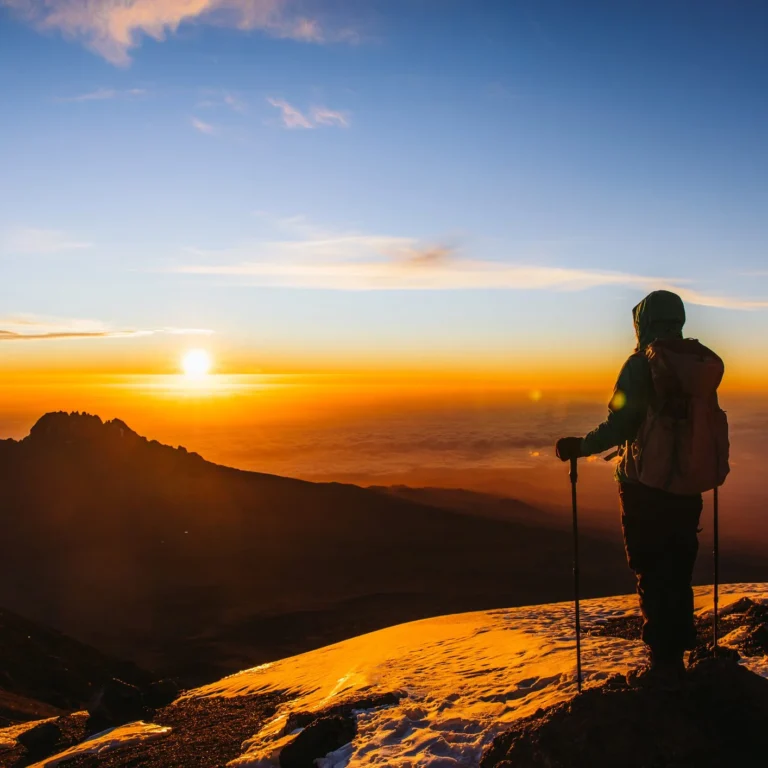
Choosing the best sunglasses for climbing Mount Kilimanjaro is essential for safety, comfort, and summit success. As you ascend Africa’s highest mountain, ultraviolet radiation becomes stronger, especially across glaciers, snowfields, volcanic rock, and high-altitude alpine deserts. Proper Kilimanjaro sunglasses protect your eyes from intense UV rays, wind, dust, snow glare, and freezing temperatures. Many trekkers underestimate the importance of high-altitude eyewear until they experience headaches, watery eyes, or temporary snow blindness near Uhuru Peak. The best glacier sunglasses for Kilimanjaro should feature UV400 protection, polarized lenses, side shields, anti-fog technology, and durable frames built for mountain trekking. Whether you are climbing via the Machame Route, Lemosho Route, or Marangu Route, investing in premium trekking sunglasses improves visibility and protects your eyes during long hiking days on Tanzania’s iconic mountain adventure. Why Sunglasses Are Essential on Kilimanjaro High-altitude climbing on Mount Kilimanjaro exposes trekkers to significantly stronger ultraviolet radiation than at sea level. The higher you climb toward Uhuru Peak, the thinner the atmosphere becomes, increasing your exposure to harmful UV rays. Snow, glaciers, and volcanic ash also reflect sunlight directly into your eyes, making proper mountain sunglasses a critical piece of Kilimanjaro gear. Without suitable sunglasses, climbers may suffer from eye fatigue, blurred vision, headaches, or painful snow blindness during summit night. Wind, dust, and freezing temperatures can further irritate unprotected eyes during the trek. Quality trekking sunglasses enhance visibility, reduce glare, and improve comfort throughout the climb. Professional mountain guides strongly recommend glacier sunglasses with full UV protection for every Kilimanjaro route because eye safety is just as important as proper boots, warm clothing, hydration, and altitude preparation during your Tanzania trekking adventure. UV Protection Is the Most Important Feature When choosing the best sunglasses for Kilimanjaro climbing, UV protection should always be the highest priority. The ideal hiking sunglasses must provide 100% UVA and UVB protection, commonly labeled as UV400 protection. This feature blocks dangerous ultraviolet rays that intensify at high altitude on Mount Kilimanjaro. Cheap fashion sunglasses may appear stylish but often fail to provide adequate protection for mountain environments. Prolonged UV exposure during trekking can damage the eyes and reduce visibility during crucial summit moments. High-quality glacier sunglasses with certified UV lenses help prevent eye strain and snow blindness while improving visual clarity in bright alpine conditions. Climbers should always verify UV ratings before purchasing trekking eyewear for Tanzania safaris and Kilimanjaro expeditions. Reliable UV protection ensures greater comfort, better safety, and stronger eye health throughout your multi-day climb to Africa’s highest peak and most famous trekking destination. Polarized Lenses Improve Visibility on the Mountain Polarized sunglasses are highly recommended for climbing Mount Kilimanjaro because they reduce intense glare reflected from snow, ice, wet rocks, and bright volcanic terrain. During summit day, sunlight reflecting off glaciers can become extremely uncomfortable without polarized lenses. These specialized lenses filter reflected light, allowing climbers to see trails, rocks, and landscapes more clearly. Better visibility improves hiking safety, especially during steep ascents and descents on Kilimanjaro routes such as Machame, Rongai, and Northern Circuit. Polarized trekking sunglasses also reduce eye fatigue, helping climbers maintain focus during long hiking hours at high altitude. Although non-polarized UV sunglasses still offer protection, polarized glacier glasses provide superior visual comfort in bright mountain conditions. Many experienced trekkers consider polarized lenses one of the best upgrades for Kilimanjaro gear because they enhance clarity, comfort, and overall trekking performance on Africa’s tallest mountain adventure. Category 3 or Category 4 Lenses Are Best Lens categories play a major role when selecting the best sunglasses for Kilimanjaro trekking. For high-altitude mountaineering, Category 3 or Category 4 lenses are strongly recommended because they block intense visible sunlight found near glaciers and summit zones. Category 3 sunglasses work well for most Kilimanjaro climbs, offering strong sun protection for bright mountain environments. Category 4 glacier glasses provide even darker lenses and maximum protection against extreme alpine glare, making them ideal for summit attempts and snow-covered sections. However, Category 4 lenses are usually too dark for driving or nighttime use. Trekkers should avoid lightly tinted fashion sunglasses because they cannot adequately handle harsh UV exposure on Mount Kilimanjaro. Choosing the correct lens category improves visibility, reduces eye strain, and protects climbers from dangerous light conditions experienced during Tanzania’s world-famous mountain expedition. Wraparound Frames Offer Better Eye Protection The best Kilimanjaro sunglasses usually feature wraparound frames designed to shield the eyes from multiple angles. Unlike regular casual sunglasses, wraparound trekking sunglasses protect against sunlight entering from the sides, top, and bottom. This design is especially important during summit day on Mount Kilimanjaro, where intense sunlight reflects from snow and volcanic surfaces. Wraparound mountain eyewear also protects against strong winds, dust, and cold air that can irritate the eyes during long hiking hours. Some glacier sunglasses include removable side shields for extra alpine protection in extreme conditions. Secure-fitting frames additionally prevent sunglasses from slipping during steep climbs or sweaty trekking sections. Climbers should prioritize comfort, durability, and full coverage when choosing mountaineering eyewear for Tanzania adventures. Properly fitted wraparound sunglasses improve safety, visibility, and comfort while helping trekkers maintain focus throughout their Kilimanjaro summit journey and high-altitude expedition. Anti-Fog Technology Helps During Cold Conditions Anti-fog technology is an important feature in the best sunglasses for climbing Mount Kilimanjaro because temperatures change dramatically throughout the trek. Climbers often move from warm rainforest zones into freezing alpine deserts and icy summit conditions within a few days. Sudden temperature changes can cause ordinary lenses to fog, reducing visibility during difficult hiking sections. High-quality trekking sunglasses with anti-fog coatings or ventilation systems help maintain clear vision in cold, windy weather. Fog-resistant lenses are especially useful during summit night when climbers wear hats, buffs, and layered clothing that trap moisture around the face. Maintaining clear visibility improves balance, trail awareness, and overall trekking safety. Professional mountaineering sunglasses are specifically designed to handle harsh mountain environments, making them a valuable investment for Kilimanjaro expeditions. Reliable anti-fog eyewear enhances comfort and performance during Tanzania’s challenging high-altitude trekking adventure. Durable Frames

Who Was the first person to Climb Mount Kilimanjaro?

African Safari Vacation, Why Climbing Top men's best hiking boots for KilimanjaroKilimanjaro is Too Expensive? Who Was the first person to Climb Mount Kilimanjaro? beginner's guide to Climbing Kilimanjaro, What to Carry in Your Daypack on Kilimanjaro, What is the Best Sleeping Pad for Climbing Kilimanjaro? Do you Shower When Climbing Kilimanjaro? Barranco Wall on Kilimanjaro, What To Wear When Climbing Kilimanjaro, Climbing Kilimanjaro in December, 12-Week Kilimanjaro Training Plan for Beginners, What to Expect on a Walking Safari in Africa, What Birds Can I See While Climbing Mount Kilimanjaro, The Alpine Desert Zone of Kilimanjaro, Top 17 Jackets to Pack for Climbing Kilimanjaro, How Fit Do You Need to Be to Climb Kilimanjaro?, Top 7 Tips for Altitude Sickness Prevention, Five Best Exercises to Train for Kilimanjaro, recommended hikes to prepare for Mount Kilimanjaro.

Who Was The First Person To Climb Mount Kilimanjaro Learn about the brave individual who was the first to conquer the iconic Mount Kilimanjaro. Discover the history, challenges, and triumphs of this remarkable feat, and gain insights into the adventurous spirit that drove this achievement. Mount Kilimanjaro, the highest peak in Africa, stands as a symbol of challenge and adventure for climbers worldwide. But have you ever wondered, “Who was the first person to climb Mount Kilimanjaro?” In this article, we delve into the fascinating history of this iconic mountain and reveal the name of the brave pioneer who conquered it first shows First Person To Climb Mount Kilimanjaro. Join us as we take a journey through time to uncover the tale of triumph and courage that forever changed the course of mountaineering. Exploring the History of Mount Kilimanjaro The Mystique of Kilimanjaro: An African Legend Mount Kilimanjaro, located in Tanzania, is not just a mountain; it is a living legend. Rising 5,895 meters (19,341 feet) above sea level, it is the tallest freestanding mountain on the planet First Person To Climb Mount Kilimanjaro. This dormant volcano, with its three distinct volcanic cones—Kibo, Mawenzi, and Shira—has captivated the imagination of locals and adventurers alike for centuries. Kilimanjaro is not merely a geographical wonder; it holds cultural and spiritual significance for the Chagga people, who have inhabited the region surrounding the mountain for generations First Person To Climb Mount Kilimanjaro. They consider Kilimanjaro to be the abode of gods and ancestors, and its slopes are adorned with myths, rituals, and stories that have been passed down through generations. The Early Discoverers and Explorers Although the local Chagga people were well acquainted with Kilimanjaro, the first documented sighting of the mountain by Europeans can be attributed to the German missionary Johannes Rebmann in 1848 First Person To Climb Mount Kilimanjaro. Rebmann’s accounts of the snow-capped mountain were initially met with skepticism, as many believed that snow could not exist so close to the equator. However, it was the German geographer and cartographer Carl Uhlig who, in 1861, gave Kilimanjaro its name First Person To Climb Mount Kilimanjaro. He used the Swahili word “Kilima Njaro,” which translates to “Mountain of Greatness.” The Era of Exploration and Adventure In the late 19th and early 20th centuries, an era of exploration and adventure swept the world First Person To Climb Mount Kilimanjaro. Mount Kilimanjaro, with its mystique and allure, became an irresistible challenge for intrepid explorers. Expeditions were launched, but it wasn’t until the late 19th century that the first attempts to summit the mountain were made. The Pioneering Spirit: Who Was The First Person To Climb Mount Kilimanjaro? The honor of being the first person to conquer Mount Kilimanjaro goes to Hans Meyer, a German geologist, and Ludwig Purtscheller, an Austrian mountaineer First Person To Climb Mount Kilimanjaro. In 1889, they led a team of climbers on an ambitious expedition to scale the majestic peak. Hans Meyer: The Determined Geologist Hans Meyer was a man of science, and his passion for geology took him on adventurous journeys around the world First Person To Climb Mount Kilimanjaro. Born in 1858, Meyer had already explored various regions of Africa when he set his sights on Kilimanjaro. He was driven not only by a thirst for knowledge but also by the desire to achieve what no one had done before—to stand atop the Roof of Africa. Ludwig Purtscheller: The Fearless Mountaineer Ludwig Purtscheller, born in 1849, was a renowned mountaineer who had conquered several peaks in the European Alps. When he joined Meyer’s expedition to Kilimanjaro, he brought with him a wealth of climbing experience and the determination to reach the summit. The Expedition: Challenges and Triumphs Meyer and Purtscheller, along with their team of local guides and porters, embarked on their historic climb in 1889. Their journey was not without challenges. The rugged terrain, extreme weather conditions, and the sheer height of the mountain tested their physical and mental endurance. After weeks of strenuous trekking and climbing, Meyer and Purtscheller finally reached the summit on October 6, 1889. They stood triumphantly atop Uhuru Peak, the highest point on Kibo’s crater rim, and made history as the first individuals to conquer Mount Kilimanjaro. A Legacy of Inspiration The successful summit of Mount Kilimanjaro by Hans Meyer and Ludwig Purtscheller marked the beginning of an era of mountaineering in Africa. Their achievement inspired numerous adventurers to follow in their footsteps and attempt to reach the Roof of Africa. FAQs About The First Person To Climb Mount Kilimanjaro Did anyone attempt to climb Mount Kilimanjaro before Hans Meyer and Ludwig Purtscheller? Yes, several explorers and adventurers attempted to climb Mount Kilimanjaro before Meyer and Purtscheller’s successful expedition. Notable attempts include those by German geologist Otto Ehrenfried Ehlers in 1887 and British geologist Charles Dundas in 1888. However, it was Meyer and Purtscheller who finally reached the summit and secured their place in history. Were there any significant challenges faced during the first ascent? Yes, the first ascent of Mount Kilimanjaro presented various challenges to the expedition team. The rugged terrain, extreme weather conditions, and altitude-related difficulties posed significant hurdles. Additionally, the lack of modern mountaineering equipment and the relatively unknown nature of the mountain’s routes made the journey even more arduous. How many days did it take for Hans Meyer and Ludwig Purtscheller to climb Mount Kilimanjaro? The expedition to climb Mount Kilimanjaro took approximately six weeks. Meyer and Purtscheller began their journey in August 1889 and successfully reached the summit on October 6, 1889. Did Hans Meyer and Ludwig Purtscheller receive recognition for their achievement? Yes, Hans Meyer and Ludwig Purtscheller received widespread recognition and acclaim for being the first individuals to conquer Mount Kilimanjaro. Their feat was celebrated not only in their home countries but also in the international mountaineering community. How has mountaineering on Mount Kilimanjaro evolved since the first ascent? Since Hans Meyer and Ludwig Purtscheller’s first ascent, mountaineering on Mount Kilimanjaro has evolved

Kilimanjaro Record Breakers Climb Times And Nationalities

Lemosho Route 7 days Itinerary, Prices & Dates, What Is The Best Down Jacket For Climbing Kilimanjaro? 10 Reasons Why You Can't Climb Mt Kilimanjaro in a Day, Kilimanjaro Experience | Highest Mountain in Africa, Oldest Person To Climb Kilimanjaro, Best Tour Operators in Tanzania, 6 Days Shira route, How high is Mount Kilimanjaro? Everything you need to know, The 10 Biggest Misconceptions About Climbing Kilimanjaro, Do I Need a Camp Pillow for Climbing Kilimanjaro, Kilimanjaro Climb and Safari Packages, How To Prepare For Climbing Mount Kilimanjaro, Food on Kilimanjaro, Which is Harder Inca Trail or Kilimanjaro? Kilimanjaro Inspiring Stories, Natural Foods and Supplements, Kilimanjaro Books That Transport You To The Roof Of Africa, Climbing Kilimanjaro in September, Why do prices differ between Kilimanjaro tour operators?, It is Important to Find Good Footwear for Kilimanjaro, What Plants and Trees Will I See on Mount Kilimanjaro?, How To Stay Warm On The Summit Of Kilimanjaro?, What is the Best Sleeping Bag for Climbing Kilimanjaro?, Kilimanjaro Base Camp and Campsites by Route, Is Mount Kilimanjaro Easy to Climb?, Why Mount Kilimanjaro Must Be in Your Bucket List, Eight Steps to Make Climbing Kilimanjaro Easier, effective ways of preparing for Kilimanjaro climb, Kilimanjaro now has high-speed internet, Why Kilimanjaro is a Natural Wonder, Where to Stay on Machame Route, How Climbing Mount Kilimanjaro Changed Travelers’ perspective on Life?, Mount Kenya vs Kilimanjaro, Why Lemosho Route is the Best Way to Climb Kilimanjaro, Northern Circuit Route Cost, Kilimanjaro Record Breakers Climb Times And Nationalities

Standing proudly in Mount Kilimanjaro, Africa’s tallest mountain has inspired climbers, athletes, adventurers, and endurance legends from around the world. Rising 5,895 meters above sea level, Kilimanjaro is one of the most famous trekking destinations and a dream climb for hikers seeking adventure travel in Tanzania. Over the years, elite runners and mountaineers have attempted astonishing speed ascents, setting incredible Kilimanjaro climbing records that continue to amaze the global outdoor community. From professional ultramarathon athletes to determined local guides, these record breakers pushed human endurance to extraordinary levels while racing to Uhuru Peak. Their achievements have helped make Kilimanjaro climbing tours, Tanzania safari holidays, and African mountain expeditions even more popular among thrill-seekers worldwide. Here are ten remarkable Kilimanjaro record holders, their climbing times, and their nationalities, showcasing the mountain’s legendary place in adventure tourism history. 1. Karl Egloff – Switzerland/Ecuador Karl Egloff holds one of the most famous speed climbing records on Mount Kilimanjaro. The Swiss-Ecuadorian endurance athlete completed the fastest known ascent and descent of Kilimanjaro in an astonishing 6 hours and 42 minutes in 2014. Starting from the Londorossi Gate and racing to Uhuru Peak before descending rapidly, Egloff stunned the mountain climbing world with his incredible stamina and altitude endurance. Known for breaking mountain speed records globally, he trained extensively for high-altitude running and extreme trekking conditions. His achievement placed Kilimanjaro among the world’s elite endurance challenges and boosted interest in Kilimanjaro hiking expeditions and adventure travel in Tanzania. Today, many climbers still view Karl Egloff’s accomplishment as one of the greatest performances ever recorded on Africa’s highest mountain and a benchmark for future speed climbers worldwide. 2. Anne-Marie Flammersfeld – Germany Anne-Marie Flammersfeld became one of the most celebrated female Kilimanjaro speed climbers after setting an impressive women’s ascent and descent record. The German ultrarunner completed the demanding route in approximately 8 hours and 32 minutes, demonstrating remarkable endurance, determination, and high-altitude performance. Her achievement inspired women across the world to pursue adventure trekking, mountain climbing holidays, and endurance sports in Tanzania. Flammersfeld is known internationally for competing in extreme ultramarathons across deserts, mountains, and remote wilderness environments. Her Kilimanjaro record highlighted the growing role of female athletes in mountaineering and outdoor adventure tourism. Climbers attempting Kilimanjaro routes such as Machame, Lemosho, and Marangu often reference her incredible accomplishment as proof that discipline and preparation can overcome the mountain’s harsh altitude and unpredictable weather conditions on Africa’s iconic peak. 3. Simon Mtuy – Tanzania Simon Mtuy is among Tanzania’s most respected Kilimanjaro legends. Born near the slopes of Mount Kilimanjaro, he became famous for setting extraordinary speed records while also guiding climbers safely to Uhuru Peak. In 2006, Mtuy completed a remarkable ascent from Umbwe Gate to the summit in around 9 hours and 19 minutes. His deep understanding of Kilimanjaro’s weather, altitude zones, and trekking trails gave him a natural advantage on the mountain. Beyond speed climbing, Simon Mtuy has played an important role in promoting sustainable tourism and supporting local guiding communities in Tanzania. His achievements continue to inspire local porters, guides, and young athletes who dream of conquering Africa’s highest mountain. Today, he remains a symbol of Tanzanian adventure tourism excellence and one of the country’s greatest mountain climbing ambassadors internationally. 4. Bruno Brunod – Italy Bruno Brunod became internationally recognized after setting an early Kilimanjaro speed climbing record in 2001. The Italian athlete completed the ascent and descent in approximately 6 hours and 28 minutes, a groundbreaking achievement at the time. Brunod’s performance attracted worldwide attention from climbers, endurance athletes, and adventure travelers interested in high-altitude mountaineering. Famous for his exceptional alpine running abilities, he competed in several mountain endurance competitions throughout Europe before conquering Kilimanjaro. His record demonstrated that Mount Kilimanjaro was not only a trekking destination but also a major challenge for elite endurance athletes. Brunod’s success helped increase global awareness of Tanzania adventure tourism, Kilimanjaro trekking packages, and African climbing expeditions. Even years later, his achievement remains one of the most respected performances in Kilimanjaro climbing history and continues motivating ambitious mountaineers worldwide. 5. Rebecca Reusch – United States Rebecca Reusch earned international recognition after becoming one of the fastest women to summit Mount Kilimanjaro. The American athlete showcased exceptional determination and endurance while competing against harsh altitude conditions and steep volcanic terrain. Her climb inspired many female adventure travelers and helped promote women’s participation in mountain trekking and endurance sports worldwide. Reusch’s achievement highlighted the increasing popularity of Kilimanjaro climbing tours among athletes seeking extreme physical challenges in Africa. The mountain’s scenic landscapes, glacier views, and dramatic ecological zones make it a dream destination for endurance competitors and trekkers alike. Rebecca’s success also emphasized the importance of acclimatization, professional guides, and careful preparation during high-altitude climbs. Today, her accomplishment continues motivating adventurous women interested in Kilimanjaro expeditions, Tanzania travel experiences, and world-famous mountain trekking adventures. 6. Christian Stangl – Austria Christian Stangl is another legendary mountaineer associated with remarkable speed climbing achievements on Mount Kilimanjaro. The Austrian climber became famous for rapid ascents on several of the world’s highest mountains, combining endurance running with technical mountaineering expertise. His Kilimanjaro performance attracted major international media attention and strengthened the mountain’s reputation as a premier destination for high-altitude adventure tourism. Known for his ambitious “Skyrunner” projects, Stangl pushed the limits of mountain endurance while inspiring climbers globally. Kilimanjaro’s steep trails, changing climate zones, and reduced oxygen levels create one of the toughest trekking experiences in Africa. Christian Stangl’s achievements continue to encourage serious athletes to test their limits on Tanzania’s iconic mountain. His legacy remains deeply connected to Kilimanjaro climbing history and the worldwide popularity of African mountain expeditions and trekking safaris. 7. Fernanda Maciel – Brazil Fernanda Maciel is celebrated worldwide for her achievements in mountain endurance racing and extreme adventure sports. The Brazilian athlete gained attention for her rapid Kilimanjaro climb, proving her extraordinary ability to perform under high-altitude conditions. Famous for competing in ultramarathons across mountains, deserts, and volcanoes, Maciel brought international recognition to women

How Many Days Does It Take To Recover From Kilimanjaro Climb?

Uhuru Peak - Hiking Mount Kilimanjaro, Lemosho Route, Machame Route, Northern Circuit Route, Marangu Route, How Long Does It Take To Climb Mount Kilimanjaro. How Many Days Does It Take To Recover From Kilimanjaro Climb, How long does it take to climb Mount Kilimanjaro, When was Mount Kilimanjaro’s last eruption, and will it erupt Again? 7 Day Kilimanjaro Climbing Shira Route, Climbing Kilimanjaro On A Budget, Tanzania safari information, Kilimanjaro Altitude Sickness and other Health Considerations, When was Mount Kilimanjaro's Last Eruption, How long does it take to climb Mount Kilimanjaro, How to Sleep Well on Mount Kilimanjaro, Tanzania in July, Kilimanjaro Northern Circuit Route, Reviews, Map, Pros, Cons, and Route Facts, How To Train For Kilimanjaro Climb, When not to climb Kilimanjaro? Avoid March, April, and May, What Happens When a Fashion Model Climbs a Mountain?, What are the Best Socks for Climbing Kilimanjaro?, What Challenges Do You Face On Mount Kilimanjaro Climbing?, Lemosho Route, Do You Need Oxygen to Climb Kilimanjaro?, 3 Important Jackets You Need for Climbing Kilimanjaro, How to Choose a Jacket for Climbing Kilimanjaro, Stephan Siegrist sets new highline record on Mount Kilimanjaro, Lava Tower – Kilimanjaro’s Gigantic Volcanic Plug, Is Mount Kilimanjaro in Kenya or Tanzania?, Ways to Reduce Your Eco Footprint When Hiking, hardest and most dangerous mountains to climb, Kilimanjaro Height – How High Is Mount Kilimanjaro?, Why should i bring sunscreen when climbing Mount Kilimanjaro?, Reasons to Climb Machame Route, Kilimanjaro Packing Mistakes: What Not to Bring, Lemosho vs. Marangu Route: A Comparison of Kilimanjaro's Newer and Older Climbing Paths, Kilimanjaro Hiking Tours, Mount Meru vs Kilimanjaro, Why We Are the Best Kilimanjaro Climbing Company, Kilimanjaro backpack: how to choose, recommended models, How was Mount Kilimanjaro formed?, Where Is Kilimanjaro? A Complete Guide to Africa’s Tallest Mountain, Where Is Kilimanjaro? A Complete Guide to Africa’s Tallest Mountain, Where Is Kilimanjaro? A Complete Guide to Africa’s Tallest Mountain, How Does The Northern Circuit Route Differ From Other Kilimanjaro Routes?

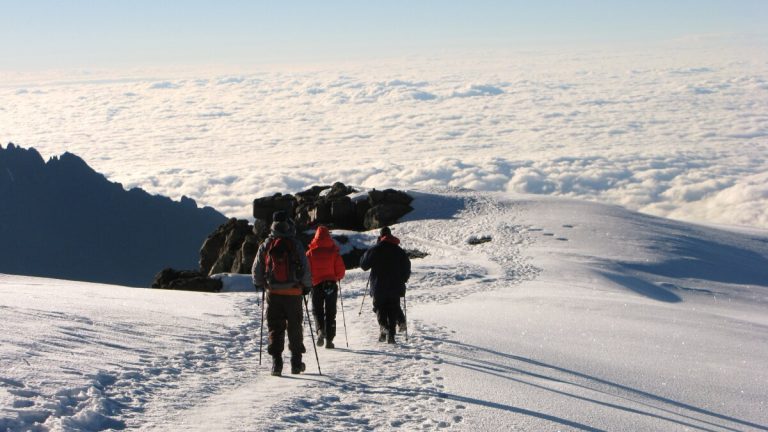
Climbing Mount Kilimanjaro is one of the most iconic trekking adventures in the world, but the experience does not end at Uhuru Peak. Many climbers underestimate the importance of post-climb recovery after high-altitude exposure. The question most travelers ask is: how many days does it take to recover from the Kilimanjaro climb? Recovery depends on altitude effects, physical fitness, hydration levels, and acclimatization success. While some trekkers feel normal within a few days, others may need over a week to fully regain energy. Understanding Kilimanjaro recovery time is essential for planning safaris, flights, and onward travel in Tanzania. Proper rest, nutrition, and gradual activity resumption play a key role in reducing altitude fatigue and restoring full strength after this unforgettable trekking experience. Understanding Post-Kilimanjaro Recovery Recovery after climbing Mount Kilimanjaro begins immediately after descending to lower altitudes such as Moshi or Arusha. The body needs time to readjust from low oxygen levels experienced at high altitude. Most climbers experience fatigue, muscle soreness, dehydration, and mild headaches. These symptoms are normal effects of altitude exposure and physical exertion. The average Kilimanjaro recovery time ranges from 3 to 10 days, depending on individual health and climbing conditions. Proper sleep, hydration, and nutrient-rich meals help speed up recovery. It is important not to rush into strenuous activities immediately after descent, as the body is still stabilizing oxygen circulation and energy levels. Effects of High Altitude on the Body High altitude on Kilimanjaro affects oxygen availability, leading to reduced physical performance and increased fatigue. Climbers often experience altitude sickness symptoms such as dizziness, nausea, and shortness of breath. After descending, the body continues adjusting for several days as oxygen levels normalize. This is why post-climb recovery is essential. The cardiovascular system, muscles, and brain all require time to restore full efficiency. Most trekkers notice gradual improvement within 48 to 72 hours after descent, but complete recovery may take up to a week. Understanding these physiological effects helps travelers plan realistic rest periods after their Kilimanjaro trekking adventure in Tanzania. Common Symptoms During Recovery After a Kilimanjaro climb, many trekkers experience lingering symptoms that affect recovery time. These include tired legs, swollen feet, mild dehydration, and general weakness. Some climbers may also feel emotional exhaustion after completing the challenging summit push. Headaches and disrupted sleep patterns are also common due to altitude changes. These symptoms typically reduce within a few days but can last longer if the climb was particularly demanding. Proper hydration and rest are essential for faster recovery. Listening to your body is key, as pushing too hard too soon can delay healing and extend Kilimanjaro recovery time significantly. Physical Fatigue After Descent Physical fatigue is one of the most noticeable effects after descending Mount Kilimanjaro. The long trekking days, steep ascents, and summit night effort drain energy reserves significantly. Even though climbers return to lower altitudes, muscles need time to repair micro-tears caused by prolonged hiking. Most people feel heavy-legged and tired for 2–5 days after the climb. Gentle walking and light stretching help improve circulation and speed up recovery. Avoiding intense physical activities such as running or gym workouts is highly recommended. Proper rest is essential for restoring strength and ensuring a smooth transition back to normal daily activities. Mental Recovery After the Climb Climbing Kilimanjaro is not only physically demanding but also mentally intense. Reaching the summit often brings emotional exhaustion followed by a sense of relief and accomplishment. After the trek, some climbers experience mental fatigue or a “post-adventure low” as adrenaline levels drop. This psychological recovery phase usually lasts a few days. Reflecting on the journey, sharing experiences, and relaxing in a calm environment like Arusha or Zanzibar helps restore mental balance. Emotional recovery is just as important as physical healing, and both contribute to the overall Kilimanjaro recovery time after completing this life-changing adventure. Role of Hydration in Recovery Hydration plays a crucial role in post-Kilimanjaro recovery. During the climb, the body loses a significant amount of fluids through breathing and sweating in dry, cold air. After descent, rehydrating helps flush toxins and reduce altitude-related fatigue. Drinking water, electrolyte solutions, and natural juices speeds up the recovery process. Dehydration can prolong symptoms such as headaches and muscle soreness, increasing overall recovery time. Most climbers feel noticeably better within 48 hours of proper hydration. Maintaining consistent fluid intake is one of the simplest yet most effective ways to shorten Kilimanjaro recovery time and restore energy levels quickly. Nutrition and Energy Restoration Nutrition is a key factor in how quickly the body recovers after climbing Mount Kilimanjaro. High-altitude trekking burns a large number of calories, leaving the body in an energy deficit. After the climb, eating balanced meals rich in proteins, carbohydrates, and vitamins helps restore strength. Foods such as fruits, vegetables, lean meats, and whole grains support muscle repair and immune function. Many climbers regain energy within 3–5 days when eating properly. Avoiding alcohol and processed foods during recovery is recommended. Good nutrition significantly reduces fatigue and supports faster Kilimanjaro recovery time after the demanding summit experience. Sleep and Rest Importance Sleep is one of the most powerful recovery tools after climbing Kilimanjaro. Many trekkers experience sleep disruption during the climb due to altitude, so the body requires additional rest afterward. Deep sleep helps repair muscles, balance hormones, and restore energy levels. Most climbers need 8–10 hours of sleep per night during the first few days post-climb. Taking short naps during the day can also accelerate recovery. Without proper rest, fatigue can persist longer and delay full recovery. Prioritizing sleep ensures the body adapts efficiently after returning from high-altitude trekking in Tanzania. Returning to Normal Activities Returning to normal activities after Kilimanjaro should be gradual. Light walking and sightseeing are acceptable within a few days, but strenuous exercise should be avoided initially. Office work can usually resume within 2–3 days for most climbers, depending on individual recovery speed. However, physically demanding jobs may require a longer break. It is important to listen to your body and avoid

Tanzania VS South Africa Safaris

Singita Faru Faru Lodge

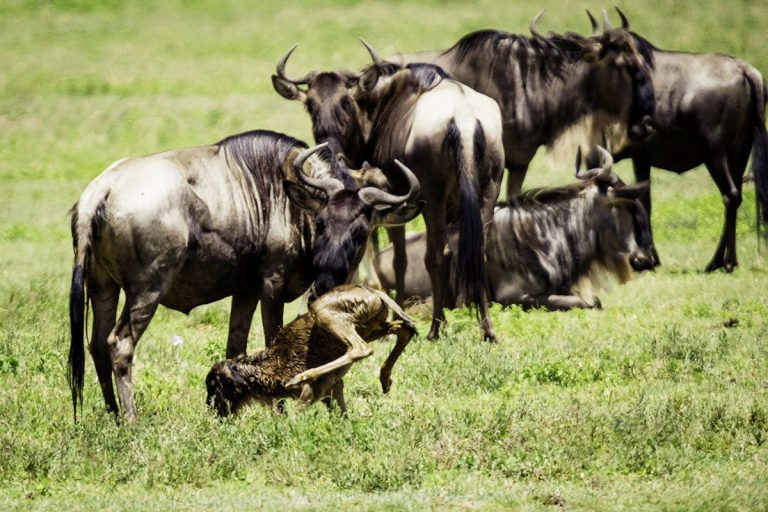
Choosing between a Tanzania safari and a South Africa safari is one of the biggest decisions for travelers planning an African wildlife adventure. Both destinations offer world-class game viewing, luxury safari lodges, breathtaking landscapes, and unforgettable cultural experiences. Tanzania is famous for the Great Migration in the world-renowned Serengeti National Park and the wildlife-rich Ngorongoro Crater, while South Africa is celebrated for luxury safaris, modern infrastructure, and iconic reserves like Kruger National Park. Travelers searching for the best African safari often compare wildlife density, safari costs, accommodations, safety, family travel, honeymoon experiences, and Big Five sightings. Whether you dream of witnessing wildebeest migration crossings, staying in luxury safari camps, or enjoying malaria-free safari parks, both Tanzania and South Africa deliver extraordinary African safari holidays packed with adventure, nature, photography, and unforgettable memories. 1. Wildlife Viewing Experience Tanzania safari tours are globally recognized for exceptional wildlife viewing and vast, untouched wilderness. The country is home to some of Africa’s largest national parks and conservation areas, including Serengeti National Park, Tarangire National Park, and Lake Manyara National Park. Tanzania offers massive herds of wildebeest, zebras, elephants, lions, cheetahs, and leopards in natural ecosystems with fewer crowds. South Africa safaris, especially in Kruger National Park, provide excellent Big Five sightings with well-developed roads and easier access to wildlife. South Africa’s private game reserves often deliver close-up encounters with rhinos, lions, and leopards. Tanzania feels more wild, remote, and authentic, while South Africa offers convenience and luxury. Both countries provide outstanding game drives, but Tanzania is often preferred for dramatic landscapes and large-scale wildlife spectacles. 2. The Great Migration Advantage One of Tanzania’s greatest safari advantages is hosting the legendary Great Wildebeest Migration, considered one of the best wildlife spectacles on Earth. Every year, millions of wildebeest, zebras, and gazelles move across the plains of Serengeti National Park searching for fresh grazing land. Visitors witness thrilling river crossings, predator hunts, and endless wildlife action that attracts photographers and safari enthusiasts from around the world. South Africa does not offer a migration event comparable to Tanzania’s Serengeti ecosystem. While South Africa has incredible game reserves and wildlife diversity, it lacks the massive seasonal animal movements found in Tanzania. Travelers looking for bucket-list safari experiences, dramatic nature scenes, and authentic African wilderness usually choose Tanzania for the migration. The Serengeti migration remains one of the strongest reasons why Tanzania ranks among the best safari destinations in Africa. 3. Luxury Safari Lodges and Camps South Africa is famous for ultra-luxury safari lodges, stylish accommodations, and premium hospitality experiences. Private reserves near Kruger National Park feature elegant safari suites, spa facilities, gourmet dining, wine experiences, and personalized game drives. Tanzania also offers exceptional luxury safari camps in destinations like Serengeti National Park and Ngorongoro Crater, blending comfort with authentic wilderness experiences. Many Tanzania safari camps provide tented luxury accommodations surrounded by wildlife and breathtaking scenery. South Africa generally has more modern infrastructure and a wider range of luxury city-to-safari combinations. Tanzania focuses more on immersive bush experiences and remote adventure. Travelers seeking refined luxury and easy accessibility may prefer South Africa, while those wanting exclusive wilderness camps and romantic safari settings often choose Tanzania for a more natural African safari atmosphere. 4. Safari Costs and Budget Comparison When comparing safari prices, South Africa is often considered more budget-friendly for independent travelers due to its excellent road networks, self-drive safaris, and variety of accommodations. Visitors can explore Kruger National Park using rental vehicles, reducing overall travel expenses. Tanzania safaris are typically more expensive because many parks require domestic flights, guided tours, and longer travel distances. However, Tanzania offers exceptional value through unforgettable wildlife experiences, especially in the Northern Safari Circuit. Luxury safaris in both countries can be costly, but Tanzania’s exclusive camps near the Great Migration often command premium prices. Budget travelers may find South Africa easier for affordable safari holidays, while Tanzania appeals more to travelers seeking iconic wildlife adventures. Ultimately, safari costs depend on accommodation level, travel season, park fees, transportation, and whether travelers choose private or group safari packages. 5. Best Safari Destination for Families South Africa is often recommended as one of the best family safari destinations in Africa because of its child-friendly lodges, malaria-free reserves, and modern travel infrastructure. Families traveling with young children enjoy destinations such as private reserves near Kruger National Park and other malaria-free safari parks. Many South African lodges provide kids’ safari programs, swimming pools, and family suites designed for comfort. Tanzania also offers excellent family safari experiences, particularly in Serengeti National Park and Ngorongoro Crater, but travel distances can be longer, and some camps have age restrictions. Tanzania’s safaris focus heavily on immersive wildlife adventures and educational experiences. Families seeking convenience and easier logistics may prefer South Africa, while adventurous families wanting extraordinary wildlife encounters and authentic African safari experiences often choose Tanzania for unforgettable family holidays. 6. Honeymoon and Romantic Safaris Both Tanzania and South Africa rank among the top honeymoon safari destinations in Africa, offering luxury lodges, romantic scenery, and unforgettable wildlife experiences. Tanzania is especially popular for honeymoon safaris because couples can combine a Serengeti safari with beach relaxation on Zanzibar. Romantic tented camps in Serengeti National Park provide candlelit dinners, private game drives, and breathtaking sunsets over the savannah. South Africa honeymoon safaris combine luxury wildlife experiences with cosmopolitan attractions, vineyards, and scenic coastal routes. Couples often pair safari adventures in Kruger National Park with visits to Cape Town. Tanzania offers a more secluded wilderness atmosphere, while South Africa provides diverse travel experiences. Both destinations create extraordinary romantic escapes for couples seeking adventure, luxury, wildlife photography, and unforgettable African safari memories. 7. Landscape and Scenery Comparison Tanzania showcases dramatic safari landscapes filled with endless plains, volcanic craters, acacia woodlands, and massive savannah ecosystems. Destinations like Ngorongoro Crater offer breathtaking scenery unlike anywhere else in Africa. Travelers exploring Serengeti National Park experience vast open plains packed with wildlife and iconic African sunsets. South Africa, meanwhile, offers more varied landscapes, including mountains, coastal scenery, vineyards, forests,

What to Expect On a Luxury Safari Tanzania

Roving Bushtops, What to Expect On a Luxury Safari Tanzania

A Luxury Tanzania Safari is one of the most exclusive African travel experiences, combining world-class wildlife viewing, elegant safari lodges, private game drives, and personalized service. From the endless plains of the Serengeti National Park to the breathtaking beauty of the Ngorongoro Crater, travelers enjoy unforgettable encounters with the Big Five, luxury tented camps, gourmet dining, and expert safari guides. Tanzania luxury safaris are designed for comfort, adventure, and authentic African experiences, making them ideal for honeymooners, families, photographers, and wildlife enthusiasts. Guests can expect luxury safari vehicles, stunning sunsets, cultural visits, and premium accommodations surrounded by nature. Whether exploring Tarangire’s elephants or witnessing the Great Migration, a Tanzania luxury safari offers exceptional memories, exclusive wildlife experiences, and the perfect blend of adventure and relaxation in East Africa. 1. Exclusive Luxury Tanzania Safari Lodges and Camps One of the highlights of a Luxury Tanzania Safari is staying in elegant safari lodges and luxury tented camps located in the heart of Africa’s wilderness. These accommodations combine five-star comfort with authentic safari charm, offering spacious suites, king-sized beds, private decks, plunge pools, and breathtaking savannah views. Many luxury safari lodges in Tanzania provide personalized butler service, gourmet meals, spa treatments, and fine wines for a premium experience. Guests often fall asleep to the sounds of lions roaring or elephants moving nearby, creating unforgettable safari memories. Popular luxury safari destinations include the Serengeti National Park, Tarangire National Park, and the Ngorongoro Highlands. These luxury accommodations are carefully designed to blend with nature while maintaining exceptional comfort, privacy, and safety for travelers seeking an unforgettable African safari adventure. 2. Personalized Tanzania Private Game Drives Luxury safaris in Tanzania often include private game drives led by professional safari guides with extensive wildlife knowledge. Unlike crowded group tours, private safaris allow guests to travel at their own pace while exploring Tanzania’s famous national parks and wildlife reserves. Travelers can spend extra time photographing lions, leopards, elephants, giraffes, cheetahs, and rhinos without feeling rushed. Luxury safari vehicles are specially customized with comfortable seats, pop-up roofs, charging stations, refrigerators, and large windows for excellent wildlife viewing. Early morning and sunset game drives offer the best opportunities to spot predators and witness incredible African landscapes. Many luxury safari operators also provide tailor-made itineraries based on guests’ interests, whether focused on photography, birdwatching, family travel, or honeymoon experiences. Personalized service makes every Tanzania luxury safari unique, comfortable, and unforgettable for wildlife lovers visiting East Africa. 3. Incredible Tanzania Wildlife Encounters A Luxury Tanzania Safari offers extraordinary wildlife encounters in some of Africa’s most famous safari destinations. Travelers can expect to see the Big Five — lions, elephants, leopards, buffaloes, and rhinos — while exploring iconic parks like the Serengeti National Park and Ngorongoro Crater. Tanzania is also home to cheetahs, zebras, wildebeests, hippos, crocodiles, giraffes, hyenas, and hundreds of bird species. During the Great Migration, millions of wildebeests and zebras cross the Serengeti plains searching for fresh grazing, creating one of the world’s greatest wildlife spectacles. Luxury safaris provide excellent opportunities for photography, guided nature experiences, and close wildlife viewing in comfort and safety. Guests often enjoy magical moments such as witnessing a lion hunt, elephants bathing, or a dramatic African sunset while surrounded by untouched wilderness and extraordinary biodiversity. 4. Fine Dining in the African Wilderness Luxury safari experiences in Tanzania include exceptional dining surrounded by Africa’s breathtaking landscapes. Guests enjoy gourmet meals prepared by professional chefs using fresh local ingredients and international culinary styles. Breakfasts are often served in the bush after sunrise game drives, while elegant dinners take place under the stars beside glowing campfires. Luxury safari camps offer multi-course meals, premium wines, fresh seafood, vegetarian options, and personalized menus for every traveler. Dining in the middle of the African wilderness creates unforgettable moments, especially while listening to the sounds of nature nearby. Many lodges also provide romantic private dinners for honeymoon couples and special celebrations. Tanzania luxury safari cuisine combines African flavors with world-class hospitality, making food an important part of the safari experience. Travelers can expect both comfort and sophistication while enjoying spectacular views of wildlife and natural scenery. 5. Witnessing the Great Migration One of the greatest highlights of a Luxury Tanzania Safari is witnessing the world-famous Great Migration in the Serengeti National Park. This incredible natural event involves millions of wildebeests, zebras, and gazelles moving across the Serengeti ecosystem in search of fresh grazing land and water. Luxury safari travelers enjoy front-row seats to dramatic river crossings, predator action, and endless wildlife activity while staying in exclusive camps near migration routes. Experienced safari guides carefully track animal movements to provide the best wildlife viewing opportunities. Watching thousands of animals crossing crocodile-filled rivers is one of Africa’s most unforgettable safari experiences. The Great Migration attracts photographers, filmmakers, honeymooners, and wildlife enthusiasts from around the world. Luxury mobile camps allow guests to stay close to the migration while enjoying premium comfort, personalized service, and spectacular views across Tanzania’s iconic wilderness landscapes. 6. Exceptional Service and Hospitality Luxury safari tourism in Tanzania is known for its exceptional hospitality and personalized service. From airport pickups to private safari experiences, guests are treated with warmth, professionalism, and attention to detail throughout their journey. Luxury safari staff often remember guests’ preferences, prepare surprise bush breakfasts, and create customized experiences that make travelers feel special. Professional safari guides provide educational insights about wildlife, ecosystems, and Tanzanian culture while ensuring safety and comfort during every game drive. Many luxury lodges offer spa treatments, laundry services, concierge assistance, and private butlers to enhance the safari experience. Travelers also enjoy seamless transportation through luxury safari vehicles and charter flights between national parks. The high level of hospitality in Tanzania creates a relaxing and stress-free adventure where guests can fully enjoy Africa’s wildlife, landscapes, and culture while experiencing premium comfort and world-class safari service. 7. Cultural Experiences with Local Communities A Luxury Tanzania Safari is not only about wildlife but also about meaningful cultural experiences with local communities. Many safari itineraries include visits

What to expect on a Hot air Balloon Safari in Tanzania

Serengeti Balloon Safaris, African Safari Tour Packages, What to expect on a Hot air Balloon Safari in Tanzania, 8-Day Tanzania Wilderness Safari, Tanzania in December, Best Places For a Balloon Safari in Africa

Hot air balloon safari in Tanzania is one of the most unforgettable luxury safari experiences in Africa, offering breathtaking aerial views of the Serengeti National Park and its vast wildlife plains. This once-in-a-lifetime adventure allows travelers to float silently above herds of elephants, lions, giraffes, and the Great Migration, making it a top-ranking Tanzania safari activity and bucket list experience. Most hot air balloon safaris take place at sunrise, providing golden light over the endless savannah. Known for premium wildlife viewing, photography opportunities, and exclusive safari experiences, Tanzania balloon safaris combine adventure, romance, and serenity. Whether you’re planning a honeymoon safari or luxury wildlife tour, this activity delivers unmatched scenic beauty and unforgettable memories over the iconic African wilderness, perfect for travelers seeking a premium safari adventure in Tanzania today experience 1. Early Morning Balloon Safari Experience One of the most exciting parts of a hot air balloon safari in Tanzania is the early morning experience before sunrise. Guests are picked up from their safari lodge or camp and driven to the launch site in the Serengeti plains. As the balloon inflates under glowing burners, the anticipation builds for a magical wildlife adventure. The early morning light reveals misty savannah landscapes, roaming animals, and quiet golden horizons. This moment marks the beginning of an unforgettable Serengeti balloon safari, offering peaceful silence as you prepare to lift off. The calm atmosphere, combined with professional pilots and safety checks, ensures a smooth start to your Tanzania safari adventure above the African wilderness, offering one of the most iconic luxury safari experiences in Africa for travelers worldwide every single year 2. Safety Briefing Before takeoff on a hot air balloon safari in Tanzania, all guests receive a detailed safety briefing from experienced pilots and crew. This briefing covers essential instructions on boarding, landing positions, and in-flight safety measures to ensure a secure Serengeti balloon safari experience. Passengers are guided on how to enter the basket, hold steady during ascent, and prepare for landing. Safety is a top priority in all Tanzania safari balloon operations, with certified pilots following strict international aviation standards. The briefing also explains what to expect during the flight over wildlife-rich areas such as the Serengeti National Park, ensuring guests feel confident and fully prepared for this unforgettable adventure in the African skies making hot air balloon safaris one of the safest Tanzania safari activities available today in Africa widely 3. Takeoff Experience Takeoff during a hot air balloon safari in Tanzania is a breathtaking moment that marks the start of your Serengeti adventure. As the balloon slowly rises from the open plains, passengers experience a gentle lift into the sky with panoramic views of wildlife and vast landscapes. The burners roar softly, creating warmth as the balloon gains altitude over the iconic Serengeti National Park. Early morning light enhances the golden savannah, making this one of the most photographed moments in a Tanzania safari balloon experience. Skilled pilots ensure a smooth and stable ascent, allowing guests to enjoy a peaceful transition from ground to sky. This magical takeoff sets the tone for an unforgettable wildlife viewing journey above Africa’s most famous safari destination offering unmatched aerial safari views worldwide today experience luxury 4. Wildlife Viewing One of the main highlights of a hot air balloon safari in Tanzania is the incredible wildlife viewing experience from above. Floating silently over the Serengeti National Park, passengers can observe elephants, lions, giraffes, zebras, and wildebeest in their natural habitat without disturbing them. This unique perspective allows for exceptional sightings of the Great Migration, making it one of the top Tanzania safari activities for wildlife enthusiasts. The aerial view provides a broader understanding of animal behavior and movement across the vast savannah. Unlike traditional game drives, a Serengeti balloon safari offers a peaceful, uninterrupted view of nature. It is a perfect opportunity for photographers and travelers seeking unforgettable wildlife encounters in Africa’s most famous safari destination making it a must-do experience on any Tanzania safari itinerary travel list adventure 5. Photography Opportunities Hot air balloon safari in Tanzania offers exceptional photography opportunities, making it a dream experience for wildlife photographers and travel enthusiasts. From the aerial perspective above the Serengeti, guests can capture stunning images of wildlife herds, golden sunrise light, and endless savannah landscapes. The slow and steady flight allows photographers to take clear, high-quality shots of elephants, lions, giraffes, and the Great Migration in action. This Serengeti balloon safari provides unique angles that are impossible to achieve during traditional game drives. With soft morning lighting and panoramic views, every moment becomes a perfect photo opportunity. It is one of the most Instagram-worthy and SEO-searched Tanzania safari experiences for capturing Africa’s natural beauty, ideal for professional photographers, bloggers, and safari travelers seeking perfect aerial shots in Africa and beyond safari adventures 6. Serengeti Landscapes The Serengeti landscapes viewed during a hot air balloon safari in Tanzania are among the most breathtaking in the world. From the sky, the endless golden plains stretch as far as the eye can see, dotted with acacia trees and roaming wildlife. This iconic view makes the Serengeti National Park a top destination for Tanzania safari and balloon safari experiences. The early morning light creates dramatic shadows and vibrant colors across the savannah, enhancing the beauty of the Great Migration below. Floating quietly above this UNESCO World Heritage Site offers a peaceful and immersive connection to nature. It is one of the most searched luxury safari experiences in Africa, attracting travelers from around the globe, a truly unforgettable highlight of any Tanzania safari adventure experience for global travelers today journey 7. Landing and Champagne Breakfast Landing after a hot air balloon safari in Tanzania is a smooth and memorable experience, often followed by a traditional champagne breakfast in the wilderness. As the balloon gently descends onto the Serengeti plains, guests are greeted by the ground crew, who assist with a safe landing. This marks the end of an unforgettable Serengeti balloon safari adventure. After landing, travelers enjoy