Why Do Climbers Summit Kilimanjaro at Night
Why Do Climbers Summit Kilimanjaro at Night
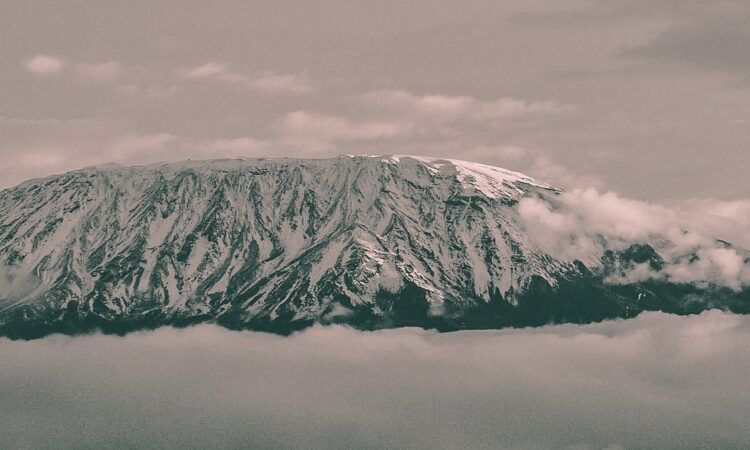
Climbing Mount Kilimanjaro is one of the world’s greatest adventure travel experiences, attracting thousands of trekkers seeking the ultimate African safari and mountain climbing challenge. One of the most fascinating parts of a Kilimanjaro trek is the midnight summit push toward Uhuru Peak. Many first-time climbers wonder why guides wake hikers around midnight instead of climbing during daylight hours. The answer combines weather conditions, safety, visibility, glacier preservation, and the physical demands of high-altitude trekking. Whether climbing the Machame Route, Lemosho Route, Marangu Route, or Northern Circuit, nearly all Kilimanjaro summit attempts begin in darkness. Reaching the roof of Africa at sunrise creates a magical and unforgettable moment. Understanding why climbers summit Kilimanjaro at night helps trekkers prepare mentally and physically for a successful ascent and increases their chances of reaching Uhuru Peak safely.
Colder Night Temperatures Create Better Climbing Conditions
One major reason climbers summit Kilimanjaro at night is the colder and more stable weather conditions found during nighttime hours. The summit slopes of Uhuru Peak consist of loose volcanic scree and ash, which become softer and more difficult to walk on during warmer daytime temperatures. Cold nighttime conditions help harden the terrain, making trekking more stable and safer for climbers attempting the steep ascent. Kilimanjaro guides carefully time the summit push so hikers climb while the ground remains firm. This improves footing, reduces slipping, and conserves valuable energy at extreme altitude. Temperatures can fall well below freezing, but experienced mountain guides know these colder hours provide the best summit conditions. Climbers equipped with proper Kilimanjaro gear, insulated clothing, gloves, and headlamps can move efficiently through the darkness while avoiding the intense daytime sun that makes high-altitude climbing more exhausting later in the morning.
Reaching the Summit at Sunrise Is an Unforgettable Experience
Watching sunrise from the summit of Mount Kilimanjaro is one of the most breathtaking moments in African adventure travel. Climbers begin their summit ascent at midnight so they can arrive at Uhuru Peak shortly after dawn. As the sun rises above the clouds, trekkers witness golden light spreading across Tanzania’s vast plains, glaciers, volcanic craters, and surrounding mountain landscapes. The spectacular sunrise provides emotional motivation during the hardest stage of the climb. After hours of trekking in darkness, exhaustion often disappears as daylight reveals the beauty of Kilimanjaro’s alpine desert and snow-capped summit. Sunrise also offers ideal photography conditions for travelers seeking iconic Kilimanjaro summit photos. Many climbers describe this moment as life-changing and spiritually rewarding. Reaching the summit at sunrise symbolizes triumph, endurance, and determination, making nighttime summit attempts an essential part of the legendary Kilimanjaro climbing experience.
Night Climbing Helps Reduce Exposure to Harsh Sunlight
High-altitude sunlight on Kilimanjaro can be surprisingly intense and physically draining. By beginning the summit ascent at night, climbers avoid many hours of direct solar exposure during the most demanding part of the trek. The upper slopes near Stella Point and Uhuru Peak contain little shade, meaning daytime climbing would expose hikers to strong ultraviolet radiation, dehydration, and overheating. Climbing during cooler nighttime hours allows trekkers to conserve energy and reduce heat exhaustion. Even though summit night temperatures are freezing, many experienced guides consider cold conditions easier to manage than intense daytime heat combined with thin air. Reduced sunlight exposure also helps prevent severe sunburn and fatigue, which are common challenges at high altitudes. Proper summit timing gives climbers the best balance between cold nighttime temperatures and safer descent conditions after sunrise. This strategy improves comfort and increases the overall success rate for Kilimanjaro summit attempts.
Summit Night Improves the Chances of Successful Acclimatization
Acclimatization is one of the most important factors in successfully climbing Mount Kilimanjaro. Summit night schedules are carefully designed to support the body’s adjustment to high altitude while maximizing climbers’ chances of reaching Uhuru Peak safely. Most trekkers spend several days gradually ascending the mountain before attempting the final push from high camps like Barafu Camp or Kibo Hut. Beginning the summit climb at midnight allows hikers to move slowly and steadily during the coldest part of the day while their bodies adapt to reduced oxygen levels. Guides encourage a “pole pole” pace, meaning slow and steady in Swahili, which helps minimize altitude sickness symptoms. Cooler nighttime temperatures also reduce physical stress and excessive sweating. By the time daylight arrives, climbers are often nearing the summit, allowing them to descend before altitude-related exhaustion becomes more severe later in the afternoon.
Descending During Daylight Is Safer for Climbers
Although summit night begins in darkness, guides aim for climbers to descend the mountain after sunrise for important safety reasons. The descent from Uhuru Peak toward Barafu Camp or Kibo Hut can be steep, rocky, and physically demanding. Daylight dramatically improves visibility, helping climbers navigate loose volcanic scree, icy sections, and narrow mountain trails more safely. Descending during the daytime also reduces the risk of falls and injuries caused by exhaustion after reaching the summit. Guides can better monitor trekkers for symptoms of altitude sickness, dehydration, or fatigue once the sun rises. In addition, warmer morning temperatures create more comfortable conditions for descending from the freezing summit zone. The timing of the nighttime ascent ensures that hikers avoid descending dangerous terrain in complete darkness. This carefully planned summit schedule reflects decades of mountain guiding experience and significantly improves safety on Kilimanjaro expeditions.
Approach, feed or disturb wildlife, or leave the vehicle unless your guide says it is safe.
Follow your guide, carry travel insurance and check current health and travel advice.
The Midnight Start Helps Avoid Afternoon Weather Changes
The weather on Mount Kilimanjaro can change rapidly, especially later in the day when clouds, snow, rain, and strong winds become more common. Starting the summit ascent around midnight allows climbers to reach Uhuru Peak before unstable afternoon weather develops. Morning conditions near the summit are usually calmer and clearer, providing safer trekking conditions and better visibility. Afternoon storms at high altitude can create dangerous situations, including slippery trails, reduced visibility, and extreme wind chill. Kilimanjaro guides plan summit attempts carefully to avoid these unpredictable weather patterns. By reaching the summit early and descending before midday, climbers reduce their exposure to harsh mountain conditions. This strategy is particularly important during Tanzania’s rainy seasons when the weather can deteriorate quickly. Proper summit timing remains one of the most effective ways to improve safety, comfort, and success rates on Kilimanjaro climbing tours.
Darkness Helps Climbers Focus One Step at a Time
Many Kilimanjaro climbers find that ascending in darkness provides unexpected psychological benefits during the summit push. The trail from Barafu Camp or Kibo Hut to Uhuru Peak is long, steep, and mentally demanding. Climbing at night limits visibility, preventing trekkers from constantly seeing how far remains to the summit. Instead of becoming overwhelmed by the mountain’s steep slopes, climbers focus only on the illuminated area directly ahead created by their headlamps. This mental strategy helps reduce anxiety and discouragement during difficult sections of the ascent. Guides encourage hikers to maintain a slow rhythm and steady breathing while concentrating on one step at a time. The quiet atmosphere of summit night also creates a unique sense of determination and teamwork among climbers. For many trekkers, darkness transforms the challenging ascent into a more manageable and emotionally rewarding experience on Africa’s highest mountain.
Frozen Ground Makes Loose Scree Easier to Climb
The upper slopes of Kilimanjaro contain volcanic scree, ash, and loose gravel that can become extremely difficult to climb during warmer daylight hours. Nighttime freezing temperatures help solidify the ground, providing firmer footing and more stable climbing conditions. This is especially important on steep sections leading toward Stella Point, where loose scree can cause hikers to slide backward with every step. Firm nighttime terrain improves efficiency and helps climbers conserve precious energy at high altitude. Experienced Kilimanjaro guides understand how temperature changes affect trail conditions and plan summit departures accordingly. The frozen surface also reduces dust and loose debris kicked up by other climbers on busy routes such as Machame and Marangu. Better traction during summit night contributes to safer movement and increased comfort throughout the ascent. These practical advantages make nighttime climbing the preferred approach for most Kilimanjaro expeditions and guided trekking companies.
Summit Night Creates a Powerful Adventure Experience
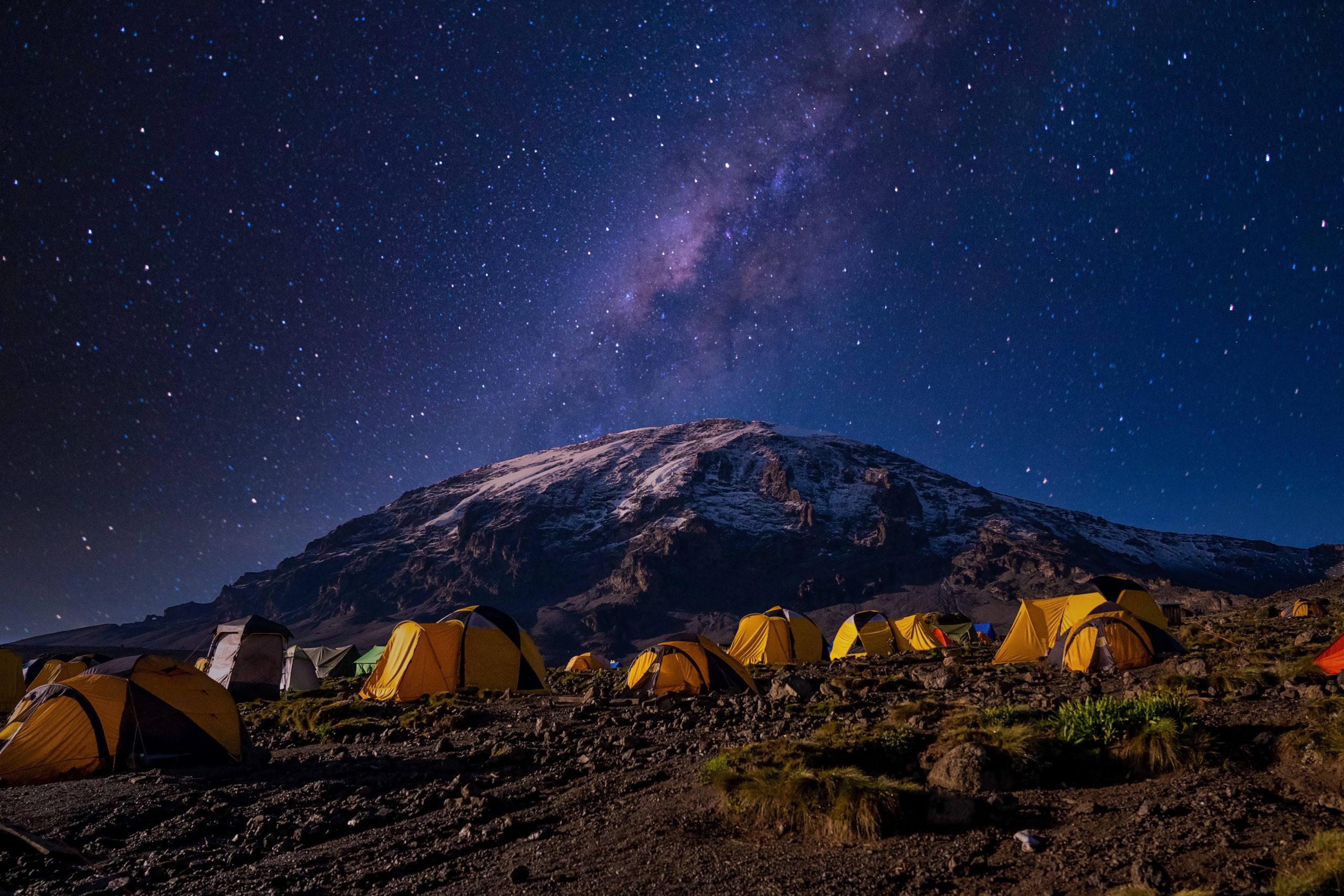
The midnight summit push is one of the defining moments of a Kilimanjaro climbing adventure. Hiking beneath a sky filled with stars while wearing a headlamp creates an atmosphere unlike any other mountain trekking experience in Africa. Climbers often describe summit night as physically exhausting yet emotionally inspiring. The silence, darkness, freezing temperatures, and glowing lights from other trekkers create a dramatic and unforgettable journey toward Uhuru Peak. Many hikers form strong emotional connections with fellow climbers during these challenging hours. Reaching the summit after trekking through the night provides an incredible sense of achievement and personal transformation. Adventure travelers seeking bucket-list experiences often consider summit night the highlight of their Kilimanjaro safari holiday. This unique tradition has become an essential part of Kilimanjaro’s global reputation as one of the world’s greatest trekking and mountaineering destinations for beginners and experienced hikers alike.
Guides Can Better Manage Group Pace at Night
Professional Kilimanjaro guides carefully control trekking pace during the summit night to maximize climbers’ safety and success. Darkness naturally encourages hikers to move more slowly and steadily, which is ideal at high altitude where oxygen levels are significantly reduced. Fast climbing increases exhaustion and altitude sickness risk, while a controlled “pole pole” pace helps the body adapt gradually. Guides use nighttime conditions to create a calm and disciplined ascent strategy. Climbers focus on breathing, hydration, and consistent movement rather than rushing toward visible summit landmarks. Headlamps also help guide, monitor spacing between trekkers, and maintain organized group movement on narrow trails. Slower pacing during summit night conserves energy and improves endurance for the demanding climb to Uhuru Peak. This deliberate approach is one reason many reputable Kilimanjaro tour operators achieve high summit success rates on routes such as Lemosho, Rongai, and Machame.
Nighttime Timing Helps Preserve Energy for the Descent
The summit push on Mount Kilimanjaro requires enormous physical effort, but experienced guides know the descent can be equally exhausting. Beginning the climb at midnight allows trekkers to use cooler nighttime temperatures to conserve energy during the ascent. Climbers usually reach Uhuru Peak shortly after sunrise, rest briefly for photographs and celebrations, then begin descending before intense daytime fatigue develops. Descending while the body still has energy reserves is extremely important because tired legs and reduced concentration increase accident risks. Cooler nighttime climbing also reduces dehydration, which helps maintain strength for the long journey back to lower camps. Summit timing is carefully planned, so hikers complete the most demanding uphill sections before the stronger afternoon sun appears. This balanced approach improves endurance, enhances safety, and helps trekkers recover more effectively after summit day on Kilimanjaro.
The Tradition Has Proven Successful for Decades
Nighttime summit attempts have become the standard approach on Kilimanjaro because decades of guiding experience have shown they work exceptionally well. Thousands of climbers from around the world successfully reach Uhuru Peak every year using this proven strategy. Kilimanjaro guides, porters, and trekking companies understand the mountain’s weather patterns, altitude challenges, and trail conditions better than anyone. Over time, they have refined summit schedules to maximize safety, acclimatization, and success rates. Midnight departures allow climbers to avoid afternoon storms, benefit from frozen terrain, experience sunrise at the summit, and descend safely in daylight. These advantages have made nighttime climbing the preferred method across all major Kilimanjaro routes. Whether joining a luxury Kilimanjaro expedition, budget trekking tour, or private climb, travelers can trust that the nighttime summit tradition is based on practical mountain expertise developed over many years on Africa’s tallest mountain.
Final Thought
Summiting Mount Kilimanjaro at night is far more than a mountain climbing tradition — it is a carefully planned strategy designed to improve safety, comfort, acclimatization, and summit success. From frozen trails and cooler temperatures to spectacular sunrise views and safer daytime descents, every aspect of the midnight ascent serves an important purpose. While summit night can be physically and mentally challenging, it also becomes the most unforgettable part of the Kilimanjaro trekking experience. Standing on Uhuru Peak as the first sunlight touches Africa’s highest mountain creates memories that last forever. For adventure travelers seeking the ultimate Tanzania trekking holiday, understanding why climbers summit Kilimanjaro at night helps prepare them for the journey ahead and highlights the remarkable expertise behind every successful Kilimanjaro expedition.
Why Do Climbers Summit Kilimanjaro at Night: FAQs
What can you expect from colder night temperatures create better climbing conditions?
One major reason climbers summit Kilimanjaro at night is the colder and more stable weather conditions found during nighttime hours. The summit slopes of Uhuru Peak consist of loose volcanic scree and ash, which become softer and more difficult to walk on during warmer daytime temperatures.
What is the reaching the summit at sunrise is an unforgettable experience like?
Watching sunrise from the summit of Mount Kilimanjaro is one of the most breathtaking moments in African adventure travel. Climbers begin their summit ascent at midnight so they can arrive at Uhuru Peak shortly after dawn. As the sun rises above the clouds, trekkers witness golden light spreading across Tanzania’s vast plains, glaciers, volcanic craters, and surrounding mountain landscapes.
What should you know about night climbing helps reduce exposure to harsh sunlight?
High-altitude sunlight on Kilimanjaro can be surprisingly intense and physically draining. By beginning the summit ascent at night, climbers avoid many hours of direct solar exposure during the most demanding part of the trek. The upper slopes near Stella Point and Uhuru Peak contain little shade, meaning daytime climbing would expose hikers to strong ultraviolet radiation, dehydration, and overheating.
What can you expect from summit night improves the chances of successful acclimatization?
Acclimatization is one of the most important factors in successfully climbing Mount Kilimanjaro. Summit night schedules are carefully designed to support the body’s adjustment to high altitude while maximizing climbers’ chances of reaching Uhuru Peak safely. Most trekkers spend several days gradually ascending the mountain before attempting the final push from high camps like Barafu Camp or Kibo Hut.
What should you know about descending during daylight is safer for climbers?
Although summit night begins in darkness, guides aim for climbers to descend the mountain after sunrise for important safety reasons. The descent from Uhuru Peak toward Barafu Camp or Kibo Hut can be steep, rocky, and physically demanding. Daylight dramatically improves visibility, helping climbers navigate loose volcanic scree, icy sections, and narrow mountain trails more safely.
What is the the midnight Start helps avoid afternoon weather changes like?
The weather on Mount Kilimanjaro can change rapidly, especially later in the day when clouds, snow, rain, and strong winds become more common. Starting the summit ascent around midnight allows climbers to reach Uhuru Peak before unstable afternoon weather develops. Morning conditions near the summit are usually calmer and clearer, providing safer trekking conditions and better visibility.
What can you expect from darkness helps climbers focus one step at a time?
Many Kilimanjaro climbers find that ascending in darkness provides unexpected psychological benefits during the summit push. The trail from Barafu Camp or Kibo Hut to Uhuru Peak is long, steep, and mentally demanding. Climbing at night limits visibility, preventing trekkers from constantly seeing how far remains to the summit.
What should you know about frozen ground makes loose scree easier to climb on Kilimanjaro?
The upper slopes of Kilimanjaro contain volcanic scree, ash, and loose gravel that can become extremely difficult to climb during warmer daylight hours. Nighttime freezing temperatures help solidify the ground, providing firmer footing and more stable climbing conditions. This is especially important on steep sections leading toward Stella Point, where loose scree can cause hikers to slide backward with every step.
Climb Kilimanjaro With Confidence
Tell us your dates and fitness, and our experienced mountain team will plan a safe, well-acclimatized private climb.