Why Are African Safaris So Expensive?
Why Are African Safaris So Expensive?
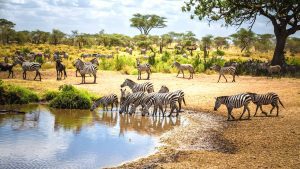
African safaris are a dream bucket-list experience for travelers seeking wildlife, adventure, and luxury; however, the cost often surprises first-timers. Understanding why African safaris are expensive requires looking at the unique factors that make this adventure unparalleled—from remote locations to conservation commitments. These elements combine to create an experience that is both exclusive and immersive, offering up-close encounters with Africa’s Big Five, rare wildlife, and breathtaking landscapes across Tanzania, Kenya, Botswana, and South Africa. From high-end lodges and tented camps to expert guides and private game drives, every aspect adds to the overall cost, ensuring safety, comfort, and unforgettable memories.
Remote Operations & Logistics
African safari destinations are often in the most remote regions, far from major cities and airports. Reaching national parks such as Serengeti, Tarangire, and Ngorongoro Crater involves long drives on rugged roads or chartered flights. Supplying these locations with food, fuel, vehicles, and luxury accommodations requires extensive planning and additional costs. Staff and equipment often need to be flown or driven from urban centers, adding layers of logistical complexity. Even necessities like fresh produce, clean water, and fuel become expensive when transported over long distances. This remoteness ensures guests experience untouched wilderness, but the operational costs inevitably reflect in safari pricing. The more remote the location, the higher the overall safari cost, making these adventures a premium investment.
Conservation and Park Fees
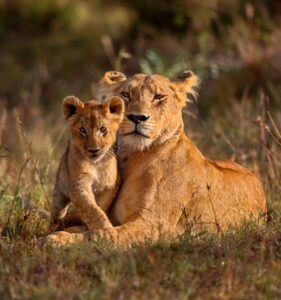
Conservation is a cornerstone of African safaris. Entrance fees, park levies, and wildlife conservation contributions are built into the cost of every safari. Protected areas like Ngorongoro Crater, Nyerere National Park, and Chobe invest these funds in anti-poaching measures, habitat restoration, and research programs. Supporting conservation ensures the survival of iconic wildlife species such as lions, elephants, cheetahs, and rhinos. Sustainable tourism also benefits local communities, creating jobs and funding schools, healthcare, and infrastructure. These fees, often non-negotiable, are essential for maintaining pristine ecosystems. Travelers paying for safaris are contributing directly to preserving Africa’s natural heritage, which partly explains why safaris are pricier compared to other holidays, as the cost supports ethical and responsible tourism practices.
High-End Logistics & Transport
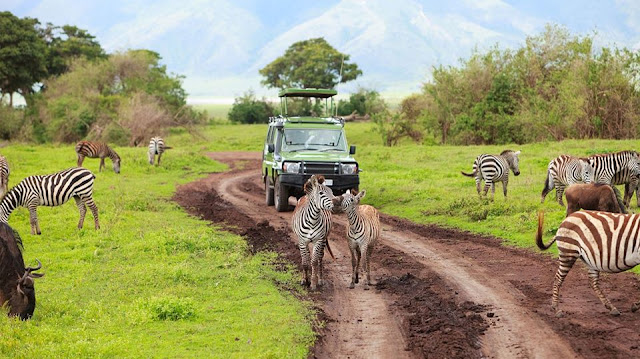
Luxury safaris depend on top-tier vehicles, including specialized 4x4s, safari trucks, and occasionally private aircraft. These vehicles are designed for off-road terrain, ensuring comfort and safety while spotting wildlife. Fuel, maintenance, insurance, and skilled drivers further increase costs. For remote lodges or fly-in safaris, chartered small planes are necessary to access areas otherwise unreachable by road. Helicopter rides and private transfers add another layer of expense. The combination of rugged terrain, long distances, and the need for reliable, high-performance vehicles means logistics are expensive but essential. For guests seeking luxury and seamless travel, these operational costs ensure an unforgettable safari experience without compromises.
Exclusivity & “Low Volume” Policy
Many safari lodges and camps operate on a low-volume, high-experience model, limiting the number of guests to protect wildlife habitats and maintain privacy. Unlike mass-market resorts, African safaris focus on quality over quantity. Smaller guest numbers mean more intimate game drives, exclusive lodge experiences, and minimal environmental impact. This exclusivity allows travelers to enjoy unspoiled landscapes, private viewing of animals, and personalized services. Limited availability increases demand, particularly during peak seasons, which in turn drives prices higher. Travelers seeking intimate encounters with the Big Five or rare species must invest in this luxury, making African safaris an exclusive adventure worth the higher cost.
Staff-to-Guest Ratios
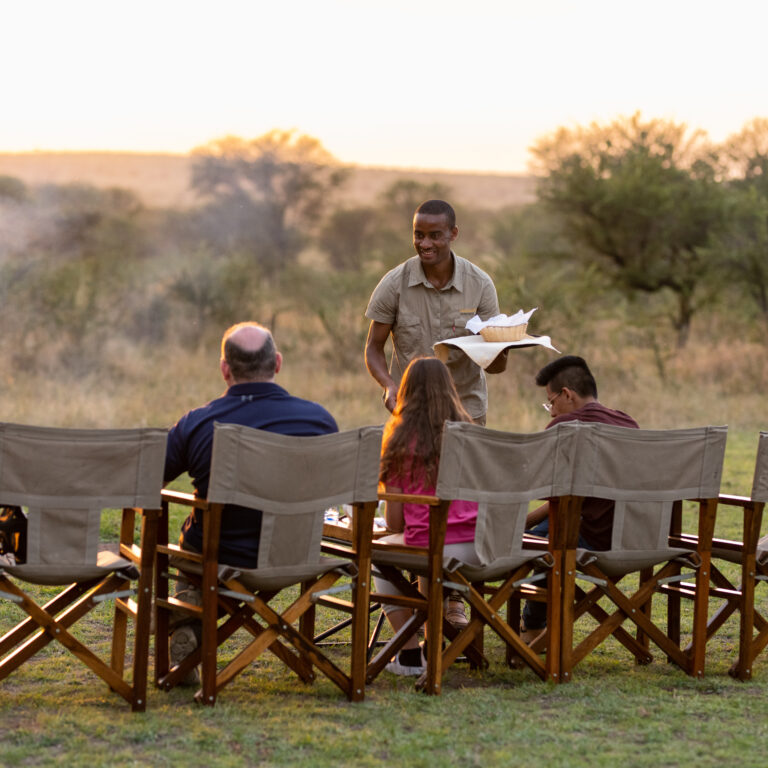
Safari lodges maintain exceptionally high staff-to-guest ratios, often 1:1 or 1:2, ensuring personalized service. This includes expert guides, chefs, housekeeping, drivers, and camp managers, all working to create seamless experiences. Skilled guides are trained in wildlife behavior, safety, first aid, and hospitality, offering insights that enhance every game drive. From preparing gourmet meals to tracking elusive wildlife, staff expertise ensures an unforgettable safari. Maintaining such a workforce, often in remote locations, contributes significantly to safari costs. Guests are paying not only for accommodations but for a team of dedicated professionals who ensure safety, comfort, and insider knowledge throughout their African safari adventure.
All-Inclusive Experience
Many African safaris are fully inclusive, covering meals, accommodation, park fees, private game drives, and some activities like bush walks or hot air balloon rides. This all-in-one approach ensures convenience and reduces stress for travelers navigating remote areas. Meals often feature fresh, locally sourced ingredients prepared by skilled chefs. Drinks, laundry, and guided excursions are included in premium safaris, eliminating hidden costs. While the upfront price may seem high, it reflects the comprehensive, worry-free experience. Guests enjoy the thrill of wildlife viewing, cultural encounters, and luxurious comfort without unexpected expenses, making the safari investment worthwhile and ensuring a smooth, memorable journey through Africa’s wilderness.
Seasonality
Safari costs vary significantly with seasonality. Peak months, such as July–October and December–January, coincide with migration and dry-season wildlife concentration, attracting higher prices. Low and shoulder seasons (April–May and November) offer fewer tourists and slightly lower costs while still providing excellent wildlife viewing. Lodges and camps adjust rates based on demand, occupancy, and weather conditions. Planning a safari outside the peak months can reduce costs, but travelers must consider seasonal wildlife patterns. The season you choose impacts availability, game sightings, and overall expenses, as safari pricing is dynamically linked to visitor demand, ensuring guests understand the value of timing when budgeting for an African safari.
Accommodation Level
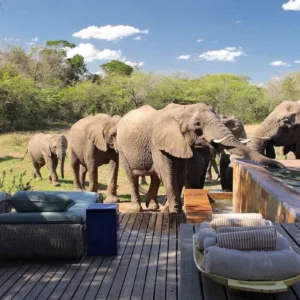
Safari accommodations range from budget tented camps to ultra-luxury lodges and glamping experiences. Premium lodges feature private villas, infinity pools, spa services, and gourmet dining, while mid-range camps offer comfortable tents and communal areas. The level of comfort, privacy, and amenities significantly influences pricing. Eco-lodges that integrate sustainability and luxury naturally incur higher operational costs. Travelers selecting high-end lodges pay for exclusive experiences, panoramic views, and personalized services. Even luxury tented camps in prime wildlife areas involve significant setup and maintenance expenses. Accommodation choice directly impacts safari pricing, allowing travelers to tailor their budget and experience while enjoying Africa’s wilderness in style and comfort.
Budget camping & lodges
Affordable, adventurous and close to nature.
Mid-range lodges & tented camps
Comfort, good food and convenient locations.
Luxury tented camps & lodges
Spacious suites, personal service and prime wildlife areas.
Exclusive-use camps & villas
Complete privacy, private guides and bespoke experiences.
Booking Direct vs With an Agent
Booking a safari through a trusted operator or agent may increase upfront costs but provides expert planning, reliability, and added safety. Agents often have insider access to lodges, special game drives, and local guides. Direct booking may save money but requires extensive research, logistical coordination, and sometimes negotiation with multiple service providers. Agents streamline transportation, lodge selection, park permits, and activities, reducing stress for first-time travelers. For luxury safaris, the convenience, time savings, and assurance of professional guidance justify additional costs. Whether booking direct or via a safari specialist, travelers invest in expertise that maximizes the value of their African safari adventure.
Duration
Longer safaris cost more due to extended accommodations, meals, park fees, and transportation. Multi-day itineraries allow deeper exploration of Tanzania, Kenya, Botswana, or South Africa, including multiple parks and lodges. A three-day safari offers highlights of one region, while a 10-day itinerary covers diverse ecosystems and Big Five sightings. Extended safaris require careful planning of logistics, guides, and staff schedules, which increases overall operational costs. The length of your safari directly affects total expenses but enhances the likelihood of rare wildlife encounters and memorable experiences, ensuring that guests enjoy a comprehensive and rewarding African safari journey.
Expert Guiding
Expert safari guides are highly trained professionals skilled in wildlife tracking, animal behavior, photography, and safety. Guides often hold certifications in game driving and wilderness first aid. Their knowledge ensures accurate wildlife identification, optimal viewing opportunities, and safe navigation through potentially dangerous areas. The cost of maintaining highly qualified guides reflects their invaluable role in shaping unforgettable safari experiences. Guides also educate guests on conservation, local culture, and ecosystems. Travelers pay for expertise, insight, and safety, making professional guiding a critical factor in safari pricing and an essential element of any premium African wildlife adventure.
Complex Logistics Requiring Light Aircraft or Specialized 4x4s
Some safaris require small aircraft to reach remote lodges or fly over wildlife reserves. Specialized 4x4 vehicles are necessary for rough terrain and long game drives. Aircraft rental, maintenance, pilot fees, fuel, and airport taxes add high costs. Likewise, off-road vehicles require high-performance tires, suspension, and reliable maintenance for safe exploration. These logistical demands ensure access to areas inaccessible by regular transport, providing exclusive wildlife experiences. The complexity of moving guests, staff, and supplies through challenging landscapes justifies premium pricing while offering unique, once-in-a-lifetime safari experiences.
Tips for More Affordable African Safaris
- Accommodation
- Meals
- Park fees
- Vehicle & guide
- Transfers
- International flights
- Visas
- Travel insurance
- Tips
- Premium drinks
Travel During the Low or Shoulder Season (April–May or November)
Choosing the low or shoulder season is one of the best ways to save on African safaris. During April–May and November, popular parks like the Serengeti, Ngorongoro Crater, and Tarangire see fewer tourists. Accommodation rates drop, and safari operators often offer discounted rates. Wildlife is still abundant, and you can enjoy quieter game drives and stunning landscapes. Traveling in these months also allows for more flexibility with tours, flights, and lodging. For budget-conscious travelers, this is the ideal window to experience luxury safari lodges, mid-range tented camps, or even glamping experiences without compromising on the wildlife adventure or photographic opportunities.
Choose Budget-Friendly Destinations
For travelers seeking an African safari without breaking the bank, selecting budget-friendly destinations is key. Parks like Tarangire, Lake Manyara, and Ruaha in Tanzania often offer lower entrance fees and mid-range accommodations. Opting for lesser-known reserves can also reduce costs while still providing extraordinary wildlife encounters. Budget-friendly safari lodges, tented camps, and community-run conservancies allow travelers to experience Big Five sightings, guided game drives, and cultural interactions at a fraction of the price of premier luxury options. Prioritizing cost-effective destinations ensures an unforgettable safari experience while keeping expenses manageable.
- ArushaGateway
- TarangireElephants
- NgorongoroCrater
- SerengetiBig Five
- ZanzibarBeach
Consider Overland Camping Safaris
Overland camping safaris are an excellent alternative for travelers seeking authentic African safari experiences at a lower cost. Instead of staying in high-end lodges, you can camp in designated sites within national parks or private reserves. These safaris often include guides, park transfers, and meals, making them both immersive and cost-effective. Overland camping allows greater mobility across multiple parks, including Serengeti, Tarangire, and Lake Manyara, maximizing wildlife viewing opportunities. It’s perfect for solo travelers, families, and adventurous couples who value experience over luxury. By choosing camping safaris, you can enjoy ethical and sustainable wildlife adventures without the hefty lodge fees.
Book Early or Last-Minute Special Offers
Timing your safari booking strategically can drastically reduce costs. Early bookings allow travelers to secure discounted rates on lodges, tented camps, and safari packages, especially for peak-season months. Alternatively, last-minute deals can offer unbeatable savings if operators have unsold slots. Many safari companies provide special offers on multi-day itineraries, all-inclusive luxury packages, and flights from Arusha, Dar es Salaam, or Zanzibar. By monitoring promotions and flexible dates, travelers can access luxury experiences at budget-friendly prices. Combining early or last-minute bookings with shoulder-season travel ensures maximum affordability while still delivering top safari experiences in the Serengeti, Ngorongoro, and Tarangire.
Compare Safari Operators to Find All-Inclusive Packages
Not all safari operators offer the same value. Comparing multiple operators helps identify all-inclusive packages that cover accommodation, game drives, park fees, and meals, reducing unexpected costs. Look for reputable companies offering bespoke safaris, fly-in and fly-out services, or combined multi-park itineraries. Reading reviews ensures reliable, ethical, and sustainable tours. All-inclusive packages in Tanzania, Kenya, or Southern Africa often provide better value than piecemeal bookings. By selecting trusted operators, you can experience top-rated lodges, mid-range tented camps, and guided game drives efficiently. This approach simplifies planning and ensures cost transparency, making African safaris more accessible without sacrificing comfort or wildlife encounters.
Opt for Fewer Parks or Shorter Itineraries
Focusing on fewer national parks or shorter safari itineraries can significantly reduce costs while still providing an unforgettable experience. For example, a 3–5 day safari to Serengeti and Ngorongoro Crater offers iconic wildlife encounters without the high expenses of multi-park tours. Shorter itineraries minimize transport, guide, and accommodation costs, while still allowing opportunities to spot the Big Five, cheetahs, lions, and elephants. This option suits first-time travelers, families, or budget-conscious adventurers. Combining selective parks with mid-range lodges, luxury tented camps, or overland camping ensures a tailored, affordable safari experience without compromising on wildlife photography, ethical tourism, or memorable adventures.
What Makes an African Safari a Priceless Experience
An African safari offers an unforgettable adventure into the wild, combining breathtaking landscapes, rare wildlife, and cultural encounters. From witnessing the Great Migration in Tanzania’s Serengeti to spotting lions, elephants, and cheetahs in Kruger National Park, every moment is extraordinary. Luxury safaris, guided tours, and eco-friendly lodges enhance the experience, making it both comfortable and sustainable. Safari photography, family adventures, honeymoon trips, and bucket-list wildlife encounters ensure memories that last a lifetime.
What You Need to Know About Safaris Before Booking a Trip
Before booking a safari, research destinations, park entry fees, best travel seasons, and accommodation options. Decide between lodge, tented, or camping safaris based on comfort, budget, and itinerary. Understand guided tours, game drives, and fly-in safaris for convenience. Consider travel insurance, vaccinations, and visa requirements. Reading reviews, comparing tour operators, and checking safari itineraries help maximize value. Planning ahead ensures safety, wildlife encounters, and unforgettable experiences in Africa’s top safari destinations like Kenya, Tanzania, South Africa, and Botswana.
Final Thought
African safaris are expensive because they combine remote logistics, conservation funding, high-end transport, expert guiding, and exclusive accommodations into a once-in-a-lifetime adventure. Every dollar invested supports sustainable tourism, wildlife preservation, and local communities, making your safari more than a holiday—it’s an impactful journey into Africa’s unparalleled wilderness. Planning carefully and considering timing, accommodation, and itinerary options can make these premium experiences accessible while delivering unforgettable memories of Africa’s majestic wildlife.
Why Are African Safaris So Expensive?: FAQs
Why Is Traveling to Africa So Expensive?
Traveling to Africa can be costly due to luxury lodges, national park fees, private guided tours, and transportation logistics. Safaris often include 4x4 vehicles, professional guides, and all-inclusive meals. International flights, visa fees, travel insurance, and seasonal peak pricing add to the total. Specialized experiences like balloon safaris, fly-in safaris, and photographic tours also increase costs.
Which African Country Has the Cheapest Safari?
For budget-conscious travelers, East African countries such as Tanzania offer good-value safaris without sacrificing wildlife experiences. In Tanzania, parks like Tarangire, Lake Manyara, and Arusha National Park offer classic safaris with reasonably priced lodges, smaller crowds, lower park fees than the Serengeti, and budget-friendly camping options, while the Serengeti and Ngorongoro are costlier during peak seasons. Opting for mid-range lodges, shared guides, and overland tours can reduce costs.
What Is the Total Cost of an African Safari Trip?
The total cost of an African safari depends on destination, duration, accommodation style, and activities. Budget safaris may range from $150–$250 per day, mid-range safaris $300–$600, and luxury safaris $800–$2,500+ daily. Additional costs include park fees, flights, visa charges, travel insurance, and tips. Multi-country safaris, fly-in options, and guided tours increase expenses. Planning in advance, choosing the right season, and selecting inclusive packages help manage costs while enjoying premium wildlife experiences across Tanzania.
Is a private safari better than a shared safari?
A private safari gives you your own vehicle and guide, flexible game-drive times and the freedom to stay as long as you like at sightings. It is ideal for families, couples and photographers. Shared safaris can cost less, but schedules are fixed and you travel with other guests. For comfort and flexibility, a private tailor-made safari is usually the best choice.
Can I see the Big Five in Tanzania?
Yes, Tanzania is one of the best countries to see the Big Five: lion, leopard, elephant, buffalo and rhino. The Ngorongoro Crater offers a strong chance of seeing all five in a single day, including the rare black rhino, while the Serengeti is famous for big cats and Tarangire for large elephant herds. Sightings are never guaranteed.
Is Tanzania safe for a safari?
Tanzania is generally regarded as one of Africa’s safest safari destinations when you travel with a reputable operator. Follow your guide’s instructions, stay in the vehicle during game drives and never approach wildlife. Keep valuables secure in towns, check current travel advice before departure and carry comprehensive travel insurance for peace of mind.
Can I combine a safari with Zanzibar?
Yes, a Tanzania safari followed by Zanzibar is one of Africa’s most popular holidays. After game drives in the Serengeti, Ngorongoro or Tarangire, a short flight takes you to Zanzibar for white-sand beaches, snorkelling, dhow cruises, spice tours and historic Stone Town. Plan three to five nights on the island to relax after your safari.
How much does a Tanzania safari cost?
Safari costs depend on the season, accommodation level, safari length, park fees and whether you travel privately. Budget camping safaris cost the least, while mid-range lodges and luxury tented camps cost more but add comfort and personal service. Request a detailed quotation listing inclusions and exclusions so you can compare value rather than headline prices.
Plan Your Private Tanzania Safari
Tell us your travel dates, interests and budget, and our local team will design a private tailor-made safari around you.