Where to Spot African Big Cats on Safaris
Where to Spot African Big Cats on Safaris
Discover and experience Africa, one of the ultimate destinations for big cat safaris, offering unparalleled opportunities to see lions, leopards, cheetahs, and African wildlife in their natural habitats. From vast plains to rich river valleys, the continent’s premier wildlife safari destinations provide unforgettable sightings of African big cats. In this guide, you’ll discover where to spot these iconic predators in the best national parks and game reserves across East and Southern Africa. Whether it’s the annual wildebeest migration in the Serengeti or the dense woodlands of Sabi Sand, each location offers something unique for big cat photography, luxury safari tours, and wildlife conservation experiences. Let’s explore the most sought‑after places for big cat sightings on your next African safari adventure.
Serengeti National Park
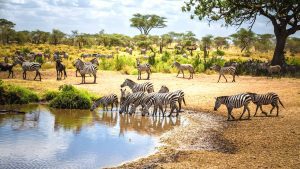
Serengeti National Park in Tanzania is world‑renowned for big cat safaris and spectacular lion, leopard, and cheetah sightings. Stretching across endless grasslands, the Serengeti offers prime territory for big cats, especially during the Great Migration, when predators follow massive herds of wildebeest and zebra. The open plains make it easier for visitors to spot cheetahs sprinting after prey and lion prides lounging under acacia trees. Leopards, though elusive, can often be photographed in the park’s wooded areas and Kopjes. Top experiences include early morning and late afternoon game drives led by expert guides who know big cat behavior. Known as one of the best wildlife safari destinations in Africa, the Serengeti delivers consistently high chances of seeing Africa’s most iconic predators in action.
Ngorongoro Crater
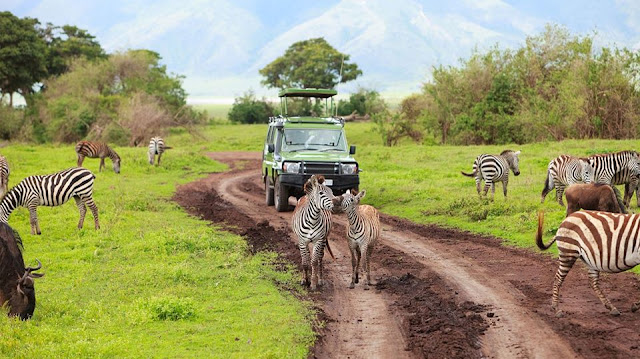
The Ngorongoro Crater in northern Tanzania is a UNESCO World Heritage Site and a hotspot for big cat sightings on safari. As a natural amphitheater teeming with wildlife, the crater floor supports high densities of lions, leopards, and spotted hyenas, drawing big cats close to watering holes and grazing herds. The crater’s enclosed ecosystem makes wildlife easier to find, offering some of the most reliable big cat viewing in East Africa. Lion pride sightings are frequent, often near the Lerai Forest or around hippo‑filled swamps. Leopards may be seen resting in fig trees along the crater rim. With its compact size and rich biodiversity, Ngorongoro is ideal for photographers and families seeking close encounters with African big cats without long drives between sightings.
Ruaha National Park
Ruaha National Park in south‑central Tanzania is an emerging big cat destination known for its untouched wilderness and outstanding wildlife safari experiences. As one of East Africa’s largest parks, Ruaha features sweeping landscapes where lion prides roam, and leopard sightings are common along riverbeds and rocky outcrops. The park’s vast terrain means fewer visitors and more natural encounters with big cats and other predators. The seasonal Great Ruaha River attracts wildlife, drawing lions and leopards from across the region to hunt and drink. Cheetahs can also be spotted chasing prey across open plains. Ruaha’s remote setting offers a truly authentic African safari adventure and excellent opportunities for big cat photography, expert‑led game drives, and immersive exploration of one of the continent’s most rewarding wildlife havens.
Tarangire National Park
Tarangire National Park in northern Tanzania is famed for its ancient baobabs and abundant wildlife, making it an excellent destination for big cat safaris close to Arusha and the Serengeti ecosystem. While elephants are the park’s trademark, Tarangire also supports healthy populations of lions, leopards, and cheetahs that thrive in its diverse habitats of grassland, swamp, and woodland. Lions often take advantage of the park’s seasonal swamps, concentrating near water sources during the dry season and providing reliable sightings. Leopards, though more elusive, can sometimes be spotted in dense thickets and fig trees. Cheetahs favor open plains around Tarangire’s central corridors. With fewer crowds and scenic landscapes, Tarangire offers a more intimate safari experience with strong opportunities for seeing Africa’s top predators.
Nyerere National Park (formerly Selous)
Nyerere National Park, formerly known as Nyerere National Park (formerly part of the Selous Game Reserve) in southern Tanzania, is one of Africa’s largest wilderness areas and a premier destination for big cat viewing off the beaten path. Its immense size and diverse ecosystems—rivers, floodplains, miombo woodlands—support thriving populations of lions, leopards, and wild dogs. Game drives and boat safaris along the Rufiji River offer unique ways to encounter big cats stalking prey or resting in shaded riverbanks. Nyerere’s remote setting means far fewer visitors and more authentic wildlife encounters, including dramatic predator‑prey interactions during seasonal changes. With excellent opportunities for big cat photography, walking safaris, and multi‑day guided tours, Nyerere is ideal for adventurous travelers seeking wild, untouched African safari experiences beyond the main tourist routes.
Lake Manyara National Park
Lake Manyara National Park in northern Tanzania is a compact but spectacular destination for big cat safaris, known especially for tree‑climbing lions. These unique lions often rest in acacia trees overlooking the lake, offering extraordinary photographic opportunities. The park’s mix of forest, floodplain, and alkaline lake ecosystems attracts diverse prey species, drawing lions and leopards throughout the year. Cheetahs may also be seen hunting on the open plains at the park’s edge. The scenic backdrop of the Rift Valley escarpment and vast birdlife add to the safari experience. Lake Manyara’s proximity to other major parks like Tarangire and the Serengeti makes it an excellent stop on a multi‑park wildlife safari itinerary, where visitors can maximize chances of seeing Africa’s most iconic big cats in a compact, accessible setting.
Katavi National Park
Hidden in western Tanzania, Katavi National Park is one of Africa’s most pristine and rewarding safari destinations for big cat sightings. Less visited than other parks, Katavi offers immersive wilderness experiences with large concentrations of lions and leopards around the Katuma River floodplains. During the dry season, herds of buffalo and antelope attract powerful lion prides, providing dramatic predator encounters and excellent big cat photography. Leopards, though stealthy, can sometimes be tracked near waterholes and shaded galleries. Cheetahs also frequent the open plains in search of fast‑moving prey. The remote, rugged landscape ensures solitude and an authentic safari adventure, ideal for travelers seeking deep wilderness and exceptional wildlife conservation experiences. Katavi is a hidden gem for those aiming to combine big cat sightings with raw, unspoiled African nature.
Maasai Mara National Reserve
The Maasai Mara National Reserve in Kenya is one of Africa’s most celebrated destinations for big cat safaris and iconic wildlife experiences. Known globally for the Great Migration, the Mara’s grasslands host abundant lions, leopards, and cheetahs year‑round. Lion prides are frequently seen in open savannah, resting by tree lines or hunting in the early morning light. Cheetahs thrive in the Mara’s wide plains, where they can be observed sprinting after gazelles and Thomson’s antelope. Leopards often shelter in riverine forests and rocky outcrops. With expert guides and frequent predator sightings, the Maasai Mara delivers consistently high chances of seeing Africa’s top big cats in action. Its accessibility and world‑class safari lodges make it a bucket‑list destination for wildlife enthusiasts and photographers alike.
South Luangwa National Park, Zambia
South Luangwa National Park in Zambia is a premier big cat destination on the Luangwa River corridor, renowned for its exceptional walking safaris and abundant wildlife. The park’s fertile waterways and floodplains attract large prey herds, drawing lions, leopards, and frequently seen cheetahs. South Luangwa is especially famous for its leopard sightings along shaded riverbanks and rocky kopjes, where these elusive cats are often photographed lounging or stalking. Lion prides are commonly encountered near watering holes during dawn and dusk. The park’s diverse terrain of woodland, grassland, and open floodplain supports excellent big cat viewing throughout the year. With experienced guides and intimate safari experiences, South Luangwa offers some of the best opportunities in Africa to see big cats up close while exploring pristine wilderness landscapes.
Sabi Sand Game Reserve (Kruger National Park), South Africa
The Sabi Sand Game Reserve, adjoining Kruger National Park in South Africa, is legendary for big cat sightings, especially leopards, which are often seen on guided game drives and night safaris. This private reserve is known for its exceptional predator densities, including lions and cheetahs, with expert rangers tracking big cats for close encounters. The dense bushveld and river systems provide ideal habitat for big cats and their prey, making sightings frequent and immersive. Sabi Sand’s luxury lodges offer tailored safari experiences with morning and evening drives optimized for predator activity. Thanks to controlled visitor numbers and experienced guides, photographers enjoy some of the highest success rates in Africa for capturing leopards and other big cats in natural behavior. A safari here is a cornerstone of any South African wildlife adventure.
When is the Best Time to See African Big Cats
The best time to see African big cats is during the dry season in Africa, typically from June to October, when wildlife gathers around water sources, making big cat safaris in Africa more rewarding. This period is ideal for spotting lions, leopards, cheetahs, and other predators in Serengeti National Park, Maasai Mara, Kruger National Park, and Ngorongoro Crater. While the wet season brings lush landscapes and fewer crowds, sightings are trickier. For photographic safaris, planning your trip during the peak wildlife viewing months ensures better lion, leopard, and cheetah sightings, enhancing your African safari experience.
Interesting and Fun Facts About African Big Cats
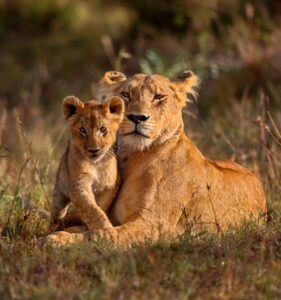
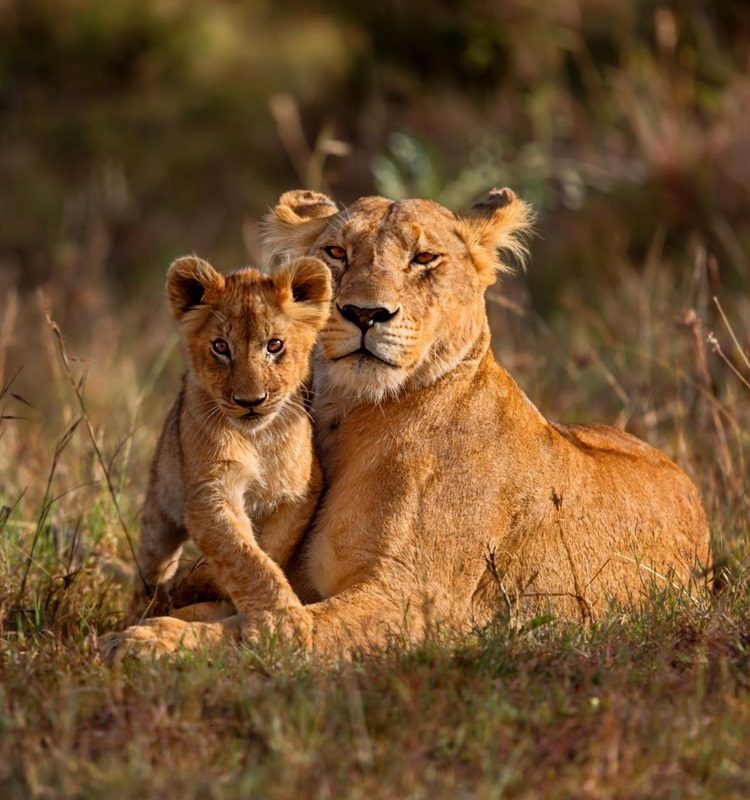
African big cats are apex predators with fascinating behaviors. Lions are the only social big cats, living in prides, while leopards are stealthy, solitary hunters. Cheetahs are the fastest land animals, reaching 70 mph in short bursts. Many African safari enthusiasts are surprised to learn that male lions defend the pride, while females do most of the hunting. Big cats play a key role in Africa’s ecosystem, maintaining balance in savannahs and grasslands. Observing them on a Tanzania safari, Kenya safari, or South Africa safari offers unique wildlife photography opportunities and unforgettable safari experiences.
What to Pack for a Big Cat Safari
Packing for a big cat safari is essential to maximize comfort and wildlife sightings. Essentials include lightweight, neutral-colored clothing, a wide-brimmed hat, sunglasses, and sunscreen, plus binoculars and a DSLR camera for capturing lions, leopards, and cheetahs. Include hiking shoes, insect repellent, and a rain jacket for unpredictable weather. For luxury safari tours or budget safaris, a daypack, reusable water bottle, and travel documents are a must. Optional items like field guides and spotting scopes enhance the African safari adventure, ensuring travelers experience the best wildlife sightings in Serengeti, Masai Mara, or Kruger National Park.
What Wild Cats Might You See on an African Safari?
On an African safari, you can encounter iconic big cats like lions, leopards, and cheetahs, alongside less-known species such as caracals, servals, and African wildcats. Safari-goers in Tanzania, Kenya, Botswana, and South Africa often witness lion prides hunting in open plains, elusive leopards in dense bush, and cheetahs sprinting across savannahs. Night safaris can reveal nocturnal hunters like caracals. Choosing the right national park, lodge, or safari company increases the chances of spotting these majestic predators. Observing these wild cats in their natural habitat offers a once-in-a-lifetime African wildlife safari experience.
How Close Can You Get to the Big Cats on Safari?
On a Tanzania safari, getting close to lions, leopards, and cheetahs is one of the most thrilling experiences. While these big cats in the wild are unpredictable, guided game drives in Serengeti National Park, Ngorongoro Crater, or Tarangire National Park offer safe viewing distances. Professional safari guides know the best wildlife photography spots and approach strategies, allowing visitors to observe predatory behavior without disturbing the animals. For luxury safaris, photographic safaris, or family safari tours, vehicles often come with open roofs or 4x4 safari jeeps, bringing you as close as legally and safely possible to these magnificent African predators.
- Kilimanjaro Airport (JRO)Arrival
- MoshiAbout 45 min
- ArushaAbout 1 hour
- Safari parksNorthern Circuit
Final Thought
From Tanzania’s sprawling plains and craters to Kenya’s iconic savannah and South Africa’s renowned reserves, Africa offers some of the best big cat safaris in the world. Whether you seek roaring lions, elusive leopards, or high‑speed cheetahs, these top national parks and game reserves provide unforgettable wildlife encounters and outstanding big cat photography opportunities. With expert guides, diverse ecosystems, and world‑class safari experiences, your African big cat adventure will be one to remember.
Where to Spot African Big Cats on Safaris: FAQs
What should you know about Serengeti national park on a Tanzania safari?
Serengeti National Park in Tanzania is world‑renowned for big cat safaris and spectacular lion, leopard, and cheetah sightings. Stretching across endless grasslands, the Serengeti offers prime territory for big cats, especially during the Great Migration, when predators follow massive herds of wildebeest and zebra.
What is Ngorongoro Crater like?
The Ngorongoro Crater in northern Tanzania is a UNESCO World Heritage Site and a hotspot for big cat sightings on safari. As a natural amphitheater teeming with wildlife, the crater floor supports high densities of lions, leopards, and spotted hyenas, drawing big cats close to watering holes and grazing herds.
What can you expect from Ruaha national park on a Tanzania safari?
Ruaha National Park in south‑central Tanzania is an emerging big cat destination known for its untouched wilderness and outstanding wildlife safari experiences. As one of East Africa’s largest parks, Ruaha features sweeping landscapes where lion prides roam, and leopard sightings are common along riverbeds and rocky outcrops.
What should you know about Tarangire national park on a Tanzania safari?
Tarangire National Park in northern Tanzania is famed for its ancient baobabs and abundant wildlife, making it an excellent destination for big cat safaris close to Arusha and the Serengeti ecosystem. While elephants are the park’s trademark, Tarangire also supports healthy populations of lions, leopards, and cheetahs that thrive in its diverse habitats of grassland, swamp, and woodland.
What can you expect from Nyerere national park (formerly Selous) on a Tanzania safari?
Nyerere National Park, formerly known as Nyerere National Park (formerly part of the Selous Game Reserve) in southern Tanzania, is one of Africa’s largest wilderness areas and a premier destination for big cat viewing off the beaten path. Its immense size and diverse ecosystems—rivers, floodplains, miombo woodlands—support thriving populations of lions, leopards, and wild dogs.
What should you know about lake Manyara national park on a Tanzania safari?
Lake Manyara National Park in northern Tanzania is a compact but spectacular destination for big cat safaris, known especially for tree‑climbing lions. These unique lions often rest in acacia trees overlooking the lake, offering extraordinary photographic opportunities. The park’s mix of forest, floodplain, and alkaline lake ecosystems attracts diverse prey species, drawing lions and leopards throughout the year.
What can you expect from Katavi national park on a Tanzania safari?
Hidden in western Tanzania, Katavi National Park is one of Africa’s most pristine and rewarding safari destinations for big cat sightings. Less visited than other parks, Katavi offers immersive wilderness experiences with large concentrations of lions and leopards around the Katuma River floodplains. During the dry season, herds of buffalo and antelope attract powerful lion prides, providing dramatic predator encounters and excellent big cat photography.
What is Maasai Mara National Reserve like?
The Maasai Mara National Reserve in Kenya is one of Africa’s most celebrated destinations for big cat safaris and iconic wildlife experiences. Known globally for the Great Migration, the Mara’s grasslands host abundant lions, leopards, and cheetahs year‑round. Lion prides are frequently seen in open savannah, resting by tree lines or hunting in the early morning light.
Plan Your Private Tanzania Safari
Tell us your travel dates, interests and budget, and our local team will design a private tailor-made safari around you.