What to Expect on a Safari in Tanzania
What to Expect on a Safari in Tanzania
A Tanzania safari is one of the most iconic African safari experiences, offering unmatched wildlife encounters, breathtaking landscapes, and rich cultural immersion. From the world-famous Serengeti National Park to the dramatic Ngorongoro Crater and elephant-rich Tarangire National Park, Tanzania delivers the ultimate wildlife safari adventure. Travelers can expect close sightings of the Big Five, vast savannah plains, and authentic Maasai culture. Whether choosing a luxury safari lodge or a budget tented camp, Tanzania safari packages suit all travelers. Game drives reveal lions, elephants, giraffes, and endless natural beauty across East Africa’s most celebrated parks. This guide explains what to expect on a Tanzania safari, including wildlife, transport, weather, food, accommodation, and adventure tips. It prepares travelers for an unforgettable journey through one of the world’s top safari destinations in Africa today.
Diverse Landscapes
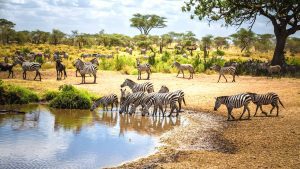
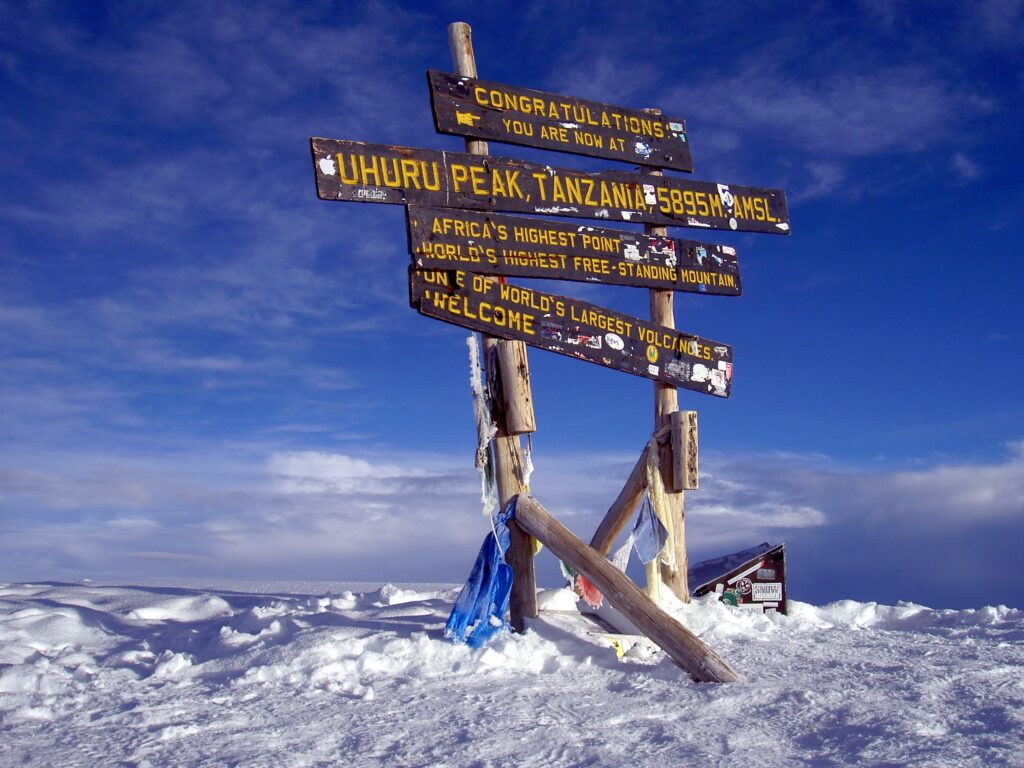
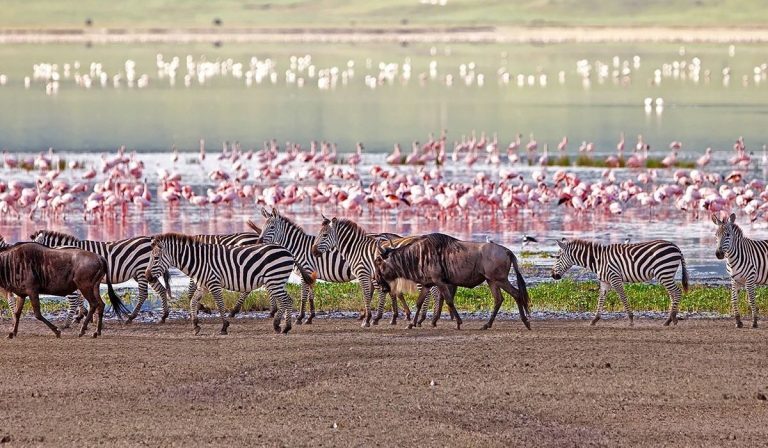
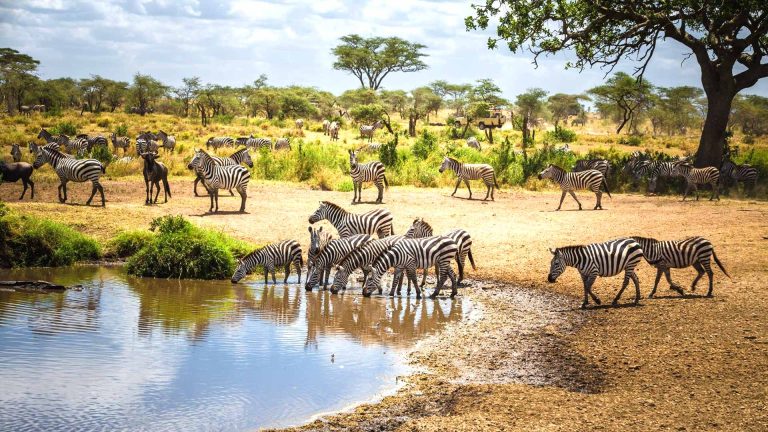
Tanzania safari landscapes are incredibly diverse, making the country a top African safari destination. The Serengeti National Park offers endless golden plains filled with migrating wildebeest, while the Ngorongoro Crater presents a unique volcanic ecosystem rich in wildlife. Tarangire National Park is known for ancient baobab trees and elephant herds, and Lake Manyara features lush forests and flamingo-filled lakeshores. In the distance, Mount Kilimanjaro adds a dramatic backdrop to the scenery. These contrasting environments create perfect conditions for wildlife viewing, photography, and exploration. From rivers and savannahs to mountains and crater highlands, every safari day feels different. This natural variety ensures Tanzania safaris remain exciting and immersive, offering travelers unforgettable experiences across some of Africa’s most iconic protected wilderness areas and national parks throughout East Africa.
Amazing Wildlife
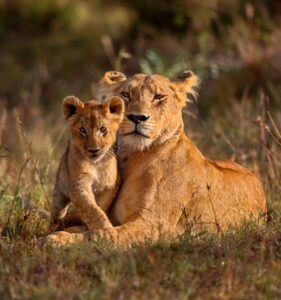
A Tanzania safari offers some of the richest wildlife encounters in Africa, making it a dream destination for nature lovers. The Serengeti National Park is home to the Great Migration, where millions of wildebeest and zebras move across the plains. Ngorongoro Crater provides one of the highest concentrations of wildlife, including lions, rhinos, elephants, and hippos. Tarangire National Park is famous for large elephant herds, while Lake Manyara hosts tree-climbing lions and diverse bird species. Travelers can expect frequent sightings of the Big Five: lion, leopard, elephant, buffalo, and rhino. Game drives reveal giraffes, cheetahs, hyenas, and countless antelope species. Tanzania’s national parks offer year-round wildlife viewing, making every safari tour a thrilling adventure filled with unforgettable animal encounters and breathtaking natural behavior in the wild African savannah ecosystem.
Packing & Clothing
Packing correctly for a Tanzania safari is essential for comfort and enjoyment. Lightweight, breathable clothing is ideal for warm daytime temperatures, while neutral colors such as khaki, olive, and beige help blend into the environment. Early mornings and evenings in Serengeti National Park or Ngorongoro Crater can be cold, so a warm jacket or fleece is necessary. Comfortable walking shoes are recommended for lodge stays and nature walks. A wide-brim hat, sunglasses, and sunscreen are important for sun protection during long game drives. Avoid bright colors and heavy luggage due to limited safari vehicle space. Binoculars, a camera, and insect repellent are also useful. Proper packing ensures a smooth African safari experience, allowing travelers to fully enjoy wildlife viewing, photography, and adventure across Tanzania’s diverse landscapes and national parks without discomfort during their journey.
Transport & Roads
Transportation on a Tanzania safari typically involves 4x4 safari vehicles designed for off-road game drives and wildlife viewing. Roads between parks such as Serengeti, Ngorongoro, and Tarangire can be rough, dusty, or bumpy, especially during long-distance travel. However, these journeys are part of the authentic African safari experience. Most safari tours include experienced drivers who double as guides, ensuring safety and wildlife spotting along the way. Domestic flights are also available between major parks to reduce travel time. Travelers should expect slow driving speeds due to wildlife sightings and terrain conditions. Despite challenges, road travel offers scenic views of villages, savannahs, and changing landscapes. Tanzania safari transport is well-organized, combining adventure and practicality to connect travelers with remote national parks and unforgettable wildlife destinations across East Africa’s wilderness regions.
Long Drives and Early Starts
A Tanzania safari often involves long drives and early morning starts to maximize wildlife viewing opportunities. Game drives in Serengeti National Park or Ngorongoro Crater typically begin at sunrise when animals are most active. Travelers should be prepared for several hours on the road between national parks, sometimes lasting six to eight hours, depending on distances. Early departures allow tourists to witness predators hunting and enjoy cooler temperatures for comfortable viewing. Safari guides carefully plan routes to ensure the best wildlife sightings along the way. While travel time can be lengthy, scenic landscapes, wildlife encounters, and cultural villages make the journey enjoyable. Rest stops are included for comfort and photography. These early starts and extended drives are essential for experiencing the full beauty of Tanzania’s wildlife safari adventure and natural wonders.
Changing Weather
Tanzania safari weather varies throughout the day and across different regions, making preparation important for travelers. Mornings and evenings in Serengeti National Park and Ngorongoro Crater can be cool, while midday temperatures often become hot under the African sun. The dry season offers excellent wildlife viewing as animals gather around water sources, while the wet season transforms landscapes into lush green scenery. Rainfall can be unpredictable, especially in forested areas like Lake Manyara. Layered clothing is recommended to adapt to temperature changes during game drives. Despite weather variations, Tanzania remains a year-round safari destination. The changing climate enhances the beauty of the landscapes and influences animal behavior, providing unique opportunities for photography and wildlife observation. Every safari experience feels different depending on the season, adding excitement to African safari adventures.
Minimal Phone and Internet Coverage
On a Tanzania safari, travelers should expect limited phone signal and internet connectivity, especially in remote national parks like Serengeti and Ngorongoro. These protected wildlife areas are far from urban infrastructure, allowing visitors to fully disconnect from modern distractions. Some safari lodges and camps offer Wi-Fi, but connections may be slow or unreliable. Mobile network coverage is often weak during game drives in the bush. This digital isolation enhances the authentic African safari experience, allowing travelers to focus on nature, wildlife, and photography. Instead of browsing online, guests enjoy real-time encounters with elephants, lions, and giraffes in their natural habitats. Many travelers appreciate this digital detox as part of the adventure. Tanzania safari tours encourage a deeper connection with nature, making every moment in the wild more meaningful and immersive.
Food Quality Varies
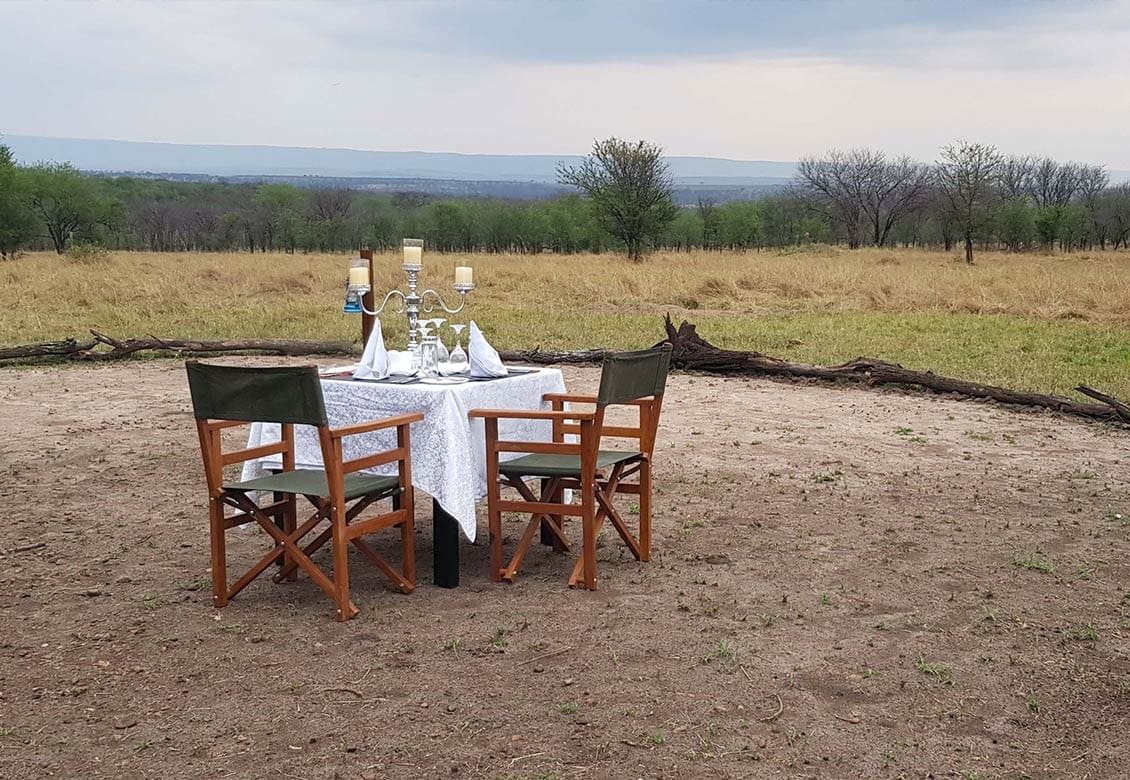
Food on a Tanzania safari varies depending on accommodation type, from luxury lodges to mobile tented camps. High-end safari lodges in Serengeti National Park and Ngorongoro Crater offer international cuisine, fresh ingredients, and gourmet dining experiences. Budget camps provide simpler but nutritious meals suitable for long safari days. Breakfast, lunch, and dinner are usually included in safari packages. Packed lunches are common during full-day game drives to ensure travelers stay energized. Vegetarian and dietary options are often available upon request. While food quality may differ, hygiene standards are generally well maintained across reputable safari operators. Travelers should expect a mix of African and international dishes. Dining in the bush adds a unique charm to the safari experience, allowing guests to enjoy meals surrounded by the sounds and beauty of the African wilderness.
Exciting Activities for All Types of Travelers
A Tanzania safari offers a wide range of exciting activities suitable for all types of travelers, from adventure seekers to luxury holidaymakers. Game drives in Serengeti National Park and Ngorongoro Crater remain the highlight, offering close encounters with wildlife. Walking safaris allow visitors to explore nature on foot with experienced guides. Hot air balloon safaris over the Serengeti provide breathtaking aerial views of the plains and wildlife herds. Cultural visits to Maasai villages offer insight into traditional lifestyles. Bird watching, photography tours, and nature hikes are also popular activities. Many lodges provide relaxation options such as swimming pools and spa services. Whether seeking adventure or relaxation, Tanzania safari tours deliver unforgettable experiences that combine wildlife, culture, and natural beauty across East Africa’s most iconic national parks and protected areas.
Raw Sense of Adventure
A Tanzania safari delivers a raw sense of adventure that cannot be found in most travel destinations. Travelers experience untamed wilderness, unpredictable wildlife encounters, and vast open landscapes that stretch beyond the horizon. In Serengeti National Park, lions roam freely, while elephants cross dusty plains without barriers. The lack of fences and close proximity to nature create an authentic African safari experience. Every game drive brings surprises, from hunting predators to grazing herds of wildebeest. The sound of nature replaces city noise, offering total immersion in the wild. This sense of unpredictability makes each safari unique and exciting. Travelers feel deeply connected to nature, embracing both excitement and serenity. Tanzania’s national parks provide one of the last remaining true wilderness experiences in Africa, making every moment feel raw, real, and unforgettable.
Unique Accommodations
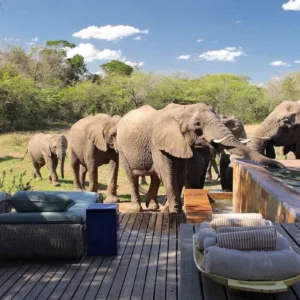
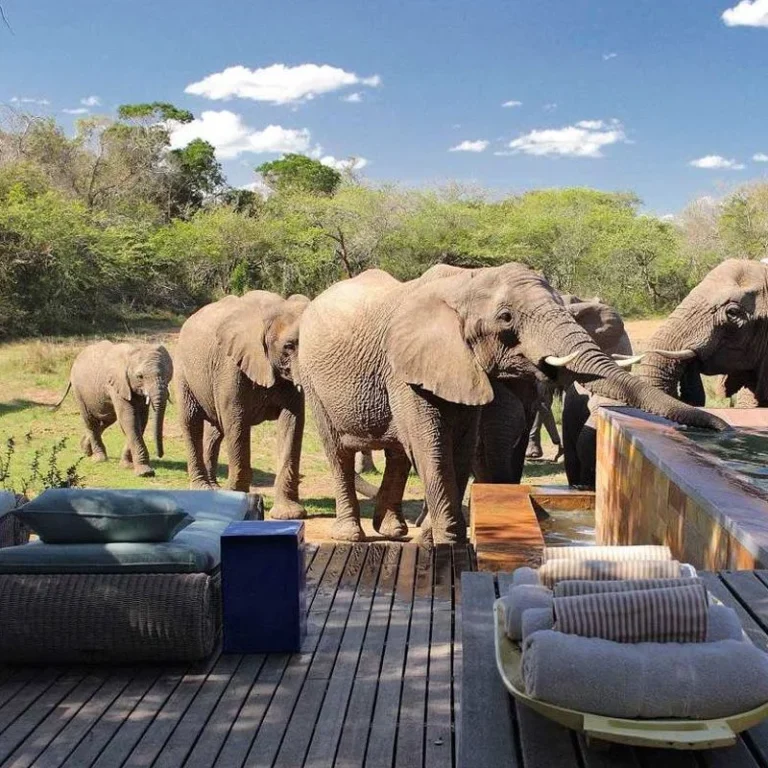
Tanzania safari accommodations range from luxury lodges to mobile tented camps, offering unique stays in the heart of nature. In Serengeti National Park and Ngorongoro Crater, luxury lodges provide comfort, modern amenities, and stunning views of wildlife-filled landscapes. Tented camps offer a more immersive experience, allowing guests to sleep close to nature while still enjoying essential comforts. Budget camps provide simple yet functional stays for adventurous travelers. Many accommodations are eco-friendly, blending into the environment without disturbing wildlife. Nighttime sounds of animals enhance the experience, creating unforgettable memories. Some lodges feature infinity pools, fine dining, and private decks overlooking savannahs. Whether luxury or budget, Tanzania safari stays bring travelers closer to nature while ensuring safety, comfort, and authenticity in some of Africa’s most spectacular wilderness areas.
Budget camping & lodges
Affordable, adventurous and close to nature.
Mid-range lodges & tented camps
Comfort, good food and convenient locations.
Luxury tented camps & lodges
Spacious suites, personal service and prime wildlife areas.
Exclusive-use camps & villas
Complete privacy, private guides and bespoke experiences.
Cultural Encounters
A Tanzanian safari is not only about wildlife but also rich cultural encounters with local communities. Visitors often meet the Maasai people, known for their colorful clothing, traditions, and pastoral lifestyle, near the Serengeti and Ngorongoro regions. Cultural tours include visiting traditional villages, learning about customs, and participating in local dances and crafts. Travelers gain insight into how communities coexist with wildlife in East Africa’s safari regions. Other groups such as the Hadzabe hunters near Lake Eyasi, offer unique experiences showcasing ancient survival skills. These interactions provide deeper understanding of Tanzania’s heritage and diversity. Cultural experiences enhance safari journeys by connecting travelers with real-life traditions beyond wildlife viewing. This combination of nature and culture makes Tanzania safaris among the most enriching travel experiences in Africa today.
Knowledgeable Safari Guides
Safari guides play a vital role in making a Tanzania safari experience successful and memorable. These professionals possess deep knowledge of wildlife behavior, ecosystems, and national parks such as Serengeti, Ngorongoro, and Tarangire. They track animals, explain natural environments, and ensure safe game drives throughout the journey. Experienced guides enhance wildlife sightings by spotting hidden animals and interpreting animal behavior. Many are multilingual and trained in conservation, adding educational value to every safari. Their expertise transforms a simple game drive into an informative adventure. Travelers benefit from their storytelling, local insights, and navigation skills across rough terrain. Knowledgeable guides are essential for a successful African safari, ensuring guests experience the best wildlife encounters while learning about Tanzania’s rich biodiversity and cultural heritage during their unforgettable safari adventure.
Southern vs Northern Safari Circuits
Tanzania offers two main safari circuits: the Northern and Southern routes, each with unique experiences. The Northern Circuit includes famous destinations such as Serengeti National Park, Ngorongoro Crater, Tarangire, and Lake Manyara. It is the most popular route, offering dense wildlife populations and iconic landscapes. The Southern Circuit includes Selous Game Reserve (Nyerere National Park) and Ruaha National Park, known for fewer crowds and more remote wilderness experiences. While the north is ideal for first-time visitors and classic safari experiences, the south offers a more off-the-beaten-path adventure with boat safaris and walking tours. Both circuits provide excellent wildlife viewing and authentic African safari experiences. Choosing between them depends on travel style, time, and preference for either popular highlights or secluded wilderness exploration in Tanzania’s vast national park system.
- ArushaGateway
- TarangireElephants
- NgorongoroCrater
- SerengetiBig Five
- ZanzibarBeach
What To Expect: A Typical Day on Safari in Africa
A typical Tanzania safari day begins early with a sunrise game drive when wildlife is most active. After a light breakfast, travelers head into Serengeti or Ngorongoro Crater for several hours of animal viewing. Midday is usually spent relaxing at the lodge or camp during the hottest hours. Lunch is served either in the bush or at the accommodation. In the afternoon, another game drive explores different areas to spot predators and grazing animals. Guides share insights about wildlife behavior and ecosystems throughout the day. As the sun sets, travelers return to camp for dinner under the stars. Evenings are peaceful, filled with nature sounds. This daily rhythm combines adventure, relaxation, and discovery, creating a perfect balance that defines the unforgettable African safari experience in Tanzania’s wilderness.
Final Thought
A Tanzania safari is a life-changing African safari adventure filled with wildlife encounters, breathtaking landscapes, and authentic cultural experiences. From the Serengeti plains to the Ngorongoro Crater, every destination offers unforgettable moments in nature. Travelers should expect early mornings, long drives, changing weather, and minimal connectivity, but these elements enhance the true wilderness experience. With expert guides, unique accommodations, and diverse safari circuits, Tanzania remains one of the best safari destinations in Africa. Whether exploring luxury lodges or remote camps, every journey delivers raw beauty and excitement. A safari in Tanzania is more than a holiday—it is a deep connection with nature and wildlife. For anyone seeking the ultimate wildlife safari experience, Tanzania promises memories that last a lifetime in the heart of East Africa’s most iconic national parks.
What to Expect on a Safari in Tanzania: FAQs
What can you expect from diverse landscapes on a Tanzania safari?
Tanzania safari landscapes are incredibly diverse, making the country a top African safari destination. The Serengeti National Park offers endless golden plains filled with migrating wildebeest, while the Ngorongoro Crater presents a unique volcanic ecosystem rich in wildlife. Tarangire National Park is known for ancient baobab trees and elephant herds, and Lake Manyara features lush forests and flamingo-filled lakeshores.
What should you know about amazing wildlife on a Tanzania safari?
A Tanzania safari offers some of the richest wildlife encounters in Africa, making it a dream destination for nature lovers. The Serengeti National Park is home to the Great Migration, where millions of wildebeest and zebras move across the plains. Ngorongoro Crater provides one of the highest concentrations of wildlife, including lions, rhinos, elephants, and hippos.
What should you know about packing & clothing on a Tanzania safari?
Packing correctly for a Tanzania safari is essential for comfort and enjoyment. Lightweight, breathable clothing is ideal for warm daytime temperatures, while neutral colors such as khaki, olive, and beige help blend into the environment. Early mornings and evenings in Serengeti National Park or Ngorongoro Crater can be cold, so a warm jacket or fleece is necessary.
What should you know about transport & Roads on a Tanzania safari?
Transportation on a Tanzania safari typically involves 4x4 safari vehicles designed for off-road game drives and wildlife viewing. Roads between parks such as Serengeti, Ngorongoro, and Tarangire can be rough, dusty, or bumpy, especially during long-distance travel. However, these journeys are part of the authentic African safari experience.
What can you expect from long drives and early starts on a Tanzania safari?
A Tanzania safari often involves long drives and early morning starts to maximize wildlife viewing opportunities. Game drives in Serengeti National Park or Ngorongoro Crater typically begin at sunrise when animals are most active. Travelers should be prepared for several hours on the road between national parks, sometimes lasting six to eight hours, depending on distances.
What is the changing weather on a Tanzania safari like?
Tanzania safari weather varies throughout the day and across different regions, making preparation important for travelers. Mornings and evenings in Serengeti National Park and Ngorongoro Crater can be cool, while midday temperatures often become hot under the African sun. The dry season offers excellent wildlife viewing as animals gather around water sources, while the wet season transforms landscapes into lush green scenery.
What should you know about minimal phone and internet coverage on a Tanzania safari?
On a Tanzania safari, travelers should expect limited phone signal and internet connectivity, especially in remote national parks like Serengeti and Ngorongoro. These protected wildlife areas are far from urban infrastructure, allowing visitors to fully disconnect from modern distractions. Some safari lodges and camps offer Wi-Fi, but connections may be slow or unreliable.
What can you expect from food quality varies on a Tanzania safari?
Food on a Tanzania safari varies depending on accommodation type, from luxury lodges to mobile tented camps. High-end safari lodges in Serengeti National Park and Ngorongoro Crater offer international cuisine, fresh ingredients, and gourmet dining experiences. Budget camps provide simpler but nutritious meals suitable for long safari days.
Plan Your Private Tanzania Safari
Tell us your travel dates, interests and budget, and our local team will design a private tailor-made safari around you.