What is the Daily Schedule on Kilimanjaro?
What is the Daily Schedule on Kilimanjaro?
What is the Daily Schedule on Kilimanjaro? The daily routine on Mount Kilimanjaro follows a structured trekking rhythm designed to support acclimatization, safety, and summit success. Each day on popular routes such as Machame Route, Lemosho Route, and Marangu Route begins early with tea or coffee, followed by several hours of hiking through rainforest, moorland, alpine desert, and glacier zones. Trekkers experience gradual altitude gain, regular breaks, and guided pace control by professional Kilimanjaro guides and porters. Meals are served in camps, and evenings are reserved for rest, briefing, and preparation for the next stage. Understanding the Kilimanjaro daily itinerary helps climbers manage energy, prevent altitude sickness, and improve summit success rates to Uhuru Peak, Africa’s highest point. This guide explains each day from base to summit night and descent.
Day 1 – Rainforest Entry & First Camp
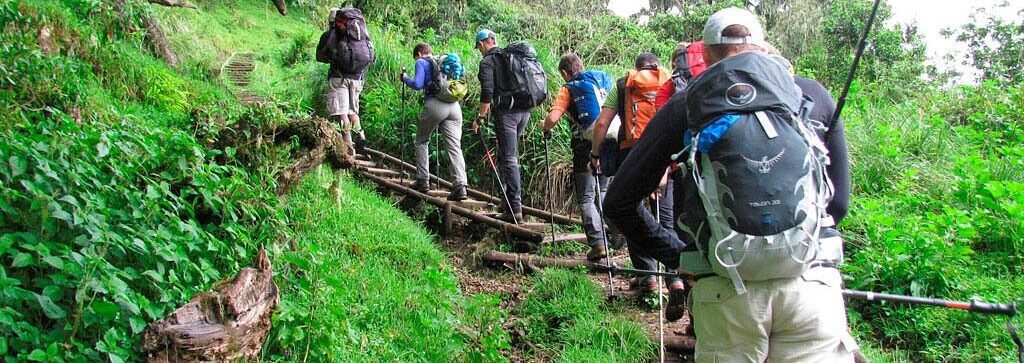
Day 1 on Kilimanjaro typically covers arrival at the park gate, registration, and the first trek into the rainforest zone. On routes like Machame Route and Lemosho Route, climbers begin hiking after briefing from professional mountain guides. The Kilimanjaro daily schedule starts with breakfast at camp or lodge, followed by a steady ascent through dense tropical forest filled with colobus monkeys and exotic birds. Trekkers walk slowly to support acclimatization and reduce altitude sickness risk. Lunch is often taken on the trail, and arrival at the first campsite happens in the afternoon. Evening includes dinner, health checks, and a briefing for the next day’s Kilimanjaro itinerary. This first day sets the foundation for the entire climbing experience toward Uhuru Peak, ensuring proper pacing and energy conservation and essential summit preparation tips.
Day 2 – Moorland Transition & Altitude Gain
Day 2 on Kilimanjaro introduces climbers to the moorland zone, where vegetation becomes sparse and altitude begins to noticeably affect breathing. The daily Kilimanjaro trekking schedule starts with an early wake-up, warm breakfast, and preparation for a longer ascent. On routes such as Machame Route and Lemosho Route, hikers climb steadily through volcanic landscapes, giant heathers, and open ridges. The pace remains slow and controlled to promote acclimatization and prevent altitude sickness. Breaks are taken frequently for hydration and rest. Lunch is enjoyed at a scenic viewpoint before continuing toward the next campsite. In the evening, trekkers gather for dinner, medical checks, and a detailed briefing from guides about the upcoming Kilimanjaro itinerary stages leading toward higher alpine zones and eventual summit night preparation ensuring safe altitude progression throughout the climb.
Day 3 – Alpine Desert Acclimatization Stage
Day 3 on Kilimanjaro is often a critical acclimatization stage as trekkers move deeper into the alpine desert zone. The Kilimanjaro daily schedule begins with an early breakfast and gradual ascent across rocky terrain with minimal vegetation. Climbers on routes like Machame Route, Lemosho Route, and Northern Circuit experience significant altitude gain, making slow pacing essential. Guides emphasize the importance of the climb high, sleep low principle to improve oxygen adaptation. Regular breaks are scheduled for hydration, snacks, and rest. Lunch is usually taken on the trail with panoramic mountain views. Arrival at camp happens in the afternoon, followed by rest, medical monitoring, and preparation for the next Kilimanjaro itinerary stage. The evening includes dinner, weather updates, and guidance for maintaining energy and hydration levels for optimal summit performance success rates.
Day 4 – Higher Alpine Zones & Endurance Test
Day 4 on Kilimanjaro often marks entry into higher alpine zones where temperatures drop significantly and oxygen levels decrease. The daily Kilimanjaro trekking schedule begins with breakfast and a steady ascent through barren volcanic landscapes. On popular routes like Machame Route and Lemosho Route, trekkers face more challenging terrain requiring strong endurance and mental focus. Guides closely monitor climbers for signs of altitude sickness and adjust pace accordingly. Frequent breaks are essential for hydration and energy recovery. Lunch is typically eaten at a sheltered viewpoint. Arrival at camp occurs in the late afternoon, followed by rest, medical checks, and preparation for the next stage. The evening includes dinner, weather discussion, and guidance for maintaining proper acclimatization strategies and energy conservation techniques ensuring climbers remain strong for the summit push ahead challenge.
Day 5 – Rest & Acclimatization Boost
Day 5 on Kilimanjaro is often a rest or short acclimatization hike day depending on the route, allowing the body to adjust to high altitude conditions. The Kilimanjaro daily schedule starts with a relaxed breakfast followed by a slow ascent to a higher point and descent back to camp. On routes such as Lemosho Route and Northern Circuit, this day is crucial for improving oxygen adaptation and increasing summit success rates. Trekkers hike through alpine desert terrain with minimal vegetation and dramatic landscapes. Guides emphasize hydration, slow pacing, and energy conservation. Lunch is taken at camp or on the trail depending on timing. The afternoon is spent resting, monitoring health, and preparing mentally for the upcoming summit push. Evening includes dinner and detailed briefing ensuring readiness for summit night push success.
Day 6 – High Camp Ascent Preparation
Day 6 on Kilimanjaro typically involves a major ascent toward high camp, where oxygen levels are significantly lower and temperatures are colder. The daily Kilimanjaro trekking schedule begins early with breakfast and preparation for a challenging climb through alpine desert and rocky slopes. On routes like Machame Route, Lemosho Route, and Umbwe Route, trekkers ascend slowly under close supervision of guides. This stage is critical for acclimatization before summit night. Frequent breaks are taken to manage fatigue and altitude effects. Lunch is usually packed and eaten on the trail. Arrival at high camp happens in the afternoon, followed by rest, hydration, and medical monitoring. The evening includes an early dinner and a short briefing to prepare for the upcoming midnight summit attempt to Uhuru Peak ensuring safe successful summit push completion.
Day 7 – Summit Night to Uhuru Peak
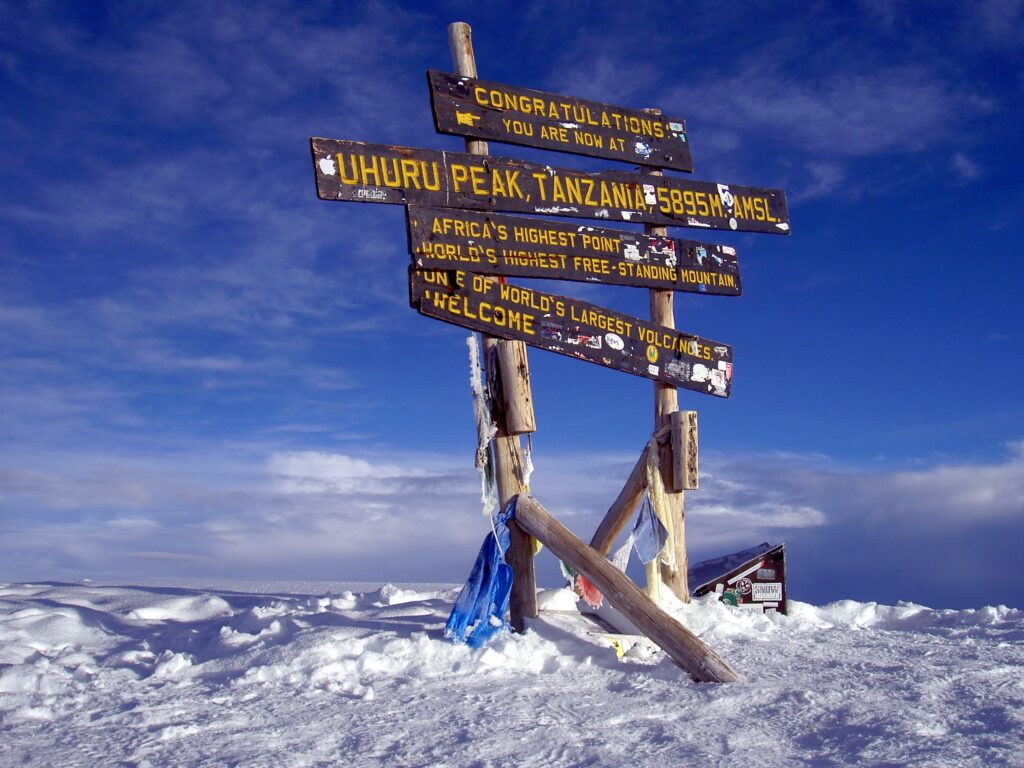
Day 7 on Kilimanjaro is the summit day, the most challenging and rewarding part of the entire climb. The Kilimanjaro daily schedule begins around midnight with tea and light snacks before the final ascent toward Uhuru Peak. Climbers move slowly in the dark, guided by headlamps and experienced mountain guides. The steep ascent through scree and icy terrain demands endurance and mental strength. Frequent short breaks are taken to manage altitude effects. As dawn approaches, trekkers reach Stella Point and continue toward the summit. Upon reaching Uhuru Peak, climbers celebrate their achievement and take photos. After a short stay, the descent begins toward high camp for rest and recovery. The evening is spent resting and reflecting on the successful Kilimanjaro summit experience marking unforgettable achievement on Africa highest mountain journey success.
Day 8 – Descent to Lower Camps
Day 8 on Kilimanjaro is focused on descent from the mountain, as trekkers return through different ecological zones back to the park gate. The Kilimanjaro daily schedule starts with breakfast at camp followed by a steady downhill hike through rainforest and moorland. Climbers often feel relief and accomplishment after reaching lower altitudes with increased oxygen levels. The descent is easier on breathing but requires caution to avoid knee strain. Guides maintain a controlled pace and ensure safety throughout the journey. Lunch is taken on the trail or at a lower campsite. Arrival at the exit gate happens in the afternoon, where climbers receive certificates for summiting Uhuru Peak. The evening is spent celebrating and resting after completing the Kilimanjaro expedition successfully marking successful completion of world famous Kilimanjaro trekking adventure experience.
Day 9 – Optional Recovery & Buffer Day
Day 9 on Kilimanjaro is optional depending on route and itinerary, often used as an extra acclimatization or buffer day. The Kilimanjaro daily schedule begins with a relaxed morning at camp, followed by a short hike or rest period depending on the climbers’ condition. This day helps improve oxygen adaptation and increases summit success rates for longer routes like Lemosho Route and Northern Circuit. Trekkers enjoy slower pacing, scenic views, and recovery time after previous high-altitude challenges. Guides conduct health checks and provide guidance on hydration, nutrition, and energy management. Lunch is served at camp, and the afternoon is spent resting or preparing for the final ascent stages. The evening includes dinner, route discussion, and preparation for upcoming summit attempts ensuring climbers are fully prepared for ultimate Kilimanjaro summit success journey.
Day 10 – Final Preparation Stage
Day 10 on Kilimanjaro is another possible acclimatization or transition day depending on the chosen route, especially on longer itineraries like Northern Circuit. The Kilimanjaro daily schedule begins with breakfast at camp followed by a gentle hike to a higher elevation point and return for recovery. This process follows the climb high, sleep low principle used to improve altitude adaptation and summit success rates. Trekkers move through stunning alpine desert landscapes with increasing exposure to wind and cold temperatures. Guides carefully monitor health conditions and adjust pacing as needed. Lunch is served at camp or on the trail. The afternoon is dedicated to rest, hydration, and mental preparation for the upcoming summit push. Evening includes dinner and detailed briefing on final Kilimanjaro ascent strategies ensuring safe and successful Kilimanjaro summit journey experience.
Day 11 – Final Descent Phase
Day 11 on Kilimanjaro represents the final descent phase for longer routes, where climbers return fully to lower elevations and exit the mountain environment. The Kilimanjaro daily schedule begins with breakfast at camp followed by a long descent through rainforest and moorland zones. Climbers experience increased oxygen levels and reduced fatigue as they approach the park gate. This stage requires careful footing to protect knees and joints during extended downhill trekking. Guides maintain a steady pace and ensure safety throughout the descent. Lunch is taken along the trail or at a lower camp. Arrival at the exit gate marks the official completion of the Kilimanjaro expedition, where climbers receive certificates and celebrate their achievement. The evening is spent resting or transferring back to hotels marking end of unforgettable Kilimanjaro journey success.
Day 12 – Expedition Completion & Return
Day 12 on Kilimanjaro is typically reserved for extended descent, travel logistics, or return transfers depending on the route and operator schedule. The Kilimanjaro daily schedule begins with breakfast at camp followed by a final hike down to the park gate. Climbers reflect on their achievement after successfully reaching Uhuru Peak, the highest point in Africa. The descent passes through lush rainforest zones, offering a final opportunity to experience Kilimanjaro’s diverse ecosystems. Guides ensure safety, pace control, and support for tired climbers. Lunch is taken along the trail or at a designated stop. Arrival at the gate marks the official end of the trekking adventure, followed by transfer to hotel accommodation. The evening is spent celebrating, resting, and sharing the Kilimanjaro climbing experience marking completion of once in lifetime journey experience.
Final Thought
Understanding the daily schedule on Kilimanjaro is essential for successful summit preparation, acclimatization, and safe trekking. Each day follows a carefully structured Kilimanjaro itinerary designed by professional mountain guides to maximize safety, endurance, and summit success rates. From rainforest hikes to alpine desert ascents and the challenging summit night to Uhuru Peak, every stage plays a vital role in the overall climbing experience. Proper pacing, hydration, nutrition, and rest are key elements that support climbers throughout the journey. Whether choosing Machame Route, Lemosho Route, or Northern Circuit, the daily routine remains consistent in structure but varies in intensity. Knowing what to expect each day helps climbers mentally and physically prepare for Africa’s highest mountain and increases the chances of reaching the summit successfully ensuring safe successful Kilimanjaro summit journey experience.
What is the Daily Schedule on Kilimanjaro?: FAQs
What can you expect from day 1 on Kilimanjaro?
Day 1 on Kilimanjaro typically covers arrival at the park gate, registration, and the first trek into the rainforest zone. On routes like Machame Route and Lemosho Route, climbers begin hiking after briefing from professional mountain guides. The Kilimanjaro daily schedule starts with breakfast at camp or lodge, followed by a steady ascent through dense tropical forest filled with colobus monkeys and exotic birds.
What should you know about day 2 on Kilimanjaro?
Day 2 on Kilimanjaro introduces climbers to the moorland zone, where vegetation becomes sparse and altitude begins to noticeably affect breathing. The daily Kilimanjaro trekking schedule starts with an early wake-up, warm breakfast, and preparation for a longer ascent. On routes such as Machame Route and Lemosho Route, hikers climb steadily through volcanic landscapes, giant heathers, and open ridges.
What can you expect from day 3 on Kilimanjaro?
Day 3 on Kilimanjaro is often a critical acclimatization stage as trekkers move deeper into the alpine desert zone. The Kilimanjaro daily schedule begins with an early breakfast and gradual ascent across rocky terrain with minimal vegetation. Climbers on routes like Machame Route, Lemosho Route, and Northern Circuit experience significant altitude gain, making slow pacing essential.
What should you know about day 4 on Kilimanjaro?
Day 4 on Kilimanjaro often marks entry into higher alpine zones where temperatures drop significantly and oxygen levels decrease. The daily Kilimanjaro trekking schedule begins with breakfast and a steady ascent through barren volcanic landscapes. On popular routes like Machame Route and Lemosho Route, trekkers face more challenging terrain requiring strong endurance and mental focus.
What can you expect from day 5 on Kilimanjaro?
Day 5 on Kilimanjaro is often a rest or short acclimatization hike day depending on the route, allowing the body to adjust to high altitude conditions. The Kilimanjaro daily schedule starts with a relaxed breakfast followed by a slow ascent to a higher point and descent back to camp.
What should you know about day 6 on Kilimanjaro?
Day 6 on Kilimanjaro typically involves a major ascent toward high camp, where oxygen levels are significantly lower and temperatures are colder. The daily Kilimanjaro trekking schedule begins early with breakfast and preparation for a challenging climb through alpine desert and rocky slopes. On routes like Machame Route, Lemosho Route, and Umbwe Route, trekkers ascend slowly under close supervision of guides.
What can you expect from day 7 on Kilimanjaro?
Day 7 on Kilimanjaro is the summit day, the most challenging and rewarding part of the entire climb. The Kilimanjaro daily schedule begins around midnight with tea and light snacks before the final ascent toward Uhuru Peak. Climbers move slowly in the dark, guided by headlamps and experienced mountain guides.
What should you know about day 8 on Kilimanjaro?
Day 8 on Kilimanjaro is focused on descent from the mountain, as trekkers return through different ecological zones back to the park gate. The Kilimanjaro daily schedule starts with breakfast at camp followed by a steady downhill hike through rainforest and moorland. Climbers often feel relief and accomplishment after reaching lower altitudes with increased oxygen levels.
Climb Kilimanjaro With Confidence
Tell us your dates and fitness, and our experienced mountain team will plan a safe, well-acclimatized private climb.