What to Expect When Climbing Kilimanjaro
What to Expect When Climbing Kilimanjaro
Climbing Mount Kilimanjaro is one of Africa’s greatest adventure travel experiences and a dream for trekkers worldwide. Rising to 5,895 meters, Kilimanjaro is the highest mountain in Africa and the tallest free-standing mountain on Earth. Travelers planning a Kilimanjaro trekking tour can expect breathtaking landscapes, changing climate zones, physical challenges, and unforgettable summit moments. From lush rainforest trails to alpine deserts and icy glaciers, every day on the mountain offers a new experience. Most climbers join guided Kilimanjaro climbing tours with experienced local guides, porters, and cooks who help ensure safety and comfort. Whether choosing the Machame Route, Lemosho Route, or Marangu Route, proper preparation, acclimatization, and fitness are essential. A successful Kilimanjaro summit trek rewards climbers with incredible sunrise views and lifelong memories from Tanzania’s iconic mountain adventure.
Expect Different Climate Zones
One of the most fascinating parts of climbing Mount Kilimanjaro is experiencing several climate zones during a single trek. The journey begins in dense tropical rainforest filled with giant trees, monkeys, and colorful birds. As you continue higher, the landscape changes into moorland with giant lobelias and senecio plants unique to Kilimanjaro National Park. Higher elevations reveal alpine desert terrain with dry air, rocky trails, and dramatic volcanic scenery. Near the summit, climbers enter an arctic zone covered with glaciers, snow, and freezing temperatures. Temperatures can range from hot daytime weather to subzero summit nights. This rapid environmental transition makes Kilimanjaro trekking one of the most unique hiking adventures in Africa. Layered clothing, waterproof gear, and quality hiking boots are necessary to stay comfortable while crossing these stunning ecological zones during your Kilimanjaro climbing expedition.
Expect Physical and Mental Challenges
A Kilimanjaro climb is not technical, but it is physically and mentally demanding. Climbers hike for several hours daily across steep, rocky, and uneven terrain while adjusting to high altitude. Summit night is often the hardest part because trekkers begin climbing around midnight in freezing temperatures and thin air. Fatigue, headaches, and shortness of breath are common challenges on the journey to Uhuru Peak. Mental determination becomes just as important as physical fitness during the final ascent. Most successful climbers prepare with cardio training, hiking practice, and strength exercises before traveling to Tanzania. Maintaining a slow and steady pace greatly improves acclimatization and summit success. Guides frequently remind climbers with the Swahili phrase “pole pole,” meaning slowly slowly. Patience, persistence, hydration, and positive thinking are essential for completing one of the world’s most famous mountain climbing adventures.
Expect Altitude Sickness Awareness
Altitude sickness is one of the biggest concerns when climbing Mount Kilimanjaro. Because the mountain rises nearly 6,000 meters above sea level, oxygen levels decrease significantly at higher elevations. Many trekkers experience mild symptoms such as headaches, dizziness, nausea, poor sleep, or loss of appetite. Professional Kilimanjaro guides closely monitor climbers during the trek and encourage frequent hydration and slow hiking speeds for better acclimatization. Choosing longer routes like the Lemosho Route or Northern Circuit increases summit success because the body has more time to adapt to altitude changes. Drinking plenty of water, avoiding alcohol, and listening to your guide are essential safety practices. Serious altitude sickness is rare when climbers follow proper acclimatization procedures. Understanding altitude effects before your Tanzania trekking adventure helps climbers stay prepared, safe, and confident throughout the Kilimanjaro expedition experience.
Expect Incredible Scenic Views
The scenery on Mount Kilimanjaro is among the most spectacular in Africa. Climbers witness lush rainforest valleys, volcanic rock formations, giant endemic plants, and panoramic views stretching across Tanzania and Kenya. Sunrise and sunset above the clouds create magical photography opportunities during the trek. On clear days, climbers can see Mount Meru standing proudly in the distance while glaciers sparkle near the summit. Every Kilimanjaro route offers unique landscapes, from the scenic ridges of the Machame Route to the remote wilderness of the Northern Circuit. The summit view from Uhuru Peak is unforgettable, especially when the golden sunrise lights the glaciers and volcanic crater below. Wildlife sightings in the forest zone may include blue monkeys, colobus monkeys, and exotic birds. These constantly changing landscapes make Kilimanjaro climbing one of the most rewarding trekking experiences for adventure travelers and nature lovers.
Expect Guided Trekking Support
All climbers on Mount Kilimanjaro must climb with licensed guides according to Tanzania National Park regulations. Guided Kilimanjaro tours include experienced mountain guides, cooks, and porters who carry camping equipment, food supplies, and luggage. Porters play a vital role in supporting trekkers and maintaining safe, organized camps on the mountain. Many climbers are surprised by the level of hospitality and encouragement provided throughout the expedition. Hot meals, warm drinks, and daily health checks help trekkers remain comfortable during the journey. Professional guides also share local culture, mountain history, and safety advice while monitoring altitude conditions carefully. Ethical climbing companies focus on fair porter treatment, proper wages, and responsible tourism practices. This strong support system allows climbers to focus on enjoying the experience while increasing their chances of reaching Uhuru Peak successfully during their Tanzania mountain adventure.
Expect Basic Mountain Accommodation
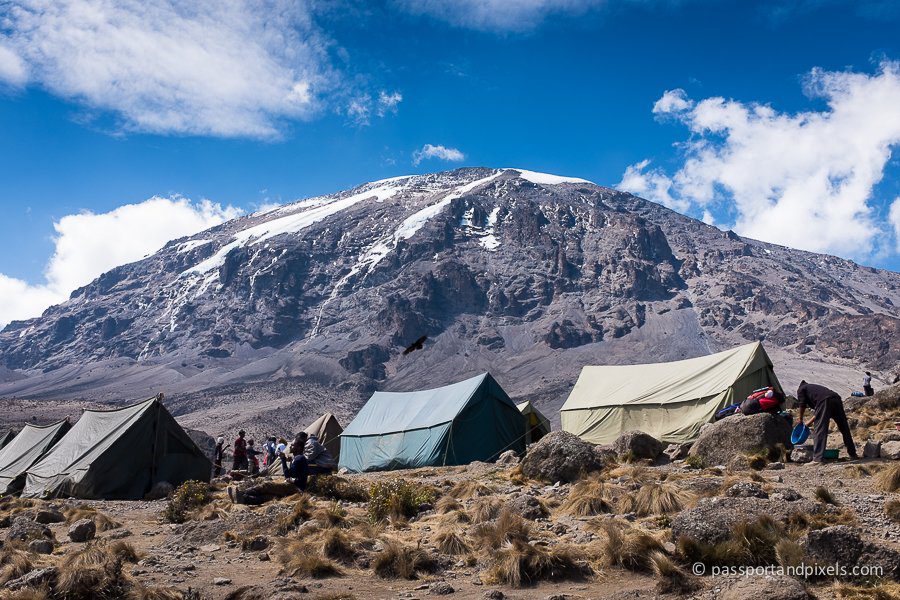
Accommodation on Mount Kilimanjaro depends on the trekking route selected. Most routes use mountain tents set up at designated campsites along the trail. The Marangu Route is the exception because it offers simple mountain huts with shared sleeping and dining areas. Camping conditions are basic but comfortable enough for most trekkers. Climbers sleep in high-quality expedition tents designed for cold mountain weather, while dining tents provide meals and social gathering spaces. Toilets are usually shared public facilities, though some premium operators offer private portable toilets for added comfort. Nights can become extremely cold at higher elevations, especially near Barafu Camp or Kosovo Camp before summit night. A warm sleeping bag rated for freezing temperatures is essential. Despite the simple accommodations, many climbers enjoy the authentic wilderness experience and peaceful atmosphere of sleeping under Kilimanjaro’s star-filled skies.
Expect Delicious Mountain Meals
Many first-time climbers are surprised by the quality of food served during a Kilimanjaro trek. Professional mountain cooks prepare nutritious meals designed to provide energy for long hiking days and altitude acclimatization. Breakfast often includes eggs, porridge, fruit, toast, sausages, and tea or coffee. Lunches and dinners may feature soups, rice, pasta, vegetables, chicken, beef, potatoes, and tropical fruits. Snacks and hot drinks are commonly served at campsites after hiking. Proper nutrition is extremely important because appetite can decrease at higher elevations. Drinking enough water and eating balanced meals helps improve energy and reduce altitude sickness risks. Some Kilimanjaro tour companies also accommodate vegetarian, vegan, gluten-free, and special dietary requests. Sharing meals with fellow trekkers inside the dining tent creates a friendly atmosphere and unforgettable memories. Good food becomes a major source of comfort and motivation during this challenging African mountain climbing adventure.
Expect Early Mornings and Long Hiking Days
Daily routines during a Kilimanjaro trekking expedition usually begin early in the morning. Climbers wake up around 6:00 or 7:00 AM for breakfast before starting several hours of hiking through changing landscapes. Depending on the route and itinerary, trekking days may last between four and eight hours. Rest breaks are scheduled regularly for hydration, snacks, and acclimatization. Summit night is especially demanding because climbers begin ascending around midnight to reach Uhuru Peak at sunrise. This overnight climb requires determination, warm clothing, and mental resilience. Although the schedule may feel exhausting, maintaining a consistent pace is essential for altitude adjustment and summit success. Evenings are usually quiet, allowing trekkers to rest and recover before the next day’s adventure. Despite the physical demands, many climbers find the structured mountain routine rewarding and surprisingly peaceful while exploring one of Tanzania’s most iconic natural wonders.
Expect Unforgettable Summit Emotions
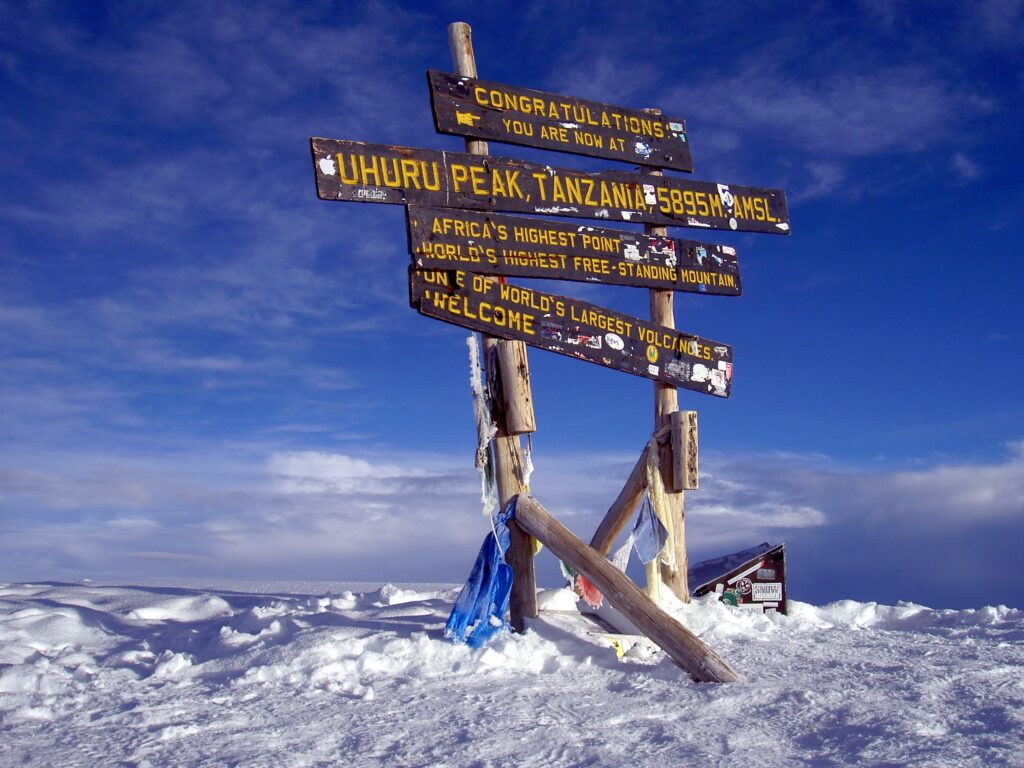
Reaching Uhuru Peak on Mount Kilimanjaro is an emotional and life-changing achievement for many climbers. After days of trekking through challenging conditions, standing on the Roof of Africa creates a powerful sense of accomplishment and pride. The summit experience often includes tears of joy, celebration, hugs, and unforgettable sunrise views above the clouds. Climbers come from around the world with different goals, stories, and motivations, creating a strong sense of connection on the mountain. The famous summit sign at Uhuru Peak becomes one of the most photographed landmarks in Tanzania adventure tourism. For many travelers, climbing Kilimanjaro represents personal growth, courage, and determination. Even the difficult moments during the trek become meaningful memories afterward. The emotional reward of reaching Africa’s highest mountain remains one of the main reasons why Kilimanjaro trekking is considered a bucket-list adventure worldwide.
Expect a Variety of Kilimanjaro Routes
Climbers can choose from several famous Kilimanjaro routes, each offering different scenery, difficulty levels, and acclimatization success rates. The Machame Route is popular for its scenic landscapes and strong summit success. The Marangu Route is often called the “Coca-Cola Route” because of its hut accommodations and shorter itinerary. The Lemosho Route provides excellent acclimatization and remote wilderness scenery, making it ideal for climbers seeking higher summit success rates. The Rongai Route approaches the mountain from the north near Kenya and experiences less rainfall. The Northern Circuit is the longest route and offers outstanding acclimatization with fewer crowds. Each route provides a unique trekking experience through Kilimanjaro National Park. Choosing the best route depends on fitness level, budget, travel style, and available time. Researching Kilimanjaro climbing routes carefully helps travelers select the most suitable adventure for reaching Uhuru Peak successfully and safely.
Expect Cold Temperatures Near the Summit
Although Tanzania is famous for warm safari weather, summit conditions on Mount Kilimanjaro can become extremely cold. Temperatures near Uhuru Peak frequently drop below freezing, especially during summit night. Strong winds, icy trails, and low oxygen levels make proper mountain clothing essential for safety and comfort. Climbers should pack insulated jackets, thermal layers, gloves, wool socks, and warm hats to handle harsh summit conditions. Layering clothing helps trekkers adapt to changing temperatures throughout the climb. Daytime hiking in lower elevations may feel hot and humid, while nighttime conditions at high camps become icy and windy. Many climbers underestimate Kilimanjaro’s cold weather before arriving in Tanzania. Quality gear significantly improves the trekking experience and helps maintain body warmth during the final ascent. Being prepared for freezing summit temperatures is an important part of successful Kilimanjaro expedition planning and mountain safety.
Expect Cultural Encounters and Swahili Spirit
Climbing Mount Kilimanjaro is also a cultural experience that introduces travelers to Tanzanian hospitality and Swahili traditions. Local mountain guides and porters often teach climbers simple Swahili phrases such as “Jambo” for hello and “Hakuna Matata” meaning no worries. Songs and celebrations at camp create a joyful atmosphere during the expedition. Many trekking teams sing traditional Kilimanjaro songs to motivate climbers before summit night or after successful summit attempts. Learning about Chagga culture, local history, and mountain traditions adds deeper meaning to the adventure. Responsible tourism on Kilimanjaro also supports local communities by creating employment opportunities for guides, cooks, and porters. Many climbers leave Tanzania with lasting friendships and admiration for the hardworking mountain crews. These authentic cultural interactions become just as memorable as the breathtaking landscapes and summit achievement itself during a Kilimanjaro climbing tour.
Expect Preparation to Be Essential
Proper preparation greatly improves the chances of a successful Kilimanjaro summit. Physical training should begin several weeks or months before the trek and focus on cardio fitness, endurance, and leg strength. Hiking practice with a backpack helps the body adjust to long walking days. Packing appropriate Kilimanjaro gear is equally important for comfort and safety. Essential equipment includes waterproof hiking boots, layered clothing, trekking poles, sleeping bags, headlamps, gloves, and hydration systems. Travel insurance covering high-altitude trekking is highly recommended. Climbers should also consult medical professionals about vaccinations and altitude medications before visiting Tanzania. Choosing an experienced Kilimanjaro tour operator with certified guides increases safety and organization throughout the expedition. Mental preparation matters too because the climb requires patience, resilience, and determination. Well-prepared trekkers often enjoy the experience more and feel confident facing the physical and emotional challenges of Africa’s highest mountain adventure.
Expect a Life-Changing Adventure
Few travel experiences compare to climbing Mount Kilimanjaro. The journey combines adventure travel, natural beauty, cultural experiences, personal challenge, and unforgettable achievement. Every step toward Uhuru Peak teaches perseverance, teamwork, and self-belief. Climbers often discover inner strength while pushing beyond physical and mental limits in one of the world’s most iconic trekking destinations. The friendships formed on the mountain and the support from guides and porters, create meaningful memories lasting long after the trek ends. Whether watching sunrise above the clouds, hearing glacier winds near the summit, or celebrating with your climbing team, Kilimanjaro leaves a lasting emotional impact. Many travelers describe the experience as transformational and inspiring. Beyond simply reaching Africa’s highest point, Kilimanjaro climbing becomes a journey of discovery, adventure, and personal growth in the heart of Tanzania’s spectacular mountain wilderness.
Final Thought
A Kilimanjaro climb is far more than a mountain trek; it is an unforgettable African adventure filled with breathtaking scenery, cultural encounters, physical challenges, and emotional triumphs. From rainforest trails to icy summit glaciers, every stage of the journey offers unique experiences that make Mount Kilimanjaro one of the world’s greatest trekking destinations. Proper preparation, experienced guides, quality equipment, and positive determination are key to reaching Uhuru Peak successfully. Whether you are an experienced hiker or a first-time high-altitude trekker, climbing Kilimanjaro provides memories and life lessons that remain forever. Tanzania’s iconic mountain continues attracting adventure travelers seeking inspiration, achievement, and connection with nature. Standing on the Roof of Africa at sunrise is a moment that rewards every challenge faced along the journey and defines the true spirit of Kilimanjaro trekking.
What to Expect When Climbing Kilimanjaro: FAQs
What is the expect different climate zones like?
One of the most fascinating parts of climbing Mount Kilimanjaro is experiencing several climate zones during a single trek. The journey begins in dense tropical rainforest filled with giant trees, monkeys, and colorful birds. As you continue higher, the landscape changes into moorland with giant lobelias and senecio plants unique to Kilimanjaro National Park.
What should you know about expect physical and mental challenges?
A Kilimanjaro climb is not technical, but it is physically and mentally demanding. Climbers hike for several hours daily across steep, rocky, and uneven terrain while adjusting to high altitude. Summit night is often the hardest part because trekkers begin climbing around midnight in freezing temperatures and thin air.
What can you expect from expect altitude sickness Awareness?
Altitude sickness is one of the biggest concerns when climbing Mount Kilimanjaro. Because the mountain rises nearly 6,000 meters above sea level, oxygen levels decrease significantly at higher elevations. Many trekkers experience mild symptoms such as headaches, dizziness, nausea, poor sleep, or loss of appetite. Professional Kilimanjaro guides closely monitor climbers during the trek and encourage frequent hydration and slow hiking speeds for better acclimatization.
What should you know about expect incredible scenic views?
The scenery on Mount Kilimanjaro is among the most spectacular in Africa. Climbers witness lush rainforest valleys, volcanic rock formations, giant endemic plants, and panoramic views stretching across Tanzania and Kenya. Sunrise and sunset above the clouds create magical photography opportunities during the trek. On clear days, climbers can see Mount Meru standing proudly in the distance while glaciers sparkle near the summit.
What can you expect from expect guided trekking support?
All climbers on Mount Kilimanjaro must climb with licensed guides according to Tanzania National Park regulations. Guided Kilimanjaro tours include experienced mountain guides, cooks, and porters who carry camping equipment, food supplies, and luggage. Porters play a vital role in supporting trekkers and maintaining safe, organized camps on the mountain.
What should you know about expect basic mountain Accommodation?
Accommodation on Mount Kilimanjaro depends on the trekking route selected. Most routes use mountain tents set up at designated campsites along the trail. The Marangu Route is the exception because it offers simple mountain huts with shared sleeping and dining areas. Camping conditions are basic but comfortable enough for most trekkers.
What can you expect from expect Delicious mountain meals?
Many first-time climbers are surprised by the quality of food served during a Kilimanjaro trek. Professional mountain cooks prepare nutritious meals designed to provide energy for long hiking days and altitude acclimatization. Breakfast often includes eggs, porridge, fruit, toast, sausages, and tea or coffee. Lunches and dinners may feature soups, rice, pasta, vegetables, chicken, beef, potatoes, and tropical fruits.
What should you know about expect early Mornings and long hiking days?
Daily routines during a Kilimanjaro trekking expedition usually begin early in the morning. Climbers wake up around 6:00 or 7:00 AM for breakfast before starting several hours of hiking through changing landscapes. Depending on the route and itinerary, trekking days may last between four and eight hours.
Climb Kilimanjaro With Confidence
Tell us your dates and fitness, and our experienced mountain team will plan a safe, well-acclimatized private climb.